Kyushu and Okinawa · Fukuoka
Fukuoka travel guide: neighbourhoods, yatai and regional food
Fukuoka is worth more than a quick change of trains on the way into Kyushu. Give it a pair of evenings and food becomes part of the journey: a noodle lunch, a hot pot with time to sit, and perhaps a small street stall when its menu and atmosphere suit you. Hakata, Tenjin and Ohori give the stay different rhythms without requiring a different base every night.
- Suggested time
- Two days and two food-focused evenings; longer for a coherent nearby excursion
- Where to stay
- Hakata for your JR connections, or Tenjin when its neighbourhood and Nishitetsu journeys fit
- Season and timing
- Choose for the activities you enjoy; weather can affect outdoor dining and walks
The short answer
Allow two days to combine Hakata's historic streets with Ohori Park and Tenjin. Choose a base for the transport you will use next, and leave time for distinct regional meals. Treat yatai as one possible evening experience, with a nearby restaurant alternative rather than a guaranteed seat at a particular stall.
Why two evenings are useful
A short stop can show you a neighbourhood, but two evenings let you compare different meal experiences without rushing. Put a ramen lunch into one day and leave a longer dinner for a hot pot or other preparation you want to explore. You do not need to eat every speciality at one sitting.
Fukuoka also works as a gateway to a broader Kyushu route. Use the stay to enjoy the city before adding regional travel. A late arrival is a reason for a straightforward first meal near the accommodation, not an obligation to cross the city immediately for a famous photograph.
Build one day around Hakata
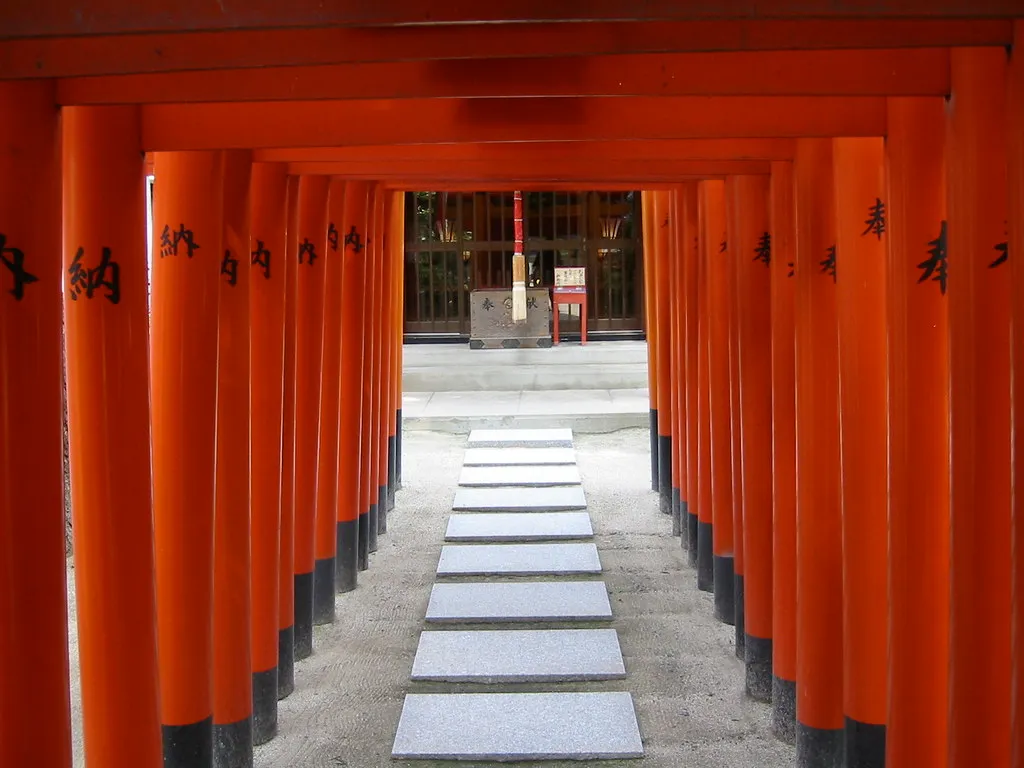
Start with the streets around Kushida Shrine and choose a nearby cultural stop that interests you. Give places of worship their own space and follow visitor instructions during ceremonies. A neighbourhood walk becomes more rewarding when you allow time to notice the smaller streets rather than move continuously between pins.
Put lunch in the same part of the city, then leave an afternoon flexible enough for a museum, another district or a rest. If considering a guided introduction, choose one whose actual route helps explain the area. A provider's stated meeting point matters more than a generic label saying it is a Fukuoka tour.
Make time for the local food
What to eat and where to look
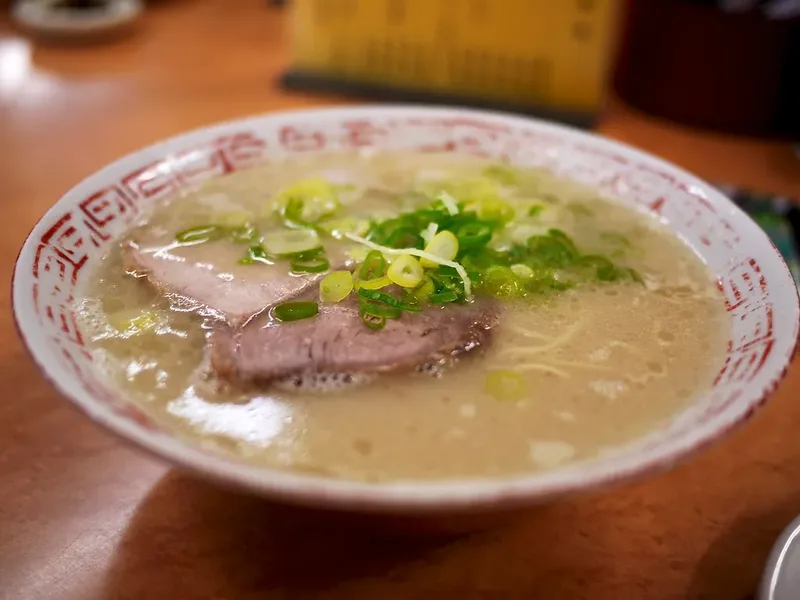
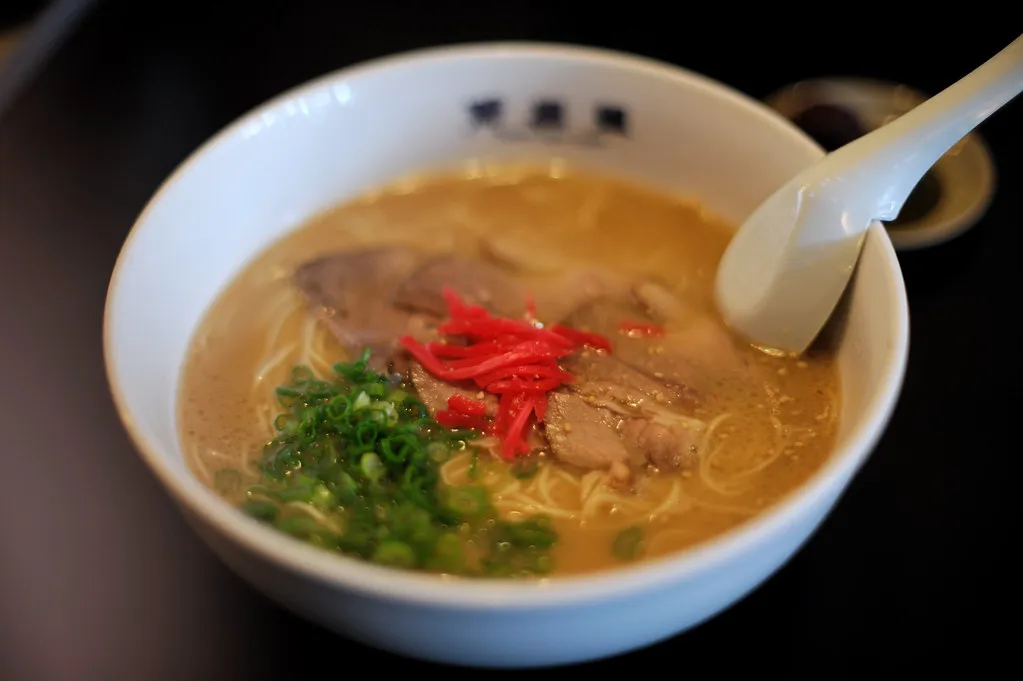
Hakata tonkotsu ramen
Thin noodles in pork-bone broth make a distinctive lunch. Some shops offer kaedama, an extra serving of noodles to add to the remaining soup.
- Where to look
- Hakata, Tenjin and Nagahama restaurants, as well as suitable stalls
- Fit it into your day
- Give ramen one lunch slot and leave dinner for a different preparation
Check the actual broth, toppings and portion before ordering.
Motsunabe
An offal hot pot with vegetables offers a shared dinner quite different from a quick bowl of noodles. Champon noodles may be used to finish the broth.
- Where to look
- Specialist establishments in the city
- Fit it into your day
- Allow an unhurried evening and confirm the order size
This is an offal preparation, not a lean-meat or vegetable-only soup.
Hakata mizutaki
A chicken hot pot centres the meal on broth and its accompanying ingredients, providing another regional dinner format.
- Where to look
- Establishments explaining their mizutaki menu
- Fit it into your day
- Choose as a separate dinner rather than adding it after a full hot-pot meal
Menus, serving sequence and minimum orders differ.
Goma-saba and mentaiko
Sesame-seasoned mackerel and seasoned pollock roe provide different small-dish flavours. They do not need to be ordered as one mandatory combination.
- Where to look
- Appropriate restaurant menus; mentaiko is also sold in specialist shops
- Fit it into your day
- Try a suitable small serving with a meal
Goma-saba commonly uses raw fish; check the actual preparation and storage instructions for purchases.
Give Ohori and Tenjin a different day
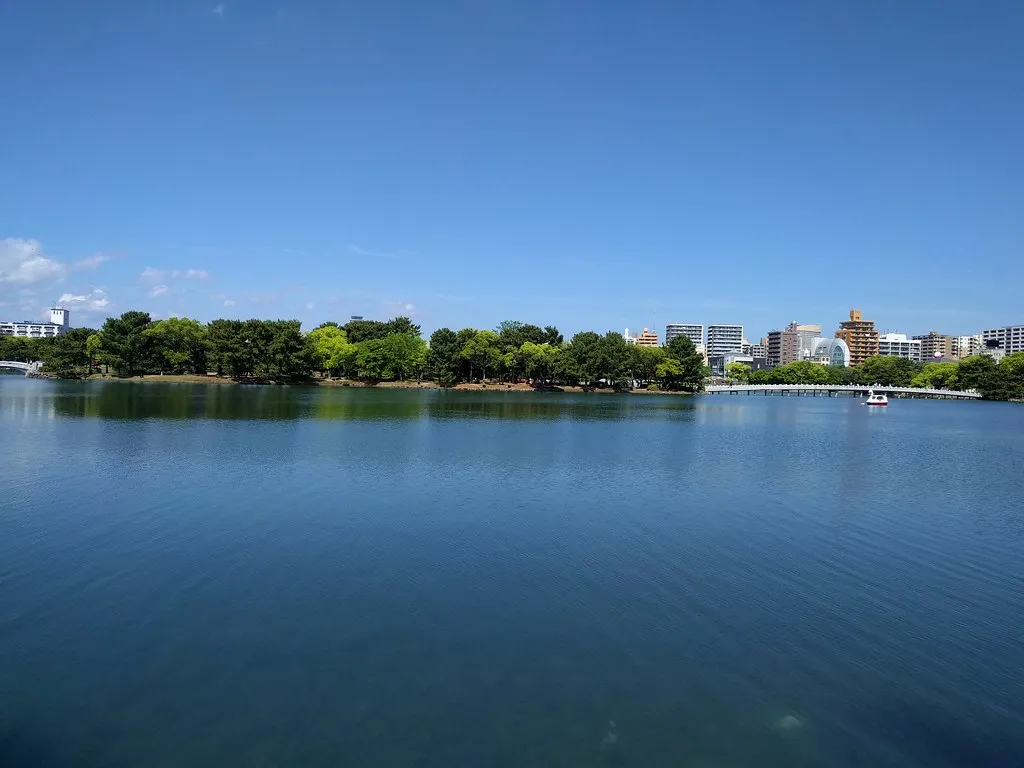
Ohori Park gives the route a more open setting than a dense shopping district. Combine it with the nearby Maizuru area when that fits your interests, then spend time in Tenjin for shops, cafés and an evening meal. Leave room to enjoy the change of pace rather than counting another district as completed.
The waterfront around Momochi is a separate addition, not a necessary final stop after every park visit. Choose it when the conditions and available time make it appealing. A city day with park, shopping streets and a coast can become mostly transport if you insist on all of them.
Choose Hakata or Tenjin for your actual connections
JR Hakata and Nishitetsu Fukuoka (Tenjin) are different stations with different roles. Look at the next journeys when choosing accommodation. A base useful for a long-distance train is not automatically the simplest start for every nearby excursion.
Check the route from the airport terminal you actually use. An instruction for the domestic terminal should not be applied unchanged to an international arrival. Keep the accommodation arrival straightforward and review current operator information for the chosen connection; this guide does not fix a fare or transfer timetable.
Make a yatai evening a deliberate choice
Fukuoka's yatai are small street-food stalls, with locations including Nakasu, Tenjin and Nagahama. Choose a stall for the menu you want and the available space, and read the displayed prices before sitting down. Give the limited seats and working space consideration.
Keep another restaurant nearby if the weather, opening or queue changes the plan. A yatai evening is about a meal and its setting, not visiting every stall for a photograph. A guided food experience can help introduce an unfamiliar eating scene, but confirm whether its actual itinerary includes stalls rather than assuming the city name establishes that.
Choose an experience that adds to the city stay
A neighbourhood or food experience is useful when it adds interpretation, participation or help choosing preparations you would otherwise overlook. On Viator, compare Fukuoka options by their actual area, guide language, walking and inclusions. Collection links let you browse; they do not promise one named product, a place at a stall or a confirmed meal.
For a nearby excursion, choose between interests rather than putting every possibility into one day. Dazaifu and Yanagawa offer different visits, and the transport belongs in the plan. Our separate guides explain those choices; they do not turn a two-day city stay into a rushed tour of the whole prefecture.
Practical questions
Is Fukuoka worth an overnight stay?
Two food-focused evenings give you time to enjoy different meal formats as well as Hakata, Ohori and Tenjin. Choose a longer stay when you also want a coherent nearby excursion.
Are yatai open every night?
Do not assume so. Weather, the individual stall's operation and seating affect the experience. Choose a nearby restaurant alternative.
Should I stay in Hakata or Tenjin?
Choose according to the connections and neighbourhood you will use. JR Hakata and Nishitetsu Fukuoka (Tenjin) are different stations.
Does a Fukuoka food tour guarantee a yatai visit?
Only if the selected itinerary actually includes it under the provider's conditions. Read the specific route, tastings and meeting arrangements.
Is mentaiko a generic fish-egg dish?
Fukuoka's official tourism guide describes mentaiko as seasoned pollock roe. Check the specific preparation rather than substituting an unrelated ingredient name.
Sources and checks before you travel
Reference sources for the version dated 30 September 2026. Confirm opening times, access, transport and conditions for your travel dates.
Does this experience fit your route?
Explore related tours and experiences
Check dates and details on Viator ↗ — opens in a new tabAffiliate link · Book with ViatorPhoto credits
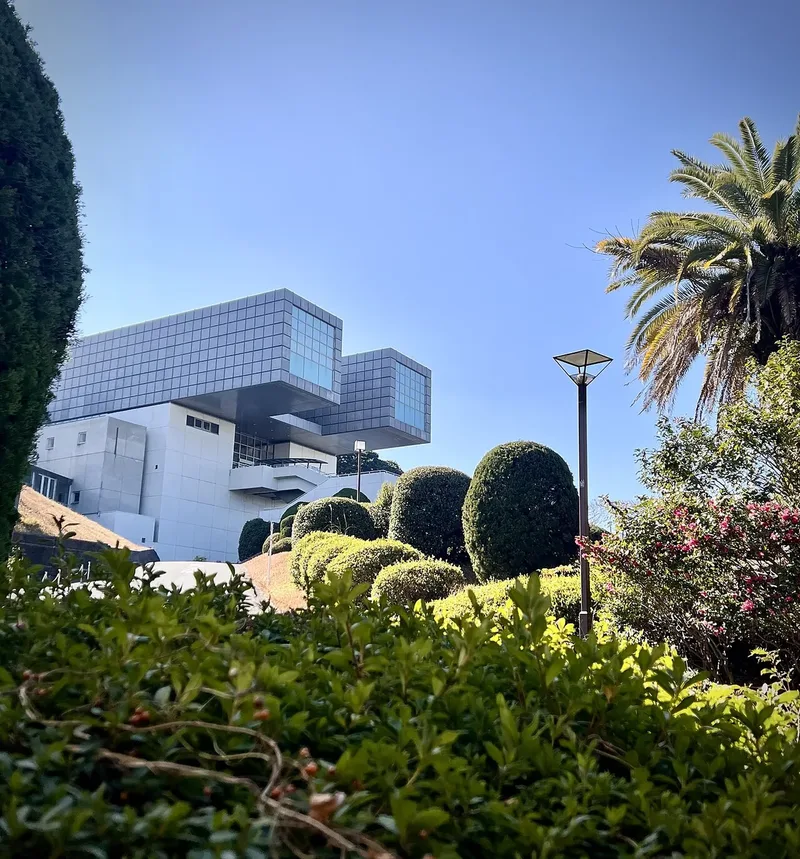
The lake at Ohori Park in Fukuoka.
Photograph: x768 — opens in a new tab · CC BY-SA 2.0 — opens in a new tab
Changes: Resized and converted to WebP; displayed with responsive crops. · Original photograph and licence details ↗ — opens in a new tab
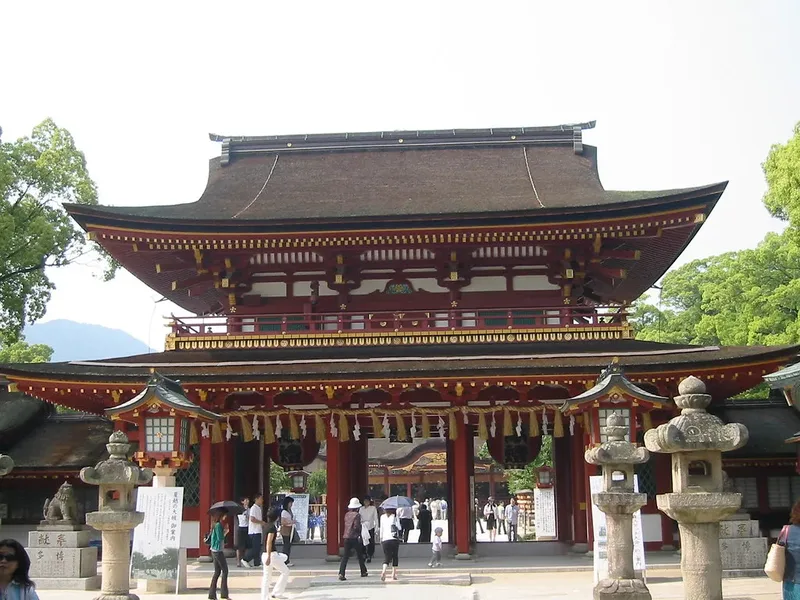
A torii-lined path at Kushida Shrine in Hakata, Fukuoka.
Photograph: David Pursehouse — opens in a new tab · CC BY 2.0 — opens in a new tab
Changes: Resized and converted to WebP; displayed with responsive crops. · Original photograph and licence details ↗ — opens in a new tab
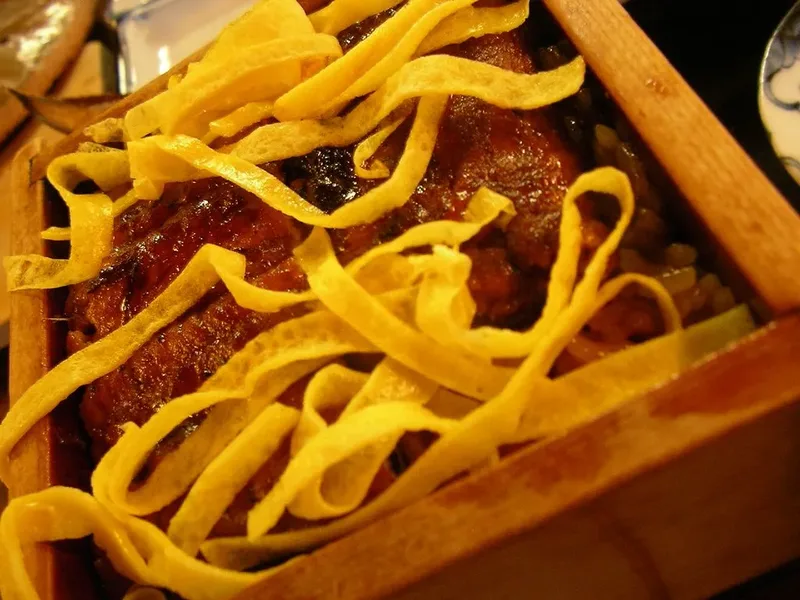
Hakata ramen: noodles in pork broth, associated with Fukuoka.
Photograph: Jorge Gonzalez — opens in a new tab · CC BY-SA 2.0 — opens in a new tab
Changes: Resized and converted to WebP; displayed with responsive crops. · Original photograph and licence details ↗ — opens in a new tab