Bali · Bali
Ubud travel guide: rice terraces, temples, dance and where to stay
Ubud sits in the green hill country of central Bali, and its name is said to come from the Balinese word for medicine, after the herbs that grow here. It is where most visitors meet Balinese painting, carving and dance, but the centre is now busy with traffic and visitors. The trick is to sleep here, use the cool early hours for the rice fields and the evenings for performances, and group the temples north and east of town into one car day instead of crossing the area again and again.
- Suggested time
- 3–4 nights
- Where to stay
- Central Ubud for walking to performances; Sayan and Penestanan towards the Ayung river, or Mas, for quieter stays
- Season and timing
- The tourism ministry gives April to October as the dry season and November to March as the wet season for Bali, though it notes the seasons have become less predictable. Ubud is inland and higher than the coast, so it is usually a little cooler.
The short answer
Give Ubud three or four nights rather than a day trip from the coast. Spend one day in town on foot — the Monkey Forest at opening time, the palace, the market and a museum, with a dance performance after dark — one early morning on the Campuhan ridge or at Tegallalang, and one half-day by car to Goa Gajah, Tirta Empul and Gunung Kawi, which lie close together between Bedulu and Tampaksiring, east and north-east of town. Stay in central Ubud if you want to walk to dinners and performances; stay in Sayan, Penestanan or a village such as Mas if you want quiet and rice-field views and accept a taxi or scooter ride into town.
Sleep in Ubud, but choose the edge or the centre deliberately
Ubud was once a small village; today it is a spread-out town of guesthouses, restaurants and spas with villages and rice fields pressing in from every side. The Ministry of Tourism's own advice is the right starting point: stay away from the centre if you came for nature and quiet, and in the centre if you want to be close to the action.
Central Ubud — the streets around the palace, Jalan Monkey Forest and the Padangtegal area — puts the Monkey Forest, the market, Pura Taman Saraswati and the evening dance stages within walking distance. It is also the noisiest part of town and the most affected by traffic.
Sayan and Penestanan, west of the centre towards the Ayung river, and Mas, the carving village, are calmer and greener. The ministry notes that Ubud is hilly, so ask locally which routes are easy on foot; from the edges you will usually need a taxi, a hired car or a scooter to reach town in the evening. Check the exact walk or ride from any hotel before you book it.
One day in town: forest, palace, museums and market
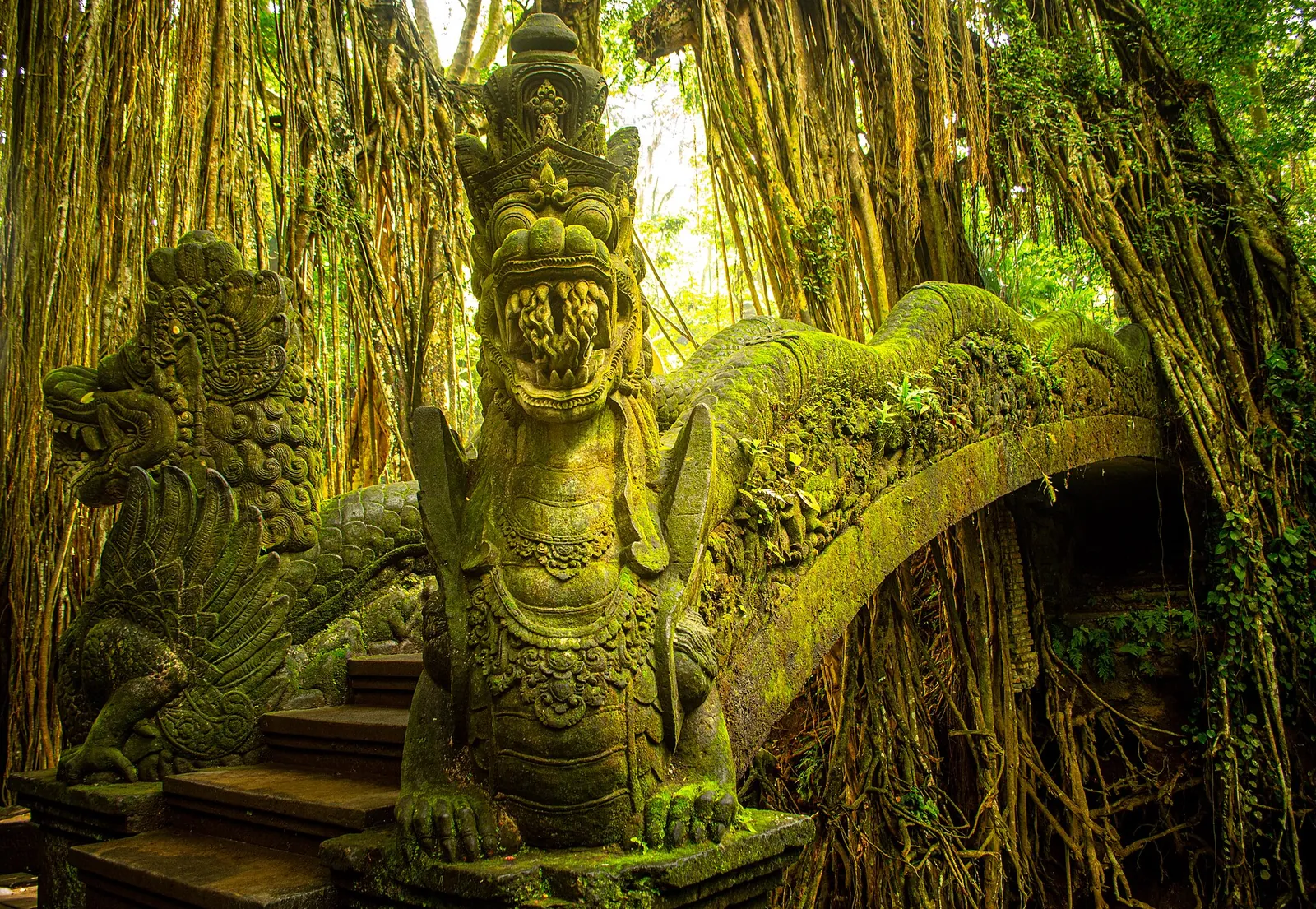
The Sacred Monkey Forest Sanctuary on Jalan Monkey Forest in Padangtegal is a nature reserve and temple complex that the village regards as a spiritual, economic and conservation centre. When we checked on 3 October 2026, its official site listed daily opening from 9:00 to 18:00 with last entry at 17:00, and admission of IDR 130,000 for adults and IDR 100,000 for children. It describes about a thousand long-tailed macaques and 186 tree species in 12.5 hectares, with three temples, including the main Pura Dalem Agung Padangtegal; the temples themselves are for prayer only.
The sanctuary's rules are worth taking seriously: no food or drinks inside, no touching or feeding the monkeys except under staff supervision, avoid staring them in the eye, keep jewellery and small loose objects out of sight, and dress respectfully. If a monkey jumps on you, stay calm and walk slowly. Going at opening time is cooler and calmer than the middle of the day.
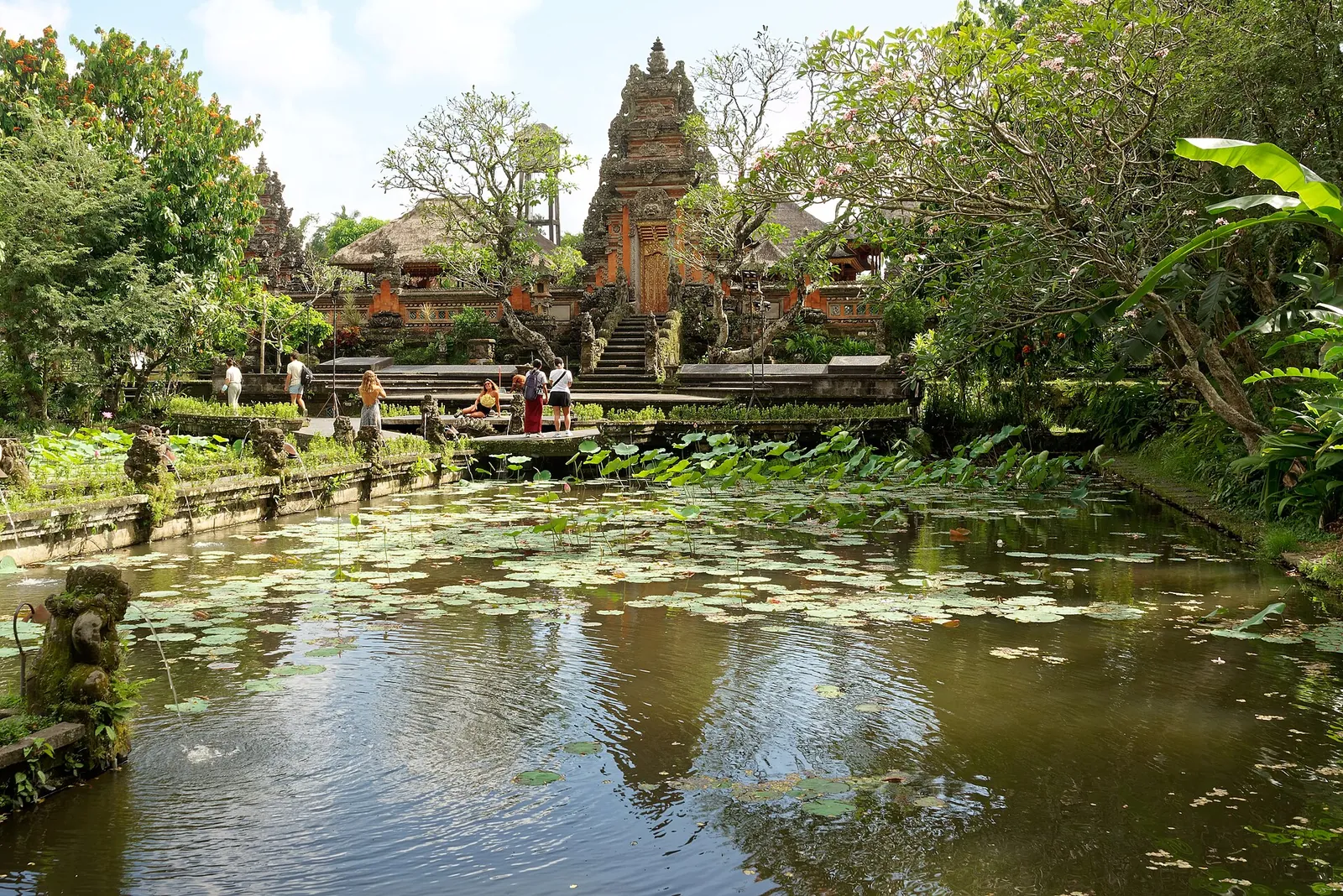
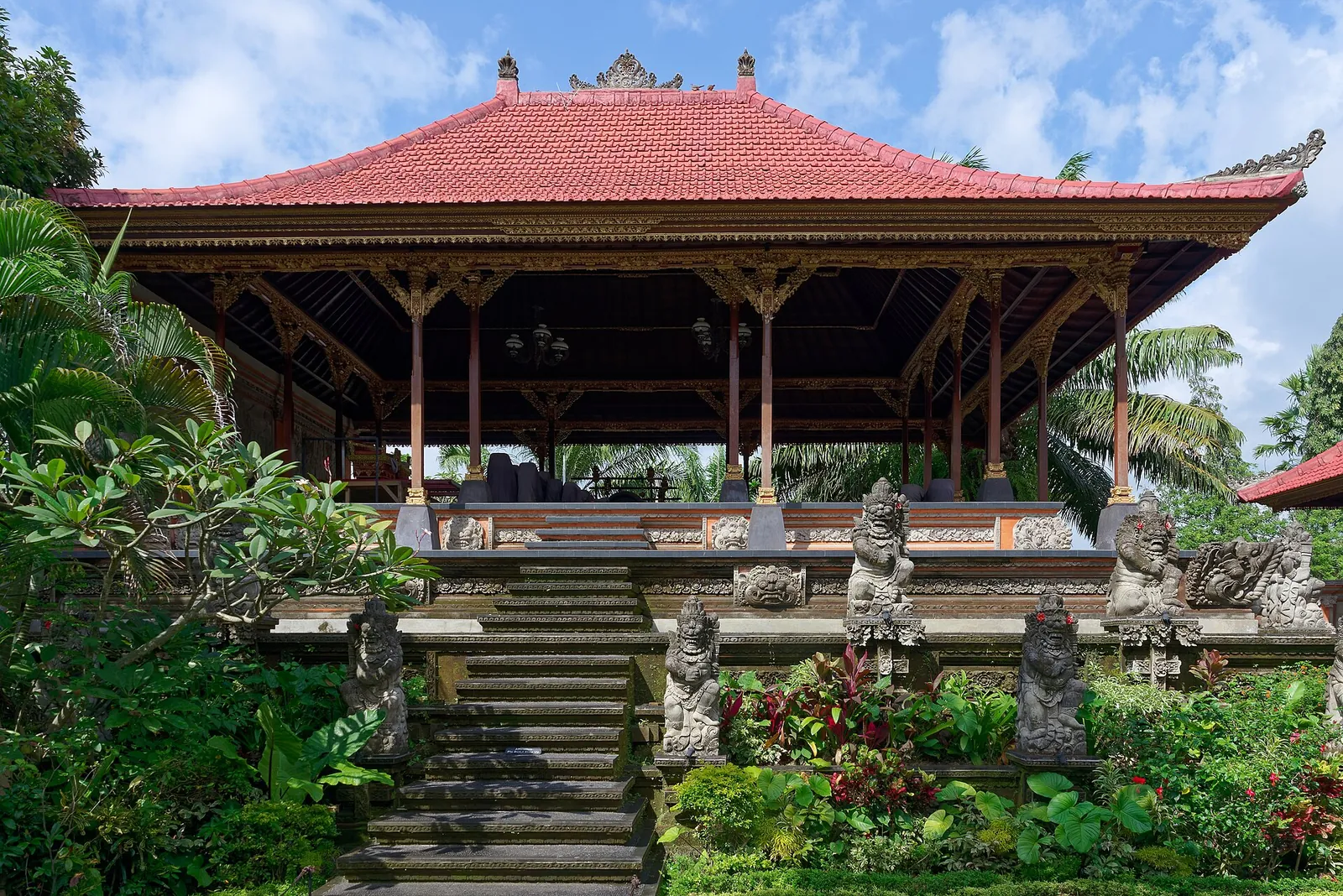
From there walk up to Ubud Palace (Puri Saren Agung), the official residence of Ubud's royal family at the central crossroads; part of it is still lived in, but some courtyards are open, and dance performances are often held in the forecourt in the evening. A short walk away, Pura Taman Saraswati stands behind a lotus pond, and the Ubud market sells everyday goods alongside souvenirs and crafts.
Ubud's museums are the best way to understand why the town is linked with Balinese painting. Museum Puri Lukisan traces Balinese art from classical to modern work, including the master I Gusti Nyoman Lempad, along with wood carving. The Neka Art Museum, opened in 1982, includes works by Affandi and Arie Smit. The Blanco Renaissance Museum is the former home and studio of the painter Antonio Blanco, who settled in Ubud in 1952, on the hill at Campuhan. ARMA and Museum Rudana are also on the ministry's list. One or two museums are plenty for one day; check each museum's opening times before you go.
Make time for the local food
What to eat and where to look
Babi guling (spit-roast pork)
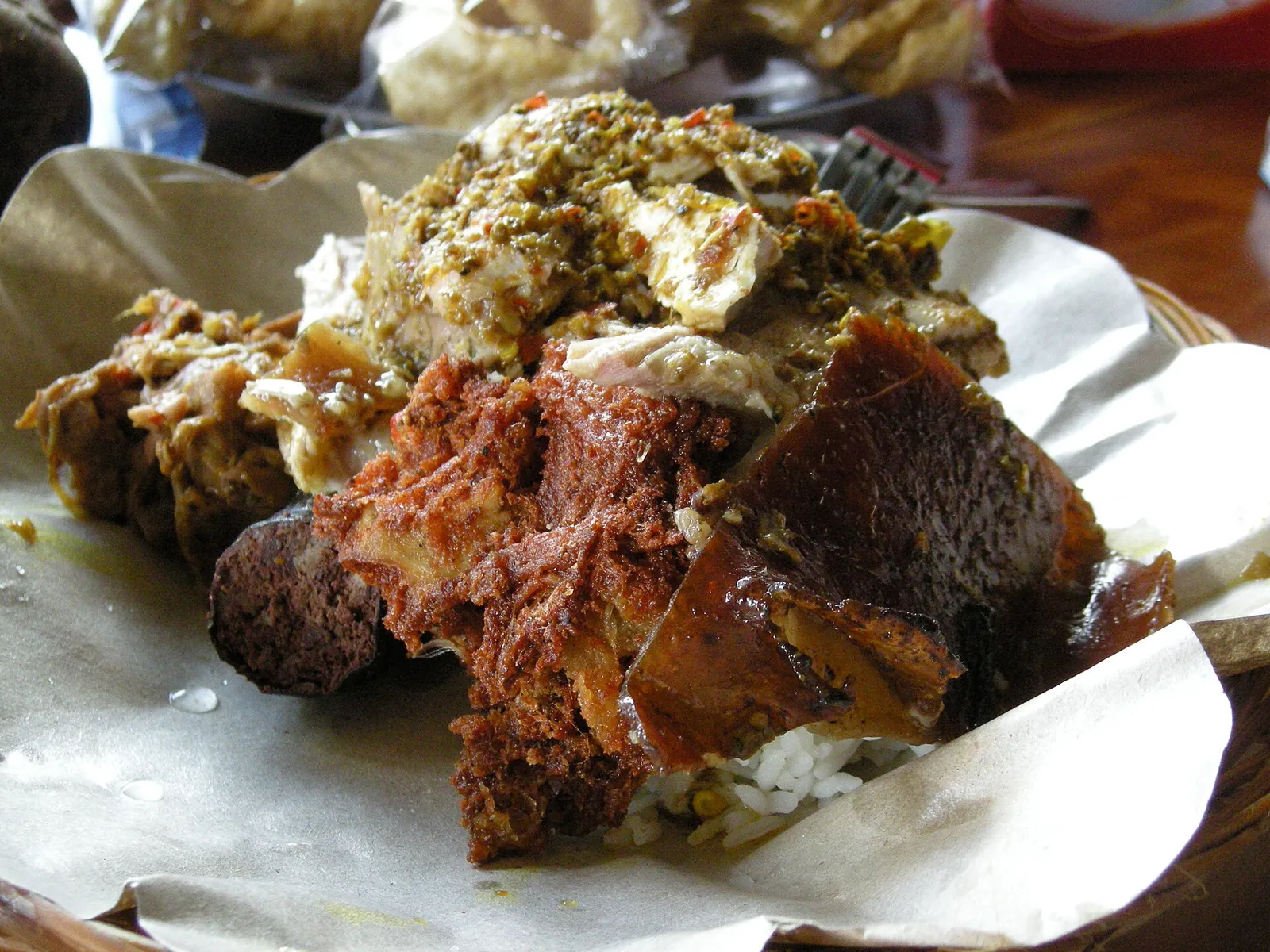
Whole pig marinated in Balinese spices and roasted until the skin crackles, served with rice, lawar and sambal. The ministry calls it a must-try for visitors to Bali.
- Where to look
- Specialist warungs; the ministry lists Babi Guling Ibu Oka on Jalan Suweta in central Ubud, a few steps from the palace.
- Fit it into your day
- A lunch stop on a town day, close to the palace.
Pork, often with offal and blood in the side dishes. When we checked on 3 October 2026, the ministry's page listed IDR 30,000 to 80,000 per serving at Ibu Oka; prices change.
Bebek betutu (slow-cooked spiced duck)
A whole duck rubbed with a spice paste of shallots, garlic, turmeric, ginger and candlenut, wrapped in leaves and roasted or steamed for hours until it is very tender. It is usually served with rice, lawar and sambal matah.
- Where to look
- Balinese restaurants, including the duck restaurants set among the rice fields around Ubud that the ministry recommends for local dishes.
- Fit it into your day
- A long lunch after a morning in the rice fields.
Rich and often spicy; the traditional version takes a long time to cook, so ask whether it is ready.
Lawar
Finely chopped meat — chicken, pork or duck — mixed with vegetables, grated coconut and spice paste. Red lawar is mixed with fresh blood; white lawar is not.
- Where to look
- As a side dish with babi guling or in a Balinese mixed-rice plate at local warungs.
- Fit it into your day
- Order it alongside a main dish rather than on its own.
Ask for lawar putih if you want to avoid blood; it is best eaten fresh, so order it where it is turned over quickly.
Ayam betutu (spiced chicken)
The chicken version of betutu: a whole bird stuffed and coated with bumbu betutu — shallots, garlic, turmeric, galangal, ginger, kencur, candlenut, chilli, lemongrass and shrimp paste — then slow-cooked in banana leaves.
- Where to look
- Balinese restaurants and warungs in and around Ubud; it is a good choice for those who do not eat pork.
- Fit it into your day
- A shared dinner dish with rice and vegetables.
Contains shrimp paste and is usually spicy.
Evenings: legong, barong and kecak
Plan your evenings around a performance, because this is what Ubud does better than anywhere on the coast. Legong is Bali's classical court dance: tightly controlled movements of the hands and fingers, darting eye movements called seledet, gold headdresses and a gamelan orchestra. The ministry says a performance lasts between thirty minutes and an hour.
The barong dance stages the endless struggle between the Barong, a lion-like protective spirit, and Rangda, the demon queen; the ministry names the villagers of Batubulan in Gianyar as among the best-known regular performers. Kecak replaces the gamelan with a chorus of men chanting “cak” as an army of monkeys, in a version of the Ramayana created in the 1930s by the dancer Wayan Limbak with the painter Walter Spies; besides Uluwatu, the ministry lists Pura Dalem Ubud and the Padang Tegal stage among its venues.
Programmes change through the week, and some troupes alternate dances on different nights. Look at the schedule boards and ticket sellers around the palace on your first afternoon and pick one or two nights. On Saturdays and Sundays the Monkey Forest's own open stage also listed Balinese dance at 11:00 and 16:00 when we checked.
Rice fields early: the Campuhan ridge and Tegallalang
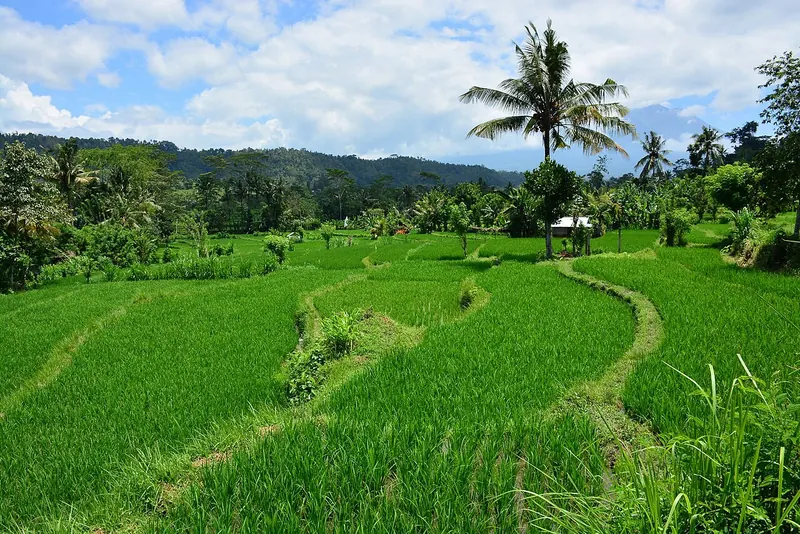
Ubud's rice terraces belong to subak, Bali's community-run irrigation system, in which farmers share water through canals and water temples. Subak landscapes in five areas of Bali, including the Pakerisan valley north-east of Ubud, were inscribed together as a UNESCO World Heritage site in 2012.
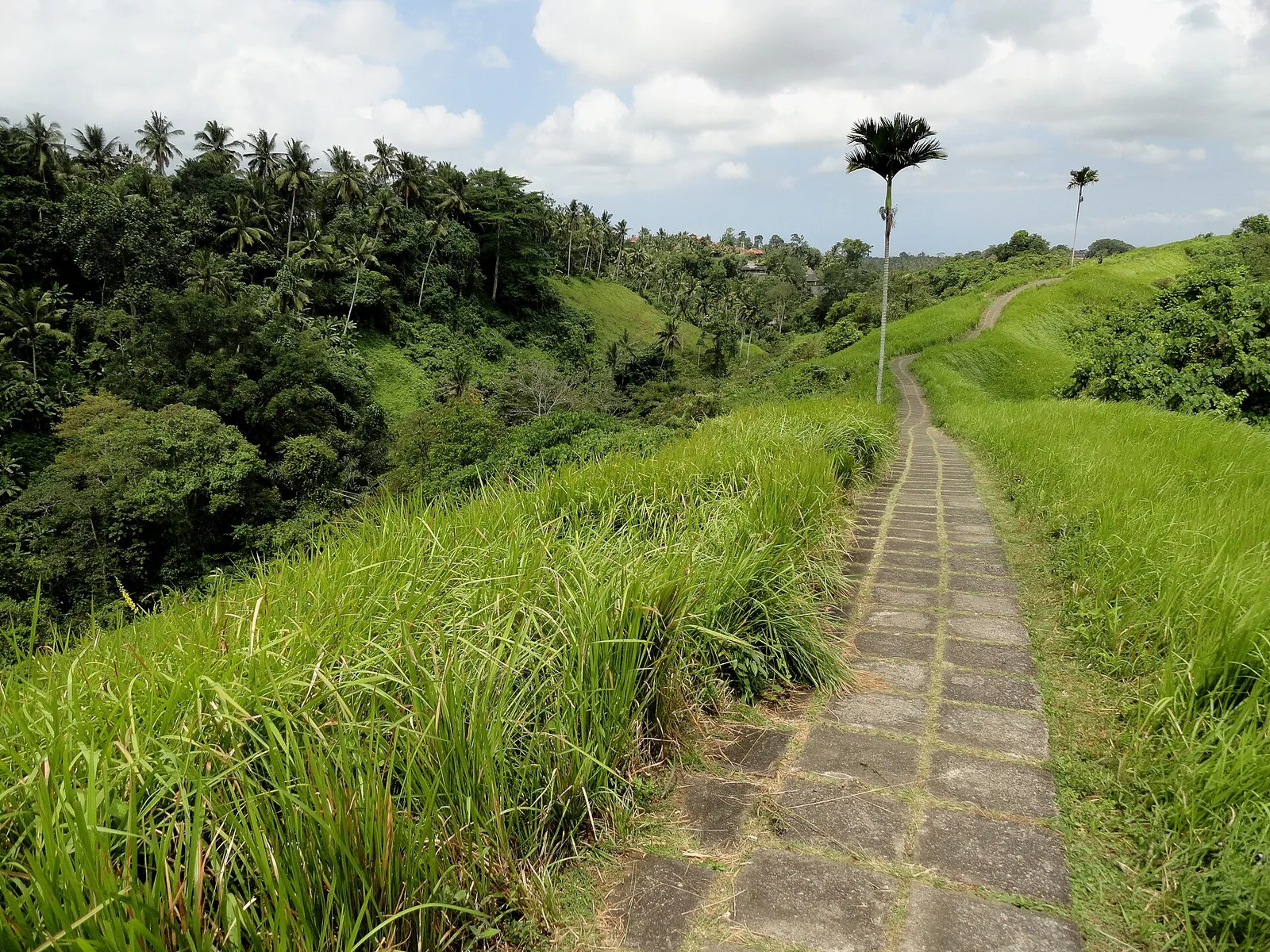
The Campuhan ridge on the western edge of town is the easiest rice-and-valley walk: a wide path along a grassy ridge that local people use for walking and jogging, on the same hill as the Blanco museum. Go at first light, before the heat, and carry water.
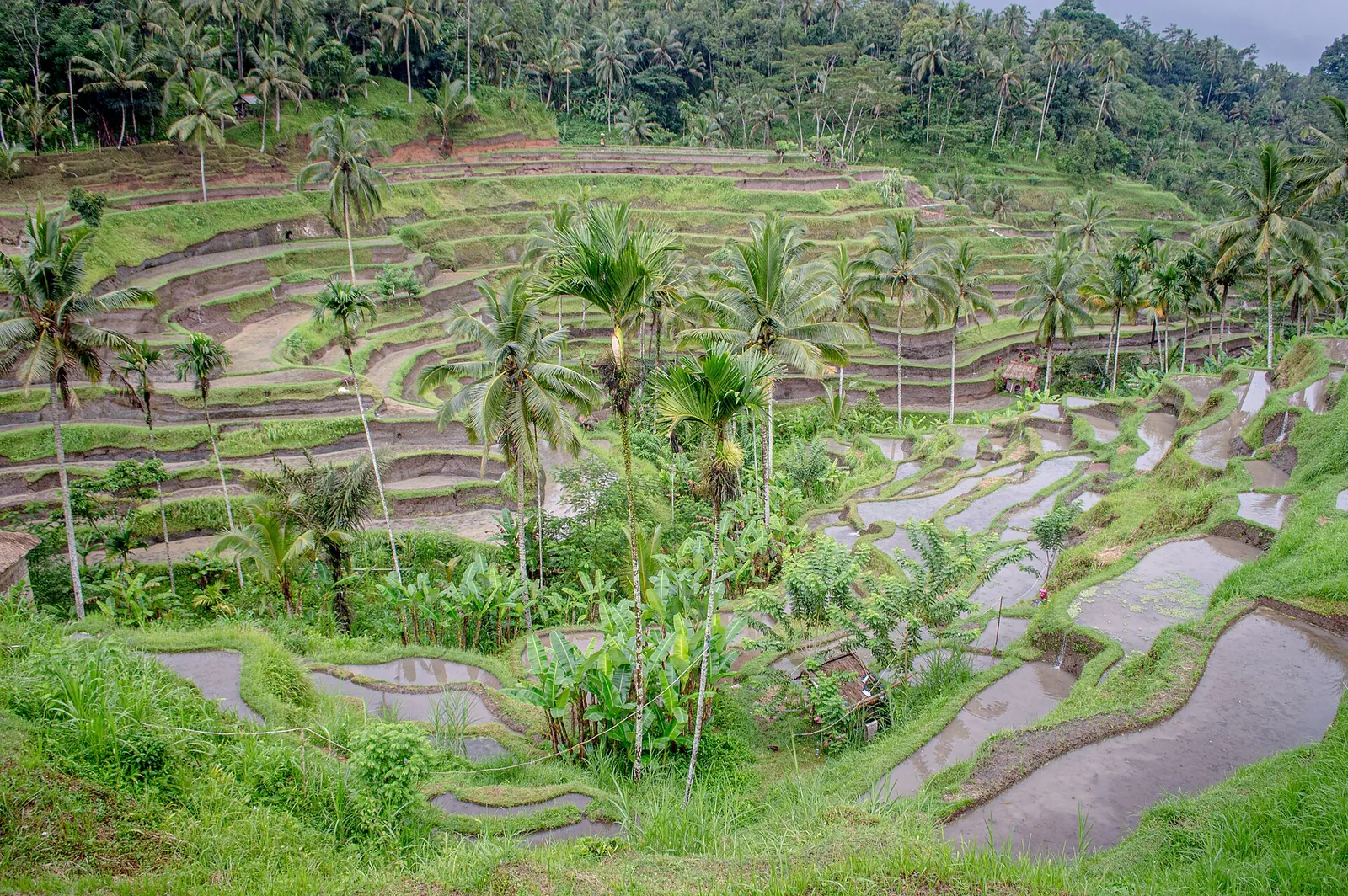
Tegallalang, north of town, is the most photographed terrace valley. The ministry puts it about 20 minutes' drive from Ubud, or about two hours on foot, and suggests allowing 30 minutes to an hour and a half to climb down, cross the stream and explore the other side. Expect swings and cafés around the viewpoints; the ministry advises bringing some cash, as local children ask for payment at the “LOVE BALI” swing sign at the entrance. Early morning is the quietest time.
The temple road north-east: Goa Gajah, Tirta Empul and Gunung Kawi
Three of the area's most important sites lie close together between Bedulu and Tampaksiring, so treat them as one half-day by car rather than three separate trips. Goa Gajah, in Bedulu, is a cave thought to date from the 11th century, entered through a carved demon face, with ancient bathing pools outside and both Hindu and Buddhist elements.
Tirta Empul, at Manukaya village in Tampaksiring below the presidential palace, is a spring temple where the water runs through 30 spouts into two purification pools. Visitors of any faith may take part in the melukat cleansing ritual if they do so respectfully; attendants will point out the two spouts reserved for the dead. When we checked, the ministry's page gave a ticket price of IDR 50,000 for adults and IDR 25,000 for children; a sarong is required and can be borrowed at the entrance. Bring a change of clothes if you plan to bathe.
Gunung Kawi, a short way from Tirta Empul in the Pakerisan valley, is a set of shrines carved into the cliff, linked to King Anak Wungsu in the 11th century. The ministry describes about 300 steps down through rice terraces to reach them — and the same steps back up — so do it before the midday heat. All three are active places of worship: cover shoulders and legs, wear the sash or sarong you are given, and keep out of the way of ceremonies.
Crafts, rafting and the villages around Ubud
Mas, a village in the Ubud area, has been known for wood carving since the 1930s. Its galleries and studios line the main road, and the ministry points to the Njana Tilem Museum, with the work of two master carvers, and the Siadja Gallery, as well as about fifteen homestays for those who want to sleep in the village. The Setia Darma house of masks and puppets is also in Gianyar regency.
The Ayung river, at Kedewatan on the Ubud side, is Bali's longest river and the base for white-water rafting. The ministry describes a route of about 10 kilometres taking 1.5 to 2 hours, graded class II–III in the dry season and class IV when the water rises in the rainy season, and says operators generally take participants from 9 to 65 years old. Compare operators' safety briefings and equipment before booking.
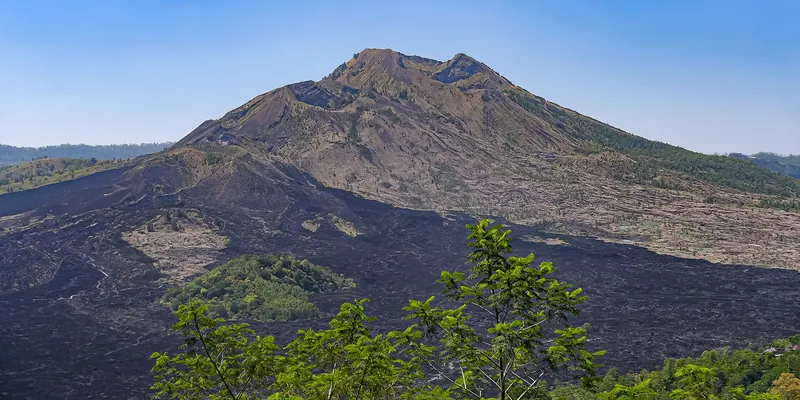
For further day trips, sunrise on Mount Batur, the quieter rice villages of Sidemen and the lakes and waterfalls around Munduk are all better reached from Ubud than from the south coast. Each deserves a full day, or a night there.
A workable three-night plan
This is an editorial suggestion, not a timetable. Check opening days for each place and the dance schedule once you arrive.
- Day 1 — Arrival: reach Ubud by mid-afternoon, walk to the palace and the market, check the evening programme and see a dance.
- Day 2 — Town on foot: the Monkey Forest at 9:00, Pura Taman Saraswati, lunch, one or two museums, a second performance or dinner in town.
- Day 3 — Rice and temples: the Campuhan ridge or Tegallalang at first light, then a car to Goa Gajah, Tirta Empul and Gunung Kawi; back in Ubud for a late lunch and a rest.
- Day 4 (optional): Mas and the carvers, rafting on the Ayung, or an early start for Mount Batur, Sidemen or Munduk.
Ceremonies, Nyepi and respectful visits
Temple ceremonies and processions are part of daily life in Ubud: women carrying offerings to the temple are a common sight, and temples are decorated for their anniversary festivals (piodalan). Step aside for processions, do not walk in front of people praying, and do not climb on shrines or walls for photographs.
Nyepi, the Balinese new year, is a day of complete silence across the whole island: the ministry describes the airport closing for 24 hours, traffic stopping, shops shutting and visitors staying inside their hotels, with lights kept low. The date moves each year with the Balinese calendar, so check it before booking an arrival or departure around March. The evening before, villages parade ogoh-ogoh effigies.
Practical questions
How many nights should I spend in Ubud?
Three or four. That gives one day in town, one early morning in the rice fields followed by the temple road north-east, and a spare day for crafts, rafting or a longer trip to Mount Batur or Sidemen. A day trip from the south coast spends much of the day in traffic and misses the evening performances.
Is it better to stay in central Ubud or outside it?
Stay in the centre if you want to walk to restaurants, the palace and the dance stages. Stay in Sayan, Penestanan or a village such as Mas for quiet and green views, but expect to take a taxi or scooter into town in the evening.
When is the Ubud Monkey Forest open?
When we checked on 3 October 2026, the sanctuary's official site listed 9:00 to 18:00 daily with last entry at 17:00, and admission of IDR 130,000 for adults and IDR 100,000 for children. Do not bring food or drinks, and keep small objects out of sight.
Is Tegallalang worth it, or is Campuhan enough?
The Campuhan ridge is an easy walk from town and good for an early morning. Tegallalang is the classic terraced valley and worth a visit if you go early, but it is busy and commercial. If you are driving to Tirta Empul and Gunung Kawi, you can combine Tegallalang with that trip.
Can tourists bathe at Tirta Empul?
Yes. The ministry says visitors of any faith may take part in the melukat purification ritual if they dress properly and behave respectfully. You need a sarong and sash, the attendants will show you which spouts to skip, and you should bring dry clothes.
How do I get from the airport to Ubud?
Most visitors use the official airport taxi counter outside arrivals, a hotel transfer or a pre-booked car. The ministry also mentions buses, but the Trans Sarbagita bus from the airport only goes to Denpasar, so a car is far simpler with luggage.
Where can I see a Balinese dance in Ubud?
Performances are often held in the forecourt of Ubud Palace in the evening, and kecak is staged at venues such as Pura Dalem Ubud and Padang Tegal. Check the programme boards around the palace for that week's dances and times.
Sources and checks before you travel
Reference sources for the version dated 3 October 2026. Confirm opening times, access, transport and conditions for your travel dates.
- Indonesia.travel: Find serenity in Ubud ↗ — opens in a new tab
- Monkey Forest Ubud (official): Visit ↗ — opens in a new tab
- Monkey Forest Ubud (official): Guidelines and FAQ ↗ — opens in a new tab
- Indonesia.travel: Istana Ubud (Puri Saren Agung) ↗ — opens in a new tab
- Indonesia.travel: Tegallalang Rice Terrace ↗ — opens in a new tab
- Indonesia.travel: Subak, UNESCO World Heritage ↗ — opens in a new tab
- Indonesia.travel: Subak Pulagan, Tampaksiring ↗ — opens in a new tab
- Indonesia.travel: Bukit Campuhan ↗ — opens in a new tab
- Indonesia.travel: Goa Gajah ↗ — opens in a new tab
- Indonesia.travel: A guide to the holy springs of Tirta Empul ↗ — opens in a new tab
- Indonesia.travel: The beauty of Pura Tirta Empul ↗ — opens in a new tab
- Indonesia.travel: Gunung Kawi Temple ↗ — opens in a new tab
- Indonesia.travel: 5 attractions around Ubud ↗ — opens in a new tab
- Indonesia.travel: Museum Puri Lukisan ↗ — opens in a new tab
- Indonesia.travel: Neka Art Museum ↗ — opens in a new tab
- Museum Neka (official) ↗ — opens in a new tab
- Indonesia.travel: The Blanco Renaissance Museum ↗ — opens in a new tab
- Indonesia.travel: Legong dance ↗ — opens in a new tab
- Indonesia.travel: The barong and kris dance ↗ — opens in a new tab
- Indonesia.travel: The kecak dance ↗ — opens in a new tab
- Indonesia.travel: Mas village, the heart of Balinese wood carving ↗ — opens in a new tab
- Indonesia.travel: Rumah Topeng dan Wayang Setia Darma ↗ — opens in a new tab
- Indonesia.travel: White-water rafting on the Ayung river ↗ — opens in a new tab
- Indonesia.travel: Weather, climate and seasons ↗ — opens in a new tab
- Indonesia.travel: Nyepi, Bali's day of silence ↗ — opens in a new tab
- Indonesia.travel: Ngurah Rai Airport ↗ — opens in a new tab
- Love Bali (Bali Provincial Government): tourist levy ↗ — opens in a new tab
- Indonesia.travel: Bali regulations and the tourist levy ↗ — opens in a new tab
- Indonesia.travel: Babi guling ↗ — opens in a new tab
- Indonesia.travel: Bebek betutu ↗ — opens in a new tab
- Indonesia.travel: Lawar ↗ — opens in a new tab
- Indonesia.travel: Ayam betutu ↗ — opens in a new tab
Does this experience fit your route?
If you would rather not arrange a driver for the temple road, a guided day from Ubud covers Tirta Empul, Gunung Kawi and the terraces in one go. Check the start time, what entry fees are included and whether sarongs are provided before you book.
Browse relevant experiences on Viator ↗ — opens in a new tabAffiliate link · Book with ViatorPhoto credits
The Tegallalang rice terraces, a short drive north of Ubud
Photograph: Philip Nalangan — opens in a new tab · CC BY 4.0 — opens in a new tab
Changes: Resized and converted to WebP; displayed with responsive crops. · Original photograph and licence details ↗ — opens in a new tab
Pura Taman Saraswati and its lotus pond in central Ubud
Photograph: Jakub Hałun — opens in a new tab · CC BY-SA 4.0 — opens in a new tab
Changes: Resized and converted to WebP; displayed with responsive crops. · Original photograph and licence details ↗ — opens in a new tab
A pavilion in the grounds of Ubud Palace (Puri Saren Agung)
Photograph: Jakub Hałun — opens in a new tab · CC BY-SA 4.0 — opens in a new tab
Changes: Resized and converted to WebP; displayed with responsive crops. · Original photograph and licence details ↗ — opens in a new tab
The dragon bridge in the Sacred Monkey Forest Sanctuary
Photograph: Philip Nalangan — opens in a new tab · CC BY 4.0 — opens in a new tab
Changes: Resized and converted to WebP; displayed with responsive crops. · Original photograph and licence details ↗ — opens in a new tab
The Campuhan Ridge Walk on the edge of Ubud
Photograph: Fabio Achilli from Milano, Italy — opens in a new tab · CC BY 2.0 — opens in a new tab
Changes: Resized and converted to WebP; displayed with responsive crops. · Original photograph and licence details ↗ — opens in a new tab
Babi guling, Balinese spit-roast pork served with rice and lawar
Photograph: Rollan Budi from Vancouver, BC, Canada — opens in a new tab · CC BY-SA 2.0 — opens in a new tab
Changes: Resized and converted to WebP; displayed with responsive crops. · Original photograph and licence details ↗ — opens in a new tab