Plan your trip · Indonesia
Is Indonesia safe? Scooters, sea, volcanoes, health and emergency numbers
Most trips to Indonesia go wrong in small, predictable ways rather than dramatic ones: a scooter slide on a wet Bali road, an overloaded boat between islands, a crater trail closed because the alert level went up, or two days lost to a stomach bug. The country sits on an active volcanic and seismic belt, so it also asks something few beach destinations do: knowing where the alert levels and tsunami warnings are published. None of this needs fear, only a short list of decisions made before you go and a few habits on the ground.
- Suggested time
- Applies to any trip length; book the travel-health appointment at least eight weeks before you fly
- Where to stay
- Sanur or Ubud in Bali, or Yogyakarta for Java's volcanoes; choose a room with a safe and know the nearest evacuation route
- Season and timing
- Rainy season with floods and landslides usually October to March (later in parts of eastern Indonesia); wildfire haze in the dry months, roughly May to November; volcanic and earthquake risk all year.
The short answer
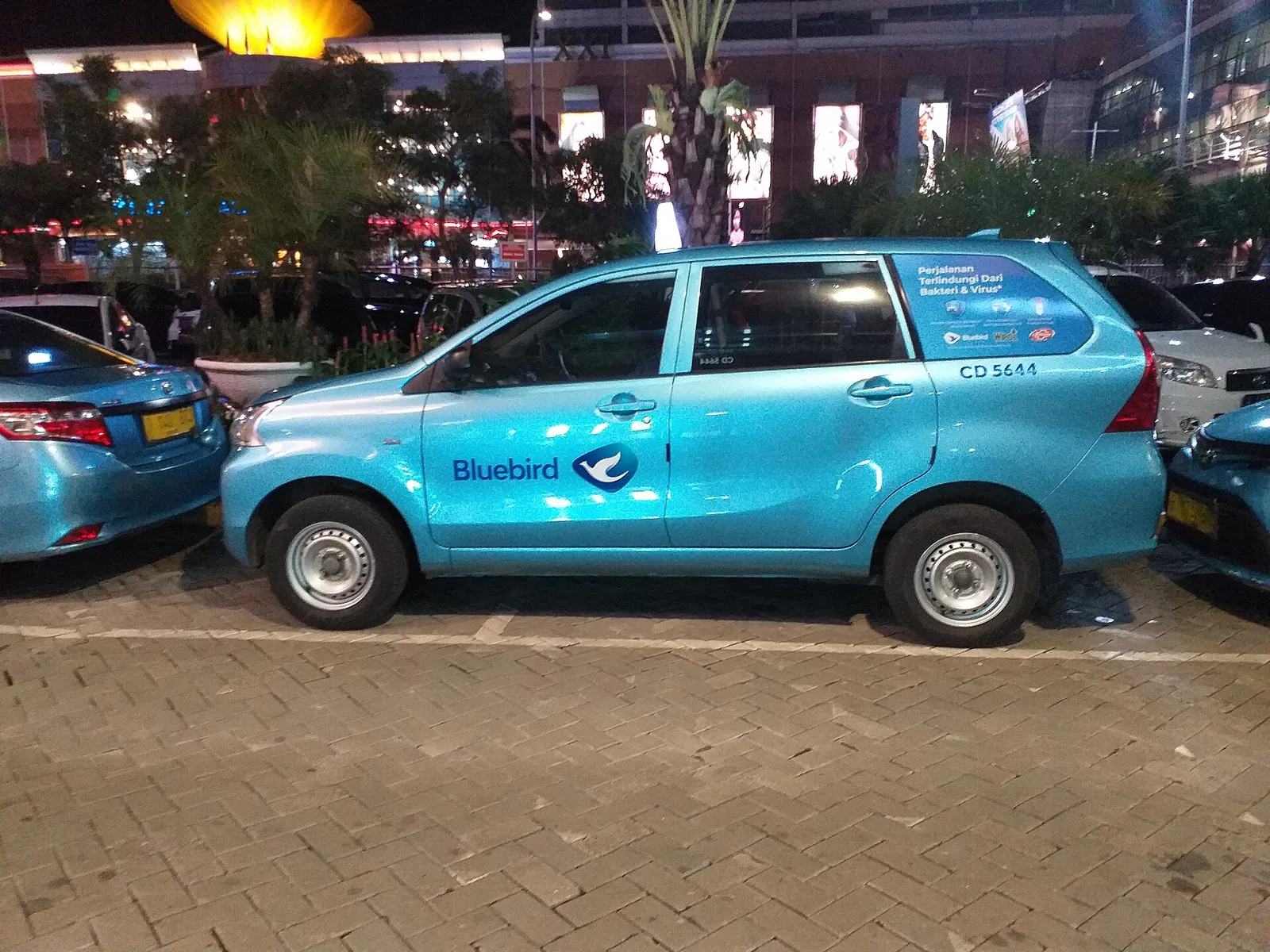
Treat Indonesia as a country where the road, the sea and the mountains cause more harm to visitors than crime. Do not ride a scooter unless you are an experienced rider with a full motorcycle licence, an International Driving Permit and insurance that covers it; otherwise hire a car with a driver or use registered taxis such as Bluebird, or app rides where you check the driver. Board only boats that carry life jackets for everyone, and avoid crossings after dark or in rough weather. Check the volcano's alert level on MAGMA Indonesia before any crater trek, and know your tsunami evacuation route on the coast. See a travel-health clinic at least eight weeks ahead, drink bottled or treated water, avoid unknown spirits because of methanol, and buy insurance that includes medical evacuation. Save 112 and 110 (police and general emergencies), 118 or 119 (ambulance) and 115 (search and rescue).
What actually goes wrong for visitors
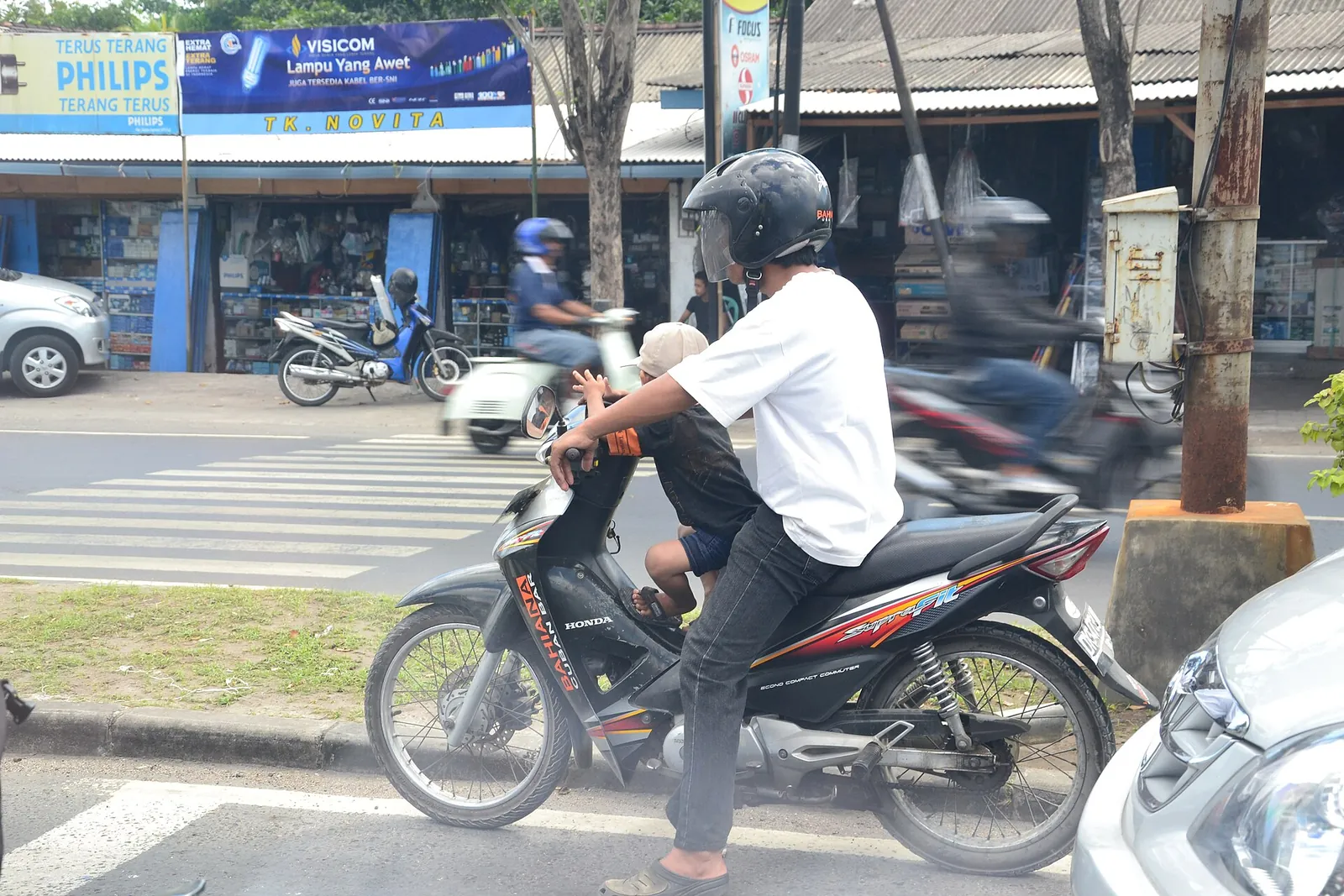
The Canadian government's advice puts it bluntly: motorcycle and scooter accidents are the main cause of death and serious injury among foreigners visiting many parts of Indonesia, including Bali. The UK government adds that traffic discipline is very poor and that moped and motorbike accidents, some fatal, have increased sharply in Bali. That makes the choice of how you get around the single biggest safety decision of the trip.
After the road come the sea and the land itself. The UK advice warns that sea conditions can change rapidly and that boats are often crowded, overloaded or poorly maintained, while Indonesia regularly has floods, landslides, volcanic eruptions, earthquakes and tsunamis. Crime is mostly opportunistic: bag-snatching and pickpocketing in busy tourist areas, card fraud, and spiked or counterfeit drinks. Both the UK and Canada also warn about a threat of terrorism, and both advise avoiding demonstrations.
A few regions carry specific warnings. When we checked on 2026-10-03, Canada advised against non-essential travel to the provinces of Indonesian Papua, except the islands of Raja Ampat and the city of Sorong, and both the UK and Canada asked for particular care in Central Sulawesi (Palu, Poso and Tentena) and in Maluku, especially Ambon. Aceh enforces Sharia law, which also applies to non-Muslims: alcohol and gambling are illegal there. Read your own government's advice for these areas before you book.
Scooters, cars and taxis
Renting a scooter is easy; riding one legally and insured is not. The UK advice says you cannot drive in Indonesia on a UK licence alone and need an International Driving Permit, and it tells you to make sure you hold the right licence for the vehicle and that your travel insurance covers it. The Ministry of Tourism's local-law page says foreigners can drive with an international driving permit together with their home licence, that traffic drives on the left, and that the urban speed limit is 50 km/h. If you are not already a confident motorcyclist at home, Indonesia is not the place to learn.
If you do ride, wear a helmet in good condition, as the UK advice says, and avoid riding after dark outside the cities, where Canada notes that road lighting is poor and some drivers do not use lights. An accident is also a legal and financial problem. The UK warns that foreigners involved in even minor accidents may be vulnerable to extortion and that you must wait for the police at the scene and report the accident; Canada warns of possible mob anger after a serious accident and advises staying in your vehicle until an officer arrives. Rental motorbikes are often stolen, and Canada says you may then have to pay for a new one.
For most visitors the better answer is a car with a driver, which both governments suggest. For taxis, the UK names Bluebird, Silverbird and Express as registered companies, and Canada adds a warning about lookalike taxis and advises against hailing cars on the street or getting into one that already has passengers. With ride-hailing apps, check that the driver and car match the app and share your trip with a friend; the UK also warns about drivers who claim to be registered with an app and try to pick up passengers on the street.
Make time for the local food
What to eat and where to look
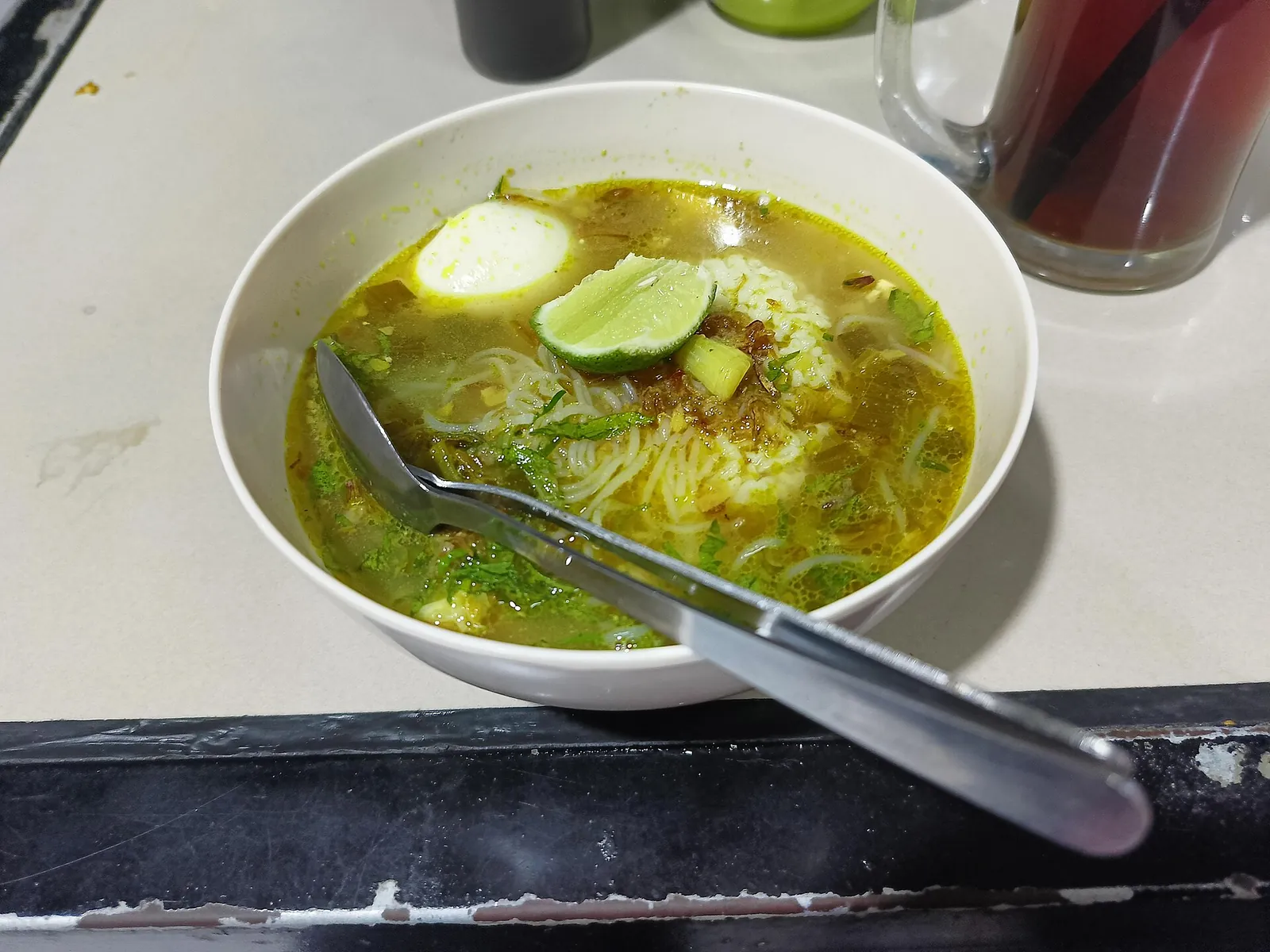
Soto ayam (chicken soup)
A turmeric-yellow chicken broth with shredded chicken, noodles or rice, egg and herbs, finished with lime and chilli. It is ladled hot to order, which makes it one of the easiest meals for the first days while your stomach adjusts.
- Where to look
- Warung and food stalls across Java and Bali that specialise in soto and are busy at mealtimes, so the pot is turned over quickly.
- Fit it into your day
- Breakfast or lunch on arrival day, or a gentle meal after a stomach upset.
Raw bean sprouts and fresh herbs are often added on top; ask to leave them off if you are being careful. The sambal can be very hot.
Bubur ayam (chicken rice porridge)
Soft rice porridge topped with shredded chicken, fried shallots, crackers and soy sauce. It is a common breakfast and one of the mildest dishes you can find when you do not feel well.
- Where to look
- Morning carts and small breakfast shops in cities such as Jakarta, Bandung and Yogyakarta, and hotel breakfast buffets.
- Fit it into your day
- An early breakfast before a long transfer or a volcano trek, or the first meal after travellers' diarrhoea.
Toppings vary; some versions include offal or peanuts, so ask if you have an allergy.
Nasi campur (rice with mixed dishes)
A plate of rice with your choice of several side dishes, such as vegetables, tempeh, egg, chicken or fish, picked from a display. It shows the range of Indonesian cooking in one meal.
- Where to look
- Warung with a glass display case of dishes, including Padang-style restaurants across the country and nasi campur shops in Bali.
- Fit it into your day
- Lunch, when the dishes have been freshly cooked that morning and turnover is highest.
The dishes sit at room temperature, so choose places that are busy and avoid them late in the day. In Bali it may include pork, so ask if you avoid it.
Kelapa muda (young coconut)
A green coconut opened in front of you and drunk from the shell, with the soft flesh scooped out afterwards. A cooling drink on hot days.
- Where to look
- Beach stalls and roadside sellers in Bali, Lombok and coastal Java.
- Fit it into your day
- A break on the beach or after a hot morning of sightseeing; keep drinking bottled water as well.
Some sellers pour the water into a glass with ice or sugar syrup; ask for it straight from the shell if you want to avoid both.
Boats, beaches, currents and diving
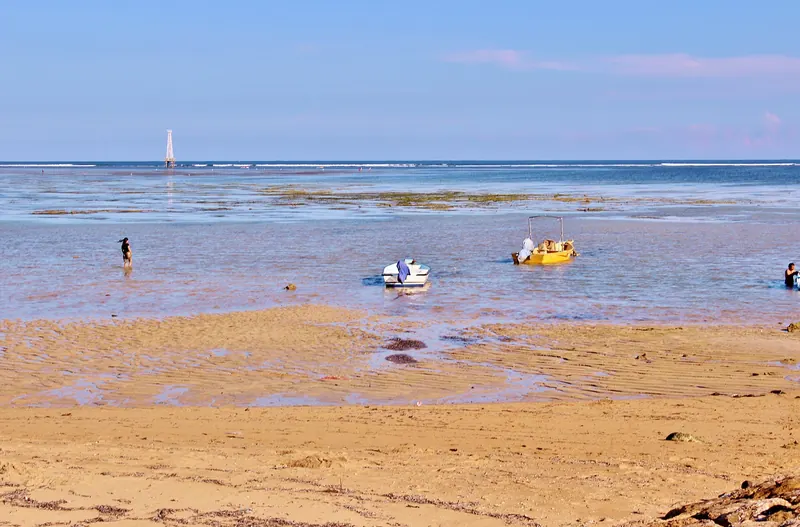
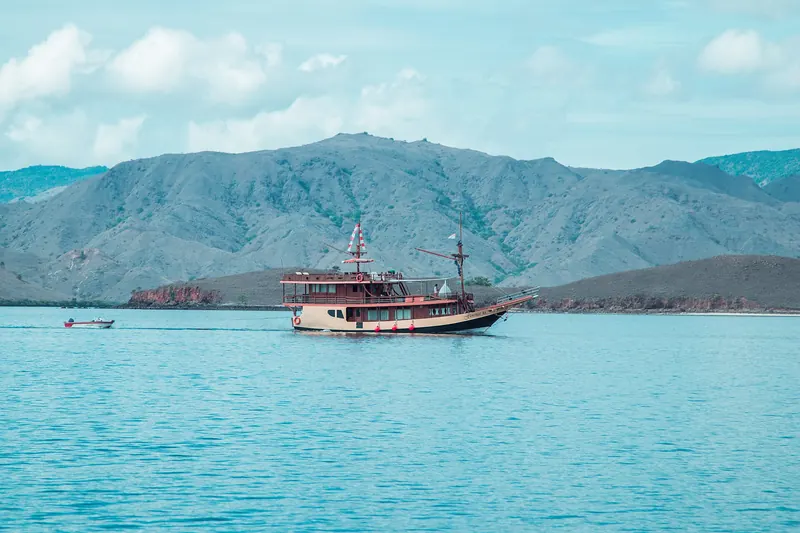
Island hopping is part of almost every Indonesia trip, and it is where safety standards vary most. The UK advice tells you to check for life jackets and lifeboats before you travel, to bring children's life jackets if needed because suitable sizes are not always available, and to avoid travelling after dark unless you are satisfied the vessel is properly equipped. Canada says ferry accidents are common, often because of poor safety practices or extreme weather, and advises against boarding any vessel that looks overloaded or unseaworthy. If the boat, the crew or the sea looks wrong on the day, wait for the next departure or fly.
The weather at sea changes the plan more often than anything else. BMKG, the national meteorological agency, publishes marine forecasts and high-wave warnings for Indonesian waters and ports on its maritime site, which is worth checking the evening before a fast-boat crossing or a day trip to the outer islands. On beaches, follow the CDC's basic rules: swim only in designated swimming areas and obey lifeguards and warning flags. Currents are part of the appeal at many dive sites: the Ministry of Tourism describes Komodo National Park's strong currents as challenging and rewarding for experienced divers, which is a good reason for beginners to ask how strong the water will be before booking.
Diving is a highlight, but the UK advice says dive school standards are not always as high as at home. Check the operator's credentials and your insurance cover, make sure there is safety equipment on the boat, especially oxygen, and ask how they would get you to a hyperbaric chamber if something went wrong. Beginners should also ask what to do and how to call for help while at sea before signing up.
Volcanoes: alert levels and exclusion zones
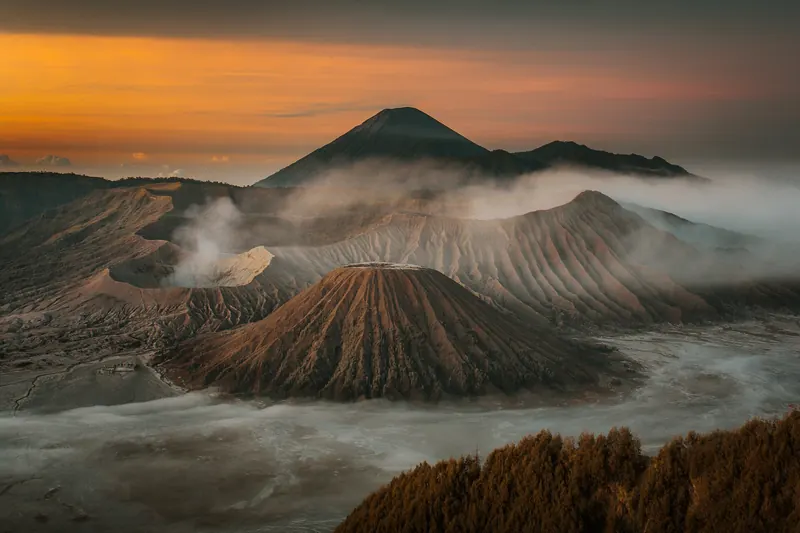
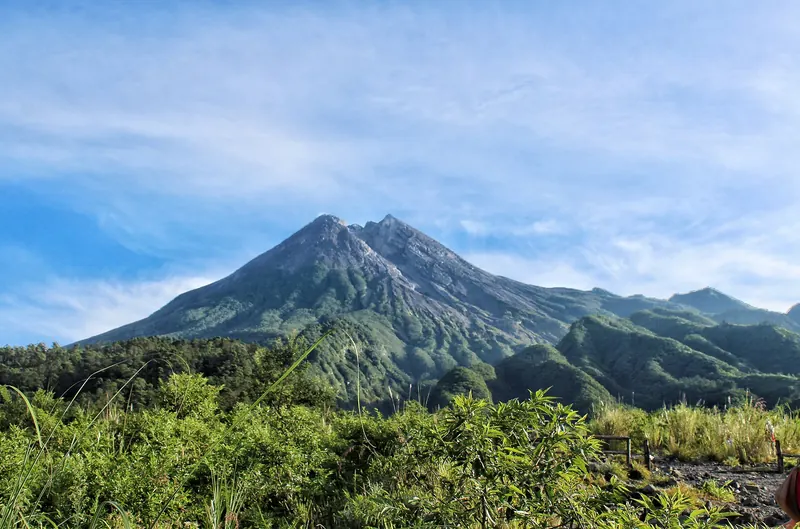
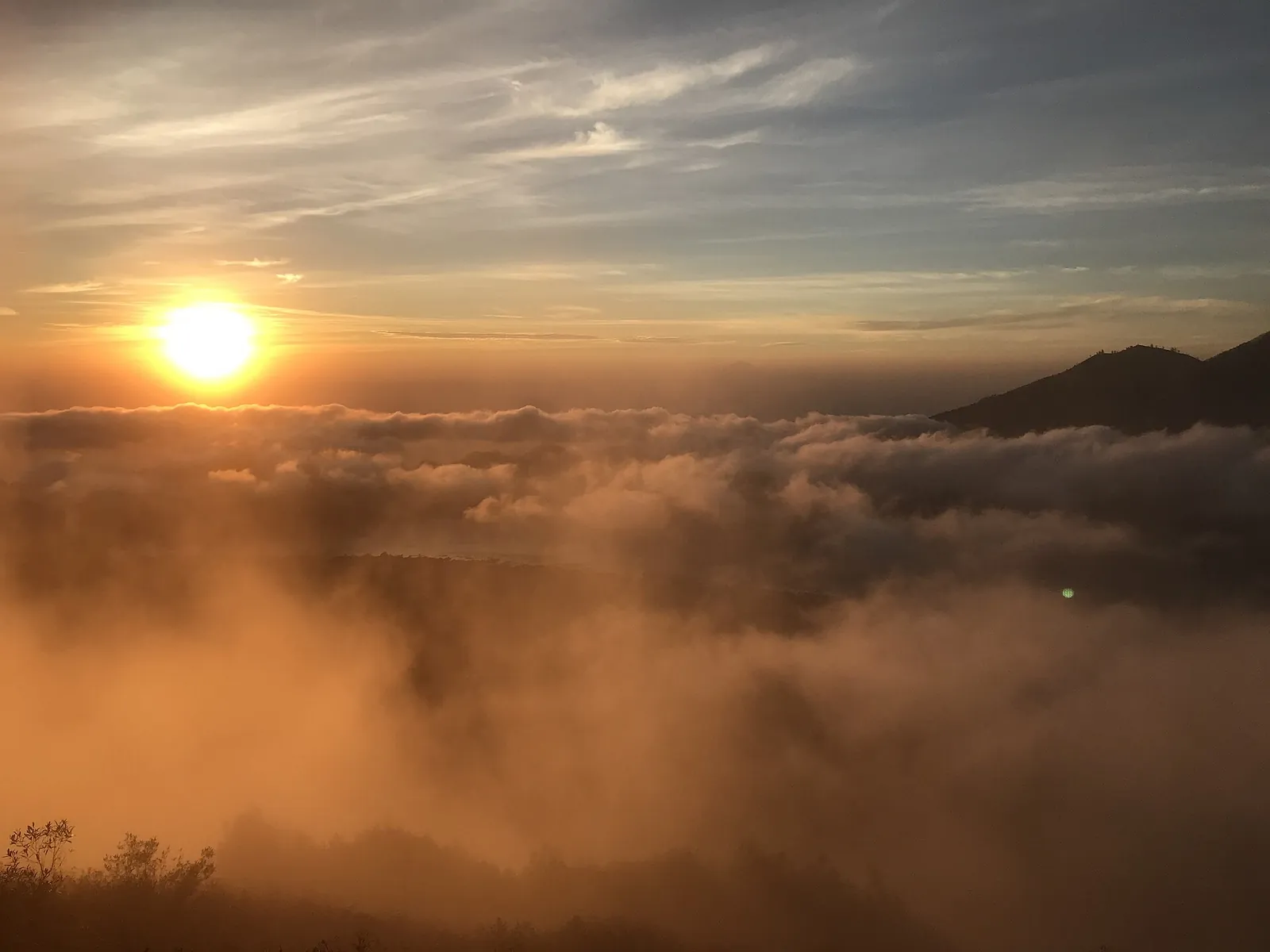
Canada counts 129 active volcanoes in Indonesia, and climbing one for sunrise is a classic trip. In its update of 18 September 2026, the UK government stopped advising against all travel to Indonesia's volcanoes and now tells visitors to follow the local authorities, who enforce exclusion zones that can change at short notice. The tool for that is MAGMA Indonesia, run by the Centre for Volcanology and Geological Hazard Mitigation (PVMBG), which publishes a daily alert level for each monitored volcano, in Indonesian.
The levels run from I to IV. Under the official explanation, Level I (Normal) means daily activity can continue, although some volcanoes have toxic gas around the crater; Level II (Waspada) means activity is rising and people are advised not to go near the crater; Level III (Siaga) adds a warning to stay out of river valleys that start at the summit; and Level IV (Awas) means evacuation of threatened areas. When we checked on 2026-10-03, MAGMA listed no volcano at Level IV; Merapi, Semeru and Sinabung at Level III; Bromo, Rinjani, Anak Krakatau and Lewotobi Laki-laki among those at Level II; and Batur, Agung, Ijen and Kelimutu at Level I. Check again the day before you go, because these change.
A low level does not mean no hazard. At Ijen, which was at Level I, the daily report advised visitors not to descend to or approach the crater floor, not to camp within 500 m of the crater, and to watch for toxic gas. Canada warns that rain near volcanoes can trigger lahars, fast floods of volcanic debris, and that ash clouds can disrupt flights, including in Bali. If you have asthma or another breathing condition, the UK advice notes that ash and volcanic gases can make it worse, so carry your medication and a well-fitted mask.
Earthquakes, tsunamis, floods and haze
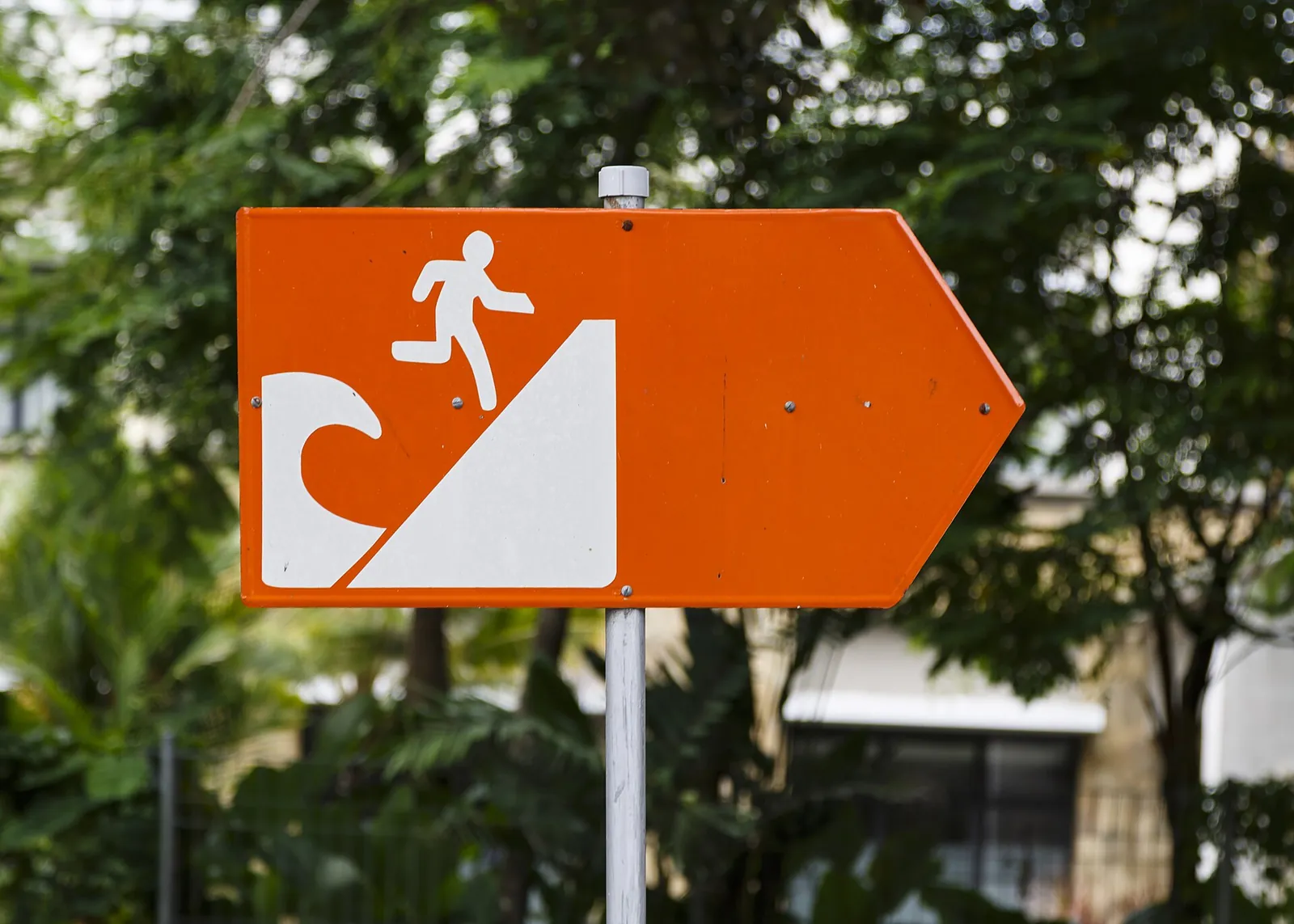
Earthquakes are a fact of life here: Canada says Indonesia has thousands each year, and when we checked it reported a magnitude 7.7 earthquake near Flores on 14 August 2026, with significant damage and continuing aftershocks. On the coast, the rule from the UK advice is simple: if a strong earthquake happens near the shore, a tsunami could arrive within minutes, so move to high ground or follow the authorities without waiting for a warning. Canada adds that the tsunami risk can last for several hours after the first shock. Warnings come from BMKG's Indonesia Tsunami Early Warning System (InaTEWS), and the UK suggests installing BMKG's multi-hazard warning app. Coastal resorts such as Nusa Dua in Bali have orange tsunami evacuation route signs: note the nearest one when you check in.
After a quake, BMKG's own guidance is to leave buildings calmly by the stairs rather than lifts, check for injuries, gas leaks and electrical damage, stay out of damaged buildings, and follow official information rather than rumours. Do not walk around the affected area, because aftershocks are likely.
Floods and smoke are the seasonal risks. The UK advice says the rainy season usually runs from October to March, although in parts of eastern Indonesia it is usually April to August, and that flash floods and landslides can hit mountain areas as well as Jakarta and Bali. Floods can even cut the main toll road to Jakarta's Soekarno-Hatta airport, so leave extra time for flights in the wet months. In the dry season, peat and forest fires mainly on Sumatra and Kalimantan send haze across the region; the UK puts it from May to November, and Canada says pollution can reach unhealthy levels especially from June to October.
Health: vaccines, water, mosquitoes, rabies and stomach upsets
Start with a travel-health appointment: the UK advice says at least eight weeks before you go, and the US CDC at least a month. When we checked on 2026-10-03, the CDC recommended hepatitis A and hepatitis B for unvaccinated travellers and typhoid for most travellers, alongside routine vaccines such as measles, with rabies, Japanese encephalitis and chikungunya vaccines to discuss depending on your trip. Malaria is regional rather than countrywide: the CDC lists no malaria transmission in Jakarta, Ubud, Bali's and Java's resort areas or the Gili Islands, but recommends prevention for eastern Indonesia, including Labuan Bajo and the Komodo islands, and for rural parts of Lombok, Sumatra, Sulawesi and Kalimantan. Dengue is a risk everywhere, and the CDC had a Zika notice for Bali, so use repellent day and evening.
The UK government states plainly that tap water is not safe to drink in Indonesia. Canada calls travellers' diarrhoea the most common illness travellers get, sums up the rule as boil it, cook it, peel it or leave it, and says the key treatment is to keep drinking fluids. Avoid swimming in rivers and lakes, which carry a risk of schistosomiasis, and stay out of floodwater: when we checked, the CDC reported increased cases of leptospirosis, which rises after floods and heavy rain.
Rabies is the risk people most often underestimate. The UK warns of many street dogs in Bali and elsewhere and monkeys around temples and tourist areas, and the CDC reported increased human rabies cases in West Timor. Do not touch or feed animals; if you are bitten or scratched, Canada's advice is to wash the wound with soap and water for about 15 minutes and get medical care straight away, keeping written records of any vaccines you are given.
Plan for treatment as well as prevention. The UK says local medical care can be poor, that good care is expensive and that medical evacuation can cost tens of thousands of pounds, so buy insurance that covers your activities, any scooter riding and evacuation, and bring enough of your regular medicines.
Drinks, drugs, money and the law
Drinks are a bigger risk than food. Both the UK and Canada report deaths from alcohol containing methanol, including drinks bought in licensed bars, shops and hotels in tourist areas; Canada names Bali, Lombok, the Gili Islands and Sumatra. Methanol cannot be tasted or smelled, so stay with well-known brands from reputable places, avoid spirits sold by individuals, and get medical help at once if someone feels unwell after drinking. The UK also reports drink spiking linked to sexual assault in Bali, Lombok and the Gilis: watch your drink being made and do not leave it.
Drug laws are severe. The Ministry of Tourism lists prison terms for possession and the possibility of the death penalty for trafficking, and the UK warns that cannabis in every form, including CBD and medicinal products, is illegal, that police raid venues popular with foreigners in Bali, and that a positive urine or blood test leads to arrest. Carry your passport or stay permit, which both the UK and the ministry advise, and remember that Bali shuts down completely for Nyepi, including the airport.
For money, the UK advises using only licensed money changers, which show a Bank Indonesia logo and a QR code you can scan to check the licence, and warns that card fraud is common. Canada suggests ATMs inside banks or businesses, covering the keypad and watching your card. In Bali, the UK also reports scams at tattoo parlours, nail salons and spas, so agree the price before you start.
Emergency numbers and getting help
When we checked on 2026-10-03, the Ministry of Tourism listed these numbers. The UK government lists the same ambulance and police numbers and gives 112 for fire; the search and rescue agency Basarnas gives 115 as its emergency contact.
- Police and general emergencies: 110, or 112 from mobile and satellite phones
- Ambulance and medical emergencies: 118 or 119
- Search and rescue (Basarnas), including at sea and in the mountains: 115
- Ministry of Tourism public communication bureau: +62 21 3838899
- Call your insurer as soon as you are referred to a hospital, as the UK advice recommends, and ask for a police report if you are the victim of a crime. For remote islands and parks, find out before you go where the nearest hospital is and how you would get there.
Practical questions
Is Indonesia safe for tourists?
For most visitors, yes, with care. The main risks are road accidents, especially on scooters, boats and strong currents, volcanoes and earthquakes, methanol in counterfeit alcohol, and illness. Canada's advice, when we checked on 2026-10-03, was to exercise a high degree of caution because of political and social tensions and the threat of terrorism, with stronger warnings for Indonesian Papua.
What is the emergency number in Indonesia?
The Ministry of Tourism lists 110 for police, 112 for general emergencies from mobile phones, and 118 or 119 for an ambulance. Basarnas, the national search and rescue agency, gives 115 as its emergency contact.
Should I rent a scooter in Bali?
Only if you are an experienced rider with the right licence, an International Driving Permit and insurance that covers motorbikes. Canada says scooter accidents are the main cause of death and serious injury among foreign visitors in places including Bali. Otherwise hire a car with a driver or use registered taxis and app rides.
Can you drink tap water in Indonesia?
No. The UK government says tap water is not safe to drink in Indonesia. Use bottled or treated water, including for brushing your teeth if your stomach is sensitive.
Which vaccinations do I need for Indonesia?
See a travel-health clinic at least eight weeks before you go. When we checked, the CDC recommended routine vaccines plus hepatitis A, hepatitis B and typhoid for most travellers, and discussing rabies and Japanese encephalitis vaccines. Malaria tablets depend on where you go: the CDC recommends them for eastern Indonesia, including Komodo, but lists no malaria in Bali's resort areas.
Is it safe to climb volcanoes like Batur, Bromo or Ijen?
Usually, with a guide and on the day's rules. Check the alert level on MAGMA Indonesia first and respect any exclusion zone: at Level II, people are advised not to go near the crater. At Ijen, even at Level I, the official report advises not descending to the crater floor and watching for toxic gas.
What should I do if there is an earthquake on the coast?
If the shaking is strong or long, head for high ground or the marked tsunami evacuation route straight away; the UK advice warns that a tsunami could arrive within minutes. Follow official BMKG information and local authorities, and do not go back to the beach until they say it is safe.
Sources and checks before you travel
Reference sources for the version dated 3 October 2026. Confirm opening times, access, transport and conditions for your travel dates.
- UK FCDO travel advice: Indonesia safety and security ↗ — opens in a new tab
- UK FCDO travel advice: Indonesia warnings and insurance ↗ — opens in a new tab
- UK FCDO travel advice: Indonesia health ↗ — opens in a new tab
- UK FCDO travel advice: Indonesia getting help ↗ — opens in a new tab
- UK FCDO travel advice: Indonesia regional risks ↗ — opens in a new tab
- Government of Canada: Travel advice and advisories for Indonesia ↗ — opens in a new tab
- US CDC: Travelers' health, Indonesia ↗ — opens in a new tab
- Ministry of Tourism (indonesia.travel): Staying safe in Indonesia ↗ — opens in a new tab
- Ministry of Tourism (indonesia.travel): Local law ↗ — opens in a new tab
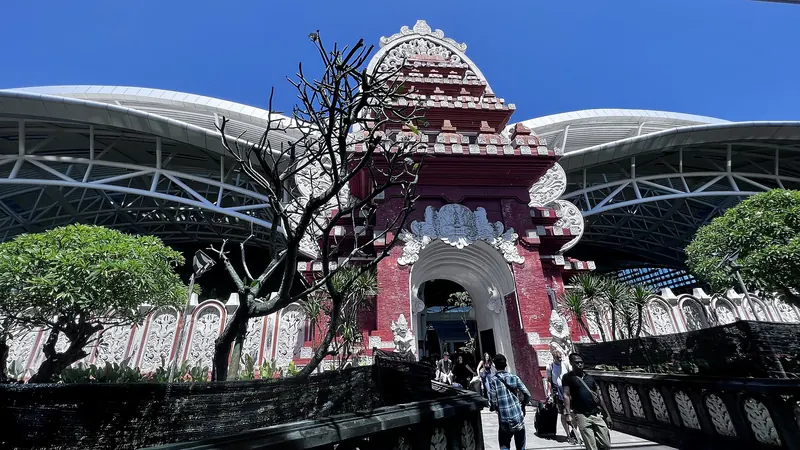
- Ministry of Tourism (indonesia.travel): Ngurah Rai Airport ↗ — opens in a new tab
- Ministry of Tourism (indonesia.travel): Labuan Bajo and Komodo National Park ↗ — opens in a new tab
- MAGMA Indonesia (PVMBG): Volcano activity levels ↗ — opens in a new tab
- MAGMA Indonesia (PVMBG): What the volcano activity levels mean ↗ — opens in a new tab
- MAGMA Indonesia (PVMBG): Ijen activity report, 2 October 2026 ↗ — opens in a new tab
- BMKG: Indonesia Tsunami Early Warning System (InaTEWS) ↗ — opens in a new tab
- BMKG: Maritime weather forecasts ↗ — opens in a new tab
- Basarnas (National Search and Rescue Agency) ↗ — opens in a new tab
Does this experience fit your route?
Would rather not drive? Compare guided volcano treks and day trips with a driver, and check each operator's safety equipment and weather policy before you book.
Browse relevant experiences on Viator ↗ — opens in a new tabAffiliate link · Book with ViatorPhoto credits
Sunrise above the clouds from Mount Batur in Bali: check the volcano's MAGMA alert level and climb with a guide.
Photograph: TMFalkner — opens in a new tab · CC BY-SA 4.0 — opens in a new tab
Changes: Resized and converted to WebP; displayed with responsive crops. · Original photograph and licence details ↗ — opens in a new tab
A tsunami evacuation route sign in Nusa Dua. Note the nearest route to high ground when you check in on the coast.
Photograph: CEphoto, Uwe Aranas — opens in a new tab · CC BY-SA 3.0 — opens in a new tab
Changes: Resized and converted to WebP; displayed with responsive crops. · Original photograph and licence details ↗ — opens in a new tab
Motorbike traffic in Bali. Scooter crashes are the main cause of death and serious injury among foreign visitors, so wear a good helmet or take a car with a driver.
Photograph: Simon_sees from Australia — opens in a new tab · CC BY 2.0 — opens in a new tab
Changes: Resized and converted to WebP; displayed with responsive crops. · Original photograph and licence details ↗ — opens in a new tab
A Bluebird taxi in Jakarta, one of the registered taxi companies named in the UK government's advice.
Photograph: Tokyo Metro 6000 series — opens in a new tab · CC BY-SA 4.0 — opens in a new tab
Changes: Resized and converted to WebP; displayed with responsive crops. · Original photograph and licence details ↗ — opens in a new tab
Soto ayam, a chicken soup ladled hot to order, is one of the easier meals for a sensitive stomach.
Photograph: Indonesiagood — opens in a new tab · CC BY 4.0 — opens in a new tab
Changes: Resized and converted to WebP; displayed with responsive crops. · Original photograph and licence details ↗ — opens in a new tab