Plan your trip
Is China safe? Laws, scams, hospitals, vaccines and emergency numbers
Most trips to mainland China go wrong in quiet ways: a friendly invitation to a tea tasting that ends with a large bill, a positive drug test for something taken at home before the trip, a passport left in the hotel on the day of a police check, a stomach upset from tap water, a winter day of heavy smog in Beijing. Serious crime against foreign visitors is relatively rare, and the big cities have very large, modern hospitals. Start with a policy that covers medical treatment, evacuation and repatriation, then see a travel clinic at least 8 weeks before you fly.
In this guide
Find the location ↗ — opens in a new tabThe short answer
Buy insurance covering medical treatment, evacuation and repatriation first: healthcare in China is not free and can be very expensive, and in Beijing you pay hospital bills up front unless your insurer has a direct-billing arrangement with the hospital. Save 110 (police), 120 (ambulance) and 119 (fire), and carry your original passport every day; printed copies are not accepted. Hepatitis A, tetanus and typhoid vaccines are recommended for most travellers, there is no malaria risk, and you should drink bottled water. As of 8 November 2026, for over 200 offences the police can impose fines of up to CNY 5,000 (about EUR 600) and up to 15 days' detention without trial, and CBD products carry up to seven years in prison for possession or use. None of the UK, French or German governments advises against travel to any part of mainland China.
- Key point
- Start at least 8 weeks before you fly with the travel clinic and insurance; the rest applies throughout the trip
- Where it applies
- Applies to every route in our China guides, from Beijing, Xi’an and Shanghai to Chengdu, Guilin, Zhangjiajie and Chongqing
- Timing
- Floods and storms are common from May to November, with typhoons on the southern and eastern coasts and mountain flash floods mainly from June to October; air pollution in the big cities is often worst in winter
What the governments say, and the regions this guide leaves out
On 8 November 2026, none of the UK, French or German governments advised against travel to any part of mainland China. France places the whole country under normal vigilance (green) except the Xinjiang Uyghur Autonomous Region, which it places under enhanced vigilance (yellow), and Germany asks for particular care in Xinjiang.
AsiaVela's China guides leave out Xinjiang and Tibet and use Hong Kong and Macau only as gateways. A visit to the Tibet Autonomous Region needs a permit arranged through a specialist travel agent in China and an organised tour, and permits can be stopped without notice; in Xinjiang the UK warns of arbitrary arrests and detentions, and the British Embassy's ability to help there is limited. Continuing violence on the Myanmar side of the China-Myanmar border has occasionally spilled over into China. No route in our guides goes to these areas.
Elsewhere, local access rules matter more than advisory levels. Entering an exclusion zone, even unintentionally, can bring fines or arrest, and the authorities may temporarily restrict access to Ganzi, Aba or Litang in north and west Sichuan, notably around Tibetan New Year (February to March) or anniversaries. The one trip in our guides that enters them is Jiuzhaigou, in Aba prefecture, a side trip from Chengdu in our best time to visit guide; these restrictions are temporary, so make sure access is open before you book it. Terrorist attacks cannot be ruled out, though the risk is very low and foreigners have not been specifically targeted; take particular care during national holidays and at public transport hubs. Other governments may draw a wider line than these three, so read your own government's advice before you book.
Your passport, the police and the laws that catch visitors out
Carry your original passport at all times. The police make random checks, do not accept printed copies, and can fine or detain you if you cannot show it. Keep a copy somewhere safe, apart from the original.
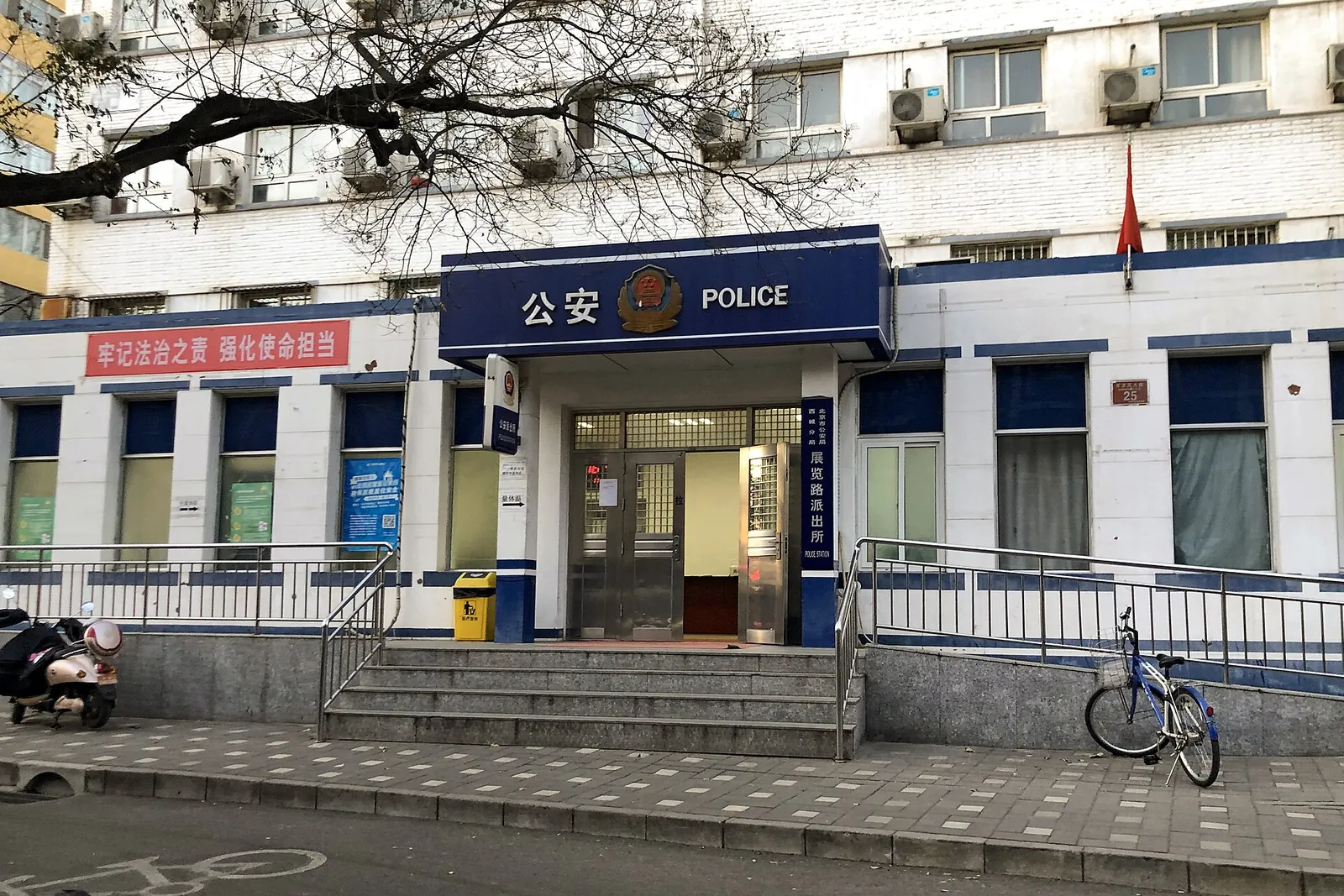
If your passport is lost or stolen, go to the nearest police station or Public Security Bureau and get a report of the incident. You then need an exit visa on the new passport before you can leave China. British nationals who need help from the UK government can call +86 (0)10 5192 4000 from China, and the French Embassy is on +86 10 85 31 20 00; other nationalities should save their own embassy's number before the trip.
China's national security laws are broad: you may be detained without intending to break the law, there is a risk of arbitrary detention, including of British nationals, and online activity outside China could fall within their scope. The UK warns that an exit ban can last for months or years or until a legal process is complete, and that you may not know about one until you try to leave. The police can impose up to 15 days of administrative detention without trial, for over 200 offences, alongside fines of up to CNY 5,000 (about EUR 600), among them prostitution, for both parties, and drug use.
Drugs carry the heaviest penalties: zero tolerance, with heavy fines, lengthy prison sentences or the death penalty, and airports scan baggage, including in transit. Tests can be random, including on entry. Police can raid bars and nightclubs, and in several big cities they have stepped up checks in bars, restaurants and nightclubs frequented by foreigners, with urine or hair tests during a detention that can last several hours. A positive test can be prosecuted regardless of where or when you took the drugs. Products containing CBD, including food, drinks and cosmetics, are banned and treated as narcotics, with up to seven years in prison for possession or use.
Avoid any demonstration or large gathering: demonstrations without permission are illegal, and taking part risks arrest, detention and deportation. The import, possession and use of drones and drone components are strictly regulated. Photography is banned near official and military sites and at some sites without signs, and limited in places of worship, and in all of Beijing unregistered drones may not be used, carried or stored, while each flight of a registered drone needs prior permission (both French advice). Do not plan on a VPN: using one to get around the censorship is banned, and the German government advises against VPN services; Google, Facebook, X, WhatsApp and YouTube are blocked. Our entry guide covers the arrival rules.
Walk away from arguments. Penalties for fighting range from fines to short or longer detention regardless of who started it, compensation claims are commonplace, and incidents with taxi drivers or other drivers can easily escalate into prolonged detention and heavy fines. Several cases of foreigners jailed for one to three days for drunkenness that disturbed public order have been reported. Dress and behave respectfully, preferably in clothes that cover.
Crime, scams, drinks and taxis
Crime against visitors is mostly petty: the crime rate is low overall, acts of violence are very rare, and serious crime against foreign nationals is relatively rare, though incidents can happen. Pickpocketing and phone snatching do occur, so watch your valuables at airports, stations, on public transport and at major tourist sites. Rare vehicle and knife attacks have happened in public places such as schools, supermarkets and hospitals, a few of them affecting foreign nationals, and knife attacks on foreigners have been reported from various cities since autumn 2023.
A common scam is the 'tea tasting' or 'massage' invitation: friendly strangers invite you to a bar, a tea tasting or a massage, and the establishment then demands a large fee, sometimes followed by threats, violence or card fraud. Refuse dubious offers and check prices before you order. Watch for phone fraud, with callers sometimes posing as police, inflated card bills and service prices, and QR-code phishing. Counterfeit banknotes, especially CNY 100 notes, are common, including from ATMs, and banks will not replace them; carry enough cash, kept separately, to cope with a loss or theft. Our payments and apps guide covers cards, cash and mobile payment.
Never leave a drink unattended or accept one from a stranger. Personal attacks and sexual assaults are rare but can happen, including after drink spiking, and women alone or with female friends could be at higher risk. Avoid unmarked or unmetered taxis, which have been linked to sexual assaults and robberies of foreign nationals; note the taxi number, insist on the metered fare and ask for a receipt.
Call 110 to report a crime. An English-speaking officer answers the call, but police stations in most cases refuse to take a foreigner's complaint about a minor offence, and when one is taken it is usually only a simple record without investigation. After a sexual assault, call 110 and/or 120; a female officer may not be available at the police station unless requested in advance, and officers may not speak English.
Same-sex relationships are legal, but no law protects against discrimination on the grounds of sexual orientation, and showing affection in public may draw negative attention. Acceptance is generally higher in the big cities than in the countryside, so be discreet in public.
Emergency numbers, hospitals and paying for care
Save these numbers before you land:
| Service | Number |
|---|---|
| Police | 110 |
| Ambulance | 120 |
| Fire | 119 |
| Traffic police | 122 |
| Maritime Search and Rescue Centre | 12395 |
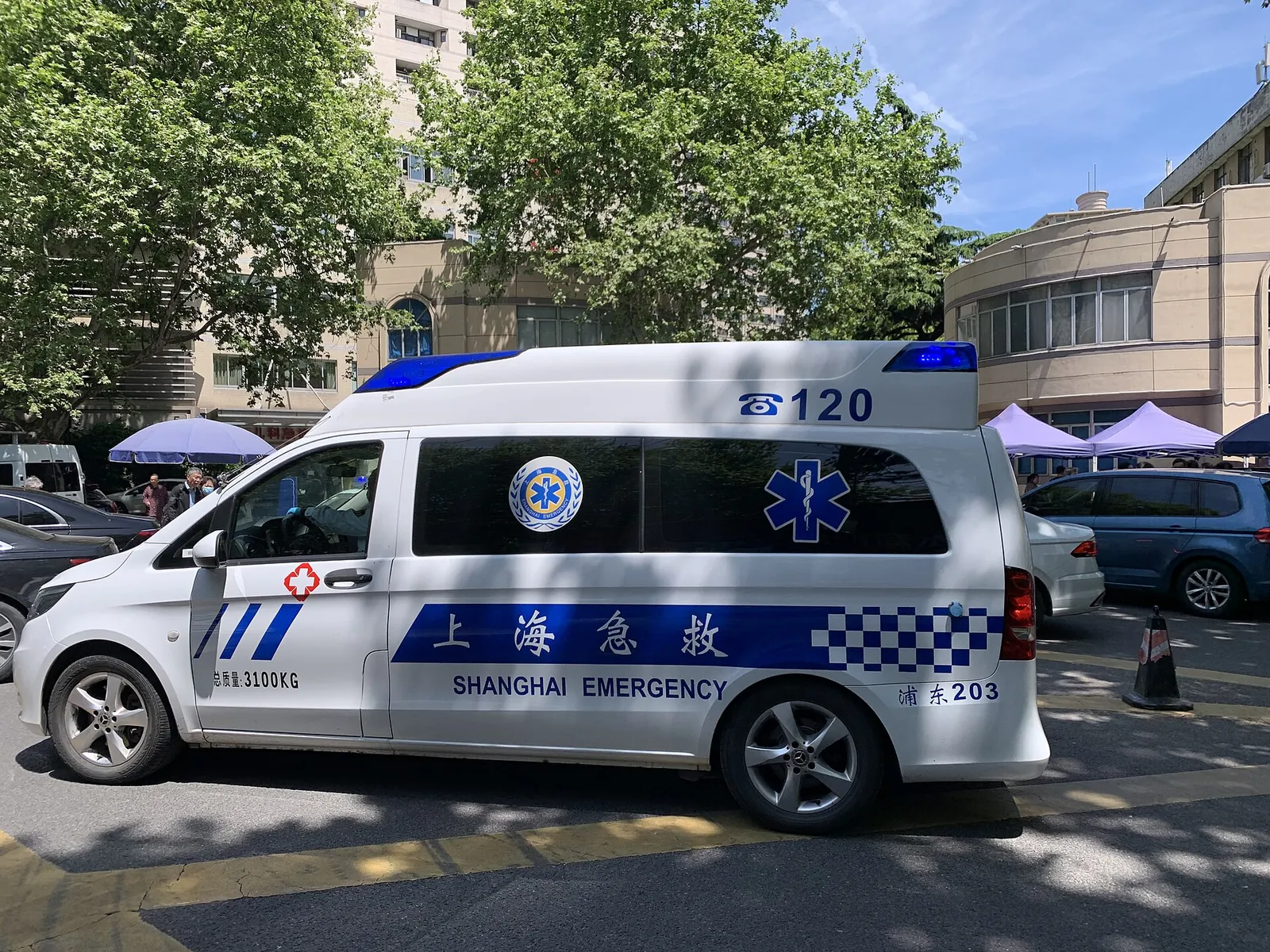
Call 120 and ask for an ambulance, and contact your insurer quickly if you are referred to a hospital. The 120 service has emergency medical centres across the Chinese mainland, and almost all hospitals have an emergency department. China has no system of family doctors in private practice, so care is concentrated in hospitals: very large, modern centres in the big cities, while rural care can be very basic and hygiene may not meet European standards. For foreigners the main problems are the language barrier and a different medical culture, with few English-speaking staff. Even so, the health situation is not a major risk for a passing traveller who takes basic precautions.
The UK keeps a list of doctors and medical facilities where some staff speak English (for information, not an endorsement), and Beijing's government lists hospitals with foreign-language services from start to finish. On the main routes:
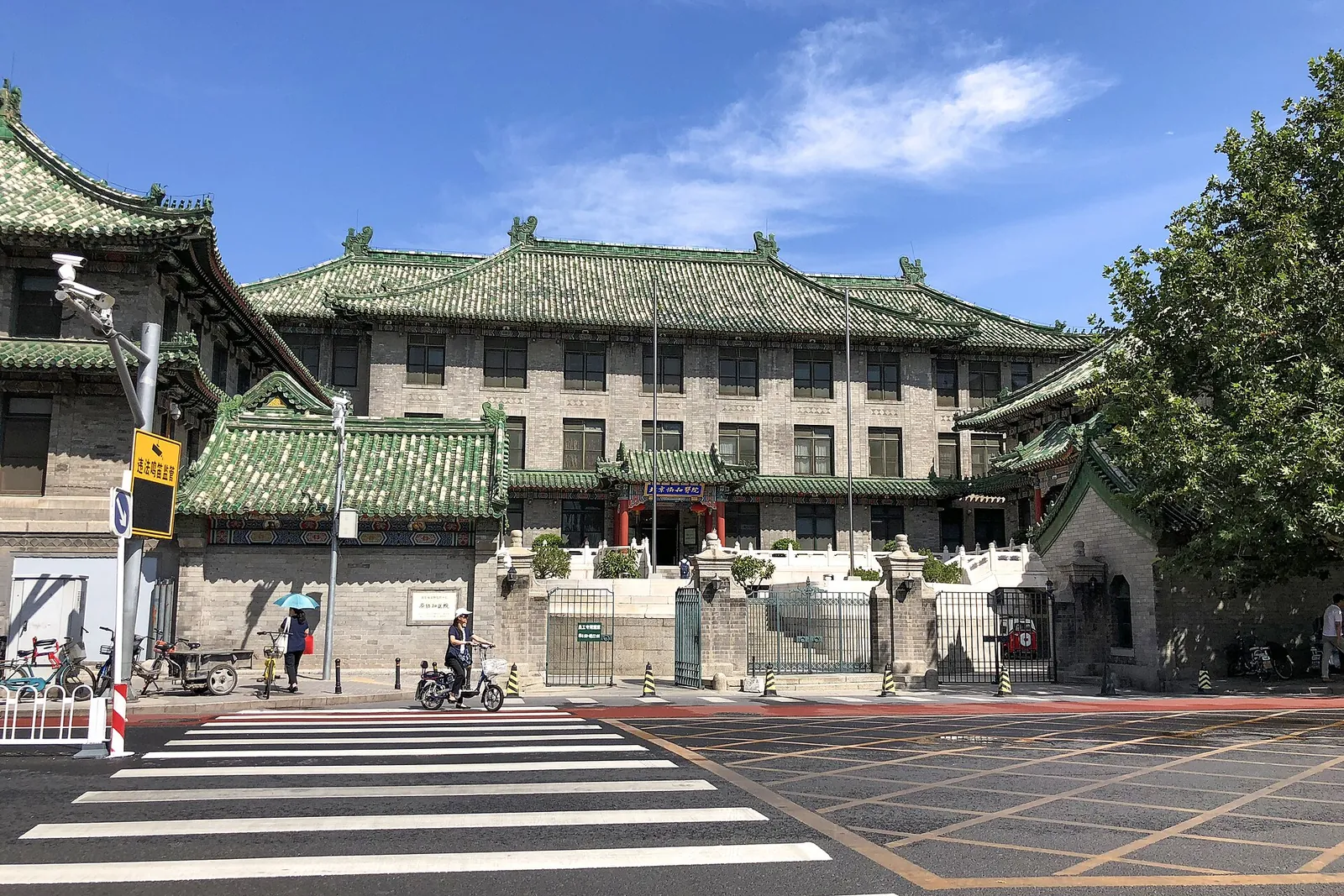
- Beijing: International Medical Services at Peking Union Medical College Hospital, with a 24-hour emergency line on +86-10-69155288. Book outpatient appointments in the International Service Beijing mini program in Weixin (WeChat) or Alipay, switched to 'En'.
- Shanghai: Parkway Shanghai Hospital, a private hospital covering all specialisations at No. 1172 Jile Road, Minhang District, with English-speaking staff and a 24-hour line on +86 400-819-6622.
- Hangzhou and Suzhou: Sir Run Run Shaw Hospital, a public hospital covering all specialisations at No. 3 Qingchun Road (East), Hangzhou, with English-speaking staff; +86 (0)571 8609 0073. In Suzhou, Suzhou Kowloon Hospital in Suzhou Industrial Park has an English-speaking VIP clinic on +86 (0)512 6262 7998.
- Xi’an: Shaanxi Provincial People's Hospital, a public hospital at 256 You Yi Xi Road; +86 (0)29 8525 1331. The UK list does not mark it as having English-speaking staff.
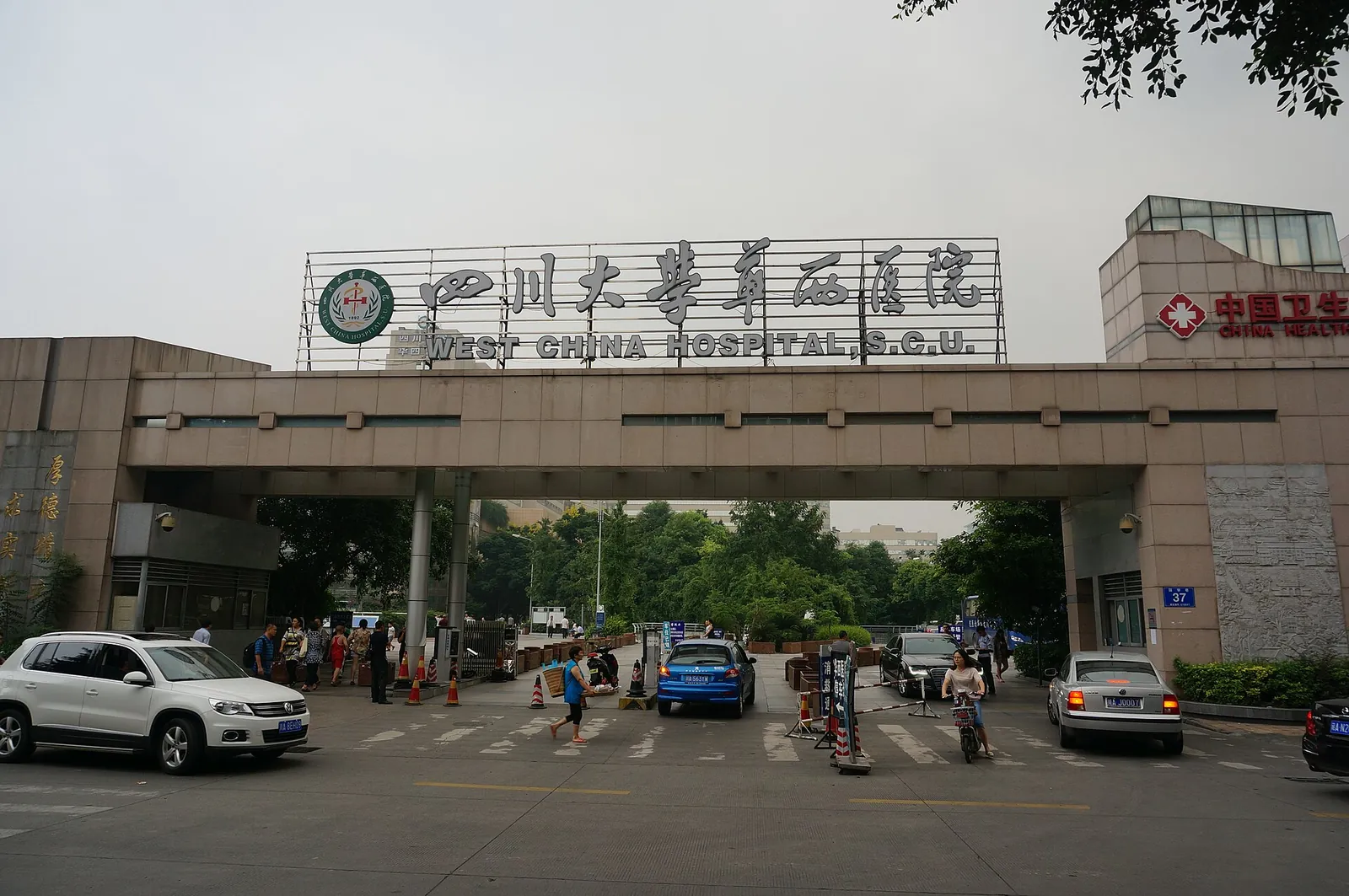
- Chengdu: West China Hospital, Sichuan University, at 37 Guoxue Lane, Wuhou District, with English-speaking staff; +86 (0)28 8542 2114.
- Chongqing: The Southwest Hospital of AMU, a public hospital at 29 Gao Tan Yan Zheng Street, Shapingba District, with English-speaking staff; +86 (0)23 6531 8301.
- Guilin: Guilin People's Hospital, a public hospital covering all specialisations at 12 Wenming Road, with English-speaking staff; +86 (0)773 2827 626, emergencies +86 (0)773 2825 116.
- Zhangjiajie: the UK list has no hospital in Zhangjiajie; its Hunan entries are in Changsha, among them Hunan People's Hospital, a public hospital at 61 Jiefang Road West, with English-speaking staff.
- Guangzhou: Guangzhou United Family Hospital, a private hospital covering all specialisations at 31 Pazhou Avenue, Haizhu District, with English-speaking staff; +86 4008 919191, emergencies +86 (0)20 3610 2333.
Insurance, hospital bills and medicines
Choose a policy that covers your itinerary and planned activities, all medical costs including surgery and hospital stays, and medical evacuation and repatriation. France warns that without such cover you risk having no access to care, even in a life-threatening emergency, and that its embassy will not pay these costs.
In Beijing, foreign patients pay the same charges as Chinese residents, either out of their own pocket or through insurance. With high-end commercial health insurance, if your insurer has a direct-billing arrangement with the hospital, you show your insurance card and passport and do not pay medical expenses up front, because the hospital settles with the insurer; otherwise you pay the hospital yourself. Beijing names MSH China, Ping An, AIA, Cigna & CMB and Allianz Partners among the insurers with such arrangements, and each hospital keeps its own list, so ask your insurer before you fly which hospitals on your route it pays directly. Hospitals take renminbi cash, international credit cards (Visa, Mastercard, American Express, Discover, Diners and JCB), UnionPay debit cards, Weixin Pay (WeChat Pay) and Alipay. The official advice gives no price for a clinic visit, emergency care or an evacuation, so check your policy's limits before you fly.
Bring your own medicines: some are not available in China and others may not be allowed in. Pack enough for the whole trip and a few days more, because long flight delays on the main routes, from congestion or unannounced military exercises, are not rare. Bring only what you strictly need, in the original packaging with the original labels and a prescription that gives the generic (international non-proprietary) names, and, if needed, a doctor's note in English explaining why you need them.
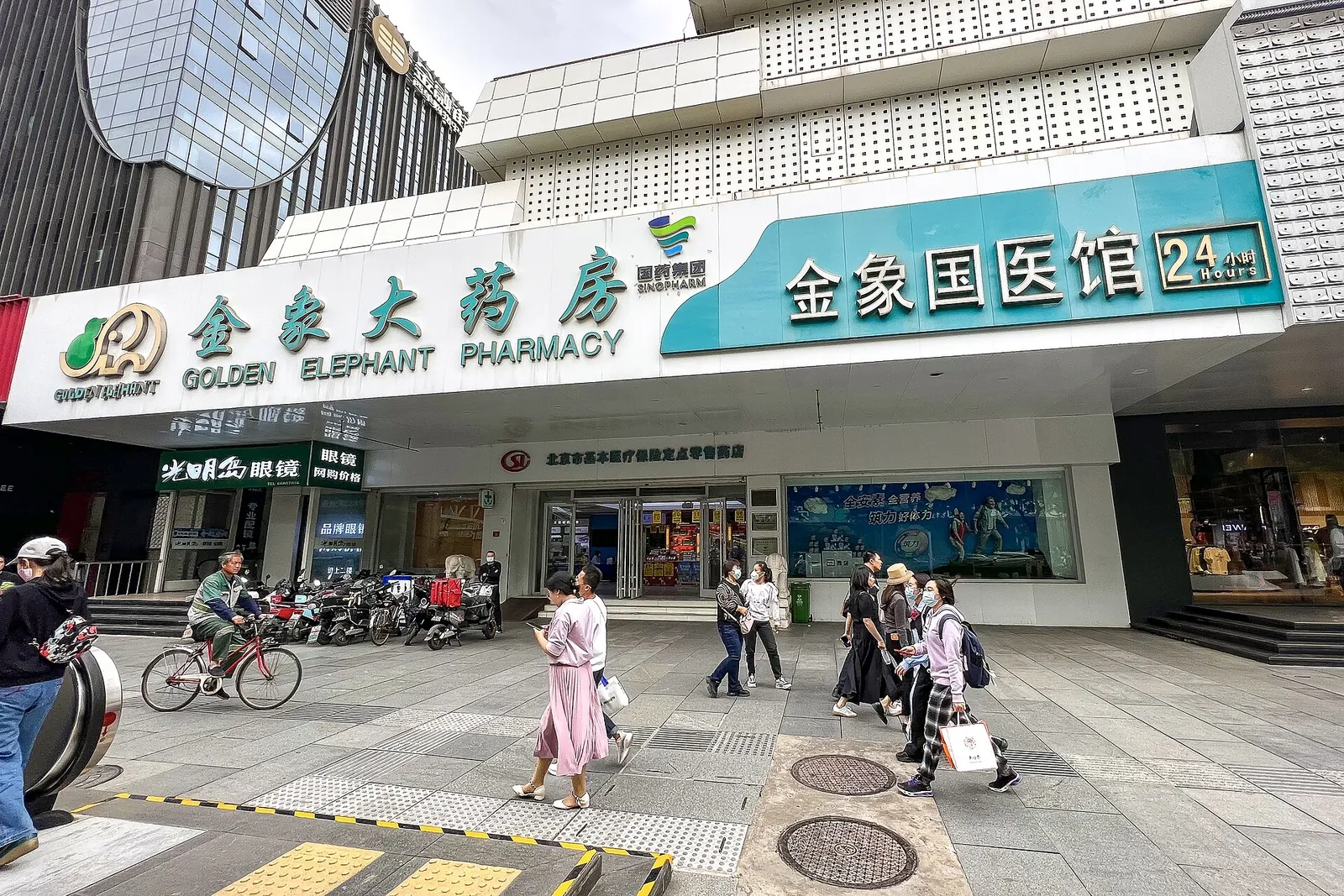
If you do have to buy medicine in China, expect some products to be hard to find and others to have different names or ingredients from those at home, so keep a note of the generic names of everything you take. Never buy medicines in the street, where fakes are sold.
Vaccines, mosquitoes and animal bites
See a travel-health professional early, at least 8 weeks before the trip. Hepatitis A, tetanus and typhoid vaccines are recommended for most travellers, and chikungunya, dengue, hepatitis B, Japanese encephalitis, rabies, tick-borne encephalitis and other vaccines for some, depending on the trip. Make sure your measles vaccination is complete: all international travellers should be fully vaccinated.
There is no risk of malaria in China, which the WHO declared malaria-free in 2021, but avoid insect bites. Dengue is the main mosquito-borne risk, mainly in the rainy season from May to November, in Guangdong and other southern and coastal provinces: Fujian, Guangxi, Hainan, Yunnan and Zhejiang are among those named. Avoid bites especially during the day. Chikungunya breaks out occasionally, especially in the south: in 2025 there were outbreaks in Guangdong, with the most cases in Foshan, Jiangmen, Guangzhou and Shenzhen, among other cities. The CDC generally does not recommend the chikungunya vaccine.
Japanese encephalitis occurs in most provinces, mainly in rural areas with wetlands, rice fields and pig farms, and mainly from April to October. The risk is low for short trips limited to major cities; consider the vaccine for rural visits, hiking and camping. Tick-borne encephalitis occurs mainly in the wooded north-east, and ticks are most active from early spring to late autumn.
Rabies is a risk across the country, cities included, and dogs infected with rabies are commonly found. Avoid contact with all animals, strays above all, and get medical help at once after any bite or scratch, since rabies is preventable with prompt post-exposure treatment. Rabies vaccine is typically available in most of the country, but vaccine and immunoglobulin may also be unavailable or only very limited, so consider vaccination before the trip, especially for young children and for rural or remote trips.
There is no yellow fever in China, but travellers aged nine months or older need a vaccination certificate if they arrive from a country with yellow fever risk or after more than 12 hours in transit at an airport in one. No HIV certificate is required for tourist, family, business or study stays of under six months. On arrival you may also have to pass medical screening, which can include temperature scanning and, rarely, swabs, blood tests or an examination; refusing it can mean being refused entry.
Water, food, air, heat and altitude
Do not drink the tap water, even in the major cities; bottled water is easy to find. Otherwise drink only sealed drinks or water made safe by filtering, boiling or a disinfectant, and avoid raw or undercooked food. Traveller's diarrhoea is frequent, along with hepatitis A and E and multi-resistant salmonella. Bird flu is present in several forms, and the Chinese health authorities regularly report human cases, so avoid poultry markets and live birds and eat poultry well cooked.
Do not wade, swim or bathe in rivers and lakes. The risk of schistosomiasis is very low overall, but it exists especially along the Yangtze, in Anhui, Hubei, Hunan, Jiangxi, Sichuan, Yunnan and Zhejiang.
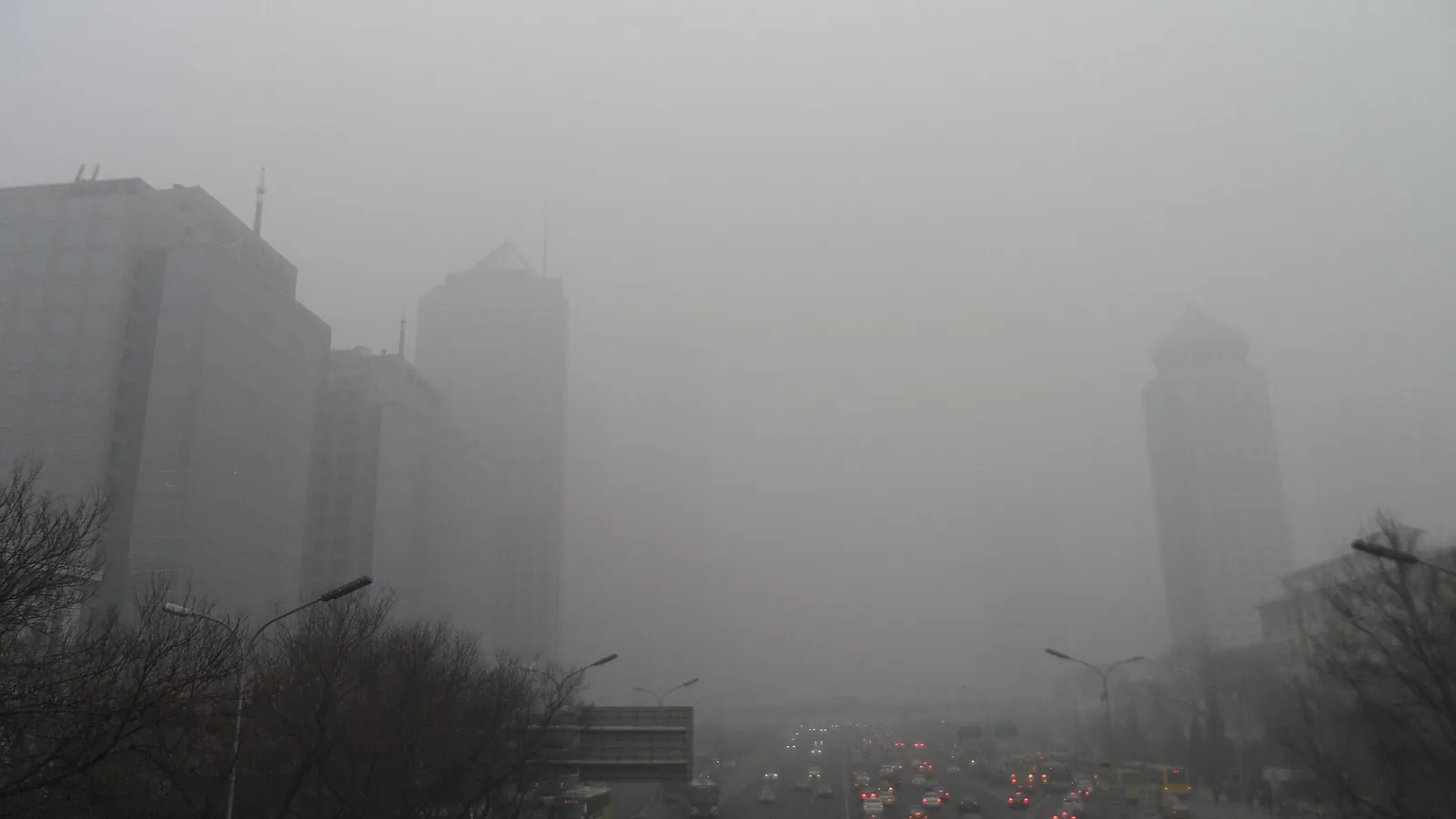
Air pollution in the big cities is often high to very high, especially in winter, though the authorities have improved it considerably; Beijing and a number of northern and central cities regularly see peaks that can exceed an air quality index of 300. Check current readings before you go, for example on the World Air Quality Index. If you are at risk, you may want to postpone, and during a peak limit outings and wear an N95 or FFP2 mask, best brought from home. Our best time to visit guide compares the months.
Temperatures vary widely by season and province, from -30 °C in Inner Mongolia to +45 °C in Xinjiang or Xishuangbanna, and lasting heat waves cannot be ruled out. Heat-related illness such as heat stroke can be deadly: eat and drink regularly, wear loose, light clothing, limit activity in high temperatures and avoid the hottest hours, especially in summer and at high elevation.
Altitude illness is a risk from 2,500 m upwards, and a rapid ascent without time to acclimatise raises it. Jiuzhaigou is the one trip in our China guides that goes that high: the fast trains from Chengdu stop at Huanglong Jiuzhai station, at 2,977 m. Watch for headache, fatigue, loss of appetite, nausea, vomiting, poor sleep or breathlessness. If they appear, go no higher, descend as fast as possible with a companion and see a doctor; the symptoms can pass, but they can also get worse and become fatal.
Transport, weather, earthquakes and fire safety
Road traffic is a high risk in and outside the cities, and accidents are common. Driving yourself needs a Chinese driving licence and valid insurance, drink-driving is punished harshly even at very low levels, and you can be held responsible for medical costs if someone is injured; after an accident involving a foreigner, the police generally hold at least the passport for an indefinite period, whoever was at fault. Avoid travelling by road at night, because of drivers who ignore the rules and, in rural areas, badly lit vehicles and animals; for a short stay, a car with a driver, inexpensive and common in the big cities, also spares you the heavy penalties drivers face at frequent routine checks.
Petty theft on overnight trains is common, so keep valuables with you. On flights, power banks must carry clearly visible CCC certification and travel in hand luggage, capacity limits apply, and uncertified ones are confiscated; only CCC-certified ones have been accepted on board since 28 June 2025. Lighters and matches are banned on domestic and outbound international flights. Our transport guide covers tickets, stations and airports.
Floods and storms are common from May to November, when typhoons also hit the southern and eastern coastal regions and can disrupt flights and other transport; in the mountains, heavy rain, landslides and flash floods come mainly from June to October. Follow local instructions, including evacuation orders. Weather warnings use four colours, blue, yellow, orange and red: from orange, serious transport and flight disruption and closures of public buildings are possible, and the authorities send current warnings by SMS or WeChat.
China lies in an active seismic zone and can experience major earthquakes. Several strong ones have struck the south-west in recent years, especially Sichuan, and the main zones also include Heilongjiang, western Yunnan, the Yangtze basins, Hebei and the Beijing region.
Wherever you sleep, find the fire exits and check the fire alarm, since fire safety standards vary, and make sure your accommodation has a working carbon monoxide alarm: people have died from badly installed gas equipment.
Do not hike alone in isolated areas, including on the Great Wall, and leave your route and expected return time with someone. In Beijing and some provinces, only officially open sections of the wall may be visited: unrestored sections are closed, and heavy fines apply. Our Great Wall guide covers the open sections.
Practical questions
Is China safe for tourists?
For most visitors, yes. Crime is low overall and violence very rare, and the UK, French and German governments do not advise against travel to any part of mainland China. The risks that catch visitors out are the law (passport checks, drug tests, protests), scams such as the 'tea tasting' invitation, road traffic, air pollution and tap water.
What is the emergency number in China?
Call 110 for the police, 120 for an ambulance and 119 for fire; 122 is the traffic police. An English-speaking officer answers 110, but officers at a police station may not speak English.
Do I need vaccinations for China?
Hepatitis A, tetanus and typhoid are recommended for most travellers, and rabies, Japanese encephalitis, hepatitis B and others depending on the trip; see a travel-health professional at least 8 weeks before you fly. A yellow fever certificate is needed only if you arrive from a risk country or after more than 12 hours in transit at an airport in one.
Do I need malaria tablets for China?
No. There is no risk of malaria in China, which the WHO declared malaria-free in 2021, but avoid insect bites: mosquitoes in the south can carry dengue and chikungunya.
Can you drink the tap water in China?
No, not even in the major cities. Drink bottled water, which is easy to find, or sealed drinks.
Do I need travel insurance for China?
Yes, with cover for all medical costs, including hospital stays, plus medical evacuation and repatriation. Without it you risk having no access to care, even in a life-threatening emergency.
Can I use a VPN in China?
German advice is to refrain from using VPN services: using one to get around the censorship is banned, and the UK says a VPN needs a government licence. Google, Facebook, X, WhatsApp and YouTube are blocked; our payments and apps guide covers the apps to set up before you fly.
Keep planning your trip
First trip to China
How long a first China trip should be, then a week in Beijing, Xi’an and Shanghai: what to book first, the trains, entry, paying and the cost per day.
Read the guide
Entering China
Who can enter China visa-free for 30 days, when the waiver ends, how 240-hour transit works, and the arrival card, hotel registration, customs and safety rules.
Read the guide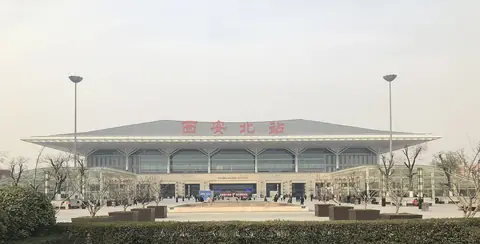
China trip cost
What 10 days in Beijing, Xi’an, Chengdu and Shanghai cost for two sharing a room: about CNY 7,360, 10,140 or 15,950 a person, with every meal, train and ticket.
Read the guide
Payments and apps in China
How to pay in China with a foreign card on Alipay and Weixin Pay (WeChat Pay): fees, limits, cash, a passport SIM, and the map, ride and translation apps in English.
Read the guide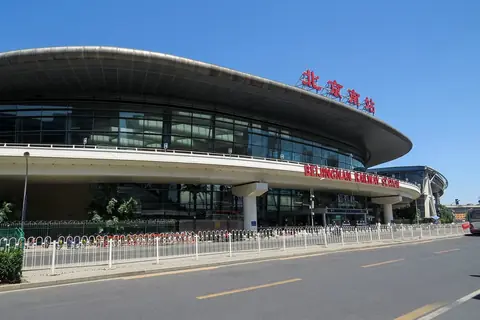
Getting around China
Book China's high-speed trains on 12306 with a foreign passport, decide when to fly, and get from the airports and stations into town.
Read the guide
Best time to visit China
When to go to China by region and month: spring and autumn for Beijing, Xi’an and Shanghai, rain and typhoon seasons, and the expected 2027 holiday peaks.
Read the guideSources and checks before you travel
(16)
- UK Foreign Office (GOV.UK): China travel advice ↗ — opens in a new tab
- UK Foreign Office (GOV.UK): China safety and security ↗ — opens in a new tab
- UK Foreign Office (GOV.UK): China health ↗ — opens in a new tab
- UK Foreign Office (GOV.UK): China getting help ↗ — opens in a new tab
- UK Foreign Office (GOV.UK): China entry requirements ↗ — opens in a new tab
- UK Foreign Office (GOV.UK): China regional risks ↗ — opens in a new tab
- UK government (GOV.UK): China, information for victims of rape and sexual assault ↗ — opens in a new tab
- UK government (GOV.UK): list of medical facilities in China ↗ — opens in a new tab
- Germany's Federal Foreign Office (Auswärtiges Amt): China, Reise- und Sicherheitshinweise ↗ — opens in a new tab
- French foreign ministry (France Diplomatie): Chine, sécurité ↗ — opens in a new tab
- French foreign ministry (France Diplomatie): Chine, santé ↗ — opens in a new tab
- French foreign ministry (France Diplomatie): Chine, informations utiles ↗ — opens in a new tab
- TravelHealthPro (NaTHNaC): China ↗ — opens in a new tab
- US CDC Travelers' Health: China ↗ — opens in a new tab
- Beijing Municipal Government: medical guide for international visitors ↗ — opens in a new tab
- Jiuzhaigou Administration (official site): arrival ↗ — opens in a new tab
Reference sources for the version dated 8 November 2026. Confirm opening times, access, transport and conditions for your travel dates.
Photo credits
(6)
The old buildings of Peking Union Medical College Hospital in Beijing, whose International Medical Services department has a 24-hour emergency line.
Photograph: N509FZ — opens in a new tab · CC BY-SA 4.0 — opens in a new tab
Changes: Resized and converted to WebP; displayed with responsive crops. · Original photograph and licence details ↗ — opens in a new tab
An ambulance of the Shanghai emergency service; 120 is the ambulance number across mainland China.
Photograph: Chainwit. — opens in a new tab · CC BY 4.0 — opens in a new tab
Changes: Resized and converted to WebP; displayed with responsive crops. · Original photograph and licence details ↗ — opens in a new tab
Zhanlanlu Police Station in Beijing; report a lost or stolen passport at a police station or Public Security Bureau.
Photograph: N509FZ — opens in a new tab · CC BY-SA 4.0 — opens in a new tab
Changes: Resized and converted to WebP; displayed with responsive crops. · Original photograph and licence details ↗ — opens in a new tab
The entrance to West China Hospital of Sichuan University in Chengdu, listed by the UK government as having English-speaking staff.
Photograph: 猫猫的日记本 — opens in a new tab · CC BY-SA 4.0 — opens in a new tab
Changes: Resized and converted to WebP; displayed with responsive crops. · Original photograph and licence details ↗ — opens in a new tab
A Golden Elephant pharmacy at Xidan in Beijing; buy medicines from a pharmacy, never in the street.
Photograph: N509FZ — opens in a new tab · CC BY-SA 4.0 — opens in a new tab
Changes: Resized and converted to WebP; displayed with responsive crops. · Original photograph and licence details ↗ — opens in a new tab
Smog over Beijing's business district; air pollution in big cities is often worst in winter.
Photograph: 螺钉 — opens in a new tab · CC BY-SA 3.0 — opens in a new tab
Changes: Resized and converted to WebP; displayed with responsive crops. · Original photograph and licence details ↗ — opens in a new tab