Shaanxi
Xi’an in three days: Terracotta Army, City Wall and museums
Xi’an was the capital of 13 dynasties, and three days show why: the clay army that guards the First Emperor’s tomb, a 13.74-kilometre city wall that still rings the old centre, a pagoda founded in 652 for the scriptures the monk Xuanzang brought back from India, and a provincial museum of more than 1.7 million objects whose main displays are free. The difficulty is booking, not choosing: the Terracotta Army sells timed tickets and the free Shaanxi History Museum releases a limited number of reservations.
In this guide
Find the location ↗ — opens in a new tabThe short answer
Book two nights inside the wall in central Xi’an: walk the old city on the day you arrive, give day two to the Terracotta Army and the last morning to the Shaanxi History Museum. Book the Terracotta Army (CNY 120, timed) as soon as your dates are fixed, and the free museum on its Weixin (WeChat) account at 17:00 China time five days before your museum day. The City Wall costs CNY 54. Two adults at mid-range prices spend about CNY 4,460 on the ground for three days, CNY 2,230 each, before flights.
- Suggested time
- 3 days / 2 nights
- Where to stay
- Central Xi’an, inside the city wall around the Bell Tower
- Season and timing
- Book the Terracotta Army early for dates around 1 May and 1 October, when demand is heaviest: a Labour Day break of 1 to 5 May 2027 and Golden Week, 1 to 7 October 2027, are expected but not yet confirmed. Air pollution in big cities is often high to very high, especially in winter; check live readings.
Two nights inside the wall
Stay in the old city, inside the wall, around the Bell Tower. From there the Drum Tower, the Muslim Quarter and the wall gates are a walk away, and the museum and pagoda are a short ride south. A second base near the Big Wild Goose Pagoda suits you better if the Shaanxi History Museum and the pagoda are your priority, because the museum lists the Xiaozhai stop (lines 2 and 3) and the Dayanta stop (lines 3 and 4) as its nearest stations. One base for both nights is enough; the Terracotta Army is a day trip from either.
Not every hotel can register foreign guests with the police, so confirm that yours accepts foreigners before you book; our entry guide covers registration.
The Terracotta Army and Lishan Garden
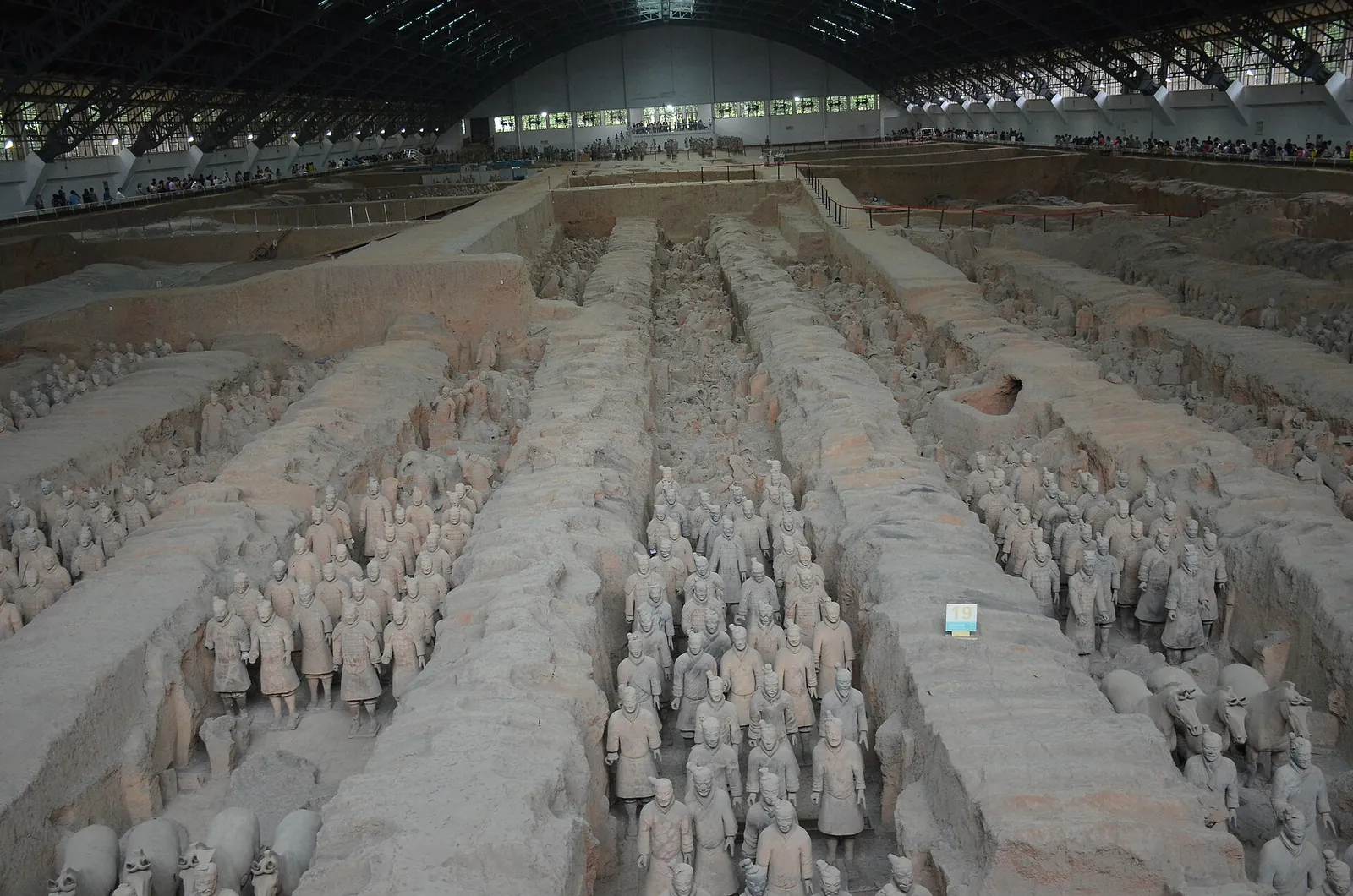
The Terracotta Army belongs to the museum of the First Emperor’s Mausoleum, in Lintong district east of the city, and it is the reason most people come. Farmers digging a well in March 1974 found the first pit. Pit 1 is the great one: 14,260 square metres under one roof, with about 6,000 clay soldiers and horses in long trenches, of which more than 500 figures and 24 horses have been cleared. Pit 2 holds crossbowmen, cavalry, infantry and chariots, and the museum counts 939 figures, 472 horses and 89 chariots there. Pit 3 is small, about 520 square metres, and is the only one that was not burned, so more of the original paint survived. A second site, Lishan Garden, sits on the mausoleum grounds and shows two half-size bronze chariots found in 1980 beside the burial mound.
One ticket covers both sites. The museum says each needs about 1.5 hours and runs a free shuttle between them, so the two sites take about three hours, and with the journey out and back the trip fills most of a day. The ticket costs CNY 120 all year. Adult visitors from abroad normally pay the full price. Senior and student concessions have nationality or education conditions; the museum’s English policy also lists free entry for non-mainland children up to 1.4 metres tall, accompanied by a parent and booked in advance. The museum caps visitors at 65,000 a day and stops selling when it reaches that.
Everyone, foreign visitors included, must reserve in advance on the museum’s own website or through two Weixin official accounts, “秦始皇帝陵博物院” or “兵马俑票务在线”. Check the live booking calendar as soon as your dates are fixed and buy when your visit date opens. The website accepts passport details. Tickets are timed and checked against your original passport at the gate: person, ticket and document must match. Arrive half an hour before your slot. Entry is through the north gate only and the route is one way. The ticket is valid only on the date you booked and is checked three times. Cancel before check-in if your plans change; a used ticket cannot be refunded, and refunds take three to five working days to reach the account you paid from.
From 16 March to 15 November tickets are checked from 08:30 to 17:00 and the museum closes at 18:30; from 16 November to 15 March they are checked from 08:30 to 16:30 and it closes at 18:00. Holiday hours follow the museum’s announcements. Electric carts run inside the sites for CNY 5 a person at Pit 1 and CNY 15 at Lishan Garden. Left luggage is free after security screening.
The museum stands beyond Huaqing Palace in Lintong district, east of the city; give the journey and the two museum sites a full day. By public transport, take metro line 1 to Fangzhicheng and line 9 to Huaqingchi, then the Lintong You 613 or Lintong 602 bus to the museum, or a direct tourist bus from the Qinfeng depot, a 310-metre walk from exit D of Tonghuamen station on metro line 3. The metro and bus cost about CNY 50 for two there and back, an estimate from Xi’an’s distance-based metro fares and a bus fare of a few yuan. A taxi costs about CNY 100 a vehicle each way, and a car whose driver waits costs about CNY 500 a vehicle return. The private tours below start in the city.
Line 9 also stops at Huaqingchi, a 3 to 5 minute walk from exit B or C to the west gate of Huaqing Palace, the hot-spring gardens at the foot of Mount Li that served emperors from the Zhou to the Tang and keep the hall linked to the Xi’an Incident of 1936. Adult visitors from abroad pay CNY 120; it opens 07:30 to 17:30, with last entry at 17:00. Add it only with an early start: it is not counted in the costs below.
The City Wall, the Beilin Museum and the Muslim Quarter
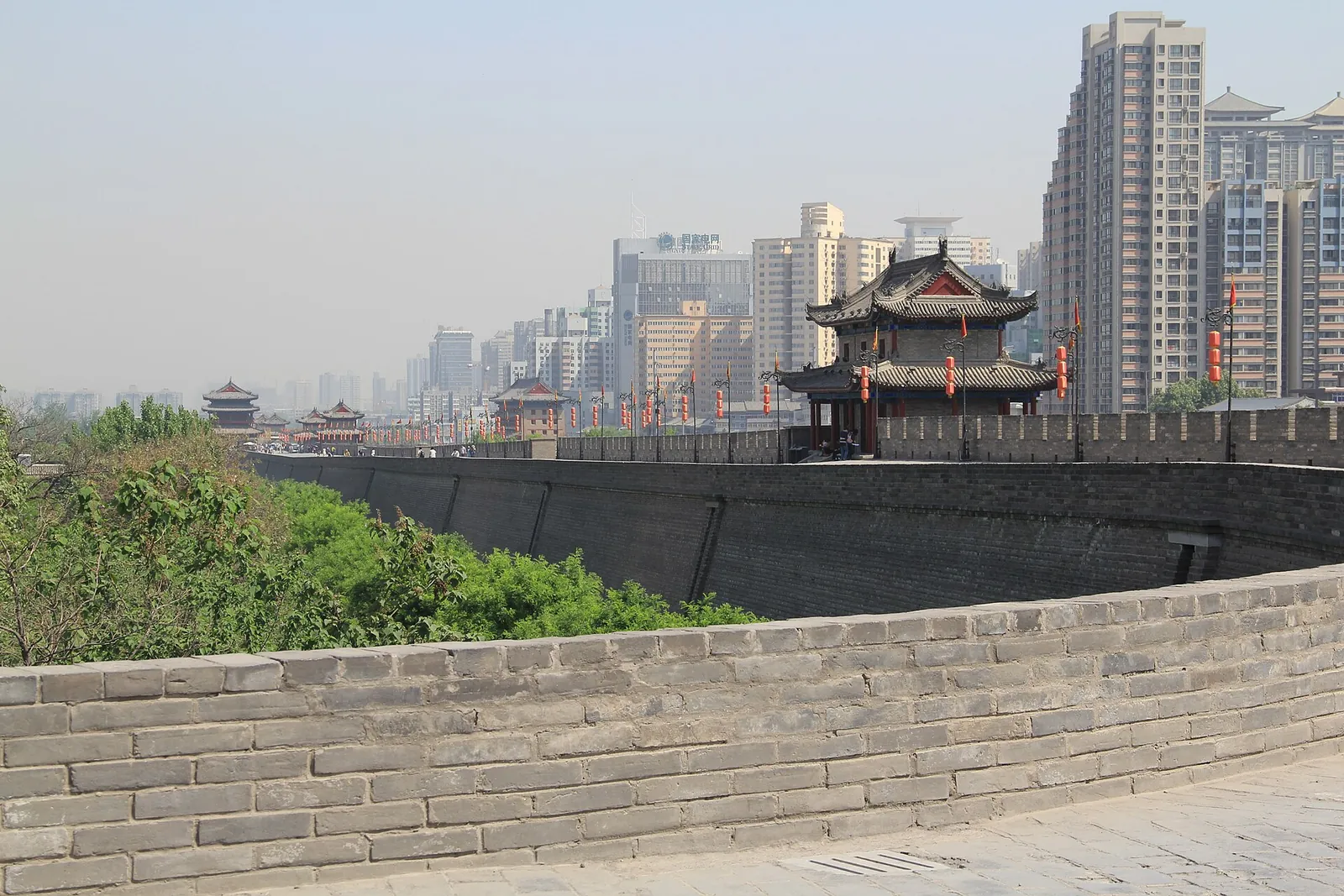
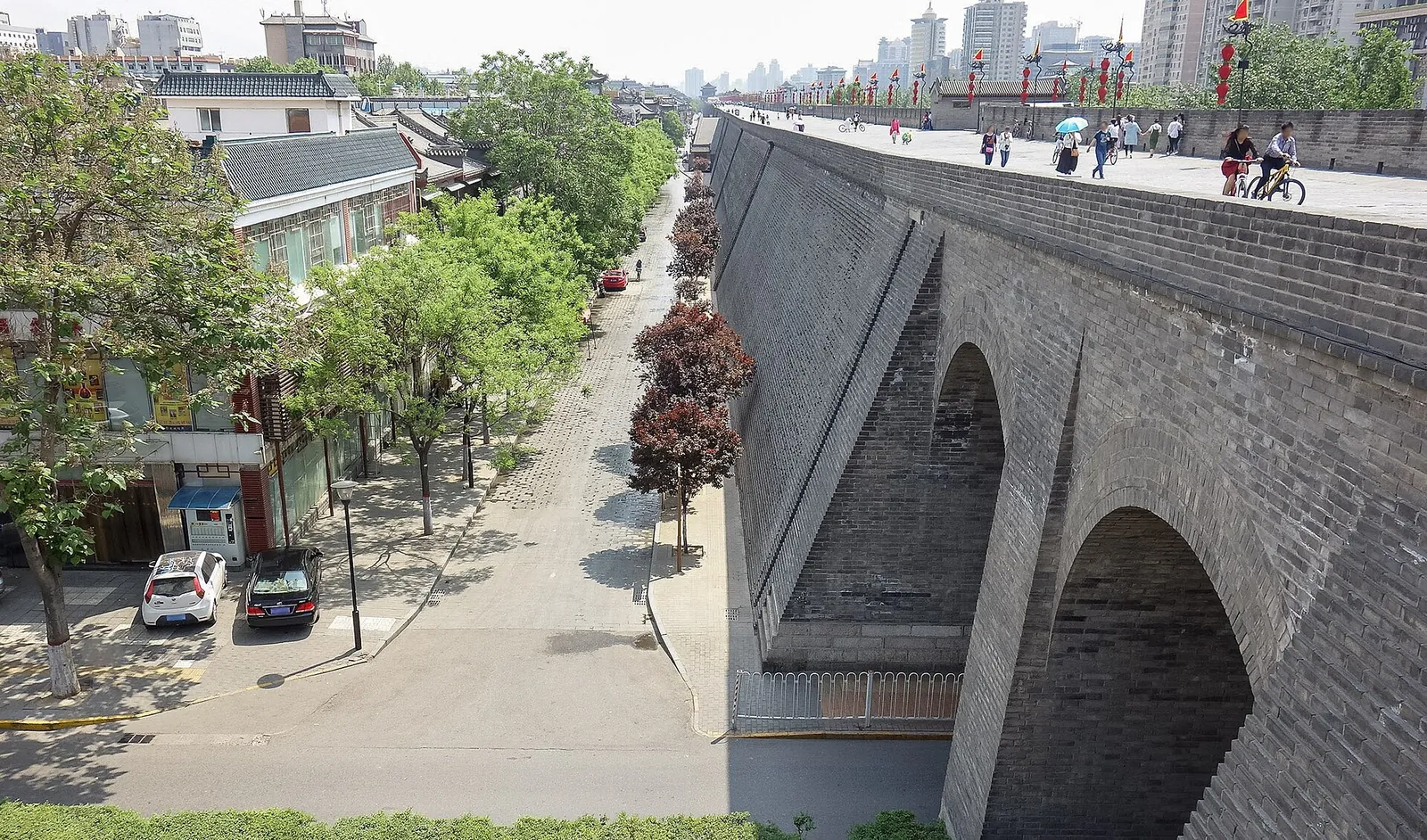
Give the afternoon and evening you arrive to the middle of the old city. The City Wall rings the old centre for 13.74 kilometres, and the city calls it the largest and best-preserved ancient city wall in China, with a history of more than 1,400 years. Its top is a broad paved rampart. The full ticket is CNY 54, a price set by the city government. Since May 2025 the wall has had 17 gates where visitors can climb up or come down, so you can join it wherever you are. Yongning Gate, the south gate, is the ceremonial one, where the city has welcomed guests from more than 40 countries, and the usual place to start. A full circuit takes about three and a half hours on foot or about an hour and a half by bicycle. Bicycles are hired at the main gates, Yongning Gate included; set aside about CNY 45 for a single bicycle as a budgeting estimate, comparing it with the CNY 54 wall admission. Ask the gate staff for the current price, hire period, deposit and riding restrictions. Check the closing time at the gate where you climb, and plan to be on the wall in daylight.
Back at Yongning Gate, a short walk east inside the wall brings you to the Beilin Museum (Forest of Stone Steles) on Sanxue Street. It grew from a collection of steles gathered in 1087 and now holds more than 11,000 pieces in three parts: the old Confucius Temple, the galleries of engraved tablets and a hall of stone sculpture. The steles trace Chinese calligraphy through its great masters, among them the Kaicheng Stone Classics and the Duobao Pagoda stele, and the sculpture hall shows four of the Six Steeds, the horse reliefs the Tang emperor Taizong commissioned for his tomb, the Zhao Mausoleum. Set aside about CNY 85 for admission, an estimate comparing the museum visit with other paid sights in this plan. Check its official booking channel for the current ticket and opening hours. Allow about two hours.
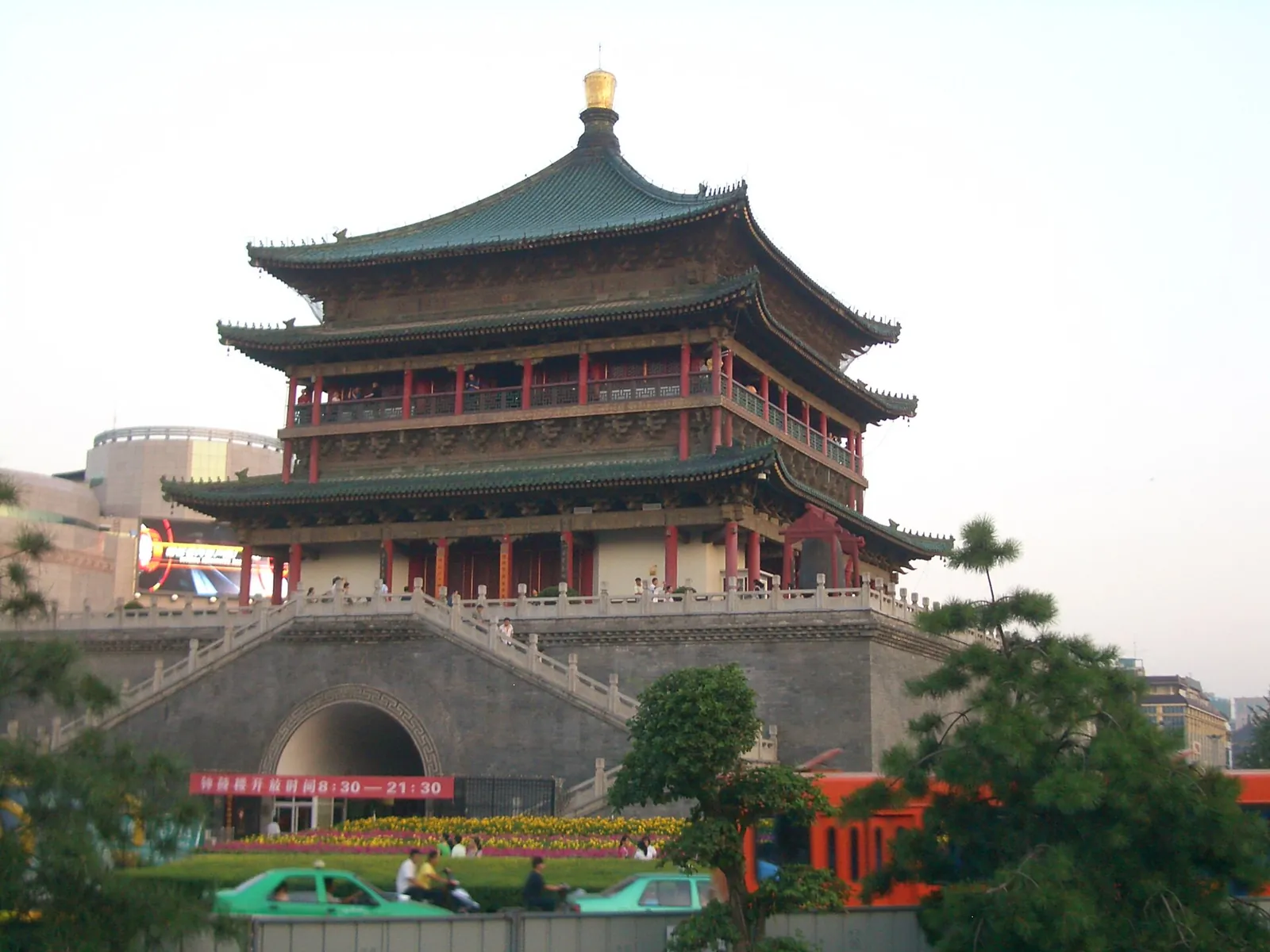
Then walk north up South Avenue to the middle of town. The Bell Tower, built in 1384 and moved here in 1582, stands where the four main avenues meet and run out to the four gates of the wall; it rises from a brick base under a triple roof of green glazed tiles, and it once served as the city’s alarm and clock. The Drum Tower, four years older, stands a short walk to the north-west at the southern end of Beiyuanmen Street: a two-storey hall of timber and brick on a square base with an arched passage through it, and a spiral stair inside that leads to the top. Each tower charges admission; set aside about CNY 50 a person for both, an estimate.
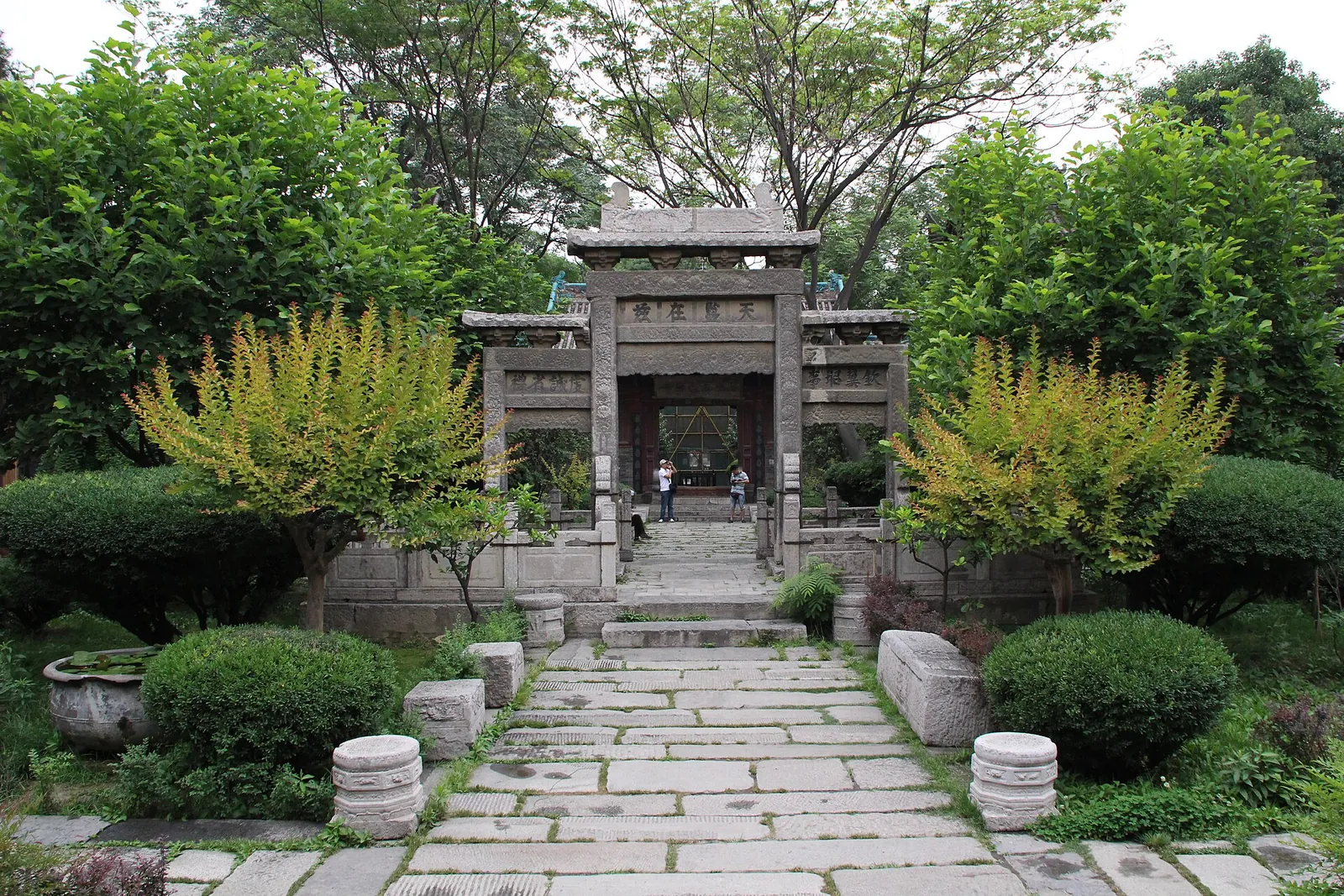
Behind the Drum Tower begins the Muslim Quarter, the old Hui neighbourhood. Its main lane, about 600 metres long, is lined with snack shops and restaurants, mostly run by Hui families, selling paomo, roujiamo and soup dumplings; the food box below names places to try. Within the quarter lies the Great Mosque, with a stone gateway in its second courtyard. There is a small admission fee. It is a place of worship and can set its own rules on photography and dress, so go outside the Friday midday prayer.
The Shaanxi History Museum and the Big Wild Goose Pagoda
The Shaanxi History Museum on Xiaozhai East Road holds more than 1.7 million objects spanning a million years: prehistoric stone tools, Shang and Zhou ritual bronzes, pottery figures from every dynasty, and the murals and gold and silver of the Tang. Its basic displays are free, but entry is by advance reservation only. Tickets are released five days ahead at 17:00 China time every day (a booking for 6 July opens on 1 July) through the museum’s “陕西历史博物馆” Weixin official account. Visitors from outside mainland China book with a passport and must bring the original to the gate. You can pre-fill your details, but the booking only counts once the success page shows your order. Each passport can hold one order a day and four successful orders in 30 days, cancellations included; a missed slot that you did not cancel before check-in closes stops further bookings on that passport for 180 days. The museum says it has authorised no travel agency or other seller to sell tickets, so a payment to a reseller is not a museum fee.
The Tang mural treasures hall and special exhibitions are ticketed separately, online or at the museum, and a buyer of those tickets does not need a free main-museum reservation as well, so an available paid-exhibition ticket is an alternative when the free slots are gone. Check its price and availability in the official booking screen; this optional replacement is outside the basic-display budget below. The main museum usually closes on Mondays, so give it another day of the week; it opened daily from 15 March to 14 November 2026, from 08:30 to 19:00 with the last ticket check at 18:00, and its Weixin account gives the current hours. The separate Qin-Han branch, in the Qin-Han New City, keeps its own hours and admits passport holders without a reservation.
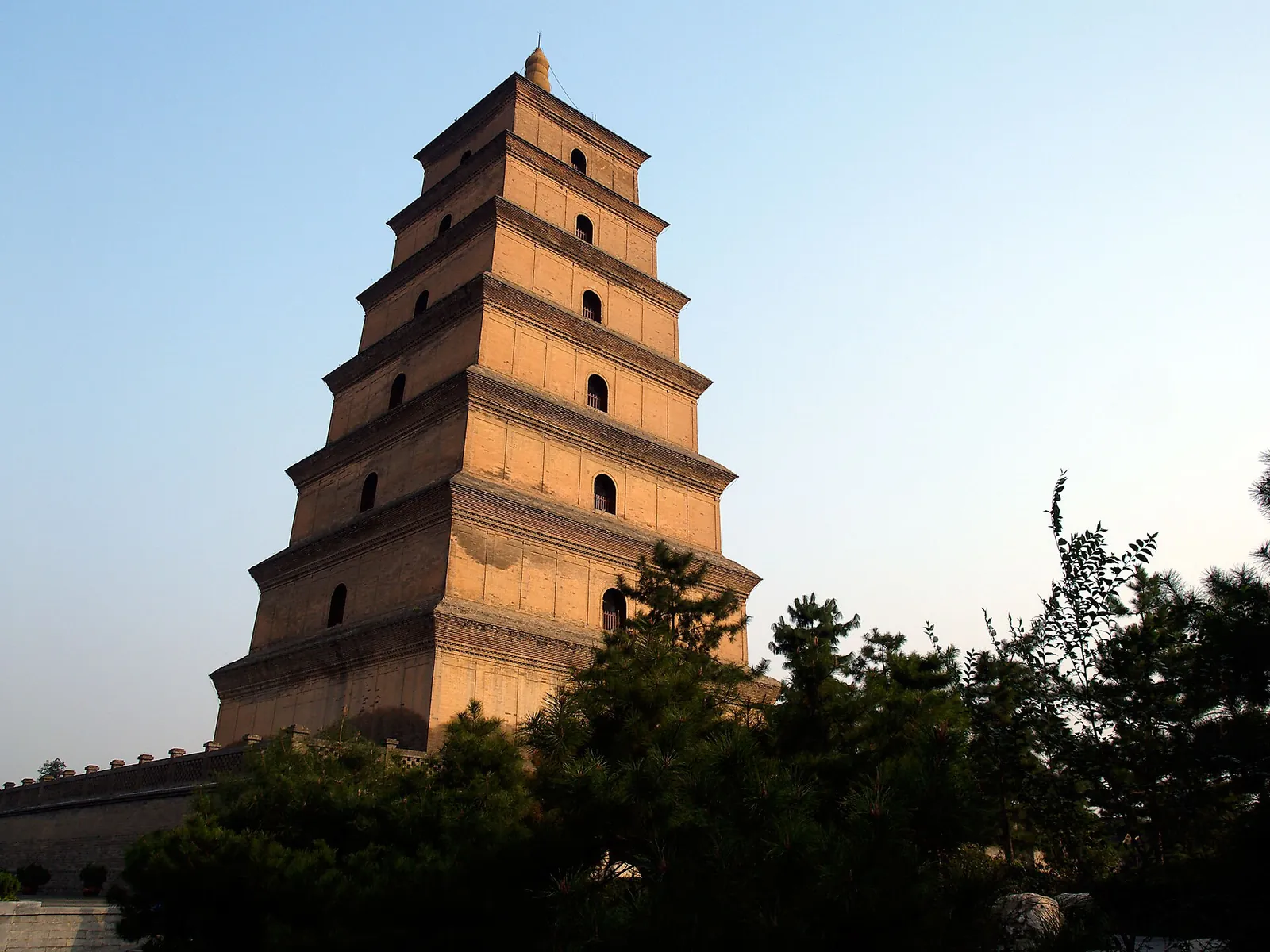
The Big Wild Goose Pagoda stands in the grounds of Da Ci’en Temple, in the south of the city. The monk Xuanzang had it built in 652 to keep the Buddhist statues and scriptures he brought back from India, and after several renovations it is a square brick tower of seven storeys, more than 64 metres tall. Beside its southern entrance are two stone tablets with texts by the Tang emperors Taizong and Gaozong, written out by the calligrapher Chu Suiliang. It sits well with the museum on the same afternoon. Entry to Da Ci’en Temple costs about CNY 50 and the climb inside the pagoda a further CNY 30. Stay into the evening if you can, for the musical fountain on the North Square below the pagoda, which is free to watch.
Three days in order
Day one is the day you arrive, so the plan assumes a morning train: the fastest trains from Beijing West take just over four hours, and those between Shanghai Hongqiao and Xi’an almost six. Book the Terracotta Army for day two and the museum for day three; the museum usually closes on Mondays, so day three should not fall on one. If no free slot is left, check for an available paid Tang mural hall or special-exhibition ticket, priced separately, or try for a late-afternoon slot on day two. Onward, the usual next stops by train are Beijing and Shanghai.
- Day 1: arrival, the Beilin Museum, the City Wall and the Muslim Quarter. Take a taxi from Xi’an North to the hotel and walk to the Beilin Museum by Yongning Gate. Then climb the wall there and ride or walk while it is light; a full circuit fits by bicycle if you arrive by early afternoon. Walk back up South Avenue past the Bell and Drum Towers and eat in the Muslim Quarter. If you arrive late, keep to the wall and the Muslim Quarter.
- Day 2: the Terracotta Army and Lishan Garden. Leave the hotel early: Pit 1 first, the other two pits, then the shuttle to the bronze chariots. Back in the city in the afternoon, see the Great Mosque and have a bowl of paomo for dinner.
- Day 3: the Shaanxi History Museum, the Big Wild Goose Pagoda and the onward train. Check out after breakfast and ask the hotel to hold your bags (confirm when you book that it will). Take a morning museum slot, then Da Ci’en Temple and the pagoda. Collect your bags and allow about 60 minutes at Xi’an North for security, the passport check and queues. If your train leaves late, stay for the evening on the North Square.
What to eat and where to look
Yangrou paomo
Flatbread that you crumble into the bowl yourself; the cook then heats it in lamb or beef broth, and you eat it with chilli sauce, coriander and sweet garlic. Lao Sun Jia has served paomo since 1898.
- Where to look
- Lao Sun Jia, at the southern end of the Muslim Quarter’s main lane near the Drum Tower.
- Fit it into your day
- Dinner on day 2, after the Terracotta Army; one bowl is a full meal.
Roujiamo
The “Chinese burger”: a baked bun stuffed with chopped, marinated meat. In the Muslim Quarter the filling is beef.
- Where to look
- Snack shops along the main lane of the Muslim Quarter, behind the Drum Tower.
- Fit it into your day
- A snack in the Muslim Quarter on the evening you arrive.
Youpo mian and biangbiang noodles
Youpo mian are oil-splashed noodles: hot oil is poured over chilli powder and other seasonings on a bowl of wheat noodles, which come out spicy, fragrant and chewy. Biangbiang noodles are wide, hand-pulled belt noodles, slapped against the counter as they are stretched and served with chilli oil and vinegar.
- Where to look
- Yongxingfang, a food lane in Xincheng district, inside the wall, that keeps the layout of an old lane and is known for youpo noodles and other Shaanxi dishes.
- Fit it into your day
- A late lunch on day 2 when you are back from Lintong; one bowl a person.
Guantang baozi
Steamed soup buns with a paper-thin skin around tender meat and hot broth, a Muslim speciality of the city.
- Where to look
- Beiyuanmen Street in the Muslim Quarter, where soup dumplings are one of the lane’s staples; Jiasan is the best-known name.
- Fit it into your day
- Supper in the Muslim Quarter on the evening you arrive.
Dumplings in sour soup
Thin-skinned dumplings with fillings such as beef or mutton in a sour, spicy soup. Defachang serves full dumpling feasts in many shapes.
- Where to look
- Baiyunzhang, a Muslim dumpling restaurant founded in 1938 on East Avenue (Dong Dajie); Defachang Dumpling Restaurant on West Street (Xi Dajie), in the Bell and Drum Tower shopping district, for a feast.
- Fit it into your day
- Lunch on day 3 when you go back inside the wall for your bags, if your train allows; a feast is ordered for the table.
Getting to Xi’an and around
High-speed trains from Beijing and Shanghai use Xi’an North, not the old Xi’an station. Since 1 July 2026 the railway has moved 54 trains to and from Chengdu, Yan’an and Yinchuan to the new Xi’an East station, so check which Xi’an station your Chengdu ticket names. For trains on 5 November 2026, 12306 listed direct services from Beijing West to Xi’an North at 4 h 10 min to 5 h 58 min, CNY 494 to 618 in second class; from Xi’an North to Shanghai Hongqiao at 5 h 50 min to 9 h 01 min, CNY 652 to 782.5; and from Xi’an North to Chengdu East at 3 h 5 min to 4 h 21 min, CNY 260 to 316. Times and fares change with the date and the train. The lyf Dayanta hotel lists about CNY 50 a vehicle by taxi from Xi’an North to its property, or about CNY 4 a person by metro line 4 to Dayanta; use these as comparisons for your own hotel, and line 2 runs into the old city at Beidajie. From Xi’an Xianyang International Airport (XIY), metro line 14 runs from Airport West station (follow the signs from your terminal) to Xi’an North, where you change to line 2 or 4; a taxi to the centre costs about CNY 150 a vehicle, by the same hotel’s fares. Our transport guide explains the 12306 app and passport ticketing.
Set up and test both Weixin Pay (WeChat Pay) and Alipay, and save addresses in Chinese before you leave; our payments and apps guide explains how. German advice is to refrain from using VPN services. Plan on limited access to some overseas apps and keep offline maps and notes.
What three days in Xi’an cost
This is an estimated ground budget before international flights. Published admission prices are used where available; rooms, food, rides, bicycle hire and the smaller sight fees are estimates.
| Level | Per person, CNY | For two, CNY |
|---|---|---|
| Budget | 1,530 | 3,060 |
| Mid-range | 2,230 | 4,460 |
| Comfort | 3,670 | 7,350 |
The budget covers two visa-exempt adults sharing one private double for two nights in an ordinary autumn week outside the national holidays, with prices checked on 25 October 2026. It covers rooms, three meals and drinks a day, taxis between Xi’an North and the hotel both ways, the trip to the Terracotta Army, city rides, the sights listed below, two SIMs and a 10% buffer. Room figures come from late-November rate cards of international hotel chains, so a hotel’s own rate for your dates will differ. The station taxis are estimates based on the CNY 50 transfer one hotel lists. If you fly into Xi’an Xianyang instead, replacing them with two CNY 150 airport taxis adds about CNY 200 for two before the buffer.
Xi’an is usually one stop on a longer trip: our seven-day route includes it and gives totals with the London flights, and our China trip cost guide prices complete routes.
- Rooms, CNY 1,200 for two at mid-range. Two nights at CNY 600 (budget CNY 350, comfort CNY 1,100), breakfast not included in these rates.
- Food, CNY 1,080 for two. Using the Shanghai restaurant prices in our China trip cost guide as comparisons, CNY 180 a person a day: CNY 30 for breakfast, 60 for lunch, 70 for dinner and 20 for water and snacks (budget CNY 600 for two, comfort CNY 2,100).
- Getting around, CNY 520 for two. Estimated taxis between Xi’an North and the hotel both ways (CNY 100), a taxi each way to the Terracotta Army (CNY 200) and CNY 220 of metro and taxi rides in the city. The station estimate is based on one hotel’s listed transfer; the museum taxis are estimates for the longer drive beyond Huaqingchi. Budget travel totals CNY 220: CNY 100 for the station taxis, CNY 50 for the metro and bus to Lintong and CNY 70 for city metro rides; comfort hires the waiting car and takes taxis in town (CNY 1,120).
- Sights, CNY 960 for two. About CNY 480 a person: the Terracotta Army CNY 120 with its two electric carts 20 (CNY 5 at Pit 1, CNY 15 at Lishan Garden), the City Wall CNY 54 and a wall bicycle at a typical 45, estimated tickets for the Bell and Drum Towers 50 and Beilin Museum 85, and about 25 for small fees such as the Great Mosque’s, comparing these with the published City Wall and temple prices, and Da Ci’en Temple 50 with the pagoda climb 30. The Shaanxi History Museum’s basic displays are free.
- SIMs, CNY 300 for two. CNY 150 a person for a roughly 15-day data SIM, estimated against China Telecom’s regional CNY 125 visitor tariff; local availability and your travel dates affect the offer.
- Buffer, CNY 410. Ten per cent of the subtotal.
Practical questions
How many nights should I spend in Xi’an?
Two nights give three days: the City Wall, the Beilin Museum, the towers and the Muslim Quarter on the day you arrive, the Terracotta Army and Lishan Garden on day two, and the Shaanxi History Museum and the Big Wild Goose Pagoda on the last morning before your train. Add a night if you arrive late or want the wall at an easy pace and a second museum.
Do I need to book the Terracotta Army in advance?
Yes. Everyone, foreign visitors included, must reserve a timed, real-name ticket on the museum’s website or its Weixin accounts.
Is the Shaanxi History Museum really free?
Its basic displays are free, but only with a reservation made on the museum’s Weixin account, which accepts passports; slots open at 17:00 China time five days ahead. The Tang mural hall and special exhibitions cost extra, and an advance online ticket for one of those available exhibitions removes the need for a separate free reservation.
How do I get to the Terracotta Army from the city?
The museum is in Lintong district, beyond Huaqing Palace east of the centre; give the journey and the two museum sites a full day. By public transport, take metro line 9 to Huaqingchi, then the Lintong You 613 or Lintong 602 bus, or a direct tourist bus from near Tonghuamen station; the metro and bus cost about CNY 50 for two there and back. A taxi costs about CNY 100 a vehicle each way, or about CNY 500 a vehicle return for a car whose driver waits; you can also join a private tour from the city.
Do I need a visa for Xi’an?
Ordinary-passport holders from the United Kingdom, Germany, France, Italy, Spain, the Netherlands and the other countries listed in our entry guide can stay up to 30 days without a visa, counted from the day after you enter. The waiver is published until 31 December 2026. No extension into 2027 has been announced, so a 2027 trip needs a published extension or a visa. US and Czech citizens need a visa unless they qualify for the 240-hour transit rule, which needs a confirmed onward ticket to a third country or region, entry through a designated port and travel only within the permitted area (Shaanxi counts as a whole province); a return to where you started does not count.
Is Xi’an safe for visitors?
The British government warns of a risk of arbitrary detention, and British and German advice both warn that exit bans can affect visitors, and the British government says they can last months or years. Avoid demonstrations, large gatherings and any political or activist activity; the French government warns of prison, expulsion and a ban on returning. Check your own government’s current travel advice before you book.
Keep planning your trip
Beijing
Three nights in Beijing: which imperial sights to book first, how passport tickets and Monday closures shape the days, where to stay, airport links and what it all costs.
Read the guide
Shanghai
Three nights in Shanghai: the Bund and a river cruise, Yu Garden, the French Concession, Pudong, Shanghai Museum East, Zhujiajiao, airports and costs.
Read the guide
China in seven days
Seven days in China: two nights each in Beijing, Xi’an and Shanghai, the Great Wall, the Terracotta Army and two trains, with a budget for two.
Read the guide
China in ten days
A ten-day China itinerary with nine nights in Beijing, Xi’an, Chengdu and Shanghai, a Hangzhou day trip, timed-ticket booking, rail and flight legs and an all-in budget.
Read the guide
Getting around China
Book China's high-speed trains on 12306 with a foreign passport, decide when to fly, and get from the airports and stations into town.
Read the guide
Entering China
Who can enter China visa-free for 30 days, when the waiver ends, how 240-hour transit works, and the arrival card, hotel registration, customs and safety rules.
Read the guideSources and checks before you travel
(35)
- Terracotta Army museum: visitor guide ↗ — opens in a new tab
- Terracotta Army museum: ticketing instructions ↗ — opens in a new tab
- Terracotta Army museum: transport routes ↗ — opens in a new tab
- Huaqing Palace: English site ↗ — opens in a new tab
- Huaqing Palace: visit guide ↗ — opens in a new tab
- Shaanxi History Museum: visitor guide ↗ — opens in a new tab
- Shaanxi History Museum: 2026 extended-hours notice ↗ — opens in a new tab
- Qujiang New Area government: City Wall ticket reply ↗ — opens in a new tab
- Qujiang New Area government: City Wall report ↗ — opens in a new tab
- Xi’an government: time-honoured restaurants ↗ — opens in a new tab
- Chinese Embassy in Timor-Leste: visa-free FAQ ↗ — opens in a new tab
- Ministry of Foreign Affairs of China: visa-free FAQ ↗ — opens in a new tab
- UK government: China safety and security ↗ — opens in a new tab
- German Foreign Office: China safety ↗ — opens in a new tab
- French diplomacy: practical information for China ↗ — opens in a new tab
- China Railway 12306: train and fare search (trains of 5 November 2026) ↗ — opens in a new tab
- China Railway: national timetable change of 1 July 2026 ↗ — opens in a new tab
- Shaanxi History Museum: about the museum ↗ — opens in a new tab
- Xi’an government: efforts to protect the City Wall (22 December 2023) ↗ — opens in a new tab
- Xi’an government: Giant Wild Goose Pagoda (8 May 2026) ↗ — opens in a new tab
- China Daily government portal: Giant Wild Goose Pagoda (13 April 2022) ↗ — opens in a new tab
- China Daily China Bound: Giant Wild Goose Pagoda and Tang Paradise scenic area (May 2026) ↗ — opens in a new tab
- China Daily China Bound: Xi’an City Wall and Beilin Museum scenic area (May 2026) ↗ — opens in a new tab
- China Daily government portal: Xi’an Beilin Museum (7 December 2018) ↗ — opens in a new tab
- China Daily government portal: Bell Tower and Drum Tower (21 December 2018) ↗ — opens in a new tab
- China Daily government portal: landmark food street recovers its appetite (9 October 2020) ↗ — opens in a new tab
- Xi’an government: 10 classic delicacies in Xi’an (1 July 2025) ↗ — opens in a new tab
- Xi’an government: two districts among China’s top 100 for specialty foods (26 March 2021) ↗ — opens in a new tab
- Xi’an government: summer noodles in Shaanxi (22 June 2026) ↗ — opens in a new tab
- China Daily government portal: Xi’an Bell and Drum Tower commercial centre (12 February 2019) ↗ — opens in a new tab
- Shanghai government: scallion-oil noodles (April 2026) ↗ — opens in a new tab
- Shanghai government: Xiaolongbao (March 2026) ↗ — opens in a new tab
- China Telecom: foreign-visitor card tariff ↗ — opens in a new tab
- lyf Dayanta Xi’an: transfers to this property ↗ — opens in a new tab
- Beilin Museum: official visitor information ↗ — opens in a new tab
Reference sources for the version dated 1 November 2026. Confirm opening times, access, transport and conditions for your travel dates.
Photo credits
(6)
Pit 1 of the Terracotta Army at Lintong, seen from the rail.
Photograph: shankar s. from Dubai, united arab emirates — opens in a new tab · CC BY 2.0 — opens in a new tab
Changes: Resized and converted to WebP; displayed with responsive crops. · Original photograph and licence details ↗ — opens in a new tab
The City Wall walkway in daylight, with a gate tower ahead.
Photograph: Kevinsmithnyc — opens in a new tab · CC BY-SA 3.0 — opens in a new tab
Changes: Resized and converted to WebP; displayed with responsive crops. · Original photograph and licence details ↗ — opens in a new tab
The Big Wild Goose Pagoda at Da Ci’en Temple.
Photograph: Alex Kwok — opens in a new tab · CC BY-SA 3.0 — opens in a new tab
Changes: Resized and converted to WebP; displayed with responsive crops. · Original photograph and licence details ↗ — opens in a new tab
The Bell Tower stands on a brick base at the centre of the old city.
Photograph: User:Vmenkov — opens in a new tab · CC BY-SA 3.0 — opens in a new tab
Changes: Resized and converted to WebP; displayed with responsive crops. · Original photograph and licence details ↗ — opens in a new tab
The stone gateway in the second courtyard of the Great Mosque.
Photograph: Tea4tori — opens in a new tab · CC BY-SA 4.0 — opens in a new tab
Changes: Resized and converted to WebP; displayed with responsive crops. · Original photograph and licence details ↗ — opens in a new tab
The City Wall seen from above, looking along its brick face to the street below, with cyclists on the rampart.
Photograph: KQuhen — opens in a new tab · CC BY-SA 4.0 — opens in a new tab
Changes: Resized and converted to WebP; displayed with responsive crops. · Original photograph and licence details ↗ — opens in a new tab