Plan your trip
First trip to China: Beijing, Xi’an and Shanghai in 7 days
A first visit to China comes down to a few decisions: how many days, which sights to reserve, how to pay and what it costs. This guide sets out the choice between a week, ten days and a fortnight, then plans the week: two nights each in Beijing, Xi’an and Shanghai, linked by two high-speed trains.
In this guide
Find the location ↗ — opens in a new tabThe short answer
For a first trip, choose seven days for Beijing, Xi’an and Shanghai, ten to add the pandas of Chengdu, or fourteen to add the karst hills of Yangshuo. This guide plans the week, two nights in each city. Book flights and the two trains first, then the Forbidden City (CNY 60 from April to October, CNY 40 from November) seven days ahead at 20:00, and a timed slot at the Terracotta Army (CNY 120); both sell named tickets booked with your passport. At mid-range prices the week costs about CNY 7,030 a person on the ground, roughly CNY 1,000 a day, for two sharing a room.
- Key point
- 7 days / 6 nights
- Where it applies
- Beijing, Xi’an and Shanghai
- Timing
- April to May and late September to October; avoid the expected 2027 peaks of 22 January to 2 March, 1 to 5 May and 1 to 7 October. The visa-free stay is published to 31 December 2026.
Seven, ten or fourteen days
Choose by how much moving you want. All three lengths fly into Beijing and home from Shanghai, so you never double back; each added region costs another long train or a flight. Our ten-day itinerary and fourteen-day itinerary plan the longer routes day by day. The mid-range costs below are on the ground, per person, for two sharing a room.
- 7 days / 6 nights: Beijing 2, Xi’an 2 and Shanghai 2, with the Great Wall, the Forbidden City and the Terracotta Army. Two high-speed trains, of about four to six hours and six to nine hours, link the cities, and three days go wholly to sights. It is the week planned below, at about CNY 7,030 a person, roughly CNY 1,000 a day.
- 10 days / 9 nights: Beijing 3, Xi’an 2, Chengdu 2 and Shanghai 2. From Xi’an North a high-speed train of about three to four and a half hours reaches Chengdu East, where a morning at the Panda Base, 10 km from the city centre, shows giant and red pandas. Chengdu to Shanghai is the longest leg, so this route flies it. From Shanghai Hongqiao a train of 45 minutes to about an hour and a half reaches Hangzhou East for a day at West Lake, free to walk round since 2002. About CNY 10,140 a person, CNY 3,110 more than the week.
- 14 days / 13 nights: Beijing 3, Xi’an 2, Chengdu 2, Yangshuo 3 and Shanghai 3. A daytime train from Chengdu East to Guilin West takes about five to seven and a half hours, and a car covers the last stretch to Yangshuo, so that move fills most of a day. In return you get three nights among the karst hills and the Li River, whose cruise passes the scene printed on the 20-yuan note, before a flight from Guilin to Shanghai; the third Shanghai night holds the Hangzhou day trip. About CNY 13,760 a person, CNY 6,730 more than the week.
Which months to go
For Beijing, Xi’an and Shanghai, aim for April to May or late September to October. Avoid the expected 2027 peaks of 22 January to 2 March, 1 to 5 May and 1 to 7 October. The first is the Spring Festival travel rush, a planning window counted as 15 days before and 25 days after Chinese New Year, which falls on 6 February 2027; the May and October breaks are expected but not yet confirmed. Demand for trains and rooms is heaviest around 1 May and 1 October, so the best weeks sit either side of them. Our best time guide sets out the weather month by month.
The week, day by day
The Forbidden City and Yu Garden both close on Mondays except statutory holidays, and that fixes your start day: do not start the week on a Saturday (day 3 would be a Monday) or a Wednesday (day 6 would be).
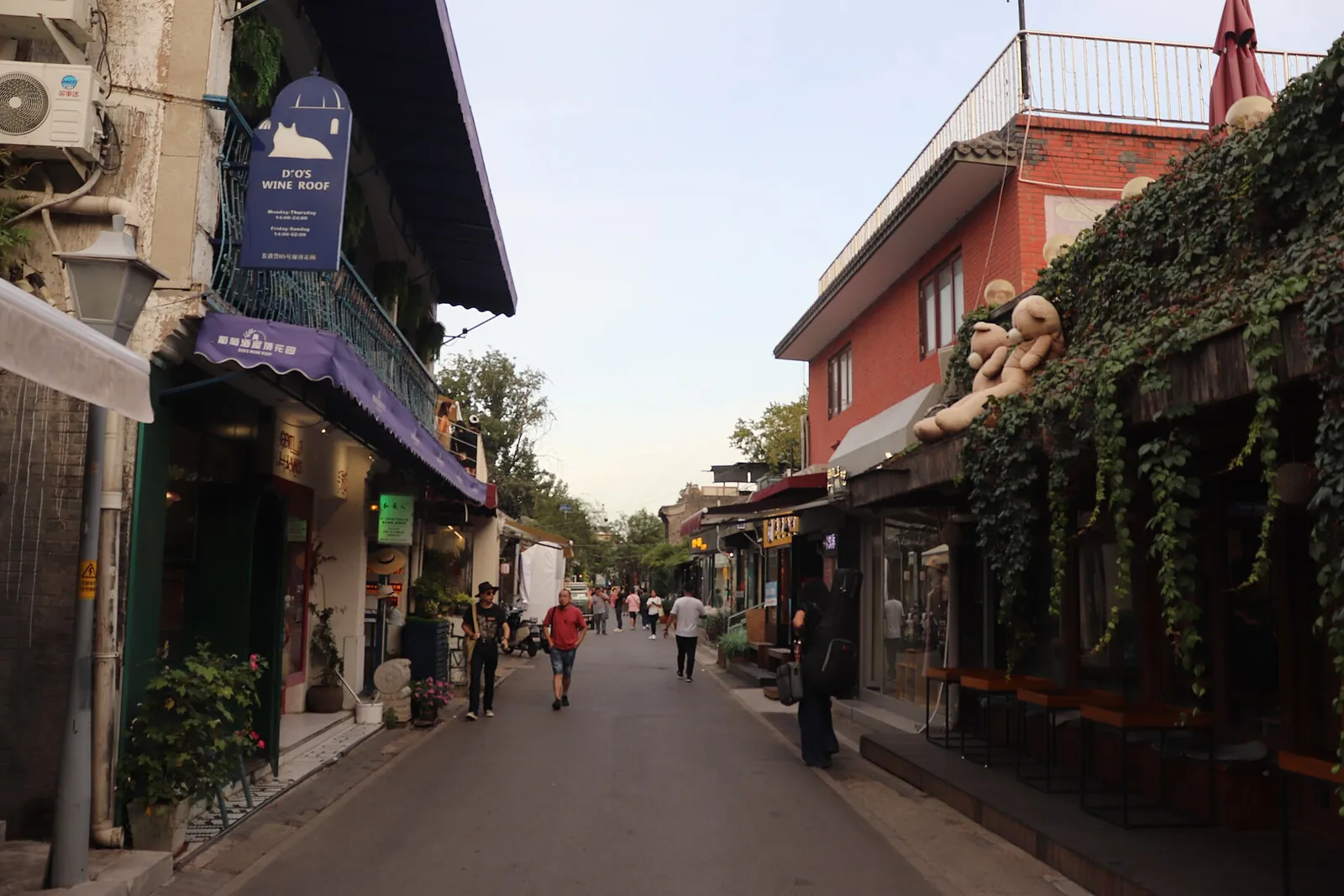
- Day 1, Beijing. From Capital Airport (PEK) the Capital Airport Express runs from Terminals 2 and 3 to Dongzhimen, an interchange on metro lines 2 and 13, for CNY 25 a person one way; Daxing (PKX) has its own line, below. If you land by early afternoon, check in and go on to the Lama Temple (Yonghegong), a short metro or taxi ride away. It was built in 1694 as the mansion of the prince who became the Yongzheng Emperor and became a lamasery in 1744; its seven front buildings follow the standard layout of a Chinese Buddhist temple, and it is still a working Tibetan Buddhist monastery, so keep your voice low in the halls and follow its own rules on photography. It opens 09:00 to 17:00 from April to October and 09:00 to 16:30 from November, and admission is CNY 25. If you land later, keep the evening for Wudaoying Hutong, a lane of cafes near the temple; our Beijing guide covers the rest of the city.
- Day 2, the Great Wall. A full day at Mutianyu, about 70 km from the centre of Beijing, by the official tourist bus from Qianmen, with the evening back in Beijing. Mutianyu is one of the best-preserved sections of the Ming wall: watchtowers stand roughly every hundred metres along the ridge, battlements line both sides of the walkway, and the three linked towers of Zhengguan Terrace date from 1404. A 723-metre cable car lifts you to the viewing platform at tower 14 and spares you the steepest climb. The Great Wall guide compares the other sections.
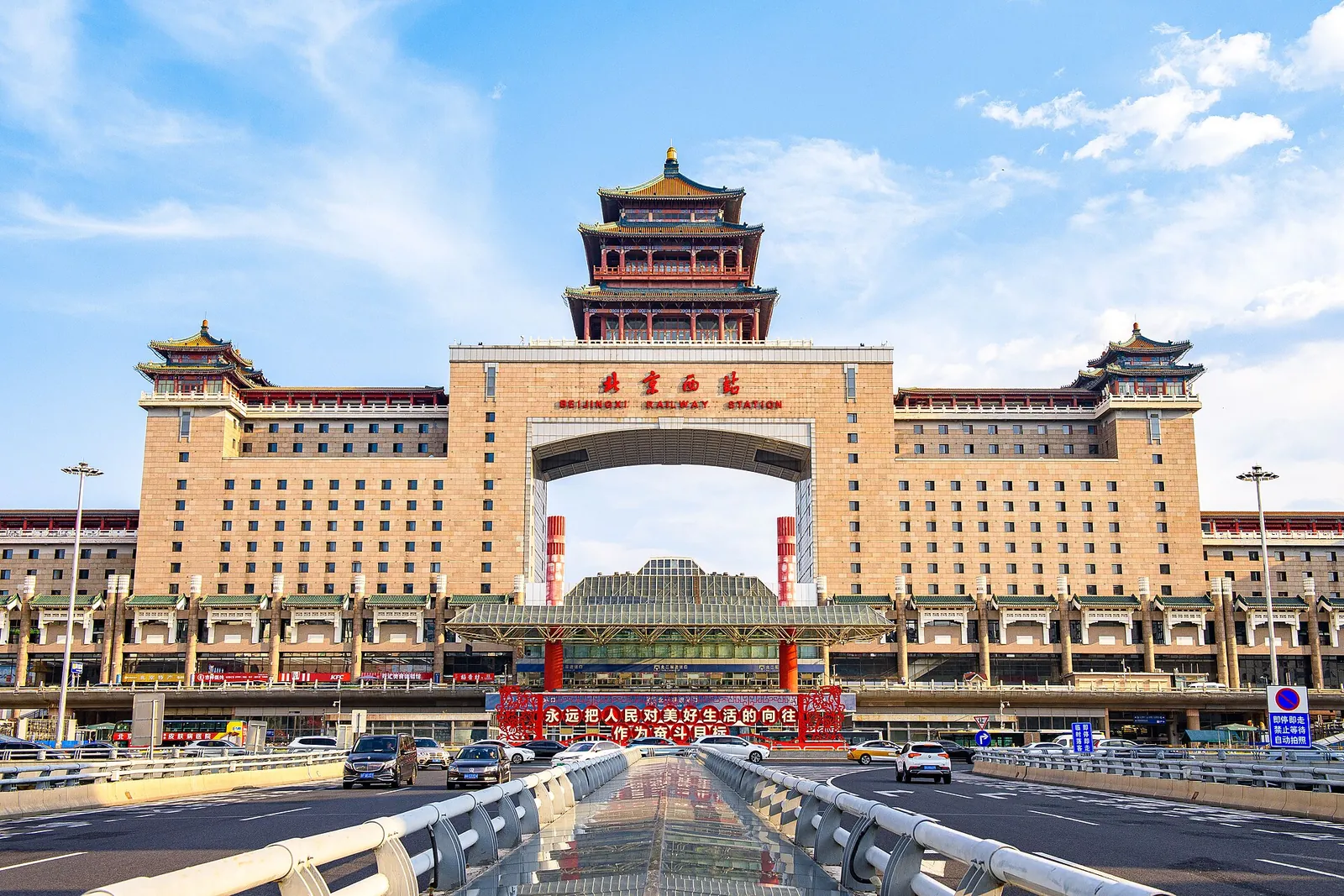
- Day 3, the Forbidden City, then the train to Xi’an. Book a morning ticket, which must be checked in by 12:00, and enter at 08:30 by the Meridian Gate, the only entrance. This was the palace of the Ming and Qing emperors, a complex of wooden halls whose grounds cover 1.12 million square metres, and it has been the Palace Museum since 1925. You walk north through the great halls and leave by Shenwumen in the north or Donghuamen in the east. Leave cases of 20 inches or more at the visitor service centre west of Duanmen Square and collect them outside either exit; it takes no valuables or electronics. Then take an afternoon train from Beijing West: the trains leaving between 13:15 and 15:05 reach Xi’an North between 18:30 and 19:44. From Xi’an North, by one hotel’s listed fares, metro line 4 runs to Dayanta for about CNY 4 a person and a taxi costs about CNY 100 a vehicle for about 30 km.
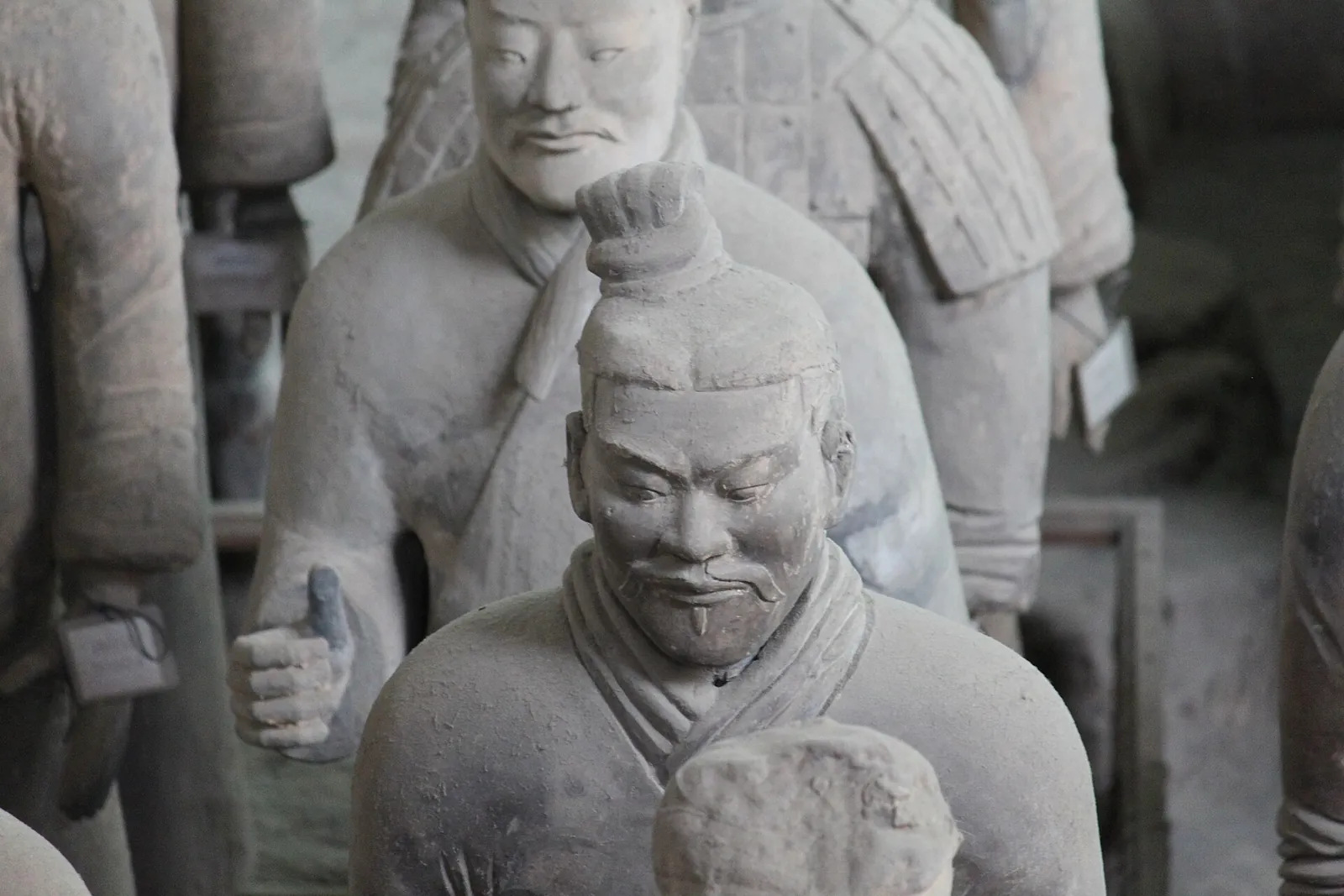
- Day 4, the Terracotta Army and the City Wall. Take an early slot at the museum in Lintong, east of the city beyond Huaqing Palace, so the journey and the pits fill most of the morning. The museum’s own route from the centre is metro line 1 to Fangzhicheng, line 9 to Huaqingchi, then the Lintong You 613 or Lintong 602 bus to the museum; it also lists a direct tourist bus from the Qinfeng depot, a 310-metre walk from exit D of Tonghuamen station on metro line 3. No fare is published for either route. Villagers digging a well found the pits in March 1974. Pit 1, the largest, covers 14,260 square metres and holds about 6,000 clay soldiers and horses, of which more than 500 life-size warriors, 24 horses and 6 wooden chariots have been excavated. Pit 3, the smallest, is thought to have been the command post and is the only pit not burned in ancient times, so more of the original paint survives. Back in the city by mid-afternoon, walk a stretch of the City Wall. It is 13.74 km long, and the city government calls it the largest and best-preserved ancient city wall in China. The full ticket is CNY 54, a government-set price, or CNY 27 for those who qualify for half price. Ask at the gate about opening hours and bicycle hire before you set off. For dinner, walk to the Muslim Quarter, Huimin Street near the Drum Tower, a 600-metre street whose stalls sell roujiamo (beef burgers) and paomo, shredded bread soaked in mutton or beef soup; our Xi’an guide has more.
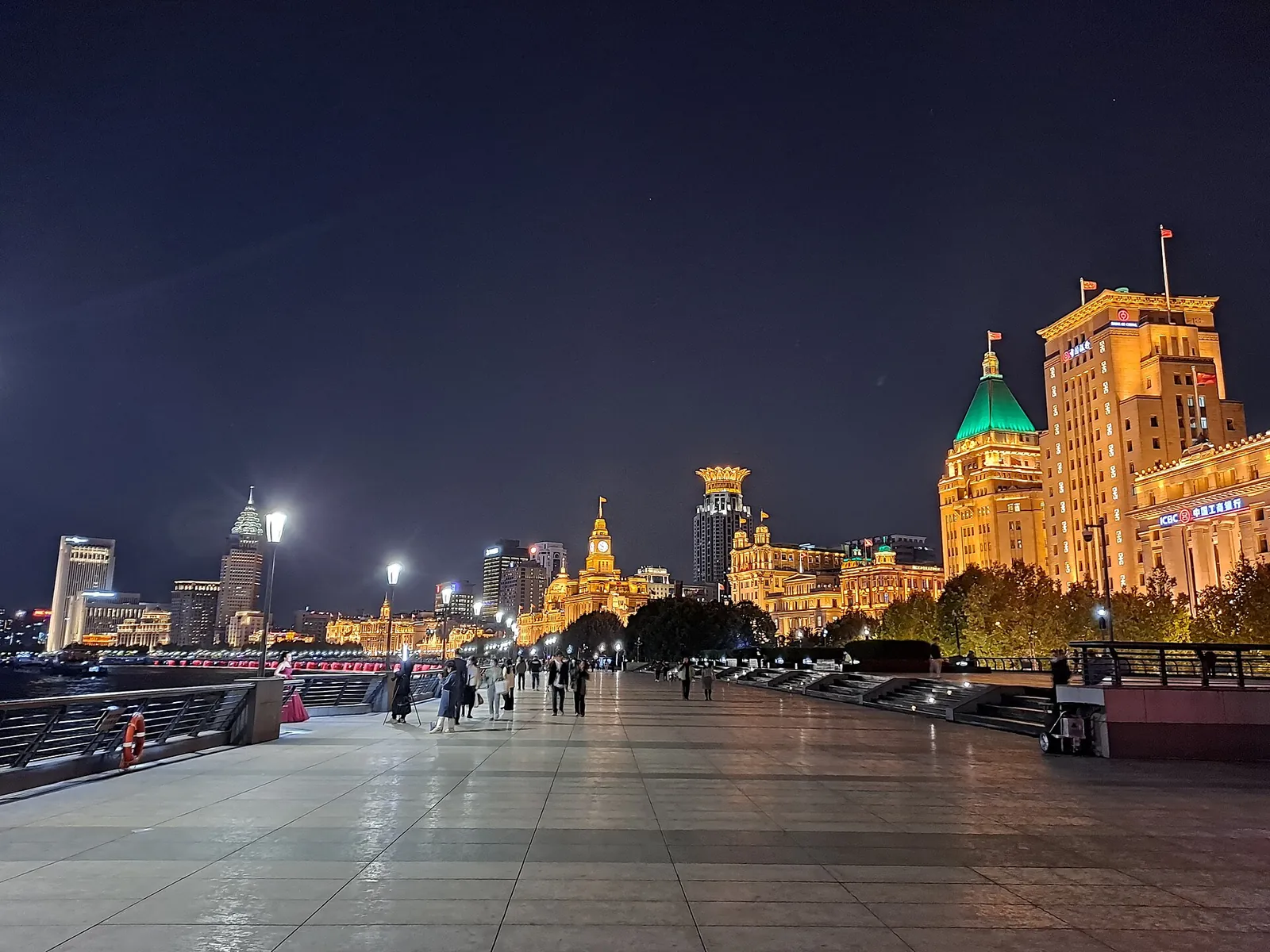
- Day 5, Xi’an to Shanghai. Leave Xi’an North by about 09:30 and you reach Shanghai Hongqiao between about 13:20 and 17:40; later trains arrive between about 18:00 and midnight. Shanghai Hongqiao is on metro lines 2, 10 and 17, so you can reach the centre without a taxi. Walk the Bund after dark if you have the energy: once the financial centre of old Shanghai, known as China’s Wall Street, it is lined with banks and trading houses in Baroque, Gothic and Ancient Greek styles.
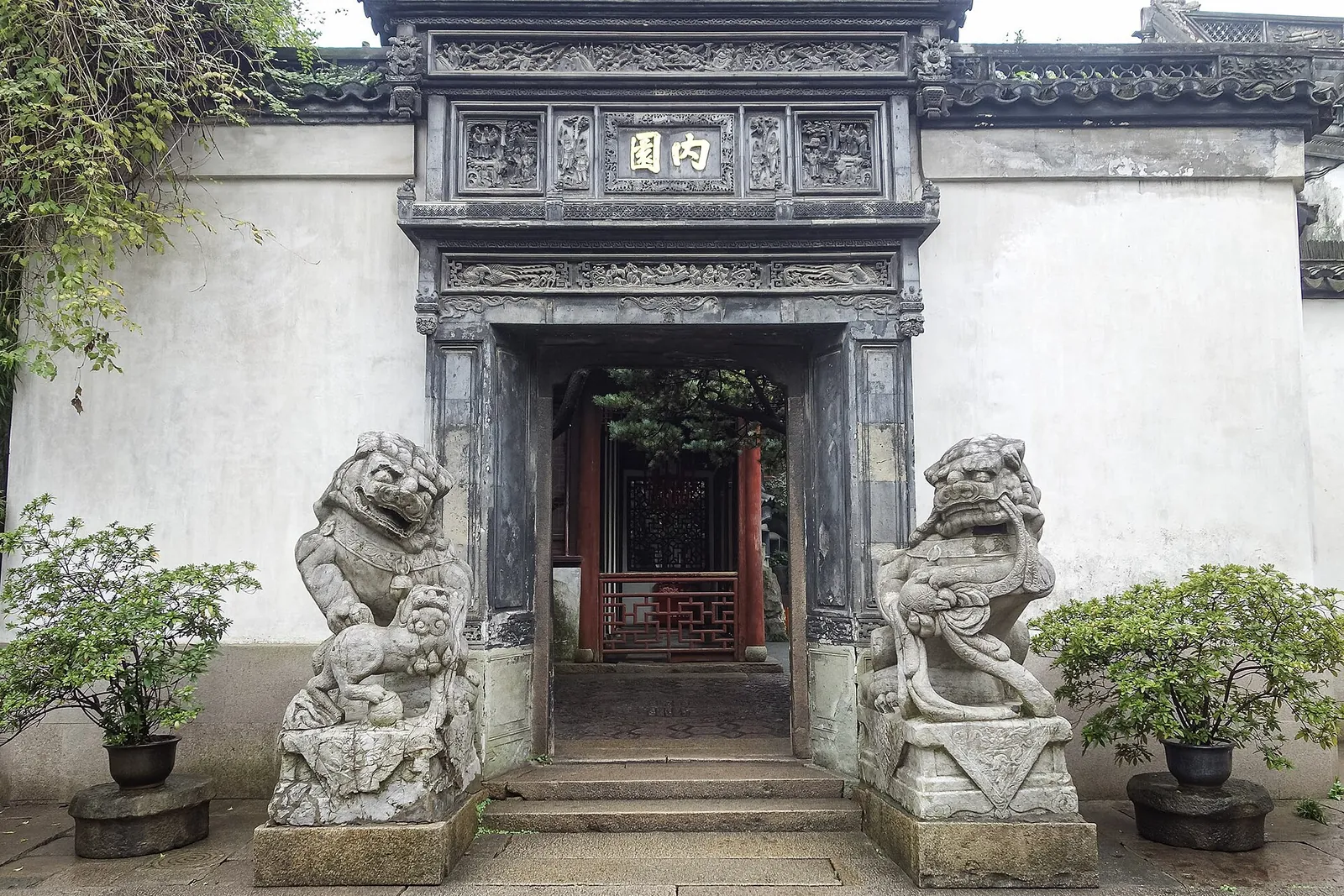
- Day 6, Shanghai. Yu Garden and the lanes of the old city in the morning. The garden was begun in 1559 as the private garden of a Ming official, Pan Yunduan, and laid out by the garden designer Zhang Nanyang. Its main rockery, piled up under Zhang, rises 14 metres in steep faces and winding steps; the main hall, Sansui Hall, is nine metres high, and a pair of iron lions cast in 1290 stands by one of the covered walkways. The garden was restored from 1956 and reopened in 1961. The garden opens 09:00 to 16:30 with last entry at 16:00, and adult admission is CNY 40 from April to June and September to November and CNY 30 in July and August and from December to March. For lunch, Nanxiang Steam Bun Restaurant, founded in 1900 and known for pork and crab-roe xiaolongbao (soup dumplings), is inside Yuyuan Garden Malls at 87 Yuyuan Road; the average spend is about CNY 93 a person. In the afternoon, take the metro or a taxi to Wukang Road in Xuhui district, a block of historic houses and shops: Wukang Mansion rises like the bow of a ship where Wukang Road meets Huaihai Middle Road, and the same streets hold the former residences of Soong Ching Ling and Ba Jin. Our Shanghai guide adds museums and a water town.
- Day 7, home. Transfer to Pudong airport and fly home.
Book these first
Once the start day is fixed, book in this order. Flights and hotels come first. Mutianyu opens bookings up to 30 days ahead. Both trains go on sale on 12306 up to 15 days ahead, counting the day you buy. The Forbidden City opens bookings seven days ahead at 20:00 China time and sells no tickets on the day. Book the timed Terracotta Army slot once your Xi’an day is settled. All three sights sell real-name tickets: you book with your passport number and show the same passport at the gate.
- Forbidden City. Book with your passport on the Palace Museum mini-programme in WeChat (故宫博物院), the museum’s only official channel; it authorises no other seller, and a ticket is valid only for the day you book. Admission is CNY 60 from 1 April to 31 October and CNY 40 from 1 November to 31 March, and the Treasure Gallery and Clocks Gallery cost CNY 10 each. Last entry is at 16:00 (15:30 from 1 November). The Hall of Martial Valour (Wuying Hall) has been closed since 19 October 2026 for repairs and a new display.
- Mutianyu Great Wall. One ticket per passport per day. From 16 March to 15 November the wall opens 07:30 to 18:00 on weekdays and to 18:30 at weekends; from 16 November to 15 March it opens 08:00 to 17:30. Sales stop an hour before closing and entry half an hour before. Admission is CNY 45; the shuttle bus from the entrance (CNY 15 a person) and the cable car (CNY 140 return, CNY 100 one way) are sold separately. The official tourist bus leaves the Qianmen transport hub between 07:00 and 11:00 and returns from the scenic area’s car park P4 between 13:00 and 16:00. It costs CNY 80 a person return, sold on the bus from 30 minutes before departure until it is full.
- Terracotta Army. Every visitor, foreigners included, must reserve and prepay on the museum’s website or through its official WeChat accounts, and enter by the north gate, the only entrance. Tickets are timed, so arrive half an hour before your slot. Admission is CNY 120 all year and covers the pits and Lishan Garden, the mausoleum park, each of which takes about 1.5 hours, with a free shuttle between them. Electric carts inside the sites cost CNY 5 a person at the museum and CNY 15 in Lishan Garden. Tickets are checked from 08:30 to 17:00 from 16 March to 15 November and from 08:30 to 16:30 the rest of the year.
Trains, airports and getting around
Book trains on the 12306 website or app, or at a station counter; the railway does not handle problems with other sites. The English site accepts valid foreign passports only, the name on the booking must match the passport, and you take the passport you booked with to the station. Tickets go on sale up to 15 days ahead, counting the day you buy, and the railway can change this with advance notice. The site and app sell and change tickets from 05:00 to 01:00 the next day (05:00 to 23:30 on Tuesdays). If your account shows that your passport still needs verifying, take it to a station ticket counter before the travel day.
Your two trains run from Beijing West to Xi’an North and from Xi’an North to Shanghai Hongqiao. Use those exact station names: Beijing also has Beijing South, and Xi’an North is the high-speed station, not the old Xi’an station. For Thursday 5 November 2026, as listed on 12306 on 26 October 2026, 17 direct high-speed trains left Beijing West for Xi’an North between 07:00 and 19:00 and took from 4 hours 10 minutes to just under 6 hours, at CNY 494 to 618 a person in second class. From Xi’an North, 21 direct trains left for Shanghai Hongqiao between 06:13 and 15:56 and took from 5 hours 50 minutes to 9 hours, most of them seven to eight and a half, at CNY 652 to 782.5 a person in second class. Allow about 60 minutes at a large, unfamiliar station for security, the passport check and queues. Second class is usually seated 3+2 and first class 2+2. Our transport guide covers flights and the other corridors.
If you land at Beijing Daxing (PKX), the Daxing Airport Express ordinary fare is about CNY 35 a person for the full run. In Shanghai, Metro line 2 reaches People’s Square from Pudong in about an hour for about CNY 7, and a taxi costs around CNY 180 a vehicle and takes about 50 minutes; the maglev stops at Longyang Road, not at the Bund.
Entry, passport and safety
Ordinary-passport holders from a list of countries that includes Australia, Austria, Belgium, Brazil, Canada, Denmark, Finland, France, Germany, Hungary, Ireland, Italy, the Netherlands, New Zealand, Norway, Poland, Portugal, Romania, Spain, Sweden, Switzerland and the United Kingdom can enter without a visa for tourism, business, visiting family or friends, exchange or transit. You can stay up to 30 days, counted from the day after you enter. The waiver is published until 31 December 2026. No extension into 2027 has been announced, so a 2027 trip needs a published extension or a visa; if your dates cross the end date, check with the National Immigration Administration or a Chinese embassy first.
US and Czech passports are not on this visa-free list. US and Czech citizens need a visa unless they qualify for the 240-hour transit rule, which needs a confirmed onward ticket with a date and seat to a third country or region; a return to where you started does not count. For this route that means ending the week with a flight from Shanghai to Hong Kong, which counts as a third region, or to another third country, rather than flying back to London; Beijing, Shaanxi and Shanghai are all inside the permitted area. Our entry guide has the full conditions.
Fill in the arrival card online before you travel (National Immigration Administration website, app, or WeChat or Alipay mini-programme), or by QR code or on paper at the border. China’s own waiver FAQ asks for a passport valid for your intended stay; the 240-hour transit rule asks for at least three months. The British government advises six months from the date you arrive and two blank pages, and the French government six months after you leave China. Plan for six months after departure and two blank pages. China Customs limits renminbi cash to CNY 20,000 a person and asks you to declare foreign currency worth more than USD 5,000. Chinese policy says hotels should not turn foreign guests away for lacking a licence, but not every property can register foreigners; confirm with the hotel before you book.
Carry your passport at all times; police make random checks and do not accept printed copies. The British government warns of a risk of arbitrary detention, and British and German advice both warn that exit bans can affect visitors, and the British government says they can last months or years. Avoid demonstrations, large gatherings and any political or activist activity; the French government warns of prison, expulsion and a ban on returning. It also advises against photographing military or official sites, or any place where photography is banned; some are not signposted, and places of worship can have their own rules. French advice says that in Beijing, unregistered drones may not be used, carried or stored, and every flight of a registered drone needs prior permission. Air pollution in big cities is often high to very high, especially in winter; check live readings. The British government says floods and storms are common from May to November, and typhoons hit southern and eastern coasts in the same season; transport can be disrupted. Check your own government’s current travel advice before you book.
Paying, getting online and finding your way
Set up Alipay and Weixin Pay (also called WeChat Pay) before you leave, test both with a small payment and keep a second card. Alipay lets you link a Visa, Mastercard, JCB, Discover or Diners Club card without a mainland bank account or phone number. For Weixin Pay, register Weixin with your overseas phone number and link a Visa, Mastercard, JCB, American Express, Discover (including Diners Club) or UnionPay card; your bank can still decline a payment. Our payments and apps guide has the full set-up.
Shanghai’s government gives the limits for an overseas card linked to Alipay or Weixin Pay as up to USD 5,000 a payment and USD 50,000 a year, with the app showing your own; payments of CNY 200 or less are generally fee-free, and a payment above CNY 200 may carry a 3% fee on the whole amount. Weixin Pay announced in May 2026 that first-time users who link an international card pay no 3% fee for 90 consecutive days from their first transaction, up to CNY 1,000 a day. Your own bank may add a foreign-exchange fee. Carry some renminbi too: since 1 February 2026 shops may not refuse cash, except where the law requires another form of payment.
To buy a SIM, take your passport to an operator’s hall or to a "Beijing Service" counter at either Beijing airport. China Mobile collects at Capital Airport and China Unicom at Daxing, after an online application. China Telecom lists a 15-day foreign-visitor card at CNY 125 (200 minutes, 30 GB, 50 texts) for new accounts opened with a foreign passport in its own halls; its listed sales window ends 30 November 2026. Amap navigation works in English, DiDi works in English with translated driver messaging and 24-hour English customer service, WeChat translates messages in the chat box and Pleco works offline. Some overseas apps are blocked; German advice is to refrain from using VPN services, so download offline maps and save your hotel addresses in Chinese.
What a week costs
| Level | Per person, about CNY | For two, about CNY |
|---|---|---|
| Budget | 5,130 | 10,260 |
| Mid-range | 7,030 | 14,070 |
| Comfort | 11,700 | 23,400 |
These are the costs on the ground for two adults on visa-free passports sharing one double room for six nights on the week above, in an ordinary autumn week outside the national holidays, with prices checked on 25 and 26 October 2026. They come to about CNY 730 a person a day at budget, CNY 1,000 at mid-range and CNY 1,670 at comfort, travel days included, and cover rooms, three meals a day with water and snacks, both trains, airport and city rides, the sights above, two SIMs and a 10% buffer.
At mid-range, two people spend about CNY 4,900 on rooms, CNY 2,520 on food, CNY 4,040 on getting around, CNY 1,030 on sights and CNY 300 on SIMs, plus a buffer of CNY 1,280. Rooms are about CNY 850 a night in Beijing, CNY 600 in Xi’an and CNY 1,000 in Shanghai, estimates from international hotel-chain rate cards, and food is about CNY 180 a person a day. Getting around is CNY 2,700 for the two trains, about CNY 600 and 750 a person in second class, near the top of the fares 12306 listed, plus CNY 1,340 for airport links, station and city rides, the Mutianyu bus and the metro and bus to the Terracotta Army. Budget about CNY 150 a person for a roughly 15-day data SIM.
Sights for two are CNY 160 for the Forbidden City with both galleries, about CNY 400 for Mutianyu (admission, shuttle and a cable-car return), CNY 280 for the Terracotta Army with carts, CNY 108 for the City Wall and CNY 80 for Yu Garden, about CNY 1,030 in all. Our seven-day itinerary names a hotel in each city and gives the same week day by day, and our China trip cost guide prices ten days.
Budget and comfort, and the flight
The budget level uses rooms at about CNY 600 in Beijing, CNY 350 in Xi’an and CNY 600 in Shanghai and about CNY 100 a person a day for food. Comfort uses about CNY 1,300, CNY 1,100 and CNY 1,700 a night, about CNY 350 a person a day for food, first-class rail and a private car to the Wall.
A London return to Beijing, flying home from Shanghai, costs about GBP 650 to 850 a person (GBP 1,300 to 1,700 for two). That is an estimate based on airlines’ published return fares to Beijing and Shanghai, not a quote for the two-city ticket. With it, the trip comes to about GBP 1,220 to 1,420 a person at budget, GBP 1,430 to 1,630 at mid-range and GBP 1,950 to 2,150 at comfort (GBP 2,440 to 2,840, GBP 2,870 to 3,270 and GBP 3,910 to 4,310 for two). Conversions use the State Administration of Foreign Exchange central parity rate of 23 October 2026: USD 1 = CNY 6.7180, EUR 1 = CNY 7.5140 and GBP 1 = CNY 8.9749; your bank or card will give a different rate.
Practical questions
Is seven days enough for a first trip to China?
It is enough for a first look at three cities: the Great Wall and the Forbidden City in Beijing, the Terracotta Army in Xi’an and the old centre of Shanghai. Choose the ten-day route for a slower Beijing and the pandas of Chengdu.
Do I need a visa for China?
Not for a stay of up to 30 days if you hold an ordinary passport from the UK, Ireland, Germany, France, Italy, Spain or another country on the list, while the waiver lasts; it is published to 31 December 2026. US and Czech citizens need a visa for a round trip, but can use the 240-hour transit rule if the trip ends in Hong Kong or another third country or region; our entry guide has the full list.
Do I have to book the Forbidden City and the Terracotta Army in advance?
Yes. Both sell only real-name tickets booked with your passport. The Palace Museum sells none on the day, opens bookings 7 days ahead at 20:00 China time and is closed on Mondays except statutory holidays.
Can I pay with my foreign card in China?
Yes, once you link it to Alipay or Weixin Pay, which accept Visa and Mastercard among other cards. Carry some cash too, since shops may not refuse it.
How much does a first week in China cost?
About CNY 7,030 a person at mid-range, or CNY 14,070 for two sharing a room, roughly CNY 1,000 a person a day, covering rooms, meals, trains, sights, SIMs and a 10% buffer. A London return flight adds about GBP 650 to 850 a person.
Keep planning your trip
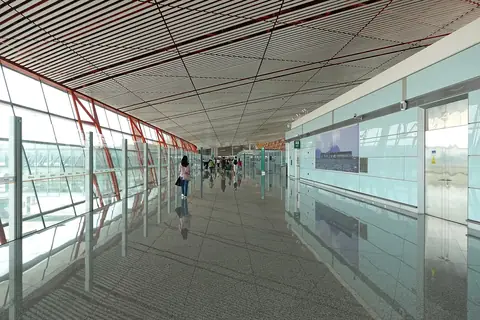
Entering China
Who can enter China visa-free for 30 days, when the waiver ends, how 240-hour transit works, and the arrival card, hotel registration, customs and safety rules.
Read the guide
Payments and apps in China
How to pay in China with a foreign card on Alipay and Weixin Pay (WeChat Pay): fees, limits, cash, a passport SIM, and the map, ride and translation apps in English.
Read the guide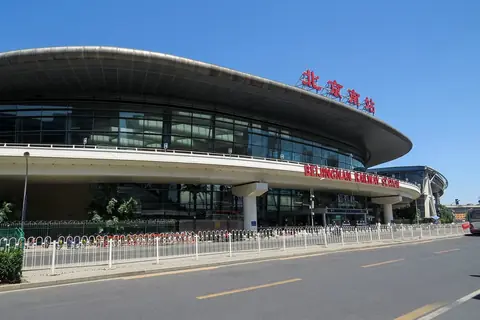
Getting around China
Book China's high-speed trains on 12306 with a foreign passport, decide when to fly, and get from the airports and stations into town.
Read the guide
Health and safety in China
Travel advice for mainland China, drug tests and passport checks, scams, hospitals for foreigners, insurance, vaccines, water, air and the numbers to save.
Read the guide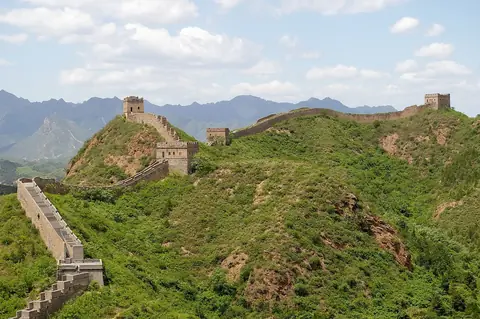
Solo female travel in China
Travelling alone as a woman in China: what the UK, German and French advice says, airport taxis and DiDi, sleeper trains, tea-house scams, the Great Wall and 110.
Read the guide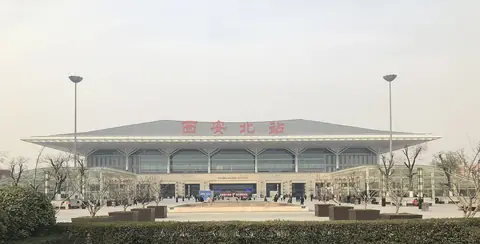
China trip cost
What 10 days in Beijing, Xi’an, Chengdu and Shanghai cost for two sharing a room: about CNY 7,360, 10,140 or 15,950 a person, with every meal, train and ticket.
Read the guideSources and checks before you travel
(45)
- Chinese Embassy in Timor-Leste: Frequently Asked Questions on Visa-free Entry into China (updated June 2026) ↗ — opens in a new tab
- National Immigration Administration: Visa-Free Transit Policies ↗ — opens in a new tab
- National Immigration Administration: Announcement on Implementing 10 New Measures ↗ — opens in a new tab
- Shanghai government: customs regulations for passengers (General Administration of Customs guidance) ↗ — opens in a new tab
- GOV.UK Foreign Office: China travel advice, entry requirements ↗ — opens in a new tab
- France Diplomatie: Chine, conseils aux voyageurs, entree et sejour ↗ — opens in a new tab
- GOV.UK Foreign Office: China travel advice, safety and security ↗ — opens in a new tab
- Auswaertiges Amt: China, Reise- und Sicherheitshinweise ↗ — opens in a new tab
- France Diplomatie: Chine, conseils aux voyageurs, informations utiles ↗ — opens in a new tab
- Palace Museum: Visit information ↗ — opens in a new tab
- Palace Museum: Reservation notice ↗ — opens in a new tab
- Beijing government: Palace Museum real-name reservations (24 July 2026) ↗ — opens in a new tab
- Palace Museum: about the museum ↗ — opens in a new tab
- Mutianyu Great Wall: official site ↗ — opens in a new tab
- Mutianyu Great Wall: recommended transportation routes ↗ — opens in a new tab
- Mutianyu Great Wall: about the scenic area ↗ — opens in a new tab
- Mutianyu Great Wall: tickets (5 August 2026) ↗ — opens in a new tab
- Qin Shi Huang Emperor's Mausoleum Site Museum: ticketing ↗ — opens in a new tab
- Qin Shi Huang Emperor’s Mausoleum Site Museum: getting there ↗ — opens in a new tab
- Huaqing Palace: English site ↗ — opens in a new tab
- Qujiang New District government: Xi’an City Wall ticket policy ↗ — opens in a new tab
- Xi’an government: efforts to protect the City Wall ↗ — opens in a new tab
- Yu Garden: visitor notice ↗ — opens in a new tab
- Yu Garden: history and main sights ↗ — opens in a new tab
- 12306 China Railway: FAQ ↗ — opens in a new tab
- 12306 China Railway: ticket sales rules ↗ — opens in a new tab
- China Railway 12306: train and fare search for Thursday 5 November 2026 ↗ — opens in a new tab
- Beijing Capital International Airport: Airport Express ↗ — opens in a new tab
- Beijing Municipal Commission of Transport: Daxing Airport Express fares ↗ — opens in a new tab
- Shanghai government: Pudong and Hongqiao airport transport ↗ — opens in a new tab
- Shanghai government: the Bund historical and cultural block ↗ — opens in a new tab
- Ant International: Alipay and international cards ↗ — opens in a new tab
- Tencent: Weixin Pay for visitors to China ↗ — opens in a new tab
- Tencent: inbound payment initiatives for APEC 2026 ↗ — opens in a new tab
- Shanghai government: paying with overseas bank cards ↗ — opens in a new tab
- State Council Gazette: cash acceptance rules ↗ — opens in a new tab
- Beijing government: guide to purchasing SIM cards ↗ — opens in a new tab
- China Telecom: foreign 15-day card tariff ↗ — opens in a new tab
- State Administration of Foreign Exchange: RMB central parity ↗ — opens in a new tab
- Beijing Tourism: Lama Temple (Yonghegong) ↗ — opens in a new tab
- Shanghai government: guide to railway stations in Shanghai ↗ — opens in a new tab
- Shanghai government: Wukang Road-Anfu Road block ↗ — opens in a new tab
- Shanghai government, reporting China Daily: accommodation for foreign travellers (29 July 2024) ↗ — opens in a new tab
- Shanghai government: Nanxiang Steam Bun Restaurant ↗ — opens in a new tab
- China Daily government portal: landmark food street recovers its appetite (9 October 2020) ↗ — opens in a new tab
Reference sources for the version dated 26 October 2026. Confirm opening times, access, transport and conditions for your travel dates.
Photo credits
(5)
Terracotta warriors in Pit 1 of the Terracotta Army museum, Lintong, Xi’an
Photograph: Gary Todd — opens in a new tab · CC0 — opens in a new tab
Changes: Resized and converted to WebP; displayed with responsive crops. · Original photograph and licence details ↗ — opens in a new tab
Wudaoying Hutong, a cafe-lined lane near the Lama Temple in Beijing
Photograph: Andrzej Otrębski — opens in a new tab · CC BY-SA 4.0 — opens in a new tab
Changes: Resized and converted to WebP; displayed with responsive crops. · Original photograph and licence details ↗ — opens in a new tab
The Inner Garden doorway at Yu Garden, Shanghai, with two stone guardian lions
Photograph: KQuhen — opens in a new tab · CC BY-SA 4.0 — opens in a new tab
Changes: Resized and converted to WebP; displayed with responsive crops. · Original photograph and licence details ↗ — opens in a new tab
Beijing West railway station, the Beijing terminus for trains to Xi’an North
Photograph: N509FZ — opens in a new tab · CC BY-SA 4.0 — opens in a new tab
Changes: Resized and converted to WebP; displayed with responsive crops. · Original photograph and licence details ↗ — opens in a new tab
The Bund promenade in Shanghai at night, with the Customs House clock tower
Photograph: EditQ — opens in a new tab · CC BY-SA 4.0 — opens in a new tab
Changes: Resized and converted to WebP; displayed with responsive crops. · Original photograph and licence details ↗ — opens in a new tab