Plan your trip
Onsen in Japan: bathing etiquette and choosing a suitable visit
An onsen visit can change the pace of a Japan journey. Instead of moving to another attraction, you settle into a hot-spring town, leave time for dinner and make the bath part of an unhurried afternoon. The right experience begins with choosing a facility that suits your comfort and the people travelling with you.
- Suggested time
- A relaxed afternoon or an overnight stay, depending on the facility and your route
- Where to stay
- A hot-spring town or a day-use facility convenient to your accommodation
- Season and timing
- Choose for the surrounding destination; opening and access vary by facility
The short answer
Choose between a shared bath, a reservable private bath and a room with its own bath. Confirm the facility's tattoo, family and day-visitor rules. In conventional shared onsen, wash and rinse before entering, keep towels out of the water and respect the quiet, phone-free bathing space.
Choose the type of bath before choosing the view
A photograph of an outdoor bath does not tell you how you will use it. Check whether it is a shared facility, a private bath requiring a time slot or a bath attached to a particular room. Also confirm whether the water is natural hot-spring water if that is part of the experience you want.
A private bath may suit travellers uncomfortable with shared bathing, some families or people needing a different pace. It still has its own access and booking conditions. Start with those practical details, then compare the setting: a garden, a river valley or a town you would like to explore before dinner.
Understand the shared-bath routine
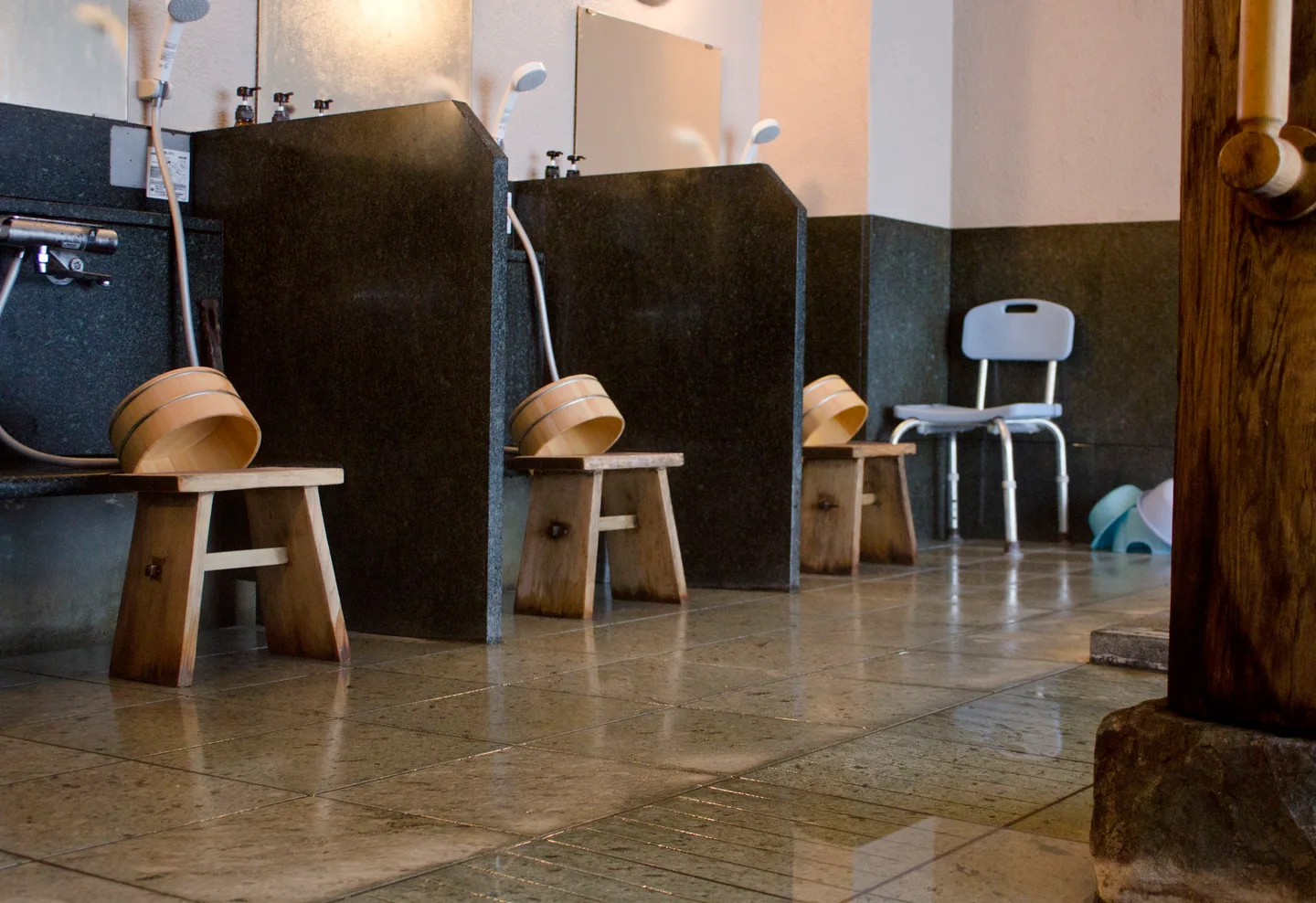
JNTO's bathing guide describes the usual sequence: undress in the changing area, wash thoroughly at the washing stations and rinse before entering the bath. Keep your small towel and long hair out of the water. Conventional shared onsen are generally used without swimwear; follow the rules of the actual facility.
Keep phones and photography out of the bathing space. Move calmly, speak quietly and treat the bath as a shared place to relax rather than a swimming pool. Follow posted instructions and ask staff if a rule is unclear. Knowing the sequence makes the first visit less intimidating.
Make time for the local food
What to eat and where to look
Dinner at the inn
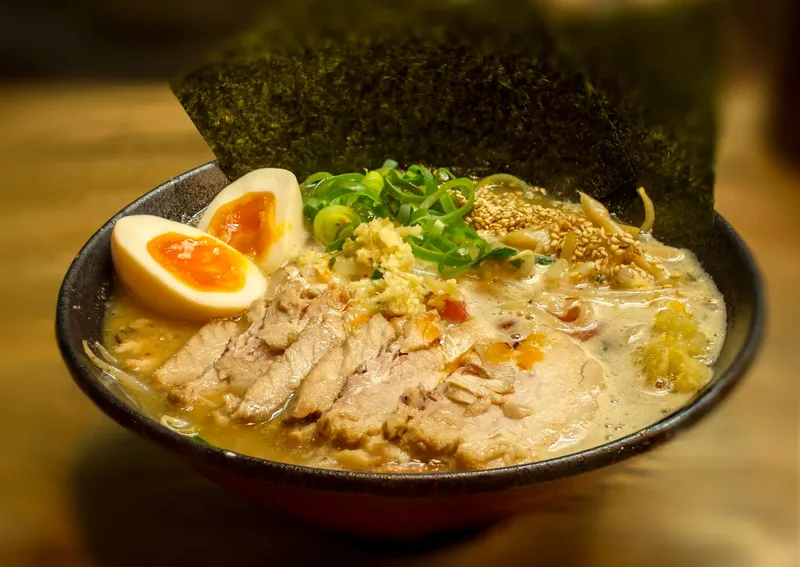
A meal prepared around seasonal ingredients can give an overnight hot-spring stay its own rhythm.
- Where to look
- The selected accommodation's actual meal plan
- Fit it into your day
- Confirm dinner time and dietary requirements before arrival
Meals are not included in every booking plan.
Check tattoo and family rules directly
There is no single tattoo policy that applies to every onsen. Ask the chosen facility what it permits, including any rules about covers or private facilities. Do not assume that an old blog report, or access to a private bath elsewhere, establishes the policy at your booking.
Families should confirm the specific rules for children and the bathing arrangement they intend to use. A private slot can be a useful option where available, but check capacity, supervision requirements and the facilities first. Traveller comfort and the property's rules both matter.
Make the town part of the experience
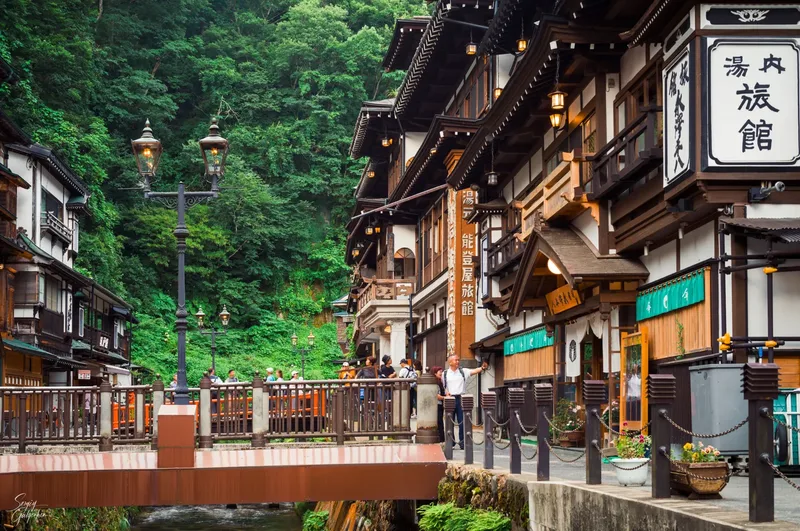
An overnight visit works best when you arrive with time to enjoy the surroundings and the accommodation's meal schedule. Explore the town, find a small food stop and let dinner become part of the stay instead of arriving after a full day of distant sightseeing.
A day-use bath can also fit well into a route if admission and transport work for you. Confirm the current visiting arrangement rather than assuming every ryokan accepts day guests. A guided visit around a hot-spring destination may be worthwhile for the landscape or local culture, but do not describe a sightseeing tour as including bathing unless the product explicitly does.
Choose a relevant experience without confusing the inclusions
On Viator, compare the actual itinerary, bathing inclusion and transport arrangement before selecting an onsen-related outing. A Hakone sightseeing tour and a private-bath reservation solve different needs. The useful booking is the one that provides the part of your day you want help arranging.
For accommodation, read whether meals and a private bath are included in the selected plan. A room photograph cannot establish either. Leave the claims about health benefits aside: this guide helps choose and understand an experience, not prescribe hot-spring bathing as treatment.
Practical questions
Can I visit an onsen with tattoos?
Policies differ. Contact the facility about its current rules and any private-bath or cover arrangements before booking.
Do I wear a swimsuit in an onsen?
Conventional shared onsen are generally used without swimwear. Some facilities have different arrangements; follow the rules of the specific bath.
Does a Hakone tour include an onsen bath?
Only if the selected product explicitly includes one. A sightseeing itinerary in an onsen area does not itself include bathing.
Must I stay overnight?
No. Some facilities offer day-use visits, subject to their own rules and opening arrangements. Confirm those details before travelling.
Sources and checks before you travel
Reference sources for the version dated 30 September 2026. Confirm opening times, access, transport and conditions for your travel dates.
Does this experience fit your route?
Explore related tours and experiences
Check dates and details on Viator ↗ — opens in a new tabAffiliate link · Book with ViatorPhoto credits
Onsen washing stations in Nagahama, illustrating washing before entering the bath.
Photograph: Japanexperterna — opens in a new tab · CC BY-SA 2.0 — opens in a new tab
Changes: Resized and converted to WebP; displayed with responsive crops. · Original photograph and licence details ↗ — opens in a new tab
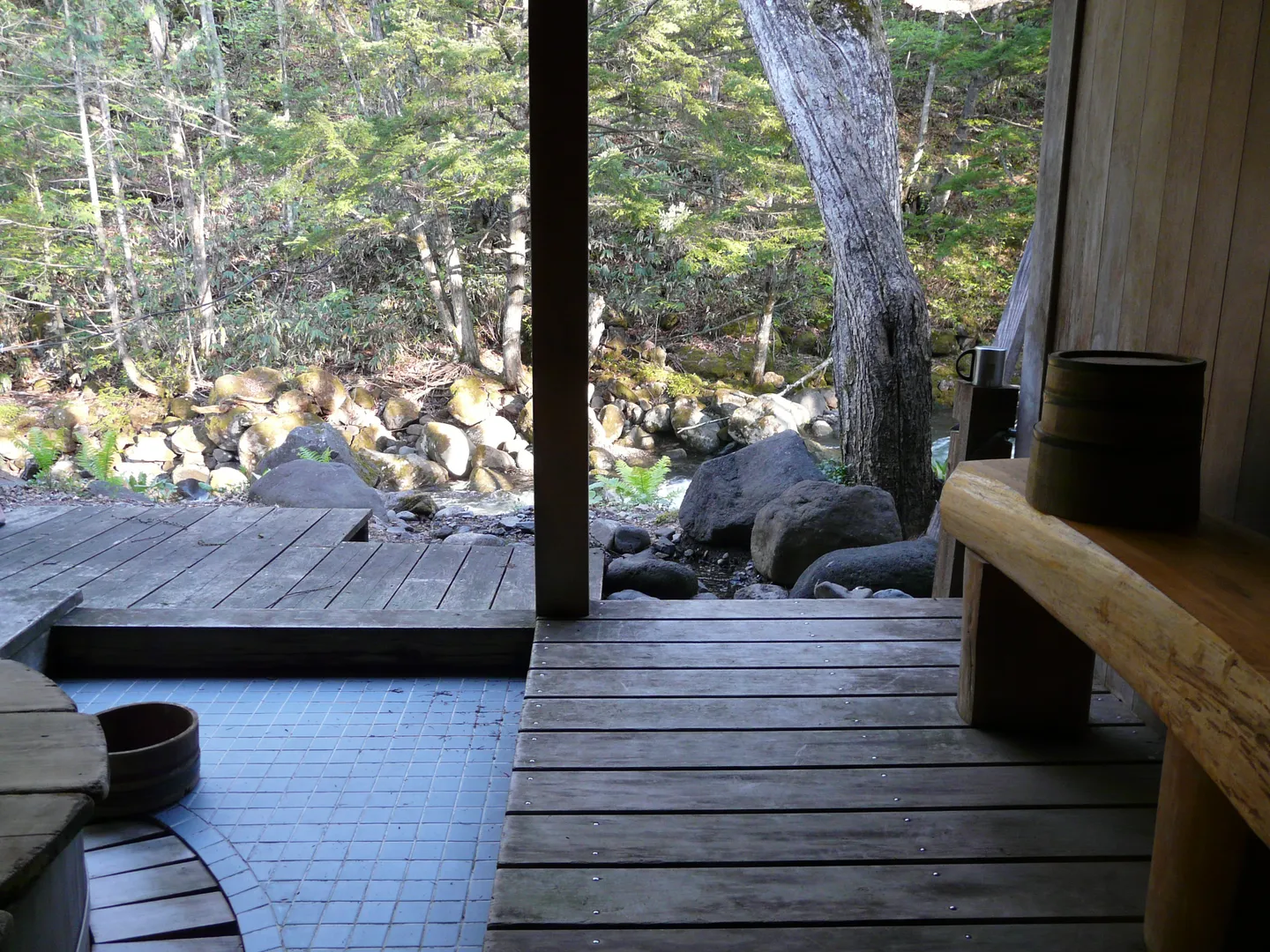
An outdoor bathing setting in a source photograph. Confirm the selected facility's own rules.
Photograph: Tristan Ferne — opens in a new tab · CC BY 2.0 — opens in a new tab
Changes: Resized and converted to WebP; displayed with responsive crops. · Original photograph and licence details ↗ — opens in a new tab