Kagawa
Naoshima art island guide: museum tickets, ferries and where to stay
Naoshima once flourished as a smelter town; today, in JNTO's words, it is an international centre for contemporary art. Tadao Ando's museums sit half-buried in its hills, Monet and James Turrell are shown in daylight, and old houses in the village of Honmura have been turned into artworks. The island is close enough to Okayama and Takamatsu for a day trip. What decides whether a day is enough is not the art but the logistics: timed museum tickets that sell out, museums that close on Mondays, a town bus that carries 28 people and ferries that stop in the evening.
In this guide
Find the location ↗ — opens in a new tabThe short answer
Spend one night on Naoshima, in Miyanoura or Honmura, arriving by ferry from Uno or Takamatsu, and buy your timed Chichu Art Museum ticket as soon as sales open. Give the first afternoon to the museum area, with Chichu, the Lee Ufan Museum, Benesse House and Kusama's yellow pumpkin, and the next morning to Honmura's Art House Project and the New Museum of Art. A day trip works from Okayama, Uno or Takamatsu if you catch an early boat and avoid Mondays. Add a separate day, or a second night, for Teshima Art Museum.
- Suggested time
- 1 night on Naoshima; 2 nights with a day on Teshima
- Where to stay
- Miyanoura or Honmura on Naoshima, or Benesse House inside the museum area; Uno or Takamatsu if the island is full
- Season and timing
- The art is on view all year outside closing days. Avoid Mondays, and 12 January to 19 March 2027, when Chichu closes for maintenance. Long holidays and the Setouchi Triennale (next in 2028, from 14 April) bring the biggest crowds.
One night or a day trip, and where to sleep
Naoshima is small, about 8 square kilometres according to JNTO, but its art sits in three separate places: the museum area in the south around Benesse House and Chichu, the old village of Honmura on the east coast and the ferry port of Miyanoura in the west. The Naoshima Town Tourism Association reckons that about eight hours is enough to see every art facility, and Benesse Art Site says a day trip works if you focus on a few. In practice that day depends on a Chichu ticket and an early boat. One night on the island removes the race against the last ferry and splits Naoshima into two unhurried halves: the museums one afternoon, Honmura the next morning.
Miyanoura, where the boats from Uno and Takamatsu dock, has the most places to stay, 20 of the 58 the tourism association lists, plus the Naoshima Bath I♥湯 and the first stop of the town bus. Honmura has nearly as many (17) and the most places to eat, and puts the Art House Project, ANDO MUSEUM and the New Museum of Art within walking distance; its own pier has small passenger boats to Uno and some Teshima Ferry sailings to Takamatsu and Teshima. Many of the island's rooms are in small inns, guesthouses and rented houses, and Benesse Art Site warns that accommodation is limited, so book as soon as your dates are fixed.
Benesse House, the hotel built into the museum in the south, is the art lover's splurge. Guests can see the Benesse House Museum and the Hiroshi Sugimoto Gallery until 23:00 and use a guests-only bus between the ports and the museums, and Benesse says that for stays from 1 April 2027 guests will be able to enter most of Naoshima's art facilities, Chichu included, without buying tickets or reserving. Bookings open exactly 180 days before the stay date. If the island is full, sleep in Uno, 20 minutes away by ferry and on the JR Uno Line from Okayama, or in Takamatsu, a city on the Shikoku side with the direct boat to Teshima.
Booking the museums: Chichu first, and the closures of winter 2026–27
Almost every art facility on Naoshima has sold tickets online since October 2024, and online tickets cost less than buying at the door. The one to plan the trip around is Chichu Art Museum. Entry is by date and 15-minute time slot, and if the online tickets sell out, nothing is sold at the door. When we checked on 10 October 2026, its ticket page said sales open at 10:00 on the second Friday of the month, two months ahead, so slots for December go on sale in October. Tickets cost ¥2,500 online on weekdays and ¥2,700 at weekends and on holidays, can be paid online only by credit card, and can be cancelled free of charge up to 30 minutes before the slot.
A few other places also sell timed entry: the Art House Project's Minamidera and Kinza, the Hiroshi Sugimoto Gallery: Time Corridors, the Lunar (night) sessions of Ring of Fire in Honmura and Teshima Art Museum, which goes on sale on the same schedule as Chichu. The Benesse House Museum, the Lee Ufan Museum, the New Museum of Art, ANDO MUSEUM and the other five art houses sell online tickets without a time slot. Benesse Art Site's official app can display your tickets at the entrance.
Most of Naoshima closes on Mondays: Chichu, the Lee Ufan Museum, the New Museum of Art, the Art House Project, ANDO MUSEUM and the bathhouse all list Monday as their closing day, opening instead on a national-holiday Monday and closing the next day. Benesse House Museum is open every day. Check Benesse Art Site's open-days calendar against your dates in winter 2026–27. When we checked on 10 October 2026, it listed Kinza closed until 20 January 2027, the New Museum of Art closed from 24 November to 11 December 2026 (reopening at noon on 12 December), most Naoshima facilities closed from 12 to 18 January 2027, and Chichu closed from 12 January to 19 March 2027, so a visit in that window cannot include it.
What to eat and where to look
Sanuki udon
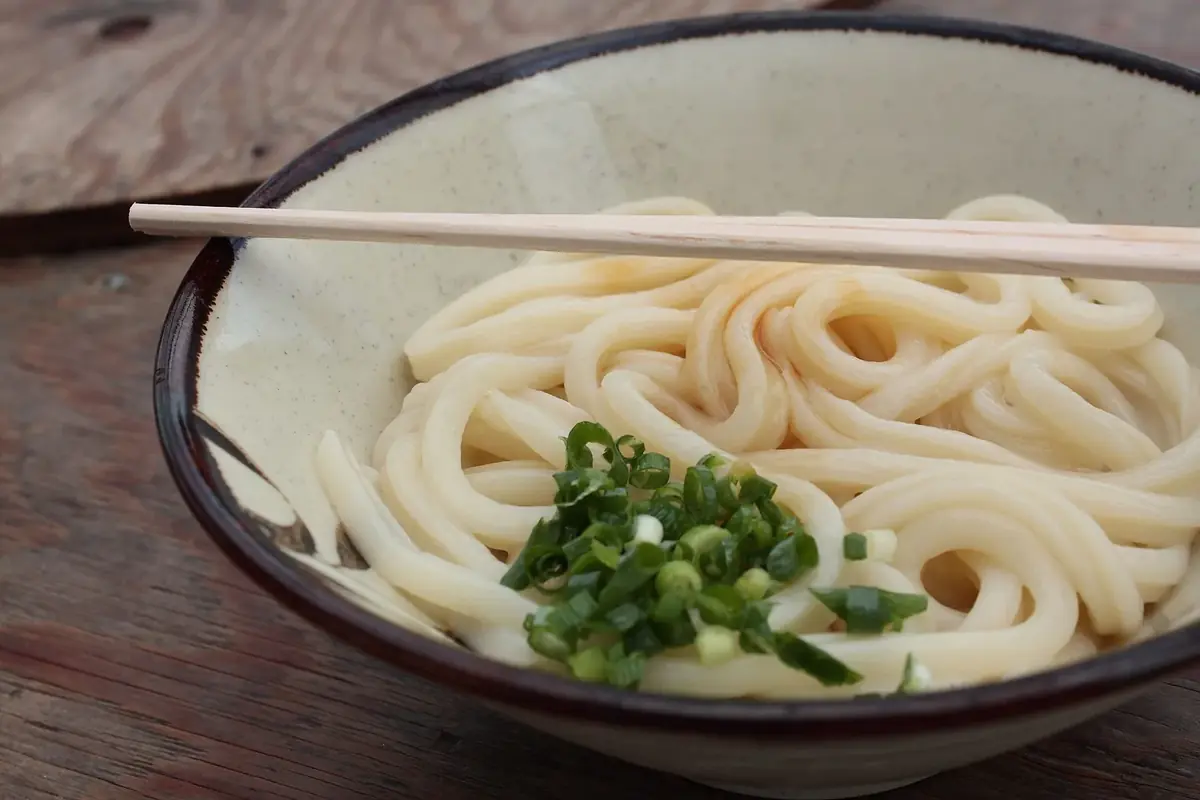
Kagawa's glossy wheat noodles, known for their elastic bite. Kagawa's tourism board calls it the 'udon prefecture', with more than 600 udon shops, and suggests kijoyu udon, dressed simply with soy sauce, to taste the noodles themselves, or the smooth kamatama udon.
- Where to look
- Udon shops across Takamatsu; on Naoshima, the tourism association counts udon among the simple dishes served at lunchtime.
- Fit it into your day
- A quick lunch in Takamatsu before the ferry. On the island, the association warns that even udon can take 30 minutes at peak times.
Contains wheat. Kagawa's udon broth traditionally uses sardines, so ask if you avoid fish.
Olive Yellowtail
Farm-raised yellowtail from Kagawa, fed with ground olive leaves, which the prefecture's tourism board says gives the fish a particularly refreshing flavour and keeps the flesh from discolouring. It recommends eating it as sashimi, and says fish raised through autumn and winter are the richest.
- Where to look
- Sushi and seafood restaurants in Takamatsu; look for olive yellowtail by name on the menu.
- Fit it into your day
- Dinner on a night in Takamatsu, ideally in autumn or winter.
Usually served raw; ask for a grilled dish if you avoid raw fish.
Tamano ontama-meshi
Tamano's local comfort food, according to the city's official tourism guide: fried rice made with Seto Inland Sea conger eel and Tamano-grown mixed-grain rice, seasoned with a kabayaki-style sauce and topped with a soft onsen egg to stir in. It has won the grand prix at the Minato Oasis 'Sea-class gourmet' contest for port towns four times.
- Where to look
- Restaurants in Tamano, the city that includes Uno, listed on the official ontama-meshi site.
- Fit it into your day
- Lunch or dinner in Uno before or after the ferry, or on a night spent in Uno.
Contains fish (conger eel) and egg; the soy-based sauce contains wheat.
Okayama barazushi
Vinegared rice mixed with finely chopped Seto Inland Sea seafood, such as Spanish mackerel, and seasonal vegetables. Okayama's tourism guide traces it to an Edo-period decree allowing commoners only one soup and one side dish, which people got round by putting the fish and vegetables into the rice; it is still made for festivals and celebrations.
- Where to look
- Around JR Okayama Station, where you change for the Uno Line: Okayama's official guide names Azuma Sushi in Sun Station Terrace, directly connected to the station, and the Momotaro matsuri-zushi station bento sold in the same building.
- Fit it into your day
- Lunch at Okayama Station on the way to Uno, or a bento for the train back.
Contains fish and shellfish, some of it raw or vinegared; for the fullest version, some restaurants ask you to reserve days ahead.
Teshima strawberries and lemons
Teshima grows strawberries and lemons, and the café beside Teshima Art Museum uses them: a soda made with strawberry purée from island growers, sold only in summer, and a Swiss roll made with Teshima lemons, alongside snacks made with locally grown rice.
- Where to look
- The café and shop next to Teshima Art Museum, designed by Ryue Nishizawa.
- Fit it into your day
- A break after your museum slot, before the bus back to Ieura Port.
The café can be used only after entering the museum at your reserved time; the strawberry soda is seasonal.
Ferries from Uno and Takamatsu, and the last boat back
Naoshima's boats leave from two mainland ports, and Shikoku Kisen, which runs most of them, takes no reservations: boarding is first come, first served. From Uno, on the Okayama side, car ferries and passenger boats reach Miyanoura in about 20 and 15 minutes for ¥370, and small passenger boats run to Honmura in about 20 minutes, cash only. The Naoshima Town Tourism Association gives 50–57 minutes for the direct JR Uno Line train from Okayama to Uno, or 47–51 minutes with a change at Chayamachi, and about 50 minutes on the shinkansen from Shin-Osaka to Okayama, 40 from Hiroshima and 3 hours 25 minutes from Tokyo.
From Takamatsu, the car ferry takes about 50 minutes to Miyanoura and 60 back for ¥680, and the high-speed boat about 30 minutes for ¥1,590, paid in cash. Ferries and high-speed boats leave from different piers at both Takamatsu and Miyanoura, and at Takamatsu each has its own ticket office. Takamatsu Port is a five-minute walk from JR Takamatsu Station, which the Marine Liner rapid train links to Okayama in an average of 55 minutes, according to JR Shikoku.
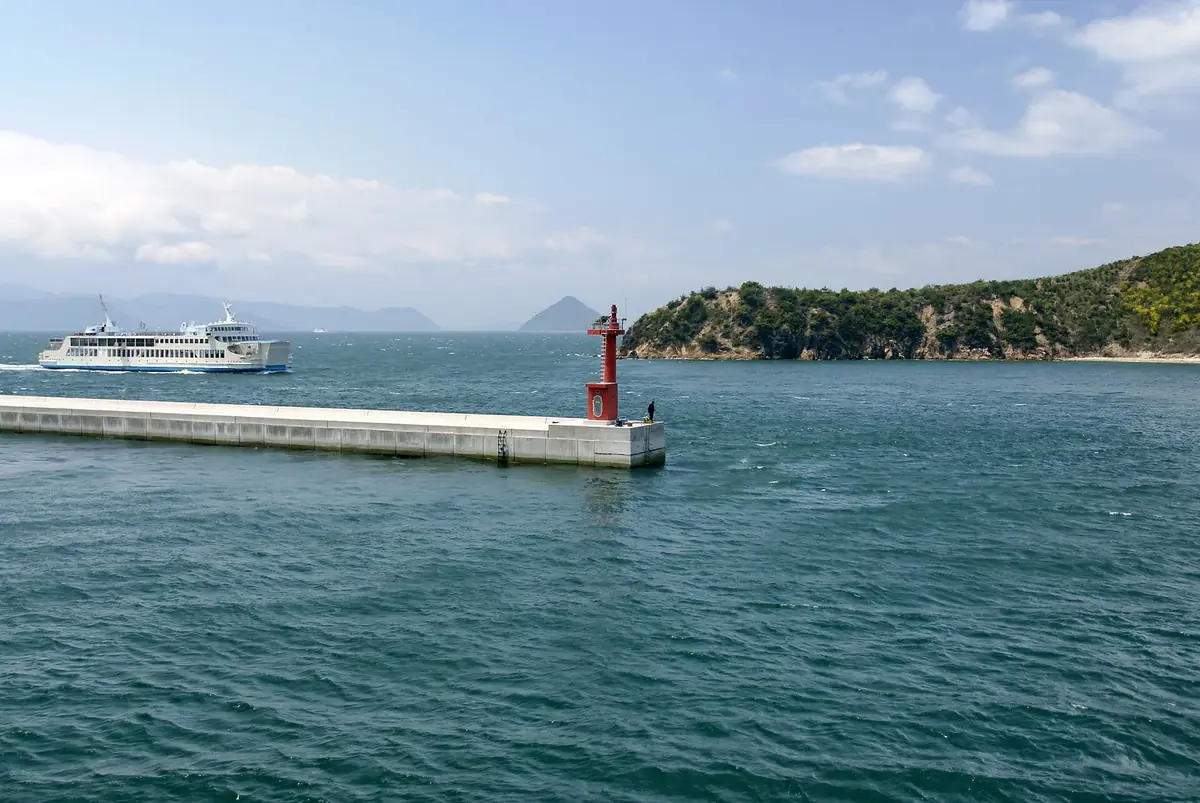
Plan the day backwards from the last boat. When we checked on 10 October 2026, Shikoku Kisen's timetables had the last Takamatsu-bound ferry leaving Miyanoura at 17:00 and the last high-speed boat at 19:45, while boats to Uno ran until 21:15, with a late-night sailing at 00:15 at ¥730. The tourism association asks you to be at the port 20 minutes before departure, and Benesse Art Site notes that strong wind or fog can change or cancel sailings.
The museum area: Chichu, Lee Ufan, Benesse House and the pumpkin
Chichu Art Museum, opened in 2004, was built by Tadao Ando almost entirely underground and lit by daylight, so the works change with the hour and the season. It holds five of Claude Monet's late Water Lilies paintings, three works by James Turrell and Walter De Maria's Time/Timeless/No Time, a room built around a sphere 2.2 metres across and 27 gilded wooden forms. Allow about 90 minutes, as Benesse Art Site's itineraries do. It opens 10:00–17:00, with last entry at 16:00. On Fridays and Saturdays, a Night Program seats up to 30 people beneath Turrell's Open Sky for 45 minutes at sunset, on a ¥3,700 ticket that includes admission: one more reason to stay the night.
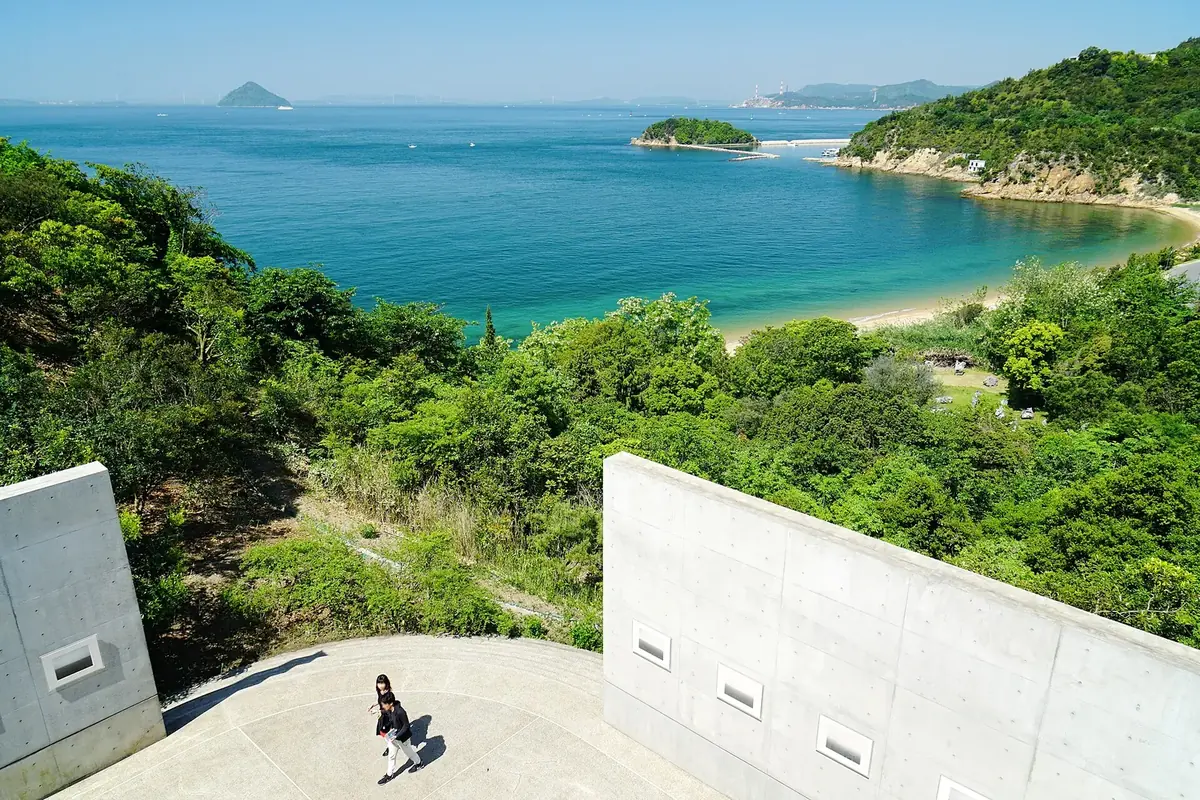
A short walk or shuttle ride away, the Lee Ufan Museum is another Ando building, half sunk into a valley, holding Lee's paintings and sculptures from the 1970s to the present; half an hour is usually enough. The Benesse House Museum, opened in 1992 as a museum and hotel in one, shows its collection and site-specific works in the galleries, on the shore and in the woods around it, and is open every day from 08:00 to 21:00. Its Valley Gallery, a small shrine-like building open 09:30–16:00, holds Yayoi Kusama's Narcissus Garden. The Hiroshi Sugimoto Gallery: Time Corridors, devoted to the photographer's work, opens 11:00–15:00 on timed tickets and is free for Benesse House guests.
Kusama's yellow Pumpkin sits among the outdoor works around Benesse House; a JNTO blog describes it on a concrete pier with nothing but waves and clouds behind it. The present work is dated 2022, and Benesse Art Site lists it, with the other outdoor works, as unavailable from 12 to 18 January 2027. Her Red Pumpkin is easier to reach: it greets you at Miyanoura's ferry port, and you can step inside through holes cut in its dots.
Honmura and Miyanoura: art houses, the New Museum and a bathhouse
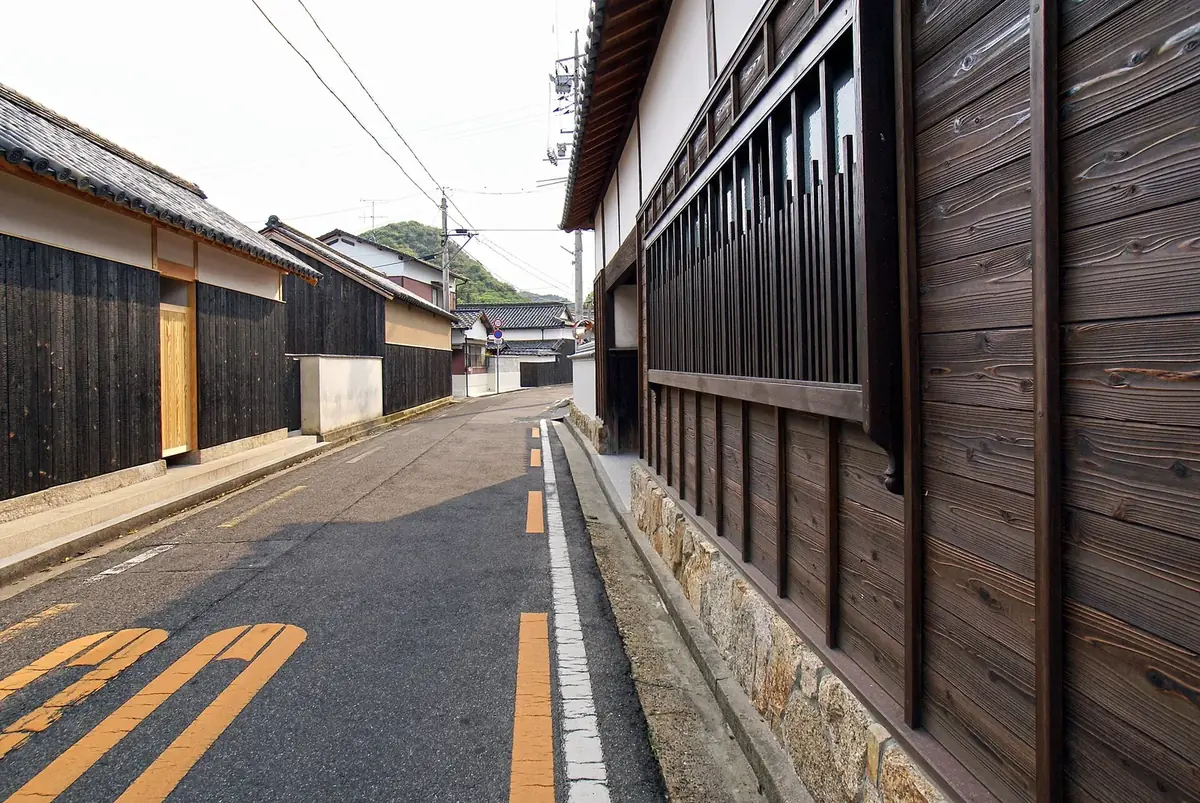
In Honmura, the Art House Project has been turning empty houses among the village's homes into artworks since 1998; there are seven, from Kadoya, the first, to Haisha, a former dentist's house. Minamidera, a new building by Ando, holds James Turrell's Backside of the Moon and needs a timed ticket; it does not admit children aged five and under. Kinza, by Rei Naito, admits one person at a time and normally opens Thursday to Sunday. The other five share a ¥1,200 online multi-site ticket, also sold at Honmura Lounge & Archive, a former village supermarket redesigned by Ryue Nishizawa. Most houses close for an hour around lunch, and the tourism association allows about two hours for the project.
Up the hill, the Naoshima New Museum of Art opened in spring 2025: Ando's tenth building for Benesse Art Site, with two floors underground, galleries for artists from Japan and across Asia and a café looking out to Teshima. Its exhibition running until 23 November 2026 includes Cai Guo-Qiang, Takashi Murakami and Do Ho Suh. It opens 10:00–16:30, with online tickets at ¥1,500, and the town bus stop is Momoyama. Nearby, ANDO MUSEUM sets a concrete interior inside a wooden house about 100 years old, with photographs, sketches and models of Ando's work.
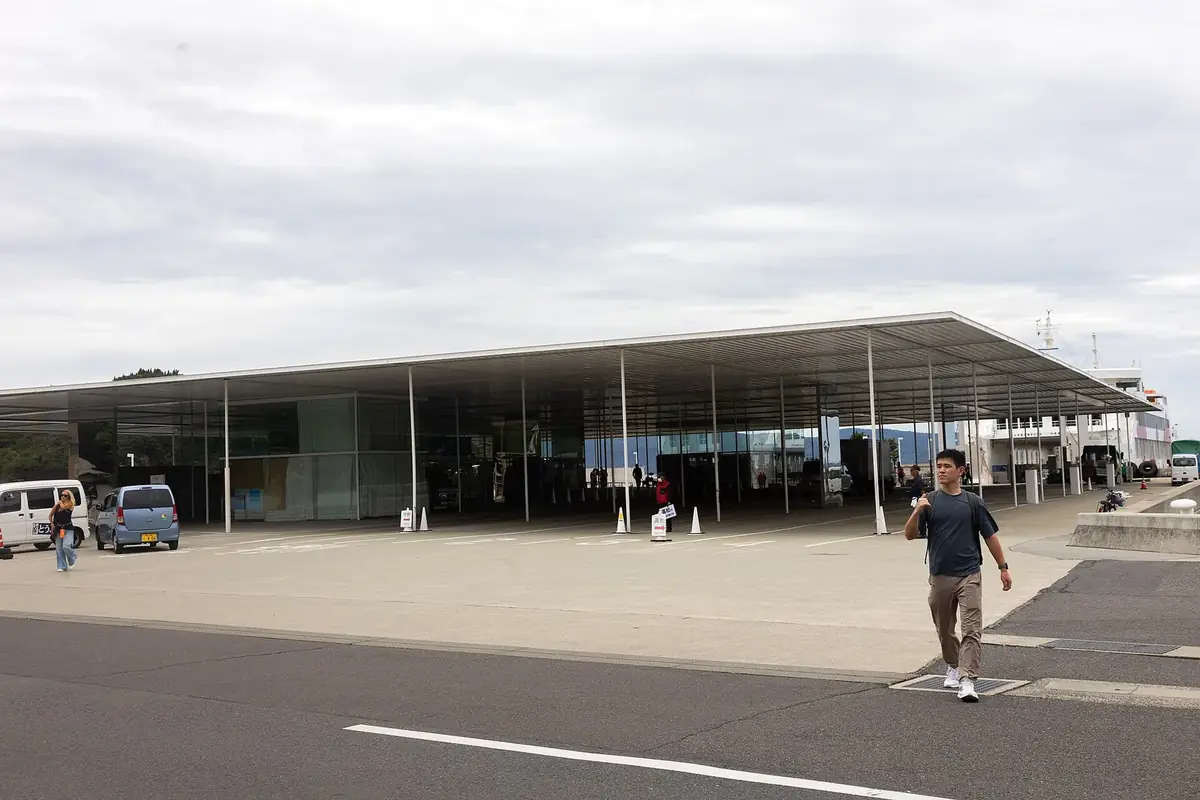
Miyanoura is more than a port. Naoshima Bath I♥湯, an artwork by Shinro Ohtake that is also a working public bath, opens 13:00–21:00 and costs ¥660, with soap and shampoo provided and towels for sale. No booking is needed, which makes it an easy last stop before an evening boat. Around the port stand the Red Pumpkin and Sou Fujimoto's Naoshima Pavilion, a walk-in structure made of about 250 stainless-steel nets.
Getting around: town bus, shuttle, bicycle or on foot
The town bus runs from Miyanoura through Honmura (get off at Nokyo-mae for the Art House Project) to Tsutsuji-so, at the edge of the museum area, for ¥100 a ride, paid in coins as you get off. From Tsutsuji-so, Benesse Art Site's free shuttle continues to Benesse House Museum, the Lee Ufan Museum and Chichu; the tourism association puts Miyanoura to Chichu at about 30 minutes including the change. The town bus carries 28 people, and the association warns that weekend and holiday afternoons between Tsutsuji-so and Miyanoura are very crowded, so leave a margin before your boat. The shuttle does not run on Mondays.
Bicycles free you from the timetable. There are four rental shops around Miyanoura Port and one in Honmura, and the association puts the ride from Miyanoura Port to the museum area at 15–25 minutes. Bicycles may not use the road between the East Gate and North Gate of the museum area, so park at the East Gate or at Chichu's ticket centre and walk or take the shuttle; Benesse Art Site recommends walking there anyway, for the scenery and the outdoor works. Roads are narrow, so ride in single file.
There are only two taxis on Naoshima, so book ahead if you need one. Leave big bags in the coin lockers at Miyanoura's terminal: the museums do not allow suitcases inside. Carry cash, as many shops do not take cards, and wear shoes that slip off easily, as some art facilities ask you to remove them. Naoshima has one convenience store, near Miyanoura Port, and Teshima has none.
Teshima Art Museum: give it its own day
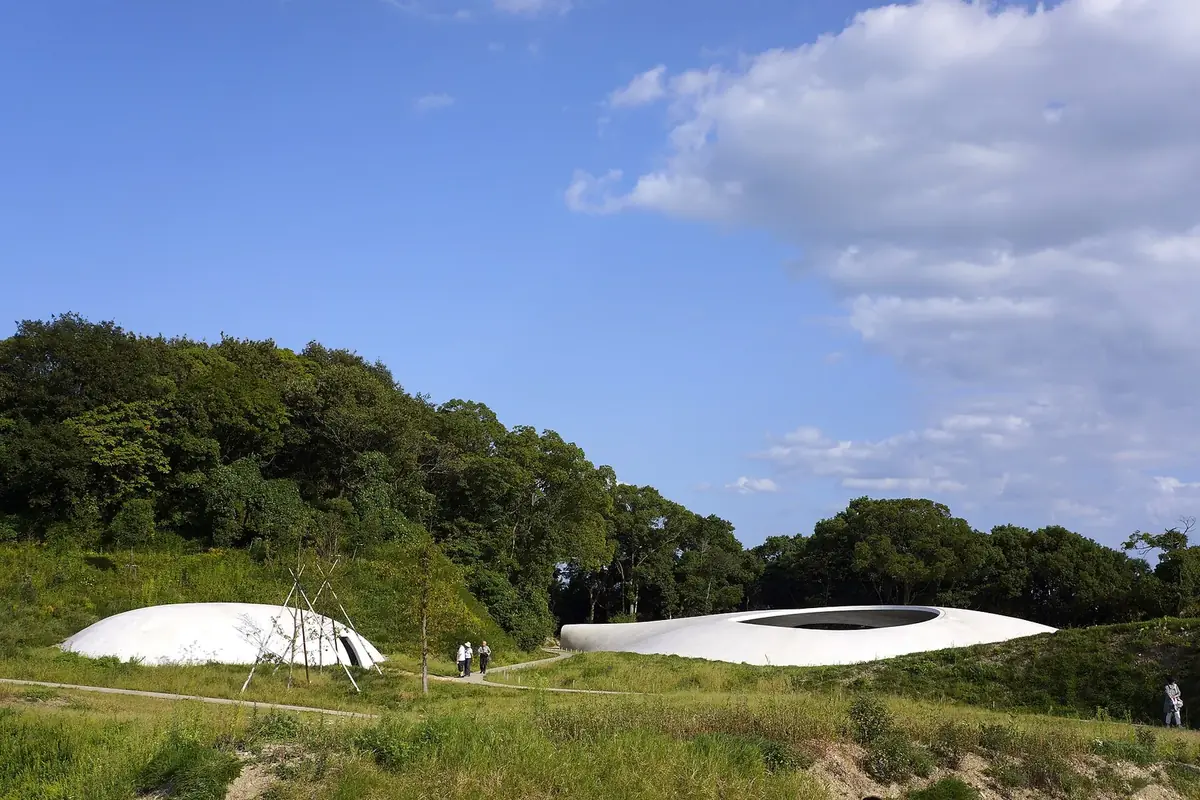
On neighbouring Teshima, Teshima Art Museum, by the artist Rei Naito and the architect Ryue Nishizawa, is a single low concrete shell about 40 by 60 metres, with no pillars and two oval openings to the sky, set in a corner of rice terraces restored with local residents. Inside, water springs from the floor throughout the day. Allow about an hour, as Benesse's itinerary does. It needs a timed ticket (¥1,800 online), and like Chichu sells nothing at the door once online tickets are gone. Near the island's two ports, Christian Boltanski's Les Archives du Cœur in Karato and Teshima Yokoo House in Ieura pair well with it, but both close from December to February.
Its opening days differ from Naoshima's: it closes on Tuesdays from March to November and from Tuesday to Thursday from December to February, and from October to February it opens only 10:00–16:00. On one Sunday a month, a Special Morning Program begins as the water starts to flow; the museum's site lists the dates.
Getting there takes planning. From Miyanoura, Shikoku Kisen's high-speed boat reaches Ieura on Teshima in about 22 minutes for ¥820, cash only; when we checked, it sailed three times a day and only on days the island museums open. From Takamatsu, the Teshima Ferry's high-speed boats take about 35 minutes direct, with some sailings calling at Honmura, and Uno has boats to Ieura on the Shodoshima Teshima Ferry route. On the island, a shuttle bus (¥400) links Ieura Port with the museum in about 15 minutes; rental bicycles and cars at Ieura and Karato are limited, so call ahead. Squeezing both islands into one day leaves little time for either, which is why Benesse's own itineraries give Teshima a day of its own.
When to go, and a Chichu-first route around the island
Crowds peak during long holidays and the Setouchi Triennale, when the tourism association warns of waits and numbered tickets at the art facilities. The next edition runs in 2028 across 17 islands and coastal areas, in three sessions: spring from 14 April to 28 May, summer from 25 July to 20 August and autumn from 29 September to 12 November, with each venue closed one day a week. Outside the festival, Benesse Art Site's museums are open all year apart from their closing days and winter maintenance.
The plan below is an editorial suggestion, not a timetable. Book the Chichu slot first and build the rest around it.
- Day 1, morning: an early boat from Uno or Takamatsu to Miyanoura. Drop your bags at your guesthouse or in a terminal locker and see the Red Pumpkin.
- Day 1, afternoon: town bus to Tsutsuji-so and the shuttle to Chichu for your slot, then the Lee Ufan Museum, Valley Gallery, Benesse House Museum and the yellow Pumpkin.
- Day 1, evening: Chichu's Night Program on a Friday or Saturday, or a soak at I♥湯 in Miyanoura and dinner on the island.
- Day 2, morning: Honmura: the Art House Project with a Minamidera slot, ANDO MUSEUM and the New Museum of Art, then lunch and a boat from Honmura or Miyanoura.
- Day 3 (optional): Teshima Art Museum by the high-speed boat from Miyanoura or the direct boat from Takamatsu, on a day it is open.
- As a day trip: the first boats from Uno or Takamatsu, Chichu in the morning, the rest of the museum area by shuttle, Honmura in the afternoon and the last boat that fits your onward train.
Practical questions
Is Naoshima worth an overnight stay, or is a day trip enough?
One night is worth it if you can get a room. The tourism association says about eight hours covers every art facility, so a day trip from Okayama, Uno or Takamatsu works with an early boat and a Chichu ticket, but a night lets you split the museum area and Honmura and stop watching the last ferry.
How far in advance do I need to book Chichu Art Museum?
As soon as sales open: when we checked on 10 October 2026, online tickets went on sale at 10:00 on the second Friday of the month, two months ahead. Entry is by 15-minute slot, and nothing is sold at the door once online tickets sell out.
Are the Naoshima museums closed on Mondays?
Most are, including Chichu, the Lee Ufan Museum, the New Museum of Art, the Art House Project and ANDO MUSEUM; on a national-holiday Monday they open and close the next day instead. Benesse House Museum opens every day, while Teshima Art Museum closes on Tuesdays (Tuesday to Thursday in winter).
Should I take the ferry to Naoshima from Uno or Takamatsu?
Take it from Uno if you are coming by train from Okayama: the crossing takes about 20 minutes, and boats back ran until 21:15 when we checked. Takamatsu suits travellers staying or flying there; the ferry takes about 50 minutes, or 30 on the high-speed boat, but the last ferry back left Miyanoura at 17:00.
Can I visit Naoshima and Teshima in one day?
It is possible but rushed: the boat between Miyanoura and Ieura sailed only three times a day when we checked, and both islands' main museums need timed tickets. Benesse Art Site's itineraries give Teshima its own day, which is easiest from a base on Naoshima or in Takamatsu.
Where should I stay for Naoshima?
On the island if you can: Miyanoura for the ferries and the most places to stay, Honmura for the Art House Project and the most places to eat, or Benesse House to sleep inside the museum. If the island is full, Uno is 20 minutes away by ferry, and Takamatsu suits a city stay with the boat to Teshima.
Keep planning your trip
Hiroshima
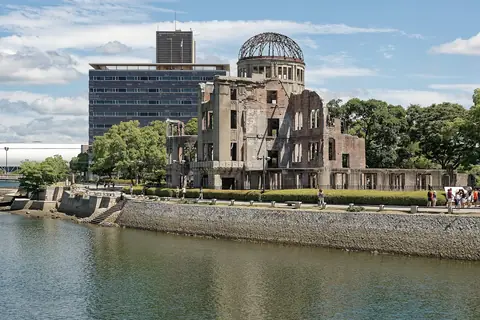
Whether Hiroshima is a day trip or one or two nights, how to book the Peace Memorial Museum, which area to sleep in and how to add Miyajima.
Read the guide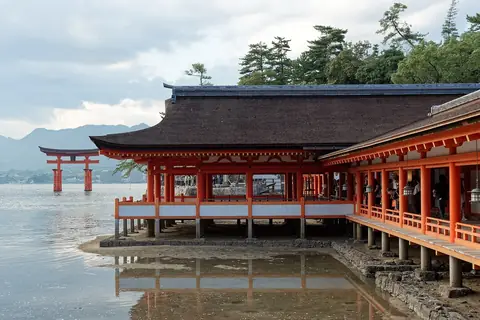
Miyajima
Whether Miyajima needs a half day or a night, how to time the tide for the floating torii, the ferries and visitor tax, Mount Misen and where to stay.
Read the guide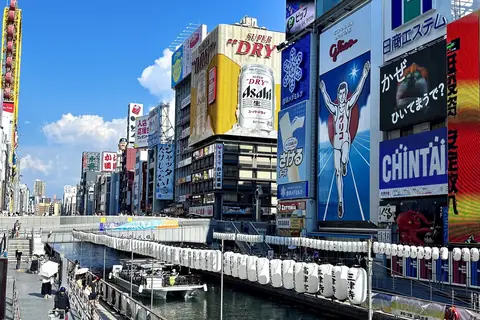
Osaka
How many nights Osaka needs, whether to base here or in Kyoto, Namba vs Umeda vs Shin-Osaka vs Tennoji, what to eat, and trains to Nara, Himeji and Koyasan.
Read the guide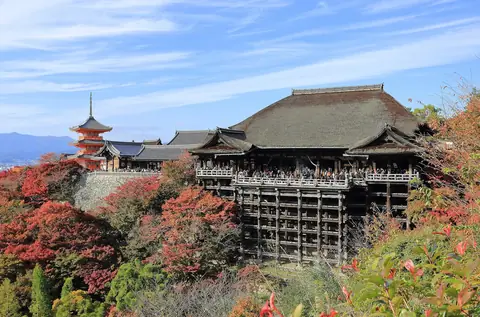
Kyoto
How many nights Kyoto needs, where to base yourself, how to group the sights into east, west and south days, and how to beat the crowds and the buses.
Read the guide
Japan in 3 weeks
A 21-day Japan itinerary in 20 nights: Tokyo, a Hakone ryokan, the Kiso walk, Takayama, a Shirakawa-go farmhouse, Kyoto, a Koyasan temple and Naoshima.
Read the guideSources and checks before you travel
(20)
- Benesse Art Site Naoshima: Chichu Art Museum ↗ — opens in a new tab
- Benesse Art Site Naoshima: Chichu Art Museum online ticket page ↗ — opens in a new tab
- Benesse Art Site Naoshima: ticket reservations and admission ↗ — opens in a new tab
- Benesse Art Site Naoshima: open-days calendar and yearly maintenance closures January–March 2027 ↗ — opens in a new tab
- Benesse Art Site Naoshima: Naoshima New Museum of Art and its revised closure notice ↗ — opens in a new tab
- Benesse Art Site Naoshima: Benesse House Museum, Lee Ufan Museum, Art House Project, ANDO MUSEUM, Hiroshi Sugimoto Gallery and Naoshima Bath pages ↗ — opens in a new tab
- Benesse Art Site Naoshima: Teshima Art Museum and Teshima transport ↗ — opens in a new tab
- Benesse Art Site Naoshima: Benesse House guest benefits, reservation system and April 2027 guest benefit ↗ — opens in a new tab
- Benesse Art Site Naoshima: for first-time visitors, access and suggested itineraries ↗ — opens in a new tab
- Shikoku Kisen: Uno–Miyanoura, Uno–Honmura, Takamatsu–Miyanoura and Miyanoura–Ieura–Inujima routes ↗ — opens in a new tab
- Teshima Ferry (official site, Japanese) ↗ — opens in a new tab
- Naoshima Town Tourism Association: please read this first (Japanese) ↗ — opens in a new tab
- Naoshima Town Tourism Association: getting around, access, planning and art pages ↗ — opens in a new tab
- JNTO: Naoshima Island, and JNTO blog on Naoshima's pumpkins ↗ — opens in a new tab
- Setouchi Triennale: 2028 call for art proposals ↗ — opens in a new tab
- Kagawa Prefecture Tourism Association: access and delicacies of Kagawa ↗ — opens in a new tab
- JR Shikoku: train information (Marine Liner) ↗ — opens in a new tab
- Takamatsu Airport: bus access ↗ — opens in a new tab
- Tamano City official tourism guide: Tamano food and places to stay ↗ — opens in a new tab
- Okayama Prefecture official tourism guide: Okayama barazushi, and restaurants near JR Okayama Station ↗ — opens in a new tab
Reference sources for the version dated 16 October 2026. Confirm opening times, access, transport and conditions for your travel dates.
Photo credits
(6)
The view from Benesse House Museum, open to day visitors from 08:00 to 21:00
Photograph: 663highland — opens in a new tab · CC BY 2.5 — opens in a new tab
Changes: Resized and converted to WebP; displayed with responsive crops. · Original photograph and licence details ↗ — opens in a new tab
Honmura's lanes, where the Art House Project's houses sit among villagers' homes
Photograph: 663highland — opens in a new tab · CC BY 2.5 — opens in a new tab
Changes: Resized and converted to WebP; displayed with responsive crops. · Original photograph and licence details ↗ — opens in a new tab
A ferry nearing Miyanoura: plan the day around the last boat back
Photograph: 663highland — opens in a new tab · CC BY 2.5 — opens in a new tab
Changes: Resized and converted to WebP; displayed with responsive crops. · Original photograph and licence details ↗ — opens in a new tab
Teshima Art Museum, best given a day of its own
Photograph: Kentaro Ohno from Tokyo, Japan — opens in a new tab · CC BY 2.0 — opens in a new tab
Changes: Resized and converted to WebP; displayed with responsive crops. · Original photograph and licence details ↗ — opens in a new tab
Kama-age udon in Takamatsu, the easiest place to sample Kagawa's noodles
Photograph: sekido — opens in a new tab · CC BY 2.0 — opens in a new tab
Changes: Resized and converted to WebP; displayed with responsive crops. · Original photograph and licence details ↗ — opens in a new tab
Most visitors arrive at Miyanoura, whose ferry terminal was designed by SANAA.
Photograph: Bea Phi — opens in a new tab · CC BY-SA 4.0 — opens in a new tab
Changes: Resized and converted to WebP; displayed with responsive crops. · Original photograph and licence details ↗ — opens in a new tab