Maluku and Papua · Southwest Papua
Raja Ampat guide: homestay, resort or liveaboard, Sorong ferry and fees
Raja Ampat, "the Four Kings", is the archipelago off the north-western tip of Papua's Bird's Head Peninsula: the four large islands of Waigeo, Batanta, Salawati and Misool and, by the Ministry of Tourism's count, more than 1,500 smaller islands, cays and shoals. Its reefs are the reason most people come, but the karst lagoons of Piaynemo and Wayag, the birds of paradise and the Papuan villages that run most of the accommodation make it worth the journey for snorkellers too. It is also remote and expensive to move around, so the trip is decided less by what you want to see than by how you choose to sleep and travel.
- Suggested time
- At least a week, including a day each way via Sorong
- Where to stay
- A homestay or dive resort in the Dampier Strait (Kri, Gam, Arborek, Mansuar); Waisai for arrival nights; a liveaboard from Sorong for Wayag and Misool
- Season and timing
- October to April brings the least rain and the calmest seas, with the best odds from mid-October to mid-December; mid-June to mid-September has windy days that can stop small-boat trips. Diving is possible all year.
The short answer
Plan at least a week. Fly to Sorong (SOQ), take the roughly two-hour ferry to Waisai on Waigeo, and from there let your accommodation's boat carry you to the islands. Choose a Papuan family homestay on Kri, Gam, Arborek or Mansuar for the cheapest, most local stay; a dive resort for comfort and organised diving; or a liveaboard from Sorong if Wayag and Misool are the priority. Buy the official marine park fee before you start, carry enough rupiah from Sorong, and aim for October to April for calmer seas.
Homestay, resort or liveaboard: decide this first
Almost everything about a Raja Ampat trip follows from where you sleep, because there is no public transport between the islands: your host's boat is your bus. Homestays are run by Papuan families on their own land, mostly in the Dampier Strait islands of Kri, Gam, Mansuar and Arborek. The community-run Stay Raja Ampat site, which lists them, is blunt about what to expect: simple timber-and-thatch bungalows, often a mattress on the floor and a mosquito net, bucket ("dip mandi") bathing, rare WiFi, no alcohol for sale, and three meals a day included in the price. On small islands such as Kri the bathing water can be brackish, and most homestays run no boat trips or dives on Sundays, although Waisai transfers still operate.
Dive resorts on the islands offer more comfort, dive centres with their own boats and guides, and organised transfers; Wikivoyage calls them the most expensive place to stay. A liveaboard is the third option. The Ministry of Tourism's Wayag page recommends it for the far north-west, and notes that liveaboards usually sail from Sorong, so you sleep where the dive sites are instead of spending half a day getting to them.
A rough rule: snorkellers, birders and travellers on a budget do best in a homestay in the Dampier Strait; divers who want comfort and a dive centre on the doorstep choose a resort; divers set on Wayag, Misool and remote reefs book a liveaboard. You can combine a homestay week with a resort night or two, but each move between islands is a separate boat that you arrange with your current host.
Getting there: Sorong, the ferry and the Waisai pier
Everything starts in Sorong, on the mainland, at Domine Eduard Osok Airport (SOQ). Stay Raja Ampat lists direct flights to Sorong from Jakarta, Denpasar (Bali), Makassar and Manado, the international airports most travellers connect through; check current routes with the airlines, because they change. A taxi from the airport to the ferry harbour takes about 10 to 20 minutes.
Public ferries leave from Sorong's Pelabuhan Rakyat (public harbour) for Waisai, the regency capital on Waigeo, and take about two hours. When we checked on 3 October 2026, Stay Raja Ampat listed daily departures at 09:00 and 14:00 in both directions from 1 September 2026, with usually only the 14:00 sailing on Indonesian public holidays, and tickets sold on the day at the port offices. Schedules change without notice, so confirm the day before. In practice, a morning arrival in Sorong connects with the 14:00 ferry, and on the way home you need the 09:00 ferry for an afternoon flight out of Sorong.
At Waisai, homestay and resort boats meet guests at the harbour; the Ministry of Tourism puts Arborek about one and a half hours from Waisai by rented longboat. Stay Raja Ampat also notes small Susi Air flights between Sorong and Waisai's Marinda Airport, with a 15 kg baggage allowance, and chartered speedboats from Sorong if you are short of time. Both cost far more than the ferry.

Make time for the local food
What to eat and where to look
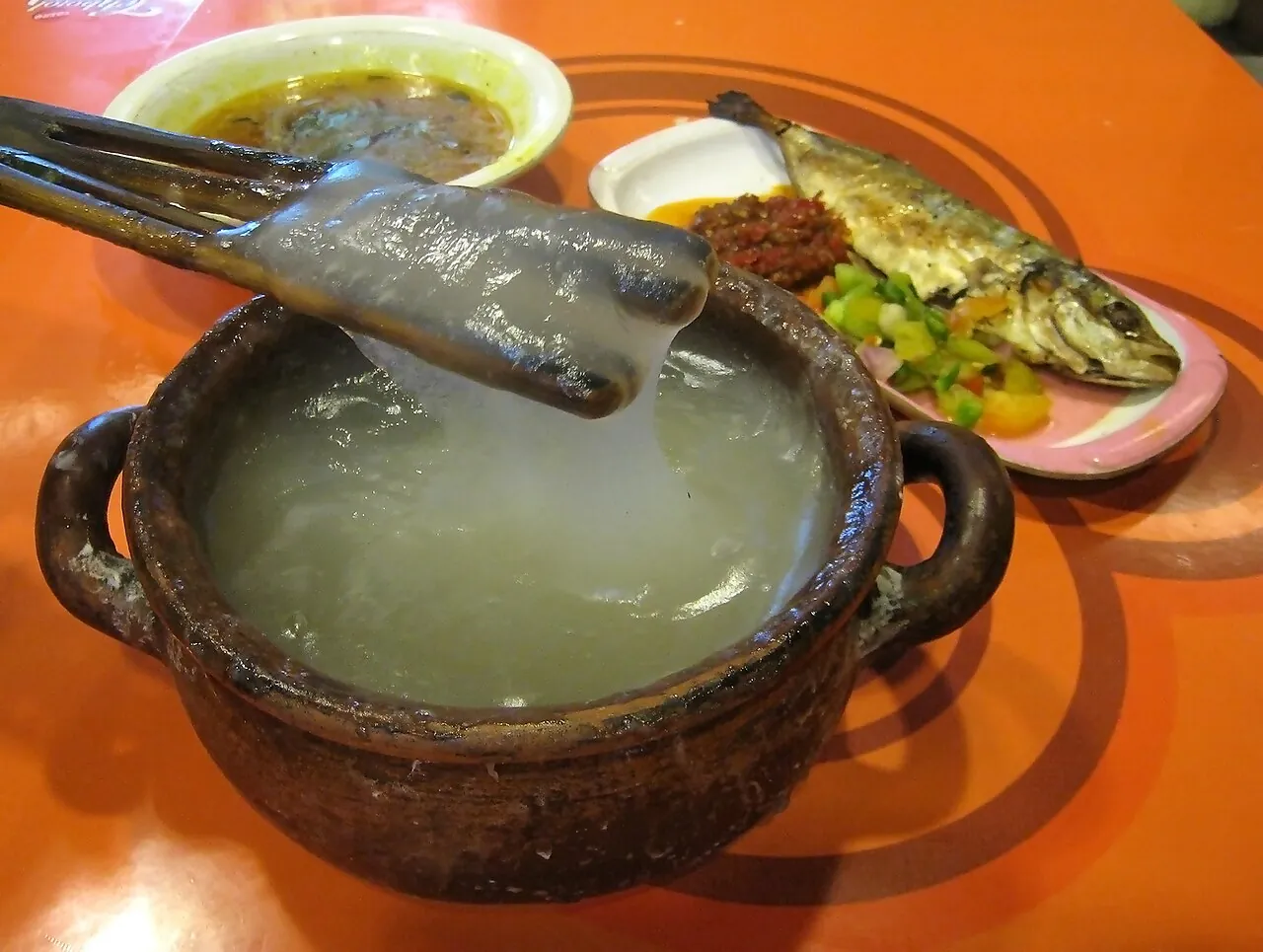
Papeda with ikan kuah kuning
Papeda is a glutinous sago porridge, the staple of eastern Indonesia, served with a rich yellow fish broth. The Ministry of Tourism names it as one of Southwest Papua's must-try dishes.
- Where to look
- Local warungs in Sorong and Waisai; homestay hosts sometimes cook it on request.
- Fit it into your day
- A lunch in Sorong on the way in, or ask your host for it one evening.
Papeda has a glue-like texture and little flavour of its own; it is meant to be eaten with plenty of the broth.
Ikan bakar (grilled fish)
Fresh fish grilled with traditional spices. The Ministry of Tourism lists ikan bakar Papua among the region's dishes.
- Where to look
- Seafood stalls and warungs in Sorong; fish also features in most homestay meals.
- Fit it into your day
- Dinner on your night in Sorong, or most evenings at a homestay.
Ask for the sambal on the side if you do not want it very hot.
Homestay set meals
Homestay rates include three meals a day plus drinking water, tea and coffee: typically rice, fish, vegetables and fruit. Stay Raja Ampat says vegan and vegetarian meals can be provided on request.
- Where to look
- Your homestay's dining shelter; there are few or no restaurants on the islands, and the Ministry notes there are none at Sawinggrai.
- Fit it into your day
- All meals on the islands; bring snacks from Sorong or Waisai for long boat days.
Stay Raja Ampat advises travellers with serious allergies not to stay in homestays, given communication limits and the distance to medical care.
Abon ikan Raja Ampat (fish floss)
Fish floss, which the Ministry of Tourism suggests as a Raja Ampat product to take home.
- Where to look
- Markets and shops in Sorong, such as Pasar Boswezen, which the Ministry recommends for local food and souvenirs.
- Fit it into your day
- Buy on your last day in Sorong; it also works as a topping for plain rice on boat trips.
Check the packaging if you are carrying it through customs at home.
The marine park fee, and the fees villages charge
Raja Ampat's waters are a network of marine protected areas, and every visitor needs the official Marine Park Fee (TLPJL), issued by the Raja Ampat MPAs Management Authority (BLUD UPTD). When we checked on 3 October 2026, its official site sold tourist tickets online, with a passport upload for each visitor and a maximum of ten per order, and listed sales points at its representative office in the Sorong fishery port complex on Jalan Bubara, at the Falaya tourism harbour counter in Waisai and at its head office on Jalan Yos Sudarso in Waisai (Monday to Friday, 08:00 to 16:00). The site calculates the price only once the ID is uploaded, so we do not quote it here; liveaboard and resort packages often include it, so ask before you pay twice.
Separately, some village communities charge their own landing fees, usually per boat, at popular spots such as Piaynemo and Wayag, as Stay Raja Ampat explains. They are not part of the park fee. Ask your guide or host before setting off whether the day's trip includes any, and carry cash for them.
The management authority also publishes a free travelling-etiquette book for Raja Ampat on its visitor-guide page. Read it before you arrive. Wikivoyage adds the basics: leave no trace, put rubbish only in bins provided, and take no fish or other natural items. Stay Raja Ampat also asks guests to avoid arriving at or leaving a homestay on a Sunday.
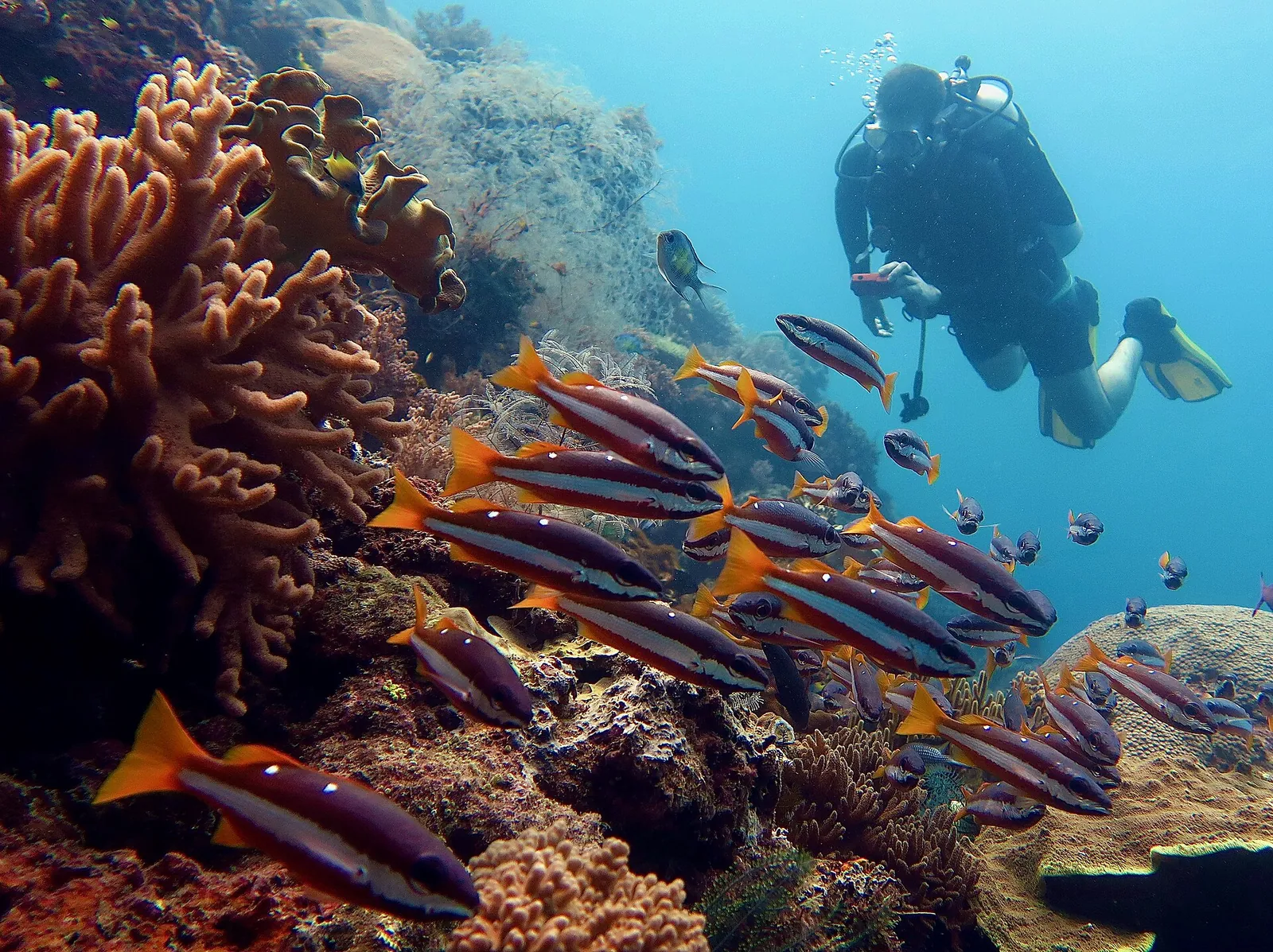
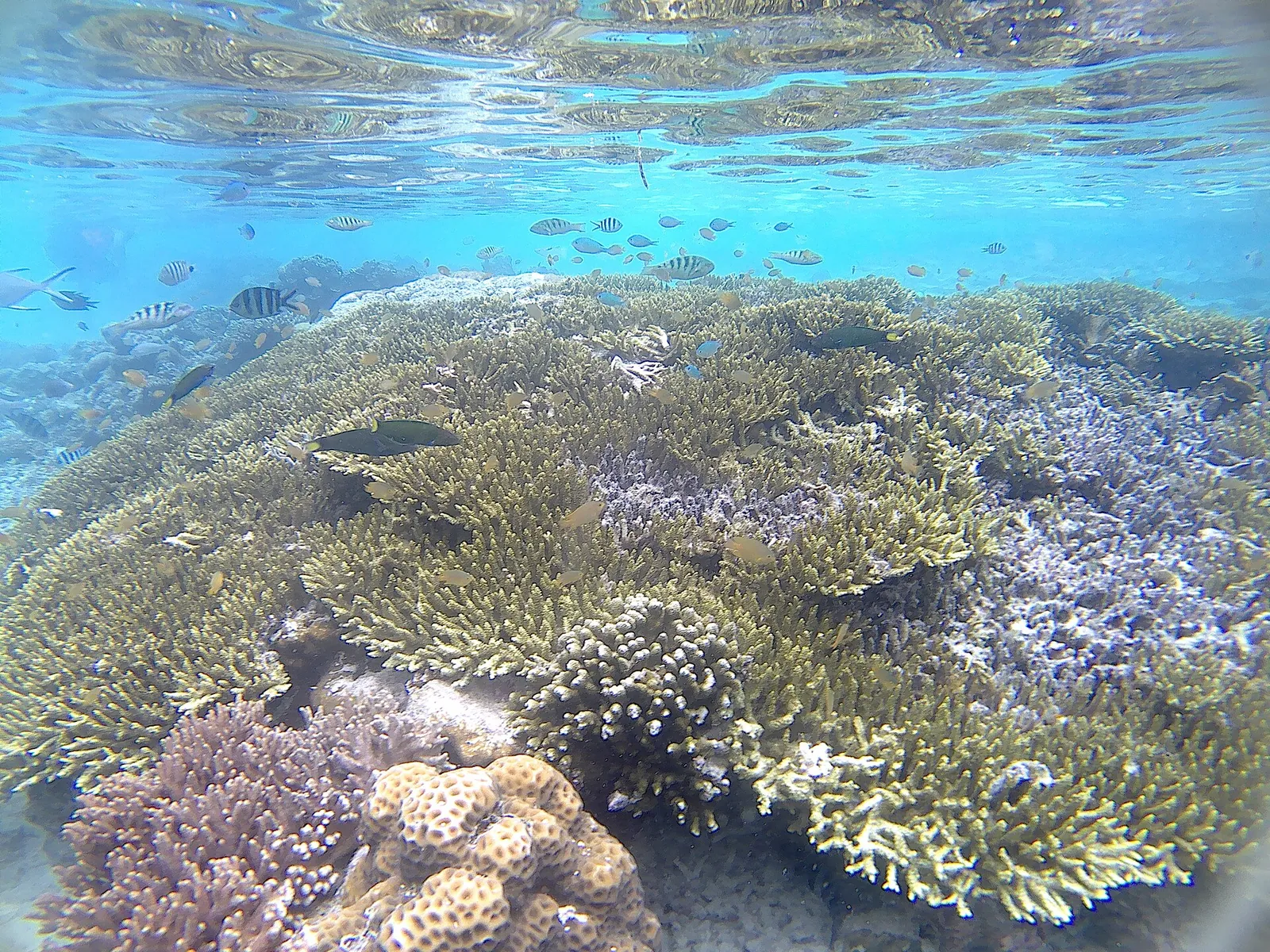
The Dampier Strait: Arborek, Kri, Gam and the birds of paradise
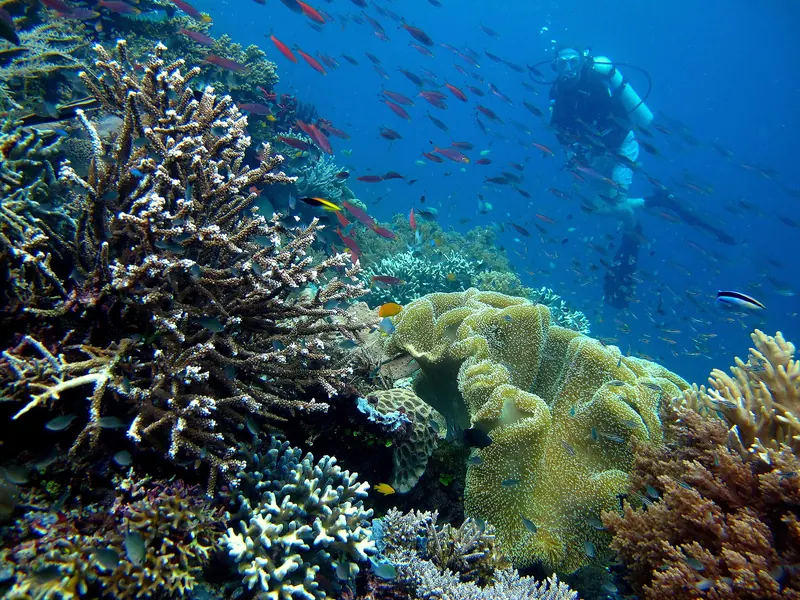
Most first trips centre on the strait between Waigeo and Batanta, where homestays, resorts and famous dive sites sit close together. Arborek is a small Papuan tourism village with homestays, where the Ministry of Tourism notes you can snorkel straight off the pier and reach dive sites in 15 to 20 minutes by boat. Its women weave hats and noken bags from sea pandan leaves. Just south of the reef between Arborek and Mansuar, the Manta Sandy site is a cleaning station where divers watch manta rays.
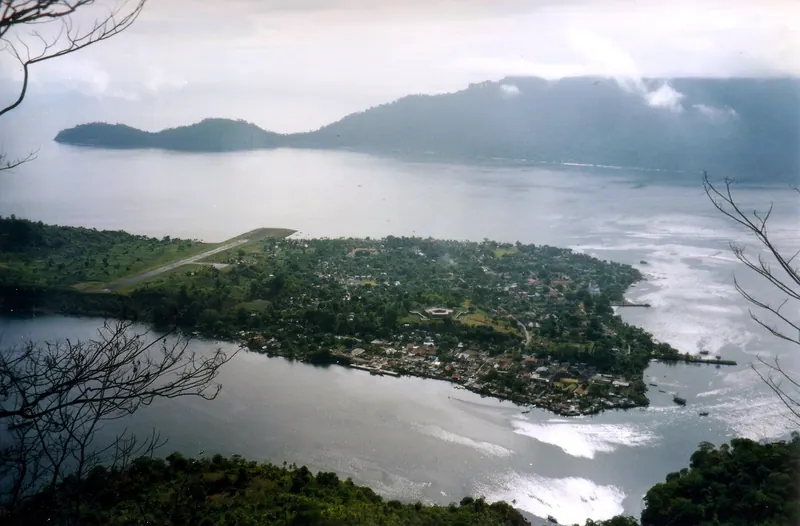
On Gam, Sawinggrai is the village for birds of paradise. The Ministry describes a climb of about 30 minutes up Manjai Hill to the viewing site, with displays usually in the morning or afternoon, and advises avoiding December to February when the birds are nesting. Nearby Sauwandarek has a coral-fringed shore, pandan crafts and a salt lake behind the village. Between Gam and Waigeo, the narrow Kabui Bay passage is scattered with karst islets and, the Ministry notes, has clear water where you can see coral from the boat.
Raja Ampat's currents are strong. Wikivoyage advises that it is not a place for inexperienced divers, so dive with a professional operator, stay with your guide and, if you are newly certified, start on sheltered reefs. Snorkellers should ask their host which house reefs are safe at that day's tide.
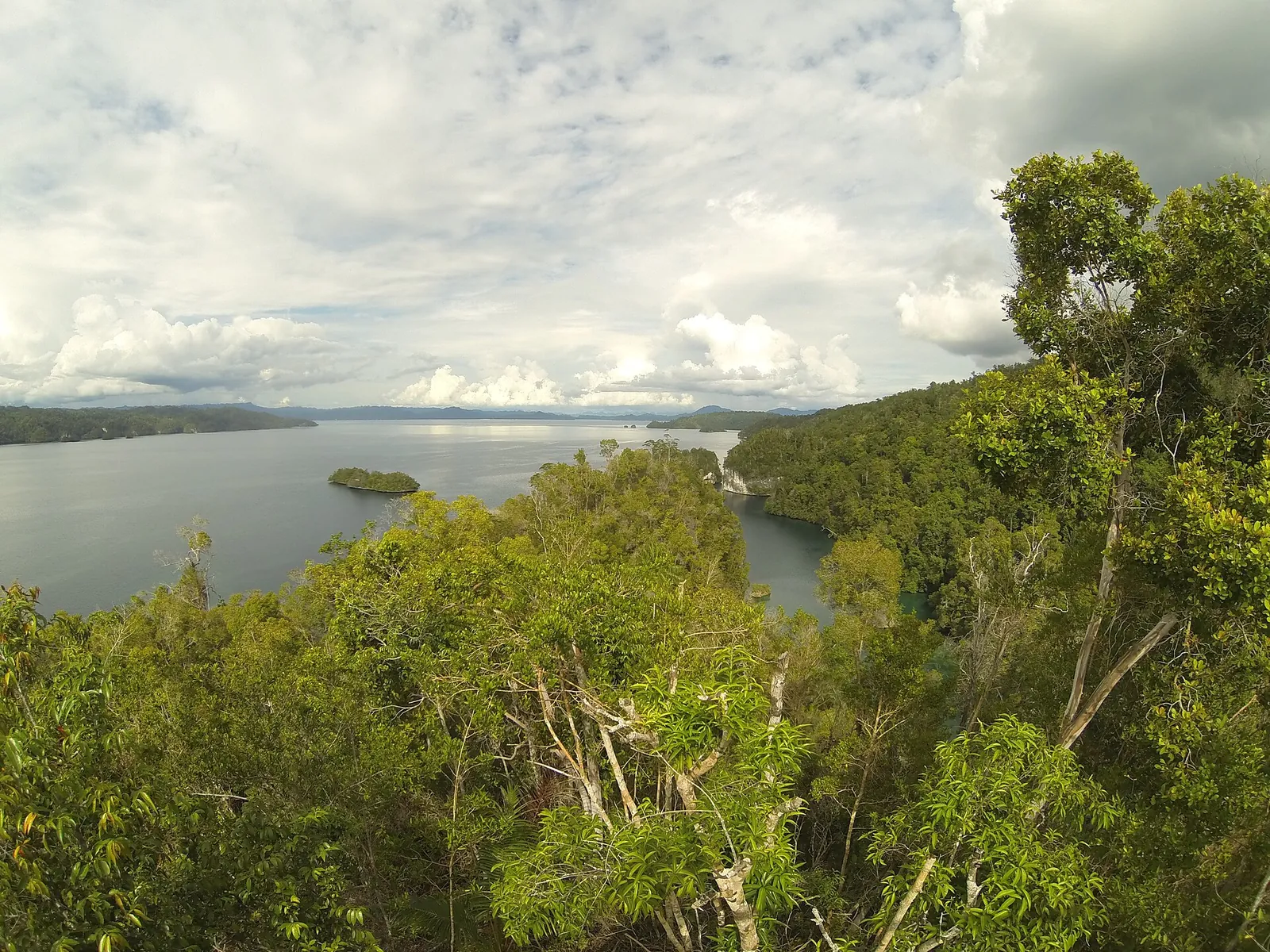
Piaynemo, Wayag and Misool: the karst islands
The landscape above the water is now protected too: Raja Ampat became a UNESCO Global Geopark in 2023, covering 36,660 km². UNESCO highlights the shaped limestone islands of Wayag, Kabui and eastern Misool, and the prehistoric paintings on coastal cliffs.
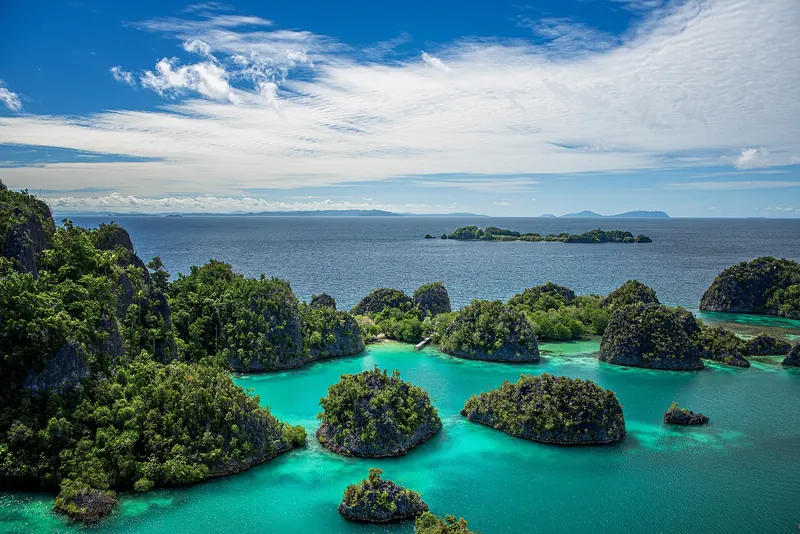
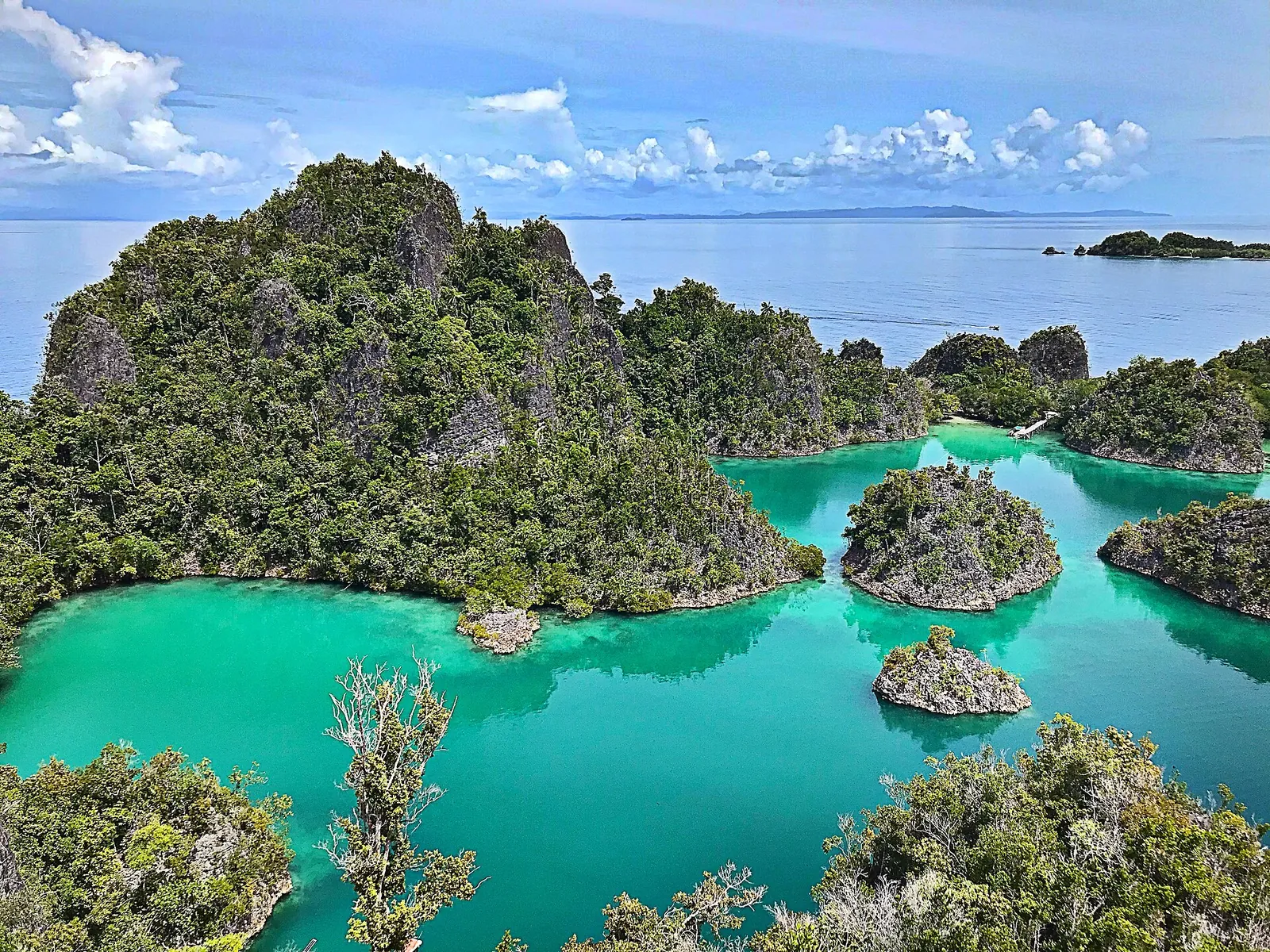
Piaynemo, on Fam Besar, is the most visited viewpoint, a hilltop panorama of green karst islets in clear blue water that the Ministry of Tourism calls a smaller version of Wayag. Wikivoyage puts it about one and a half to two hours from Waisai by speedboat, so it makes a full day out from the Dampier Strait. Wayag, far to the north-west and just north of the equator, is the larger version. The Ministry of Tourism describes a steep climb of about 30 minutes to the top and six to eight hours by longboat from Waisai. That is why most visitors see Wayag on a liveaboard or a dedicated speedboat charter, and only in calm weather.
Misool, in the south, is a separate trip with its own resorts and liveaboard routes. The Ministry describes the Harfat Jaya viewpoint, about 30 minutes up built steps and handrails, over lagoons and karst, while UNESCO points to Misool's eastern karst islets. Do not try to combine the Dampier Strait, Wayag and Misool from one homestay in a single week.
Season, cash and practical limits
Raja Ampat lies almost on the equator and is warm all year. Stay Raja Ampat's climate notes put the least rain and calmest conditions between October and April, with the best odds from mid-October to mid-December. December and January can bring heavy rain, and mid-June to mid-September has windy days that can stop small-boat crossings, when the north shores of islands are the most sheltered. Rain is usually short and local, and diving goes on all year.
Carry enough cash. Wikivoyage notes that Waisai has ATMs from Bank Mandiri, Bank Papua and BRI but that cash is easier to get in Sorong, and that many island stays run on generator power for part of the evening, with patchy internet. Bring your own toiletries, which homestays do not supply, and dive conservatively: Wikivoyage warns that help is usually slow to arrive if something goes wrong.
The Ministry of Tourism's calendar lists the Festival Pesona Raja Ampat for 15 to 18 October 2026 in Raja Ampat Regency.
Practical questions
How many days do I need for Raja Ampat?
At least a week. Getting there via Sorong and the Waisai ferry takes most of a day each way, and reaching dive sites or viewpoints can take half a day, so short trips spend most of their time travelling.
How do I get from Sorong to Raja Ampat?
By public ferry from Sorong's Pelabuhan Rakyat to Waisai, about two hours. When we checked on 3 October 2026, Stay Raja Ampat listed daily sailings at 09:00 and 14:00 each way. Your homestay or resort then collects you by boat in Waisai.
Do I need a permit to visit Raja Ampat?
Yes, every visitor needs the Marine Park Fee (TLPJL) from the Raja Ampat MPAs Management Authority. Buy it on its official site or at its counters in Sorong and Waisai. Tours and liveaboards often include it.
Can I visit Wayag on a day trip?
Only with a long, weather-dependent speedboat charter. The Ministry of Tourism puts Wayag six to eight hours from Waisai by longboat, which is why most visitors go on a liveaboard. Piaynemo is the realistic day trip from the Dampier Strait.
Is Raja Ampat good for beginner divers or snorkellers?
Snorkellers do well from homestay house reefs and village piers such as Arborek. Many dive sites have strong currents, so inexperienced divers should dive with a professional operator and start on sheltered sites.
When is the best time to visit Raja Ampat?
October to April has the calmest seas, with the best chances from mid-October to mid-December. Mid-June to mid-September has windy days that can cancel small-boat trips.
Sources and checks before you travel
Reference sources for the version dated 3 October 2026. Confirm opening times, access, transport and conditions for your travel dates.
- Indonesia Ministry of Tourism: Raja Ampat ↗ — opens in a new tab
- Indonesia Ministry of Tourism: Do not miss these pieces of paradise in Raja Ampat ↗ — opens in a new tab
- Indonesia Ministry of Tourism: Wayag Island ↗ — opens in a new tab
- Indonesia Ministry of Tourism: Arborek Tourism Village ↗ — opens in a new tab
- Indonesia Ministry of Tourism: Sawinggrai and Sauwandarek villages ↗ — opens in a new tab
- Indonesia Ministry of Tourism: Southwest Papua ↗ — opens in a new tab
- UNESCO: Raja Ampat UNESCO Global Geopark ↗ — opens in a new tab
- Raja Ampat MPAs Management Authority (BLUD UPTD KKP Raja Ampat): Marine Park Fee and Visitor's Guide ↗ — opens in a new tab
- Stay Raja Ampat (community homestay network): How to get to Raja Ampat ↗ — opens in a new tab
- Stay Raja Ampat: Raja Ampat homestays ↗ — opens in a new tab
- Stay Raja Ampat: Raja Ampat entry fees ↗ — opens in a new tab
- Stay Raja Ampat: Raja Ampat weather ↗ — opens in a new tab
- Wikivoyage: Raja Ampat ↗ — opens in a new tab
Does this experience fit your route?
Most Raja Ampat days out are arranged by your homestay, resort or liveaboard. Before you book, check the starting point (Sorong or Waisai), boat time, and whether the marine park fee and village landing fees are included.
Browse relevant experiences on Viator ↗ — opens in a new tabAffiliate link · Book with ViatorPhoto credits
The view from the Piaynemo lookout over the karst islets around Fam, Raja Ampat
Photograph: peter harris — opens in a new tab · CC0 — opens in a new tab
Changes: Resized and converted to WebP; displayed with responsive crops. · Original photograph and licence details ↗ — opens in a new tab
Wayag's karst islands from the climb above the lagoon, in the far north-west of Raja Ampat
Photograph: Rolandandika — opens in a new tab · CC BY-SA 4.0 — opens in a new tab
Changes: Resized and converted to WebP; displayed with responsive crops. · Original photograph and licence details ↗ — opens in a new tab
A diver meets a school of reef fish on a reef in Misool, southern Raja Ampat
Photograph: Fakhrizal Setiawan — opens in a new tab · CC BY-SA 4.0 — opens in a new tab
Changes: Resized and converted to WebP; displayed with responsive crops. · Original photograph and licence details ↗ — opens in a new tab
Shallow coral under the Arborek village jetty, where snorkelling starts from the pier
Photograph: Akbar raf — opens in a new tab · CC BY-SA 4.0 — opens in a new tab
Changes: Resized and converted to WebP; displayed with responsive crops. · Original photograph and licence details ↗ — opens in a new tab
Papeda with kuah kuning (yellow fish soup) and grilled fish, the classic eastern Indonesian meal
Photograph: Gunawan Kartapranata — opens in a new tab · CC BY-SA 3.0 — opens in a new tab
Changes: Resized and converted to WebP; displayed with responsive crops. · Original photograph and licence details ↗ — opens in a new tab
Kabui Bay from Gam Island, the sheltered water between Gam and Waigeo
Photograph: prilfish — opens in a new tab · CC BY 2.0 — opens in a new tab
Changes: Resized and converted to WebP; displayed with responsive crops. · Original photograph and licence details ↗ — opens in a new tab