Ehime
Matsuyama travel guide: Dogo Onsen, the castle and where to stay
Matsuyama pairs a hill-top castle with Dogo Onsen, whose Honkan bathhouse the village's official site calls the symbol of what is said to be Japan's oldest hot spring, and a tram line joins the two. Dogo is a hot-spring village built around that wooden bathhouse; the castle and the shopping streets of Okaido are in the city proper. Visit Ehime calls Matsuyama the prefecture's main transport hub, so it is easy to reach from Hiroshima, Okayama and Osaka. One night is enough to bathe once and climb the castle; two let you do both without hurry. The main decision is where to sleep: in a Dogo ryokan beside the baths, or in a hotel near Okaido with the castle and the arcades on your doorstep.
In this guide
Find the location ↗ — opens in a new tabThe short answer
Stay two nights in Matsuyama: a Dogo ryokan if the baths are the point, or a hotel near Okaido if you want the castle and the city streets close. Bathe at the Honkan early or late, ride the ropeway to the castle on the second morning, and use the Iyotetsu tram between the two. Add Uchiko as an optional half day by limited express. Arrive by air to Matsuyama Airport, by the Shiokaze from Okayama or by ferry from Hiroshima.
- Suggested time
- 2 nights, plus an optional half day in Uchiko
- Where to stay
- Dogo Onsen for the baths and early mornings; Okaido or the tram stops near it for the castle, the arcades and easy transport
- Season and timing
- Matsuyama's city tourism site describes a mild climate with little rain through the year, and JNTO calls the castle particularly beautiful in cherry blossom season. The castle closes earlier from December to January and the chairlift does not run in rain.
Two nights, and whether to sleep in Dogo or near Okaido
Matsuyama has two centres joined by a tram line. Dogo Onsen, whose Honkan bathhouse is said to be the oldest onsen in Japan, lies to the east. Matsuyama Castle and the shopping streets of Okaido lie in the middle of the city. Two nights is the right length: one evening and an early morning for the baths, one day for the castle and the streets around it, and a spare half day for Uchiko if you have it. A single night forces a choice between bathing and sightseeing.
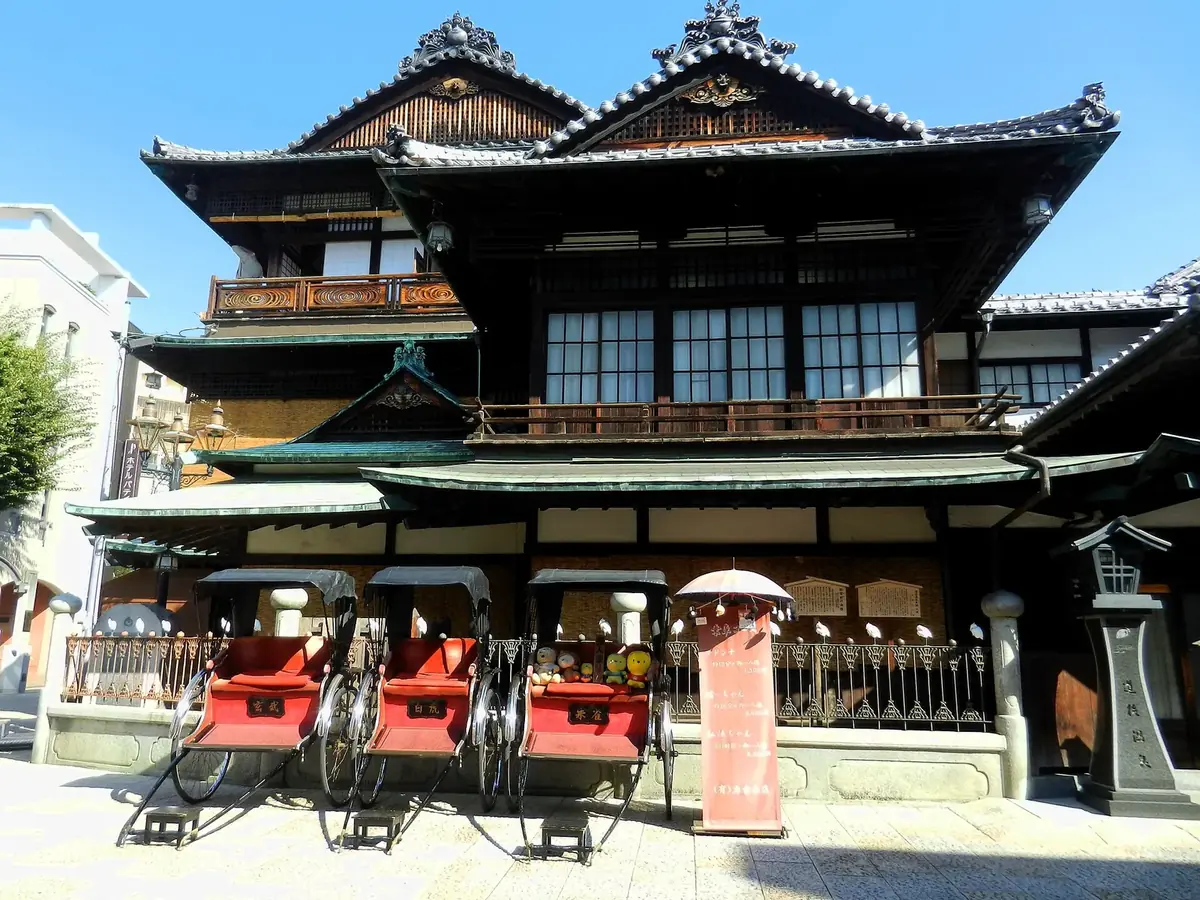
Choose Dogo if the baths are the reason you came. The Dogo Onsen Ryokan Cooperative Association's area guide listed 32 member hotels and ryokan when we checked on 12 October 2026, and the Honkan itself has no rooms, so a ryokan in the village is the only way to walk to the baths when they open at 06:00 and again before they close. The trade-off is distance: Dogo is the end of the tram line, with the castle and the main arcades a ride away.
Choose Okaido if you would rather have the castle, the covered arcade and the choice of restaurants beside you. The castle's official site puts the ropeway station about five minutes on foot from the Okaido tram stop, and Dogo is a tram ride in the other direction. For a first visit, one night in each is a fair compromise only if you can accept packing twice; otherwise sleep in Dogo, because the baths are at their best early and late, and the tram makes the castle easy by day.
A note on stations, since the tram serves both. JR Matsuyama Station is where the Shiokaze limited express arrives. Matsuyama City Station, Iyotetsu's terminal, is a separate station in the centre. Dogo Onsen's site gives about 25 minutes by tram from JR Matsuyama Station to Dogo, and about 20 minutes from Matsuyama City Station.
Dogo Onsen Honkan: which course to buy, and how the queue works
The Dogo Onsen Honkan was designated an Important Cultural Property in December 1994, the first public bathhouse to be listed. Repair work that began in January 2019 finished on 20 December 2024, and the whole building, including the resting rooms, reopened on 11 July 2024. The water is alkaline, comes from 18 sources and is blended to about 42°C, with no reheating or added water, according to Dogo Onsen's site. The cupola on the roof is the Shinrokaku, and the drum inside it, the Tokidaiko, is struck six times at 06:00, twelve times at noon and six times at 18:00.
When we checked on 12 October 2026, Dogo Onsen's official site listed these Honkan courses, with adult prices for ages 12 and over and child prices for ages 2 to 11:
How the queue works matters more than the menu. Tickets are bought at the ticket window outside the west entrance; Dogo Onsen Station is a three-minute walk away, according to the FAQ. The Honkan is a public bathhouse with no overnight stays. When it is busy, the site describes a numbered-ticket system: one person registers the course, party size and a phone number, receives a numbered ticket and is called by phone, and must arrive within 15 minutes of the call or the place is cancelled. The site shows live waiting times, and a sign reading "End of Today's Entry" means that all same-day numbered tickets have been handed out. Only the two reservable rooms (Shirasagi-no-ma and the Soaring Room), the Yushinden and Asuka-no-Yu's special bathing rooms can be reserved ahead: online until 22:00 the previous day, up to 90 days ahead according to the site's FAQ, or by telephone on the day.
The site's FAQ says there are no restrictions on Japanese or Western-style tattoos at the Honkan, Asuka-no-Yu or Tsubaki-no-Yu. The house rules are the usual ones: wash before entering the bath, tie up long hair, keep towels out of the water, no swimwear, no photographs or phone use in changing or bathing rooms, and no food or drink brought in. Shampoo, conditioner and body soap are provided at the Honkan baths; towels are not provided with the downstairs bath or the Kami-no-yu hall course, and the Honkan shop price list shows rental towels at ¥110 and rental bath towels at ¥320. Each bathhouse closes for one day in December for a deep clean; Dogo Onsen's notice of 1 September 2026 lists the Honkan for all of 1 December 2026 and Asuka-no-Yu and Tsubaki-no-Yu for all of 2 December 2026, and otherwise they open as normal. Check the site for the date in other years.
- Kami-no-yu, downstairs: ¥700 adult, ¥350 child. Bath only, 60 minutes, open 06:00–23:00 with the last ticket at 22:30. No reservation.
- Kami-no-yu, 2nd-floor hall: ¥1,300 and ¥650. Bath, then a seat in the large hall with tea and Japanese sweets and a rental yukata. 60 minutes, open 06:00–22:00, last ticket 21:00.
- Tama-no-yu, 2nd-floor seats: ¥2,000 and ¥1,000. Bath in either Kami-no-yu or Tama-no-yu, a seat in the Taisho-era lounge with tea and sweets, rental yukata and towels, and a self-guided look at the Yushinden, the bath built for the Imperial Household. 60 minutes, last ticket 21:00.
- Tama-no-yu, 3rd-floor private room: ¥2,500 and ¥1,250. Bath, then a private room (there is no bath in the room). 90 minutes, last ticket 20:30.
- Shirasagi-no-ma and the Soaring Room: reservable rooms at ¥6,000 and ¥3,000 per group respectively, plus ¥1,300 per adult and ¥650 per child, for 90 minutes, limited to five groups a day each.
- Yushinden viewing alone: ¥500 adult, ¥250 child (ages 6 to 11 for this item), 30 minutes with a guide, 09:00–17:00 with the last entry at 16:30.
Asuka-no-Yu, Tsubaki-no-Yu and the three-bathhouse ticket
Dogo Onsen Annex Asuka-no-Yu is the newer bathhouse, built in the style of the Asuka period and decorated with Ehime crafts. It has large baths and open-air baths, which the Honkan does not, and two special bathing rooms modelled on the Yushinden where you wear a yucho bathing robe; these must be reserved at least two hours ahead, and the reservation system was in Japanese when we checked. When we checked on 12 October 2026, the 1st-floor bath cost ¥610 for adults and ¥300 for children and opened 06:00–23:00 with the last ticket at 22:30; adding the 2nd-floor hall cost ¥1,280 and ¥630. Shampoo, body wash, conditioner and hair dryers are provided on the 1st floor.
Tsubaki-no-Yu is the plainest of the three and the one locals use daily, in the middle of the Dogo shopping arcade. It opened in 1953 and was refitted and reopened on 26 December 2017, with granite baths fed by the same source water. It cost ¥500 for adults and ¥200 for children on 12 October 2026, opens 06:30–23:00 with the last ticket at 22:30, and allows up to one hour. Shampoo, conditioner and body wash are not provided, hair dryers cost ¥10 for three minutes and lockers are coin-operated.
If you will visit more than one, the three-bathhouse ticket is cheaper. Dogo Onsen's site prices it at ¥1,440 for adults and ¥680 for children, 20% below the regular prices, valid on the day of sale and the next day, and covering the Honkan's downstairs Kami-no-yu, Tsubaki-no-Yu and Asuka-no-Yu's 1st-floor bath once each. You cannot change course, even by paying the difference. A ryokan guest could spend it on a Honkan visit at 06:00 and an unhurried Tsubaki-no-Yu bath the next evening. For a view of the Honkan, Sora-no-Sanpomichi, the sky promenade and footbath on Mount Kanmuri just south of it, looks over the building and the village by day and night.
Matsuyama Castle: ropeway, chairlift or the walk up
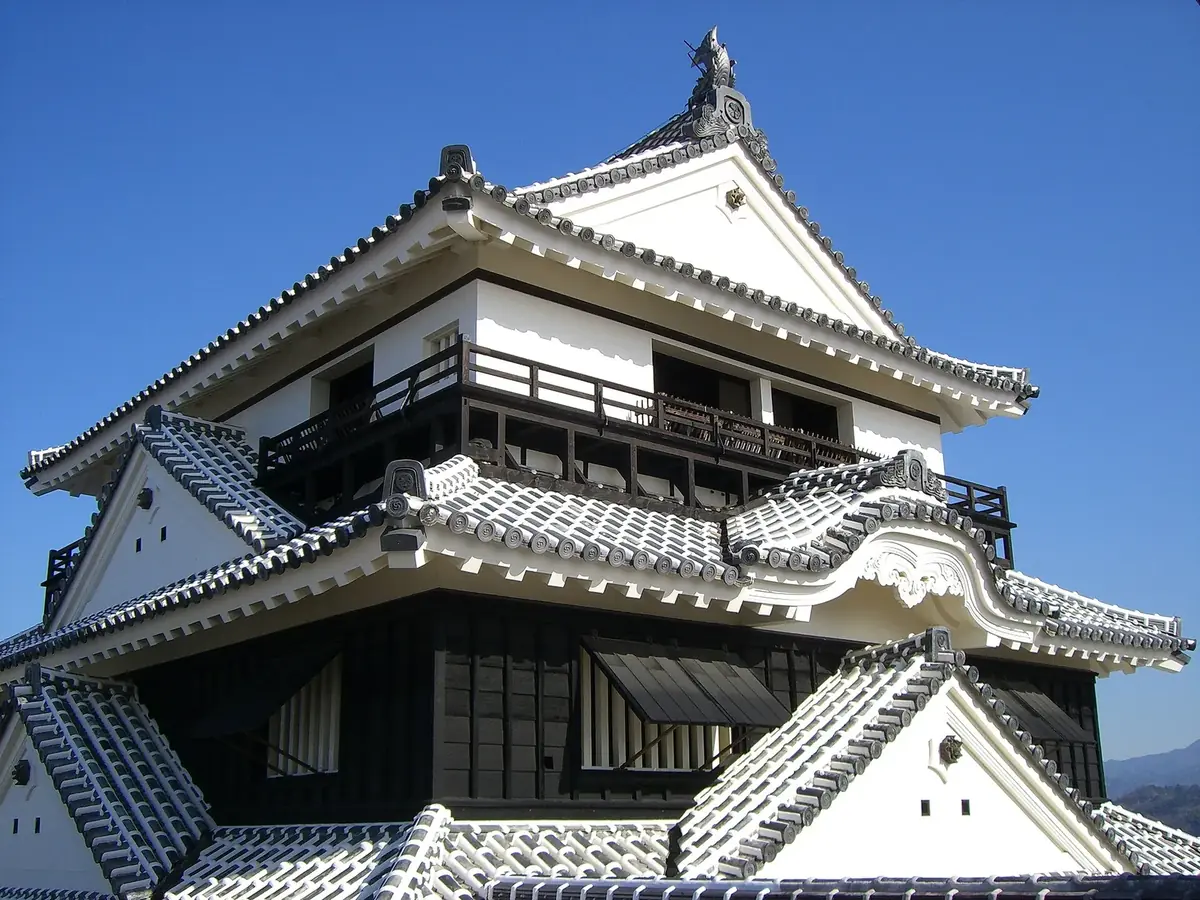
Matsuyama Castle stands on Katsuyama hill, 132 m above sea level, and is one of only 12 castles in Japan whose original main tower survives from the Edo period. Its three-storey tower was the last complete castle building of that era, finished the year after Perry's arrival, and it is the only one of the 12 with a hollyhock (aoi) crest on its roof tiles. The connecting buildings are reconstructions from 1968. Katsuyama has four routes up; the ropeway or the chairlift is the easy one.
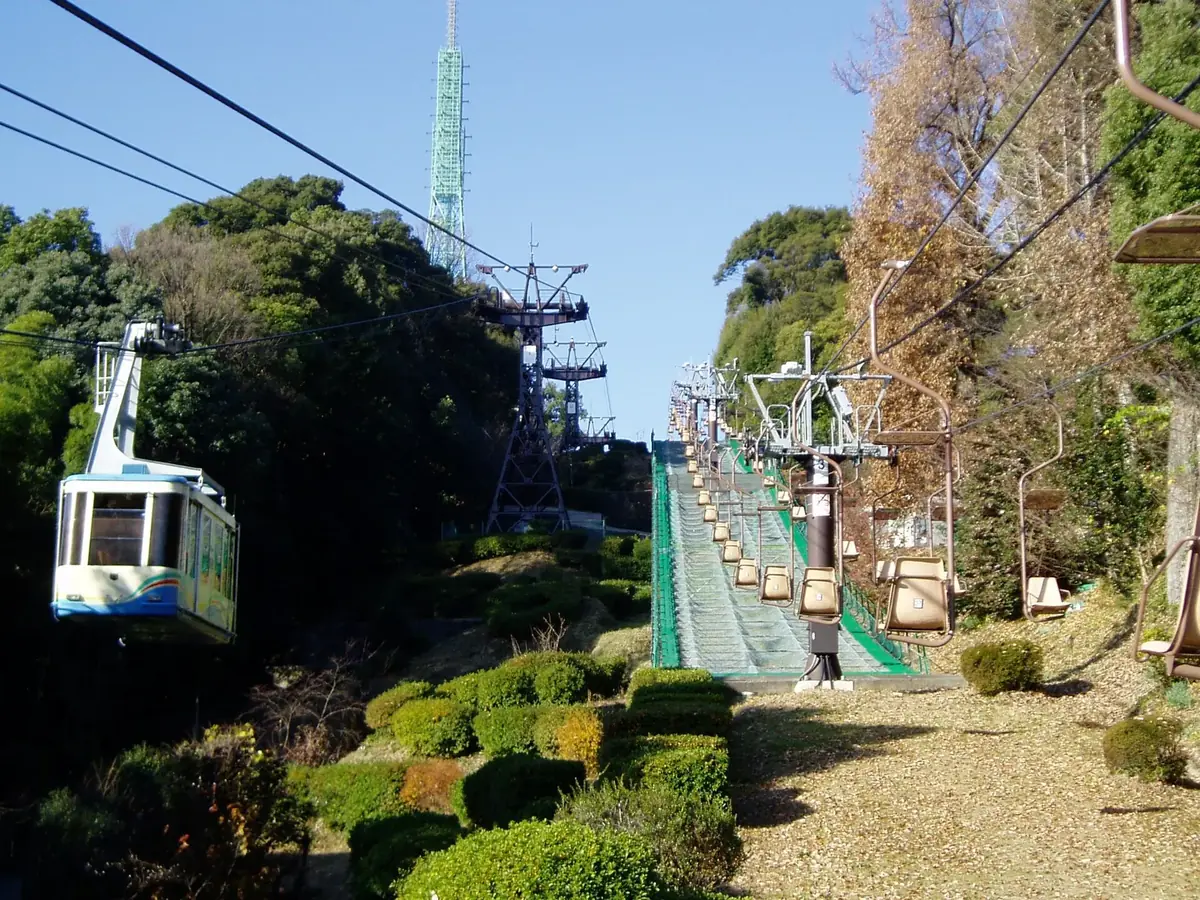
The ropeway's lower station, Shinonome-guchi, is on Ropeway Street, a ride of about three minutes to the summit station, with cars every 10 minutes, according to the city's tourism site; the single-seat chairlift takes about six minutes and lets you look down over the castle town. From the summit station it is about a 10-minute walk to the tower entrance. The castle's official site says it takes about 30 minutes from the ground floor of the station building to the tower's ticket office, so arrive at the station about an hour before closing time.
When we checked on 12 October 2026, the castle's site listed the tower and the Ninomaru garden as open 09:00–17:00 (to 17:30 in August and 16:30 from December to January), with the last tower entry 30 minutes before closing and a closure on the third Wednesday of December. The ropeway ran 08:30–17:30 every day (to 18:00 in August and 17:00 from December to January), and the chairlift 08:30–17:00, except that it does not run in rain. The tower ticket was ¥520 for adults and ¥160 for elementary-school children. A ropeway or chairlift return ticket was ¥520 and ¥260, a one-way ¥270 and ¥140, and one ticket works on either; the chairlift is for elementary-school age and over.
A combined ticket (ropeway or lift return plus tower) was ¥1,040 for adults and ¥420 for children, from the ticket machines on the ground floor of Shinonome-guchi station between 08:00 and 14:00 only. It lets you skip the ticket queue at the tower, but the tower ticket in it cannot be refunded. From 22 October 2026 to around March 2027, repair work puts scaffolding on the Kakuremon gate, its turret and the Taikomon gate: since 16 November 2026 you cannot walk through the Kakuremon, but the Taikomon stays open, so the main-bailey square and the tower are unaffected, according to the castle's notice read on 26 October 2026.
The Iyotetsu tram, the Okaido streets and where to eat
The Iyotetsu tram is how you will move between Dogo, the castle and the stations. When we checked on 12 October 2026, Iyotetsu listed a flat city fare of ¥250 for adults and ¥130 for children, ¥230 and ¥120 with an IC card or the Mikyan app. You pay when you get off, by dropping the exact fare into the box; the change machine on board does not take ¥10,000 or ¥5,000 notes. Iyotetsu also sells one-day tickets, ¥2,300 for adults for the tram plus airport and port limousine buses and ¥2,000 for adults for the tram plus suburban trains, but only as digital tickets in apps, so check that your phone can use them before counting on one.
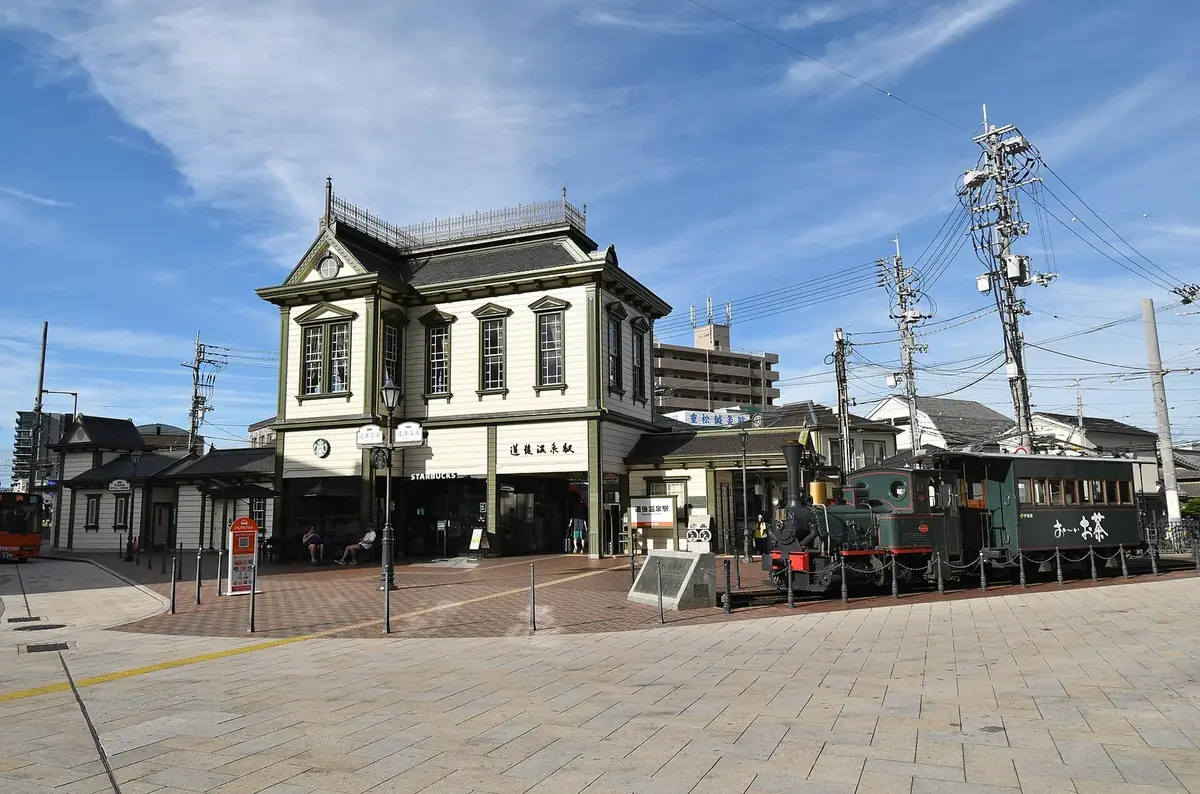
The Botchan train, a replica of the small steam train in Natsume Soseki's novel, runs on Saturdays, Sundays and public holidays only, for ¥1,300 a ride for adults, and is not in service from 30 December to 3 January. It cannot be reserved: for certain same-day departures from Dogo Onsen Station, numbered tickets are given out at the Dogo ticket counter from 08:30.
Okaido is the shopping spine of the city centre. The Okaido arcade is a covered, pedestrian-only street 483 m long that joins the Ginten-gai arcade to the south, and together the two arcades run for over 1 km, linked to Matsuyama City Station by an underground mall. On its north side it meets Ropeway Street, an open one-way street of about 500 m where the castle ropeway station stands. The city's tourism site says Ropeway Street has citrus-sweet shops, cafes, restaurants serving Ehime dishes and shops selling Imabari towels and Iyo-kasuri textiles. This is the easiest place to eat the dishes below without planning, and the Dogo shopping arcade, which Tsubaki-no-Yu sits in, is the equivalent in the village.
What to eat and where to look
Taimeshi and Matsuyama-zushi
Two of the hospitality dishes the city's tourism site names. Taimeshi cooks a whole grilled sea bream with rice, then flakes the fish through it; Matsuyama-zushi flavours the rice with vinegar made with fish stock and tops it with small fish, shrimp and conger eel.
- Where to look
- Restaurants serving Ehime regional cooking, including those on Ropeway Street.
- Fit it into your day
- A sit-down dinner on the evening you stay near Okaido.
Contains fish; the sushi can include shrimp, so ask if you avoid shellfish.
Nabeyaki udon
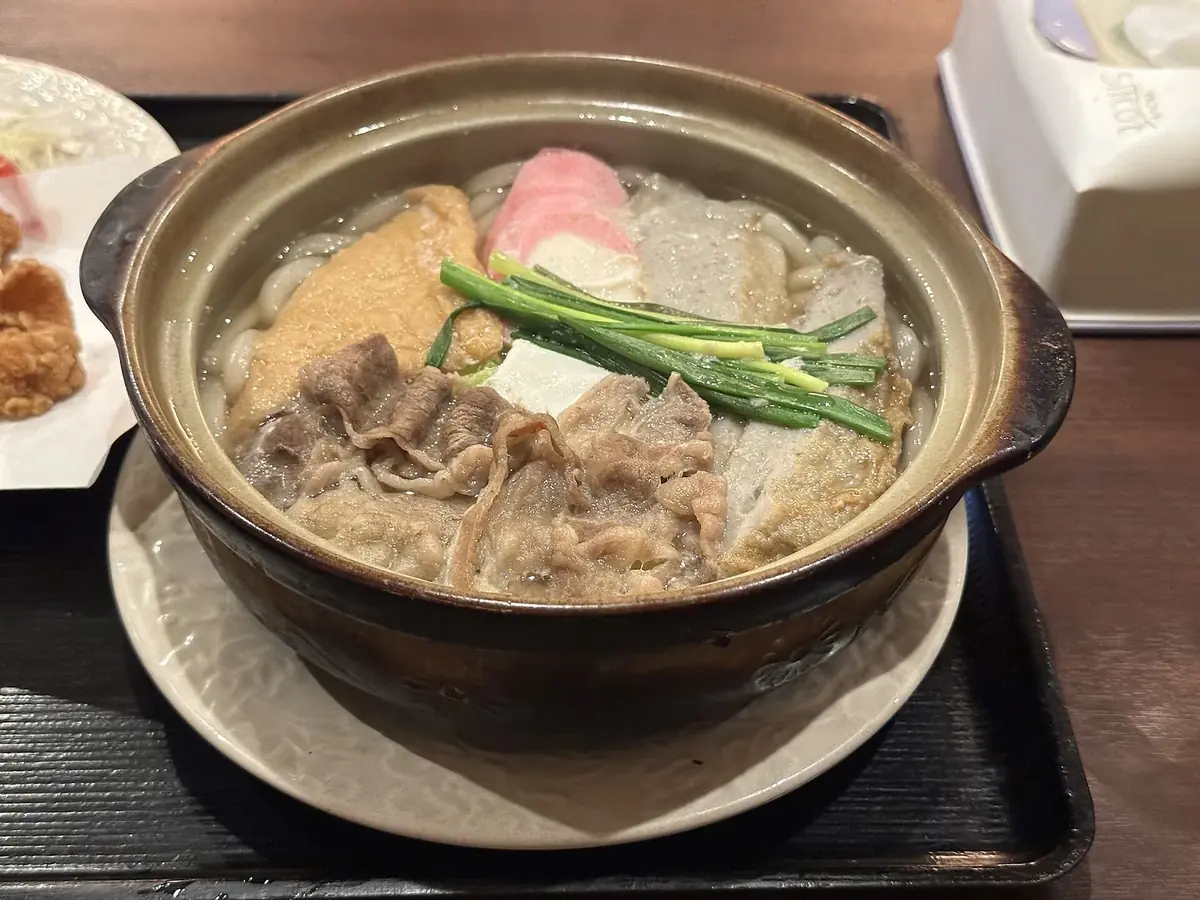
A pot of udon served bubbling in a sweet stock, which the city says was born in Matsuyama shortly after the war, with soft, easy-to-swallow noodles.
- Where to look
- Udon restaurants in the city; ask for nabeyaki udon.
- Fit it into your day
- A warming lunch between the castle and the arcade, especially in winter.
Wheat noodles; the stock is often fish-based, so ask if you avoid fish.
Mitsuhama-yaki
A kind of okonomiyaki with soba or udon and plenty of cabbage, from the port district of Mitsuhama, where the city says more than 20 specialist shops stand.
- Where to look
- Mitsuhama, the port district, where the city says the specialist shops are concentrated.
- Fit it into your day
- A casual dinner if you are willing to travel out to the port district.
Wheat; ask about egg, meat and seafood toppings.
Citrus: juice, jelly and gelato
Ehime is called a mikan kingdom, and the city says more than 30 types of citrus are grown in Matsuyama, from premium varieties such as Benimadonna and Setoka to everyday Unshu mikan. Shops turn them into gelato, soft-serve, jelly and juice.
- Where to look
- Citrus shops and juice stands along Okaido, the Dogo arcade and Ropeway Street.
- Fit it into your day
- A drink after the baths or on the way up to the castle.
Check labels on sweets if you avoid dairy or gelatine.
Botchan dango and Matsuyama tart
Botchan dango are three-colour rice-cake sweets tinted with matcha, egg and red bean and used in the hospitality at the Dogo Onsen Honkan; the Matsuyama tart is a traditional sweet that the city says adapts a recipe a domain lord brought back from Nagasaki and that was long kept secret by the lord.
- Where to look
- Confectioners and gift shops in the Dogo arcade; tea and sweets are also served with some Honkan and Asuka-no-Yu courses.
- Fit it into your day
- With tea after a bath, or as a gift to take home.
Botchan dango contain red bean paste and egg; ask about ingredients in the tart.
Uchiko as a half day
Uchiko, a small town on the Yosan Line, is worth a half day if you have one. JNTO says the JR Yosan Line limited express takes just 30 minutes from Matsuyama Station, and that the Yokaichi Gokoku Preservation District is a 20-minute walk from Uchiko Station; JNTO adds that you can also hire a bicycle from a shop next to the station or take a taxi. The district's 18th-century merchant houses date from the town's time as a centre of wax, paper and raw-silk production, and they are still lived in.
The Kamihaga Residence and Wax Museum is the house to enter. Its own page says the main house was raised in 1894, at the peak of Uchiko's wax industry, and the display building holds part of a collection of 1,444 wax-making tools. When we checked on 12 October 2026, the town listed adult entry at ¥500 and child entry at ¥250. The Honhaga and Omura houses can be seen from outside.
Uchiko-za, the town's theatre, is closed. The town's notice says it shut on 2 September 2024 for seismic reinforcement and repair lasting about four years, so you cannot see the stage or the revolving floor; JNTO's page still recommends performances there. The theatre's dressing room behind it is open 09:00–16:30, closed from 29 December to 2 January, at a reduced ¥200 for adults and ¥100 for children, and a three-site ticket for the dressing room, the folk museum and the wax museum is ¥700 and ¥350, both reductions listed to the end of 2028 (planned).
Getting to Matsuyama: air, JR from Okayama and the ferry from Hiroshima
By air, Matsuyama Airport is the gateway. The city's tourism site gives about 85 to 90 minutes from Haneda (JAL about 85, ANA about 90) and about 50 minutes from Osaka Itami. Visit Ehime says the airport is about 15 minutes by car from the city centre. The Iyotetsu limousine bus runs to the city for ¥1,000 to JR Matsuyama Station and Matsuyama City Station and ¥1,200 to Okaido and Dogo Onsen Station (¥20 less with an IC card or the Mikyan app); Dogo Onsen's access page gives about 43 minutes to Dogo and the castle's site about 30 minutes to Okaido.
By rail, from Honshu you take the shinkansen to Okayama, as JNTO advises, and change to the JR Shikoku Shiokaze limited express, which crosses the Seto-Ohashi Bridge. Visit Ehime says the journey from Okayama typically takes around 2 hours 40 minutes. JR Shikoku's fare page says the limited-express supplement for a non-reserved seat is ¥530 less than for a reserved one in normal periods.
By sea, the ferry suits anyone starting from Hiroshima. Setonaikaikisen sails from Hiroshima Port, at Ujina, to Matsuyama Kanko Port (called Matsuyama Sightseeing Port on Dogo Onsen's site). Its fast boat, the Linear Jet (also marketed as the Super Jet), takes as little as 70 minutes and has cost ¥9,000 for adults since the fares changed on 1 September 2026; the cruise ferry takes 2 hours 40 minutes at ¥6,000. Foot passengers on the cruise ferry can buy tickets at the port counter at least 20 minutes before departure. From 1 to 25 December 2026 the cruise ferry cancels four weekday departures, two in each direction. The Linear Jet runs a reduced timetable with one ship instead of two from 31 October to 13 November and from 30 November to 5 December 2026. Matsuyama's city site lists Ishizaki Kisen as another operator on the route. From the port, an Iyotetsu limousine bus runs to JR Matsuyama Station (¥980), and Dogo Onsen's site gives about 43 minutes to Dogo.
Crossings are subject to the weather. Setonaikaikisen's FAQ says typhoons and depressions can cancel sailings, the captain usually decides up to an hour before departure, and fog or a sudden change in conditions can cancel at short notice; it says it refunds in full, without a fee, when a sailing is cancelled for bad weather or engine trouble. The operator's pages open with a status line, so look there on the morning you travel.
Dogo baths at dawn, the castle by ropeway: two nights in Matsuyama
This is an editorial suggestion, not a timetable. Check opening hours and the Honkan's waiting times on the day.
- Day 1, afternoon: Arrive by limousine bus, ferry or Shiokaze, tram to Dogo Onsen and check in. Walk the Dogo arcade for citrus drinks and sweets, then take Tsubaki-no-Yu or a Honkan course before dinner.
- Day 2, early: A first bath at the Honkan after it opens at 06:00, when the queue is shortest, then breakfast at the ryokan.
- Day 2, midday: Tram towards the city and lunch in the Okaido arcade or on Ropeway Street. Take the ropeway or chairlift to the castle, allowing about 30 minutes from the station to the tower ticket office.
- Day 2, evening: Okaido for dinner, then back to Dogo or a second night near the arcade.
- Day 3, optional: Limited express to Uchiko for the Yokaichi district and the Kamihaga Residence, back in Matsuyama by the afternoon.
Practical questions
How many days do you need in Matsuyama?
Two nights is enough: one for an early and a late bath at Dogo Onsen, one day for the castle and the Okaido streets, and an optional half day for Uchiko. One night is possible but forces a choice between bathing and sightseeing.
Should I stay in Dogo Onsen or near Okaido?
Stay in Dogo if the baths are the point, since the Honkan has no rooms and opens at 06:00. Stay near Okaido if you want the castle ropeway, the arcades and restaurants beside you, accepting a tram ride to the baths.
Do I need to book Dogo Onsen Honkan?
No, for the ordinary courses; you buy a ticket on the day and may be given a numbered ticket when it is busy. Only the two reservable rooms (Shirasagi-no-ma and the Soaring Room), the Yushinden viewing and Asuka-no-Yu's special bathing rooms can be reserved.
Can I use Dogo Onsen with a tattoo?
Yes. When we checked on 12 October 2026, Dogo Onsen's FAQ said there are no restrictions on Japanese or Western-style tattoos at the Honkan, Asuka-no-Yu or Tsubaki-no-Yu.
How do I get from Hiroshima to Matsuyama?
By ferry from Hiroshima Port to Matsuyama Kanko Port: the Setonaikaikisen fast boat takes as little as 70 minutes at ¥9,000, and the cruise ferry takes 2 hours 40 minutes at ¥6,000. Sailings can be cancelled in bad weather.
Is Uchiko worth a half day from Matsuyama?
Yes, if you like old merchant houses. The limited express takes 30 minutes, and the Kamihaga Residence and the Yokaichi district are the highlights. Uchiko-za theatre is closed for repairs for about four years from 2 September 2024.
Keep planning your trip
Hiroshima
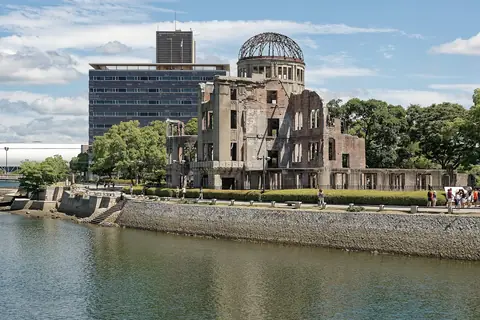
Whether Hiroshima is a day trip or one or two nights, how to book the Peace Memorial Museum, which area to sleep in and how to add Miyajima.
Read the guide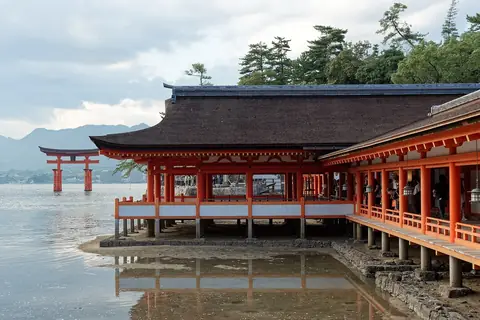
Miyajima
Whether Miyajima needs a half day or a night, how to time the tide for the floating torii, the ferries and visitor tax, Mount Misen and where to stay.
Read the guide
Naoshima
Whether Naoshima needs a night or a day, where to stay, how to book Chichu's timed tickets, the ferries from Uno and Takamatsu, and how to add Teshima.
Read the guide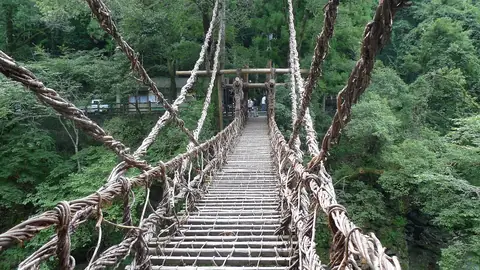
Iya Valley
How many nights the Iya Valley needs, whether to sleep in a gorge hotel, an Ochiai farmhouse or at Oboke, and how trains, buses and a hire car change the plan.
Read the guide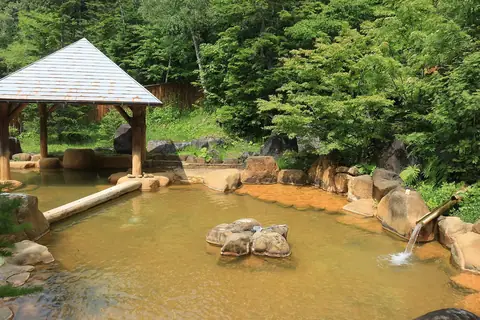
Ryokan and onsen
How a ryokan night works, what to tell the inn when booking, onsen etiquette and tattoos, private baths, and which towns on a Japan route suit a ryokan night.
Read the guide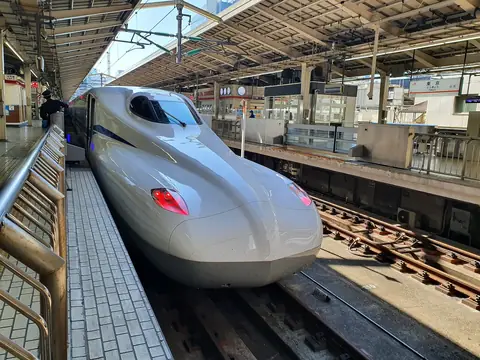
Getting around Japan
How to get around Japan: booking the shinkansen and its big-suitcase rule, IC cards, highway buses, sending luggage ahead, domestic flights and driving.
Read the guideSources and checks before you travel
(47)
- Dogo Onsen official site: Honkan ↗ — opens in a new tab
- Dogo Onsen official site (English top page) ↗ — opens in a new tab
- Dogo Onsen official site (Japanese top page) ↗ — opens in a new tab
- Dogo Onsen official site: Facility Guide ↗ — opens in a new tab
- Dogo Onsen official site: Bathing Manners ↗ — opens in a new tab
- Dogo Onsen official site: FAQ ↗ — opens in a new tab
- Dogo Onsen official site: Asuka-no-Yu ↗ — opens in a new tab
- Dogo Onsen official site: Tsubaki-no-Yu ↗ — opens in a new tab
- Dogo Onsen official site: history, spring quality and charm ↗ — opens in a new tab
- Dogo Onsen official site: Access ↗ — opens in a new tab
- Dogo Onsen official site: Honkan (Japanese) ↗ — opens in a new tab
- Dogo Onsen official site: deep-clean closure notice, 1 September 2026 (Japanese) ↗ — opens in a new tab
- Dogo Onsen Ryokan Cooperative Association: area guide (Japanese) ↗ — opens in a new tab
- Matsuyama Castle official site: visitor guide (Japanese) ↗ — opens in a new tab
- Matsuyama Castle official site: combined ticket (Japanese) ↗ — opens in a new tab
- Matsuyama Castle official site: repair works notice for the Kakuremon and Taikomon gates (Japanese) ↗ — opens in a new tab
- Matsuyama Castle official site: the keep (Japanese) ↗ — opens in a new tab
- Matsuyama Castle official site (English) ↗ — opens in a new tab
- Matsuyama city tourism: Matsuyama Castle Ropeway ↗ — opens in a new tab
- Matsuyama city tourism: Okaido Shopping Arcade ↗ — opens in a new tab
- Matsuyama city tourism: walk around the castle town ↗ — opens in a new tab
- Matsuyama city tourism: exquisite foods ↗ — opens in a new tab
- Matsuyama city tourism: about Matsuyama (Japanese) ↗ — opens in a new tab
- Matsuyama city tourism: access from Tokyo (Japanese) ↗ — opens in a new tab
- Matsuyama city tourism: access from Kyoto, Osaka and Kobe (Japanese) ↗ — opens in a new tab
- Matsuyama city tourism: access from Hiroshima (Japanese) ↗ — opens in a new tab
- Iyotetsu: how to ride trams and buses (Japanese) ↗ — opens in a new tab
- Iyotetsu: tram and limousine bus one-day ticket (Japanese) ↗ — opens in a new tab
- Iyotetsu: tram and suburban train one-day ticket (Japanese) ↗ — opens in a new tab
- Iyotetsu: Matsuyama Airport limousine bus (Japanese) ↗ — opens in a new tab
- Iyotetsu: information in English ↗ — opens in a new tab
- Iyotetsu: Botchan train (Japanese) ↗ — opens in a new tab
- Setonaikaikisen: Linear Jet ↗ — opens in a new tab
- Setonaikaikisen: Cruise Ferry ↗ — opens in a new tab
- Setonaikaikisen: fare revision from 1 September 2026 ↗ — opens in a new tab
- Setonaikaikisen: FAQ (Japanese) ↗ — opens in a new tab
- Setonaikaikisen: Linear Jet reduced timetable notice, 14 October 2026 (Japanese) ↗ — opens in a new tab
- JR Shikoku: Limited Express Shiokaze (Japanese) ↗ — opens in a new tab
- JR Shikoku: limited express fares ↗ — opens in a new tab
- Visit Ehime: getting to Ehime ↗ — opens in a new tab
- JNTO: Matsuyama and around ↗ — opens in a new tab
- JNTO: Uchiko ↗ — opens in a new tab
- JNTO: Yokaichi Gokoku Preservation District ↗ — opens in a new tab
- Uchiko town: Uchiko-za long closure (Japanese) ↗ — opens in a new tab
- Uchiko town: Uchiko-za dressing room (Japanese) ↗ — opens in a new tab
- Uchiko town: reduced entry fees (Japanese) ↗ — opens in a new tab
- Uchiko town: Kamihaga Residence and Wax Museum (Japanese) ↗ — opens in a new tab
Reference sources for the version dated 16 November 2026. Confirm opening times, access, transport and conditions for your travel dates.
Photo credits
(6)
The Honkan, the wooden main bathhouse of Dogo Onsen, with rickshaws waiting at its entrance
Photograph: lienyuan lee — opens in a new tab · CC BY 3.0 — opens in a new tab
Changes: Resized and converted to WebP; displayed with responsive crops. · Original photograph and licence details ↗ — opens in a new tab
Matsuyama Castle's main keep, one of the 12 original keeps in Japan
Photograph: Jyo81 — opens in a new tab · CC BY-SA 3.0 — opens in a new tab
Changes: Resized and converted to WebP; displayed with responsive crops. · Original photograph and licence details ↗ — opens in a new tab
The castle ropeway and the single-seat chairlift both climb Katsuyama from Ropeway Street
Photograph: Shiro4873 — opens in a new tab · CC BY 3.0 — opens in a new tab
Changes: Resized and converted to WebP; displayed with responsive crops. · Original photograph and licence details ↗ — opens in a new tab
Dogo Onsen Station, the tram terminus for the village, with a Botchan train beside the station building
Photograph: Saigen Jiro — opens in a new tab · CC0 — opens in a new tab
Changes: Resized and converted to WebP; displayed with responsive crops. · Original photograph and licence details ↗ — opens in a new tab
Nabeyaki udon, the pot-cooked noodles the city says were born in Matsuyama
Photograph: ノボホショコロトソ — opens in a new tab · CC BY 4.0 — opens in a new tab
Changes: Resized and converted to WebP; displayed with responsive crops. · Original photograph and licence details ↗ — opens in a new tab
Yuki Ikemori in a yukata in a private room on the upper floor of Dogo Onsen Honkan at night
Photo: Yuki Ikemori