Plan your trip · South Korea
Trains in South Korea: KTX, SRT, the Korail Pass and when to take the bus
South Korea's railways make a car-free trip easy: high-speed trains link Seoul with Busan, Gyeongju, Jeonju, Gwangju, Yeosu and Gangneung, and a new semi-high-speed line now runs down the east coast. The catch is that two companies run the fast trains from different stations in Seoul, popular departures sell out at weekends, and the rail pass sold to visitors does not cover every train. A few choices made before you book decide whether the trains save you time or cost you a morning.
- Suggested time
- Seoul–Busan about 2.5–3.5 hours; Seoul to Gangneung, Gyeongju, Jeonju or Andong about 2 hours
- Where to stay
- Hotels near Seoul Station, Yongsan or Suseo in Seoul; Busan Station or Dongdaegu in the south-east
- Season and timing
- Trains run all year. Book early for weekends, public holidays, festivals and the summer beach season, when popular trains sell out.
The short answer
Book point-to-point tickets on KORAIL's English website or the KORAIL Talk app as soon as your dates are firm; sales usually open a month ahead at 07:00, and you only need a passport and an email address. Pick the Seoul station that suits the route: Seoul Station for Busan and Gangneung, Yongsan for Jeonju and the south-west, Cheongnyangni for Andong and the east, Suseo if you are staying in Gangnam and want the SRT. Consider a Korail Pass only if you will make several long journeys on few days, and price it against the real fares first, because the SRT is not included. Take the bus for Sokcho and Seoraksan, Tongyeong and Geoje, and the Taean coast, and fly to Jeju.
KTX, SRT, KTX-Eum: what you are actually booking
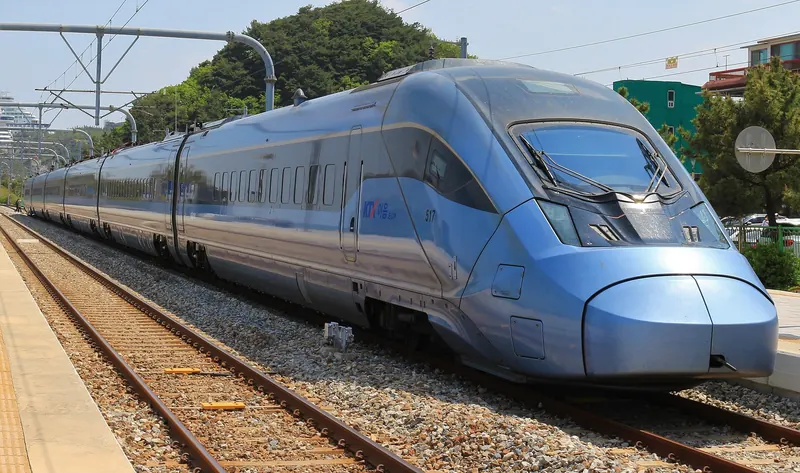
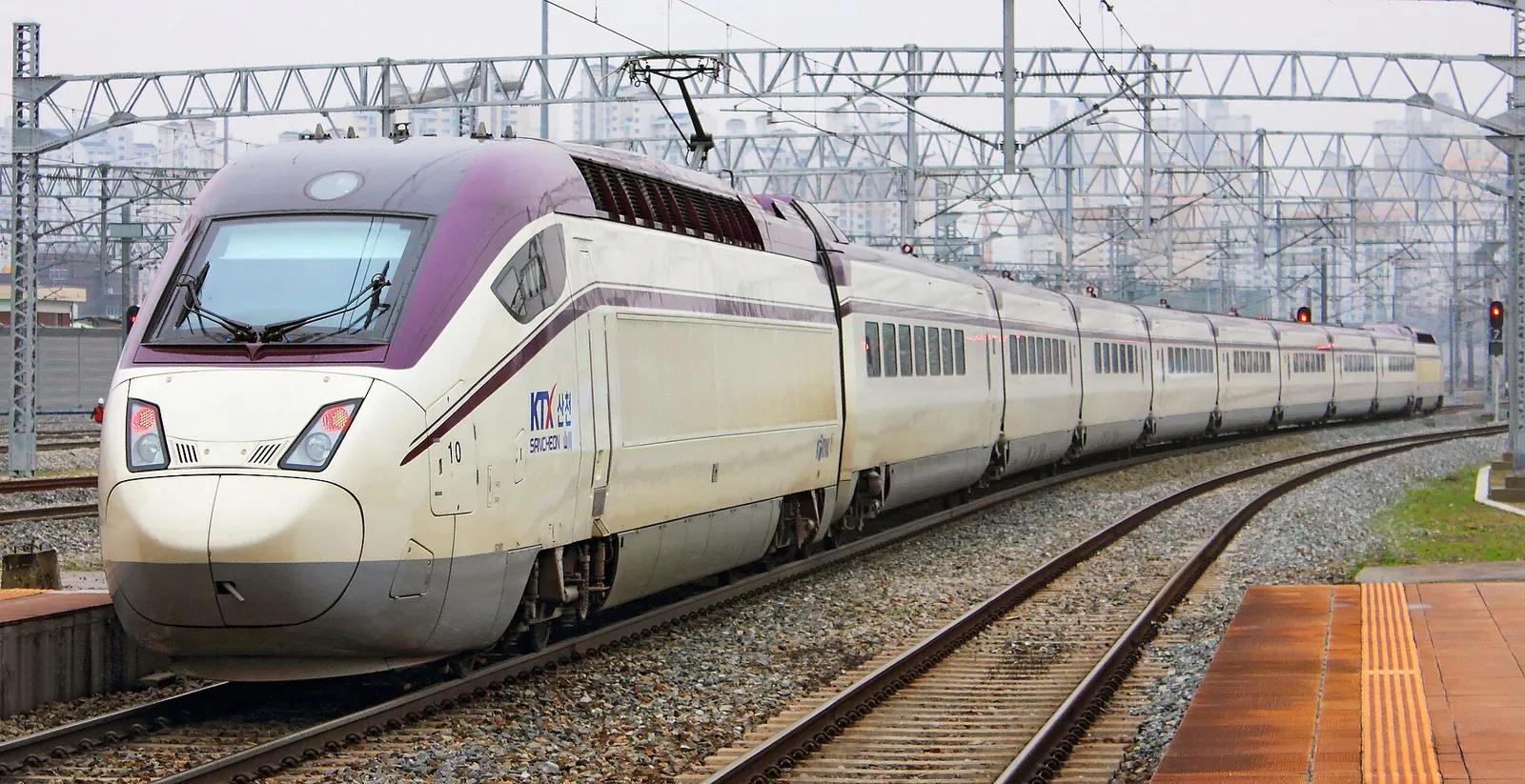
Korea's fast trains come from two operators. KORAIL runs the KTX, which VisitKorea describes as reaching 330 km/h, from Seoul Station, Yongsan Station and Cheongnyangni to Busan, Pohang, Mokpo, Yeosu, Gangneung, Andong and other cities. It also runs the KTX-Eum semi-high-speed trains to the east and the Andong line, the ITX-Cheongchun to Chuncheon, the slower ITX-Saemaeul, and the Mugunghwa trains that stop at small stations the high-speed trains pass through.
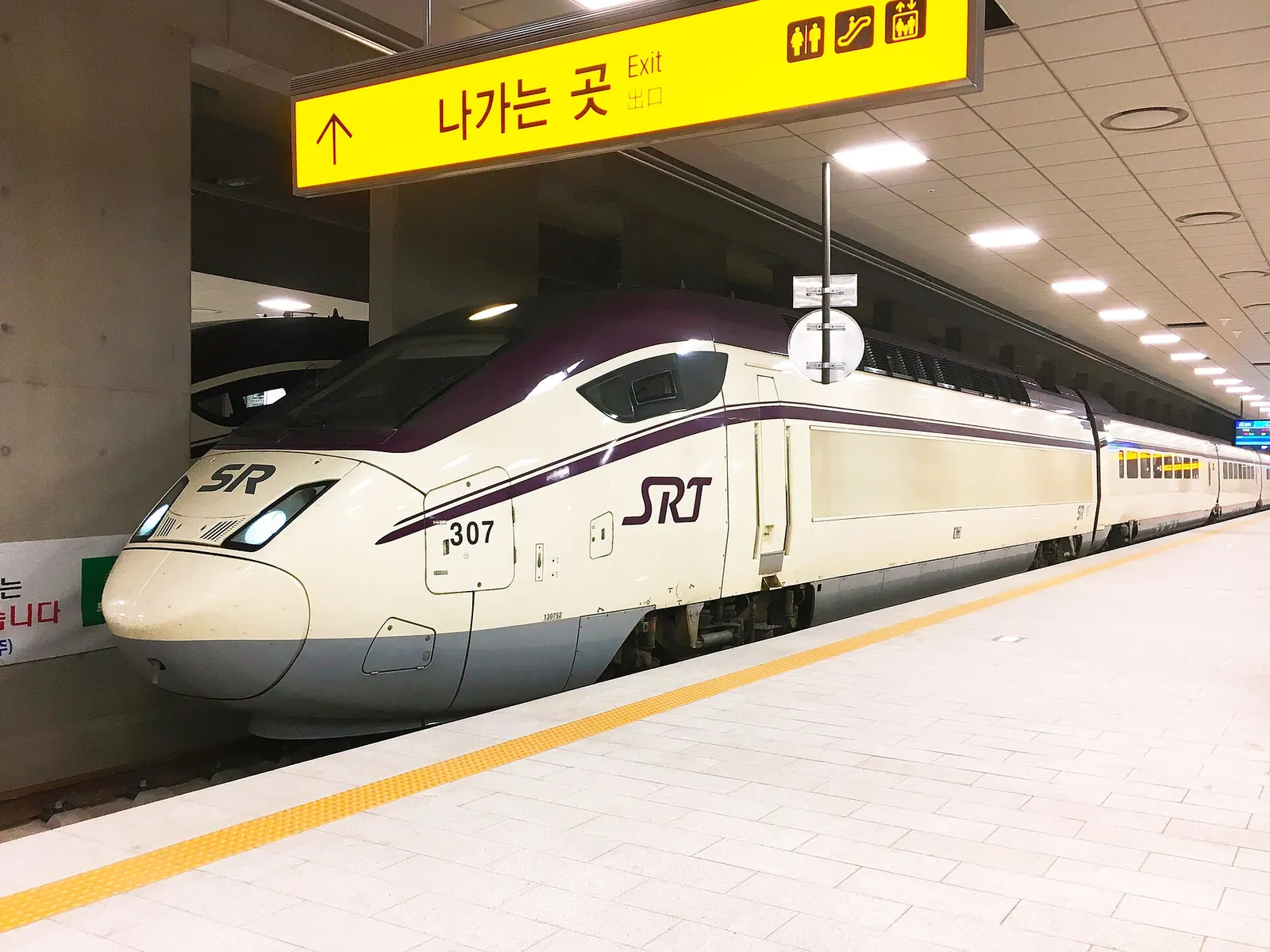
The SRT is run by a separate company, SR, and every SRT starts at Suseo Station in Gangnam, south-east Seoul. SR's route map lists five lines from Suseo: the Gyeongbu line via Daejeon, Dongdaegu, Singyeongju and Ulsan to Busan; the Honam line via Gwangju-Songjeong to Mokpo; the Jeolla line via Jeonju and Suncheon to Yeosu EXPO; the Gyeongjeon line via Changwon and Masan to Jinju; and the Donghae line via Dongdaegu to Pohang. South of Seoul the SRT and the KTX share many stations, so for most big cities you can choose either.
The newest piece is the Donghae Line KTX-Eum. According to VisitKorea, it began running along the whole east coast on 30 December 2025, linking Busan's Bujeon Station with Gangneung in about 3 hours 50 minutes, stopping at Taehwagang (Ulsan), Gyeongju, Yeongdeok, Uljin, Samcheok and Donghae among others. When we checked on 2026-10-03, VisitKorea listed only six services a day, three in each direction, so book this line before the rest of an east-coast trip.
For where to sleep, the station matters more than the district: staying within a short walk or subway ride of your departure station is what makes an early train easy, especially with luggage.
Which Seoul station to leave from
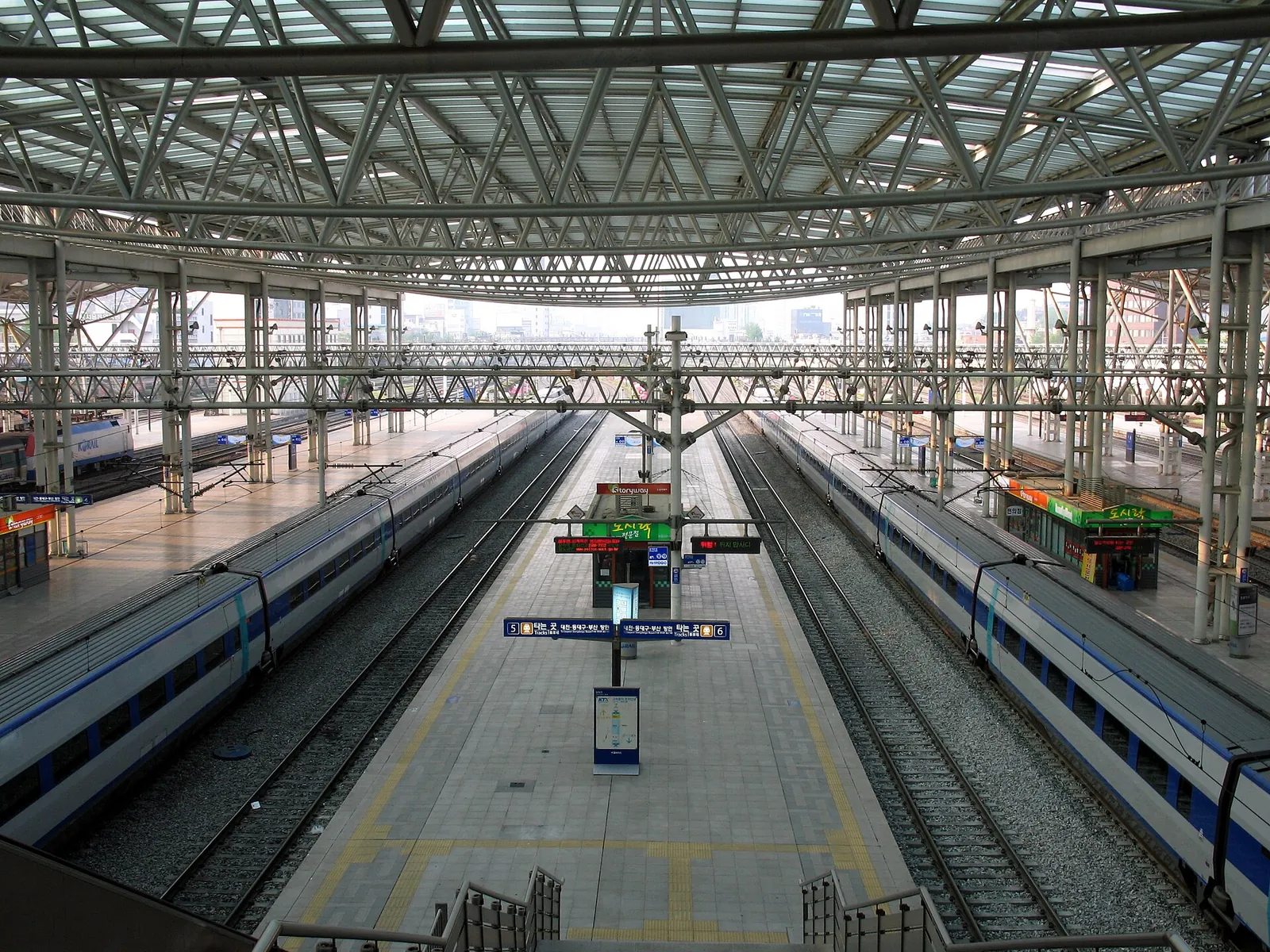
Seoul has four main long-distance stations, and the wrong one can add an hour across the city. Seoul Station is the start of the Gyeongbu Line to Daejeon, Daegu and Busan and of the KTX Gangneung Line; it is also where the AREX airport train from Incheon ends and Subway Lines 1 and 4 meet, according to VisitKorea. Yongsan Station is on the Gyeongbu Line and starts the Honam Line to Gwangju and Mokpo. Jeonju's tourism office notes that far more KTX trains to Jeonju leave from Yongsan than from Seoul Station, so search from Yongsan if Seoul Station looks sold out.
Cheongnyangni, in north-east Seoul, serves the Gangneung Line and the KTX-Eum towards Andong and the Jungang Line; VisitKorea's Andong guide also lists Sangbong as a boarding point. Suseo, the SRT terminus, is connected directly to Subway Line 3 and the Suin-Bundang Line, according to SR. If your hotel is in Gangnam or Jamsil, Suseo is usually the closer start for Busan, Gwangju or Yeosu; if you are in Jongno, Myeongdong or Hongdae, Seoul or Yongsan is simpler.
One more option helps on arrival day. VisitKorea's Busan guide describes taking a bus from Incheon Airport to Gwangmyeong Station (about 50 minutes) and the KTX from there to Busan (about 2 hours 40 minutes), which saves crossing central Seoul if you are heading straight south.
Make time for the local food
What to eat and where to look
Gimbap and convenience-store dosirak for the train
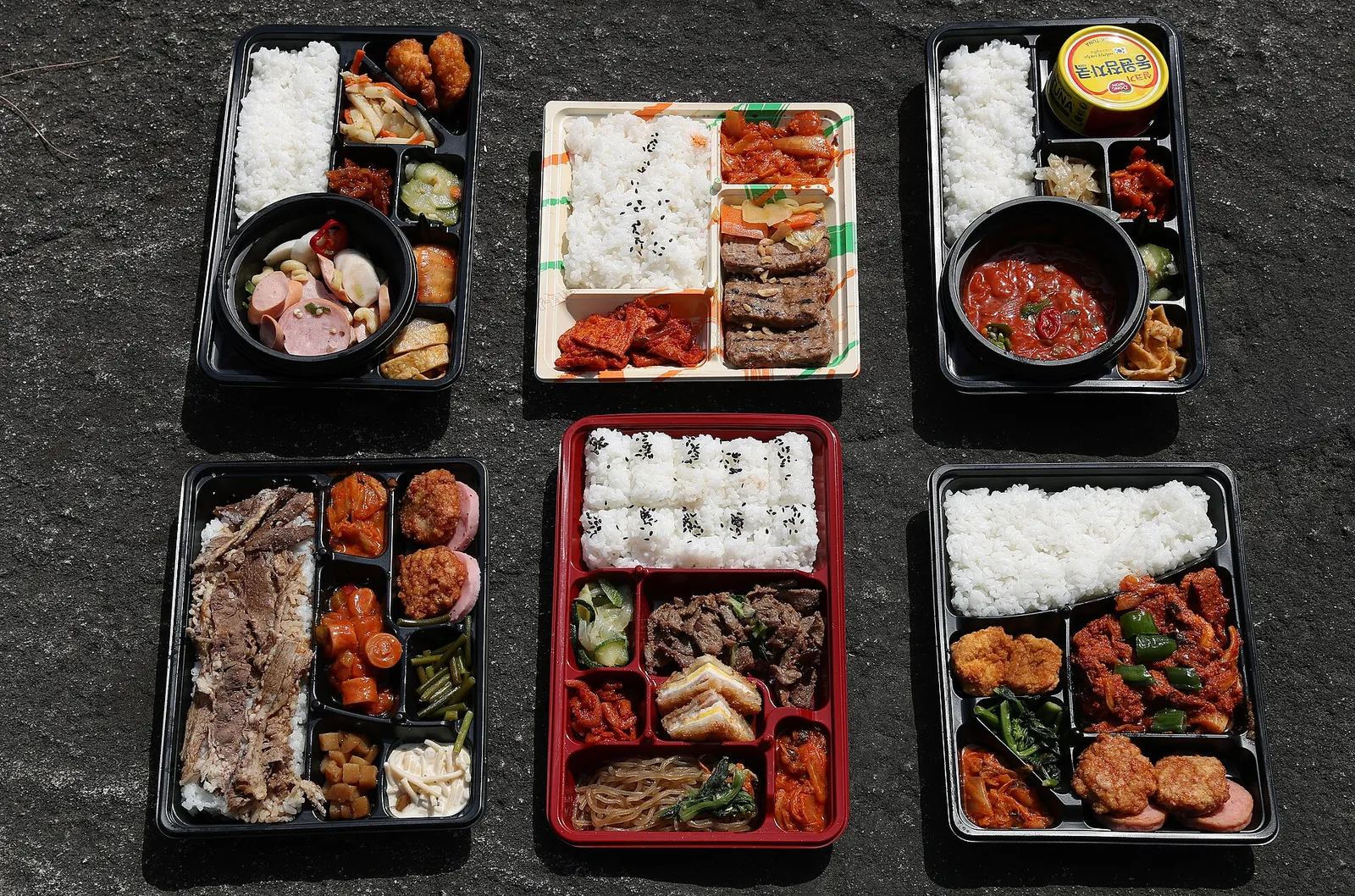
Rolls of rice and fillings wrapped in seaweed, and boxed lunches of rice with meat, kimchi and side dishes, are the easiest food to carry onto a KTX or SRT. VisitKorea's train guide lists vending machines among the onboard amenities, so plan to bring your own food for longer rides.
- Where to look
- Convenience stores and food courts inside the big stations such as Seoul, Yongsan and Busan, and shops near the exits.
- Fit it into your day
- Buy breakfast or lunch on the way to the platform for any journey over two hours, and keep a bottle of water with it.
Check the label or ask for the filling: many gimbap contain ham, fish cake or egg, and boxed meals often include pork.
Expressway rest-stop snacks
On the bus legs, the stop at a hyugeso (service area) is part of the journey. VisitKorea's bus guide picks out sotteok sotteok (skewers of sausage and rice cake), potato corn dogs and hotteok, pancakes filled with brown sugar.
- Where to look
- Snack counters at the expressway service areas where long-distance buses stop.
- Fit it into your day
- A quick snack during the scheduled stop on a long bus ride, such as Seoul to Sokcho or Tongyeong.
Stops are short: note your bus number and the departure time before you leave the bus. Hotteok filling is very hot.
Dwaeji gukbap in Busan
A rice soup with sliced pork in pork broth, which VisitKorea calls Busan's representative local dish; a good first meal after a long train ride.
- Where to look
- Gukbap restaurants around Busan Station and Seomyeon, near the stations on Metro Lines 1 and 2.
- Fit it into your day
- Lunch or dinner on arrival in Busan, before you check in.
Pork throughout; the condiments served alongside often include salted shrimp.
Chodang sundubu in Gangneung
Soft tofu made with local soybeans and East Sea seawater, a Gangneung speciality that VisitKorea suggests pairing with the city's coffee street by Anmok beach.
- Where to look
- Chodang Dubu Village and Jungang Market in Gangneung; VisitKorea gives about 15 minutes by taxi from Gangneung Station to Chodang Halmeoni Sundubu, a restaurant in business since 1979.
- Fit it into your day
- Breakfast or lunch after the KTX from Seoul or the KTX-Eum from Busan.
Restaurants differ in their versions: ask whether a dish is the plain or the spicy one if you avoid chilli.
Booking seats as a foreign visitor
When we checked on 2026-10-03, VisitKorea listed KORAIL's ticket offices and kiosks, the KORAIL website, the KORAIL app (KORAIL Talk), NAVER Train Booking and Kakao T as sales channels, with tickets usually on sale from one month before departure at 07:00 until 20 minutes before departure, or right up to departure in the apps. Visit Jeonju's guide for foreign visitors says KORAIL's multilingual site and app need no Korean phone number or membership: you enter your passport details and an email address, pay with an overseas card and show the e-ticket on your phone or the email. It also lists Klook and Trip.com as third-party platforms that sell KTX tickets. SR's own website sends English-language visitors to KORAIL's global site, and VisitKorea notes that KORAIL's site books SRT seats too.
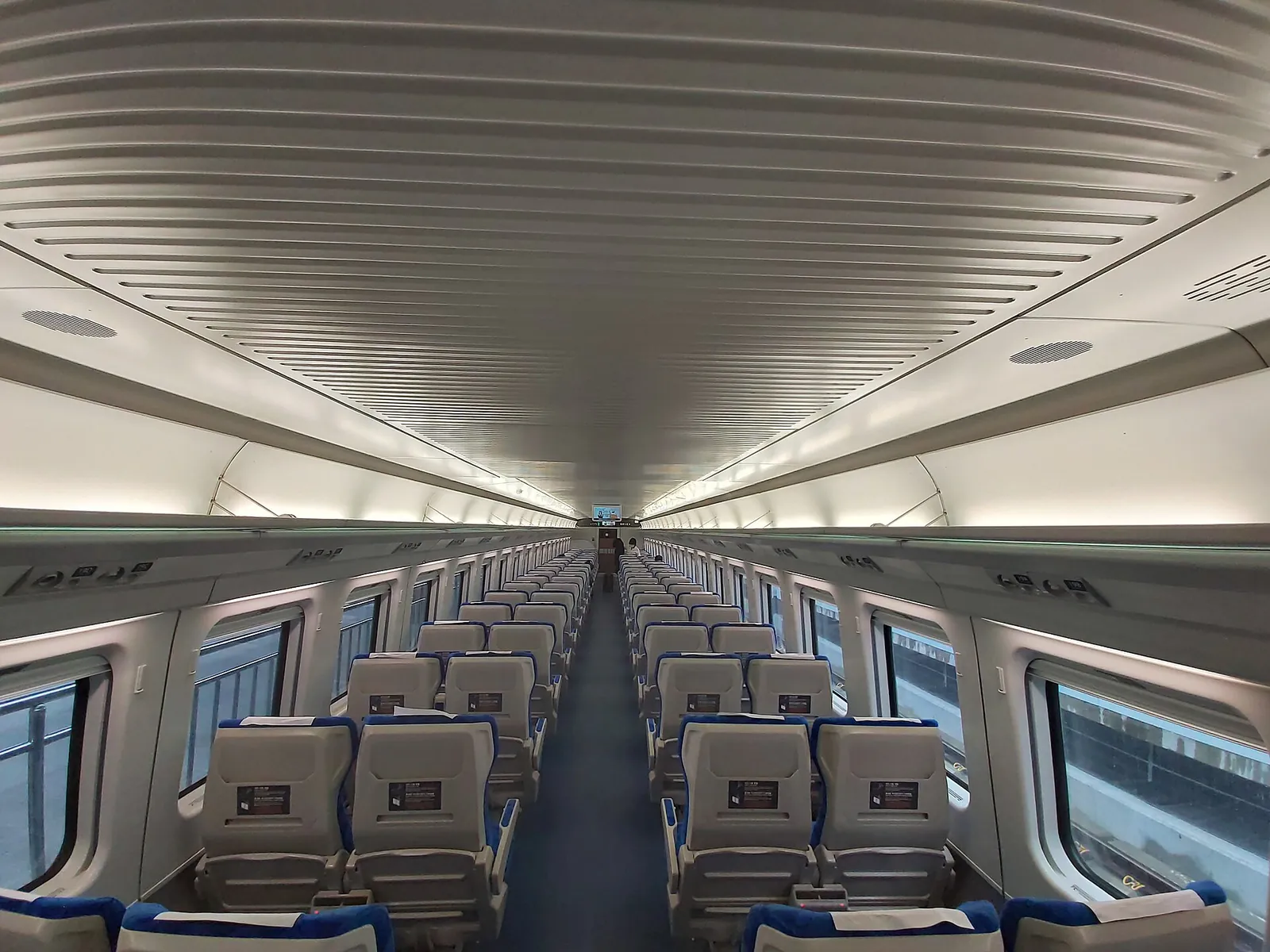
There are no ticket gates on Korean platforms. You check the train number and track on the departure board, walk to the platform and sit in the car and seat on your ticket; the Jeonju guide warns that sitting in a seat you have not booked can bring a heavy penalty fare. Seats come in standard class, four across, and first or premium class, three across. VisitKorea notes that you can choose your seat when booking online, and that some trains have seats facing both directions.
Weekends, public holidays and festival periods are when this matters. Visit Jeonju says KTX trains to Jeonju sell out quickly at those times and that at the station often only standing tickets remain; VisitKorea gives the same warning for the Donghae Line in summer and recommends booking return tickets in advance. Buy your long legs as soon as sales open, and keep a free hour in the plan rather than a tight connection.
If you need help, VisitKorea lists the KORAIL Customer Center on +82-1599-7777 with English support from 08:00 to 20:00, and KORAIL Lounges at Seoul, Yongsan, Osong, Dongdaegu and Busan stations that same-day KTX passengers can use free of charge.
Does the Korail Pass pay off?
The Korail Pass is sold only to international visitors and gives unlimited travel on KORAIL trains, including the KTX, for a set number of days. When we checked on 2026-10-03, VisitKorea's train guide (updated 7 August 2026) described 2-, 3-, 4- and 5-day passes used within ten days, with up to two seat reservations a day, unlimited standing tickets and first class at half the normal first-class fare. Its 2026 east-coast feature describes the options as three or five consecutive days, or two or four days of your choice. The exact pass types and prices are set by KORAIL, so check the current terms on KORAIL's pass page before you buy.
Three limits decide most cases. The SRT is not covered, nor are subways or temporary tourist trains, so a pass makes little sense if you are staying in Gangnam and would naturally leave from Suseo. Two reserved seats a day means a day with three train legs puts you in a standing ticket for one of them, or on the floor of a busy weekend train. And the pass is counted in days, so it rewards long journeys packed onto few days rather than a slow trip with short hops.
The way to decide is simple: list the trains you plan to take, look up each fare on KORAIL's site for your dates, and add them up. A pass tends to pay only when several long legs, such as Seoul to Busan, Busan to Gangneung and Gangneung back to Seoul, fall on the pass days. A trip that uses the train two or three times in a week, or uses the SRT, is usually cheaper and more flexible with point-to-point tickets bought a month ahead.
VisitKorea also describes Korail Pass+, an integrated card for international travellers that combines the Korail Pass with a prepaid transport card and a debit function for shops. It is bought online and picked up or topped up at about 80 kiosks, including at Incheon Airport and Seoul Station.
Journey times on the main routes
These are the approximate times given in VisitKorea's and Visit Jeonju's guides; the train you book may be faster or slower, so check the exact timetable on KORAIL when you buy.
- Seoul to Busan: about 2 hours 30 minutes by SRT from Suseo, and up to about 3 hours 20 minutes by KTX from Seoul Station, depending on the train. The KTX-Eum from Seoul Station or Cheongnyangni to Busan's Bujeon Station takes about four hours.
- Seoul to Gangneung: about two hours by KTX from Seoul Station.
- Seoul to Gyeongju: about 2 hours 10 minutes by KTX from Seoul Station; Gyeongju Station is about 30 minutes from Busan Station and about 20 minutes from Dongdaegu by KTX or SRT.
- Seoul to Jeonju: about 1 hour 40 minutes by KTX. Only two direct SRT trains a day run from Suseo; otherwise take the SRT to Iksan and change for the 15–20-minute train to Jeonju.
- Seoul to Andong: about 1 hour 50 minutes by KTX-Eum from Seoul Station, Cheongnyangni or Sangbong; from Busan's Bujeon Station about 1 hour 40 minutes.
- Daegu to Pohang: about 35 minutes from Dongdaegu by KTX or SRT.
- Busan to Gangneung along the coast: about 3 hours 50 minutes on the Donghae Line KTX-Eum from Bujeon, with six services a day when we checked.
When the bus, or a plane, is the better choice
The high-speed network is built around a few corridors, and some of the country's best-known coastal and mountain destinations sit off them. Sokcho and Yangyang for Seoraksan, Tongyeong and Geoje on the south coast, Taean and Anmyeondo on the west coast, and Cheongsong for Juwangsan do not appear on SR's route map or in VisitKorea's train guide, while VisitKorea's bus guide lists direct express or intercity buses to all of them from Seoul. For these, the bus is the direct option rather than the fallback.
Seoul's bus terminals are as split as its stations. When we checked, VisitKorea listed Sokcho and Yangyang from Seoul Express Bus Terminal and Dong Seoul Terminal; Tongyeong and Geoje from Seoul Nambu and Dong Seoul; and most Jeolla destinations, including Damyang and Boseong, from the Central City terminal beside Express Bus Terminal Station (Lines 3, 7 and 9). Express buses run non-stop on the expressway, intercity buses make stops, and long routes pause at expressway rest areas because buses have no toilets. Tickets are sold at terminal counters and kiosks, on kobus.co.kr for express buses and on txbus.t-money.co.kr or bustago.or.kr for intercity buses, which VisitKorea lists with English pages, and on Klook and Hanpass.
A mix often works best. For Gyeongju, Jeonju or Andong, the train is the quicker choice from Seoul by VisitKorea's own times. From Incheon Airport, VisitKorea notes express buses straight to Gangwon, Chungcheong, Jeolla and Gyeongsang, which can beat the AREX-plus-KTX combination with heavy luggage. And for Jeju, there is no train: fly from Gimpo or Gimhae, which VisitKorea lists among the domestic routes to Jeju.
Practical questions
Can foreigners book KTX tickets online?
Yes. KORAIL's English website and the KORAIL Talk app accept bookings with a passport number and an email address and an overseas credit card, with no Korean phone number needed, according to Visit Jeonju's guide for foreign visitors. Tickets usually go on sale a month ahead at 07:00.
Is the SRT covered by the Korail Pass?
No. VisitKorea states that SRT trains, subways and temporary tourist trains are not covered. If you hold a pass, take the KTX from Seoul Station or Yongsan rather than the SRT from Suseo.
Is the Korail Pass worth it?
Only if several long KORAIL journeys fall on few days. Add up the point-to-point fares for your planned trains on KORAIL's site and compare them with the current pass price; remember the limit of two seat reservations a day.
Should I take the KTX or the SRT from Seoul to Busan?
Choose by where you are staying. The SRT leaves from Suseo in Gangnam and VisitKorea gives about 2 hours 30 minutes; the KTX leaves from Seoul Station, which is better for central and northern Seoul and for connections from the AREX airport train.
Do KTX trains sell out?
Popular trains do, at weekends, on public holidays and during festivals. Visit Jeonju warns that only standing tickets may be left at the station, and VisitKorea recommends booking the Donghae Line in advance in summer.
Is there a train to Sokcho or Jeju?
Neither appears on SR's route map or in VisitKorea's train guide. Take an express bus from Seoul Express Bus Terminal or Dong Seoul Terminal to Sokcho, and fly to Jeju.
Sources and checks before you travel
Reference sources for the version dated 3 October 2026. Confirm opening times, access, transport and conditions for your travel dates.
- VisitKorea: Train ↗ — opens in a new tab
- SR (SRT operator): routes ↗ — opens in a new tab
- SR (SRT operator): Suseo Station ↗ — opens in a new tab
- VisitKorea: East Coast Train Trip by KTX-Eum ↗ — opens in a new tab
- Visit Jeonju (Jeonju City): Getting to Jeonju ↗ — opens in a new tab
- VisitKorea: BTS World Tour in Busan travel guide ↗ — opens in a new tab
- VisitKorea: Andong Travel Guide ↗ — opens in a new tab
- VisitKorea: Explore Beyond Seoul at SONO Hotels & Resorts ↗ — opens in a new tab
- VisitKorea: Fly to Daegu International Airport ↗ — opens in a new tab
- VisitKorea: Long-lasting restaurants to visit in winter ↗ — opens in a new tab
- VisitKorea: Express Bus & Intercity Bus ↗ — opens in a new tab
- VisitKorea: Airport Transportation Guide ↗ — opens in a new tab
- VisitKorea: Domestic Flights ↗ — opens in a new tab
- VisitKorea: Feel the Sea, Enjoy the City — discover Busan ↗ — opens in a new tab
Photo credits
A KTX-Sancheon train at Daejeon Station on the Gyeongbu Line between Seoul and Busan
Photograph: Minseong Kim — opens in a new tab · CC BY-SA 4.0 — opens in a new tab
Changes: Resized and converted to WebP; displayed with responsive crops. · Original photograph and licence details ↗ — opens in a new tab
An SRT train at Suseo Station in southern Seoul, the starting point of every SRT route
Photograph: jmk2765 — opens in a new tab · CC BY-SA 3.0 — opens in a new tab
Changes: Resized and converted to WebP; displayed with responsive crops. · Original photograph and licence details ↗ — opens in a new tab
KTX trains at Seoul Station, the main departure point for the Gyeongbu Line to Busan and the Gangneung Line
Photograph: Gaël Chardon — opens in a new tab · CC BY-SA 2.0 — opens in a new tab
Changes: Resized and converted to WebP; displayed with responsive crops. · Original photograph and licence details ↗ — opens in a new tab
Standard class on a KTX-Eum train: four seats across the aisle
Photograph: 생각하는 나무 — opens in a new tab · CC BY-SA 4.0 — opens in a new tab
Changes: Resized and converted to WebP; displayed with responsive crops. · Original photograph and licence details ↗ — opens in a new tab
Convenience-store dosirak lunch boxes, the easiest meal to carry onto a long train ride
Photograph: Korea.net / Korean Culture and Information Service (Jeon Han) — opens in a new tab · CC BY-SA 2.0 — opens in a new tab
Changes: Resized and converted to WebP; displayed with responsive crops. · Original photograph and licence details ↗ — opens in a new tab