Plan your trip · South Korea
Health and safety in South Korea: advisories, weather and emergencies
Most of what can disturb a South Korean trip is seasonal or practical: a typhoon that grounds the Jeju flight, a mountain gate that shuts at noon, a trail closed after heavy rain, an illness at the weekend when the hospital's international desk is shut. This guide covers what to set up before you fly, which part of the border region it leaves out, and how weather, mountains, air quality and illness change a booking. It ends with the emergency numbers to save and the hospitals that run international desks.
- Suggested time
- Set up before you leave: insurance, the Emergency Ready app and saved numbers; hiking days are planned around park gate times
- Where to stay
- No base is needed; the preparation applies wherever you stay
- Season and timing
- The typhoon season normally runs from June to November; heavy rain, flash floods and landslides are possible from June to September
The short answer
Buy travel insurance with medical cover and repatriation before anything else, and read its list of covered activities if you plan summit hikes, because sports that France Diplomatie classes as risky are generally excluded. The one deadline before departure: medicines that contain narcotic or psychoactive substances need a permit from the Ministry of Food and Drug Safety, applied for online at least 10 business days before you enter Korea; the medicines section has the details. Save 112 for the police, 119 for the fire service and ambulances (the ambulance ride is free) and 1330 for the Korea Travel Hotline, and install the Emergency Ready app, which carries alerts in English. The only zone a government singles out is the DMZ on the border with North Korea, which AsiaVela does not cover. Plan around the typhoon season, which runs from June to November, and around the gate times of the national parks. Two prices, checked on 17 October 2026: Hallasan has no entry fee, though summit hikes need a reservation, and the Seoraksan cable car costs KRW 16,000 return for adults.
The border with North Korea and what this guide leaves out
France Diplomatie advises against the demilitarised zone (DMZ) on the border with North Korea except for a compelling reason, and the UK Foreign Office asks visitors in the DMZ area to exercise caution and follow the local authorities, so AsiaVela does not cover DMZ tours or the Joint Security Area. The rest of South Korea is under normal vigilance (green) in France's assessment, and a military restricted zone keeps anyone from approaching the dividing line directly. AsiaVela also leaves out the observatories that face North Korea, which are approaches to the DMZ, and, as editorial choices, the islands of Baengnyeongdo, Yeonpyeongdo and Daecheongdo on the maritime border, the city of Paju and the northern coast of Ganghwa Island.
The situation can change with little notice. Tension can rise after North Korean missile tests and during the regular South Korean-US military exercises, according to the UK Foreign, Commonwealth and Development Office (FCDO), while the German Federal Foreign Office (Auswärtiges Amt) notes that relations between the two Koreas have not affected travellers in recent years, although short-notice changes cannot be ruled out. Other governments may draw a wider line than these three, so read your own government's travel advice before you book.
Demonstrations, drills, alerts and earthquakes
Public demonstrations are common in South Korea, and they are mostly peaceful and well policed. Foreign nationals may not take part in political activities, which is illegal under Korean law (article 17 of the Immigration Act), so keep away from demonstrations and large crowds. Visit Seoul says police in full riot gear are usually there as a precaution and that you should simply keep out of the way of any confrontation.
Crowds need the most care around Halloween, the season of the Itaewon crowd disaster of 29 October 2022, which France Diplomatie names in its advice. In 2025 the Ministry of the Interior and Safety designated a Halloween Crowd Management Period of ten days, from 24 October to 2 November, with field officers in 12 busy areas, among them Hongdae, Itaewon and Myeong-dong in Seoul and Seomyeon in Busan (VisitKorea notice of 23 October 2025). That period is not a plan for any later year: if you travel around Halloween, look for the ministry's newest notice. VisitKorea's notice advises using public transport, checking crowd conditions before you go, keeping to the right and taking care on narrow streets and slopes, leaving at once if the crowd slows or people start bumping into each other, and calling 112 or 119 if you feel in danger.
The authorities sometimes hold civil emergency drills. Sirens sound, all vehicles must stop, and people may have to go down into designated metro stations or basements. You do not need to take part, though the Auswärtiges Amt recommends it, and either way you should follow officials' instructions. The 2026 nationwide drill, tied to the August Ulji exercise, took place on 20 August from 14:00 and lasted 20 minutes.
Install the Korean government's Emergency Ready app before you fly. It shows alerts in English, can contact the emergency services, plays first-aid demonstration videos, finds the nearest shelter by location and lists the medical centres that have an emergency service. Alerts reach phones in Korean automatically when you are in an affected area; English versions are in the app and on the National Disaster and Safety Portal.
Strong earthquakes are unusual in South Korea and most are relatively weak, although the country lies in a seismically active zone, and the Korea Meteorological Administration publishes earthquake information. If one strikes, follow the local authorities' instructions and the alerts in the Emergency Ready app. Forest fires may also occur; follow the instructions of the local authorities, and use the Korea Forest Service website, which tracks fires in English and Korean.
Weather and air: typhoons, heat, cold and fine dust
The typhoon season normally runs from June to November, with July to September the main storm months. The south is the most exposed, and Seoul usually gets heavy rain and gusts. The summer rainy season usually falls in June and July, and our best-time guide gives the Korea Meteorological Administration's averages for each region.
Heavy rain, flash floods and landslides are possible from June to September, and travel is limited during warnings. Torrential rain can flood areas near rivers and creeks, including built-up areas; flash floods are common downstream of large reservoirs or rivers even after short spells of intense rain; and landslides are possible in hilly and mountainous areas. In typhoons and severe weather, keep away from riverbanks and the coast, on foot or by car, and do not go out to sea or stay on a boat.
Storms interrupt travel as well as sightseeing. Typhoons, heavy rain, floods and landslides can disrupt roads, flights and ferries, so follow the local authorities' instructions before any journey by road and keep up with flight news from your airline. Leave a spare day around an island ferry or a flight to Jeju in season.
To follow a storm, use the Korea Meteorological Administration, whose English site has pages for the current severe weather status and for typhoon information and track predictions, or call 131 in Korea for a forecast in English. The media announce typhoons several days ahead.
Heat is the other summer hazard. VisitKorea's climate page names August as the hottest month and gives Seoul's highest average monthly temperature as 30 degrees Celsius that month. In a heatwave, drink regularly and limit physical activity in the hottest hours.
Swim only in a beach's official lifeguarded period and never at night, because VisitKorea says lifeguards are not on duty outside the period and swimming at night is prohibited even within it. Our Busan guide gives the 2026 periods for Haeundae and Gwangalli.
Air pollution, including yellow dust, is common in South Korea, especially in spring, and it can rise in the conurbations. On days with high concentrations most residents stay indoors or wear face masks outside, and it is important to drink plenty of water.
AirKorea publishes the latest readings at the end of each hour. Its comprehensive air-quality index runs from 0 to 500 in four bands, Good, Moderate, Unhealthy and Very unhealthy, shown in blue, green, yellow and red. AirKorea's behavioural guidelines give separate advice for the general public and for sensitive groups such as children and older people, and at the worst readings they tell children, older people and people with heart or lung conditions to stay indoors and keep activity low. TravelHealthPro says it is unclear whether face masks reduce exposure and that they may make breathing harder for people with lung conditions; anyone who wears one should make sure it fits well.
Winters are cold and dry. VisitKorea's climate page names January as the coldest month. It lists Seoul's lowest average monthly temperature in January as minus 5.5 degrees Celsius.
Mountain safety: entry gates, closures and permits
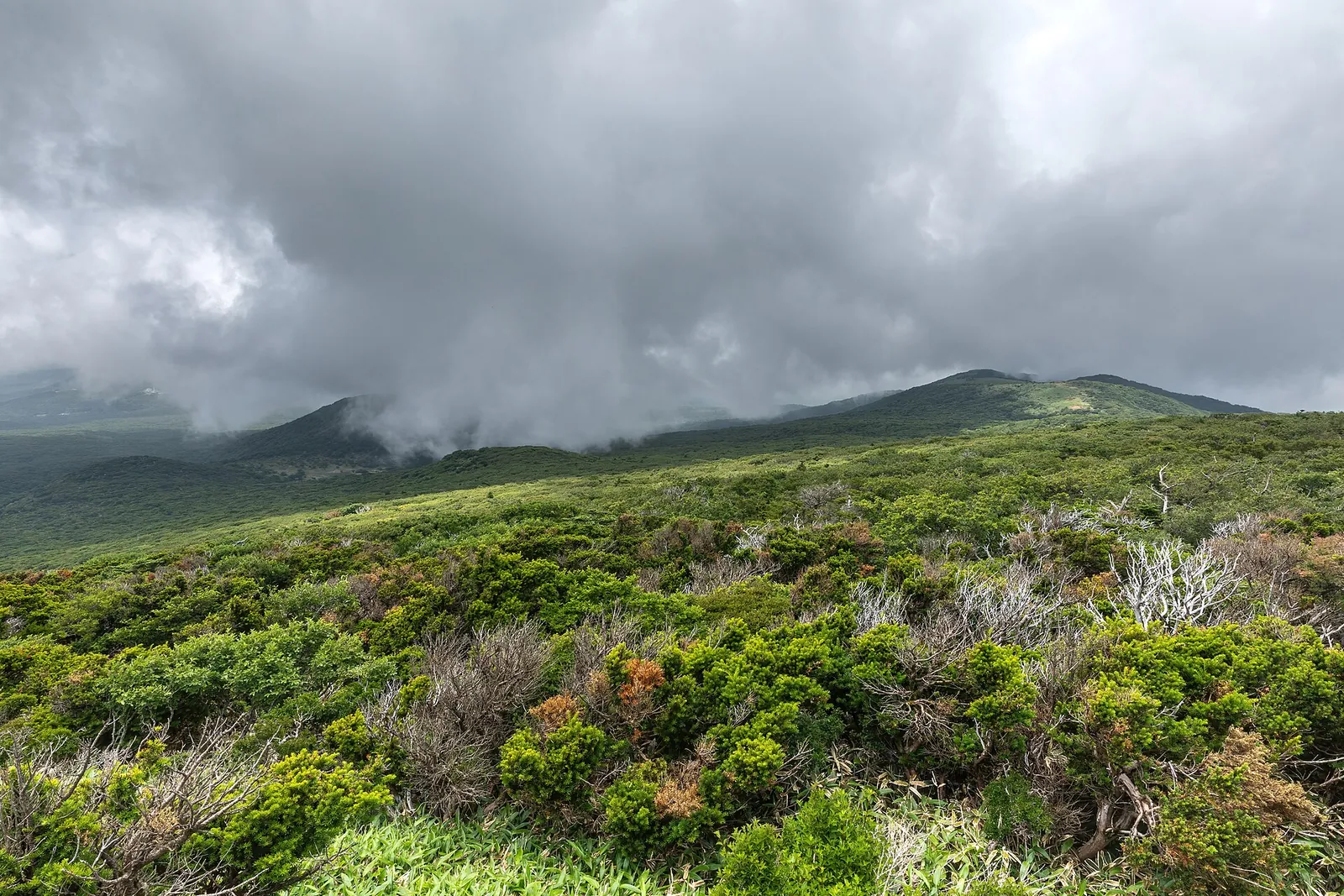
Much of South Korea is hilly, and the walks visitors choose, from Seoraksan's ridges to Hallasan's summit, are real mountain days. The country is very mountainous, and the first risk is bad weather that causes flash floods, landslides, rockfall and mudflows on roads. On any mountain, check the park's notices and the Korea Meteorological Administration's warnings on the morning of the hike and obey closures and signs.
The Korea National Park Service (KNPS) runs a designated entry-time system on the trails of its national parks. Each trail has an opening time and a cut-off after which nobody may start, a rule the service says has reduced night-time accidents. On Seoraksan, for example, the Osaek to Daecheongbong summit trail opens at 03:00 and closes entry at 12:00 from April to October, and opens at 04:00 and closes entry at 11:00 from November to March. At Seoraksan, KNPS also closes trails when the Korea Meteorological Administration issues a weather advisory or warning, or when the weather is as bad as one. It posts each park's status on its closure-information page.
Seoraksan's upper trails close again for forest-fire prevention. In spring 2026 the Seoraksan office announced a closure from 4 March to 15 May. In autumn the KNPS shelter pages mark 15 November to 15 December 2026 as the forest-fire control period, and VisitKorea lists only the Sogongwon Park to Biseondae section as open then. Check the park's notices before you book a summit day. The Seoraksan cable car is the weather-dependent alternative, and tickets can be bought only on site on the day. It costs KRW 16,000 return for adults (middle-school age and over) and KRW 12,000 for children from 37 months to primary-school age, and children under 36 months travel free (checked on 17 October 2026). There is no path down, so you return by cable car. Our Sokcho and Seoraksan guide covers the trails and the booking.
Hallasan National Park charges no entry fee, but parking for a small car costs KRW 1,000 for the first hour (the first 30 minutes are free), KRW 500 for each further 20 minutes and no more than KRW 13,000 a day. Summit hikes on the Seongpanak and Gwaneumsa trails need a reservation on the park's own system. The park closes trails partly or completely during typhoon, strong-wind, heavy-snow, heavy-rain or cold-wave advisories and warnings, and also in winds of 14 m/s or more or when fog hides the summit, and it sets entry times by season so that hikers come down before sunset. Its own guidance is to carry emergency food such as sweets, chocolate and salt, plus spare clothes, and in winter warm clothing, crampons, gloves and hot water. The shops high on the mountain have been closed since January 2018, and the Seongpanak trailhead has only vending machines for water and drinks. After an accident, call the park office or 119 and give the number on the nearest trail location sign. Our Hallasan guide covers the reservation and the times.
Emergency numbers to save before you land
Save these numbers on your phone before you travel. VisitKorea says that if you do not speak Korean you should say "English please" or "Interpreter please" when a 112 or 119 call connects, and the operator will put you through to an interpreter.
- 112: the police. Police stations offer free interpretation in an emergency, according to Visit Seoul, and you can go to the nearest station to report a crime at any hour.
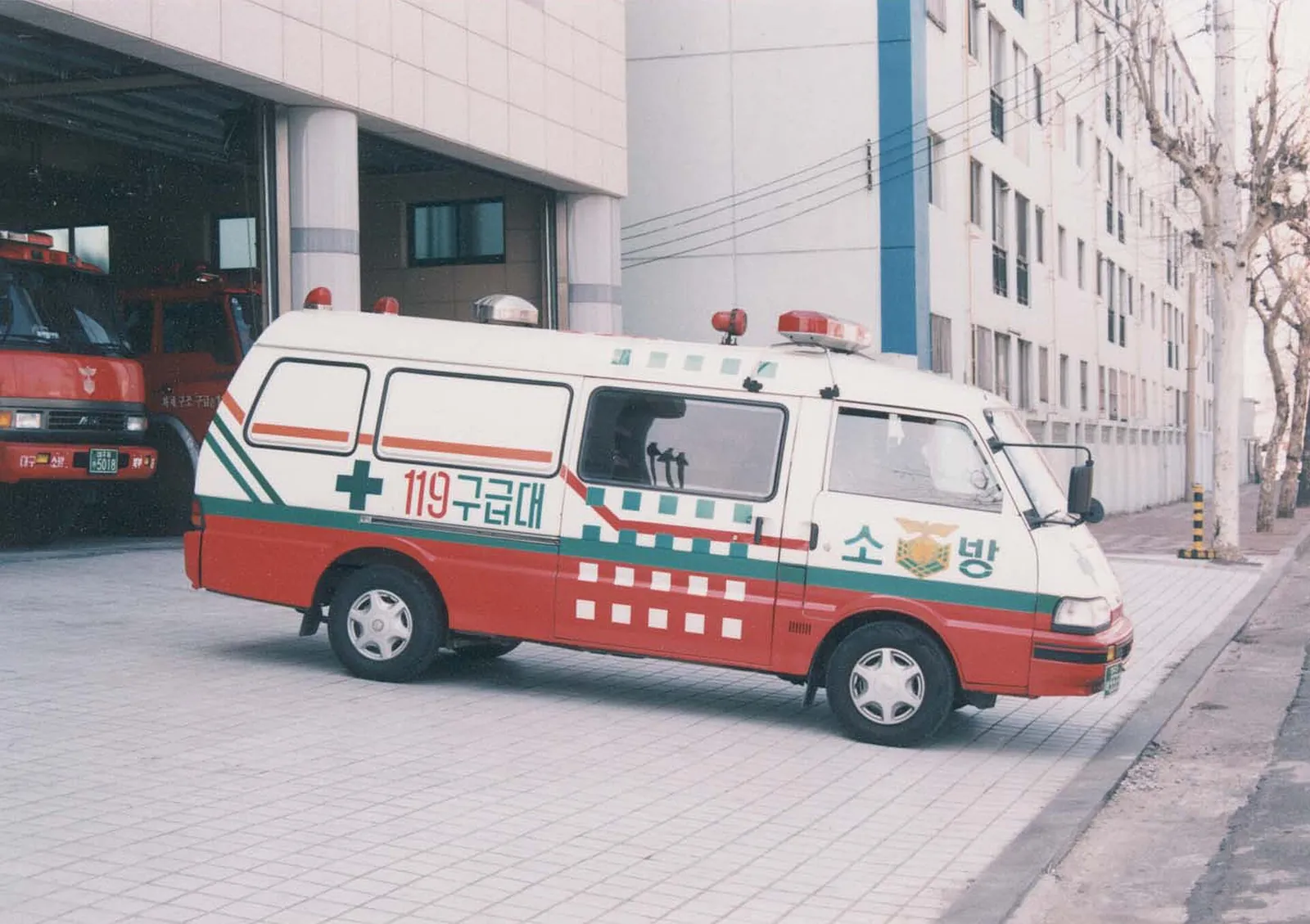
- 119: the fire service and ambulances. Ask for an ambulance; the ride is free of charge, and interpreters are available for foreign nationals who do not speak Korean.
- 1339: the line VisitKorea lists for infectious-disease emergencies. Its FAQ says it helps connect callers with the nearest hospital.
- 1330: the Korea Travel Hotline, a telephone and real-time chat service for tourist information, interpretation and complaints. Dial 1330 in Korea or +82-2-1330 from abroad. The phone line works in Korean, English, Japanese and Chinese, and in several other languages. Chat runs through KakaoTalk, Facebook, Line and WhatsApp. From 07:00 to midnight it can also interpret on a three-way call between you, the hotline and the emergency services.
- 131: the weather call centre, where FCDO says you can get a forecast in English.
- 182: LOST112, the National Police Agency's lost-and-found centre (+82-2-182). For your embassy, VisitKorea points to the Ministry of Foreign Affairs site, mofa.go.kr, which lists the diplomatic missions in Korea.
Hospitals, pharmacies and insurance
Many of Korea's large hospitals run an International Health Care Center with interpreters who help with reservations, treatment and follow-up. VisitKorea lists among others Seoul Asan Medical Center in Songpa, Severance Hospital in Seodaemun, Samsung Medical Center in Gangnam, Seoul National University Hospital in Jongno, Seoul St. Mary's Hospital in Seocho, Gil Medical Center and Inha University Hospital in Incheon, and Inje University Paik Hospital in Haeundae, Busan. All the international centres it lists are open on weekdays only, in hours between 08:00 and 17:30 (some close for lunch), and closed at weekends and on public holidays. Outside those hours, go to a hospital emergency room or call 119. On Jeju, VisitKorea names Jeju National University Hospital, the island's largest, which offers English, Chinese and Japanese interpretation for outpatients and inpatients on weekdays from 08:30 to 18:00; Jeju Airport has a clinic on the first floor of the domestic terminal and a pharmacy on the third. In Gyeongju, Sokcho, Gangneung, Jeonju and Yeosu, find the nearest hospital with an emergency service in the Emergency Ready app, or call 119.
Medical care is usually of a good standard, though possibly expensive, and FCDO says staff may not speak English. The Auswärtiges Amt calls care excellent in the capital but says English-speaking doctors are often missing outside the international departments, and its October 2026 advice adds that disputes in the health service may restrict emergency care, particularly on important public holidays. A hospital may ask a seriously ill patient to bring a guardian (bohoja) for basic care such as washing and trips to the bathroom; paid caregivers (ganbyungin) exist but generally do not speak English. The Emergency Ready app lists, in English, the medical centres that have an emergency service.
For everyday ailments, go to a pharmacy. Visit Seoul says every pharmacy in Korea carries a 약 sign and that most over-the-counter drugs are sold only there. The Ministry of Health and Welfare lets registered 24-hour convenience stores sell a limited range of approved non-prescription medicines, including some Tylenol products; ask a pharmacist about other medicines. VisitKorea suggests describing your symptoms and allergies to the pharmacist with a translation app, showing a photo of the medicine you want, or choosing a pharmacy with a "Language assistance available" sign in areas popular with visitors. For nights, weekends and public holidays it points to the holiday guard pharmacy and late-night pharmacy websites run by the Korean Pharmaceutical Association. FCDO adds that the Ministry of Health and Welfare keeps an online database, in Korean, of emergency services at medical centres nationwide.
Have funds available to cover treatment, because hospitals in many countries expect payment before discharge: plan to pay first and claim from your insurer. Your policy should cover your itinerary and planned activities, including unexpected medical evacuation and repatriation, and you should contact your insurer quickly if you are referred for treatment. France Diplomatie notes that sports it classes as risky, such as air sports and combat sports, are generally not covered, so if you plan summit hikes or a ski day, read the list of covered activities in your policy before you buy it. Ask the hospital for a treatment estimate and confirm payment arrangements with your insurer before planned care: Severance Hospital's International Health Care Center gives an estimate of the cost of treatment on request before you consent, can bill an overseas insurer directly for a hospital stay, and says many outpatients prefer to pay and then claim.
Crime, nightlife, taxis and the law
Crime against foreigners is rare, but there are occasional thefts, so take extra care of passports, credit cards and money in crowded places and in areas visited by foreigners, such as Itaewon. Be sceptical of unusual emails, phone calls, prize notices, offers and requests for help from supposed acquaintances.
Nightlife areas call for more care. Cases of assault, including sexual assault, are reported around bars, knock-out drops are occasionally used in Hongdae and Itaewon, and the French embassy regularly receives reports of sexual violence in Seoul's nightlife districts, including Gangnam, and says reported cases in Busan are rising. Keep your drink in sight, go out with friends and go home by licensed taxi or public transport. Visit Seoul's own advice for everyone, women travelling alone included, is to avoid dark alleys and car parks. The legal drinking age is 19, and Visit Seoul warns that disorderly conduct under the influence of alcohol can bring heavy fines and a visit to the police station.
FCDO warns that taxi drivers tend to speak little or no English, so have your destination written in Korean, ideally with a map. Visit Seoul advises checking that the driver uses the meter and paying only the metered fare whatever the number of passengers, with tolls paid separately. Incheon Airport warns that illegal solicitation and overcharging by call vans posing as taxis are common, so use the designated taxi stands. Black call vans are larger than ordinary taxis and have no meter, so agree the price before you get in. VisitKorea lists k.ride, a mobility service for international visitors that shows the estimated route and fee once you choose a vehicle and accepts overseas credit cards. Visit Seoul adds that you should shop at stores that list their prices, check menu prices before ordering and ask the price at street food carts that do not display one.
On the road, FCDO says the police take the position that car and motorbike drivers are at fault in accidents involving cyclists or pedestrians, and that the legal alcohol limit is less than half the English one, with prison and fines for drink-driving. Car hire, on Jeju as elsewhere, needs an international driver's licence; our transport guide covers the rule.
Korean law requires some form of identification to be carried, although FCDO says people are rarely asked to show it. Drug laws are strict: possession, use or trafficking can mean a long jail sentence and heavy fines, even for small amounts of marijuana, South Korean law does not distinguish between hard and soft drugs, and British nationals have been detained solely on the basis of drug tests.
Military facilities must not be photographed, and flying a drone needs a permit, according to the Auswärtiges Amt. It also says homosexual activity is legal in South Korea but same-sex marriage and registered partnerships are not possible, and that acceptance is not strong, particularly among older people. It recommends that travellers who have changed the gender entry in their passport carry proof of the change as well as a valid passport.
Water, vaccines, bites and medicines
Visit Seoul says Korean tap water can be used for brushing teeth and washing and can be drunk, and that bottled water is easy to find at convenience stores and markets. TravelHealthPro advises all travellers to take care with personal, food and water hygiene. Packaged food must carry an allergen label, which the Ministry of Food and Drug Safety lists as covering among others egg, milk, buckwheat, peanut, soybean, wheat, crab and shrimp; for a restaurant meal, show staff your allergy in Korean on a translation app.
No vaccination is required to enter South Korea. Keep routine vaccinations up to date, with adequate protection against measles in particular; the Auswärtiges Amt recommends hepatitis A as a travel vaccine, and for long stays or particular exposure also hepatitis B, rabies and Japanese encephalitis. TravelHealthPro says Japanese encephalitis occurs in South Korea, with a risk season usually from May to November, and that the vaccine is not routinely recommended for short trips to Seoul or major cities. Check the vaccine recommendations at least 8 weeks before the trip.
TravelHealthPro rates the malaria risk as very low in the northern areas of Gangwon and Gyeonggi provinces and Incheon near the DMZ and recommends no antimalarial drugs for South Korea, but it reports a higher risk in parts of Gimpo, Ilsan and other districts near the border, where it advises avoiding mosquito bites. Seoul is malaria-free.
On country walks, ticks and mites carry illness. The Korea Disease Control and Prevention Agency (KDCA) names four tick-borne diseases: scrub typhus, severe fever with thrombocytopenia syndrome (SFTS), Lyme disease and tick-borne encephalitis. Scrub typhus accounts for about 5,000 to 6,000 cases a year, with a peak in October and November. SFTS accounts for about 200 cases a year, mainly from April to November; about one case in five is fatal, and there is no vaccine or specific treatment. TravelHealthPro says human cases of tick-borne encephalitis have not been reported in South Korea, although the virus has been found in animals and ticks. Wear long sleeves, long trousers, a hat, long socks and hiking boots, use tick repellent and reapply it, check your body for ticks after a walk and remove any quickly, and shake out and wash your clothes when you get home.
FCDO says customs allow small amounts of medicine for personal use if it is carried in your hand luggage, and recommends an English-language prescription from your doctor for prescription and non-prescription medicines. Medicines that contain narcotic or psychoactive substances need a permit from the Ministry of Food and Drug Safety (MFDS). Apply online through Drug Safety Korea's English website. The Auswärtiges Amt advises applying at least two weeks before arrival. The ministry's guideline, which the Korean embassy in Belgium publishes, says that processing takes 10 business days and that applications should arrive at least 10 business days before you enter Korea; it also says the permit is granted according to the length of your stay, that the quantity must not exceed 90 days' supply at the prescribed maximum dose and that you must not carry more than you were granted, and that the medicines travel in your hand luggage; it prohibits posting them to Korea and prohibits marijuana, including products containing cannabidiol (CBD). Ask your prescriber whether any of your medicines contains a controlled substance; the ministry takes questions in English on +82-43-719-1564. France Diplomatie advises keeping medicines in their original packaging with the original labels and never taking medicines bought on the street, because of counterfeits. Our entry guide covers the customs allowance.
Practical questions
Do any governments advise against travel to South Korea?
Only France Diplomatie names a zone: the demilitarised border zone with North Korea (the DMZ), which it advises against except for a compelling reason, while it places the rest of the territory under normal vigilance. FCDO asks visitors in the DMZ area to exercise caution.
Which number do I call in an emergency in South Korea?
Call 112 for the police and 119 for the fire service and ambulances; the ambulance ride is free. VisitKorea lists 1339 for infectious-disease emergencies. The Korea Travel Hotline on 1330 (+82-2-1330 from abroad) gives tourist information and interpretation for matters that are not life-threatening, and from 07:00 to midnight it can interpret on a three-way call with the emergency services.
When is typhoon season in South Korea?
The typhoon season normally runs from June to November, with July to September the main storm months. Heavy rain, flash floods and landslides are possible from June to September. Follow the Korea Meteorological Administration, or call 131 for a forecast in English.
Can foreign visitors take part in a demonstration in South Korea?
No. Foreign nationals may not take part in political activities in South Korea, which is illegal under Korean law (article 17 of the Immigration Act). Keep away from demonstrations and large crowds.
What happens to mountain trails in bad weather?
At Seoraksan the Korea National Park Service closes trails when the Korea Meteorological Administration issues a weather advisory or warning, or in comparable bad weather. Hallasan National Park closes trails partly or completely during typhoon, strong-wind, heavy-snow, heavy-rain or cold-wave advisories and warnings, and in winds of 14 m/s or more or when fog hides the summit. Check each park's closure information on the day you hike.
Do I need travel insurance for South Korea?
Yes. Carry insurance that covers medical costs and repatriation, because your embassy cannot pay them and hospitals in many countries expect payment before discharge. France Diplomatie adds that sports it classes as risky are generally not covered, so read the list of activities in your policy if you plan a summit hike.
Where do I buy medicine in South Korea?
At a pharmacy, marked with a 약 sign. Visit Seoul says most over-the-counter drugs are sold only at pharmacies; registered convenience stores sell a limited range of approved non-prescription medicines, including some Tylenol products. For nights, weekends and public holidays, VisitKorea points to the holiday guard pharmacy and late-night pharmacy websites run by the Korean Pharmaceutical Association.
Sources and checks before you travel
Reference sources for the version dated 18 October 2026. Confirm opening times, access, transport and conditions for your travel dates.
- UK FCDO travel advice for South Korea: warnings and insurance ↗ — opens in a new tab
- UK FCDO travel advice for South Korea: safety and security ↗ — opens in a new tab
- UK FCDO travel advice for South Korea: health ↗ — opens in a new tab
- German Federal Foreign Office: South Korea travel and safety advice (German) ↗ — opens in a new tab
- France Diplomatie: South Korea, security (French) ↗ — opens in a new tab
- France Diplomatie: South Korea, alerts (French) ↗ — opens in a new tab
- France Diplomatie: South Korea, health (French) ↗ — opens in a new tab
- TravelHealthPro (UK National Travel Health Network and Centre): South Korea ↗ — opens in a new tab
- VisitKorea: Emergency Situations ↗ — opens in a new tab
- VisitKorea: frequently asked questions on emergencies ↗ — opens in a new tab
- VisitKorea: Pharmacy Guide in Korea ↗ — opens in a new tab
- Visit Seoul: medical emergencies ↗ — opens in a new tab
- VisitKorea: Jeju medical tourism ↗ — opens in a new tab
- VisitKorea: Guidelines for Safe Travels During Halloween Season ↗ — opens in a new tab
- VisitKorea: East Coast train trip and summer beaches ↗ — opens in a new tab
- Incheon Airport (Incheon International Airport): taxi guide ↗ — opens in a new tab
- Korean embassy in Belgium (Ministry of Foreign Affairs): guideline on the permit to bring in narcotics for self-treatment ↗ — opens in a new tab
- Ministry of Food and Drug Safety: food labeling system ↗ — opens in a new tab
- Hallasan National Park: notice on entry and descent time limits and weather closures (Korean) ↗ — opens in a new tab
- VisitKorea: 1330 Travel Helpline and Complaint Center ↗ — opens in a new tab
- VisitKorea: Climate and seasons ↗ — opens in a new tab
- VisitKorea: helpful apps and resources ↗ — opens in a new tab
- VisitKorea: best hiking trails in Korea's national parks ↗ — opens in a new tab
- Visit Seoul: safety ↗ — opens in a new tab
- Visit Seoul: miscellaneous information ↗ — opens in a new tab
- AirKorea: introduction to the air-quality index ↗ — opens in a new tab
- AirKorea: behavioural guidelines ↗ — opens in a new tab
- AirKorea: home page ↗ — opens in a new tab
- Korea Meteorological Administration: English home page ↗ — opens in a new tab
- Korea National Park Service: designated entry times (Korean) ↗ — opens in a new tab
- Korea National Park Service: trail closure information, Seoraksan (Korean) ↗ — opens in a new tab
- Korea National Park Service: Seoraksan office notice on spring 2026 closures (Korean) ↗ — opens in a new tab
- Hallasan National Park: reservation and trail guide (Korean) ↗ — opens in a new tab
- Hallasan National Park: frequently asked questions (Korean) ↗ — opens in a new tab
- Seorak Cable Car: fares and guide (Korean) ↗ — opens in a new tab
- AREX Airport Railroad: all-stop train introduction (Korean) ↗ — opens in a new tab
- Incheon International Airport: Airport Railroad and Transportation Center ↗ — opens in a new tab
- UK FCDO travel advice for South Korea: getting help ↗ — opens in a new tab
- Seongbuk District Office, Seoul: medical service and emergency numbers ↗ — opens in a new tab
- Severance Hospital: International Health Care Center, billing and insurance ↗ — opens in a new tab
- Korea Disease Control and Prevention Agency: control of tick-borne infectious diseases ↗ — opens in a new tab
- Ministry of Food and Drug Safety: notice on the permit to bring in narcotics for self-treatment ↗ — opens in a new tab
- Ministry of Food and Drug Safety: user manual for the online permit application ↗ — opens in a new tab
- Gangdong District Office, Seoul: notice of the 20 August 2026 civil-defence drill (Korean) ↗ — opens in a new tab
- KNPS reservation system: Huiungak shelter and forest-fire control period (Korean) ↗ — opens in a new tab
- AREX: Express Train overview (Korean) ↗ — opens in a new tab
- Ministry of Food and Drug Safety: manual on the permit to bring in narcotics ↗ — opens in a new tab
Photo credits
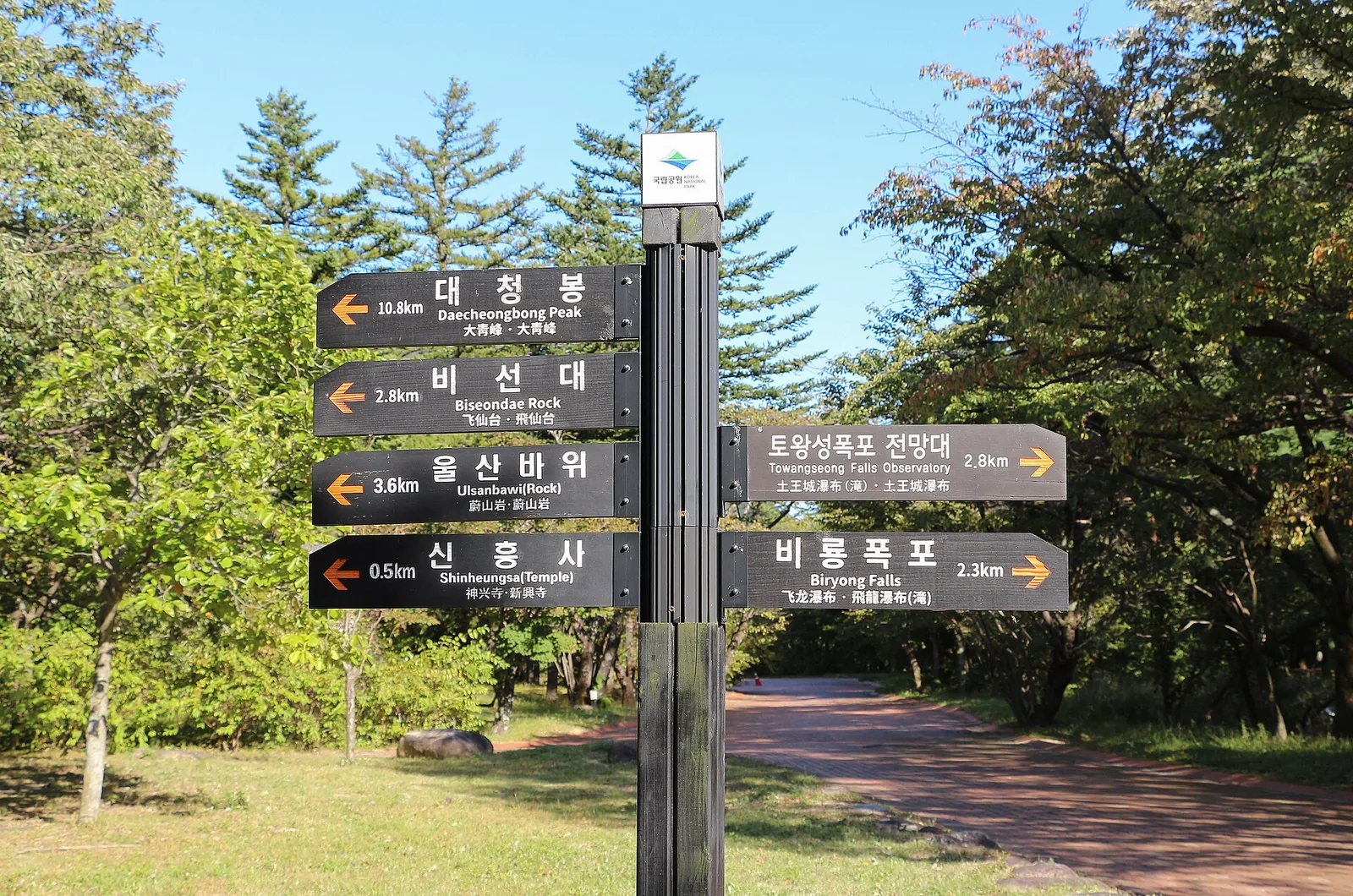
A signpost at a trail junction in Seoraksan National Park, with distances in kilometres to the main sights.
Photograph: Bernard Gagnon — opens in a new tab · CC0 — opens in a new tab
Changes: Resized and converted to WebP; displayed with responsive crops. · Original photograph and licence details ↗ — opens in a new tab
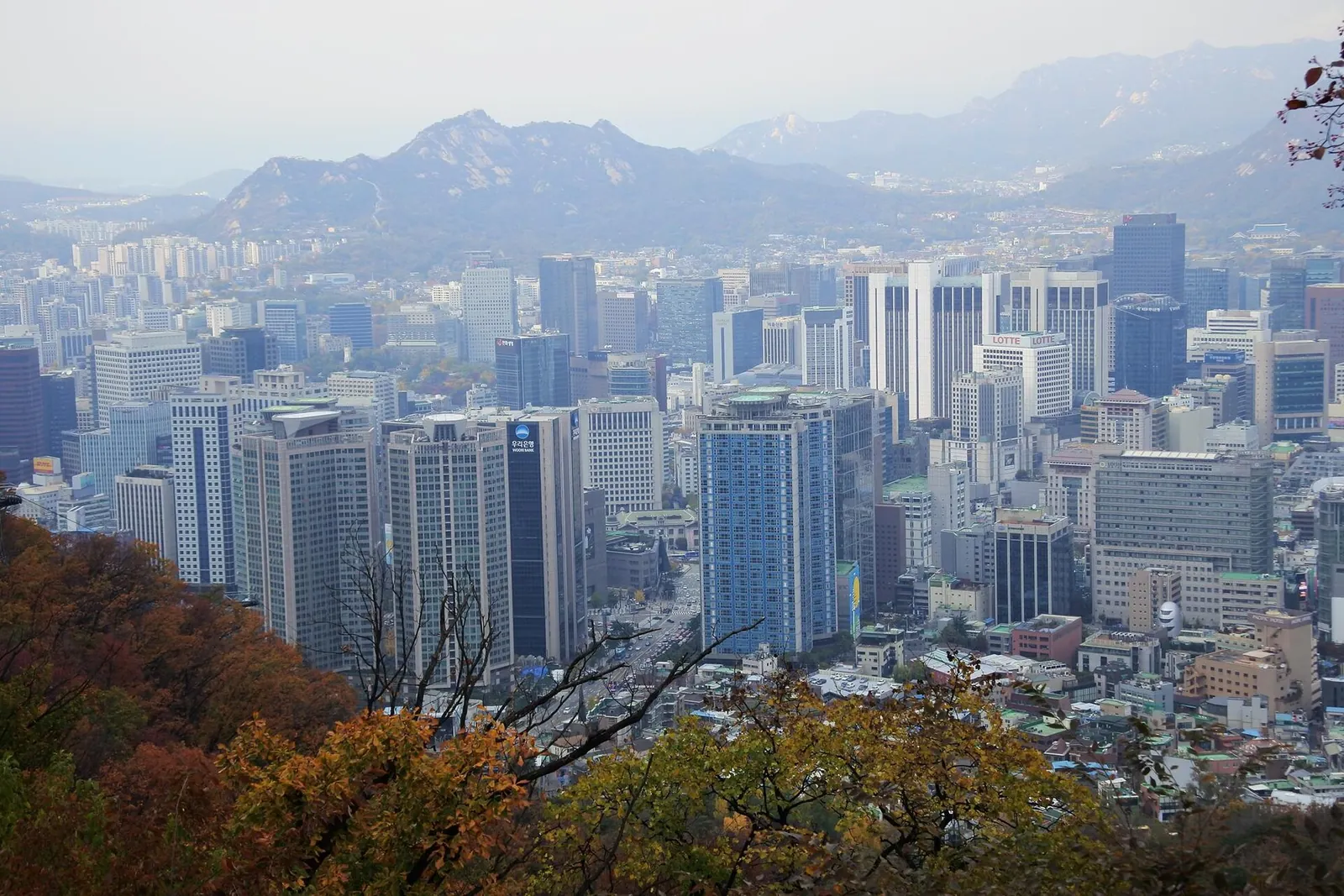
Central Seoul and the mountains to the north seen from Namsan Park on an autumn afternoon, with haze over the towers.
Photograph: Ken Eckert — opens in a new tab · CC BY-SA 4.0 — opens in a new tab
Changes: Resized and converted to WebP; displayed with responsive crops. · Original photograph and licence details ↗ — opens in a new tab
Low cloud over the green slopes beside the Yeongsil trail in Hallasan National Park on Jeju.
Photograph: Basile Morin — opens in a new tab · CC BY-SA 4.0 — opens in a new tab
Changes: Resized and converted to WebP; displayed with responsive crops. · Original photograph and licence details ↗ — opens in a new tab
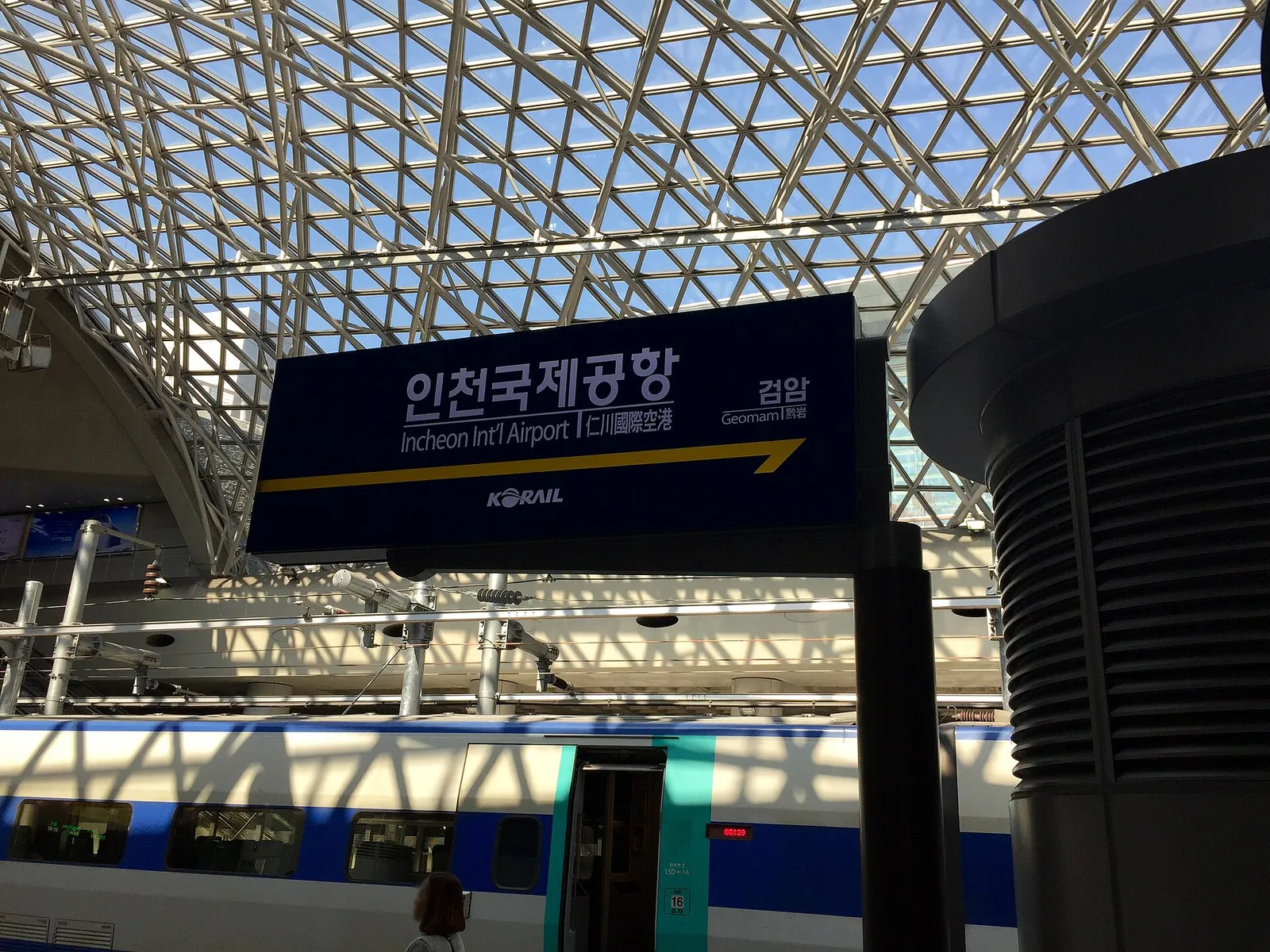
The station name board at Incheon International Airport on the Airport Railroad, with a train below it.
Photograph: 안우석 — opens in a new tab · CC BY-SA 3.0 — opens in a new tab
Changes: Resized and converted to WebP; displayed with responsive crops. · Original photograph and licence details ↗ — opens in a new tab
The first 119 ambulance of Seoul's fire service, a 1983 vehicle, parked in front of a fire station; the photo comes from the fire headquarters' history archive.
Photograph: 서울특별시 소방재난본부 — opens in a new tab · CC BY-SA 4.0 — opens in a new tab
Changes: Resized and converted to WebP; displayed with responsive crops. · Original photograph and licence details ↗ — opens in a new tab