Toyama and Nagano
Tateyama Kurobe Alpine Route: season, tickets, direction and luggage
The Tateyama Kurobe Alpine Route crosses the Northern Alps between Toyama and Nagano on a chain of six vehicles: a cable car, a highland bus, an electric bus through a tunnel under Mt. Tateyama, a ropeway with no towers, an underground cable car and a second tunnel bus past Kurobe Dam. Along the way it reaches Murodo, at 2,450 metres, where the snow corridor stands in spring and a crater lake mirrors the peaks in summer. It runs only from mid-April to the end of November. This guide covers the season, the direction, the tickets, the sights at each stop and the luggage.
In this guide
Find the location ↗ — opens in a new tabThe short answer
Ride it one way as a full day from Toyama to Shinano Omachi or the reverse, with a night at a gateway before you start; add a night at a Murodo mountain lodge if you want sunrise on the plateau. The 2026 route season is 15 April to 30 November, and its same-day luggage forwarding ended on 8 November. The operator expects to reopen in mid-April 2027; exact 2027 dates were unpublished when we checked on 10 November 2026. A one-way adult ticket costs ¥10,940 from Tateyama Station to Ogizawa, or ¥14,360 from Dentetsu Toyama to Shinano Omachi. A web ticket reserves the cable car from Tateyama or the bus from Ogizawa, the two departures with timed boarding. Allow 6 to 8 hours from Tateyama to Ogizawa with stops. Come from mid-April to late June for the snow walls, and mid-September to early November for autumn colour.
- Suggested time
- One day for the crossing; a gateway night before it, plus an optional night on the route
- Where to stay
- Toyama (Dentetsu Toyama Station) on the west side, Shinano Omachi or Omachi Onsen on the east; Murodo for a night on the route
- Season and timing
- Open from 15 April to 30 November in 2026 and closed in winter. Snow walls from mid-April to late June, Kurobe Dam's water release from 26 June to 15 October, autumn colour from mid-September to early November; the highland bus on the Toyama side may stop for snow in November.
The route in one line, and how long it takes
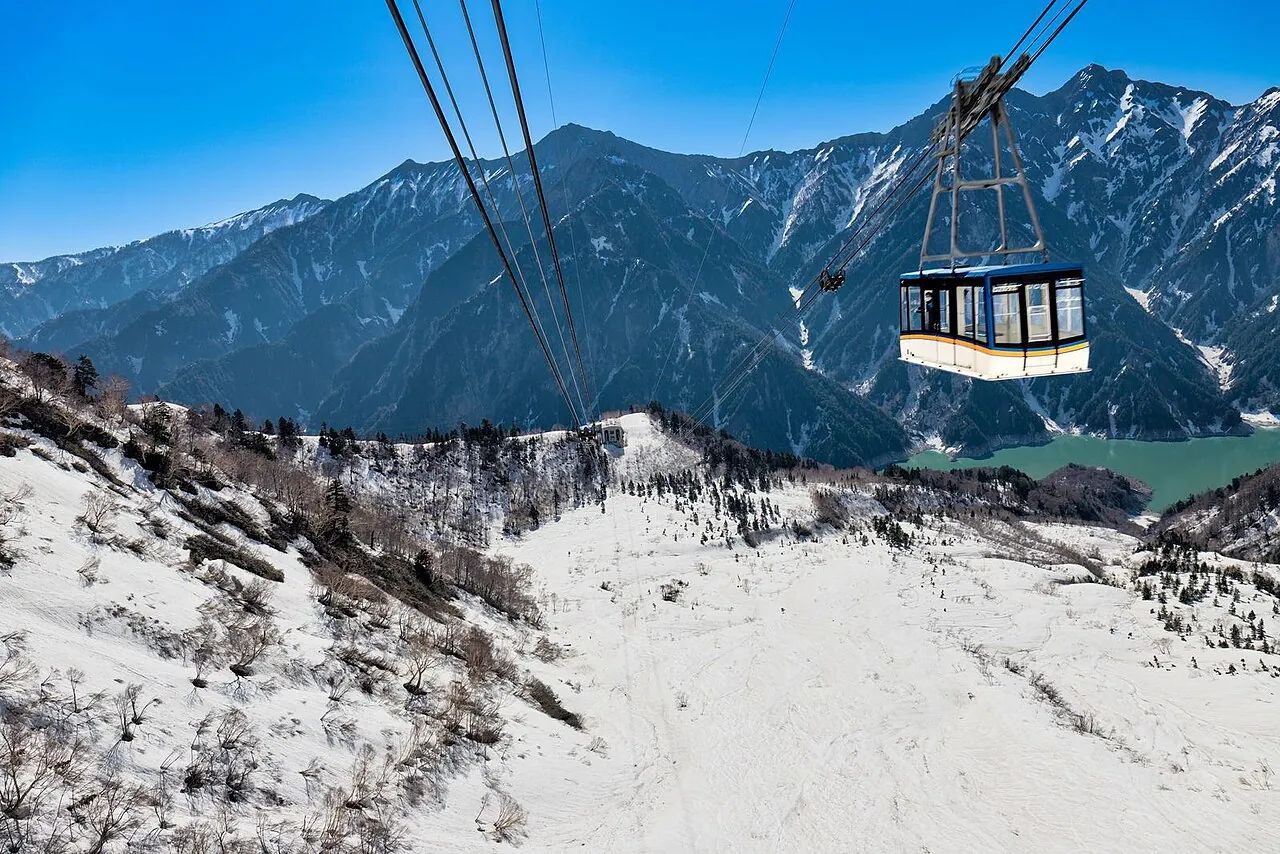
The route runs between Tateyama Station on the Toyama side and Ogizawa on the Nagano side, and JNTO puts its length at 37.2 km. In order from west to east, the operator lists: the Tateyama Cable Car to Bijodaira (7 minutes), the Tateyama Highland Bus to Murodo (50 minutes), the Tateyama Tunnel Electric Bus through Mount Tateyama to Daikanbo (10 minutes), the Tateyama Ropeway to Kurobedaira (7 minutes), the Kurobe Cable Car underground to Kurobeko (5 minutes), a walk across Kurobe Dam, and the Kanden Tunnel Electric Bus to Ogizawa (16 minutes). The east-to-west trip uses the same chain in reverse. Cars are not allowed between Tateyama Station and Ogizawa.
Riding time adds up to under two hours, but the operator says Tateyama Station to Ogizawa usually takes 6 to 8 hours, including transfers and sightseeing, and more in the snow-wall season and on Japanese holidays. The summer timetable, which ran from 15 April to 3 November 2026, had a 07:20 cable car from Tateyama connecting to Ogizawa at 10:21 without sightseeing stops. Start in the morning. From 4 to 30 November 2026, the last through departures are the 13:50 cable car from Tateyama (Ogizawa at 16:51) and the 14:00 bus from Ogizawa (Tateyama at 16:37), subject to snow disruption. These are final connections, with little time for sightseeing.
The approaches are separate: the Toyama Chihou Railway from Dentetsu Toyama, next to JR Toyama Station, takes 65 minutes to Tateyama Station; on the east side, the local bus from Ogizawa to Shinano Omachi takes 40 minutes and the express bus to Nagano Station 100 minutes. The last express bus to Nagano leaves Ogizawa at 17:00 on both the main-season and November 2026 timetables. The November timetable warns of roadworks between Ogizawa and Nagano that can add delays.
Which direction to ride
Neither direction is better for the views; choose by where you come from and where you go next. JNTO puts Toyama about 2 hours from Tokyo on the Hokuriku Shinkansen, and about 3 hours from Osaka or Kyoto with the Thunderbird to Tsuruga and the shinkansen on from there. Kanazawa is 20 minutes from Toyama on the shinkansen, and the Hida limited express links Toyama and Takayama in about 1 hour 30 minutes. So west to east suits a trip that comes from Kyoto, Kanazawa or Takayama and continues to Matsumoto, Nagano or Tokyo.
East to west suits the reverse: from Tokyo or Nagano to Shinano Omachi or Ogizawa, over the mountains, and on to Toyama, Kanazawa or Takayama. Starting from Ogizawa also puts Kurobe Dam at the beginning of the day.
Only two departures need a reserved boarding time: the Tateyama Cable Car leaving Tateyama Station and the Kanden Tunnel Electric Bus leaving Ogizawa. Everything else is first come, first served, so you queue at each transfer; the highland bus needs a re-boarding reservation if you get off at Midagahara or Tengudaira. From 11 to 30 November 2026 the highland bus runs directly between Bijodaira and Murodo without intermediate stops.
Tickets: web tickets, same-day tickets and the area pass
There are three ways in. A web ticket bought in advance on the official site reserves your boarding time with the ticket, and you collect it from a ticket machine before boarding. A travel-agency ticket has to be exchanged, and the boarding time reserved, at the station on the day. A same-day ticket is sold only at the route's stations on the day of travel, never the day before; the operator retains same-day tickets when web tickets sell out, but your preferred departure may be full and same-day tickets can also sell out. The ticket window at Tateyama Station opens 20 minutes before the first departure and at Ogizawa 40 minutes before. At Dentetsu Toyama, it usually opens at 7:30, sometimes as early as 5:00; that Alpine Route ticket counter closes during the winter timetable, so early or November travellers buy the train ticket first and the route ticket at Tateyama. The operator’s current notice closes web-ticket booking at 15:00 on the day before departure.
One-way and round-trip tickets cover every section to your destination. For an overnight stay on the route, a ticket is valid for 5 days from first use; same-day tickets otherwise must be used on their printed date and time. They do not give unlimited rides. Cards are accepted at the main stations from Dentetsu Toyama to Ogizawa. On the busiest days, from the April opening to early May, in mid-August and in early October, the operator says sales of some tickets may be restricted.
Fares on the operator's table, current as of 27 February 2026, one way, for adults (12 and over) and children (6 to 11); children under 6 ride free:
- Tateyama Station to Ogizawa: ¥10,940 adult, ¥5,480 child; round trip ¥19,680 and ¥9,840.
- Dentetsu Toyama to Shinano Omachi: ¥14,360 adult, ¥7,190 child, including the train and the bus at either end.
- Dentetsu Toyama to Nagano: ¥16,660 adult, ¥8,340 child.
- Tateyama Station to Murodo, for the snow wall or the plateau: ¥4,090 adult one way, ¥7,380 round trip.
- Ogizawa to Kurobe Dam (Kurobeko): ¥1,800 adult one way, ¥3,200 round trip.
The Alpine-Takayama-Matsumoto pass
JR Central's Alpine-Takayama-Matsumoto Area Tourist Pass turns the crossing into a loop from Nagoya. It costs ¥24,500 for adults and ¥12,250 for children for 5 consecutive days, and covers non-reserved seats on JR trains from Nagoya to Toyama via Takayama and from Shinano Omachi back to Nagoya via Matsumoto, the Toyama Chihou Railway to Tateyama, and the whole route from Dentetsu Toyama to Shinano Omachi. Reserved seats on JR conventional trains can be booked up to four times. It is sold only to foreign visitors with Temporary Visitor status: the holder needs a passport issued outside Japan with the Temporary Visitor stamp or seal received at immigration (ask the staff for one if you use the automated gates), must collect the pass in person and show that passport and the credit card used to book and the reservation number, and cannot transfer it to anyone else.
The 2026 pass applied to travel from 15 April to 10 November 2026 and is no longer sold; the 2027 pass had not been announced when we checked on 10 November 2026. It is booked through JR-WEST ONLINE TRAIN RESERVATION, up to one month before travel. Compare it with separate tickets if Nagoya is your start and end; the saving depends on the JR journeys you take.
Murodo: the snow corridor and Mikurigaike
Murodo, at 2,450 metres, is the high point of the route, and JNTO calls its transit station Japan’s highest. Hotel Tateyama ended its accommodation service on 31 August 2026; its restaurants and shop remain open. Temperatures there are about 15°C lower than at sea level: the operator's average highs are 6°C in April, 14°C in June, 18°C in August and 10°C in October, with lows of −3°C in April and −5°C in November. Bring a warm layer in every month.
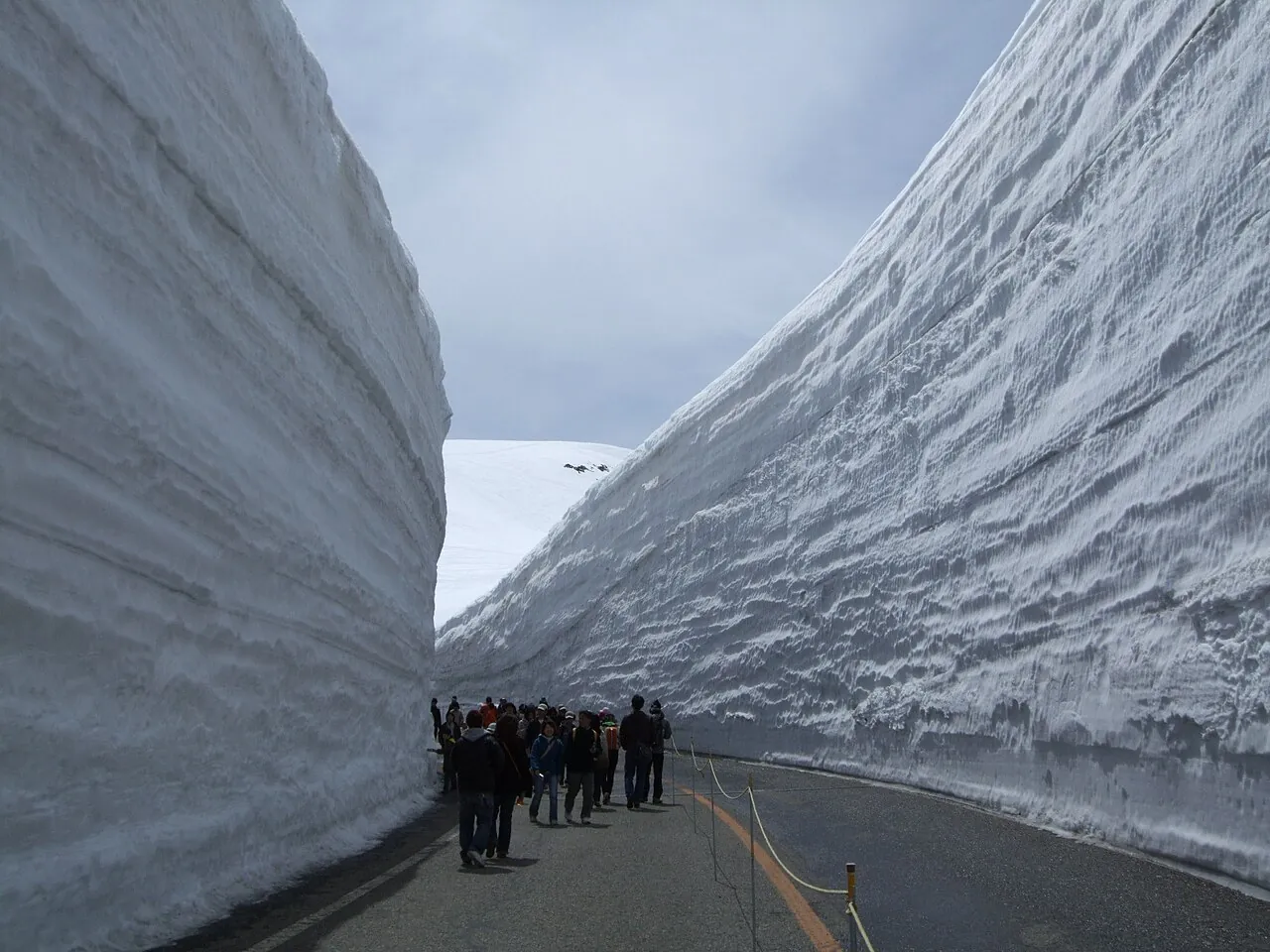
In spring the highland bus runs between walls of snow near Murodo. JNTO describes snow walls up to 20 metres high, and the operator says the highest point of the snow wall is a 15-minute walk from the entrance at Murodo bus terminal and can be seen from mid-April until late June. The walls are highest at the April opening.
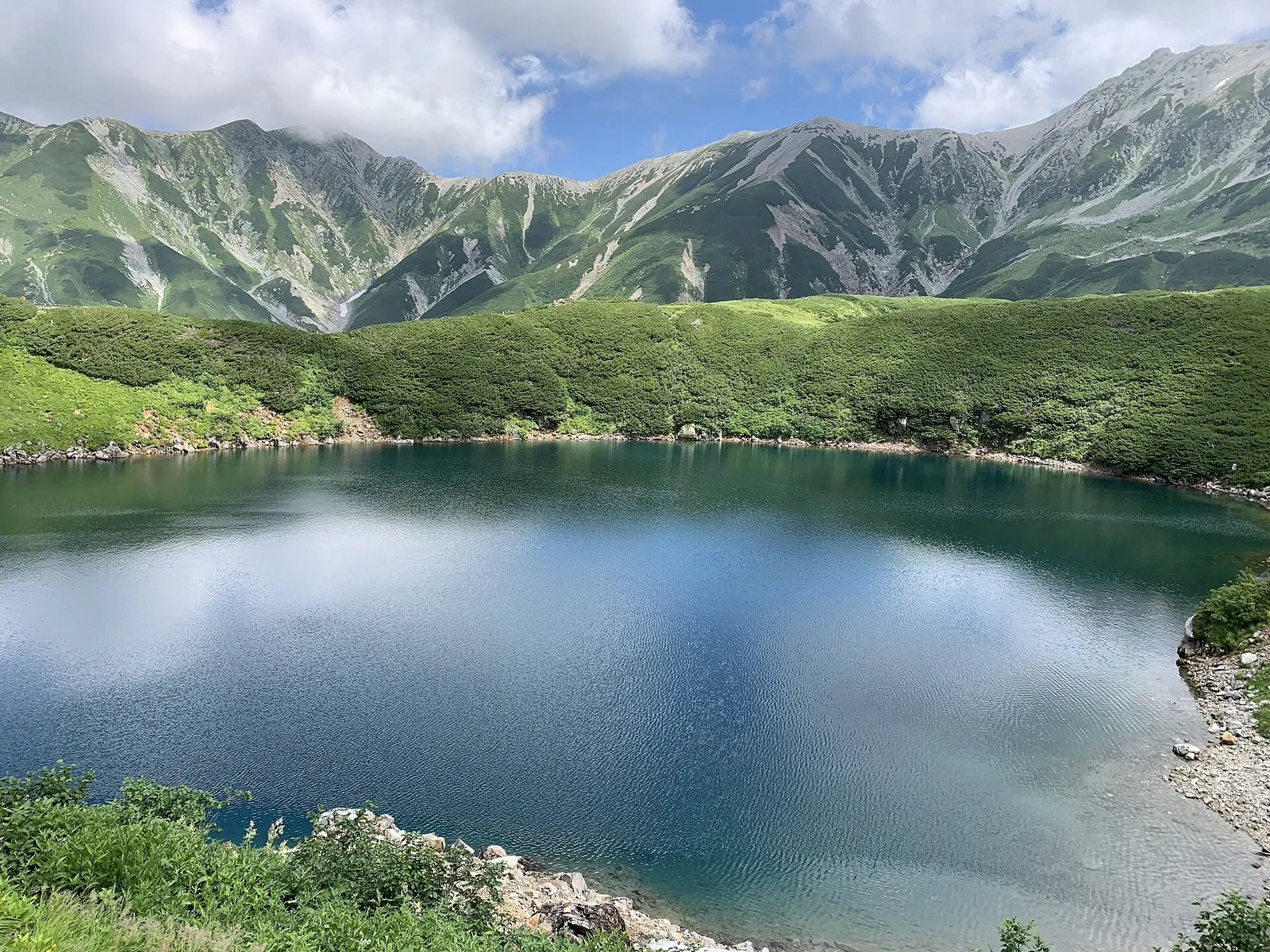
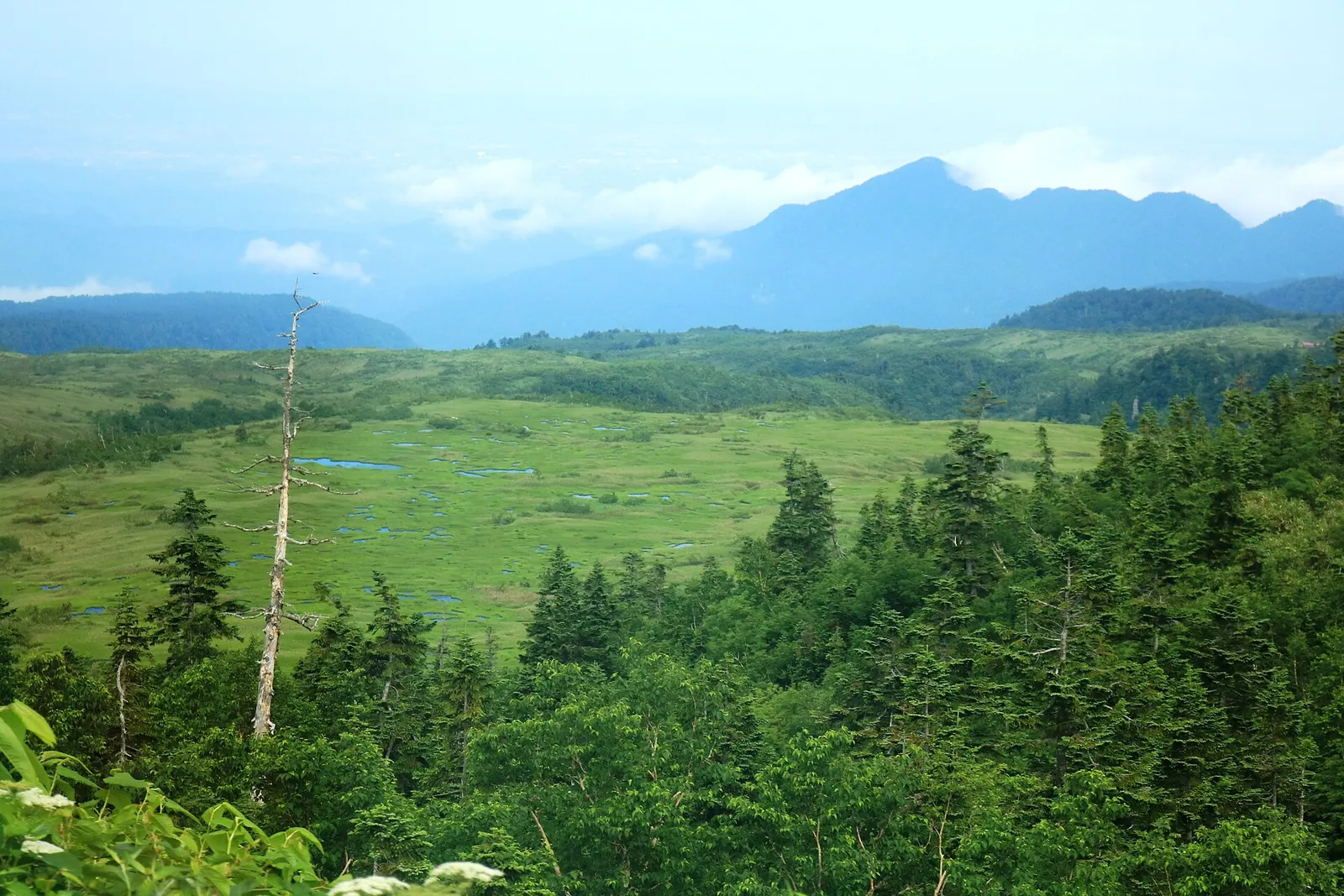
From summer, the plateau is open ground for walking. Mikurigaike, a crater pond that reflects the Tateyama peaks, is about 15 minutes from Murodo Station: up the stairs to the roof and left. Murodo has several trails, and Midagahara and Bijodaira have more. Drones are not allowed anywhere on the route.
For a night on the plateau, Mikurigaike Onsen lists 2026 stays until 24 November, with advance booking required. It is about 15 minutes from Murodo Terminal along a path with stone steps. Its Japanese booking page lists adult dormitory beds at ¥13,000 to ¥14,200 per person per night including dinner, breakfast and taxes; rates were checked on 1 November 2026. From 4 November, the lodge requires winter mountaineering equipment even for the walk from the terminal, and accepts bookings only through its own site or by phone.
Kurobe Dam
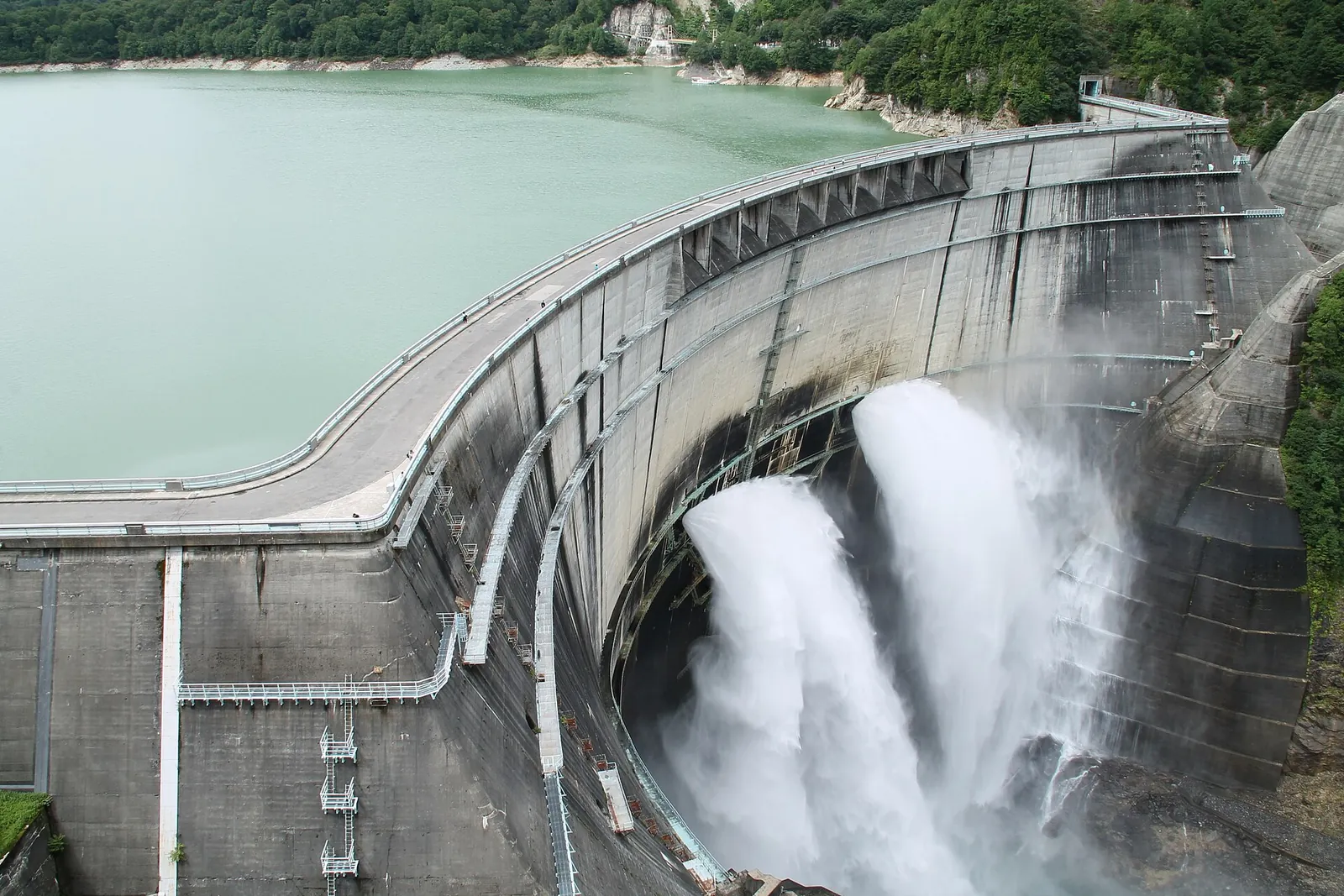
At 186 metres, Kurobe Dam is Japan's tallest dam and its largest arch dam, finished in 1963 after seven years of work in which, JNTO notes, 171 people died; it feeds the Kurobe No.4 power station. You walk across its crest between the Kurobe Cable Car and the Kanden tunnel bus, with the lake on one side and the gorge on the other.
From 26 June to 15 October the dam releases water for sightseeing all day, weather permitting, in a plume of spray below the crest. Climb the 220 steps from Kurobe Dam Station to the observation deck for the full view of the dam and the lake, and leave time for the climb in your day plan.
Sending your luggage around the mountains
Many transfers on the route involve stairs, there are few lifts (only at Ogizawa Station and the nature conservation centre at Murodo), and the operator recommends compact strollers. Use the route’s same-day baggage forwarding while it operates, and cross with a day pack. After its season ends, arrange to send large bags ahead before reaching the route.
The 2026 service period is 15 April to 8 November, shorter than the route's own season. Between Dentetsu Toyama Station or the listed hotels near Tateyama Station and Shinano Omachi Station or Omachi Onsen it costs ¥4,000 per item, tax included; the short hops from Dentetsu Toyama to the Tateyama hotels, or from Shinano Omachi to Omachi Onsen, cost ¥2,000. Payment is cash only, and no other routes are served. Cash, valuables and fragile or damage-prone items cannot be forwarded, and weather or road conditions can delay or cancel the service.
No reservation is needed; arrive at the counter 20 to 30 minutes before your departure. At Dentetsu Toyama Station bags are received from 5:00 to 10:00 and collected at Shinano Omachi from 15:00 to 17:45; going the other way, Shinano Omachi receives from 7:40 to 10:30 and Dentetsu Toyama returns them from 15:30 to 18:00. Guests of the listed hotels hand bags in by 8:30 and collect them after 16:30. Fill in a tag with a Japanese mobile number. Coin lockers are at Tateyama, Bijodaira, Midagahara, Murodo, Kurobe Dam and Ogizawa stations, and there are no ATMs anywhere on the route.
When to go
The season splits into three. Mid-April to late June is the snow corridor, a particularly busy time, especially at the opening and in early May. Summer brings open walking at Murodo, and from 26 June the water release at Kurobe Dam. Mid-September to early November is autumn colour, which moves down the mountain through the 2,000 metres of height the route spans.
November is the edge of winter. The 2026 winter timetable takes effect on 4 November, and the operator warns that the highland bus on the Toyama side may be suspended by snowfall, especially from mid-November. It recommends entering from Ogizawa in November. Keep a spare day or a plan to return to the same gateway.
What to eat and where to look
Masu zushi
Trout or cherry salmon, salted and pickled in vinegar, pressed onto rice, wrapped in bamboo leaves and sold in round wooden tubs. It became famous as a station lunch box in the Taisho era (1912–1926).
- Where to look
- Toyama Station's shops and the masu zushi makers of Toyama city.
- Fit it into your day
- Buy one before leaving Toyama and follow the package’s storage instructions.
Raw, cured fish.
White shrimp (shiro-ebi)
Small, translucent shrimp of 6 to 7 cm that Toyama's tourism organisation calls the jewel of Toyama Bay, landed at Iwase and Shinminato. They are eaten peeled as sashimi or deep-fried whole with their soft shells. The fishing season runs from April to November.
- Where to look
- Seafood and sushi restaurants in Toyama city.
- Fit it into your day
- Dinner in Toyama the night before or after the crossing.
Shellfish.
Toyama black ramen
Ramen in a broth stained black with dark soy sauce and topped with coarse black pepper, first served in Toyama City in 1947 to labourers, with rice on the side, to replace the salt they sweated out. It is salty by design.
- Where to look
- Ramen shops in central Toyama.
- Fit it into your day
- A late lunch after coming down on the Toyama side.
Firefly squid (hotaru-ika)
Small squid of 5 to 7 cm that rise from deep water to spawn along Toyama Bay in spring; they are caught in fixed nets and served boiled with vinegared miso or as sashimi. The season runs from March to May, overlapping the first snow-wall weeks.
- Where to look
- Seafood restaurants in Toyama city in spring.
- Fit it into your day
- With a spring crossing, the evening before in Toyama.
Seafood.
Practical questions
When is the Tateyama Kurobe Alpine Route open?
From 15 April to 30 November in 2026; it closes in winter. The operator expects a mid-April 2027 reopening, but exact dates were unpublished at our 1 November 2026 check.
How much does the Alpine Route cost?
On the operator's fare table, one way for an adult: ¥10,940 from Tateyama Station to Ogizawa, and ¥14,360 from Dentetsu Toyama to Shinano Omachi including the train and bus at each end. For children aged 6 to 11, those one-way fares are ¥5,480 and ¥7,190 respectively; under-6s ride free.
How long does the crossing take?
The operator says 6 to 8 hours from Tateyama Station to Ogizawa, including transfers and sightseeing. Add 65 minutes for the train from Dentetsu Toyama and 40 minutes for the bus to Shinano Omachi.
When can I see the snow wall?
From mid-April to late June; its highest point is a 15-minute walk from the designated entrance near Murodo bus terminal. The walls are highest at the April opening.
Can I send my suitcase across the route?
Yes, with the same-day baggage forwarding service between Dentetsu Toyama or the listed Tateyama hotels and Shinano Omachi or the listed Omachi Onsen hotels: ¥4,000 per item, cash only, with no reservation. In 2026 it runs from 15 April to 8 November.
Do I need to book the Alpine Route in advance?
A web ticket bought in advance reserves your boarding time on the Tateyama cable car or the Ogizawa electric bus, the two timed departures. The operator retains same-day tickets when web tickets sell out, but your preferred time may be full and same-day tickets can also sell out.
Keep planning your trip
Nagoya
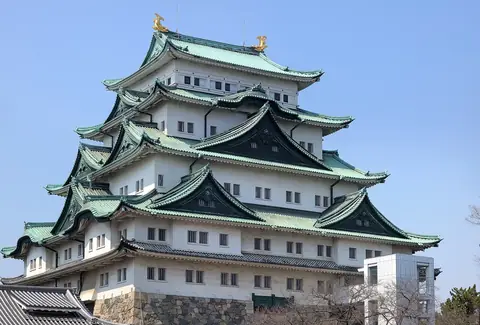
Whether Nagoya earns a night between Tokyo and Kyoto: the rebuilt Hommaru Palace while the castle keep is shut, Atsuta Jingu, Osu, two museums and the food.
Read the guide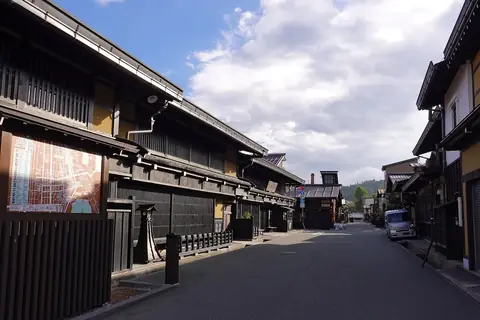
Takayama
How many nights Takayama needs, where to sleep (station, old town or Okuhida Onsen), the morning markets, festival floats and the bus to Shirakawa-go.
Read the guide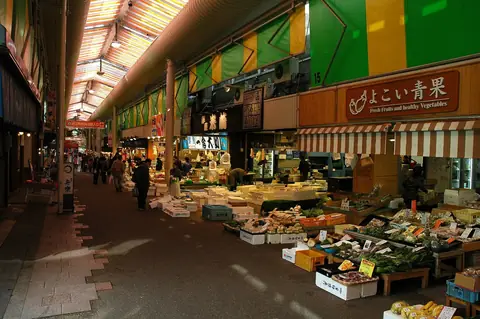
Kanazawa
Whether Kanazawa is worth the detour between Tokyo and Kyoto, how many nights to give it, where to sleep, and how to fit the garden, museums and Shirakawa-go.
Read the guide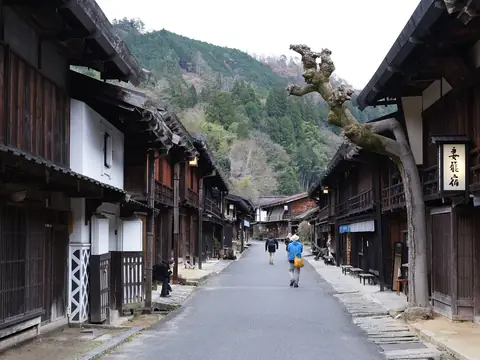
Japanese Alps in 6 days
A six-day loop from Nagoya: the Magome–Tsumago walk, two nights in Takayama, a Shirakawa-go farmhouse night and Kanazawa, plus the buses, pass and bookings.
Read the guide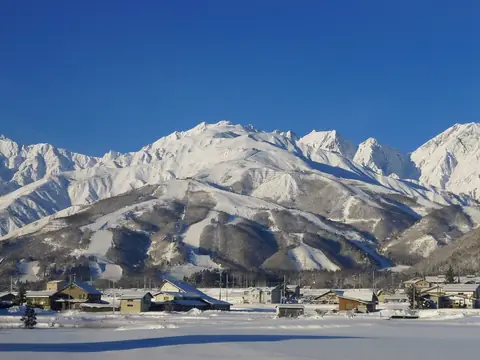
Hakuba
Plan a Hakuba ski week: the ten resorts, whether the 2026–27 valley pass pays, which village to sleep in, and the shinkansen and bus from Tokyo.
Read the guide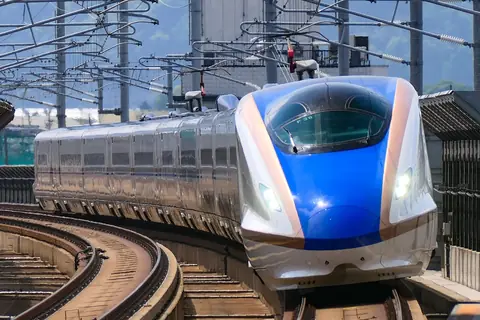
Japan Rail Pass
Whether the 7-day Japan Rail Pass pays for your route, worked out with official fares, plus Nozomi rules, regional JR passes, smartEX and how to use the pass.
Read the guideSources and checks before you travel
(24)
- Tateyama Kurobe Alpine Route: home page ↗ — opens in a new tab
- Tateyama Kurobe Alpine Route: modes of transportation ↗ — opens in a new tab
- Tateyama Kurobe Alpine Route: FAQ ↗ — opens in a new tab
- Tateyama Kurobe Alpine Route: fares ↗ — opens in a new tab
- Tateyama Kurobe Alpine Route: same-day tickets ↗ — opens in a new tab
- Tateyama Kurobe Alpine Route: timetables ↗ — opens in a new tab
- Tateyama Kurobe Alpine Route: timetable Dentetsu Toyama to Nagano, 15 April to 3 November 2026 (PDF) ↗ — opens in a new tab
- Tateyama Kurobe Alpine Route: winter schedule from 4 November ↗ — opens in a new tab
- Tateyama Kurobe Alpine Route: baggage forwarding ↗ — opens in a new tab
- Tourist Pass (JR Central): Alpine-Takayama-Matsumoto Area online, qualifications of use (PDF) ↗ — opens in a new tab
- Tourist Pass (JR Central): Alpine-Takayama-Matsumoto Area Tourist Pass ↗ — opens in a new tab
- JNTO: Toyama ↗ — opens in a new tab
- JNTO: Tateyama Kurobe Alpine Route (Toyama) ↗ — opens in a new tab
- JNTO: Kurobe Dam ↗ — opens in a new tab
- Toyama Tourism Organization: Toyama gourmet ↗ — opens in a new tab
- Visit Kanazawa (Kanazawa City Tourism Association): getting to Kanazawa ↗ — opens in a new tab
- JNTO: Tateyama and Kurobe ↗ — opens in a new tab
- Tateyama Kurobe Alpine Route: November 2026 west-to-east timetable (PDF) ↗ — opens in a new tab
- Tateyama Kurobe Alpine Route: November 2026 east-to-west timetable (PDF) ↗ — opens in a new tab
- Hotel Tateyama: accommodation closure ↗ — opens in a new tab
- Mikurigaike Onsen: stays and booking ↗ — opens in a new tab
- Mikurigaike Onsen: access ↗ — opens in a new tab
- Tateyama Kurobe Alpine Route: same-day availability notice, 30 October 2026 ↗ — opens in a new tab
- JNTO: Mikurigaike Pond ↗ — opens in a new tab
Reference sources for the version dated 10 November 2026. Confirm opening times, access, transport and conditions for your travel dates.
Photo credits
(5)
Mikurigaike, the crater pond a short walk from Murodo, below the Tateyama range.
Photograph: Omou — opens in a new tab · CC BY-SA 4.0 — opens in a new tab
Changes: Resized and converted to WebP; displayed with responsive crops. · Original photograph and licence details ↗ — opens in a new tab
Kurobe Dam during its summer and autumn water release.
Photograph: foooomio — opens in a new tab · CC BY 2.0 — opens in a new tab
Changes: Resized and converted to WebP; displayed with responsive crops. · Original photograph and licence details ↗ — opens in a new tab
The snow corridor near Murodo in early May.
Photograph: Uryah — opens in a new tab · CC BY-SA 3.0 — opens in a new tab
Changes: Resized and converted to WebP; displayed with responsive crops. · Original photograph and licence details ↗ — opens in a new tab
The Tateyama Ropeway, which spans the slope from Daikanbo with no towers in between.
Photograph: くろふね — opens in a new tab · CC BY 4.0 — opens in a new tab
Changes: Resized and converted to WebP; displayed with responsive crops. · Original photograph and licence details ↗ — opens in a new tab
Midagahara seen from the Tateyama Highland Bus.
Photograph: Alpsdake — opens in a new tab · CC BY-SA 4.0 — opens in a new tab
Changes: Resized and converted to WebP; displayed with responsive crops. · Original photograph and licence details ↗ — opens in a new tab