Aichi
Nagoya travel guide: the castle palace, Atsuta, Osu and the food
Nagoya is the big city most travellers pass straight through: the shinkansen stops here between Tokyo and Kyoto, and the trains into the Japanese Alps start here. It rewards a night more than its reputation suggests. The castle's palace has been rebuilt with its painted screens, one of Japan's most important shrines stands in a grove south of the centre, Osu is a temple wrapped in shopping arcades, and the city eats differently from the rest of the country. This guide covers what to see, what is closed, how to get around and where to sleep.
In this guide
Find the location ↗ — opens in a new tabThe short answer
Book one night, or two if you want both museums, and sleep near Nagoya Station, where the shinkansen, the airport train and the Alps trains meet; Sakae suits evenings out. Give the first day to Nagoya Castle, where the main keep is closed and the rebuilt Hommaru Palace is the reason to go, then Osu Kannon and the Osu arcades; give the next morning to Atsuta Jingu. Castle admission is ¥1,000 for adults from 1 October 2026, and a Nagoya City Bus & Subway 1-Day Ticket is ¥870. From Chubu Centrair airport the Meitetsu μ-SKY reaches Nagoya in 29 minutes on Meitetsu’s current diagram, at ¥1,430 including the required ¥450 μticket.
- Suggested time
- 1 night, or 2 with the Toyota and railway museums
- Where to stay
- Nagoya Station area for trains and the airport; Sakae and Fushimi for restaurants and evenings
- Season and timing
- Nagoya is a year-round city stop. The castle is closed from 29 December to 1 January, and the Tokugawa Art Museum closes for the year-end from 14 December 2026 to 4 January 2027.
One night or two, and where to sleep
Nagoya sits in the middle of Honshu, and JNTO puts it 35 minutes from Kyoto, 50 minutes from Osaka and an hour and 40 minutes from Tokyo by bullet train. That is why most visitors use it as a hinge: a night here breaks the run from Tokyo to Kyoto, or starts a trip into the Alps, since the trains to the Kiso Valley and Takayama leave from Nagoya Station.
One night gives you an afternoon at the castle and Osu and a morning at Atsuta Jingu before you move on. Add a second night if trains or cars are part of why you came: the Toyota Commemorative Museum of Industry and Technology and the SCMAGLEV and Railway Park each fill a morning.
Sleep near Nagoya Station if you arrive by shinkansen or from the airport and leave early: the Meitetsu airport trains and the JR lines all use it, and the Toyota museum and the railway park are short rides away. Sakae, the city centre a few subway stops east, has the department stores, Oasis 21 and busy restaurant streets, and Osu lies at its southern end. Fushimi, between the two, puts you one stop from each.
Nagoya Castle: the palace while the keep is closed
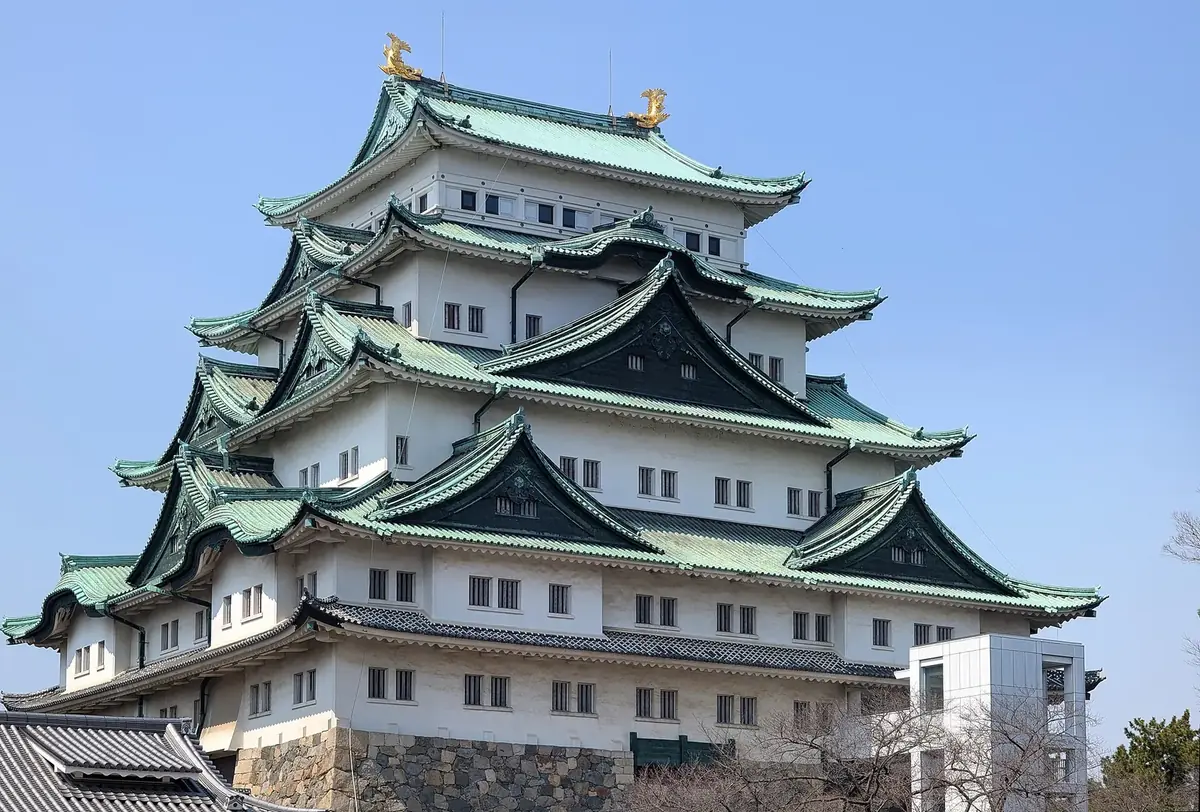
Tokugawa Ieyasu ordered the castle built in 1610, after winning at Sekigahara and becoming shogun, and for the 260 years of the Edo period it was the seat of the Owari branch of the Tokugawa family. The keep, completed in 1612 and topped with golden shachihoko (tiger-fish ornaments), burned in the air raids of 1945 and was rebuilt in reinforced concrete after the war. That keep is closed: the castle's own site says it is shut because of its age and concerns about its earthquake resistance, so you see it from the grounds.
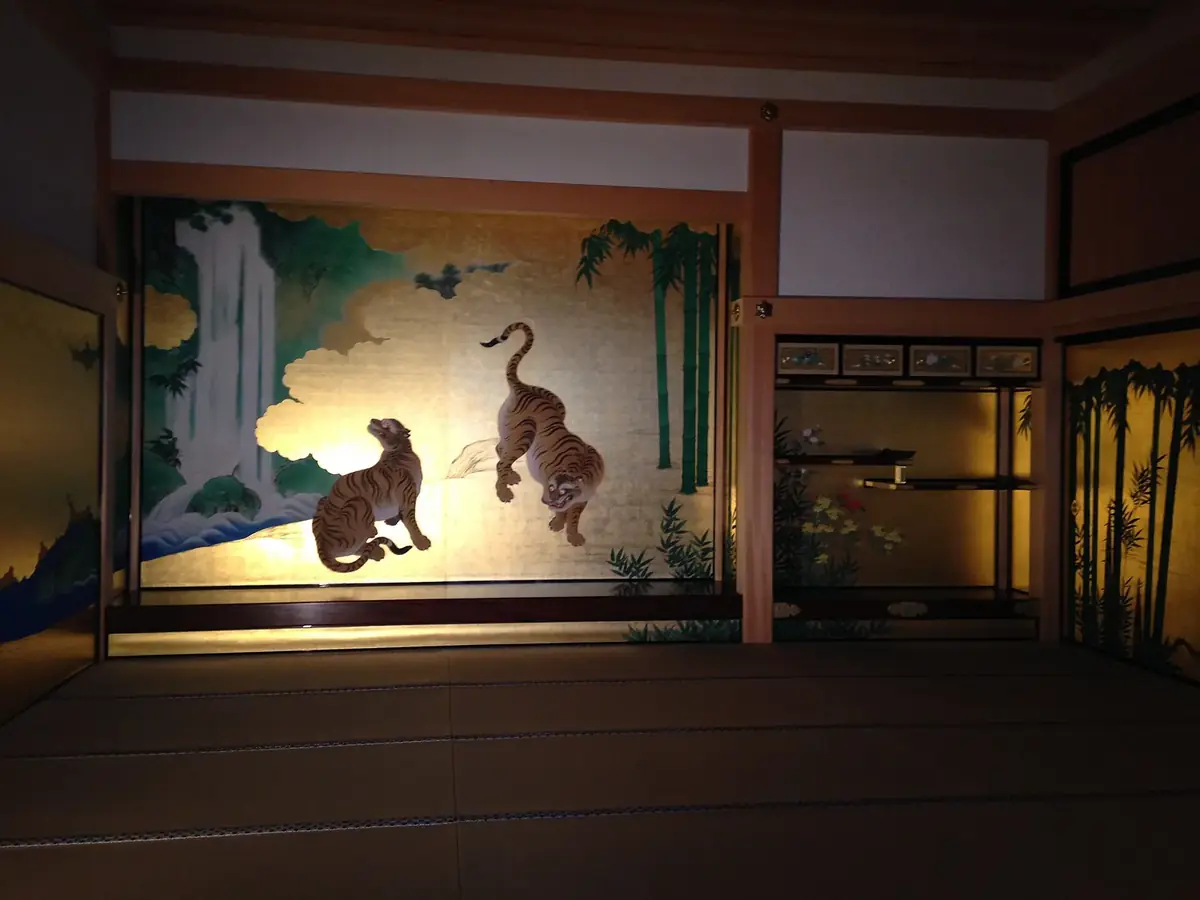
The reason to come is the Hommaru Palace. Completed in 1615 as the residence and offices of the Owari Tokugawa, it was one of the first castle buildings designated a National Treasure, was destroyed in 1945, and was rebuilt from Edo-period plans and opened in 2018. Inside, the entrance hall’s sliding screens show tigers and leopards on gold leaf, while the reception rooms depict the seasons in Kyoto and Wakayama. The castle also keeps two watchtowers on the corners of the main enclosure: the southeast tower dates from 1612 and the southwest from around 1612.
The castle is open from 9:00 a.m. to 4:30 p.m., with entry to the grounds until 4:00 p.m. and last admission to the Hommaru Palace and the Nishinomaru Okura Museum at 4:00 p.m. at their own entrances. The palace is about a 10-minute walk from the Main or East Gate, so arrive at the gate by 3:45 p.m. at the latest. It is closed from 29 December to 1 January.
Admission changed on 1 October 2026: ¥1,000 for adults, ¥300 for Nagoya City senior citizens with a Senior Citizen Handbook, and free for children of junior-high age and younger. You can pay in cash, by card or with a transport IC card at the ticket counter; the adult combination ticket with Tokugawaen garden is ¥1,040 and is sold for cash only. Free English-speaking tours by the Aichi Goodwill Guides Network leave the Main Gate and the East Gate at 12:30 daily, except from 29 December to 4 January, with no booking needed. The nearest stations are Nagoyajo (M07) on the Meijo subway line and Sengencho (T05) on the Tsurumai line.
Atsuta Jingu, the shrine of the sacred sword
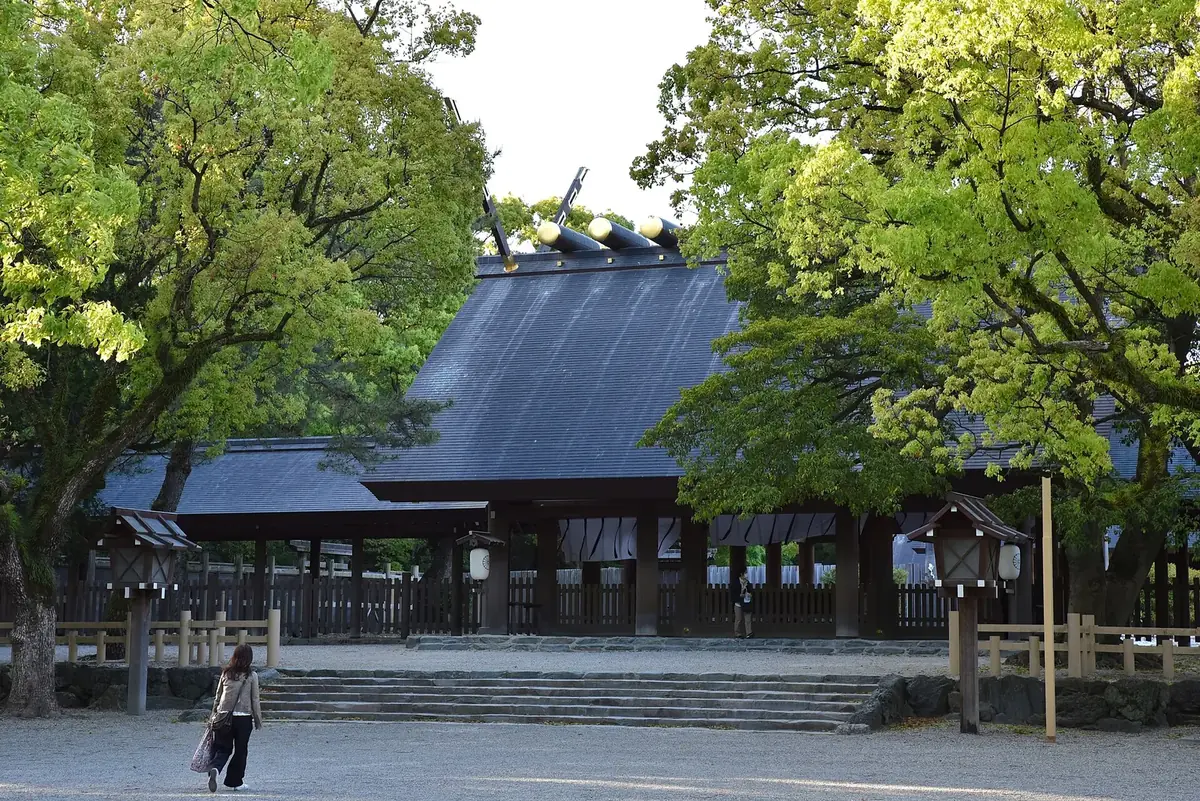
Aichi's tourism site calls Atsuta Jingu the second most revered Shinto shrine in Japan after Ise. It holds the Kusanagi-no-Tsurugi, the sword that is one of the three Imperial Regalia, enshrined here, by tradition, about 1,900 years ago. The sword is never shown. What you see is a grove of about 60,000 square metres, JNTO's figure, with a camphor tree said to be 1,000 years old, the main sanctuary behind its fence and small shrines tucked into the trees.
The Treasure Hall shows swords from a collection of more than 6,000 objects, with National Treasures and Important Cultural Properties among them, on rotating display. The shrine grounds are free to enter and open 24 hours. Treasure Hall admission is ¥500 for adults. It opens from 9:00 a.m. to 4:30 p.m., with last admission at 4:10 p.m., and closes on the last Wednesday of each month and the day after, and from 25 to 31 December. The first days of January bring thousands of people for New Year prayers.
Atsuta Jingu is a three-minute walk from the West Exit of Jingu-mae Station on the Meitetsu line, or about eight minutes from JR Atsuta Station on the Tokaido line; both lines run from Nagoya Station. From the Meijo subway line, use Atsuta Jingu Nishi (Exit 2, 7 minutes) or Atsuta Jingu Tenmacho (Exit 1, 7 minutes).
Osu Kannon and the Osu arcades
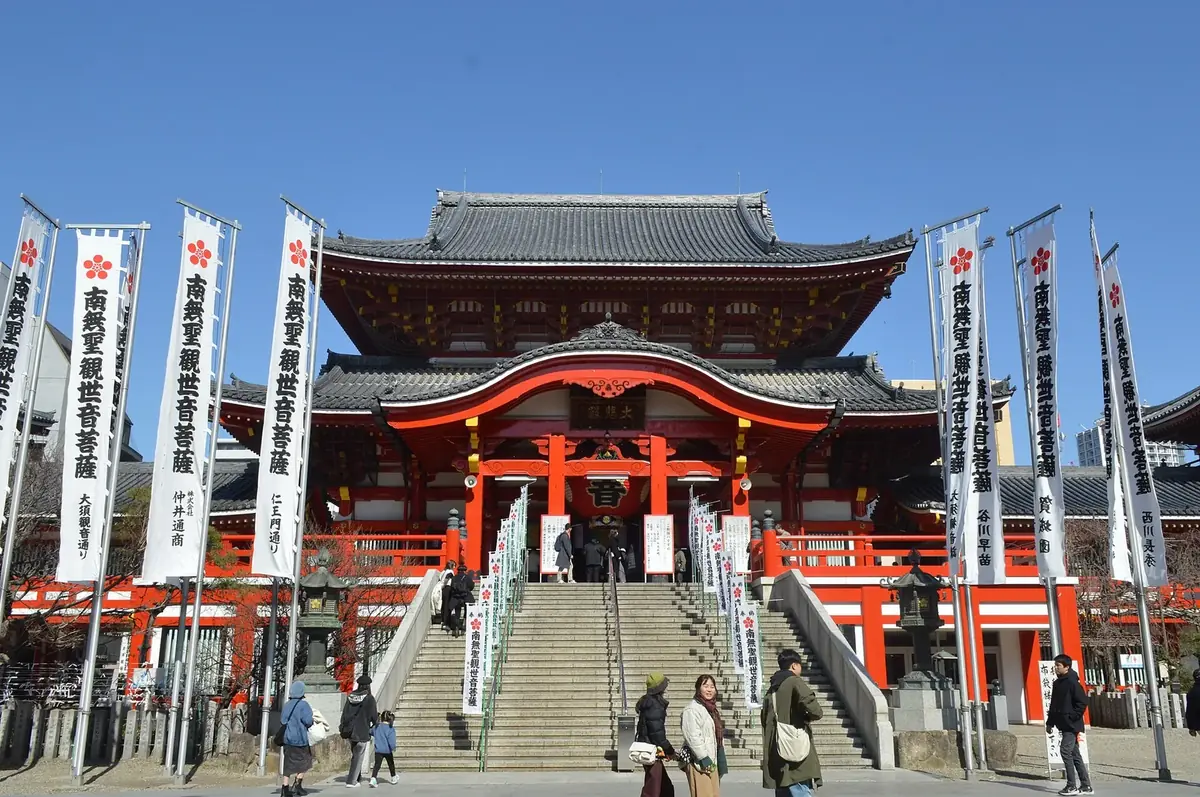
Osu Kannon was founded in Hashima in 1333 and moved here in 1612, on Tokugawa Ieyasu's orders, when Nagoya Castle was being built. The present red-pillared hall dates from 1970, after the wartime bombing. Its library holds more than 15,000 old Japanese and Chinese books, including the oldest surviving hand-written copy of the Kojiki, Japan's book of myths. On the 18th and 28th of every month an antiques fair fills the temple grounds with old kimono, pottery, books and toys. Entry is free; the main hall opens from 6:00 to 19:00 and the temple office from 9:00 to 17:00.
Around it, the Osu Shopping District at the southern end of Sakae has about 1,200 shops and restaurants under covered arcades: second-hand clothing, electronics, anime and game shops around the Osu Ameyoko Building, cafes, and stalls selling uiro, a steamed cake of rice flour and sugar. Kamimaezu Station on the Meijo line and Osu Kannon Station on the Tsurumai line both open onto the district.
On the fourth Friday of every month, the Nayabashi night market runs from about 4 p.m. to 9 p.m. by the Horikawa river near Fushimi, according to the city's tourism site.
The Tokugawa Art Museum and Tokugawaen
East of the centre, the Tokugawa Art Museum holds the collection of the Owari Tokugawa family, beside the Hosa Library and the Japanese garden of Tokugawaen. The museum suggests 60 to 90 minutes, and 15-minute introductions run in the entrance lobby at 10:30, 11:30, 1:30 p.m. and 2:30 p.m.
It opens from 10:00 to 17:00, with entry until 16:30, and closes on Mondays (on the next weekday when Monday is a holiday), and for the year-end from 14 December 2026 to 4 January 2027. Admission, which covers the museum and the Hosa Library, is ¥2,000 for adults and ¥1,200 for high-school and university students; elementary and junior-high pupils are free, and high-school students and younger are free on Saturdays. The garden is ¥150 extra.
From Nagoya Station, take the Kikan 2 city bus from stop 10 at the bus terminal to Tokugawaen Shindeki, about 30 minutes and a 3-minute walk, or the JR Chuo line to Ozone, about 20 minutes and a 10-minute walk from the south exit. The Me-guru sightseeing bus also stops there.
Looms, cars and the maglev: two museums for a second morning
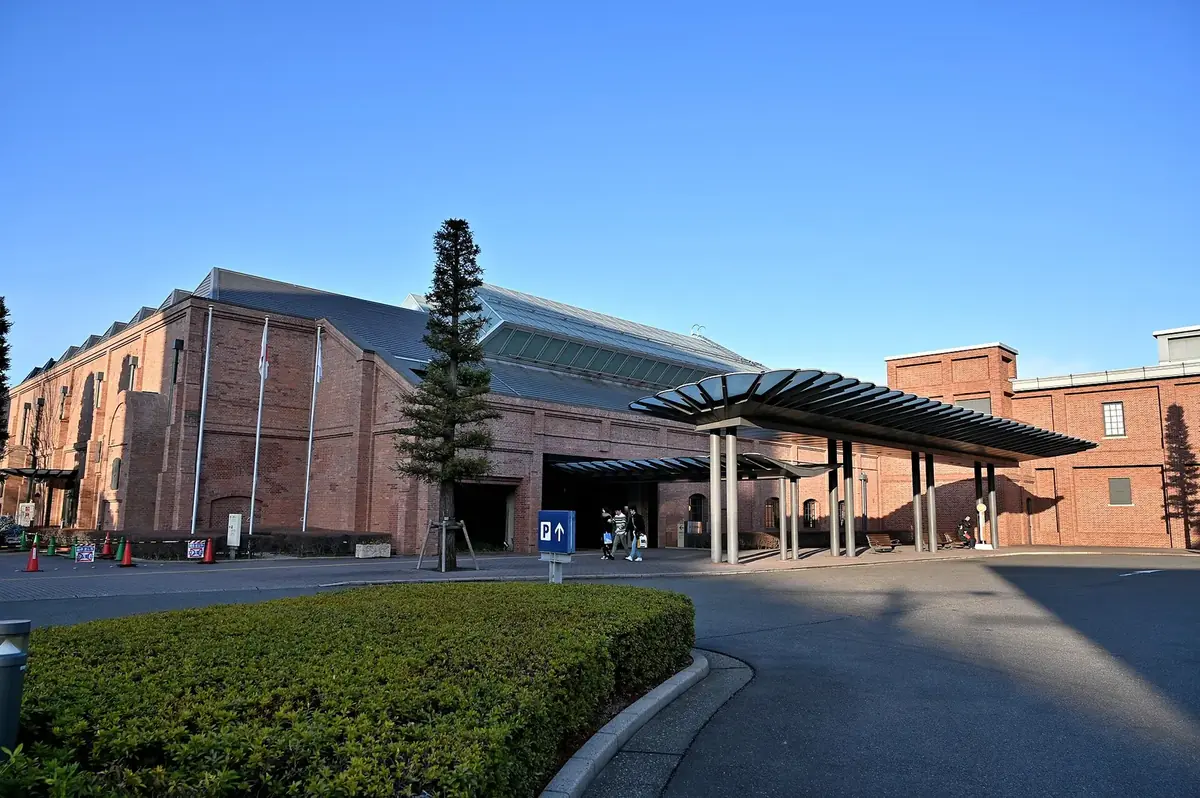
The Toyota Commemorative Museum of Industry and Technology stands in the red-brick early 20th-century plant where the Toyota Group began, and is about machines that work: its Textile Machinery Pavilion and Automobile Pavilion run demonstrations on real looms and production equipment. It is a different place from the Toyota Automobile Museum outside the city. It is three minutes' walk from Sako Station on the Meitetsu Nagoya line, one stop from Meitetsu Nagoya. Hours are 9:30 a.m. to 5:00 p.m., with admission until 4:30 p.m.; it closes on Mondays (Tuesday when Monday is a holiday) and over the New Year. Adults aged 18 or over pay ¥1,000, university students ¥600, junior and senior high school students ¥500, elementary pupils ¥300 and visitors aged 65 or over ¥200, with proof required for the university and senior rates.
The SCMAGLEV and Railway Park, run by JR Central at Kinjofuto by the port, has shinkansen and maglev trains under one roof, train simulators and what it calls the largest railway diorama in Japan. Take the Aonami Line from Nagoya Station to Kinjofuto, about 24 minutes, and walk two minutes. It opens from 10:00 to 17:30, with last admission 30 minutes before closing, and closes on Tuesdays (the following day when a national holiday falls on a Tuesday) and from 28 December to 1 January. Admission is ¥1,200 for adults, ¥500 for school children and ¥200 for children aged 3 and over.
Getting in and getting around
From the airport. Chubu Centrair International Airport's station is a five-minute walk from the arrival lobby. Meitetsu’s current diagram lists 29 minutes by μ-SKY to Meitetsu Nagoya and 38 minutes by limited express. Checked on 1 November 2026, the regular fare is ¥980. All μ-SKY cars are first class, so the required ¥450 μticket brings the adult one-way total to ¥1,430; ordinary cars on other limited expresses cost the ¥980 regular fare alone. Buy tickets at the machines or staffed window to the left of the gates. Early-morning and late-night express trains take about 45 minutes.
Passes. The Bus & Subway 1-Day Ticket costs ¥870 for adults (¥430 for children) and covers service from the first to the last departure that day. The Subway 24-Hour Ticket costs ¥760 (¥380) and runs for 24 hours from first use. The Weekend Eco Ticket (Donichi Eco Kippu) is ¥620 (¥310) on Saturdays, Sundays, public holidays and the 8th of each month. These tickets exclude Meitetsu and the Aonami Line. On the elevated Yutorito Line, the Weekend Eco Ticket is accepted only for passengers aged 18 or under at the end of the fiscal year containing the travel date; the other passes do not cover it. Showing a valid pass gets discounts at participating sights. The Me-guru sightseeing bus has a day pass at ¥500 for adults (¥250 for children) and runs Tuesday to Sunday; when Monday is a holiday it runs that day and stops the next weekday. A Manaca IC card costs ¥2,000 including a ¥500 deposit and works on the subway, buses, Meitetsu and the Aonami Line.
Moving on. The Limited Express Hida runs from Nagoya to Takayama in about 2 hours 20 minutes, according to JR Central, and the Shinano reaches Nakatsugawa, for the Nakasendo walk, in about 50 minutes; our six-day Alps loop starts here. For the high mountains, Nagoya is also where the Alpine-Takayama-Matsumoto Area Tourist Pass starts, sold only to foreign visitors with Temporary Visitor status, the ticket that covers the Tateyama Kurobe Alpine Route.
What to eat and where to look
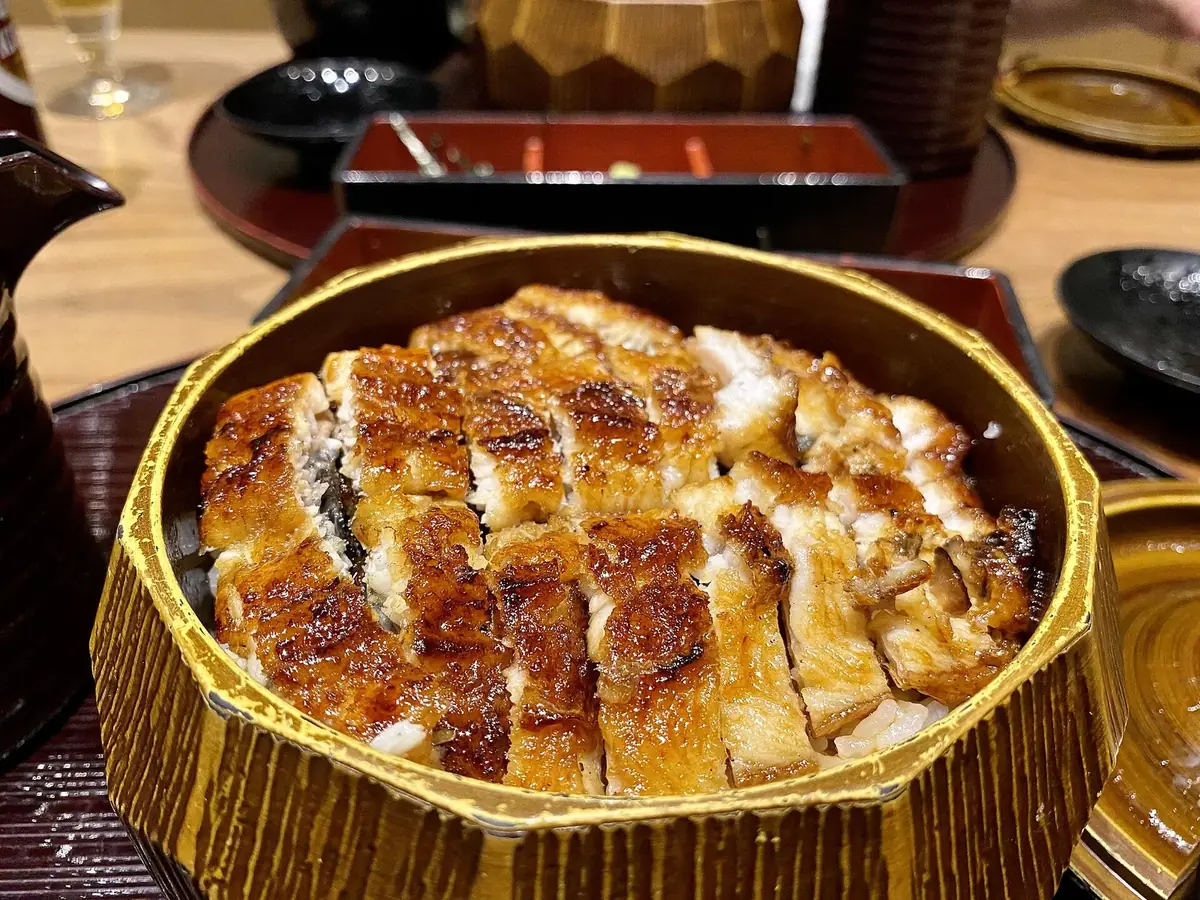
Hitsumabushi
Char-grilled eel in a rich tamari sauce, sliced over rice in a wooden container and eaten in rounds: first plain, then with the condiments, then soaked in green tea or broth like ochazuke, and the last portion as you liked best. It is said to have begun in Nagoya in the late Meiji period.
- Where to look
- Eel restaurants across the city, including the Nagoya Station towers and Sakae.
- Fit it into your day
- The one splurge dinner of a Nagoya night.
Eel; the sauce contains soy.
Miso-nikomi udon
Thick, firm udon boiled in a rich soybean-miso broth and eaten straight from the earthenware pot. Cooking single servings in the pot is said to have begun at Yamamotoya in Osu in the Taisho period.
- Where to look
- Noodle restaurants in Osu and around Sakae.
- Fit it into your day
- Lunch on a cold day, between Osu Kannon and the arcades.
Miso-katsu
A breaded, fried pork cutlet with a miso-based sauce instead of an ordinary katsu sauce, a Nagoya speciality since the post-war years, when street stalls dunked kushi-katsu skewers into miso.
- Where to look
- Katsu restaurants in Sakae and Osu; the city's tourism site points to the Sakae area for Nagoya dishes late into the evening.
- Fit it into your day
- Dinner on the first evening.
Pork; fried in wheat-flour breadcrumbs.
Tebasaki
Chicken wings deep-fried without batter, glazed in a salty-sweet sauce and dusted with spices and sesame; the dish is said to have begun in the 1960s at the bar Furaibo, when wings arrived instead of the usual chicken.
- Where to look
- Izakaya bars around Sakae and Fushimi.
- Fit it into your day
- With a beer on the evening you arrive.
Kishimen
Broad, flat noodles found mainly in Nagoya, in a tamari soy broth with fried tofu, fish cake, greens and bonito flakes; the noodles have been eaten here since the Edo period.
- Where to look
- Udon and noodle shops in the city centre and around the station.
- Fit it into your day
- A quick lunch before a train.
Practical questions
Is Nagoya worth a night?
Yes, one night, or two for the museums. The rebuilt Hommaru Palace at Nagoya Castle, Atsuta Jingu and Osu fill an afternoon and a morning, and Nagoya Station is where the shinkansen and the trains to the Alps meet.
Can you go inside Nagoya Castle?
Not the main keep, which is closed because of its age and earthquake-resistance concerns. The grounds open from 9:00 a.m. to 4:30 p.m., with entry until 4:00 p.m.; the Hommaru Palace and Nishinomaru Okura Museum also require entry by 4:00 p.m. Adult admission is ¥1,000 from 1 October 2026.
Where should I stay in Nagoya?
Near Nagoya Station for early trains and the airport, or in Sakae for restaurants and evenings; Fushimi is between them, one subway stop from each.
How do I get from Chubu Centrair airport to Nagoya?
Take the Meitetsu μ-SKY: the current operator diagram lists 29 minutes to Meitetsu Nagoya. The adult one-way fare is ¥1,430: ¥980 regular fare plus the required ¥450 μticket. Ordinary cars on other limited expresses need only the ¥980 regular fare.
Is there a day pass for Nagoya?
The Nagoya City Bus & Subway 1-Day Ticket is ¥870 for adults, and the Weekend Eco Ticket is ¥620 on Saturdays, Sundays, public holidays and the 8th of each month. Neither covers Meitetsu or the Aonami Line.
Keep planning your trip
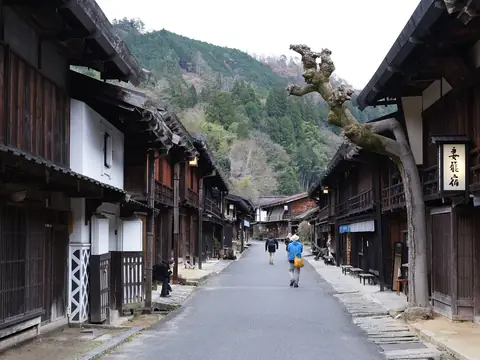
Japanese Alps in 6 days
A six-day loop from Nagoya: the Magome–Tsumago walk, two nights in Takayama, a Shirakawa-go farmhouse night and Kanazawa, plus the buses, pass and bookings.
Read the guide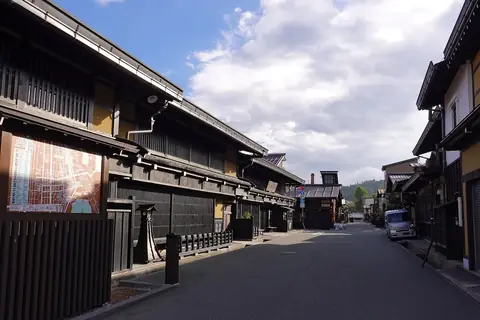
Takayama
How many nights Takayama needs, where to sleep (station, old town or Okuhida Onsen), the morning markets, festival floats and the bus to Shirakawa-go.
Read the guide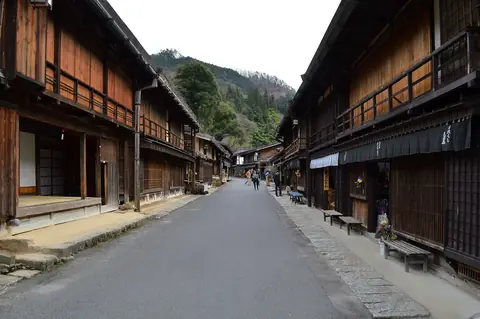
Kiso Valley
How long the Magome–Tsumago walk takes, which way to walk, sending bags ahead, trains from Nagoya, and whether to sleep in Tsumago, Magome or Narai.
Read the guide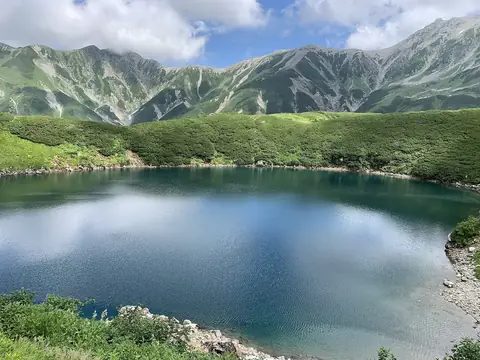
Tateyama Kurobe Alpine Route
Six vehicles across the Northern Alps from Toyama to Nagano: when it opens, which way to ride, ticket prices, the snow walls, Kurobe Dam and your luggage.
Read the guide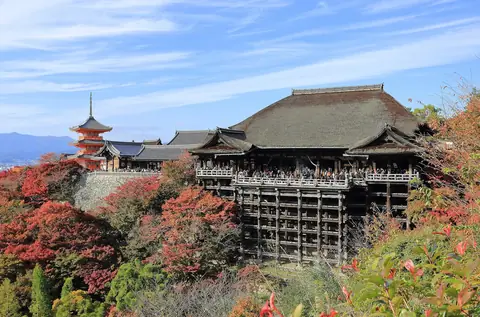
Kyoto
How many nights Kyoto needs, where to base yourself, how to group the sights into east, west and south days, and how to beat the crowds and the buses.
Read the guide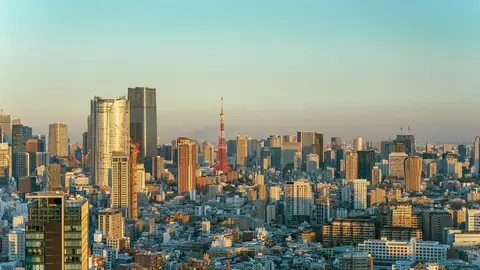
Tokyo
How many nights Tokyo needs on a first or second trip, which area to sleep in, and how to split the city into east, centre and west days without zigzagging.
Read the guideSources and checks before you travel
(39)
- Nagoya Castle: about the castle ↗ — opens in a new tab
- Nagoya Castle: visitor information ↗ — opens in a new tab
- JNTO: Atsuta-jingu Shrine ↗ — opens in a new tab
- Aichi Now (Aichi Prefecture): Atsuta Jingu Shrine ↗ — opens in a new tab
- Aichi Now (Aichi Prefecture): Osu Kannon Temple ↗ — opens in a new tab
- Aichi Now (Aichi Prefecture): Osu Shopping District ↗ — opens in a new tab
- Nagoya Convention & Visitors Bureau: Nayabashi night market ↗ — opens in a new tab
- The Tokugawa Art Museum: visitor information ↗ — opens in a new tab
- Toyota Commemorative Museum of Industry and Technology: home ↗ — opens in a new tab
- Toyota Commemorative Museum of Industry and Technology: visit ↗ — opens in a new tab
- Toyota Commemorative Museum of Industry and Technology: admission ↗ — opens in a new tab
- Toyota Commemorative Museum of Industry and Technology: location ↗ — opens in a new tab
- SCMAGLEV and Railway Park (JR Central): facilities and fees ↗ — opens in a new tab
- SCMAGLEV and Railway Park (JR Central): home and access ↗ — opens in a new tab
- JNTO: Aichi ↗ — opens in a new tab
- Meitetsu (Nagoya Railroad): from and to the airport ↗ — opens in a new tab
- Meitetsu: Centrair Airport Station ↗ — opens in a new tab
- Kintetsu: from Chubu Centrair International Airport ↗ — opens in a new tab
- Nagoya Convention & Visitors Bureau: getting around ↗ — opens in a new tab
- Nagoya Meshi Promotion: hitsumabushi ↗ — opens in a new tab
- Nagoya Meshi Promotion: miso-nikomi udon ↗ — opens in a new tab
- Nagoya Meshi Promotion: miso-katsu ↗ — opens in a new tab
- Nagoya Meshi Promotion: tebasaki ↗ — opens in a new tab
- Nagoya Meshi Promotion: kishimen ↗ — opens in a new tab
- Nagoya Convention & Visitors Bureau: Nagoya food at night ↗ — opens in a new tab
- Tourist Pass (JR Central): Alpine-Takayama-Matsumoto Area online, qualifications of use (PDF) ↗ — opens in a new tab
- Tourist Pass (JR Central): Alpine-Takayama-Matsumoto Area Tourist Pass ↗ — opens in a new tab
- Meitetsu: airport access fare and journey-time diagram (SVG) ↗ — opens in a new tab
- Nagoya Castle: admission fee change notice ↗ — opens in a new tab
- Nagoya Castle: Hommaru Palace rooms ↗ — opens in a new tab
- Nagoya Transportation Bureau: one-day and subway 24-hour tickets ↗ — opens in a new tab
- Nagoya Convention & Visitors Bureau: Osu Kannon visitor information ↗ — opens in a new tab
- SCMAGLEV and Railway Park (JR Central): exhibits ↗ — opens in a new tab
- JR Central: Hida Takayama ↗ — opens in a new tab
- JR Central: Kisoji (Magome, Tsumago) ↗ — opens in a new tab
- Nagoya Convention & Visitors Bureau: Atsuta Jingu Shrine ↗ — opens in a new tab
- JNTO: Sakae ↗ — opens in a new tab
- Nagoya Science Museum: access ↗ — opens in a new tab
- Meitetsu: route map ↗ — opens in a new tab
Reference sources for the version dated 1 November 2026. Confirm opening times, access, transport and conditions for your travel dates.
Photo credits
(6)
The main keep of Nagoya Castle, rebuilt after 1945 and now seen from the grounds.
Photograph: Syced — opens in a new tab · CC0 — opens in a new tab
Changes: Resized and converted to WebP; displayed with responsive crops. · Original photograph and licence details ↗ — opens in a new tab
Tigers on gold leaf in the entrance hall of the rebuilt Hommaru Palace.
Photograph: そらみみ — opens in a new tab · CC BY-SA 4.0 — opens in a new tab
Changes: Resized and converted to WebP; displayed with responsive crops. · Original photograph and licence details ↗ — opens in a new tab
The worship hall of Atsuta Jingu in its grove.
Photograph: Bariston — opens in a new tab · CC BY-SA 4.0 — opens in a new tab
Changes: Resized and converted to WebP; displayed with responsive crops. · Original photograph and licence details ↗ — opens in a new tab
The main hall of Osu Kannon, rebuilt in 1970.
Photograph: Asturio Cantabrio — opens in a new tab · CC BY-SA 4.0 — opens in a new tab
Changes: Resized and converted to WebP; displayed with responsive crops. · Original photograph and licence details ↗ — opens in a new tab
Hitsumabushi: grilled eel on rice, eaten in several rounds.
Photograph: Kanesue — opens in a new tab · CC BY 2.0 — opens in a new tab
Changes: Resized and converted to WebP; displayed with responsive crops. · Original photograph and licence details ↗ — opens in a new tab
The red-brick plant that houses the Toyota Commemorative Museum.
Photograph: Bariston — opens in a new tab · CC BY-SA 4.0 — opens in a new tab
Changes: Resized and converted to WebP; displayed with responsive crops. · Original photograph and licence details ↗ — opens in a new tab