Thimphu and Punakha: the capital, Dochula and Punakha valley
Thimphu is a small, high capital where a 51.5-metre Buddha sits on the hill above town. Two and a half hours east, over the 108 chortens of Dochula, the road drops through forest into the warm Punakha valley, where Punakha Dzong stands where two rivers meet and every king of Bhutan has been crowned. The two places make the middle of most first trips: a full day for the capital, a slower day by the river, and the pass in between. This guide covers what to see, what the sights charge, how long the drives take and how to price your stay.
In this guide
Find the location ↗ — opens in a new tabThe short answer
Book the operator and Paro flights first, and give Thimphu and Punakha four nights: two in central Thimphu, two at Khuruthang in Punakha, with the 74 km, 2–2.5-hour drive over Dochula between them. Adult entry fees follow. Spend a full Thimphu day on Buddha Dordenma (free), the National Memorial Chorten (Nu 500) and Tashichho Dzong, open 17:00–18:00. Give Punakha a slow day for Punakha Dzong (Nu 500), the bridge and Chimi Lhakhang. For most international adults, the SDF is USD 100 per night until 31 August 2027. Ask your operator for a quote for these four nights; our trip cost guide prices a complete week.
- Suggested time
- 4 nights: 2 in Thimphu, 2 in Punakha
- Where to stay
- Central Thimphu, then Khuruthang or the Punakha valley
- Season and timing
- Spring, March to May, brings clear skies and jacaranda in flower at Punakha Dzong; summer, June to September, is the monsoon, with rain most days and landslides that can close roads; autumn, October and November, is one of the most popular seasons; winter, December to February, often brings clear views from Dochula, and snow is common above 3,000 metres from late November to March.
Two nights in Thimphu, two in Punakha
Thimphu and Punakha feel like two different countries a morning's drive apart. Thimphu is the capital: cafés, craft shops, ministries and the big monuments, all within a short drive of each other. Punakha, at about 1,250 m, is far lower and warmer, a valley of rice fields well below the pass. Two nights in each lets you give the capital a full day, cross the pass in the morning light and spend a whole unhurried day in the Punakha valley.
You can book every part of the trip yourself, but a guide certified by the Department of Tourism must be with you at all times, and you may stay only in DoT-certified hotels, homestays or campsites. A guide is also needed to enter dzongs and monuments. Self-drive cars cannot be hired, though visitors may bring their own vehicle. With a certified guide no route permit is needed for the western valleys; national parks still need permits. Our entry guide covers the visa and the fee.
Festivals are the one thing to plan around. The Department of Tourism's tentative 2027 list puts the Punakha Drubchen and the Punakha Tshechu at Punakha Dzong on 13–15 and 16–18 February, the Thimphu Tshechu at Tashichho Dzong on 10–12 October and the Druk Wangyel Tshechu at Dochula on 13 December. If you want one, fix those nights first and book the operator and hotels around them. The October and December dates fall after 31 August 2027. The USD 100 rate is a 50% discount on the full SDF of USD 200 and runs until 31 August 2027; the government may end the discount after that date, so budget nights from 1 September 2027 at USD 200 per adult unless an extension is announced. Our festivals guide has the full list.
In Thimphu, Hotel Phuntsho Pelri on Dondrup Lam SE is a three-star hotel in the centre with 47 rooms; a deluxe double costs Nu 5,940 a night, taxes included. Jambayang Resort on Dechhen Lam, also three-star, says it is about 1 km from the centre; its standard double with breakfast costs Nu 3,700 in the high season (March to May and September to November) and Nu 3,330 in the low season, plus 5% GST and a 10% service charge. The Sevā Hotel on Chang Lam, a four-star that opened in 2024, lists its Deluxe King at USD 160 room only or USD 182 with breakfast.
In Punakha, Khuru Punakha is a three-star on the hillside at Khuruthang, above the river; its deluxe twin costs Nu 5,775 a night, taxes included. Dhensa Boutique Resort, a four-star with 24 rooms in six cottages, lists USD 385 a night with breakfast for one or two, plus 20% tax and service, and adds 3.5% to bills paid by international Visa or Mastercard. All five are on the Department of Tourism's register of certified hotels; prices checked on 2 November 2026.
Thimphu in a day: the Buddha, the chorten and the dzong at dusk
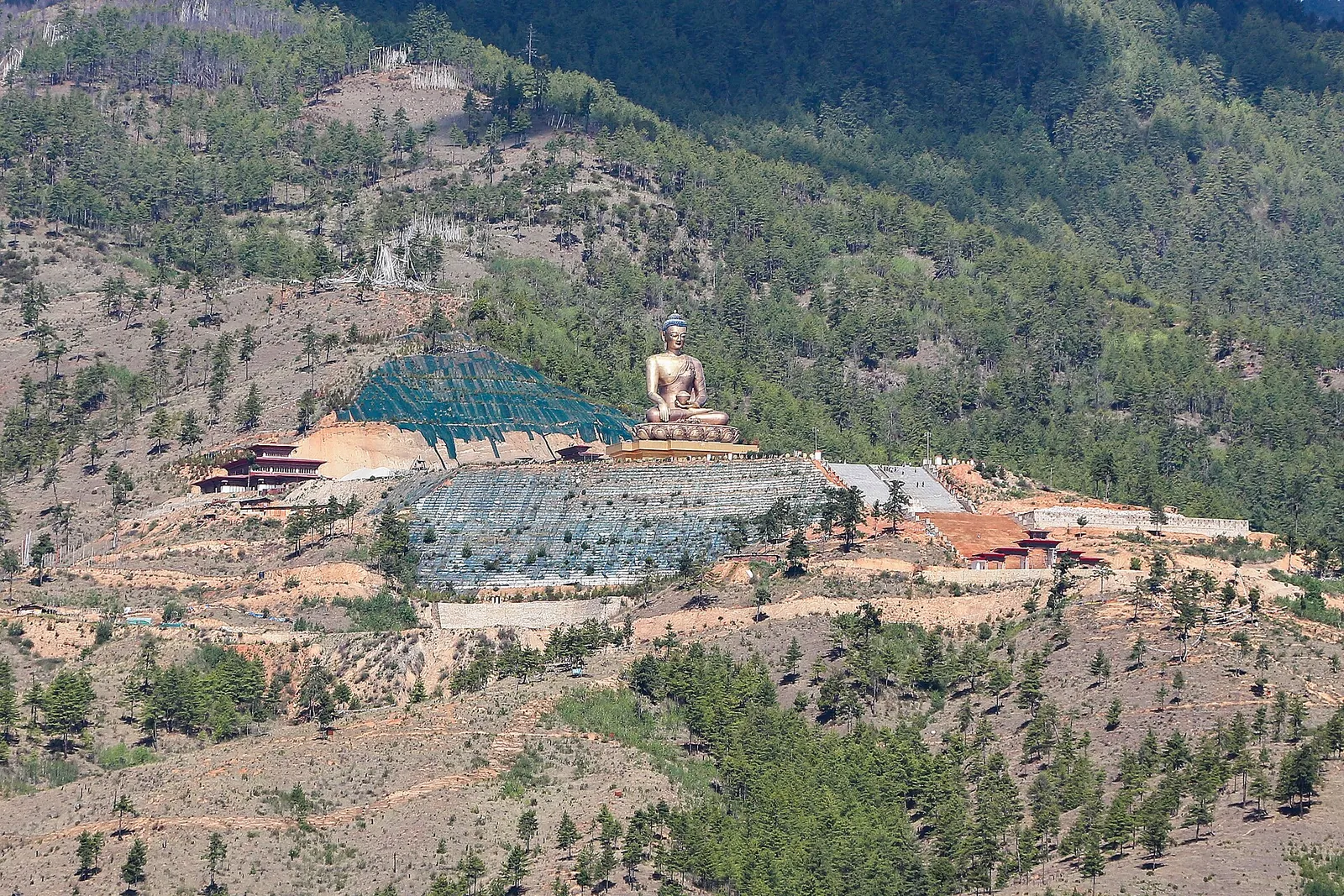
Start high. Buddha Dordenma, one of the largest Buddha statues in the world, sits on a hilltop above the Thimphu valley on top of a large meditation hall and outdoor meeting space. The seated figure is 51.5 metres tall, its body filled with 125,000 small Buddha statues, and it is the most visited attraction in Thimphu. The view takes in the whole valley, so come in the morning before cloud builds.
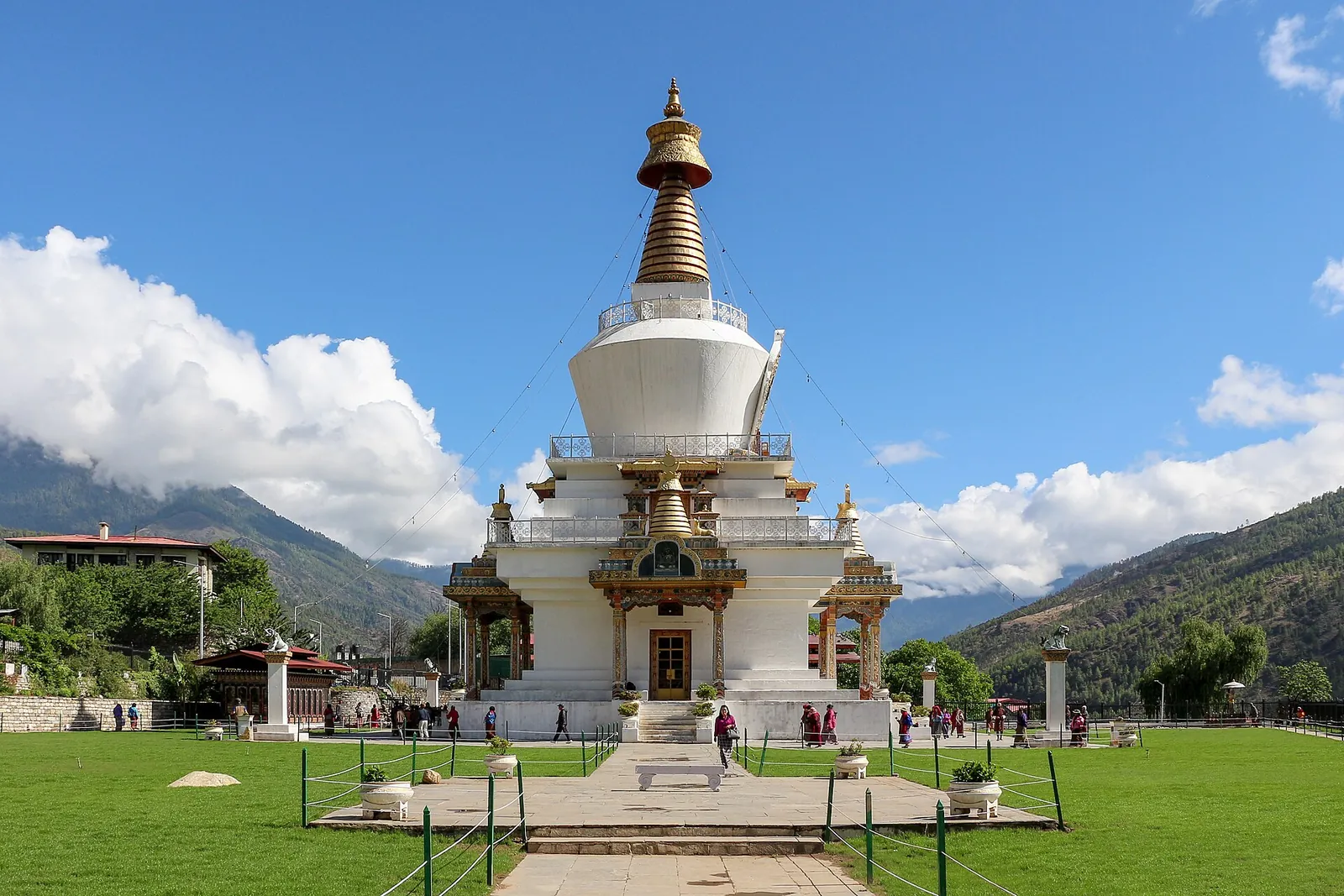
Back in town, the National Memorial Chorten is a white stupa with a gilded spire, built in 1974 for the Third King and about 33 m tall, set in a lawn with rows of prayer wheels along its walls, a place where people come to pray rather than a museum. Thimphu residents walk around it from before dawn until after dark; join them clockwise, as you would at any chorten.
End the day at Tashichho Dzong, the whitewashed fortress-monastery on the Wang Chhu at the northern end of the city, which houses the government and holds the King's throne room. Because it is a working building, the visiting time is short: 17:00 to 18:00, and 09:00 to 17:00 on public holidays. That evening hour is the one to want anyway: the walls hold the last light and the courtyards are at their quietest. Plan the rest of the day around it.
With time to spare, add a museum. The National Textile Museum charges Nu 250 (09:00–17:00), and the Folk Heritage Museum charges Nu 250 (Nu 100 for Indian visitors), 09:00–17:00 with no lunch break. Simtokha Dzong, on the south-eastern edge of the city where the road to Dochula leaves the valley, is free and open from 06:00 to 19:00, so it makes an early first stop on the way to Punakha. Above the town, Changangkha Lhakhang (Nu 500, 09:00–17:00) is Thimphu's oldest temple: most mornings, families bring newborn babies here for a blessing and a name, in front of a large bronze eleven-headed Avalokiteshvara, the Buddha of compassion; allow 30–45 minutes. With a second Thimphu day, walk up to Tango or Cheri monastery north of the city: a steep hour up each on a rough path, half a day for one; the Wangditse path, 1.7 km each way and nearly level, is the gentle alternative.
Most other monuments are open from 09:00 to 17:00 every day. Since June 2023 foreign visitors may visit monuments whenever they are open to the public, on any day; a ritual or state event can still close one. The table below gives the Department of Tourism's monument fees and hours from its March 2023 list; fees are in ngultrum per adult, paid on arrival in cash or with the goBoB app. Under-18s pay half at every charging sight, and children aged five and under go free. The Guided Bhutan package described below includes entry fees.
| Sight | Adult fee (Nu) | Hours |
|---|---|---|
| Buddha Dordenma | 0 | 09:00–17:00 |
| National Memorial Chorten | 500 | 09:00–17:00 |
| Tashichho Dzong | 500 | 17:00–18:00; 09:00–17:00 on public holidays |
| National Textile Museum | 250 | 09:00–17:00 |
| Folk Heritage Museum | 250 (Indian visitors 100) | 09:00–17:00, no lunch break |
| Simtokha Dzong | 0 | 06:00–19:00, no lunch break |
| Changangkha Lhakhang | 500 | 09:00–17:00 |
| Motithang Takin Preserve | 300 | 09:00–17:00 |
| Punakha Dzong | 500 | 09:00–17:00, no lunch break |
| Chimi Lhakhang | 500 | 09:00–17:00, no lunch break |
| Khamsum Yulley Namgyal Chorten | 100 | 09:00–17:00 |
The takin, the farmers' market and the craft school
The takin is Bhutan's national animal, a shaggy beast that legend says the Divine Madman, Drukpa Kunley, made from the bones of a cow and a goat. The Motithang Takin Preserve is a 15-minute drive from the centre. It began as a small zoo; the fourth king had the animals released because keeping them captive went against Buddhist teaching, but they wandered the streets looking for food and were brought back into the reserve.
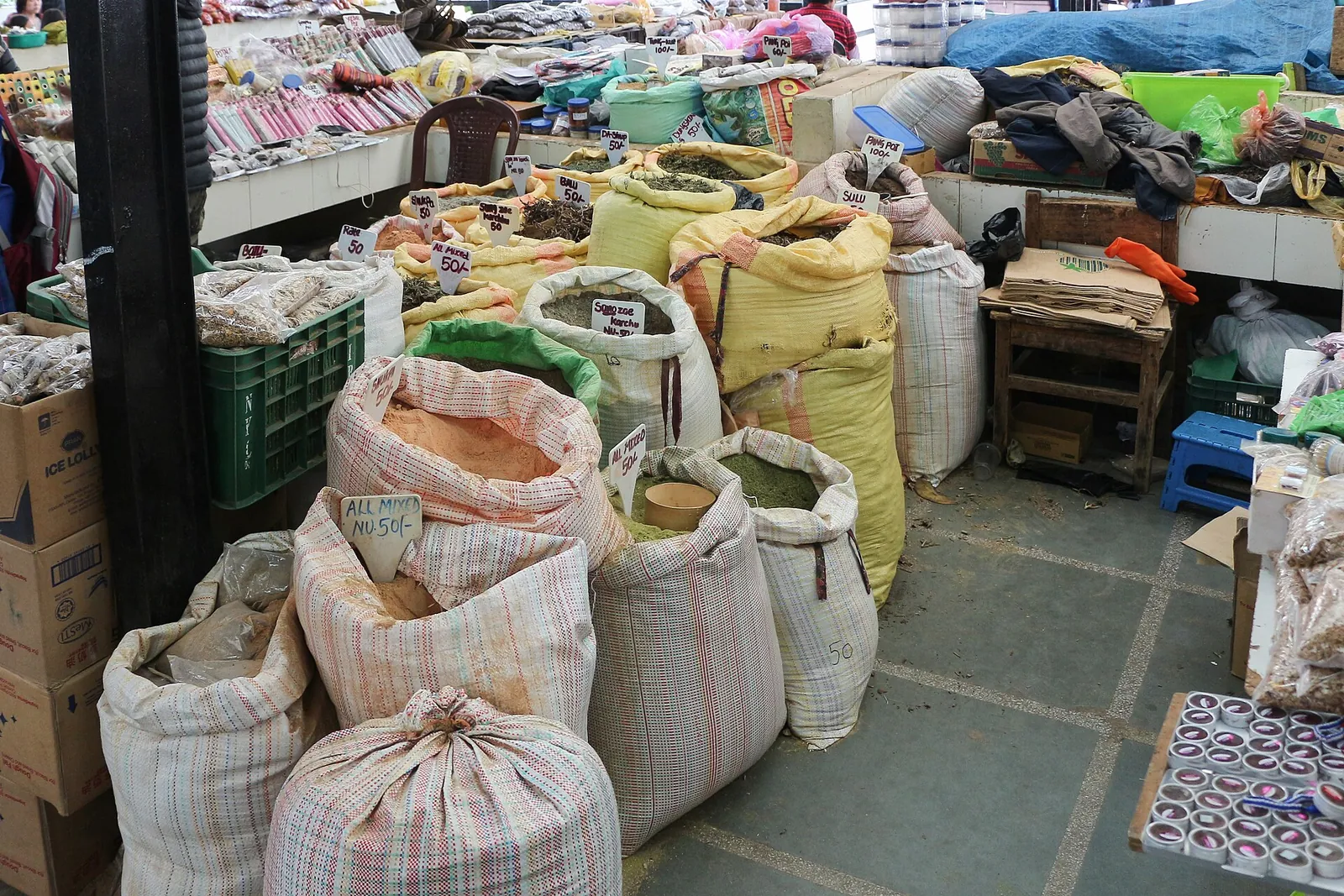
The Centenary Farmers' Market by the river is known in Thimphu as the weekend market, open Friday to Sunday, and is the largest farmers' market in the country, with growers coming from all over Bhutan to sell. Look for heaps of dried chillies, red rice and, in season, wild mushrooms: it is the best place in Thimphu to find them. For crafts, the Cottage and Small Industries (CSI) Market sells Bhutanese products under one roof.
At the National Institute of Zorig Chusum, students learn the 13 traditional arts, from painting and woodcarving to embroidery, in workshops spread over several floors, and their work is for sale; entry is Nu 200, 09:00–16:30, on weekdays in term time only, as it closes at weekends and in the school holidays. Simply Bhutan, a living museum (Nu 1,000, 09:00–17:00), is the place to try archery, the national sport, with traditional song and dance.
Over Dochula to the Punakha valley
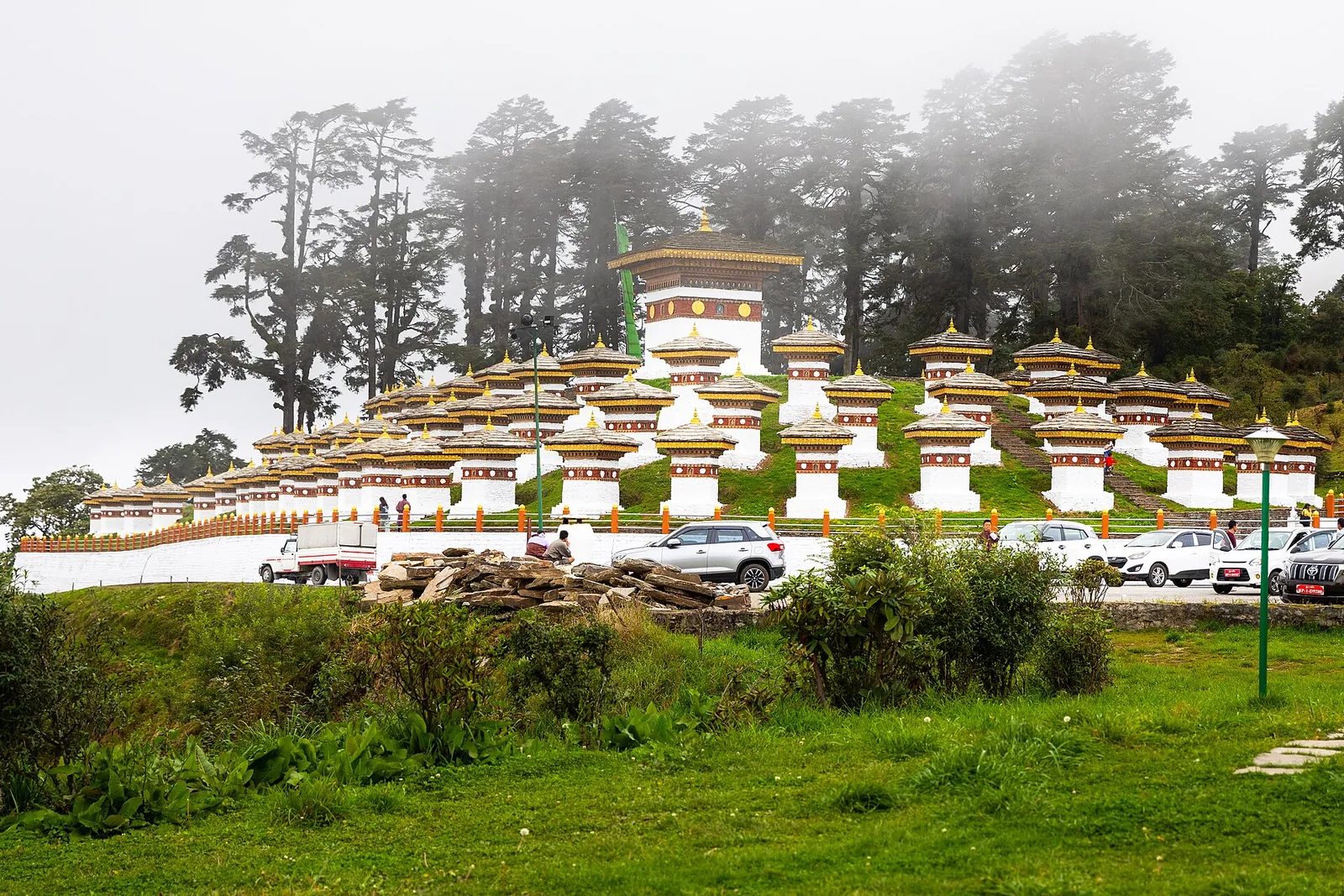
Leave Thimphu early. The road climbs to Dochula, at about 3,100 m, where 108 memorial chortens and clusters of prayer flags stand on the pass and, weather permitting, the snow peaks of the Himalaya fill the northern horizon. In winter the skies are often clear enough for the full view of mountains over 7,000 m. The 108 are the Druk Wangyal Chortens, consecrated in June 2004 for the soldiers killed in the December 2003 operation in southern Bhutan; above them the Druk Wangyal Lhakhang, finished in 2008 for the centenary of the monarchy, has unusually modern murals, aircraft among them. There is a café for coffee at the pass. Cloud often hides the peaks, so if they are out when you cross back, stop again then.
The drive is 74 km and takes 2–2.5 hours over the pass. On the Punakha side the rhododendron flowers from late March into April.
Dochula is the high point of this route. Germany advises seeing a doctor experienced in altitude medicine before final planning for travel above 2,300 m, and the UK advises travel insurance that covers helicopter evacuation and repatriation.
Punakha Dzong and the suspension bridge
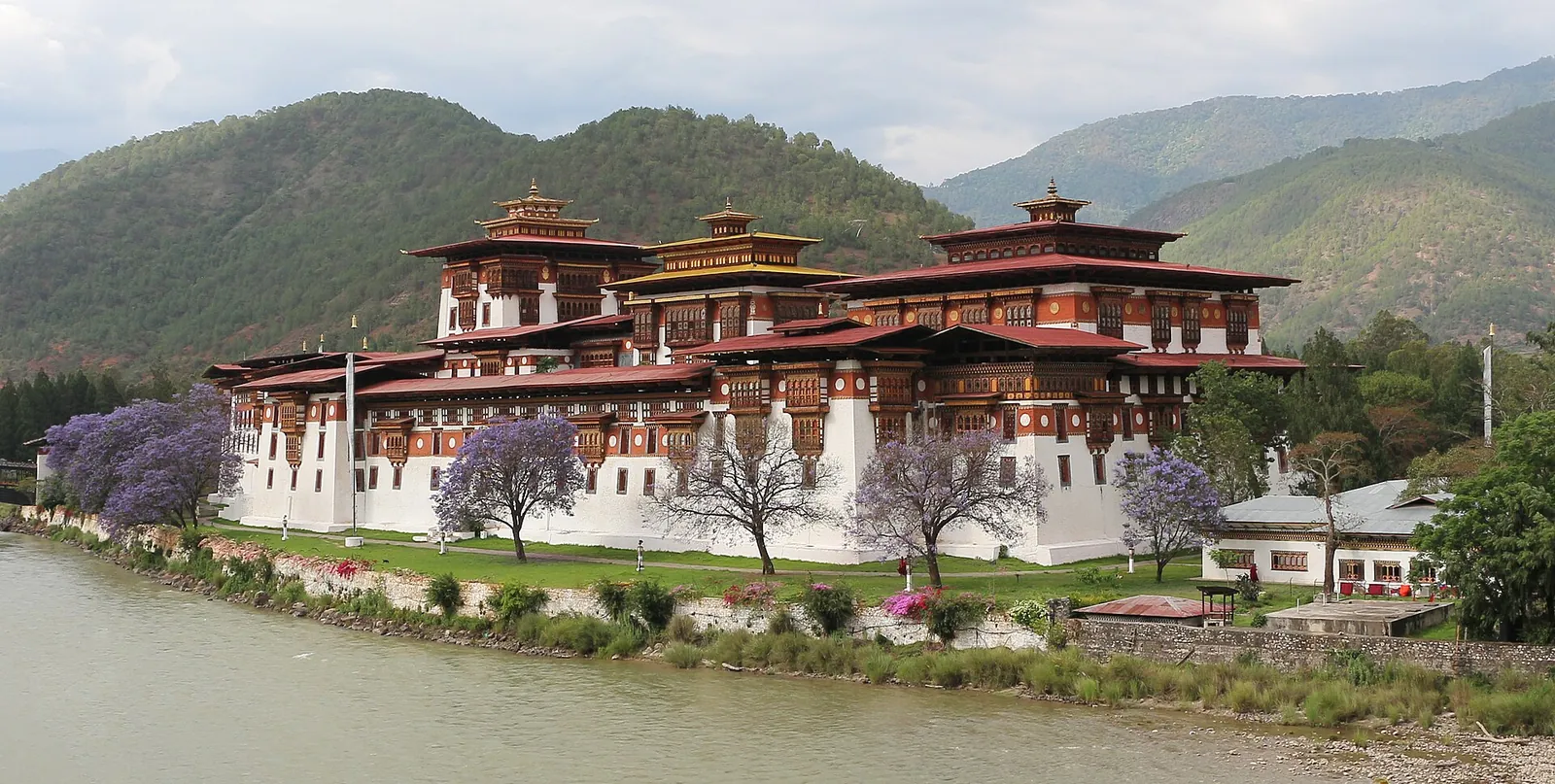
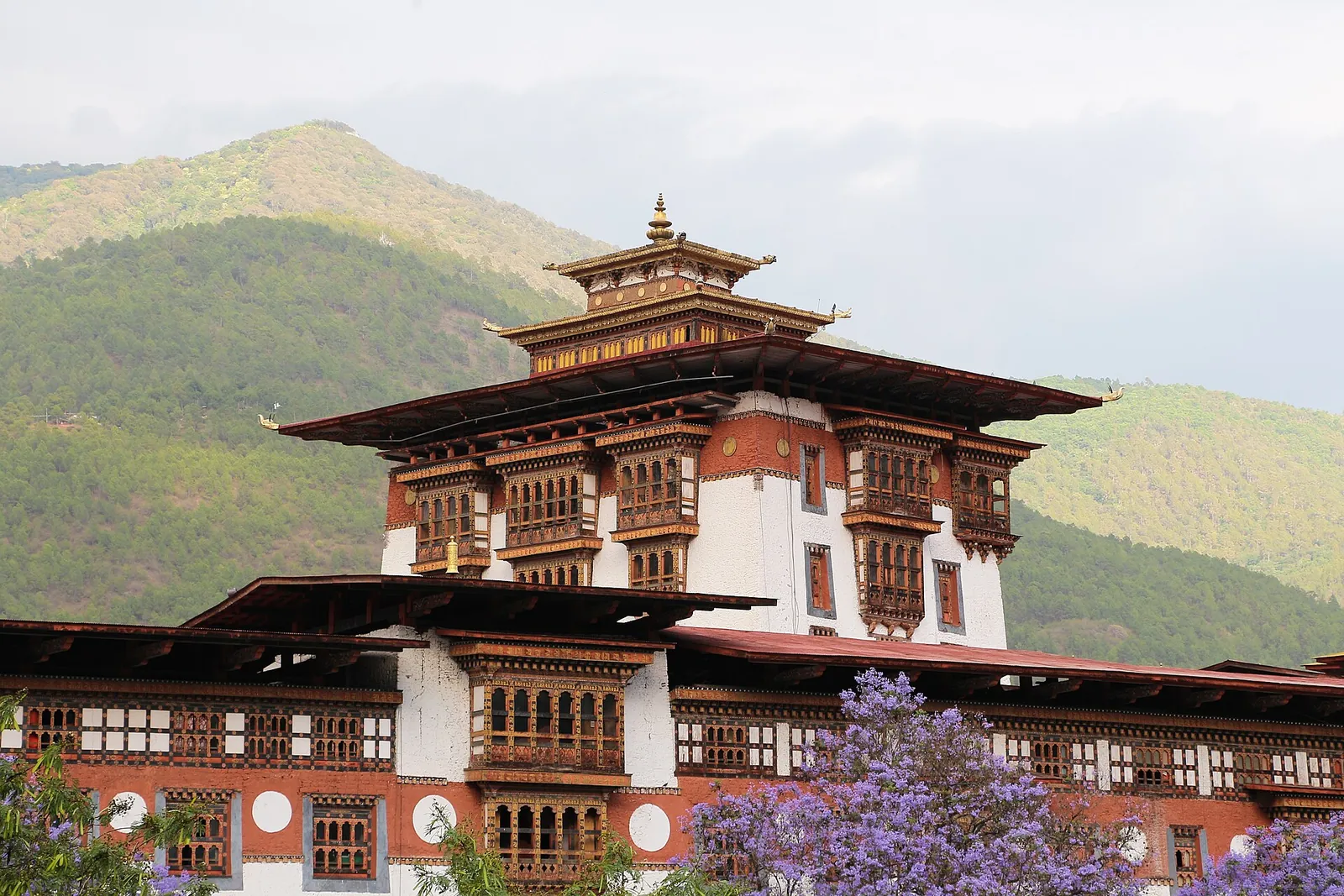
Punakha Dzong stands where the Pho Chhu and the Mo Chhu meet, and is often called the most beautiful dzong in Bhutan. It is the second oldest, it was the seat of government until that moved to Thimphu in 1955, and all of Bhutan's kings have been crowned here. It remains the winter residence of the Je Khenpo, the head abbot, and about 1,000 monks. Inside, wall murals tell the life of the Buddha. In spring the jacaranda trees along its walls turn purple.
Cross the covered Bazam bridge to the dzong and look down: large shoals of fish gather in the river below.
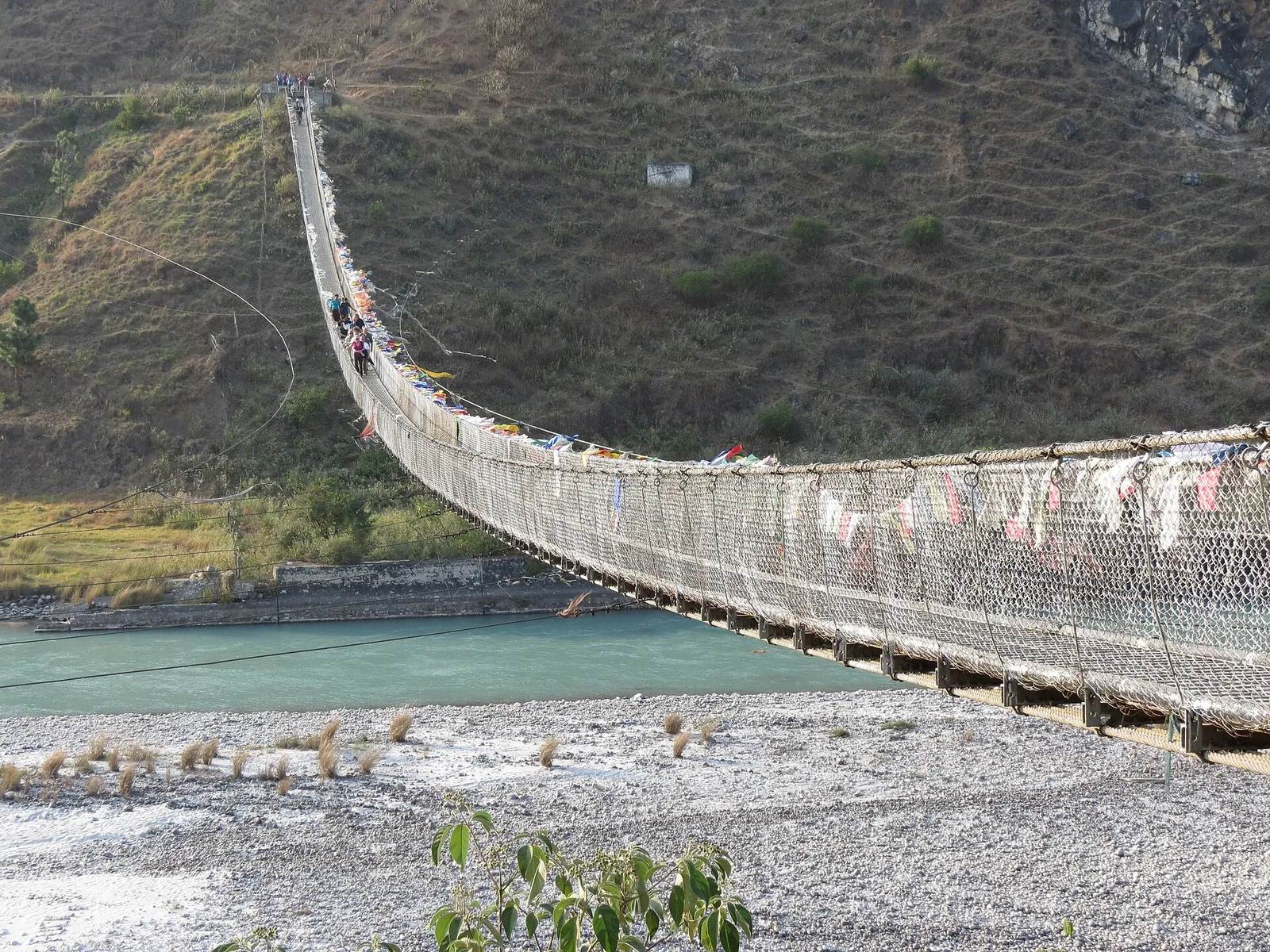
Before or after the dzong, walk to the suspension bridge over the Pho Chhu. At 160 metres it is one of the longest pedestrian suspension bridges in Bhutan, hung with prayer flags, with views up the valley and down to the glacier-fed river.
Rafting trips on the Pho Chhu or the Mo Chhu run past Punakha Dzong and show it from the water, a view you cannot get from land; your operator can arrange a trip.
Chimi Lhakhang and Khamsum Yulley Namgyal Chorten
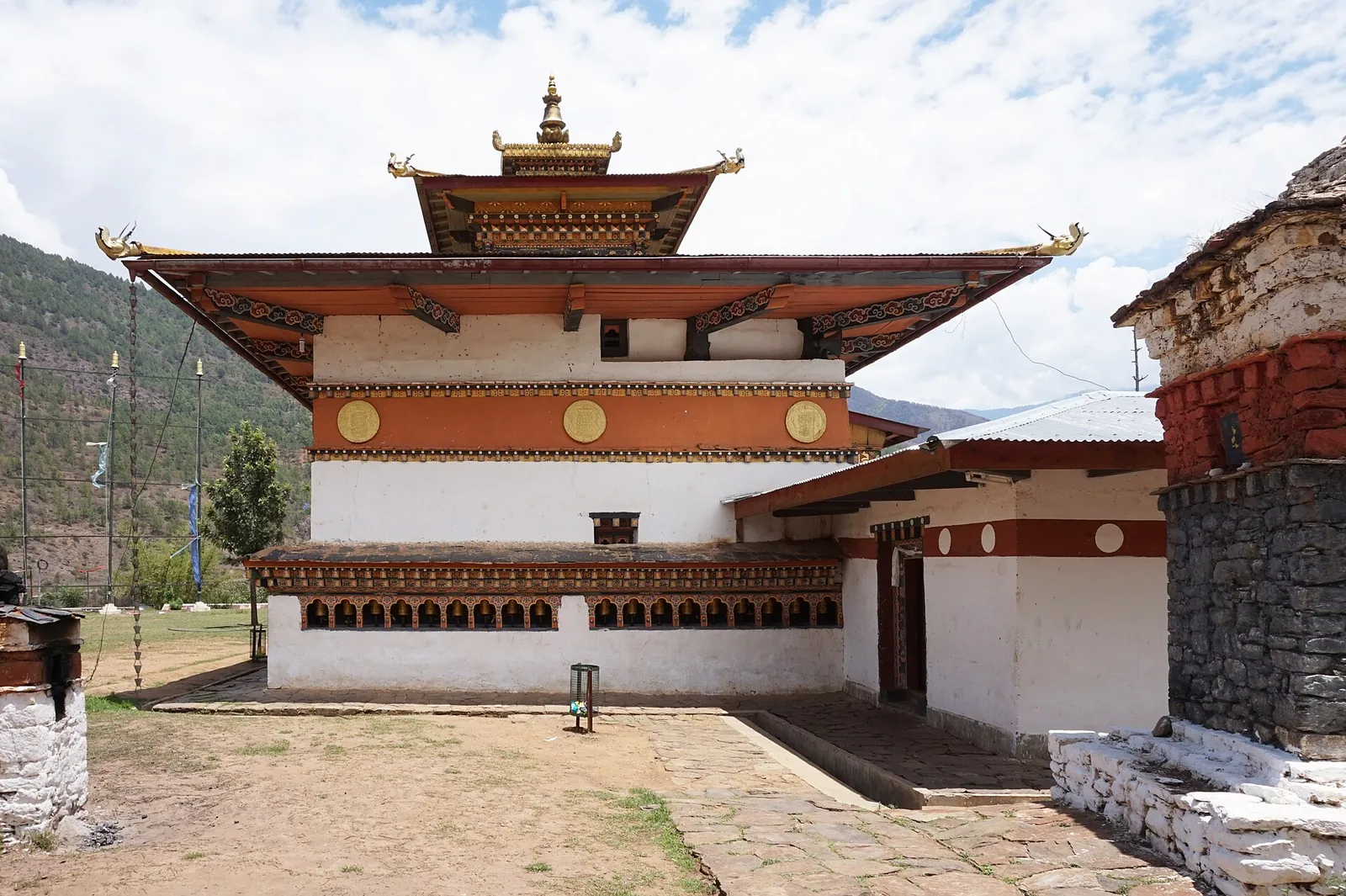
Chimi Lhakhang stands on a mound above the rice fields about 10 km down the valley from Punakha, a 20-minute walk from the road at Sopsokha on a farm track through the paddies. It belongs to the story of Drukpa Kunley (1455 to 1570), the 'Divine Madman', who used his 'flaming thunderbolt' to tame demons. A demoness from Dochula was subdued on this mound, and the temple was built in the late 15th century by his cousin, Lam Ngawang Choejey. Couples come from all over the world for its fertility blessing. On the way through Sopsokha, the houses carry large painted phalluses on their walls and the shops sell carved wooden ones: the motif wards off ill will and gossip and goes back to Drukpa Kunley.
For a short walk with a view, drive 25 minutes from Punakha Dzong, cross a smaller suspension bridge over the Mo Chhu and climb past rice terraces to Khamsum Yulley Namgyal Chorten, commissioned by the Queen Mother in 2004. The walk takes an hour or less; inside are sculptures, and steep stairs lead to the roof, which looks over the whole valley.
Wangdue Phodrang Dzong, 13 km and about 45 minutes from Punakha, has been the seat of its district's monk body and administration since 1638. A fire damaged it badly in June 2012; rebuilt with Indian support, with new murals by local artisans, it was consecrated again on 11 November 2022; it makes a short outing on a spare Punakha afternoon.
Keep the second Punakha day slow: the dzong in the morning light, the bridge, Chimi Lhakhang after lunch. If you are carrying on to Paro, our Paro and Tiger's Nest guide picks up the route.
What to eat and where to look
Ema datshi with red rice
The national dish: green chillies stewed with melting local cheese, eaten with a mound of red rice, one of Bhutan's staple crops.
- Where to look
- Pelbu Suites' café in Olakha, Thimphu, lists ema datshi at Nu 120 and an ema datshi rice bowl with red rice at Nu 420, plus GST.
- Fit it into your day
- Lunch on the Thimphu sightseeing day. Ask your operator early to make this and the dishes below package meals at the places named.
Bhutanese dishes are built on chilli and local cheese; roadside cooking is very hot, hotel kitchens milder. Say if you avoid dairy.
Momos
Steamed dumplings filled with meat, cheese or vegetables, one of the Tibetan-influenced snacks found all over western Bhutan.
- Where to look
- Pelbu Suites' café in Olakha, Thimphu, lists chicken momos at Nu 380 plus GST.
- Fit it into your day
- An early dinner after Tashichho Dzong.
Kewa datshi
Potatoes simmered with cheese and chilli, the gentlest of the datshi dishes and a good first try.
- Where to look
- Babesa Village Restaurant in Thimphu, which cooks traditional home-style Bhutanese food.
- Fit it into your day
- Dinner on your first evening in Thimphu.
Phaksha paa
Pork stir-fried with whole dried red chillies and simmered slowly until tender, with radish and spinach; in Punakha, a valley known for its rice farming, eat it with red rice.
- Where to look
- Tenphey Bhutanese Cuisine in the centre of Khuruthang, Punakha, which cooks traditional Bhutanese dishes.
- Fit it into your day
- Dinner on your first Punakha evening.
Bathup
A home-style noodle soup: hand-rolled wheat noodles cut into small squares and simmered in broth with chopped vegetables, sometimes with meat.
- Where to look
- Tenphey Bhutanese Cuisine, Khuruthang, Punakha, which also serves suja (butter tea).
- Fit it into your day
- Lunch between Punakha Dzong and Chimi Lhakhang.
Tomza
A Bhutanese packed meal:a bundle of rice wrapped in a banana leaf and tied in a cloth, topped with ezay (red chilli paste) and your choice of sides, such as dried pork or beef, chicken, dried fish or boiled egg, or a vegetarian set.
- Where to look
- The Stream Lodge in Punakha, which serves tomza in its restaurant or to take away.
- Fit it into your day
- A picnic lunch to take on the Khamsum Yulley Namgyal walk, if you add it.
Roads, dress and the drive on to Paro
Travel by road in daylight only, even with a driver, and in the monsoon, June to September, allow for landslides that can close roads for days. Paro to Thimphu is 47 km and 1–1.5 hours, and Punakha back to Paro 115 km and 3.5–4 hours via Dochula, so the return west takes most of a morning.
This route arrives and departs at Paro International Airport (PBH), served by Drukair and Bhutan Airlines. Weather regularly affects flights in and out of Paro, so leave a spare day before an onward long-haul flight. Our Paro and Tiger's Nest guide covers the last two nights of the week and the flight out.
In dzongs and temples, wear clothing that covers you from shoulders to knees, with long sleeves and covered legs in temples; take off your hat and do not take photos inside temples and dzong shrine rooms. Ask before you photograph people, and keep quiet in sacred places. Check your own government's travel advice too.
How to budget for the trip
Ask an operator to quote the four nights in Thimphu and Punakha as part of your route. Guided Bhutan's published seven-day, six-night Essential Bhutan Journey costs USD 3,480 for two adults in standard three-star hotels, with two nights each in Thimphu, Punakha and Paro. It includes the SDF, visa, rooms, meals, guide, driver, vehicle and entry fees; international flights, insurance, tips and personal spending are extra. The operator confirms your price for the dates and hotels you choose.
The trip cost guide adds allowances for drinks, SIM cards and tips to that week. A higher-category hotel will change your quote: the room tariffs above offer a comparison, while the operator prices any upgrade.
Practical questions
How many nights do Thimphu and Punakha need?
Four: two in Thimphu for a full day of sights, and two in Punakha for a slow day at the dzong, the suspension bridge and Chimi Lhakhang. The drive between them is 74 km and 2–2.5 hours over Dochula.
When can I visit Tashichho Dzong?
Visiting is from 17:00 to 18:00, and from 09:00 to 17:00 on public holidays, for Nu 500. Your guide must go in with you.
Will I see the Himalaya from Dochula?
Only if the weather allows. Clear views often come in winter, December to February, when mountains over 7,000 m are often visible; cloud hides them on many days.
Do I need a guide in Thimphu and Punakha?
Yes. A certified guide must be with you at all times in Bhutan, and you need one to enter dzongs and monuments. You may book hotels yourself, but only DoT-certified ones.
How much do the sights cost?
Buddha Dordenma is free; the National Memorial Chorten, Tashichho Dzong, Punakha Dzong and Chimi Lhakhang are Nu 500 each per adult, and the Takin Preserve Nu 300, per the Department of Tourism's table.
What do four nights in Thimphu and Punakha cost?
Ask an operator to quote your four nights as part of the full route. For comparison, Guided Bhutan lists its seven-day, six-night three-star trip at USD 3,480 for two, including the SDF and visa; flights, insurance, tips and personal spending are extra. Higher-category hotels are priced in the operator's quote.
Keep planning your trip
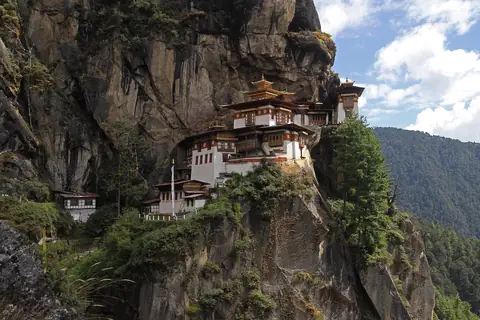
Paro and Tiger's Nest
Two nights in Paro: the Tiger's Nest hike with its fee, ponies and timings, Rinpung Dzong, the National Museum, Kyichu Lhakhang, Chele La, hotels and costs.
Read the guide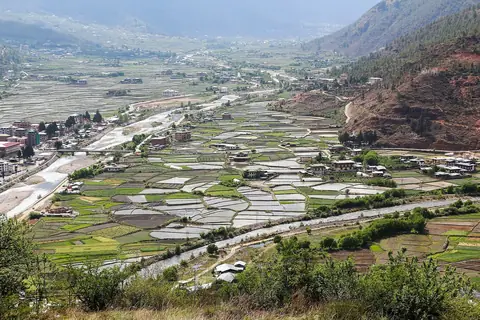
Bhutan in seven days
Two nights each in Thimphu, Punakha and Paro, with Dochula on day 3 and the Tiger's Nest hike on day 6: drive times, hotels, the fees and an all-in budget.
Read the guide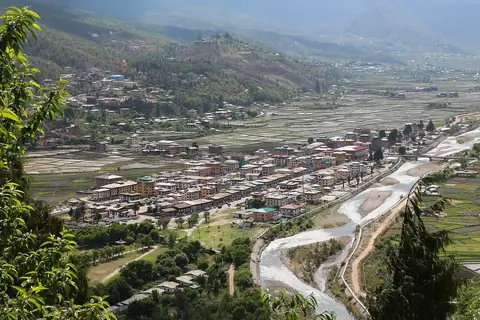
Bhutan trip cost
A Bhutan week for two: about USD 1,880 per person on a budget, USD 2,080 mid-range or USD 2,520 in four-star rooms, plus international flights.
Read the guide
Entering Bhutan
Bhutan visa, the standard USD 100 nightly SDF to August 2027, certified guides and customs for UK and EU visitors.
Read the guide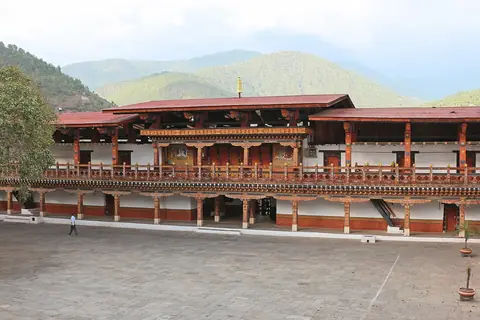
First trip to Bhutan
A first week in Bhutan: the visa and nightly fee, why a certified guide comes along, the Paro, Thimphu and Punakha loop, money, SIMs, etiquette and daily costs.
Read the guide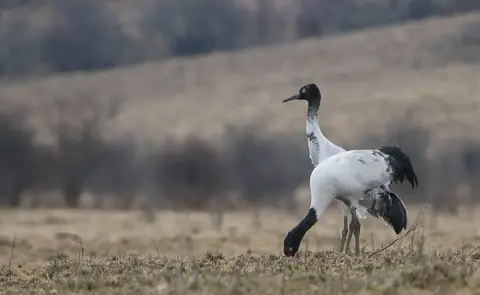
Bhutan festivals and events 2027
Tentative 2027 Bhutan festival dates: Punakha in February, Paro in March, Thimphu in October and the crane festival in November.
Read the guideSources and checks before you travel
(45)
- Department of Tourism: family-friendly activities in Bhutan ↗ — opens in a new tab
- Department of Tourism: monument and museum fees and hours (table, last modified March 2023) ↗ — opens in a new tab
- Department of Tourism: FAQs ↗ — opens in a new tab
- Department of Tourism: visa ↗ — opens in a new tab
- Department of Tourism: announcements ↗ — opens in a new tab
- Department of Tourism: visit and travel etiquette ↗ — opens in a new tab
- Department of Tourism: food and drink ↗ — opens in a new tab
- Department of Tourism: shopping ↗ — opens in a new tab
- Department of Tourism: a winter's tale ↗ — opens in a new tab
- Department of Tourism: why Bhutan is an all-year destination (July 2023) ↗ — opens in a new tab
- Department of Tourism: rich pickings ↗ — opens in a new tab
- The Bhutanese: three new vegetable markets to open in Thimphu (17 March 2018) ↗ — opens in a new tab
- Little Bhutan: Bhutan 7-day itinerary (updated 25 August 2026) ↗ — opens in a new tab
- Little Bhutan: Chimi Lhakhang ↗ — opens in a new tab
- Embassy of India, Thimphu: Wangduephodrang Dzong Reconstruction Project (11 November 2022, PDF) ↗ — opens in a new tab
- Bhutan Travel Bureau (tour operator): driving distances ↗ — opens in a new tab
- Little Bhutan: Tashichho Dzong ↗ — opens in a new tab
- Little Bhutan: National Memorial Chorten ↗ — opens in a new tab
- Little Bhutan: Dochula Pass ↗ — opens in a new tab
- Little Bhutan: Changangkha Lhakhang ↗ — opens in a new tab
- Little Bhutan: things to do in Thimphu ↗ — opens in a new tab
- Daily Bhutan: where to eat in Punakha (7 July 2025) ↗ — opens in a new tab
- Guided Bhutan Tours: hiring a guide in Bhutan ↗ — opens in a new tab
- Department of Tourism: tentative festival dates for the year 2027 (PDF) ↗ — opens in a new tab
- Hotel Phuntsho Pelri: rooms and rates ↗ — opens in a new tab
- Department of Tourism register: Hotel Phuntsho Pelri ↗ — opens in a new tab
- Jambayang Resort: tariff ↗ — opens in a new tab
- Department of Tourism register: Jambayang Resort ↗ — opens in a new tab
- The Sevā Hotel: tariff ↗ — opens in a new tab
- Department of Tourism register: The Seva Hotel ↗ — opens in a new tab
- Khuru Punakha: rooms and rates ↗ — opens in a new tab
- Department of Tourism register: Khuru Punakha ↗ — opens in a new tab
- Dhensa: rooms ↗ — opens in a new tab
- Department of Tourism register: Dhensa Boutique Resort ↗ — opens in a new tab
- Tashi Tagye Hotel: rooms and meals ↗ — opens in a new tab
- Department of Tourism: the diverse and delicious food of Bhutan ↗ — opens in a new tab
- Pelbu Suites: menu ↗ — opens in a new tab
- Bank of Bhutan: current rate of exchange ↗ — opens in a new tab
- UK Foreign Office: Bhutan safety and security ↗ — opens in a new tab
- UK Foreign Office: Bhutan health ↗ — opens in a new tab
- German Federal Foreign Office: Bhutan travel and safety advice ↗ — opens in a new tab
- French Foreign Ministry: Bhoutan, informations utiles ↗ — opens in a new tab
- OpenStreetMap: Thimphu and Punakha map data ↗ — opens in a new tab
- Guided Bhutan: Essential Bhutan Journey ↗ — opens in a new tab
- National Center for Hydrology and Meteorology: climate of Bhutan ↗ — opens in a new tab
Reference sources for the version dated 3 November 2026. Confirm opening times, access, transport and conditions for your travel dates.
Photo credits
(8)
Punakha Dzong beside the river, with jacarandas in purple flower along its walls
Photograph: Bernard Gagnon — opens in a new tab · CC BY-SA 4.0 — opens in a new tab
Changes: Resized and converted to WebP; displayed with responsive crops. · Original photograph and licence details ↗ — opens in a new tab
The 108 chortens at Dochula on a misty day
Photograph: Mussi Katz — opens in a new tab · CC0 — opens in a new tab
Changes: Resized and converted to WebP; displayed with responsive crops. · Original photograph and licence details ↗ — opens in a new tab
The central tower of Punakha Dzong behind jacaranda blossom
Photograph: Bernard Gagnon — opens in a new tab · CC BY-SA 4.0 — opens in a new tab
Changes: Resized and converted to WebP; displayed with responsive crops. · Original photograph and licence details ↗ — opens in a new tab
The National Memorial Chorten in central Thimphu
Photograph: Bernard Gagnon — opens in a new tab · CC BY-SA 4.0 — opens in a new tab
Changes: Resized and converted to WebP; displayed with responsive crops. · Original photograph and licence details ↗ — opens in a new tab
Buddha Dordenma on its hilltop above Thimphu, seen from across the valley
Photograph: Bernard Gagnon — opens in a new tab · CC BY-SA 4.0 — opens in a new tab
Changes: Resized and converted to WebP; displayed with responsive crops. · Original photograph and licence details ↗ — opens in a new tab
The suspension bridge over the Po Chhu at Punakha
Photograph: Doug Knuth — opens in a new tab · CC BY-SA 2.0 — opens in a new tab
Changes: Resized and converted to WebP; displayed with responsive crops. · Original photograph and licence details ↗ — opens in a new tab
Chimi Lhakhang, the temple of the Divine Madman near Punakha
Photograph: Bernard Gagnon — opens in a new tab · CC BY-SA 4.0 — opens in a new tab
Changes: Resized and converted to WebP; displayed with responsive crops. · Original photograph and licence details ↗ — opens in a new tab
Sacks of dried goods at the Centenary Farmers' Market, Thimphu
Photograph: Bernard Gagnon — opens in a new tab · CC BY-SA 4.0 — opens in a new tab
Changes: Resized and converted to WebP; displayed with responsive crops. · Original photograph and licence details ↗ — opens in a new tab