Where to go in Asia in February: six trips for the driest month
February is the month when most of tropical Asia is dry at once. Thailand's Gulf islands join the Andaman coast, Sri Lanka's hill country clears, Singapore has its driest month of the year and Manila and Palawan have barely any rain. It is often the month of Lunar New Year too, which falls between late January and mid-February and fills the trains of China, Vietnam, Taiwan and Korea, while Hokkaido holds its snow festivals. This page sets out six trips that suit February, what a day costs on each, which festivals to plan around, and where the month still works against you.
In this guide
The short answer
In February, go to Thailand (all three coasts are in season), Sri Lanka's south coast and hill country, Singapore and Malaysia's west coast, Hokkaido for the Sapporo Snow Festival (usually 4-11 February), the Philippines or Rajasthan and Kerala. A mid-range day costs about EUR 115 a person in Thailand, EUR 100 in Sri Lanka, EUR 185 in Singapore and EUR 150 in Japan, all-in except the international flight. Lunar New Year falls in late January or February: in Vietnam many businesses close for several days around Tet, so check where it falls in your dates, and our Lunar New Year guide gives the year's holidays. Avoid Bali and Java, still in their wet season, and Taipei if you want dry days.
- Key point
- One country for 7-10 days, or two neighbouring ones in 14 days.
- Where it applies
- Chiang Mai and Koh Samui or Krabi, Kandy and Galle, Singapore and Penang, Sapporo, El Nido or Cebu, Jaipur or Kochi.
- Timing
- February, the driest month across much of South and Southeast Asia, and Lunar New Year.
February at a glance
These six trips are the ones where February's weather suits a first visit, with the beach where there is one. The table compares them, with the mid-range cost of a day.
| Trip | February weather | Mid-range day, per person | Holidays and events |
|---|---|---|---|
| Thailand: north, Andaman and Gulf | Dry on all three coasts | EUR 115 | Chiang Mai Flower Festival; Makha Bucha in many years |
| Sri Lanka: coast and hill country | South, west and hills dry | EUR 100 | Independence Day 4 February; Navam Perahera at the February full moon |
| Singapore and Malaysia's west coast | Singapore's driest month | EUR 185 / EUR 80 | Lunar New Year in many years; Chingay |
| Hokkaido and Japan's winter festivals | Snow in the north, dry in Tokyo | EUR 150 | Sapporo Snow Festival, usually 4-11 February |
| The Philippines: Palawan, Cebu and Bohol | Dry in the west and the Visayas | EUR 65 | Panagbenga in Baguio, through February |
| India: Rajasthan and Kerala | Warm, dry days; fog fading in Delhi | EUR 100 | Rann Utsav and Magh Mela continue |
Every daily cost on this page comes from the country's trip-cost guide: its mid-range all-in total per person, for two people sharing a room, divided by its days and converted to euros at the rate that guide states. That covers rooms, every meal, local transport, sights, a SIM and a buffer; only the international flight is extra. Each guide prices its own route in the month it names, so the figures show the level of a country, not a quote for your dates.
Thailand: the north and all three coasts
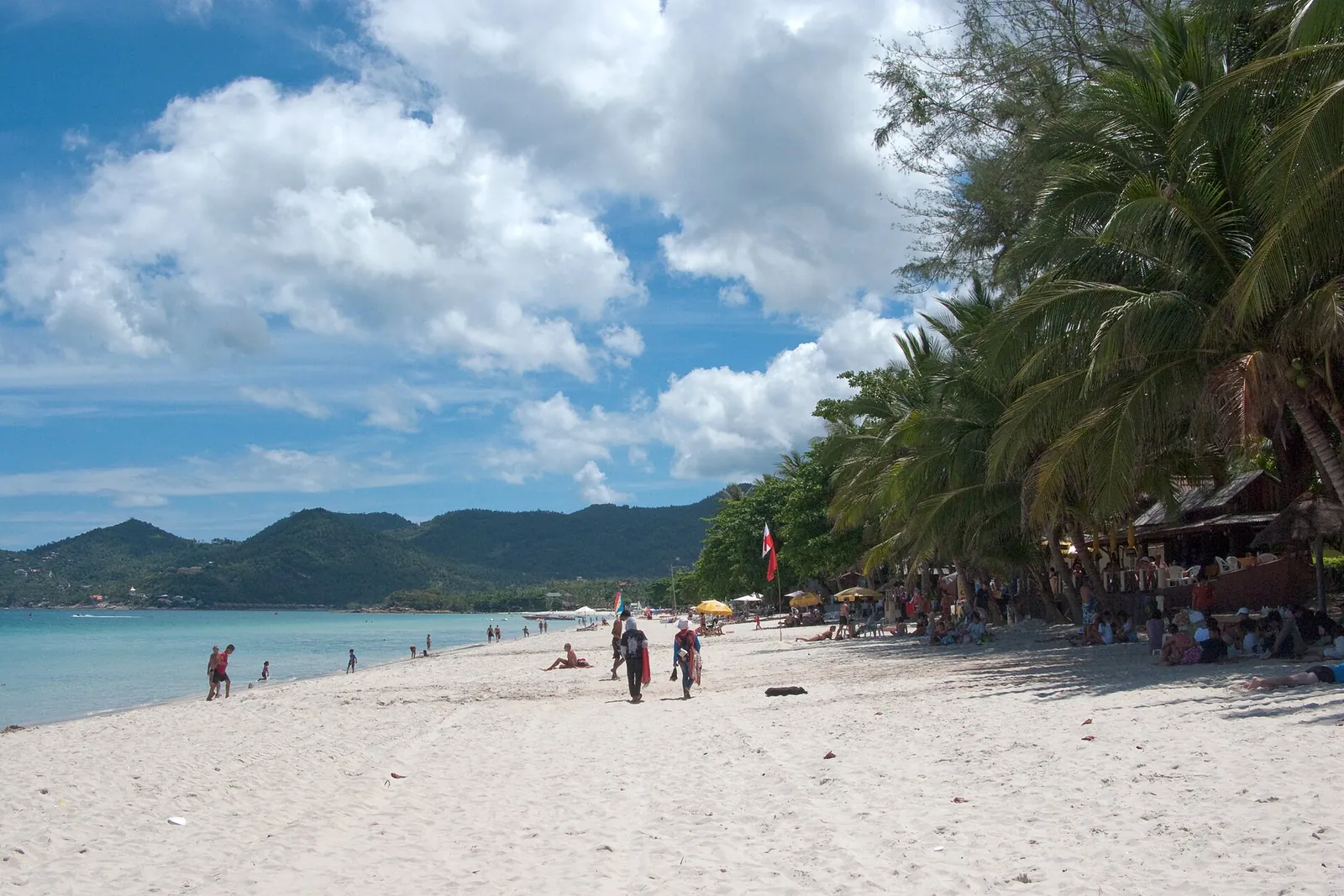
February is the one month when every part of Thailand a first-time visitor wants is in season together. Chiang Mai is still in the cool season, which the Tourism Authority of Thailand dates from November to February; the Andaman coast is in its November-to-April season; and the Gulf islands, Koh Samui, Koh Phangan and Koh Tao, are past their October-to-December rains and inside their December-to-June beach season. Chiang Mai holds its flower festival each February.
That makes it the month to combine coasts. Our Thailand 2-week itinerary runs from Bangkok to Koh Lanta, and the Gulf islands route gives a week to Samui, Phangan and Tao.
In Thailand, a mid-range trip costs about EUR 115 a day all-in, from our Thailand trip-cost guide.
Makha Bucha, a Buddhist holy day, falls at the full moon of the third lunar month, which is in February in many years and a public holiday. Lunar New Year is not a public holiday in Thailand, but Bangkok's Chinatown still fills with lanterns and food stalls. The Thailand festivals calendar gives the year's dates.
Sri Lanka: the south coast and the hill country
Sri Lanka's classic loop works from end to end in February. The south and west coast is in its calmer November-to-April season, the tourism board describes the highlands as cool and relatively dry from January to April, and Horton Plains has its clearer January-to-March weather. Only the east coast is still in the north-east rains, which the German Foreign Office dates from December to March.
Our Sri Lanka 10-day itinerary runs Colombo, Kandy, Ella and Galle; with two weeks, the 14-day route adds the ancient cities and the elephants.
In Sri Lanka, a mid-range trip costs about EUR 100 a day all-in, from our Sri Lanka trip-cost guide.
Sri Lanka's key February dates are Independence Day (4 February) and the Navam Maha Perahera in Colombo, the Gangaramaya Temple's two-day procession around Beira Lake, held at Navam Full Moon Poya, the February full moon. On full-moon Poya days the sale of alcohol, meat and fish is prohibited and some shops and businesses close. The Sri Lanka festivals calendar gives the year's dates.
Singapore and Malaysia's west coast
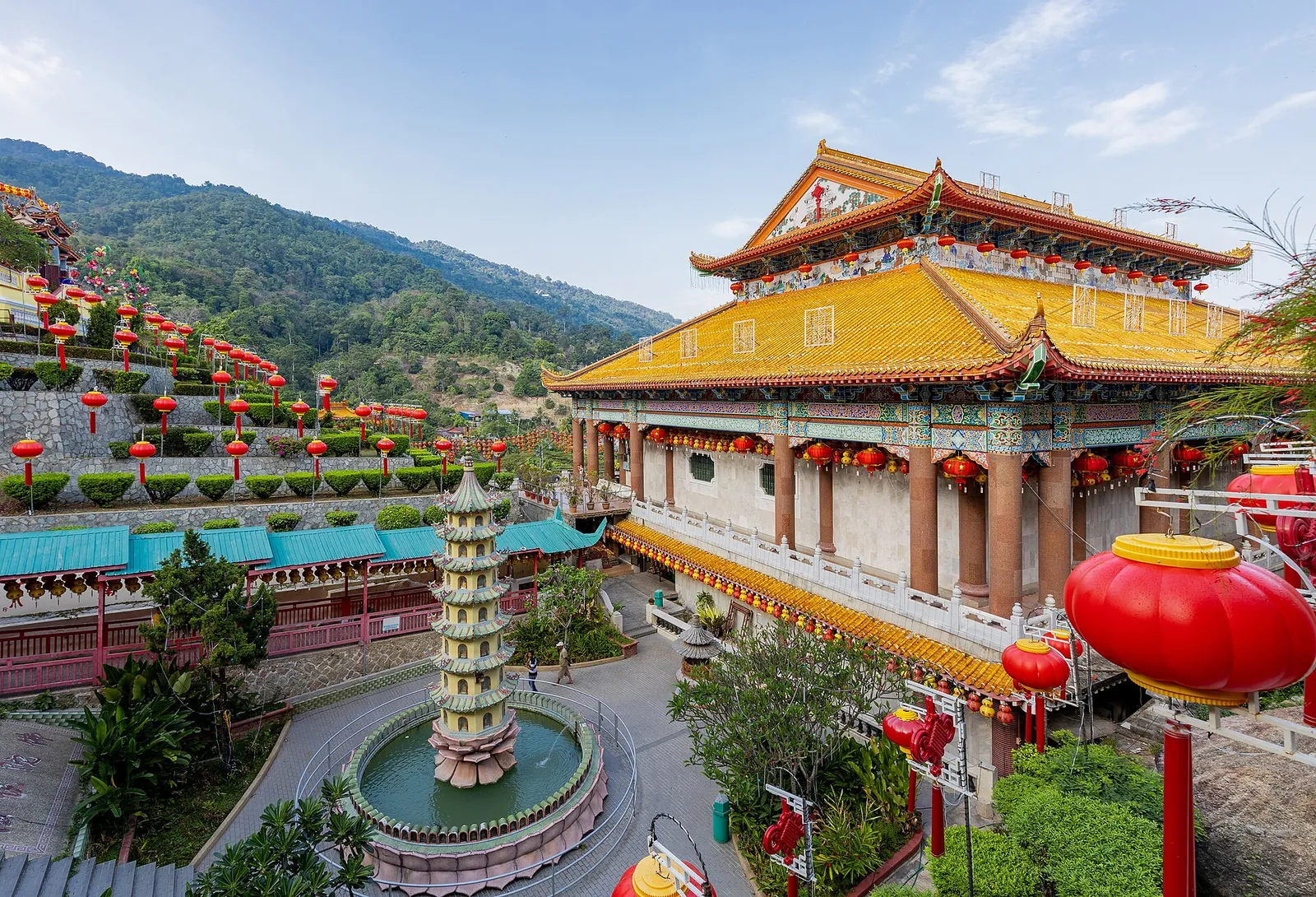
Meteorological Service Singapore names February as the island's driest month: its 1991-2020 normals give 105.1 mm of rain on 9 days, against 331.9 mm in December. Malaysia's west coast, Penang and Kuala Lumpur, is in its own drier spell, which makes February a good month to ride the train between them.
Our Penang to Singapore by train route links the two in four nights; Singapore in 5 days covers the city on its own.
In Singapore, a mid-range trip costs about EUR 185 a day all-in, from our Singapore trip-cost guide; in Malaysia, about EUR 80 a day all-in, from our Malaysia trip-cost guide.
Lunar New Year shapes the month in the years when it falls in February. Singapore gives its first two days as public holidays, with a substitute day when one falls on a Sunday, and Malaysia also closes for the New Year. Singapore's Chingay Parade, an annual street parade, comes in the weeks after it, and River Hongbao usually runs over the New Year. Our Lunar New Year guide gives the year's dates for the holidays and celebrations in ten places.
Hokkaido and Japan's winter festivals
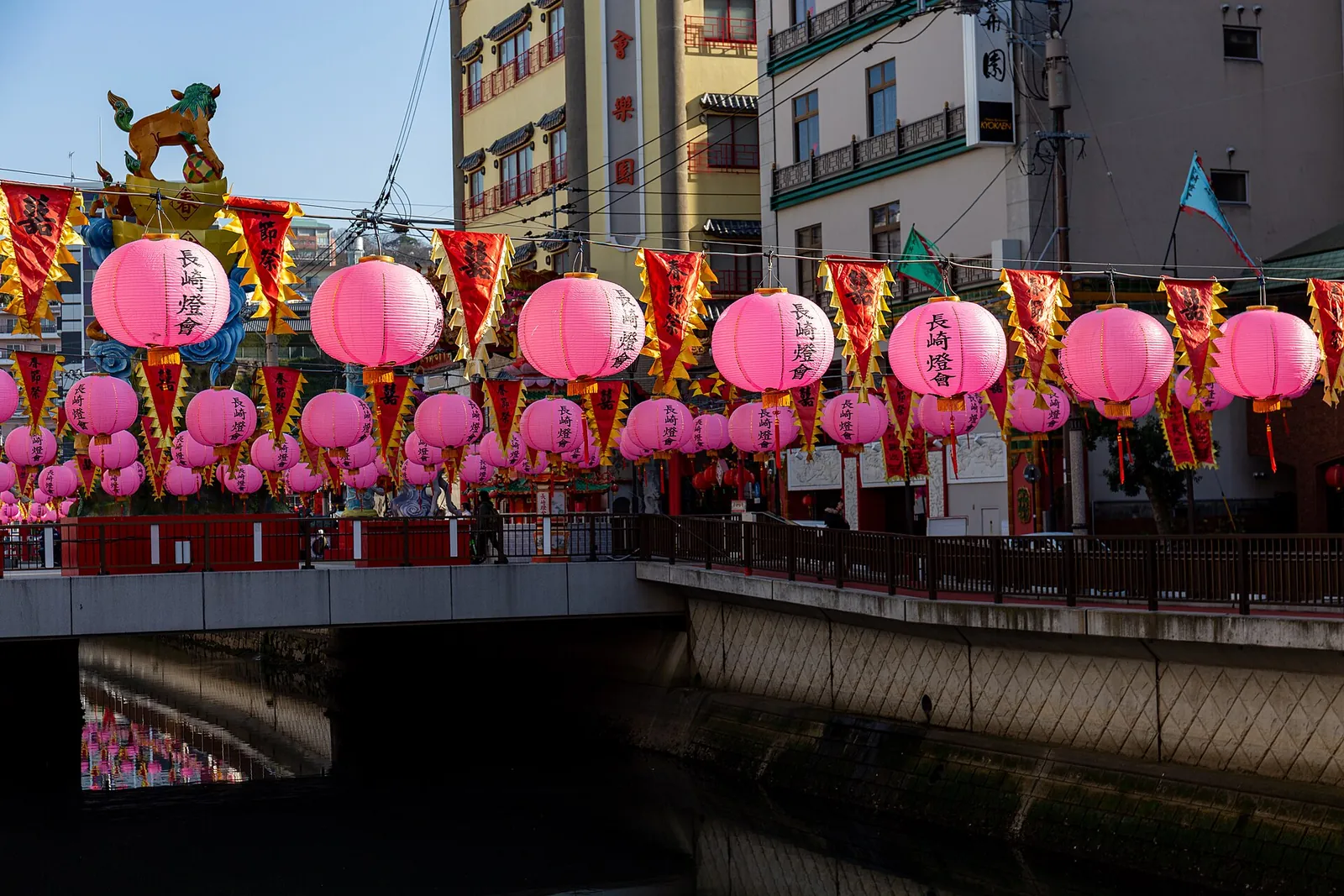
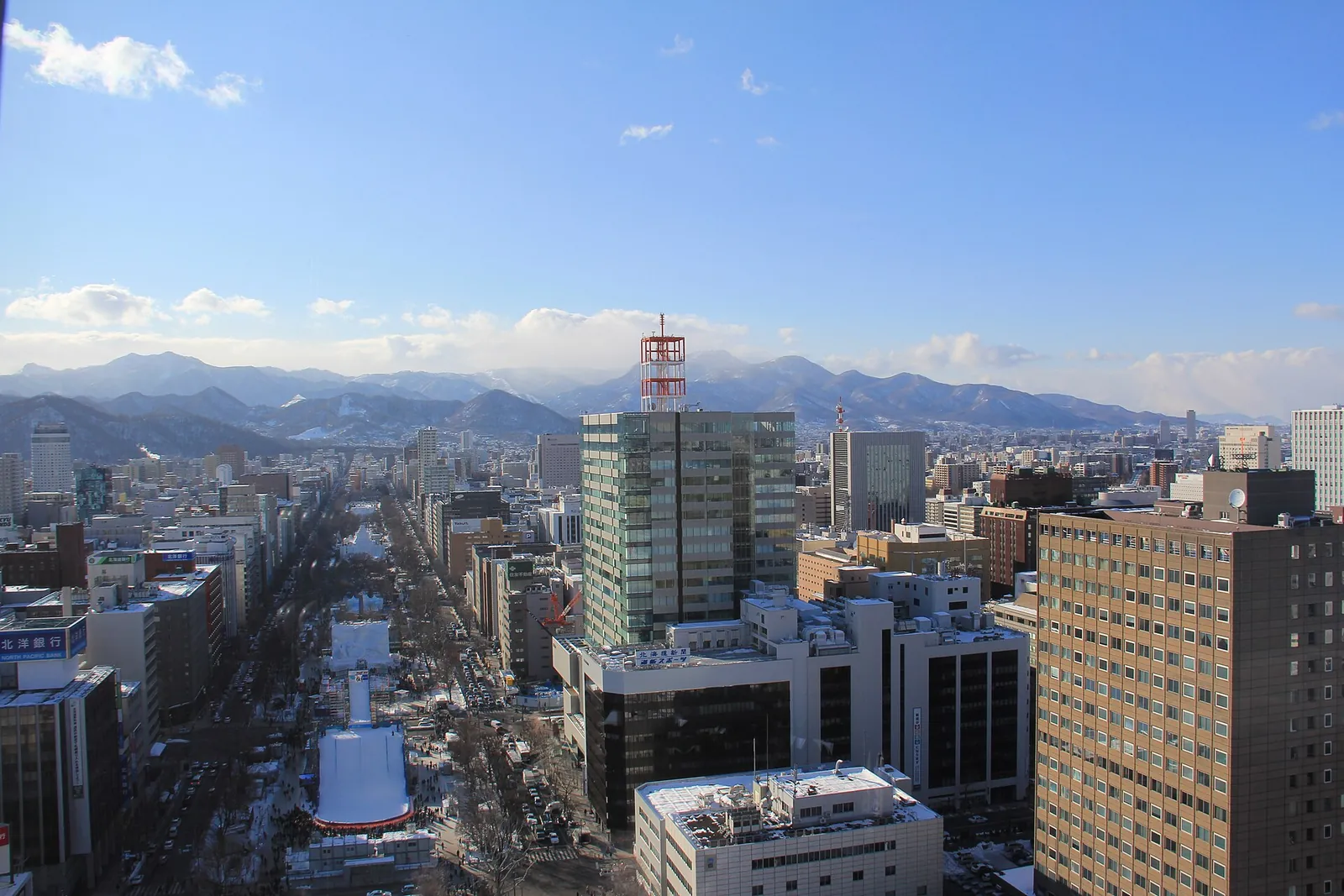
February is Japan's month for snow. The Sapporo Snow Festival usually runs from 4 to 11 February, and the Otaru Snow Light Path and the Asahikawa Winter Festival are held in the same weeks. Sapporo's 1991-2020 February mean is -2.7°C, so dress for snow. In the south, the Nagasaki Lantern Festival lights the city for about two weeks in February. Tokyo and Kyoto are dry and cold, with highs of about 11°C and 10°C.
Our Sapporo Snow Festival guide gives the year's dates, the sites and getting there, and Hokkaido in 7 days adds Otaru and Noboribetsu.
In Japan, a mid-range trip costs about EUR 150 a day all-in, from our Japan trip-cost guide. That guide prices a spring trip; winter in Hokkaido adds lift passes for skiers.
Plan for crowds. The Japan National Tourism Organization names early February among the busiest weeks on the ski slopes and says Hakuba is particularly busy at Chinese New Year. National Foundation Day (11 February) and the Emperor's Birthday (23 February) are public holidays.
The Philippines: Palawan, Cebu and Bohol
February is one of the driest months in the western Philippines. PAGASA's 1991-2020 normals give Manila 21.9 mm of rain, Coron 22.9 mm, Puerto Princesa 30.7 mm and Cebu's Mactan 88.9 mm; only the Pacific coast, at Surigao with 468.1 mm, is still wet. That makes it a good month for island-hopping out of El Nido and Coron.
Our Philippines in 14 days combines El Nido, Coron, Bohol and Cebu; Cebu and Bohol in 7 days is the shorter version.
In the Philippines, a mid-range trip costs about EUR 65 a day all-in, from our Philippines trip-cost guide, which prices a February trip.
Chinese New Year is usually declared a special non-working day, and Panagbenga, Baguio's flower festival, runs through February; Baguio's 1991-2020 normals give it cool, dry weather with 23.7 mm of rain. The Philippines festivals calendar gives the year's dates.
India: Rajasthan and Kerala
February is warmer than January in the north-west and the fog has mostly gone. The India Meteorological Department's 1991-2020 means give Jaipur a low of 12.0°C and a high of 26.1°C with 10.2 mm of rain, and Delhi 10.9 foggy days against 21.6 in January. Kerala is still in its pleasant October-to-March season.
Our India in 10 days adds Udaipur to the Golden Triangle, and the Kerala route covers Kochi, Munnar and the backwaters.
In India, a mid-range trip costs about EUR 100 a day all-in, from our India trip-cost guide, which prices a February trip.
The Tent City of the Rann Utsav in Kutch stays open through the winter season, and the Magh Mela pilgrimage at Prayagraj continues through the Hindu month of Magh. Holi follows in March. The India festivals calendar gives the year's dates.
Also good in February
Five more places suit February, with conditions.
- Cambodia and Laos: Phnom Penh's 1991-2020 February normal is 4.6 mm of rain, Luang Prabang's 10.6 mm. See Cambodia in 7 days.
- The Maldives is in its January-to-March dry season. Ramadan follows the Islamic lunar calendar and moves about 11 days earlier each year, so check whether it falls in your dates; the best time to visit the Maldives guide explains what it changes on local islands.
- Bhutan: the Punakha Drubchen and the Punakha Tshechu follow each other in Punakha Dzong on dates set by the Bhutanese lunar calendar, usually in February; the Department of Tourism publishes the year's dates. See the Bhutan festivals guide and the best time to visit Bhutan guide.
- Hong Kong and Macau for Lunar New Year: both give the first three days of the New Year as public holidays, and Hong Kong's fireworks over Victoria Harbour are usually on the second day. The best time to visit Macau guide covers Macau's season.
- Southern Taiwan: Kaohsiung averages 17.7 mm of rain in February, Taipei 143.2 mm. The Taiwan Lantern Festival opens on the Lantern Festival, the 15th day of the first lunar month, which falls in February or early March; see our Lantern Festival guide.
Where not to go in February, and why
Lunar New Year is the main thing to plan around; the weather rules out fewer places than in December or January.
- Vietnam during Tet, unless Tet is the point: Tet falls in late January or February, and the national tourism board says many businesses, transport services and restaurants close for several days. Trains for Tet travel go on sale months ahead. The south and Hoi An are dry; read our Tet guide for the year's dates before booking.
- China around the Spring Festival: the Chunyun travel rush, 40 days from about two weeks before the New Year in recent years, fills trains and flights, and Beijing's February averages a low of -6.9°C. The best time to visit China guide suggests the spring months.
- Bali and Java: still in the November-to-March wet season, according to Indonesia's tourism ministry.
- Coastal Sarawak and north-east Sabah: still inside the December-to-March wet spell of the north-east monsoon; north-west Sabah is at its driest.
- Taipei and Taiwan's north-east: Keelung averages 349.8 mm of rain in February.
- Mongolia, Kazakhstan and Kyrgyzstan: Ulaanbaatar's February averages a high of -9.6°C, and Kyrgyzstan's roads outside Bishkek are often blocked by snow in winter. The annual Khövsgöl Ice Festival on the frozen lake is for travellers equipped for -28°C nights; the Mongolia festivals calendar gives the year's dates.
Practical questions
Where is warm and dry in Asia in February?
Thailand (including the Gulf islands), Sri Lanka's south and west coast and hill country, Singapore, Malaysia's west coast, the Philippines, Cambodia, Laos, southern Vietnam, Rajasthan, Kerala and the Maldives.
When is Lunar New Year?
It follows the lunar calendar and falls between late January and mid-February, on a different date each year; in Korea it is called Seollal. Public holidays run from one day to a week; our Lunar New Year guide gives the year's dates for ten places.
Is February a good time to visit Thailand?
Yes, it is one of the best months: the north is still cool and dry, and both the Andaman coast and the Gulf islands are in season. A mid-range day costs about EUR 115 per person, all-in except the flight.
When is the Sapporo Snow Festival?
Usually from 4 to 11 February, at Odori Park and Susukino. The Otaru Snow Light Path and the Asahikawa Winter Festival are held in the same weeks; our Sapporo Snow Festival guide gives the year's dates.
Is Bali good in February?
February is still in Bali's wet season, which Indonesia's tourism ministry dates from November to March. Thailand, Sri Lanka or the Philippines are drier choices for a beach week.
Keep planning your trip

Lunar New Year 2027 in Asia
Lunar New Year 2027 falls on 6 February (7 February in Korea). Compare the official holidays, best celebrations and closures in ten places across Asia.
Read the guide
Best time to visit Thailand
Choose Thailand dates by northern weather, Andaman and Gulf monsoons, park closures and festivals, with a nine-night route and dated budget.
Read the guide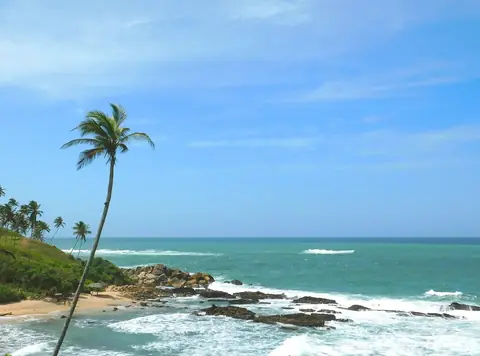
Best time to visit Sri Lanka
Choose Sri Lanka dates from the two monsoons, the beach and hill seasons, the Cultural Triangle, the Esala Perahera and Poya days, with the loop set for January.
Read the guide
Best time to visit Singapore
Singapore month by month: rainfall and heat from MSS, the haze season, festival and holiday dates for 2026-27, school holidays and what hotels cost.
Read the guide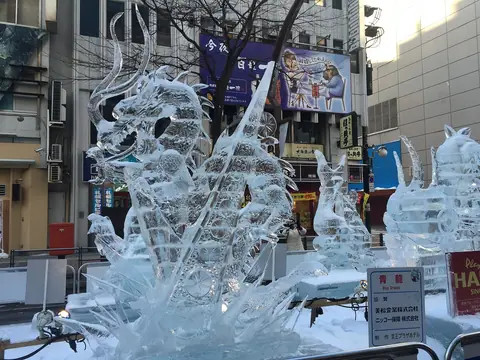
Sapporo Snow Festival 2027
The Sapporo Snow Festival runs from 4 to 11 February 2027: what to see at Odori, Susukino and Tsudome, when the ice is lit, and how to get there from New Chitose.
Read the guide
Best time to visit the Philippines
Choose Philippine travel dates by region with PAGASA rainfall figures, typhoon signals and 2026-2027 festival dates.
Read the guideSources and checks before you travel
(53)
- Tourism Authority of Thailand: cooler months of November to February ↗ — opens in a new tab
- Tourism Authority of Thailand: weather during the monsoon season ↗ — opens in a new tab
- Tourism Authority of Thailand: five must-do highlights ↗ — opens in a new tab
- Lao News Agency: Vat Phou festival ↗ — opens in a new tab
- Sri Lanka Tourism: travel tips ↗ — opens in a new tab
- Sri Lanka Tourism: Horton Plains ↗ — opens in a new tab
- German Foreign Office: Sri Lanka travel and safety advice ↗ — opens in a new tab
- Gangaramaya Temple ↗ — opens in a new tab
- Central Bank of Sri Lanka: bank holidays 2027 ↗ — opens in a new tab
- Meteorological Service Singapore: climate of Singapore ↗ — opens in a new tab
- Malaysian Meteorological Department: climate of Malaysia ↗ — opens in a new tab
- Ministry of Manpower, Singapore: public holidays for 2027 ↗ — opens in a new tab
- Chingay Parade: performers ↗ — opens in a new tab
- Sapporo Snow Festival: 2027 announcement ↗ — opens in a new tab
- Otaru Tourism Association: winter events ↗ — opens in a new tab
- Asahikawa Winter Festival ↗ — opens in a new tab
- Nagasaki City: Nagasaki Lantern Festival ↗ — opens in a new tab
- Japan Meteorological Agency: Sapporo normals 1991-2020 ↗ — opens in a new tab
- Japan Meteorological Agency: Tokyo normals 1991-2020 ↗ — opens in a new tab
- Japan Meteorological Agency: Kyoto normals 1991-2020 ↗ — opens in a new tab
- Japan National Tourism Organization: skiing in Japan ↗ — opens in a new tab
- Japan National Tourism Organization: Hakuba ↗ — opens in a new tab
- Cabinet Office, Japan: national holidays ↗ — opens in a new tab
- PAGASA: climatological normals 1991-2020 (Port Area, Manila) ↗ — opens in a new tab
- PAGASA: climatological normals 1991-2020 (Coron) ↗ — opens in a new tab
- PAGASA: climatological normals 1991-2020 (Puerto Princesa) ↗ — opens in a new tab
- PAGASA: climatological normals 1991-2020 (Mactan) ↗ — opens in a new tab
- PAGASA: climatological normals 1991-2020 (Surigao) ↗ — opens in a new tab
- PAGASA: climatological normals 1991-2020 (Baguio) ↗ — opens in a new tab
- Philippine Information Agency: 2027 regular and special holidays ↗ — opens in a new tab
- India Meteorological Department: Jaipur climatology ↗ — opens in a new tab
- India Meteorological Department: Safdarjung (Delhi) climatology ↗ — opens in a new tab
- Incredible India: Kochi ↗ — opens in a new tab
- Rann Utsav Tent City ↗ — opens in a new tab
- Incredible India: Magh Mela 2027 ↗ — opens in a new tab
- Japan Meteorological Agency: ClimatView, Phnom Penh ↗ — opens in a new tab
- Japan Meteorological Agency: ClimatView, Luang Prabang ↗ — opens in a new tab
- Maldives Meteorological Service: climate ↗ — opens in a new tab
- UK Foreign Office: Maldives safety and security ↗ — opens in a new tab
- Department of Tourism, Bhutan: tentative festival dates 2027 ↗ — opens in a new tab
- GovHK: general holidays for 2027 ↗ — opens in a new tab
- Macao SAR Government: public holidays 2027 ↗ — opens in a new tab
- Central Weather Administration, Taiwan: monthly mean rainfall ↗ — opens in a new tab
- Ministry of Transportation and Communications, Taiwan: Taiwan Lantern Festival 2027 ↗ — opens in a new tab
- Vietnam National Authority of Tourism: FAQs ↗ — opens in a new tab
- World Meteorological Organization: Beijing ↗ — opens in a new tab
- Ministry of Transport, China: Spring Festival travel rush briefing (January 2026) ↗ — opens in a new tab
- Vietnam Railways: Tet 2027 tickets ↗ — opens in a new tab
- Indonesia Travel: weather and climate ↗ — opens in a new tab
- World Meteorological Organization: Ulaanbaatar ↗ — opens in a new tab
- World Meteorological Organization: Khatgal ↗ — opens in a new tab
- Dream Mongolia: Ice Festival 2027 ↗ — opens in a new tab
- UK Foreign Office: Kyrgyzstan safety and security ↗ — opens in a new tab
Reference sources for the version dated 2 November 2026. Confirm opening times, access, transport and conditions for your travel dates.
Photo credits
(4)
A beach on Koh Samui, in the Gulf of Thailand's dry season.
Photograph: Vyacheslav Argenberg — opens in a new tab · CC BY 4.0 — opens in a new tab
Changes: Resized and converted to WebP; displayed with responsive crops. · Original photograph and licence details ↗ — opens in a new tab
Kek Lok Si in Penang, hung with red lanterns.
Photograph: This Photo was taken by Supanut Arunoprayote . Feel free to use any of my images, but please mention me as the author and may send me a message. (สามารถใช้ภาพได้อิสระ แต่กรุณาใส่เครดิตผู้ถ่ายและอาจส่ง ข้อความบอกกล่าวด้วย ) Please do not upload an updated image here without consultation with the Author. The author would like to make corrections only at his own source. This ensures that the changes are preserved. Please if you think that any changes should be required, please inform the author. Otherwise you can upload a new image with a new name. Please use one of the templates derivative or extract . — opens in a new tab · CC BY 4.0 — opens in a new tab
Changes: Resized and converted to WebP; displayed with responsive crops. · Original photograph and licence details ↗ — opens in a new tab
Lanterns strung over a canal in Nagasaki for the Lantern Festival.
Photograph: Balon Greyjoy — opens in a new tab · CC0 — opens in a new tab
Changes: Resized and converted to WebP; displayed with responsive crops. · Original photograph and licence details ↗ — opens in a new tab
Odori Park in Sapporo, the main site of the Snow Festival, in winter.
Photograph: Cesar I. Martins from Jundiai, Brazil — opens in a new tab · CC BY 2.0 — opens in a new tab
Changes: Resized and converted to WebP; displayed with responsive crops. · Original photograph and licence details ↗ — opens in a new tab