Plan your trip · Sri Lanka
Best time to visit Sri Lanka: the two monsoons, coasts and hills
For a first trip, late January and February are the best weeks to choose, but the right month depends on which part of the island matters most to you. Sri Lanka has two rainy seasons that fall on different coasts, one set of festivals that move each year and a sea that is dangerous in some months, so this guide sorts the calendar by what you want to do and where you want to be.
- Suggested time
- 10 days, 9 nights: 1 in Colombo, 2 in the Sigiriya area, 2 in Kandy, 2 in Ella, 2 in Galle
- Where to stay
- Colombo for the first night, then the Sigiriya area, Kandy, Ella and Galle
- Season and timing
- Second half of January and February for the whole loop; November to April for the beach and January to April for the hills.
The short answer
Book the nine nights (1 in Colombo, 2 in the Sigiriya area, 2 in Kandy, 2 in Ella, 2 in Galle) for the second half of January or February, the weeks between the two peak periods. By month: from November to April, Sri Lanka Tourism's sun-and-sea months, the beach nights at Galle are in season; in March and April book rooms early for the Easter peak; in July and August book the Kandy nights once the Perahera dates are announced; from June to October put the spare nights in the Sigiriya area, where Sri Lanka Tourism says May to October is a popular time to visit Minneriya for the elephant gathering, and do not add hill or beach nights. Book the Kandy to Ella train seats when they open, 30 days before travel. Two key prices: when we checked on 16 October 2026, Raja & the Whales, a Mirissa operator, charged LKR 20,000 per adult for its whale boat on its own page, and it says it sails only with a minimum of 10 passengers and when the sea allows; when we checked on 17 October 2026, a full Sigiriya ticket cost USD 35 for a foreign visitor.
Two monsoons, two coasts: how the year divides
Sri Lanka has no single bad season, because it has two rainy ones and each belongs to a different side of the island. When we checked on 16 October 2026, the German Foreign Office put the rain in the north-east from December to March and in the south-west from June to October, in a tropical, hot and humid monsoon climate. Sri Lanka Tourism's Travel Tips page calls it a round-the-year destination, with November to April the best time for sun and sea on the south-west coast, where most of the beach resorts stand.
Sri Lanka Tourism's Travel Tips page puts the sun-and-sea months from November to April, and its Mirissa page calls May to October that town's off season, with a rougher sea. Book beach nights from November to April. France Diplomatie's sea-swimming warning, which has its own months, is in the swimming paragraph under the days out below.
The pattern can fail. The same advice says the clean division is getting harder to rely on and that long, heavy rain with floods can fall in any region in any month; France Diplomatie (page of 27 September 2026) adds that floods, rockfalls and landslides can strike suddenly even outside the monsoon, especially in the mountains, and gives cyclone Ditwah at the end of November 2025 as its example. Read the periods below as the odds, not a promise, and keep the hill-country days of a trip movable.
For the days of your own trip, the Department of Meteorology publishes the island's forecasts at meteo.gov.lk, and the Disaster Management Centre's site, dmc.gov.lk, carries weather reports and landslide and flood warnings; its hotline is 117.
- December to March: the north-east rain, in the German Foreign Office's calendar. Sri Lanka Tourism puts the peak season from mid December to mid January.
- January to April: Sri Lanka Tourism calls the central highlands pleasantly cool and relatively dry. March and April carry a second peak around Easter.
- May to October: the south-west rain runs from June to October, and Sri Lanka Tourism says May to October is a popular time to visit Minneriya for the elephant gathering.
- July and August: a mini peak season, when Sri Lanka Tourism says festivals and pageants are held through the country; the Esala Perahera falls in these months.
- November: the start of Sri Lanka Tourism's sun-and-sea months; the UK Foreign Office's warning of 21 September 2026 covers heavy rain in the inter-monsoon season (see below).
Late January and February: the loop between the two peaks
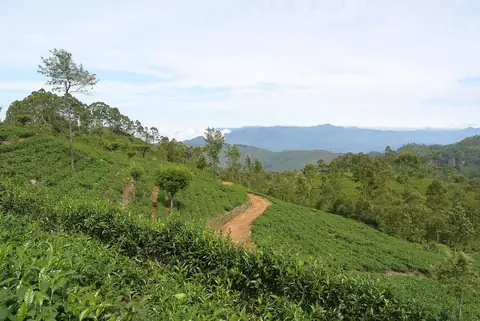
If the dates are yours to choose, choose the second half of January or February. The two busiest periods are mid December to mid January and March and April around Easter, and the weeks between them are the ones in which the beaches and the cool, relatively dry highlands are both in season. This is the stretch in which the ten-day loop of the first-trip guide works as written: the tea hills around Kandy and Ella are in their relatively dry months, the Kandy to Ella train runs through them, and Sri Lanka Tourism's Mirissa page calls November to April that town's winter season, with calm seas.
March and April: dry highlands and Easter crowds
March and April are relatively dry in the highlands and add the Easter peak, so rooms are the part of the trip to book early.
The New Year festival in mid-April is the first of the year's two pauses, described under the dates that move.
The Cultural Triangle: early starts and the elephant gathering
The Central Cultural Fund's Sigiriya page says early morning or late afternoon visits offer cooler temperatures and better light, so climb at opening time rather than at noon. Sri Lanka Tourism says May to October is a popular time to visit Minneriya, in the dry zone near Polonnaruwa, for the elephant gathering: the reservoir recedes, grass is exposed on the banks and herds gather, and once the rains set in the elephants disperse. No official page gives the Cultural Triangle's rain months, so keep the two Sigiriya-area days movable and check the forecast at meteo.gov.lk before you go.
June to October: south-west rain, a rougher sea and the festival summer
From June to October the rain falls on the south-west, the side of the island with most of the beach resorts. Sri Lanka Tourism's Mirissa page calls May to October the off season there: the town becomes quiet and the sea gets a bit rough, though it stays popular at weekends with day visitors from Colombo. Beach nights belong to November to April.
The hills are not the answer to these months. No official page gives a dry window for the hill country between June and October: the Hakgala Botanic Gardens page lists south-west monsoon rain there from May to August and mist and heavy downpours from October to December. If these are your only weeks, spend them on the Sigiriya area and Minneriya, and on Kandy for the Esala Perahera in July or August, and keep the Ella nights few. The two Galle nights are then about the Fort and its ramparts rather than the water. In the hills, pack light woollens and waterproof clothing or an umbrella.
November and December: sun returns, and so can the rain
November is the month in which the sun-and-sea season starts. When we checked on 16 October 2026, the UK Foreign Office's warnings page, updated on 21 September 2026, said that heavy rainfall during the inter-monsoon season had increased the risk of flooding and landslides across Sri Lanka, with disruption to transport and other services possible, and its Safety and security page adds that heavy rains and landslips can also lead to road closures and affect local transport links. For a November trip, keep the hill-country days movable and the flights flexible.
From mid December the peak season begins, and the north-east rain with it, so book rooms early. Sri Lanka Tourism's Ella page says it can rain a lot there in December.
Days out: Horton Plains, the parks, whale boats and the sea
World's End at Horton Plains is the day on which the weather decides everything. The cliff view is often hidden by fog unless you arrive early, especially from April to September; the best time is early morning between 6 am and 10 am, and the weather is clearer from January to March. The main hike from the visitor centre is a circular route of 9 km that takes about 3 hours. The Sri Lanka Tourism Development Authority says the online permit covers Horton Plains, so book it on the Department of Wildlife Conservation's ePermit (see below); the Nuwara Eliya guide covers the town and the plateau.
Yala and Udawalawe are two parks with different climates. Sri Lanka Tourism describes Yala's climate as dry and semi-arid, with rain mainly in the north-east monsoon, while Udawalawe lies on the boundary of the wet and dry zones; it is the best place in the country to see wild elephants throughout the year, with no seasonal variation in the herds, though sightings are more frequent in the dry season, May to September, which overlaps the months of the south-west rain. No official page publishes Yala's closure dates or the blocks that are open; ask your lodge or jeep operator before you pay. The Department of Wildlife Conservation sets the fees in Gazette 2292/11, applying from 2 September 2022; that link was dead when we checked on 17 October 2026, and the ePermit shows no amount until you choose a park and date; the charge depends on the park, the group and the vehicle. The ePermit is booked online: open the Department's website, go to eServices, then Day Visitor ePermits, choose the date and the park, list every person in the group including the driver and guide, enter the vehicle's details and pay. Take a printout of the permit with its QR code to the entrance: the booking terms call the printout mandatory.
Whale and dolphin boats at Mirissa leave the harbour in the early morning. Raja & the Whales says it runs trips only with a minimum of 10 passengers and that sea conditions decide whether it sails (its trips page says it resumes trips as soon as sea conditions allow): from November to the end of April or early May, which it says is usually daily, and from August to October if weather and sea conditions are sufficient; it runs none in May, June or July. Check-in is at 06:00 for a 06:30 departure, and the south-coast guide has its terms. When we checked on 16 October 2026, it charged LKR 20,000 per adult aged 12 or over and LKR 10,000 per child from 5 to 11.99 years; other operators set their own prices. The Sri Lanka Coast Guard monitors whale and dolphin watching there under the Sea Mammals Observation, Regulation and Control Regulations.
Swimming is where France Diplomatie is firmest. When we checked on 16 October 2026 (its page updated on 27 September 2026), it strongly discouraged sea swimming on the west coast from April to November and said that several tourists drown every year on the tourist beaches of the west and the south, in particular at Hikkaduwa, Mirissa and Tangalle and especially in the monsoon months; it gives no separate months for Galle or Mirissa. It asks swimmers to stay in a group, to prefer beaches with lifeguards and to check conditions before going in, and the UK Foreign Office's Safety and security page, on the same date, adds that many beaches have dangerous surf or rip tides at certain times of the year.
Dates that move: the Perahera, Poya days and the holiday pauses
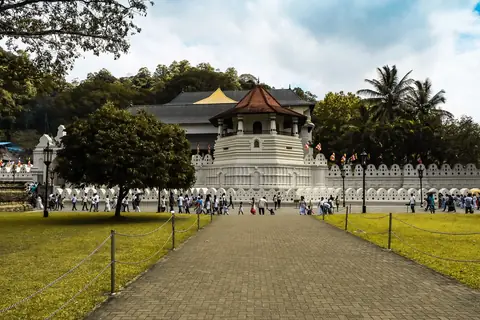
The Kandy Esala Perahera is the festival in which the temple's casket is carried through the streets of Kandy, honoured by gods, people and elephants. The Sri Dalada Maligawa calls it the oldest cultural event in the world, a colourful and glamorous pageant that grew from a procession held in Anuradhapura in the hope of timely rain and a good harvest. The festival falls in July or August, but its dates change each year: the temple announces them at a media briefing in July (on 8 July in 2026) and publishes them on sridaladamaligawa.lk, so choose the Kandy nights once they are out.
Poya days, the full-moon days of the Buddhist calendar, change what a day looks like: alcohol is not sold, the sale of meat and fish is prohibited, and some shops and businesses close. The Ministry of Public Administration's holiday calendar (pubad.gov.lk) is the official list of the Poya days, but its 2026 list did not open when we checked on 17 October 2026, so look there before you fix a date.
Adam's Peak (Sri Pada). The holiest mountain in Sri Lanka has a pilgrimage season that, Sri Lanka Tourism says, begins on the full moon day in the month of Durutu and ends on the full moon day in Wesak (April to May) each year; its holiday page puts the Duruthu full moon Poya day in January. The climb is on foot only, with two main routes, one via Ratnapura and one via Hatton.
The New Year festival in mid-April and the two-day Vesak holiday in May bring a general pause in government, mercantile and banking sectors. Plan to have cash and tickets in hand before them.
Heat, rain gear and what to pack
No official page gives monthly temperatures for the coast, Kandy or Nuwara Eliya. Cotton clothes are useful at any time of the year, light woollens are needed for the hills, and waterproof clothing or an umbrella is worth packing. Use sunscreen with a sun protection factor of at least 15 and drink plenty, since heatstroke is most often caused by dehydration. Tap water is not safe to drink: buy bottled water with an SLS certification and a seal broken in front of you.
Practical questions
What is the best month for a first trip to Sri Lanka?
Choose the second half of January or February, the weeks between the two peak periods (mid December to mid January, and March to April), when the beaches and the cool, relatively dry highlands are both in season.
Is it worth visiting Sri Lanka from June to October?
Yes for the Sigiriya area, Minneriya (Sri Lanka Tourism says May to October is a popular time for the elephant gathering) and the Esala Perahera in July or August; less so for the south-west beaches, where the rain falls from June to October and the sea is rougher. No official page gives a dry window for the hills in these months, so keep the hill nights few.
When is the Kandy Esala Perahera?
In July or August, but the dates change each year and the Sri Dalada Maligawa announces them on sridaladamaligawa.lk after a media briefing in July.
When can I go on a whale boat from Mirissa, and what does it cost?
Raja & the Whales says it runs trips only with a minimum of 10 passengers and that sea conditions decide whether it sails (its trips page says it resumes trips as soon as sea conditions allow): from November to the end of April or early May, which it says is usually daily, and from August to October if weather and sea conditions are sufficient; it runs none in May, June or July. When we checked on 16 October 2026, it charged LKR 20,000 per adult aged 12 or over and LKR 10,000 per child from 5 to 11.99 years; other operators set their own prices.
Does everything close on a Poya day?
No, but alcohol is not sold, meat and fish sales are prohibited and some shops and businesses close.
When is the best time to see World's End at Horton Plains?
Early in the morning, between 6 am and 10 am, and in the clearer months of January to March; fog often hides the view unless you arrive early, especially from April to September.
Sources and checks before you travel
Reference sources for the version dated 18 October 2026. Confirm opening times, access, transport and conditions for your travel dates.
- German Foreign Office (Auswärtiges Amt): Sri Lanka, Reise- und Sicherheitshinweise ↗ — opens in a new tab
- France Diplomatie: Sri Lanka, Sécurité ↗ — opens in a new tab
- UK Foreign Office (GOV.UK): Sri Lanka travel advice, Warnings and insurance ↗ — opens in a new tab
- UK Foreign Office (GOV.UK): Sri Lanka travel advice, Safety and security ↗ — opens in a new tab
- Sri Lanka Tourism: Travel Tips ↗ — opens in a new tab
- Sri Lanka Tourism: Mirissa ↗ — opens in a new tab
- Sri Lanka Tourism: Whale Watching ↗ — opens in a new tab
- Sri Lanka Tourism: Horton Plains ↗ — opens in a new tab
- Sri Lanka Tourism: Sri Lankan Public Holidays ↗ — opens in a new tab
- Sri Dalada Maligawa: Dates announced for the Kandy Esala Perahera 2026 ↗ — opens in a new tab
- Central Cultural Fund: ticket prices ↗ — opens in a new tab
- Central Cultural Fund: e-ticket terms ↗ — opens in a new tab
- Department of Wildlife Conservation: Day Visitor ePermit reservation how-to ↗ — opens in a new tab
- Sri Lanka Railways: seat reservation FAQ ↗ — opens in a new tab
- Disaster Management Centre ↗ — opens in a new tab
- Department of Meteorology ↗ — opens in a new tab
- Raja & the Whales: our trips ↗ — opens in a new tab
- Sri Lanka Tourism: Yala National Park ↗ — opens in a new tab
- Sri Lanka Tourism: Udawalawe National Park ↗ — opens in a new tab
- Uva Provincial Council tourism: Udawalawe National Park Safari ↗ — opens in a new tab
- Sri Dalada Maligawa: The four main festivals ↗ — opens in a new tab
- Sri Dalada Maligawa: The Kandy Esala Perahera ↗ — opens in a new tab
- Sri Lanka Tourism: Airports ↗ — opens in a new tab
- Department of Wildlife Conservation: Day Visitor ePermit ↗ — opens in a new tab
- Department of Wildlife Conservation: revised fees of tourist facilities in wildlife reserves ↗ — opens in a new tab
- Department of Wildlife Conservation: ePermit booking help and terms ↗ — opens in a new tab
- Ministry of Public Administration: Holiday Calendar ↗ — opens in a new tab
- Sri Lanka Tourism: Buddhist places, Sri Pada ↗ — opens in a new tab
- Sri Lanka Tourism: Minneriya National Park ↗ — opens in a new tab
- Central Cultural Fund: Sigiriya Rock Fortress ↗ — opens in a new tab
- Department of National Botanic Gardens: Hakgala ↗ — opens in a new tab
- Sri Lanka Tourism: Ella ↗ — opens in a new tab
- Sri Lanka Tourism Development Authority: important notices ↗ — opens in a new tab
Photo credits
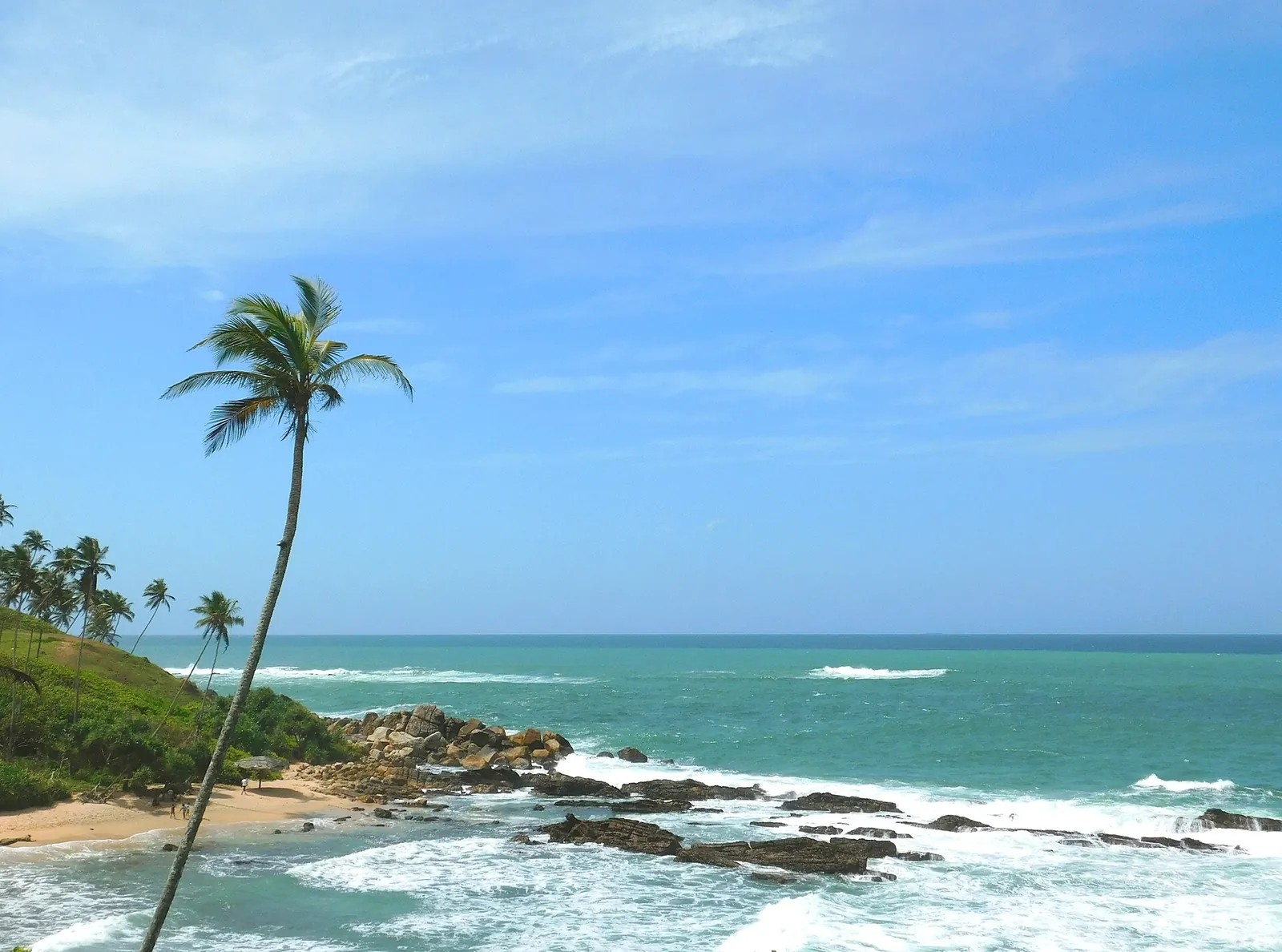
Surf on the rocks at Mirissa on the south coast
Photograph: Thedani Karasnagoda — opens in a new tab · CC BY-SA 4.0 — opens in a new tab
Changes: Resized and converted to WebP; displayed with responsive crops. · Original photograph and licence details ↗ — opens in a new tab
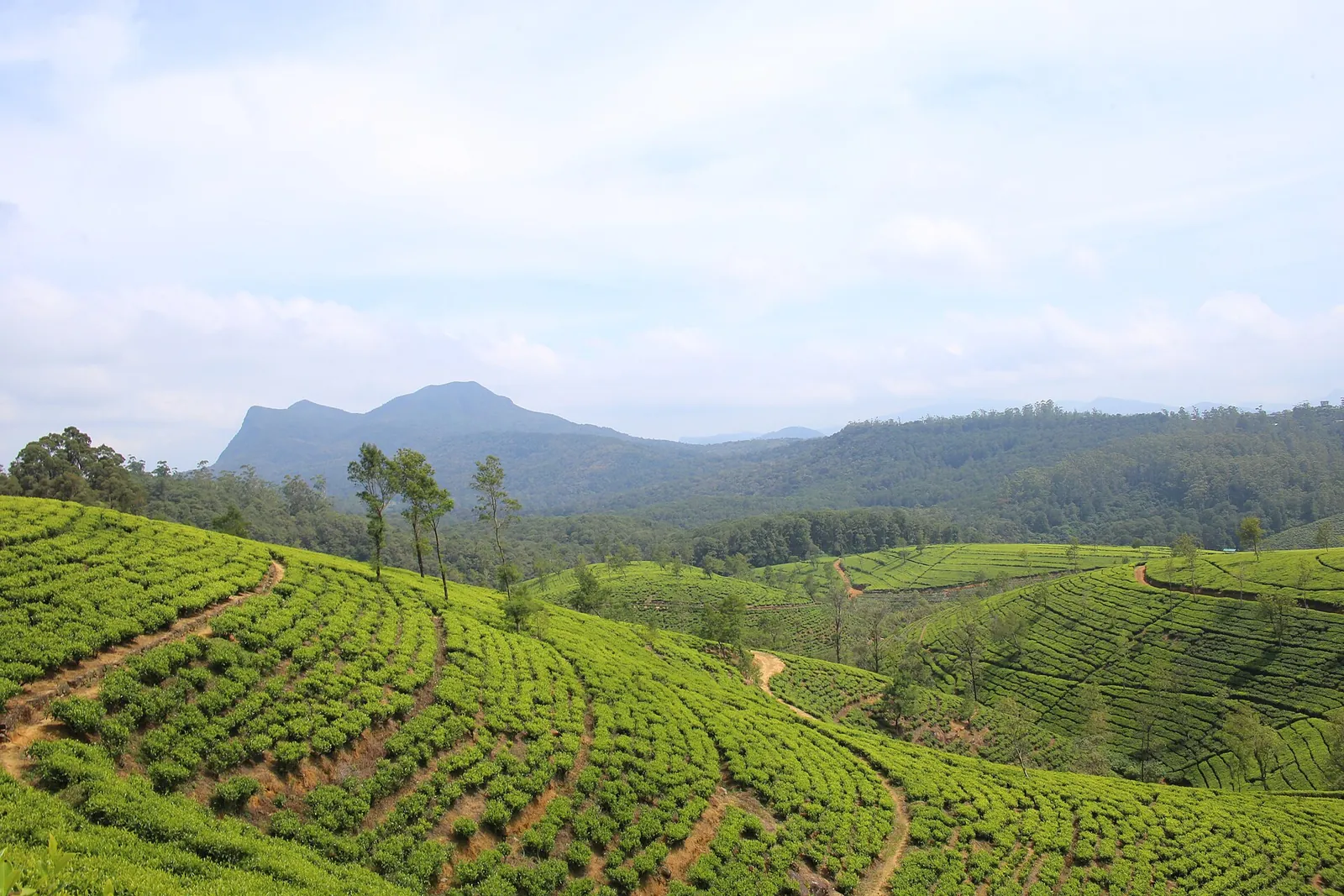
Tea terraces near Nuwara Eliya in the hill country
Photograph: Bergentroll — opens in a new tab · CC0 — opens in a new tab
Changes: Resized and converted to WebP; displayed with responsive crops. · Original photograph and licence details ↗ — opens in a new tab
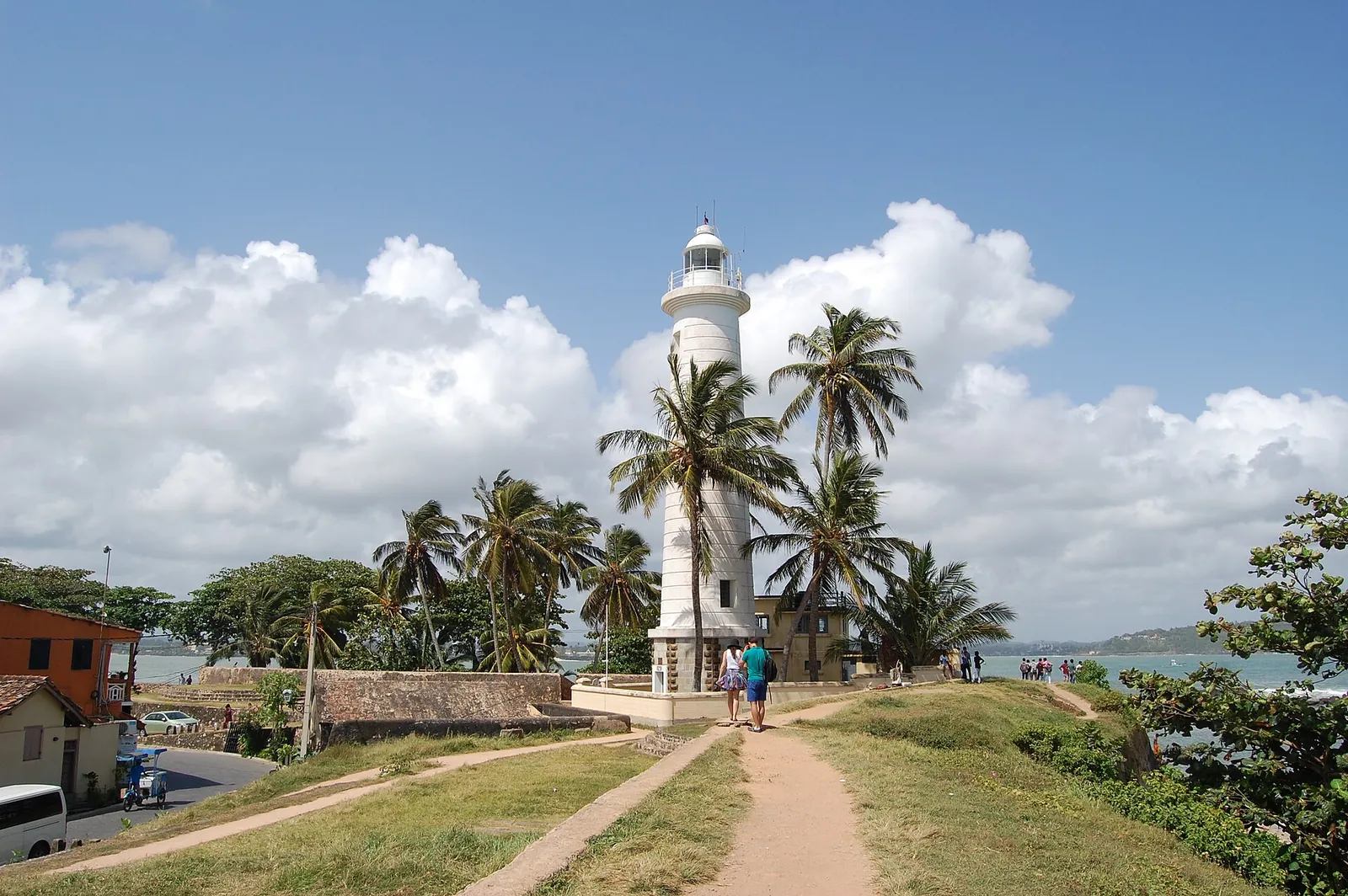
The lighthouse in Galle Fort, on the south-west coast
Photograph: Saqib Qayyum — opens in a new tab · CC BY-SA 3.0 — opens in a new tab
Changes: Resized and converted to WebP; displayed with responsive crops. · Original photograph and licence details ↗ — opens in a new tab
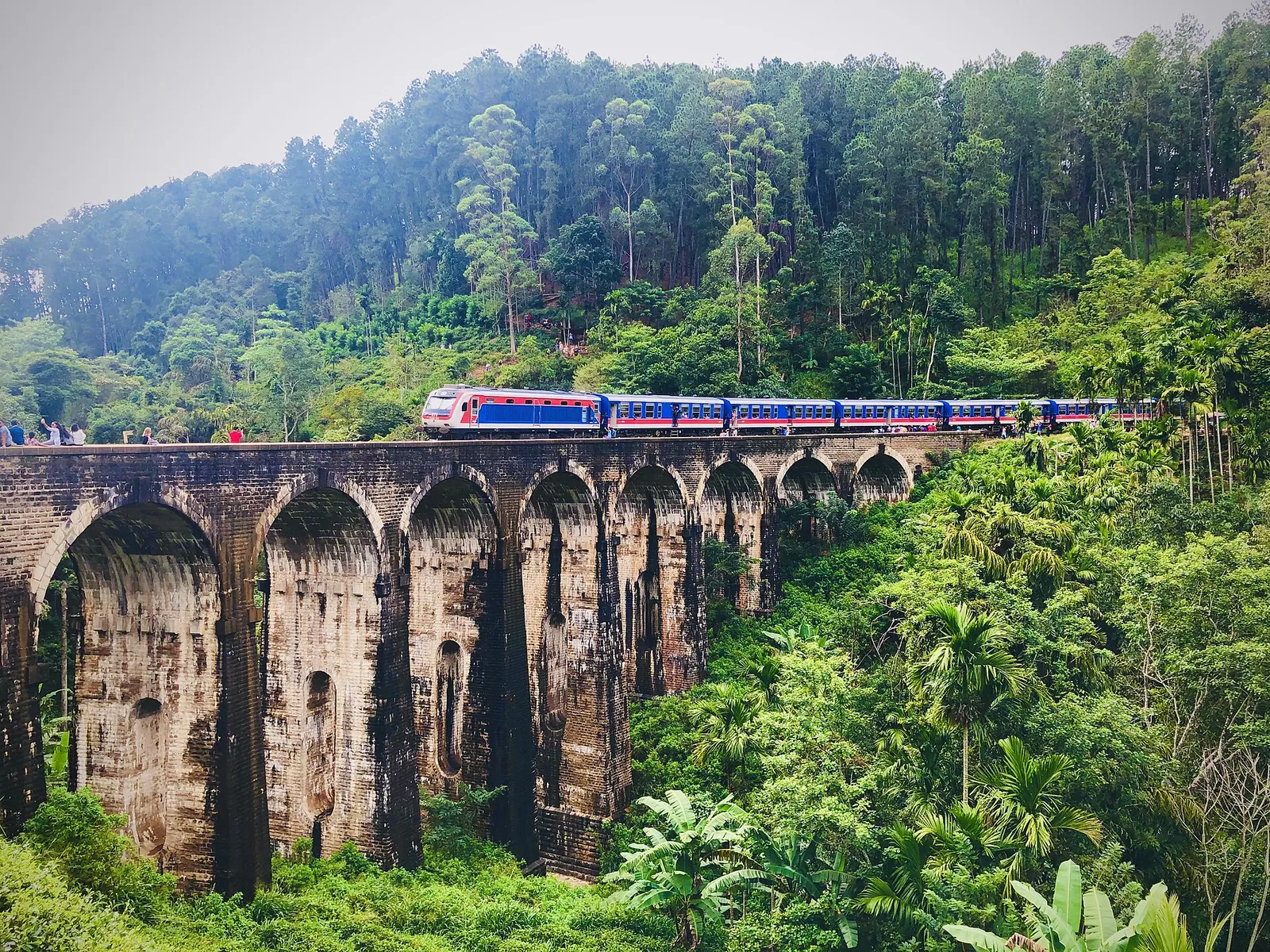
A train on the Nine Arch Bridge at Ella
Photograph: Dilshan255 — opens in a new tab · CC BY-SA 4.0 — opens in a new tab
Changes: Resized and converted to WebP; displayed with responsive crops. · Original photograph and licence details ↗ — opens in a new tab