Central Thailand · Bangkok
Bangkok travel guide: river temples, Chinatown and where to stay
Bangkok rewards a plan built around neighbourhoods rather than a list of famous names. A morning beside the Chao Phraya, an afternoon break in the shade and an evening following the smell of a wok in Chinatown make a better day than crossing the city three times in traffic. Treat the riverside Old Town, Chinatown and the rail-connected modern districts as different parts of one visit.
- Suggested time
- 3–4 days
- Where to stay
- Old Town or riverside for the temples; Silom or Sukhumvit near a rail station for wider exploring
- Season and timing
- Rainy season roughly mid-May to mid-October; the cooler, drier months are mid-October to mid-February. Plan indoor breaks around the midday heat.
The short answer
Give a first visit three full days: one for the Grand Palace, Wat Pho and Wat Arun along the river, one for Chinatown with dinner as the main event, and one for the modern city, markets or a park. Stay on the river or in the Old Town for the temples, or near a BTS or MRT station for easier movement across the city. Add Ayutthaya or a floating market only as a separate fourth day.
Choose your district before your hotel
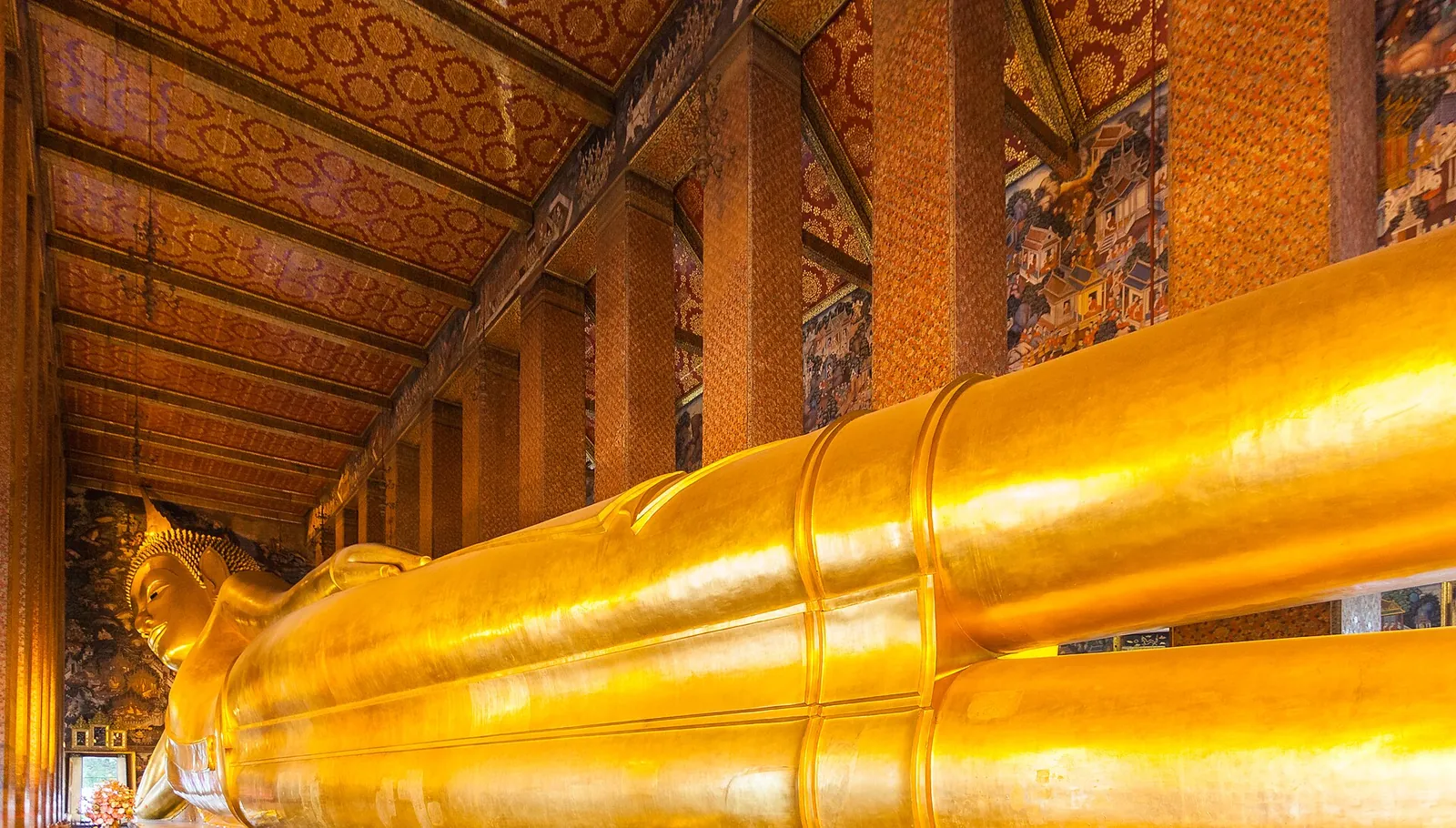
The Old Town (Rattanakosin and the streets around Banglamphu) puts you closest to the Grand Palace and Wat Pho, and suits early starts before the heat and the crowds. It is thinner on rail connections: much of your movement will be on foot, by river boat or by taxi.
The riverside hotels along Charoen Krung and around Saphan Taksin give you the Chao Phraya Express Boat at the door and the BTS Skytrain at Saphan Taksin station. Silom and Sukhumvit are better for rail access, restaurants and onward travel, but neither is one compact neighbourhood: compare the exact station and the walk from the hotel. A cheaper room that adds two transfers to every day can cost more in time than it saves.
The river temples: one morning, three separate visits
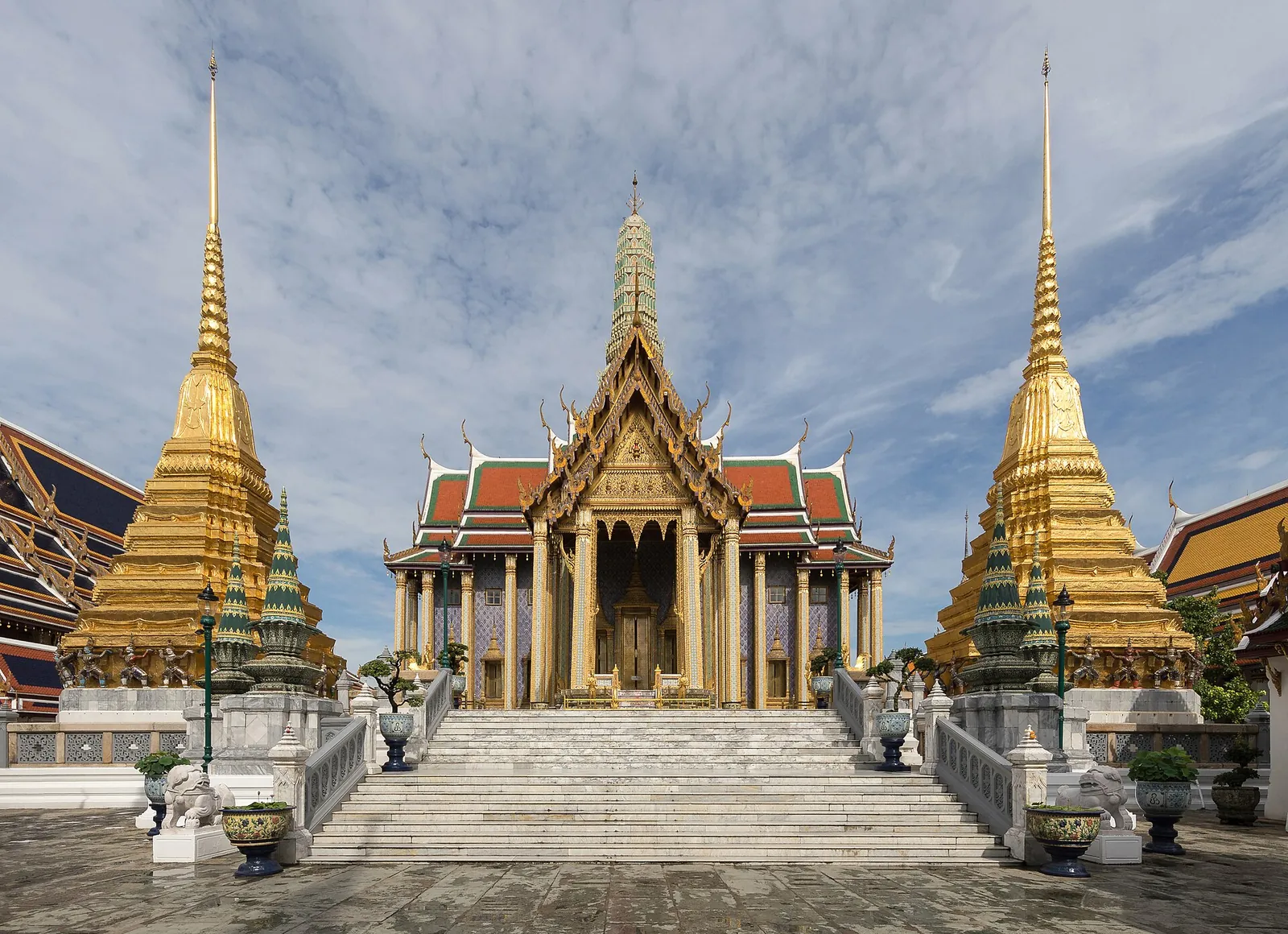
The Grand Palace with Wat Phra Kaew, Wat Pho and Wat Arun sit within a short distance of each other on the river, but they are separate visits with separate tickets and rules. When we checked on 1 October 2026, the Grand Palace's official site listed daily opening from 8:30 to 16:30 with tickets sold until 15:30, at 500 baht for foreign visitors including Wat Phra Kaew. Wat Pho's official visitor page listed 8:00 to 19:30 and a 300-baht admission.
Start with the one that matters most to you — usually the Grand Palace at opening time — then walk about ten minutes south to Wat Pho. Wat Arun is on the opposite bank: a cross-river ferry runs from the pier by Wat Pho (Tha Tien, N8). By the time you have seen two of the three, a long lunch and a rest are a better use of the afternoon than a fourth sight.
These are active royal and religious places. The Grand Palace refuses entry in sleeveless tops, shorts, short skirts, torn or tight trousers and see-through clothing; Wat Pho asks for polite dress and for shoes to be removed before entering its halls. Carry a covering layer. If someone outside tells you a site is closed today and offers another trip, check with the official ticket office before changing your plans.
Make time for the local food
What to eat and where to look
Kuay jap (rolled rice noodles in pepper broth)
Curled sheets of rice noodle in a clear, strongly peppery pork broth, usually with crispy pork belly, sliced pork and offal. It is one of Yaowarat's defining Thai-Chinese dishes.
- Where to look
- Noodle shops and evening stalls along and around Yaowarat Road.
- Fit it into your day
- Order a bowl early in a Chinatown evening, then continue with smaller dishes as you walk.
Usually contains offal and pork; ask for a version without innards if you prefer.
Pad kaprao (holy basil stir-fry)
Minced or sliced meat flash-fried with holy basil, garlic and chilli and served over rice, often with a fried egg. Crispy pork belly (moo krob) is a popular Bangkok version.
- Where to look
- Made-to-order stalls and shophouse kitchens across the city; look for a busy wok.
- Fit it into your day
- A quick, filling lunch between sights in any district.
Very spicy by default; ask for it less hot (mai phet) if needed.
Boat noodles (kuay tiew ruea)
Small bowls of rice noodles in a dark, intensely seasoned broth, a dish that began with vendors selling from boats on the canals. The small portions are meant for ordering several bowls.
- Where to look
- Shops advertising kuay tiew ruea, often grouped together; they are common across central Bangkok.
- Fit it into your day
- A light lunch or afternoon snack — order two or three bowls rather than one large meal.
Traditional versions thicken the broth with blood; ask if you want to avoid it.
Pad thai
Stir-fried rice noodles with tamarind, egg, tofu or prawns, bean sprouts and peanuts — Thailand's best-known noodle dish, cooked to order in a hot wok.
- Where to look
- Old Town and riverside streets, where specialist pad thai shops and stalls are easy to find.
- Fit it into your day
- A simple dinner after a temple day near the Old Town.
Contains peanuts, egg and often fish sauce and dried shrimp.
Tom yum goong
Hot and sour soup with prawns, lemongrass, galangal, kaffir lime leaves and chilli; the creamy version adds evaporated milk or chilli paste.
- Where to look
- Thai restaurants rather than noodle stalls; it is a dish to share with rice.
- Fit it into your day
- Make it part of a sit-down Thai dinner with two or three other dishes.
Contains shellfish; the herbs are for flavour and are not usually eaten.
Chinatown by MRT and by appetite
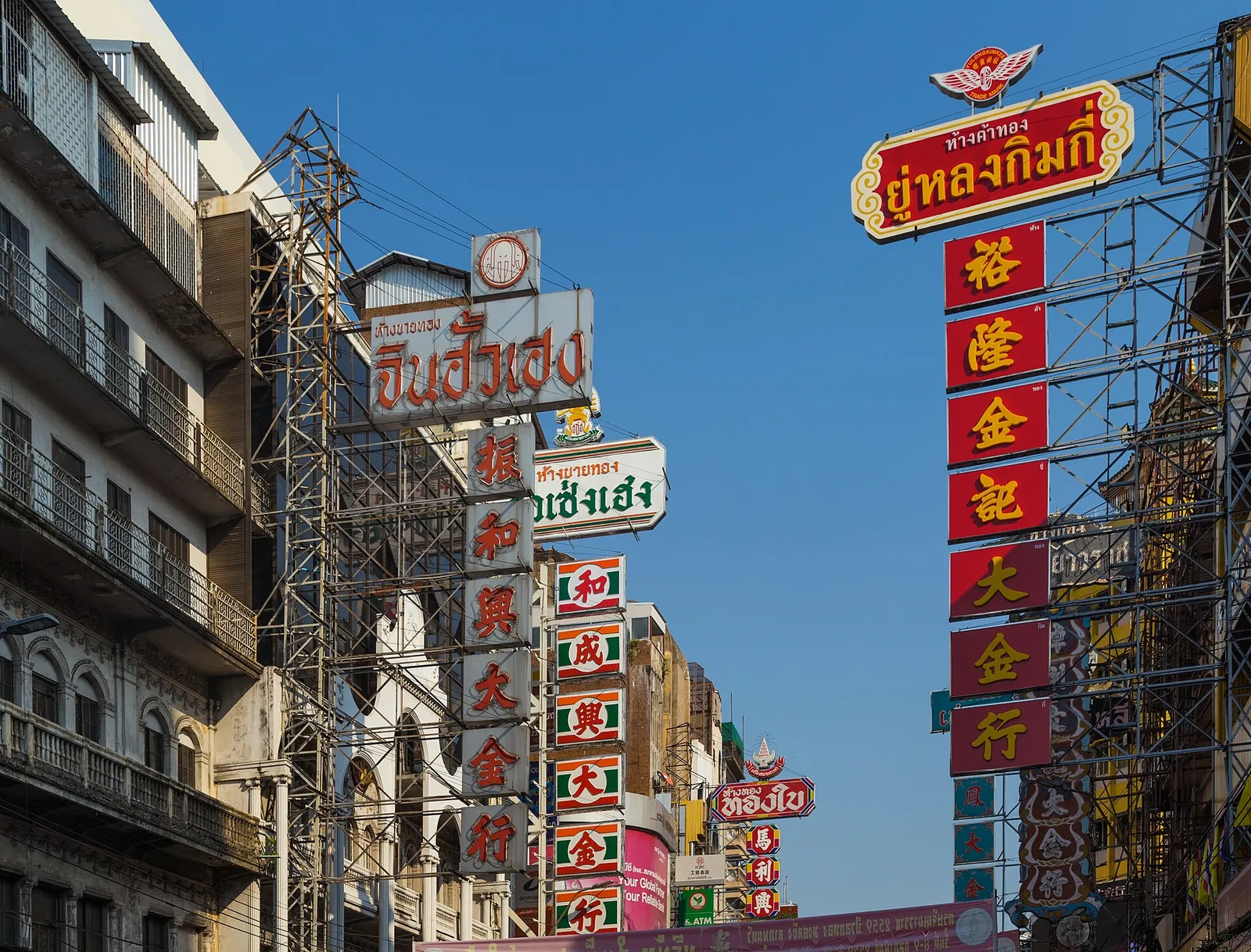
Yaowarat Road is Bangkok's Chinatown high street, and the MRT Blue Line now runs beneath it: Wat Mangkon station puts you in the middle of the district, while Hua Lamphong is a short walk from Wat Traimit and its golden seated Buddha. The same line continues to Sam Yot, Sanam Chai (for Wat Pho) and Itsaraphap, so the Old Town and Chinatown can share one day without a taxi.
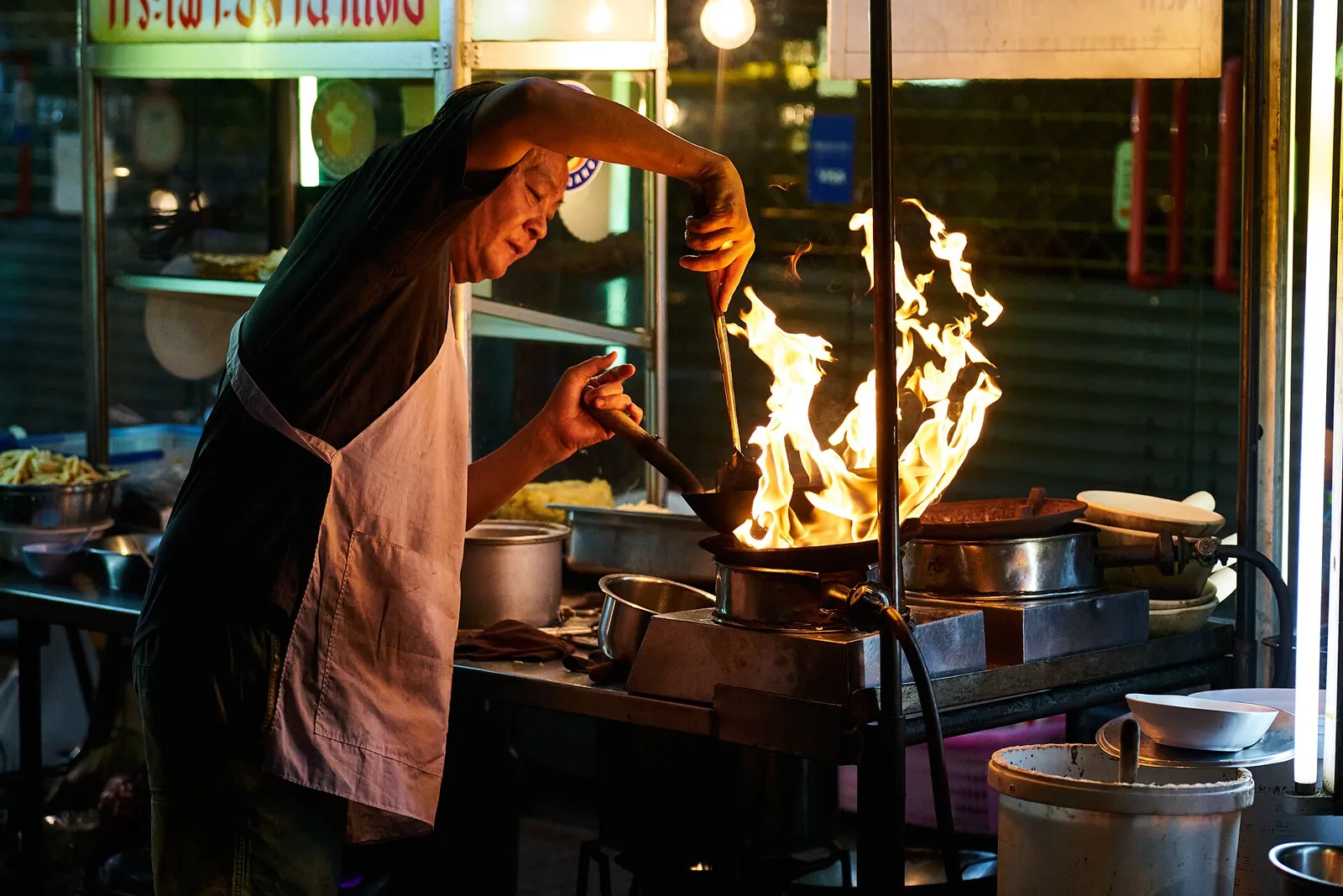
Come in the late afternoon and stay for dinner. The street stalls set up as the light goes, and the area's Thai-Chinese cooking — rolled noodle soups, roast meats, wok-fried noodles, seafood — is best taken slowly, a few dishes at a time. The pavements are working kitchens: step aside for cooks and carts, and avoid blocking stations for photographs.
Wat Mangkon Kamalawat, the city's largest Chinese Buddhist temple, is a short walk from the station of the same name and is busiest during Chinese New Year and the Vegetarian Festival. Talat Noi, by the river at the district's southern edge, is quieter: old shophouses, workshops and lanes that are worth an hour on foot.
Getting around: boats, rail and the ride home
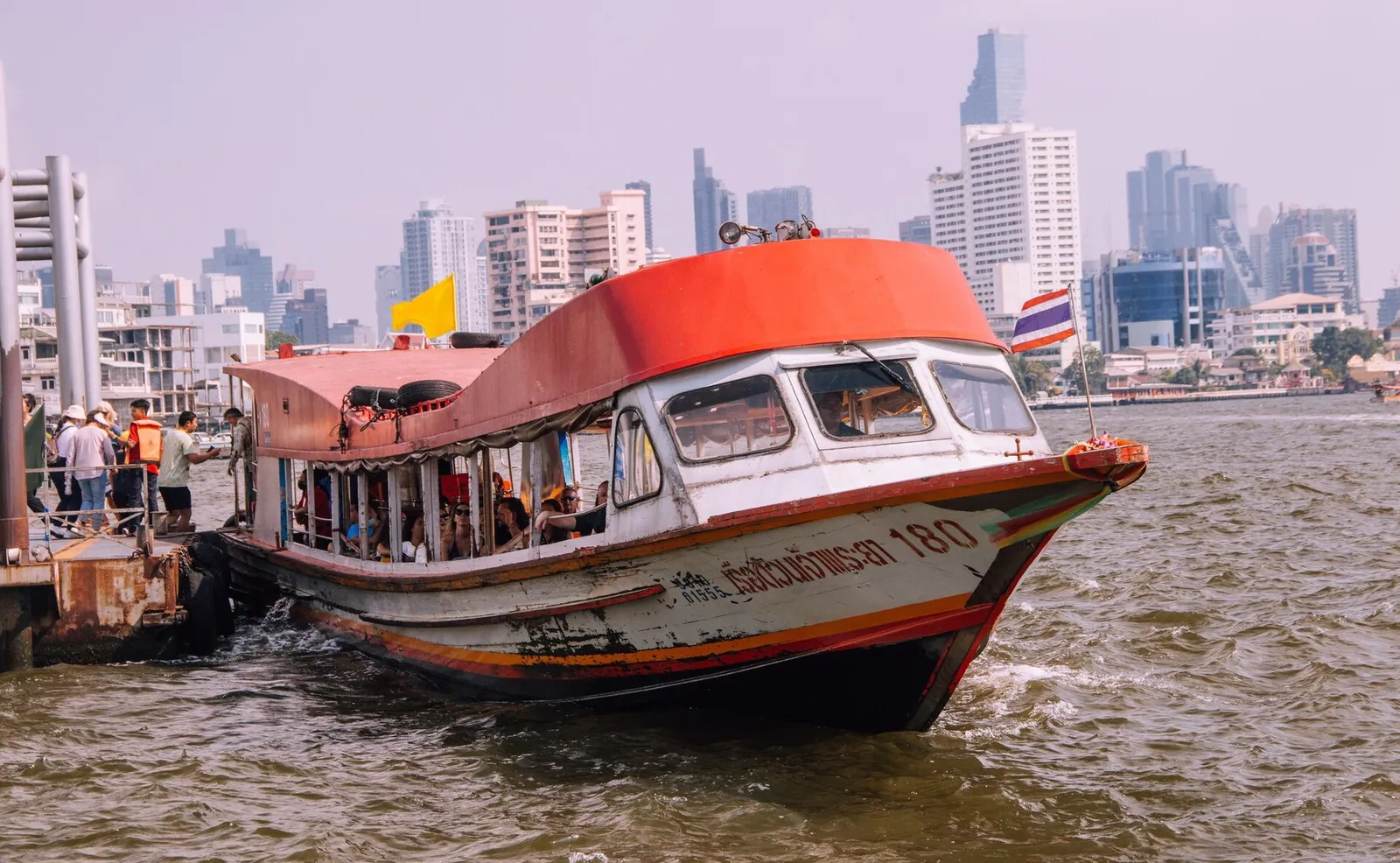
On the river, the Chao Phraya Express Boat's orange-flag service stops at the main tourist piers, including Tha Chang (N9) for the Grand Palace, Tha Tien (N8) for Wat Pho and Ratchawong for Chinatown, and connects with the BTS at Sathorn pier under Saphan Taksin station. Lines, flags and timetables change; check the operator's current information and the flag on the boat before you board.
For the rest of the city, the BTS Skytrain and the MRT avoid most of the traffic. Plan dinner near your hotel or a station on the evening of a long sightseeing day, since taxis can be slow at rush hour. Agree any tuk-tuk fare before you set off; for short distances in the Old Town, walking is often quicker.
A workable three-day route
This is an editorial suggestion, not a timetable. Check opening days for each place you choose.
- Day 1 — River and temples: the Grand Palace at opening time, Wat Pho before lunch, a rest, then the ferry to Wat Arun late in the afternoon.
- Day 2 — Chinatown: Wat Traimit and Talat Noi in the afternoon, then Yaowarat for dinner, arriving and leaving by MRT.
- Day 3 — Modern Bangkok: a park, a museum or the shopping districts by BTS; at the weekend, Chatuchak Market by MRT or BTS in the morning before the heat.
- Day 4 (optional): a separate excursion to Ayutthaya or a floating market.
Add a day trip only when it earns its place
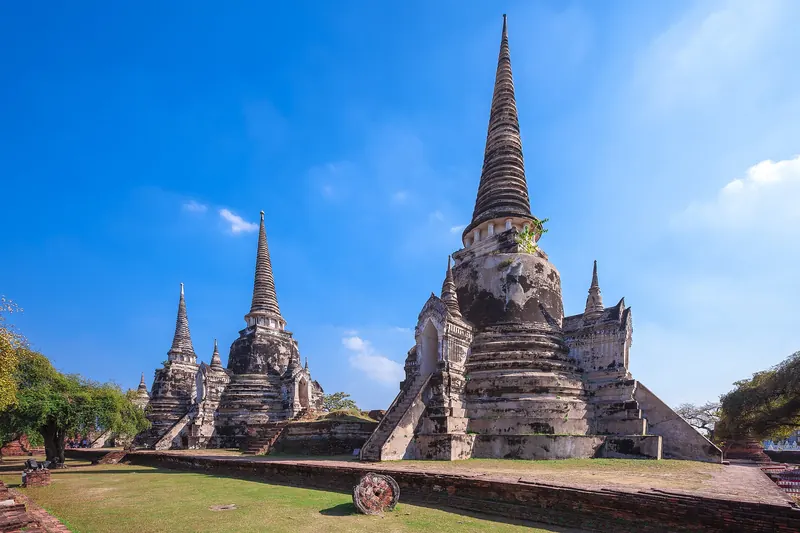
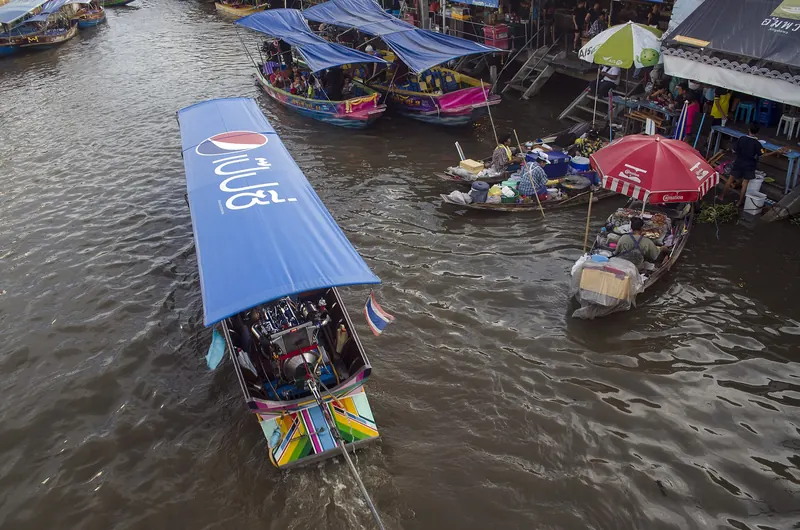
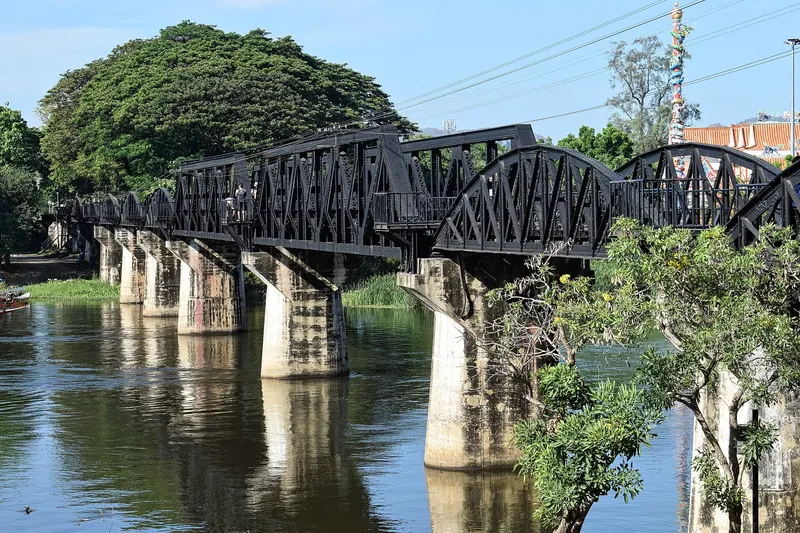
Ayutthaya, the old capital, deserves a full day of its own; combining it with a busy Bangkok sightseeing day leaves too little time for either. The floating markets and the railway market at Mae Klong in Samut Songkhram are a long morning out of the city, and Kanchanaburi's River Kwai is better as an overnight stay than a day trip.
If your time is short, a final unhurried day in Bangkok usually beats another early departure. Keep the day before an international flight light, and leave generous time for the airport journey.
Practical questions
How many days should I spend in Bangkok?
Three full days cover the river temples, Chinatown and the modern city at a comfortable pace; a fourth allows a day trip. Arrival and departure days are shortened by the airport journey, so do not count them as full sightseeing days.
Should I stay on the river or near the Skytrain?
Stay by the river or in the Old Town if the temples are your priority. Choose a hotel near a BTS or MRT station if you want to move easily between several districts. In both cases, check the walk from the hotel to the pier or station.
Can I visit the Grand Palace, Wat Pho and Wat Arun on the same day?
Yes, they are close together, but they are separate visits with separate tickets. Start early, take a long break at midday and keep Wat Arun for the late afternoon if the heat is hard going.
What should I wear to the Grand Palace?
Cover your shoulders and knees. The palace's official dress code rules out sleeveless and see-through tops, shorts, short skirts and torn or tight trousers.
How do I get to Chinatown?
Take the MRT Blue Line to Wat Mangkon station, in the middle of Yaowarat, or Hua Lamphong for Wat Traimit. Chao Phraya Express boats also stop at Ratchawong pier.
Is Bangkok worth visiting in the rainy season?
Yes, with flexible plans: heavy showers often come in the afternoon or evening. Keep indoor alternatives in mind and check official visitor updates if storms or flooding are reported.
Sources and checks before you travel
Reference sources for the version dated 1 October 2026. Confirm opening times, access, transport and conditions for your travel dates.
- The Grand Palace: opening hours ↗ — opens in a new tab
- The Grand Palace: practical information ↗ — opens in a new tab
- Wat Pho: plan your visit ↗ — opens in a new tab
- TAT Newsroom: exploring the Old City and Yaowarat by MRT Blue Line ↗ — opens in a new tab
- TAT Newsroom: Silk Road on a Thai Plate ↗ — opens in a new tab
- TAT Newsroom: weather and travel conditions in Bangkok (29 September 2026) ↗ — opens in a new tab
- Thailand.go.th: the seasons of Thailand ↗ — opens in a new tab
- Chao Phraya Express Boat (operator) ↗ — opens in a new tab
Does this experience fit your route?
A guided evening in Chinatown is the easiest way to try many dishes in one go. Check the start time, the walking distance and the dietary options before you book.
Check dates and details on Viator ↗ — opens in a new tabAffiliate link · Book with ViatorPhoto credits
Wat Phra Kaew in the Grand Palace grounds, Bangkok.
Photograph: Basile Morin — opens in a new tab · CC BY-SA 4.0 — opens in a new tab
Changes: Resized and converted to WebP; displayed with responsive crops. · Original photograph and licence details ↗ — opens in a new tab
The reclining Buddha at Wat Pho.
Photograph: Diego Delso — opens in a new tab · CC BY-SA 3.0 — opens in a new tab
Changes: Resized and converted to WebP; displayed with responsive crops. · Original photograph and licence details ↗ — opens in a new tab
Shop signs on Yaowarat Road, Chinatown.
Photograph: Marcin Konsek — opens in a new tab · CC BY-SA 4.0 — opens in a new tab
Changes: Resized and converted to WebP; displayed with responsive crops. · Original photograph and licence details ↗ — opens in a new tab
A Chao Phraya Express Boat at Ratchawong Pier, near Chinatown.
Photograph: Akkharawin Khainbundit — opens in a new tab · CC BY 4.0 — opens in a new tab
Changes: Resized and converted to WebP; displayed with responsive crops. · Original photograph and licence details ↗ — opens in a new tab
Wok cooking at a street stall in Bangkok's Chinatown.
Photograph: Radek Kucharski — opens in a new tab · CC BY 2.0 — opens in a new tab
Changes: Resized and converted to WebP; displayed with responsive crops. · Original photograph and licence details ↗ — opens in a new tab