Plan your trip · Thailand
Getting around Thailand: flights, trains, buses and boats
The biggest transport mistake in Thailand is treating a connection as a line on a map. A flight can mean a change of airport in Bangkok; a train can leave from a different station than the one in an old guide; an island ticket can include a road leg, a pier and a boat. Make those pieces visible before you book. Then choose fewer bases and enjoy the places between journeys rather than spending the holiday checking in and out.
- Suggested time
- One region for 5–7 days; about two weeks for Bangkok and two regional bases
- Where to stay
- Bangkok, then Chiang Mai, an Andaman mainland base or one Gulf island
- Season and timing
- Check the regional weather pattern and the actual operator before every long transfer
The short answer
On a short trip, use Bangkok and one other region, with a flight or one deliberate overnight train for the long move. Within Bangkok, compare the urban railway with the hotel’s actual location, and check whether your flight uses Suvarnabhumi or Don Mueang. For long-distance rail, read the departure station on the selected service; many moved to Krung Thep Aphiwat, but there are exceptions. Buses and road transfers can fill gaps, while island stays add a ferry whose operation depends on the sea. Put the last night where you can reach the departure airport without relying on a sea crossing, and book the route’s important connections before filling the gaps with tours.
Choose fewer bases, then choose the long-distance move
The transport plan starts with the beds. Bangkok plus one region is a useful editorial shape for a week; a longer holiday can add a third base. Decide which places deserve nights before comparing a flight, an overnight berth or a road journey. A day saved in transit is useful only if it becomes a day somewhere you want to be.
A domestic flight can make sense for a long move when time is short. A train can be the experience you want, especially with a sleeper that suits your group. A road transfer is easier to justify when the stops on the way are part of the trip. We have not checked a current airline timetable or a universal journey-time table, so no duration or fare is promised for those choices.
Write the journey as a chain: hotel to terminal, service, terminal to hotel. If a boat follows, add the road transfer and pier. Compare the whole chain rather than just the cheapest headline ticket. Leave the day of a major move for the move, a meal and a neighbourhood walk.
Bangkok arrivals: airport code and hotel location come first
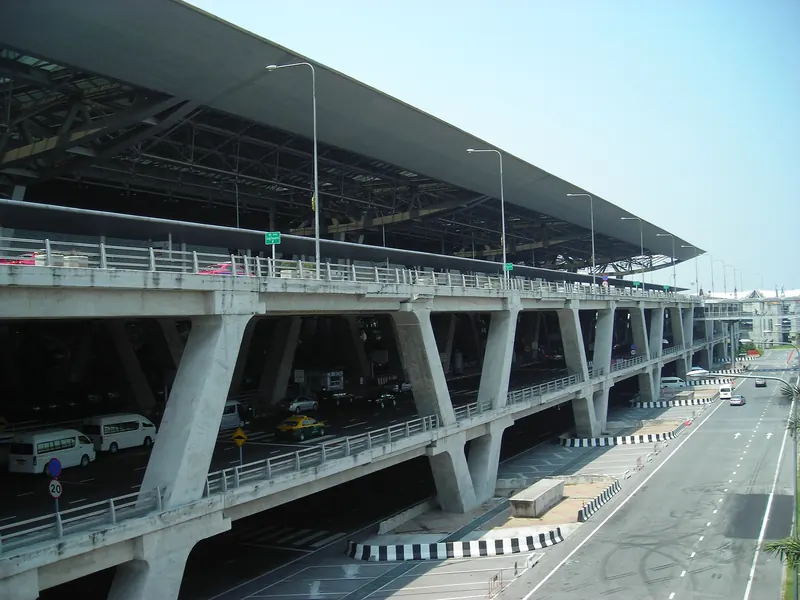
Suvarnabhumi (BKK) and Don Mueang (DMK) are separate airports. TAT’s 29 September 2026 visitor update names both and the Airport Rail Link and Red Line, along with BTS and MRT. That report described operations on a particular day; check your flight and current service information before departure.
If an international arrival and domestic flight use different airports, the connection needs a separate ground transfer. Ask the airline about the booking and baggage arrangements instead of assuming that a shared Bangkok label means one terminal. No airport-change journey time has been checked for this guide.
For the hotel, a station name is only the start. Check the walk to the actual entrance, luggage access and whether a further boat or taxi is involved. A riverside stay may suit temple days; a station-area hotel may suit a route across the city. Choose for the days ahead, then ask the hotel for the sensible arrival route.
Make time for the local food
What to eat and where to look
Sai krok Isan
Northeastern fermented pork sausage with sticky rice and garlic, commonly served with ginger, chilli and cabbage.
- Where to look
- Isan food stalls or restaurants near your hotel.
- Fit it into your day
- An immediate cooked snack after a transfer, rather than food kept through a long hot journey.
Contains pork; confirm ingredients and choose thoroughly cooked food.
Khao soi
Northern coconut-curry egg noodles with fried noodles above and usually chicken or beef.
- Where to look
- Chiang Mai noodle specialists once you have arrived, instead of relying on an unverified onboard menu.
- Fit it into your day
- A proper lunch after reaching your northern base.
Contains egg noodles and commonly meat; ask about the broth and toppings.
Thai crab omelette
A wok-cooked crab-and-egg omelette with crisp edges, described in TAT’s street-food article.
- Where to look
- Bangkok kitchens that clearly list crab omelette.
- Fit it into your day
- A meal before an afternoon departure if you have time to sit down.
Contains egg and shellfish; confirm price and portion before ordering.
Urban rail and short road journeys
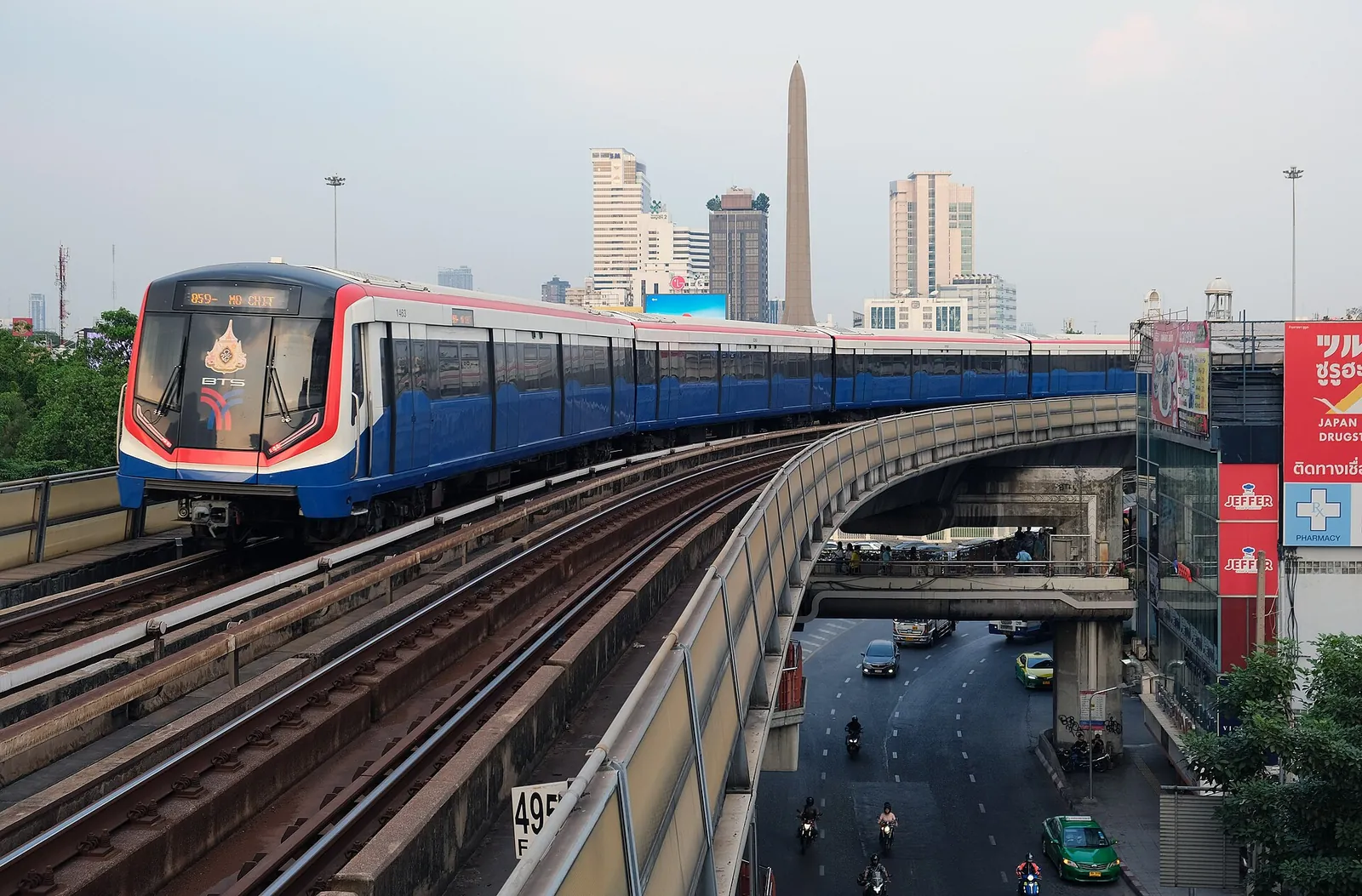
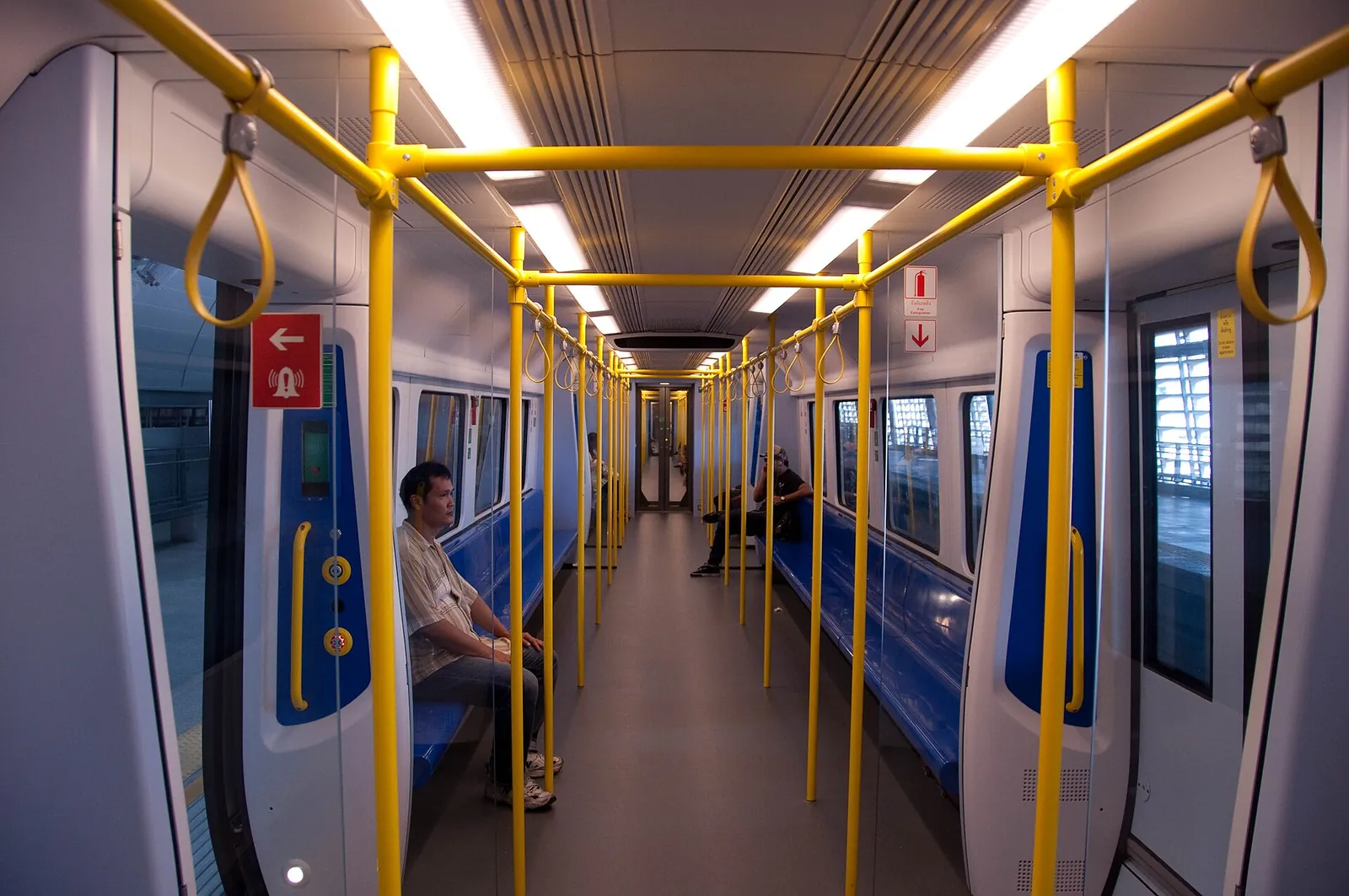
TAT’s September 2026 update identifies the BTS Skytrain, MRT, Airport Rail Link and Red Line as Bangkok’s rail options. Use the current maps for the stations your day needs. We have not verified a single ticket or payment method that covers all systems, so check the fare and accepted payment at the operator rather than assuming one card works everywhere.
Group a day by area: river sights together, a market and its surrounding neighbourhood together, rather than crossing the city for every stop. Leave some flexibility for heat and rain. A road vehicle can be useful with bags, for a hotel away from rail or for a group, but the pickup location needs to be clear.
Outside Bangkok, ask the accommodation or the operator about the actual last leg. A town’s bus terminal, railway station or pier need not be near the hotel. If you arrive late, agree the pickup before travelling rather than making an unfamiliar transfer the first thing you have to solve.
Long-distance trains and buses: know the terminal
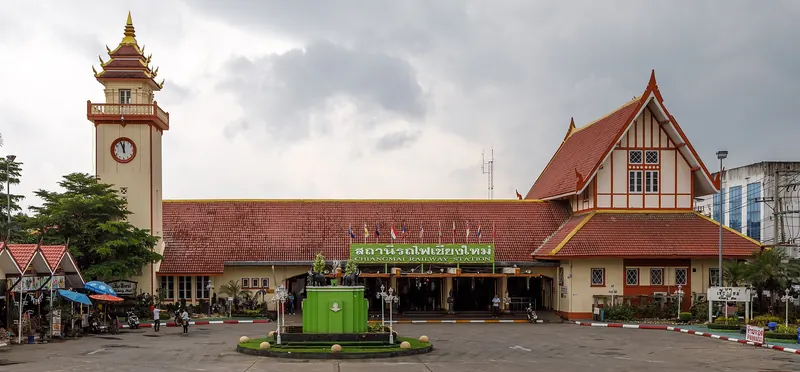
TAT’s 2023 station notice moved many northern, northeastern and southern long-distance services to Krung Thep Aphiwat Central Terminal. It retained ordinary, suburban and special tourism services at Hua Lamphong. Read the selected train’s origin before you arrange a transfer; our train guide explains the distinction without treating every service as identical.
TAT’s Bangkok–Vientiane announcement identifies D-Ticket and SRT station booths as rail booking channels. Compare the current class and available accommodation, not a photo of another train’s sleeper. Give an overnight arrival a gentle first day, and check whether the hotel can hold bags before its normal check-in.
For an interprovincial bus, ask which terminal, service and arrival point the ticket uses. TAT’s September 2026 notice identifies Transport Co.’s 1490 call centre for interprovincial services and SRT’s 1690 for rail. We have not verified a current bus timetable, fare or booking window here. Keep terminal transfers and any onward boat separate in the plan.
Ferries: the sea is part of the booking
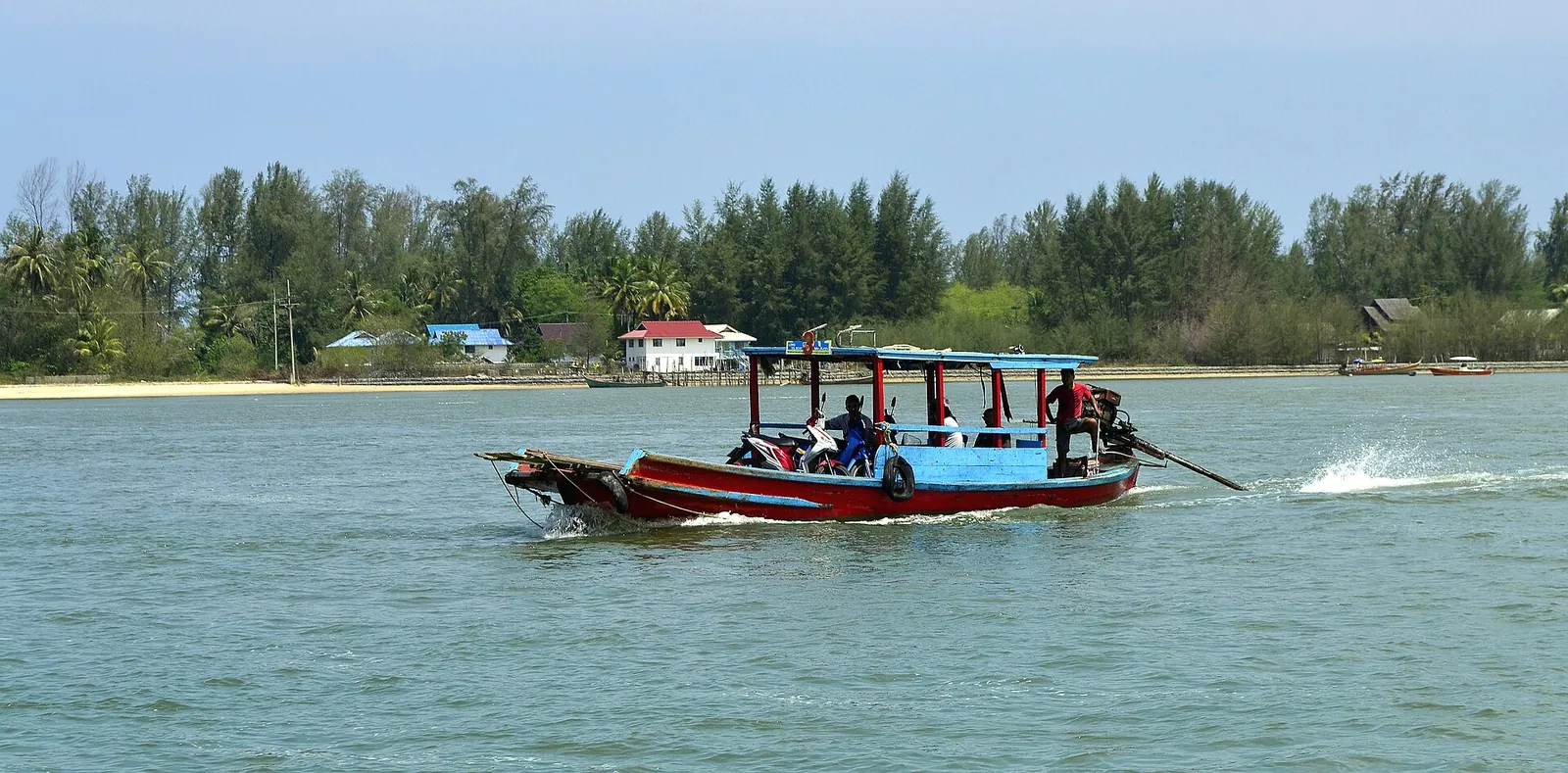
TAT’s monsoon guidance treats crossings as weather-dependent even when the passenger already has a ticket. On the Andaman side it describes the southwest monsoon in May to October, while the Samui-area Gulf rains arrive later, October to December. These are broad patterns from a dated guide, not a sailing forecast.
For an island stay, confirm the actual pier, check-in point, luggage conditions and what each leg of a combined ticket includes. Ask how the operator handles a weather cancellation or a missed road connection. Do not assume a cheaper independent boat has the same destination or cancellation terms as the first service.
A base accessible by road, such as Phuket or Ao Nang, can make a boat day easier to move than an island hotel change. If the island itself is the reason for travelling, give it nights and keep a buffer at the other end. Our editorial advice is to avoid a sea crossing on the day of an international flight.
Check again close to departure, and keep one easy alternative
Weather can change several links at once. TAT’s September 2026 updates describe rail, airport and marine adjustments after rain, and direct travellers to the relevant operator. Check the route you will use rather than assuming that “Thailand is open” settles the service.
Keep tickets, hotel addresses and the terminal or pier name available offline. Before a long move, settle one practical meal and the arrival pickup. A missed outing is easier to replace than an international flight, so book the fragile connection first and keep the surrounding day light.
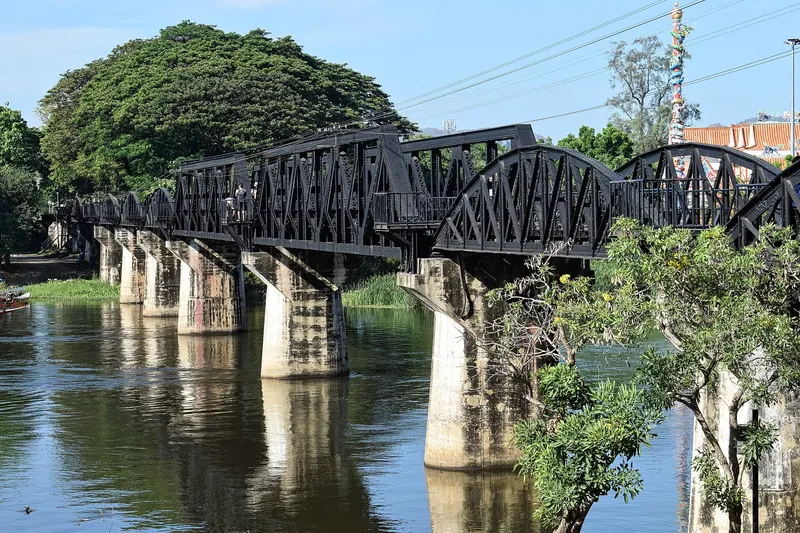
A guided day can remove several local transport decisions: a Kanchanaburi outing that combines road and rail, or an Ayutthaya day from Bangkok. Confirm where the product starts and ends. A tour that begins in another town is not an airport transfer, and a boat excursion is not transport to your next hotel.
Practical questions
Should I fly or take a train in Thailand?
Choose for the whole hotel-to-hotel journey. A flight can save time on a long move; an overnight train can be a deliberate part of the holiday. Check current services and give a sleeper arrival room to rest.
Are Bangkok’s two airports the same place?
No. Suvarnabhumi is BKK and Don Mueang is DMK. If your flights use different airports, plan a separate ground transfer and confirm baggage and booking arrangements with the airline.
Do all Bangkok trains leave Krung Thep Aphiwat?
No. TAT’s relocation notice covered many long-distance services but retained ordinary, suburban and special tourism services at Hua Lamphong. Check the actual train’s departure station.
Can ferries be cancelled after I buy a ticket?
Sea conditions still determine whether a crossing operates. TAT advises checking weather and operators even with a ticket. Read the cancellation and connection terms before booking.
Can I rely on one payment card for all Bangkok railways?
We have not verified that for this guide. Check each operator’s current accepted payment and fare rather than assuming all rail systems share a ticket.
How many regions should I combine in a week?
Our editorial suggestion is Bangkok and one other region. Fewer hotel changes leave more time in each place; a longer trip can add a third base and keep major transfer days light.
Sources and checks before you travel
Reference sources for the version dated 8 October 2026. Confirm opening times, access, transport and conditions for your travel dates.
- TAT: 29 September 2026 weather and travel update ↗ — opens in a new tab
- TAT: Bangkok mainline station relocation ↗ — opens in a new tab
- TAT: Bangkok–Vientiane rail announcement ↗ — opens in a new tab
- TAT: monsoon travel guidance ↗ — opens in a new tab
- TAT: three Thai street-food dishes ↗ — opens in a new tab
Does this experience fit your route?
For a day with several local connections, compare the Ayutthaya or Kanchanaburi outing and confirm the start point and transport included.
Check dates and details on Viator ↗ — opens in a new tabAffiliate link · Book with ViatorPhoto credits
Bangkok’s elevated rail network can simplify a city day when your hotel is near a station.
Photograph: kallerna — opens in a new tab · CC BY-SA 4.0 — opens in a new tab
Changes: Resized and converted to WebP; displayed with responsive crops. · Original photograph and licence details ↗ — opens in a new tab
Island transfers add a pier and a weather-dependent boat segment to the journey.
Photograph: Hartmann Linge — opens in a new tab · CC BY-SA 4.0 — opens in a new tab
Changes: Resized and converted to WebP; displayed with responsive crops. · Original photograph and licence details ↗ — opens in a new tab
Compare the whole airport-to-hotel journey, including the final connection from the station.
Photograph: Mark Fischer — opens in a new tab · CC BY-SA 2.0 — opens in a new tab
Changes: Resized and converted to WebP; displayed with responsive crops. · Original photograph and licence details ↗ — opens in a new tab
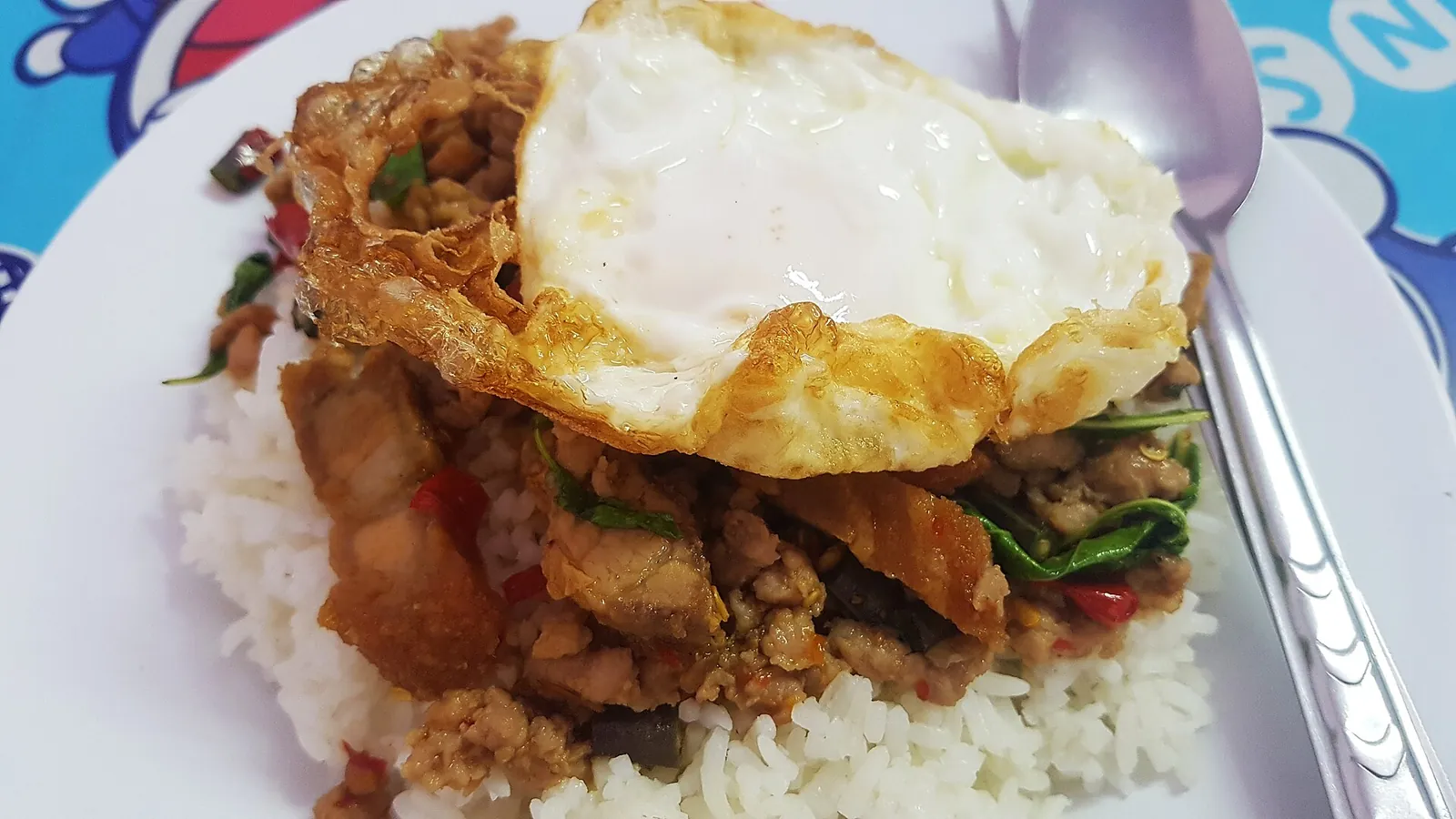
Leave time for an unhurried meal between journeys rather than planning every connection tightly.
Photograph: Bitterschoko — opens in a new tab · CC0 — opens in a new tab
Changes: Resized and converted to WebP; displayed with responsive crops. · Original photograph and licence details ↗ — opens in a new tab