Plan your trip · Thailand
Thailand with children: bases, beach days and a calmer first trip
A family trip to Thailand works best when the hotel is part of the plan, not just somewhere to sleep. A shaded place to return to, dinner within walking distance and a transfer you have arranged in advance are often worth more than another famous stop. Build the trip around a few bases, give each day one main outing, and choose the beach by its conditions rather than the photograph. Bangkok can supply the museums and markets; a longer stay somewhere else gives everyone room to settle.

- Suggested time
- An editorial starting point of 10–14 days; fewer bases for a shorter visit
- Where to stay
- Bangkok near a useful MRT or BTS station; Chiang Mai Old City or one beach base rather than repeated island moves
- Season and timing
- Match dates to your chosen coast and check the current forecast. TAT’s marine guidance warns that rough seas can cancel boat trips and that a red beach flag means do not swim; a hotel pool and indoor alternatives matter more than a promise of perfect beach weather.
The short answer
For a first trip, an editorial starting point is 10–14 days with two or three bases: Bangkok, then Chiang Mai or one beach area, with the third only if your family enjoys moving. Use the MRT for a compact Bangkok outing, return to your hotel during the hottest part of the day, and keep the arrival and departure days light. Book the actual room layout and airport transfer before deciding on tours. Ask about child seats, age limits and properly fitting life jackets rather than relying on a “family-friendly” label. Save Tourist Police 1155 and medical emergency 1669, numbers listed in the official TAT pages we read on 2026-10-07.
Choose the bases before the activities
Start with the kind of day your children enjoy. Bangkok suits a short urban stay built around one neighbourhood at a time. Chiang Mai is an alternative second base for a slower city stay; a beach base such as Khao Lak is another option. These are route choices, not a claim that one place is suitable for every age. Our destination guides help you compare the actual areas.
With younger children, keep a longer stay in one second base instead of adding repeated ferries. With older children, a cooking activity or a short heritage outing may be more rewarding than another hotel move. Treat every transfer as the main event of that day; do not attach a full sightseeing programme to it.
Bangkok: a short outing, a park and an early return
TAT’s MRT guide puts Museum Siam by Sanam Chai station, and describes interactive displays about Thai history and culture. The same station serves the Old City and Wat Pho. Choose the museum or one temple first, rather than treating the Grand Palace, Wat Pho and Wat Arun as a compulsory checklist. Current admission rules and opening days need a separate check before your visit.
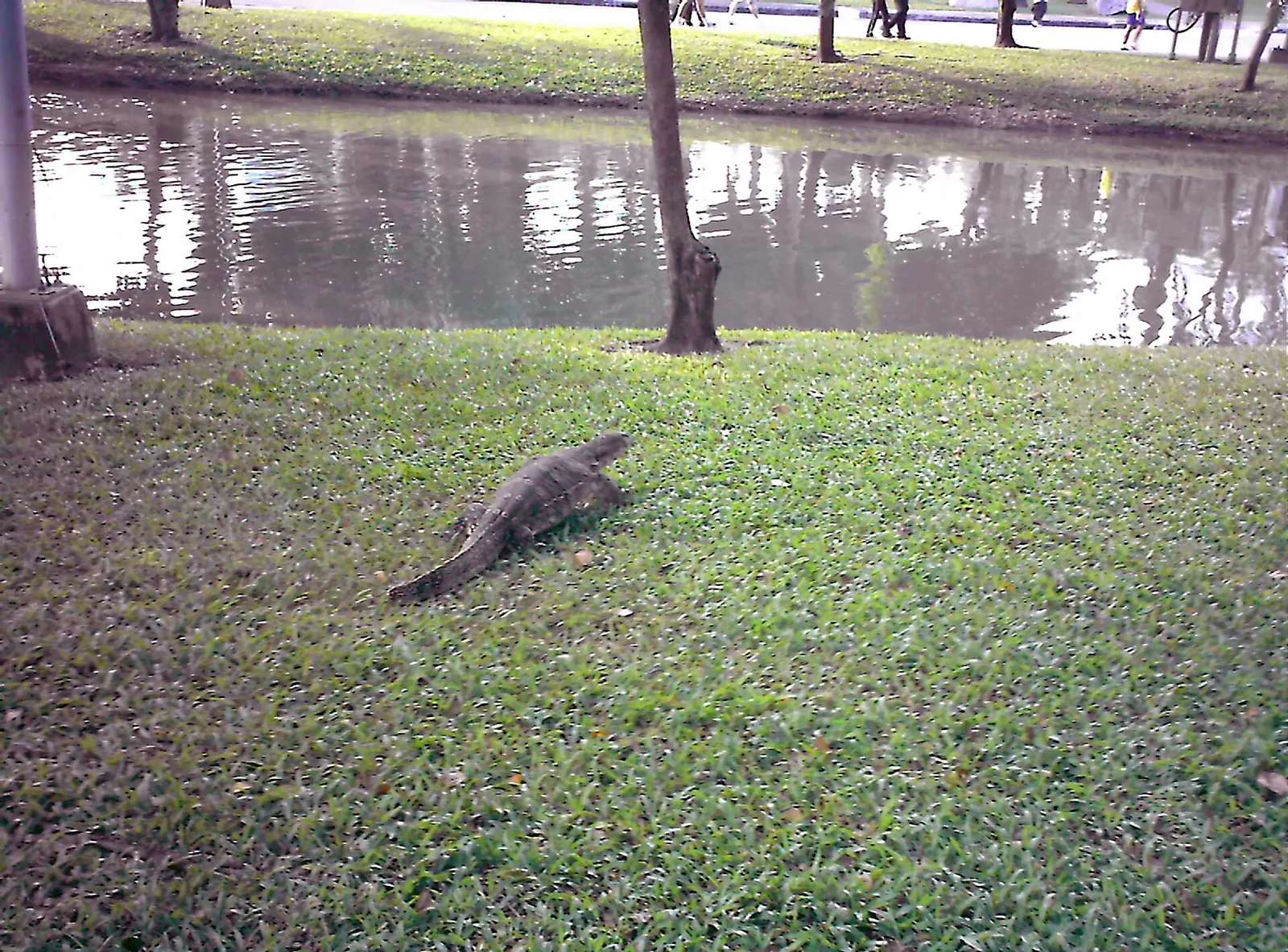
For a green break, TAT describes Lumphini Park with its lake and Benchakitti Park with wetlands and boardwalks. A park is a chance to change the pace, but keep children close to water and give monitor lizards space. The northern park cluster includes Rot Fai Park and the Bangkok Butterfly Garden and Insectarium, another option if it fits where you are staying.
TAT identifies Wat Mangkon station as the heart of Yaowarat, whose evening stalls offer noodles, dim sum and omelettes. Go early in the evening for a short food outing and leave before everyone is overtired. Check the walking route first: a busy market lane is not the same thing as an easy stroller route.
Make time for the local food
What to eat and where to look
Pad see ew
Wide rice noodles stir-fried with Chinese broccoli, egg and dark soy sauce. TAT describes the chilli condiments served alongside; ask for them separately rather than assuming every noodle dish is mild.
- Where to look
- Wok kitchens in Bangkok and Chiang Mai, including the streets around your hotel.
- Fit it into your day
- A sit-down lunch between outings, ordered freshly cooked.
Contains egg and soy; ask about the protein and sauces, and explain allergies explicitly.
Khao man gai
Hainanese-style chicken rice, with a fermented-soybean dipping sauce seasoned with ginger and garlic, described in TAT’s account of Thai–Chinese cooking.
- Where to look
- Chicken-rice shops with a short menu in Bangkok and other town centres.
- Fit it into your day
- An uncomplicated lunch after a morning out; request the dipping sauce on the side.
The sauce can be spicy; rice and sauces are not necessarily vegetarian or suitable for every allergy.
Salapao
Steamed buns with fillings such as minced pork or sweet salted egg, among the foods described by TAT in Bangkok’s Thai–Chinese kitchens.
- Where to look
- Bun shops and dim sum counters, including Yaowarat in Bangkok.
- Fit it into your day
- A snack during a short market visit; choose the filling before ordering.
Check for pork, egg and wheat, and let hot fillings cool before serving to a child.
The room and transfer details that make the difference
Ask the hotel to confirm connecting rooms or the precise beds in a family room, any cot arrangements, lift access and whether the pool is fenced or supervised. Get the answer for the room you are booking, not a generic image on a listing. Choose somewhere with food nearby so an exhausted evening does not require another long drive.
For a hired transfer, ask the provider for the child-seat type and suitability for your child before paying. Confirm how many people and bags fit and which airport the pickup uses. Bangkok’s Suvarnabhumi and Don Mueang are separate gateways; match the transfer to your ticket. This guide does not verify individual fleets or guarantee that a requested seat will be available.
In Bangkok, rail can help you avoid building every outing around road traffic: TAT specifically recommends the MRT Blue Line for the Old City and Yaowarat. Do not assume that every station exit, pavement or attraction is stroller-accessible; check your particular entrance or use a carrier where it works for your family.
Beach days: conditions first, excursions second
TAT’s official marine advice says a red flag means do not swim, and warns about waves and rip currents during the southwest monsoon. Ask the lifeguard or your hotel about that beach that day. A calm photograph, another family in the water or a tour still being sold is not a reason to ignore a warning.
The TAT jellyfish advisory we read on 2026-10-07 tells visitors to follow beach notices and local advice, avoid swimming after heavy rain or at night and keep within designated safety zones. Do not let children touch stranded jellyfish. Find the local first-aid point before getting into the water.
Before a boat outing, confirm a properly fitting life jacket for every child, the operator’s minimum age and whether the actual itinerary includes open-water swimming. Keep a land-based alternative and ask about cancellation terms. For a first family beach stay, you do not need an island excursion every day.
Meals and a manageable day
Order one familiar dish first, then try something new alongside it. The Thai–Chinese dishes described by TAT include chicken rice, wide stir-fried noodles and steamed buns; the food notes below give you a practical starting point. Ask for chilli sauces separately, and do not assume “not spicy” also means free of an allergen.
Carry drinking water and plan shade and rest breaks as part of the outing. Before travelling, ask a qualified clinician about health preparation for your children and carry prescribed medicines in their original packaging. Ask the hotel where you would go for medical help and keep your insurance assistance details accessible. This is planning advice, not an individual medical assessment.
- Morning: one outing chosen for the children’s interests, with an exit plan if they tire.
- Middle of the day: lunch, a rest at the hotel or an indoor activity.
- Late afternoon: a park, pool or short beach visit if conditions allow.
- Evening: dinner close to the hotel; save the long market night for another day.
Book the activity for the child, not the label
A cooking class can be a useful option for older children who enjoy food, but ask about minimum age, supervision around knives and heat, the menu and allergies. A food walk needs the same attention to walking distance, start time and tastings. The concrete activity suggestions below are candidates to discuss with the provider, not verified child programmes.
Avoid close encounters or feeding wildlife. TAT’s elephant guidance asks visitors to stay on marked trails, follow park staff and keep their distance. Wildlife sightings are not guaranteed, and a paid booking does not establish the welfare or safety of an animal encounter.
Keep an emergency plan small enough to use
On the official TAT pages we read on 2026-10-07, the Tourist Police number was 1155 and the national emergency number in its jellyfish guidance was 1669. Save these with your hotel’s address, your insurer’s assistance contact and your family’s meeting point. Explain to children which adult to approach if separated.
The TAT safety article describes the Thailand Tourist Police app with SOS and multilingual communication. Download it through an official listing and check that it works before you need it. Do not use its promotional descriptions as a guarantee of an arrival time. In an urgent medical situation, seek emergency help rather than trying to diagnose the problem on a phone.
Check air quality as well as rain. FCDO notes seasonal smoke haze affecting Bangkok and Chiang Mai, which can worsen asthma and other respiratory conditions. If a child has a relevant health condition, discuss the itinerary with their clinician and keep an indoor alternative for poor-air days.
Practical questions
How many places should a first Thailand family trip include?
Two bases can be enough; three is an editorial option for 10–14 days if your family enjoys moving. Start with Bangkok and one contrasting stay, then add a third only after accounting for luggage, transfer days and rest.
Is Bangkok manageable with children?
Plan it by neighbourhood. TAT’s MRT guide links Sanam Chai with Museum Siam and the Old City, and Wat Mangkon with Yaowarat. Choose a short outing and a nearby meal rather than crossing the city repeatedly.
Should we take a stroller?
Choose for your child and the actual places you will visit. Confirm station exits, hotel lifts and attraction entrances; this guide has not verified step-free access for every route. A carrier may be useful on crowded or uneven stretches.
Can children swim at any Thai beach?
Check conditions and local advice each day. TAT says a red flag means do not swim, and its jellyfish guidance advises following notices, using designated safety zones and avoiding sea swimming after heavy rain or at night.
Are child seats and life jackets included automatically?
Do not assume so. Ask the transfer or boat operator to confirm the correct type and size for your child, minimum ages and supervision before you pay.
Which emergency numbers should I save?
The official TAT pages read on 2026-10-07 list Tourist Police 1155 and national emergency 1669. Keep the hotel address and insurer’s assistance details with them; no response time is guaranteed.
Sources and checks before you travel
Reference sources for the version dated 7 October 2026. Confirm opening times, access, transport and conditions for your travel dates.
- TAT Newsroom: Old City and Yaowarat with the MRT Blue Line ↗ — opens in a new tab
- TAT Newsroom: Finding Bangkok’s Green Heart ↗ — opens in a new tab
- TAT Newsroom: Silk Road on a Thai Plate ↗ — opens in a new tab
- TAT Newsroom: marine tourism during the southwest monsoon ↗ — opens in a new tab
- TAT Newsroom: jellyfish safety advice ↗ — opens in a new tab
- TAT Newsroom: Trusted Thailand and the Tourist Police app ↗ — opens in a new tab
- TAT Newsroom: wild-elephant safety guidance ↗ — opens in a new tab
- FCDO: Thailand safety and security ↗ — opens in a new tab
- FCDO: Thailand health ↗ — opens in a new tab
Does this experience fit your route?
If a cooking class or a short food outing suits your children, ask the provider about age limits, supervision, allergies and the actual start time before booking.
Check dates and details on Viator ↗ — opens in a new tabAffiliate link · Book with ViatorPhoto credits
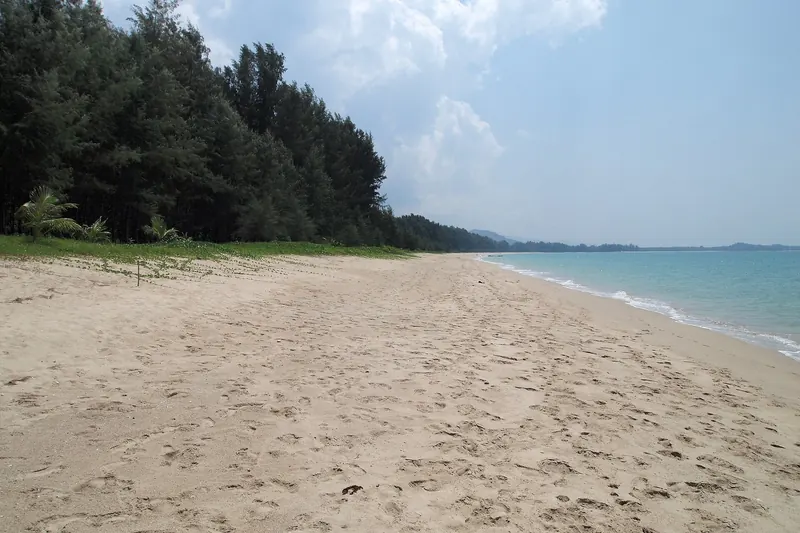
Khao Lak can anchor a slower beach stay; choose swimming plans around the day’s flags and local advice.
Photograph: Telgaa — opens in a new tab · CC BY 3.0 — opens in a new tab
Changes: Resized and converted to WebP; displayed with responsive crops. · Original photograph and licence details ↗ — opens in a new tab
Lumphini Park offers a green break in Bangkok; give its resident monitor lizards space.
Photograph: hkgalbert — opens in a new tab · Public domain — opens in a new tab
Changes: Resized and converted to WebP; displayed with responsive crops. · Original photograph and licence details ↗ — opens in a new tab
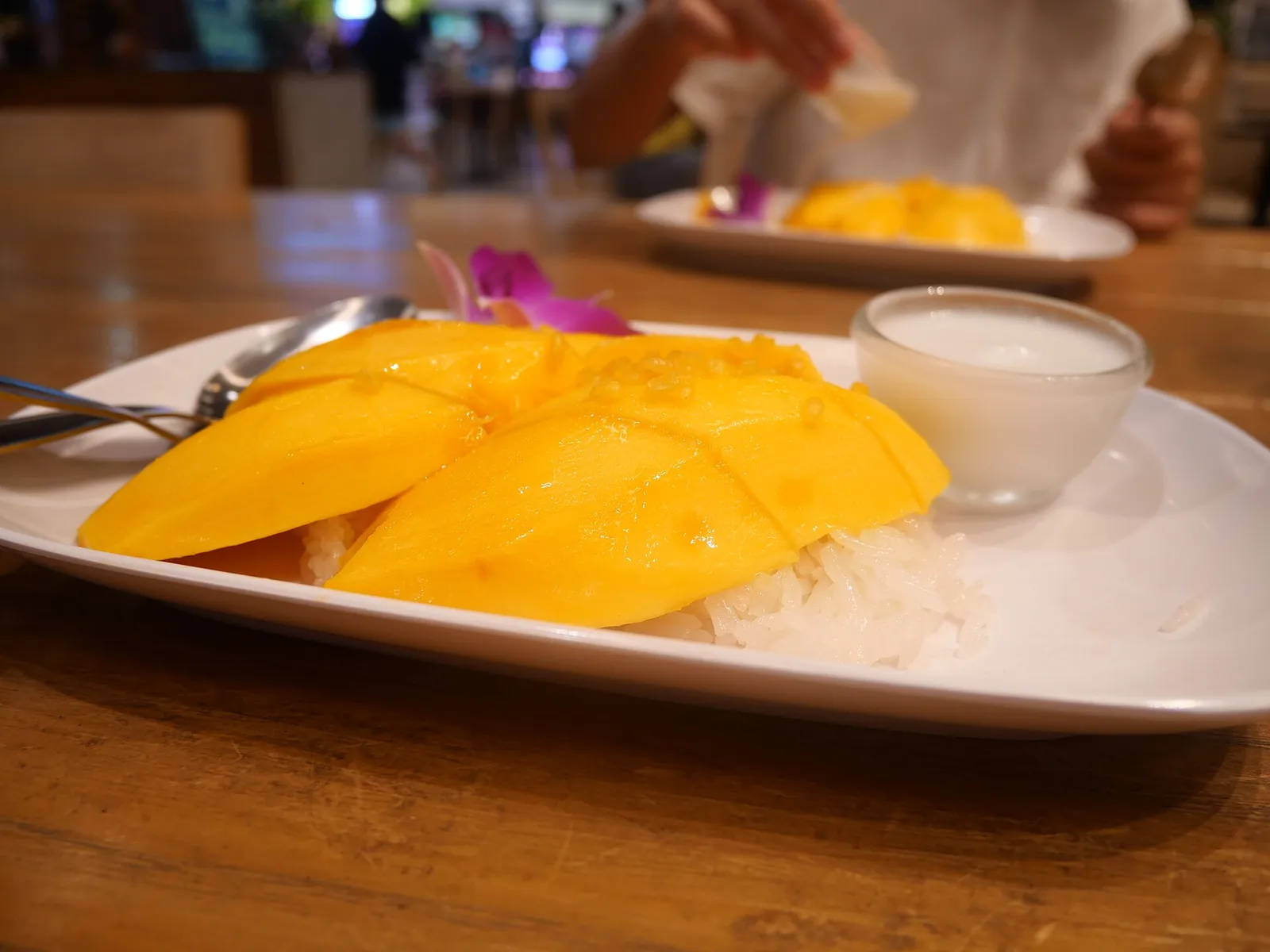
A mango-and-sticky-rice dessert can be a simple shared treat; check ingredients when allergies matter.
Photograph: Arthur Taksin — opens in a new tab · CC BY 4.0 — opens in a new tab
Changes: Resized and converted to WebP; displayed with responsive crops. · Original photograph and licence details ↗ — opens in a new tab
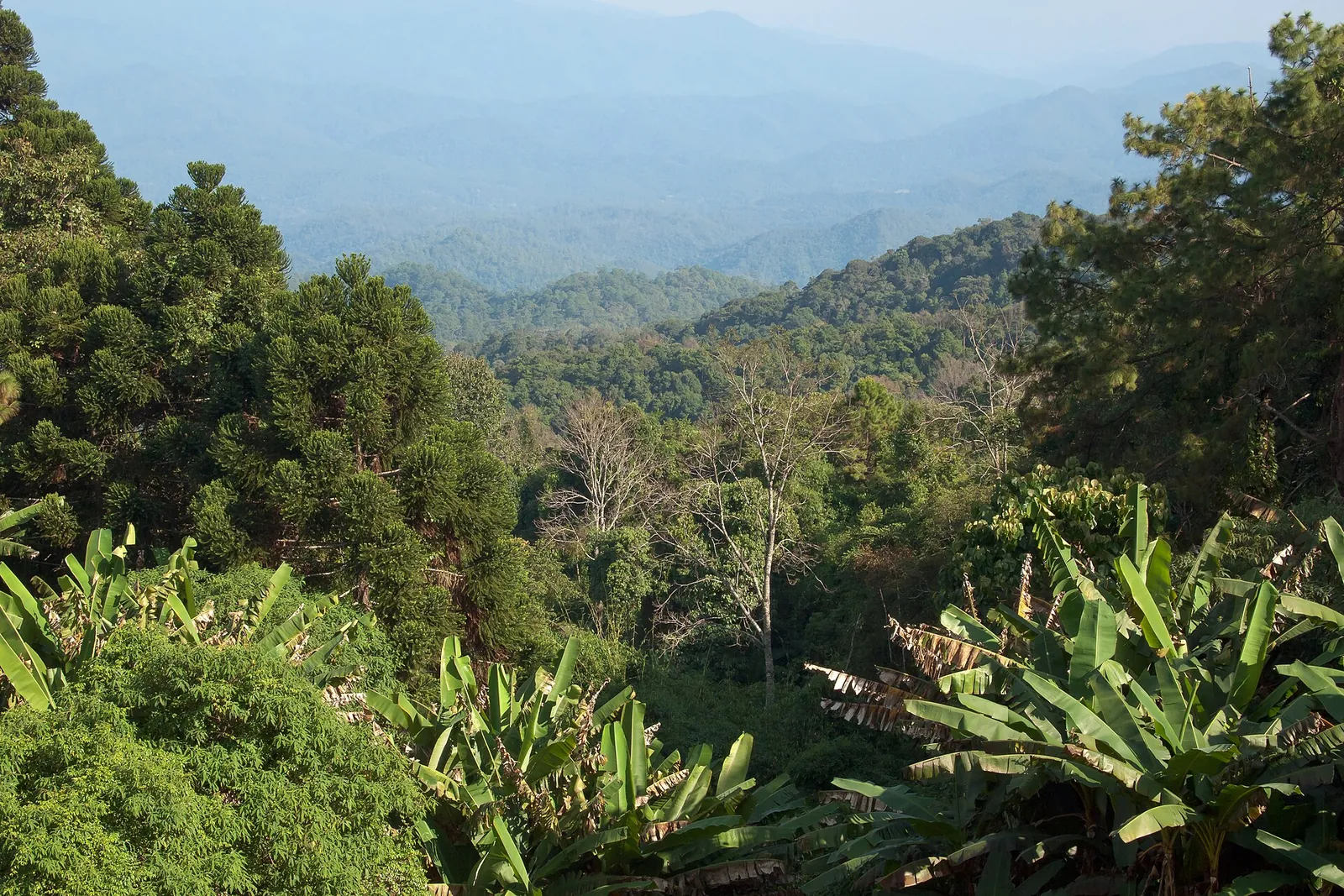
The hills above Chiang Mai offer a different backdrop from Bangkok and the coast; keep family outings short and flexible.
Photograph: Vyacheslav Argenberg — opens in a new tab · CC BY 4.0 — opens in a new tab
Changes: Resized and converted to WebP; displayed with responsive crops. · Original photograph and licence details ↗ — opens in a new tab