Plan your trip · Thailand
Thailand safety: sea conditions, transport, health and emergency help
The most useful safety plan for Thailand is a handful of decisions made before you are tired, wet or far from the hotel. Know how to get help, choose transport you can identify, check the sea before booking a boat and leave room to change the day when weather changes. This guide concentrates on practical precautions supported by the official pages we could read. It does not certify a destination as safe or replace the current regional travel advisory for your own passport.
- Suggested time
- Prepare before departure; check local conditions again before every transfer or sea activity
- Where to stay
- Bangkok near useful rail links; established town or beach bases where you can identify transport and medical help before an emergency
- Season and timing
- TAT’s general southwest-monsoon guidance describes May–October and warns of rough seas and cancelled boat trips. Local forecasts and beach warnings matter on the day; this article does not turn an old seasonal advisory into a current closure calendar.
The short answer
Save Tourist Police 1155 and national emergency 1669, numbers listed in official TAT pages read on 2026-10-07. Keep your hotel address and insurance assistance contact available offline. For city sightseeing, use a manageable rail-and-walking plan; for road and boat transfers, confirm the operator, vehicle, safety equipment and cancellation terms. Do not enter the sea under a red flag, do not wade through floodwater and do not approach or feed wildlife. Consult a qualified health professional before departure for advice specific to your itinerary and medicines. Check your government’s current Thailand advice before choosing a route; no current regional risk map was verified for this article.
A compact help plan before you leave the hotel
On 2026-10-07, the official TAT pages we read listed 1155 for the Tourist Police and 1669 as the national emergency number in their jellyfish guidance. Save both, along with your accommodation’s full address and your insurer’s assistance contact. If you need urgent medical help, seek emergency assistance; a travel-information app is not a substitute for treatment.
TAT’s July 2026 safety article describes the Thailand Tourist Police app, including SOS, multilingual chat and location functions. Obtain it through an official app listing and familiarise yourself with it in advance. Its promotional response-time figure is not a promise we make here. Keep an offline copy of the hotel address and a document copy as well, so losing a phone does not remove your whole plan.
Before travel, read the latest regional advisory from your own government and ask your insurer about the route you intend to take. Those maps and exclusions can change. We could not read a current government regional advisory in this research session, so this guide gives no all-clear for a border area and no claim about cover for a particular journey.
Choose transport you can check
For Bangkok’s Old City and Yaowarat, TAT recommends the MRT Blue Line, with Wat Mangkon, Sam Yot, Sanam Chai and Itsaraphap serving different parts of the area. Group the day around one district rather than repeatedly crossing town. Rail removes a road leg; it does not remove the need to check the walk at either end.
For a hired car, verify the company, pickup location, driver and vehicle against the booking. Ask about seat belts, child seats if needed, luggage space and what happens if the flight is delayed. Do not book a vehicle solely because someone approaches you at a terminal. These are booking precautions, not a claim that a particular fleet was inspected.
In a March 2026 article read on 2026-10-07, TAT described the Trusted Certified transport programme and the Department of Land Transport’s Q Bus programme, with vehicle maintenance and driver standards among its aims. Look for verifiable operator information, but do not treat a logo or a marketing phrase as a guarantee that every journey is risk-free. This article does not publish a checked list of certified vehicles or current departures.
Make time for the local food
What to eat and where to look
Pad see ew
Wide rice noodles stir-fried with Chinese broccoli, egg and dark soy sauce. TAT describes the chilli condiments served alongside; ask for them separately rather than assuming every noodle dish is mild.
- Where to look
- Wok kitchens in Bangkok and Chiang Mai, including the streets around your hotel.
- Fit it into your day
- A freshly cooked sit-down meal after a city outing, with chilli condiments requested separately.
Contains egg and soy; ask about the protein and sauces, and explain allergies explicitly.
Khao man gai
Hainanese-style chicken rice, with a fermented-soybean dipping sauce seasoned with ginger and garlic, described in TAT’s account of Thai–Chinese cooking.
- Where to look
- Chicken-rice shops with a short menu in Bangkok and other town centres.
- Fit it into your day
- A simple lunch near the hotel before a transfer; confirm the ingredients before ordering.
The sauce can be spicy; rice and sauces are not necessarily vegetarian or suitable for every allergy.
Salapao
Steamed buns with fillings such as minced pork or sweet salted egg, among the foods described by TAT in Bangkok’s Thai–Chinese kitchens.
- Where to look
- Bun shops and dim sum counters, including Yaowarat in Bangkok.
- Fit it into your day
- A small snack on a market visit, rather than relying on an unfamiliar filling during a rushed departure.
Check for pork, egg and wheat; hot fillings need time to cool. No dish name establishes allergy suitability.
At the beach, the flag overrides the photograph
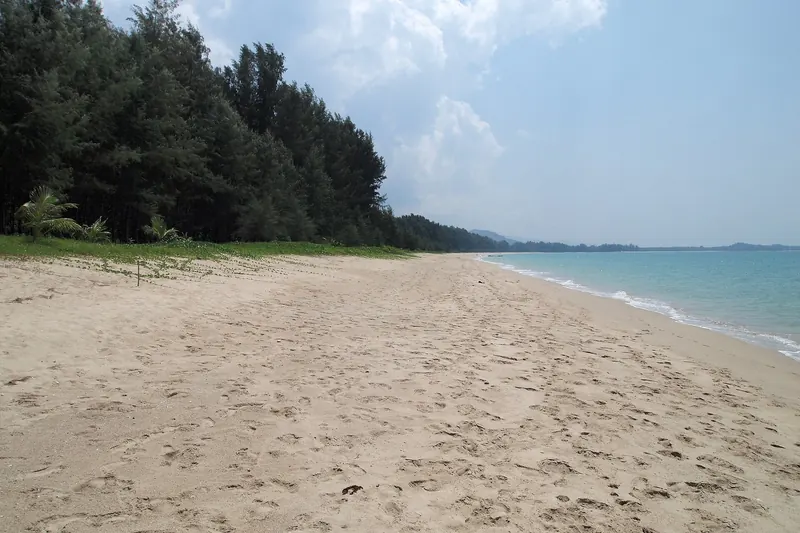
TAT’s official marine guidance says a red flag means do not swim and warns about waves and rip currents, particularly during the southwest monsoon. Read the beach notices and ask a lifeguard about that day’s conditions. Do not interpret other people swimming, a green-looking sea or a tour still on sale as permission to ignore a warning.
TAT’s August 2025 jellyfish advice, read on 2026-10-07, asks visitors to follow local notices and operators, keep to designated safety zones and avoid sea swimming after heavy rain or at night. Protective swimwear can reduce sting risk, but does not make swimming safe under a warning. Do not touch a jellyfish stranded on the sand.
Find the first-aid point before getting into the sea. If someone is stung or becomes unwell, get them out of the water and seek medical assistance. TAT’s advice lists 1669 for emergency help and warns against rubbing the wound or rinsing it with fresh water. This guide does not provide a complete sting-treatment protocol; follow emergency professionals’ instructions.
Boat days need a weather exit
TAT’s marine advisory says island excursions can be cancelled or delayed at short notice when conditions become dangerous. Accept a cancellation rather than trying to persuade a captain to go. A weather buffer matters particularly if the next booking is an international flight.
Before paying, ask the operator about the actual vessel, passenger capacity, a properly fitting life jacket for everyone, how a briefing is given and the cancellation terms. For children, confirm the minimum age and correct jacket size. Do not assume that a tour title, a familiar brand or a low price answers those questions.
Keep a land-based alternative. The monsoon source also refers to seasonal park closures, but it dates from 2018; we have not copied its old list or dates into this guide. Check the current park and operator notices for the exact place you want to visit.
Health preparation without guessing your needs
Ask a qualified travel-health professional about your route, existing conditions, medicines and any preparations before departure. Carry prescribed medicines in their original packaging and check the current rules for bringing them into Thailand with an official authority. This article does not prescribe a vaccine schedule, say a medicine is legal to import or quote treatment costs.
TAT’s monsoon guidance warns that mosquitoes can spread diseases including dengue and malaria and that standing water supports breeding. Plan bite protection and ask a clinician about the precautions appropriate to your itinerary. Seek professional advice if you become unwell; do not use this general article to diagnose a fever.
Carry drinking water, build shade and rest into the day and avoid making every meal a rushed stop between transfers. Ask your hotel where you would seek medical help, and check the insurer’s procedure before an emergency. A known clinic location is more useful than an assumed promise that medical care will be free.
Smoke haze and urban air pollution are another reason to keep the day flexible. FCDO specifically notes Bangkok and Chiang Mai and warns that poor air quality may worsen asthma and other respiratory conditions. Check current air quality and ask your clinician how to adapt the trip if someone in your party is vulnerable.
Floods and wildlife: step back instead of pressing on
TAT’s official marine advice warns against wading through floodwater because it may be unsanitary and hide hazards such as open manholes, sharp rocks or glass. Change the route when streets flood; do not guess the depth from a photograph or follow a vehicle through. Check current weather and local instructions before travelling.
TAT’s wildlife guidance asks visitors to stay on marked trails, avoid feeding animals and follow park officials. Give wild elephants space and do not stop for close-up photographs. It is not a promise that every park offers organised elephant-watching activities; the same guidance explicitly says national parks do not provide them.
When an animal encounter or a remote walk is the point of a booking, ask who leads it, what restrictions apply and what the weather alternative is. Do not let the booking itself persuade you to ignore an official instruction.
Bookings, money and documents
TAT’s July 2026 article describes Trusted Thailand, whose assessment includes emergency readiness, payment systems, multilingual communication and transport access. It is a useful starting question for a hotel or operator, not a blanket assurance about a place or a substitute for checking the current listing.
Confirm the price, inclusions, pickup and cancellation terms in writing. Keep the reservation and payment record, and use contact details from the provider’s official listing if something changes. Store a document copy separately from the originals, and avoid showing valuables unnecessarily in crowded places. These are precautions rather than a reported crime rate.
For an organised activity, choose one whose location and physical demands actually fit your plan. We have not found a specific Viator product that would be a meaningful safety or medical service for this article, so the tour box is intentionally empty instead of substituting a generic collection.
The daily check that keeps the plan usable
Use this short check before a transfer, a beach visit or a remote outing; then change the day if one answer is missing.
Read your own government’s current travel advice before finalising the route and again before travelling. The FCDO page checked for this guide advises against all but essential travel to parts of Thailand and directs readers to its regional-risk advice. A general country guide cannot replace that current map, your insurer’s conditions or local instructions; avoid demonstrations and political gatherings.
- Help: hotel address, Tourist Police 1155, medical emergency 1669 and insurer contact available offline.
- Conditions: current weather, beach notices, park or operator instructions checked.
- Transport: provider, meeting point, belts or life jackets and cancellation terms confirmed.
- Health: water, needed medicines and a practical rest stop; ask professionals about individual medical concerns.
- Exit: an alternative activity and enough time to leave without rushing.
Practical questions
Which Thailand emergency numbers were verified?
The official TAT pages read on 2026-10-07 list Tourist Police 1155 and national emergency 1669 in the jellyfish guidance. Save the hotel address and insurer contact too; no response time is guaranteed.
Does a red beach flag really mean no swimming?
Yes. TAT’s official marine guidance says a red flag means do not swim and warns about rough waves and rip currents. Follow the local warning even if others are in the water.
Can a boat tour be cancelled for weather?
TAT says marine excursions can be delayed or cancelled at short notice when conditions are dangerous. Check the operator’s terms before booking and keep a land-based alternative and a buffer before onward travel.
What should I do after a jellyfish sting?
Leave the water and seek medical assistance. TAT lists emergency 1669 and warns against rubbing or rinsing with fresh water. This article is not a full treatment protocol; follow emergency professionals’ advice.
Are vaccines or medical treatment costs listed here?
No. Obtain advice tailored to your health and route from a qualified clinician, and check medicines rules and insurance cover with the relevant authorities. No vaccine schedule, import approval or treatment price was verified for this article.
Does this guide mean every part of Thailand is safe to visit?
No. It is practical planning guidance, not a verified current regional risk map. Read your government’s latest advice and check insurance exclusions before choosing a route.
Sources and checks before you travel
Reference sources for the version dated 7 October 2026. Confirm opening times, access, transport and conditions for your travel dates.
- TAT Newsroom: Trusted Thailand and Tourist Police help ↗ — opens in a new tab
- TAT Newsroom: jellyfish safety advice ↗ — opens in a new tab
- TAT Newsroom: southwest-monsoon marine precautions ↗ — opens in a new tab
- TAT Newsroom: transport safety certification ↗ — opens in a new tab
- TAT Newsroom: wild-elephant safety guidance ↗ — opens in a new tab
- TAT Newsroom: Old City and Yaowarat by MRT ↗ — opens in a new tab
- TAT Newsroom: Silk Road on a Thai Plate ↗ — opens in a new tab
- FCDO: Thailand safety and security ↗ — opens in a new tab
- FCDO: Thailand health ↗ — opens in a new tab
Photo credits
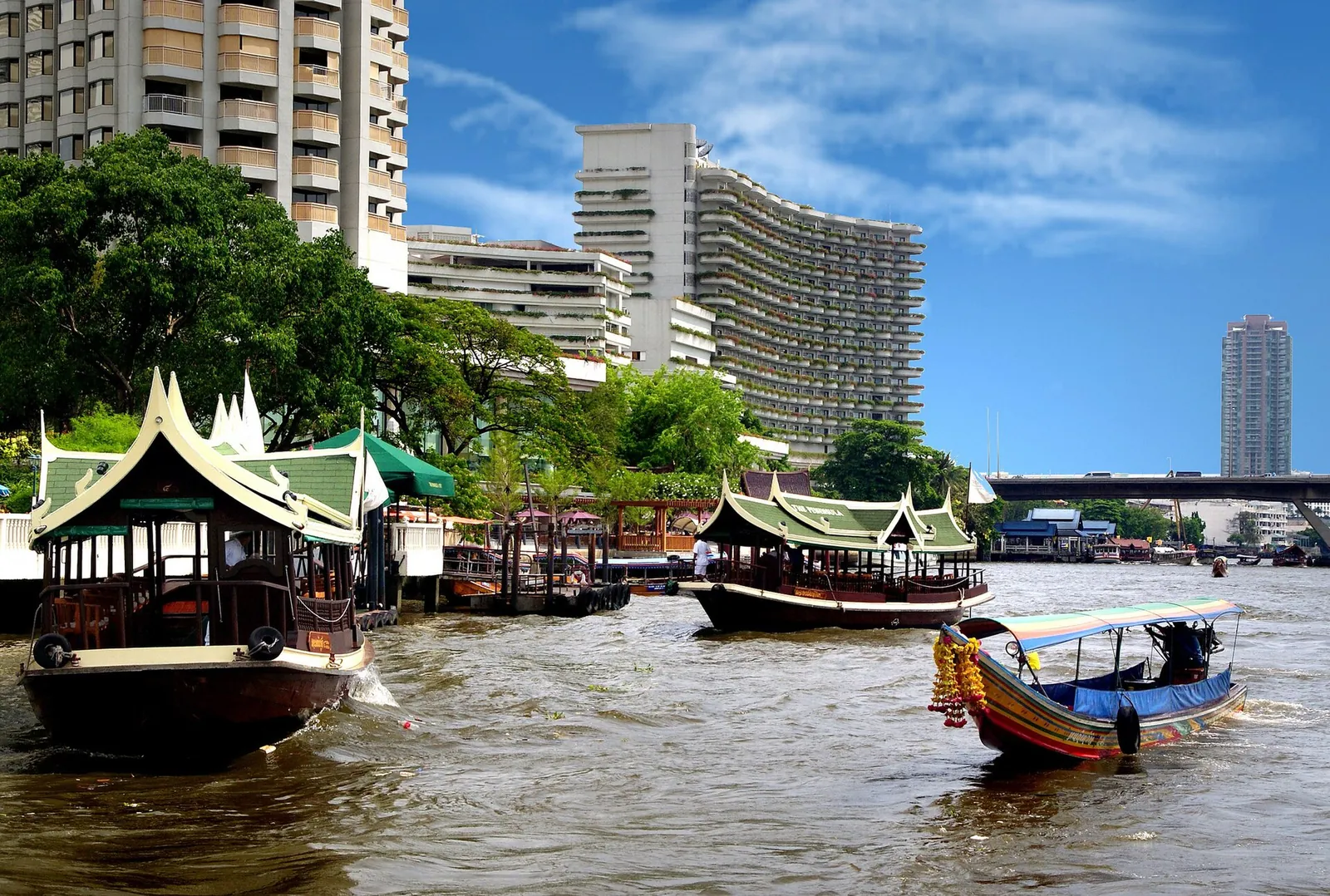
Bangkok’s river is part of its everyday transport network; check the operator, boarding point and conditions before a boat trip.
Photograph: pxhere — opens in a new tab · CC0 — opens in a new tab
Changes: Resized and converted to WebP; displayed with responsive crops. · Original photograph and licence details ↗ — opens in a new tab
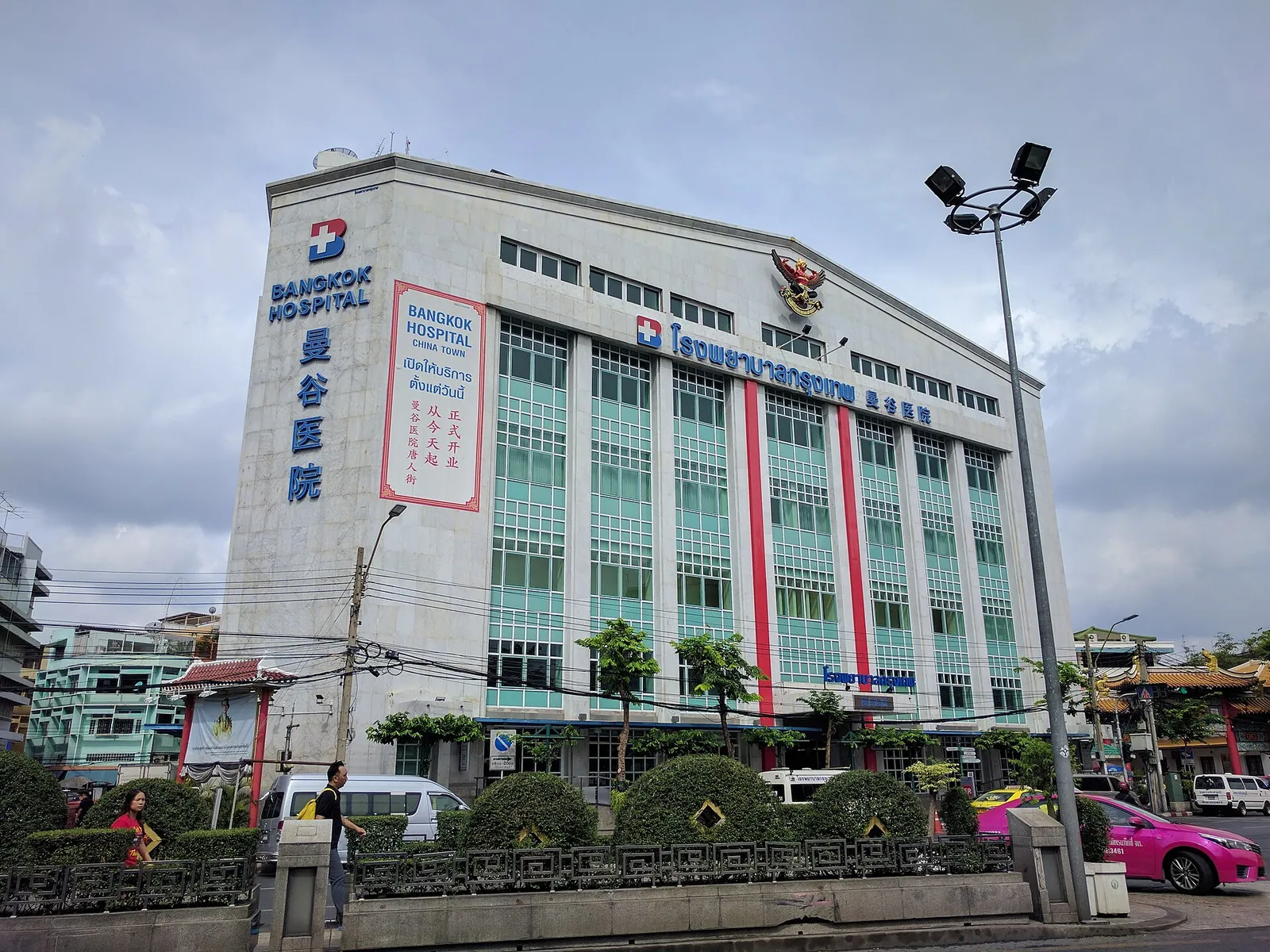
Keep the name and location of a suitable hospital in your offline trip notes; this photograph shows Bangkok Hospital Chinatown.
Photograph: Grendelkhan — opens in a new tab · CC BY-SA 3.0 — opens in a new tab
Changes: Resized and converted to WebP; displayed with responsive crops. · Original photograph and licence details ↗ — opens in a new tab
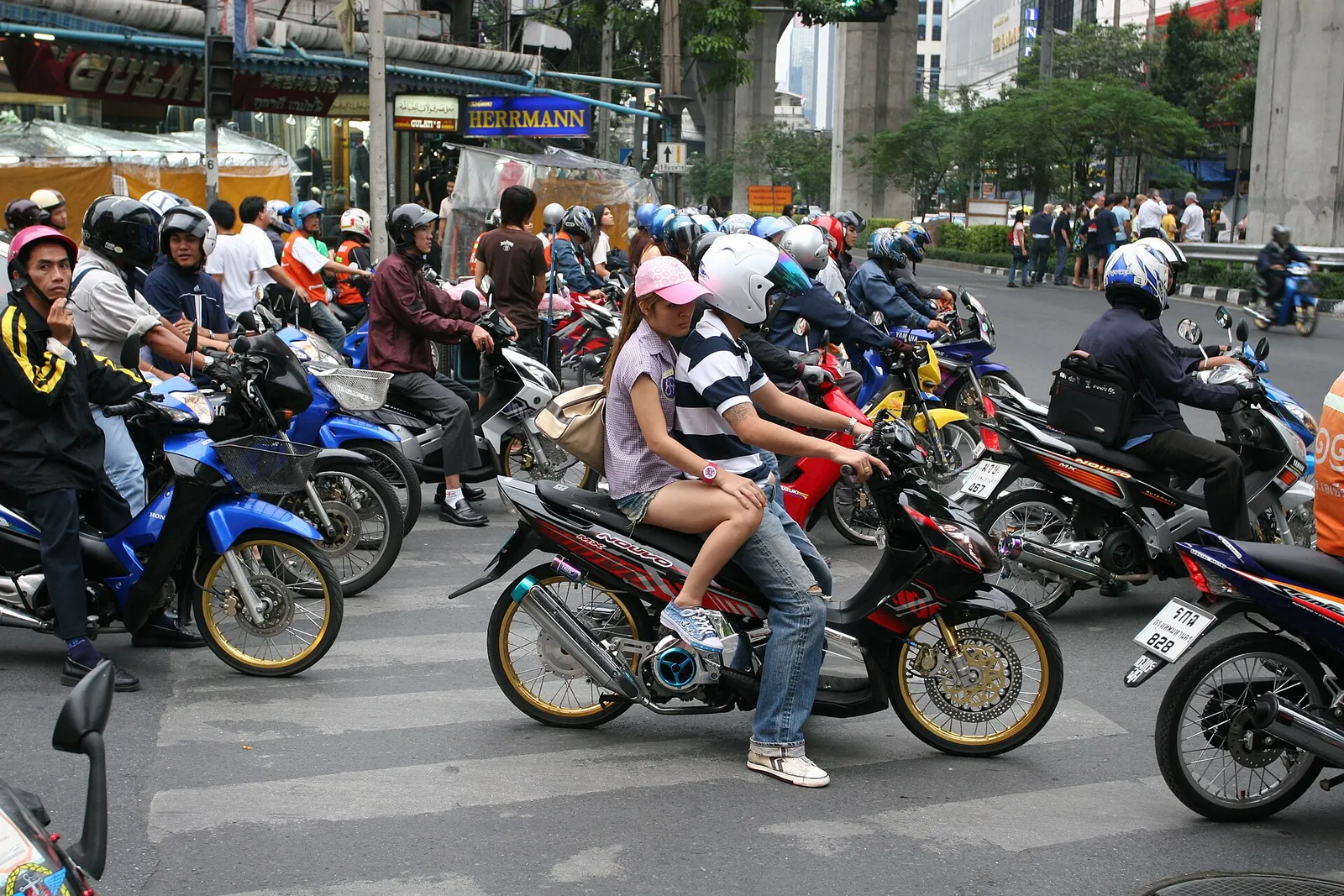
A busy Bangkok junction illustrates why road crossings and transport choices deserve attention.
Photograph: Chris Brown — opens in a new tab · CC BY 2.0 — opens in a new tab
Changes: Resized and converted to WebP; displayed with responsive crops. · Original photograph and licence details ↗ — opens in a new tab
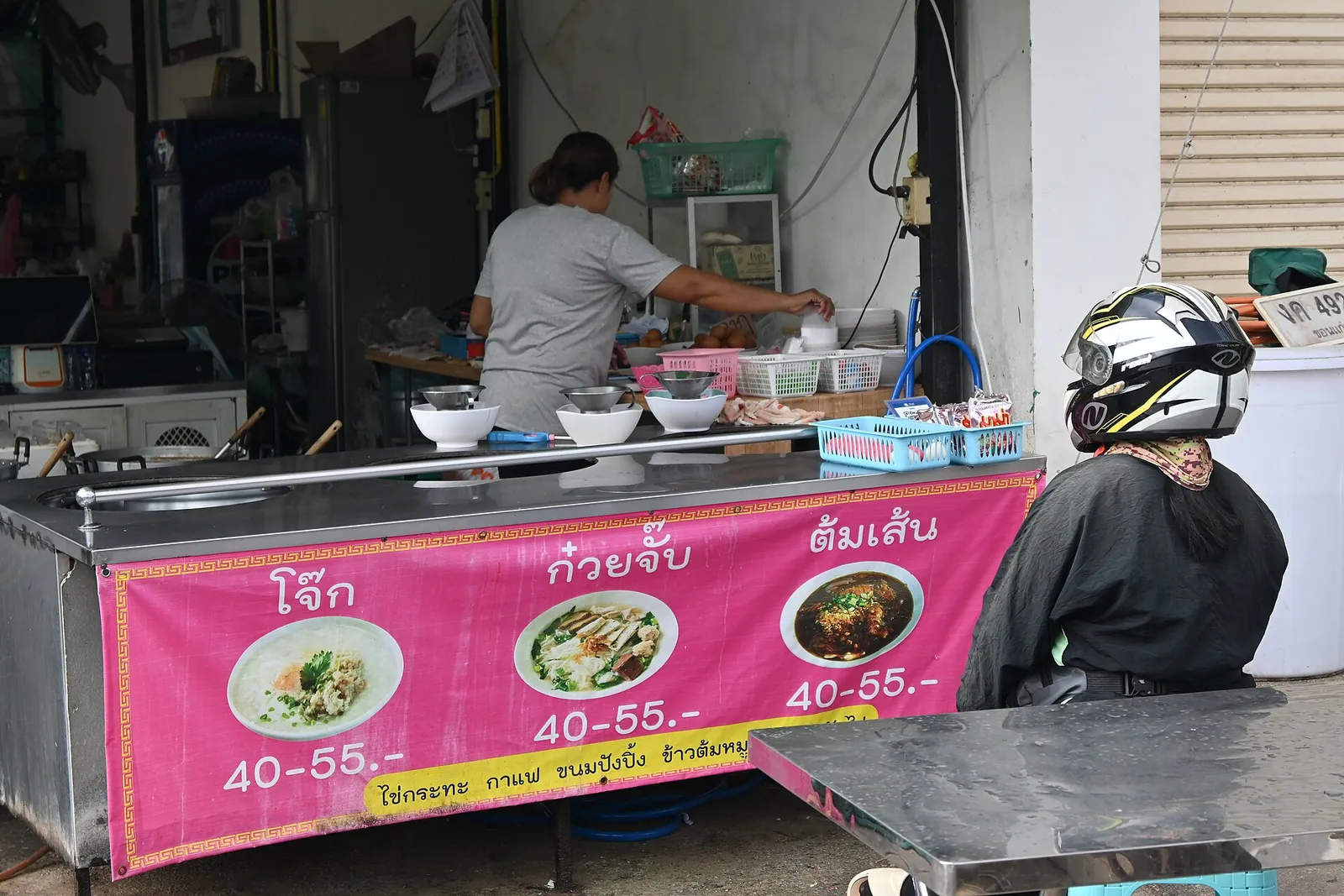
At street-food stalls, ask about ingredients and watch how your meal is prepared.
Photograph: PattayaPatrol — opens in a new tab · CC BY-SA 4.0 — opens in a new tab
Changes: Resized and converted to WebP; displayed with responsive crops. · Original photograph and licence details ↗ — opens in a new tab