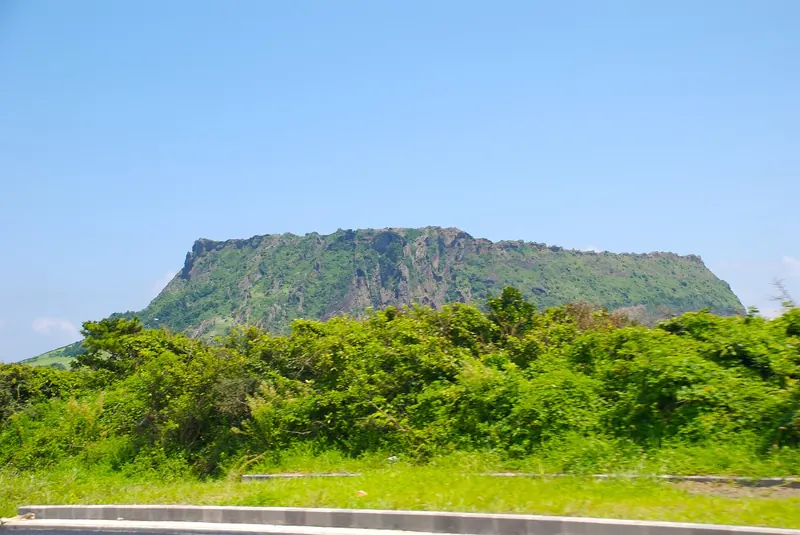
Jeju · Jeju
Jeju City travel guide: Dongmun Market, Yongduam and bus day trips
Jeju City is where most trips to the island begin, and many travellers leave it the same afternoon for a resort on the coast. That is a mistake if you plan to get around by bus. The island's capital sits between the airport and the sea, with Dongmun Market and its night stalls, a restored Joseon-era government compound, a short coastal walk past Yongduam Rock and Yongyeon Pond, and the bus terminal from which routes run east, west and up to the Hallasan trailheads. It is not the prettiest corner of Jeju, but it is the easiest one to travel from.
- Suggested time
- 2–3 nights
- Where to stay
- Old downtown around Dongmun Market and Gwandeok-ro, or the Tapdong waterfront; Yeon-dong for the newer hotel district inland from the airport
- Season and timing
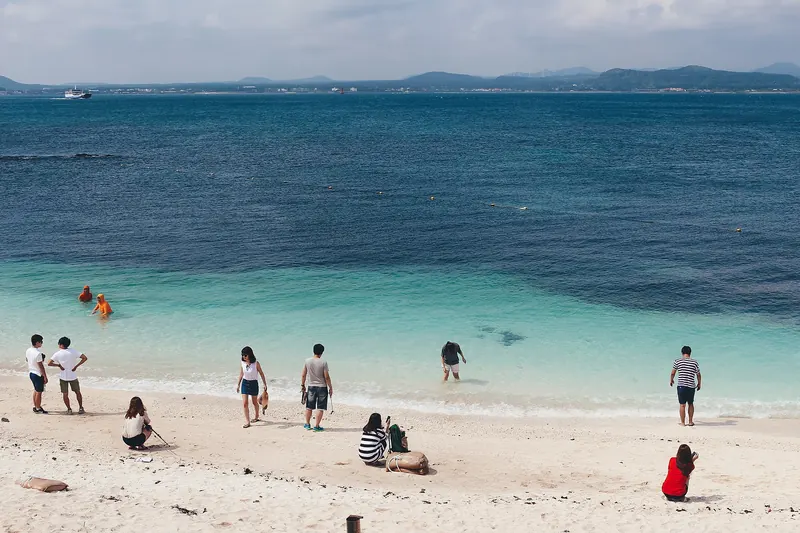
- VisitKorea calls Jeju a year-round destination. In late March, Jeonnong-ro in Jeju City's Samdo 1-dong is lined with king cherry blossoms and closed to traffic during the Jeju Cherry Blossom Festival. Summer is beach season: Iho Tewoo Beach on the city's edge is busiest then, and VisitKorea listed Hamdeok Beach's 2025 swimming season as 24 June to 31 August.
The short answer
Stay two or three nights in Jeju City if you are travelling by bus and want to see more than one side of the island. Sleep in the old downtown around Dongmun Market and Gwandeok-ro, or on the Tapdong waterfront a few streets north, so the market, Gwandeokjeong and the coast are all walkable. Spend your arrival afternoon on the Yongduam and Yongyeon coast, an evening at the Dongmun night market and a morning at the Jeju-mok Government Office, then use the city as a hub for Hallasan, Hamdeok and the east coast, or Aewol and the west. Move to Seogwipo for the south-coast waterfalls and Olle routes rather than commuting there from Jeju City.
Jeju City or Seogwipo: choose the base for the way you travel
Jeju has two cities. Jeju City on the north coast holds the airport, the main bus terminal and the island's largest market; Seogwipo on the south coast holds the waterfalls, the Olle walking routes and the Jungmun resorts. On a bus-based trip, the distance between them shapes everything. VisitKorea's July 2026 airport guide puts Dongmun Traditional Market about 20 minutes from Jeju International Airport by bus (15 by taxi), but Seogwipo's Maeil Olle Market about 90 minutes by bus.
Jeju City wins when you want to cover several directions from one hotel. Bus 201 runs along the east coast from the Jeju City bus terminal to Seogwipo, with stops at most places on the way; bus 281 from the terminal reaches the Seongpanak trailhead for Hallasan and bus 240 the Yeongsil trailhead; and from the airport's first-floor stops, city buses leave for Pyoseon and Seongsan in the east and Aewol and Hyeopjae in the west. Arrival and departure days also cost less time when the airport is a short ride away.
Seogwipo wins if your trip is mostly the south coast: walking Olle routes, seeing the waterfalls and staying in Jungmun, where airport limousine buses 600 and 601 run directly. On a longer trip, split the stay, two nights in Jeju City and two in Seogwipo, rather than commuting across the island every day. Whichever you choose, book the hotel by its walk to a bus stop, not by its sea view.
Dongmun Market by day and the night market by Gate 8
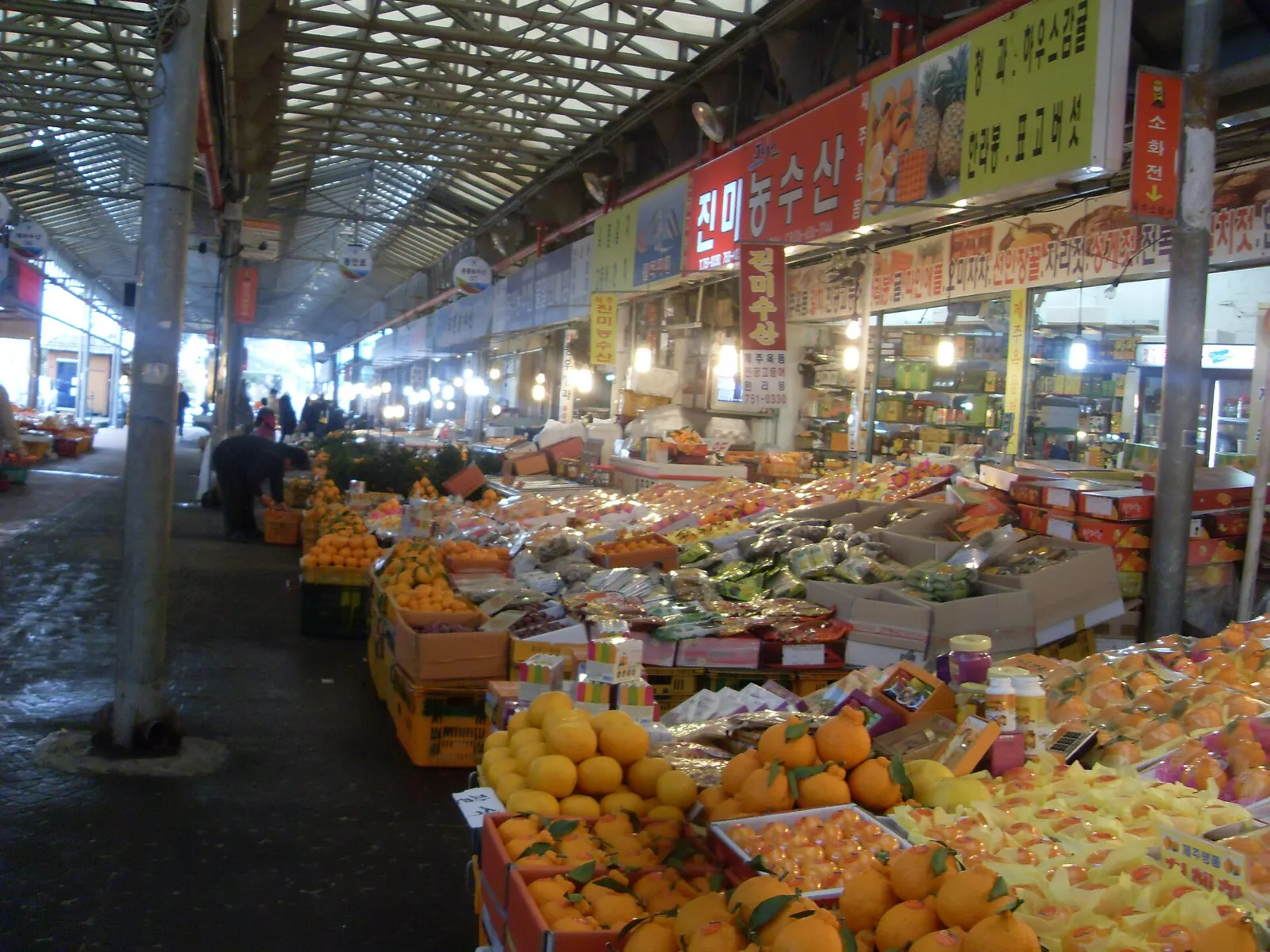
Dongmun Traditional Market is the island's largest and oldest market. VisitKorea dates it to the months after Korea's liberation in August 1945, when it was Jeju's only permanent marketplace; it moved to its present site after a fire in March 1954. Together with the adjoining fish market it sells vegetables, mandarins, seafood, medicinal herbs, grains and clothing, and it is the place to try sliced raw cutlassfish, samhap of skate, pork and kimchi with abalone-intestine rice, or tteokgalbi patties served with whole abalone. When we checked on 2026-10-03, VisitKorea listed the market as open from 08:00 to 21:00 every day, with hours varying by shop.
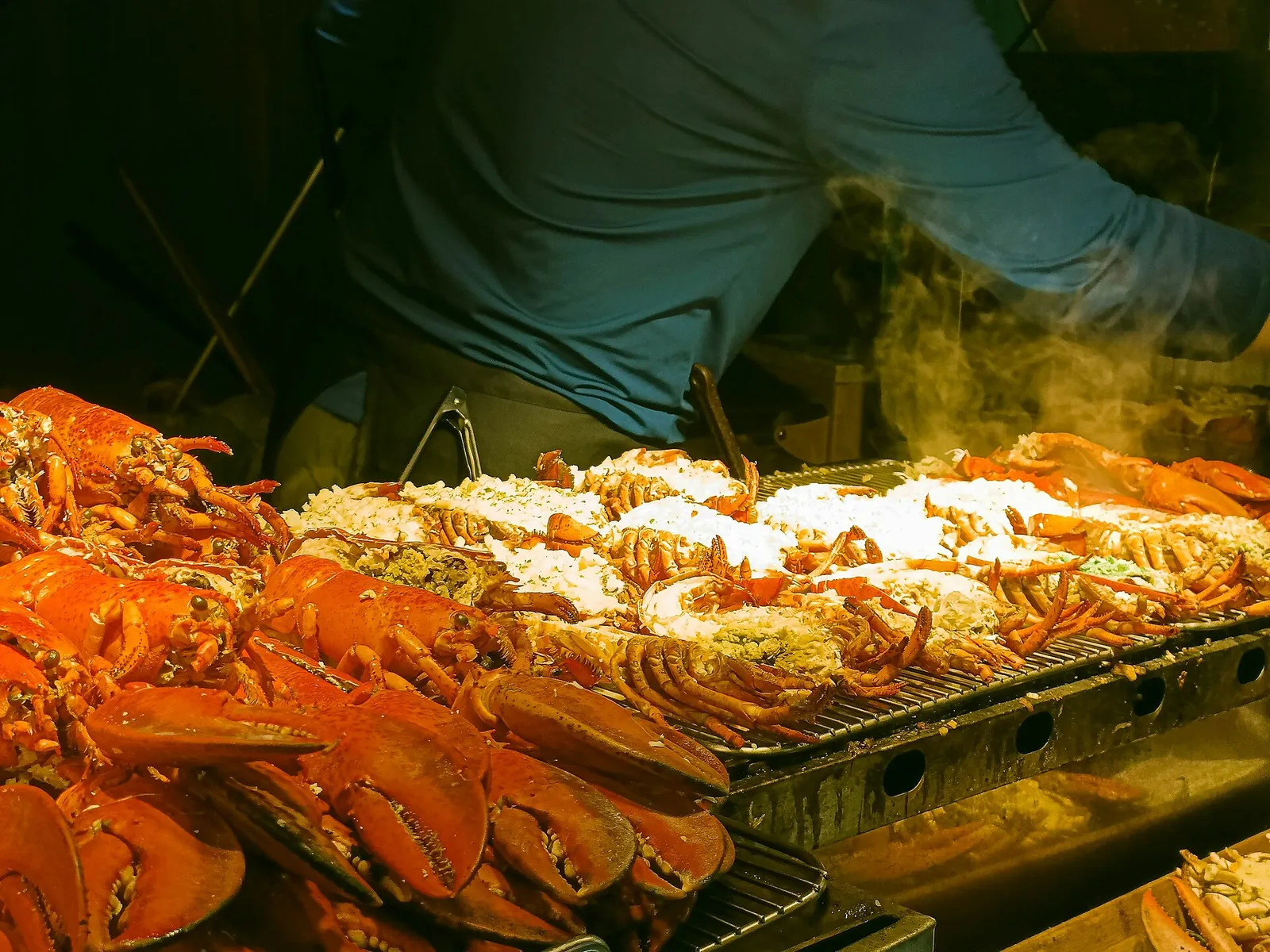
Come back after dark. VisitKorea notes that every evening the area around Gate 8 turns into a night market, with stalls selling black pork kimchi rolls, abalone gimbap, skewers and dakgangjeong, the crisp fried chicken in sticky sauce. It is the cheapest dinner in town and the busiest; arrive early in the evening if you want to walk the aisles rather than queue in them.
The market backs onto Sanjicheon Stream, which runs down to the harbour past walking paths, a park and a restored Chinese sailing vessel. Close by, Chilseong-ro is the city's main shopping street, and VisitKorea's shopping guide places the city's Black Pork Street of grill restaurants in the same downtown area.
Make time for the local food
What to eat and where to look
Jeju black pork (heukdwaeji gui)
Thick slices of Jeju black pork grilled at the table. VisitKorea describes the pork as juicier and more tender than ordinary pork, and the classic way to eat it is dipped in meljeot, Jeju's thick salted-anchovy sauce, warmed in a small bowl on the grill.
- Where to look
- The grill restaurants of Jeju City's Black Pork Street downtown, and black pork restaurants across the city.
- Fit it into your day
- The main dinner of a day out on Hallasan or the east coast.
A fatty cut, and the meljeot dip is salty; pork-based, so not for anyone avoiding pork.
Gogi-guksu (pork noodle soup)
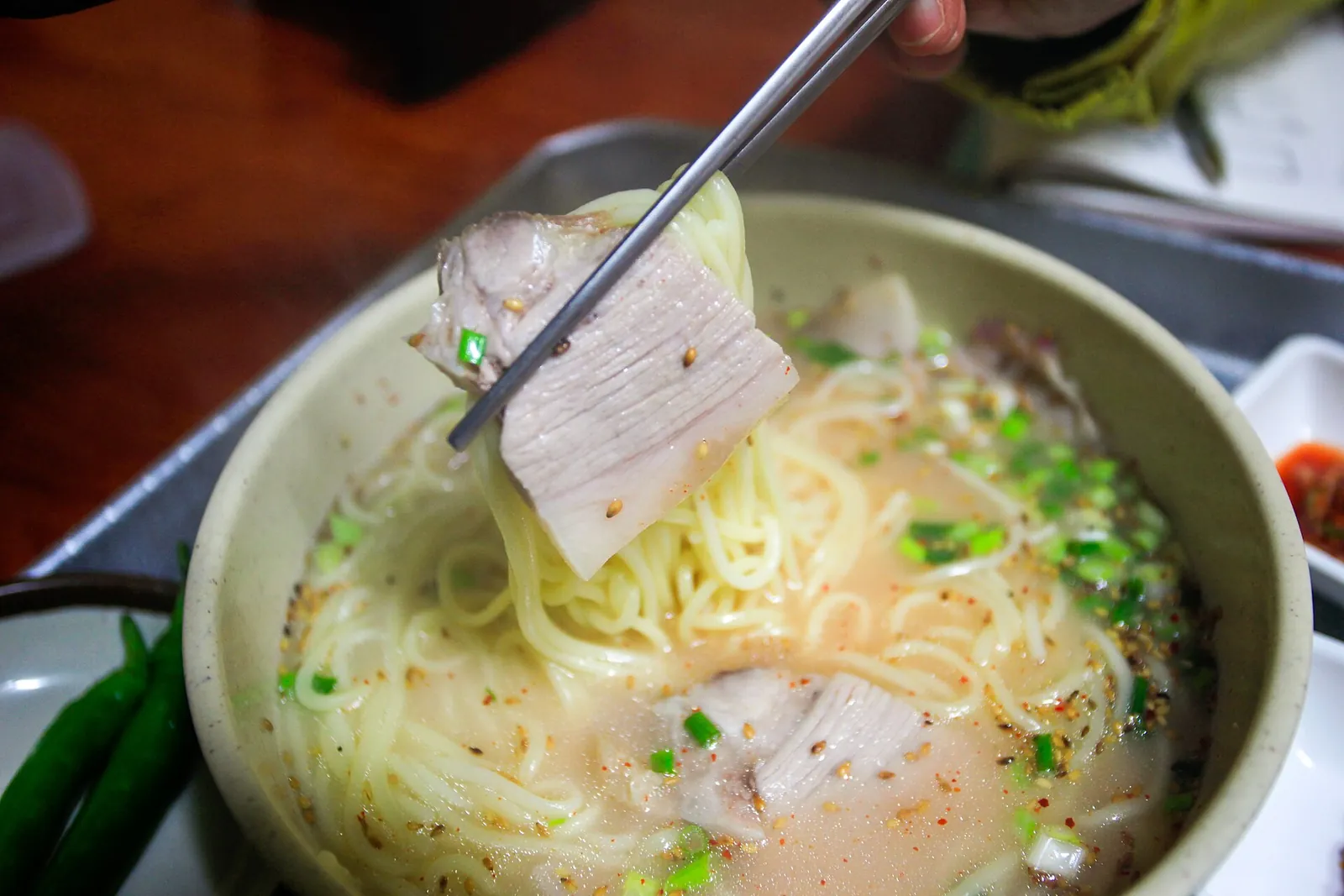
Noodles in a rich broth made from pork bones and meat, topped with generous slices of boiled black pork. VisitKorea calls it a Jeju specialty traditionally served at special events.
- Where to look
- Noodle restaurants across Jeju City.
- Fit it into your day
- A filling lunch, or a quick bowl before an afternoon flight.
Pork broth; not suitable for vegetarians.
Dombe-gogi (sliced steamed pork)
Freshly steamed black pork laid on a wooden board and sliced at the table, lean but with chewy fat, according to VisitKorea.
- Where to look
- Jeju-food restaurants and black pork restaurants in the city.
- Fit it into your day
- A shared plate alongside gogi-guksu, or as a lighter alternative to grilled pork.
Often served as a sharing portion; ask what size you are ordering.
Night-market street food at Dongmun
The Gate 8 night market's mix of black pork kimchi rolls, abalone gimbap, skewers, dakgangjeong and fusion snacks.
- Where to look
- Around Gate 8 of Dongmun Traditional Market, every evening.
- Fit it into your day
- Graze for dinner on your first or last night instead of a sit-down meal.
Crowded and mostly standing room; seafood prices vary by stall, so ask before you order.
Raw cutlassfish, omegi tteok and market snacks
VisitKorea singles out sliced raw cutlassfish at Dongmun Market, along with omegi tteok (millet rice cakes) and bingtteok, buckwheat crêpes rolled around radish.
- Where to look
- The fish market and snack stalls inside Dongmun Traditional Market.
- Fit it into your day
- Lunch after the Gwandeokjeong and Jeju-mok visit, with omegi tteok to take away.
Raw fish is best eaten at the market on the day you buy it; ask about fillings in the rice cakes if you have allergies.
Old Jeju: Gwandeokjeong, the Jeju-mok Government Office and Samseonghyeol
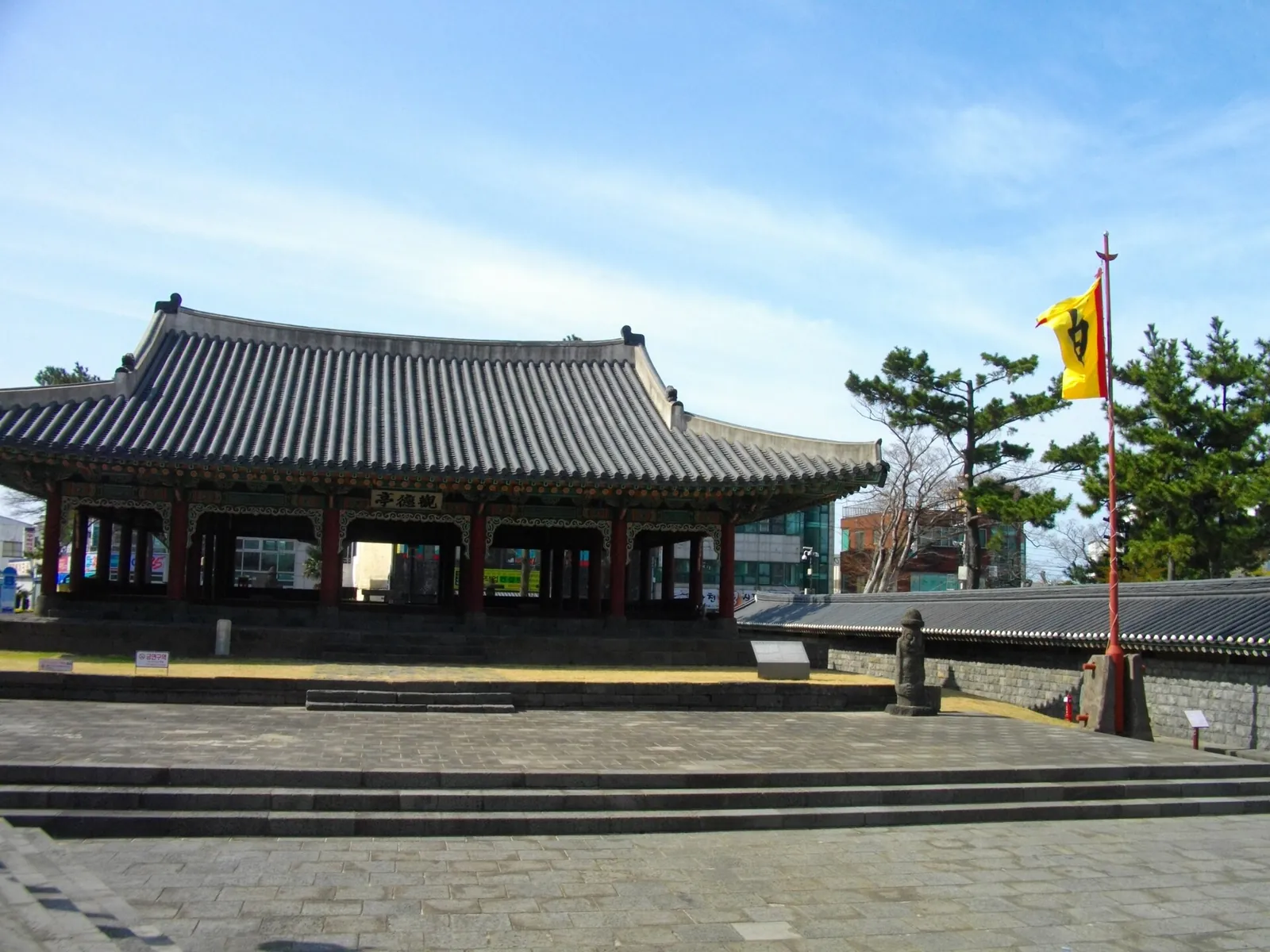
Before it was a tourist gateway, Jeju City was the seat of the island's governors. Gwandeokjeong Pavilion, built in 1448 for training local soldiers, is one of the oldest buildings on Jeju; look up at the painted girders, with the ten symbols of longevity, the Battle of Red Cliffs and hunting scenes, and at the signboard attributed to Prince Anpyeong. Behind it, the Jeju-mok Government Office was the island's administrative centre from the Tamna kingdom through the Joseon period. Much of it burned in 1434; excavations from 1991 led to the restoration of pavilions such as Honghwagak, Yeonhuigak, Uyeondang and Gyullimdang, completed in December 2002.
When we checked on 2026-10-03, VisitKorea listed both as open daily from 09:00 to 18:00, at 1,500 won for adults, and suggested about an hour. Go in the morning, when the courtyards are quiet, and walk on to Dongmun Market for lunch.
Samseonghyeol, a short ride south of the old town, is the shrine around three holes from which, in Jeju's founding myth, the ancestors Go, Yang and Bu emerged; VisitKorea says the holes never fill with water however hard it rains. It was listed at 09:00 to 18:00, 4,000 won for adults, with about 40 minutes needed. On a rainy day, the Jeju National Museum (free; closed on Mondays) covers the island's history from prehistoric finds to the Joseon dynasty, and the Jeju Folklore and Natural History Museum on the same road as Samseonghyeol (2,000 won; closed on Mondays) has the 13-metre skeleton of a Bryde's whale found on a Jeju beach in 2004.
The Yongduam coast: Yongyeon, Yongduam and the road to Dodu
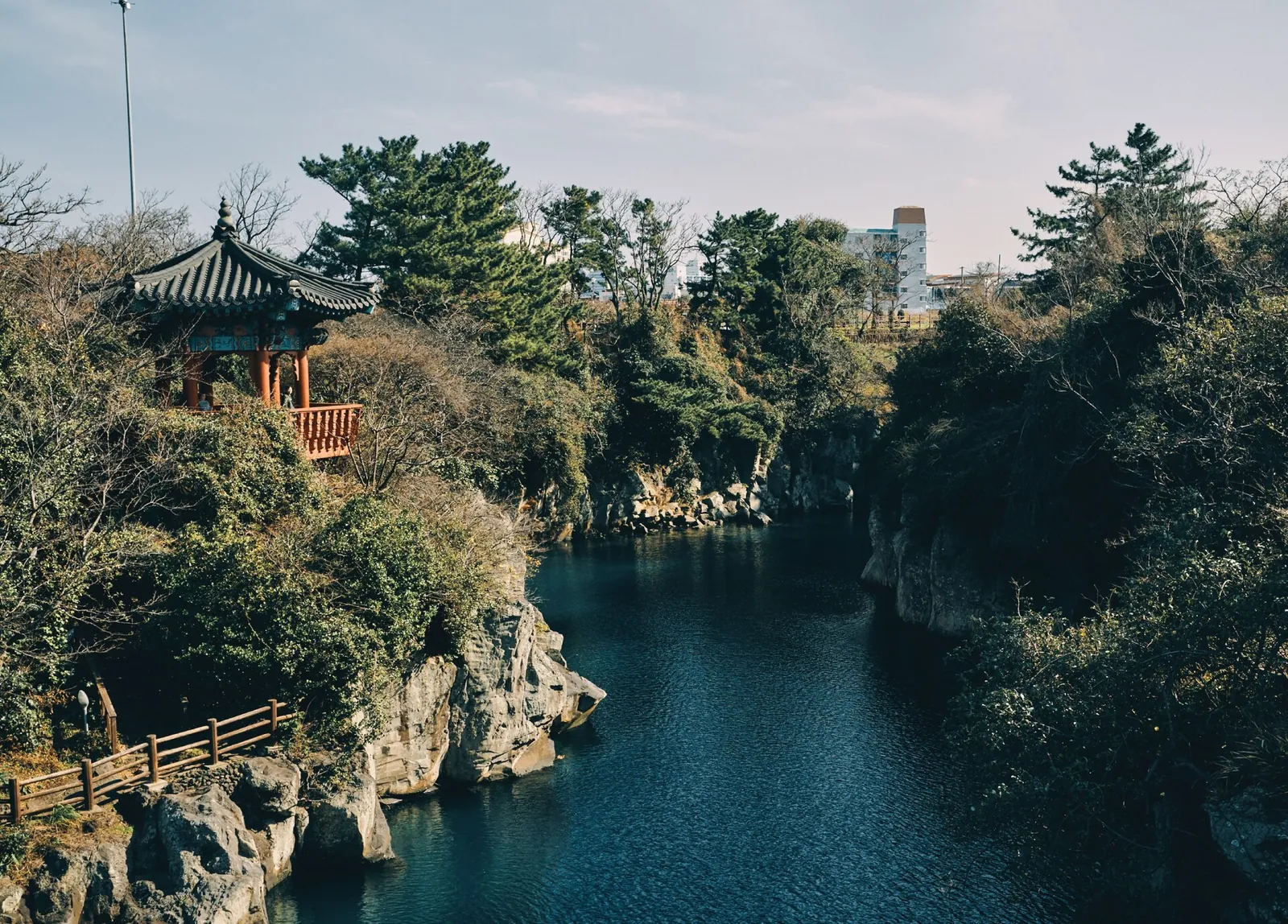
The city's best short walk is on the shore just west of downtown, and close enough to the airport to fill an arrival afternoon or the hours before a late flight. Yongyeon Pond, where water flowing down from Hallasan meets the sea, is crossed by the Yongyeon Cloud Bridge and is at its best lit up at night; in summer it hosts a floating concert that recreates late-Joseon musical performances on boats. Entry is free.
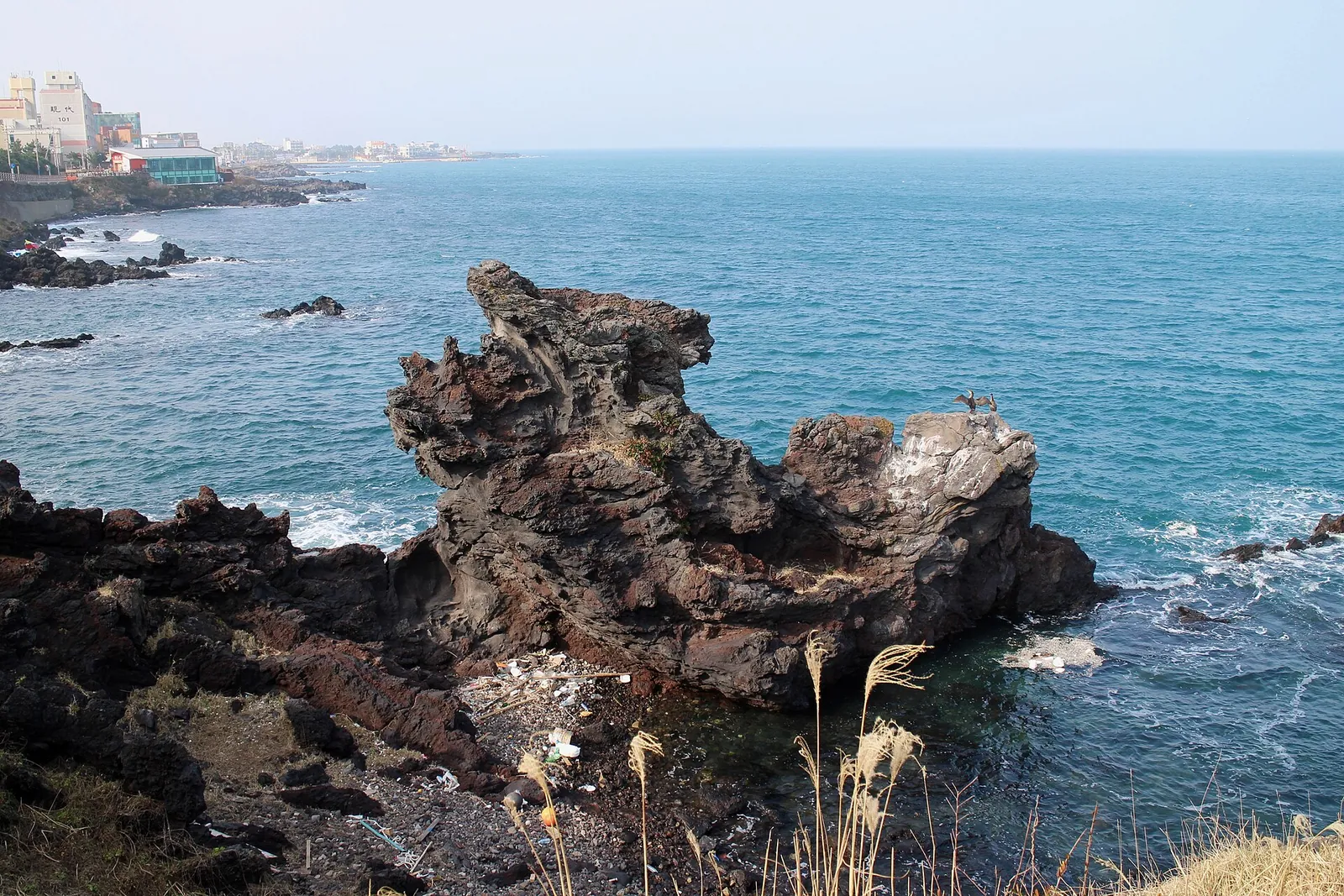
A short walk along the coast, Yongduam Rock is a boulder about 10 metres tall, shaped by wind and waves into what looks like a dragon's head rising from the sea. Local legends make it a dragon struck down by Hallasan's mountain god, or a white horse frozen as it tried to become one. VisitKorea notes that you can often watch haenyeo, Jeju's women divers, working the water here.
From Yongduam, the coastal road west towards Dodu Port is lined with cafés and seafood restaurants, and continues to Iho Tewoo Beach, a gently sloping sand beach with a pine grove on the edge of the city, popular in summer and pleasant at night. For a sunset with a view back over the city to Hallasan, climb Sarabong, a 143-metre hill east of the Dongmun rotary, which VisitKorea pairs with Seongsan Ilchulbong as the island's sunset counterpart to that famous sunrise.
Day trips by bus from Jeju City
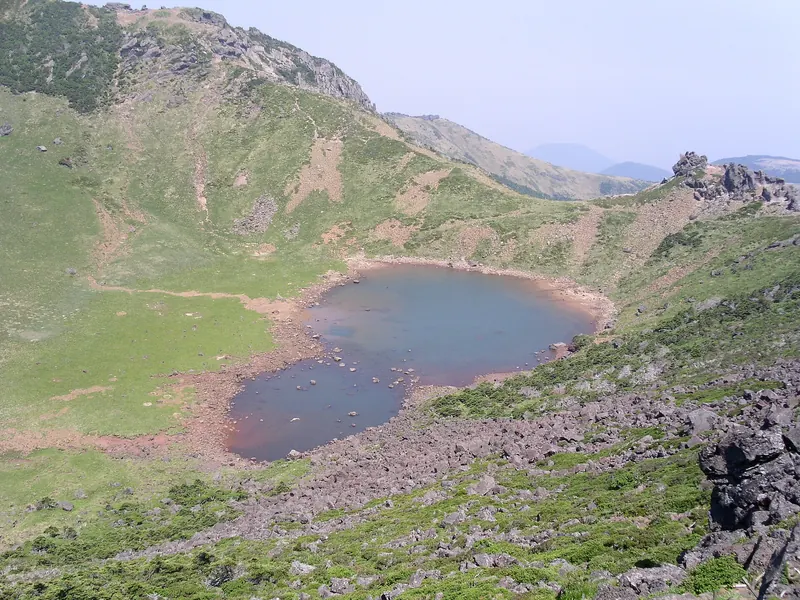
Hallasan, at 1,947 metres Korea's highest mountain, is the obvious day out. Only the Seongpanak and Gwaneumsa trails reach the summit crater lake, Baengnokdam, and VisitKorea notes that summit hikes require a reservation with limited places; book before you fix the date. From the Jeju City bus terminal, VisitKorea's hiking guide lists bus 281 to Seongpanak and bus 240 to the Yeongsil trailhead; bus 181 also runs from the airport to Seongpanak.
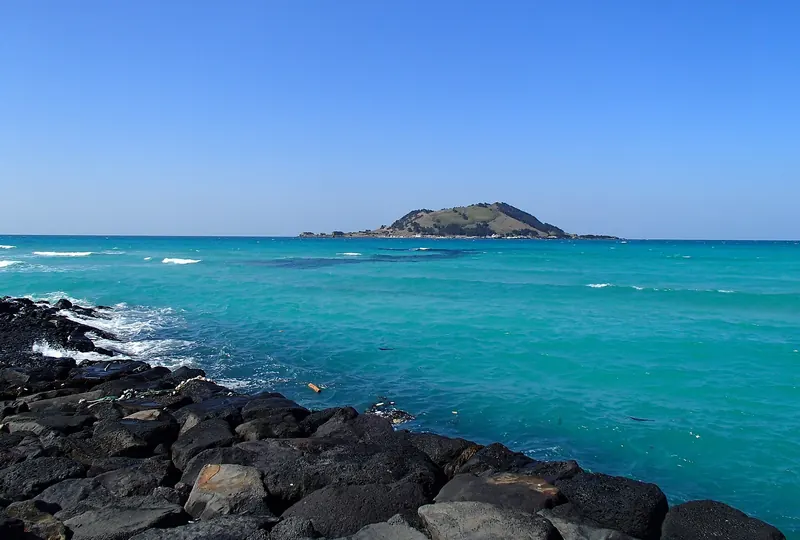
East of the city, Hamdeok Beach has turquoise water beside the Seoubong volcanic cone. VisitKorea's bus guide suggests express bus 101 from the airport, about 40 minutes, then the cheaper stopping bus 201 for Seongsan Ilchulbong, from where the ferry to Udo takes about 15 minutes. To the west, buses from the airport's Gate 4 stop serve Aewol, with its Handam coastal trail, and Hyeopjae Beach, which VisitKorea puts about 70 minutes away by bus.
Pay with a transport card or by phone. VisitKorea's January 2025 bus guide says Jeju's city buses stopped accepting cash on 1 October 2024 and that you can pay by scanning a QR code on board; its fares then were 1,150 won on bus 201 and 2,000 won on express bus 101 by card. Plan bus days with Naver Map, which VisitKorea recommends, and expect gaps of 30 to 80 minutes on the 201.
A three-day plan from a Jeju City base
This is an editorial suggestion, not a timetable. Check the Hallasan reservation, museum closing days and ferry conditions before you commit to a day.
- Day 1 — Arrival and the coast: check in downtown, walk Yongyeon Pond and Yongduam Rock in the late afternoon, then dinner at the Dongmun night market around Gate 8.
- Day 2 — Hallasan or the east: an early bus 281 to Seongpanak for a reserved summit hike, or bus 101 to Hamdeok and the 201 on to Seongsan and the Udo ferry. Black pork dinner back in the city.
- Day 3 — Old Jeju and the west: Gwandeokjeong and the Jeju-mok Government Office at 09:00, lunch in Dongmun Market, then the Aewol coast or Iho Tewoo Beach for the evening; sunset from Sarabong if you stay in town.
- Next: move to Seogwipo for the south coast, or fly out from Jeju International Airport, about 20 minutes from downtown by bus.
Practical questions
Is it better to stay in Jeju City or Seogwipo?
Stay in Jeju City if you are using buses and want day trips in several directions: the airport is about 20 minutes away by bus, and routes leave from the city for the east coast, the west coast and the Hallasan trailheads. Stay in Seogwipo if your trip is mostly the south coast, the waterfalls and the Olle routes. On a longer trip, split the nights between the two.
How many days do I need in Jeju City?
The city's own sights take one full day: the Yongduam and Yongyeon coast, Gwandeokjeong and the Jeju-mok Government Office, and Dongmun Market. Two or three nights let you add a Hallasan hike or a bus day along the east or west coast.
When is the Dongmun night market on?
VisitKorea says the night market around Gate 8 of Dongmun Traditional Market runs every evening. The market as a whole was listed as open from 08:00 to 21:00 when we checked on 2026-10-03, with hours varying by shop.
How do I get from Jeju Airport to downtown Jeju City?
By city bus or taxi from the first-floor exits. VisitKorea gives about 20 minutes by bus or 15 by taxi to Dongmun Market. Have a transport card ready or use QR payment: VisitKorea says Jeju's city buses no longer take cash.
Can I hike Hallasan from Jeju City?
Yes. VisitKorea lists bus 281 from the Jeju City bus terminal to the Seongpanak trailhead and bus 240 to Yeongsil. Summit hikes, by the Seongpanak or Gwaneumsa trails, need a reservation, so book first.
Is Yongduam Rock worth visiting?
It is a short stop rather than a destination: a dragon-shaped basalt boulder on the shore near the airport. Combine it with Yongyeon Pond and the coastal road towards Dodu Port, ideally on your arrival afternoon or before an evening flight.
Sources and checks before you travel
Reference sources for the version dated 3 October 2026. Confirm opening times, access, transport and conditions for your travel dates.
- VisitKorea: Korea Beyond Seoul, Jeju International Airport (July 2026) ↗ — opens in a new tab
- VisitKorea: Dongmun Traditional Market ↗ — opens in a new tab
- VisitKorea: Jeju Dongmun Market (cruise guide) and Jeju travel ideas ↗ — opens in a new tab
- VisitKorea: Jeju Chilseong-ro Shopping Street ↗ — opens in a new tab
- VisitKorea: Gwandeokjeong Pavilion ↗ — opens in a new tab
- VisitKorea: Jeju-mok Government Office ↗ — opens in a new tab
- VisitKorea: Jeju Samseonghyeol ↗ — opens in a new tab
- VisitKorea: Jeju National Museum and Jeju Folklore & Natural History Museum ↗ — opens in a new tab
- VisitKorea: Yongduam Rock ↗ — opens in a new tab
- VisitKorea: Yongyeon Pond ↗ — opens in a new tab
- VisitKorea: Iho Tewoo Beach, Sarabong Park and Sanjicheon Stream ↗ — opens in a new tab
- VisitKorea: Airport Transportation Guide (May 2026) ↗ — opens in a new tab
- VisitKorea: Jeju's East Coast Itinerary by City Bus (January 2025) ↗ — opens in a new tab
- VisitKorea: Best hiking trails in Korea's national parks (September 2024) ↗ — opens in a new tab
- VisitKorea: Getting to Jeju Island and Jeju travel tips ↗ — opens in a new tab
- VisitKorea: Jeju food guides (grilled black pork, pork noodles, steamed pork slices, Aewol food trip) ↗ — opens in a new tab
- VisitKorea: 2026 spring bloom guide and 2025 summer beach guide ↗ — opens in a new tab
Photo credits
Yongduam Rock on the coast just west of downtown Jeju City
Photograph: 안범진 — opens in a new tab · CC BY-SA 4.0 — opens in a new tab
Changes: Resized and converted to WebP; displayed with responsive crops. · Original photograph and licence details ↗ — opens in a new tab
Fruit stalls under the arcade roof of Dongmun Traditional Market, Jeju City
Photograph: thddbwnd — opens in a new tab · CC BY 3.0 — opens in a new tab
Changes: Resized and converted to WebP; displayed with responsive crops. · Original photograph and licence details ↗ — opens in a new tab
Gwandeokjeong Pavilion, built in 1448, in the old centre of Jeju City
Photograph: Abasaa — opens in a new tab · Public domain — opens in a new tab
Changes: Resized and converted to WebP; displayed with responsive crops. · Original photograph and licence details ↗ — opens in a new tab
Yongyeon Pond, where the stream reaches the sea on the edge of downtown Jeju City
Photograph: Jeju Olle Foundation — opens in a new tab · CC BY-SA 4.0 — opens in a new tab
Changes: Resized and converted to WebP; displayed with responsive crops. · Original photograph and licence details ↗ — opens in a new tab
Grilled lobster and crab at a stall in Dongmun Traditional Market
Photograph: Journyes — opens in a new tab · CC BY-SA 4.0 — opens in a new tab
Changes: Resized and converted to WebP; displayed with responsive crops. · Original photograph and licence details ↗ — opens in a new tab
Gogi-guksu, Jeju's pork noodle soup
Photograph: 채지형 — opens in a new tab · CC BY 4.0 — opens in a new tab
Changes: Resized and converted to WebP; displayed with responsive crops. · Original photograph and licence details ↗ — opens in a new tab