Plan your trip
Day trips from Seoul: Suwon, Incheon, Nami Island and Gangneung
Seoul sits in the middle of a rail network that makes a day out easy, and that is the problem: a timetable will happily sell you a ticket to a place you cannot see properly before the last train home. Four trips are comfortable days: the fortress city of Suwon, the old treaty port of Incheon, Nami Island and the gardens around Gapyeong, and the pine-and-sand coast at Gangneung on the fastest KTX. Two more, Jeonju and Andong, are long but workable days if you take the first train. This page gives the one-way time and the station for each, the tickets you should buy before you travel, and the places we would rather you slept in than rushed.
In this guide
Find the location ↗ — opens in a new tabThe short answer
Start with Suwon: Seoul Subway Line 1 runs from Seoul Station to Suwon Station, the Mugunghwa train from Seoul Station takes about 30 minutes, and Hwaseong Haenggung costs KRW 2,000 for an adult (KRW 4,000 for the integrated ticket). Incheon's Chinatown and Wolmido are the second easy day, about an hour away by subway. For the countryside, take the ITX-Cheongchun from Yongsan or Cheongnyangni to Gapyeong, about an hour, and pay KRW 19,000 for Nami Island at the ferry wharf. The one long day worth the train is Gangneung, from Cheongnyangni or Seoul Station: Korail gives 1 hour 49 minutes for its fastest KTX. Book weekend seats early, and go on a weekday other than Monday if you can. Prices checked on 26 October 2026.
- Key point
- Suwon, Incheon and Gapyeong: 1 day each; Gangneung, Jeonju and Andong: 1 long day or 1 night
- Where it applies
- Seoul: near Seoul Station for Suwon and Incheon, Yongsan or Cheongnyangni for Gapyeong, Chuncheon and Jeonju, Cheongnyangni for Gangneung and Andong
- Timing
- Spring and autumn are the seasons for these trips. VisitKorea's 2026 forecast, published on 26 February 2026, put the first cherry blossoms in Gangneung on 1 April, in Seoul on 3 April and in Incheon on 7 April, with the peak about a week after the flowers open. In autumn VisitKorea names Nami Island and the Garden of Morning Calm among the colour spots on Seoul's outskirts. The Gangneung beaches are open for swimming only in each year's official period, which the city announces. Nami Island's ferry runs longer hours in the blossom, summer and foliage seasons.
The order to take them in, and the station each one leaves from
Rank them by how much of the day the train eats. Suwon is the easiest: a UNESCO fortress wall you can walk in an afternoon, half an hour out of Seoul Station by Mugunghwa train or a longer ride on Line 1. Incheon is the other subway day, about an hour out, for Chinatown, the open-port streets and the monorail round Wolmido. Gapyeong, about an hour out on the ITX-Cheongchun, is the one for trees and water: Nami Island, the Garden of Morning Calm and a rail bike along the old Gyeongchun line. Gangneung is the long day that still works, 1 hour 49 minutes on the fastest KTX for the coffee street and the beach. After that come Jeonju (about 1 hour 40 minutes) and Andong (1 hour 50 minutes to 2 hours 30 minutes), both fair days out if you take an early train and accept that you will see one part of the town.
Each trip has its own Seoul station, which is worth knowing before you book a hotel. Seoul Station has Line 1 for Suwon and Incheon, the Mugunghwa to Suwon, the KTX to Gangneung and the airport railway. Yongsan has far more KTX trains to Jeonju than Seoul Station does, and it is a starting point for the ITX-Cheongchun towards Gapyeong and Chuncheon. Cheongnyangni is the head of the Gangneung line and also serves the ITX-Cheongchun and the KTX-Eum to Andong, so it is the most useful base if your days out matter more than your evenings. Dong Seoul Terminal at Gangbyeon Station, on Line 2, has the buses to Gangneung, Gapyeong and Andong. Our Seoul base guide compares the stay types; our Seoul guide covers the city itself.
Buy the long-distance seats before you travel. Tickets go on sale 2 months before departure for foreign passengers (this changed from 1 month on 1 October 2026), and you can choose your seat when you book online; seats sell out quickly at weekends, on public holidays and in festival seasons, and a ticket bought at the station on the day may be for a standing place only. Korail lowered KTX fares by an average of 10 per cent to the old SRT level on 1 September 2026, and publishes the exact journey time and fare of each train in its timetable and in the KORAIL+ app. For the subway and city buses, use a Tmoney card, because it works across the country. The Climate Card covers subway stations within Seoul, apart from the Sinbundang Line and GTX, plus alighting, but not boarding, at Incheon Airport Terminals 1 and 2; Seoul-licensed city and town buses remain covered even outside Seoul. Line 1 is charged by distance: the Seoul city page lists KRW 100 more for each 5 km beyond the first 10 km, so a ride to Suwon or Incheon costs more than the KRW 1,550 base fare paid with a transport card. Our transport guide explains the cards and Korail tickets.
Suwon: a fortress wall and a galbi dinner, half an hour out
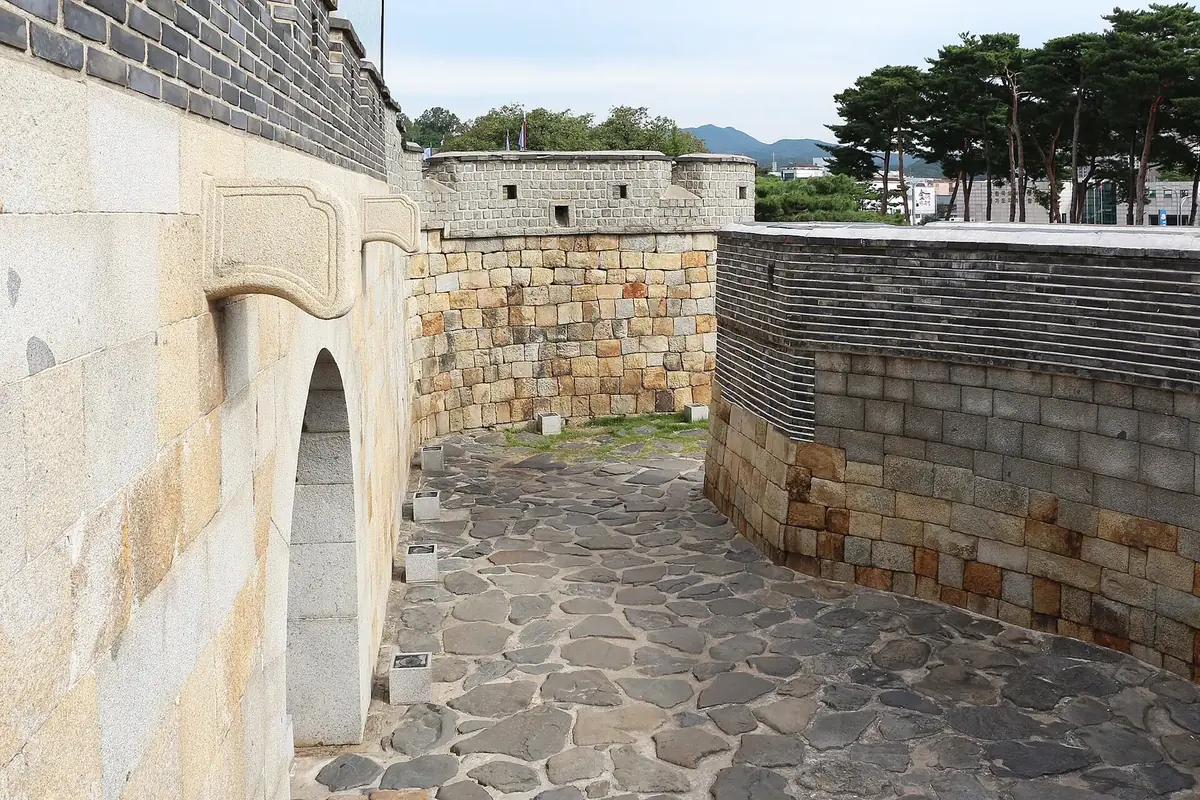
Hwaseong Fortress is the reason to go, and it is free. King Jeongjo built it between January 1794 and September 1796, the Suwon Cultural Foundation gives the circumference of the wall as 5,744 metres, and UNESCO inscribed it in December 1997. VisitKorea describes the Hwaseong Fortress Trail as 5.1 km and 2 to 3 hours, from Hwaseomun past Janganmun and the Hwahongmun water gate to the markets at Paldalmun and over Paldalsan. Inside the wall, Hwaseong Haenggung, the largest of the Joseon kings' travelling palaces, is open 09:00 to 18:00 every day of the year with the last admission an hour before closing; an adult ticket costs KRW 2,000, and the integrated ticket that adds the Suwon Hwaseong Museum and the Suwon Museum costs KRW 4,000 (checked on 26 October 2026). A free martial-arts demonstration runs in front of the palace's main gate at 11:00 from Tuesday to Sunday, with a second show at 14:00 at weekends.
Getting there is the simplest part of any trip in this guide. The Mugunghwa train from Seoul Station to Suwon Station takes about 30 minutes; Subway Line 1 from Seoul Station towards Cheonan, Byeongjeom or Seo Dongtan takes longer but needs no reservation. From Suwon Station, take city bus 11, 13 or 13-4 from the stop near Exit 4, the north square, to the Hwaseong Haenggung stop; the tourist information centre by that exit is open 09:00 to 18:00 and has English, Chinese and Japanese interpretation. Eat before you go back: Suwon wanggalbi, the jumbo short ribs seasoned with salt, is the town's dish, and the chicken street by the Suwoncheon fries whole birds in cauldrons.
Two things turn the day. The tourist trolley, which loops about 30 minutes from Yeonmudae past Hwahongmun, Janganmun and Hwaseomun, has 36 seats a run, which sell online up to the end of the following month, so book it before you travel. And the palace opens again after dark in season, which is the main reason to stay the night rather than ride home. Our Suwon guide has the night-opening dates, the trolley times and the galbi restaurants, and the 5-day Seoul itinerary builds this day into a first trip.
Incheon: Chinatown, the open-port streets and the Wolmido monorail
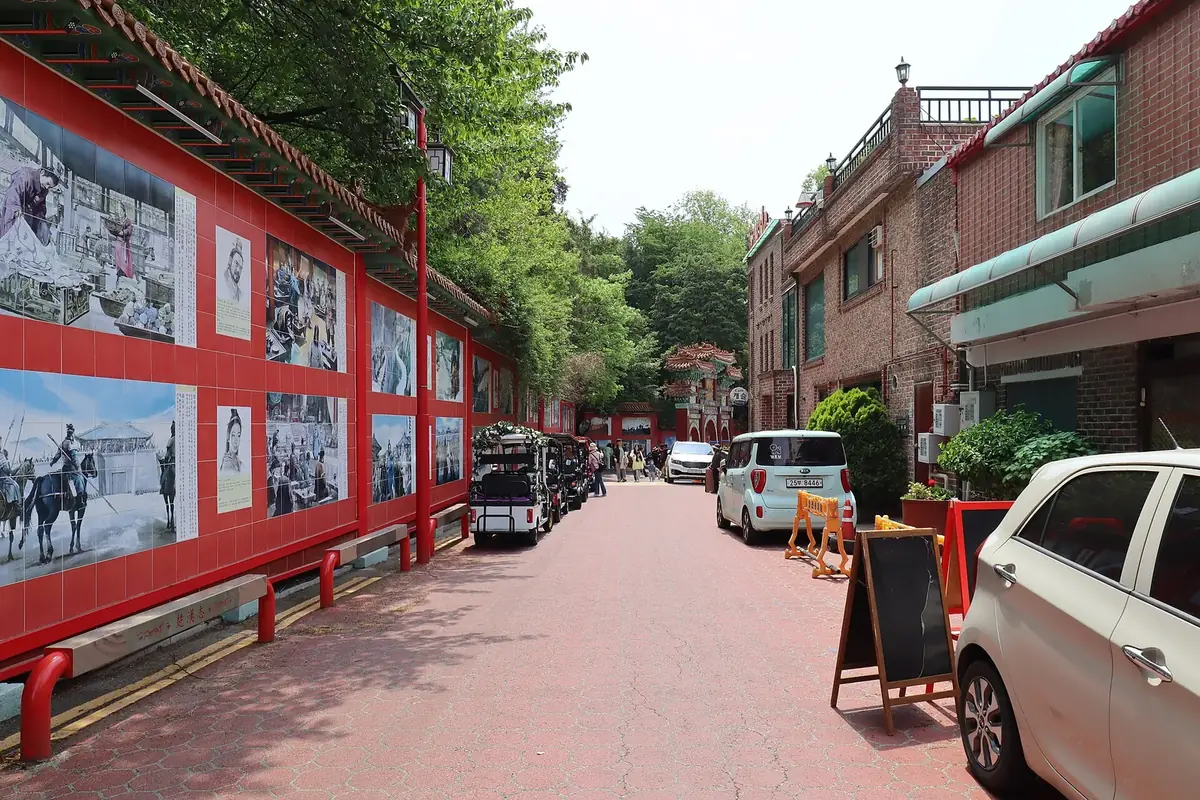
Incheon is a port city of the 1880s treaty years, and the whole day fits around one subway station. Seoul Subway Line 1 runs to Incheon Station, and Exit 1 is the one to use: the Chinatown restaurants are 100 to 320 metres from it, and Sinpo International Market, famous for its dak-gangjeong, is a 6-minute walk. VisitKorea puts Incheon about an hour from Seoul by subway or bus. Chinatown dates from the opening of the port in 1883 and the Qing concession the following year; the Jjajangmyeon Museum fills the original Gonghwachun building, where the restaurant known as the birthplace of jjajangmyeon worked until 1983, and charges adults KRW 1,000.
Walk it uphill and then out to the sea. The Cheongil Jogyeji Stairway marks the old border between the Qing concession and the Japanese one, with Chinese-style buildings on one side of the street and wooden Japanese ones on the other, and the steps climb to Jayu Park, the first Western-style park in Korea, which holds a cherry blossom festival every April. Songwol-dong Fairy Tale Village, at the northern end of Chinatown, is a settlement of the post-treaty years repainted with fairy-tale murals; it is open 24 hours and free. Then take the Wolmi Sea Train, the monorail that circles Wolmido on a 6.1 km loop in about 42 minutes, 7 to 18 metres above the ground, past the inner port and the West Sea. A weekday adult ticket costs KRW 11,000 and a weekend one KRW 14,000, and one re-ride is allowed on the day.
Pick a Tuesday, Wednesday or Thursday: the season section below lists the Monday closures here, and the Sea Train's operator lists Friday with the weekend (Friday to Sunday and public holidays). Our Incheon guide sets out the order of the museums, the last Sea Train departures and what to do on a long airport layover instead.
Gapyeong: Nami Island and the gardens on the Gyeongchun line
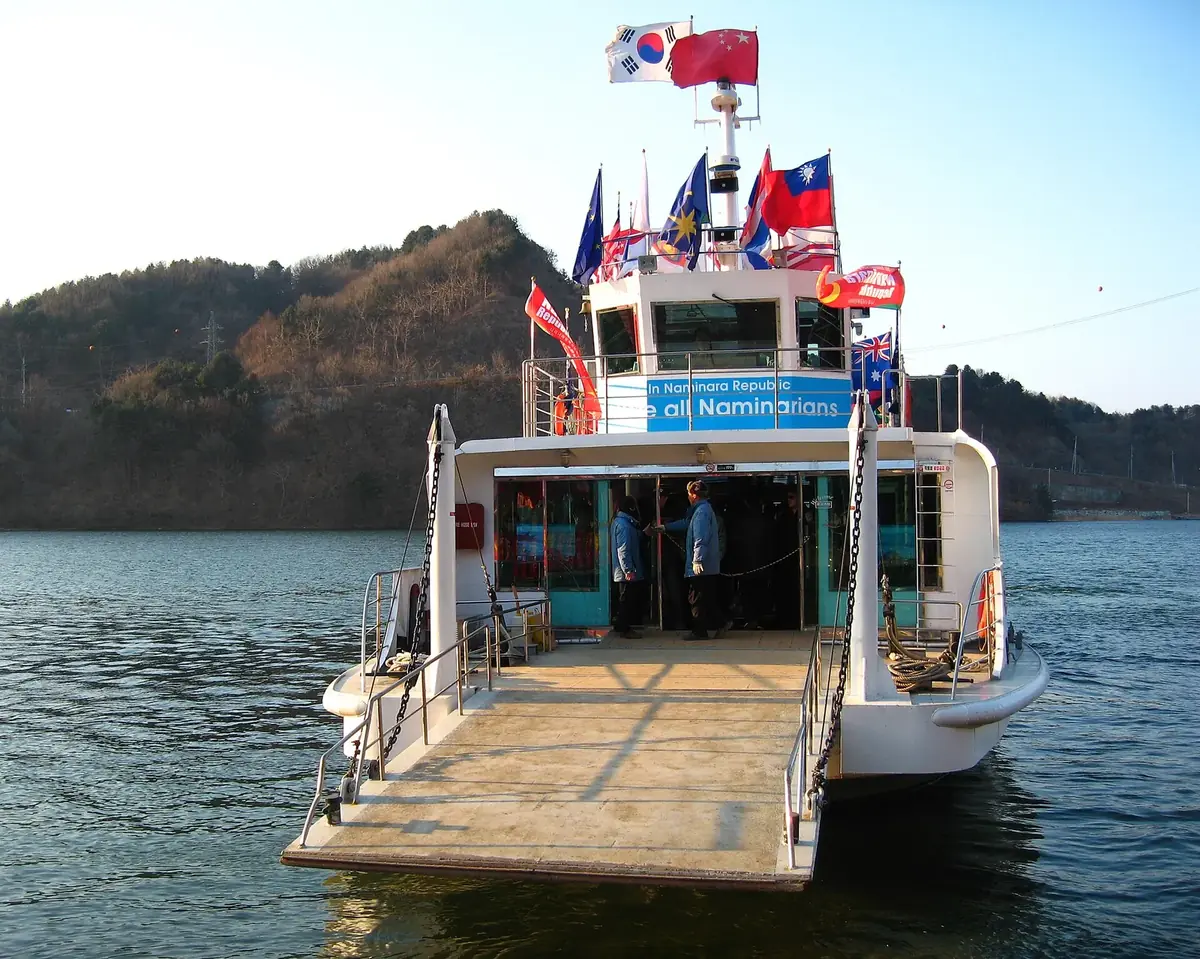
Nami Island is a half-moon of river island about an hour from Seoul, and the ride there is half the pleasure. The route is the ITX-Cheongchun from Yongsan or Cheongnyangni, or the Gyeongchun Line from Sangbong on Seoul Subway Line 7, to Gapyeong Station, about an hour away; from the station it is a 30-minute walk or a 5-minute taxi to the ferry wharf. The ferry crosses from Gapyeongnaru pier every 30 minutes from 08:00 to 09:00 and every 10 to 20 minutes from 09:00 to 18:00, and the island is open 08:00 to 21:00, all year, with longer hours in the blossom, summer and foliage seasons. Admission sold at the wharf is KRW 19,000 for an adult, KRW 16,000 for middle and high school students and KRW 13,000 for elementary children and younger, with preschoolers aged 3 and under free. If you would rather arrive over the water than on it, the zip wire costs KRW 55,000 on the 5% slope or KRW 58,000 on the 15% slope and includes the island admission and the ferry fare.
On the island, the draw is the long tree-lined lanes, which is why VisitKorea names Nami among the autumn-colour places on Seoul's outskirts. There is a Song Museum, a Picture Book Playground and a lot of cycling; the Story Tour Bus costs KRW 8,000 for 20 minutes with a guide, the UNICEF Charity Train KRW 4,000 for the ten-minute run from the wharf to the middle of the island, and a single bicycle KRW 5,000 for half an hour. Between 09:00 and 18:00 the ferry runs every 10 to 20 minutes, so you can leave when you like; count on about half a day on the island once you add the two crossings.
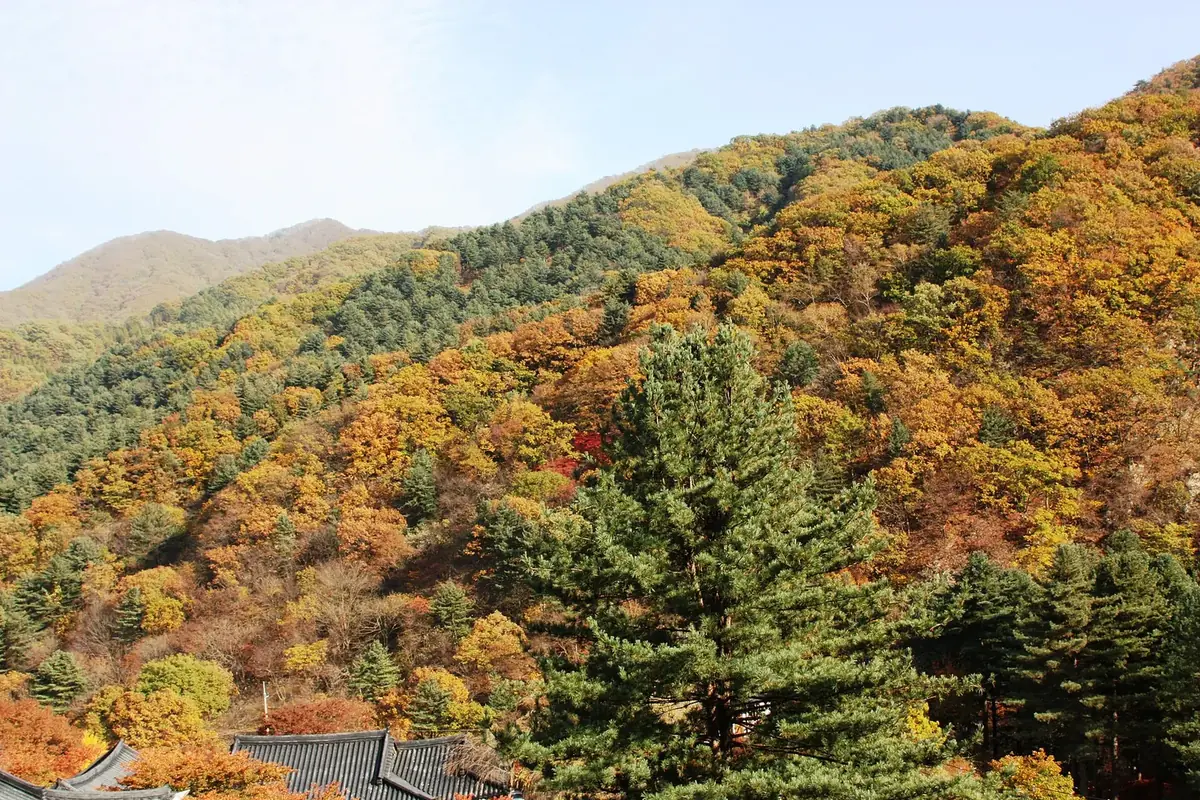
The rest of Gapyeong fills the afternoon. The Garden of Morning Calm, under Chungnyeongsan at 432 Sumogwon-ro, opened in May 1996 and holds twenty themed gardens and more than 5,000 plant species, among them a Sunken Garden planted in the shape of the peninsula; it opens 08:30 to 19:00, and from December to March 10:00 to 21:00 for its light festival, at KRW 11,000 for an adult. Petite France, at 1063 Hoban-ro, is a Little Prince village with a Saint-Exupéry memorial hall and an Orgel House whose 200-year-old music box still plays, open 09:00 to 18:00 at KRW 16,000 for an adult. Gapyeong Rail Park runs rail bikes from 14 Jangteo-gil over two iron bridges and through a zelkova tunnel, with the first session at 09:00 and later ones at 1 hour 30 minute intervals. Taxis link them; the gardens are not within walking distance of each other.
Chuncheon: dakgalbi, a lake cable car and a rail bike
Stay on the same line past Gapyeong and you reach Chuncheon, a popular day trip from the capital, though its lakes reward more than a day. What a day holds is this: a plate of dakgalbi, the spicy stir-fried chicken the city is known for, in the 150-metre alley of dakgalbi restaurants behind Myeong-dong, where the dish grew up in the 1970s and 1980s and where you can also order the local buckwheat noodles. Then the Samaksan Mountain Lake Cable Car, the longest in Korea, which crosses Uiamho Lake from Samcheon-dong to Samaksan; 20 of its 66 cabins are Crystal Cabins, and a round trip in a six-passenger cabin costs KRW 24,000 for an adult, or KRW 28,000 in a crystal cabin. Hours change with the season, from 09:00 to 18:00 in midwinter to 09:00 to 20:00 from June to November, an hour later on Saturdays, with ticketing closing an hour before the end and the cable car subject to the weather.
The rail bike is the other reason to come, and it needs no taxi. Gangchon Rail Park starts beside Gimyujeong Station on the old Gyeongchun line: 8.5 km in all, 6 km pedalling downhill above the Bukhangang and the last 2.5 km on a train, with a shuttle bus back to the start. It runs 09:00 to 17:30 from March to October and 09:00 to 16:30 from November to February, with a break from 12:10 to 13:00. For a garden day without a car, Jade Garden runs a shuttle bus from Gulbongsan Station on the same line; it has 24 themed gardens across 163,500 square metres, three walking paths of 40 to 60 minutes each way, and an adult ticket at KRW 11,000, or KRW 5,500 in winter. The Makguksu Museum explains the noodles and lets you make your own.
Chuncheon is the end of the ITX-Cheongchun line, about 20 km beyond Nami Island and about 75 km from central Seoul in a straight line, so allow more than the Gapyeong hour; Korail's example fare from Cheongnyangni to Chuncheon was KRW 8,600 in June 2023. The last ITX-Cheongchun back matters more here than anywhere else in this guide, because the cable car sits a taxi ride from Chuncheon Station and the rail bike starts at another station, Gimyujeong.
Gangneung by KTX: the long day that still works
This is the day that surprises people: an east-coast beach town, about 3 hours 40 minutes of train in total on the fastest services, back in Seoul for a late dinner. Korail gives 1 hour 49 minutes for its fastest KTX from Seoul to Gangneung; trains with more stops take longer. The Gangneung Line starts at Cheongnyangni, and KTX trains also run from Seoul Station. Korail lowered KTX fares by about 10% on average from 1 September 2026. The express bus costs KRW 14,600 for a regular seat, leaving Seoul Express Bus Terminal about every 20 minutes from 06:00 to 23:30 and Dong Seoul about every 40 minutes.
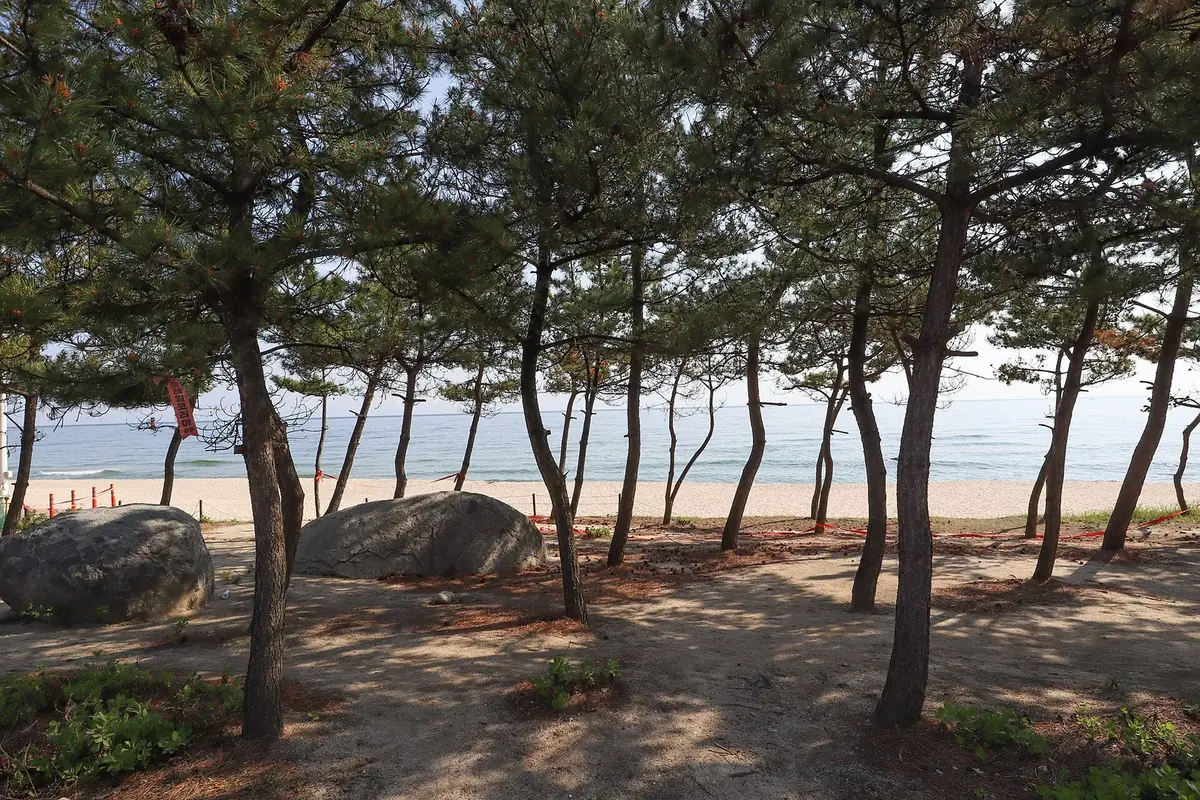
A day here means the sea and one house. Gyeongpo Beach is a 1.8 km sand bank between Gyeongpoho Lake and the water, with a deck path through the pines and Gyeongpodae Pavilion, built in 1326, on the hill above the lake; both are free and open at all hours. Anmok Beach, 500 metres of sand with a working fishing harbour at one end, is where Gangneung's coffee street began with vending machines on the sand, and most of its cafés now roast their own beans. Ojukheon, the birthplace of the scholar Yi I, admits visitors from 09:00 to 17:00, is open every day of the year and costs KRW 3,000 for an adult. From the station it is about 15 minutes by city bus or taxi to Anmok and about 10 minutes by taxi to Gyeongpo; a regular city bus costs KRW 1,700, with 10% off by transport card.
What does not fit is the coast beyond the city. Jeongdongjin's sunrise and the Jeongdongsimgok Badabuchae Trail along the marine terrace south of its station, Jumunjin's fish market and the Danoje or coffee festivals all want an evening or a morning you do not have on a day trip, and the Gangneung guide plans two nights for that reason. Treat the day trip as a taste, not a substitute.
Jeonju and Andong: long days, better with a night
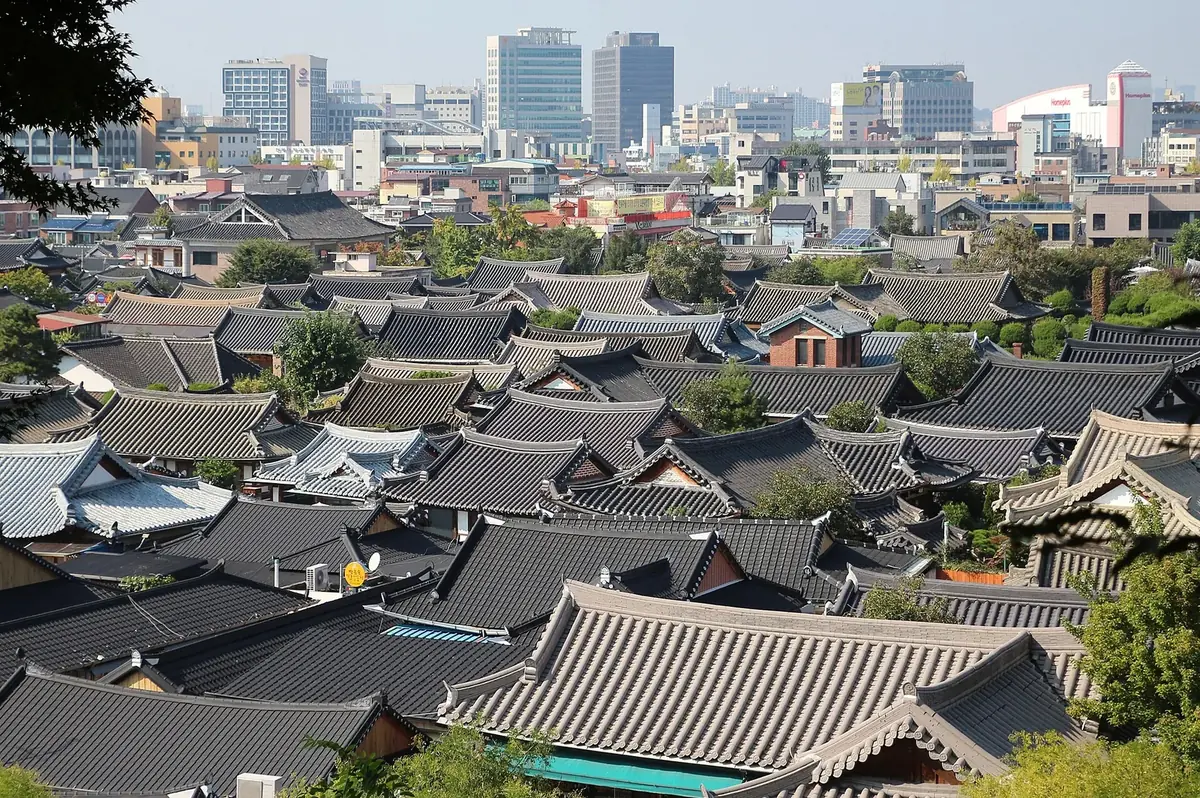
Jeonju is about 1 hour 40 minutes by KTX, and trains from Yongsan Station run much more often than those from Seoul Station. A day covers the hanok village on foot: Gyeonggijeon, the shrine built in 1410 for the portrait of King Taejo, which costs KRW 3,000 for an adult from outside the city and is open 10:00 to 18:00 all year; Jeondong Catholic Cathedral across the road, built between 1908 and 1914 and open 09:00 to 17:00 outside mass times; the lanes between them; and a bowl of bibimbap or bean sprout and rice soup. What the day cannot give you is the evening, when the day-trippers leave and the lanterns come on, and the Nambu Market night market runs only on Friday and Saturday evenings. That is why our Jeonju guide books one night in a hanok.
Andong is the longest trip here that still fits in a day. The KTX-Eum runs from Seoul, Cheongnyangni or Sangbong station to Andong Station ten times a day each way, taking 1 hour 50 minutes to 2 hours 30 minutes depending on the stops, with the last train from Andong at 21:07. Take an early one, ride bus 210 out to Hahoe Village (about 50 minutes, KRW 1,500), pay KRW 5,000 to walk the clan houses and thatched cottages of a UNESCO village where people still live, and stay for the Hahoe Byeolsingut Tallori mask dance, which plays at 14:00 from Tuesday to Sunday from March to December and at weekends only in January and February, and is free. The last buses back from Hahoe leave at 17:00, 18:20 and 19:10, which leaves time for jjimdak in the Old Market before the train.
A day works for Hahoe, Byeongsanseowon and the Woryeonggyo bridge, while Dosanseowon, Bongjeongsa and Manhyujeong are the reason to sleep over. Our Andong and Hahoe guide sets out both plans, with the bus times that make or break the day.
More days out: a mountain fortress, a folk village, a theme park and a park
Four shorter outings suit a half day, a family day, a rainy afternoon or a second visit.
- Namhansanseong, the mountain fortress that protected the southern approaches to the capital and sheltered King Injo during the Qing invasion of 1636, is a UNESCO World Heritage Site in Gwangju-si, Gyeonggi-do. The fortress is open at all hours and free; its walls run 12.4 km around a ridge at about 500 metres, with five marked trail routes, and Sueojangdae, one of its four command posts, is where King Injo commanded the defence in 1636. The temporary palace inside costs KRW 2,000 for an adult and opens 10:00 to 18:00 from April to October and 10:00 to 17:00 from November to March.
- The Korean Folk Village in Yongin recreates a Joseon-era village with hands-on exhibitions and traditional performances. From Suwon Station, leave by Exit 4 and change to bus 37 or 10-5, so it pairs with a short morning in Suwon. A ticket for foreign visitors showing a passport or alien registration card costs KRW 22,000, listed to the end of 2026, against KRW 37,000 on weekdays and KRW 39,000 at weekends for the all-day adult ticket. Opening hours change with the season and the weather.
- Everland in Yongin is Korea's largest theme park, with a safari, gardens and seasonal festivals as well as rides; the parades run at 14:00 and 20:20. Take the EverLine to its last stop, Jeondae Everland Station, and the free shuttle to the gates.
- Seoul Grand Park in Gwacheon is the shortest trip of all, about 30 minutes from Gangnam: Line 2 to Sadang, change to Line 4 and get off at Seoul Grand Park Station. The zoo, the lake trail and the National Museum of Modern and Contemporary Art share the grounds, which fill with blossom in spring and colour in autumn.
Choosing by season and by day of the week
The day of the week decides more than the month. Monday closes the Wolmi Sea Train, the Suwon trolley and museum, the Jjajangmyeon Museum, Incheon's open-port museums, the Namhansanseong palace, Chuncheon's Makguksu Museum and the Hahoe mask dance, while Nami Island, the Garden of Morning Calm, Petite France, Jade Garden and Hwaseong Haenggung are listed as open all year, and the Hwaseong wall and Gyeongpo Beach are free and open at any hour.
- Late March to April: blossom moves north. VisitKorea's 2026 forecast put the first flowers in Gangneung on 1 April, Seoul on 3 April and Incheon on 7 April, with the peak about a week later, and Jayu Park in Incheon holds a cherry blossom festival every April.
- May and June: the gardens' best weeks, before the rains. Heavy rain, flash floods and landslides are possible from June to September, and travel is limited during warnings.
- July and August: the beach season at Gyeongpo and Anmok, but only in each year's official swimming period, when lifeguards are on duty, and never at night; the city announces the dates. Nami Island's ferry runs later in the summer holidays.
- Late September to mid-November: the best time for this page. VisitKorea names Nami Island and the Garden of Morning Calm among the colour spots on Seoul's outskirts, and the air is clear for the Samaksan cable car.
- December to February: short days, so take the near trips. The Garden of Morning Calm opens 10:00 to 21:00 for its winter lights, Jade Garden drops to KRW 5,500, and the Gyeongchun line reaches the ski slopes at Gangchon, about an hour from Yongsan to Baegyangni. Our best-time guide has the monthly temperatures.
What a day out costs for two
Each total is for two adults for one day, with prices checked on 26 October 2026: the return fare from Seoul, the admissions named, lunch and local buses or taxis. Figures marked about are estimates where no current fare or menu price is published. Line 1 is charged by distance, about KRW 2,300 a ride to Suwon or Incheon; a regular taxi starts at KRW 4,800 in Gyeonggi-do, so a short ride is about KRW 6,000; and lunch for two is about KRW 30,000 for two local main dishes (estimate, October 2026) unless a menu price is given. Your Seoul room is not part of these totals; our where-to-stay guide compares the city's stay types.
- Suwon, about KRW 70,000: Line 1 both ways, about KRW 9,000; city bus 11, 13 or 13-4 both ways, about KRW 6,000; two integrated tickets, KRW 8,000; two trolley fares, KRW 12,000; lunch, about KRW 30,000. The wall is free.
- Incheon, about KRW 50,000: Line 1 both ways, about KRW 9,000; two weekday Wolmi Sea Train tickets, KRW 22,000 (KRW 28,000 from Friday to Sunday); the Jjajangmyeon Museum, KRW 2,000; two bowls of jjajangmyeon at Taehwawon at KRW 6,500 each, KRW 13,000. Jayu Park, the Fairy Tale Village and the open-port streets are free.
- Gapyeong and Nami Island, about KRW 110,000: four ITX-Cheongchun seats, at most about KRW 34,000 (at most the KRW 8,600 Chuncheon fare, June 2023); a taxi each way between the station and the wharf, about KRW 12,000, or a 30-minute walk; two Nami Island admissions, KRW 38,000; lunch, about KRW 30,000. The Garden of Morning Calm adds KRW 22,000 for two plus a longer taxi ride.
- Chuncheon, about KRW 130,000: four ITX-Cheongchun seats from Cheongnyangni, about KRW 34,000 (KRW 8,600 each, Korail, June 2023); two standard cable-car round trips, KRW 48,000; the Makguksu Museum, KRW 2,000; a dakgalbi lunch, about KRW 30,000; two taxi rides to and from the cable car, about KRW 15,000.
- Gangneung from Cheongnyangni, about KRW 140,000: four KTX seats, about KRW 94,000 (estimate, October 2026); four city bus rides at KRW 1,700 less 10% by card, about KRW 6,000; two Ojukheon tickets, KRW 6,000; lunch, about KRW 30,000. By express bus at KRW 14,600 a seat, the day comes to about KRW 100,000. The beaches and Gyeongpodae are free.
- Jeonju, about KRW 180,000: four KTX seats from Yongsan, about KRW 120,000 (about KRW 30,000 a seat, estimate, October 2026); two 15-minute taxi rides between the station and the village, about KRW 20,000; two Gyeonggijeon tickets, KRW 6,000; lunch, about KRW 30,000.
- Andong, about KRW 170,000: four KTX-Eum seats, about KRW 117,200 at KRW 29,300, the economy fare A in the city's older table (it refers to fares until the end of 2022; check KORAIL+ for the current fare); bus 210 to Hahoe and back, KRW 6,000 at KRW 1,500 a ride; two Hahoe Village tickets, KRW 10,000; a jjimdak to share in the Old Market, around KRW 32,000.
- Korean Folk Village, about KRW 90,000: Line 1 to Suwon and back, about KRW 9,000; bus 37 or 10-5 both ways, about KRW 6,000; two foreign-visitor tickets with a passport, KRW 44,000; lunch, about KRW 30,000.
Guided tour or do it yourself
On your own, each trip here is a train plus a local bus, a taxi or a walk, and usually cheaper that way: a reserved seat, a Tmoney card and your own pace, including the early start that makes Andong or Gangneung possible at all. A tour earns its price in two cases. The first is a day with several stops that no single bus links, which is the Gapyeong problem: Nami Island, the Garden of Morning Calm and Petite France sit a taxi ride apart, and a minibus that strings them together saves an hour of waiting. The second is a place where a guide is the point, such as the fortress lanes and markets of Suwon, where a guide adds the history and the market food.
Be clear about what a tour cannot change. It travels in the same hours as the trains, so it cannot make a long day short, and a day tour that promises three Gapyeong sights plus Chuncheon will give you about an hour in each. Before booking, check the meeting point, which fares and admissions are included, and the time you are back in Seoul.
Practical questions
What is the best day trip from Seoul?
Suwon, for a first trip: the Mugunghwa train from Seoul Station takes about 30 minutes, Hwaseong Fortress is a UNESCO site whose 5,744-metre wall is free to walk, and the palace, a market lunch and the galbi streets fill the day. Incheon's Chinatown and Wolmido come next, also on Line 1, and Nami Island if you would rather have trees than walls.
Which Seoul station do I use for each day trip?
Seoul Station for Suwon and Incheon on Line 1 and for the KTX to Gangneung; Yongsan for the KTX to Jeonju, which runs far more often from there, and for the ITX-Cheongchun towards Gapyeong and Chuncheon; Cheongnyangni for the Gangneung line, the ITX-Cheongchun and the KTX-Eum to Andong. Dong Seoul Terminal at Gangbyeon Station has the buses to Gangneung, Gapyeong and Andong.
Can you visit Nami Island from Seoul in a day?
Yes, comfortably. Gapyeong Station is about an hour from Yongsan or Cheongnyangni on the ITX-Cheongchun, and the wharf is a 5-minute taxi or 30-minute walk from the station. The ferry runs every 10 to 20 minutes from 09:00 to 18:00, the island is open 08:00 to 21:00, and adult admission at the wharf is KRW 19,000. Add the Garden of Morning Calm and you still catch an evening train.
Is Gangneung worth a day trip from Seoul?
For the beaches, the coffee street and Ojukheon, yes: Korail gives 1 hour 49 minutes for its fastest KTX, and the Gangneung Line starts at Cheongnyangni. Jeongdongjin's sunrise, the cliff trail and Jumunjin's fish market need a night, which is what our Gangneung guide plans for.
Does this guide cover a DMZ day trip?
No. France Diplomatie advises against the demilitarised zone (DMZ) on the border with North Korea except for a compelling reason, and the UK Foreign Office asks visitors in the DMZ area to exercise caution and follow the local authorities, so AsiaVela does not cover DMZ tours or the Joint Security Area. Read your own government's advice before you book; our health and safety guide covers the wider travel advice.
What is closed on Mondays near Seoul?
The Wolmi Sea Train in Incheon, the Hwaseong tourist trolley and the Suwon Hwaseong Museum, the Jjajangmyeon Museum, Incheon's Open Port Museum and Daebul Hotel Exhibition Hall, the Namhansanseong temporary palace, Chuncheon's Makguksu Museum and the Hahoe mask dance. Nami Island, the Garden of Morning Calm, Petite France, Jade Garden and Hwaseong Haenggung are open every day of the year.
Are Gyeongju and Busan day trips from Seoul?
We would not treat them as days out. Korail gives 2 hours 17 minutes for its fastest KTX from Seoul to Busan and Gyeongju city lists 2 hours 10 minutes from Seoul to Gyeongju Station, so a return journey takes more than four hours; both towns have more than a day's sights, and our itineraries give them two nights each. The same goes for Sokcho and Seoraksan, where the mountain's entry times and cable car need a morning.
Keep planning your trip
Seoul
Three nights in Seoul: where to sleep, palace and museum hours and fees, the airport train, the subway, Inwangsan, five dishes and the costs for two.
Read the guide
Suwon
Suwon from Seoul: Hwaseong Fortress and Haenggung palace with tickets and hours, Line 1 and bus routes, galbi and chicken, and whether to stay a night.
Read the guide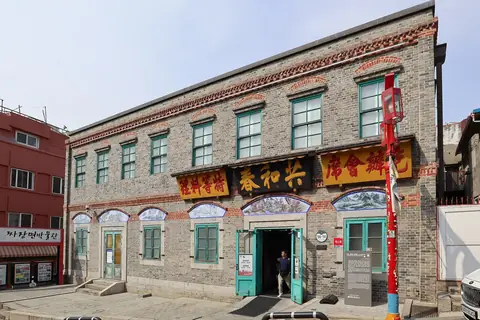
Incheon
Is Incheon worth a layover or day trip? Free airport transit tours, Chinatown, the Wolmi Sea Train, Songdo, island ferries, food and where to sleep.
Read the guide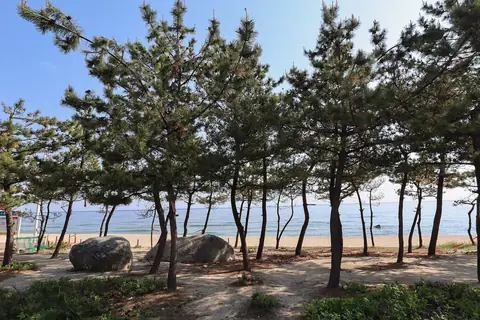
Gangneung
Is Gangneung worth a night? KTX and bus from Seoul, Gyeongpo and Anmok beaches, Ojukheon, Jeongdongjin sunrise, tofu and coffee, with entry fees.
Read the guide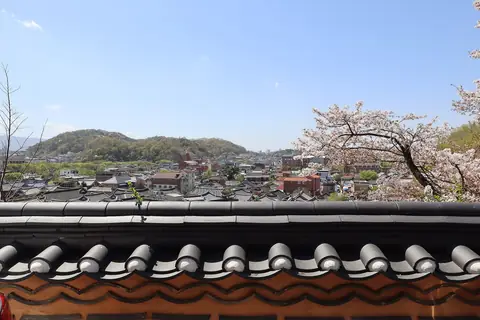
Jeonju
One night in Jeonju: KTX from Yongsan, Gyeonggijeon tickets and hours, hanok stays, the Friday and Saturday night market, bibimbap and what the night costs.
Read the guide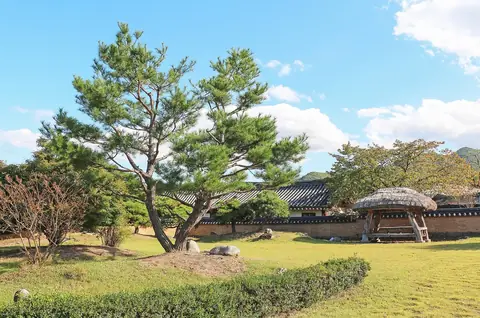
Andong and Hahoe Village
How to reach Andong by KTX-Eum or bus, the bus to Hahoe Village, whether to sleep in a hanok, tickets, the mask dance, Byeongsanseowon and what to eat.
Read the guideSources and checks before you travel
(75)
- Korail: KTX 18th anniversary release (31 March 2022) ↗ — opens in a new tab
- Korail: KTX-Cheongryong express times (2 September 2024) ↗ — opens in a new tab
- Korail: foreign passenger booking window and KORAIL+ ↗ — opens in a new tab
- Korail: KTX and SRT merger press release (5 August 2026) ↗ — opens in a new tab
- Visit Gangneung: Traffic guide ↗ — opens in a new tab
- VisitKorea: Train ↗ — opens in a new tab
- VisitKorea: Express Bus & Intercity Bus ↗ — opens in a new tab
- Visit Seoul: Gyeonggi-do trips from Seoul ↗ — opens in a new tab
- Suwon Cultural Foundation: directions ↗ — opens in a new tab
- Suwon Cultural Foundation: visitor information, hours and prices (Korean) ↗ — opens in a new tab
- Suwon Cultural Foundation: Hwaseong Fortress introduction ↗ — opens in a new tab
- VisitKorea: Ride, Stroll, Pedal and Soar in Suwon ↗ — opens in a new tab
- Suwon Cultural Foundation: Hwaseong Fortress Tourist Trolley (Korean) ↗ — opens in a new tab
- Suwon Cultural Foundation: Muyedobo martial-arts demonstration (Korean) ↗ — opens in a new tab
- VisitKorea: Suwon Hwaseong Museum ↗ — opens in a new tab
- VisitKorea: jjajangmyeon in Incheon Chinatown ↗ — opens in a new tab
- VisitKorea: Incheon Chinatown ↗ — opens in a new tab
- VisitKorea: Jjajangmyeon Museum ↗ — opens in a new tab
- VisitKorea: Sinpo International Market ↗ — opens in a new tab
- Incheon tourism: Qing and Japanese Concession Boundary Stairs ↗ — opens in a new tab
- VisitKorea: Jayu Park ↗ — opens in a new tab
- VisitKorea: Songwol-dong Fairy Tale Village ↗ — opens in a new tab
- Wolmi Sea Train: hours, fares and cancellation (Korean) ↗ — opens in a new tab
- Wolmi Sea Train: home page (Korean) ↗ — opens in a new tab
- VisitKorea: Nami Island ↗ — opens in a new tab
- VisitKorea: Take in the Vibes of Nami Island with a Fall Picnic ↗ — opens in a new tab
- VisitKorea: The Garden of Morning Calm ↗ — opens in a new tab
- VisitKorea: Petite France ↗ — opens in a new tab
- VisitKorea: Gapyeong Rail Park ↗ — opens in a new tab
- VisitKorea: A night's stay soaking in Chuncheon's good vibes ↗ — opens in a new tab
- VisitKorea: Chuncheon Myeongdong Dakgalbi Street ↗ — opens in a new tab
- VisitKorea: Chuncheon Samaksan Mountain Lake Cable Car ↗ — opens in a new tab
- VisitKorea: Gangchon Rail Park (Gimyujeong Railbike) ↗ — opens in a new tab
- VisitKorea: Jade Garden ↗ — opens in a new tab
- VisitKorea: Chuncheon Makguksu Museum ↗ — opens in a new tab
- VisitKorea: 12 Ski Resorts to Spend an Exciting Winter in Korea ↗ — opens in a new tab
- VisitKorea: Gangneung Gyeongpo Beach ↗ — opens in a new tab
- VisitKorea: Gyeongpodae Pavilion ↗ — opens in a new tab
- VisitKorea: Anmokhaebyeon Beach ↗ — opens in a new tab
- VisitKorea: Gangneung Coffee Street ↗ — opens in a new tab
- Gangneung City: Ojukheon and Municipal Museum visitor information ↗ — opens in a new tab
- VisitKorea: Ojukheon House ↗ — opens in a new tab
- VisitKorea: Best Summer Beach Destinations ↗ — opens in a new tab
- Jeonju City: getting to Jeonju ↗ — opens in a new tab
- Jeonju Hanok Village: cultural sites ↗ — opens in a new tab
- Jeonju City: Nambu Market ↗ — opens in a new tab
- VisitKorea: Andong Travel Guide (column updated May 2026) ↗ — opens in a new tab
- Andong Tourism: Getting to Andong by Train ↗ — opens in a new tab
- Hahoe Village: information centre and fee notice (Korean) ↗ — opens in a new tab
- Andong City: directions and bus schedule ↗ — opens in a new tab
- VisitKorea: Namhansanseong Provincial Park (UNESCO World Heritage) ↗ — opens in a new tab
- VisitKorea: Namhansanseong Trail ↗ — opens in a new tab
- VisitKorea: Sueojangdae Post ↗ — opens in a new tab
- VisitKorea: UNESCO World Heritage sites in Korea ↗ — opens in a new tab
- VisitKorea: Korean Folk Village ↗ — opens in a new tab
- Korean Folk Village: admission fees (Korean) ↗ — opens in a new tab
- Korean Folk Village: transport (Korean) ↗ — opens in a new tab
- UK Foreign Office: South Korea safety and security ↗ — opens in a new tab
- France Diplomatie: South Korea travel advice (French) ↗ — opens in a new tab
- VisitKorea: 2026 Cherry Blossom Forecast ↗ — opens in a new tab
- VisitKorea: 2026 Fall Foliage Forecast ↗ — opens in a new tab
- Seoul Metropolitan Government: subway fares ↗ — opens in a new tab
- Seoul Metropolitan Government: Climate Card ↗ — opens in a new tab
- VisitKorea: Subway and transport cards ↗ — opens in a new tab
- AREX: Express Train (Korean) ↗ — opens in a new tab
- AREX: all-stop train fares (Korean) ↗ — opens in a new tab
- Incheon Airport: Terminal 1 bus guide ↗ — opens in a new tab
- Gyeongju City: getting to Gyeongju ↗ — opens in a new tab
- VisitKorea: Shopping Like A Local [Incheon] ↗ — opens in a new tab
- Korail: ITX-Cheongchun N Card offer (1 June 2023) ↗ — opens in a new tab
- Korail: ITX-Cheongchun self check-in (Yongsan to Chuncheon) ↗ — opens in a new tab
- Andong Tourism: Food Street ↗ — opens in a new tab
- VisitKorea: Taxi ↗ — opens in a new tab
- VisitKorea: K-Theme Parks (column updated May 2026) ↗ — opens in a new tab
- Hahoe Village: information centre, fees and performance schedule (Korean) ↗ — opens in a new tab
Reference sources for the version dated 30 October 2026. Confirm opening times, access, transport and conditions for your travel dates.
Photo credits
(6)
Suwon's Hwaseong wall is half an hour from Seoul by train
Photograph: Bernard Gagnon — opens in a new tab · CC0 — opens in a new tab
Changes: Resized and converted to WebP; displayed with responsive crops. · Original photograph and licence details ↗ — opens in a new tab
Incheon's Chinatown sits a few steps from Incheon Station on Line 1
Photograph: Mobius6 — opens in a new tab · CC BY-SA 4.0 — opens in a new tab
Changes: Resized and converted to WebP; displayed with responsive crops. · Original photograph and licence details ↗ — opens in a new tab
The Garden of Morning Calm near Gapyeong, on the Gyeongchun line
Photograph: Sainirk1997 — opens in a new tab · CC BY-SA 3.0 — opens in a new tab
Changes: Resized and converted to WebP; displayed with responsive crops. · Original photograph and licence details ↗ — opens in a new tab
Gyeongpo Beach in Gangneung, under two hours from Seoul by KTX
Photograph: Mobius6 — opens in a new tab · CC BY-SA 4.0 — opens in a new tab
Changes: Resized and converted to WebP; displayed with responsive crops. · Original photograph and licence details ↗ — opens in a new tab
Jeonju's hanok roofs; the town is a long day or a better overnight
Photograph: Bernard Gagnon — opens in a new tab · CC0 — opens in a new tab
Changes: Resized and converted to WebP; displayed with responsive crops. · Original photograph and licence details ↗ — opens in a new tab
The ferry to Nami Island leaves from Gapyeongnaru, about an hour from Seoul
Photograph: Minseong Kim — opens in a new tab · CC BY-SA 4.0 — opens in a new tab
Changes: Resized and converted to WebP; displayed with responsive crops. · Original photograph and licence details ↗ — opens in a new tab