Plan your trip
Is Laos safe? Advisories, UXO, hospitals, vaccines and laws
The risks on a Laos trip are mostly practical: a motorbike crash on an unlit road, a drink laced with methanol or a sedative, a bag snatched from a passing scooter, an illness far from a hospital that can treat it. Under the countryside lies one more, the bomblets from 1964 to 1973 that never exploded. Here is what each one means for your plans, from insurance and vaccines to the laws that catch visitors out.
In this guide
Find the location ↗ — opens in a new tabThe short answer
Before you book, buy travel insurance that covers medical evacuation: healthcare in Laos is basic, there are no reliable emergency facilities outside the capital, and serious cases go to Thailand. Evacuation is very expensive, no government advice page puts a figure on it, and you may have to pay for treatment in advance. In Vientiane the Alliance International Medical Centre answers emergencies around the clock and can arrange evacuation, and some hospitals in Nong Khai or Udon Thani can send an ambulance to the Friendship Bridge. See a travel clinic at least 8 weeks before you fly: hepatitis A, tetanus and typhoid vaccines are recommended for most travellers, and the US CDC advises malaria tablets in six southern provinces, which include Pakse and the Bolaven Plateau, but not in Luang Prabang or Vientiane. Save 1191 (police) and 1195 (ambulance). In the countryside keep to main routes and marked paths, keep your passport when you rent a motorbike, and treat any drug, cannabis included, as a prison risk. No route in our Laos guides enters the areas the UK, France or Germany advise against.
- Key point
- Start at least 8 weeks before you fly: travel clinic, evacuation insurance and saved numbers
- Where it applies
- No base is needed; the advice applies in Vientiane, Luang Prabang, Vang Vieng, Nong Khiaw and Pakse and on the roads and rivers between them
- Timing
- The rainy season normally runs from May to October and can last into November, and the typhoon season runs from June to November; dry-season smoke usually peaks from mid-March to mid-April
Travel advice, and the areas these guides leave out
Most of Laos sits under ordinary caution. Germany issues travel and safety advice without a travel warning, France places everywhere outside its Myanmar border zone under heightened vigilance, and the UK advises against travel to one province only. Each government draws its own, narrower line; the strictest wording for each area is this:
| Area | Strictest advice | Why |
|---|---|---|
| Xaisomboun Province | UK: against all but essential travel | Intermittent attacks on infrastructure and armed clashes with anti-government groups |
| Border zone with Myanmar | France: advised against unless essential | Criminal risk; the Lao-Myanmar friendship bridge in Luang Namtha province is still officially closed |
| Bokeo and Sainyabuli (Xayabouly) provinces | Germany: avoid journeys into them | Military checks in Paktha district; drug crime, human trafficking and job fraud in the Golden Triangle Special Economic Zone |
| Near the border strip with Cambodia | Germany: avoid journeys near it | Past tensions between Phouvong and Sanamxay districts in Attapeu, where the Lao military restricts access along 140 km of the border strip; the advice itself is worded for the whole border strip |
No route in our Laos guides enters these areas: the guides choose to leave out Si Phan Don, the Mekong islands just above the Cambodian border, and Friendship Bridge IV in Bokeo, and Vientiane, Luang Prabang, Vang Vieng, Nong Khiaw, Pakse town and the Plain of Jars sites they use lie outside all four. Around the Golden Triangle zone in Bokeo, where armed groups run employment scams and drug trafficking, people lured by supposedly lucrative jobs have been held in scam compounds; check any job offer carefully.
Other governments may draw a wider line than these three, so read your own government's advice before you book and again before you fly; the UK warns that your travel insurance could be invalidated if you travel against its advice. Heading from southern Laos to Cambodia or Thailand, choose your land border carefully: crossings between Thailand and Cambodia are suspended, and there are unexploded landmines in that border area. Terrorism has no recent history in Laos, though attacks cannot be ruled out; keep away from demonstrations and large gatherings.
Prices and times checked 8 November 2026
Unexploded bombs: keep to main routes and marked paths
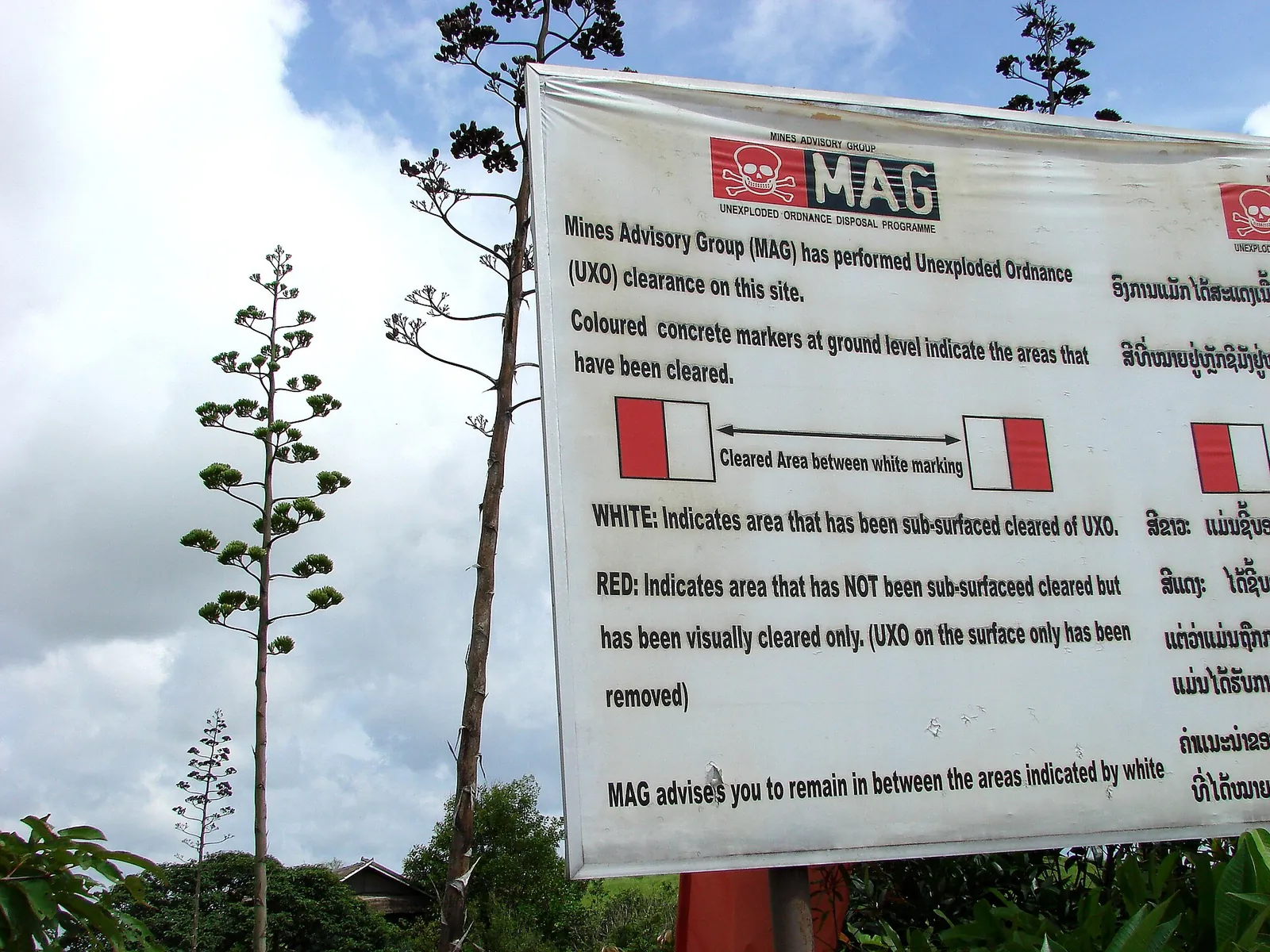
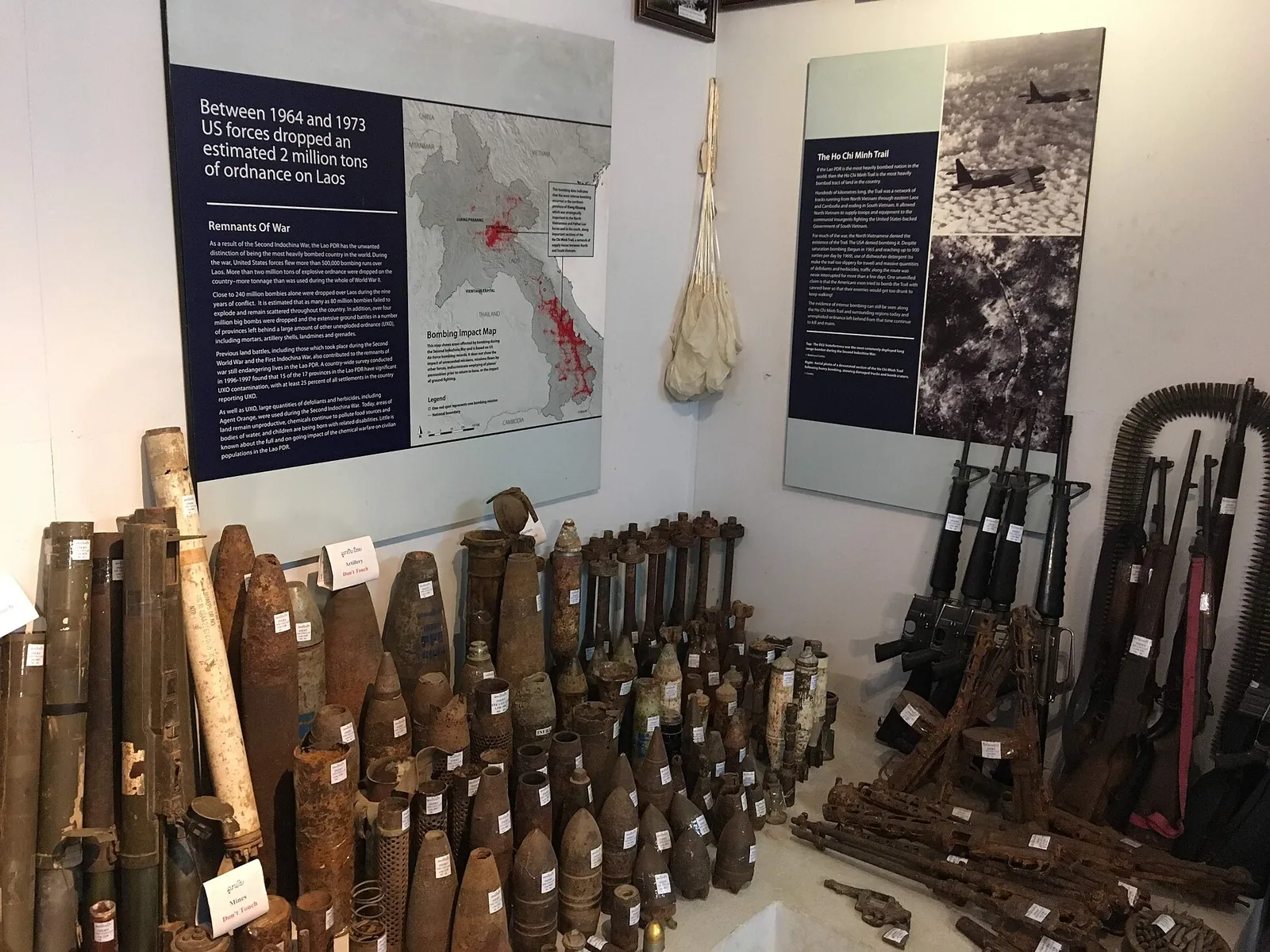
More than two million tonnes of cluster munitions were dropped on Laos between 1964 and 1973, and of the 270 million bomblets an estimated 80 million did not explode, according to Germany's Federal Foreign Office. Countless devices still lie off the marked paths, especially in the east, and landmines and unexploded weapons kill a number of people each year.
In rural areas keep to main routes and leave metal objects where they lie; the risk is higher after flash floods or landslides in the monsoon. Leave the roads only with a local guide, particularly along the Vietnamese border on the former Ho Chi Minh Trail, and hike or visit national parks only with one. At the jar sites, stay inside the cleared areas and on the marked paths that our Plain of Jars guide describes. To see why the rules matter, visit the COPE Visitor Centre in Vientiane: entry is free, and its exhibits cover the history of unexploded ordnance in Laos and the way it affects life in the country.
Emergency numbers, hospitals and evacuation to Thailand
In an emergency dial 1191 for the police or 1195 for an ambulance. To report a crime in Vientiane, call the tourist police on 021 251 128, the number both the UK and Germany give for the capital. The other numbers below are for fire, road accidents, Vientiane's free volunteer ambulances and its two private hospitals:
| Service | Number |
|---|---|
| Police | 1191 |
| Fire | 1190 |
| Ambulance | 1195 or 030 525 7239 |
| Tourist police, Vientiane | 021 251 128 |
| Police, road accidents | 020 5666 9090 |
| Vientiane Rescue (free volunteer ambulance, Vientiane) | 1623 or 020 5666 8825 |
| Lao Red Cross Rescue (free volunteer ambulance, Vientiane) | 020 5996 6111 or 020 2200 5563 |
| Alliance International Medical Centre, Vientiane (emergencies) | 020 5552 9711 or 020 5461 3492 |
| Kasemrad International Hospital, Vientiane (24 hours) | 1661 |
Anyone who attends an accident should wear a Vientiane Rescue or Lao Red Cross uniform: bogus companies have turned up at accidents and charged fees. Police response is often limited, with stations closed and numbers unanswered, and officers who attend may ask you to pay their fuel and telephone costs, so ask your accommodation's staff to help.
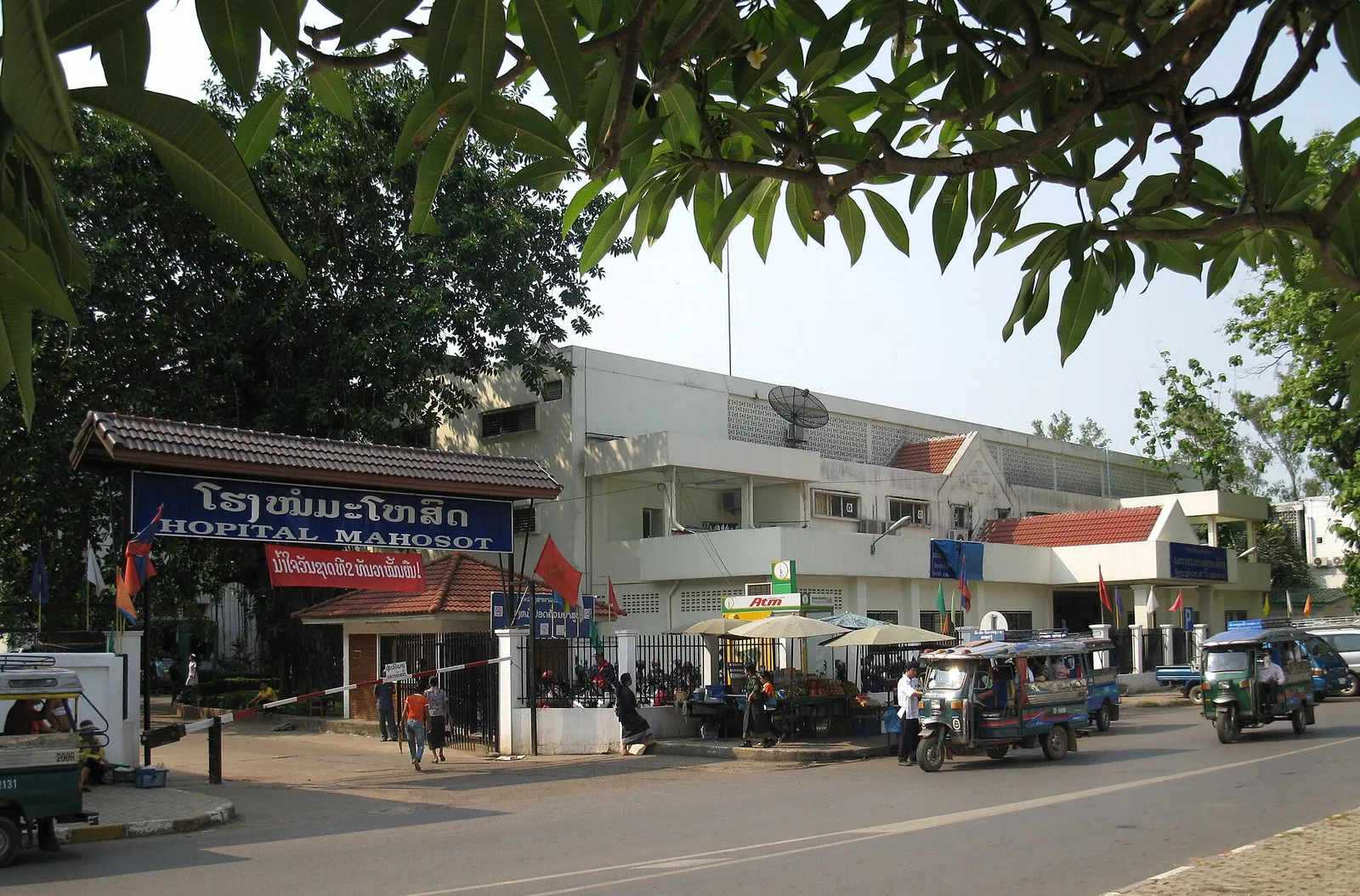
For anything serious, head for Vientiane and then Thailand, because no heavy care is possible in Laos. The Alliance International Medical Centre (Honda Complex, Souphanuvong Road, Sikhottabong district) sees patients Monday to Friday 08:00 to 20:00 and Saturday 08:00 to 17:00, answers emergencies around the clock with its own ambulance, and can arrange evacuation to Thailand. Some hospitals in Nong Khai or in Udon Thani (about 60 km from the border) can send an ambulance to the Friendship Bridge. Lao Skyway flies medical evacuations by helicopter to Bangkok Hospital from any part of Laos (1441 or 021 513007), at the patient's or the insurer's cost, but only in daylight and without medical staff, and the patient needs a passport valid for travel to Thailand. If treatment in Thailand is impossible, France names Kasemrad International Hospital (999 450 Years Road, Sisattanak district), open 24 hours.
Outside the capital there are no reliable facilities for medical emergencies, and Germany's Federal Foreign Office warns that even the main towns have limits. In Vientiane, private doctors give acute care for major conditions in the daytime, and may not at night; in Vang Vieng, internal-medicine, children's and many surgical emergencies cannot be treated; in Luang Prabang, the Provincial Hospital and the Lao Hospital for Children can treat emergencies to a certain degree. From remote areas, the Australian Embassy in Vientiane warns, evacuation is not always possible by air, and a land transfer can sometimes take 2 or 3 days, longer in the wet season.
So the insurance comes first. Medical evacuation is difficult to organise and very expensive, no government advice page puts a figure on it, and without adequate cover the treatment, hospital and flight home are in principle yours to pay, costs that can quickly consume all your savings. Buy travel health insurance that pays for evacuation to Thailand by road or air, and repatriation, and that covers your itinerary and activities: motorcycle accidents if you will ride, and rafting, kayaking or tubing in Vang Vieng. Keep the receipts for anything you pay in advance; Kasemrad asks for payment unless an insurer issues a letter of guarantee before the consultation.
International clinics, large hospitals and larger pharmacies can supply most prescription medicines, though less so in remote areas. Bring your own in the original packaging with a prescription that gives their generic names, and buy medicines only from pharmacies: street medicines can be counterfeit.
Prices and times checked 8 November 2026
Vaccines, malaria and mosquito-borne diseases
Book a travel-health appointment at least 8 weeks before your trip; a later visit is still worthwhile. TravelHealthPro recommends hepatitis A, tetanus and typhoid vaccines for most travellers and lists chikungunya, dengue, hepatitis B, Japanese encephalitis, measles, polio, rabies and tuberculosis for some, depending on the trip; all travellers should be up to date with measles, mumps and rubella (MMR). Yellow fever vaccine is neither recommended nor required.
The polio rule on leaving applies only if you stay 4 weeks or more: proof of vaccination on an International Certificate of Vaccination or Prophylaxis (ICVP), given 4 weeks to 12 months before you leave, may be asked for on exit. Germany says the check is not currently carried out, but the record costs nothing to carry.
Japanese encephalitis occurs countrywide all year, peaking from June to September, and its mosquitoes bite from dusk to dawn, mainly in rural areas. The US CDC recommends the vaccine for a month or more in affected areas, and to consider it for shorter trips with rural visits, hiking, camping or rooms without air conditioning, screens or bed nets. Rabid dogs are commonly found, and rabies vaccines and immunoglobulin may be unavailable or only very limited in Laos, so discuss pre-exposure vaccination if you will cycle or run, stay more than a month or be far from care, and see a doctor at once after any bite.
Malaria is mainly a risk in the south. The US CDC advises tablets in six southern provinces, Attapeu, Champasak, Khammouane, Salavan, Savannakhet and Sekong, which take in Pakse and the Bolaven Plateau, and a resurgence of cases there makes prevention particularly necessary, notably for hikers: take tablets as your clinic prescribes. In the north, where the CDC reports rare cases, insect precautions are enough, and it finds no malaria in the cities of Luang Prabang and Vientiane.
Chikungunya, dengue, Japanese encephalitis and Zika can occur all year throughout the country, so protect yourself against bites day and night and sleep under a net. Dengue rises in the rainy season and has no curative treatment; anti-inflammatory painkillers must be avoided. Because of Zika, pregnant women should discuss the trip with a health professional, and women should avoid becoming pregnant during travel and for 2 months afterwards.
Prices and times checked 8 November 2026
Water, food, drinks, air and heat
Drink bottled or sealed drinks, or water made safe by filtering or boiling, and eat food that is well cooked rather than raw vegetables, shellfish or anything undercooked. Schistosomiasis is a risk in fresh water along the Mekong and its tributaries, so swim in hotel pools, which are safe, rather than in fresh water. After heavy rain, keep clear of floodwater, soil and muddy water, and clean, disinfect and cover any cut. Anthrax has been found in cattle and buffalo near the 4,000 Islands, Pakse and the Bolaven Plateau, so on the Pakse and Bolaven route keep your distance from the animals and make sure meat is cooked thoroughly.
Drinks containing methanol have caused deaths and serious illness in Laos, including drinks bought in licensed bars, shops and hotels in tourist areas, and methanol cannot be detected by taste or smell. The Lao authorities have banned the sale and consumption of Tiger Vodka and Tiger Whisky. Buy alcohol only in licensed shops, unopened in its original packaging with the tax stamp, and turn down home-distilled spirits, especially those offered free in simple lodgings or on the street, and free welcome shots in bars and clubs.
In the dry season, from November to April, fires can bring heavier smoke and dust to rural areas, usually peaking between mid-March and mid-April, with fine-particle (PM2.5) levels near 200 μg/m3 reported by France. The haze can aggravate heart, lung and breathing conditions, above all for children, older people and anyone with an existing condition: on the worst days go out less, wear an N95 or FFP2 mask (ideally brought from home) and check the World Air Quality Index. Temperatures in the Mekong Valley range from 10 to 40 degrees Celsius, so drink enough, stay in the shade in the hottest hours and protect your skin and eyes from the sun. Our best-time guide sets the seasons side by side.
Roads, motorbikes, rivers and the rainy season
Roads are often poor, and travel after dark significantly increases the risk of an accident, because vehicles often have no lights and livestock stray onto the road. Make overland journeys in daylight, take day buses rather than night buses, and watch for drunk drivers, especially in the evening and on holidays. If you do ride a bicycle or motorbike at night, stick to well-used, well-lit roads and carry a personal alarm if you can, especially alone. On the Vientiane to Vang Vieng section of the China-Laos Expressway (posted limits 80 to 120 km/h) some local road users are not used to the speeds; our Laos transport guide gives the railway, station transfers and flights.
Think carefully before renting a motorbike. After a road accident a foreigner pays compensation for third-party damage and injury even when not at fault, and the passport is usually confiscated. Rental shops regularly ask for the passport as a deposit: keep it, as some shops have arranged the theft of or damage to their own bikes, kept passports and demanded high fees. Many contracts do not cover theft, the shop usually demands at least the new value, and the police do not usually step in. A helmet is compulsory and rentals may not supply one, so bring or buy your own, and carry an international driving permit with your national licence, without which it is not valid (the 1949 permit for British drivers).
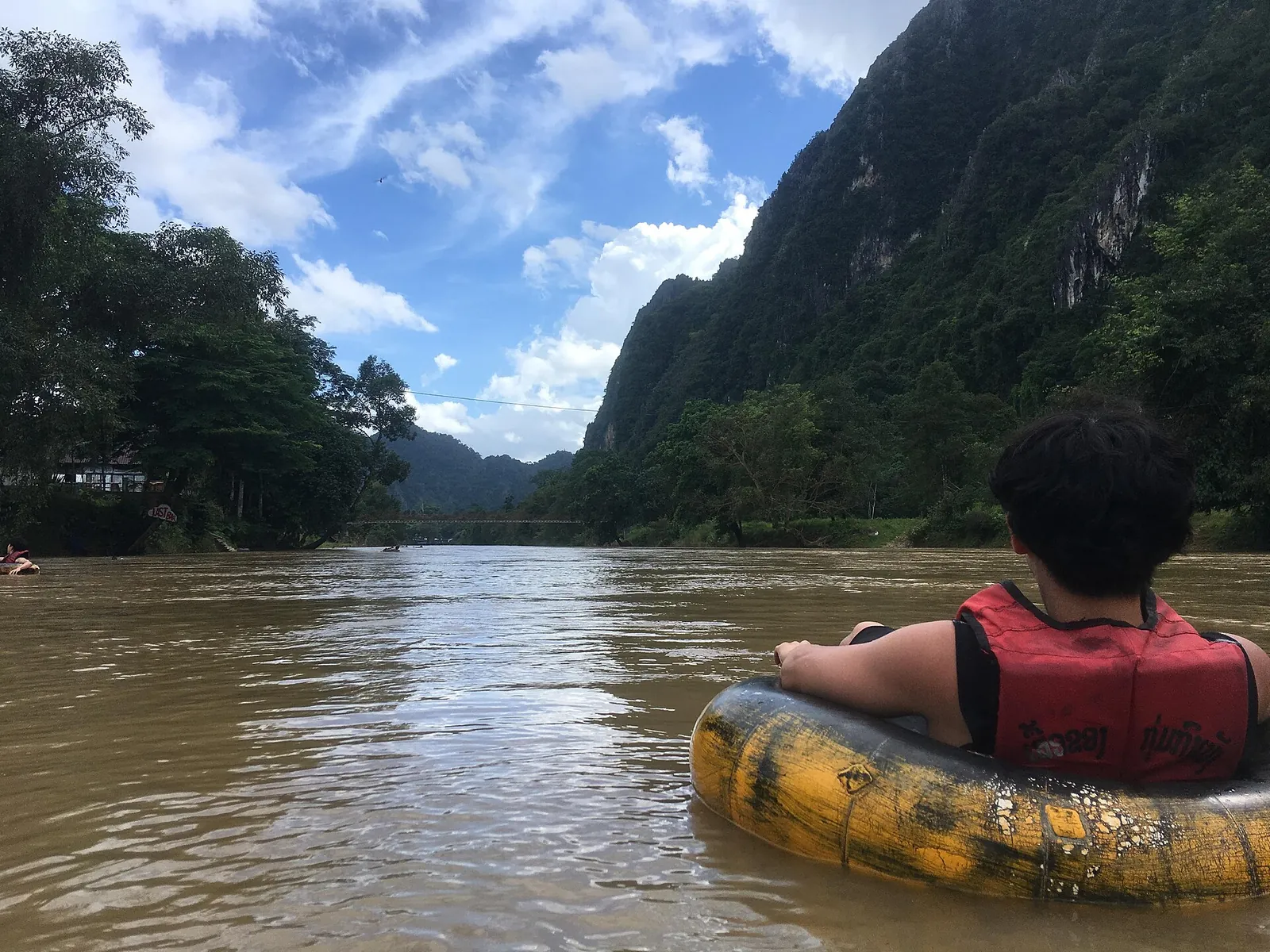
The Mekong can be dangerous, with changing water levels, currents and hidden obstacles: board only boats that carry life jackets and are not overcrowded. Speedboats are often involved in accidents, sometimes fatal, so take the slow boat where you can; Germany notes that slow boats run on almost all routes. Our guides' town-to-town legs go by train or road, and their boats are day trips such as the Nam Ou boat day from Nong Khiaw; a long Mekong journey upriver towards the Thai and Myanmar borders runs into Bokeo, so check it against the advisory table first. Rafting, kayaking, tubing and swimming, particularly in the Mekong, carry significant risks, and tourists have drowned and been seriously injured. In Vang Vieng, with its zip lines and tubing, the installations are often rudimentary and rarely inspected and serious accidents are regularly reported; balloon operators need a Lao civil aviation registration and certificate.
The rainy season normally runs from May to October and can last into November, and the Asian typhoon season runs from June to November. Rivers can rise within hours, landslides hit mountain roads and journeys take substantially longer, so carry extra water and food, check that your accommodation is protected against strong wind and heavy rain, and follow the local authorities and the Mekong River Commission and NDMO forecasts before a road trip. Domestic flights can be cancelled at short notice if too few passengers are booked, so leave a buffer before any onward connection.
Prices and times checked 8 November 2026
Theft, nightlife and scams
Petty crime is still low but growing. Bag snatches by thieves on motorbikes, often coming from behind, are clearly rising and sometimes violent, especially in Vientiane, Luang Prabang and Pakse, and they also happen in Vang Vieng. Hold your bag on the side away from the road, keep valuables out of sight, carry only the day's cash, and keep cards and cash in separate bags, as petty crime also happens around ATMs. Armed robberies are now reported, especially at night; if you are robbed, do not resist.
People alone have reported being approached and followed: move to where there are other people, and share your route with someone. For taxis, use one booked by your accommodation or through a local taxi app such as LOCA, which Laos's tourism board names as the leading one, check the driver's identity and number plate, share the journey, and be wary of drivers on the street who claim to be registered with an app.
Keep your food and drink with you at all times. Both male and female tourists have reported drinks or food spiked with drugs, in some cases followed by assault, and France reported several assaults in 2023 after GHB-type substances were taken in nightlife venues. Officially a curfew still starts at 23:00, and restaurants and bars must close by about midnight at the latest, so plan to be back at your accommodation by 23:00.
Hotel and guesthouse safes are not necessarily secure, so use your own lock where possible, watch your belongings on overnight transport, keep a copy of your passport and electronic copies of your documents, and treat unusual e-mails, prize notices and requests for help from supposed acquaintances with suspicion.
The laws that catch visitors out
Possession, trafficking and manufacture of any illegal drug are serious offences in Laos, cannabis included. Even a very small amount can bring arrest, detention and, on conviction, a long prison sentence, trafficking can carry the death penalty, and a single joint is often enough for arrest and, usually, a substantial fine. Police raid venues popular with foreigners and may order a urine or blood test, and merely being near a user can be treated as an offence and used for extortion.
Sexual relationships between foreigners and Lao nationals, unmarried couples living together included, are prohibited unless the couple are married under Lao family law. The official penalty is a fine of 500 to 5,000 US dollars and possible imprisonment, the authorities may demand entry to hotel rooms, and night raids on lodgings, and extortion, are not rare.
E-cigarettes (vapes), heated tobacco and shisha are illegal to possess, use, import, sell, buy or export, on pain of a fine or prison. Gambling is banned, and travellers have been arrested on a train for playing cards, although they were not gambling. Photograph or enter military sites only with an invitation, and leave bridges and airfields out of your photos. Police and militia may fine petty offenders up to several hundred dollars, payable at once from an ATM. Anyone under criminal investigation can be detained for long periods without evidence or charges, and prisons are very poor.
Cover your shoulders and knees at temples and religious sites, whether you are a man or a woman, and cover up after a waterfall, river or pool rather than walking around in swimwear; at public bathing places, women are advised to wear a T-shirt and shorts over their swimwear. There are no legal restrictions on same-sex relations, and same-sex couples are accepted with restraint as long as they do not display it in public.
Prices and times checked 8 November 2026
Practical questions
Is Laos safe for tourists?
For most visitors, yes, with care. Germany issues no travel warning, France asks for heightened vigilance outside its Myanmar border zone, and the UK advises against travel to Xaisomboun Province only. The risks that matter are road accidents, unexploded bombs off the marked paths, bag snatching, spiked or methanol drinks, strict drug laws and limited emergency care.
Which parts of Laos should I avoid?
Xaisomboun Province (UK: against all but essential travel), the border zone with Myanmar (France: advised against unless essential), Bokeo and Sainyabuli provinces and the area near the Cambodian border strip (Germany: avoid journeys there). Other governments may draw a different line.
Is unexploded ordnance a risk for tourists in Laos?
Off the beaten track, yes: an estimated 80 million bomblets did not explode. Keep to main routes and marked paths, leave metal objects where they lie, and leave the roads only with a local guide.
Do I need malaria tablets for Laos?
Not for Luang Prabang or Vientiane, where the US CDC finds no malaria in the cities. It advises tablets in six southern provinces, Attapeu, Champasak, Khammouane, Salavan, Savannakhet and Sekong, which take in Pakse and the Bolaven Plateau; there, take them as your travel clinic prescribes.
What vaccinations do I need for Laos?
TravelHealthPro recommends hepatitis A, tetanus and typhoid for most travellers and MMR for all, with Japanese encephalitis, rabies, hepatitis B and others depending on the trip. For stays of four weeks or more, carry a polio record on an ICVP, as proof may be asked for on leaving.
What is the emergency number in Laos?
Dial 1191 for the police or 1195 for an ambulance (fire is 1190). To report a crime in Vientiane, call the tourist police on 021 251 128; Vientiane Rescue (1623) and Lao Red Cross Rescue run free volunteer ambulances in the capital.
Should I rent a motorbike in Laos?
Only if you ride confidently, wear a helmet and have insurance that covers motorcycle accidents. Keep your passport rather than leaving it as a deposit, ride in daylight, and remember that after an accident a foreigner usually pays for the damage, whoever was at fault.
Keep planning your trip
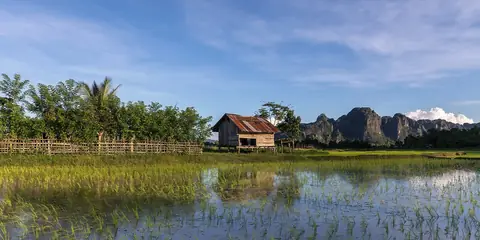
First trip to Laos
Choose five, seven or ten days in Laos: Luang Prabang alone, the railway south, Nong Khiaw, or extra days for Bolaven and the Plain of Jars.
Read the guide
Entering Laos
Who can visit Laos visa-free and for how long, eVisa rules and processing time, which checkpoints accept it, and the LDIF arrival and departure forms.
Read the guide
Laos trip cost 2027
A January 2027 week in Luang Prabang, Vang Vieng and Vientiane, all in: about LAK 9.3 million per person on a budget, 16.2 million mid-range or 32.3 million in comfort.
Read the guide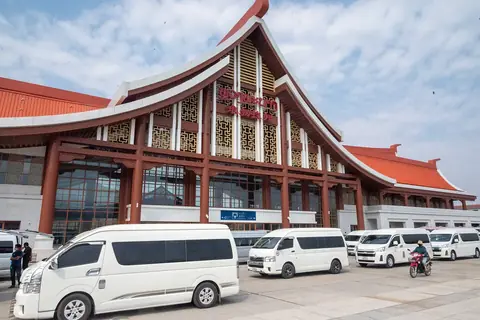
Transport in Laos
Plan Laos by rail from Luang Prabang to Vang Vieng and Vientiane, with station transfers, LCR Ticket, seasonal flights and permitted border crossings.
Read the guide
Best time to visit Laos
Choose Laos dates for walking, waterfalls and river outings, with seasonal flight schedules, indoor alternatives and a four-night Luang Prabang budget.
Read the guide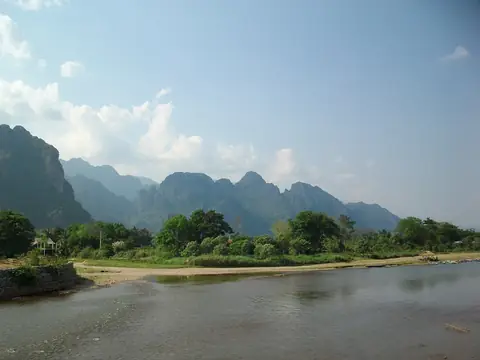
Vang Vieng
Plan three nights in Vang Vieng: town or river stays, guided Nam Song kayaking, caves and lagoon outings, local Lao food and railway arrival details.
Read the guideSources and checks before you travel
(15)
- UK Foreign Office (GOV.UK): Laos travel advice, warnings and insurance ↗ — opens in a new tab
- UK Foreign Office (GOV.UK): Laos regional risks ↗ — opens in a new tab
- UK Foreign Office (GOV.UK): Laos safety and security ↗ — opens in a new tab
- UK Foreign Office (GOV.UK): Laos health ↗ — opens in a new tab
- UK Foreign Office (GOV.UK): Laos getting help ↗ — opens in a new tab
- Germany's Federal Foreign Office (Auswärtiges Amt): Laos, Reise- und Sicherheitshinweise ↗ — opens in a new tab
- French foreign ministry (France Diplomatie): Laos, sécurité ↗ — opens in a new tab
- French foreign ministry (France Diplomatie): Laos, santé ↗ — opens in a new tab
- French foreign ministry (France Diplomatie): Laos, dernières minutes ↗ — opens in a new tab
- TravelHealthPro (NaTHNaC): Laos ↗ — opens in a new tab
- US CDC Travelers' Health: Laos ↗ — opens in a new tab
- British Embassy Vientiane (GOV.UK): List of medical facilities and practitioners in Laos ↗ — opens in a new tab
- Australian Embassy, Vientiane: Medical services in Laos ↗ — opens in a new tab
- COPE Laos: Visit Us ↗ — opens in a new tab
- Lao Tourism Marketing Department (tourismlaos.org): before you go ↗ — opens in a new tab
Reference sources for the version dated 8 November 2026. Confirm opening times, access, transport and conditions for your travel dates.
Photo credits
(5)
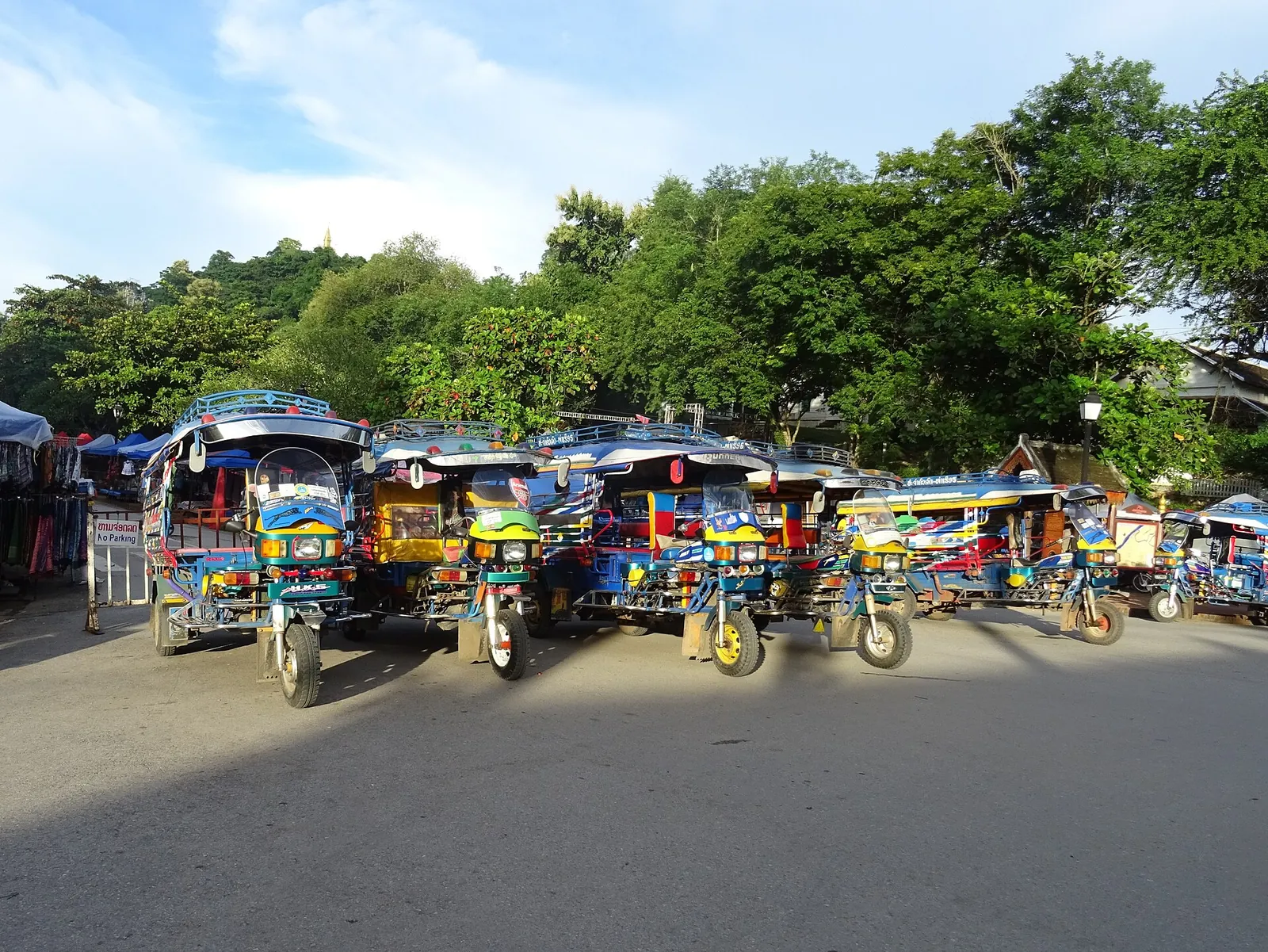
Tuk-tuks waiting for passengers in Luang Prabang.
Photograph: Christophe95 — opens in a new tab · CC BY-SA 4.0 — opens in a new tab
Changes: Resized and converted to WebP; displayed with responsive crops. · Original photograph and licence details ↗ — opens in a new tab
A Mines Advisory Group sign on unexploded ordnance clearance at Site 1 of the Plain of Jars, near Phonsavanh.
Photograph: Adam Jones Adam63 — opens in a new tab · CC BY-SA 3.0 — opens in a new tab
Changes: Resized and converted to WebP; displayed with responsive crops. · Original photograph and licence details ↗ — opens in a new tab
Tubing on the Nam Song in Vang Vieng, with a life jacket on.
Photograph: Christophe95 — opens in a new tab · CC BY-SA 4.0 — opens in a new tab
Changes: Resized and converted to WebP; displayed with responsive crops. · Original photograph and licence details ↗ — opens in a new tab
A hospital on a street in Vientiane.
Photograph: Torbenbrinker — opens in a new tab · CC BY-SA 3.0 — opens in a new tab
Changes: Resized and converted to WebP; displayed with responsive crops. · Original photograph and licence details ↗ — opens in a new tab
Bomb casings and information panels at the UXO Visitor Center in Luang Prabang.
Photograph: Christophe95 — opens in a new tab · CC BY-SA 4.0 — opens in a new tab
Changes: Resized and converted to WebP; displayed with responsive crops. · Original photograph and licence details ↗ — opens in a new tab