Plan your trip
Is Uzbekistan safe? Border areas, hospitals, vaccines, the laws
Most trips to Uzbekistan go wrong in ordinary ways: a phone lifted in a crowded bazaar, a long drive that runs into the dark on an unlit road, a stomach upset from tap water, a bite from a stray dog, a box of codeine tablets left off the customs form. The areas that governments warn about lie along the borders, away from the Silk Road cities. This guide covers those lines, insurance and hospitals, emergency numbers, vaccines, heat, smog, the roads and the laws.
In this guide
Find the location ↗ — opens in a new tabThe short answer
Buy insurance that covers all medical costs and medical repatriation before anything else: medical care in Uzbekistan is generally poor, serious cases usually go to hospitals in Europe or New Delhi, and the UK government's own example puts a broken leg in Spain, with hospital treatment and possibly evacuation, at £25,000 or more without insurance. Doctors often ask foreigners for cash in advance and Tashkent International Clinic publishes no price list online, so carry cash and your insurer's emergency number. Save 112 for any emergency, 103 for an ambulance and 1173, the 24-hour tourist hotline with English-speaking operators. Hepatitis A and tetanus vaccines are recommended for most travellers, measles protection should be up to date, and there is no malaria. None of the UK, German or French governments advises against travel to Uzbekistan as a whole; the strictest line is France's, against the Afghan border zone, Termez included unless you have an imperative reason. Germany and France both advise against driving at night, so plan road transfers to end in daylight.
- Key point
- Start at least 8 weeks before you fly: travel clinic, insurance with repatriation and saved numbers
- Where it applies
- No base is needed; the advice applies in Tashkent, Samarkand, Bukhara, Khiva, Nukus and the Fergana valley and on the roads between them
- Timing
- The summer heat peaks from just after 20 June to early August; winter smog is worst from November to February, and Aral Sea dust can affect Karakalpakstan and Khorezm all year
Travel advice, and the border areas these guides leave out
None of the UK, German or French governments advises against travel to Uzbekistan as a whole. The UK Foreign Office names no area to avoid, Germany issues travel and safety advice rather than a travel warning and calls the security situation stable across the whole country, and France places the country outside its border zones under enhanced vigilance, describes the situation as calm and counts Samarkand, Bukhara, Khiva, Nukus and Kokand among the major tourist sites it considers secured.
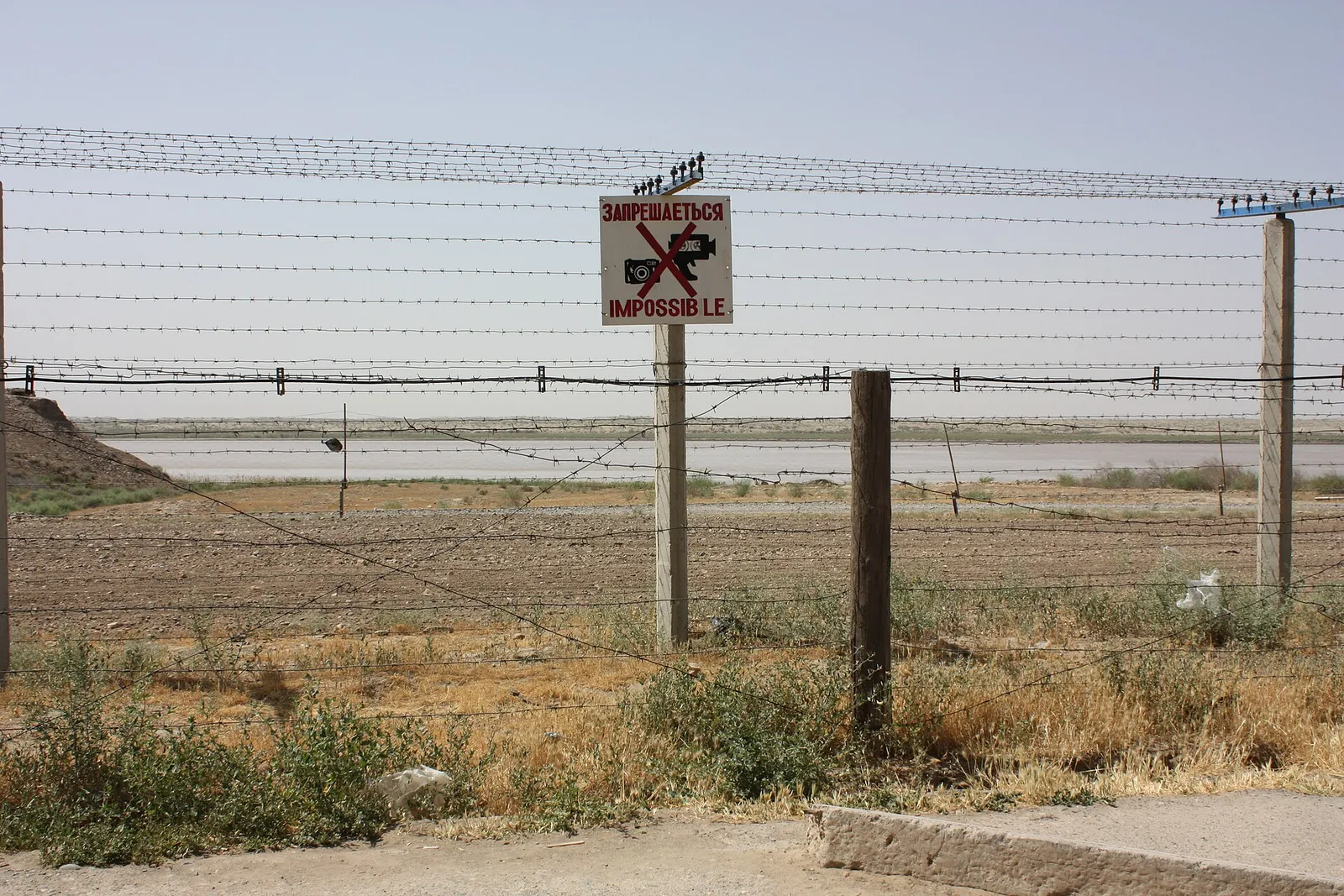
France advises against travel in the border zone with Afghanistan in the south, including within the city of Termez itself unless you have an imperative reason. The Friendship Bridge crossing to Afghanistan is officially closed to foreigners, and Germany says the Termez (Hairaton) crossing is completely closed until further notice. The banks of the Amu Darya along the border are fenced off, with a significant military presence, and you risk arrest if you approach the fence or photograph military infrastructure or personnel in this neutral zone. Many tourist sites close to the border need the local authorities' permission or a place on an organised tour.
Germany advises against non-essential travel near any of the country's borders, except at the official crossings, and against moving through unfamiliar terrain without a local guide; on the Khiva and Nukus routes, take no detour towards the Turkmen frontier. Mines have been reported in the mountains along the Tajik and Kyrgyz borders, and away from the border posts listed by the Customs Committee approaching either border is dangerous, so in those border zones do not travel outside towns or leave the main roads and marked paths. The routes in these guides stay in the cities and on main roads. Advice changes, and your own government may draw a wider line, so read its page before you book and again before you fly.
Terrorist attacks cannot be ruled out and could be indiscriminate: in 2022 rockets were fired from Afghanistan into southern Uzbekistan, an attack claimed by Islamic State Khorasan Province (ISKP). The threat from Islamist extremist groups is latent across the country, especially in the regions bordering Afghanistan, Tajikistan and Kyrgyzstan, and has so far not been directed at tourism. Avoid demonstrations and large gatherings, which are likely to draw a heavy presence of security forces.
Prices and times checked 8 November 2026
Insurance, hospitals and paying for treatment
Settle the insurance first, because the hospitals are the weakest link of a trip here. Medical care is generally poor: most hospitals are badly equipped, with a limited supply of drugs and no guarantee of sterilised equipment, especially in rural areas, so avoid all but basic or essential treatment in an emergency. Even in the cities there is no reliable rescue service everywhere.
Serious cases leave the country: medical insurers usually refer them to hospitals in Europe or New Delhi, and Istanbul and Dubai are other examples of evacuation destinations. Without insurance covering all medical costs, surgery and hospital stays included, and medical repatriation, you risk being refused care, even in a life-threatening emergency. The bills are large: the UK government's own example puts a broken leg in Spain, with hospital treatment and possibly medical evacuation, at £25,000 or more without insurance, and an ambulance is often charged separately. Before you buy, check four things: that the policy pays for medical evacuation and repatriation; that the insurer has a local correspondent, since some insurers struggle in Uzbekistan without one; whether it pays clinics directly; and that it covers your itinerary and planned activities, mountain sports included, since risky sports are generally not covered. This matters most if you have a health condition or are pregnant. The UK has no reciprocal healthcare agreement with Uzbekistan.
Expect to pay on the spot. Doctors often ask foreigners for cash in advance, and most of the public hospitals on the British Embassy's list of medical facilities take payment for treatment in cash, do not accept the GHIC card and offer no repayment plans. Tashkent International Clinic publishes no price list online, so carry cash for a first payment, keep the policy number and your insurer's emergency number with you, and call the insurer quickly if a doctor refers you to a hospital. Very few cash machines outside the main cities accept international cards, and those in the cities can run short of cash or limit withdrawals, so take out enough in Tashkent, Samarkand or Bukhara before you head to the regions.
For treatment in English, Tashkent International Clinic, a private clinic at 38 Sarikul Street in Tashkent, opens Monday to Saturday from 8:30 to 20:30; its site gives emergency numbers, among them +998 78 120 1144, with English-speaking doctors 24/7, and names the international insurers it accepts, Bupa, Cigna, GeoBlue and Henner among them. An international clinic in Tashkent can advise you and deal with your insurer, but it is not sufficiently equipped for emergencies. In Samarkand, Bukhara and Nukus, the public emergency centres on the embassy's list are the local branches of the Republican Science Centre of Emergency Medical Service, at 72 Koshgariy Street in Samarkand, 159 Bahouddin Nakshbandi Street in Bukhara and 108a A. Dosnazarov Street in Nukus; their staff speak Russian and Uzbek, so have a translation app ready. The list names no facility in Khiva or Urgench: from Khorezm, the nearest listed facilities are in Nukus or, for treatment in English, in Tashkent.
Ambulances, pharmacies and the emergency services work around the clock. Buy medicines in a pharmacy and never in the street, where they may be counterfeit.
Prices and times checked 8 November 2026
Emergency numbers to save before you land
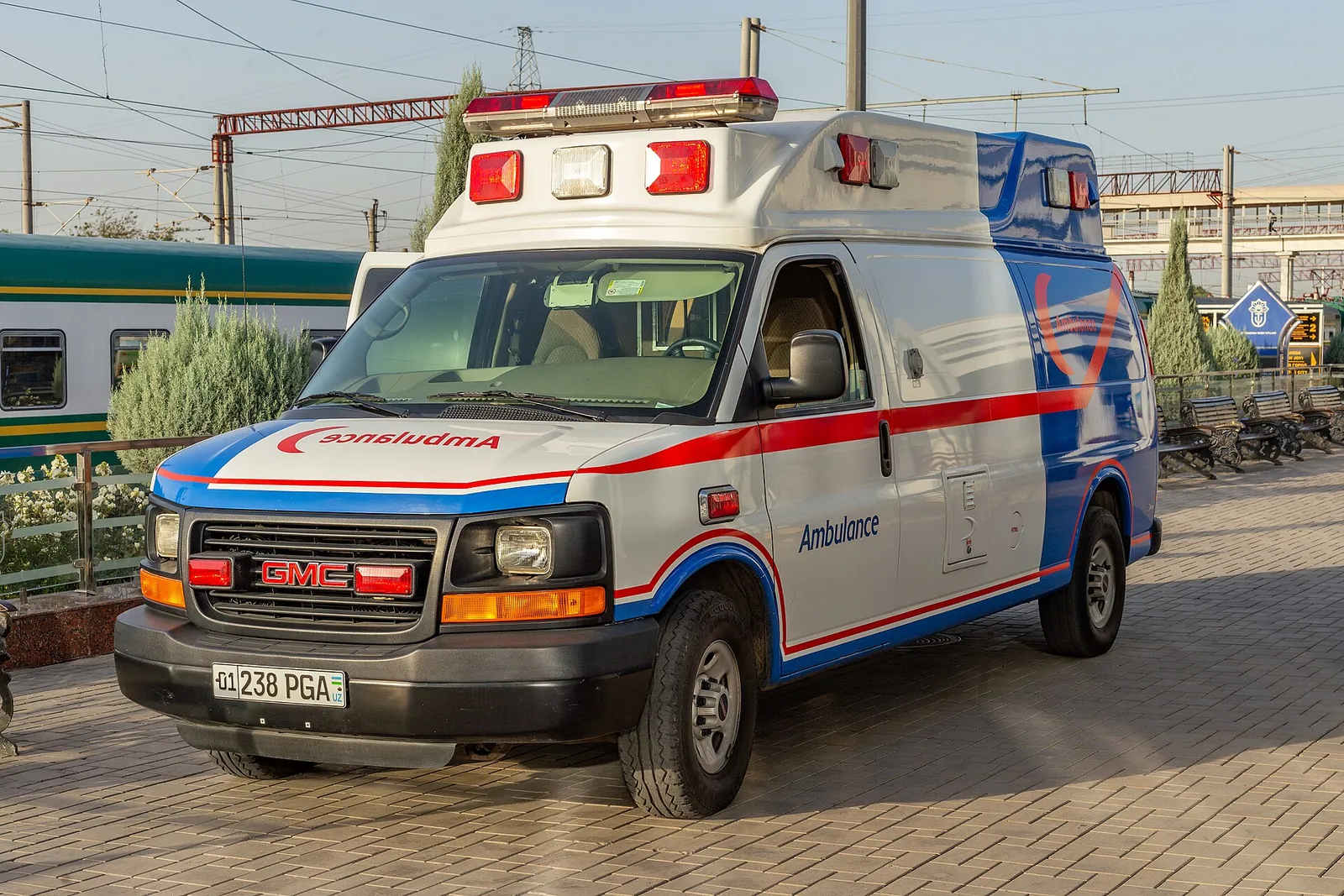
Since 2024 one number, 112, has covered all emergency calls, and the older numbers still work:
| Service | Number |
|---|---|
| All emergencies | 112 |
| Fire | 101 |
| Police | 102 |
| Ambulance | 103 |
| Emergency gas service | 104 |
| Safe tourism call centre (24 hours; English, Uzbek and Russian) | 1173 |
After calling 103, call your insurer's emergency line. Uzbekistan also has a tourist police, and there are police stations in public places. If something happens to a British traveller, friends or relatives in the UK can call the Foreign Office in London around the clock on +44 20 7008 5000, and the French embassy in Tashkent, at Istiqbol 25, answers on +998 71 232 81 00.
Prices and times checked 8 November 2026
Vaccines, rabies and the medicines you bring
See a travel-health professional early: check vaccine recommendations at least 8 weeks before the trip, with the appointment ideally at least four to six weeks before travel. No vaccination certificate is required under the International Health Regulations, and yellow fever vaccine is neither recommended nor required. Besides routine vaccines, hepatitis A and tetanus are recommended for most travellers. Hepatitis B, rabies, tuberculosis and typhoid are for some travellers: hepatitis B if you are not yet protected, as prevalence is intermediate or high; rabies and typhoid for long stays or special exposure, rabies also for young children and stays in rural areas or away from the main cities; BCG for children under 15 on frequent or long stays.
Measles is endemic or the risk is greater than in the UK, so all travellers should be up to date with the measles, mumps and rubella (MMR) vaccine; a French government alert of 10 September 2026, covering several regions, reports a rise in measles cases. There is no malaria: the WHO declared Uzbekistan malaria-free in 2018.
Rabies is a risk: stray dogs are a bite risk throughout the country and dogs with rabies are commonly found, so do not touch or feed any animal, even a tame one. After a bite, a scratch or a lick on broken skin, wash the wound at once with soap and water and see a doctor urgently, even if you are vaccinated: the immunoglobulin an unvaccinated person needs after a bite is not always available in Uzbekistan, and rabies vaccines may be available only in larger suburban or urban facilities. Consider the vaccine before travel for running or cycling, for trips with limited access to treatment and for stays of over a month.
Hepatitis C is relatively widespread, affecting about 4% of the population, and the risk of HIV transmission is high in principle, so avoid any contact with blood, including through piercing, tattoos, shaving and manicures. Tuberculosis is more common across the country than in Central Europe, and drug-resistant forms are a risk.
Bring only the medicines you need, in their original packaging with the original labels; declare them on the customs form and carry the original prescription, naming each by its international non-proprietary name and translated into Uzbek, Russian or English. Some medicines that are routine at home cause problems on entry, codeine among them; some opioids, such as tramadol, can be treated as narcotics; some medicines sold in pharmacies in France are banned from import; and travellers at land borders are more likely to face problems. Undeclared medicines can be treated as drugs, which can mean several days of laboratory tests on the medicines and blood samples, and heavy fines. Our guide to entering Uzbekistan covers the rest of the arrival rules.
Prices and times checked 8 November 2026
Water, heat, winter smog and Aral Sea dust
Drink only water of safe origin, never tap water or raw water from open reservoirs: bottled or sealed drinks, or water made safe by filtering, boiling or, failing that, a disinfectant. Diarrhoeal illness is possible everywhere and all year round, so avoid raw or undercooked food, raw vegetables, reheated dishes and cold buffets, and wash your hands before eating.
Summers are very hot and can pass 50 °C; the chillya, 40 days of sweltering, windless heat, runs from just after 20 June to early August. Then avoid walking around town in the midday heat, wear a hat and light clothing, drink plenty of water and limit activity: heat stroke can be deadly. Winters are harsh but dry, at -5 to -10 °C and sometimes down to -20 °C, and the weather can swing from extreme heat to extreme cold very fast.
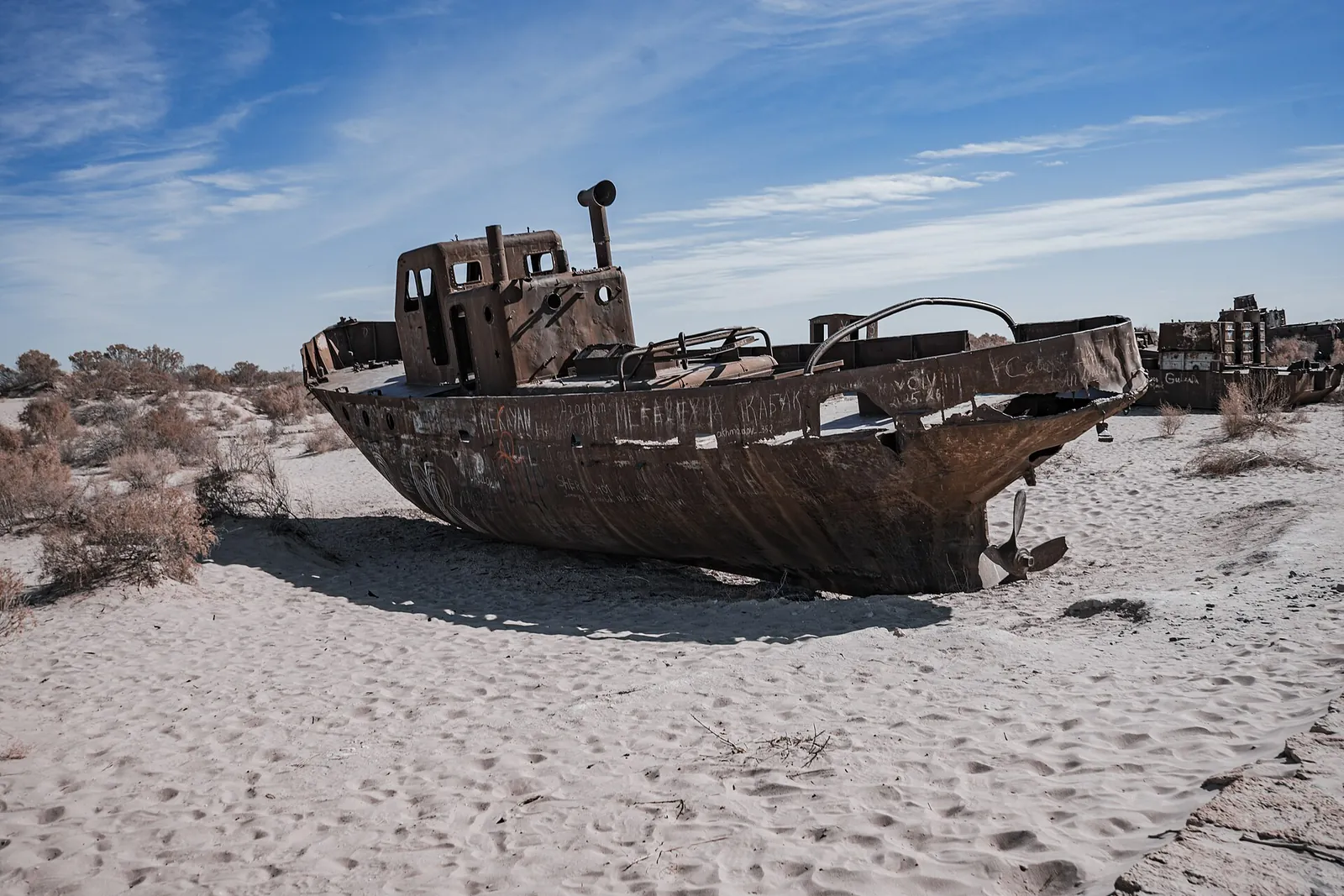
Air quality catches many visitors out. Outdoor air is poor especially in winter, from November to February, and the major cities, including Tashkent and the Fergana valley, are most affected; pollution peaks with an air quality index above 200 regularly hit the capital. In Karakalpakstan and Khorezm, home to Nukus and Moynaq and Khiva, the air can be poor all year round, as regular storms over the Aral Sea carry salt, dust and pollutants, and the dried-out seabed is heavily contaminated with salts and chemicals that the wind spreads. Children, older people and those with health conditions may be especially affected, and poor air can make asthma or COPD considerably worse: if you are vulnerable, look up current readings before you go, for example on the World Air Quality Index, and postpone the trip if you need to; during a pollution peak, cut down outdoor activity.
Prices and times checked 8 November 2026
Mountains, altitude and earthquakes
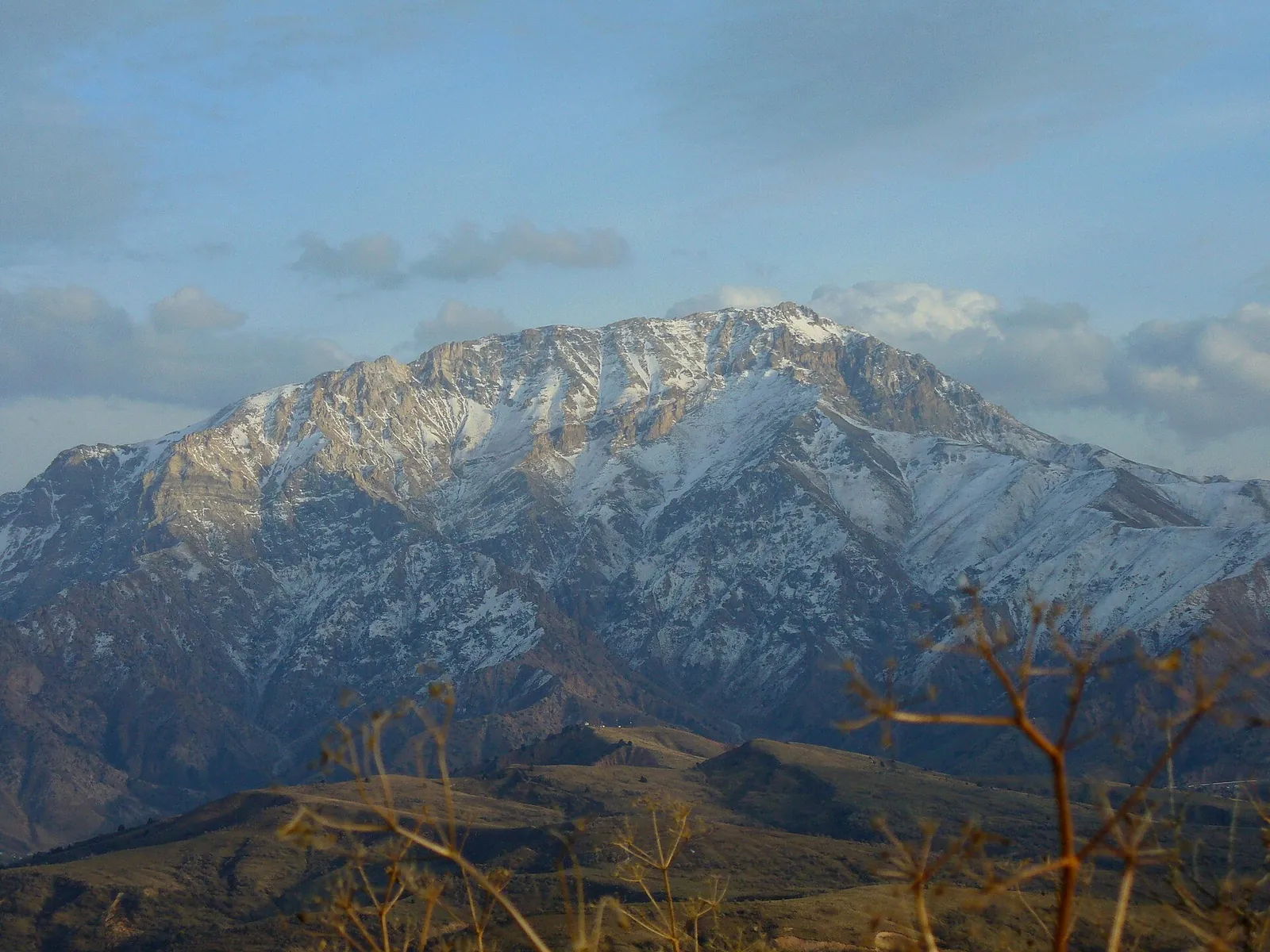
Altitude sickness is a risk in parts of Uzbekistan. The Chimgan range in the Tashkent region, home to the Amirsoy, Beldersay and Chimgan ski resorts, rises to 3,309 m at Greater Chimgan, and Shaukartau, the highest point of the Zaamin mountains in the Jizzakh region, passes 4,000 m. Before a trip above 2,300 m, such as a climb of Greater Chimgan, see a doctor experienced in altitude medicine, and above 3,000 m ascend gradually. Civil air rescue from the mountains exists only to a very limited extent. Near the Tajik and Kyrgyz borders, the mine warning in the first section applies.
Uzbekistan lies in an active seismic zone: an earthquake almost entirely destroyed Tashkent, then built mostly of rammed earth, in 1966, and a tremor in the Fergana Valley in 2011 caused several victims. Earthquakes or long spells of rain can set off avalanches, mudflows and landslides on vulnerable slopes, so follow any closures, signs and instructions from the local authorities.
Prices and times checked 8 November 2026
Roads, taxis and trains
Roads often have poor surfaces and bad lighting, and driving standards are below the UK's and can be erratic. Road accidents are numerous, especially at night, and sometimes fatal: pedestrians, cyclists, livestock and stopped vehicles stand unlit on the road. Germany and France both advise against driving at night, so plan every road transfer between cities to end in daylight. Driving after drinking any alcohol is strictly forbidden.
Use licensed taxis whenever possible: the official taxis at the airport, or a car booked through Yandex Taxi or MyTaxi, which work in Tashkent and Samarkand. Unlicensed taxis are still common; if you take one, or a private or shared taxi between cities, agree the fare before the ride. Many taxis have no rear seatbelts, and many buses and taxis run on compressed natural gas, with the safety rules for these vehicles often not followed, so choose a modern vehicle with rear seatbelts where possible.
Arrive at the station 30 minutes before your train for airport-style security checks. On an overnight train keep valuables in a safe place, never leave belongings unattended and lock the compartment door from the inside. Police checks are frequent on the roads and in towns, and the large cities have CCTV cameras at junctions; do not try to avoid a check. Our transport guide covers the trains, flights and road transfers.
Prices and times checked 8 November 2026
Crime, nightlife and the laws that catch visitors out
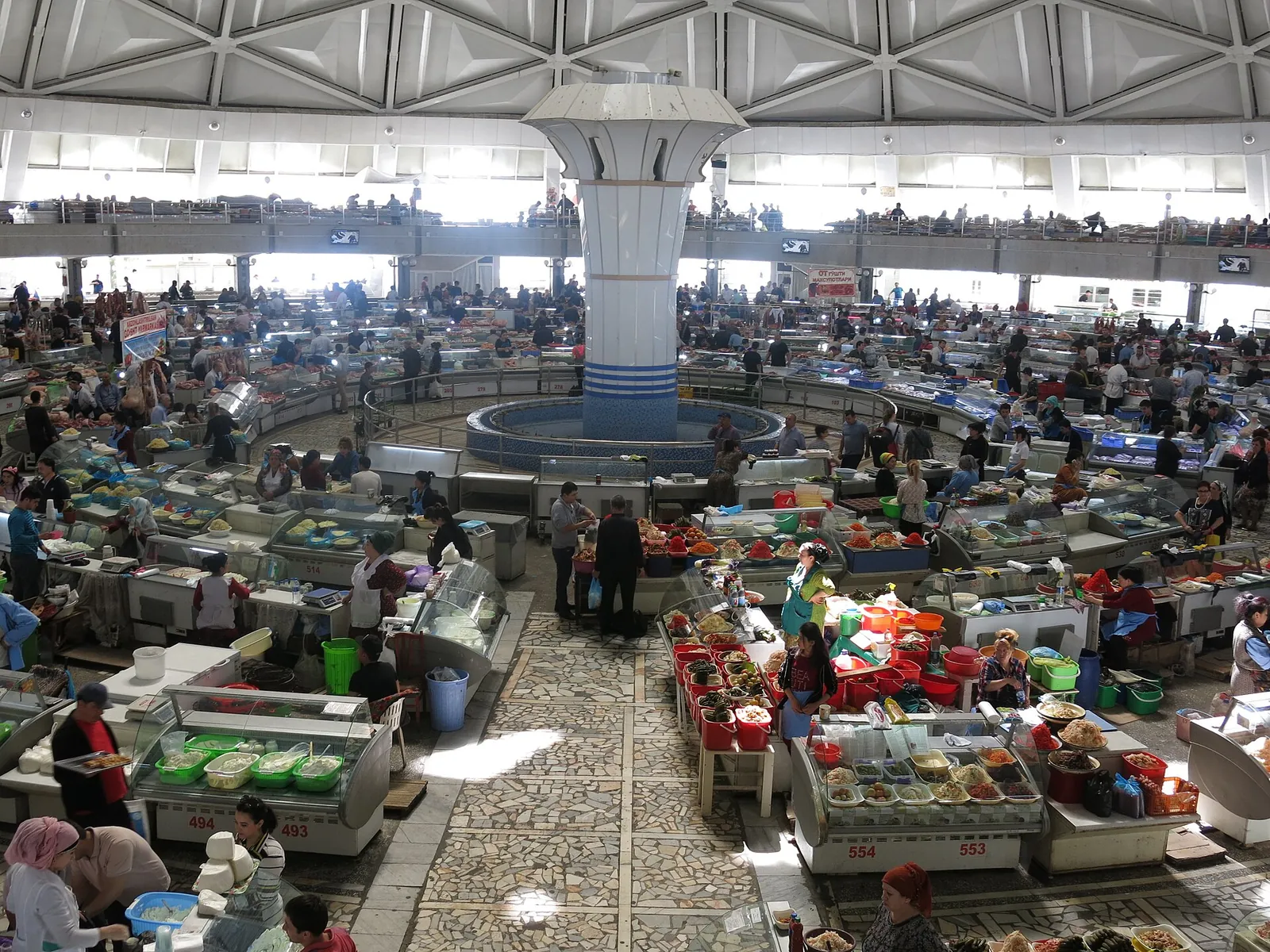
Insecurity is low, but pickpocketing and bag-snatching are common in crowded places such as bazaars and public transport, and thieves use distraction techniques, so keep your belongings in sight and do not carry all your valuables in one place. Isolated robberies happen, especially after dark, and some violent assaults on foreigners at night have been reported: avoid being alone after dark in remote districts or little-used places such as underpasses, and in Tashkent and the other cities do not walk at night, especially alone; take a licensed taxi instead. In bars and clubs, do not trust people who propose meetings or lead foreigners into heavy drinking.
Long clothes, such as trousers or long skirts, with covered shoulders suit all visitors, and women travelling alone are advised to be prudent with the people they meet. At a mosque, shorts, T-shirts and skirts are not welcome and women should cover their heads. During Ramadan, whose dates change each year, cafés and restaurants may change their menus and fill up around iftar, and the streets around mosques are busy at prayer times; take particular care not to offend religious sensitivities.
Carry your passport at all times: it is a legal requirement, police checks are frequent, and you can be fined or arrested without it; keep photocopies or photos of your documents separately. You must be registered within three days of arrival, weekends counting: a hotel does it for you, a stay of more than three days in another city needs a new registration, and on departure the authorities require a full record of where you stayed: you could be fined for each missing or late day and possibly deported (our entry guide explains how it works). Possession of drugs is illegal and can bring a long prison sentence. Selling alcohol or tobacco to anyone aged 20 or under is illegal, and drinking alcohol in public places is forbidden. Smoking is allowed only in designated areas; in streets, parks, public transport and other public places it brings a fine of a third of the minimum wage, UZS 453,333 at the UZS 1,360,000 monthly minimum in force from 1 September 2026. Since 1 April 2026 fuel, alcohol and tobacco can be paid for only by card or mobile app, not in cash. Changing money on the black market, at a market for example, is illegal and the penalties are harsh, so use banks, hotels or official exchange offices.
Leave e-cigarettes (vapes) at home: they have been banned since 1 April 2026, and possession can lead to criminal proceedings; importing, selling and making them has been banned since 1 March 2026. Leave the drone at home too: import and use are largely prohibited, and the few exceptions need a licence before arrival. Photography is banned at some sites considered strategic, which can include bridges, tunnels and railway, state, military and border installations, and the ban is not always signposted, so ask first, especially near airports, border checkpoints, military barracks, police stations and metro stations. Do not bring in material that could be seen as undermining the state, such as material promoting war, terrorism, religious hatred or racism, or pornography. Social media posts judged disrespectful, including criticism of the government, can bring fines or detention. Same-sex relationships are illegal, not recognised and frowned upon socially: sexual acts between men can bring up to three years in prison under article 120 of the criminal code, so avoid public displays of affection.
Prices and times checked 8 November 2026
Practical questions
Is Uzbekistan safe for tourists?
For most visitors, yes. None of the UK, German or French governments advises against travel to Uzbekistan as a whole, and France counts Samarkand, Bukhara, Khiva, Nukus and Kokand among the secured tourist sites. The common risks are pickpocketing in bazaars, night roads, summer heat, winter smog and limited medical care.
Which areas of Uzbekistan should I avoid?
France advises against the border zone with Afghanistan, including the city of Termez unless you have an imperative reason. Germany advises against non-essential travel near any border away from the official crossings, and mines may lie near the Tajik and Kyrgyz borders outside the listed border posts.
What is the emergency number in Uzbekistan?
Dial 112 for any emergency, or 101 for fire, 102 for the police and 103 for an ambulance. The 24-hour tourist hotline 1173 has English-speaking operators.
Which vaccinations do I need for Uzbekistan?
No vaccination certificate is required. Hepatitis A and tetanus are recommended for most travellers, plus up-to-date routine vaccines, measles included; hepatitis B, rabies, tuberculosis and typhoid are for some travellers, depending on the trip.
Is there malaria in Uzbekistan?
No. The WHO declared Uzbekistan malaria-free in 2018, so no tablets are needed, although avoiding insect and tick bites still matters.
Can you drink tap water in Uzbekistan?
No. Drink bottled or sealed drinks, or water made safe by filtering or boiling, and never raw water from open reservoirs.
Can I bring my medicines to Uzbekistan?
Yes, if you declare them on the customs form and carry the original prescription, translated into Uzbek, Russian or English. Codeine and some other routine medicines cause problems on entry, some opioids such as tramadol can be treated as narcotics, and undeclared medicines can be treated as drugs.
Keep planning your trip
First trip to Uzbekistan
Choose seven days or ten for Tashkent, Samarkand, Bukhara and Khiva: nights, trains, season, registration, money, a SIM and an all-in budget.
Read the guide
Entering Uzbekistan
Which passports enter Uzbekistan without a visa for 30 days, how hotel registration works, what to declare at customs, and the border and photography advice to follow.
Read the guide
Uzbekistan trip cost
Ten days across Tashkent, Samarkand, Bukhara and Khiva, all in: about UZS 9.9 million per person on a budget, 12.7 million mid-range or 18.0 million in comfort.
Read the guide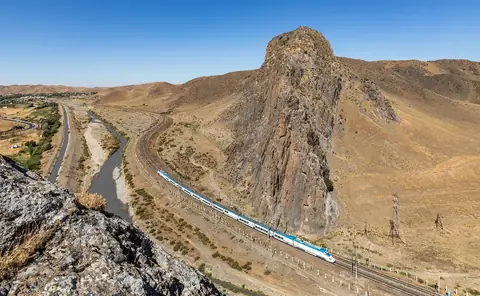
Transport in Uzbekistan
Book Uzbekistan’s trains and flights: the Afrosiyob to Samarkand and Bukhara, the 2026 Khiva trains, domestic fares, airport links and the Tashkent metro.
Read the guide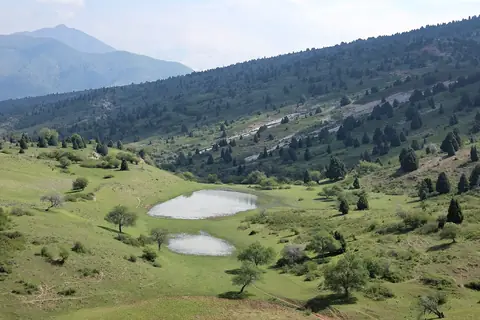
Best time to visit Uzbekistan
Choose your Uzbekistan dates by season: spring and autumn for walking, the summer chillya, winter air, Ramadan, Navruz and the school holidays, month by month.
Read the guide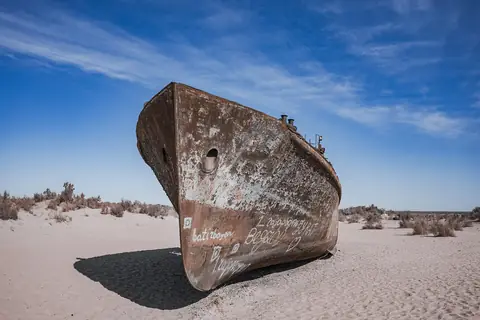
Nukus and Moynaq
Plan two nights in Nukus for the Savitsky Museum, Moynaq’s stranded ships and the desert fortresses of Khorezm, ending in Khiva on day 3.
Read the guideSources and checks before you travel
(21)
- UK Foreign Office (GOV.UK): Uzbekistan travel advice ↗ — opens in a new tab
- UK Foreign Office (GOV.UK): Uzbekistan regional risks ↗ — opens in a new tab
- UK Foreign Office (GOV.UK): Uzbekistan safety and security ↗ — opens in a new tab
- UK Foreign Office (GOV.UK): Uzbekistan health ↗ — opens in a new tab
- UK Foreign Office (GOV.UK): Uzbekistan getting help ↗ — opens in a new tab
- GOV.UK: Foreign travel insurance ↗ — opens in a new tab
- UK Foreign Office (GOV.UK): Uzbekistan entry requirements ↗ — opens in a new tab
- British Embassy Tashkent (GOV.UK): Uzbekistan medical facilities ↗ — opens in a new tab
- Germany's Federal Foreign Office (Auswärtiges Amt): Usbekistan, Reise- und Sicherheitshinweise ↗ — opens in a new tab
- French foreign ministry (France Diplomatie): Ouzbékistan, sécurité ↗ — opens in a new tab
- French foreign ministry (France Diplomatie): Ouzbékistan, santé ↗ — opens in a new tab
- French foreign ministry (France Diplomatie): Ouzbékistan, informations utiles ↗ — opens in a new tab
- French foreign ministry (France Diplomatie): Ouzbékistan, entrée / séjour ↗ — opens in a new tab
- French foreign ministry (France Diplomatie): Ouzbékistan, dernières minutes ↗ — opens in a new tab
- TravelHealthPro (NaTHNaC): Uzbekistan ↗ — opens in a new tab
- US CDC Travelers' Health: Uzbekistan ↗ — opens in a new tab
- Uzbekistan Travel (National PR-centre): travel tips ↗ — opens in a new tab
- Decree PF-115 of 23 June 2026 (lex.uz): minimum wage ↗ — opens in a new tab
- Tashkent International Clinic: medical services ↗ — opens in a new tab
- Uzbekistan Travel (National PR-centre): Chimgan ↗ — opens in a new tab
- Uzbekistan Travel (National PR-centre): Zaamin ↗ — opens in a new tab
Reference sources for the version dated 8 November 2026. Confirm opening times, access, transport and conditions for your travel dates.
Photo credits
(5)
Chorsu Bazaar in Tashkent: crowded markets like this are where pickpockets and bag-snatchers work.
Photograph: Enric — opens in a new tab · CC BY 4.0 — opens in a new tab
Changes: Resized and converted to WebP; displayed with responsive crops. · Original photograph and licence details ↗ — opens in a new tab
The fenced bank of the Amu Darya at Termez, on the border with Afghanistan, under a no-photography sign.
Photograph: Arian Zwegers — opens in a new tab · CC BY 2.0 — opens in a new tab
Changes: Resized and converted to WebP; displayed with responsive crops. · Original photograph and licence details ↗ — opens in a new tab
An ambulance at Tashkent-Janubiy railway station; dial 103 or 112 for one.
Photograph: Nikolai Bulykin — opens in a new tab · CC BY-SA 4.0 — opens in a new tab
Changes: Resized and converted to WebP; displayed with responsive crops. · Original photograph and licence details ↗ — opens in a new tab
The ship graveyard at Moynaq, on the dried-out bed of the Aral Sea in Karakalpakstan.
Photograph: Koshkinhome — opens in a new tab · CC BY-SA 4.0 — opens in a new tab
Changes: Resized and converted to WebP; displayed with responsive crops. · Original photograph and licence details ↗ — opens in a new tab
Greater Chimgan, seen from the Akshuran pass in Tashkent region's Bostanliq district.
Photograph: German Stimban — opens in a new tab · CC BY-SA 4.0 — opens in a new tab
Changes: Resized and converted to WebP; displayed with responsive crops. · Original photograph and licence details ↗ — opens in a new tab