Plan your trip
Can I pay by card in Sri Lanka? Rupees, ATMs, LankaQR and tips
Paying in Sri Lanka takes a card and a stack of small notes. A credit card settles the hotel, the restaurant dinner and the shopping-centre purchase; rupees pay the tuk-tuk, the fruit stall and the cheap meal, where change for a large note is often hard to find. This guide sets out which payments take your foreign card and which need cash, what an ATM charges a card from abroad, where you may change money and why your hotel may ask for foreign currency, who can pay by LankaQR, how tuk-tuk fares and tips work, and what to declare at the border.
In this guide
Find the location ↗ — opens in a new tabThe short answer
Bring a Visa or Mastercard credit card as well as a debit card, and carry rupees (LKR) in small notes. Most hotels, restaurants and shopping centres take cards, and a card surcharge is illegal; tuk-tuks, small shops and remote areas want cash. Take cash from an ATM inside a bank or hotel where you can, and choose to be charged in rupees. Two prices, checked on 8 November 2026: Bank of Ceylon charges LKR 500 per withdrawal with a foreign card (one bank's price, charged per withdrawal, so a few larger withdrawals within your card's daily limit cost less than many small ones), and Sri Lanka Tourism's guide figure for a tuk-tuk is about LKR 50 per kilometre (agree the fare before you set off). Change money only at authorised places and keep the exchange form; a hotel licensed by the tourism authority takes payment from guests who live abroad in foreign exchange, card included. Declare foreign currency above USD 15,000 when you arrive.
- Key point
- Set up before you fly: a back-up card kept apart from your main one, and a check of your bank's foreign fees and daily cash limit
- Where it applies
- Applies everywhere in Sri Lanka; cash matters most for tuk-tuks, small shops, markets and remote areas
- Timing
- All year; banks open on weekday mornings, and only some on Saturday mornings
The rupee: notes, small change and sample prices
Sri Lanka's currency is the Sri Lankan rupee (LKR), divided into 100 cents, though you will rarely come across cents. The Central Bank of Sri Lanka, the only body allowed to issue currency, puts out notes of LKR 20, 50, 100, 500, 1,000 and 5,000 in its current series, first issued in 2010, and coins of LKR 1, 2, 5 and 10. The LKR 5,000 note is mostly gold. Sri Lanka Tourism warns that the LKR 500 note can be mistaken for the somewhat similar LKR 100, so check the number before you hand one over.
Every note carries a bird as its watermark, the same bird that is printed on the note, and its value as a highlighted watermark; on the LKR 500, 1,000 and 5,000 notes the security thread changes from red to green as you tilt the note. Hold a note against the light when it comes from somewhere other than a bank.
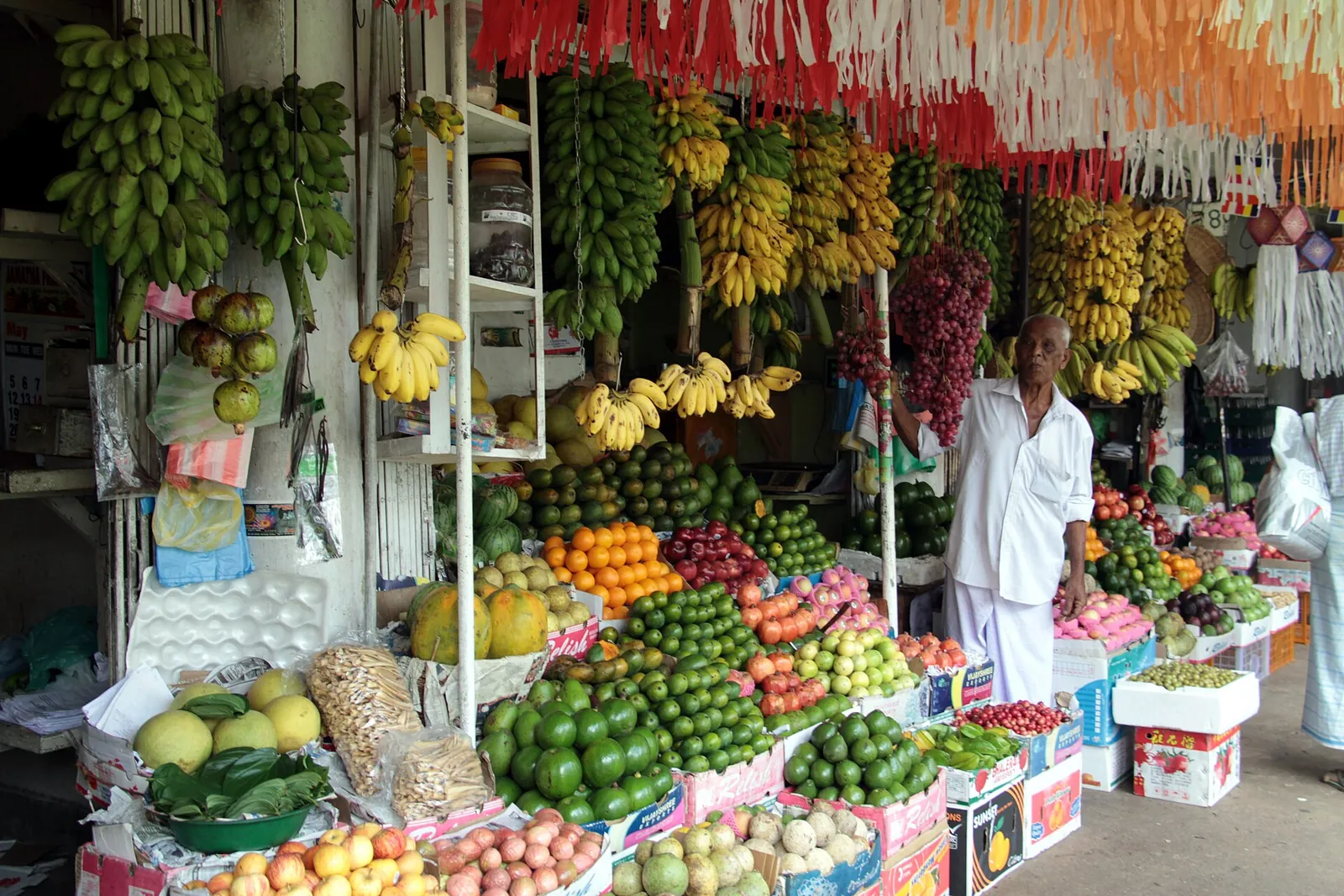
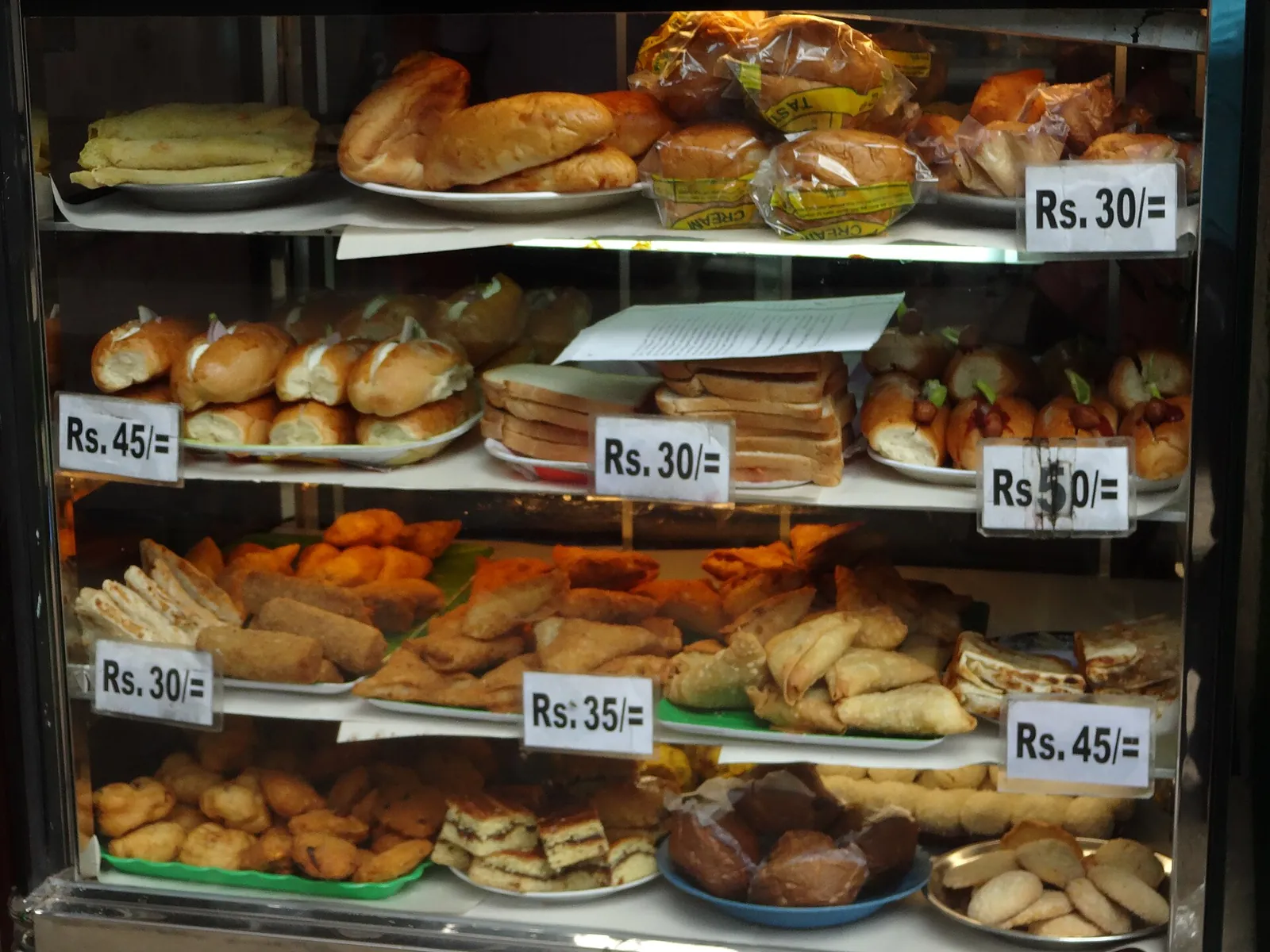
Change is the everyday problem. Carry plenty of LKR 50, 100 and 500 notes for fruit, small items and cheap meals, because away from hotels and big shops change is often hard to come by. Break your LKR 5,000 notes at the hotel or a big shop, not at a stall. Small notes also suit Colombo's crowded city buses, where the conductor collects the fare.
For a sense of scale, the UN operational rate for 1 November 2026 was LKR 332.44 to the US dollar, which works out at about LKR 370 to the euro and about LKR 443 to the pound. The Central Bank's own published rates are indicative only, so a bank or exchange counter will quote its own.
A few prices set the scale. A 4 km tuk-tuk ride at about LKR 50 a kilometre comes to about LKR 200. A foreign visitor's ticket to the Temple of the Tooth (Sri Dalada Maligawa) in Kandy costs LKR 3,000, or LKR 2,500 for visitors from SAARC countries, Thailand and Myanmar; only the machines inside the temple issue tickets, and a ticket or fee from anyone else is not valid. At the Royal Botanic Gardens, Peradeniya, a foreign adult (over 12) pays LKR 3,540 per visit, a foreign student with proof LKR 2,360 and a foreign child aged 5 to 12 LKR 1,770. A gem certificate costs about LKR 1,500.
Put together, a sightseeing day in Kandy paid in cash looks like this: two 4 km tuk-tuk rides (about LKR 400), the Temple of the Tooth (LKR 3,000) and the Peradeniya gardens (LKR 3,540) come to about LKR 7,000 per person, not counting meals. Some site tickets are quoted in US dollars and the rupee amount moves with the exchange rate, so allow a margin. For meals, rooms, drivers and a full daily budget, our Sri Lanka trip-cost guide does the sums.
Prices and times checked 8 November 2026
Card or cash: where a foreign card works
Most hotels, restaurants and shopping centres accept credit cards, and a surcharge for paying by card is illegal, although some places may try to add one. Remote regions and smaller shops want cash.
Bring a credit card even if you normally travel with a debit card: the German Foreign Office says foreign debit cards cannot be used in Sri Lanka, although Sri Lanka Tourism says international debit cards work at ATMs. Visa and Mastercard are the networks the official pages name: most major banks take them for cash withdrawals and the railway's booking site takes only those two card networks, while American Express appears only among the ETA's payment cards. No official page cited here says whether contactless or phone-wallet payment works with a foreign card, so carry the physical card. A credit card matters for health care too: hospitals and doctors' practices often ask to see a credit card before treatment, even if you have valid travel health insurance, so keep one on you.
Bank card fraud is common, so keep your card in sight when you pay in shops and restaurants, and pay smaller bills in cash where you can. Carry a second card in a different place, and if a terminal offers to charge you in your home currency, choose rupees, as the next section explains.
ATMs: where to withdraw, what it costs and the currency question
There are ATMs in major towns and cities, but not every machine accepts international cards. The UK Foreign Office advises using ATMs inside banks or hotels where you can, and checking a machine on the street for signs of tampering before you put your card in.
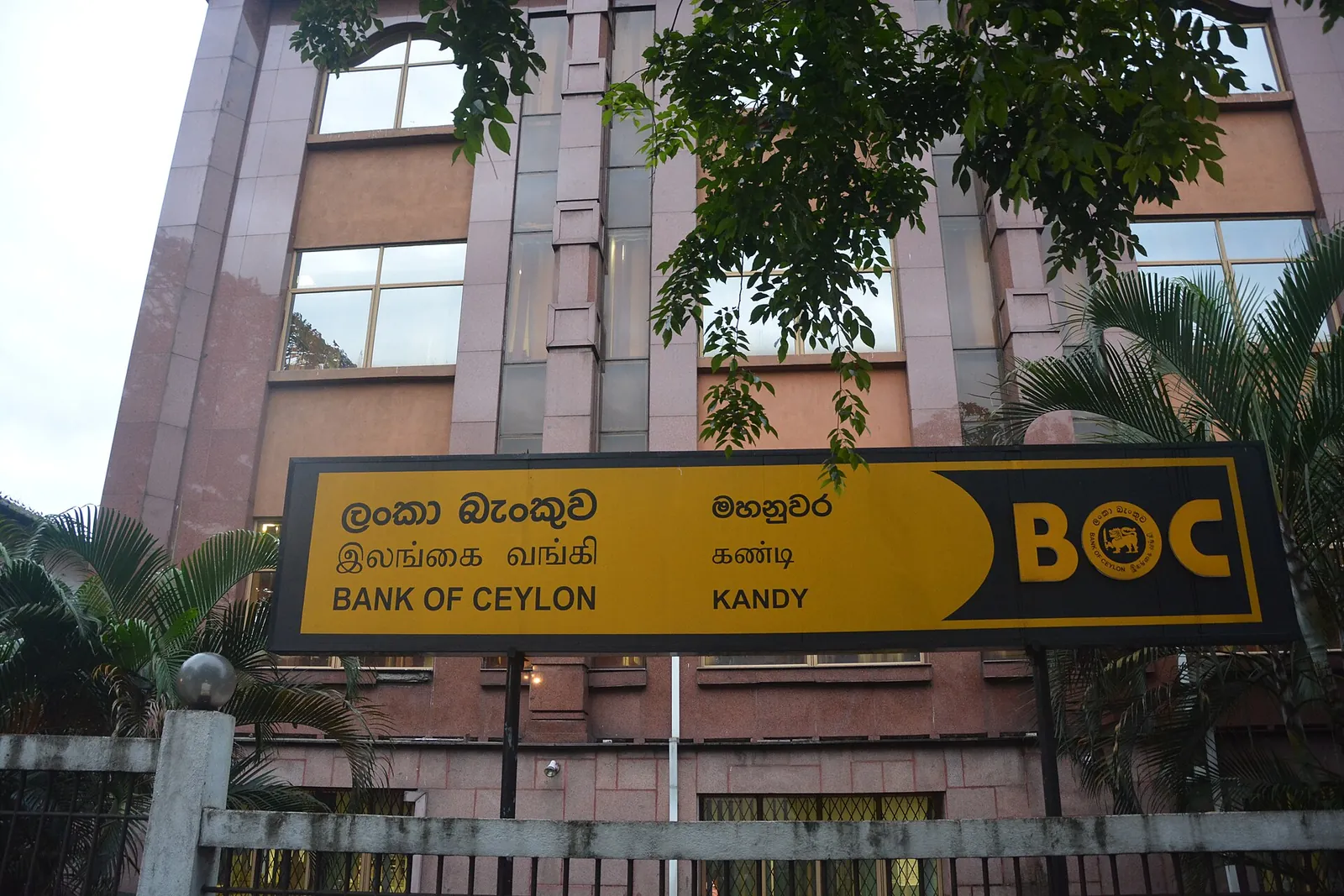
Banks can charge a card from abroad. At Bank of Ceylon, the foreign access fee is LKR 500 per cash withdrawal at its ATMs and LKR 100 for a balance enquiry. Treat it as one bank's price, not a national rate. The fee is per withdrawal, so at that bank ten withdrawals cost LKR 5,000 in fees and two cost LKR 1,000; your own bank may add its fee and exchange margin on top. Bank of Ceylon's tariff gives no limit per withdrawal, so how much each one can be depends on your card's daily cash limit; check your card's limit before you fly and plan a few larger withdrawals.
If the ATM or the card terminal offers to bill you in your home currency, decline and choose rupees. That offer, dynamic currency conversion, includes an exchange rate and additional fees; Visa says merchants and ATMs should give you the choice and must not make it for you, and declining does not affect the payment or withdrawal.
Take out only the cash you need for the day and leave the rest in the hotel safe; bag snatching and other theft are covered in our health and safety guide.
Prices and times checked 8 November 2026
Changing money, and why your hotel may want foreign currency
Change cash only at authorised places, such as the airport, banks and hotels, which confirm the exchange on a form. Keep those forms (encashment receipts): with them you can change unspent rupees back into the original currency when you leave, and pay a hotel in rupees, as explained below.
Banks open from 09:00 to 13:00 Monday to Friday; some city banks close at 15:00, and some open on Saturday mornings. Outside those hours, change at your hotel or use an ATM.
Hotels follow a rule of their own. Under a Central Bank of Sri Lanka rule in Gazette Extraordinary 2263/41 of 21 January 2022, hotel service providers registered and licensed by the tourism authority accept payment from guests who live outside Sri Lanka only in foreign exchange, and a card payment, whether by credit, debit or travel card, goes to the hotel's foreign-currency account. A hotel may take rupees from you only if you show original documents proving that the rupees were converted from foreign currency through a licensed bank or authorised money changer. Paying the hotel bill by card is the simple way through.
Prices and times checked 8 November 2026
LankaQR, train seats and paying online
The QR code on a Sri Lankan counter is usually LankaQR, the national QR payment standard, launched in 2020 under the patronage of the Central Bank. More than 400,000 merchants accept it and 22 financial institutions are connected. Sri Lankans pay by scanning the code with a LankaQR-enabled app from their bank and confirming the amount.
For visitors it is a narrow door. Since 12 May 2026 travellers from Nepal can scan LankaQR codes with participating Nepali payment apps, through Nepal's network, the fifth international network connected to LankaQR. Unless your own bank's app says it works with LankaQR, pay by card where cards are taken and in cash where they are not.
Reserved train seats can be booked online and paid by LankaQR or by Visa or Mastercard credit or debit card, with a 5% convenience fee on the total; our Sri Lanka transport guide covers which trains to book and when.
The electronic travel authorisation (ETA) is paid online only by Visa, Mastercard or American Express, and at the airport ETA counter only in US dollars, by card or in US-dollar cash. Who pays, and how much, is in our Sri Lanka entry guide.
Prices and times checked 8 November 2026
Tuk-tuks, taxis and fares
Most tuk-tuks (three-wheelers, or trishaws) have no meter, and even Colombo's metered taxis are best settled in advance, so agree the fare before you get in, or take a tuk-tuk with a working meter. Sri Lanka Tourism's guide figure, on an undated page, is that most drivers offer a decent fare of about LKR 50 per kilometre, which makes a 4 km ride about LKR 200; treat it as a starting point for agreeing the fare, not a fixed rate.
In some tourist places, especially outside Colombo, tuk-tuk drivers act as organised groups to post abnormally high fares and push out competitors; where possible, book through your hotel's reception. In Colombo, apps such as PickMe and Uber, the two most used, order tuk-tuks and cars; app taxis are harder to find outside tourist areas.
For longer journeys, hire a car with a driver rather than driving yourself: Sri Lanka Tourism recommends chauffeur-driven cars, and the German Foreign Office advises against renting any vehicle, tuk-tuks especially, without a local driver. As one operator's price, Malkey Rent A Car's cheapest car with a driver costs LKR 15,000 a day including 100 km, plus 18% VAT and LKR 4,000 a day for the driver's meals and room if you do not provide them.
Turn down unsolicited offers from tuk-tuk drivers and touts. If a fare dispute or harassment needs reporting, the 24-hour tourism hotline, 1912, can be dialled from any telephone network and can put you through to the Tourism Police Division.
Prices and times checked 8 November 2026
Tips, bargaining and buying gems
Colombo taxi drivers expect a 10% tip. For a car with a driver, Malkey's tariff leaves the driver's tip at the client's discretion. Guides and hotel staff have no official tipping scale and restaurants no official service-charge rate, so check whether the bill already includes a service charge before you add a tip.
Haggling is part of shopping in some places: Sri Lanka Tourism lists bargaining with a handicraft seller on the beach alongside buying fruit at the village shop and browsing Colombo's shopping centres.
Buy gems only from reputable jewellers or in large hotels, because some travellers have been sold flawed or synthetic stones. An unset stone can be tested by the National Gem and Jewellery Authority, the only approved body, at 25 Galle Face Terrace, Colombo 3; a certificate costs about LKR 1,500, as a guide.
VAT refunds and cash at the border
Sri Lanka's standard VAT rate has been 18% since 1 January 2024. Under the Tourist VAT Refund Scheme, a tourist who is not a Sri Lankan citizen or resident, holds a tourist visa, is 18 or over and has stayed less than 90 days on the day of the claim can get VAT back on goods. You need at least LKR 50,000 of VAT-liable purchases (before VAT) on at most three invoices issued on the same day by the same authorised retailer; these shops show the scheme's logo. Ask for a tourist VAT refund invoice and show your passport when you buy. The goods must leave in your baggage or hand luggage and be shown at the TVRS counter in the departure lounge of Bandaranaike International Airport, Katunayake. Goods consumed in Sri Lanka, such as food and drinks, and services such as hotel bills are not refunded. The Inland Revenue's scheme page does not say whether the refund is paid in cash or to a card, in which currency, or whether a handling charge is taken off, so ask at the counter before you queue.
You may bring in or take out any amount of legally acquired foreign currency. Sri Lanka Customs requires you to declare more than USD 15,000 or the equivalent when you arrive, and issues a receipt; if you want to take foreign currency you brought in back out, declare it on arrival even below USD 15,000, and leaving with more than USD 10,000 needs a declaration too. Sri Lankan rupees are a separate rule: Customs lets any passenger bring in or take out up to LKR 20,000 (the German Foreign Office is stricter and says tourists may not carry rupees in or out at all).
Sending money is another matter: you cannot transfer money without an exchange control permit issued by the Central Bank of Sri Lanka.
Prices and times checked 8 November 2026
Practical questions
Can I pay by card everywhere in Sri Lanka?
No. Most hotels, restaurants and shopping centres accept credit cards, and a card surcharge is illegal, but tuk-tuks, small shops and remote regions want cash. Bring a credit card too.
How much does it cost to withdraw cash from an ATM in Sri Lanka?
It depends on the bank. Bank of Ceylon charges a foreign card LKR 500 per cash withdrawal at its ATMs, and your own bank may add its own fee and exchange margin. Because the fee is per withdrawal, a few larger withdrawals within your card's daily limit cost less. Not every ATM accepts international cards.
How much cash should I carry in Sri Lanka?
About LKR 7,000 per person for a sightseeing day in Kandy before meals: two 4 km tuk-tuk rides (about LKR 400), the Temple of the Tooth (LKR 3,000) and the Peradeniya gardens (LKR 3,540). Carry it mostly in LKR 50, 100 and 500 notes, take out only that day's cash and keep the rest in the hotel safe.
Where can I exchange money in Sri Lanka?
Only at authorised places, such as the airport, banks and hotels, which confirm the exchange on a form. Banks open from 09:00 to 13:00 Monday to Friday; some city banks close at 15:00, and some open on Saturday mornings.
Do hotels in Sri Lanka have to be paid in foreign currency?
Under a Central Bank rule of 21 January 2022, hotels licensed by the tourism authority take payment from guests who live abroad only in foreign exchange, card included, or in rupees with original documents proving they were converted through a licensed bank or authorised money changer. Paying by card is the simple way.
Can tourists pay with LankaQR?
Only with an app linked to LankaQR. Since 12 May 2026 travellers from Nepal can pay with participating Nepali apps. Sri Lankans pay from local bank apps, so most visitors pay by card or cash instead.
Do you tip in Sri Lanka?
Colombo taxi drivers expect a 10% tip; for a car with a driver, the tip is at your discretion. There is no official scale for guides or hotel staff and no official restaurant service-charge rate, so check the bill for a service charge before adding a tip.
How much should a tuk-tuk cost in Sri Lanka?
Sri Lanka Tourism's guide figure is about LKR 50 per kilometre, so about LKR 200 for 4 km; agree the fare before you set off. Most tuk-tuks have no meter; in Colombo, apps such as PickMe and Uber are an alternative.
Keep planning your trip
First trip to Sri Lanka
Nine nights through the ancient cities, Kandy, Ella and Galle: all-in costs for two, the ETA, trains, monsoons, dengue, the sea and the roads.
Read the guide
Sri Lanka entry requirements
Who needs the Sri Lanka ETA, which nationalities pay nothing, what it costs, the 30-day stay, passport rules, arriving at Colombo airport and customs.
Read the guide
Sri Lanka trip cost 2027
A week from Sigiriya to Kandy, Ella and Colombo in January 2027, all in: about LKR 177,000 per person on a budget, 259,200 mid-range or 557,400 in comfort.
Read the guide
Transport in Sri Lanka
Kandy to Ella while the hill line is partly closed, the Nanu Oya to Ella train, expressway buses, a car with a driver and the airport transfer.
Read the guide
Health and safety in Sri Lanka
Sri Lanka's advisories, dengue, rabies and vaccines, monsoon floods and rip currents, road and tuk-tuk risks, drug and temple laws, hospitals, medicines and 1990.
Read the guide
Best time to visit Sri Lanka
Choose Sri Lanka dates from the two monsoons, the beach and hill seasons, the Cultural Triangle, the Esala Perahera and Poya days, with the loop set for January.
Read the guideSources and checks before you travel
(29)
- Sri Lanka Tourism Promotion Bureau: travel tips ↗ — opens in a new tab
- Sri Lanka Tourism Promotion Bureau: getting around ↗ — opens in a new tab
- Sri Lanka Tourism Promotion Bureau: shopping ↗ — opens in a new tab
- Malkey Rent A Car: with-driver rates ↗ — opens in a new tab
- Central Bank of Sri Lanka: current note series ↗ — opens in a new tab
- Central Bank of Sri Lanka: coins in circulation ↗ — opens in a new tab
- Central Bank of Sri Lanka: security features of notes ↗ — opens in a new tab
- Central Bank of Sri Lanka: exchange rates ↗ — opens in a new tab
- Central Bank of Sri Lanka: hotels to accept payments in foreign exchange ↗ — opens in a new tab
- United Nations Treasury: operational rates of exchange ↗ — opens in a new tab
- Bank of Ceylon: rates and tariff ↗ — opens in a new tab
- Visa: what you should know about dynamic currency conversion ↗ — opens in a new tab
- LankaPay: Sri Lanka and Nepal launch cross-border digital payment connectivity (May 2026) ↗ — opens in a new tab
- LankaPay: LankaQR ↗ — opens in a new tab
- Sri Lanka Railways: online seat reservation FAQ ↗ — opens in a new tab
- Department of Immigration and Emigration: ETA application ↗ — opens in a new tab
- Sri Lanka Customs: Passenger Services Directorate ↗ — opens in a new tab
- Sri Lanka Customs: Passenger Services Directorate, Katunayake ↗ — opens in a new tab
- Inland Revenue Department: Value Added Tax ↗ — opens in a new tab
- Inland Revenue Department: Tourist VAT Refund Scheme (TVRS) ↗ — opens in a new tab
- Sri Dalada Maligawa: frequently asked questions ↗ — opens in a new tab
- Department of National Botanic Gardens: Royal Botanic Gardens, Peradeniya ↗ — opens in a new tab
- Sri Lanka Tourism Development Authority: dial 1912 ↗ — opens in a new tab
- UK Foreign Office: Sri Lanka travel advice ↗ — opens in a new tab
- UK Foreign Office: Sri Lanka entry requirements ↗ — opens in a new tab
- UK Foreign Office: Sri Lanka safety and security ↗ — opens in a new tab
- German Foreign Office (Auswärtiges Amt): Sri Lanka travel and safety advice (in German) ↗ — opens in a new tab
- France Diplomatie: Sri Lanka travel advice, security (in French) ↗ — opens in a new tab
- France Diplomatie: Sri Lanka travel advice, useful information (in French) ↗ — opens in a new tab
Reference sources for the version dated 8 November 2026. Confirm opening times, access, transport and conditions for your travel dates.
Photo credits
(4)
Fruit at Kandy's central market, where small rupee notes are the easiest way to pay.
Photograph: Yves Picq — opens in a new tab · CC BY-SA 4.0 — opens in a new tab
Changes: Resized and converted to WebP; displayed with responsive crops. · Original photograph and licence details ↗ — opens in a new tab
Snacks priced in rupees at Kandy Municipal Central Market.
Photograph: Z thomas — opens in a new tab · CC BY-SA 4.0 — opens in a new tab
Changes: Resized and converted to WebP; displayed with responsive crops. · Original photograph and licence details ↗ — opens in a new tab
A Bank of Ceylon branch in Kandy.
Photograph: Jonashtand — opens in a new tab · CC BY-SA 4.0 — opens in a new tab
Changes: Resized and converted to WebP; displayed with responsive crops. · Original photograph and licence details ↗ — opens in a new tab
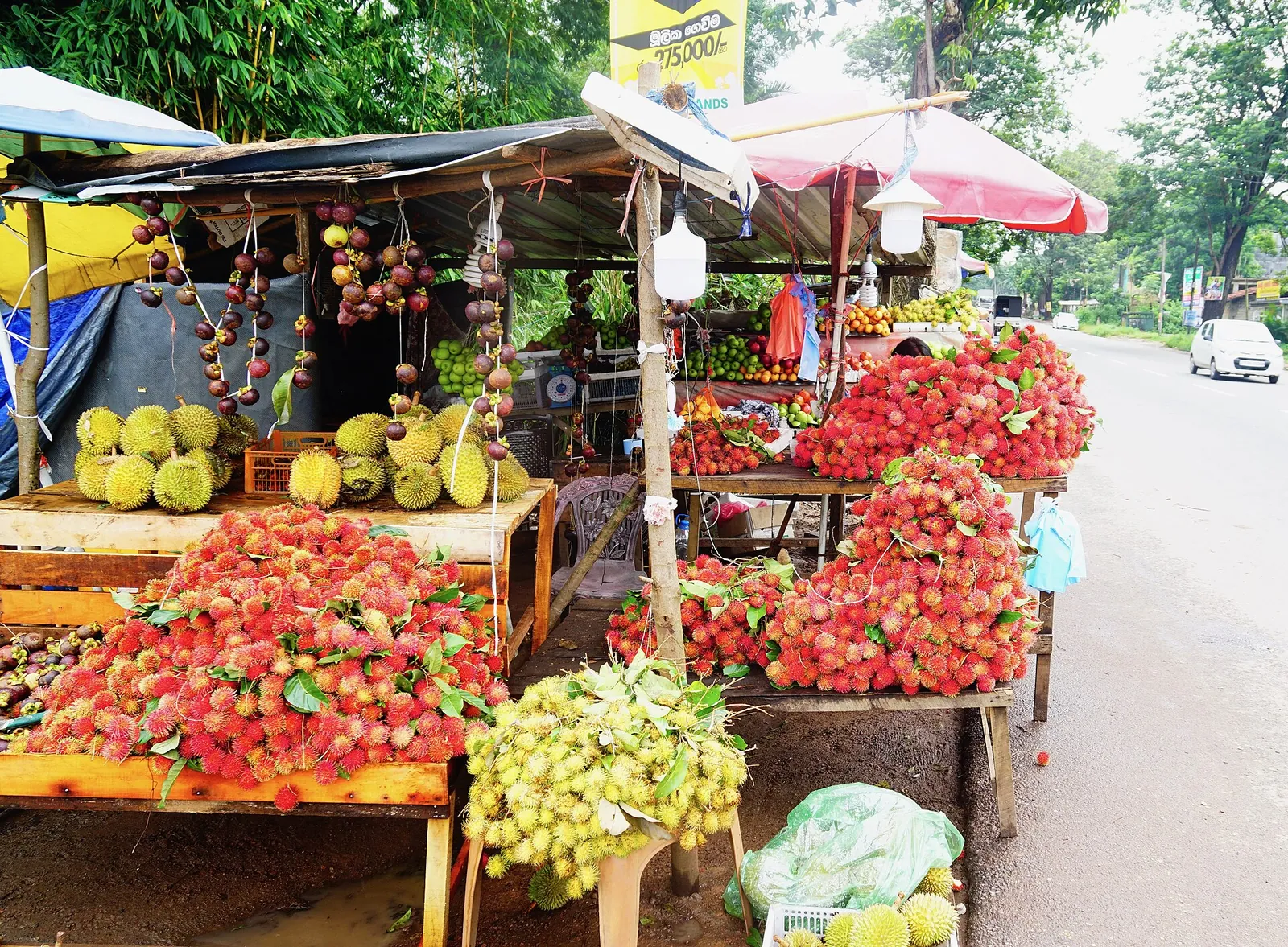
A roadside fruit stall, the kind of purchase paid in cash.
Photograph: Dileep Kaluaratchie — opens in a new tab · CC BY-SA 4.0 — opens in a new tab
Changes: Resized and converted to WebP; displayed with responsive crops. · Original photograph and licence details ↗ — opens in a new tab