Plan your trip · Sri Lanka
First trip to Sri Lanka: the ten-day loop and what to settle first
A first trip to Sri Lanka comes down to one decision: how much of the island to take in one loop. Nine nights, as in the ten-day itinerary, reach the ancient cities of the north-centre, the tea hills around Kandy and Ella and the fort town of Galle without spending the trip in a car. This guide gives that loop, what a day of rooms and tickets costs for two, the few things to settle before you fly, and the health and road advice that matters on a first visit.
- Suggested time
- 10 days, 9 nights: 1 in Colombo, 2 in the Sigiriya area, 2 in Kandy, 2 in Ella, 2 in Galle
- Where to stay
- Colombo for the first night, then the Sigiriya area, Kandy, Ella and Galle Fort
- Season and timing
- Hot and humid at the coast all year, cooler in the hills. The German Foreign Office puts the rainy season in the north-east from December to March and in the south-west from June to October, and warns that long heavy rain can fall anywhere in any month. Sri Lanka Tourism names November to April as the best time for sun and sea.
The short answer
Book nine nights: one in Colombo or near the airport, two in the Sigiriya area, two in Kandy, two in Ella and two in Galle, then take the coast train back to Colombo for the flight home on day 10. Book the flights first, then the hotels, then a reserved seat on a Kandy to Ella train as soon as the booking window opens for your date. Two key prices, checked on 17 October 2026: a full Sigiriya ticket costs USD 35 for a foreign visitor, and a reserved second-class seat from Kandy to Ella costs LKR 1,700 on the railway's 2022 seat-reservation table. Every foreign national needs an Electronic Travel Authorization (ETA) from eta.gov.lk before arrival, and your passport must be valid for at least six months from the day you arrive.
Ten days, one loop: ancient cities, tea hills and the south coast
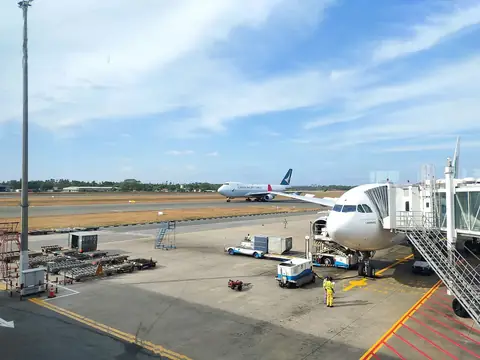
The loop runs in one direction and never doubles back. You land at Bandaranaike International Airport, which lies 35 km north of Colombo and 6 km from Negombo (Sri Lanka Tourism's travel-tips page; its airports page says 30 km), spend the first night in Colombo or near the airport, and move on to the Sigiriya area for two nights, Kandy for two, Ella for two and Galle for two. The coast train from Galle to Colombo Fort, 113.89 km, brings you back for the flight home.
Every move after the first night takes a day of its own, so keep the travel days free of fixed plans. Sri Lanka Tourism gives the distance from Colombo to Sigiriya as 169 km and puts Dambulla, the closest city, about 25 km from Sigiriya. Sigiriya to Kandy and Ella to Galle are car days. No official page publishes the road distance or time from Sigiriya to Kandy or from Ella to Galle; ask your driver for both when you book. Kandy to Ella is the hill-line train, 162.63 km, and the railway prints no Kandy departure or Ella arrival for its through trains, so give the whole day to it. Galle to Colombo Fort is the coast train: the railway's January 2024 leaflet lists two reserved-seat trains toward Colombo, leaving Matara at 06.05 AM and Beliatta at 05.25 AM, and the four coast trains take 3 hours 12 minutes to 4 hours 22 minutes between Maradana and Matara or Beliatta, so Galle to Colombo is shorter. From Ella a bus runs south through the Ella Gap to Wellawaya, where you change for the south.
No official page lists the airport's taxi counters, bus services or fares, so book a car with a driver in advance for the first night. The transport guide has the leg-by-leg plan and the booking steps.
What to see on the loop
Sigiriya. Sigiriya is a rock fortress about 200 m high, the plug of an extinct volcano, set among the remains of gardens and reservoirs; the climb passes the frescoes, the Mirror Wall, the Lion's Paws Terrace and the royal palace, with panoramic views from the summit. Start as early as possible, take a hat, and carry water in, because drinks are sold only at the tourist exit. On the Central Cultural Fund's table, updated 14 October 2026 and read on 17 October 2026, a full ticket costs USD 35 and a half ticket USD 20 for ages 6 to 12, payable in rupees at the day's rate. The counters open from 7:00 AM to 5:00 PM and the site from 6:30 AM to 5:30 PM, so reach the gate before 5:00 PM. The Central Cultural Fund's tickets page says the Sigiriya Museum is included with the Sigiriya ticket, while its price table lists the museum at USD 6.
Dambulla. The cave temple has five caves at the base of a rock about 150 m high, with painted ceilings and more than 150 Buddha statues and murals. It is open from 07:00 to 17:00. Sri Lanka Tourism lists the cave-temple ticket at USD 10, and foreign visitors buy it at the office near the golden temple.
Kandy. Kandy, the island's last royal capital, is built around the Temple of the Tooth Relic, the most sacred Buddhist shrine in Sri Lanka; the temple stands in the former palace grounds beside Kandy Lake, and the octagonal Patthirippuwa pavilion was added by the last Kandyan king. The temple is open daily from 5.30 a.m. to 8.00 p.m., with an early morning service from 5.30 a.m. to 7.00 a.m., a middle morning service from 9.30 a.m. to 11.00 a.m. and an evening service from 6.30 p.m. to 8.00 p.m. As of 17 October 2026, a foreign visitor pays LKR 3,000, or LKR 2,500 from SAARC countries, Thailand and Myanmar, and the ticket also covers the Dalada Museum, the World Buddhist Museum, the Tusker Museum and the Royal Elephant Stable; machines at the temple issue the tickets. The Royal Botanic Gardens at Peradeniya, open daily from 7.30 AM to 6.00 PM with tickets sold until 5.00 PM, cover 147 acres with more than 4,000 species of plants and are renowned for their orchids; a foreign adult pays LKR 3,540.
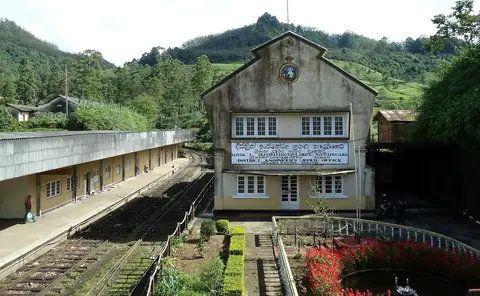
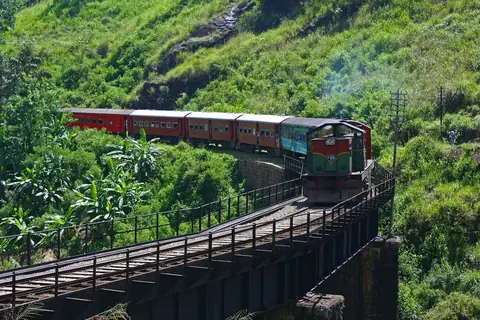
Ella. The hill-line train is the reason to come, and the walks are short. The Nine Arch Bridge, between Demodara and Ella, is a 10 to 15 minute walk from Ella station through the countryside, best in the early morning or late afternoon, and the line is a working railway, so stand clear of the track. Little Adam's Peak, 2.5 km from the town, is a very popular viewpoint with a 360-degree view; go early. Ella Rock is the harder walk, a moderate hike through forest and tea estates; start early, with sturdy shoes and water.
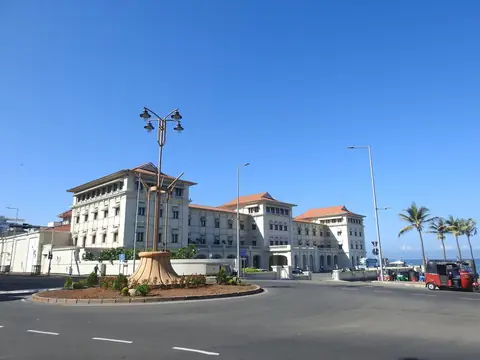
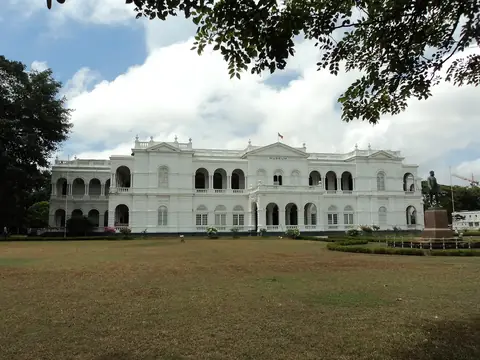
Galle Fort. The ramparts run for approximately 3 kilometres around the promontory with fourteen bastions, and locals and visitors gather at Flag Rock to watch the sun go down. The lighthouse dates from 1939. Two museums occupy Dutch buildings: the Galle National Museum, in the oldest Dutch building in the Fort (1656), and the Maritime Museum in the old Dutch warehouse of 1671. The Department of National Museums lists the National Museum as open Tuesday to Sunday except public holidays, 09:00 to 16:45 (check the days before a Sunday or Monday visit), and both museums at USD 5 for a foreign adult, while the Central Cultural Fund's table lists its Galle museum at USD 6. No official page lists a charge for walking into the Fort.
Whales at Mirissa. Mirissa, along the same coast, is the harbour for whale and dolphin trips, and Sri Lanka Tourism calls November to April its winter season, with fine weather and calm seas. Plan a night in Mirissa if you want a trip. The south coast guide has the boats and their season.
If you add more. Yala and Udawalawe each need a day of their own. Permits are booked on the Department of Wildlife Conservation's Day Visitor ePermit. The Department sets the fees in Gazette 2292/11, applying from 2 September 2022; that link was dead when we checked on 17 October 2026, and the ePermit shows no amount until you choose a park and date; the charge depends on the park, the group and the vehicle. The permit terms make a printout of the permit mandatory. Polonnaruwa and Anuradhapura each cost USD 30 for a full foreign ticket, and the nine nights have no room for them. On Poya (full-moon) days alcohol is not sold, the sale of meat and fish is prohibited and some shops and businesses close.
What a day costs for two: rooms and tickets
Prices checked on 17 October 2026, for two adults sharing a room. A day with no ticket costs about what the room does: USD 50 to 55 a night in Colombo, the Sigiriya area and Ella, and LKR 14,500 in Kandy, about USD 43 at the Central Cultural Fund's rate of LKR 336 per USD (its table of 14 October 2026). These are the rates listed on the hotels' own pages, most of them "from" rates.
A sightseeing day costs more. The Sigiriya climb adds USD 70 for two tickets, which makes about USD 120 with the room, and the Temple of the Tooth and the Peradeniya gardens add LKR 13,080 for two, which makes about USD 82 with a Kandy room. For rooms and main tickets that is about USD 43 to USD 120 a day for two.
No official page publishes meal prices or a rate for a car with a driver, so this range leaves out meals and the driver. The two train seats are priced in the train section below, and the airport car and the Dambulla ticket come on top. The ten-day itinerary has the line-by-line budget, and the where-to-stay guide has the rooms for every base, Galle included.
Before you fly: the ETA, money and plugs
Entry. Every foreign national needs an Electronic Travel Authorization (ETA) before arriving; apply on the official site, eta.gov.lk. Since 25 May 2026 it is free for 30 days for passport holders of 40 countries, among them Australia, Canada, France, Germany, Japan, the United Kingdom and the United States, for Singapore and Seychelles nationals (30 days) and Maldives nationals (90 days), and for children under 12 of any nationality; most other nationalities pay USD 50 online or USD 60 on arrival (USD 20 or USD 25 for South Asian SAARC countries), as listed on the site on 16 October 2026. At the port of entry you must show a passport valid for not less than six months from the date of arrival, and a confirmed return ticket. A stay beyond the 30 days has to be extended through the Department of Immigration and Emigration. The entry guide has the fee table, the extension rules and the airport.
Money. The currency is the Sri Lankan rupee (LKR). The UK Foreign Office (checked 17 October 2026) says there are ATMs in major towns and cities but not all accept international cards, and the German Foreign Office (checked 17 October 2026) says foreign debit cards cannot be used in Sri Lanka, so bring a credit card and cash. Most hotels, restaurants and shops accept cards, and a card surcharge is illegal; still carry plenty of LKR 50, LKR 100 and LKR 500 notes, because change is hard to find away from hotels and big shops. Under a Central Bank rule of January 2022, hotels licensed by the tourism authority accept payment from guests who live abroad only in foreign exchange, or in rupees if you show original documents proving that the rupees are foreign currency converted through a licensed bank or money changer. Sri Lanka Customs lets a passenger bring in or take out Sri Lankan rupees up to LKR 20,000, while the German Foreign Office (checked 17 October 2026) says tourists may not import or export rupees at all, so carry little rupee cash across the border. Customs requires a declaration for foreign currency you bring in above USD 15,000 or the equivalent and for more than USD 10,000 you take out, and answers questions on 1915.
Plugs, SIM and tipping. Sri Lanka Tourism gives the supply as 230 to 240 volts AC at 50 cycles and advises bringing a stabilizer for a laptop. No official page names the plug type or says where tourists can buy a SIM or eSIM at the airport, so ask your hotel; the telecom regulator requires an ID such as a passport to register a SIM. Sri Lanka Tourism says Colombo taxi drivers expect a 10% tip; in a restaurant, look at the bill for a service charge before adding a tip.
Trains, drivers and the two monsoons
Trains. Plan on trains for the hills and the coast and a car with a driver for the long road days. Reserved seats on Sri Lanka Railways are booked on the railway's own seat-reservation site, which needs an account and every passenger's passport number; seats are allocated for you, reservations open 30 days before the date of travel and close 2 hours before departure, and the German Foreign Office (page of 17 October 2026) tells visitors to book trains only on the state railway's official site. Online tickets carry a 5% fee on the total.
The hill line and the coast. On the railway's 2022 seat-reservation table, a reserved seat from Kandy to Ella costs LKR 2,500 in first class and LKR 1,700 in second class. The railway's January 2024 leaflet shows reserved second class on the Podi Manike, the Udarata Manike and the Ella Odyssey, and none on the Tikiri Manike, which ends at Nanu Oya, or on Intercity 1007. The railway says train services from Badulla to Nanu Oya have resumed after repairs to the section that Cyclone Ditwah damaged. The railway's notice for 20 June 2026 (a Sinhala and Tamil scan) schedules trains between Nanu Oya and Badulla and lists no Colombo or Kandy trains, so check the booking site's train list for your date. If no through train suits, Kandy to Nanu Oya and Nanu Oya to Ella are LKR 1,200 each in second class, LKR 2,400 for the two seats together, or LKR 700 more than the through seat. The railway's January 2024 leaflet shows reserved seats only in air-conditioned first class on the coast trains; the booking site lists first, second and third class. The 2022 seat table prices a reserved seat from Colombo Fort to Galle at LKR 1,100 in air-conditioned first class, LKR 900 in second class and LKR 600 in third class; the ordinary second-class fare is LKR 500.
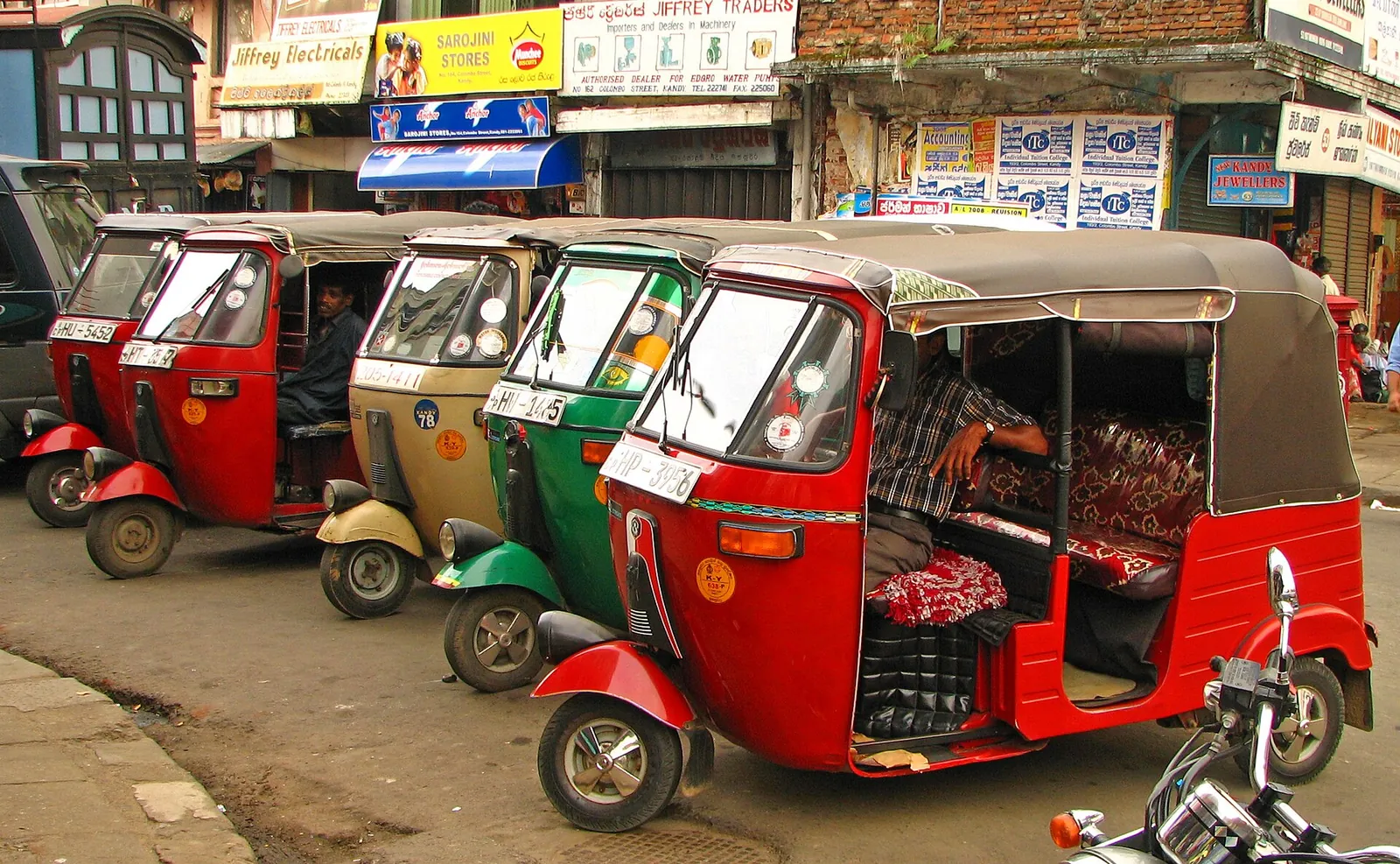
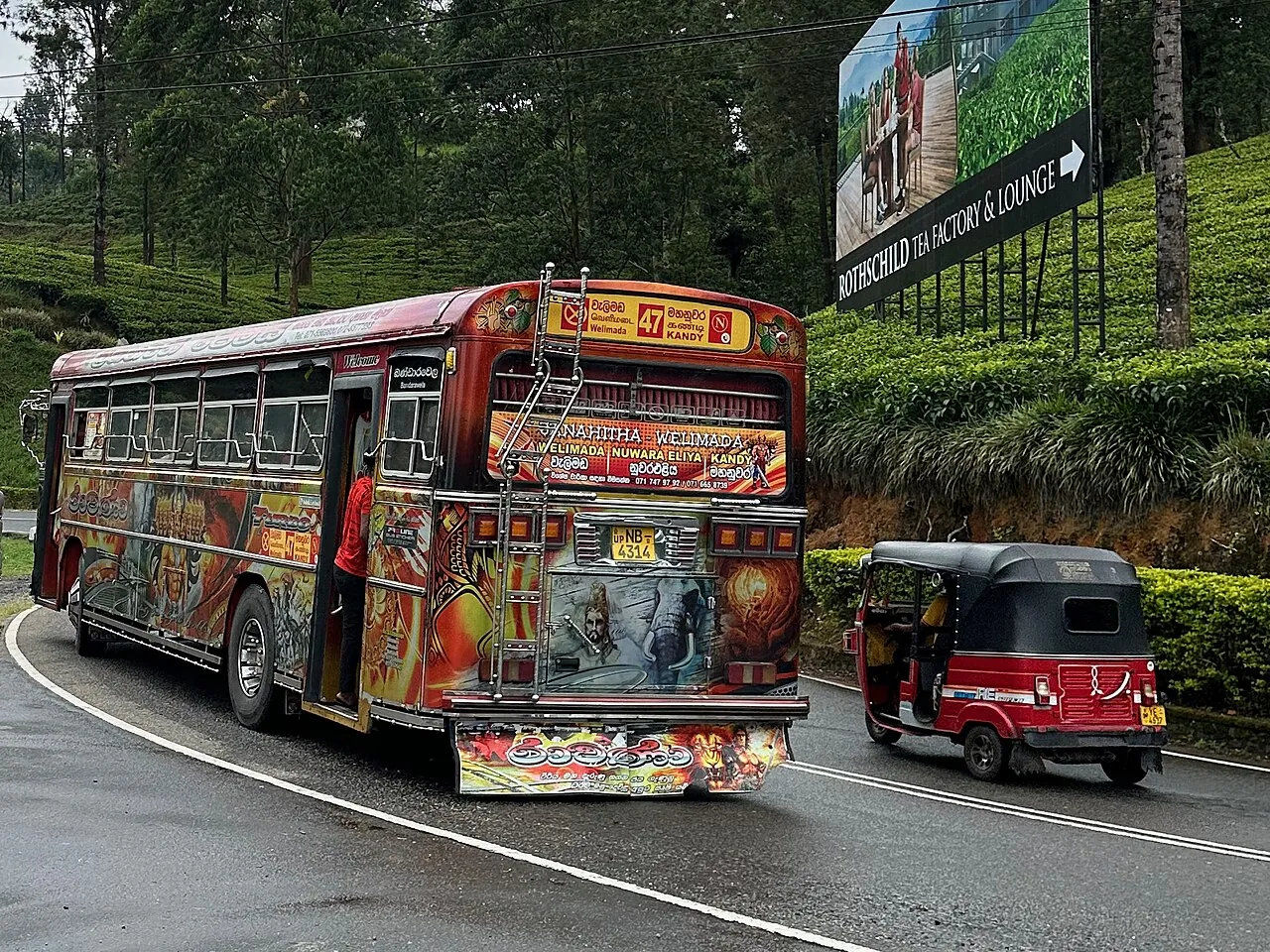
Taxis and drivers. Colombo taxis are metered, but Sri Lanka Tourism advises agreeing a rate before you set off, and most tuk-tuks are not metered, so agree the fare beforehand. Authorized tourist drivers are listed on the national tourism site, each with a registration number and an expiry date that you can search by name or number.
The two monsoons. Sri Lanka has two monsoons. The German Foreign Office puts the rainy season in the south-west from June to October and in the north-east from December to March, and adds that the neat calendar is blurring: long heavy rain with floods can fall in any region in any month. The UK Foreign Office, on its page updated 21 September 2026 and read on 17 October 2026, warns that heavy rainfall during the inter-monsoon season has increased the risk of flooding and landslides across Sri Lanka and that transport and other services may be disrupted; its safety page adds that heavy rain and landslips can close roads. November to April is the best time for sun and sea and January to April is cool and relatively dry in the central highlands. The best-time guide has the month-by-month detail.
Staying well: dengue, water, the sea, roads and temples
Advisories. The advisory lines below come from the pages we read on 17 October 2026. France Diplomatie, on its page updated 27 September 2026, puts the whole of Sri Lanka in a "zone de vigilance renforcée" (heightened vigilance). The UK Foreign Office and the German Foreign Office publish their own advice, quoted below; read your own government's page before you book.
Dengue and mosquitoes. WHO's Sri Lanka office reported more than 90,000 dengue cases and over 65 dengue-related deaths by early August 2026. The dengue mosquito bites by day, so use repellent and cover your arms and legs from morning on; at night sleep under a net or in a screened room, since chikungunya and Japanese encephalitis are also carried by mosquitoes. France Diplomatie adds loose long clothing and says that flu-like symptoms (fever, muscle and joint pain) should be tested at a local hospital. The German Foreign Office advises a travel-medicine consultation before you go and recommends hepatitis A vaccination.
Water and food. Do not drink tap water, including for brushing your teeth. Buy bottled water that carries an SLS certification and whose seal is broken in front of you, and avoid ice you cannot trace and salads washed in unpurified water. The German Foreign Office advises against eating sea fish and seafood (ciguatera).
Sun and heat. The island lies about 600 km from the equator: use sunscreen with a protection factor of at least 15 and drink plenty of bottled water at the beach, or a king coconut (thambili) from a roadside seller. Medicines can be short, so the German Foreign Office tells visitors who depend on a medicine to bring a supply for the whole trip and some extra.
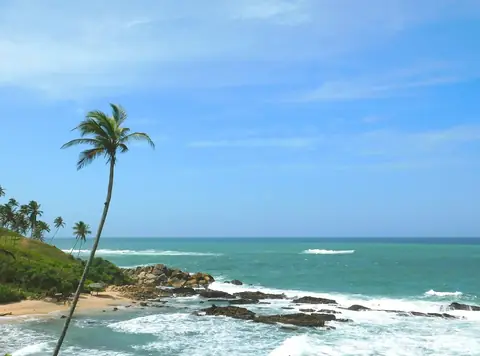
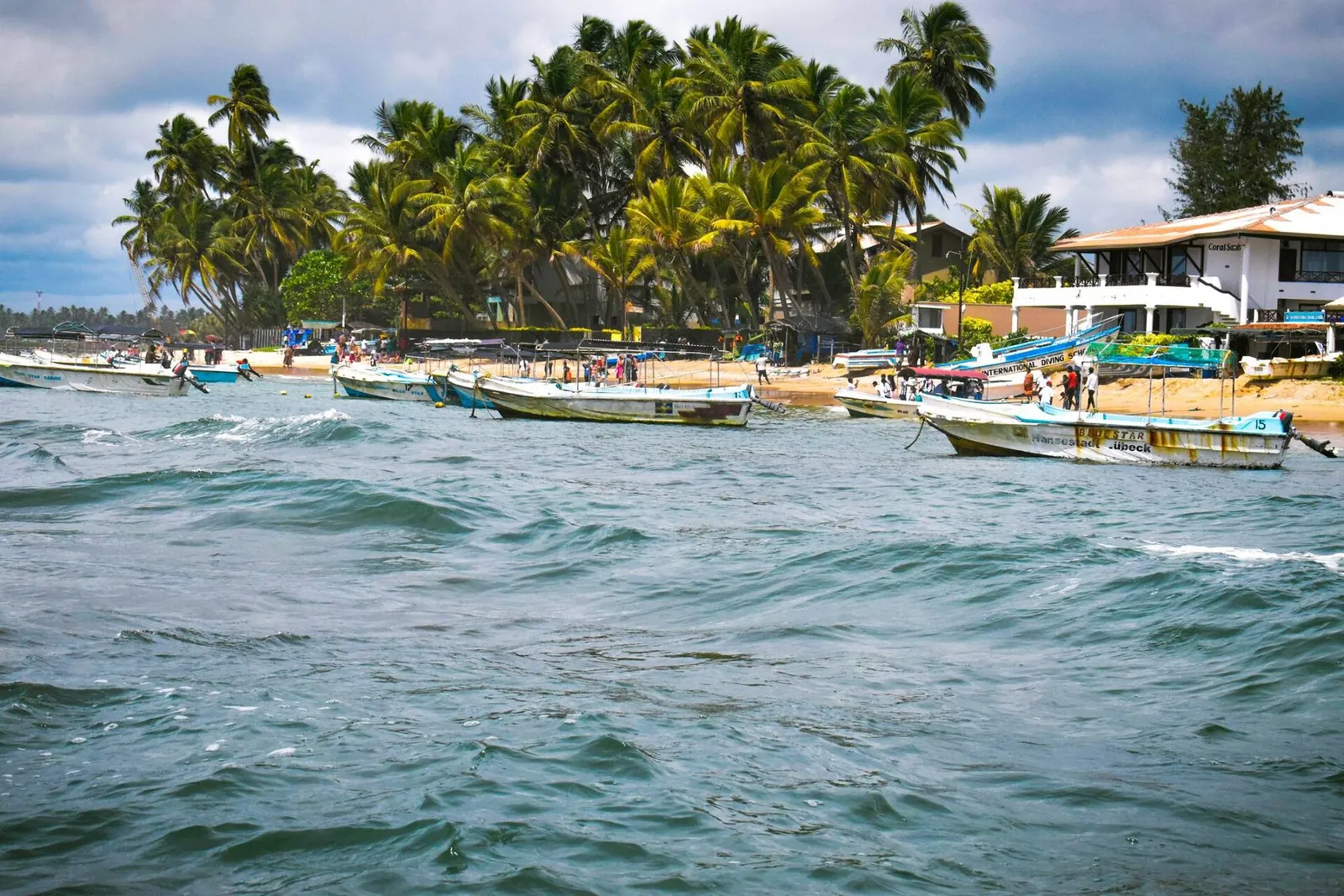
The sea. France Diplomatie asks for the greatest caution when swimming anywhere on the Sri Lankan coast, because of the waves and the currents, and strongly discourages sea swimming on the west coast from April to November. It adds that several tourists drown every year on the tourist beaches of the west and the south, notably at Hikkaduwa, Mirissa and Tangalle, particularly in the monsoon months, and asks for the greatest vigilance, even from confident swimmers. It advises staying in a group and preferring beaches with lifeguards. The UK Foreign Office says to get advice from your hotel or tour operator before going in the sea. France Diplomatie also reports rare crocodile attacks at lagoon edges and river mouths, and says some beaches can be closed for a while when jellyfish multiply.
Roads. France Diplomatie calls Sri Lanka's roads risky: narrow and crowded, with drivers who react unpredictably and pedestrians and animals in the road, and most accidents involve two-wheelers and tuk-tuks. It prefers a car with a driver, insured, whose driver is authorised to carry tourists, and no driving at night. On trains, stay inside the carriage while it moves: the UK Foreign Office reports fatal accidents among visitors who hung out of open doors.
Scams and theft. Refuse unsolicited offers from tuk-tuk drivers, touts outside hotels, beach boys and people who say they are guides, as France Diplomatie advises. The UK Foreign Office and France Diplomatie both report thieves on motorbikes snatching bags: the UK Foreign Office advises carrying bags on the side away from the road and using ATMs inside banks or hotels where you can, and France Diplomatie advises keeping your passport and money apart and leaving a copy of the passport at the hotel.
Women travelling alone. The German Foreign Office says foreigners are generally left alone, but that women travelling alone or in small groups have been victims of violent and sexual assault, also in tourist centres, that crimes including drugged drinks are possible above all in very cheap accommodation, and that break-ins happen in hotels and guesthouses. Avoid quiet streets and beaches after dark and keep a hand on your drink. The Ministry of Women and Child Affairs runs the 1938 women's helpline.
Dress and manners. The UK Foreign Office says to cover your legs and shoulders and to take off shoes and hats in a Buddhist temple, and the Temple of the Tooth does not admit shorts, sleeveless tops or body-revealing clothes and lends clothing at its entrances. The German Foreign Office says posing for a photograph with your back to a Buddha statue is forbidden, and the UK Foreign Office says not to pose for photographs in front of one. Do not wear clothes or tattoos with Buddhist images: the UK Foreign Office says visible Buddha tattoos can mean refusal of entry or deportation, and the German Foreign Office says disrespect can bring several days in custody.
Photography. The German Foreign Office says photographing the Sigiriya frescoes is forbidden, that breaking the ban can mean heavy fines and the seizure of your camera, that photographing military sites is also forbidden, and that you should ask before photographing people.
Drones. The Civil Aviation Authority of Sri Lanka grants drone permission through its online portal, and the Ministry of Defence says no drone may be operated within archaeological sites or wildlife sanctuaries without prior approval; the UK Foreign Office adds that you should not fly near military bases or government buildings. Leave the drone at home unless you have the approval in hand.
Emergency numbers. The tourist hotline, 1912, answers from any phone network and can connect you to the Tourism Police Division. The police are on 119 and an ambulance on 1990.
Practical questions
How many days do I need for a first trip to Sri Lanka?
Ten days, nine nights, is enough for one loop through the Sigiriya area, Kandy, Ella and Galle, with a night in Colombo at the start and the coast train back to Colombo for the flight home. A shorter stay means dropping one of the four bases.
What does a day cost for two people on the ten-day loop?
When we checked on 17 October 2026, a room for two cost about USD 43 to USD 55 a night, and a day with the Sigiriya climb or the Kandy temple and gardens came to about USD 82 to USD 120 with the room and the main tickets. The range leaves out meals and the car with a driver; the train seats, the airport car and the Dambulla ticket come on top.
Do I need a visa for Sri Lanka?
Every foreign national needs an Electronic Travel Authorization (ETA) before arriving, applied for on eta.gov.lk. It is free for 30 days for passport holders of 40 listed countries; most other nationalities pay the fee listed there, and the entry guide has the list and the fees.
Can you drink the tap water in Sri Lanka?
No. Drink bottled water with an SLS certification and a seal that is broken in front of you, avoid ice you cannot trace, and use bottled water for brushing teeth.
Can you swim in the sea in Sri Lanka?
Treat every beach with caution in every month. The staying-well section gives what France Diplomatie says about the coast, the months and the named beaches, and what the UK Foreign Office says about asking your hotel or tour operator.
What should women travelling alone know about Sri Lanka?
The German Foreign Office warns women travelling alone or in small groups; the staying-well section gives what it says, and the Ministry of Women and Child Affairs runs the 1938 women's helpline.
What number do I call in an emergency?
Call 119 for the police and 1990 for an ambulance. The tourist hotline, 1912, answers from any phone network and can connect you to the Tourism Police Division.
Sources and checks before you travel
Reference sources for the version dated 18 October 2026. Confirm opening times, access, transport and conditions for your travel dates.
- UK Foreign Office (GOV.UK): Sri Lanka travel advice, Safety and security ↗ — opens in a new tab
- German Foreign Office (Auswärtiges Amt): Sri Lanka, Reise- und Sicherheitshinweise ↗ — opens in a new tab
- France Diplomatie: Sri Lanka, Sécurité ↗ — opens in a new tab
- France Diplomatie: Sri Lanka, Dernières minutes et alertes ↗ — opens in a new tab
- WHO Sri Lanka: National Dengue Review 2026 ↗ — opens in a new tab
- Ministry of Women and Child Affairs: contact ↗ — opens in a new tab
- Sri Lanka Tourism: Travel Tips ↗ — opens in a new tab
- Sri Lanka Tourism: Getting Around ↗ — opens in a new tab
- Sri Lanka Tourism Development Authority: Dial 1912 ↗ — opens in a new tab
- Sri Lanka Tourism: Situation Update ↗ — opens in a new tab
- Department of Immigration and Emigration: ETA site, Fees ↗ — opens in a new tab
- Department of Immigration and Emigration: ETA site ↗ — opens in a new tab
- Department of Immigration and Emigration: ETA site, How to submit an ETA application ↗ — opens in a new tab
- Department of Immigration and Emigration: Visit Visa Extension ↗ — opens in a new tab
- Central Bank of Sri Lanka: hotels to accept foreign exchange ↗ — opens in a new tab
- Sri Lanka Customs: Passenger Services Directorate ↗ — opens in a new tab
- Sri Lanka Customs: Passenger Services Directorate (Katunayake) ↗ — opens in a new tab
- Sri Lanka Customs: Travellers ↗ — opens in a new tab
- Telecommunications Regulatory Commission: SIM regulations gazette ↗ — opens in a new tab
- Central Cultural Fund: ticket prices ↗ — opens in a new tab
- Central Cultural Fund: Tickets ↗ — opens in a new tab
- Central Cultural Fund: e-ticket terms ↗ — opens in a new tab
- Department of Archaeology: Sigiriya ↗ — opens in a new tab
- Sri Lanka Tourism: Sigiriya ↗ — opens in a new tab
- Sri Lanka Tourism: Dambulla Cave Temple ↗ — opens in a new tab
- Central Cultural Fund: Temple of the Tooth ↗ — opens in a new tab
- Sri Dalada Maligawa: FAQ ↗ — opens in a new tab
- Sri Dalada Maligawa: Daily Service ↗ — opens in a new tab
- Department of National Botanic Gardens: Royal Botanic Gardens, Peradeniya ↗ — opens in a new tab
- Sri Lanka Railways: seat reservation FAQ ↗ — opens in a new tab
- Sri Lanka Railways: seat reservation information (PDF) ↗ — opens in a new tab
- Sri Lanka Railways: passenger ticket rates, Colombo Fort ↗ — opens in a new tab
- Sri Lanka Railways: passenger ticket rates, Kandy ↗ — opens in a new tab
- Sri Lanka Railways: revision of charges for seat reservation, 1 August 2022 ↗ — opens in a new tab
- Sri Lanka Railways: home page ↗ — opens in a new tab
- Sri Lanka Tourism: Authorized Tourist Drivers ↗ — opens in a new tab
- Sri Lanka Tourism: Ella ↗ — opens in a new tab
- Uva Provincial Council, Ministry of Tourism: Ella Mini Adam's Peak ↗ — opens in a new tab
- Uva Provincial Council, Ministry of Tourism: Nine Arches Bridge article ↗ — opens in a new tab
- Uva Provincial Council, Ministry of Tourism: hike to Ella Rock ↗ — opens in a new tab
- Central Cultural Fund: Galle Fort, a living monument of colonial heritage ↗ — opens in a new tab
- Sri Lanka Tourism: National Museum ↗ — opens in a new tab
- Department of National Museums: Ticket Pricing ↗ — opens in a new tab
- Department of National Museums: Galle National Museum ↗ — opens in a new tab
- Sri Lanka Tourism: Mirissa ↗ — opens in a new tab
- Ministry of Defence: drone clearance ↗ — opens in a new tab
- Sri Lanka Tourism: Sri Lankan Public Holidays ↗ — opens in a new tab
- UK Foreign Office (GOV.UK): Sri Lanka travel advice, Entry requirements ↗ — opens in a new tab
- Sri Lanka Tourism: Airports ↗ — opens in a new tab
- Sri Lanka Railways: notice of Nanu Oya to Badulla trains (Sinhala and Tamil scan) ↗ — opens in a new tab
- Department of Wildlife Conservation: Wildlife Park Permits Reservation eService ↗ — opens in a new tab
- Department of Wildlife Conservation: ePermit terms and instructions ↗ — opens in a new tab
- Department of Wildlife Conservation: Wildlife Park Permits Reservation ↗ — opens in a new tab
- UK Foreign Office (GOV.UK): Sri Lanka travel advice ↗ — opens in a new tab
Photo credits
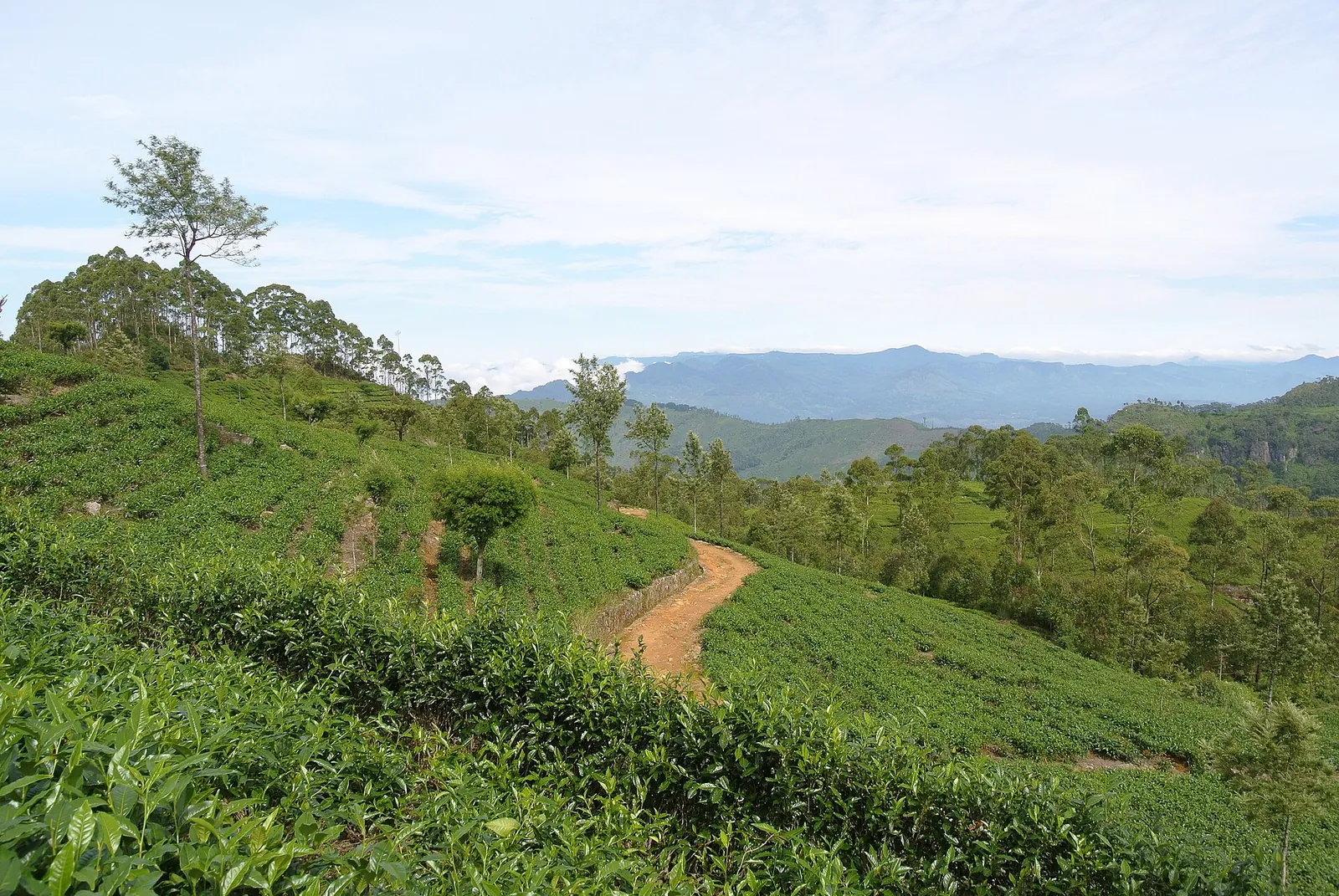
Tea slopes of the Dambatenne estate near Haputale in the hill country
Photograph: Adbar — opens in a new tab · CC BY-SA 3.0 — opens in a new tab
Changes: Resized and converted to WebP; displayed with responsive crops. · Original photograph and licence details ↗ — opens in a new tab
Tuk-tuks waiting for fares in Kandy
Photograph: McKay Savage from London, UK — opens in a new tab · CC BY 2.0 — opens in a new tab
Changes: Resized and converted to WebP; displayed with responsive crops. · Original photograph and licence details ↗ — opens in a new tab
A public bus and a tuk-tuk on a hill road
Photograph: Josep Renalias Lohen11 — opens in a new tab · CC BY 4.0 — opens in a new tab
Changes: Resized and converted to WebP; displayed with responsive crops. · Original photograph and licence details ↗ — opens in a new tab
Fishing boats and a choppy sea off the beach at Hikkaduwa
Photograph: Kaushiru90 — opens in a new tab · CC BY-SA 4.0 — opens in a new tab
Changes: Resized and converted to WebP; displayed with responsive crops. · Original photograph and licence details ↗ — opens in a new tab