Plan your trip
Is Sri Lanka safe? Dengue, the sea, roads and vaccines
Sri Lanka has no area that the UK, German or French governments tell visitors to avoid, and most trips end with nothing worse than sunburn or a stomach upset. The risks that do hurt visitors are well documented: dengue, which reached outbreak levels in 2026, strong currents on the tourist beaches, the roads, a dog bite, a spiked drink, and laws on drugs and Buddhist images that are stricter than many expect. This guide takes them in the order you meet them, from the clinic visit before you fly to the numbers to call, and says where official sources disagree.
In this guide
Find the location ↗ — opens in a new tabThe short answer
Sri Lanka is safe to visit with ordinary care: no government we cite advises against any part of it, though France keeps the whole country under heightened vigilance and minefields remain in parts of the north and east. See a travel clinic at least 8 weeks before the trip; there is no malaria, but dengue is present all year and 2026 brought one of the largest outbreaks in recent years. Do not drink tap water. Respect the seasonal swimming warnings: France strongly discourages sea swimming on the west coast from April to November and on the east coast from December to March. Hire a car with a driver rather than driving yourself. Save 1990 (ambulance), 119 (police) and 1912 (tourist hotline).
- Key point
- Set up before you leave: a travel-clinic visit at least 8 weeks ahead, insurance with evacuation cover, medicines for the whole trip and saved emergency numbers
- Where it applies
- No base is needed; the advice applies to every route in our Sri Lanka guides
- Timing
- The south-west monsoon brings rain to the west and south mainly from June to October and the north-east monsoon to the north and east mainly from December to March; heavy rain, floods and landslides are possible in any month, and dengue is present all year
The advisories, and the areas these guides leave out
France Diplomatie, on its page updated 27 September 2026, puts the whole of Sri Lanka in a "zone de vigilance renforcée" (heightened vigilance). Neither the UK Foreign Office (FCDO) nor Germany's Auswärtiges Amt advises against travel to any part of the island. The FCDO says terrorist attacks cannot be ruled out and could be indiscriminate, in hotels, bars, beaches, tourist sites and places of worship; on Easter Sunday 2019 more than 250 people were killed in attacks on churches and hotels in Colombo, Negombo and Batticaloa. All three governments advise avoiding demonstrations, which the FCDO says can start at short notice and turn violent.
Parts of the north and east carry mines from the civil war. The FCDO asks visitors to take landmine warning signs seriously and, in the east, not to leave roads or cleared footpaths, and France lists the districts concerned: Mannar, Vavuniya, Mullaitivu, Kilinochchi, Jaffna, Trincomalee, Batticaloa and Ampara. AsiaVela's Sri Lanka guides stay in Colombo, the Cultural Triangle, Kandy and the hill country and the south and west coasts, and none goes to the Northern or Eastern Province. Other governments may draw their own lines; read your own government's advice before you book.
Monsoons, the sea and wildlife
Sri Lanka has two monsoons. The Auswärtiges Amt places the rainy season in the north-east from December to March and in the south-west from June to October, but adds that the line is increasingly blurred and long, heavy rain with flooding can come in any region at any time of year. On 21 September 2026 the FCDO added a warning that heavy rain in the inter-monsoon season had raised the risk of floods and landslides across the island, with possible disruption to transport. France recalls Cyclone Ditwah in late November 2025 and warns of sudden floods, rockfalls and landslides in the mountains even outside the monsoon.
Follow the Disaster Management Centre and the Department of Meteorology, as the FCDO advises, ask your hotel or driver before a hill-country journey after heavy rain, and see our best time to visit guide for the coast that is dry in your month. The island also lies in a seismically active region, the Auswärtiges Amt notes, so earthquakes and tsunamis are possible; know the evacuation route from a beach hotel.
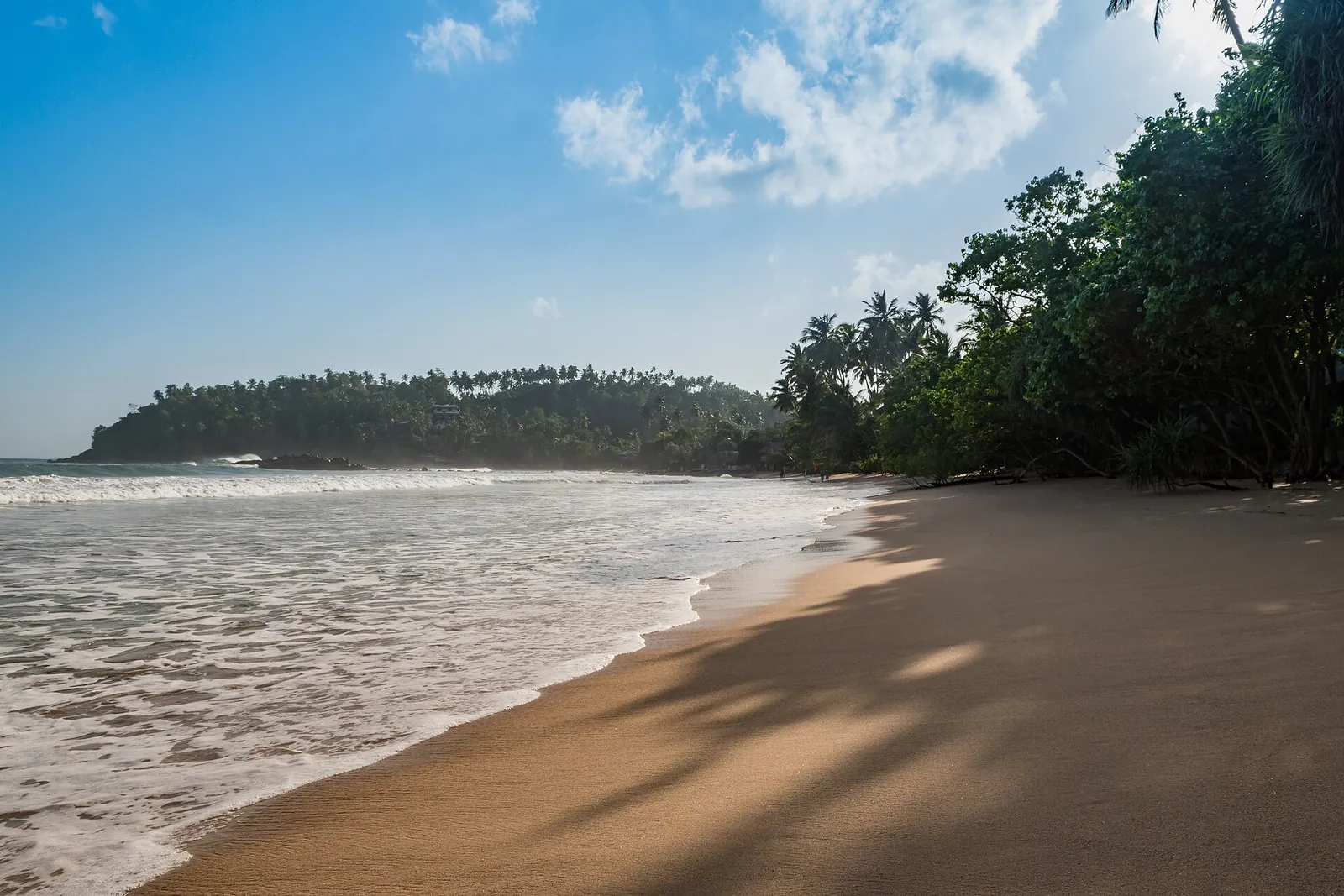
Drowning is the beach risk to take seriously. France Diplomatie asks for the greatest caution when swimming anywhere on the Sri Lankan coast, because of the waves and the currents, and strongly discourages sea swimming on the west coast from April to November and on the east coast from December to March. It adds that several tourists drown every year on the tourist beaches of the west and the south, notably at Hikkaduwa, Mirissa and Tangalle, particularly in the monsoon months, and advises staying in a group and preferring beaches with lifeguards. The FCDO says many beaches have dangerous surf or rip tides at certain times of the year and to get advice from your hotel or tour operator before going in. Our south coast beaches guide shows which bays are sheltered.
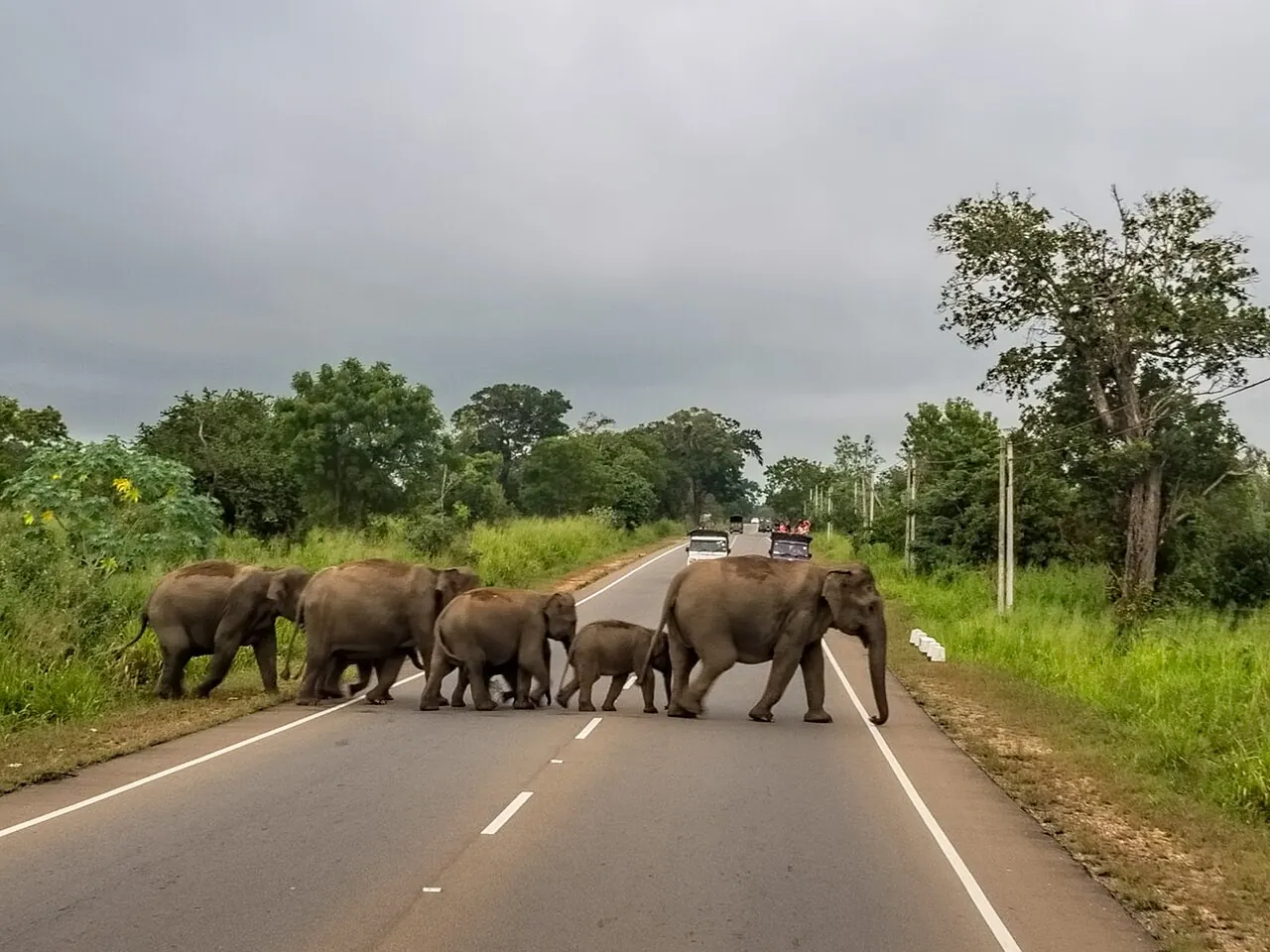
France also reports rare crocodile attacks at lagoon edges and river mouths, and says some beaches can be closed for a while when jellyfish multiply. Inland, the FCDO warns that wild elephants and crocodiles occasionally attack people and that venomous snakes and insects are found in many areas. France advises never feeding monkeys or elephants in parks and around archaeological sites, going into the wild with a guide, and warns of hornet attacks at Sigiriya; our Sigiriya and Dambulla guide covers the climb.
Roads, tuk-tuks and trains
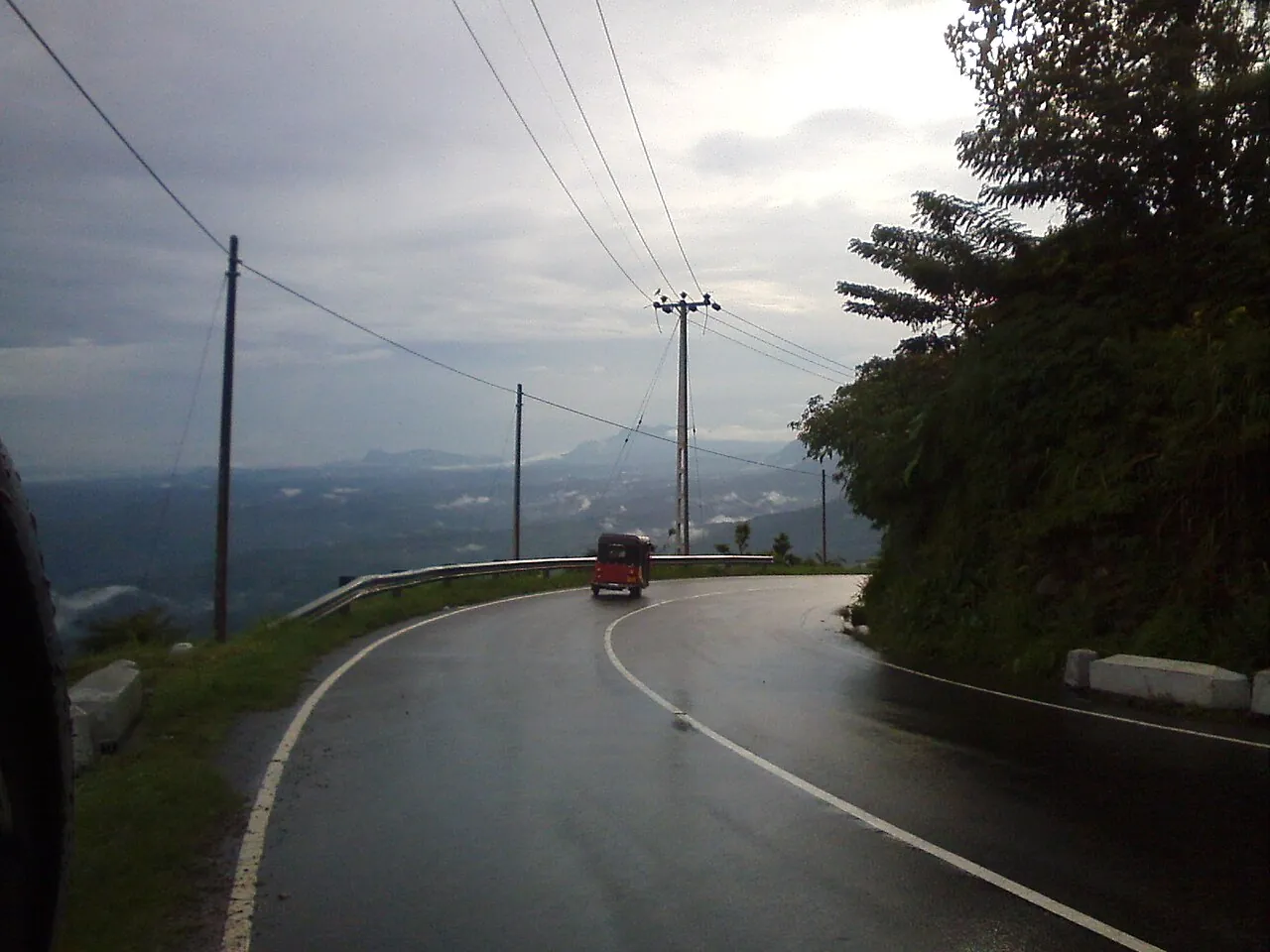
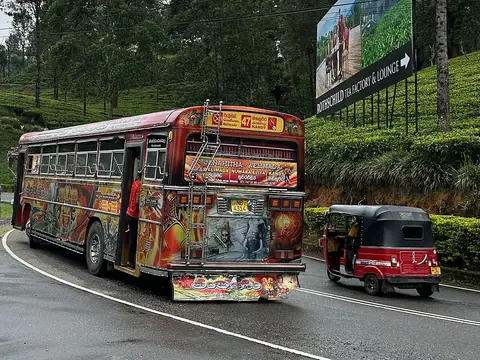
France Diplomatie calls Sri Lanka's roads risky: narrow and crowded, with drivers who react unpredictably and pedestrians and animals in the road, and most accidents involve two-wheelers and tuk-tuks. The FCDO adds that accidents are frequent, particularly at night, and that riding a motorbike can be especially dangerous. The Auswärtiges Amt advises against hiring any vehicle without a local driver, tuk-tuks above all: after an accident the driver held responsible is regularly kept at a police station for at least 24 hours, the passport is taken and an exit ban can last for months until the case closes. A car with a driver, or the train, is the safer way to tour.
If you still want to drive, the FCDO says you need a 1949 international driving permit and a Sri Lankan recognition permit, issued by the Automobile Association of Ceylon in Colombo, and France says a temporary local permit can also be obtained at Colombo's airport. Hire only from a company registered with the tourism authority, as the FCDO advises. Public buses are driven fast and are often poorly maintained, so a tourist coach or the train is better for long distances. On trains, stay inside the carriage while it moves: the FCDO reports fatal accidents among visitors who hung out of open doors. From 15 March 2026 the government rationed fuel by weekly quota, the Auswärtiges Amt says, and the rationing was still in force on 28 October 2026, with special arrangements for tour operators and hotels according to the FCDO; our Sri Lanka transport guide covers trains, drivers and ride-hailing apps.
Crime, scams and travelling as a woman
Violent crime against foreigners is rare, the FCDO says, but France reports that petty theft is rising in places that tourists visit, from beaches and seaside guesthouses to trains and buses. The FCDO and France Diplomatie both report thieves on motorbikes snatching bags: carry your bag on the side away from the road, keep your passport and money apart and leave a copy of the passport in the hotel safe. The FCDO calls bank card fraud common and advises using ATMs inside banks or hotels and keeping your card in sight. Refuse unsolicited offers from tuk-tuk drivers, touts outside hotels, beach boys and people who say they are guides, as France advises, and buy gems only from reputable jewellers or large hotels; the National Gem and Jewellery Authority in Colombo can test unmounted stones.
Watch your drink. The FCDO warns of 'date rape' drugs including GHB and notes that drinks are often stronger than in the UK because bars rarely use measures; the Auswärtiges Amt says crimes involving drugged drinks occur above all in very cheap accommodation, and that break-ins happen in hotels and guesthouses.
Women report verbal and physical harassment, from comments to sexual assault, mostly in crowded places such as markets, bus and railway stations, buses and tourist sites, the FCDO says, and it suggests carrying a personal alarm. France advises women not to walk alone in quiet places after dark, beaches included, and reports sexual touching during massages and body treatments. The Ministry of Women and Child Affairs runs the 1938 women's helpline; the Auswärtiges Amt says complaints of sexual assault can be made on 1938 at any hour, and to the tourist police stations along the south-west coast.
Drugs, temples and other laws
Drug laws are severe. The FCDO says to expect a long jail sentence and heavy fines for possessing, using or smuggling illegal drugs, cannabis included, even when transiting through the airport, where transit baggage is scanned; France says penalties can go as far as the death penalty. Carry your passport: the FCDO says it is the official form of identification, a copy is usually accepted, but you may have to produce the original at a police station.
Respect for Buddhism is enforced. The FCDO says to cover your legs and shoulders and to take off shoes and hats in a Buddhist temple, and that disrespecting Buddhist images is a serious offence that can lead to arrest. The Auswärtiges Amt says posing for a photograph with your back to a Buddha statue is forbidden, and the FCDO says not to pose for photographs in front of one. The FCDO says visible Buddha tattoos can mean refusal of entry or deportation; our entry guide covers the other rules at the border. Photographing the Sigiriya frescoes and military sites is also forbidden, according to the Auswärtiges Amt.
France says smoking is banned in public places, the street, restaurants and bars included, and can lead to arrest, and that alcohol may not be sold on full-moon Poya days, even in international hotels. The FCDO adds that nude or topless sunbathing is not allowed. Same-sex sexual activity is illegal for men and women, although the FCDO knows of no prosecutions and the Auswärtiges Amt says cases between adults almost never reach court.
Dengue, vaccines and the clinic visit
Book a travel clinic at least 8 weeks before the trip, as the FCDO advises. TravelHealthPro, the UK's travel-health service, recommends tetanus for most travellers and lists hepatitis A, hepatitis B, typhoid, rabies, Japanese encephalitis, cholera, dengue and chikungunya vaccines for some; the US CDC recommends hepatitis A and typhoid for most travellers and hepatitis B for unvaccinated travellers under 60, and the Auswärtiges Amt recommends hepatitis A. Under the International Health Regulations, a yellow fever certificate is required from travellers over 9 months of age arriving from a country with yellow fever risk, or after more than 12 hours' transit through an airport in one.
Dengue is the health risk to plan for, in every month. In 2026 Sri Lanka had one of its most significant outbreaks in recent years: WHO's Sri Lanka office counted more than 90,000 cases and over 65 deaths by early August, which put the year on track for the largest outbreak since the record epidemic of 2017. The dengue mosquito bites by day, so use repellent and cover your arms and legs from morning on; at night sleep under a net or in a screened room, since chikungunya and Japanese encephalitis are also carried by mosquitoes. A fever with muscle and joint pain means seeing a doctor straight away, as France advises. The Auswärtiges Amt notes that a dengue vaccine needs two doses three months apart.
Malaria is not a risk. TravelHealthPro sees no risk and advises bite avoidance only, and France notes that WHO has considered malaria eliminated in Sri Lanka since 2016, with occasional local outbreaks from imported cases. Japanese encephalitis is present, with the risk year-round and peaks around the monsoons according to TravelHealthPro; the Auswärtiges Amt describes a low risk in rural areas below 1,000 m, mainly in November and December.
Rabies needs planning. The FCDO says feral dogs are common and sometimes carry rabies, the Auswärtiges Amt adds monkeys, and the CDC says that rabies vaccines are typically not readily available after an exposure in Sri Lanka, which is a reason to discuss pre-exposure vaccination with your clinic. If an animal bites or scratches you, wash the wound with soap and water and see a doctor the same day, even if it looks minor, as France advises.
Water, food and medicines
Do not drink tap water, including for brushing your teeth. Buy bottled water that carries an SLS certification and whose seal is broken in front of you, as Sri Lanka Tourism advises, and avoid ice you cannot trace and salads washed in unpurified water. The Auswärtiges Amt advises against eating sea fish and seafood (ciguatera). Use sunscreen with a protection factor of at least 15: the island lies about 600 km from the equator.
Bring your medicines with you. The National Medicines Regulatory Authority (NMRA) lets a visitor carry medicine for personal use without prior approval up to the quantity needed for the stay or for 90 days, whichever is less; larger quantities need its approval. Injectable medicines (intramuscular or intravenous) and medicines in Schedule III are not permitted under that allowance. Keep each medicine in its original container, or labelled with its name, strength and instructions, and carry the prescription or medical records to show if asked. The Auswärtiges Amt warns that medicines can be in short supply, especially in rural areas and state institutions, and advises bringing more than the days you plan; France adds never to buy medicines sold in the street, because of counterfeits.
Emergency numbers, hospitals and paying for care
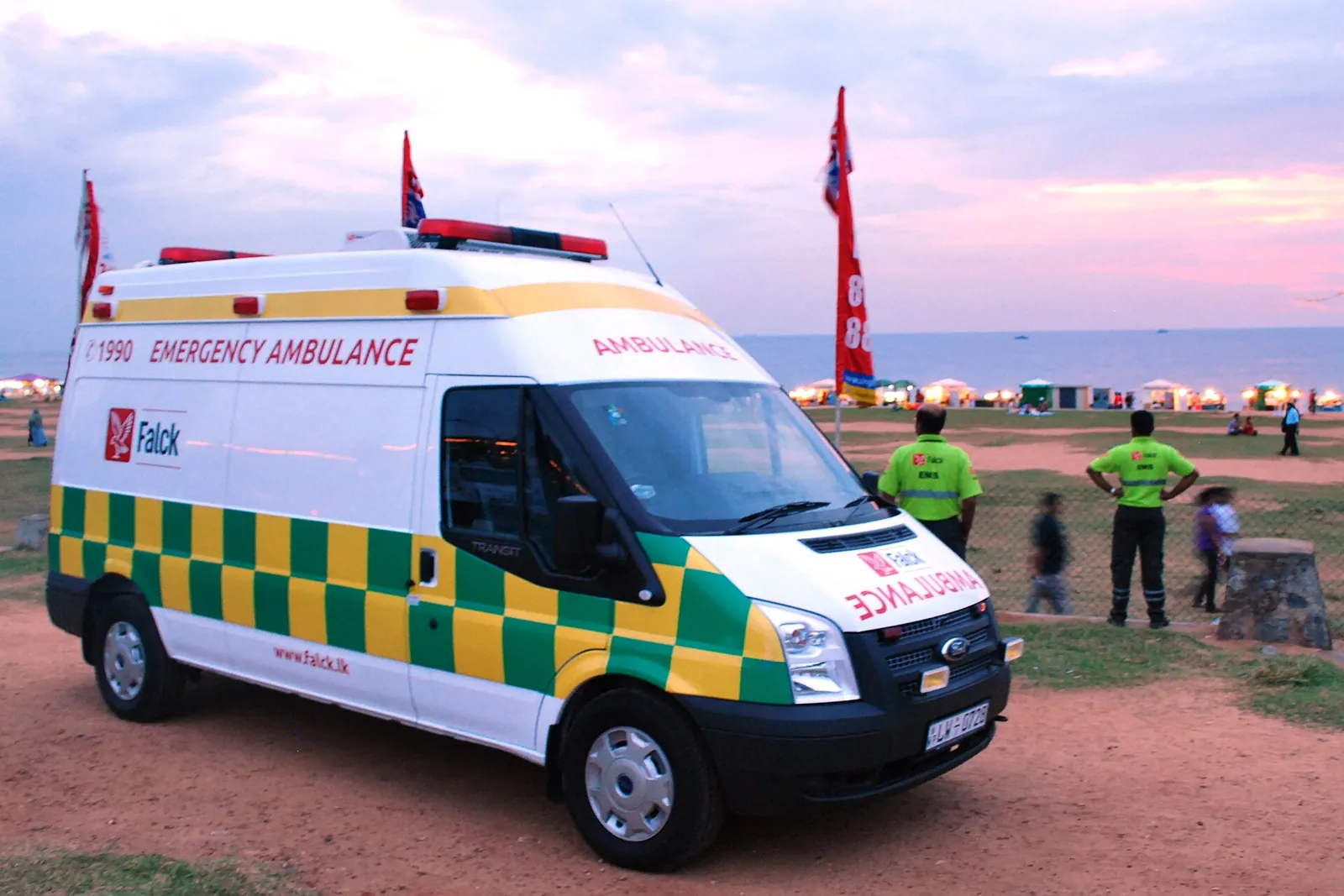
The tourist hotline, 1912, answers from any phone network and can connect you to the Tourism Police Division. The police are on 119 and an ambulance on 1990. 1990 Suwa Seriya, under the Ministry of Health, runs the island-wide ambulance service, free for Sri Lankans, from 297 ambulances based at police stations, and has an app that sends your location; the FCDO also lists the Accident Service at Colombo's National Hospital on 011 2691111, fire and rescue on 111, police on 118 or 119 and the Tourist Police in Colombo on 011 2421052. Sri Lanka Tourism lists 117 for the Disaster Management Centre.
Care is adequate to good in the large cities and tourist centres, and very good in some specialities in Colombo, the Auswärtiges Amt says, but the FCDO warns that emergency treatment outside the main cities is not readily available and that patients may have to be brought to Colombo. The FCDO's list of English-speaking medical facilities, updated 27 January 2022, names Asiri Surgical Hospital, Asiri Central Hospital, Kings Hospital, Nawaloka Hospital and the National Hospital of Sri Lanka, all in Colombo.
Private hospitals can be expensive, and the FCDO says repatriation in an emergency is limited and very expensive. Hospitals and doctors often ask for a credit card before treatment even when you hold travel insurance, the Auswärtiges Amt says, so carry one. Buy insurance that covers treatment, medical evacuation and repatriation, and call your insurer as soon as you are referred to a hospital. For the route these hospitals serve, see our first trip guide.
Practical questions
Is Sri Lanka safe for tourists?
Yes, with ordinary care. The UK FCDO and the German Auswärtiges Amt advise against no part of the island, and France keeps the whole country under heightened vigilance. The real risks are dengue, strong currents on the beaches, road accidents, bag snatching and spiked drinks, plus mined areas in the north and east.
Do I need malaria tablets for Sri Lanka?
No. TravelHealthPro sees no malaria risk and advises bite avoidance only, and WHO has considered malaria eliminated in Sri Lanka since 2016. Dengue, which has no tablet, is the mosquito-borne disease to guard against.
Which vaccinations do I need for Sri Lanka?
None is required unless you arrive from a yellow fever risk country, when a certificate is needed from age 9 months. TravelHealthPro advises tetanus for most travellers and hepatitis A, hepatitis B, typhoid, rabies and Japanese encephalitis for some; the CDC advises hepatitis A and typhoid for most. Rabies vaccine is often hard to find after a bite, so ask your clinic about it.
What are the emergency numbers in Sri Lanka?
1990 for an ambulance, 119 for the police, 111 for fire and rescue and 1912 for the tourist hotline, which can connect you to the Tourism Police Division. The women's helpline is 1938.
Is it safe to swim in the sea in Sri Lanka?
Only with care and in the right season. France strongly discourages sea swimming on the west coast from April to November and on the east coast from December to March, reports drownings every year at Hikkaduwa, Mirissa and Tangalle, and advises beaches with lifeguards.
Can I bring my prescription medicines into Sri Lanka?
Yes, up to the quantity needed for your stay or 90 days, whichever is less, in the original container or clearly labelled, with the prescription. Injectable medicines and Schedule III medicines are not covered by that allowance and need NMRA approval.
Can I drive or rent a tuk-tuk in Sri Lanka?
You need a 1949 international driving permit plus a Sri Lankan recognition permit, but the Auswärtiges Amt advises against hiring any vehicle without a local driver, tuk-tuks especially, because an accident can bring weeks or months of exit ban. A car with a driver is the usual choice.
Keep planning your trip
First trip to Sri Lanka
Nine nights through the ancient cities, Kandy, Ella and Galle: all-in costs for two, the ETA, trains, monsoons, dengue, the sea and the roads.
Read the guide
Sri Lanka entry requirements
Who needs the Sri Lanka ETA, which nationalities pay nothing, what it costs, the 30-day stay, passport rules, arriving at Colombo airport and customs.
Read the guide
Transport in Sri Lanka
Kandy to Ella while the hill line is partly closed, the Nanu Oya to Ella train, expressway buses, a car with a driver and the airport transfer.
Read the guide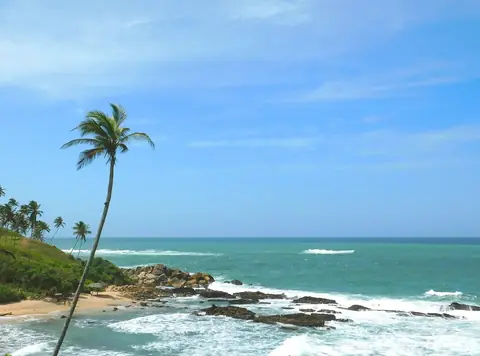
Best time to visit Sri Lanka
Choose Sri Lanka dates from the two monsoons, the beach and hill seasons, the Cultural Triangle, the Esala Perahera and Poya days, with the loop set for January.
Read the guide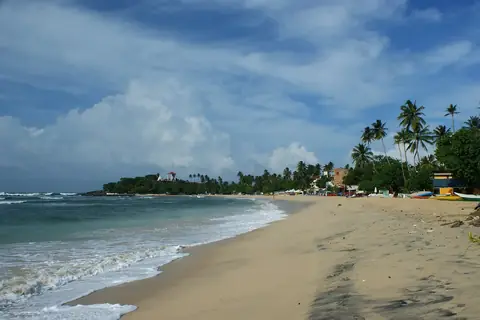
Mirissa, Weligama and Unawatuna
How to split a few nights between Mirissa, Weligama and Unawatuna: the whale boats and their season, a surf lesson, what they cost and the coast train.
Read the guide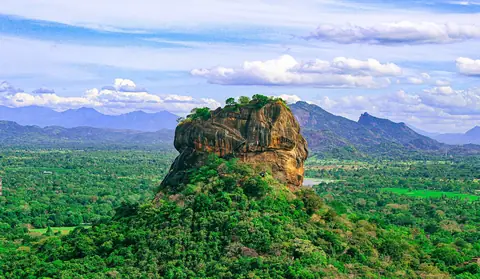
Sri Lanka trip cost 2027
A week from Sigiriya to Kandy, Ella and Colombo in January 2027, all in: about LKR 177,000 per person on a budget, 259,200 mid-range or 557,400 in comfort.
Read the guideSources and checks before you travel
(20)
- UK Foreign Office (FCDO): Sri Lanka travel advice, warnings and insurance ↗ — opens in a new tab
- UK Foreign Office (FCDO): Sri Lanka safety and security ↗ — opens in a new tab
- UK Foreign Office (FCDO): Sri Lanka regional risks ↗ — opens in a new tab
- UK Foreign Office (FCDO): Sri Lanka health ↗ — opens in a new tab
- UK Foreign Office (FCDO): Sri Lanka getting help ↗ — opens in a new tab
- UK Foreign Office (FCDO): Sri Lanka doctors and medical facilities ↗ — opens in a new tab
- German Foreign Office (Auswärtiges Amt): Sri Lanka, Reise- und Sicherheitshinweise ↗ — opens in a new tab
- France Diplomatie: Sri Lanka, Sécurité ↗ — opens in a new tab
- France Diplomatie: Sri Lanka, Santé ↗ — opens in a new tab
- France Diplomatie: Sri Lanka, Informations utiles ↗ — opens in a new tab
- TravelHealthPro (NaTHNaC): Sri Lanka ↗ — opens in a new tab
- US CDC Travelers' Health: Sri Lanka ↗ — opens in a new tab
- WHO Sri Lanka: National Dengue Review 2026 ↗ — opens in a new tab
- National Medicines Regulatory Authority: bringing personal medicines into Sri Lanka ↗ — opens in a new tab
- 1990 Suwa Seriya Foundation ↗ — opens in a new tab
- Sri Lanka Tourism Development Authority: Dial 1912 ↗ — opens in a new tab
- Sri Lanka Tourism: Situation Update ↗ — opens in a new tab
- Sri Lanka Tourism: Travel Tips ↗ — opens in a new tab
- Sri Lanka Tourism: Airports ↗ — opens in a new tab
- Ministry of Women and Child Affairs: contact ↗ — opens in a new tab
Reference sources for the version dated 2 November 2026. Confirm opening times, access, transport and conditions for your travel dates.
Photo credits
(5)
Mirissa beach on the south coast, one of the beaches where France reports drownings in the monsoon months
Photograph: dronepicr — opens in a new tab · CC BY 2.0 — opens in a new tab
Changes: Resized and converted to WebP; displayed with responsive crops. · Original photograph and licence details ↗ — opens in a new tab
An ambulance marked with the emergency number 1990 in Colombo
Photograph: Donwoodyard — opens in a new tab · CC BY-SA 3.0 — opens in a new tab
Changes: Resized and converted to WebP; displayed with responsive crops. · Original photograph and licence details ↗ — opens in a new tab
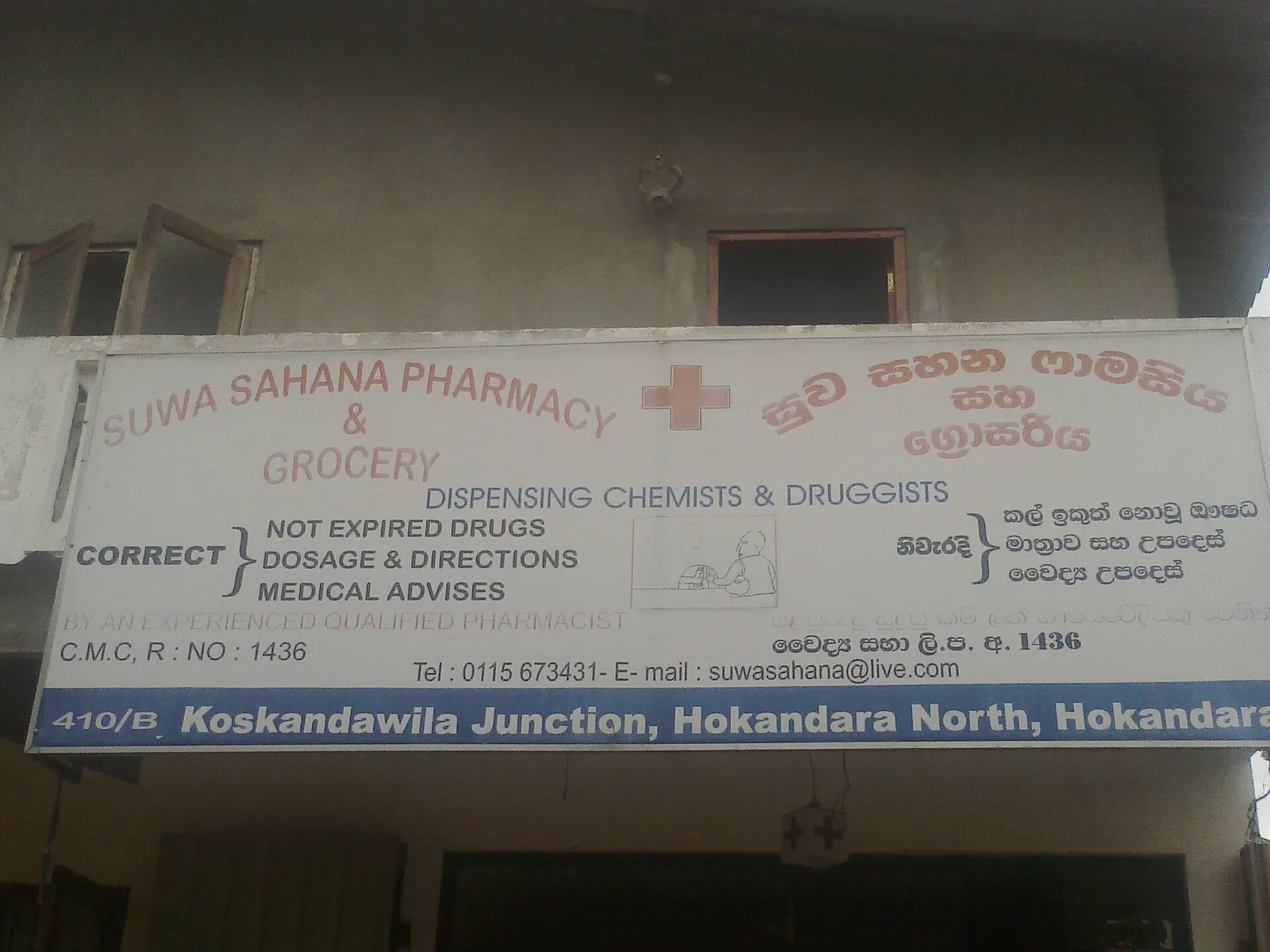
A neighbourhood pharmacy at Koskandawila Junction, Hokandara, near Colombo
Photograph: vsrr — opens in a new tab · CC BY 3.0 — opens in a new tab
Changes: Resized and converted to WebP; displayed with responsive crops. · Original photograph and licence details ↗ — opens in a new tab
Wild elephants crossing the road near Habarana
Photograph: Dan Lundberg — opens in a new tab · CC BY-SA 2.0 — opens in a new tab
Changes: Resized and converted to WebP; displayed with responsive crops. · Original photograph and licence details ↗ — opens in a new tab
Two-wheelers and tuk-tuks are involved in most of Sri Lanka's road accidents.
Photograph: Vithushan23895 — opens in a new tab · CC BY-SA 4.0 — opens in a new tab
Changes: Resized and converted to WebP; displayed with responsive crops. · Original photograph and licence details ↗ — opens in a new tab