Plan your trip
Is Nepal safe? Altitude, trekking rules, insurance, vaccines
Most of what goes wrong on a Nepal trip happens above 2,500 m or on the road between two towns: a trekker who climbs too fast, a monsoon landslide across the highway, a helicopter that will not fly until someone guarantees the bill. Serious crime is rare, and Kathmandu has private hospitals with English-speaking staff. This guide covers the advisories as they stood on 28 October 2026 and the areas it leaves out, the altitude and trekking rules, rescue insurance, hospitals and emergency numbers, vaccines and malaria, water and air, road and weather risks, and the scams and laws that catch visitors out.
In this guide
Find the location ↗ — opens in a new tabThe short answer
Before paying a trek deposit, buy insurance that covers your maximum altitude and helicopter evacuation: rescue in Nepal is paid for, and the UK government puts a helicopter at between £1,000 and £2,000 or more per flying hour. On the Nepal Tourism Board's listed routes, which include Everest Base Camp and Poon Hill-ABC, you must walk with a licensed guide and carry an agency-issued TIMS card (NPR 2,000 for foreigners other than SAARC nationals); above 3,000 m, gain no more than about 500 m of sleeping height a day. Hepatitis A, tetanus and typhoid vaccines are recommended for most travellers, and Kathmandu, Pokhara and typical Himalayan treks carry no malaria risk. Save 100 (police), 102 (ambulance) and 1144 (tourist police). The UK, French and German governments do not advise against travel to Nepal as a whole; these guides leave out Rasuwa district, the Langtang valley and the Budhi Gandaki valley after the 2026 floods.
- Key point
- Start four to six weeks before you fly: vaccines, insurance and a trekking agency
- Where it applies
- No base is needed; the rules apply in Kathmandu, Pokhara, the Terai and on the trails
- Timing
- The monsoon runs from June to September, and the governments' road-hazard season from June to October; the clearest trekking weather is in October and November and in spring
Travel advice, and the areas these guides leave out
When we checked on 28 October 2026, the UK, French and German governments did not advise against travel to Nepal as a whole or to any named district. France places the whole country in a zone of enhanced vigilance. The UK Foreign Office's flood notice of 26 August 2026 names Rasuwa district and the Nepal-China border area, says Gorkha, Nuwakot and Dhading were also affected and warns that further heavy rain or an earthquake could trigger more landslides. Germany's Federal Foreign Office tells travellers to avoid disaster areas; it says the Nepali authorities ended search and relief work in Rasuwa in early October 2026 and that another flash flood struck Gorkha district on 11 October 2026.
Storms can still arrive after the monsoon, and heavy rain or snow can hit the hills and mountains well into October. When Nepal's weather service warns of one, France's foreign ministry advises its citizens to stay away from the affected regions and from riverbanks, to avoid long journeys for those days and, if already there, to find a safe place. The toll-free 1155 line gives the forecast and flood warnings; keep a spare day at each end of a trek for weather like this.
No route in these guides enters Rasuwa district or the Langtang valley, and none goes to the Budhi Gandaki valley in Gorkha. The three trek guides cover Poon Hill, Annapurna Base Camp and Everest Base Camp only. The notices change and other governments may draw a wider line than these three, so read your own government's advice again before you book and before you fly.
Political protests, demonstrations and strikes are fairly common, can start at short notice and may bring a curfew. Keep away from them: taking part in protests against the authorities is forbidden to foreigners, who may make themselves liable to prosecution. Germany notes that clashes in September 2025 left many dead and that the situation calmed after the government resigned and elections were held in March 2026.
Altitude: how fast to climb and when to turn back
Kathmandu stands at 1,220 m, and altitude illness becomes a risk from 2,500 m, according to NaTHNaC, the UK's travel health service. Every trek in these guides goes higher: Poon Hill is at 3,210 m, Annapurna Base Camp at 4,130 m and Everest Base Camp at about 5,300 m. Germany's Federal Foreign Office advises seeing a doctor experienced in altitude medicine before any trek above 2,300 m, and France names pregnancy and a history of heart, lung, nerve or kidney illness as reasons not to go high, and advises against high altitude for children.
Spend a few days below 3,000 m first. TravelHealthPro advises gaining no more than about 500 m of sleeping height a day above 3,000 m. Take a rest day at the same height every three or four days, and, where possible, avoid going from under 1,200 m to over 3,500 m in a single day. France's health advice is stricter, at no more than 400 m between two consecutive nights from 2,500 m, and the Nepal Tourism Board gives 300 to 500 m a day above 2,500 m with a rest day after every 1,000 m gained. Compare any itinerary an agency offers with these figures before you pay; acetazolamide can help acclimatisation but does not replace a slow ascent, TravelHealthPro says.
Headache, fatigue, loss of appetite, nausea and disturbed sleep are signs of acute mountain sickness. If you develop symptoms of altitude sickness, stop climbing, descend promptly with a companion to a lower altitude (below 4,000 m if you are higher) and consult a doctor. Severe headache, vomiting, walking as if drunk, confusion or breathlessness at rest need immediate descent and emergency medical help. Never leave an ill companion behind, and tell your guide honestly how you feel, since altitude illness can cloud the judgement of the person who has it.
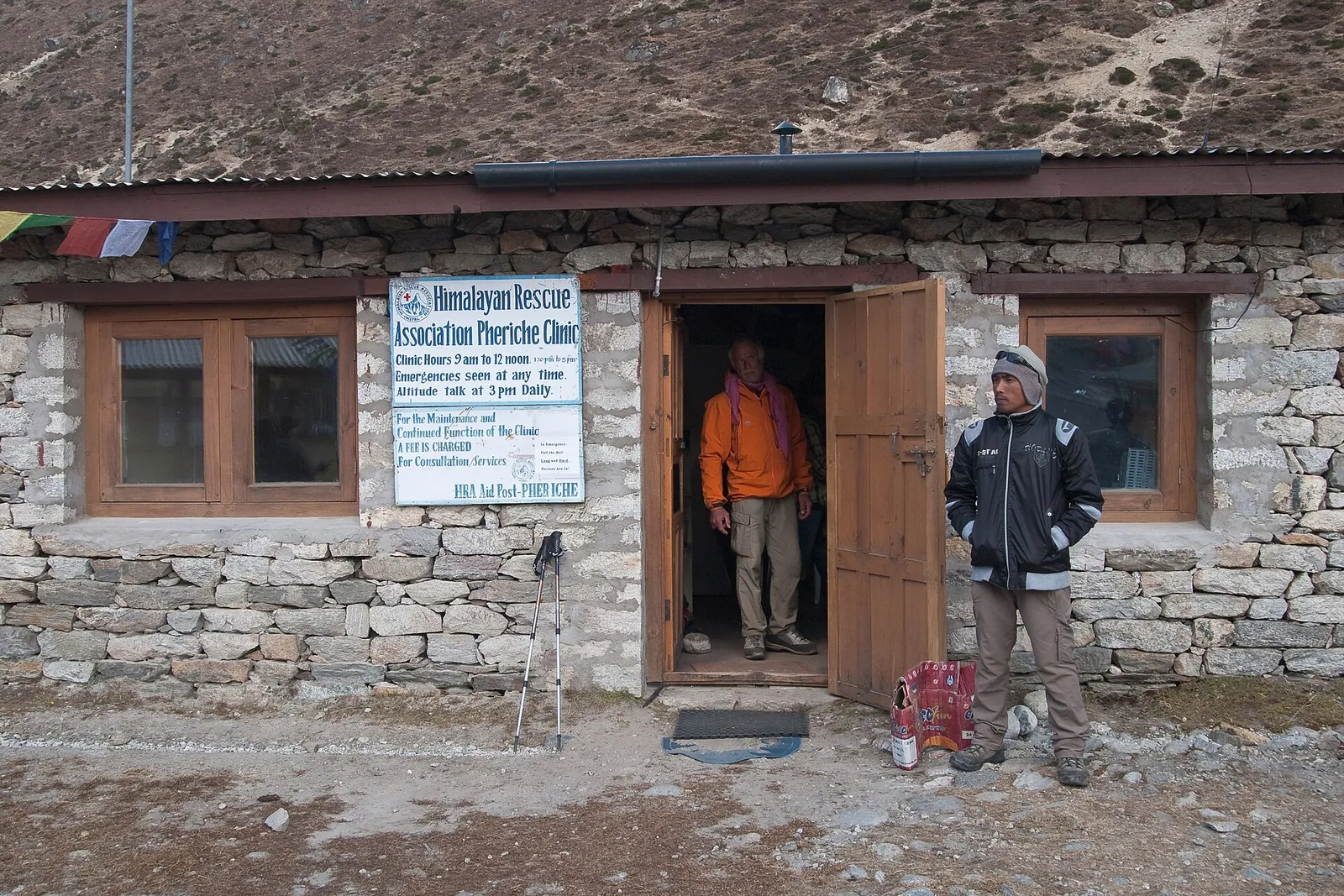
The Himalayan Rescue Association runs aid posts at Pheriche (4,250 m) on the Everest route and Manang (3,550 m) on the Annapurna Circuit, and the Nepal Tourism Board says both give a daily talk on altitude sickness at 3 pm in the spring and autumn seasons, as does the association's office in Kathmandu.
The trekking rules that are safety rules
Since the revised TIMS rule took effect on 31 March 2023, the Nepal Tourism Board says, foreign trekkers on a listed set of routes in protected areas must walk with a licensed trekking guide and carry a TIMS card issued through a trekking agency. The board's list includes Everest Base Camp in the Everest region and the combined Poon Hill-ABC route in the Annapurna region. France's foreign ministry applies the licensed-guide and TIMS requirement to all trekkers in Nepal. The UK Foreign Office says plainly: do not trek alone. The TIMS card costs NPR 2,000 for foreign trekkers other than SAARC nationals, who pay NPR 1,000; our guide to trekking permits in Nepal adds the park and conservation-area fees.
Choose the agency before you fly. France advises against agencies that approach tourists at Kathmandu's international airport and against people who call themselves guides in the tourist districts, because they may know little about the mountains and be neither trained nor equipped to handle altitude illness. The UK Foreign Office reports isolated cases of guides taking inexperienced trekkers too high too quickly and then calling an expensive helicopter, from which the guides take a cut, and warns that trekking deals that look very cheap may be scams.
Germany adds three rules that keep you out of trouble on the trail: permits must cover the whole length of the trek, or you risk heavy fines; trekkers walking with unlicensed porters who had no proof of insurance have repeatedly been targets of extortion; and you should keep to known routes in a group and carry an emergency beacon or another device that can send a distress signal, since phone coverage is patchy. Make sure family or friends at home know your route and when you will be out of contact, as the UK advises.
Above 3,000 m the UK lists sudden weather changes and storms, avalanches and snow drifts, landslides, rockfalls and flooding, and glacial crevasses among the hazards at any time of year. Germany says extreme weather is most dangerous in the transition months between the dry and rainy seasons, September to October, February to March and May to June, and that crowding on popular routes also raises the risk of accidents.
Insurance and helicopter rescue: what the policy must pay for
Medical treatment at the clinics used by Western travellers in Nepal is expensive, and healthcare is poor in most places outside the Kathmandu Valley and Pokhara, the UK government says. It advises insurance that covers treatment, repatriation and evacuation by helicopter, which usually costs between £1,000 and £2,000 or more per flying hour, and warns that rapid helicopter evacuation may be hard to arrange from a remote area. Buy a policy that covers your planned activity and maximum altitude before you pay a trek deposit.
All mountain rescue in Nepal is paid, and France says helicopters take off only once payment is guaranteed. Read the policy for three gaps France names: a Visa card's snow-and-mountain cover, which does not advance rescue costs in Nepal, cover for accidents only and not for illness such as altitude sickness, and cover that lapses after 90 days abroad. Give the policy number and the insurer's emergency line to your trekking agency before you start.
Helicopters are for extreme emergencies, such as cerebral oedema or a life-threatening accident, and an insurer may claim the money back from a traveller who calls one out for simple tiredness or mild altitude sickness. France reports proven cases of evacuation fraud, so describe your symptoms to the insurer yourself and get its agreement before any evacuation, hospital choice or treatment.
Emergency numbers, hospitals and pharmacies
Save these numbers before you land; the UK government, France's foreign ministry and Nepal's Department of Hydrology and Meteorology list them:
| Service | Number |
|---|---|
| Police | 100 |
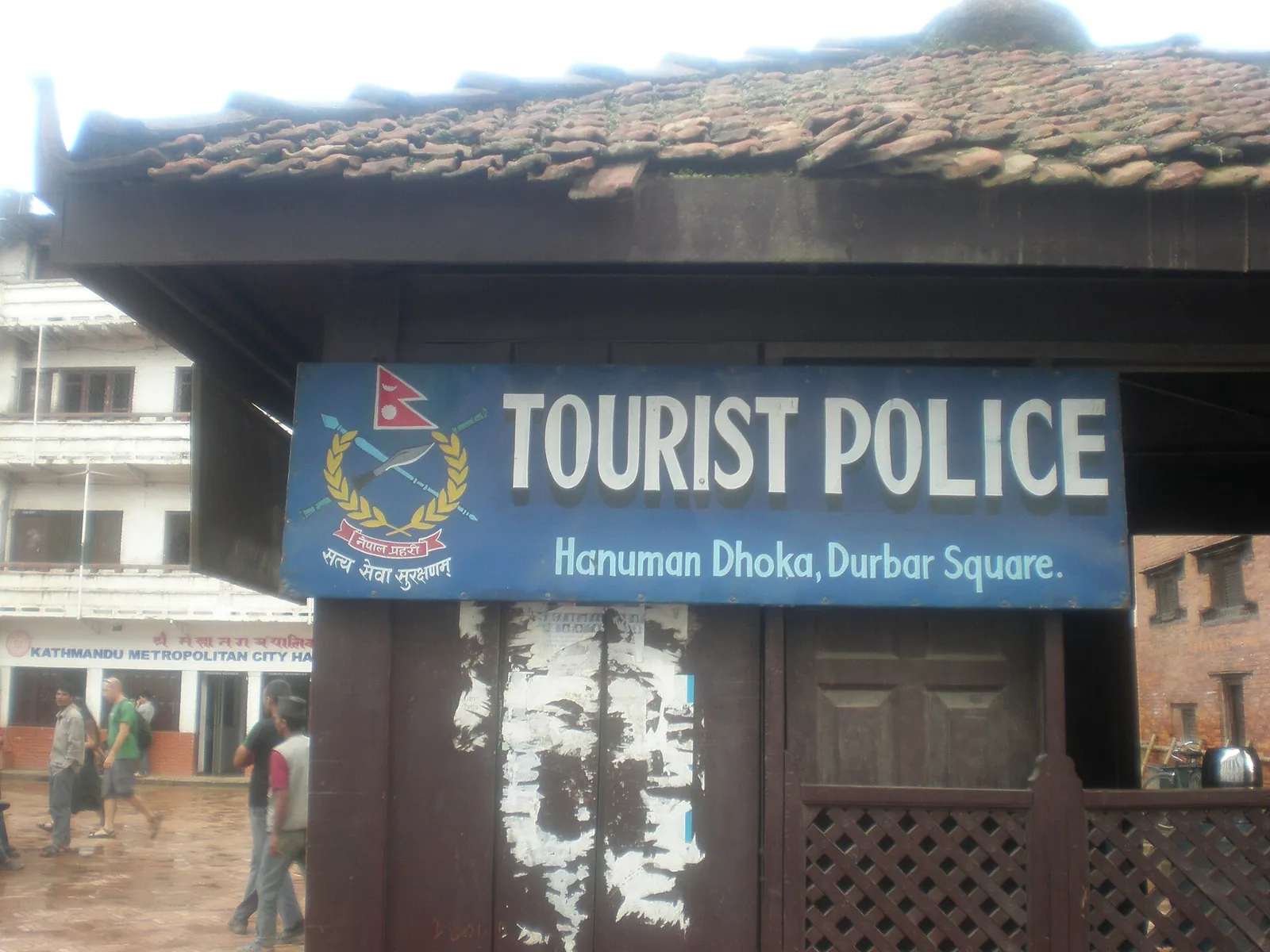
| Tourist police (English spoken) | 1144 |
| Fire | 101 |
| Ambulance | 102 |
| National emergency line (Nepali), for disasters | 1234 |
| Weather and flood warnings | 1155 |
There is no central public ambulance service, and some private providers operate in the main cities, so in an emergency the UK government advises calling the nearest hospital. France adds the Armed Police Force on 1114 for extreme danger. Mobile coverage is weak in the high mountains, which is another reason the governments recommend a satellite phone or an emergency beacon on long treks.
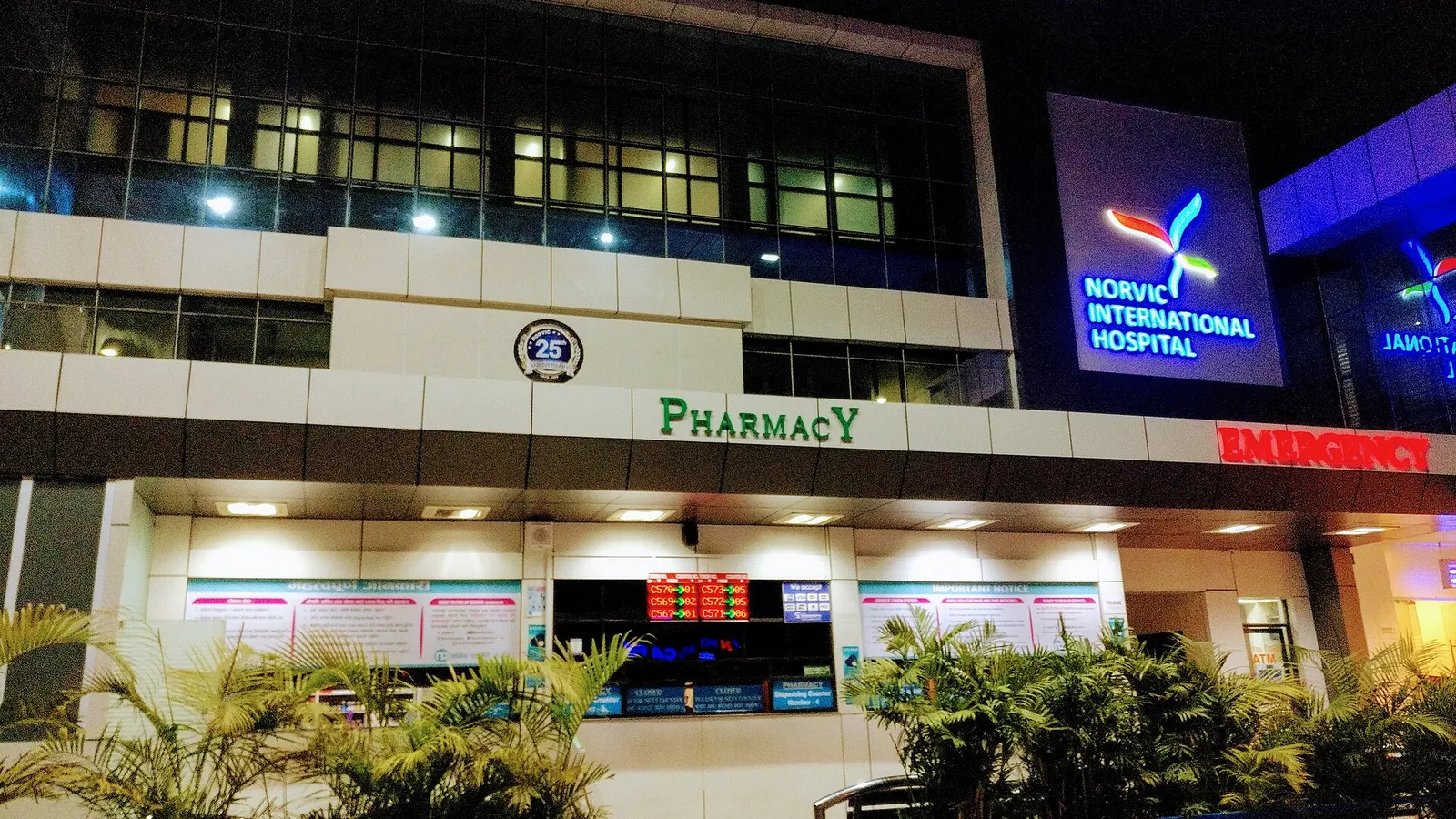
The British Embassy in Kathmandu publishes a list of private hospitals and clinics with English-speaking staff. In Kathmandu it names CIWEC Hospital in Lainchaur, opposite the British Embassy, which specialises in travel medicine; Norvic International Hospital in Thapathali; Grande International Hospital in Dhapasi; and Nepal Mediciti Hospital in Bhaisepati, Lalitpur. In Pokhara it names CIWEC's Lakeside clinic and Western Regional Hospital in Ramghat. Expect to pay for treatment yourself unless your insurer guarantees payment to the hospital. Germany says basic care exists in Kathmandu, the main tourist places and along the major trekking routes, but serious illness may mean evacuation to Kathmandu or on to India.
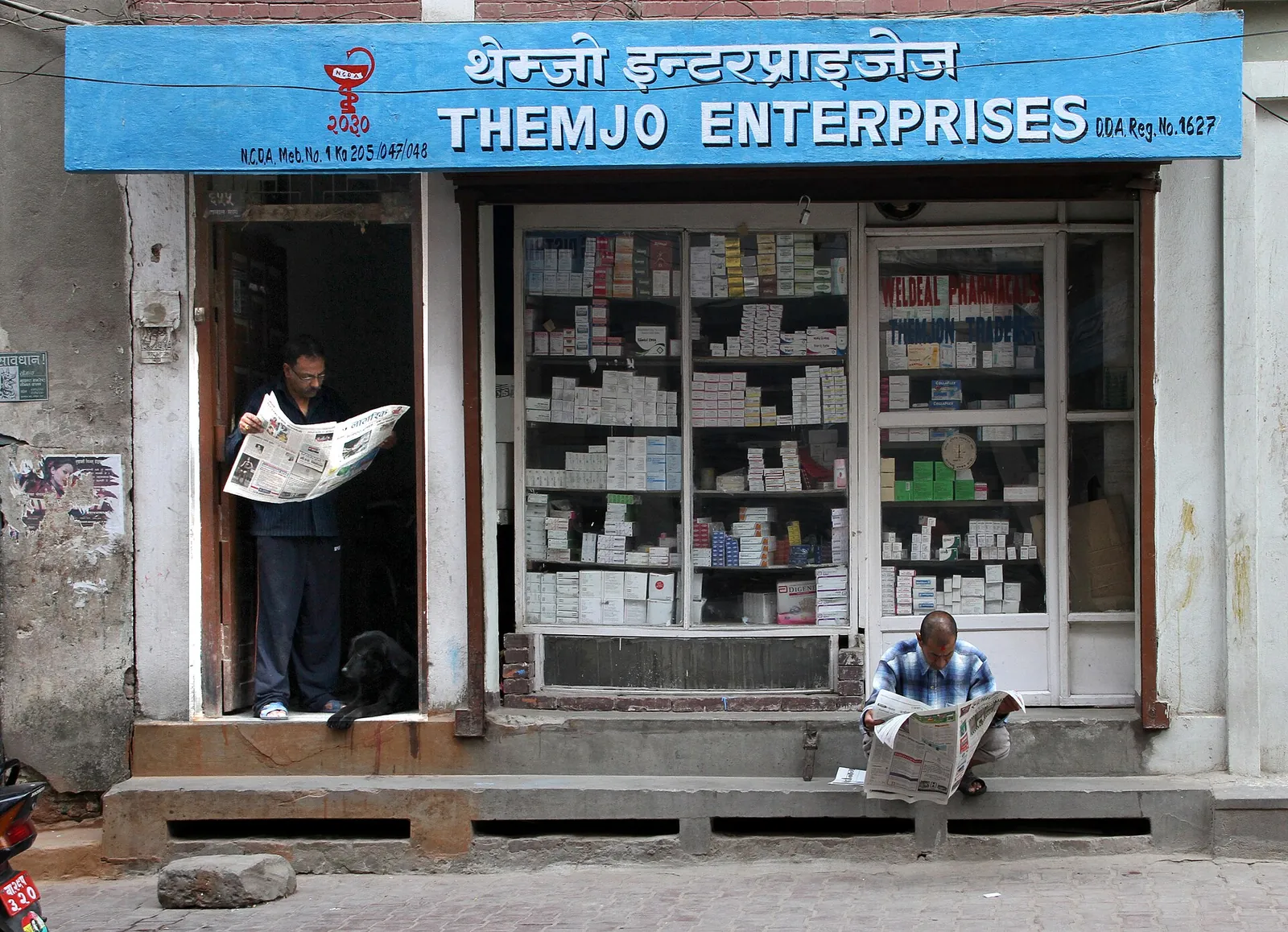
Buy medicines at a hospital or a well-stocked city pharmacy. Germany warns that fake products are sold instead of real medicines, especially in small pharmacies, and that resistance to common antibiotics is widespread; France advises never to take medicines bought in the street. Bring your own supply in the original packaging with the prescription, written with the generic names and in English. Medicines for personal use may be brought in duty free unless Nepal's Department of Drug Administration bans the import, Germany says, and the UK warns that skincare products and e-cigarette refills containing cannabidiol (CBD) are illegal in Nepal and can lead to a drugs charge.
Vaccines, malaria and mosquitoes, water and air
NaTHNaC recommends hepatitis A, tetanus and typhoid vaccines for most travellers to Nepal, besides routine vaccines; arrange a health appointment ideally four to six weeks before travel. It lists cholera, dengue, chikungunya, hepatitis B, Japanese encephalitis and rabies vaccines for some travellers, depending on the trip. A yellow fever certificate is required for travellers aged nine months or older arriving from a risk country or after more than 12 hours in transit through an airport in a risk country. Some travellers also need proof of polio vaccination; check the entry requirements for the countries you have visited. Germany and France both ask travellers to make sure their measles protection is up to date.
Malaria risk depends on height. NaTHNaC describes low malaria risk below 1,500 m, particularly in the Terai, and no risk in Kathmandu city or on typical Himalayan treks, and says antimalarial tablets may be considered only in exceptional cases for travellers at higher risk. The US CDC advises tablets only for areas below 2,000 m in Sudurpashchim and Karnali provinces in the far west, which no route in these guides enters, and reports no transmission in Kathmandu, Pokhara or on typical Himalayan treks. Germany's advice gives a wider low-risk area up to 2,500 m, including Chitwan, throughout the year; avoid mosquito bites everywhere and discuss your route with a travel-health professional.
Dengue is a risk, mainly in towns and cities, and Germany notes cases caught in Kathmandu itself; the mosquitoes that carry it bite by day. Japanese encephalitis occurs in the Terai, the Kathmandu Valley and some other hill and mountain districts, with a peak from May to October; NaTHNaC does not usually recommend the vaccine for short high-altitude treks. In Chitwan and the rest of the Terai, use repellent, long sleeves at dusk and a bed net where the lodge gives one. France also names scrub typhus, carried by mite larvae in rural areas, for which there is no vaccine.
Rabies is a risk: avoid contact with all animals, stray dogs included, and never feed the monkeys. Germany says the treatment needed after a bite by an unvaccinated person is not always available in Nepal, and the CDC says rabies vaccine may be available only in medical facilities in larger towns and cities, so discuss pre-exposure vaccination if you will trek or stay long. Clean any bite or scratch at once and get medical help the same day.
Do not drink tap water or brush your teeth with it, and avoid ice; sealed factory bottles and cans and steaming-hot drinks made with boiled water are generally considered fine. TravelHealthPro reported 2,018 cholera cases in Nepal in 2025 up to 17 November. France says the Kathmandu Valley has some of the highest air-pollution levels in the world, with peaks especially in winter, and Germany adds smoke from forest fires in the dry months from November to May; if you have asthma or a heart or lung condition, talk to your doctor, check the World Air Quality Index before long walks and carry an N95 or FFP2 mask for the worst days, and see our guide to the best time to visit Nepal for the months.
Roads, flights, the monsoon and earthquakes
Road accidents are a major cause of death and disability in Nepal. Germany advises using only marked tourist buses, and the UK advises against overloaded buses and travel at night. If you hire a motorbike, the UK government says the law requires a helmet only for the rider, and rental shops provide one for a passenger on request; British drivers need a 1968 international driving permit with their licence, and Germany says an international permit with a German licence is valid for stays of up to 15 days, after which a Nepali licence is needed. Check that your insurance covers riding before you do.
The monsoon runs from June to September. The governments' road-hazard season runs from June to October, when flooding and landslides can make roads impassable for days and roads close at short notice. Check the road is open before every road leg, and keep road legs changeable in those months; our Nepal transport guide gives the buses and flights.
Germany's Federal Foreign Office says every Nepali airline is on the EU list of airlines banned from European airspace, and the UK government says its air safety list names all known Nepali airlines as not meeting international safety standards; the UK counts at least 100 deaths in plane and helicopter crashes in Nepal over five years. Mountain flights such as Lukla are often delayed or cancelled by weather, so the UK advises carrying enough money for delays in remote areas, where ATMs may not be available and cards may not be accepted.
Nepal lies in a region of intense seismic activity: tremors are frequent and cannot be predicted, and the two earthquakes of 25 April and 12 May 2015 reached magnitudes 7.9 and 7.3. After a strong quake, the UK expects transport, accommodation and basic services to be disrupted; emergency equipment is scarce, and help is slow to reach a remote place. Learn the National Society of Earthquake Technology's ten tips before you go, and check your hotel's fire exits and alarm; the UK also warns about carbon monoxide from fires, charcoal grills or gas equipment in badly ventilated rooms.
Crime, drinks, scams and the laws that catch visitors out
Serious crime is rare, the UK says, but pickpockets and bag-snatchers work in airports, on buses and in Thamel, Sanepa and Kupondol in Kathmandu, and Germany says petty crime rises in the festival season from September to November. In Thamel, a stranger who offers to export jewellery or gold for a commission is running a scam that is illegal and ends in blackmail. Be wary of accepting drinks from strangers and never leave a drink unattended; the UK also warns of methanol in alcoholic drinks, which cannot be detected by taste or smell, so seek urgent medical help if anyone feels ill after drinking.
Women have been sexually assaulted in tourist areas such as Thamel and Sanepa, so take care when alone after dark; Germany reports isolated attacks on solo trekkers and the rape of women travelling alone, which is one more reason for an agency guide and a group. For LGBT+ travellers, the UK says Nepal is generally open and tolerant and same-sex relations are not illegal, while public displays of affection by any couple are considered inappropriate; Germany asks for discretion in a conservative public.
Drug penalties are severe: the UK says even a small amount of cannabis can bring more than five years in prison, usually after a long and expensive legal process. Flying a drone without the required permit can lead to confiscation and heavy fines, Germany says, and posts on social media that are judged to disturb social harmony or defame someone can bring deportation or prison under Nepal's Electronic Transactions Act. Buying or selling wild animals or their parts without a licence is illegal. Carry your passport, and keep a copy apart from it.
Practical questions
Is Nepal safe for tourists?
For most visitors, yes, with care. The UK describes serious crime as rare, and the UK, French and German governments do not advise against travel to Nepal as a whole; France places the whole country under enhanced vigilance. The real risks are altitude, mountain weather, monsoon roads and petty theft in Kathmandu's tourist districts.
Can I trek in Nepal without a guide?
Not on the main routes. The Nepal Tourism Board requires a licensed guide and an agency-issued TIMS card on its listed routes, which include Everest Base Camp and Poon Hill-ABC, and France applies the rule to all trekking in Nepal. The UK says do not trek alone.
How do I avoid altitude sickness in Nepal?
Climb slowly: above 3,000 m, TravelHealthPro advises gaining no more than about 500 m of sleeping height a day, with a rest day every three or four days. If symptoms appear, stop climbing; if they get worse, descend with a companion and see a doctor.
Do I need malaria tablets for Nepal?
Usually not. NaTHNaC finds no malaria risk in Kathmandu or on typical Himalayan treks and only low risk below 1,500 m, particularly in the Terai. The US CDC advises tablets only below 2,000 m in Sudurpashchim and Karnali provinces in the far west.
What vaccinations do I need for Nepal?
NaTHNaC recommends hepatitis A, tetanus and typhoid for most travellers, besides routine vaccines. Rabies, Japanese encephalitis, hepatitis B and others depend on your trip, and a yellow fever certificate is needed only if you arrive from, or transit more than 12 hours through, a risk country.
What is the emergency number in Nepal?
Police 100, ambulance 102, fire 101 and the tourist police, who speak English, 1144. There is no central public ambulance service, so the UK advises calling the nearest hospital in an emergency.
Does travel insurance need to cover helicopter rescue in Nepal?
For any trek, yes. Rescue is paid for, helicopters fly only once payment is guaranteed, and the UK puts the cost at £1,000 to £2,000 or more per flying hour. Check that the policy covers your maximum altitude and illness such as altitude sickness.
Keep planning your trip
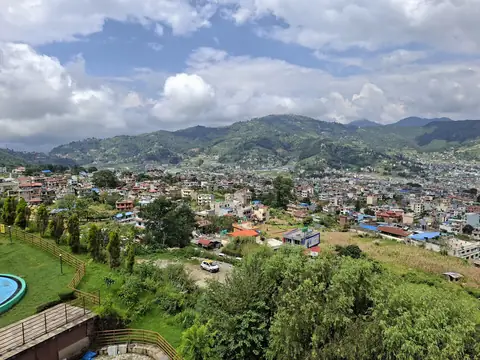
First trip to Nepal
Choose the length, route and season of a first Nepal trip: what a week, ten days or two weeks hold, what to book first, and the altitude, water, air and road advice.
Read the guide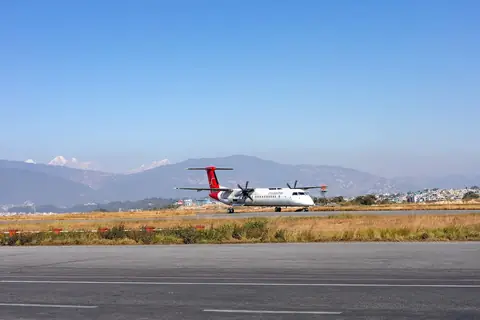
Entering Nepal
Entering Nepal: who needs a visa, the 15-, 30- and 90-day visas, passport rules, the 150-day cap, the cash declaration and the steps through Kathmandu airport.
Read the guide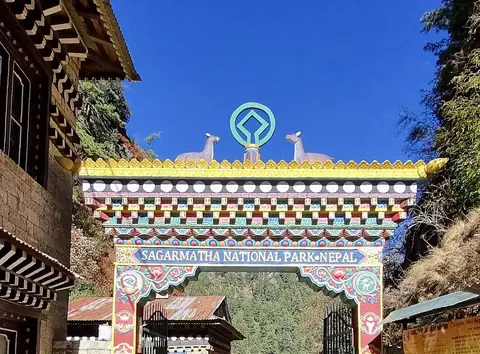
Trekking Permits in Nepal
Permits for Poon Hill, Annapurna Base Camp and Everest Base Camp, plus the Annapurna Circuit and restricted areas: licensed guide, TIMS, ACAP and park fees.
Read the guide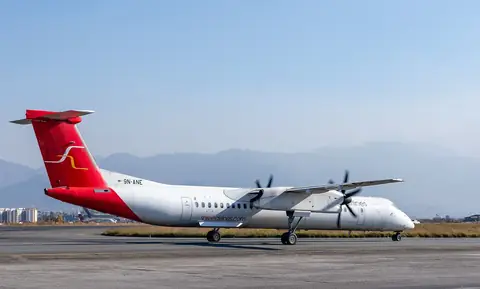
Transport in Nepal
Which Nepal legs to fly and which to ride: domestic airlines, Lukla via Ramechhap, tourist buses to Pokhara, Chitwan and Lumbini, and city taxis.
Read the guide
Best time to visit Nepal
Choose your Nepal season: autumn and spring trekking windows, the Everest months, monsoon road risk, winter in the valley, Terai heat and Kathmandu air.
Read the guide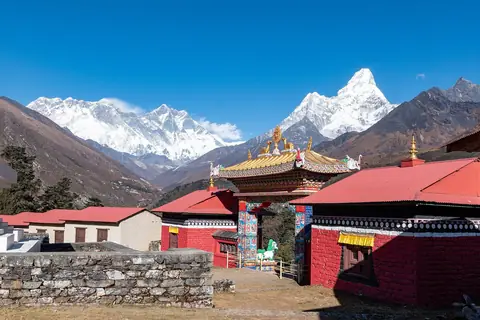
Everest Base Camp Trek
The Everest Base Camp trek from Lukla: 14 nights on the trail, the Lukla and Ramechhap flights, the guide and TIMS rule, the park permit, season and altitude.
Read the guideSources and checks before you travel
(18)
- UK Foreign Office (GOV.UK): Nepal travel advice, warnings ↗ — opens in a new tab
- UK Foreign Office (GOV.UK): Nepal safety and security ↗ — opens in a new tab
- UK Foreign Office (GOV.UK): Nepal health ↗ — opens in a new tab
- UK Foreign Office (GOV.UK): Nepal getting help ↗ — opens in a new tab
- British Embassy Kathmandu (GOV.UK): list of medical facilities in Nepal ↗ — opens in a new tab
- French foreign ministry (France Diplomatie): Nepal, dernières minutes ↗ — opens in a new tab
- French foreign ministry (France Diplomatie): Nepal, sécurité ↗ — opens in a new tab
- French foreign ministry (France Diplomatie): Nepal, santé ↗ — opens in a new tab
- Germany's Federal Foreign Office (Auswärtiges Amt): Nepal, Reise- und Sicherheitshinweise ↗ — opens in a new tab
- TravelHealthPro (NaTHNaC): Nepal ↗ — opens in a new tab
- TravelHealthPro (NaTHNaC): food and water hygiene ↗ — opens in a new tab
- US CDC Travelers' Health: Nepal ↗ — opens in a new tab
- Nepal Tourism Board: TIMS card ↗ — opens in a new tab
- Nepal Tourism Board: safety in the mountains ↗ — opens in a new tab
- UK Foreign Office (GOV.UK): Nepal entry requirements ↗ — opens in a new tab
- Nepal Tourism Board: top trekking destinations ↗ — opens in a new tab
- Nepal Tourism Board: climate ↗ — opens in a new tab
- Department of Hydrology and Meteorology ↗ — opens in a new tab
Reference sources for the version dated 29 October 2026. Confirm opening times, access, transport and conditions for your travel dates.
Photo credits
(5)
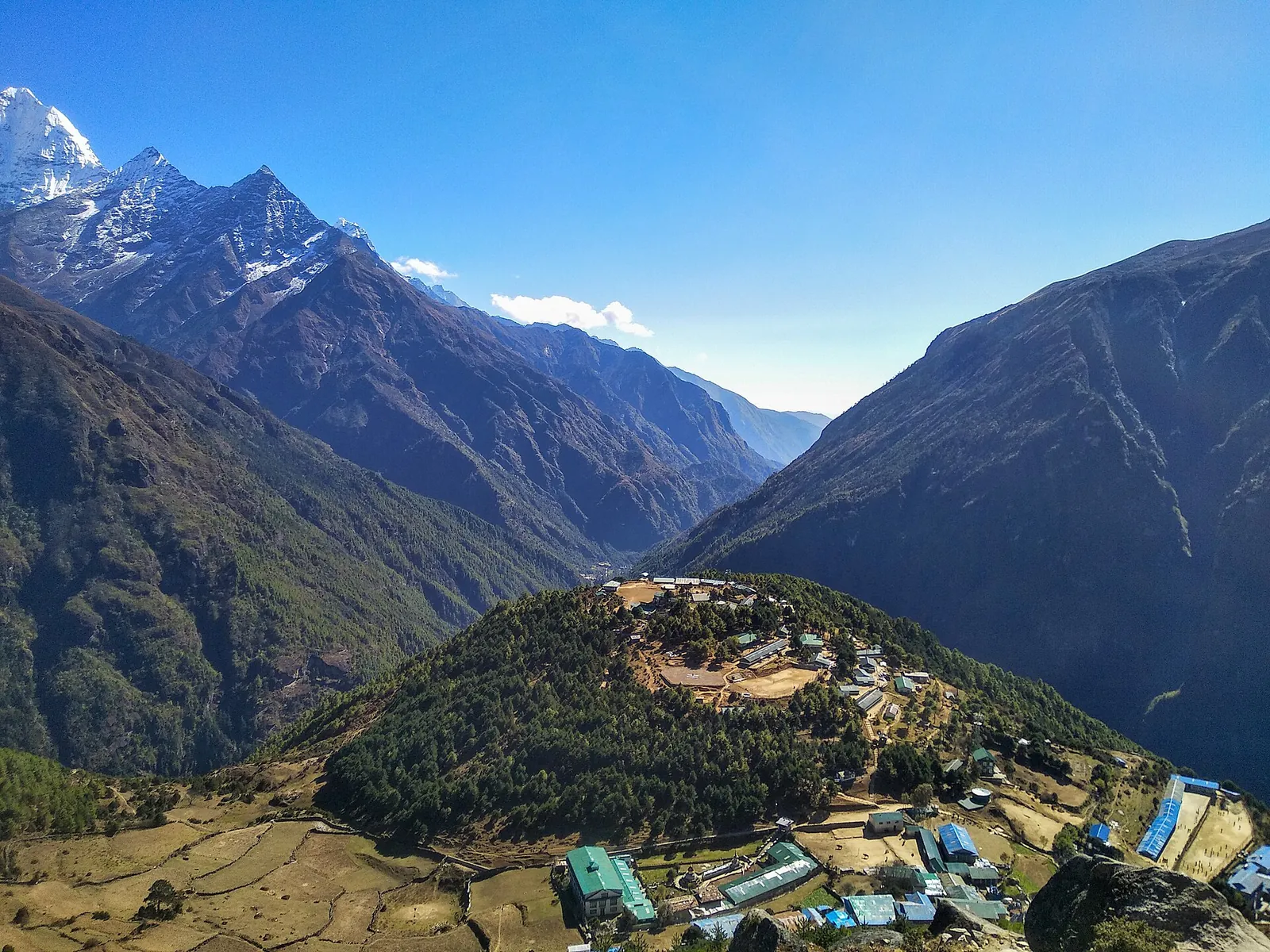
Namche Bazaar on the Everest trail, seen from the path towards the Everest View hotel.
Photograph: Rohit Sharma — opens in a new tab · CC BY-SA 4.0 — opens in a new tab
Changes: Resized and converted to WebP; displayed with responsive crops. · Original photograph and licence details ↗ — opens in a new tab
The Himalayan Rescue Association's aid post at Pheriche (4,250 m), which treats altitude illness on the Everest route.
Photograph: Vyacheslav Argenberg — opens in a new tab · CC BY 4.0 — opens in a new tab
Changes: Resized and converted to WebP; displayed with responsive crops. · Original photograph and licence details ↗ — opens in a new tab
The Tourist Police post at Hanuman Dhoka in Kathmandu Durbar Square; the tourist police answer on 1144.
Photograph: Peretz Partensky from San Francisco, USA — opens in a new tab · CC BY-SA 2.0 — opens in a new tab
Changes: Resized and converted to WebP; displayed with responsive crops. · Original photograph and licence details ↗ — opens in a new tab
A pharmacy in Kathmandu; buy medicines from a well-stocked pharmacy rather than in the street.
Photograph: Gerd Eichmann — opens in a new tab · CC BY-SA 4.0 — opens in a new tab
Changes: Resized and converted to WebP; displayed with responsive crops. · Original photograph and licence details ↗ — opens in a new tab
Norvic International Hospital in Thapathali, Kathmandu, one of the private hospitals on the British Embassy's list.
Photograph: सरोज_कुमार_ढकाल — opens in a new tab · CC BY-SA 3.0 — opens in a new tab
Changes: Resized and converted to WebP; displayed with responsive crops. · Original photograph and licence details ↗ — opens in a new tab