Plan your trip · Bagmati
Trekking permits in Nepal: guide rule, TIMS and park fees
Before you choose a trek or pay a deposit, settle who will buy your permits. For Poon Hill, Annapurna Base Camp and Everest Base Camp the answer is a registered trekking agency, because foreign trekkers on these routes must walk with a licensed guide and carry an agency-issued TIMS card. This guide sets out the fees for each of the three treks, the permits for the Annapurna Circuit, Mardi Himal and the restricted valleys, where the conservation-area and park permits are sold, the check posts you pass, and the insurance and altitude points that decide how many days to book.
- Suggested time
- Arrange the agency, guide and TIMS card before the trek starts; trek lengths are in each trek guide
- Where to stay
- Kathmandu, before the trek starts
- Season and timing
- The Nepal Tourism Board names spring and autumn as the best times for most trekking areas.
The short answer
Book a registered trekking agency first: it supplies the licensed guide and buys your TIMS card, NPR 2,000 (NPR 1,000 for SAARC nationals). Poon Hill and Annapurna Base Camp add the Annapurna Conservation Area permit at NPR 3,000; Everest Base Camp adds the Sagarmatha National Park fee at NPR 3,000 per entry. Buy the park or conservation-area permit online or in Kathmandu before you start walking, and take insurance that covers mountain rescue and helicopter costs. Fees were checked on 17 October 2026.
Why every trek starts with a registered agency
Since the revised TIMS rule took effect on 31 March 2023, the Nepal Tourism Board says, foreign trekkers on a listed set of routes in protected areas must walk with a licensed trekking guide and carry a TIMS card issued through a trekking agency. The board's list includes Everest Base Camp in the Everest region and the combined Poon Hill-ABC route in the Annapurna region. France's foreign ministry applies the licensed-guide and TIMS requirement to all trekkers in Nepal, including the short Poon Hill loop. The UK Foreign Office says plainly: do not trek alone.
Only trekking agencies buy the TIMS card: the agency registers the trekkers, guides and route on the Nepal Tourism Board system, pays online, and the system issues an e-card with a QR code for each trekker, so contact a government-registered trekking agency first. Many registered agencies belong to the Trekking Agencies' Association of Nepal (TAAN), which was registered in 1978.
The guide comes as part of the agency's price. No official page publishes a minimum daily rate for guides or porters, a number of trekkers per guide or a daily quota on these three routes, so compare agency quotes by what they include: the guide's wage, food, bed and insurance, the TIMS card, the park or conservation-area permit, and whether your own lodges and meals are extra.
Be wary of a price that looks too good. The UK Foreign Office reports isolated cases of guides taking inexperienced trekkers too high too quickly and then calling an expensive helicopter evacuation, and it warns that trekking deals that look very cheap may be scams.
Fees for Poon Hill, Annapurna Base Camp and Everest Base Camp
The Nepal Tourism Board, checked on 17 October 2026, listed the TIMS card at NPR 2,000 for foreign trekkers other than South Asian (SAARC) nationals, who pay NPR 1,000; the agency pays it online. Each trek then adds the fee of the protected area it enters.
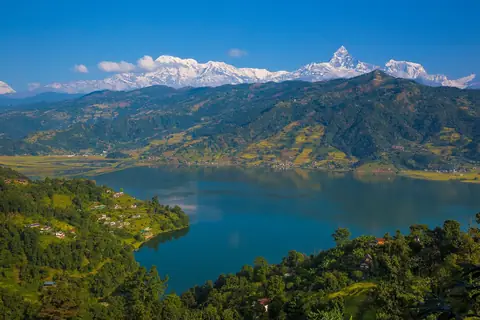
- Poon Hill (Ghorepani): the TIMS card plus the Annapurna Conservation Area permit, NPR 3,000 for foreigners and NPR 1,000 for SAARC nationals, tax included, for one entry. A foreign adult other than a SAARC national pays NPR 5,000 in these two permits before the guide, transfers and lodges, when the conservation-area fee is paid at a counter.
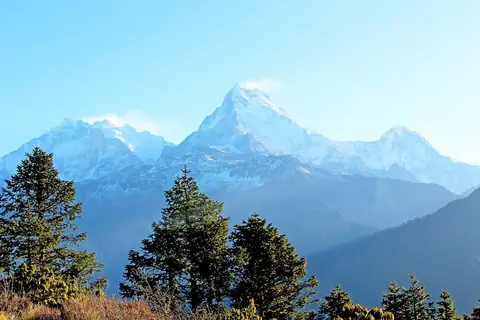
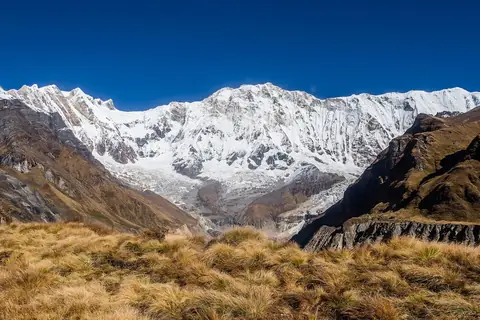
- Annapurna Base Camp: the same two fees, because the board's TIMS list names the route Poon Hill-ABC. The Annapurna Base Camp trek ends in the Annapurna Sanctuary at 4,130 m.
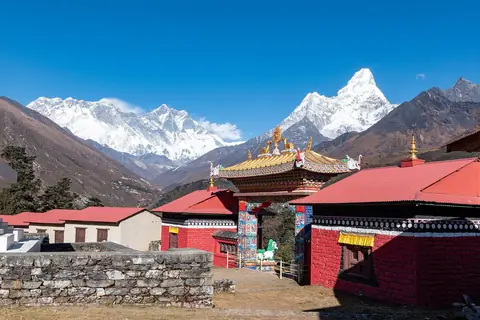
- Everest Base Camp: the TIMS card plus the Sagarmatha National Park entry fee, NPR 3,000 per person per entry for foreigners and NPR 1,500 for SAARC nationals. A foreign adult other than a SAARC national pays NPR 5,000 in these two permits before the guide, flights and lodges; the Everest Base Camp guide sets out the days.
Permits for the Annapurna Circuit, Mardi Himal and the restricted valleys
The same licensed-guide and TIMS rule covers the other routes on the board's list, among them the Annapurna Circuit, Khopra and Mardi Himal in the Annapurna region, Gokyo and the Three Passes in the Everest region, and the Kanchenjunga and Makalu base camp treks. The Nepal Tourism Board says the entire Annapurna massif lies within the Annapurna Conservation Area, so the Annapurna Circuit, Mardi Himal and Khopra need the same two permits as Poon Hill: the TIMS card and the conservation-area permit, NPR 5,000 for a foreign adult other than a SAARC national when the conservation-area permit is paid at a counter. Gokyo and the Three Passes need the TIMS card and the Sagarmatha National Park fee, NPR 5,000 for a foreign adult other than a SAARC national, as for Everest Base Camp.
The board's park-fee table lists foreigners at NPR 3,000 per entry for Makalu-Barun National Park, Shey-Phoksundo National Park and the Gaurishankar Conservation Area, and NPR 2,000 for the Kanchenjunga Conservation Area, with children under 10 free.
Some valleys are restricted areas and need a special trekking permit from the Department of Immigration in Kalikasthan, Kathmandu. Separately, buy the entry permit for any park or conservation area your route enters. TAAN says the restricted-area permit is issued only to groups, through a registered trekking agency, never to individual trekkers, and is paid in US dollars. No official page gives the minimum group size; have your agency confirm it before you pay. Keep the restricted-area permit with you, show it to immigration staff or police on request and stay within the area or route it covers. Upper Mustang came under the Annapurna Conservation Area in 1992, NTNC says, so it also needs the NPR 3,000 conservation-area permit. Nar Phu's additional conservation-area permit is unconfirmed in the official pages used here; have your agency confirm it before you pay.
The Department of Tourism's table, checked on 18 October 2026, lists Narpa in Manang at USD 100 per person per week from September to November and USD 75 from December to August, then USD 15 per person per day beyond the first week in either season. It lists Taplejung at USD 20 per person per week for the first four weeks, then USD 25 per week, and Lower Dolpa at USD 20 per person for the first week, then USD 5 per day. For Upper Mustang and Upper Dolpa, it lists USD 500 per person for the first ten days, then USD 50 per person per day. Its Khumbu row, all of ward 5 of Khumbu Pasang Lhamu rural municipality, lists USD 20 per person per week for the first four weeks, then USD 25 per week; this is a Department of Immigration permit, separate from the Everest Base Camp permits above.
Buying the conservation-area and park permits
The Annapurna Conservation Area permit is sold on the e-permit website of the National Trust for Nature Conservation (NTNC). Pay online with Visa or Mastercard and the permit arrives by email, with a 2.9% payment-gateway charge added; or pay cash at an NTNC counter and collect the permit with your passport or other valid identification, at no extra charge. In Kathmandu you can also pay at the Tourist Service Center, Bhrikutimandap. No official page gives the address of a counter in Pokhara, so buy the permit online or in Kathmandu before you travel on. Children under 10 do not need the permit.
Buy it before you walk, because permits issued at check-posts cost double. The permit is valid for a single entry, cannot be transferred or refunded, and must be carried for the whole trip. Enter names and trek dates accurately, since a permit bought with a mistake cannot be refunded.
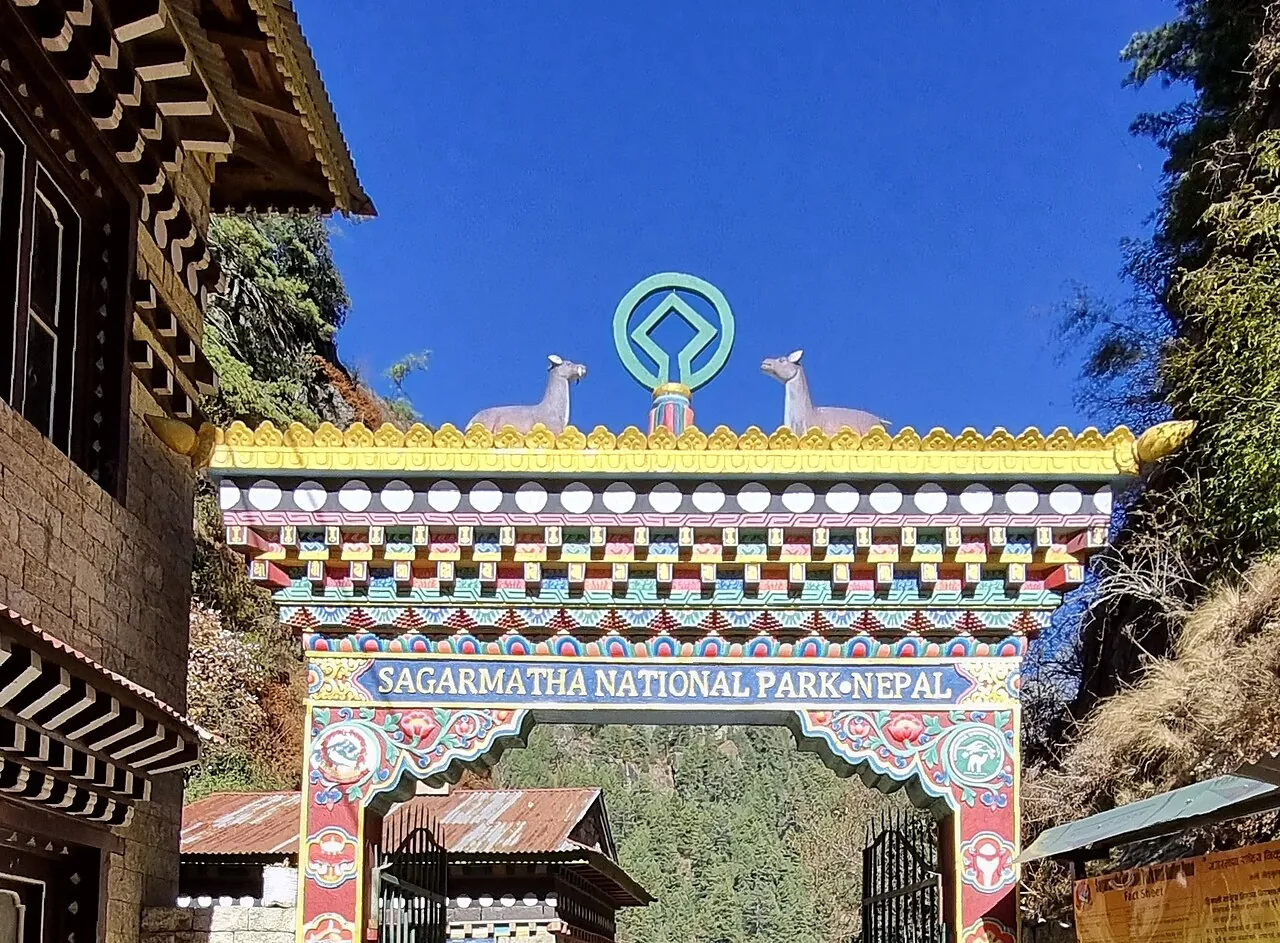
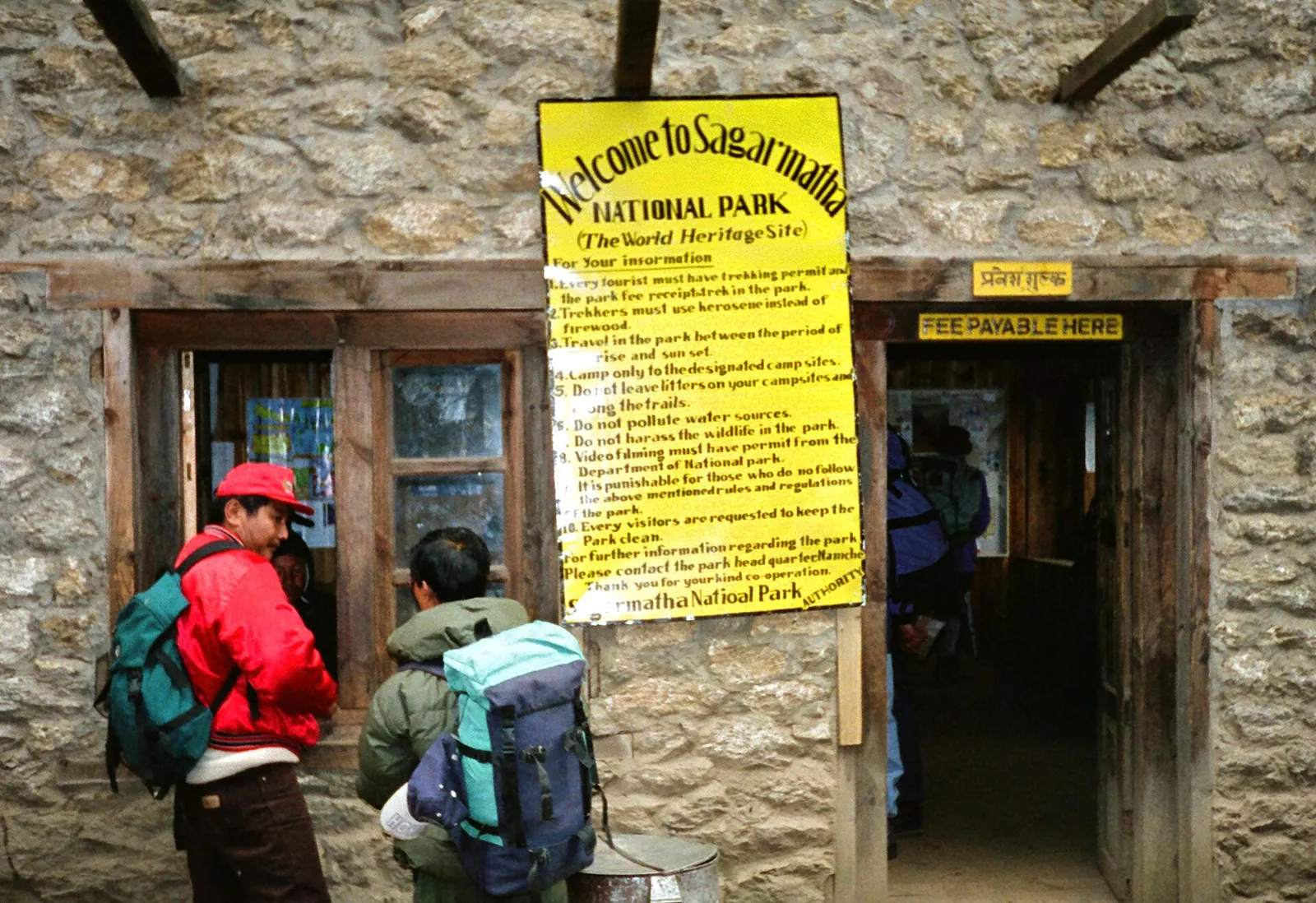
For Sagarmatha National Park, pay at the same Tourist Service Center or at the entry points; children under 10 enter free. The park entrance on the Everest Base Camp trail is at the Jorsale check point just beyond Monjo, where permits are checked.
No official page lists the Khumbu Pasang Lhamu rural municipality's own entry fee or where it is paid; ask your agency whether it applies. It is a different thing from the restricted-area permit for ward 5 described above.
No official page lists how many days a TIMS card stays valid. Buy permits that cover your full trek dates: Germany's Federal Foreign Office says permits must cover the whole planned trek period, and that papers that expire before the end of the trek risk high fines.
Check posts on the three trails
Register at every check-post along the route: NTNC says this lets it monitor the flow of trekkers and improves your chances of rescue in an emergency. TAAN, the trekking agencies' association, lists the check posts for each listed route. The tourist police hotline is 1144, toll free.
- Poon Hill and Annapurna Base Camp: TAAN gives the Poon Hill-ABC route as Pothana or Birethanti, Poon Hill, Chhomrong, Dobhan and Annapurna Base Camp, with the TIMS check post at Birethanti and the exit check post at Birethanti or Pothana. Nepal Police lists tourist-police posts at Birethanti, Ghorepani, Ghandruk and Dhampus.
- Everest Base Camp: TAAN gives the route as Lukla, Monjo, Namche, Dingboche and Everest Base Camp, back to Namche, with the TIMS check post at Monjo for entry and exit. The national park's own check is at Jorsale, just beyond Monjo. Nepal Police lists a tourist-police post at Lukla and a temporary post at Namche Bazaar.
Insurance that pays for a helicopter
Take insurance that covers mountain rescue and helicopter costs. The UK Foreign Office advises exactly that and warns that rapid helicopter evacuation may be hard to arrange from remote areas. France's foreign ministry says mountain rescue is paid for and helicopters fly only when payment is guaranteed; give your insurance details to the agency before the trek. It reserves helicopter transport from an accident site to Kathmandu for extreme emergencies. France's foreign ministry recommends that trekkers or their guides carry satellite phones.
Mountain flights are often delayed or cancelled by weather, and the Everest Base Camp trek starts and ends with the Lukla flight, so leave spare days before an international flight. Every Nepali airline is on the EU and UK air-safety lists, according to the German and UK government pages.
Altitude figures that set the length of the trek
Germany's Federal Foreign Office advises seeing a doctor experienced in altitude medicine before any trek above 2,300 m. UK Travel Health Pro puts the start of altitude-illness risk at 2,500 m. Poon Hill is at 3,210 m, Annapurna Base Camp at 4,130 m and Namche Bazaar at 3,500 m according to the Nepal Tourism Board, and Everest Base Camp is about 5,300 m. Sagarmatha National Park's own figure puts Monjo, the lowest point of the park, at 2,845 m, so the Everest trail is above the 2,500 m threshold from the park gate.
UK Travel Health Pro advises spending a few days below 3,000 m. TravelHealthPro advises gaining no more than about 500 m of sleeping height a day above 3,000 m. Take a rest day at the same altitude every three or four days. If you develop symptoms of altitude sickness, stop climbing, descend promptly with a companion to a lower altitude (below 4,000 m if you are higher) and consult a doctor. Signs of cerebral or pulmonary oedema need immediate descent and emergency medical treatment.
The Himalayan Rescue Association runs an aid post at Pheriche, at 4,250 m on the Everest route, and the Nepal Tourism Board says it gives a daily talk on altitude sickness at 3 pm there in the spring and autumn seasons, the two seasons compared in when to trek. Compare any itinerary you are offered with that 500 m rule before you pay.
Langtang and the other valleys this guide leaves out
This guide, like every guide in this edition, does not cover Langtang, Rasuwa district or the Budhi Gandaki valley in Gorkha. The UK government, checked on 17 October 2026, listed areas of Gorkha, Nuwakot and Dhading among those affected by the floods of 26 August 2026 and warned that heavy rain could trigger more landslides. Germany's Federal Foreign Office advises avoiding the Rasuwa disaster area, and France's foreign ministry reported a sudden Budhi Gandaki flood in the Gorkha region on 11 October 2026.
All three governments' advice was checked on 17 October 2026 and France puts the whole of Nepal under enhanced vigilance, so read your own government's page before you book.
Practical questions
Can I trek Poon Hill or Everest Base Camp without a guide?
No. The Nepal Tourism Board requires foreign trekkers on its listed routes, which include Everest Base Camp and Poon Hill-ABC, to walk with a licensed trekking guide and carry an agency-issued TIMS card.
How much is the TIMS card and who sells it?
NPR 2,000 for foreign trekkers other than South Asian (SAARC) nationals, who pay NPR 1,000. Only registered trekking agencies buy it, online, and the system issues an e-card with a QR code for each trekker.
What do the permits for Everest Base Camp cost?
Besides the TIMS card at NPR 2,000, the Sagarmatha National Park entry fee is NPR 3,000 per person per entry for foreigners (NPR 1,500 for SAARC nationals).
Can I buy the Annapurna permit on the trail?
You can, but permits issued at check-posts cost double. Buy the NPR 3,000 permit on the NTNC e-permit website or at an NTNC counter before you start; it is valid for one entry and is not refunded or transferable.
Do Upper Mustang and Nar Phu need a special permit?
Yes. Both need a Department of Immigration restricted-area permit, issued to groups through a registered agency. Upper Mustang also needs the Annapurna Conservation Area permit; the restricted-areas section explains Nar Phu's additional-permit gap. For Narpa (Nar Phu), the Department of Tourism's table lists USD 100 per person for the first week from September to November and USD 75 from December to August, then USD 15 per person per day beyond the first week in either season. For Upper Mustang and Upper Dolpa, it lists USD 500 per person for the first ten days, then USD 50 per person per day.
Is helicopter insurance a legal requirement?
The UK, German and French governments advise cover for mountain rescue and helicopter evacuation. The insurance section explains the payment guarantee and emergency limits.
Does this guide cover Langtang?
No; see the last section.
Sources and checks before you travel
Reference sources for the version dated 18 October 2026. Confirm opening times, access, transport and conditions for your travel dates.
- Nepal Tourism Board: TIMS card ↗ — opens in a new tab
- NTNC: online permit system ↗ — opens in a new tab
- Nepal Tourism Board: park entry fees ↗ — opens in a new tab
- Nepal Tourism Board: Sagarmatha National Park ↗ — opens in a new tab
- Nepal Tourism Board: Everest Base Camp ↗ — opens in a new tab
- Nepal Tourism Board: Namche Bazaar ↗ — opens in a new tab
- Nepal Tourism Board: top trekking destinations ↗ — opens in a new tab
- Nepal Tourism Board: trekking permit ↗ — opens in a new tab
- Trekking Agencies' Association of Nepal: trekking permit fees ↗ — opens in a new tab
- Department of Tourism: restricted areas and trekking (Nepali page, English table) ↗ — opens in a new tab
- Nepal Tourism Board: Annapurna ↗ — opens in a new tab
- Nepal Tourism Board: climate ↗ — opens in a new tab
- Nepal Tourism Board: safety in the mountains ↗ — opens in a new tab
- Trekking Agencies' Association of Nepal: TIMS overview ↗ — opens in a new tab
- Trekking Agencies' Association of Nepal: profile ↗ — opens in a new tab
- Nepal Police: Tourist Police ↗ — opens in a new tab
- Sagarmatha National Park: home page ↗ — opens in a new tab
- UK Travel Health Pro: Nepal ↗ — opens in a new tab
- UK Foreign Office (GOV.UK): Nepal safety and security ↗ — opens in a new tab
- UK Foreign Office (GOV.UK): Nepal travel advice ↗ — opens in a new tab
- UK Foreign Office (GOV.UK): Nepal health ↗ — opens in a new tab
- Germany's Federal Foreign Office (Auswaertiges Amt): Nepal travel and security advice (German) ↗ — opens in a new tab
- France Diplomatie: Nepal security advice ↗ — opens in a new tab
- France Diplomatie: Nepal health advice ↗ — opens in a new tab
- France Diplomatie: Nepal alerts ↗ — opens in a new tab
- Yeti Airlines: Pokhara ↗ — opens in a new tab
- NTNC: Annapurna Conservation Area Project ↗ — opens in a new tab
Photo credits
The entrance gate of Sagarmatha National Park, which every Everest Base Camp trekker passes through.
Photograph: Billjones94 — opens in a new tab · CC0 — opens in a new tab
Changes: Resized and converted to WebP; displayed with responsive crops. · Original photograph and licence details ↗ — opens in a new tab
The Sagarmatha National Park entrance building at Jorsale in March 1997.
Photograph: John Pavelka from Austin, TX, USA — opens in a new tab · CC BY 2.0 — opens in a new tab
Changes: Resized and converted to WebP; displayed with responsive crops. · Original photograph and licence details ↗ — opens in a new tab
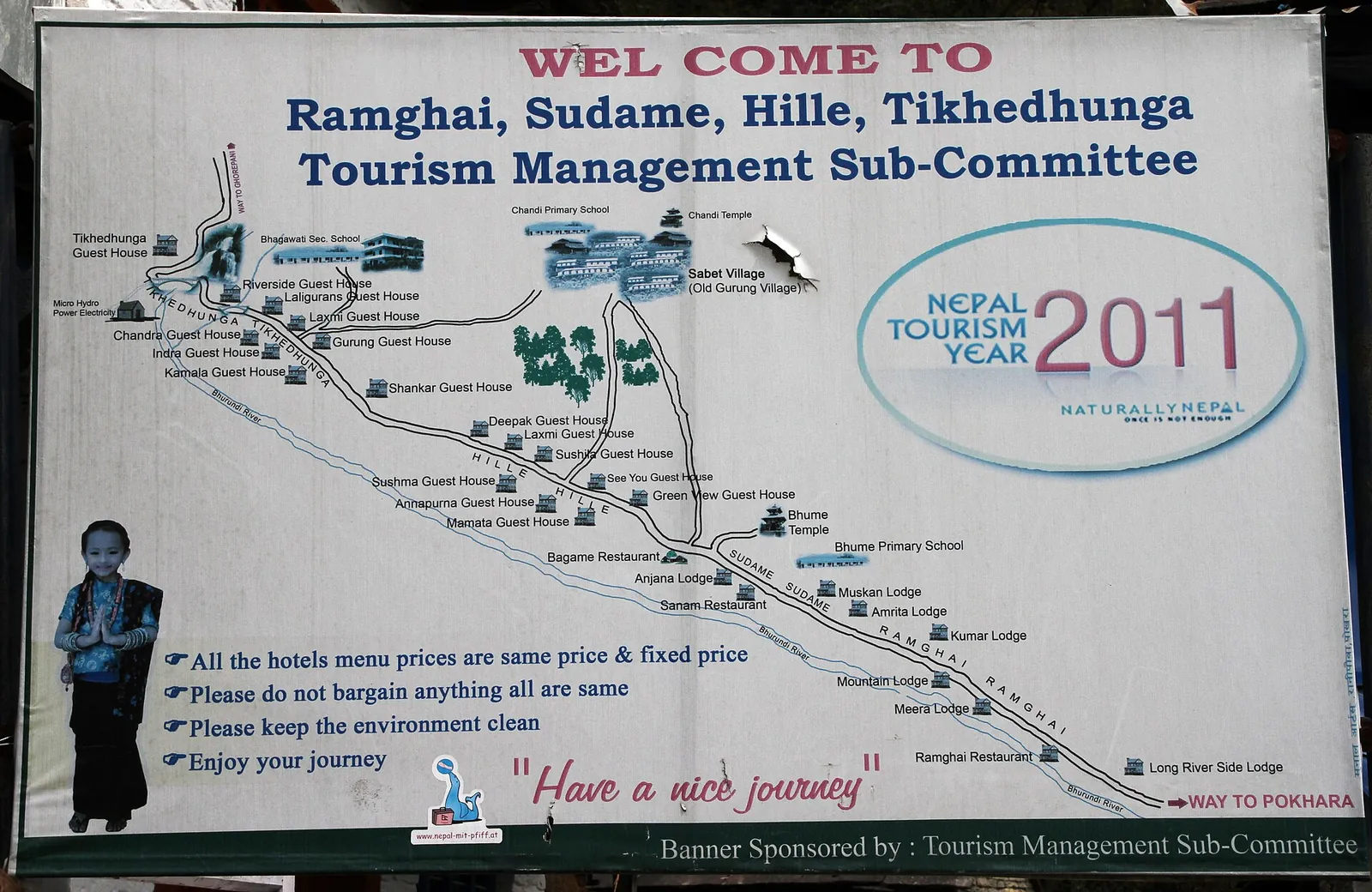
A route board on the Birethanti–Tikhedhunga trail, photographed in March 2013, with a Nepal Tourism Year 2011 emblem.
Photograph: Gerd Eichmann — opens in a new tab · CC BY-SA 4.0 — opens in a new tab
Changes: Resized and converted to WebP; displayed with responsive crops. · Original photograph and licence details ↗ — opens in a new tab
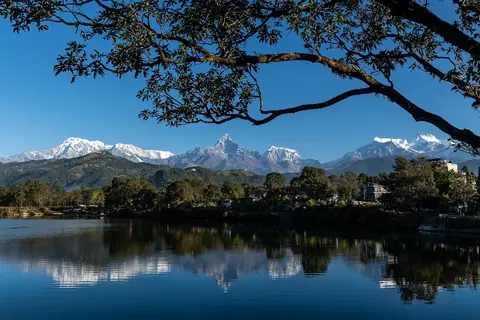
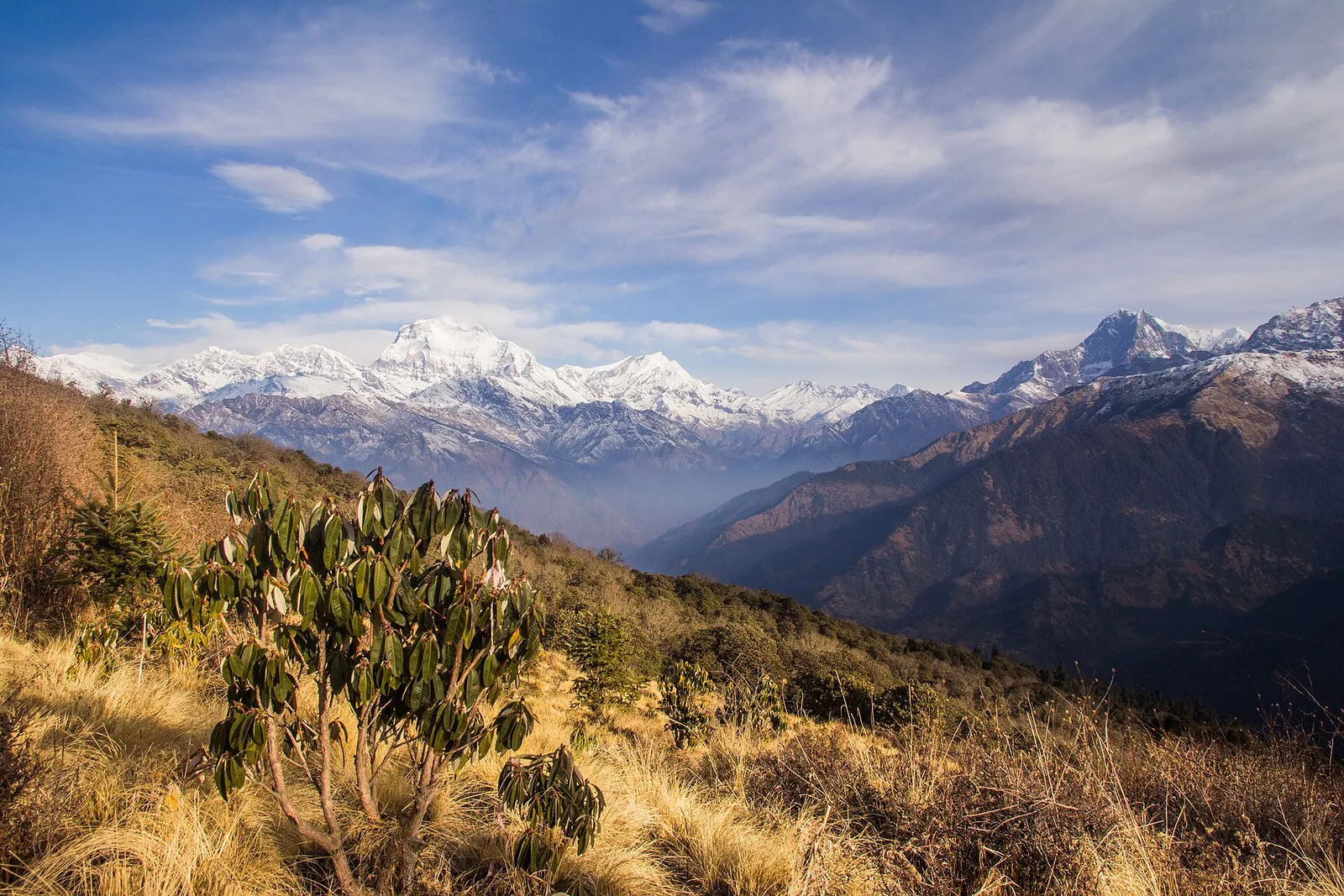
A view over the Annapurna Conservation Area, whose entry permit Poon Hill and Annapurna Base Camp trekkers need.
Photograph: Alexey Komarov — opens in a new tab · CC BY 3.0 — opens in a new tab
Changes: Resized and converted to WebP; displayed with responsive crops. · Original photograph and licence details ↗ — opens in a new tab
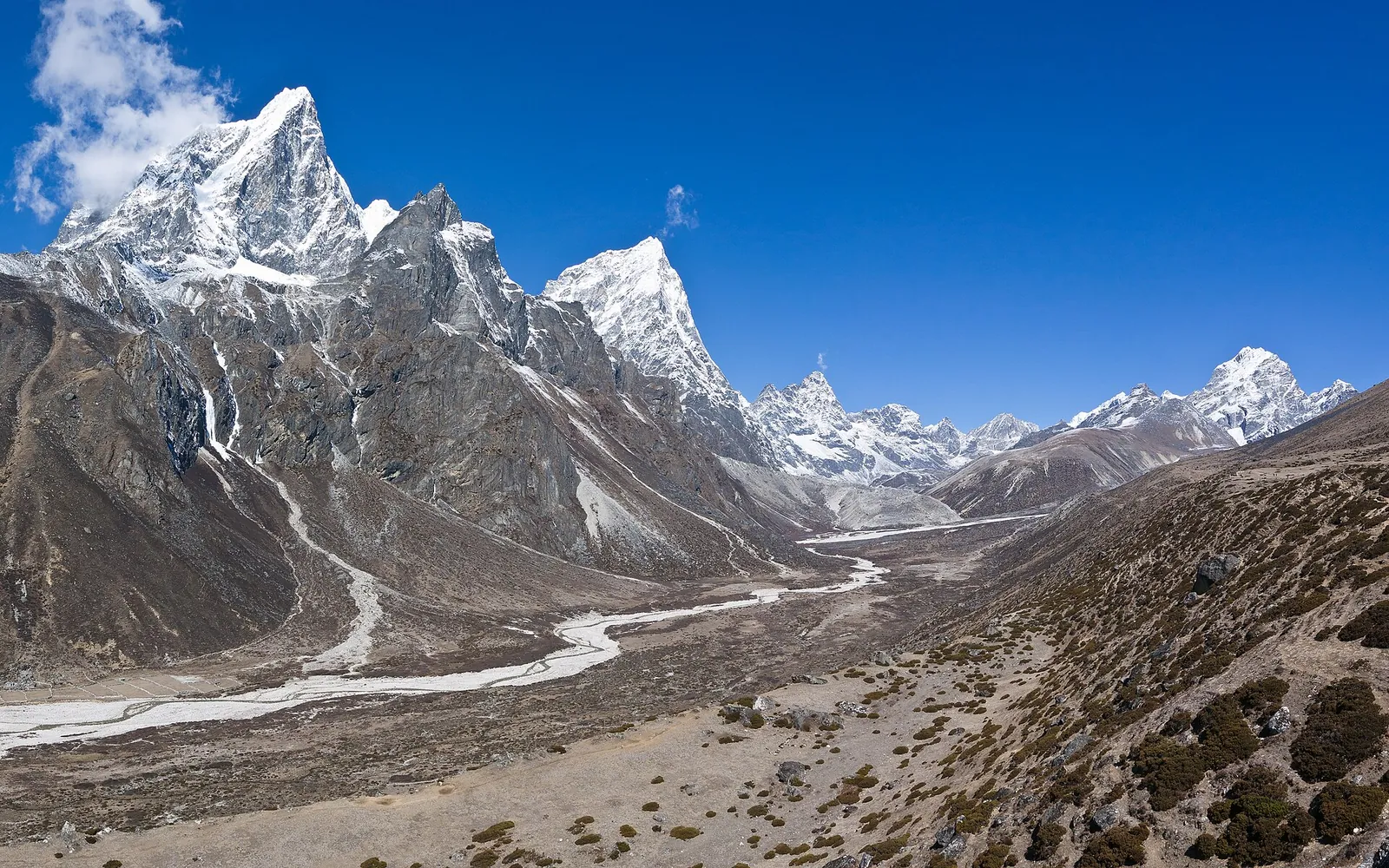
The Khumbu valley above Pheriche, where the Himalayan Rescue Association keeps an aid post on the Everest route.
Photograph: Faj2323 — opens in a new tab · CC BY-SA 4.0 — opens in a new tab
Changes: Resized and converted to WebP; displayed with responsive crops. · Original photograph and licence details ↗ — opens in a new tab