Tokyo
Koenji, Tokyo: vintage shops, live houses and bars in one walk
Koenji is Tokyo's capital of secondhand jeans, punk flyers and tiny bars, a few stops west of Shinjuku on the Chuo Line. Its bohemian streak goes back to the student movements of the 1960s; today it is a web of covered and open shopping streets where vintage shops sit beside greengrocers, record shops and izakaya that spill out under the railway. There is no single big sight here, and that is the point: you come to walk, browse and stay out. This guide shows how to fit Koenji into half a day or a full one, which train actually stops there, and what happens when the Awa Odori dance festival takes over its streets at the end of August.
In this guide
Find the location ↗ — opens in a new tabThe short answer
Give Koenji an afternoon and evening from a Shinjuku base: arrive around 13:00, when the vintage shops open, and stay for dinner under the tracks and a live show. The weekday Chuo Line Rapid takes 6 to 10 minutes between Shinjuku and Koenji; at weekends only the yellow Chuo-Sobu local stops, taking 10 to 14 minutes. Kosugi-yu, the 1933 bathhouse, charges adults ¥600, and most U.F.O. Club shows cost ¥2,800 to ¥3,500 plus one drink (checked on 26 October 2026). Nothing needs booking ahead except the Awa Odori weekend at the end of August: reserve your room first, as early as you can.
- Suggested time
- Half a day to a full day; no overnight needed
- Where to stay
- Shinjuku for most visitors; Koenji itself for the Awa Odori weekend or a show that ends late
- Season and timing
- Koenji works all year, and the roofed Pal arcade keeps a wet afternoon dry. The Tokyo Koenji Awa Odori fills the streets on the last weekend of August, Koenji Fest is usually held on the final weekend of October, the Bikkuri street-performance festival usually on the last weekend of April, and the Engei rakugo festival during a week in mid-February. Hikawa Shrine's cherry trees usually flower from late March into early April.
Half a day or a full one, and why Shinjuku is the better bed
Koenji has no single sight to queue for; its pleasure is walking. Half a day is enough if you arrive after lunch: the vintage shops of Pal and Look in the afternoon, Hikawa Shrine on the way, then the izakaya under the tracks and a show. Make it a full day if you want lunch at Tensuke's egg-tempura counter, the quiet temples between Koenji and Shin-Koenji, and a soak at Kosugi-yu before the last train.
For most visitors the better base is Shinjuku, which our where-to-stay guide recommends for a first trip: the Chuo Line runs straight from there to Koenji, and you keep one hotel for the rest of Tokyo. Sleep in Koenji itself for the Awa Odori weekend, a late show or a few nights in a residential corner of the city. It has hotels by the station as well as dormitory and private-room guest houses, some of them for women only, but only two hotels stand right in front of JR Koenji Station, so book early for the last weekend of August. Nakano, the next stop towards Shinjuku, is a middle way, with JR Chuo and Sobu Line trains and the Tokyo Metro Tozai Line.
Getting there: the orange Rapid on weekdays, the yellow local at weekends
JR Koenji Station is on the Chuo Line, and which train stops there depends on the day. On weekdays the orange Chuo Line Rapid calls at Koenji, and the timetable gives 6 to 10 minutes between Koenji and Shinjuku. On Saturdays, Sundays and holidays no Rapid stops there, so take the yellow Chuo-Sobu Line local instead, which takes 10 to 14 minutes. The Special Rapid and Commuter Special Rapid never stop at Koenji, and some locals end at Nakano, one stop short; if yours does, get off and wait for the next train. Use the same IC card as for the rest of the city; our Tokyo guide explains Suica and the other cards.
The Tokyo Metro Marunouchi Line runs along Ome-kaido Avenue to the south. Shin-Koenji Station, a 15-minute walk from the main sights, is handy for the temples, and Higashi-Koenji Station, further east on the same avenue, is the one for U.F.O. Club and 20000 Den-Atsu. From the airports, Koenji is about one hour by train from Haneda and about two hours from Narita.
Going back, the last local trains towards Shinjuku leave Koenji just after midnight, and the departures after that run only to Nakano. If you are staying in Shinjuku or further east, leave a bar or a show by about 23:45, as anywhere in Tokyo, where public transport runs until around midnight.
North of the tracks: Junjo, Koshin-dori and a 1933 bathhouse
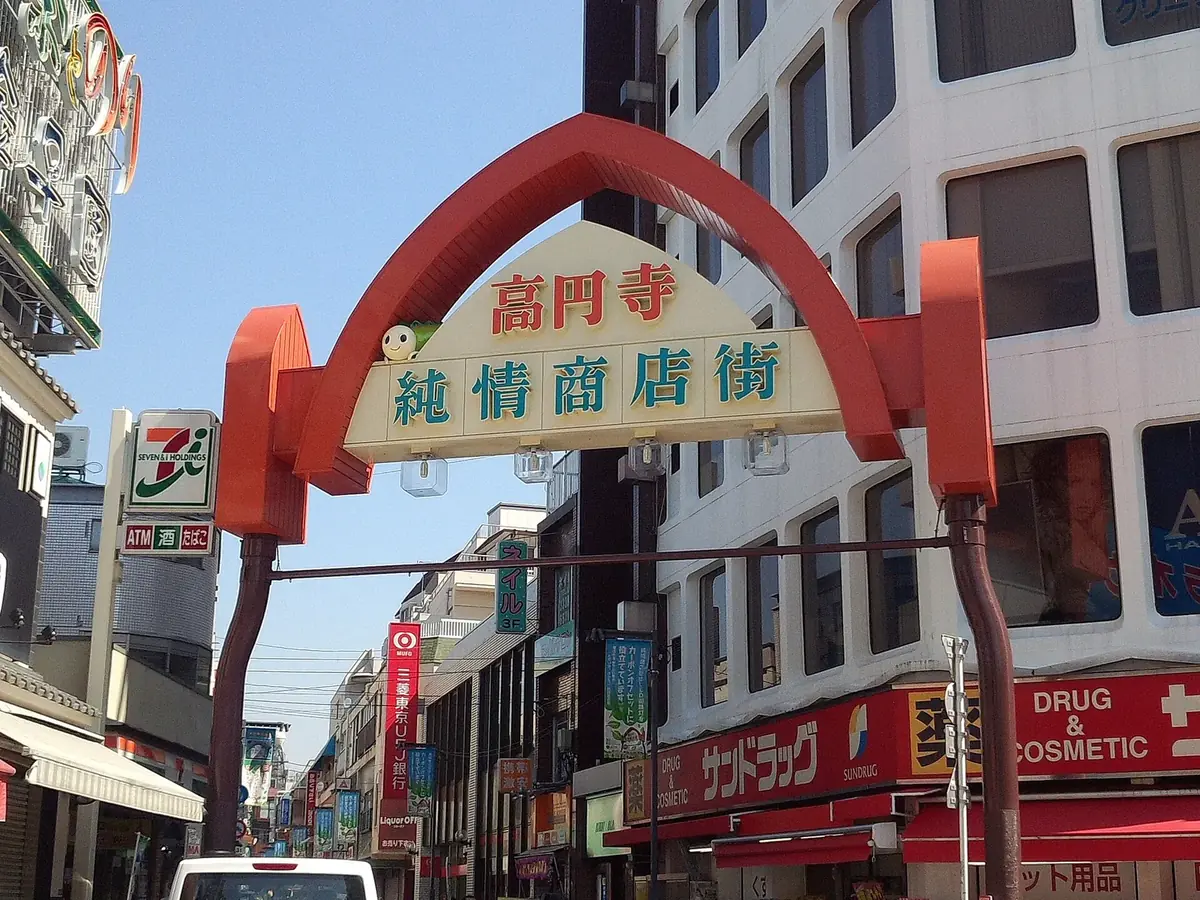
Leave by the north exit and the arch of Koenji Junjo Shotengai stands across the square. Before the war this street was Koenji Ginza; it took its present name after the novelist Shoichi Nejime set his late-1980s novel *Koenji Junjo Shotengai* here, and it is still a working street of restaurants, bars, live venues and secondhand shops. Koshin-dori, which starts from the tracks a little to the west, is where locals do their shopping: tea and toy shops, a bookshop-gallery, record shops, stands selling takoyaki, curry, okonomiyaki and gyoza at its far end, and Tensuke, a tempura counter that has fried its egg tempura since 1987.
On Koshin-dori, behind a row of fish, meat and vegetable sellers, Daiichi Ichiba is a former indoor market turned into a roofed food alley of more than ten small restaurants: Vietnamese pho and skewers, Japanese curry, ramen and yakitori, eaten on plastic stools; it is at its liveliest after 19:00.
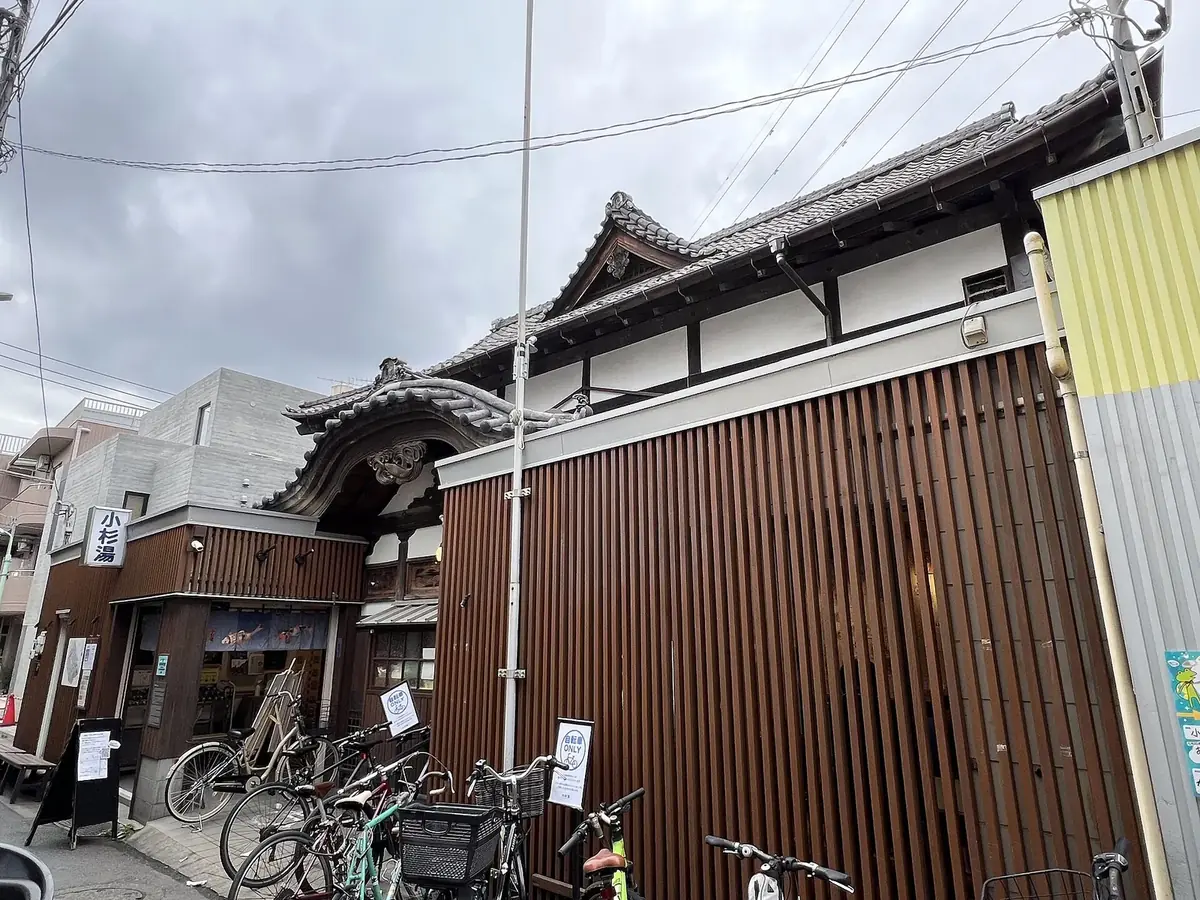
Five minutes' walk up Junjo and Koshin-dori, Kosugi-yu is a neighbourhood sento, a public bathhouse, opened in 1933. Its wooden building keeps the curved karahafu gable that became fashionable in bathhouses after the 1923 Great Kanto Earthquake, with a carved carp hanging under it as a charm against fire. When we checked on 26 October 2026, it opened 14:00–25:30 on weekdays and 08:00–25:30 on Saturdays, Sundays and holidays with last entry at 25:00. Adults pay ¥600, the standard price for Tokyo bathhouses since 1 August 2026; face towels cost ¥100 and bath towels ¥200 to rent, and shampoo and soap are provided.
East along the tracks from the north exit, four minutes on foot, Za-Koenji is Suginami's public theatre: a dark, tent-like building dotted with small round windows, designed by Toyo Ito and opened in 2009. Entry to the building is free, while most performances need tickets, and the Awa Odori groups practise in its basement hall.
South of the tracks: Pal, Look and the vintage shops
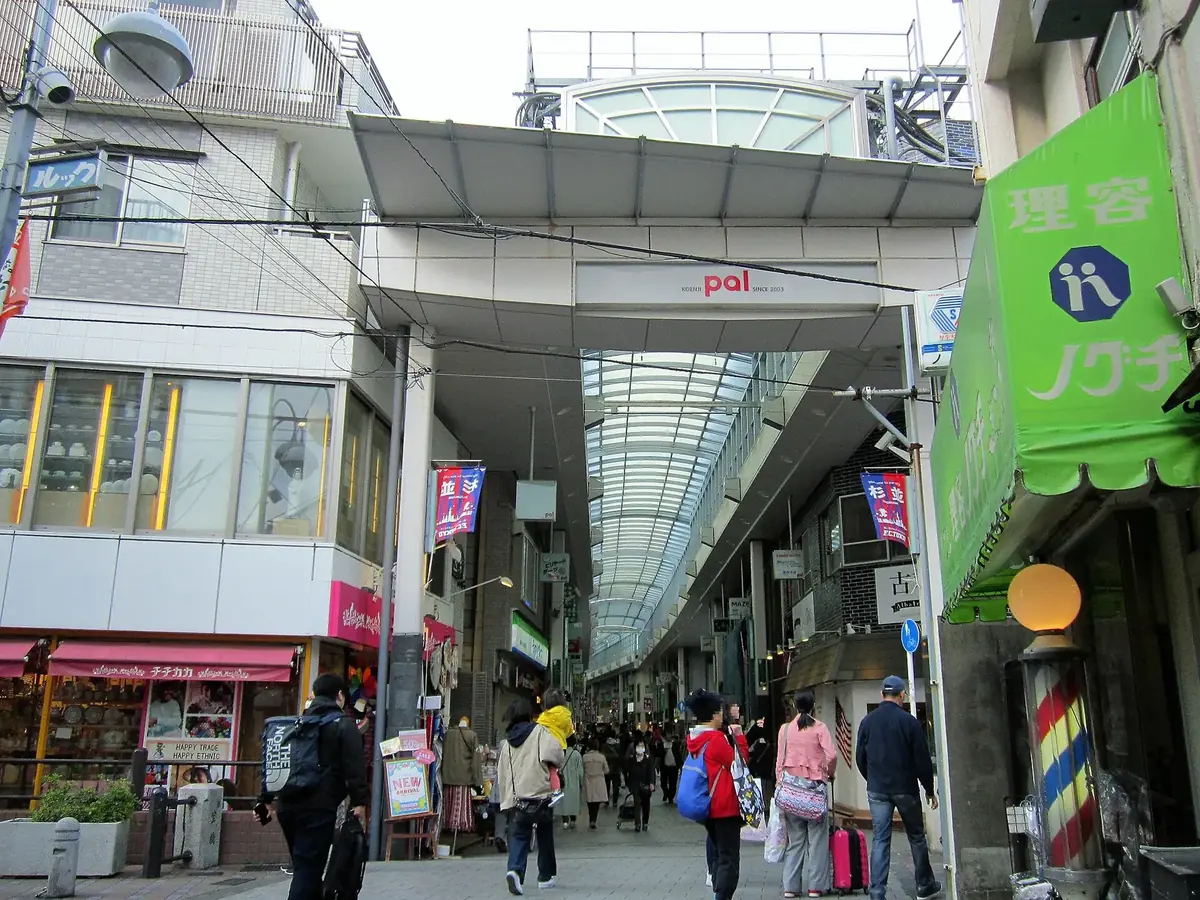
The south exit leads straight into Koenji Pal, a covered arcade of restaurants, record shops, boutiques and vintage clothing shops that keeps a rainy afternoon dry. Where its roof ends, Look Street carries straight on south and Etoile-dori turns off to the right. Look Street is open to the sky and lined with owner-run shops and cafes rather than chains, much of it vintage from the 1960s to the 1990s; Etoile-dori is hung with coloured lanterns for most of the year. The vintage shops draw their biggest crowds at weekends.
East of Konan-dori, the main road south from the station, the streets turn residential and the shops spread out: the southeast vintage area begins just south of Hikawa Shrine, with small owner-run shops scattered through the side streets. Most shops open late in the morning or early in the afternoon, so come from 13:00. Prices run from under ¥1,000 to hundreds of thousands of yen for collectors' pieces, and Koenji is generally cheaper than Harajuku. The Kitakore Building is known for its shops of original remade clothing.
A few shops show the range. Safari, which started in a tiny shop in 2001, now has four clothing stores in Koenji split by genre: store 1 for vintage clothing, store 2 for Ralph Lauren and RRL, store 3 for imported brands and store 4 for outdoor wear. Up a staircase on Pal, Record Boy has sold punk and metal since it opened as a rock cafe in 1980: thrash, death and doom metal, crust and 1980s hardcore, and Japanese bands' releases sold almost nowhere else (13:00–20:00, closed on Wednesdays). On Look Street, Kiki sells women's clothes from the 1950s to the 1970s, mostly American, in a shop dressed as a child's bedroom, with most pieces at ¥3,000 to ¥4,000, and Grandpries, nearer Shin-Koenji, is a family-run jumble of vintage toys, clothes, handmade accessories and cheap Japanese folk records (closed on Wednesdays).
Hikawa Shrine, the weather shrine and the temples
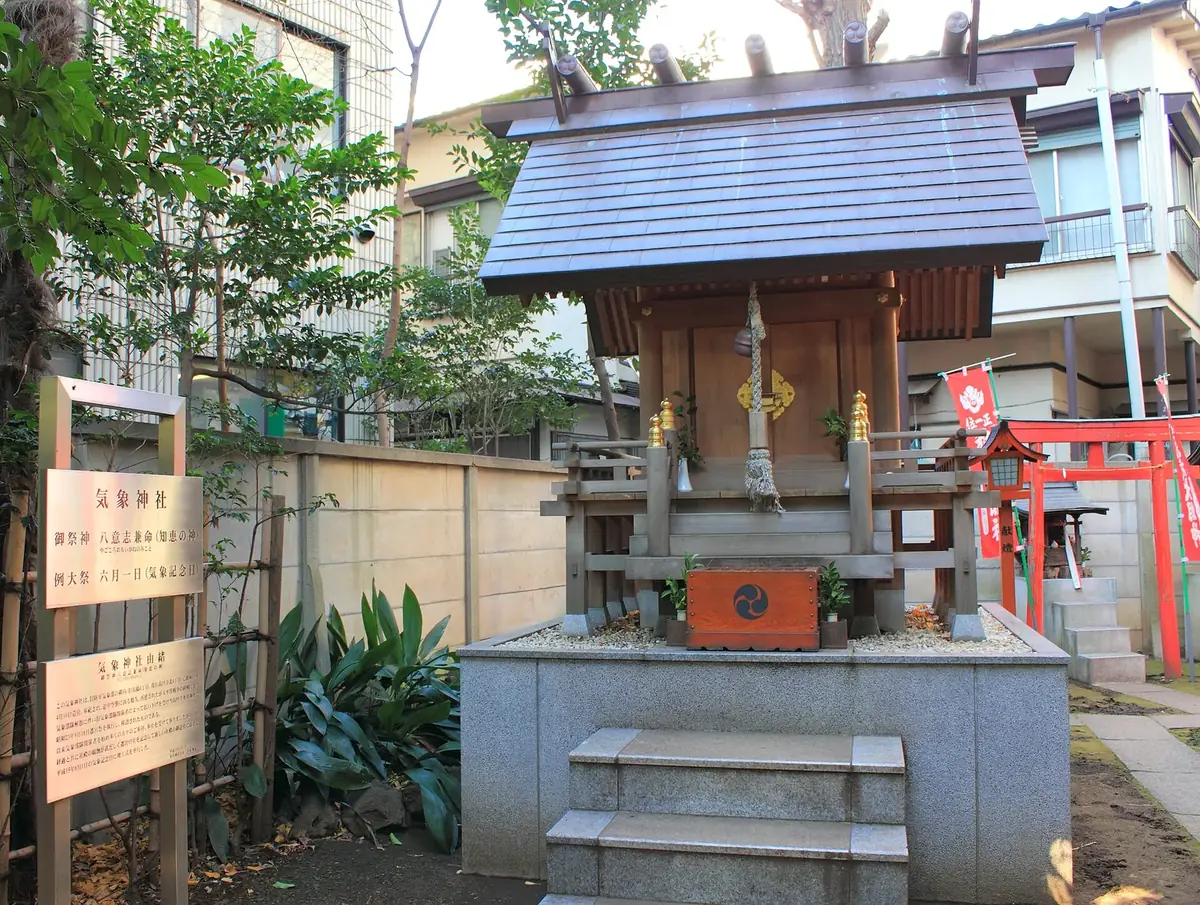
A minute from the south exit, Koenji Hikawa Shrine was founded in the late 12th century and fills with food stalls during the Awa Odori and Koenji Fest. In its grounds stands Kisho Jinja, the only shrine in Japan dedicated to a weather deity: people come to pray for fine weather for weddings and events, and its votive tablets are shaped like geta, the wooden sandals that children once threw to forecast the weather. Teru teru bozu, small cloth dolls hung to stop the rain, usually decorate it.
For a quiet hour, walk about 10 minutes south on the main road to the temples area, a cluster of small temples, mostly Soto Zen, between Koenji and Shin-Koenji; several were moved here from central Tokyo in the early 20th century. Six are open to enter, usually from morning until about 17:00. Saishoji, nearest the main road, has maples that colour in autumn, and Chozenji, a Nichiren temple founded in Yanaka in 1590, has comic statues and water lilies in summer. The district takes its name from Koenji Temple, founded in 1555, where the third Tokugawa shogun, Iemitsu, used to stop on falconry trips; its stone torii is carved with dragons. At a temple, bow and pray quietly; the clapping is for shrines.
Evenings: the bars under the tracks and the live houses
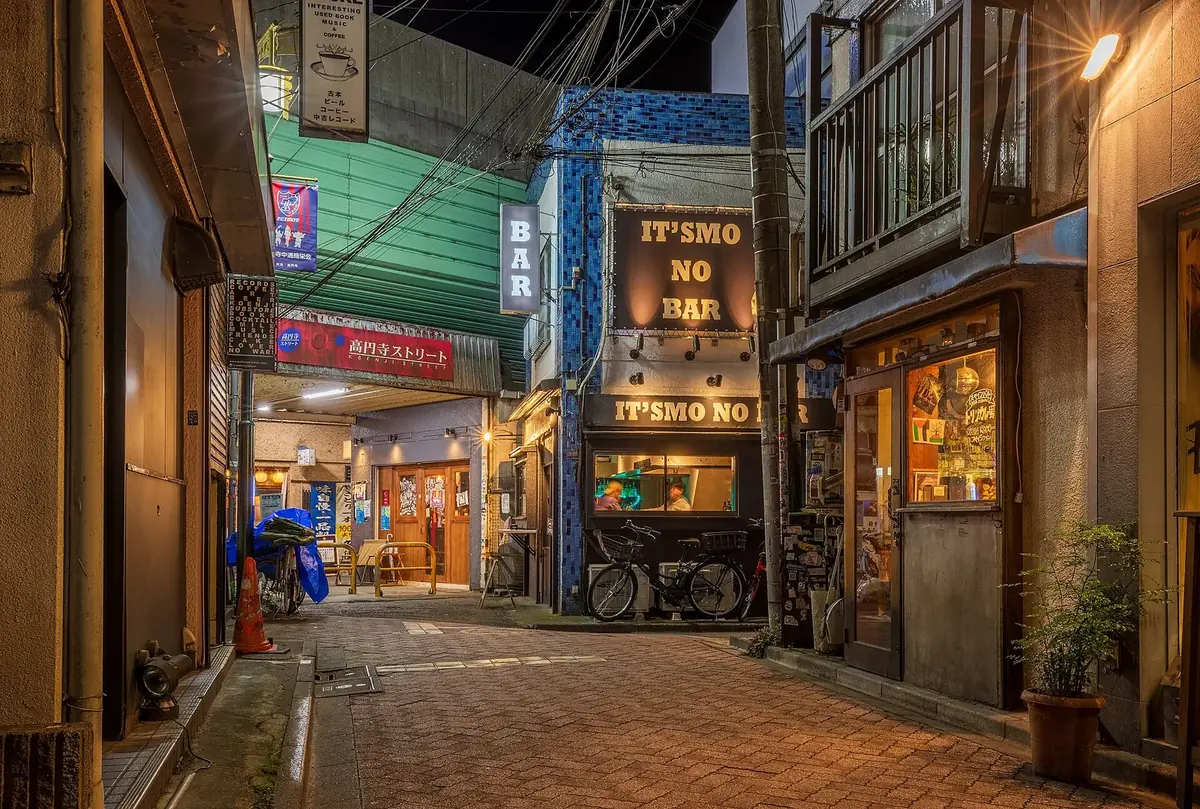
From about 17:00 the neighbourhood moves to Koenji Street, the izakaya and tiny bars that run under and beside the Chuo Line tracks next to the station. Paper lanterns, stools made from sake crates and the smoke of yakitori set the scene. Drinks cost about ¥400 to ¥700, with a table charge of about ¥300 at some places; many have English menus, and most izakaya take last food orders around 23:30.
Live music is what brings many visitors. Koenji's live houses, as Japan calls small music venues, play different genres on different nights, from J-pop to heavy metal, so look at the schedule before you choose. Koenji High, three minutes south of the station, opened in 2008 and is the neighbourhood's largest venue, holding about 250 to 280 people, with no photos or smoking in the live area. U.F.O. Club, three minutes from Exit 2 of Higashi-Koenji Station, has been a home of underground rock since 1996, and 20000 Den-Atsu, also in Higashi-Koenji, opened in 2010 to carry on Koenji 20000V, which closed after a fire in 2009.
Shows are cheap by Tokyo standards, but the drink is extra. When we checked U.F.O. Club's schedule on 26 October 2026, most shows cost ¥2,800 to ¥3,000 in advance and ¥3,300 to ¥3,500 at the door, each plus one drink paid on entry, and only performers could leave and come back. Advance tickets are reserved through the bands or the ticket site linked from the schedule, and doors mostly opened at 18:00 or 18:30, so a show fits after an early dinner.
What to eat and where to look
Yakitori (grilled chicken skewers)
Chicken skewers grilled over charcoal, seasoned with salt (shio) or a sweet soy glaze (tare), the standard order in the izakaya along Koenji's tracks. At Ondoriya the speciality is tsukune, a chicken meatball grilled slowly for half an hour.
- Where to look
- Ondoriya, 3-21-5 Koenji-kita, a few minutes from the north exit; open 12:00 to 05:00, with skewers at about ¥130 to ¥200, drinks at ¥500 to ¥600 and a ¥350 table charge that brings a bowl of daikon stew. The lanes of Koenji Street under the tracks have more.
- Fit it into your day
- An early dinner before a show, with English menus to order from.
Egg tempura (tamago tendon)
An egg fried in tempura batter so the yolk stays runny, eaten on rice with a sweet sauce. Tensuke has made it its speciality since 1987, and the chef's flourish at the fryer is part of the meal.
- Where to look
- Tensuke, 3-22-7 Koenji-kita, two minutes from the north exit; lunch only, 12:00–14:00 (until 15:00 at weekends), with the egg lunch set at ¥1,800.
- Fit it into your day
- Lunch on the full-day plan; the queue usually starts around 11:00.
The lunch set also includes shrimp and squid tempura, and the counter does not take credit cards.
Niboshi ramen (dried-sardine broth)
Tokyo-style ramen in a light soy-sauce broth made from niboshi, dried sardines. Taiyo blends several kinds from different parts of Japan and serves wavy noodles with large gyoza on the side.
- Where to look
- Taiyo, 3-22-12 Koenji-kita, two minutes from the north exit.
- Fit it into your day
- A quick lunch, or a late bowl after a show.
Curry
Curry is a Koenji habit: Koenji Fest holds curry-tasting events, and Daiichi Ichiba has curry bars among its stalls. At Curry-Bal Kujira, chicken, pork and coconut curries come as small plates with drinks.
- Where to look
- Curry-Bal Kujira, Daiichi Ichiba, 3-22-8 Koenji-kita, three minutes from the north exit.
- Fit it into your day
- Small plates and a drink before the bars under the tracks.
Onigiri (rice balls)
Rice balls shaped by hand to order from Koshihikari rice grown on Sado Island, the owners' family home, with 23 fillings such as soy-cured egg yolk with minced meat, grilled salmon with salmon roe, and fatty tuna with pickled daikon. Onigiri Momofuku opened on Koshin-dori in June 2024 and seats six at its counter.
- Where to look
- Onigiri Momofuku, 2-38-17 Koenji-kita, six minutes from the north exit; open Monday, Tuesday, Thursday and Friday 07:30–15:00 (counter seats from 11:00) and Saturday 10:00–15:00, closed on Wednesdays and Sundays; onigiri from ¥300, or ¥280 to take away.
- Fit it into your day
- A light lunch or a takeaway for the walk; set meals add miso soup or karaage, and the English menu marks the vegan fillings.
Koenji Awa Odori: the last weekend of August
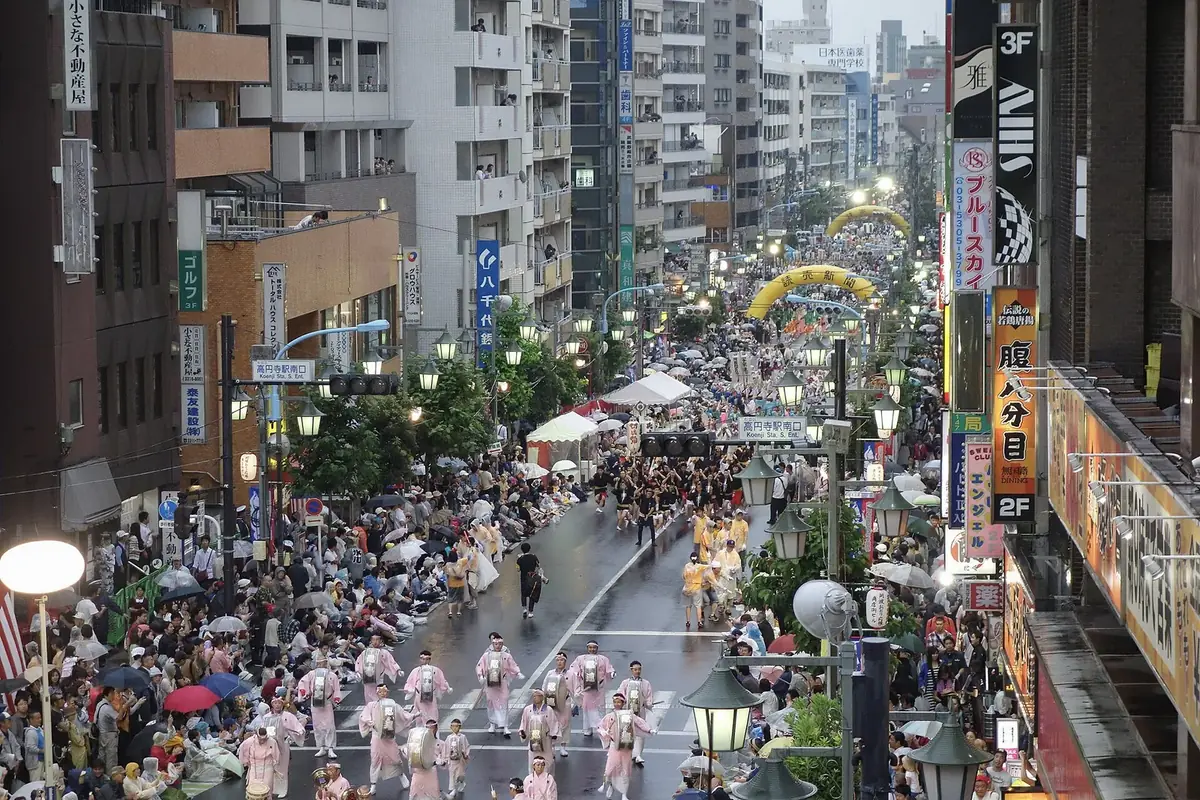
The Tokyo Koenji Awa Odori began in 1957 to bring life back to the local shopping streets, with 38 dancers. It is now the largest Awa Odori outside Tokushima, where the dance comes from, with over 10,000 dancers and a million visitors. Dance groups called ren move through the streets to flutes, shamisen, bells and drums. It is held on the last weekend of August. The organisers have not yet announced the 2027 dates; on the calendar, the last weekend of August 2027 falls on 28 and 29 August. In 2026 the dancing ran from 17:00 to 20:00 on nine stages in the shopping streets around JR Koenji and Shin-Koenji stations and on Konan-dori, Pal, Junjo and Look Street among them.
Watching from the pavement is free. Reserved seats are the organisers' thank-you for a sponsorship donation. The latest published prices, for 2026, were ¥15,000 per seat at the Chuo stage and ¥10,000 at the Junjo, Momozono or Minami stage, up to five per person; online applications opened on 1 July that year, and there is no refund if the festival is cancelled. With children, the start of the Junjo and Pal stages and the Look 2 stage are the easiest places to see.
Roads inside Ome-kaido, Kannana-dori, Waseda-dori and Mabashi-dori close to traffic from 16:10 to 20:30 on both days, the bus and taxi stands at the south exit move to a temporary stand at the north exit, and bicycles and pushchairs are best left behind. Taping or laying sheets to hold a spot is banned, nobody may join a dancing group, tripods, selfie sticks and drones are not allowed, and smoking is limited to designated areas. The festival goes ahead in rain unless it is very heavy. Do any shopping before 17:00: once the dancing starts, the streets are packed.
An afternoon and evening in Koenji, step by step
The plan below fills a full day; for half a day, start at 13:00. Avoid Monday, when Tensuke and many shops and restaurants on the north side close, and Thursday, when Kosugi-yu is closed. Tuesday and Friday suit the full plan best, because none of the places whose closing days this guide gives closes on those days.
For two adults based in Shinjuku and following this plan, the afternoon and evening cost about ¥19,000, or ¥9,500 each, plus the Chuo Line fare each way by IC card. Each figure is rounded to the nearest ¥500:
| Item | Per person | For two |
|---|---|---|
| Food and drink: lunch at Tensuke, an izakaya dinner, a drink at the show | ¥5,500 | ¥11,000 |
| Kosugi-yu bath and towel, and a show at the door | ¥4,000 | ¥8,000 |
| Total | ¥9,500 | ¥19,000 |
The figures use Tensuke's ¥1,800 lunch set, about ¥3,000 for an izakaya dinner and about ¥600 for the drink at the show, ¥700 for the bath and a towel, and a ¥3,300 door ticket.
- Late morning (full day only): ride to Koenji, walk south on the main road to the temples area and Koenji Temple, and come back up past Hikawa Shrine and the weather shrine.
- 12:00: queue for egg tempura at Tensuke on the north side, eat niboshi ramen at Taiyo nearby, or take onigiri from Onigiri Momofuku on Koshin-dori.
- 13:00 to 17:00: cross under the tracks to Pal, Look Street and Etoile-dori for vintage clothes and records, then the southeast vintage streets beyond Hikawa Shrine.
- 17:00: yakitori and a drink under the tracks on Koenji Street, or a plastic stool at Daiichi Ichiba on the north side.
- 18:30 to 22:00: a show at Koenji High, or at U.F.O. Club or 20000 Den-Atsu in Higashi-Koenji.
- Last stop: a bath at Kosugi-yu, then a local train towards Shinjuku before the last one just after midnight.
Practical questions
How much time do I need in Koenji?
Half a day covers the shopping streets, Hikawa Shrine and an evening of bars or a show; arrive around 13:00, when most vintage shops are open. Give it a full day if you add lunch at Tensuke, the temples south of the station and a bath at Kosugi-yu.
Does the Chuo Line Rapid stop at Koenji at weekends?
No. On Saturdays, Sundays and holidays take the yellow Chuo-Sobu Line local, 10 to 14 minutes from Shinjuku; on weekdays the orange Rapid also stops and takes 6 to 10 minutes.
When is the Koenji Awa Odori?
On the last weekend of August, from late afternoon into the evening (17:00 to 20:00 in 2026). The 2027 dates are not yet announced; the last weekend of August 2027 falls on 28 and 29 August. Watching from the street is free, and in 2026 reserved seats came with a sponsorship donation of ¥10,000 or ¥15,000 per seat.
How much does a live house show in Koenji cost?
Usually about ¥3,000 plus one drink paid at the door: most of U.F.O. Club's October and November 2026 shows cost ¥2,800 to ¥3,000 in advance and ¥3,300 to ¥3,500 at the door.
Should I stay in Koenji or in Shinjuku?
Shinjuku suits most first trips, and Koenji is a short ride away on the Chuo Line. Stay in Koenji for the Awa Odori weekend, a late show or a quieter residential base with guest houses as well as hotels.
Can I visit a public bath in Koenji?
Yes. Kosugi-yu, a 1933 bathhouse five minutes from the north exit, charges adults ¥600, rents towels for ¥100 and ¥200 and provides shampoo and soap.
Keep planning your trip
Tokyo
How many nights Tokyo needs on a first or second trip, which area to sleep in, and how to split the city into east, centre and west days without zigzagging.
Read the guide
Where to stay in Tokyo
Shinjuku or Tokyo Station for most first trips, then Shibuya, Asakusa, Ueno, Shinagawa and more, compared by trains, nightlife, families and budget.
Read the guide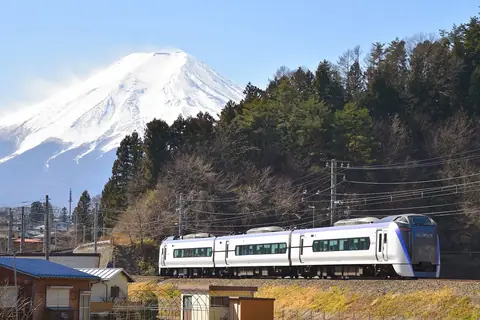
Day trips from Tokyo
Which day trips from Tokyo to take first, the train and pass for each, the season to go, which Tokyo area to sleep in and when Fuji or Hakone needs a night.
Read the guide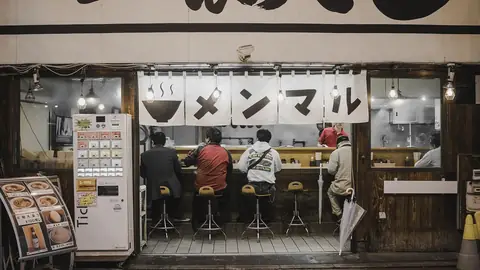
Food in Japan
What to eat from Tokyo to Hiroshima and on to Kanazawa or Sapporo, which meals to book, how ticket machines and the otoshi work, and eating vegetarian or halal.
Read the guide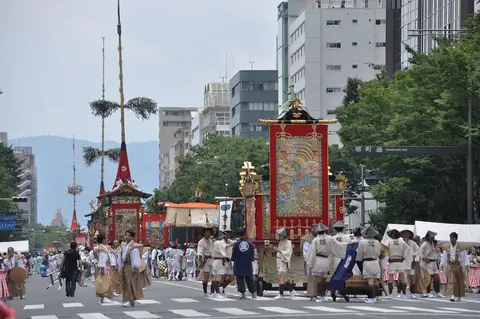
Japan festivals and events 2027
Japan's 2027 holidays and big festivals month by month: Golden Week, Obon, the Sapporo Snow Festival, Gion Matsuri, Nebuta, Awa Odori, Nagasaki Kunchi and more.
Read the guide
First trip to Japan
How to shape two weeks in Japan, what to settle before you fly (entry, Visit Japan Web, cash, data, insurance) and which trains, tickets and rooms to book.
Read the guideSources and checks before you travel
(37)
- GO TOKYO (Tokyo Convention & Visitors Bureau): Koenji ↗ — opens in a new tab
- Tokyo Koenji Awaodori Promotion Association (NPO): 2026 festival report ↗ — opens in a new tab
- Tokyo Koenji Awaodori Promotion Association: frequently asked questions ↗ — opens in a new tab
- Tokyo Koenji Awaodori Promotion Association: special seats ↗ — opens in a new tab
- Tokyo Koenji Awaodori Promotion Association: English page ↗ — opens in a new tab
- JR East: Koenji Station timetable ↗ — opens in a new tab
- Experience Suginami Tokyo (Suginami City Chuosen Aruaru Project): Koenji ↗ — opens in a new tab
- Experience Suginami Tokyo (Suginami City Chuosen Aruaru Project): Koenji Pal Street ↗ — opens in a new tab
- Experience Suginami Tokyo (Suginami City Chuosen Aruaru Project): Look Street ↗ — opens in a new tab
- Experience Suginami Tokyo (Suginami City Chuosen Aruaru Project): Etoile Dori Street ↗ — opens in a new tab
- Experience Suginami Tokyo (Suginami City Chuosen Aruaru Project): Koenji Junjo Shotengai ↗ — opens in a new tab
- Experience Suginami Tokyo (Suginami City Chuosen Aruaru Project): Koshin Dori Street ↗ — opens in a new tab
- Experience Suginami Tokyo (Suginami City Chuosen Aruaru Project): Daiichi Ichiba ↗ — opens in a new tab
- Experience Suginami Tokyo (Suginami City Chuosen Aruaru Project): Koenji Street ↗ — opens in a new tab
- Experience Suginami Tokyo (Suginami City Chuosen Aruaru Project): Koenji southeast vintage clothing area ↗ — opens in a new tab
- Experience Suginami Tokyo (Suginami City Chuosen Aruaru Project): Koenji Hikawa Shrine ↗ — opens in a new tab
- Experience Suginami Tokyo (Suginami City Chuosen Aruaru Project): Koenji temples area ↗ — opens in a new tab
- Experience Suginami Tokyo (Suginami City Chuosen Aruaru Project): Za Koenji Theater ↗ — opens in a new tab
- Kosugi-yu: hours and facilities ↗ — opens in a new tab
- Tokyo Sento Association (Tokyo-to Koshu Yokujo Kumiai): bath prices ↗ — opens in a new tab
- U.F.O. Club: schedule ↗ — opens in a new tab
- U.F.O. Club: system information ↗ — opens in a new tab
- U.F.O. Club: access ↗ — opens in a new tab
- Higashi-Koenji 20000 Den-Atsu ↗ — opens in a new tab
- Experience Suginami Tokyo (Suginami City Chuosen Aruaru Project): Koenji High ↗ — opens in a new tab
- U.F.O. Club: home page ↗ — opens in a new tab
- Experience Suginami Tokyo (Suginami City Chuosen Aruaru Project): Koenji Fest ↗ — opens in a new tab
- Experience Suginami Tokyo (Suginami City Chuosen Aruaru Project): Tensuke ↗ — opens in a new tab
- Experience Suginami Tokyo (Suginami City Chuosen Aruaru Project): Taiyo ↗ — opens in a new tab
- Experience Suginami Tokyo (Suginami City Chuosen Aruaru Project): Ondoriya ↗ — opens in a new tab
- Experience Suginami Tokyo (Suginami City Chuosen Aruaru Project): Onigiri Momofuku ↗ — opens in a new tab
- Safari: stores ↗ — opens in a new tab
- Record Boy ↗ — opens in a new tab
- Experience Suginami Tokyo (Suginami City Chuosen Aruaru Project): Record Boy ↗ — opens in a new tab
- Experience Suginami Tokyo (Suginami City Chuosen Aruaru Project): Kiki ↗ — opens in a new tab
- Experience Suginami Tokyo (Suginami City Chuosen Aruaru Project): Grandpries ↗ — opens in a new tab
- Experience Suginami Tokyo (Suginami City Chuosen Aruaru Project): Curry-Bal Kujira ↗ — opens in a new tab
Reference sources for the version dated 26 October 2026. Confirm opening times, access, transport and conditions for your travel dates.
Photo credits
(6)
The Junjo arch across from the north exit, named after a 1980s novel set on this street
Photograph: Yoshibay — opens in a new tab · Public domain — opens in a new tab
Changes: Resized and converted to WebP; displayed with responsive crops. · Original photograph and licence details ↗ — opens in a new tab
Pal's roofed arcade leads south from the station towards Look Street
Photograph: Suikotei — opens in a new tab · CC BY-SA 4.0 — opens in a new tab
Changes: Resized and converted to WebP; displayed with responsive crops. · Original photograph and licence details ↗ — opens in a new tab
Evening in the izakaya lanes beside the Chuo Line tracks
Photograph: Ximonic (Simo Räsänen) — opens in a new tab · CC BY-SA 4.0 — opens in a new tab
Changes: Resized and converted to WebP; displayed with responsive crops. · Original photograph and licence details ↗ — opens in a new tab
The Awa Odori on its last-weekend-of-August evenings, when the dance groups fill the shopping streets
Photograph: KQuhen — opens in a new tab · CC BY-SA 4.0 — opens in a new tab
Changes: Resized and converted to WebP; displayed with responsive crops. · Original photograph and licence details ↗ — opens in a new tab
Kisho Jinja, the weather shrine inside Hikawa Shrine, a minute from the south exit
Photograph: Kakidai — opens in a new tab · CC BY-SA 3.0 — opens in a new tab
Changes: Resized and converted to WebP; displayed with responsive crops. · Original photograph and licence details ↗ — opens in a new tab
Kosugi-yu, a neighbourhood bathhouse since 1933, five minutes north of the station
Photograph: Asanagi — opens in a new tab · CC0 — opens in a new tab
Changes: Resized and converted to WebP; displayed with responsive crops. · Original photograph and licence details ↗ — opens in a new tab