Itineraries · Delhi, Uttar Pradesh and Rajasthan
Golden Triangle itinerary: Delhi, Agra and Jaipur in 7 days
Delhi, Agra and Jaipur sit close enough for fast day trains, yet each asks for a different rhythm: Old Delhi's bazaars at breakfast, the Taj Mahal before sunrise, Amber Fort before the midday heat. Seven days covers all three without a single overnight train, as long as the order respects the weekly closures set out in the first section. This plan shows the order for every arrival day, the trains and the road between the cities, and what the rooms and sights cost two people.
- Suggested time
- 7 days / 6 nights
- Where to stay
- Delhi (Connaught Place and Janpath) for 3 nights; Agra (Taj Ganj) for 1; Jaipur (the Pink City or MI Road) for 2
- Season and timing
- Delhi Tourism gives October to March as the best time to visit Delhi, and this plan is built for those months. IMD's Delhi climate table counts an average of 19.2 days with fog in December and 21.6 in January.
The short answer
Book six nights: three in Delhi around Connaught Place and Janpath, one in Agra near the Taj Mahal's east gate in Taj Ganj, and two in Jaipur in or near the walled Pink City, then fly home from Delhi on day 7. Book the trains first, on IRCTC under the Foreign Tourist quota as soon as your dates are fixed, because each day of the plan hangs on its train and the fast day trains fill early; then the Taj tickets online, then the rooms. Two key prices, checked on 17 October 2026: the Taj Mahal costs a foreign visitor INR 1,100 plus INR 200 for the main mausoleum, and the Red Fort, Humayun's Tomb, Qutb Minar, Agra Fort and Fatehpur Sikri each cost INR 550 online. The model budget below comes to about INR 36,938 for two and covers four of the six nights (Delhi and Agra) and the main sights. No Jaipur hotel we could find publishes a dated room rate on its own site, so the Jaipur nights are not in this total; add the room you choose. The trains, the car to Jaipur and most meals come on top as well.
Six nights, three cities, and the days that decide the order
The route runs one way, Delhi to Agra to Jaipur, so you never sleep in the same city twice: three nights in Delhi, one in Agra and two in Jaipur. Delhi gets the most time because it holds two cities in one, Shah Jahan's walled Old Delhi and the Mughal and Sultanate tombs to the south. One Agra night is the minimum for the Taj at sunrise, and two Jaipur nights give the walled city one day and Amber Fort the next morning. In Delhi, sleep around Connaught Place and Janpath, the centre of New Delhi; in Agra, in Taj Ganj near the east gate, so you can walk to the Taj in the dark; in Jaipur, inside the walls or on MI Road just outside them.
Three weekly closures fix the order. The Red Fort is closed on Mondays, as the Ministry of Tourism's page says. The Taj Mahal "remains closed only on Fridays", and the Gatimaan Express, the fast morning train to Agra, was launched in 2016 to run every day except Friday. Jaipur's markets are generally closed on Sundays, Rajasthan Tourism says.
The plan below works as written if you land on a Wednesday, Thursday, Friday or Saturday. A Thursday landing puts Old Delhi on a Friday, which works too: Delhi Tourism lists Jama Masjid as open every day, and the plan already takes you there in the morning, before the Red Fort. A Saturday landing puts Old Delhi on a Sunday, which is fine: the Red Fort and Jama Masjid are open, and Delhi Tourism lists Lotan Chole Wala and Aslam Butter Chicken Corner, the day's breakfast and dinner stops, as open daily. Landing on a Sunday, swap days 2 and 3, so Old Delhi falls on Tuesday. Landing on a Monday, day 5 would be a Friday: see the Taj on the afternoon of day 4, after Agra Fort, and keep the Friday morning for Itimad-ud-Daulah and Fatehpur Sikri on the way to Jaipur. Landing on a Tuesday, day 4 is a Friday, so take one of the other Delhi-Agra trains, and day 6 is a Sunday, so swap the two Jaipur days and leave the bazaars for day 7.
What to book, and in which order
Trains first: Foreign visitors book on IRCTC with an international mobile number; IRCTC charges INR 100 plus GST to register, and under the Foreign Tourist quota a ticket costs 1.5 times the normal fare plus a service charge of INR 200 plus GST, paid by international card, with the original passport and visa carried on board. The quota opens up to 365 days ahead. Fast day trains fill early, so book them as soon as your dates are fixed. Our transport guide explains the account, the classes and the cancellation rules. Indian Railways publishes current departure times and fares only in its journey search, so check IRCTC for your date.
Delhi to Agra (day 4): UP Tourism names the Shatabdi, Rajdhani, Gatimaan and Taj Express among the main trains between Delhi and Agra, and Agra Cantonment (Agra Cantt) is the main station. Book this leg on IRCTC with the others: IRCTC's foreign-tourist terms allow Foreign Tourist quota tickets on all trains, the Shatabdi, Rajdhani and Gatimaan among them. The Gatimaan Express, India's first semi-high-speed train, built to run at up to 160 km/h, was timetabled at 08:10 from Hazrat Nizamuddin, reaching Agra Cantt at 09:50, when it launched in 2016, and was set to run every day except Friday. By road, UP Tourism puts Agra 204 km from Delhi.
Agra to Jaipur (day 5): UP Tourism gives the road distance as 232 km. With the stop at Fatehpur Sikri, plan the whole day: leave Agra after the Taj and breakfast and expect to reach Jaipur in the evening. A car hired in Agra lets you stop at Fatehpur Sikri, which UP Tourism places 37 km from Agra and 18 km from Bharatpur and says most visitors see en route from Agra or Bharatpur; it needs at least half a day. Rajasthan Tourism lists Agra among the cities with rail links to Jaipur; if you take the train, Fatehpur Sikri drops out, and its times are in the same IRCTC search as the other legs.
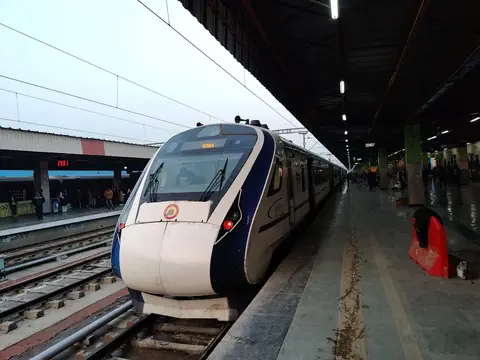
Jaipur to Delhi (day 7): The Ministry of Tourism puts Jaipur about five hours from Delhi by road, served by private and state-run buses, and names the Shatabdi, Rajdhani, Duronto and Mandor Express among the direct trains from Jaipur Railway Station to Delhi. Rajasthan's first Vande Bharat Express was launched in April 2023 to run between Ajmer and Delhi Cantt, with stops at Jaipur, Alwar and Gurgaon, so at launch it ended at Delhi Cantt, not at New Delhi Railway Station, where the Airport Express Line starts; the Prime Minister's Office gave 5 hours 15 minutes for the whole run from Delhi Cantt to Ajmer, and Jaipur comes before Ajmer, so your leg is shorter. Its route may have changed since, so check each train's Delhi station and timings on IRCTC. Rajasthan Tourism lists domestic flights from Jaipur International Airport to Delhi.
A car with driver for the whole loop: instead of the trains, you can hire one car from Delhi to Agra, Jaipur and back. Between Delhi and Agra, the Yamuna Expressway is a six-lane, 165.5 km road from Pari Chowk in Greater Noida to Kuberpur near Agra, and YEIDA's toll table lists INR 120, INR 155 and INR 140 for a car at its Jewar, Mathura and Agra plazas, INR 415 in all, checked on 17 October 2026. No official tariff is published for a car with driver: the day rate, the other tolls and the driver's nights are agreed with the operator, and the packaged tours below are one way to buy the whole trip. The UK Foreign Office says to avoid travelling at night and in fog, so plan the drives for daylight.
The Taj and the other tickets: The Taj gates sell tickets, but UP Tourism says a foreigner's ticket bought online costs INR 50 less, and ASI's website links to its online booking portal, asi.paygov.org.in. The Red Fort, Humayun's Tomb and Qutb Minar in Delhi, and Agra Fort and Fatehpur Sikri, are Archaeological Survey of India (ASI) monuments with the same online price for foreign visitors. In Jaipur, the City Palace sells its own tickets, while Amber, Hawa Mahal, Jantar Mantar and Nahargarh are state monuments: the Rajasthan Department of Archaeology and Museums lists them in its composite ticket scheme and says it provides online ticket booking at its Jaipur monuments, so check the current price before you buy.
Days 1-3: Delhi, from the Mughal city to the Qutb
Day 1, arrival: Fill in the e-Arrival card online within 72 hours before you land; our India entry guide covers it with the e-Visa. The Airport Express Line (Orange Line) runs from Terminal 3 to New Delhi Railway Station in around 25 minutes; first trains leave at 04:45, last trains at 23:15 (Dwarka Sector 21) and 23:30 (New Delhi), and ticket machines are in the Terminal 3 and Terminal 2 arrival halls. From New Delhi Railway Station, a short taxi ride takes you on to Connaught Place. At dusk, walk Kartavya Path to India Gate and the National War Memorial.
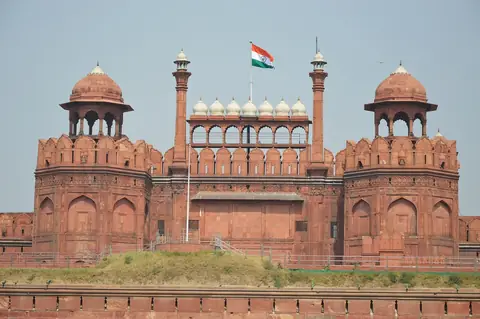
Day 2, Old Delhi (not a Monday): Start in Chandni Chowk with chole kulche for breakfast, then walk the spice market of Khari Baoli and the silver and trimmings lanes. Jama Masjid, the great mosque Shah Jahan finished in 1650, is open every day: Delhi Tourism lists foreign tourists' hours from 08:00 until sunset, after which only worshippers enter, with an entry fee of INR 400 for foreign tourists, free entry for Indian visitors and free photography. Spend the afternoon in the Red Fort, which Shah Jahan began in 1639 and completed nine years later: an irregular octagon of red sandstone walls around palaces largely of marble. ASI describes the Diwan-i-Am, the hall of public audience, where the throne stood before panels of pietra dura inlay, and the Diwan-i-Khas, whose marble dais is said to have held the Peacock Throne. ASI's page says the fort is open from sunrise to 9:00 pm, but the Ministry of Tourism gives its opening time as 09:30 to 16:30, so plan on the shorter hours. Stay in the old city for dinner near Jama Masjid.
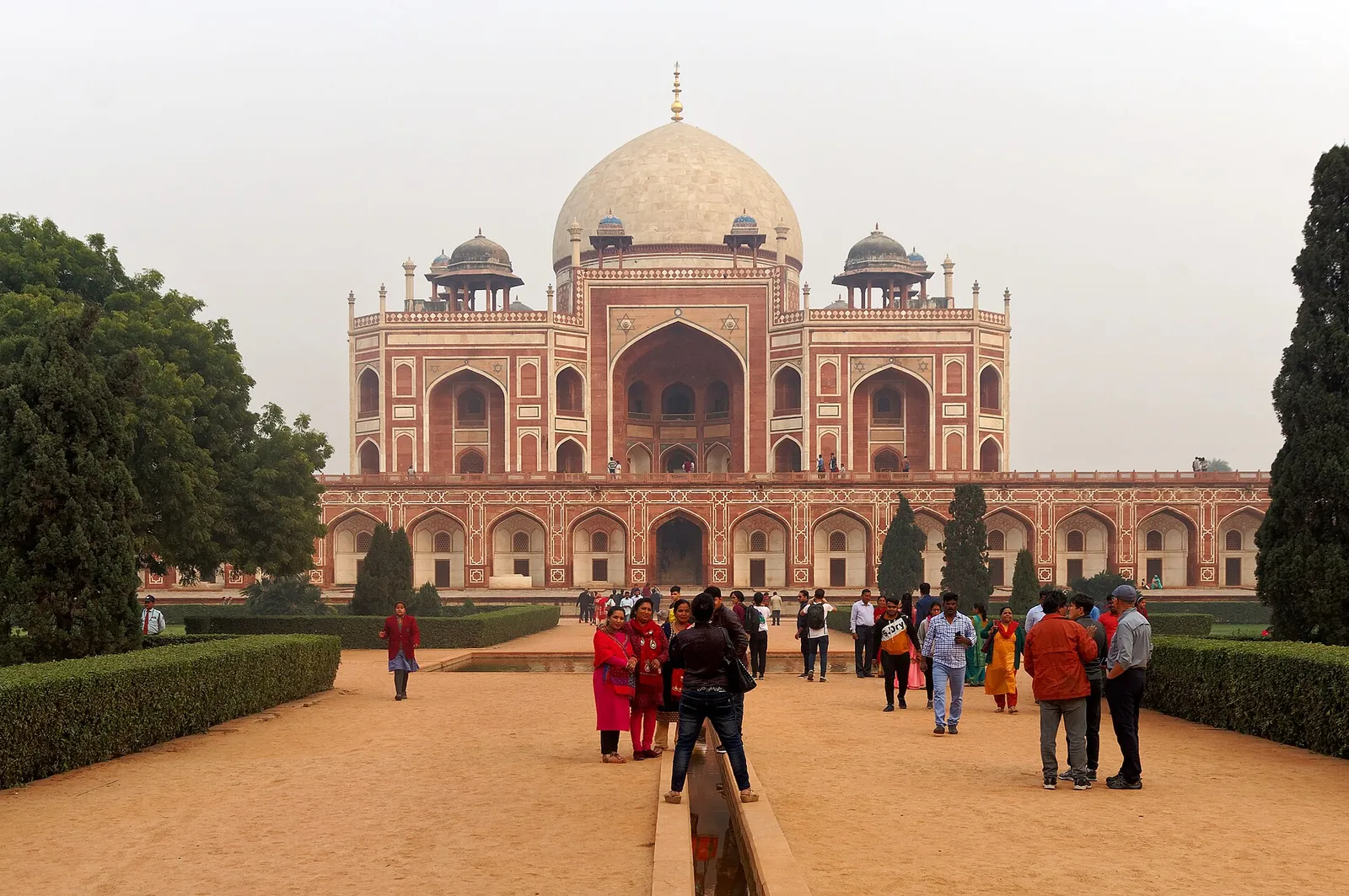
Day 3, the tombs of the south: Be at Qutb Minar when it opens: the 72.5 m tower of the first Delhi Sultans stands beside the mosque they built and the Iron Pillar, and ASI lists it as open from sunrise to 8:00 pm. In the afternoon, Lodhi Garden's tombs lead on to Humayun's Tomb, the garden tomb that prefigured the Taj Mahal, open from sunrise to 9:00 pm. Go to bed early: the Agra train leaves first thing.
The UK Foreign Office names October to February as the worst months for air pollution, which hits north Indian cities hardest, so in Delhi and Agra check the day's air-quality reading before the outdoor days, as our health and safety guide explains, and keep the indoor and shaded sights for the worst days.
Days 4-5: Agra, the Taj at sunrise and Fatehpur Sikri
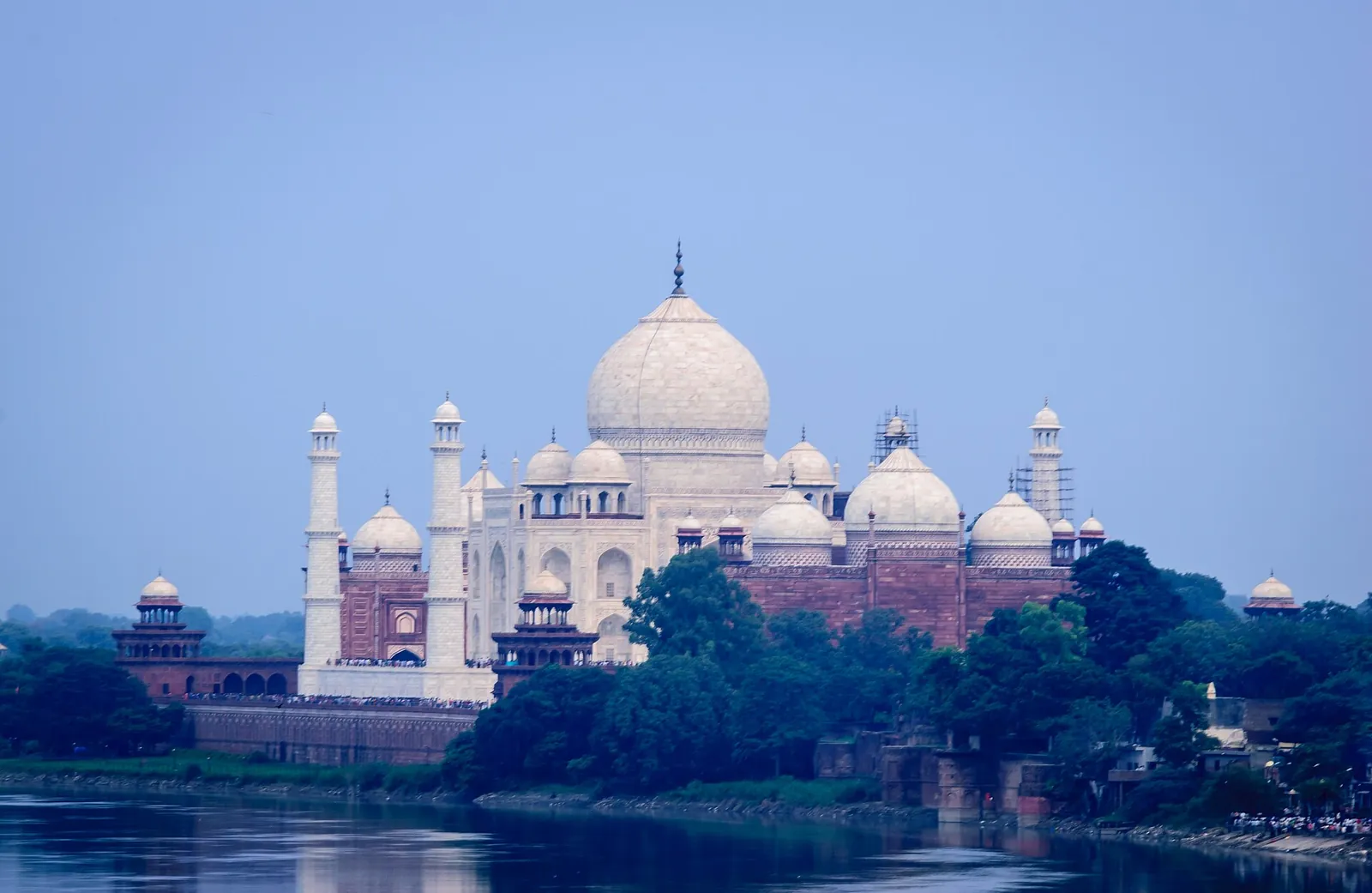
Day 4, Agra Fort and the river: Arrive at Agra Cantt mid-morning, leave your bags in Taj Ganj and spend the early afternoon in Agra Fort, the red sandstone fortress Akbar built and Shah Jahan filled with marble palaces, from whose riverside pavilions you look along the Yamuna to the Taj. Cross the river to Itimad-ud-Daulah's tomb, the inlaid marble "Baby Taj", and finish at Mehtab Bagh, the Mughal garden aligned with the Taj on the opposite bank, as the sun goes down.
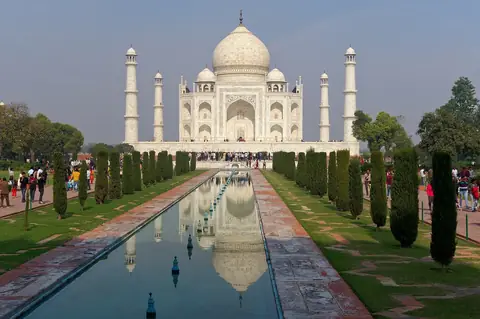
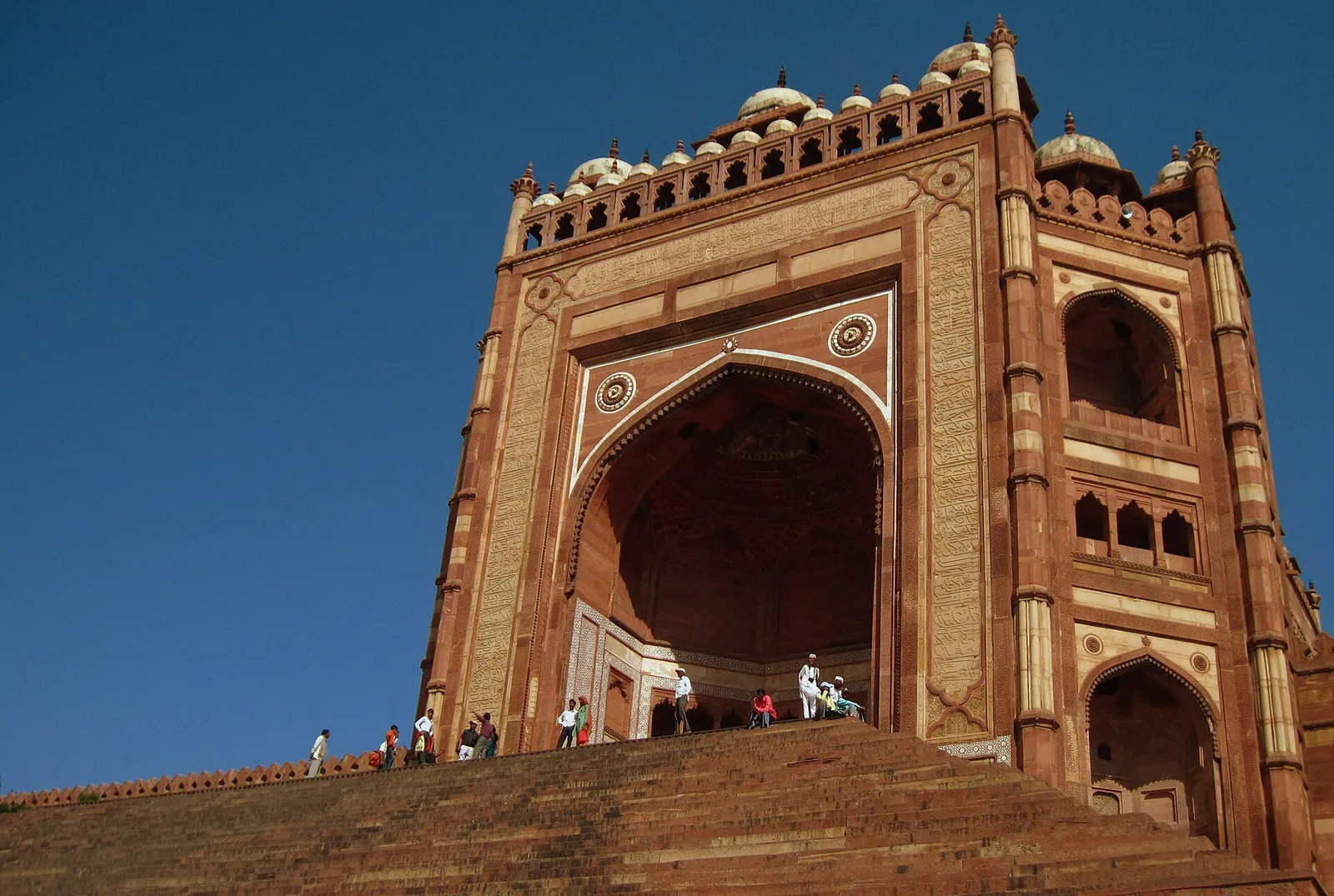
Day 5, the Taj Mahal, then west (not a Friday): UP Tourism lists visiting hours from 30 minutes before sunrise to 30 minutes before sunset; be at the east gate before it opens. Shah Jahan's board of architects began the complex in about 1631, and some twenty thousand workers finished the white marble mausoleum in 1648 and the outlying buildings and gardens in 1653. Inside the domed hall, an octagonal, perforated marble screen of 1643 surrounds the cenotaphs of Mumtaz Mahal and Shah Jahan, and the ensemble is inlaid with flowers and plants in semi-precious stones; the actual graves lie in a lower chamber closed to visitors. Give the garden, the mausoleum and the river terrace two or three hours while the marble changes colour. After breakfast, drive out to Fatehpur Sikri, Akbar's abandoned red sandstone capital, with its palace courts, the Jami Masjid and the Buland Darwaza, and reach Jaipur by evening. By train instead, leave Fatehpur Sikri out.
Pack light for the Taj: eatables, tripods, chargers and headphones are among the items UP Tourism lists as prohibited, and the security check is faster with a small bag. Bags can also be left in the cloakrooms at the gates.
Days 6-7: Jaipur's palace, Amber Fort and the way home
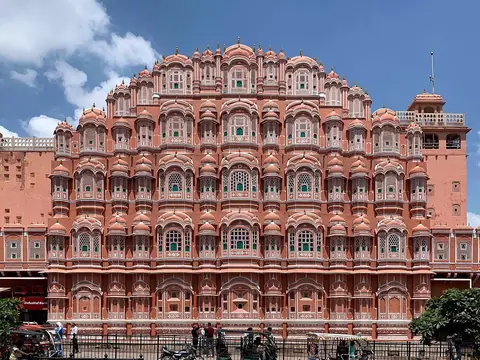
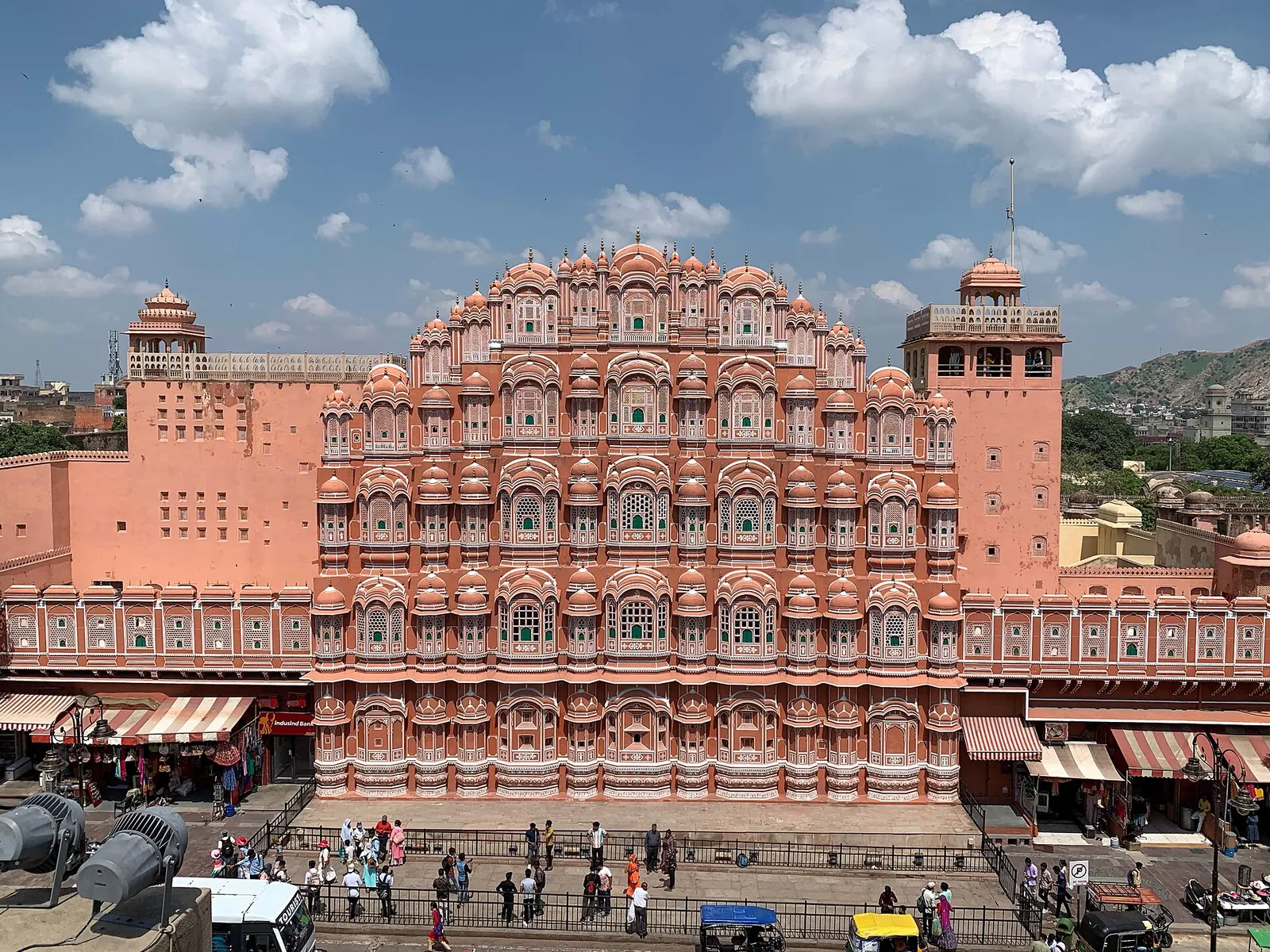
Day 6, the walled city (not a Sunday): The City Palace opens at 09:30; its courtyards lead from the Mubarak Mahal to the seven-storey Chandra Mahal. Next door, Jantar Mantar's 18th-century stone instruments still tell the time by the sun, and the pink screen of Hawa Mahal is a short walk along the bazaar. After a rest in the heat of the day, take a taxi up to Nahargarh by mid-afternoon for the view over the Pink City before it closes at 17:30, then walk Johari and Bapu bazaars until evening. Our Jaipur guide describes each site and the gem-selling scam to avoid in the bazaars.
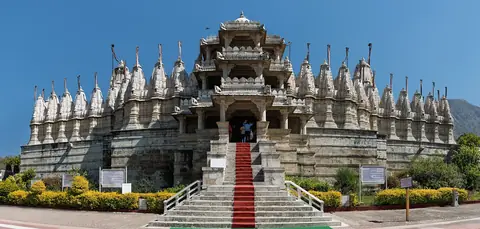
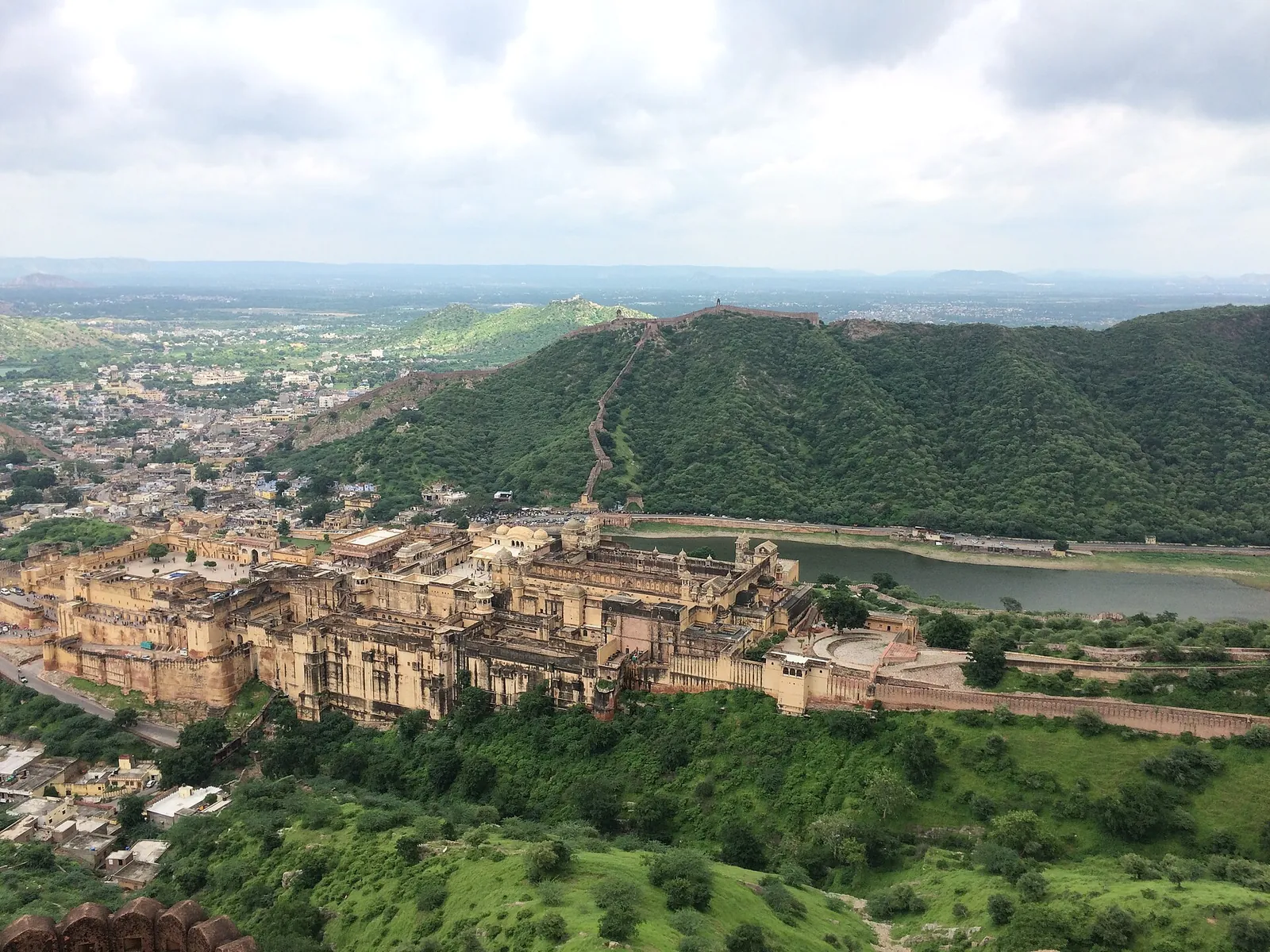
Day 7, Amber Fort, then Delhi: Raja Man Singh I began Amber in 1592 in the hills about 11 km from Jaipur, and Rajasthan Tourism describes a blend of Hindu and Mughal styles in red sandstone and white marble, its harsh exterior hiding carvings, precious stones and mirrors, with Maota Lake in front. Rajasthan Tourism lists Amber's hours as 08:00 to 17:30 and Incredible India gives 09:00 to 18:00, so arrive for 09:00, before the heat and the crowds, and go first to the Sheesh Mahal, whose walls and ceilings the Ministry of Tourism describes as covered in thousands of tiny mirrors. The City Palace Museum's composite ticket also covers Jaigarh Fort on the hill above. This day assumes an evening international flight home from Delhi; with an earlier flight, skip Amber and leave Jaipur in the morning. Head back to Delhi in the afternoon by road, train or domestic flight, and leave a wide margin before the flight, most of all in December and January, the months with the most fog days in IMD's Delhi table.
If day 6 is a Sunday, do Amber, Jaigarh and Nahargarh on day 6 and the palace, the observatory and the bazaars on the morning of day 7.
The five-day version: four nights
With five days, cut one night in Delhi and one in Jaipur: two nights in Delhi, one in Agra and one in Jaipur. Day 1 is the arrival and India Gate at dusk, and day 2 Old Delhi with the Red Fort, then Humayun's Tomb in the late afternoon; Qutb Minar drops out. Day 3 is the morning train to Agra, Agra Fort and Mehtab Bagh at sunset. Day 4 is the Taj at sunrise and the journey to Jaipur, with the City Palace and Hawa Mahal before dark if you go by train. Day 5 is Amber Fort at 09:00 and the return to Delhi.
What the week costs for two, without the Jaipur rooms
This model follows the seven-day plan for two adults sharing a room, with every price checked on 17 October 2026. It prices four of the six nights, in Delhi and Agra. The Taj Mahal and the ASI monuments are priced online for foreign visitors, as the guide suggests buying them; Itimad-ud-Daulah and Mehtab Bagh are at UP Tourism's table prices. Children below 15 enter the Taj Mahal and the ASI monuments free.
- Delhi, 3 nights: the room priced in our Delhi guide, an executive double with breakfast at INR 6,245 a night including taxes: INR 18,735.
- Agra, 1 night: the room priced in our Agra guide, with buffet breakfast, at INR 4,555 a night plus 5% GST (INR 227.75): INR 4,782.75.
- Delhi sights: Red Fort, Humayun's Tomb and Qutb Minar at INR 550 each a person (INR 3,300), and Jama Masjid at INR 400 a person (INR 800): INR 4,100.
- Agra sights: the Taj Mahal online at INR 1,050 (UP Tourism's INR 1,100, less the INR 50 it takes off a foreigner's ticket bought online), which includes the ADA toll, plus INR 200 for the main mausoleum (INR 2,500); Agra Fort on day 4, before the Taj, at ASI's online price of INR 550 (at the gate, ASI's INR 600 price is INR 550 for ASI plus an INR 50 toll; ASI quotes its online price as a single figure) (INR 1,100); Fatehpur Sikri on day 5 at ASI's online price of INR 550; the Taj ticket's toll covers the same day, so no second toll is due (INR 1,100); Itimad-ud-Daulah at INR 310 and Mehtab Bagh at INR 300 on UP Tourism's table (INR 1,220): INR 5,920.
- Jaipur sights: the City Palace Museum's composite ticket, which covers the museum, Jaigarh Fort and the royal cenotaphs, at INR 1,700 a person: INR 3,400.
- Total without the two Jaipur nights: about INR 36,938 for two. No Jaipur hotel we could find publishes a dated room rate on its own site, so the Jaipur nights are not in this total; add the room you choose.
- Not included: the Jaipur rooms (2 nights); the train fares, plus IRCTC's INR 100 registration and INR 200 service charge per ticket, each plus GST; the car from Agra to Jaipur; Jaipur's state monuments (Amber, Hawa Mahal, Jantar Mantar and Nahargarh), at the department's current prices; meals and drinks; the Airport Express Line, metro, taxis and auto-rickshaws; guides, audio guides and sound and light shows; the flight back to Delhi if you fly.
Make time for the local food
What to eat and where to look
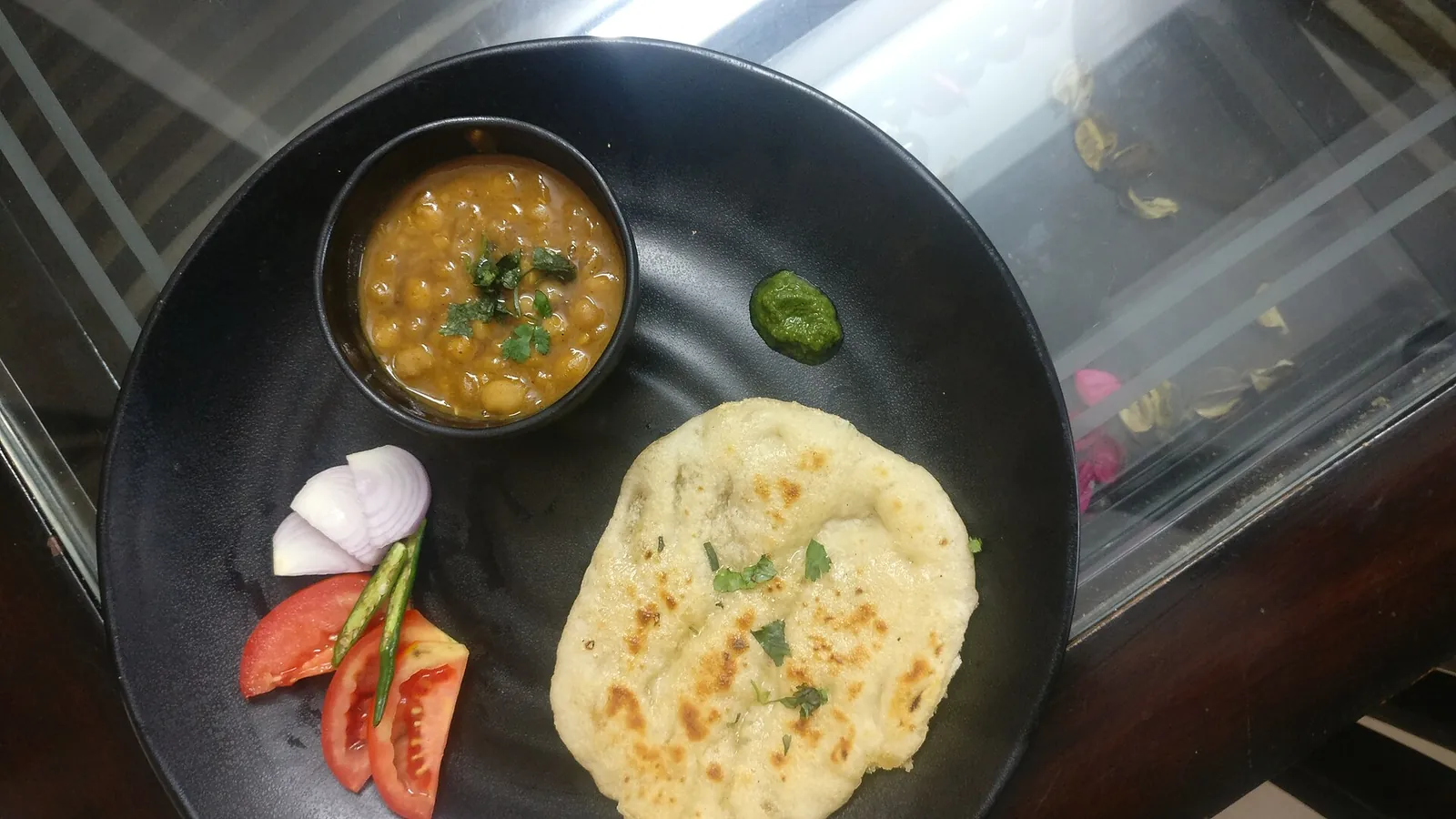
Chole kulche
Boiled, spiced chickpeas with soft white-flour kulcha bread, finished at Lotan's with a sharp amchur (dried mango) chutney; Delhi Tourism says the fifth generation of the family runs the shop.
- Where to look
- Lotan Chole Wala in Chandni Chowk, near Chawri Bazar and Jama Masjid metro stations (07:30-10:00 daily, Delhi Tourism lists).
- Fit it into your day
- Breakfast on day 2, before the spice market; it closes by mid-morning.
Butter chicken
Chicken in a rich butter gravy, the Delhi classic; Aslam's best-known version is its butter chicken tikka, its grilled chicken comes with butter gravy, and vegetarians come for the tandoori soya chaap.
- Where to look
- Aslam Butter Chicken Corner in the main bazaar by Jama Masjid, near Pul Bangash metro station (16:00-00:30 daily, Delhi Tourism lists).
- Fit it into your day
- Dinner on day 2, after the Red Fort.
Rich and creamy; say so if you avoid dairy or nuts.
Bhalla chaat
The chaat UP Tourism calls Agra's favourite: a fried potato and chickpea patty smashed open and topped with grated ginger and a spicy-sweet tamarind sauce, made bigger and crispier here than elsewhere.
- Where to look
- The chaat lane (chaat wali gali) in Sadar Bazaar, which UP Tourism names.
- Fit it into your day
- An evening snack on day 4, after sunset at Mehtab Bagh.
Kachori and mirchi bada
Jaipur's street snacks: kachori, a flaky fried pastry with a spiced filling, and mirchi bada, a large green chilli stuffed with potato and fried in batter.
- Where to look
- Masala Chowk in Ram Niwas Garden, an open-air court of 21 street-food stalls that Rajasthan Tourism describes; entry costs INR 10.
- Fit it into your day
- Dinner on day 5, after the drive from Agra; Rajasthan Tourism says evening is the best time to go.
Dal baati churma
Rajasthan's signature meal, which the Ministry of Tourism names first among Jaipur's dishes: baked wheat dumplings soaked in ghee, a lentil curry and churma, a sweet crumble.
- Where to look
- Chokhi Dhani, a recreated Rajasthani village restaurant with folk dances and low-table dining, at 12 Miles, Tonk Road.
- Fit it into your day
- Dinner on day 6, by taxi after the bazaars; Chokhi Dhani's own page lists no prices.
Practical questions
How many days do I need for the Golden Triangle?
Seven days and six nights covers it at a comfortable pace: three nights in Delhi, one in Agra and two in Jaipur. Five days and four nights works if you drop Qutb Minar and one Jaipur day, but it leaves no margin for a late train.
Which day should I avoid for the Taj Mahal?
Friday. UP Tourism's site says the Taj Mahal remains closed only on Fridays, and the Gatimaan Express was launched to run every day except Friday. The same site says all other monuments in the city are open throughout the week, and ASI's page for Fatehpur Sikri gives its hours as sunrise to sunset with no closing day, so a Friday in Agra is for Agra Fort, Itimad-ud-Daulah, Mehtab Bagh and Fatehpur Sikri.
What if I land in Delhi on a Sunday, Monday or Tuesday?
On a Sunday, swap days 2 and 3 so Old Delhi is not on a Monday, when the Red Fort is closed. On a Monday, see the Taj on the afternoon of day 4 and keep the Friday for Fatehpur Sikri. On a Tuesday, take another train to Agra on the Friday and swap the two Jaipur days so the bazaars are not on Sunday.
Should I take trains or a car between Delhi, Agra and Jaipur?
Trains for Delhi to Agra (the Gatimaan, Shatabdi and others) and Jaipur to Delhi (the Shatabdi, the Vande Bharat and others). Between Agra and Jaipur, 232 km by road, a car lets you stop at Fatehpur Sikri on the way. A car with driver for the whole loop also works, with the Yamuna Expressway between Delhi and Agra.
Is one night in Agra enough?
Yes, for this route. Arrive by the morning train, see Agra Fort, Itimad-ud-Daulah and Mehtab Bagh the same day, and the Taj at sunrise the next morning before you leave for Jaipur. A second night only adds time if you want Fatehpur Sikri without driving on to Jaipur the same day.
How much does a week on the Golden Triangle cost for two?
About INR 36,938 for two, with prices checked on 17 October 2026: four nights' rooms in Delhi and Agra and the main monument tickets. No Jaipur hotel we could find publishes a dated room rate on its own site, so the Jaipur nights are not in this total; add the room you choose. The budget section lists everything else that comes on top.
Sources and checks before you travel
Reference sources for the version dated 17 October 2026. Confirm opening times, access, transport and conditions for your travel dates.
- UP Tourism, Taj Mahal site: entry fees of Agra monuments ↗ — opens in a new tab
- UP Tourism, Taj Mahal site: home page ↗ — opens in a new tab
- UP Tourism, Taj Mahal site: how to reach the Taj Mahal ↗ — opens in a new tab
- UP Tourism, Taj Mahal site: Fatehpur Sikri ↗ — opens in a new tab
- UP Tourism, Taj Mahal site: do's and don'ts ↗ — opens in a new tab
- UP Tourism, Taj Mahal site: creation and history ↗ — opens in a new tab
- UP Tourism, Taj Mahal site: the Taj interiors ↗ — opens in a new tab
- UP Tourism, Taj Mahal site: about Agra and its food ↗ — opens in a new tab
- Archaeological Survey of India: Red Fort ↗ — opens in a new tab
- Archaeological Survey of India: Qutb Minar ↗ — opens in a new tab
- Archaeological Survey of India: Humayun's Tomb ↗ — opens in a new tab
- Archaeological Survey of India: Agra Fort ↗ — opens in a new tab
- Archaeological Survey of India: Fatehpur Sikri ↗ — opens in a new tab
- Incredible India (Ministry of Tourism): Red Fort ↗ — opens in a new tab
- Delhi Tourism: Jama Masjid ↗ — opens in a new tab
- Delhi Tourism: Lotan Chole Wala ↗ — opens in a new tab
- Delhi Tourism: Aslam Butter Chicken Corner ↗ — opens in a new tab
- Delhi Airport (DIAL): metro to and from the airport ↗ — opens in a new tab
- Bureau of Immigration: general guidelines for travelling to India ↗ — opens in a new tab
- IRCTC: Foreign Tourist Quota booking (PDF) ↗ — opens in a new tab
- IRCTC: Foreign Tourist quota terms and conditions (PDF) ↗ — opens in a new tab
- PIB (Ministry of Railways): Gatimaan Express to be flagged off, 4 April 2016 ↗ — opens in a new tab
- PIB (Prime Minister's Office): Rajasthan's first Vande Bharat, 10 April 2023 ↗ — opens in a new tab
- PIB (Ministry of Railways): Vande Bharat Express backgrounder, 16 January 2026 ↗ — opens in a new tab
- Rajasthan Tourism: Jaipur ↗ — opens in a new tab
- City Palace Museum, Jaipur: visit and tickets ↗ — opens in a new tab
- Incredible India (Ministry of Tourism): Jaipur ↗ — opens in a new tab
- Incredible India (Ministry of Tourism): Amber Fort ↗ — opens in a new tab
- Incredible India (Ministry of Tourism): Jantar Mantar ↗ — opens in a new tab
- UK FCDO: India health ↗ — opens in a new tab
- Rajasthan Department of Archaeology and Museums: About Us ↗ — opens in a new tab
- Delhi Tourism: best time to visit ↗ — opens in a new tab
- India Meteorological Department: New Delhi (Safdarjung) climate table, 1991-2020 ↗ — opens in a new tab
- YEIDA: Yamuna Expressway ↗ — opens in a new tab
- YEIDA: Yamuna Expressway toll rates ↗ — opens in a new tab
- UK Foreign Office (FCDO): India safety and security ↗ — opens in a new tab
- Chokhi Dhani: Village Fair restaurant, Jaipur ↗ — opens in a new tab
- UP Tourism, Taj Mahal site: visiting hours and tickets ↗ — opens in a new tab
- Incredible India (Ministry of Tourism): Nahargarh Fort ↗ — opens in a new tab
- Archaeological Survey of India: home page ↗ — opens in a new tab
Does this experience fit your route?
Book the trains first, then the Taj, then three hotels whose locations do the work: central New Delhi for the metro, Taj Ganj for the sunrise walk, and the Pink City for the palace on foot.
Check dates and details on Viator ↗ — opens in a new tabAffiliate link · Book with ViatorPhoto credits
The Taj Mahal across the Yamuna from Agra Fort, the view that opens day 4 in Agra
Photograph: Hunny0047 — opens in a new tab · CC BY-SA 4.0 — opens in a new tab
Changes: Resized and converted to WebP; displayed with responsive crops. · Original photograph and licence details ↗ — opens in a new tab
Humayun's Tomb, Delhi's Mughal garden tomb, on day 3
Photograph: Jakub Hałun — opens in a new tab · CC BY-SA 4.0 — opens in a new tab
Changes: Resized and converted to WebP; displayed with responsive crops. · Original photograph and licence details ↗ — opens in a new tab
The Buland Darwaza at Fatehpur Sikri, the stop on the drive from Agra to Jaipur
Photograph: Aninditarinki — opens in a new tab · CC BY-SA 3.0 — opens in a new tab
Changes: Resized and converted to WebP; displayed with responsive crops. · Original photograph and licence details ↗ — opens in a new tab
Hawa Mahal's street front in Jaipur's walled city, on day 6
Photograph: Chainwit. — opens in a new tab · CC BY-SA 4.0 — opens in a new tab
Changes: Resized and converted to WebP; displayed with responsive crops. · Original photograph and licence details ↗ — opens in a new tab
Amber Fort and Maota Lake from Jaigarh Fort, the morning of day 7
Photograph: Manish Negi — opens in a new tab · CC BY-SA 4.0 — opens in a new tab
Changes: Resized and converted to WebP; displayed with responsive crops. · Original photograph and licence details ↗ — opens in a new tab
Chole kulche: spiced chickpeas with soft kulcha bread, an Old Delhi breakfast
Photograph: Hit2cupid — opens in a new tab · CC BY-SA 4.0 — opens in a new tab
Changes: Resized and converted to WebP; displayed with responsive crops. · Original photograph and licence details ↗ — opens in a new tab