Plan your trip · Malaysia
Malaysia travel tips for first-time visitors: route and bookings
Malaysia rewards a selective first itinerary. Kuala Lumpur and George Town make a strong week, Langkawi turns ten days into a city-food-beach trip, and a fortnight gives the peninsula's road journeys room to breathe. Sabah and Sarawak deserve their own flights, stays and decisions rather than being squeezed into the same short holiday. Start with the route, then settle entry, money, connectivity, weather and the bookings that can derail it.
- Suggested time
- 7 days for Kuala Lumpur and George Town; 10 adds Langkawi; 14 supports a slower peninsula route
- Where to stay
- Begin in KLCC or Bukit Bintang; continue to George Town, then add Pantai Cenang only with ten days
- Season and timing
- Malaysia has no single dry season. The northeast monsoon from November to March brings especially heavy rain to the peninsula's east coast, western Sarawak and eastern Sabah; west-coast thunderstorms peak around the inter-monsoon periods.
The short answer
Give a first trip seven days and six nights: stay three nights in Kuala Lumpur and three in George Town, then add Langkawi only when you have ten days. With fourteen days, use the slower peninsula route through Taman Negara and Cameron Highlands instead of collecting extra flights. Treat Sabah or Sarawak as a separate Borneo journey unless your holiday is long enough to absorb a domestic flight and several dedicated nights.
Choose one route before you book anything
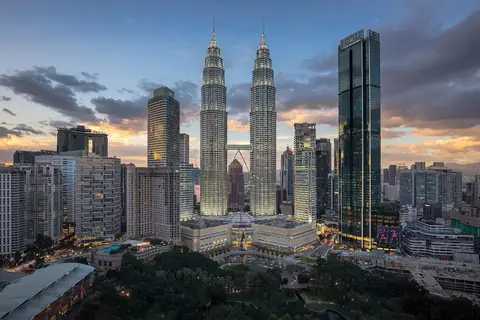
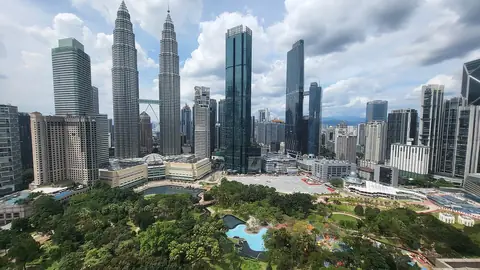
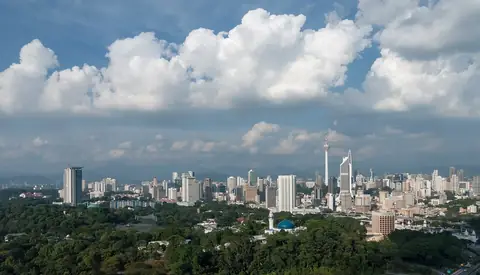
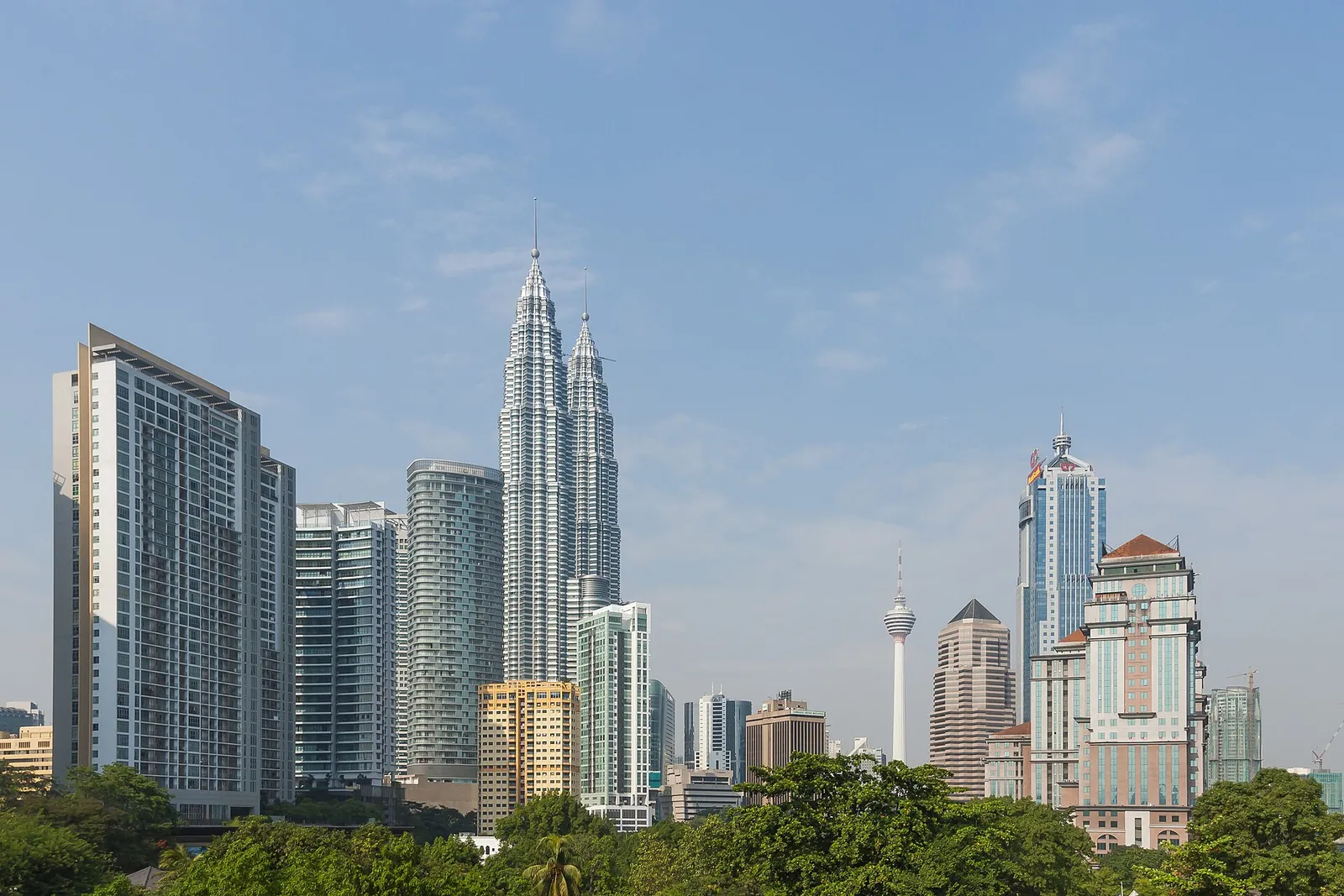
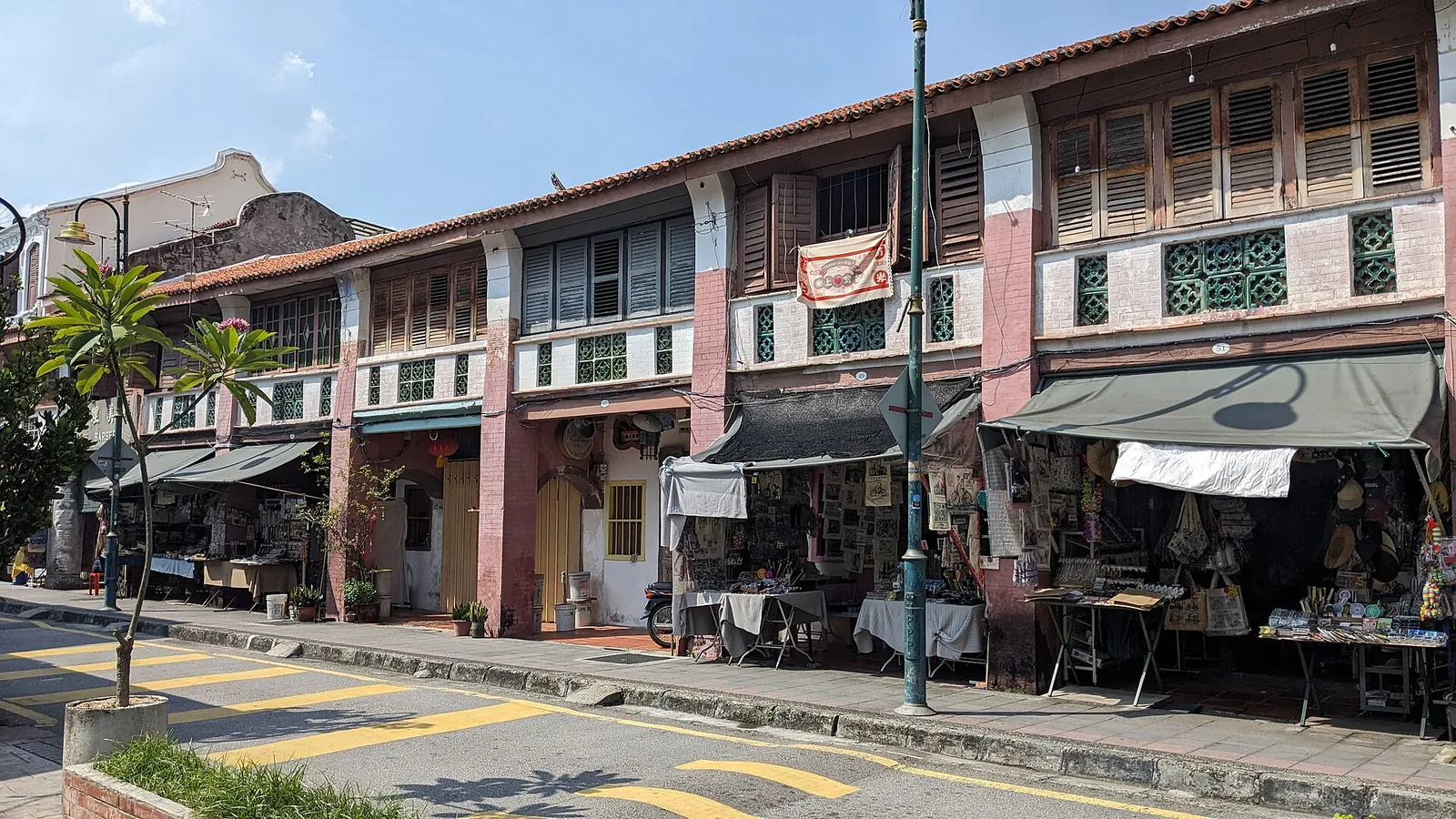
For seven days, keep the trip on the peninsula: three nights in Kuala Lumpur and three in George Town create two proper bases and only one intercity move. Kuala Lumpur supplies the national museums, contemporary skyline and Batu Caves half-day; George Town changes the pace with a walkable historic core and Penang's distinct food culture. The dedicated 7-day guide turns that framework into a day-by-day plan.
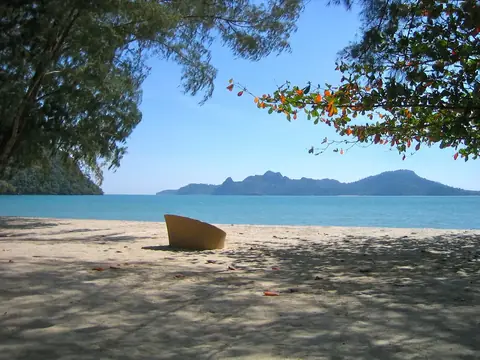
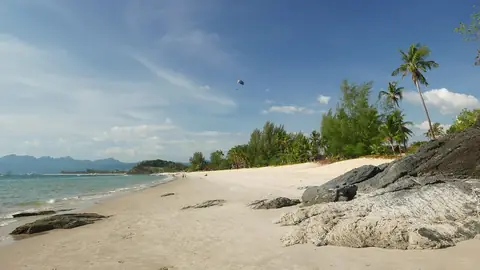
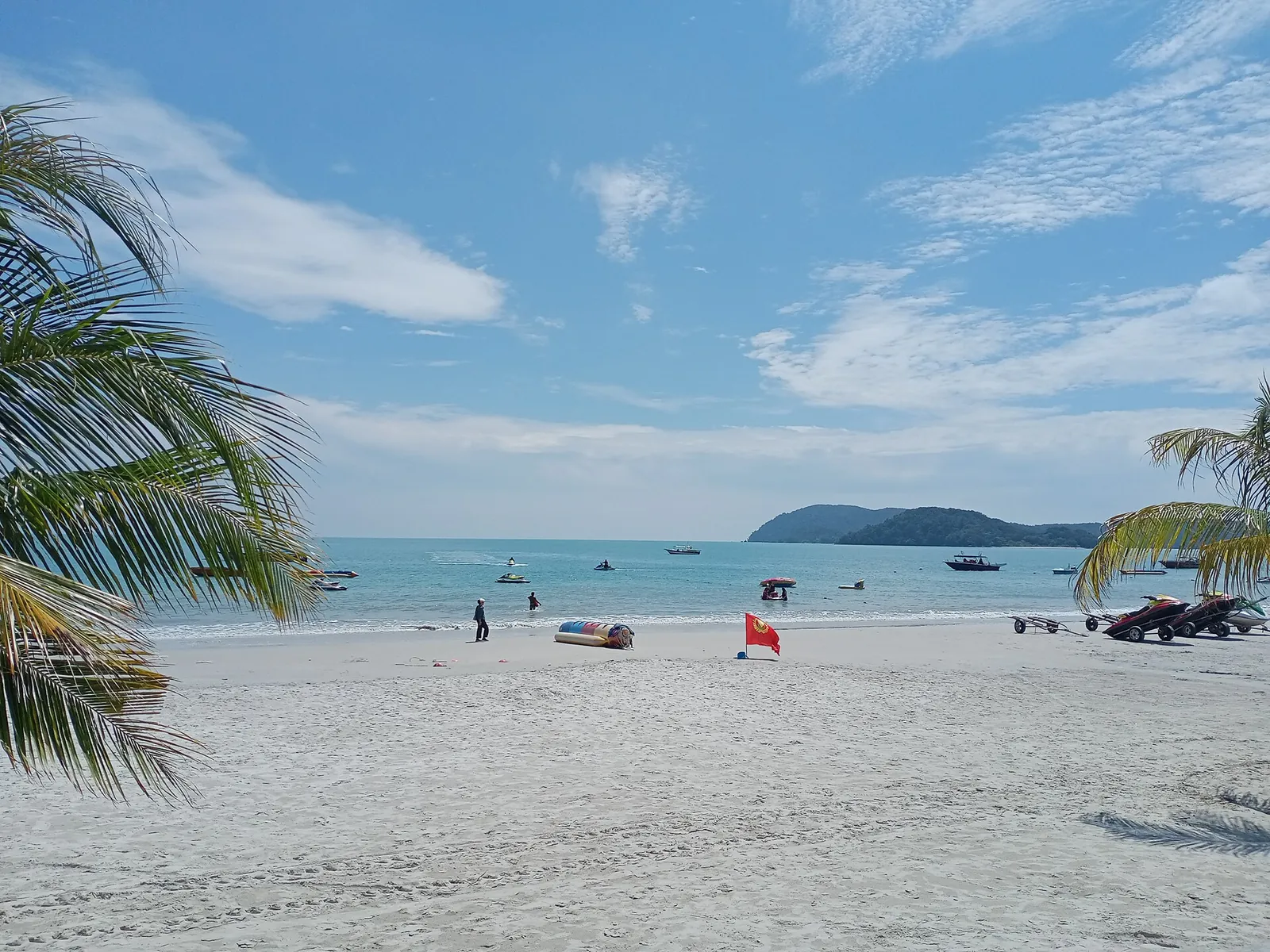
With ten days, add three nights at Pantai Cenang or another Langkawi coast after George Town. That extra block is long enough to justify an island transfer and still leaves a weather buffer around a beach or boat day. With fourteen days, the planned peninsula itinerary instead links Kuala Lumpur, Taman Negara, Cameron Highlands, George Town and Langkawi; it is fuller, but each road transfer earns a different landscape rather than another airport wait.
Sabah and Sarawak sit on Malaysian Borneo and are not a casual extension to a one-week peninsula trip. Each involves a domestic flight, separate hotel logic and nature activities that may require advance reservations. Choose Kota Kinabalu and Sabah's mountain or wildlife route, or Kuching and Sarawak's parks, as a distinct journey; carry your passport because travellers pass through immigration control between Peninsular and East Malaysia.
Use Immigration Malaysia for entry, not a paid lookalike
Visa rules depend on nationality and purpose, so start with the Malaysian Immigration Department's visa-by-country page and your nearest Malaysian mission. The visa-free stay you are granted also depends on nationality—the UK FCDO, for example, says British visitors are normally allowed 90 days on arrival—so do not copy another traveller's permitted stay or assume a transit rule covers a visit. The FCDO also says a British passport must have an expiry date at least six months after the date you arrive; holders of other passports should confirm the validity rule with their own government or a Malaysian mission. Use the same passport throughout the booking, arrival and domestic Borneo sectors, and keep an offline copy of the identification page and first accommodation address.
Foreign visitors should complete Immigration's official Malaysia Digital Arrival Card (MDAC) within the three days before arrival; the portal's guidance sets out that window and the current exemptions, which include citizens of Singapore, diplomatic and official passport holders, and Malaysian permanent residents and long-term pass holders. The genuine portal is on the `imi.gov.my` domain and does not need an intermediary to sell the form. Complete it from your own itinerary, save the acknowledgement with your flight documents and keep proof of onward travel and accommodation where you can reach them at the border.
The MDAC portal also reminds travellers to declare cash or bearer negotiable instruments above the equivalent of USD10,000 and says permission is required to carry Malaysian ringgit above that equivalent. Most holidays never approach those limits, but the notice matters for a long stay, group funds or business travel. Customs, not an online forum, is the place for a case-specific declaration question.
Make time for the local food
What to eat and where to look
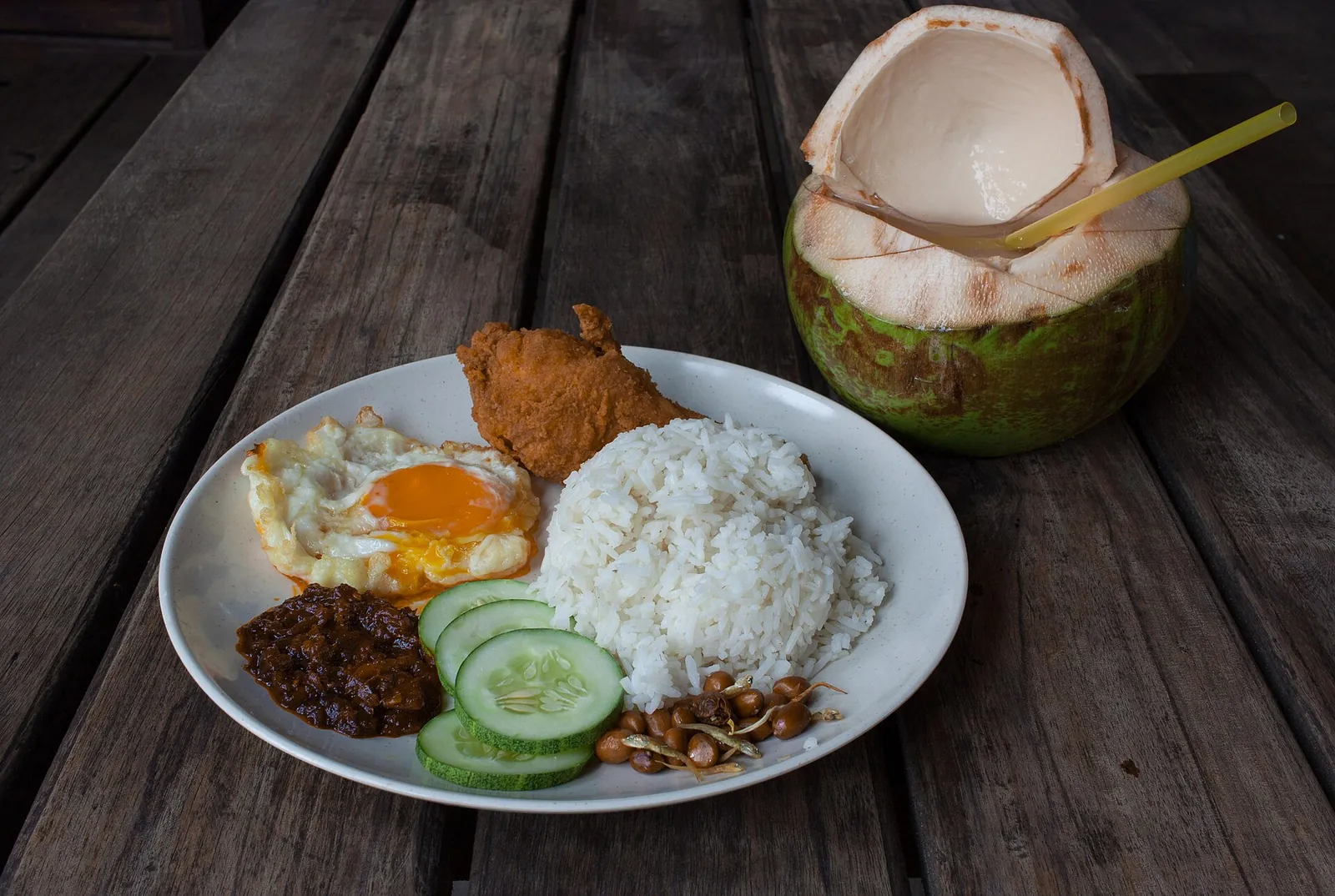
Nasi lemak
Coconut-milk rice served with sambal, anchovies, peanuts, egg and cucumber, with optional additions such as fried chicken or rendang.
- Where to look
- Malay breakfast stalls, kopitiams and markets in Kuala Lumpur and across the peninsula
- Fit it into your day
- Make it the first breakfast rather than squeezing it in after a hotel buffet.
Sambal heat and accompaniments vary, so choose the plate in front of you instead of expecting one fixed recipe.
Roti canai
Flaky griddled flatbread served with dhal or curry, and one of the easiest introductions to a Malaysian mamak meal.
- Where to look
- Mamak stalls in Kuala Lumpur, George Town and other Malaysian towns
- Fit it into your day
- Order it fresh for breakfast or a light late meal, with a drink before choosing extra fillings.
Ask about the curry and preparation when allergies or a strict vegetarian diet matter.
Nasi kandar
A Penang meal built from steamed rice, your choice of curries and sides, often finished with more than one gravy.
- Where to look
- George Town nasi kandar restaurants, especially around the central heritage area
- Fit it into your day
- Have it for lunch on a Penang walking day, when you can see the dishes before choosing.
Point to each side deliberately and ask the price if you are adding seafood or several proteins.
Regional laksa
Malaysia's laksa changes by place: Penang assam laksa is sour and fish-based, while Sarawak laksa uses a spiced broth with shrimp paste, tamarind and coconut milk.
- Where to look
- Assam laksa stalls in Penang or established laksa shops in Kuching on a Sarawak route
- Fit it into your day
- Match the bowl to the destination instead of treating laksa as one nationwide dish.
Broths and garnishes can include fish, shellfish or shrimp paste even when the visible toppings seem suitable.
Kopitiam breakfast
Toast with kaya, soft-boiled eggs and kopi or tea makes a compact breakfast and an easy way to learn local drink-ordering vocabulary.
- Where to look
- Long-running kopitiams in central Kuala Lumpur and George Town
- Fit it into your day
- Go in the morning before the day's museum or heritage walk, and order a simple set first.
Coffee sweetness and milk styles vary; state plainly if you want less sugar or no condensed milk.
Book in the order that protects the route
Fix the international flights first, then the first and final hotel nights. Next secure any stay that controls an activity—an island resort, park accommodation or a limited wildlife programme—before buying the domestic flight, ferry or road transfer that serves it. Flexible Kuala Lumpur and George Town rooms can follow once the route's scarce pieces are real. This order prevents a bargain flight from forcing an expensive or impossible overnight connection.
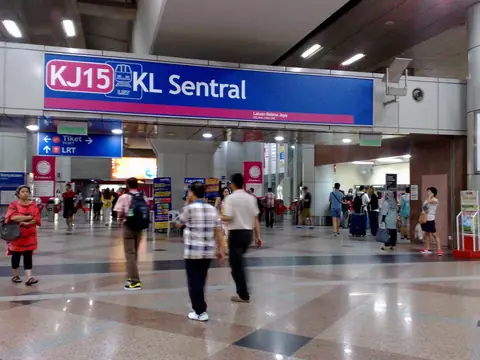
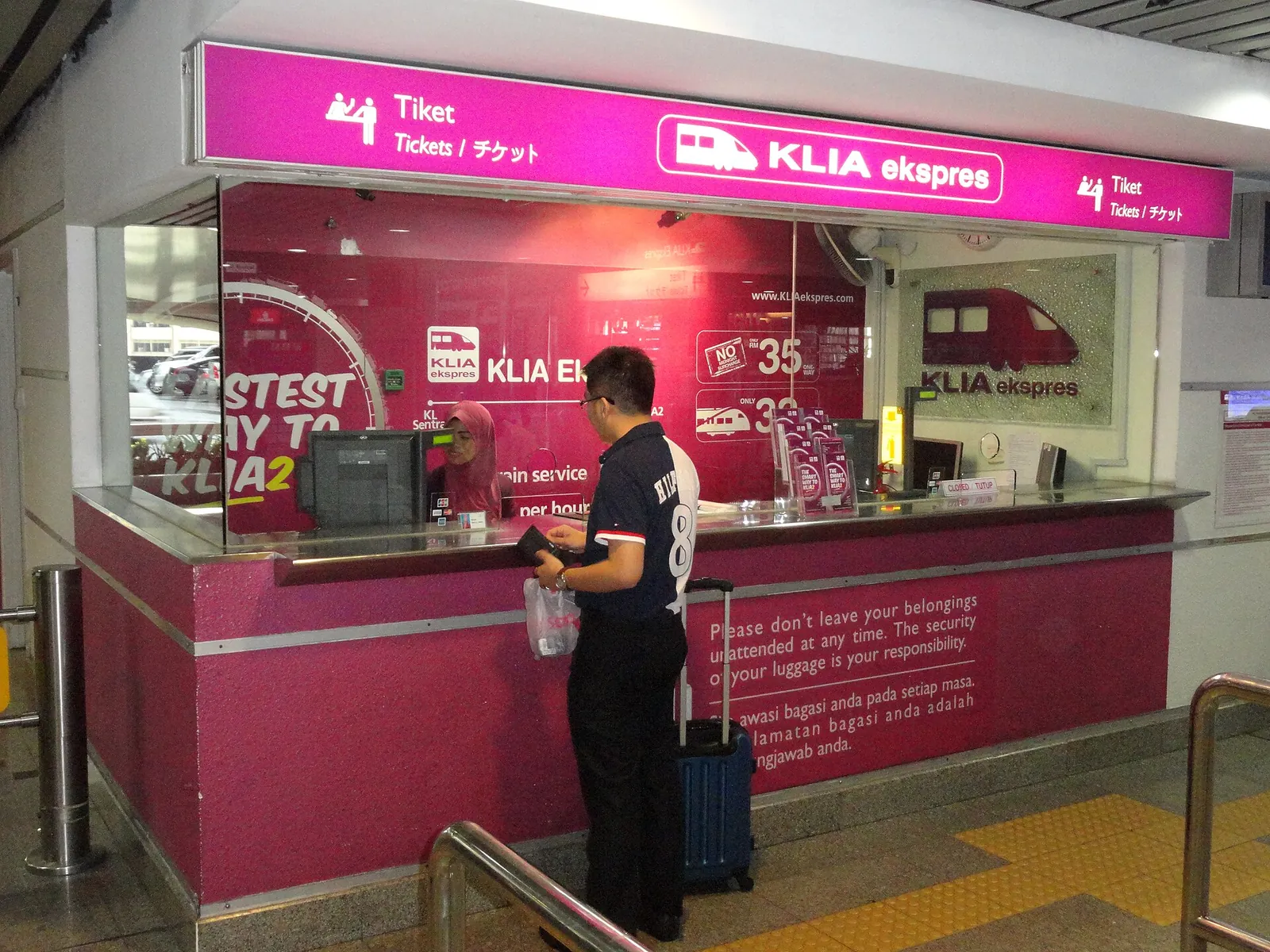
For a KUL arrival, decide whether the first hotel should make the city or the next departure easiest. On 11 October 2026, KLIA Ekspres listed 28 minutes from Terminal 1 to KL Sentral, a further three minutes from Terminal 2 and a 20-minute frequency through most of the day. KL Sentral suits a very short stop; KLCC is calmer around the towers and park, while Bukit Bintang makes the first dinner easier.
Before paying for accommodation, compare the final total, cancellation deadline, room category and exact map position. Royal Malaysian Customs runs the MyTTx tourism-tax portal and publishes the current rules for accommodation operators and digital booking platforms. A platform headline is therefore not the only number that matters: read which taxes or fees are included and which the property will collect.
Carry two ways to pay and learn what Touch 'n Go does
The ringgit is Malaysia's legal tender, issued by Bank Negara Malaysia. Bring a bank card that works overseas, tell the issuer you are travelling if it requires notice, and retain some ringgit for small meals, markets and transport where a card is inconvenient. Use a bank ATM in a secure setting, read any displayed fee before accepting the withdrawal and keep emergency cash separate from your everyday wallet.
A Touch 'n Go card is useful for train and bus fares; the official product page also says its enhanced NFC version can be reloaded through the Touch 'n Go eWallet. It is a local stored-value transport tool, not a replacement for a payment card or cash everywhere in the country. Buy or load only what the route needs, and keep another method ready for intercity tickets, hotels, ferries and smaller food businesses.
Keep the physical card used for a hotel deposit available until checkout and retain receipts for cash deposits. When a terminal offers a currency choice, pause and read both the amount and currency rather than tapping through from habit. A simple split—bank card for larger bookings, ringgit for small daily purchases and Touch 'n Go for supported local fare gates—avoids asking one payment method to do every job.
Set up data and pack for heat, rain and cold interiors
Choose an eSIM before departure if your unlocked phone supports one, or compare a physical Malaysian SIM after arrival. The practical test is not the largest headline allowance but whether the plan covers the places and length of your trip. Activate it while you still have reliable Wi-Fi, save the first hotel's address and airport-transfer instructions offline, and download any tickets whose QR codes you will need immediately.
Malaysia's wall sockets use the three-pin Type G format, so bring an adaptor when your charger differs and carry a power bank for transfer days. Pack light, breathable clothes, a modest layer for religious sites and strongly air-conditioned trains, and a compact rain layer. Shoes should handle wet pavements as well as long city walks; a beach-only wardrobe is poorly suited to museums, caves or the cooler Cameron Highlands.
Tourism Malaysia describes a warm tropical climate, while METMalaysia divides the year into northeast and southwest monsoons with inter-monsoon periods between them. The northeast monsoon brings especially heavy rain to the east coast of Peninsular Malaysia, western Sarawak and eastern Sabah; thunderstorms are common year-round and often form late in the day. Pack around the route, not a single nationwide forecast, and leave sea or mountain days some flexibility.
Eat across communities without flattening the food culture
Start with breakfast: nasi lemak brings coconut rice, sambal and accompaniments, while roti canai arrives hot with dhal or curry at a mamak stall. In Penang, order nasi kandar by choosing rice, curries and sides; then try assam laksa, whose fish-and-tamarind broth is distinct from other Malaysian laksa traditions. A kopitiam breakfast of toast, eggs and kopi introduces another strand of the country's everyday food culture.
Malaysia's food traditions are Malay, Chinese, Indian, Peranakan and regional, and dietary rules differ between kitchens. Tourism Malaysia advises Muslim travellers to look for the recognised halal logo; a restaurant name, dish name or alcohol-free menu is not the same certification. Non-Muslim travellers should also avoid describing every local dish as halal: foods such as bak kut teh may contain pork, while individual laksa and noodle recipes vary by region and cook.
At an active mosque or other place of worship, dress modestly, remove shoes where directed and follow the host's photography rules. During Ramadan, many Muslims fast during daylight, so allow extra patience around sunset and follow each business's announced hours. Tipping need not become a calculation at every counter: read any service charge on the bill, and leave an additional gratuity only when you want to recognise personal service.
Insure the journey you booked and draw the Sabah boundary correctly
Travel insurance should cover the itinerary, medical treatment, evacuation and every planned activity rather than only the flight value. The UK FCDO's Malaysia health guidance lists 999 for an ambulance and notes that government and private hospitals charge for services. Save the emergency number, insurer assistance line and policy details offline, and carry enough accessible funds for an unexpected medical bill while a claim is assessed.
On 11 October 2026, the FCDO advised against all but essential travel to the islands and dive sites off eastern Sabah from Sandakan to Tawau, including Lankayan Island, because of kidnapping risk. It explicitly said that advice did not apply to mainland Sabah. For a first trip, do not build the itinerary or an affiliate booking around the advised-against offshore area; read the advisory from your own government and the insurance wording before choosing any Sabah coast or island stay.
Weather can be the more routine disruption. METMalaysia publishes warnings through its website and myCuaca channels, and heavy rain can affect roads, boats and outdoor sites even when a city day remains possible. Keep one movable activity, avoid stacking a boat connection directly before an international flight and preserve the final hotel night near the departure gateway.
Practical questions
How many days do I need for a first trip to Malaysia?
Seven days is the useful minimum for three nights in Kuala Lumpur and three in George Town. Ten days lets you add Langkawi without reducing either city to a stopover, while fourteen supports the slower peninsula route.
Should I visit Peninsular Malaysia and Borneo on the same first trip?
Not on a one-week holiday. Sabah or Sarawak requires a domestic flight, dedicated nights and separate park or wildlife planning, so treat one Borneo state as its own route unless your holiday is substantially longer.
Do I need a visa and an MDAC for Malaysia?
Visa requirements depend on your nationality and purpose, while Immigration Malaysia publishes the current MDAC submission and exemption rules for foreign visitors. Use the official Immigration pages for both decisions and avoid paid arrival-card lookalikes.
Do I need cash in Malaysia if I have a contactless card?
Carry both a bank card and some ringgit for smaller purchases. A Touch 'n Go card is useful for supported train and bus fares, but it does not replace cash and a payment card throughout a multi-stop trip.
What should I book first for Malaysia?
Book international flights and the first and final hotel, then any island resort, park stay or limited nature programme that controls the route. Add domestic transport around those fixed pieces before filling in flexible city hotels.
Is eastern Sabah safe to include?
The FCDO advice in force on 11 October 2026 covered islands and dive sites off eastern Sabah from Sandakan to Tawau, not mainland Sabah. Read your own government's current advice and insurance terms, and do not build a first itinerary around an area subject to an against-travel warning.
Sources and checks before you travel
Reference sources for the version dated 11 October 2026. Confirm opening times, access, transport and conditions for your travel dates.
- Immigration Department of Malaysia: visa requirements by country ↗ — opens in a new tab
- Immigration Department of Malaysia: Malaysia Digital Arrival Card ↗ — opens in a new tab
- Bank Negara Malaysia: currency ↗ — opens in a new tab
- Touch 'n Go: official card information ↗ — opens in a new tab
- Royal Malaysian Customs: Tourism Tax portal ↗ — opens in a new tab
- Tourism Malaysia: about Malaysia ↗ — opens in a new tab
- Tourism Malaysia: 52 Malaysian foods ↗ — opens in a new tab
- Tourism Malaysia: Malaysian breakfast ↗ — opens in a new tab
- Tourism Malaysia: halal travel ↗ — opens in a new tab
- METMalaysia: monsoon and thunderstorm patterns ↗ — opens in a new tab
- KLIA Ekspres: services and fares ↗ — opens in a new tab
- UK FCDO: Malaysia warnings and insurance ↗ — opens in a new tab
- UK FCDO: Malaysia health ↗ — opens in a new tab
- UK FCDO: Malaysia entry requirements ↗ — opens in a new tab
Does this experience fit your route?
Book the first hotel and route-defining stays before adding activities; use a Kuala Lumpur food walk only if its timing and dietary terms improve your first evening.
Check dates and details on Viator ↗ — opens in a new tabAffiliate link · Book with ViatorPhoto credits
Kuala Lumpur is the natural first base for a seven-day peninsula route.
Photograph: CEphoto, Uwe Aranas — opens in a new tab · CC BY-SA 3.0 — opens in a new tab
Changes: Resized and converted to WebP; displayed with responsive crops. · Original photograph and licence details ↗ — opens in a new tab
George Town gives a first Malaysia trip a walkable second base with its own architecture and food culture.
Photograph: philip.mallis — opens in a new tab · CC BY-SA 2.0 — opens in a new tab
Changes: Resized and converted to WebP; displayed with responsive crops. · Original photograph and licence details ↗ — opens in a new tab
Pantai Cenang becomes a worthwhile third base when the trip extends to ten days.
Photograph: CyberTroopers — opens in a new tab · CC BY-SA 4.0 — opens in a new tab
Changes: Resized and converted to WebP; displayed with responsive crops. · Original photograph and licence details ↗ — opens in a new tab
KLIA Ekspres connects both airport terminals with KL Sentral for the first or final city transfer.
Photograph: Fabio Achilli from Milano, Italy — opens in a new tab · CC BY 2.0 — opens in a new tab
Changes: Resized and converted to WebP; displayed with responsive crops. · Original photograph and licence details ↗ — opens in a new tab
Nasi lemak makes a practical first breakfast and an introduction to coconut rice and sambal.
Photograph: مانفی — opens in a new tab · CC BY-SA 4.0 — opens in a new tab
Changes: Resized and converted to WebP; displayed with responsive crops. · Original photograph and licence details ↗ — opens in a new tab