Plan your trip
Cash or card in Malaysia? Ringgit, DuitNow QR, ATMs and tipping
Malaysia pays by card in the places a visitor spends most: hotels, shopping malls and restaurants in the cities and tourist areas. The hawker stall, the street-side stand and the national park with no bank still want ringgit in notes, and the QR code on the counter may or may not work with the app on your phone. This guide sets out what to carry, where a foreign card works, how Touch 'n Go and card taps pay for transport, where to change money, what a hotel adds to the bill, and what to declare at the border.
In this guide
Find the location ↗ — opens in a new tabThe short answer
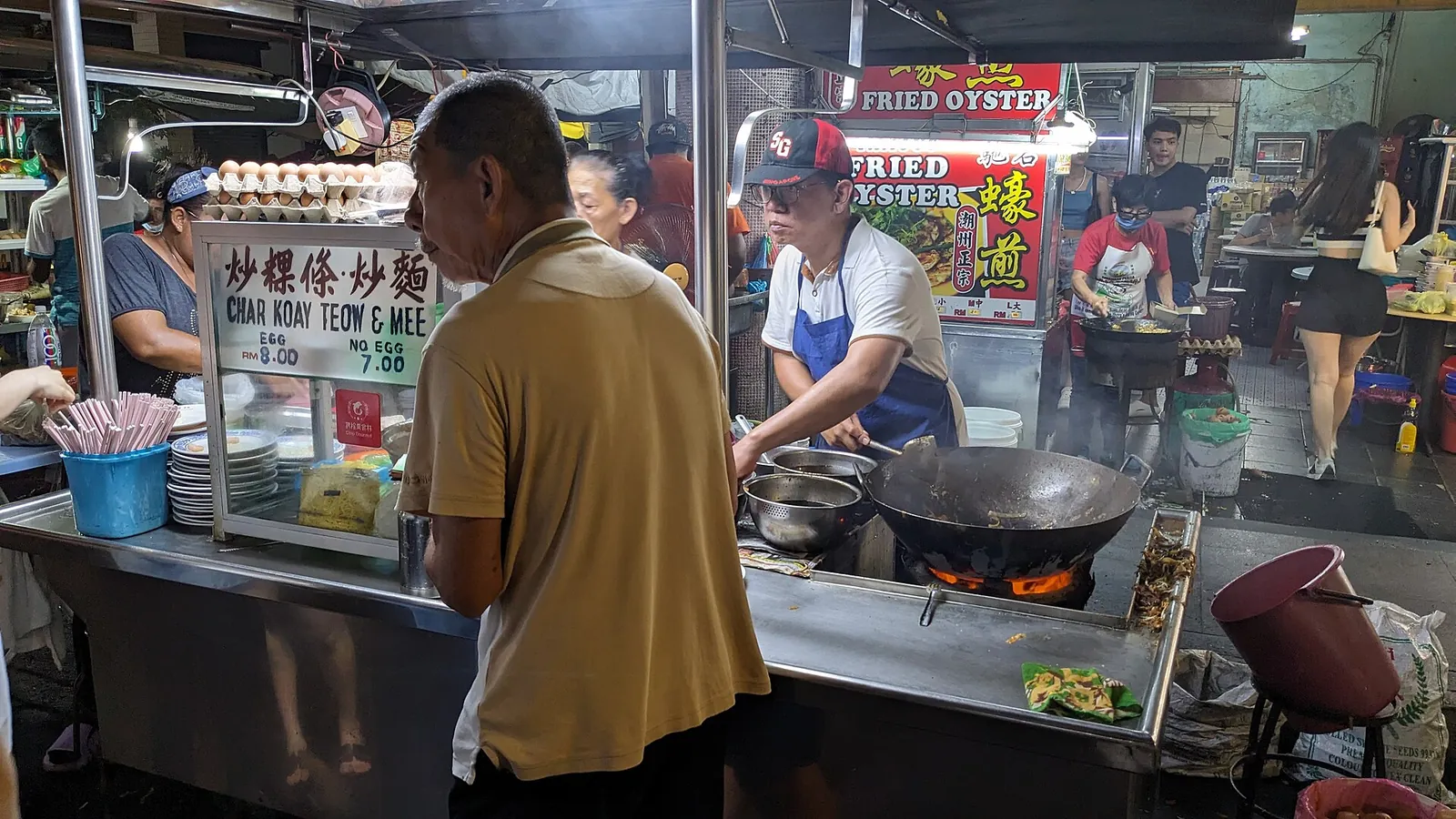
Bring a Visa or Mastercard as your main way to pay and keep ringgit (RM) in cash for hawker and street stalls, which mostly take cash, carrying only what you need for the day: our trip-cost guide budgets food at about MYR 43 a day each at hawker stalls and Indian canteens. For scale, the rate was about RM4.06 to the US dollar in November 2026. US dollars, Singapore dollars and yen are not accepted for payment. Withdraw ringgit at a globally networked ATM or change money at a licensed money changer, and choose ringgit, not your home currency, when a terminal or ATM asks. A Touch 'n Go card pays train and bus fares, tolls and car parks, and KTM Komuter gates also take a contactless Visa or Mastercard. Hotels may ask for a credit card as a deposit at check-in and add a 10% service charge, 8% SST on the room rate and a tourism tax of RM10 per room per night for foreign guests, so a RM200 room comes to about RM246 a night. Expect two-tier prices at many attractions. Tipping is not customary. Declare cash and traveller's cheques worth US$10,000 or more on Customs Form No. 7 when you arrive or leave.
- Key point
- Set up before you fly: a contactless card, a second card as back-up, and a check of your own bank's foreign fees
- Where it applies
- Applies everywhere in Malaysia; cash matters most at hawker stalls and in remote parks such as Mulu
- Timing
- The same all year.
The ringgit: notes, coins and the 5-sen rounding
Malaysia's currency is the ringgit (MYR, written RM), the only legal tender in the country, issued by the central bank, Bank Negara Malaysia. Notes come in RM1, RM5, RM10, RM20, RM50 and RM100; one ringgit is 100 sen, and the coins, in yellow and silver colours, are 5, 10, 20 and 50 sen. US dollars, Singapore dollars and yen cannot be used for payment inside Malaysia, so change them or leave them at home.
Bills paid over the counter are rounded to the nearest 5 sen. The rounding applies only to the total, tax included, not to each item: a total ending in 1, 2, 6 or 7 sen is rounded down, and one ending in 3, 4, 8 or 9 sen is rounded up.
For a sense of scale, the European Central Bank's reference rate on 6 November 2026 was RM4.5319 to the euro, which works out at about RM4.06 to the US dollar and about RM5.43 to the pound. At that rate, the RM10 tourism tax on a hotel room is about US$2.50 a night, a RM5 tip about US$1.20, and a RM40 standard adult return on the Penang Hill funicular about US$10.
Prices and times checked 8 November 2026
Card or cash: where a foreign card works
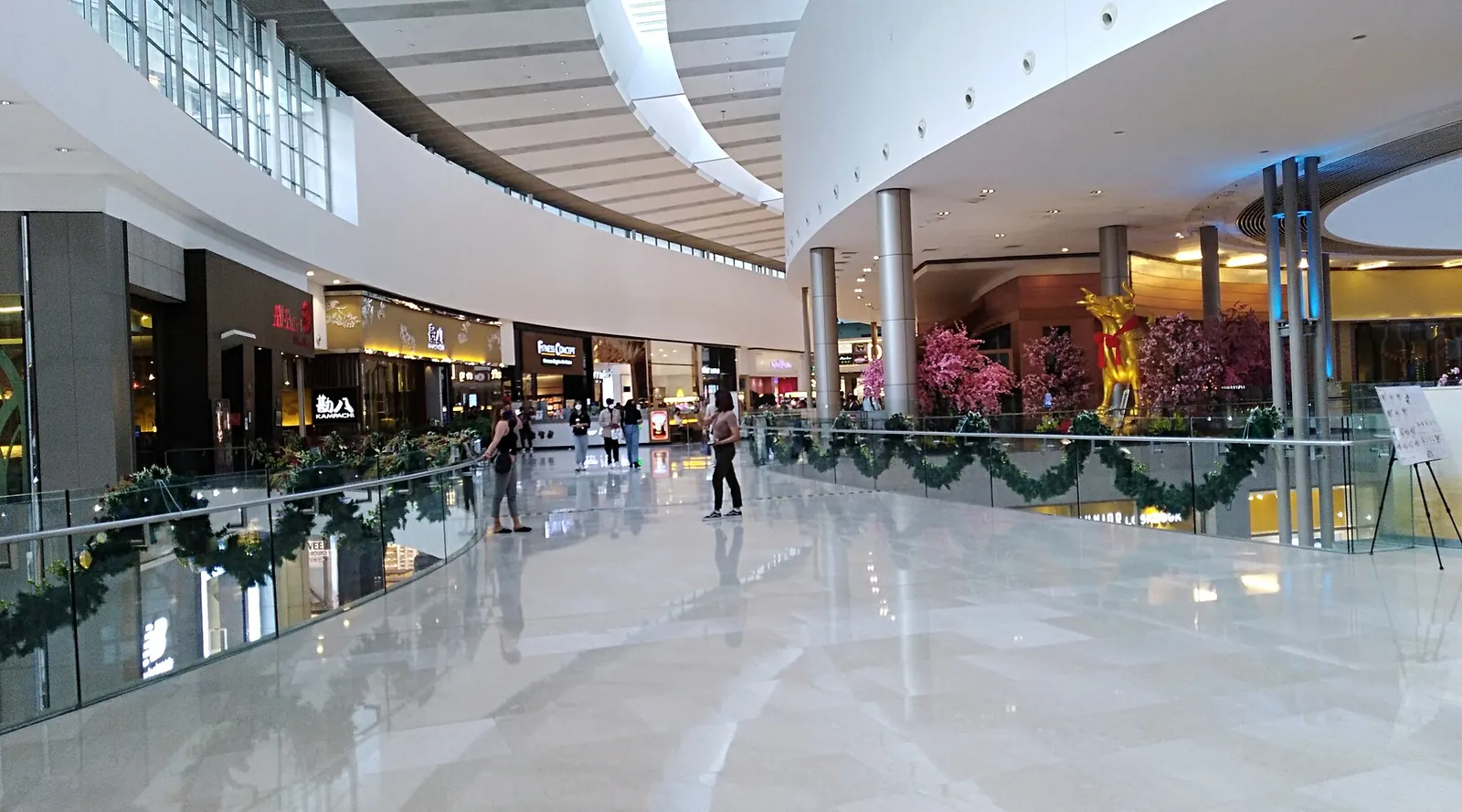
In tourist areas and cities, major credit cards are accepted almost everywhere: hotels, shopping malls and restaurants. Small street stalls and hawker stalls mostly take cash. Pay without cash where you can and carry only the cash you need for the day, mainly for stall meals and small purchases. For sizing a withdrawal, our Malaysia trip-cost guide budgets food at about MYR 43 a day each if you eat at hawker stalls and Indian canteens, and our Malaysia food guide gives hawker meal prices.
Hotels may ask to see a credit card as a deposit when you check in, whether or not the room is already paid, so bring a card with room on its limit.
When a card terminal or an ATM offers to charge you in your home currency, choose ringgit. This offer, called dynamic currency conversion, includes an exchange rate and additional fees. Merchants and ATMs should give you the choice and must not make it for you, and declining does not stop the payment or the withdrawal.
Cash matters most in remote places. Mulu National Park has no banks and no ATMs, so the park tells visitors to bring ringgit in cash.
DuitNow QR and paying with a phone
DuitNow QR is the code scheme run by PayNet, the national payment network; look for its logo on the shop's door, table or stand. International travellers can pay at these codes with supported banking or eWallet apps from home: open your app, scan the DuitNow QR at the checkout, enter the amount in ringgit, and the payment is taken from your account in your home currency. There is nothing to register, and the service is free for consumers.
Whether your own app is supported depends on your bank or wallet. Alipay+, which works through national schemes like PayNet, is the largest source of visitors' QR payments. If your bank or wallet app does not show DuitNow or Alipay+, pay by card where it is taken and in cash where it is not.
Grab, the ride-hailing app, takes cash, credit and debit cards, GrabPay or PayLater, chosen when you book.
Touch 'n Go, train gates and cashless buses to Singapore
The Touch 'n Go card pays tolls, train and bus fares and car parks; it is sold through the Touch 'n Go eWallet or at Touch 'n Go shops, and the enhanced card has NFC, so you can reload it through the eWallet app. Car parks such as the National Museum's in Kuala Lumpur take payment by Touch 'n Go card. Carry one for Kuala Lumpur's LRT, MRT and monorail; our Malaysia transport guide gives the fares, including the KLIA Ekspres airport train, and how the Penang ferry takes payment.
On KTM Komuter trains you can skip the card altogether. The gates take a QR ticket, the KTM or KITS wallet, a Komuter Link card, a Touch 'n Go card, a physical MyDebit, Visa or Mastercard debit, credit or prepaid card, or Apple Pay, Samsung Pay or Google Pay. Tap out with the same card you tapped in with, and with a phone wallet use the same device both times.
Causeway Link's buses between Johor Bahru and Singapore stopped taking cash on board on 1 October 2026, on all its cross-border and feeder services; the fares stayed the same. Tourists can buy a Single Journey Ticket in the LUGO app or tap a contactless debit or credit card on the terminal when they board; a ManjaLink card is not needed.
Prices and times checked 8 November 2026
ATMs, money changers and keeping your card safe
Ringgit can be withdrawn at globally networked ATMs, including with a credit or debit card at machines marked for it. Your own bank may charge for each withdrawal and cap how much you take out a day, so check its foreign fees and limits before you fly.
To change notes, most people use a licensed money changer in a shopping mall or on the street; airports, banks and hotels change money too, and euros can be changed without problems. Money changers display their rates on a board, so compare it before you hand over cash. Licensed money changers are listed in Bank Negara Malaysia's Financial Sector Participants Directory. If you fly on to a domestic flight on the day you land, change enough at the airport for your first costs.
Credit card and ATM fraud is widespread, including card copying, so keep your card in sight when you pay, do not carry large sums, and leave what you do not need in the hotel safe. Thefts by people posing as plain-clothes police officers are also reported, so pay nothing for an offence without an official receipt.
Prices and times checked 8 November 2026
Hotel bills: service charge, SST and the tourism tax
A room rate in Malaysia often grows on the bill. Service tax is 8% on taxable services, and 6% on food and drink, telecommunications, parking and logistics; the 8% rate has applied since 1 March 2024. Budget with the tax included. At hotels and high-end restaurants, expect a 10% service charge as well.
Foreign tourists pay a tourism tax of RM10 per room per night at hotels and other paid accommodation in Malaysia, the rate fixed by the government order in force since 15 December 2025; it is charged per room, not per person, and the hotel collects it from you, usually at check-in, or it is added when you book through an online platform. Malaysian citizens and permanent residents are exempt, and it is not collected at places with four rooms or fewer, or at homestays and kampungstays registered with the tourism ministry.
A worked example for one night in a RM200 room, with SST on the room rate only: RM200 + RM20 service charge (10%) + RM16 SST (8%) + RM10 tourism tax = about RM246. In Penang, the state adds a hotel fee that hotels collect for the city councils; as reported in May 2023, it is RM3 a night at hotels rated four stars and above, which makes the same night about RM249, and RM2 at three stars and below, including hostels.
Prices and times checked 8 November 2026
Tipping and two-tier prices
Tipping is not customary in Malaysia. A tip is generally unnecessary, but if service at a hotel, restaurant or taxi was good you can give one, and about RM5 is the norm; at taxis and stalls people sometimes leave the change.
Many attractions charge visitors more than Malaysians. On the Penang Hill funicular, a standard adult (13 to 59) pays RM40 return in the normal lane and RM80 in the express lane, while holders of a MyKad, MyKid, MM2H or i-Kad pay RM16 and RM40. At the National Museum in Kuala Lumpur, non-citizens pay RM5, non-citizen children aged 6 to 12 pay RM2, and children under 6 enter free, against RM2 for citizens.
Prices and times checked 8 November 2026
Cash at the border
If you carry cash and bearer negotiable instruments, such as traveller's cheques, worth US$10,000 or more in total, in any mix of currencies, declare them on Customs Form No. 7, available at the customs counter, when you arrive or leave. There is no limit on foreign currency notes, but taking ringgit notes worth more than US$10,000 into or out of Malaysia needs prior permission from Bank Negara Malaysia, and you still declare them. Customs could seize undeclared money, and the penalty can reach a fine of RM3 million and up to 5 years in prison.
Our Malaysia entry guide covers the rest of the customs and arrival rules, and our Malaysia safety guide covers the areas governments advise against.
Practical questions
Can I pay by card everywhere in Malaysia?
No. In cities and tourist areas, major credit cards work almost everywhere, in hotels, shopping malls and restaurants, but small street stalls and hawker stalls mostly take cash, and remote places such as Mulu National Park have no ATMs. Carry ringgit as well.
Can I pay in US dollars or Singapore dollars in Malaysia?
No. The ringgit is the only legal tender, and US dollars, Singapore dollars and yen cannot be used for payment inside Malaysia. Withdraw ringgit at an ATM or change money at a licensed money changer, an airport, a bank or a hotel.
Can tourists pay with DuitNow QR?
Yes, with a supported banking or eWallet app from home: scan the code, enter the amount in ringgit and pay in your home currency, with no registration and no charge to you. Alipay+ partner wallets and bank apps are the largest source of visitors' QR payments. If your app supports neither, pay by card or cash.
Can I tap my bank card on Malaysian trains and buses?
On KTM Komuter, yes: the gates take MyDebit, Visa and Mastercard debit, credit and prepaid cards and Apple Pay, Samsung Pay and Google Pay, as well as a Touch 'n Go card; tap out with the same card or device. For Kuala Lumpur's LRT, MRT and monorail, carry a Touch 'n Go card. Causeway Link's buses to Singapore take no cash on board since 1 October 2026; tap a contactless card or buy a ticket in the LUGO app.
What is the tourism tax at Malaysian hotels?
RM10 per room per night for foreign tourists at hotels and other paid accommodation, collected by the hotel, usually at check-in, or added when you book through an online platform. Malaysian citizens and permanent residents are exempt. On top of the room rate, expect 8% service tax and, at hotels, a 10% service charge; in Penang, hotels also collect a state hotel fee of RM2 or RM3 a night.
Do you tip in Malaysia?
Tipping is not customary, and hotels and high-end restaurants add a 10% service charge. If service at a hotel, restaurant or taxi was good, about RM5 is the norm, and people sometimes leave the change at taxis and stalls.
How much cash can I bring into Malaysia?
Any amount of foreign currency, but declare cash and traveller's cheques worth US$10,000 or more on Customs Form No. 7 when you arrive or leave. Ringgit notes worth more than US$10,000 need prior permission from Bank Negara Malaysia.
Keep planning your trip
First trip to Malaysia
Seven days in Kuala Lumpur and George Town: where to base yourself, visa by nationality and the MDAC, the ETS train to Penang and what to see.
Read the guide
Malaysia trip cost 2027
What a week in Kuala Lumpur and Penang costs in 2027, all in: about MYR 1,420 per person on a budget, MYR 2,490 mid-range or MYR 7,000 in comfort, before flights.
Read the guide
Food in Malaysia
Malaysia's Malay, Chinese, Indian and Nyonya kitchens, Sabah and Sarawak, how to order at a hawker centre, kopitiam or mamak, prices and halal tips.
Read the guide
Malaysia entry requirements
Malaysia entry rules for 2026-27: visa-free stays of up to 90 days, passports, the free MDAC arrival card, eGates, Sabah and Sarawak, medicines and customs.
Read the guide
Getting around Malaysia
Malaysia transport with fares and times: KLIA Ekspres, ETS from Butterworth to JB Sentral, Shuttle Tebrau to Singapore, coaches, island ferries and Borneo flights.
Read the guide
Health and safety in Malaysia
Where governments advise against travel in Malaysia, emergency numbers, hospitals, malaria and dengue, monsoon floods, haze, drink spiking and the strict drug laws.
Read the guideSources and checks before you travel
(29)
- Bank Negara Malaysia: currency ↗ — opens in a new tab
- Bank Negara Malaysia: banknotes ↗ — opens in a new tab
- Bank Negara Malaysia: coins ↗ — opens in a new tab
- Bank Negara Malaysia: rounding mechanism for over-the-counter payments ↗ — opens in a new tab
- Tourism Malaysia (Japan office): travel information (in Japanese) ↗ — opens in a new tab
- European Central Bank: euro foreign exchange reference rates ↗ — opens in a new tab
- German Foreign Office (Auswärtiges Amt): Malaysia travel and safety advice (in German) ↗ — opens in a new tab
- UK Foreign Office: Malaysia safety and security ↗ — opens in a new tab
- UK Foreign Office: Malaysia entry requirements ↗ — opens in a new tab
- France Diplomatie: Malaysia travel advice, security (in French) ↗ — opens in a new tab
- Visa: what you should know about dynamic currency conversion ↗ — opens in a new tab
- Malaysia Convention & Exhibition Bureau: Malaysia supplement (May 2022, PDF) ↗ — opens in a new tab
- Bank Negara Malaysia: Financial Sector Participants Directory ↗ — opens in a new tab
- PayNet: DuitNow cross-border QR payments ↗ — opens in a new tab
- Tourism Malaysia: Tourism Malaysia and Alipay partner on digital tourism (13 October 2026) ↗ — opens in a new tab
- Grab Malaysia: transport ↗ — opens in a new tab
- Touch 'n Go: Touch 'n Go card ↗ — opens in a new tab
- KTMB: KTM Komuter terms and conditions (June 2026, PDF, in Malay) ↗ — opens in a new tab
- Causeway Link: cashless FAQ ↗ — opens in a new tab
- Royal Malaysian Customs: service tax FAQ ↗ — opens in a new tab
- Royal Malaysian Customs: Tourism Tax (Rate of Tax) Order, P.U. (A) 423 (PDF) ↗ — opens in a new tab
- Royal Malaysian Customs: tourism tax guide for accommodation operators (6 December 2024, PDF, in Malay) ↗ — opens in a new tab
- Royal Malaysian Customs: Public Ruling No. 1/2025 on tourism tax received (PDF) ↗ — opens in a new tab
- Buletin Mutiara (Penang state government): Penang Hotel Fee Online System (15 May 2023) ↗ — opens in a new tab
- Penang Hill Corporation: tickets ↗ — opens in a new tab
- Department of Museums Malaysia: National Museum (in Malay) ↗ — opens in a new tab
- Mulu National Park: plan your trip ↗ — opens in a new tab
- Civil Aviation Authority of Malaysia: announcement on Customs Form No. 7 for air travellers (Advisory Information 18/2022, PDF) ↗ — opens in a new tab
- Bank Negara Malaysia: carrying physical notes ↗ — opens in a new tab
Reference sources for the version dated 8 November 2026. Confirm opening times, access, transport and conditions for your travel dates.
Photo credits
(5)
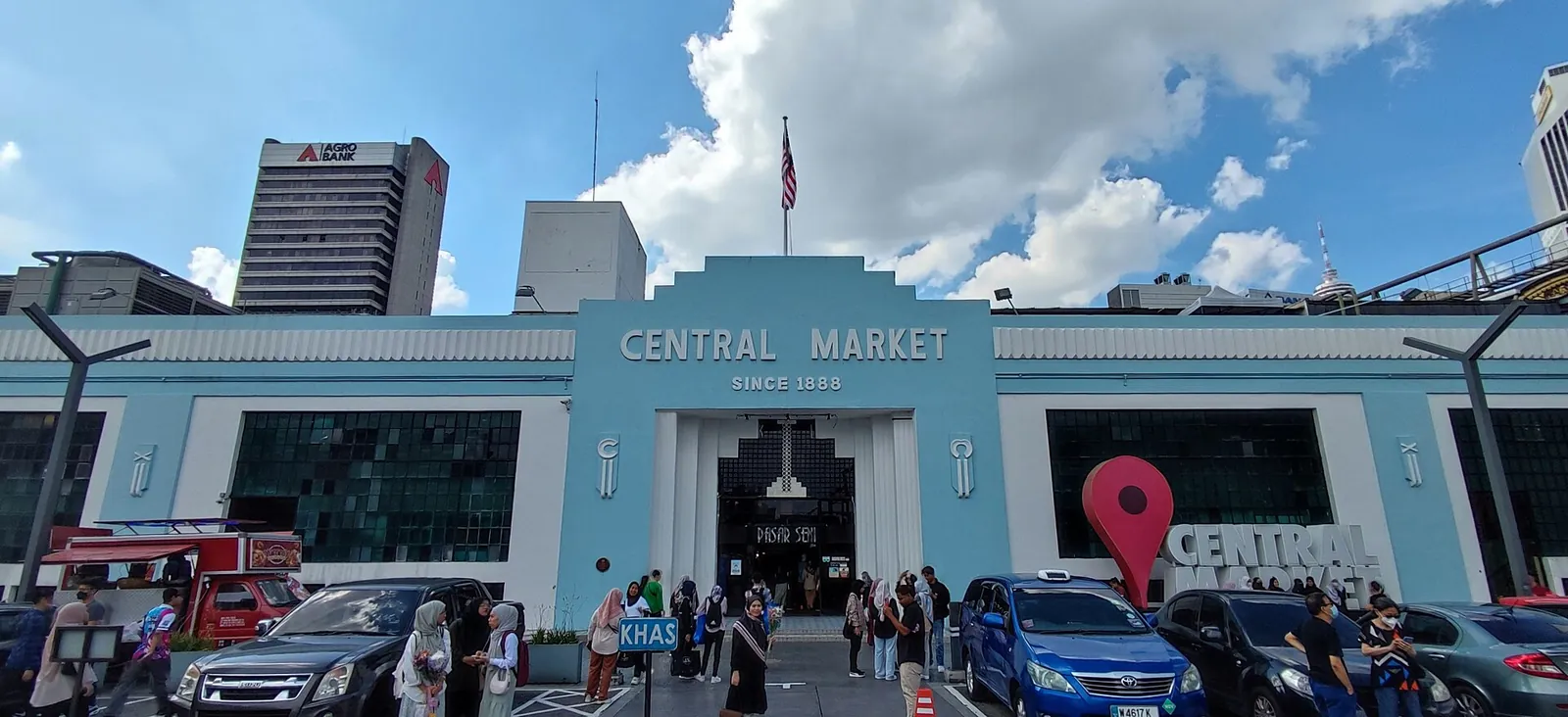
Central Market (Pasar Seni), a pale blue Art Deco market hall in central Kuala Lumpur.
Photograph: Wee Hong — opens in a new tab · CC BY-SA 4.0 — opens in a new tab
Changes: Resized and converted to WebP; displayed with responsive crops. · Original photograph and licence details ↗ — opens in a new tab
Hawker stalls such as this one on Kimberley Street in George Town, Penang, are where you pay in cash.
Photograph: philip.mallis — opens in a new tab · CC BY-SA 2.0 — opens in a new tab
Changes: Resized and converted to WebP; displayed with responsive crops. · Original photograph and licence details ↗ — opens in a new tab
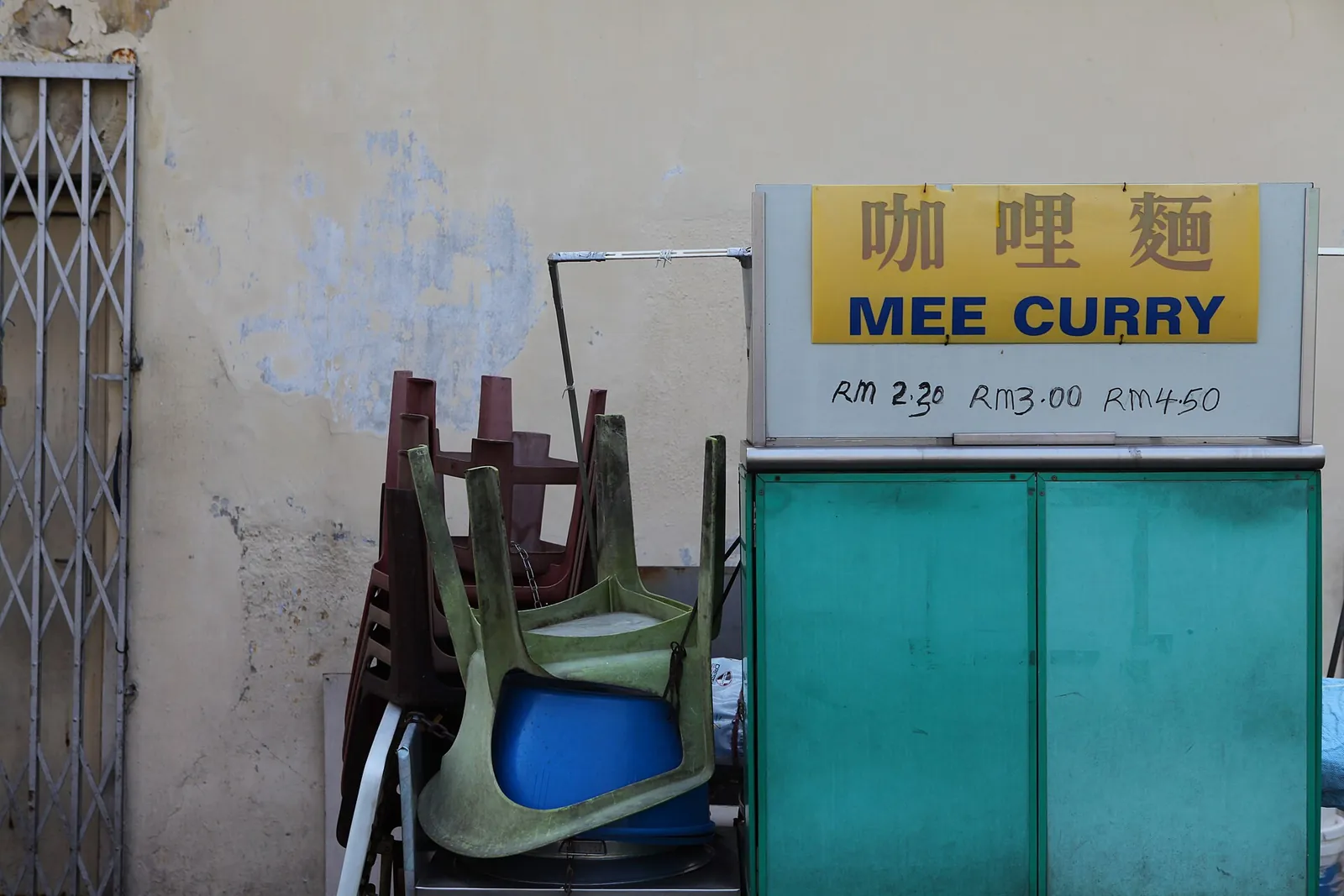
A mee curry stall in George Town, Penang, with its prices in ringgit on the sign.
Photograph: Paul Keller — opens in a new tab · CC BY 2.0 — opens in a new tab
Changes: Resized and converted to WebP; displayed with responsive crops. · Original photograph and licence details ↗ — opens in a new tab
Shopping malls such as Pavilion in Bukit Bintang, Kuala Lumpur, take major credit cards.
Photograph: PulauKakatua19 — opens in a new tab · CC BY-SA 4.0 — opens in a new tab
Changes: Resized and converted to WebP; displayed with responsive crops. · Original photograph and licence details ↗ — opens in a new tab
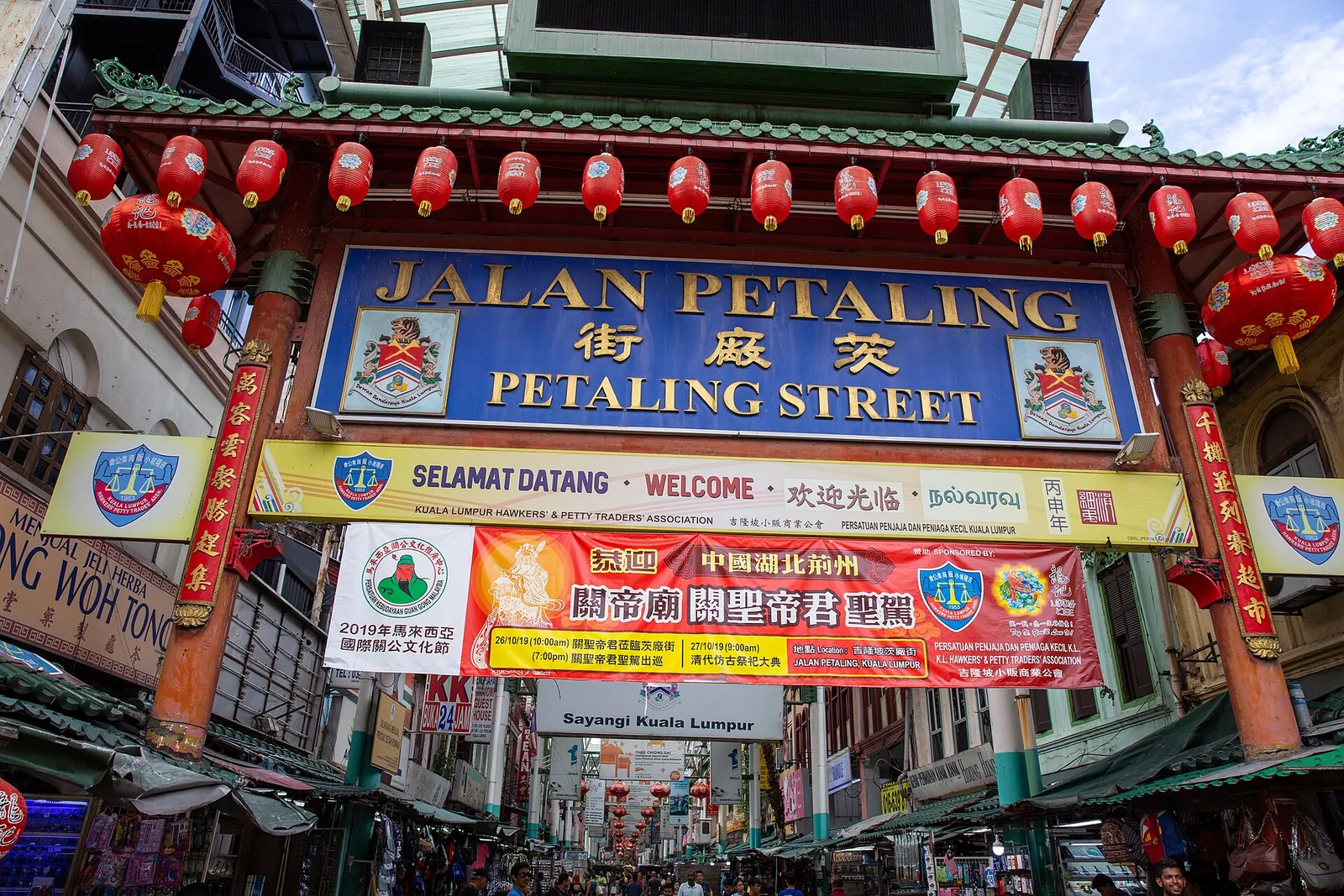
Petaling Street, the busy market street of Kuala Lumpur's Chinatown.
Photograph: Shesmax — opens in a new tab · CC BY-SA 4.0 — opens in a new tab
Changes: Resized and converted to WebP; displayed with responsive crops. · Original photograph and licence details ↗ — opens in a new tab