Plan your trip
Is Malaysia safe? Advisories, emergency numbers, health and the law
Most trips to Malaysia go wrong in ordinary ways: a bag snatched from a passing motorbike, a monsoon flood on the east coast, a spiked drink, a dengue bite in the city. The part of the country that governments warn about is the sea off eastern Sabah, a long way from Kuala Lumpur, Penang and Langkawi. This guide covers where those lines run, the numbers to save, the hospitals on official lists, the vaccines and malaria questions for your travel clinic, and the laws that are applied in full to visitors, from drugs to vaping.
In this guide
Find the location ↗ — opens in a new tabThe short answer
Buy travel insurance that covers medical treatment and repatriation before anything else, because the FCDO says government and private hospitals in Malaysia charge for all services. Save 999 for the police and an ambulance, 994 for the fire service and 112 for an ambulance from a mobile. The UK, France and Germany all advise against the islands and dive sites off eastern Sabah, and France and Germany also advise against parts of the east coast itself; AsiaVela's routes leave out those islands, but the Sepilok and Kinabatangan stops of our Sabah itinerary lie inside the German and French lines. TravelHealthPro advises bite avoidance rather than malaria tablets for mainland Malaysia, and the US CDC reports no malaria transmission in Kuala Lumpur or Penang, but day-biting dengue mosquitoes are everywhere. Malaysia applies zero tolerance to drugs, including cannabis and including transit passengers, and trafficking can carry the death penalty.
- Key point
- Set up before you leave: insurance, a travel-clinic visit and saved numbers
- Where it applies
- No base is needed; the advice applies wherever you stay
- Timing
- The north-east monsoon, from November to March, brings the heaviest rain and floods to the east coast of the peninsula, Sarawak and Sabah; haze from Indonesian forest fires can arrive between June and October.
Where governments advise against travel, and what we leave out
Three governments' advice covers the same corner of the country, in different widths. When we checked on 28 October 2026, the UK Foreign, Commonwealth & Development Office (FCDO), in advice last updated on 19 March 2026, advised against all but essential travel to all islands and dive sites off the coast of eastern Sabah from Sandakan to Tawau, including Lankayan Island, because of the threat of kidnapping, and said this does not apply to the mainland of Sabah. The German Federal Foreign Office (Auswärtiges Amt), in advice dated the same day, strongly advised against non-essential travel to the islands and dive sites off Sabah's east coast between Terusan and Tawau, and advised against non-essential travel to the east coast itself, from Terusan to Tawau including Sandakan, Lahad Datu and Semporna. It also strongly advised against travelling overland between Malaysia and Thailand, and warned against the Sulu Archipelago and the sea between it and north-east Sabah.
France Diplomatie's zones, last revised on 10 March 2026, formally advise against the islands and all the surrounding waters off Sabah's north and east coasts and list the towns of Tawau, Sandakan and Semporna in the same category. They advise against the north and east coasts of Sabah and the zone along the border with Thailand except for compelling reasons, and place Kangar and Kota Bharu under reinforced vigilance. The east-coast districts form a security zone with a heavy police and military presence, and the German page says a night-time ban on all boats, from 18:00 to 06:00, applies within three nautical miles of that coast. Other governments draw their lines elsewhere, and the FCDO notes that travelling against its advice can invalidate your insurance, so read your own government's page before you book.
Our routes leave out Semporna, Sipadan, Mabul, Lankayan and every other island or dive site off eastern Sabah, and they do not cross the land border with Thailand. Our Sabah itinerary does go to Sepilok near Sandakan and to the Kinabatangan river. Both are on the mainland, outside the UK advice. Germany, however, advises against non-essential travel to the east coast including Sandakan and counts the Sandakan and Kinabatangan districts in its security zone, and France formally advises against the town of Sandakan, where most visitors to Sepilok fly in, and against the east coast except for compelling reasons. If your own government's advice follows theirs, end a Sabah trip at Kota Kinabalu and Kinabalu Park instead.
Bag-snatching, scams, drink spiking and methanol
Bag-snatching is the crime visitors meet most. The FCDO says thieves on motorbikes cut straps or pull off bags carried on the shoulder nearest the road, and that people who held on have been dragged to the ground, injured or killed. France Diplomatie names busy streets in Kuala Lumpur, including Bukit Bintang, Central Market and KLCC, and advises carrying belongings on the side away from the traffic. The Auswärtiges Amt adds that tourists staying in hostels and budget hotels in Bukit Bintang and Chinatown have repeatedly been robbed, though violent crime against foreigners is otherwise uncommon.
Scams are more common than violence. The German advice warns of strangers who approach solo travellers at tourist sites, suggest a game of cards or other gambling and lure them to a private flat on a pretext. France Diplomatie reports thefts by people posing as plain-clothes police officers checking identity papers: ask for a uniformed officer or go to the nearest police station, and never pay a fine without an official receipt. The FCDO and France both report credit card fraud, so keep your card in sight when you pay. At airports, the FCDO says, you pay for a taxi with a fixed-price coupon bought at a counter in the terminal, and elsewhere taxis should use the meter; the Auswärtiges Amt notes that drivers often refuse to and that app-booked rides are often more reliable.
Nightlife needs the most care. The FCDO reports strangers offering tourists spiked drinks, even in reputable bars and restaurants, and then robbing or assaulting them; France Diplomatie adds sexual assaults after drinks laced with psychotropic drugs, including in hotel bars and well-known clubs. Counterfeit beer and whisky containing methanol have caused deaths in Malaysia, according to France, which advises checking that the label names the producer or importer and avoiding places that sell alcohol without a licence. The FCDO stresses that even a small amount of methanol can kill and cannot be detected by taste or smell: keep your drink in sight and get urgent medical help if anyone becomes very unwell after drinking.
Roads, boats, jellyfish and diving
Traffic drives on the left. The FCDO says drivers, particularly motorbike riders, do not always stop at traffic lights or pedestrian crossings, that there have been several fatal bus crashes, particularly on overnight journeys, and that roads in East Malaysia are not as good as on the peninsula; the German advice adds that country roads are mostly narrow, poorly lit and potholed. British drivers need the 1949 international driving permit together with their UK licence. A helmet is compulsory on a motorbike, police carry out regular breath tests, and drink-driving can bring a heavy fine, prison or deportation. It is illegal to leave the scene of an accident before the police arrive, although the FCDO says that if a crowd gathers it may be safer to go straight to the nearest police station. Our Malaysia transport guide covers trains, buses and flights.
Some passenger boats have sunk because of overloading and poor maintenance, according to the FCDO: avoid vessels that are clearly overloaded or in poor condition and check that life jackets are on board. Hire jet skis and other watersports equipment only from licensed operators, insist on training and check that your insurance covers it. Divers should check an operator's credentials and ask whether it can transfer a diver to a hyperbaric chamber; France Diplomatie warns that search and rescue in remote areas is limited and that hyperbaric chambers are few. Piracy affects the Strait of Malacca and the waters between Sabah and the southern Philippines, which is why France advises against sailing at night in the Strait and against pleasure sailing in the South China, Sulu and Celebes seas.
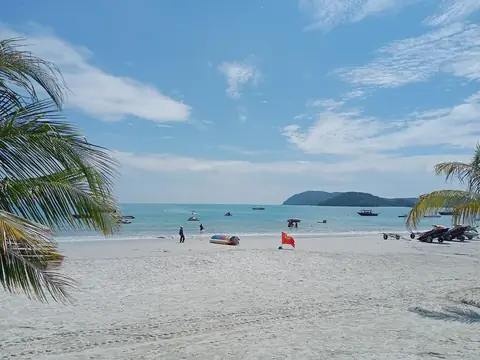
Box jellyfish, among the most dangerous species, can occur in the shallow coastal waters of the north-west, for example around Langkawi and Pangkor, according to the Auswärtiges Amt, and France Diplomatie reports more jellyfish along Malaysian coasts, some with stings that can kill. Ask at your hotel before swimming and obey the beach signs. TravelHealthPro gives a very low risk of schistosomiasis in fresh water, so avoid wading or swimming in rivers and lakes; the sea and properly chlorinated pools carry no such risk.
Monsoon floods, haze, earthquakes and Mount Kinabalu
The Malaysian Meteorological Department (MET Malaysia) describes two monsoons: the south-west monsoon from late May to September, relatively dry everywhere except Sabah, and the north-east monsoon from November to March, the main rainy season, whose heavy rain often causes large floods in Kelantan, Terengganu, Pahang and East Johor and in Sarawak and Sabah. MET Malaysia issues bad-weather advisories and warnings on its website and its myCuaca app, and the Department of Irrigation and Drainage's Public InfoBanjir site posts river levels that have passed alert and warning thresholds. The FCDO says flooding and landslides are common and can interrupt essential services, and France Diplomatie advises against caving in the monsoon, from October to February, because water can rise suddenly inside caves. Our best-time guide explains which coast is dry in which month.
Haze is the dry-season hazard. The FCDO says forest fires in Indonesia can cause haze between June and October, disrupting local and regional air travel, and that high air pollution in major towns may worsen respiratory conditions; it points to the Department of Environment's Air Pollutant Index Management System (APIMS) for readings and health advisories. The Auswärtiges Amt adds that air quality, particularly around Kuala Lumpur, is often poor all year. TravelHealthPro says it is unclear whether face masks reduce exposure, and advises travellers with health problems to carry enough of their regular medication and adjust their plans to local air-quality data.
Malaysia lies in a seismic zone, although strong earthquakes are rare; France Diplomatie recalls the magnitude 6 earthquake that struck Sabah in June 2015 and affected Mount Kinabalu, and the German page adds violent tropical thunderstorms with lightning all year round. Kinabalu is also the one place where altitude matters: TravelHealthPro notes a risk of altitude illness above 2,500 metres, and the FCDO names the mountain. Sabah Parks asks people with heart disease, hypertension, chronic asthma, diabetes, epilepsy and several other conditions not to climb, requires climbers to stay with their assigned guide and to use the white rope above Panalaban, and says weather and safety conditions decide whether the summit can be reached. Our Kinabalu climbing guide covers permits and bookings.
Emergency numbers to save before you land
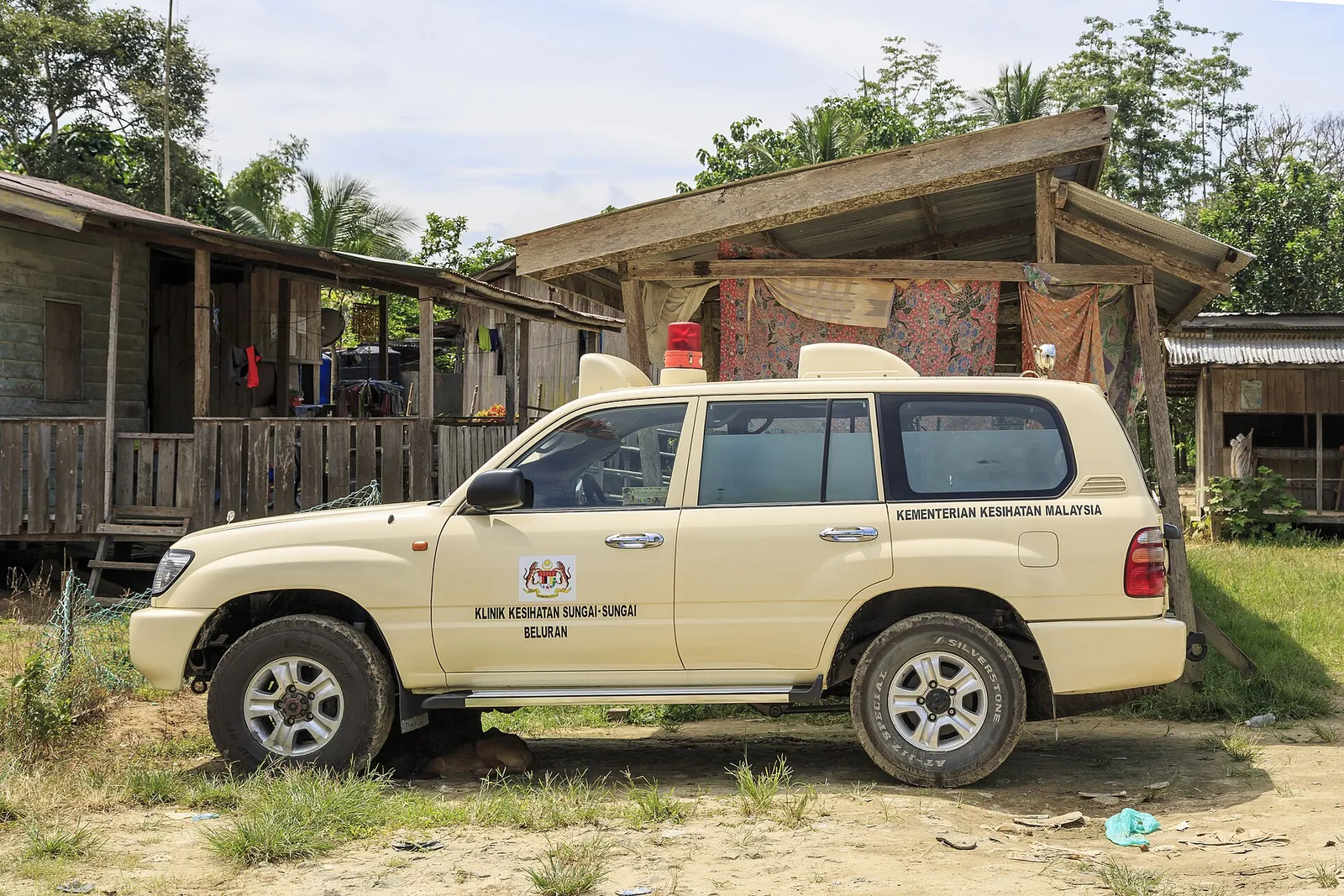
The FCDO lists these numbers for Malaysia. If you are referred to a hospital, contact your insurance company quickly.
- 999: police and ambulance; ask for an ambulance.
- 994: the fire service.
- 112: ambulance from a mobile phone.
Hospitals, pharmacies and paying for care
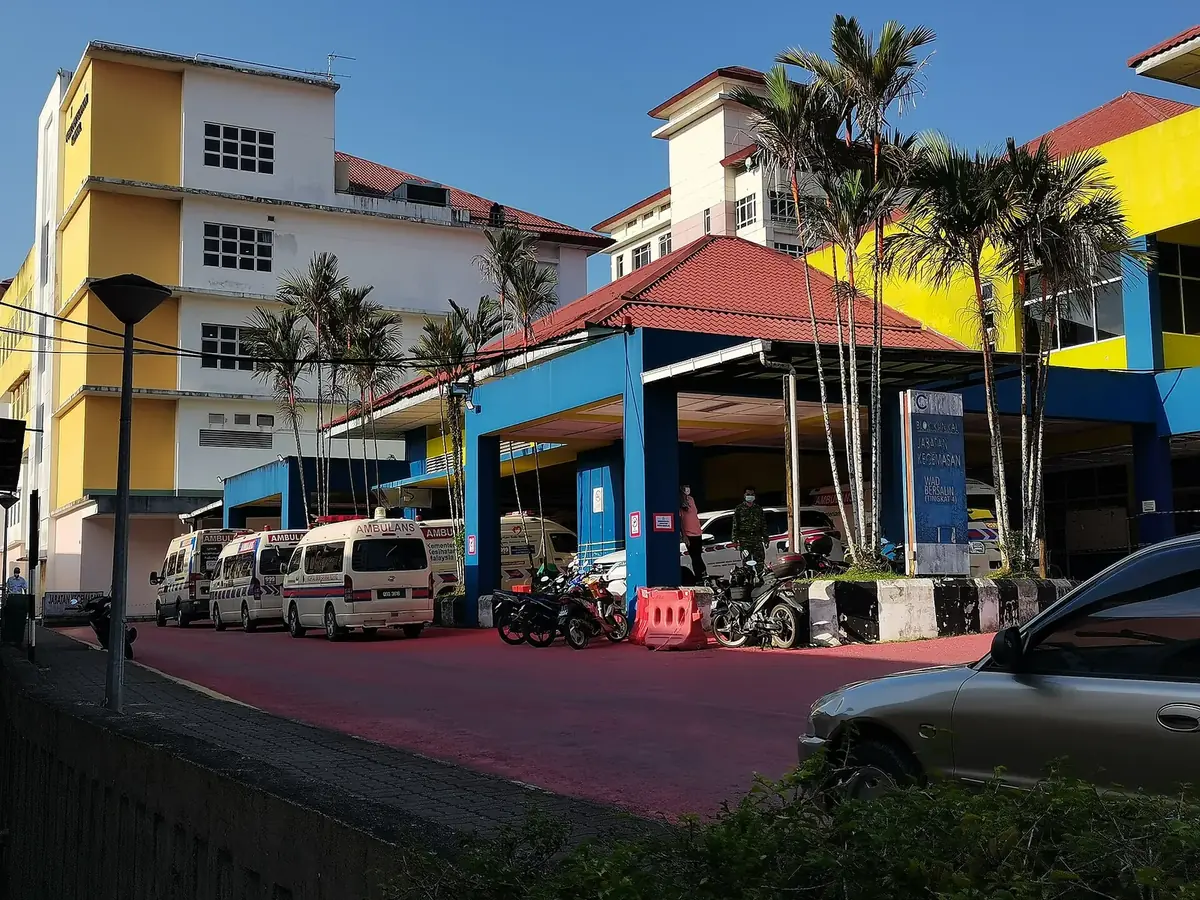
Healthcare in the large cities is generally satisfactory, often with specialists trained abroad, according to the Auswärtiges Amt. The FCDO's list of facilities with English-speaking staff, updated on 10 April 2024, includes Prince Court Medical Centre, Gleneagles Kuala Lumpur, Hospital Kuala Lumpur and the University of Malaya Medical Centre in Kuala Lumpur; Gleneagles Penang, Hospital Pulau Pinang and Penang Adventist Hospital in Penang; Mahkota Medical Centre and Hospital Melaka in Melaka; Gleneagles Hospital Kota Kinabalu, Hospital Queen Elizabeth and Hospital Queen Elizabeth II in Kota Kinabalu and Hospital Duchess of Kent in Sandakan; and Sarawak General Hospital in Kuching, with Columbia Asia Hospital Miri and Hospital Miri further north. The FCDO says the list is not exhaustive and endorses none of them.
Treatment is not free for visitors. The FCDO says government and private hospitals charge for all services and that private care is expensive, so have travel health insurance and accessible funds to cover treatment and repatriation. The Auswärtiges Amt's general advice is that in many countries the bill must be paid, or advanced, before discharge, and that a hospital may even have a patient stopped from leaving the country over an unpaid bill. France Diplomatie's advice is a policy that covers all medical costs, including surgery, hospital stays and medical repatriation, which the French embassy will not pay in any case.
For minor complaints, the German page says Western medicines, including many German brands, are available in urban areas. Never take medicine bought on the street, which France Diplomatie warns may be counterfeit, and bring a personal first-aid kit protected from the heat.
Vaccines, malaria, dengue, rabies and what to drink
See a travel clinic at least 8 weeks before the trip, as the FCDO advises. TravelHealthPro recommends routine vaccines plus hepatitis A and tetanus for most travellers, and lists chikungunya, dengue, hepatitis B, Japanese encephalitis, measles, rabies, tuberculosis and typhoid for some; the US CDC recommends hepatitis A for unvaccinated travellers aged one or over and typhoid for most travellers. Japanese encephalitis occurs throughout Malaysia all year, with Sarawak the highest-risk area and a seasonal peak from October to December, though the CDC does not recommend the vaccine for short trips to urban areas. There is no yellow fever in Malaysia, but a vaccination certificate is required from travellers over 1 year of age arriving from a country with risk of yellow fever transmission, or after more than 12 hours in transit at an airport in such a country.
Malaria in Malaysia is mainly Plasmodium knowlesi, which passes from animals to people in rural, forested areas. TravelHealthPro gives a low risk on mainland Malaysia, a low risk in inland Sabah and the inland, forested areas of Sarawak, and a very low risk in the rest of Malaysian Borneo including the coasts, and in all of them recommends bite avoidance and awareness rather than tablets, except for travellers at higher risk. The CDC is stricter: it recommends antimalarials for rural, forested areas and reports no transmission in Kuala Lumpur or Penang. Discuss a Borneo jungle trip with your clinic, and treat a fever of 38°C or more, from a week after entering a risk area until a year after your return, as a reason to see a doctor at once.
Dengue is the bigger everyday risk. The mosquitoes that spread it, and chikungunya and Zika, bite mainly by day and are commonest in towns and cities, and France Diplomatie describes dengue as endemic and rising sharply, especially in Selangor and Kuala Lumpur. TravelHealthPro recommends a repellent with 50% DEET on exposed skin. Rabies is present in domestic animals: the FCDO names Perlis, Kedah, Penang and Sarawak, and the CDC reports more human cases in Sarawak. Avoid contact with dogs, cats, monkeys and bats; if you are bitten, scratched or licked on broken skin, flush the wound under a running tap for several minutes, wash it with soap and water, and get an urgent medical assessment even if the wound looks trivial.
On water the official advice is consistent. The Auswärtiges Amt says to drink only water from a safe source, never tap water, and to use filtered, disinfected or boiled water when there is no bottled water; France Diplomatie says to drink only bottled or sealed drinks or water made safe. Peel fruit, choose food that is freshly and thoroughly cooked, and wash your hands before eating. The German page also reports cases of sarcocystosis, a parasite passed on through contaminated food or water, on Tioman Island, and says meat should never be eaten raw.
Medicines, drug laws and the rules applied to visitors
Malaysia's Ministry of Health lets visitors bring medicines for their own use, or for an immediate family member travelling with them, in the quantity reasonably needed for one month. For medicines controlled as dangerous drugs or psychotropics, carry the valid prescription or a doctor's letter, in English or translated, naming the medicine, the dose and the quantity; prescription medicines containing dangerous drugs such as cannabis or narcotics must be declared on arrival. Keep the dispensing label and the original packaging. If you are not sure whether an item is legal, the FCDO's advice is to declare it. Our Malaysia entry guide covers the customs allowances.
Drug laws are applied in full to visitors. The FCDO says possession, trafficking and manufacture of any illegal drug, including cannabis, are serious offences, that airports scan the baggage of transit passengers as well, and that penalties include a possible whipping and a possible death sentence by hanging for trafficking. Possession above certain quantities can be treated as trafficking, according to France Diplomatie and the Auswärtiges Amt, and France adds that suspects are held without bail while proceedings can last years. Police raid venues frequented by foreigners and can require a urine or blood test; a positive result means arrest, and the FCDO's entry advice says a positive test on arrival can lead to detention, deportation and a ban, even for a drug taken in a country where it is legal. Never carry a bag or parcel for anyone else.
A few other rules catch visitors. Malaysian law forbids foreigners from taking part in demonstrations, so stay away from protests. By law you must carry ID, and the FCDO says to carry your passport; France adds that a copy is not enough. Smoking, including vaping, is banned in places declared non-smoking under the Control of Smoking Products for Public Health Act 2024, with a fine of up to RM5,000 when we checked on 28 October 2026. Dress modestly, particularly in conservative and rural areas: places of worship and government offices may refuse entry to anyone without covered shoulders and knees or closed shoes.
Same-sex sexual acts are illegal in Malaysia under federal law. The FCDO says the authorities sometimes raid LGBT+ spaces and events and that showing affection in public could draw a negative response, though openly LGBT+ safe spaces and support groups exist. The Auswärtiges Amt says consensual same-sex acts between adults can be punished with up to 20 years in prison and caning, and that since 2023 possessing or distributing LGBTIQ symbols, including rainbow-coloured accessories such as watches, can bring three years in prison, a fine or both.
Women travelling alone are the FCDO's particular concern after assaults and robberies around bars and nightlife areas: do not open your hotel-room door to strangers, especially late at night. France Diplomatie strongly advises against hitchhiking, especially alone, and recommends reputable taxi companies booked by phone or a ride-hailing app such as Grab. Keep valuables in the room safe and carry only the cash you need for the day, as both the French and German pages advise.
Practical questions
Is Malaysia safe for tourists?
For most visitors, yes. The governments' warnings cover the islands and waters off eastern Sabah and, for Germany and France, parts of that coast; the common risks elsewhere are bag-snatching, drink spiking, road accidents, monsoon floods and dengue.
What is the emergency number in Malaysia?
Call 999 for the police and an ambulance, 994 for the fire service, or 112 for an ambulance from a mobile phone.
Which parts of Malaysia should I avoid?
The UK advises against all but essential travel to the islands and dive sites off eastern Sabah from Sandakan to Tawau, including Lankayan. Germany also advises against non-essential travel to the east coast from Terusan to Tawau, and France lists Tawau, Sandakan and Semporna among the areas it formally advises against; both advise against the land border with Thailand.
Do I need malaria tablets for Malaysia?
Usually not for cities and the coast. TravelHealthPro recommends bite avoidance rather than tablets across Malaysia except for higher-risk travellers, and the CDC reports no transmission in Kuala Lumpur or Penang; the CDC does recommend tablets for rural, forested areas, so discuss a Borneo jungle trip with a travel clinic.
Can I bring my prescription medicines to Malaysia?
Yes, up to one month's supply for your own use, in the original packaging. Medicines classed as dangerous drugs or psychotropics need a prescription or doctor's letter in English, and those containing dangerous drugs must be declared on arrival.
Is Malaysia safe for LGBT+ travellers?
Same-sex sexual acts are illegal under federal law, raids on LGBT+ spaces happen, and public affection can draw a negative response, according to the FCDO. Openly LGBT+ safe spaces and support groups exist.
Keep planning your trip
First trip to Malaysia
Seven days in Kuala Lumpur and George Town: where to base yourself, visa by nationality and the MDAC, the ETS train to Penang and what to see.
Read the guide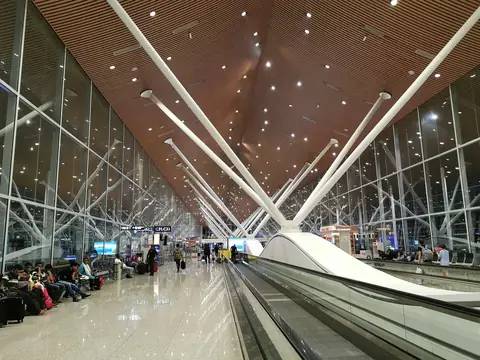
Malaysia entry requirements
Malaysia entry rules for 2026-27: visa-free stays of up to 90 days, passports, the free MDAC arrival card, eGates, Sabah and Sarawak, medicines and customs.
Read the guide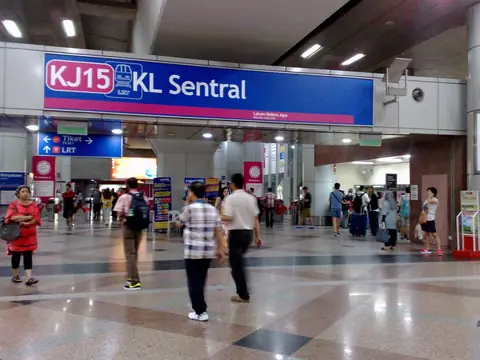
Getting around Malaysia
Malaysia transport with fares and times: KLIA Ekspres, ETS from Butterworth to JB Sentral, Shuttle Tebrau to Singapore, coaches, island ferries and Borneo flights.
Read the guide
Best time to visit Malaysia
Match Malaysia's west coast, east-coast islands and Borneo to their different rain patterns, then choose dates that fit the trip you want.
Read the guide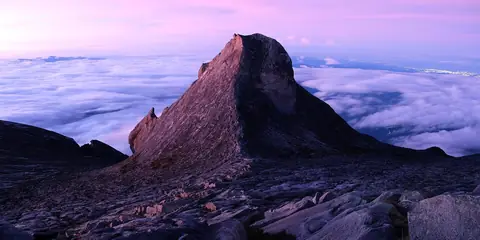
Climbing Mount Kinabalu
Mount Kinabalu climb: 2027 bookings not yet open (checked 2026-10-25). Book the slot, Panalaban hostel, permit and registered guide in the right order.
Read the guide
Sabah in 10 days
Plan nine nights across Kota Kinabalu, Kundasang, Sepilok and the Kinabatangan, with realistic transfers, ethical wildlife visits and four useful bases.
Read the guideSources and checks before you travel
(21)
- UK FCDO: Malaysia warnings and insurance ↗ — opens in a new tab
- UK FCDO: Malaysia regional risks ↗ — opens in a new tab
- UK FCDO: Malaysia safety and security ↗ — opens in a new tab
- UK FCDO: Malaysia health ↗ — opens in a new tab
- UK FCDO: Malaysia getting help ↗ — opens in a new tab
- UK FCDO: Malaysia entry requirements ↗ — opens in a new tab
- UK FCDO: doctors and medical facilities in Malaysia ↗ — opens in a new tab
- France Diplomatie: Malaysia security advice ↗ — opens in a new tab
- France Diplomatie: Malaysia health advice ↗ — opens in a new tab
- German Federal Foreign Office: Malaysia travel and safety advice ↗ — opens in a new tab
- TravelHealthPro (NaTHNaC): Malaysia ↗ — opens in a new tab
- TravelHealthPro (NaTHNaC): Borneo (Malaysia) ↗ — opens in a new tab
- US CDC: Malaysia traveler view ↗ — opens in a new tab
- TravelHealthPro: rabies factsheet ↗ — opens in a new tab
- TravelHealthPro: insect and tick bite avoidance ↗ — opens in a new tab
- MET Malaysia: weather phenomena (monsoon) ↗ — opens in a new tab
- Department of Irrigation and Drainage: Public InfoBanjir ↗ — opens in a new tab
- Department of Environment Malaysia ↗ — opens in a new tab
- Sabah Parks: Mount Kinabalu climbing guide ↗ — opens in a new tab
- Ministry of Health Malaysia: travellers' guide to bringing medication ↗ — opens in a new tab
- Ministry of Health Malaysia: Control of Smoking Products for Public Health Act 2024 (Act 852) ↗ — opens in a new tab
Reference sources for the version dated 29 October 2026. Confirm opening times, access, transport and conditions for your travel dates.
Photo credits
(5)
Climbers on Mount Kinabalu's summit plateau, where Sabah Parks requires climbers to stay with their guide.
Photograph: Peripitus — opens in a new tab · CC BY-SA 3.0 — opens in a new tab
Changes: Resized and converted to WebP; displayed with responsive crops. · Original photograph and licence details ↗ — opens in a new tab
Haze over Kuala Lumpur; the FCDO says haze from Indonesian forest fires can arrive between June and October.
Photograph: Renek78 — opens in a new tab · CC0 — opens in a new tab
Changes: Resized and converted to WebP; displayed with responsive crops. · Original photograph and licence details ↗ — opens in a new tab
Pantai Cenang, Langkawi, where the German advice warns that box jellyfish can occur in shallow water.
Photograph: Nahid Sultan This work was made by Nahid Sultan and released under the license(s) stated below. Please feel free to use it for any purpose as long as you credit Nahid Sultan as author and follow the terms of the chosen license. If you use this work outside of the Wikimedia projects, I would very much like to get a note from you. Thanks! — opens in a new tab · CC BY-SA 4.0 — opens in a new tab
Changes: Resized and converted to WebP; displayed with responsive crops. · Original photograph and licence details ↗ — opens in a new tab
Prince Court Medical Centre, one of the Kuala Lumpur hospitals on the FCDO's list.
Photograph: Vano111ru — opens in a new tab · CC BY-SA 4.0 — opens in a new tab
Changes: Resized and converted to WebP; displayed with responsive crops. · Original photograph and licence details ↗ — opens in a new tab
The Emergency and Trauma Department at Sarawak General Hospital in Kuching.
Photograph: Cerevisae — opens in a new tab · CC BY-SA 4.0 — opens in a new tab
Changes: Resized and converted to WebP; displayed with responsive crops. · Original photograph and licence details ↗ — opens in a new tab