Pahang
Cameron Highlands guide: tea estates, forest and where to stay
The Cameron Highlands trade Malaysia's lowland heat for tea-covered slopes, vegetable farms and cloud forest. The landscape is beautiful, but the sights are spread along one mountain road and there is no railway or airport: the quality of the stay depends less on ticking off farms than on choosing the right base and grouping each day sensibly. Two nights give the highlands room to breathe, with one early start for the north and a quieter afternoon around Tanah Rata or Ringlet.
In this guide
Find the location ↗ — opens in a new tabThe short answer
Stay two nights in Tanah Rata for the easiest all-round base, or in Brinchang if the tea estates and Mossy Forest are your priority. Use one morning for Sungei Palas, the cloud forest and the farms north of town, then keep the second day for a gentler tea-garden visit, a forest walk or the produce markets. Cameron Highlands is road-only: arrive by direct bus or car, avoid treating it as a quick rail stop, and allow one transfer day on either side if it sits between Kuala Lumpur, Ipoh or Penang.
- Suggested time
- 2 nights; 3 for a guided hike and a slower tea-estate day
- Where to stay
- Tanah Rata for buses, restaurants and trails; Brinchang or Kea Farm for the northern sights; Ringlet for a quieter southern stay
- Season and timing
- Cool year-round, usually about 15–25°C; mist and rain are part of the landscape, so put viewpoints and tea gardens early in the day.
Two nights, and the right town for your plans
Cameron Highlands is a chain of settlements rather than one compact resort. Tourism Pahang identifies Ringlet, Tanah Rata and Brinchang as its three main towns: Ringlet is the southern service centre, Tanah Rata the principal visitor town, and Brinchang the highest of the three. That geography matters because the tea gardens, markets and mountain forest lie on different stretches of a winding road.
For most first visits, Tanah Rata is the practical choice. Intercity buses use its terminal, it has the broadest spread of restaurants and budget-to-mid-range rooms, and you can arrange a guide or car without staying beside a farm attraction. Brinchang puts you closer to Sungei Palas, the northern farms and the road towards Mount Brinchang, but it is a busier, more built-up base. Kea Farm, north of Brinchang, suits travellers who want a resort-style stay near the produce stalls and high-level scenery; evenings are quieter and you will depend more on a car or booked transfer.
Two nights create one full day without luggage. Add a third if you want a substantial guided forest walk or if tea, mist and a slow hotel afternoon are the point of the trip. One night is possible, but the arrival and departure roads will dominate it, especially if you try to combine a tea estate, Mossy Forest and several farms between check-in and check-out.
Getting there: a road journey, not a rail stop
There is no passenger railway or airport in the Cameron Highlands. Tourism Pahang says the only way in is to drive or be driven, while Tourism Malaysia lists daily buses from Kuala Lumpur, Ipoh and Penang. From Kuala Lumpur it puts the car journey at about three hours in ordinary conditions; a bus is slower once stops and mountain traffic are included, so treat arrival as a transfer rather than the first sightseeing morning.
Drivers have two main western approaches. Tourism Malaysia describes the newer road through Simpang Pulai and the older road through Tapah, warning that the Tapah ascent is narrow and has many sharp bends. Simpang Pulai is the more natural approach from Ipoh and Penang; Tapah can make sense from the south, but nervous passengers may prefer the gentler-feeling northern route. Whichever you use, fill the tank before the climb and do not schedule a fixed tour immediately after the expected arrival time.
Once you are in the highlands, organise days by geography. Put Sungei Palas, Brinchang, the northern farms and Mossy Forest together, then keep Tanah Rata, Ringlet and BOH's original tea garden for a separate block. A hired car or a small guided tour gives the most control; if you use taxis or ride-hailing, arrange the return before entering an estate road where reception and available cars may be limited.
What to eat and where to look
Cameron-grown tea and cake
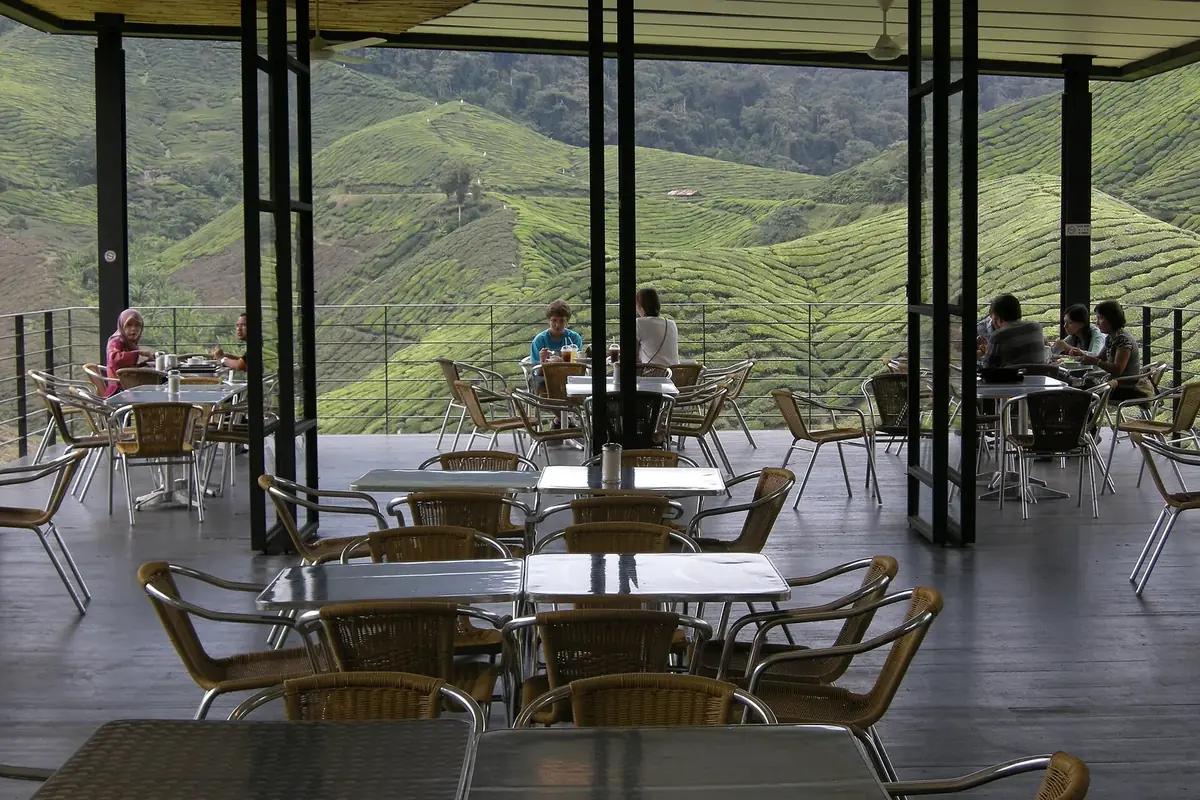
Black tea grown on the surrounding slopes, served by the pot with a slice of cake at the estate café. At Sungei Palas, the balcony and plantation view are as much a part of the pause as the drink.
- Where to look
- BOH Café at Sungei Palas or BOH Tea Garden near Ringlet, during the published visitor hours.
- Fit it into your day
- A late-morning break after the view or factory exhibition.
Cakes commonly contain wheat, egg and dairy; ask at the counter for current ingredients.
Scones with cream and strawberry jam
The highlands' old hill-station ritual: warm scones with cream and jam made from locally grown strawberries. It fits the cool afternoon better than a hurried stop between farms.
- Where to look
- Tea rooms in Tanah Rata and heritage-style hotels, or plantation cafés that list a full tea set.
- Fit it into your day
- Afternoon tea on the quieter half of your day.
Contains wheat and dairy, and often egg; a large tea set can replace lunch.
Highland steamboat
A shared pot of simmering broth with vegetables, tofu, noodles, meat or seafood added at the table. Tourism Pahang calls steamboat a local favourite, and the cool evening makes it the most natural dinner in Tanah Rata or Brinchang.
- Where to look
- Steamboat restaurants in central Tanah Rata and Brinchang; choose a clearly labelled broth and ingredients.
- Fit it into your day
- Dinner after a wet or misty day outdoors.
Broths may contain meat, fish or shellfish even when the vegetables are ordered separately.
Strawberries and highland produce
Fresh strawberries are the emblematic snack, while the stalls also show why the district matters to Malaysian agriculture: temperate vegetables, fruit and cut flowers thrive in the cooler air.
- Where to look
- Visitor farms and produce stalls around Brinchang and Kea Farm, or the markets in the main towns.
- Fit it into your day
- Buy a small punnet for the same day's bus ride or a simple dessert after lunch.
Picking access and availability follow the crop; wash fruit before eating and do not assume every farm offers pick-your-own sessions.
Which BOH tea garden to visit
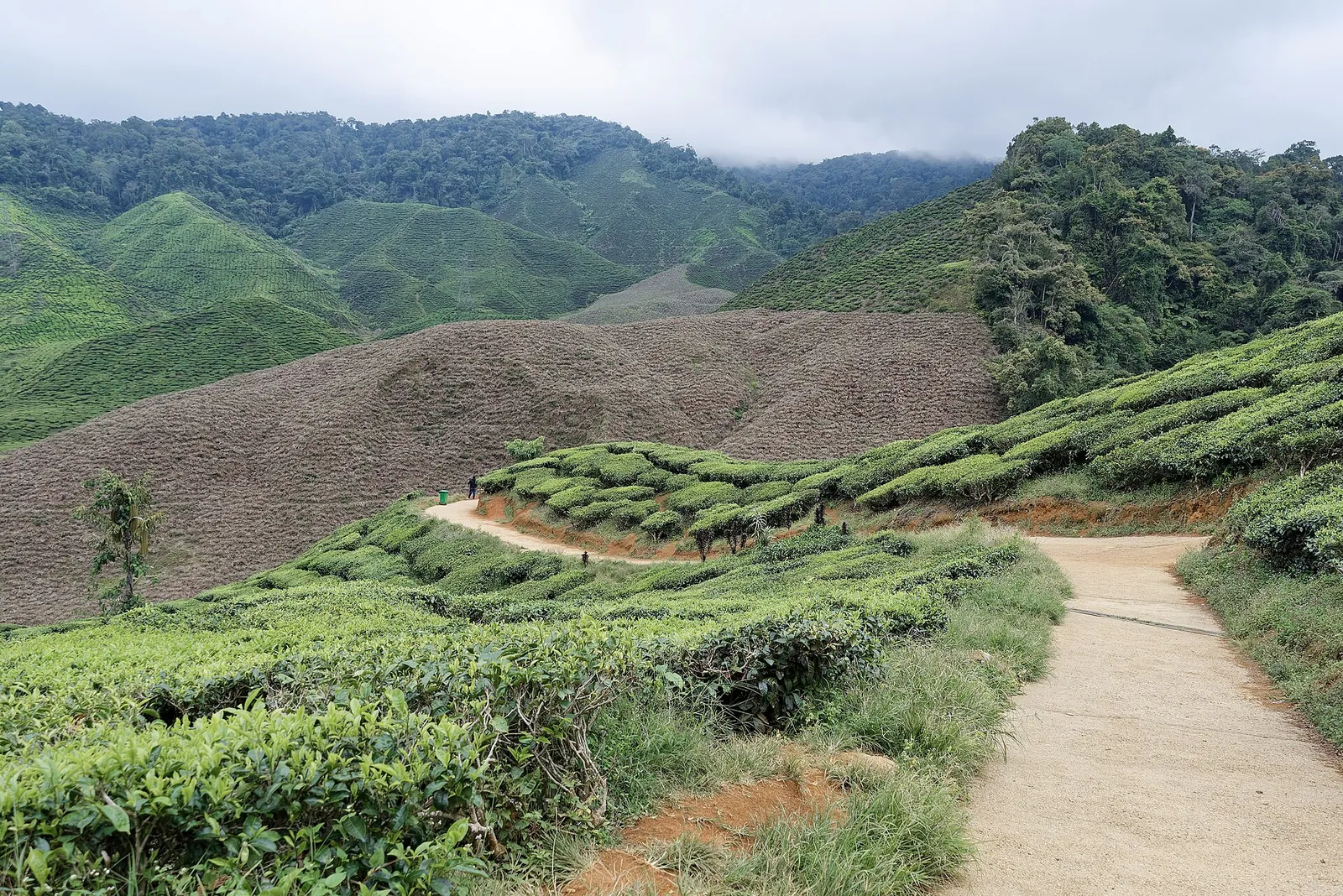
Sungei Palas Tea Garden, above Brinchang, is the first choice for a sweeping plantation view. BOH built its visitor centre in 2007 and its projecting balcony looks across the planted valley; the site also has an exhibition gallery, gift shop, café and an operating tea-factory tour. On 11 October 2026, BOH listed visitor hours of 08:30–16:30 from Tuesday to Sunday, with Monday closure except on selected school and public holidays.
The approach is part of the experience and part of the constraint: Tourism Pahang describes a winding estate road, and the visitor centre draws many day visitors. Go early, have tea after the view and leave the middle of the day for farms or lunch rather than trying to race another vehicle up the same narrow approach.
BOH's original Tea Garden near Ringlet is the quieter alternative for travellers approaching from the south or staying three nights. BOH calls it its largest and oldest garden, at more than 465 hectares, with the company's first factory, a café, shop and a hiking trail behind the factory. BOH listed the same 08:30–16:30 Tuesday-to-Sunday hours on 11 October 2026. Choosing one estate well is more rewarding than spending a day shuttling between plantations for nearly identical photographs.
Mossy Forest and the high mountain landscape
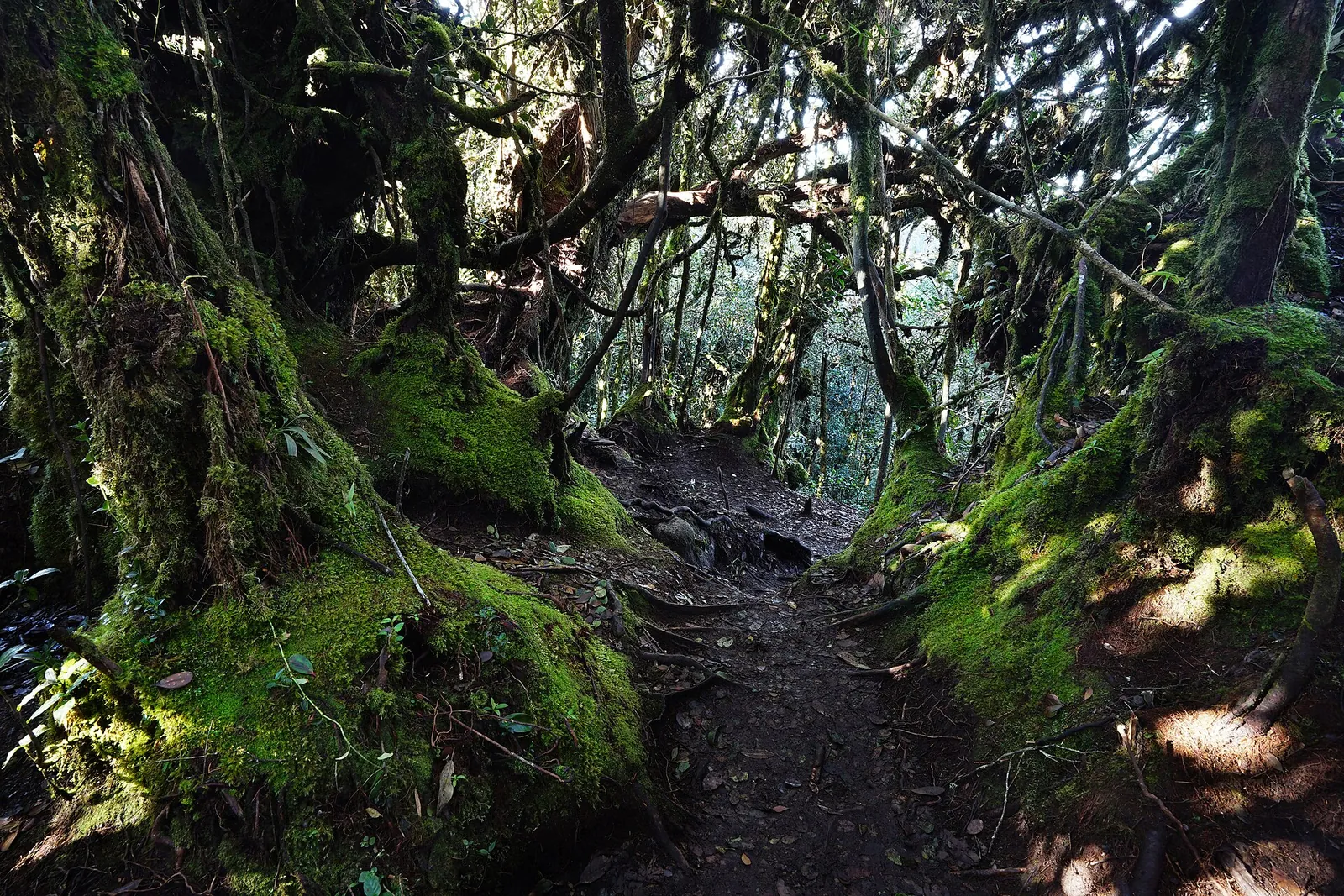
Near the summit of Mount Brinchang, the Mossy Forest is a cool montane ecosystem of ferns, orchids, lichens and tree trunks wrapped in moss. Tourism Malaysia describes a 200-metre elevated boardwalk near the summit and recommends an experienced local guide for the wider forest, where wet roots, mist and branching trails make an unguided hike a poor place to improvise.
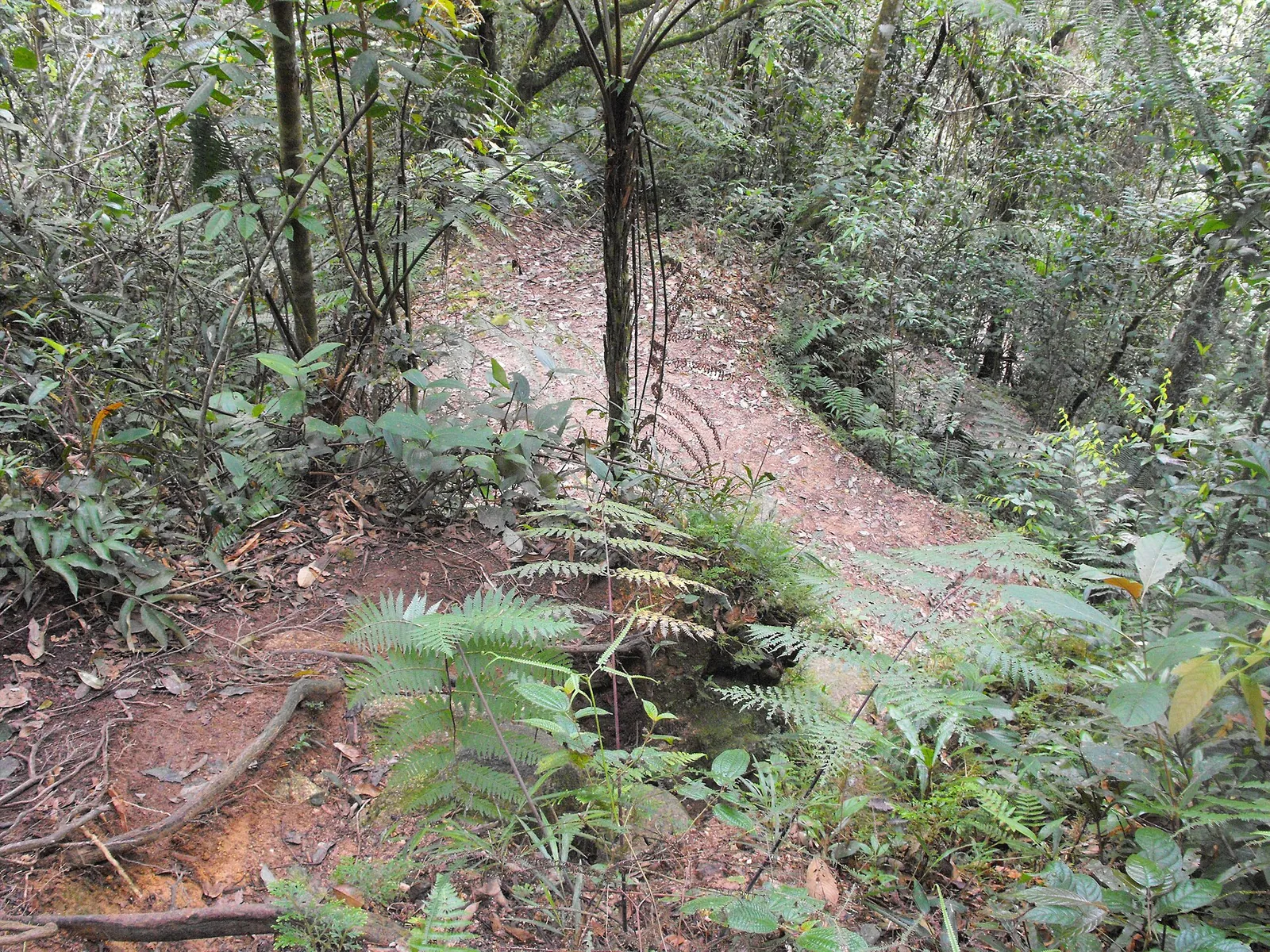
Treat the boardwalk and a long summit trek as different outings. The visitor boardwalk offers the atmosphere of the cloud forest without committing to a mountain route; the trail towards Mount Irau continues beyond it and requires appropriate arrangements. Access conditions, forest permits and the mountain road can change after heavy rain, so ask a licensed local guide about the route that is open on your date rather than accepting a vague 'Mossy Forest tour'.
Bring a light waterproof layer and shoes with tread even when Tanah Rata is dry. The forest sits above 2,000 metres, while Tourism Malaysia gives the highlands' usual temperature range as roughly 15–25°C; wind and wet timber make the summit feel markedly cooler. An early outing leaves the afternoon free for tea if cloud closes over the view.
Farms and markets without overloading the day
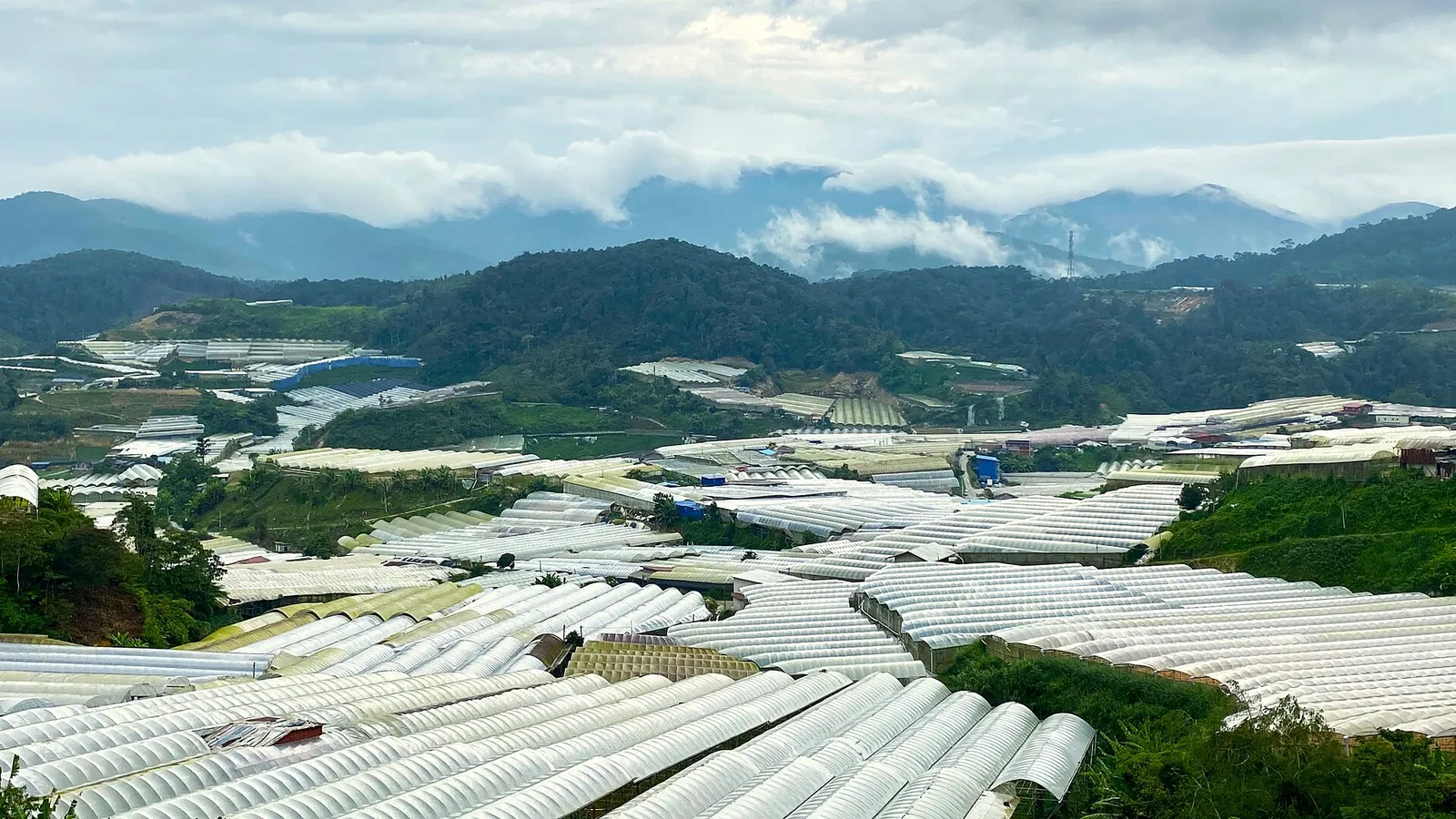
The highlands grow much of Malaysia's temperate vegetables, cut flowers, strawberries and other cool-climate produce. Tourism Pahang points visitors towards farms, nurseries and markets, but these are working agricultural districts as well as attractions. Pick one farm that genuinely interests you and pair it with a market stop; a string of near-identical strawberry outlets adds traffic, not insight.
The northern stretch around Brinchang and Kea Farm has the greatest concentration of produce stalls and visitor farms, which makes it easy to combine with Sungei Palas. Buy berries to eat that day, look for vegetables you will actually cook or carry, and leave delicate flowers for travellers with a short journey ahead. Farm admission, picking sessions and fruit availability vary with the crop, so choose after you arrive rather than building the entire trip around a promised harvest.
For a slower afternoon, stay near Tanah Rata and walk a maintained local trail with a guide, or settle into a tea room. The landscape is the attraction: planted slopes, forested ridges and the shift from sunny valley to cloud in a few minutes. Leaving space for that change is more in keeping with the highlands than trying to collect every themed garden.
Weather, weekends and what to pack
Cameron Highlands is cool, not dry. BOH gives a year-round climate of about 15–24°C with abundant rainfall, conditions that allow tea to be harvested throughout the year. Pack a thin warm layer for evenings, a compact rain jacket and shoes that can handle wet paths; air-conditioned buses can feel colder than the towns.
Visibility is usually the most valuable morning resource. Put the tea view or Mossy Forest first, then move indoor or low-stakes activities—lunch, the BOH gallery, a market or a long tea—into the afternoon. Rain need not spoil a two-night stay, but it can make forest paths unsafe and can slow the roads, which is another reason not to arrive and depart on the same sightseeing day.
School holidays and weekends bring domestic visitors to the farm corridor. If your dates are flexible, sleep on a weekday; if they are not, start north early and return to Tanah Rata before the main afternoon movement. The aim is not to avoid every crowd, but to spend your clearest hours looking over tea rather than sitting in a vehicle between attractions.
A two-night Cameron Highlands plan
This sequence groups the narrow-road sights instead of sending you back and forth across the highlands. Reserve any guided forest access before arrival and leave the precise order flexible for cloud and rain.
- Arrival afternoon: reach Tanah Rata, settle into the hotel, walk the town and have a steamboat dinner; do not attach a timed mountain tour to the end of the road journey.
- Full day, early: travel north for Mossy Forest or the boardwalk, then descend to Sungei Palas for the plantation view, exhibition and tea.
- Full day, afternoon: choose one strawberry or vegetable farm and a produce-market stop around Brinchang or Kea Farm, then return before dinner.
- Departure morning: if heading south, visit BOH Tea Garden near Ringlet when it is open; otherwise take a short local walk or a slow breakfast in Tanah Rata before the bus or car transfer.
- With a third night: give a licensed guide a full forest day, or stay in a heritage-style property and deliberately keep one afternoon empty.
Practical questions
How many nights do you need in the Cameron Highlands?
Stay two nights for one complete day covering Mossy Forest, a tea estate and one farm or market. Add a third night for a longer guided hike, a second tea garden or a genuinely relaxed highland break.
Is Tanah Rata or Brinchang better for a first visit?
Tanah Rata is the easier first base because intercity buses arrive there and it has a broad choice of food and accommodation. Brinchang is closer to Sungei Palas, Kea Farm and the road towards Mossy Forest, but works best with a car or arranged transport.
Can you take a train to the Cameron Highlands?
No. Tourism Pahang says the highlands can only be reached by road. The nearest useful rail connections are at Ipoh or Tapah Road, but you must continue by bus, taxi or car; direct buses also run from Kuala Lumpur, Ipoh and Penang.
Which Cameron Highlands tea plantation should I visit?
Choose Sungei Palas for the dramatic valley view and its large visitor centre near Brinchang. Choose BOH Tea Garden near Ringlet for the original factory, older estate setting and a stop that fits a southern arrival or departure.
Do you need a guide for Mossy Forest?
The visitor boardwalk is a short defined route, but Tourism Malaysia advises using an experienced local guide for the wider forest. A guide is especially important if you intend to continue towards Mount Irau or if rain has affected the trails.
What should I wear in the Cameron Highlands?
Bring a light warm layer, a rain jacket and shoes with grip. Typical temperatures are about 15–25°C, and Mossy Forest sits above 2,000 metres, where mist, wind and wet boards can make it feel much cooler.
Keep planning your trip
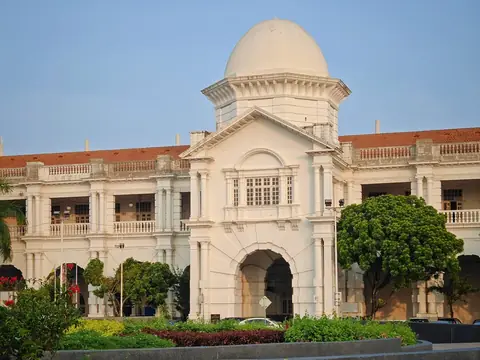
Ipoh
Two nights in Ipoh by ETS: the Old Town heritage trail, Han Chin Pet Soo, cave temples, Tasik Cermin, Kellie's Castle, local food and a budget for two.
Read the guide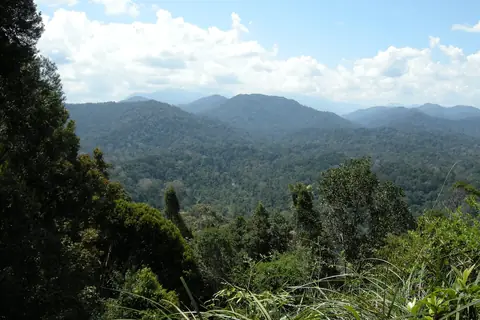
Taman Negara
Plan two nights at Taman Negara's Kuala Tahan gateway, with current canopy-walk status, rainforest guides, river trips, transport and practical bases.
Read the guide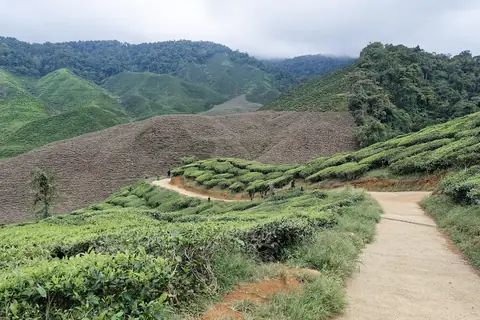
Best time to visit Malaysia
Match Malaysia's west coast, east-coast islands and Borneo to their different rain patterns, then choose dates that fit the trip you want.
Read the guide
Getting around Malaysia
Malaysia transport with fares and times: KLIA Ekspres, ETS from Butterworth to JB Sentral, Shuttle Tebrau to Singapore, coaches, island ferries and Borneo flights.
Read the guide
First trip to Malaysia
Seven days in Kuala Lumpur and George Town: where to base yourself, visa by nationality and the MDAC, the ETS train to Penang and what to see.
Read the guide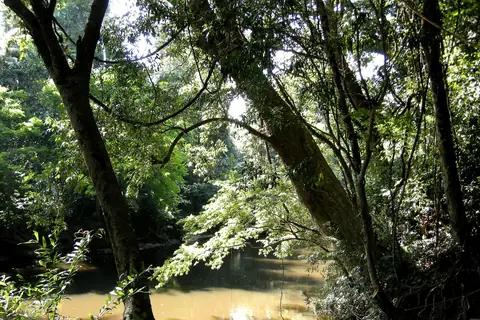
Malaysia in 14 days
A 14-day Malaysia route from Kuala Lumpur through Taman Negara, Cameron Highlands and Penang to Langkawi, with 13 nights and honest transfers.
Read the guideSources and checks before you travel
(7)
- Tourism Pahang: Cameron Highlands ↗ — opens in a new tab
- Tourism Malaysia: Cameron Highlands ↗ — opens in a new tab
- Tourism Malaysia: Mossy Forest Cameron Highlands ↗ — opens in a new tab
- BOH Tea: Sungei Palas Tea Garden ↗ — opens in a new tab
- BOH Tea: BOH Tea Garden ↗ — opens in a new tab
- BOH Tea: Cameron Highlands growing conditions ↗ — opens in a new tab
- Tourism Pahang: food in Pahang ↗ — opens in a new tab
Reference sources for the version dated 11 October 2026. Confirm opening times, access, transport and conditions for your travel dates.
Photo credits
(5)
Sungei Palas gives the Cameron Highlands their defining pattern of tea and mountain ridges.
Photograph: Adam Jones from Kelowna, BC, Canada — opens in a new tab · CC BY-SA 2.0 — opens in a new tab
Changes: Resized and converted to WebP; displayed with responsive crops. · Original photograph and licence details ↗ — opens in a new tab
Moss, roots and dense shade make the high forest feel very different from the tea estates below.
Photograph: Nazri Sulaiman — opens in a new tab · CC BY-SA 4.0 — opens in a new tab
Changes: Resized and converted to WebP; displayed with responsive crops. · Original photograph and licence details ↗ — opens in a new tab
Tanah Rata is the most useful all-round base for buses, food and guided departures.
Photograph: Vyacheslav Argenberg — opens in a new tab · CC BY 4.0 — opens in a new tab
Changes: Resized and converted to WebP; displayed with responsive crops. · Original photograph and licence details ↗ — opens in a new tab
Historic machinery explains how leaves from the surrounding slopes become finished tea.
Photograph: Adam Jones from Kelowna, BC, Canada — opens in a new tab · CC BY-SA 2.0 — opens in a new tab
Changes: Resized and converted to WebP; displayed with responsive crops. · Original photograph and licence details ↗ — opens in a new tab
A plantation café can turn a tea-estate visit into a slow highland morning.
Photograph: Vyacheslav Argenberg — opens in a new tab · CC BY 4.0 — opens in a new tab
Changes: Resized and converted to WebP; displayed with responsive crops. · Original photograph and licence details ↗ — opens in a new tab