Plan your trip
What to eat in the Philippines: island kitchens, ordering and prices
The Department of Tourism counts 7,641 islands, and the cooking changes across them. The table is built on rice, with vinegar, coconut, tamarind and the charcoal grill doing most of the work, and it changes as you cross the three island groups: Luzon in the north, the Visayas in the middle and Mindanao in the south. This guide sets out what each kitchen does best and where a first trip meets it, how ordering works at a carinderia, a grill chain and a sit-down restaurant, how merienda and halo-halo fit into the day, what a plate costs, and how to eat halal, vegetarian or with an allergy.
In this guide
Find the location ↗ — opens in a new tabThe short answer
On the Cebu–Bohol week, a cheap grill dinner of two sticks of pork barbecue with rice at Gerry's, which has four branches in Cebu City, costs PHP 207, and Mang Inasal's chicken inasal with rice PHP 139 (both checked on 27 October 2026). Eat the regional dishes where they are at home: lechon in Cebu, where the province sends you to Carcar and Talisay; chicken inasal from the grills that started in Iloilo and Bacolod; adobo and sinigang at most Filipino restaurants. No meal here needs a reservation. At a carinderia you point at the pots and pay for what you chose; at a sit-down restaurant dishes are shared and marked for two or three. For a whole day, our trip-cost guide reckons about PHP 700 a person at grill chains and local eateries, PHP 1,250 with sit-down meals, and PHP 3,500 at resort restaurants with drinks.
- Key point
- No extra nights: the eating fits into any route, with one city day for Cebu's lechon and one afternoon for merienda
- Where it applies
- Wherever the route sleeps: Cebu City for lechon and the Visayan grill, Panglao for Bohol's own dishes, Manila or Makati for the Luzon table
- Timing
- Good all year for the dishes in this guide; fruit such as durian and mango has its own seasons.
Three island groups, one rice-based table
The national table runs from "the globally renowned Cebu lechon and the comforting tastes of adobo and sinigang", in the tourism secretary's words, to Mindanao's curacha and pastil and a glass of halo-halo.
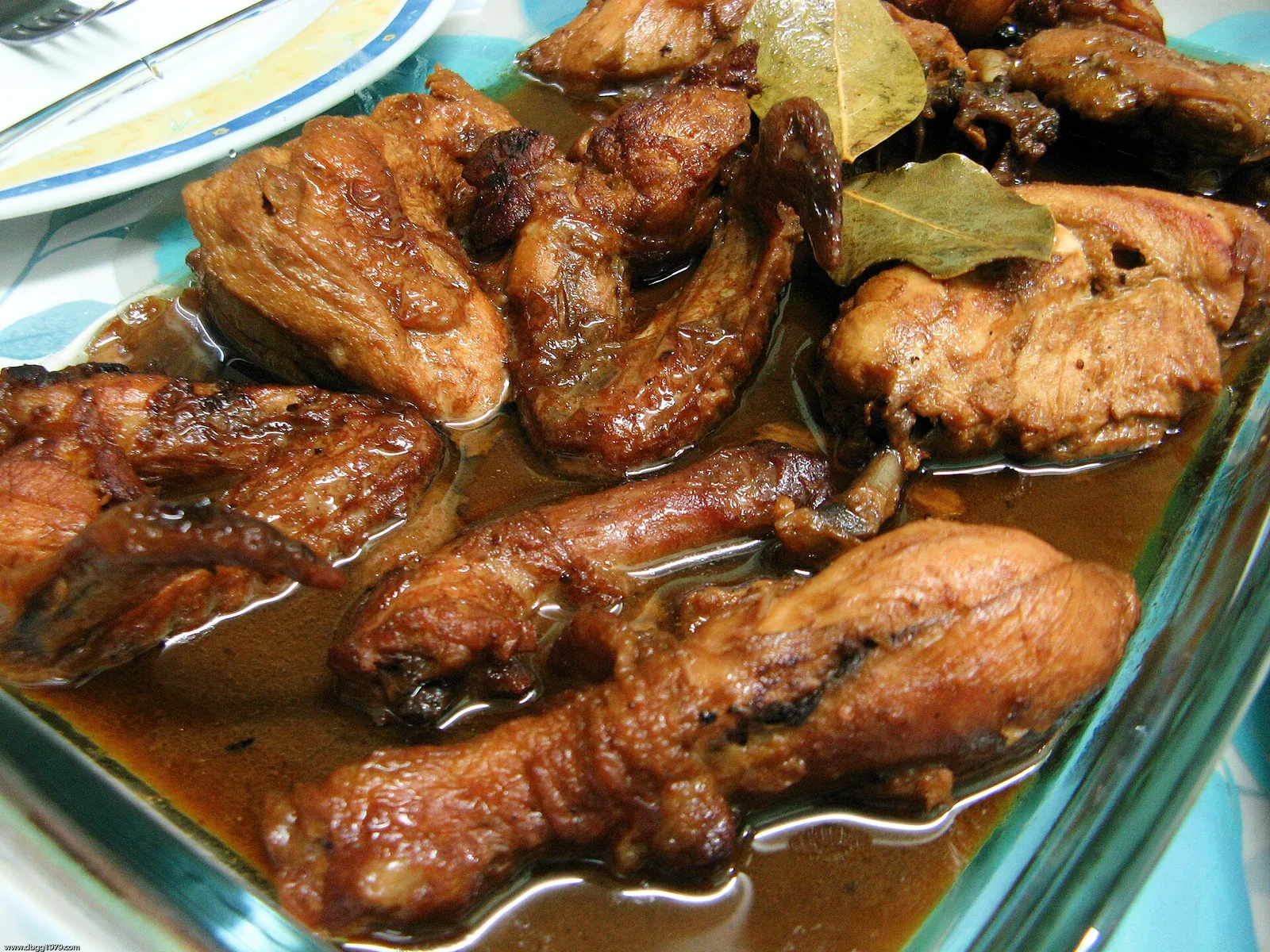
Adobo has the best claim to be the national dish. The Bureau of Philippine Standards, which began writing a national standard for it on 11 May 2021, quotes one of its chefs: "Adobo is not a recipe. It is a cooking technique." Chicken, pork or squid is braised or stewed with vinegar and garlic, and from there each kitchen adds its own laurel, pepper, soy sauce, coconut milk or annatto. Kitchens vary, and the differences are the point.
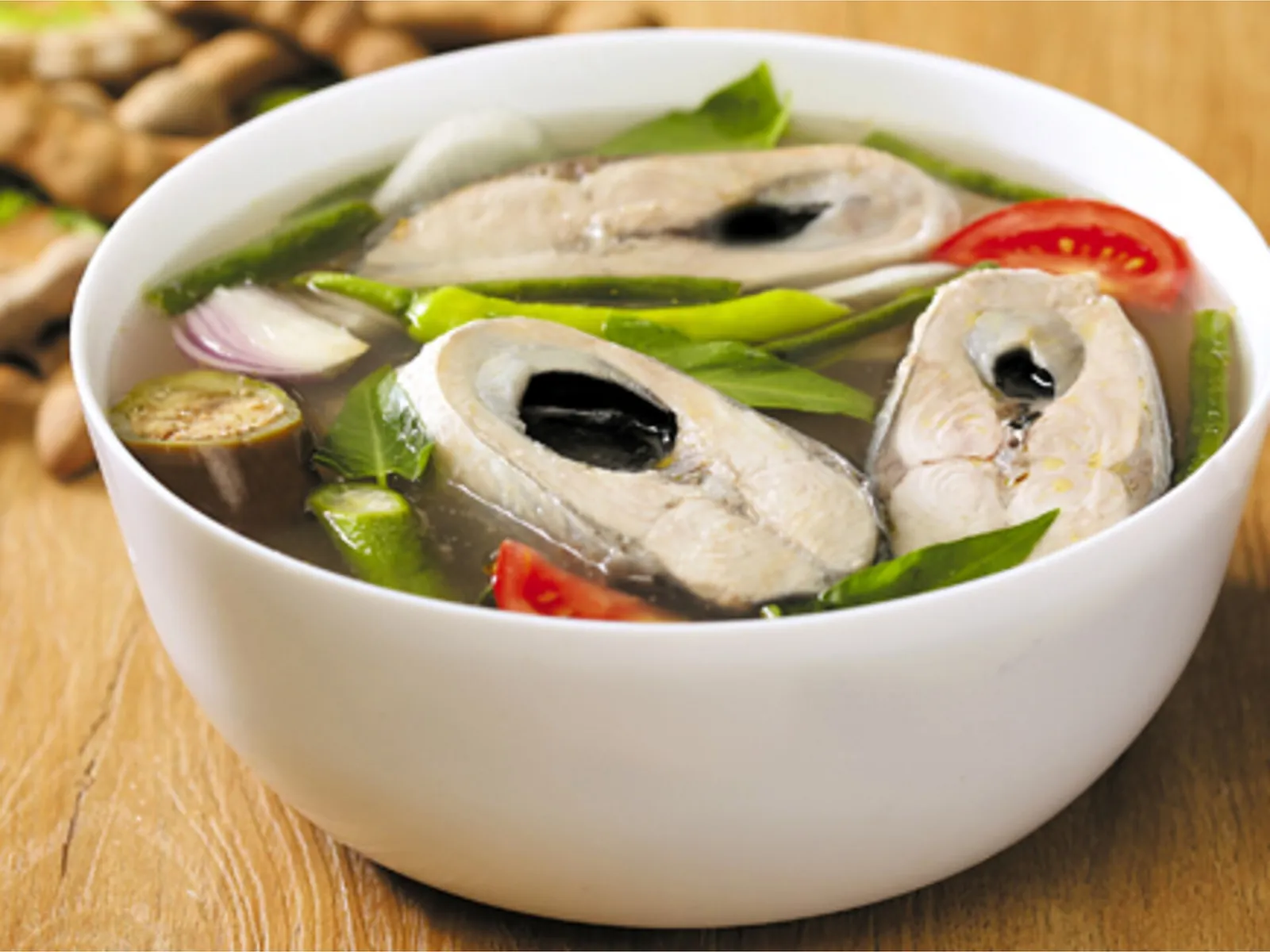
Sinigang is the other national comfort: a sour soup, often soured with tamarind, with prawns, fish or pork and vegetables, eaten with rice. Via Mare, the Manila restaurant group, calls it "the soul of Filipino comfort food".
A first trip on our first-trip route passes through the Visayas, and a longer route adds Luzon; Mindanao is a separate question, covered below.
- Luzon: vinegar and garlic in the Ilocos, coconut and chilli in Bicol, and the Kapampangan table of Pampanga.
- Visayas: lechon in Cebu, chicken inasal in Bacolod and Iloilo, batchoy noodle soup in Iloilo, and seafood grilled, stewed or dressed raw.
- Mindanao: Davao's grilled tuna and durian, Zamboanga's curacha and the Maguindanao pastil.
Luzon: Kapampangan kitchens, Bicol coconut and Ilocano vinegar
The Department of Tourism calls Pampanga "the culinary capital of the Philippines", and its must-tries are a summary of the Luzon table: sisig, bringhe, halo-halo, pancit luglog and dinuguan, the pig-blood stew. On our routes, Manila is the easiest place to eat them, and sinigang and adobo with them.
Bicol, at the south-eastern end of Luzon, likes it "spicy" and "creamy", sometimes in the same pot. Bicol express is the famous one: pork stewed with chilli, coconut milk, shrimp paste, onion and garlic. Pinangat is fish stewed in a sour broth, and caramelised pili nuts are the sweet to carry home.
The Ilocos, in the north-west, cooks with garlic and its own vinegar. The Ilocano table includes pinakbet, mixed vegetables with a little pork and bagoong (fermented shrimp or fish paste), often topped with bagnet, pork with extra-crispy skin and tender meat. Ilocos longganisa is a garlicky sausage sharpened with vinegar, and the region's empanada wraps longganisa, vegetables and egg in a crisp orange crust. Basi is the local sugarcane wine.
In the capital, Via Mare, a Filipino restaurant group since 1975, serves the Luzon classics at branches across Metro Manila, including one in the Tambayan Food Hall on the ground floor of NAIA Terminal 3. Our Manila guide names its own places for kare-kare, sinigang and halo-halo, and the Banaue guide covers etag and heirloom rice in the Cordillera.
- Order in Manila: chicken and pork adobo, sinigang with rice, Bicol express, kare-kare.
- For the north: bagnet with pinakbet, longganisa and empanada.
- In Pampanga: sisig, bringhe and the Kapampangan halo-halo.
The Visayas: lechon, inasal and the seafood grill
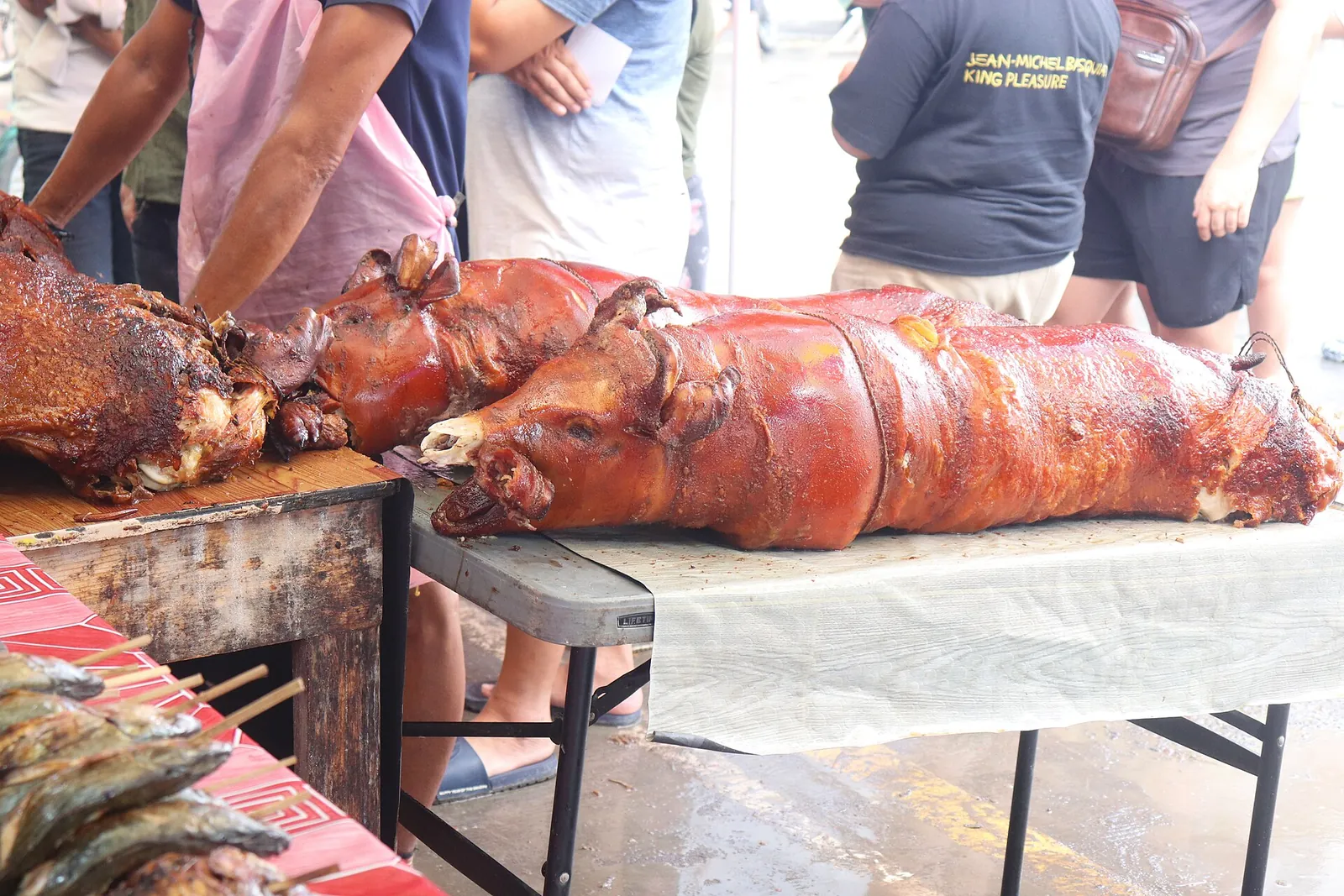
Cebu's provincial government calls its lechon a culinary icon, "roasted to perfection over charcoal, stuffed with a blend of herbs and spices" and turned by hand until the skin is golden. The province calls it "the centerpiece of every fiesta, wedding, and gathering" in Cebu, and names two towns where you can eat it "straight from the pit": Talisay, immediately south of Cebu City, which the province calls the lechon capital of Cebu, and Carcar, further south, whose lechon is served with its own sweet-savoury juices poured over the meat. One word to know: in Talisay's own list the pig appears as inasal, the Cebuano word for it, which is not the grilled chicken of the next paragraph.
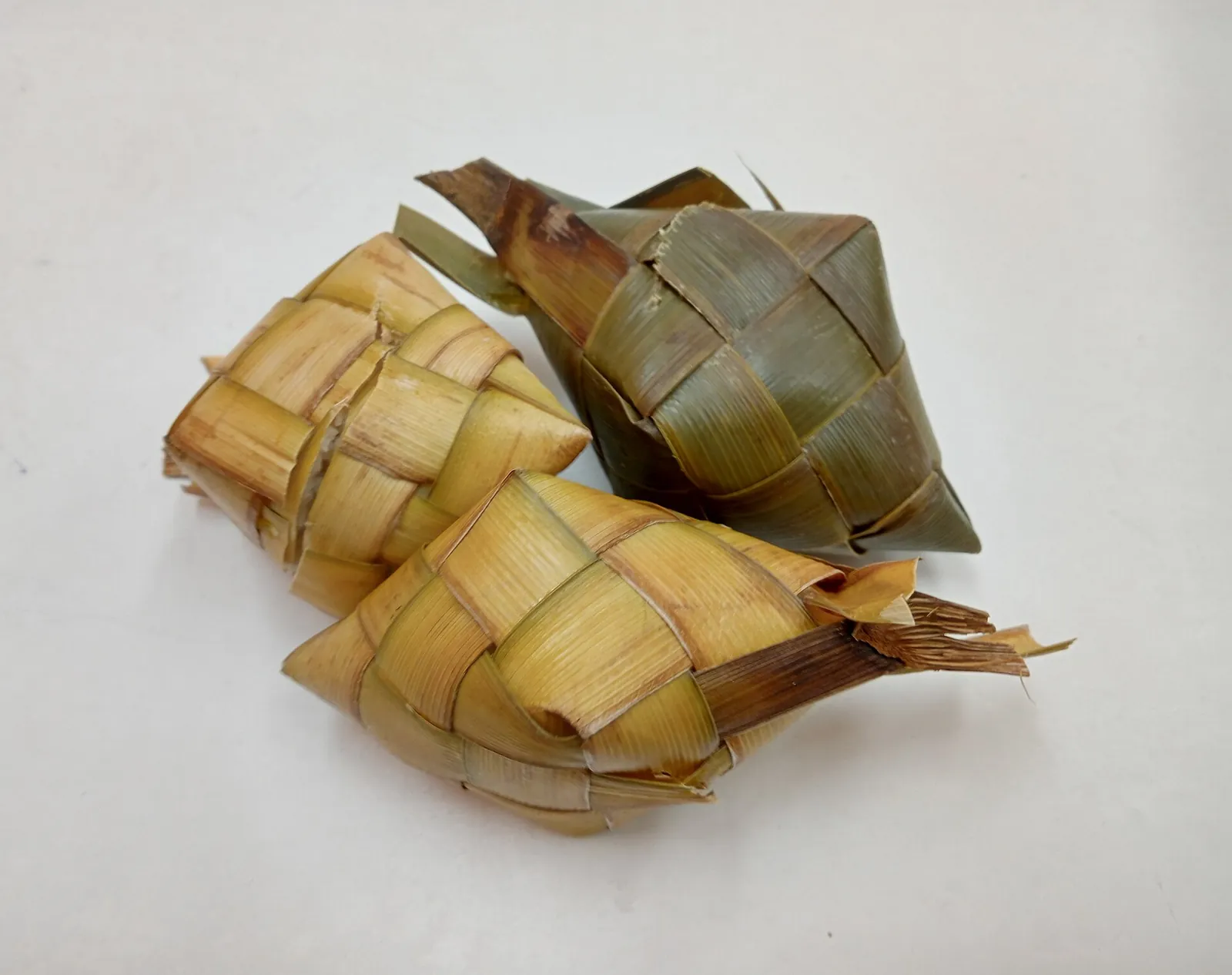
Around the lechon sits the rest of the Cebuano table. Puso is rice in coconut leaves, sold at roadside stalls; humba, braised pork, is described by the province as Cebu's answer to adobo; and on Mactan the sutukil places grill, stew and dress raw the fish you choose. For lechon by the kilo in the city, the seaside sutukil places and the market breakfasts, see our Cebu guide; for Bohol's own dishes on the Panglao days, the Bohol guide.
Further west, on Negros and Panay, is the other great Visayan grill. Bacolod's chicken inasal is chicken marinated in calamansi, annatto, coconut vinegar and pepper, grilled over coals and eaten "the Bacolod way": with a tangy dipping sauce, a mound of rice and a drizzle of golden chicken oil. Iloilo City adds batchoy, a clear noodle soup with mixed meats and offal. The chain that took inasal nationwide, Mang Inasal, opened its first store in Iloilo City in 2003 and pairs the chicken with unlimited rice; it now has more than 570 branches, Cebu and Tagbilaran among them.
On the coast, seafood is the meal. Sutukil is short for sugba, grilled, tuwa, stewed, and kilaw, raw, the three ways the Cebu coast cooks a fresh fish; kinilaw, raw fish dressed with vinegar, is on menus from Siargao to Palawan, and our island guides name the places to eat it.
- Cebu City day: lechon at lunch, with puso; humba if the lechon has sold out.
- The lechon towns: Talisay on the city's southern edge, Carcar further south.
- Anywhere in the Visayas: chicken inasal with rice and calamansi, and batchoy if you reach Iloilo.
Mindanao: Siargao on our routes
On our routes, Mindanao food means Siargao, whose guide covers the grilled fish and kinilaw of General Luna; Zamboanga's curacha, Maguindanao's pastil and Davao's grilled tuna jaw and durian are on no route in this edition.
Checked on 27 October 2026, the UK Foreign Office (FCDO) advises against all travel to western and central Mindanao and the Sulu archipelago, and against all but essential travel to the rest of Mindanao except Camiguin, Dinagat and Siargao; the German Foreign Office advises against non-essential travel to the rest of Mindanao and the Mindanao Sea except Davao City, Camiguin, Dinagat and Siargao, and Japan's Ministry of Foreign Affairs (19 December 2024) puts Siargao at its level 1, "exercise sufficient caution".
Siargao is outside the UK and German warnings but mainland Mindanao is not, so fly straight into IAO, do not use the sea route through Surigao City, and read your own government's advice and your insurer's terms.
- On our routes: Siargao, flying straight into IAO, for grilled fish and kinilaw.
- Not on our routes: Davao, where the FCDO advises against all but essential travel; Zamboanga and Maguindanao, where it advises against all travel.
How to order: carinderia, grill chain and sit-down table
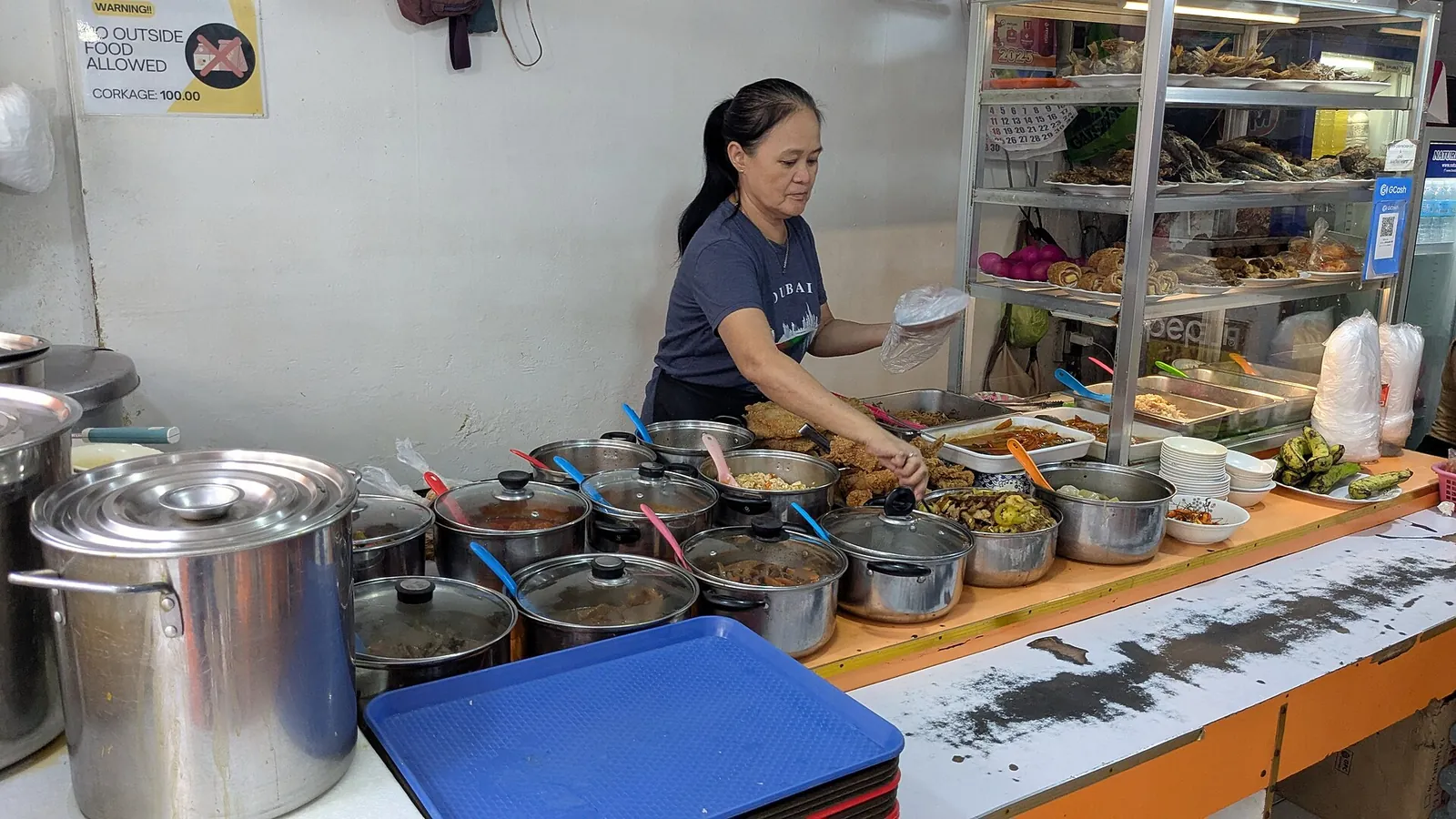
At a carinderia. For an everyday lunch, the place is the carinderia, a small local eatery with the day's dishes cooked in pots or trays along the counter. Its old name, turo-turo, means "point-point", which is the whole method: you point at one or two dishes, they go on or beside a plate of rice, and you pay for what you chose.
At a grill chain. A quick hot meal is a grilled-chicken or pork-barbecue plate at a chain, ordered at the counter. Mang Inasal's menu, checked on 27 October 2026, sells a large chicken leg quarter with one cup of rice for PHP 139, or PHP 179 with unlimited rice.
At a sit-down Filipino restaurant. Menus are written for sharing: Via Mare marks its dishes "good for 2" or "good for 2-3", so for two, a soup, one main and rice make a meal, passed round the table. Its prices include 12% VAT but not the 10% service charge, which is added to the bill.
On the street. Street vendors sell snacks such as turon, below, from stalls and carts. Carry small peso notes for these and for carinderias, and a card for malls and restaurants.
- Carinderia: point at the pots, add rice, pay at the counter.
- Grill chain: order at the counter; unlimited rice costs a little more.
- Restaurant: share the dishes, marked for two or three.
Merienda, halo-halo and the rest of the day
Breakfast can be a bowl of rice porridge. Via Mare's arroz caldo, ginger-and-garlic rice porridge with chicken, is PHP 320 on its 2026 menu, and its NAIA Terminal 3 branch opens at 07:00, which makes it an easy first meal off an overnight flight.
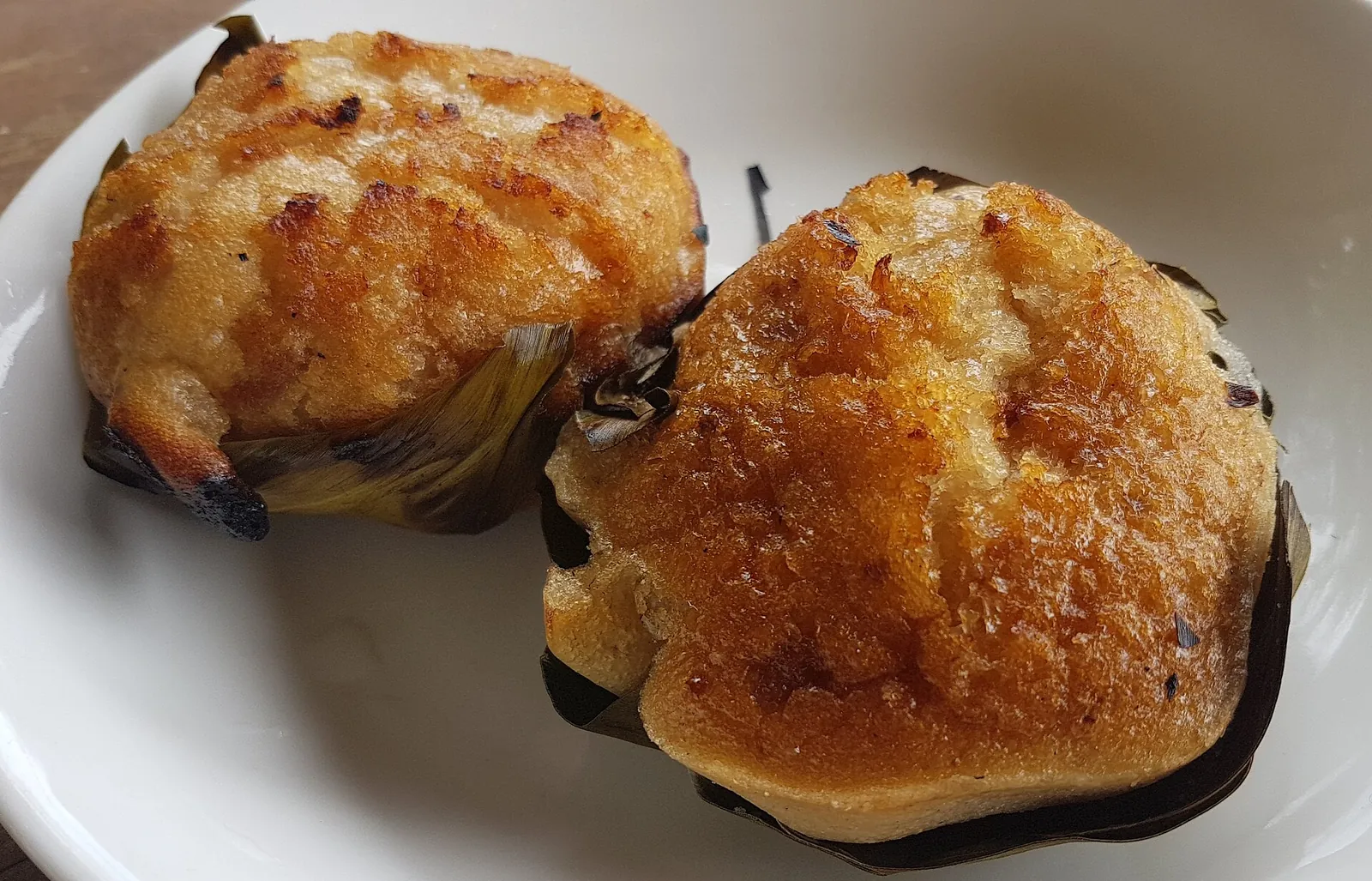
Merienda is the mid-afternoon snack, and it has a cuisine of its own. At home it is made from rice, root crops, fruit and coconut; a big favourite is turon, deep-fried banana rolls, which street vendors sell too. The restaurant version is kakanin, rice cakes — Via Mare's menu notes that the word comes from kanin, cooked rice. Its bibingka galapong, a soft rice cake baked on banana leaves with Laguna cheese and salted duck egg, is PHP 245, and puto bumbong, purple glutinous rice steamed in bamboo with butter, coconut and palm sugar, PHP 140. Savoury merienda counts too: pancit luglog, rice noodles in a shrimp sauce with crushed pork crackling, PHP 440.
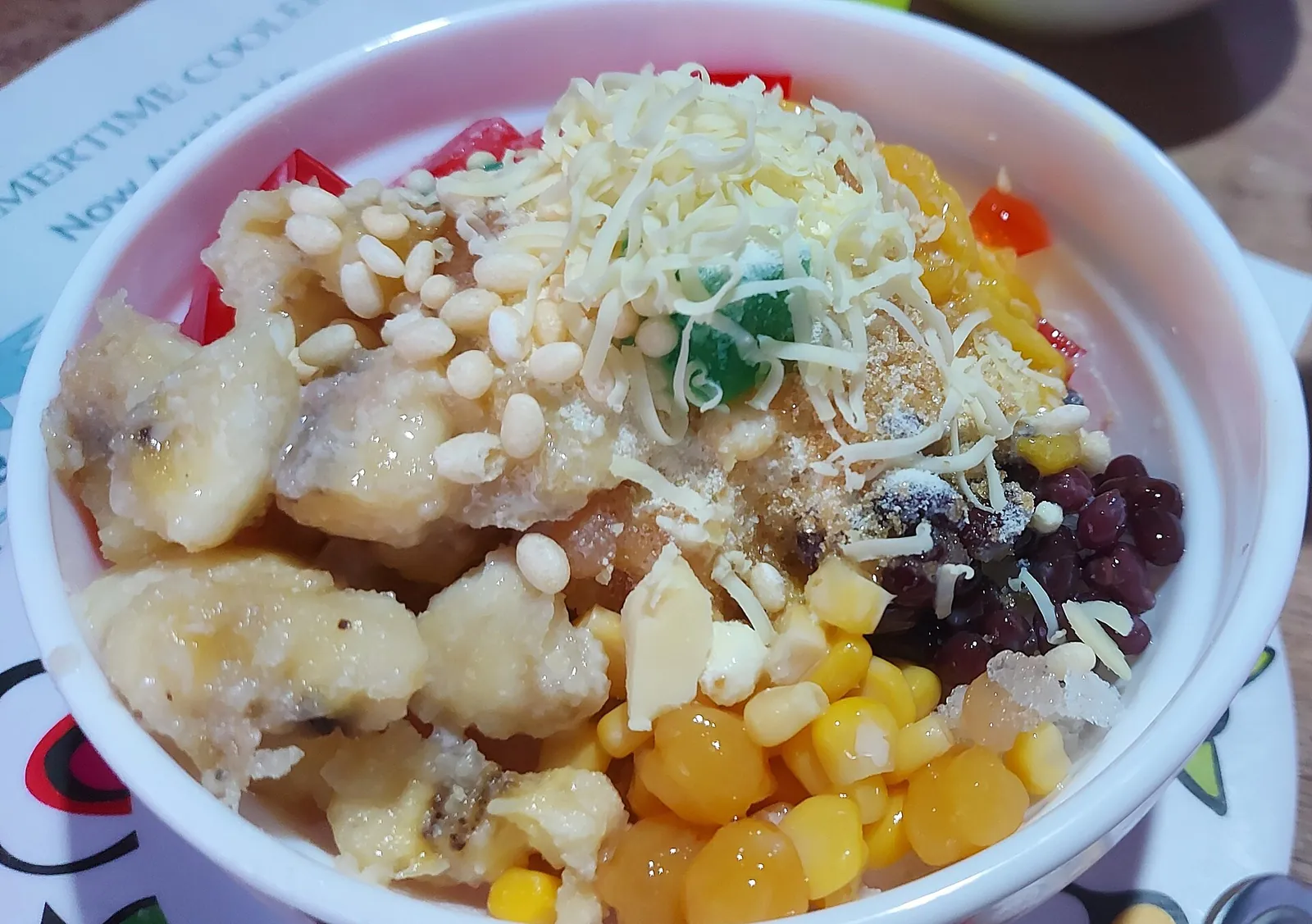
Halo-halo is crushed ice with sweet beans, fruits and leche flan, with milk over the top. Versions range from Mang Inasal's Extra Creamy halo-halo at PHP 75 for 12 oz and PHP 95 for 16 oz to Via Mare's PHP 225 glass of sweetened fruits, yams, pulses and egg custard, with ice cream for PHP 80 more.
Drinks. In Cebu, the hot drink to try is chocolate: tablea hot chocolate, or sikwate, the chocolate drink served with rice cakes such as budbod kabog. Cold drinks are buko, chilled young coconut, and sago't gulaman, sago pearls and jelly in raw-sugar syrup over crushed ice.
- Mid-afternoon: merienda of bibingka, puto bumbong or turon.
- Sweet: halo-halo, from a grill-chain cup to a restaurant glass.
- Hot drink: tablea or sikwate chocolate in Cebu.
What a meal costs
Prices below are the restaurants' own menus, checked on 27 October 2026.
| Where you eat | A main plate or dish | Published examples |
|---|---|---|
| Grill restaurant, Cebu | PHP 207 with rice | Gerry's: pork barbecue, two sticks, PHP 155, plus plain rice PHP 52 |
| Grill chain | PHP 99–255 with rice | Mang Inasal: regular chicken and one rice PHP 99, large chicken leg quarter and one rice PHP 139, large breast unlimited-rice value meal PHP 240 |
| Sit-down Filipino restaurant | PHP 485–695 a dish, most for two | Via Mare: chicken and pork adobo PHP 485, sinigang with prawns PHP 495 for two, kare-kare PHP 695 for two or three, plus 10% service |
| Merienda and sweets | PHP 75–245 | Mang Inasal halo-halo PHP 75 (12 oz); Via Mare puto bumbong PHP 140, bibingka galapong PHP 245 |
A carinderia plate of rice and one or two dishes is the everyday alternative to these, paid for at the counter.
For a day, not a dish, use the three levels of our trip-cost guide, which priced every meal of a February 2027 Cebu–Bohol week with prices checked on 21 October 2026: about PHP 700 a person a day at grill chains and local eateries, about PHP 1,250 with sit-down meals and shared dishes, and about PHP 3,500 at resort restaurants with drinks. That guide also prices the rooms, boats and tours.
- Quick local lunch: a carinderia plate of rice and one or two dishes.
- Cebu grill dinner: pork barbecue and rice at Gerry's.
- Sit-down meal for two: sinigang, adobo and two cups of rice (PHP 55 each) at Via Mare, about PHP 1,200 with service.
What to eat and where to look
Cebu lechon
A whole pig roasted over charcoal, stuffed with herbs and spices and turned by hand until the skin is golden and crisp; the province's culinary icon and, in its words, "the centerpiece of every fiesta".
- Where to look
- Carcar City, about 40 km south of Cebu City and 1–1.5 hours by bus from the Cebu South Bus Terminal, whose lechon the province describes with its sweet-savoury juices poured over; Talisay, on the city's southern edge, is the other lechon town. For a city lechon house and its prices by weight, see our Cebu guide.
- Fit it into your day
- Lunch on the Cebu City day, or a half-day trip south to Carcar.
Lechon is pork, roasted with a stuffing of herbs and spices.
Chicken inasal
Chicken marinated in calamansi, annatto, coconut vinegar and pepper and grilled over coals, eaten with rice, a tangy dipping sauce and a drizzle of golden chicken oil: the grill of Bacolod and Iloilo.
- Where to look
- Mang Inasal, the chain that began in Iloilo City in 2003: in Cebu City at 120 Colon Street (08:00–18:00) and in 138 Mall on Colon Street (08:00–21:00); a large leg quarter with rice is PHP 139, or PHP 179 with unlimited rice.
- Fit it into your day
- An easy lunch on the arrival or old-centre day in Cebu City.
The chicken is basted with annatto oil; the dipping sauce is soy-based.
Sutukil
Fresh fish and seafood chosen at the counter and cooked three ways: sugba, grilled; tuwa, stewed in a broth; and kilaw, raw and dressed with vinegar.
- Where to look
- The seaside sutukil places on Mactan that the province names for the dish; our Cebu guide covers them for the last night before the flight.
- Fit it into your day
- Dinner on the Mactan night, day 6 of the first-trip week.
Kilaw is raw fish; shellfish is common on the counter.
Humba
Pork braised until sweet and savoury, which the province calls Cebu's answer to adobo, eaten with rice or puso.
- Where to look
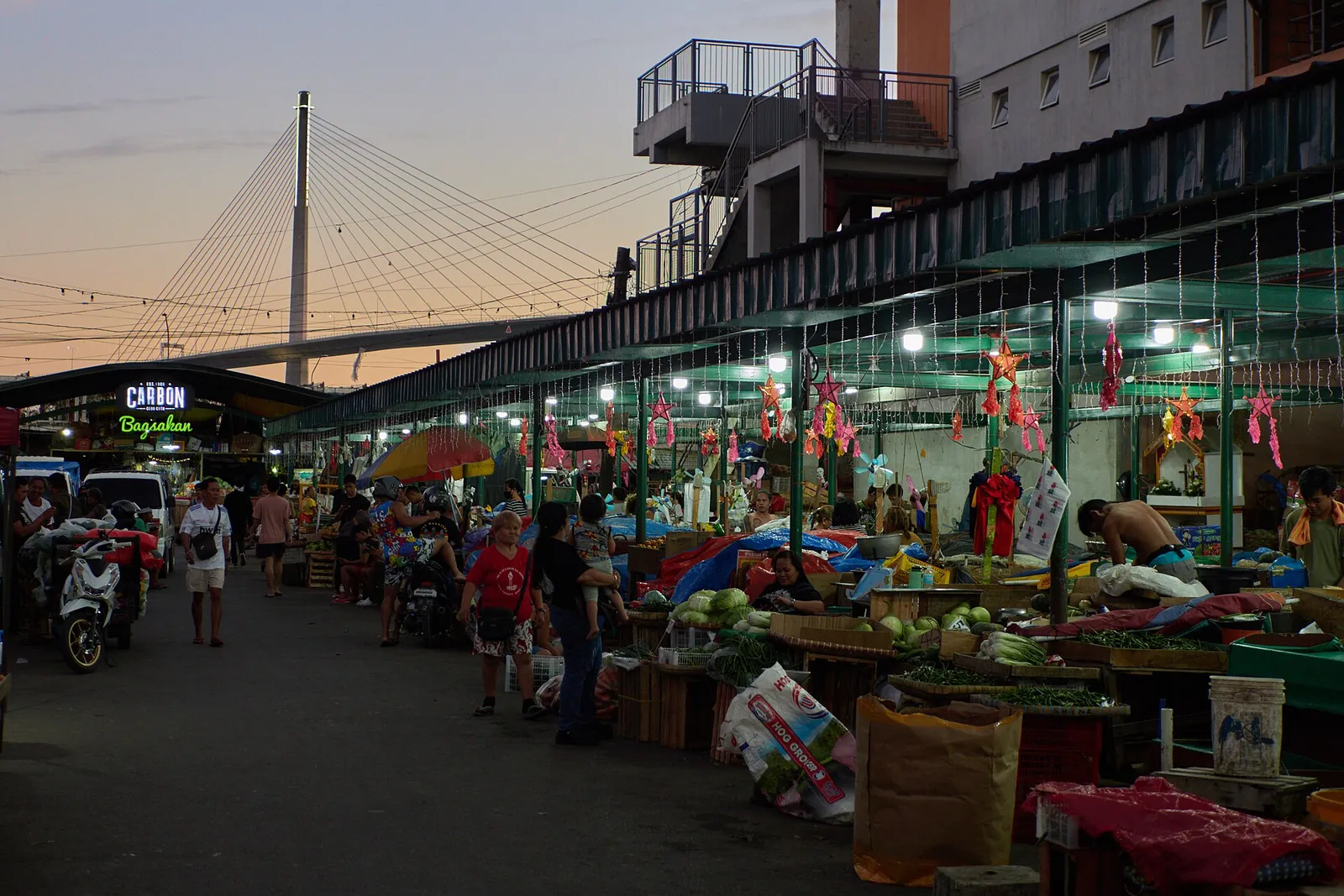
- Carbon Market in Cebu City, where the province says fresh produce and street food are abundant; our Cebu guide places it on the old-centre day.
- Fit it into your day
- A carinderia-style lunch on the old-centre day in Cebu City.
Humba is pork, usually braised with soy sauce.
Adobo
Meat braised in vinegar with garlic, bay leaf and pepper, with soy sauce in many kitchens and coconut milk or annatto in others; less a recipe than a method.
- Where to look
- Via Mare, a Filipino restaurant group since 1975: its chicken and pork adobo is PHP 485, at branches including the Tambayan Food Hall in NAIA Terminal 3 and Landmark Makati in Ayala Center (10:00–21:00 Monday to Thursday, to 21:30 Friday to Sunday).
- Fit it into your day
- On a Manila start (14- and 21-day routes): a first dinner, with a sinigang for two.
Many kitchens use soy sauce in adobo.
Meal by meal on the first-trip route
This plan follows our first-trip route: two nights in Cebu City, three on Panglao and one on Mactan, flying in and out of Mactan-Cebu (CEB). A Manila start is added at the end for the longer routes.
- Cebu City, day 1: after the airport, chicken inasal at Mang Inasal on Colon Street, with the branches and hours in the food box.
- Cebu City, day 2: lechon with puso after the old-centre walk, at Rico's Lechon, which our Cebu guide covers; with a spare half-day, ride south to Talisay or Carcar for lechon from the pit.
- Panglao, days 3–5: kabaw (water buffalo) dishes in Loboc on the inland day, as the Bohol guide sets out; passing through Tagbilaran, Mang Inasal in Island City Mall (09:00–21:00) for a cheap inasal lunch.
- Mactan, day 6: dinner at the seaside sutukil places on Mactan that the province names, choosing the fish and how each piece is cooked.
- Manila start (14- and 21-day routes): arroz caldo or bibingka at Via Mare in NAIA Terminal 3, then adobo and sinigang for two at a Via Mare branch such as Landmark Makati in Ayala Center; merienda in the afternoon.
Halal, vegetarian and allergies
Pork is in many signature dishes: lechon, the centrepiece of Cebu's fiestas, and bagnet, dinuguan and Bicol express. Halal food is available, according to the Department of Tourism, whose halal work centres on Metro Manila, where it is working with restaurant groups to provide more Muslim-friendly and halal-certified food.
Vegetarian and vegan. Explain by ingredient: no meat, fish, shrimp paste (bagoong), fish sauce or animal stock. A vegetable dish such as pinakbet is seasoned with bagoong and carries a dash of pork, and Bicol express is built on shrimp paste. Rice, kakanin, fruit and buko are the easy wins; halo-halo contains milk and leche flan contains egg.
Allergies. Peanuts are in kare-kare, whose sauce is peanut and annatto, and in Cebu's balbacua; bagoong comes with kare-kare and goes into pinakbet and Bicol express; and shellfish is in sinigang na hipon, pancit luglog's shrimp sauce and the seafood grill. Via Mare marks egg, milk, fish, soy, wheat and peanut on its menu. Whether you avoid pork, eat vegetarian or have an allergy, ask what a dish contains before you point or order, especially when dishes are shared.
- Halal: clearest in Metro Manila, where the tourism department's halal work is centred.
- Vegetarian: no meat, fish, shrimp paste, fish sauce or stock.
- Allergens to name: peanut, shrimp and fish, milk and egg.
Practical questions
What is the national dish of the Philippines?
There is no official one. Adobo is the strongest candidate: chicken, pork or squid braised in vinegar with garlic and bay leaf, in many versions. The Bureau of Philippine Standards began writing a national standard for adobo in 2021 and has sinigang, lechon and sisig on its list.
What is a carinderia, and how do I order there?
A carinderia is a small local eatery with the day's dishes cooked in pots along the counter. Its old name, turo-turo, means "point-point": point at one or two dishes, take rice, and pay at the counter for what you chose. Carry small peso notes.
Where is the best lechon?
Cebu's provincial government names two towns: Talisay, immediately south of Cebu City, and Carcar, further south; the food box gives the bus time. In Cebu City, our Cebu guide names a lechon house that sells it by weight.
What does food cost per day in the Philippines?
About PHP 700 a person a day at grill chains and local eateries, PHP 1,250 with sit-down meals and shared dishes, and PHP 3,500 at resort restaurants with drinks, on our Cebu–Bohol model.
Can I eat Mindanao food on a first trip?
On our 21-day route, on Siargao, reached by air; the Mindanao section sets out the government advice for the rest of the island.
Keep planning your trip

Your first trip to the Philippines
Plan a first Philippines trip: the Cebu–Bohol week, what to book first, the main regions, cash, SIMs and travel with children.
Read the guide
Cebu City and Mactan
How many nights Cebu City and Mactan need, where to sleep, airport transfers, the Santo Niño and Fort San Pedro, and the fast craft to Tagbilaran.
Read the guide
Bohol and Panglao
Three or four nights in Bohol and Panglao: where to stay, TAG or the fast craft from Cebu, the Chocolate Hills, Corella's tarsiers and Balicasag diving.
Read the guide
Manila
How many nights to book in Manila, where to stay for Intramuros or Makati, eTravel and NAIA, Fort Santiago, Casa Manila and the National Museum complex.
Read the guide
Siargao
Plan four nights in General Luna: fly to IAO from Clark or via Cebu, book a surf lesson, the island-hopping boat and Sugba Lagoon, with a dated budget for two.
Read the guide
Philippines trip cost 2027
What a week in Cebu and Bohol costs in February 2027, all in: about PHP 21,500 per person on a budget, 31,500 mid-range or 81,700 in comfort.
Read the guideSources and checks before you travel
(29)
- Philippine Department of Tourism (USA office): UN Tourism gastronomy forum ↗ — opens in a new tab
- DTI Bureau of Philippine Standards: standardisation of Filipino dishes ↗ — opens in a new tab
- Philippine Department of Tourism (USA office): Central Luzon ↗ — opens in a new tab
- Philippine Department of Tourism (USA office): Bicol Region ↗ — opens in a new tab
- Philippine Department of Tourism (USA office): Ilocos Region ↗ — opens in a new tab
- Department of Tourism, Travel Philippines: a lesson in Ilocano cuisine ↗ — opens in a new tab
- Cebu Provincial Government: about Cebu ↗ — opens in a new tab
- Cebu Provincial Tourism Office: Carcar City ↗ — opens in a new tab
- Cebu Provincial Tourism Office: Talisay City ↗ — opens in a new tab
- Philippine Department of Tourism (USA office): Cebu food stops ↗ — opens in a new tab
- Philippine Department of Tourism (USA office): Bacolod chicken inasal ↗ — opens in a new tab
- Philippine Department of Tourism (USA office): Western Visayas ↗ — opens in a new tab
- Philippine Department of Tourism (USA office): Davao Region ↗ — opens in a new tab
- Philippine Department of Tourism (Australia and New Zealand office): Cebu ↗ — opens in a new tab
- UK FCDO: Philippines travel advice ↗ — opens in a new tab
- German Foreign Office: Philippines travel advice (in German) ↗ — opens in a new tab
- Ministry of Foreign Affairs of Japan: Philippines risk information (in Japanese) ↗ — opens in a new tab
- GMA Network: classic carinderias around Metro Manila ↗ — opens in a new tab
- Philippine Department of Tourism (USA office): Essential Philippines itinerary ↗ — opens in a new tab
- The Freeman (Philstar): Pinoy merienda ↗ — opens in a new tab
- Mang Inasal: about us ↗ — opens in a new tab
- Mang Inasal: menu and prices 2026 ↗ — opens in a new tab
- Mang Inasal: locations ↗ — opens in a new tab
- Mang Inasal: home page ↗ — opens in a new tab
- Via Mare: locations and store hours ↗ — opens in a new tab
- Via Mare: home page ↗ — opens in a new tab
- Via Mare: 2026 menu (PDF) ↗ — opens in a new tab
- Philippine Department of Tourism (USA office): halal and gastronomy tourism ↗ — opens in a new tab
- Gerry's Grill: menu ↗ — opens in a new tab
Reference sources for the version dated 27 October 2026. Confirm opening times, access, transport and conditions for your travel dates.
Photo credits
(8)
A carinderia counter in Cebu City, with the day's dishes in trays to point at
Photograph: Martin Michlmayr — opens in a new tab · CC BY-SA 4.0 — opens in a new tab
Changes: Resized and converted to WebP; displayed with responsive crops. · Original photograph and licence details ↗ — opens in a new tab
Lechon in Talisay, the town south of Cebu City that the province calls Cebu's lechon capital
Photograph: Bjeweld — opens in a new tab · CC BY-SA 4.0 — opens in a new tab
Changes: Resized and converted to WebP; displayed with responsive crops. · Original photograph and licence details ↗ — opens in a new tab
Chicken adobo, braised in vinegar, garlic and bay leaf
Photograph: dbgg1979 on flickr — opens in a new tab · CC BY 2.0 — opens in a new tab
Changes: Resized and converted to WebP; displayed with responsive crops. · Original photograph and licence details ↗ — opens in a new tab
Fish sinigang, the sour soup eaten with rice
Photograph: Copperhead02 — opens in a new tab · CC BY-SA 4.0 — opens in a new tab
Changes: Resized and converted to WebP; displayed with responsive crops. · Original photograph and licence details ↗ — opens in a new tab
Halo-halo, crushed ice with sweet beans, fruit and toppings
Photograph: Marife.altabano — opens in a new tab · CC BY-SA 4.0 — opens in a new tab
Changes: Resized and converted to WebP; displayed with responsive crops. · Original photograph and licence details ↗ — opens in a new tab
Bibingka, the rice cake baked on banana leaves for merienda
Photograph: Obsidian Soul — opens in a new tab · CC0 — opens in a new tab
Changes: Resized and converted to WebP; displayed with responsive crops. · Original photograph and licence details ↗ — opens in a new tab
Carbon Market in Cebu City at dusk, with the Marcelo Fernan Bridge behind
Photograph: lumoplank — opens in a new tab · CC0 — opens in a new tab
Changes: Resized and converted to WebP; displayed with responsive crops. · Original photograph and licence details ↗ — opens in a new tab
Puso, rice cooked in woven coconut leaves, sold at Cebu's roadside stalls
Photograph: Ralff Nestor Nacor — opens in a new tab · CC BY-SA 4.0 — opens in a new tab
Changes: Resized and converted to WebP; displayed with responsive crops. · Original photograph and licence details ↗ — opens in a new tab