Ulaanbaatar: museums, monasteries and a first city day
Almost every trip to Mongolia begins and ends in Ulaanbaatar, a city of tower blocks, Buddhist temples and traffic strung along the Tuul valley, with the hills of the ger districts rising behind it. It rewards one unhurried day: the great open space of Sükhbaatar Square, nine floors of history in the Chinggis Khaan National Museum, the temple halls of Choijin Lama and Gandan, which survived the purges of the 1930s, and the winter palace of the last Bogd Khan. From Zaisan Hill you see the whole valley at once, and in the evening you can eat buuz and tsuivan, the dumplings and noodles the country runs on.
In this guide
Find the location ↗ — opens in a new tabThe short answer
Give Ulaanbaatar two nights at the start of a Mongolia trip, for the arrival and one full city day, and one more at the end, before your flight home. Sleep in the centre near Sükhbaatar Square, where the museums and restaurants are a walk away; Khan-Uul in the south, near the Bogd Khan Palace, is the quieter alternative. The city day takes in the square, the Chinggis Khaan National Museum (MNT 30,000 for adults), the Choijin Lama temples and Gandan Monastery. From the airport, bus X:19 costs MNT 15,000 per person and the official taxi MNT 120,000 per vehicle. Book your rooms and your countryside operator first.
- Suggested time
- 2 nights at the start of a Mongolia trip, plus 1 night at the end before the flight home
- Where to stay
- Central Ulaanbaatar around Sükhbaatar Square, or Khan-Uul in the south of the city, near the Bogd Khan Palace and Zaisan
- Season and timing
- From mid-May to mid-September the city's museums keep their longer summer hours (the Chinggis Khaan National Museum stays open until 20:00) and the countryside camps beyond the city are open. From mid-September to mid-May the museum closes at 17:00 and all day on Tuesdays, and the UK warns that Ulaanbaatar's air pollution, worst in winter, may aggravate bronchial, sinus or asthma conditions.
Three nights in the capital: two at the start, one at the end
Ulaanbaatar is where you land, sleep off the flight and meet your driver and guide, so plan two nights at the start: the first for the arrival, the second after a full day in the city. The countryside then takes over, and you come back for a last night before the flight home.
Day 1: arrive at Chinggis Khaan International Airport (UBN) and take the bus or the official taxi in (see the transport section below); an early dinner and bed. Day 2: the city day described in the next sections: Gandan Monastery in the morning, Sükhbaatar Square and the Chinggis Khaan National Museum before lunch, the Choijin Lama Temple Museum after lunch in summer, then Zaisan Hill towards evening. If your dates fall on one of the Bogd Khan Palace's announced open days, add it on the way to Zaisan. Day 3: your operator collects you for the countryside; the nearest escape is Terelj and the Chinggis Khaan statue, 54 km east to the statue, about an hour's drive. Spend your last night back in the city, with time for the National Museum of Mongolia and the State Department Store or Narantuul Market.
Choose the area by how you want to spend the evenings. The centre, around Sükhbaatar Square, puts the museums, the Opera House and the restaurants on foot, and suits a first visit. Khan-Uul, in the south, is quieter and close to the Bogd Khan Palace and Zaisan, but the centre is a bus or taxi ride away. Our where-to-stay guide names hotels and their rates in each area.
Sükhbaatar Square and the Chinggis Khaan National Museum
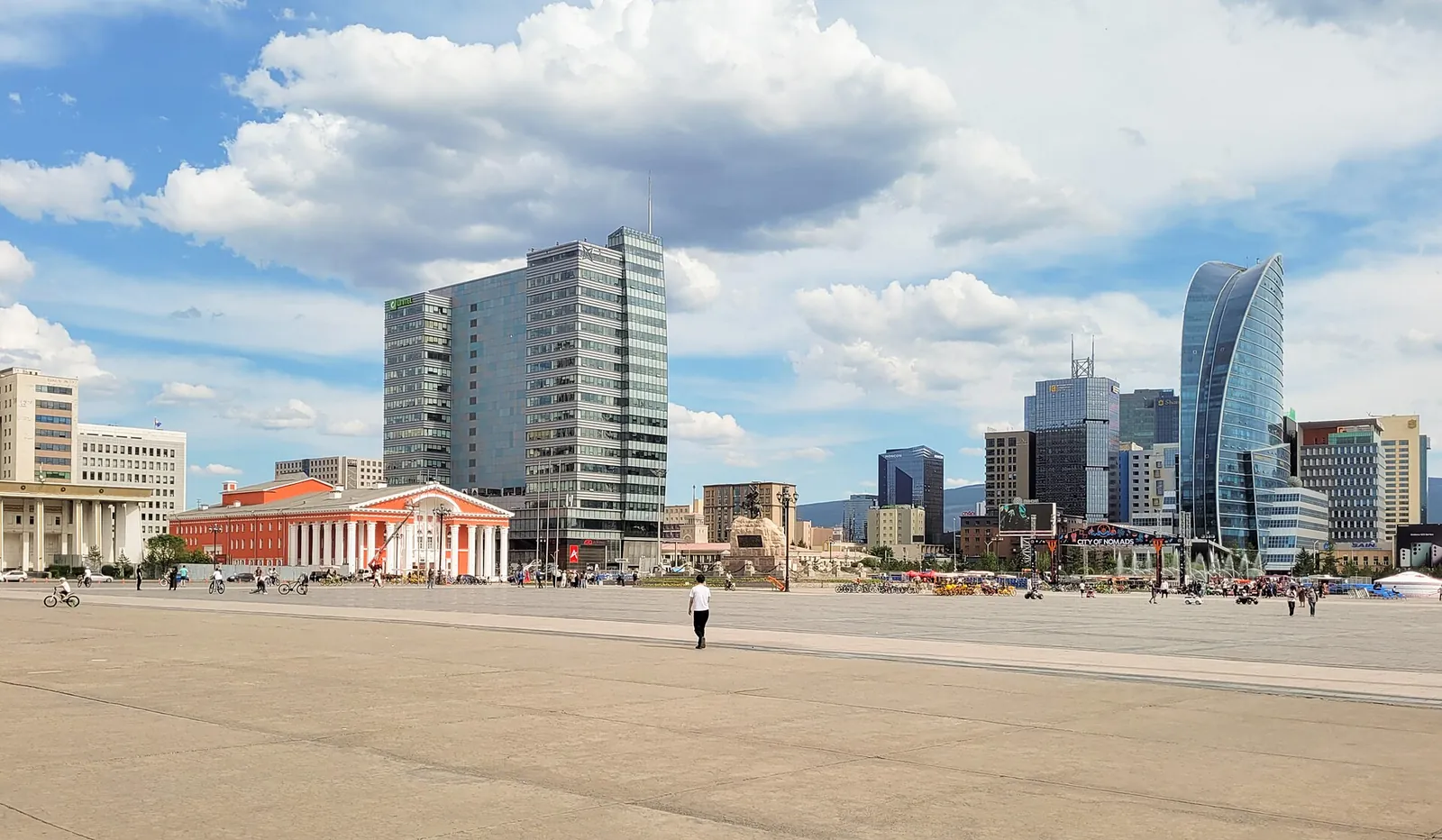
Sükhbaatar Square is the city's great open space: a wide expanse of paving with the equestrian statue of Damdin Sükhbaatar at its centre and the colonnaded Government Palace, the seat of parliament, along its north side, while glass towers rise beyond. Everything else in the centre is measured from it: the museum lies a few minutes north, the Choijin Lama temples a few minutes south.
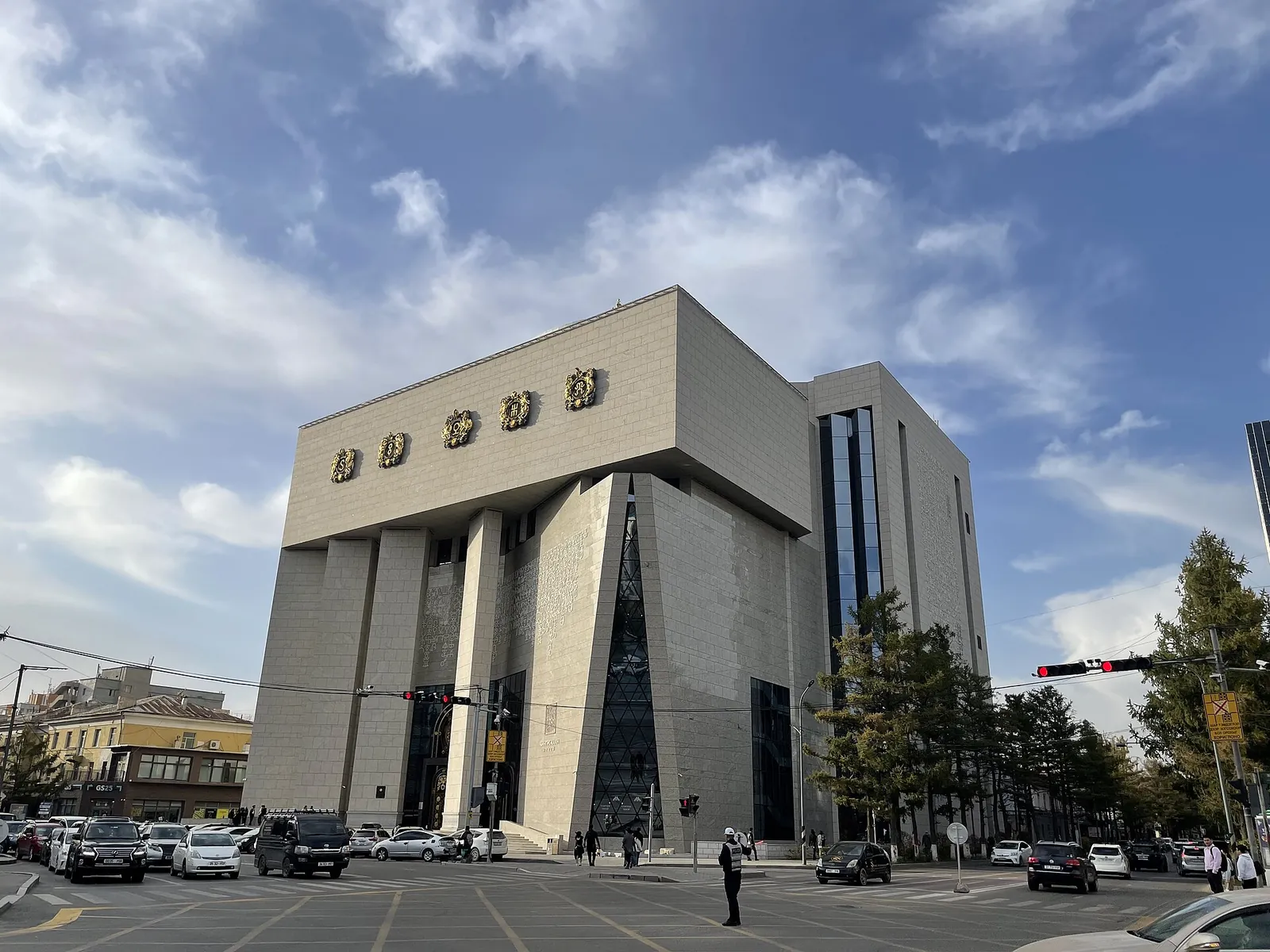
About 400 m north of the square, on J. Sambuu Street, the Chinggis Khaan National Museum tells the country's story floor by floor, climbing from the ground to the ninth. The third floor holds the Bronze Age and the Xiongnu, Mongolia's first state, with chariots and the earliest Mongolian inscription; the fourth the Turkic and Uighur states; the fifth Chinggis Khaan and his ancestors, with a copy of the Great Khan's letter to the Pope; the sixth the Yuan dynasty and the khanates that stretched to Russia and Iran; the seventh the princes who came after, with armour, seals and Mongolian chess; and the eighth the empire's place in the world, with helmets and coins from Kharkhorum. The top floor is the Hall of the Great Khaan, a ceremonial hall under a ger-shaped roof with a golden statue of Chinggis Khaan.
From 15 May to 14 September the museum opens every day from 09:00 to 20:00, with last entry at 19:00; from 15 September to 14 May it opens from 09:00 to 17:00, with last entry at 16:00, and closes every Tuesday. Adults pay MNT 30,000 for the permanent exhibition, MNT 20,000 for the Hall of the Great Khaan, or MNT 45,000 for both, and a photo permit costs MNT 50,000 more. Free entry for children up to 16 is for Mongolian children under the Museum Law; children with foreign passports pay a reduced fee, from MNT 10,000. An English-speaking guide for a private group of one to nine people costs MNT 100,000 for a 60-minute tour, booked by phone. Allow two hours, more if you take the guided tour.
The National Museum of Mongolia, also on J. Sambuu Street, is the broader of the two. Founded as the State Museum in 1924, it is the country's principal museum of history, archaeology and ethnography, with more than 60,000 objects in nine permanent halls: the earliest nomads, the ancient states on Mongolian soil, traditional dress and ornament, the Mongol Empire, traditional culture and herding life, the 17th to the early 20th century, and socialist and democratic Mongolia. Where the Chinggis Khaan museum tells the story of the empire, this one shows how Mongolians have dressed, lived and herded since. It opens every day from 09:00 to 18:00; adults pay MNT 20,000, students MNT 10,000, and children enter free. It fits the last afternoon before your flight home.
Gandan Monastery and the Choijin Lama Temple Museum
Gandan Monastery (Gandantegchinlen), about 1.7 km west of the square in a straight line, is the place to start the day: the monks chant there every morning. Founded in 1840, it was, in the city tourism department's words, the only working monastery of the communist period. Enter from the south and a path leads right to a courtyard with two temples: Ochidara Temple, where the most important ceremonies are held, with a large statue of Tsongkhapa, founder of the Gelugpa school, behind glass on the pilgrims' clockwise path (kora) round it; and the two-storey Didan-Lavran, where the 13th Dalai Lama stayed in 1904 after fleeing Lhasa.
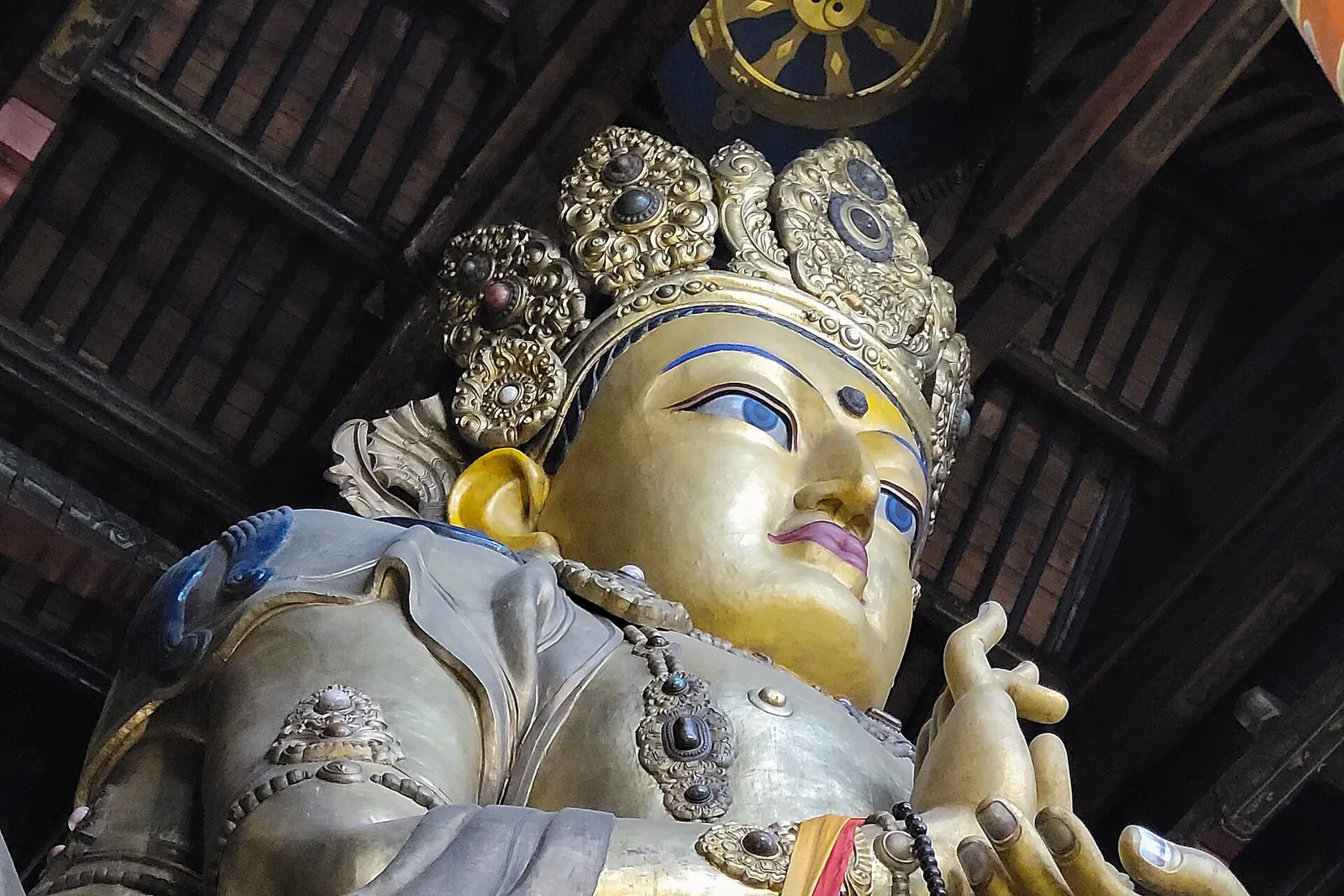
At the end of the main path stands the white Migjid Janraisig temple, a tall brick building in Tibetan style under a Chinese roof. It was built for an 80-cubit statue, about 26 metres, of Janraisig (Avalokiteshvara), the Bodhisattva of Compassion, commissioned in 1911 when the Eighth Bogd Khan's eyesight was failing and consecrated on 13 June 1913; the temple became a symbol of Mongolia's independence. The communists destroyed the statue in 1938, while the building survived as a barracks and later as the State Archive. A gilded Janraisig stands in the hall again, watched by hundreds of small images of Ayush, the Buddha of Longevity, along the walls. Come early, while the monks are chanting, and carry tögrög in cash for the ticket and for donations. Ask before taking photographs and do not touch sacred images or objects.
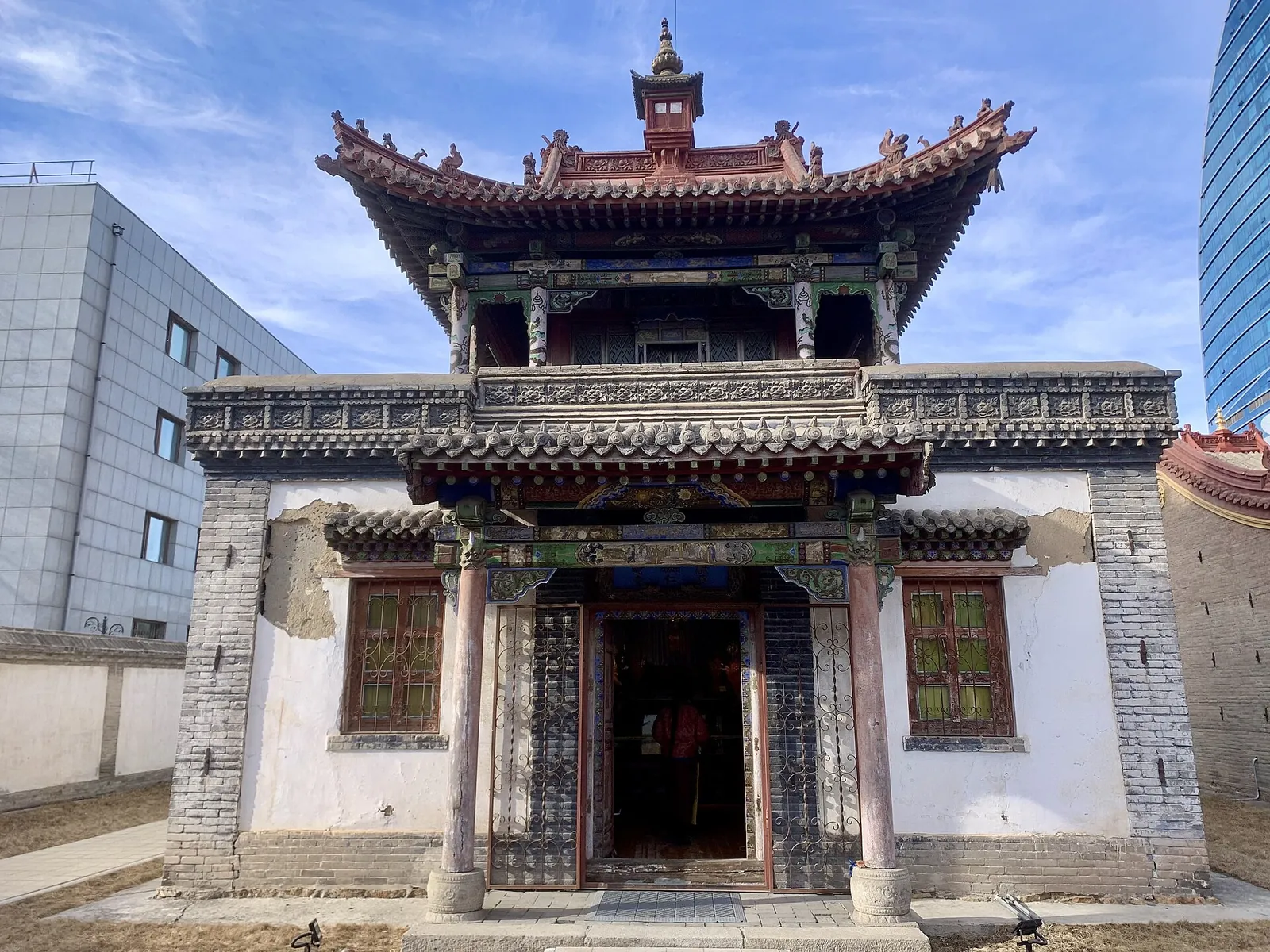
The Choijin Lama Temple Museum, about 450 m south of the square, is a walled group of temples hemmed in by modern towers. Luvsankhaidav, appointed the state's Choijin Lama (protector lama) and brother of the Eighth Bogd Khan, built his first temple in 1899-1901; after it burned in 1903, more than 300 craftsmen led by Uran Ombo rebuilt it on this site between 1904 and 1908. Religious services stopped in 1938, and it is one of the few temple complexes in Mongolia that survived the repression of the 1930s. In the main temple a 13th-century gilded Buddha sits between two disciples, flanked by the mummified figures of Choijin Lama and of Khamba Nomun Khan Baldanchoimbol, and glass cases along the walls hold tsam costumes, among them the complete robes of the protector deities Jamsran and Gombo worn in the masked dances. The Zankhan temple behind, once open only to the Bogd Khan and the nobility, keeps a throne carved with eight lions and nine dragons.
Choijin Lama opened every day from 09:00 to 18:00 in summer 2026, from 15 May to 15 September. Adults pay MNT 20,000, Mongolian or foreign, and tickets are also sold on the museum's website. Allow an hour.
The Bogd Khan Palace and Zaisan Hill
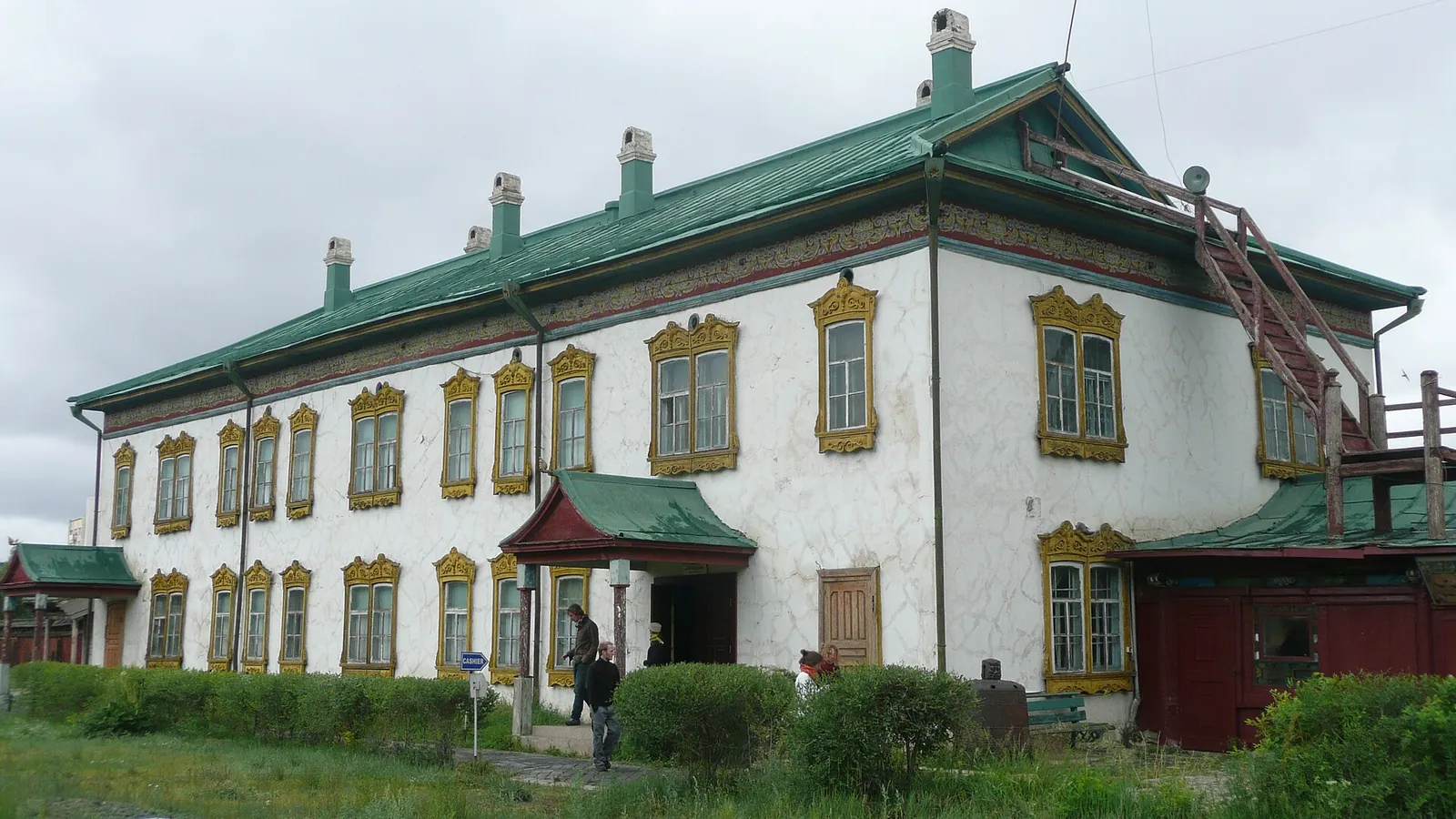
In the south of the city, about 2.6 km from the square in a straight line, the Bogd Khan Palace Museum was the residence of the Eighth Bogd Khan, Mongolia's last king, who was given the rights of head of state in 1911. You walk through the palace chambers where he lived and the two-storey white Winter Palace with its green roof, past rare Buddhist statues, silk robes from the royal collection and the king's collection of stuffed animals, which the government tourism site says includes a white elephant from the Dalai Lama. It opens only on days it announces on its website, such as 9 to 11 October in autumn 2026, from 09:00 to 18:00, so plan it as an option if your dates match; it publishes no standing ticket price. Tickets are sold at the palace and online through Shoppy and Ticket.mn. An hour is enough, and it sits on the way to Zaisan.
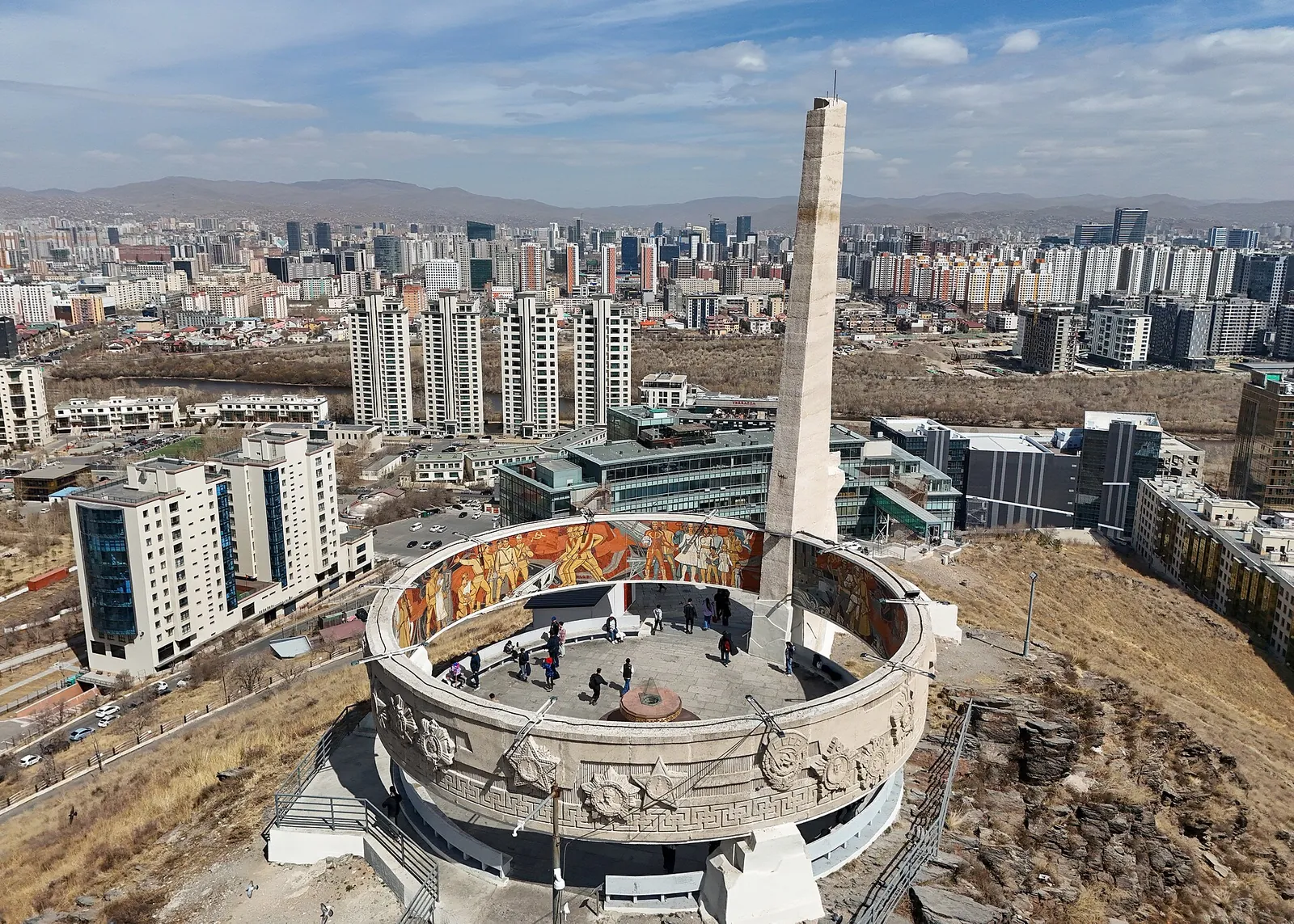
From the palace it is about 1.5 km further south to Zaisan Hill, across the Tuul River. The circular memorial on the summit, ringed with a painted mural of soldiers and workers, honours the soldiers who died in the Second World War; a wartime tank stands below it, and just to the south Buddha Park has a 23-metre statue of the Buddha. The climb is a long flight of stairs, slippery in ice, and the reward is the best view in the city: the river and its bridge below, the centre's towers and the ger districts climbing the hills beyond. Go in late afternoon, when the light falls along the valley. Zaisan is about 4 km south of Sükhbaatar Square, a short UBCab ride: the app shows the fare before you set off.
Shopping, music and where to eat
The State Department Store on Peace Avenue, about 800 m west of the square, is the classic place to buy cashmere, felt slippers, deel robes and dried aaruul curd to take home. Its shopping floors, the second to the seventh, open Monday to Saturday from 09:00 to 22:00 and on Sunday from 09:00 to 21:30, and close on 11 July for Naadam; the Nomin hypermarket in the same building opens from 08:30 to 22:30 Monday to Saturday and from 09:00 to 22:00 on Sunday. It is also the easiest place to buy water and snacks before a countryside trip. For the full bazaar, Narantuul Market in the east of the city is Mongolia's largest traditional market, with around 10,000 traders, according to the city tourism department.
An evening of throat singing (khoomei) and the horsehead fiddle (morin khuur) is the city's other classic. The city tourism department names two shows for visitors: the Tumen Ekh ensemble's concerts of traditional music and dance, and the Mongolian National Grand Theatre's folk concert, with long song, throat singing, biyelgee dance and contortion on one stage. In July the city's great show is Naadam, the national festival of wrestling, horse racing and archery, held every year from 11 to 13 July: on 11 July the nine white banners are carried from the Government Palace to the Central Stadium, followed by a horse parade and the opening ceremony. Our festivals guide covers the programme and the other festivals of the year.
For food, Ulaanbaatar is the one place in the country with real choice. Khaan Buuz, opposite the State Department Store on Peace Avenue, is the city's best-known dumpling chain: its branch there is open 24 hours, which suits a late arrival, and the city tourism department notes an English menu with photos. Modern Nomads, with branches south of Metro Mall on Baga Toiruu and on Amar Street in the centre, serves the national dishes from 10:00 until late at sit-down prices; its menu warns that prices and dishes can differ by branch. On weekdays its café sister, Bistro Nomads in the TDB building, opens from 08:00 to 17:00 for breakfasts and sandwiches.
What to eat and where to look
Buuz
Steamed dumplings with a pleated top, filled with chopped mutton or beef: the dumpling Mongolians eat at home, at festivals and at lunch counters.
- Where to look
- Khaan Buuz on Peace Avenue, opposite the State Department Store, open 24 hours, where buuz come in sets of five or ten.
- Fit it into your day
- Lunch on the walk from Gandan to the square, or a late supper: the branch never closes.
Most Mongolian dishes are made with mutton or beef and mutton fat, and milk tea and the dairy snacks contain milk; vegetarian dishes are rare outside a few city menus, so say what you avoid when you order.
Khuushuur
Half-moon pastries of minced meat, flattened and fried until crisp: a favourite quick lunch and the main dish of the Naadam festival.
- Where to look
- Khaan Buuz opposite the State Department Store, whose menu lists khuushuur with meat or with potato, singly or in fives.
- Fit it into your day
- Lunch on the last day, before the National Museum of Mongolia.
Tsuivan
Fried hand-cut noodles with strips of meat and vegetables, the everyday noodle dish of Mongolian homes.
- Where to look
- Modern Nomads on Amar Street in the centre, where tsuivan with beef brisket costs MNT 29,900.
- Fit it into your day
- Dinner after the city day.
Khorkhog
Mutton on the bone cooked in a closed pot with stones heated red in an open fire, with potatoes, carrots and turnip: a country feast that a few city kitchens make.
- Where to look
- Modern Nomads at Metro Mall, where khorkhog with vegetables, pickles and bone broth costs MNT 99,000 for the dish.
- Fit it into your day
- A shared dinner for two on the last night, back from the countryside, in place of the tsuivan dinner.
Getting in from the airport and around the city
Three services run from Chinggis Khaan International Airport (UBN) to the centre:
| From the airport | Fare | Times | Who it suits |
|---|---|---|---|
| Bus X:19 to Sükhbaatar Square | MNT 15,000 per adult, MNT 7,000 per child | Departures from 04:05 to 23:10; about 90 minutes on the timetable | Travellers with light bags arriving by day |
| Night bus ШҮ:4 to Sükhbaatar Square | MNT 15,000 per adult | Leaves the airport at 00:50, reaches the square at 01:55 | Late arrivals |
| Official airport taxi (Hyundai Sonata) | MNT 120,000 per vehicle to the centre; MNT 170,000 for a pre-booked VIP car | From the counter in the arrivals hall; VIP cars can be booked up to 2 hours ahead | Two people with luggage, or any arrival after dark |
Bus tickets are sold at a self-service kiosk on the west side of the arrivals floor or at the Bus & Taxi counter, and seats can be reserved up to three days ahead in the UBCARD app. Bus X:20 also runs to the airport, but to 5 Shar on the west side of the city, not to the square.
In the city, buses charge MNT 1,000 per ride in cash or by contactless bank card; a UBcard (MNT 3,600) gives four rides a day for MNT 1,000. The centre itself, from Gandan to the square and the Choijin Lama temples, is walkable. For anything longer, and always after dark, the UK advises using licensed taxis such as VIP Taxis or the trackable UBCab app, or asking your hotel or restaurant to order a car, and not being out alone at night; pickpockets work in markets and crowds, more so during Tsagaan Sar and Naadam. UBCab fares depend on distance, time and demand.
Outside Ulaanbaatar, travel with a licensed operator's driver and guide: distances are long, many roads are unpaved tracks, and there is no mobile signal in large areas. Our transport guide covers the train from Beijing and the domestic flights to the Gobi and Lake Khövsgöl. Buy a Unitel tourist SIM on arrival: MNT 30,000 for 10 days and 15 GB, card included, enough for UBCab and maps. Visas and the 48-hour registration are in our entry guide.
What the city days cost
| | Per person | For two | | --- | ---: | ---: | | Arrival and a city day, before the room | about MNT 300,000 (USD 80) | about MNT 600,000 (USD 170) | | Last day before the flight home, with the National Museum and dinner | about MNT 80,000 (USD 20) | about MNT 160,000 (USD 50) |
About MNT 300,000 per person, MNT 600,000 for two, covers the start of the trip on the ground for two adults: food, transport, sights, SIM cards and a 10% buffer. Add your room from our where-to-stay guide, which prices hotels in the centre and in Khan-Uul. Prices were checked on 29 and 31 October 2026; dollar amounts use the Bank of Mongolia rate of USD 1 = MNT 3,599.08 for 29 October 2026.
Food: dinner on both evenings at Modern Nomads (a dish such as tsuivan with milk tea and water, MNT 38,900 each) and a weekday lunch at Bistro Nomads (a beef sandwich and Fuze tea, MNT 14,400 each; at weekends, when it is closed, Khaan Buuz opposite the State Department Store is the easy alternative). Getting around: the official taxi from the airport and six city bus rides each. Sights: the Chinggis Khaan National Museum with the Hall of the Great Khaan, and Choijin Lama at MNT 20,000 each; Gandan publishes no adult price, so the budget counts MNT 20,000 for it too. The Bogd Khan Palace, open only on announced days, is left out. SIM and extras: a 10-day Unitel SIM each and a 10% buffer.
The last day, on the second line, is the National Museum of Mongolia (MNT 20,000 each), a Modern Nomads dinner, a city bus to the square and bus X:19 out to the airport. The return flight to Mongolia is a one-off for the whole trip, priced in our trip cost guide.
| For two, arrival and city day | MNT |
|---|---|
| Food: 2 dinners and 1 lunch each | 184,000 |
| Getting around: airport taxi and 12 bus rides | 132,000 |
| Sights: Chinggis Khaan National Museum, 2 × MNT 45,000; Choijin Lama and Gandan, 4 × MNT 20,000 | 170,000 |
| SIM and extras: 2 Unitel 10-day SIMs | 60,000 |
| Subtotal | 546,000 |
| 10% buffer | 55,000 |
| Total for two (about) | 601,000 |
Add the last day (about MNT 160,000 for two) and the three city days come to about MNT 770,000 for two (USD 210), or about MNT 380,000 (USD 110) per person, before the rooms.
A guided city day is the easy alternative to doing it yourself. Stone Horse Expeditions & Travel, based in Ulaanbaatar, charges USD 80 per person for two (USD 160 for the pair) for its Ulaanbaatar City Tour, with entrance fees and lunch included. It takes in Sükhbaatar Square, Gandan Monastery, the National Museum, the Zanabazar Museum, the State Department Store and a traditional music concert, depending on what is open that day and the season.
Practical questions
How many nights do I need in Ulaanbaatar?
Three in all: two at the start, for the arrival and one full city day, and one at the end before the flight home.
How much does the Chinggis Khaan National Museum cost?
MNT 30,000 for adults for the permanent exhibition, MNT 20,000 for the Hall of the Great Khaan, or MNT 45,000 for both; children with foreign passports pay a reduced fee.
How do I get from the airport to the city?
Bus X:19 runs to Sükhbaatar Square for MNT 15,000 per adult, about 90 minutes on the timetable, and the official taxi costs MNT 120,000 per vehicle to the centre. After midnight the ШҮ:4 night bus leaves the airport at 00:50.
Is Ulaanbaatar safe at night?
The UK says violent incidents are rare but foreigners have been robbed and assaulted. Avoid being out alone at night, take licensed taxis or the UBCab app, or ask your hotel or restaurant to order a car.
Where should I stay in Ulaanbaatar?
In the centre, around Sükhbaatar Square, if you want to walk to the museums and restaurants; in Khan-Uul, in the south, if you prefer a quieter area near the Bogd Khan Palace and Zaisan and do not mind a bus or taxi to the centre. Our where-to-stay guide names hotels in each.
Can I see Ulaanbaatar in winter?
Yes: the Chinggis Khaan National Museum keeps winter hours of 09:00 to 17:00, and the State Department Store opens seven days a week. January is the coldest month, with average highs of -15.5°C and lows of -26.1°C, and winter is also the season of the city's worst air pollution.
Keep planning your trip
Terelj and the Chinggis Khaan Statue
Whether to see the giant Chinggis Khaan statue, Turtle Rock and Aryabal temple in a day from Ulaanbaatar or with a ger night in Terelj, with tours, camps and costs.
Read the guide
Where to stay in Ulaanbaatar
Which part of Ulaanbaatar to sleep in before and after a countryside trip: the centre, Gandan, the railway station or Khan-Uul near Zaisan, with named hotels and rates.
Read the guide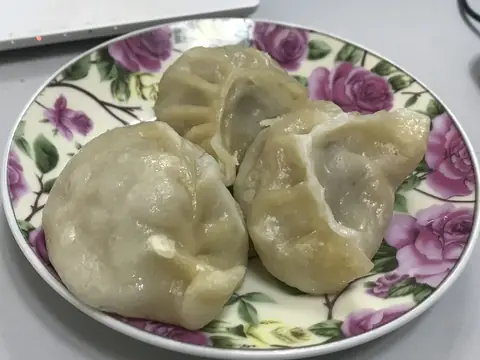
Mongolian food
Buuz, khuushuur, tsuivan, khorkhog, milk tea and summer airag: where to eat them in Ulaanbaatar and at ger camps, vegetarian options and a day's meal costs.
Read the guide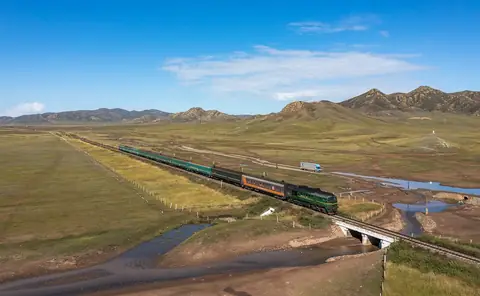
Getting around Mongolia
Chinggis Khaan airport to Ulaanbaatar, the train from Beijing, flights to the Gobi and Lake Khövsgöl, long-distance buses and hiring a driver-guide.
Read the guide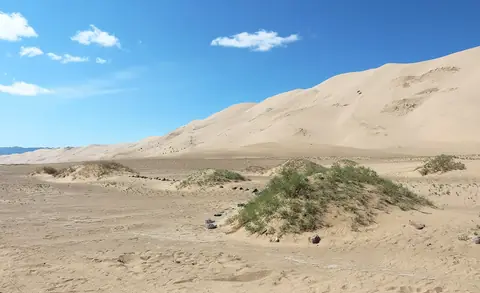
Mongolia in ten days
Three nights in Ulaanbaatar, a Terelj day and a six-camp loop through the Gobi to Kharkhorin with a private driver and guide: drive times, camps and an all-in budget.
Read the guide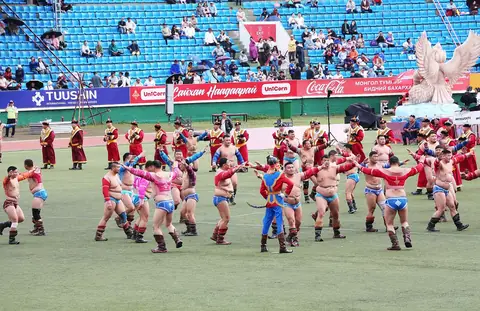
Mongolia festivals and events 2027
Naadam on 11-13 July, Tsagaan Sar and the camel, ice and eagle festivals: Mongolia's 2027 dates, how firm each is and what a festival trip costs.
Read the guideSources and checks before you travel
(30)
- Chinggis Khaan National Museum: visit the museum ↗ — opens in a new tab
- Choijin Lama Temple Museum: history of the museum ↗ — opens in a new tab
- Choijin Lama Temple Museum: halls ↗ — opens in a new tab
- Choijin Lama Temple Museum: summer opening programme 2026 ↗ — opens in a new tab
- Arts Council of Mongolia, Mongolian Temples project: Migjid Janraisig temple (Gandan) ↗ — opens in a new tab
- Go Mongolia (Government of Mongolia tourism site): explore and experience ↗ — opens in a new tab
- Bogd Khan Palace Museum ↗ — opens in a new tab
- Bogd Khan Palace Museum: Autumn Palace 2026 open days ↗ — opens in a new tab
- Ulaanbaatar City Tourism Department: Ulaanbaatar guide 2025 (PDF) ↗ — opens in a new tab
- Khaan Buuz: branches and menu (Mongolian) ↗ — opens in a new tab
- Nomin Holding: State Department Store ↗ — opens in a new tab
- Ulaanbaatar Public Transport Policy Department: airport bus routes and fares ↗ — opens in a new tab
- Ulaanbaatar Public Transport Policy Department: city fares ↗ — opens in a new tab
- Chinggis Khaan International Airport: VIP Taxi Service ↗ — opens in a new tab
- Modern Nomads: Metro Mall menu ↗ — opens in a new tab
- Modern Nomads: Amar Street menu ↗ — opens in a new tab
- Bistro Nomads (TDB): menu ↗ — opens in a new tab
- Stone Horse Expeditions & Travel: Ulaanbaatar City Tour ↗ — opens in a new tab
- UK Foreign Office: Mongolia safety and security ↗ — opens in a new tab
- UK Foreign Office: Mongolia health ↗ — opens in a new tab
- Unitel: tourist SIM plans ↗ — opens in a new tab
- Genco Tour Bureau: news, Chinggis Khaan Statue Complex ↗ — opens in a new tab
- OpenStreetMap ↗ — opens in a new tab
- Bank of Mongolia: exchange rate ↗ — opens in a new tab
- National Museum of Mongolia: introduction, hours and tickets ↗ — opens in a new tab
- National Museum of Mongolia: permanent exhibition ↗ — opens in a new tab
- Ulaanbaatar City Tourism Department: Ulaanbaatar guide 2025 (PDF), events ↗ — opens in a new tab
- View Mongolia (operator): Naadam festival tour ↗ — opens in a new tab
- Choijin Lama Temple Museum: service types and prices ↗ — opens in a new tab
- WMO World Weather Information Service: Ulaanbaatar (climate data) ↗ — opens in a new tab
Reference sources for the version dated 3 November 2026. Confirm opening times, access, transport and conditions for your travel dates.
Photo credits
(6)
Sükhbaatar Square, the open heart of Ulaanbaatar, with the Opera House on its east side
Photograph: Bernard Gagnon — opens in a new tab · CC0 — opens in a new tab
Changes: Resized and converted to WebP; displayed with responsive crops. · Original photograph and licence details ↗ — opens in a new tab
The gilded statue of Janraisig (Avalokiteshvara) inside the Migjid Janraisig temple at Gandan Monastery
Photograph: Bernard Gagnon — opens in a new tab · CC0 — opens in a new tab
Changes: Resized and converted to WebP; displayed with responsive crops. · Original photograph and licence details ↗ — opens in a new tab
Choijin Lama Temple Museum, rebuilt in 1904-1908 and one of the few temple complexes to survive the 1930s
Photograph: Dudva — opens in a new tab · CC0 — opens in a new tab
Changes: Resized and converted to WebP; displayed with responsive crops. · Original photograph and licence details ↗ — opens in a new tab
The Winter Palace building at the Bogd Khan Palace Museum, home of Mongolia's last king
Photograph: Brücke-Osteuropa — opens in a new tab · Public domain — opens in a new tab
Changes: Resized and converted to WebP; displayed with responsive crops. · Original photograph and licence details ↗ — opens in a new tab
The Zaisan Memorial on its hill south of the river, with the city spread out beyond
Photograph: Quintin Soloviev — opens in a new tab · CC0 — opens in a new tab
Changes: Resized and converted to WebP; displayed with responsive crops. · Original photograph and licence details ↗ — opens in a new tab
The Chinggis Khaan National Museum on J. Sambuu Street, nine floors of Mongolian history
Photograph: SunDawn — opens in a new tab · CC BY-SA 4.0 — opens in a new tab
Changes: Resized and converted to WebP; displayed with responsive crops. · Original photograph and licence details ↗ — opens in a new tab