Plan your trip
Mongolia entry: visa-free stays, 48-hour registration and customs
For most European travellers Mongolia is one of the easier countries in Asia to enter: no visa and no fee for a short holiday. The rules that do matter come after you land, when every hotel or camp registers you with the immigration authority, and when you leave, because customs searches outgoing luggage for fossils and antiques. The one open question is the calendar: the scheme that waives the visa for most European passports is set to end with 2026.
In this guide
Find the location ↗ — opens in a new tabThe short answer
A UK, EU, Norwegian or Swiss tourist needs no visa and pays no fee for a stay of up to 30 days, as long as the trip falls before the end of 2026. Most of these passports travel under a temporary scheme; unless it is extended, a 2027 trip on those passports needs a tourist visa, applied for at a Mongolian embassy unless e-visa eligibility is announced, because UK and EU passports are not on the e-visa list. German passports have their own 30-day arrangement. Your passport should be valid for six months after arrival. Your hotel or camp registers you within 48 hours of arriving at each address. At customs, declare cash from MNT 15 million (about USD 4,170); the official airport taxi into Ulaanbaatar costs MNT 120,000 per vehicle.
- Key point
- Entry planning before you book; visa-free stays are up to 30 days for most European passports
- Where it applies
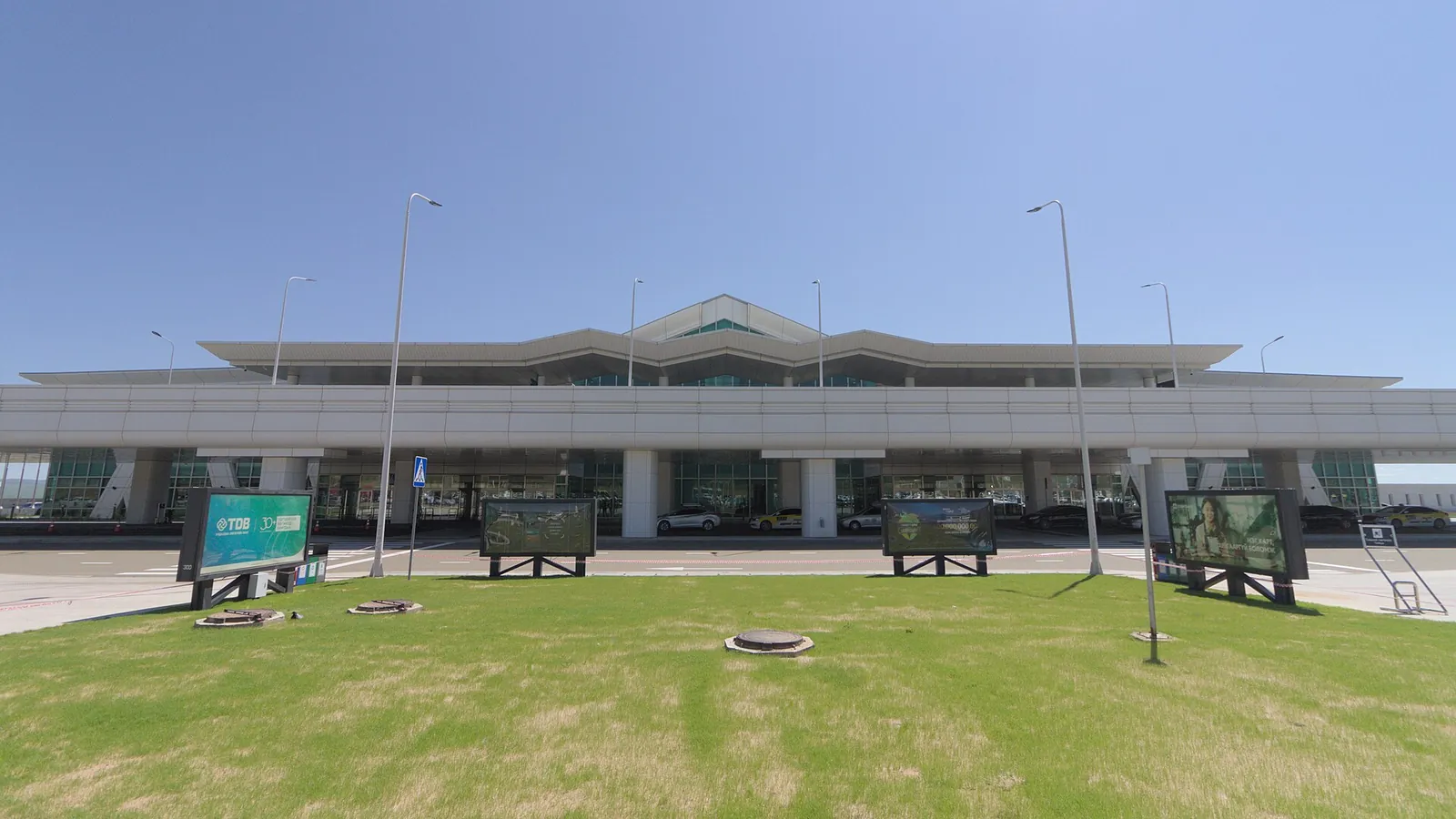
- Arrive at Chinggis Khaan International Airport (UBN) with six months left on your passport
- Timing
- The temporary 30-day waiver runs until 31 December 2026; registration and customs rules apply all year
Compare all 24 countries: Asia entry requirements at a glance →
Who can visit without a visa, and until when
UK and most EU passports (including France, Italy, Spain, the Netherlands, Sweden, Poland and others listed by Mongolia's consular service) can visit for up to 30 days without a visa under a temporary scheme that runs until the end of 2026; no extension into 2027 has been announced. German passports have their own 30-day visa-free arrangement.
The temporary scheme covers 34 countries and applies to tourism only. The Ministry of Foreign Affairs of Mongolia lists every EU member state except Germany, together with the UK, Switzerland, Norway, Iceland, Liechtenstein, Monaco, Australia and New Zealand. Germany, Canada, the United States and Brazil are on a separate list of standing agreements, with no end date attached:
| Passport | Visa-free stay | Arrangement | Runs until |
|---|---|---|---|
| UK, Australia, New Zealand | Up to 30 days, tourism | Temporary scheme | End of 2026 |
| EU states except Germany (France, Italy, Spain, the Netherlands, Ireland, Belgium, Austria, Sweden, Denmark, Finland, Poland, Czechia, Hungary, Portugal, Romania and the rest) | Up to 30 days, tourism | Temporary scheme | End of 2026 |
| Switzerland, Norway, Iceland, Liechtenstein, Monaco | Up to 30 days, tourism | Temporary scheme | End of 2026 |
| Germany | Up to 30 days | Standing agreement since 2013 | No end date listed |
| Canada | Up to 30 days | Standing agreement since 2014 | No end date listed |
| United States | Up to 90 days | Standing agreement since 2001 | No end date listed |
| Brazil | Up to 90 days | Standing agreement since 2015 | No end date listed |
A visa-free stay is for the purpose the list names. Work, study, business travel on a temporary-scheme passport, or a stay beyond the allowed days, needs a visa of the right type before you travel.
Planning a trip in 2027
Unless the scheme is extended, a 2027 trip on those passports needs a tourist visa, applied for at a Mongolian embassy unless e-visa eligibility is announced: the UK and the EU states are not on the Immigration Agency's list of nationalities eligible for the e-visa. The Immigration Agency publishes the list of nationalities eligible for Mongolia's e-visa, which is applied for at evisa.mn: you fill in the form, pay the fee online (the site shows it at payment, and it is not refunded) and receive an electronic travel authorisation by email. The Immigration Agency processes applications within three working days (72 hours), the passport must be valid for at least 180 days when you apply, and you show the authorisation, printed or on your phone, at the border, where it is scanned with your passport. The tourist category is K2, for up to 30 days.
An e-visa cannot be extended or converted to another type, so a trip of more than 30 days on a passport that needs a visa should start with an embassy visa; the Ministry of Foreign Affairs gives three working days as the normal embassy processing time, and up to five to ten working days for some applications. If you only pass through, for example on the Beijing train, a passport that needs a visa can use the K6 transit visa, valid for up to 10 days: by e-visa, or at the border with an onward ticket and any visa needed for the next country.
Passport, arrival and staying longer
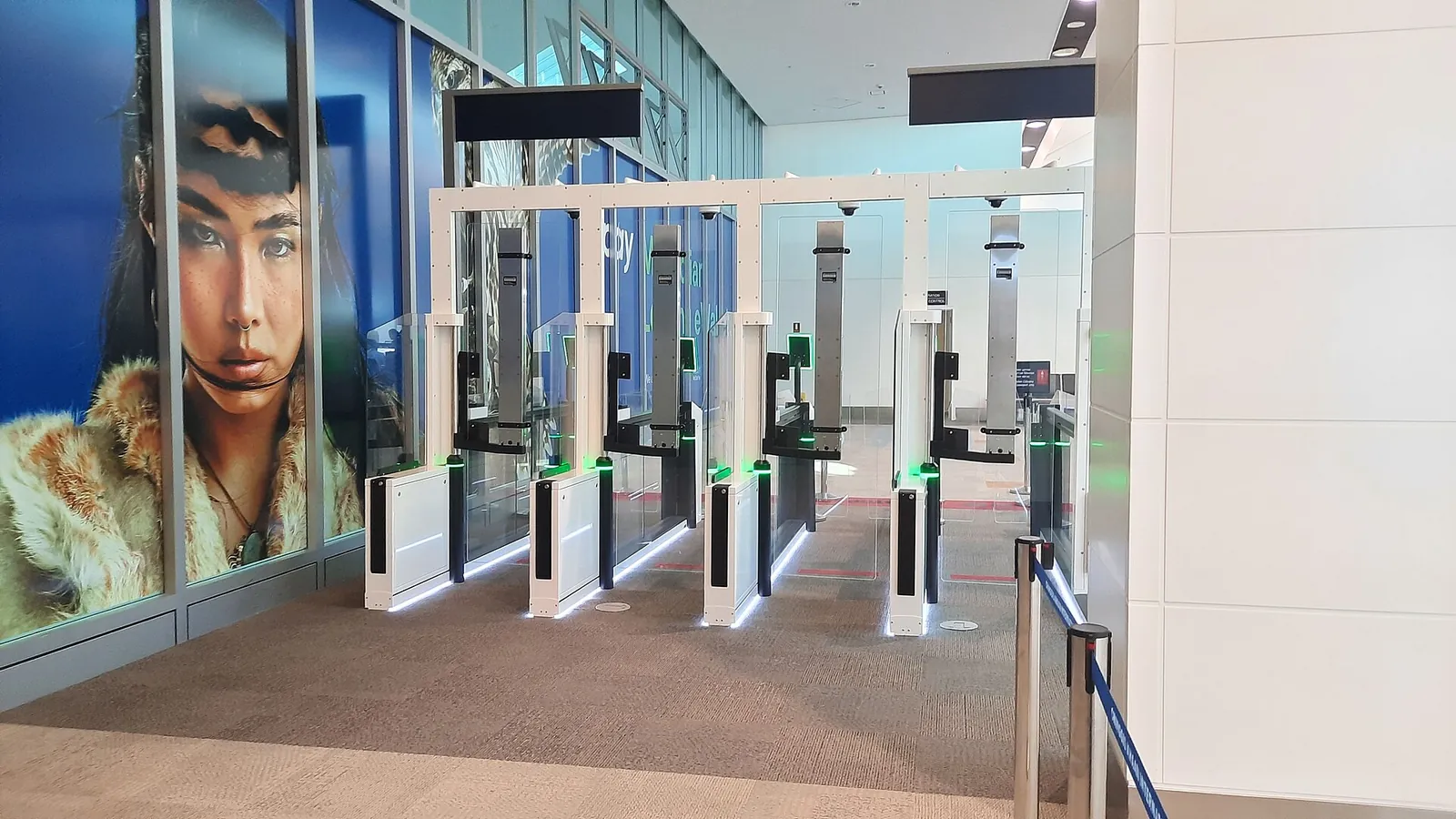
Your passport must be valid for at least six months after the date you arrive. At the border you give your biometric details; make sure the officer stamps your passport, or you could have problems when you leave. Adults travelling with children who are not their own should carry a notarised letter from the parents or legal guardian, and foreign children under 16 may be refused entry without a parent or guardian.
A visa-free stay or a regular tourist visa can be extended once by up to 30 more days: apply to the Immigration Agency, in person or online, for a fee, at least five working days before the initial stay runs out. Approval is not automatic. Overstaying is fined MNT 10,000 for every day over (10 fine units of MNT 1,000, up to 2,000 units), set by the agency's state inspector.
Registering your address within 48 hours
Your hotel or camp registers you with the immigration authority within 48 hours of arriving at each address; if you stay with friends or in a rented flat, you register yourself. The duty comes from Mongolia's law on the legal status of foreign nationals, and the Immigration Agency's FAQ adds that the 48 hours run from arrival at each address, so on a road trip every camp registers you again. Hosts register online, on the agency's website or its mobile app.
If you register yourself, you do it online with the Immigration Agency at eimmigration.mn, without going in person. The agency then issues a digital residence permit showing your passport number, address, photograph and fingerprints; carry it during your stay.
Stays of more than 30 days also need a separate registration with the Immigration Agency within seven days of arrival; doing it in the first two days meets every published deadline. It comes on top of the 48-hour registration at each address.
Customs: allowances, cash and medicines
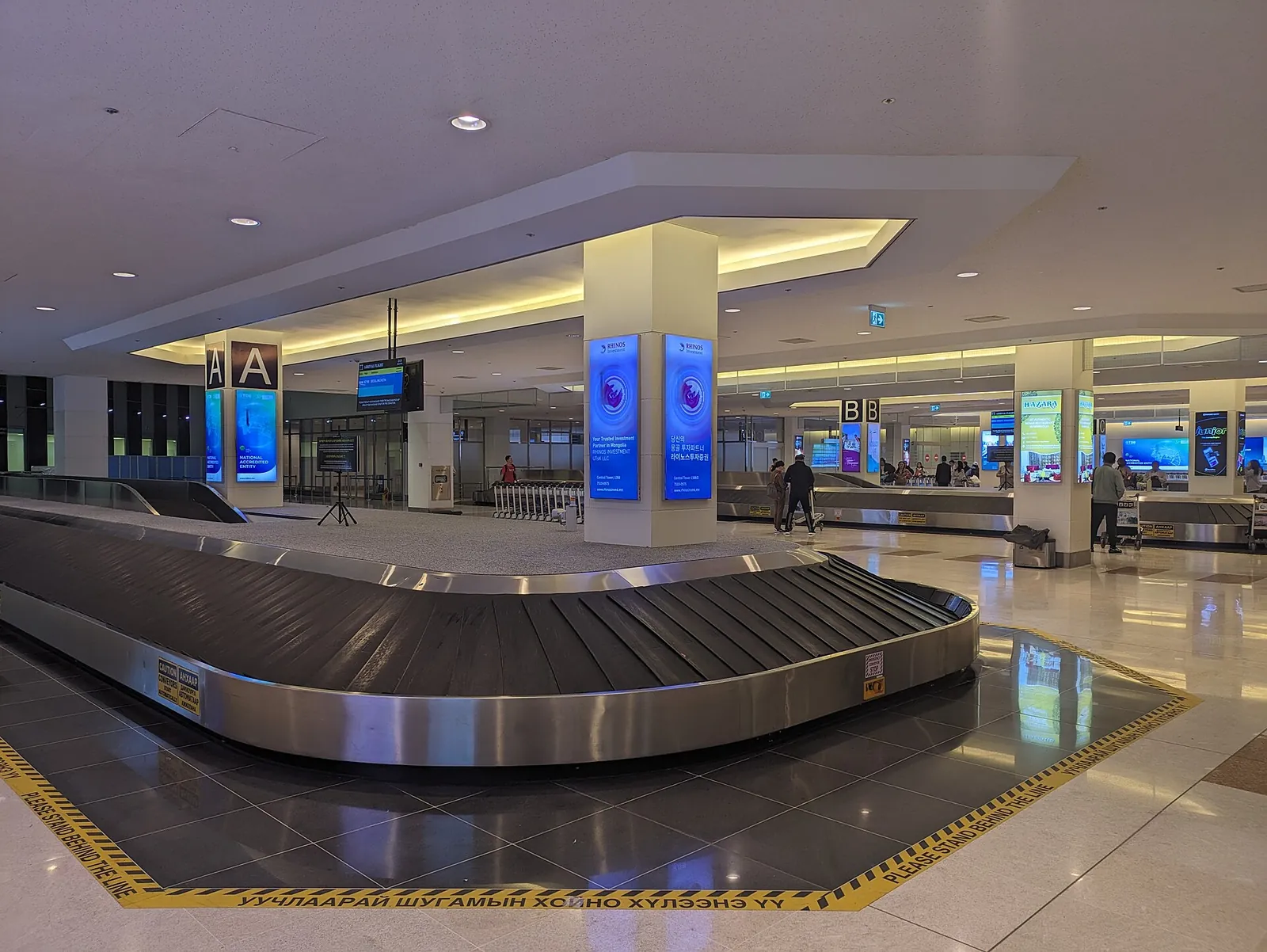
There is no visa form to fill in on arrival; the paper that matters is the customs passenger declaration. Customs at Chinggis Khaan International Airport (UBN) lets you bring in, duty-free and declared in writing on it, up to 2 litres each of spirits and wine, 3 litres of beer, 200 cigarettes, 50 cigars or 250 g of loose tobacco; travellers under 18 may bring in no alcohol or tobacco. Write cameras, laptops, binoculars, musical instruments and other equipment you travel with on the passenger declaration and have it certified by the customs inspector, so that you can take them out again without question.
Cash, foreign currency, financial instruments and e-money from MNT 15 million in total must be declared: about USD 4,170 at the Bank of Mongolia rate of USD 1 = MNT 3,599.08 (29 October 2026), a lower line than many travellers expect. You receive a certified declaration, and money you did not declare may be seized when you leave. Dollars and euros change easily at banks and exchange offices in Ulaanbaatar, though 200 and 500 euro notes may be refused.
For medicines, airport customs accepts an emergency supply of up to seven days with a doctor's prescription, and up to three months of personal medication with a statement from a medical institution and related documents. It does not allow travellers to bring in intravenous fluids, injectable antibiotics, narcotic or psychotropic medicines, blood products or vaccines for personal use. Carry your medicines in their original packs with the prescription or the medical statement, and write them on the declaration.
Fossils, antiques and what you take home
The Gobi is dinosaur country, and Bayanzag (Flaming Cliffs) is famous for its fossil finds, but nothing from them goes home with you. Airport customs requires a permit from the relevant state authority, as well as a customs declaration, for palaeontological finds and every other kind of geological, natural-history or scientific specimen. Leave bones and rocks where you see them, and walk away from anyone selling them.
When you leave, customs searches luggage very often and thoroughly for antiques, valuable minerals, palaeontological finds, metals and hunting trophies, so anything that looks old is best left in the shop. Our first-trip guide covers money, SIM cards and conduct once you are in the country.
Health, insurance and border areas
German advice lists no compulsory vaccination for a direct arrival and recommends hepatitis A and rabies; rabies vaccine and especially immunoglobulin are scarce in Mongolia. If an animal bites or scratches you, see a doctor at once, even if you are vaccinated. Medical care outside Ulaanbaatar is limited and hospitals may ask for most of the cost up front, so take insurance that covers evacuation and repatriation.
Border areas, which can reach up to 100 km inside the frontier, need permission from the State Frontier Guard Authority. If a route of yours runs close to a frontier, for example towards the northern end of Lake Khövsgöl, your operator arranges that permit.
If you arrive or leave overland, foreigners may cross only at the specified border points; UK advice lists Zamyn-Üüd, the road and rail crossing to China, among those open to British nationals, and EU/EEA passport holders should check that the crossing they plan is open to their nationality. China's own entry rules apply on the other side, and our transport guide covers the Beijing train and the Erenhot route. Check your own government's travel advice too.
Practical questions
Do I need a visa for Mongolia as a British or EU citizen?
Not for a tourist stay of up to 30 days before the end of 2026. Most UK, EU, Norwegian and Swiss passports use a temporary scheme; German passports have their own 30-day arrangement.
Will the visa waiver still apply in 2027?
The temporary scheme ends on 31 December 2026. Unless it is extended, a 2027 trip on a temporary-scheme passport needs a tourist visa, applied for at a Mongolian embassy unless e-visa eligibility is announced, because the UK and the EU states are not on the Immigration Agency's e-visa list; the Ministry of Foreign Affairs gives three working days as the normal processing time.
What is the 48-hour registration?
Your hotel or camp registers you with the immigration authority within 48 hours of arriving at each address. If you stay with friends or in a rented flat, you register yourself online at eimmigration.mn.
How much cash can I bring into Mongolia?
Declare MNT 15 million or more in cash or its equivalent, about USD 4,170, to customs on arrival; there is no visa fee or entry charge on top.
Can I take a fossil home from the Gobi?
No. Palaeontological finds and other specimens need a permit from the relevant state authority and a customs declaration, and customs searches departing luggage for them.
How long must my passport be valid?
At least six months after the date you arrive, and 180 days at the time you apply if you need an e-visa.
What happens if I overstay in Mongolia?
The Immigration Agency fines MNT 10,000 for each day over the permitted stay, up to MNT 2 million. Apply for an extension at least five working days before your stay ends instead.
Keep planning your trip
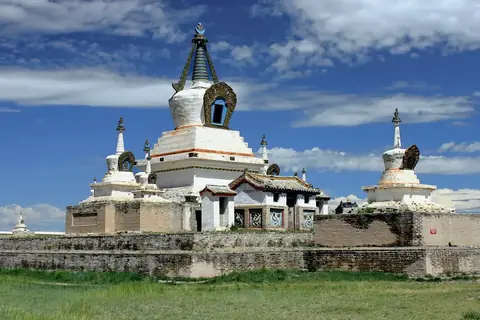
First trip to Mongolia
A first Mongolia trip: why you travel with a driver-guide, the ten-day Gobi and Kharkhorin loop, ger camps and manners, entry, cash, SIM cards and daily costs.
Read the guide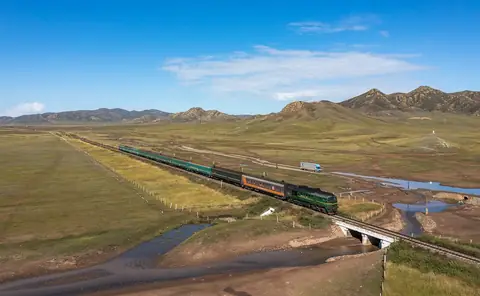
Getting around Mongolia
Chinggis Khaan airport to Ulaanbaatar, the train from Beijing, flights to the Gobi and Lake Khövsgöl, long-distance buses and hiring a driver-guide.
Read the guide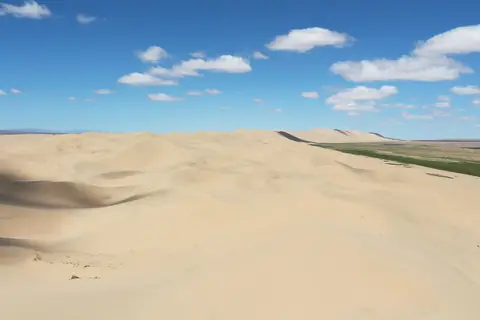
Mongolia trip cost
Ten days in Mongolia for two, all in: about MNT 6.76 million per person on a group tour, MNT 10.28 million on a private tour or MNT 12.93 million in comfort.
Read the guide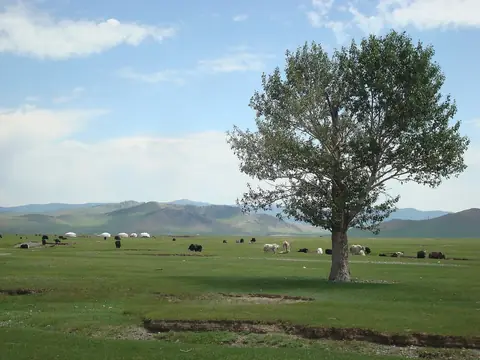
Best time to visit Mongolia
When to go to Mongolia: the June to September camp season, July's Naadam crowds, the Gobi's summer heat, Ulaanbaatar's long winter and the camps that close for it.
Read the guide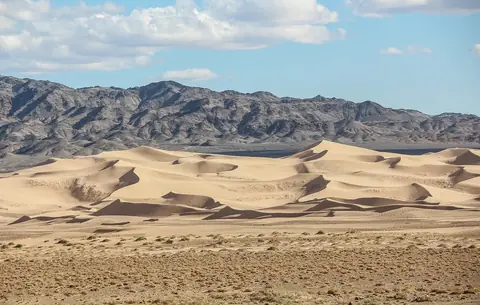
Gobi Desert
How to see the South Gobi: the six-day loop to Tsagaan Suvarga, Bayanzag, Khongoryn Els and Yolyn Am, drive times, camps, the fly-in option and what it costs.
Read the guideSources and checks before you travel
(20)
- Ministry of Foreign Affairs of Mongolia, Consular Department: nationals exempted from visa ↗ — opens in a new tab
- Immigration Agency of Mongolia: countries exempted from tourist visas up to 30 days in 2026 ↗ — opens in a new tab
- Ministry of Foreign Affairs of Mongolia, Consular Department: general visa information ↗ — opens in a new tab
- Immigration Agency of Mongolia: e-visa ↗ — opens in a new tab
- Immigration Agency of Mongolia: 48-hour registration ↗ — opens in a new tab
- Immigration Agency of Mongolia: frequently asked questions (Mongolian) ↗ — opens in a new tab
- Invest Mongolia (Government of Mongolia): residence and registration ↗ — opens in a new tab
- Ulaanbaatar City Tourism Department: registration of foreign visitors ↗ — opens in a new tab
- UK Foreign, Commonwealth & Development Office: Mongolia entry requirements ↗ — opens in a new tab
- UK Foreign, Commonwealth & Development Office: Mongolia health ↗ — opens in a new tab
- German Federal Foreign Office: Mongolia travel and safety advice (Stand 29.10.2026) ↗ — opens in a new tab
- France Diplomatie: Mongolie, entrée et séjour (updated 15 September 2026) ↗ — opens in a new tab
- France Diplomatie: Mongolie, sécurité (updated 15 September 2026) ↗ — opens in a new tab
- Chinggis Khaan International Airport: customs office (Mongolian) ↗ — opens in a new tab
- Bank of Mongolia: official exchange rate ↗ — opens in a new tab
- Chinggis Khaan International Airport: VIP Taxi Service ↗ — opens in a new tab
- Ulaanbaatar Public Transport Policy Department: airport bus routes and fares ↗ — opens in a new tab
- Immigration Agency of Mongolia: electronic visa application system ↗ — opens in a new tab
- Immigration Agency of Mongolia: offence review (residence permit and visa overstay) ↗ — opens in a new tab
- Immigration Agency of Mongolia: countries eligible for the e-visa ↗ — opens in a new tab
Reference sources for the version dated 2 November 2026. Confirm opening times, access, transport and conditions for your travel dates.
Photo credits
(4)
The terminal of Chinggis Khaan International Airport (UBN), south of Ulaanbaatar, seen from the car park.
Photograph: Chinneeb — opens in a new tab · CC BY-SA 4.0 — opens in a new tab
Changes: Resized and converted to WebP; displayed with responsive crops. · Original photograph and licence details ↗ — opens in a new tab
Automated passport gates at Chinggis Khaan International Airport, where arriving visitors give their biometric details.
Photograph: Chinneeb — opens in a new tab · CC BY 4.0 — opens in a new tab
Changes: Resized and converted to WebP; displayed with responsive crops. · Original photograph and licence details ↗ — opens in a new tab
The baggage hall at Chinggis Khaan International Airport; customs and the declaration follow.
Photograph: Chinneeb — opens in a new tab · CC BY-SA 4.0 — opens in a new tab
Changes: Resized and converted to WebP; displayed with responsive crops. · Original photograph and licence details ↗ — opens in a new tab
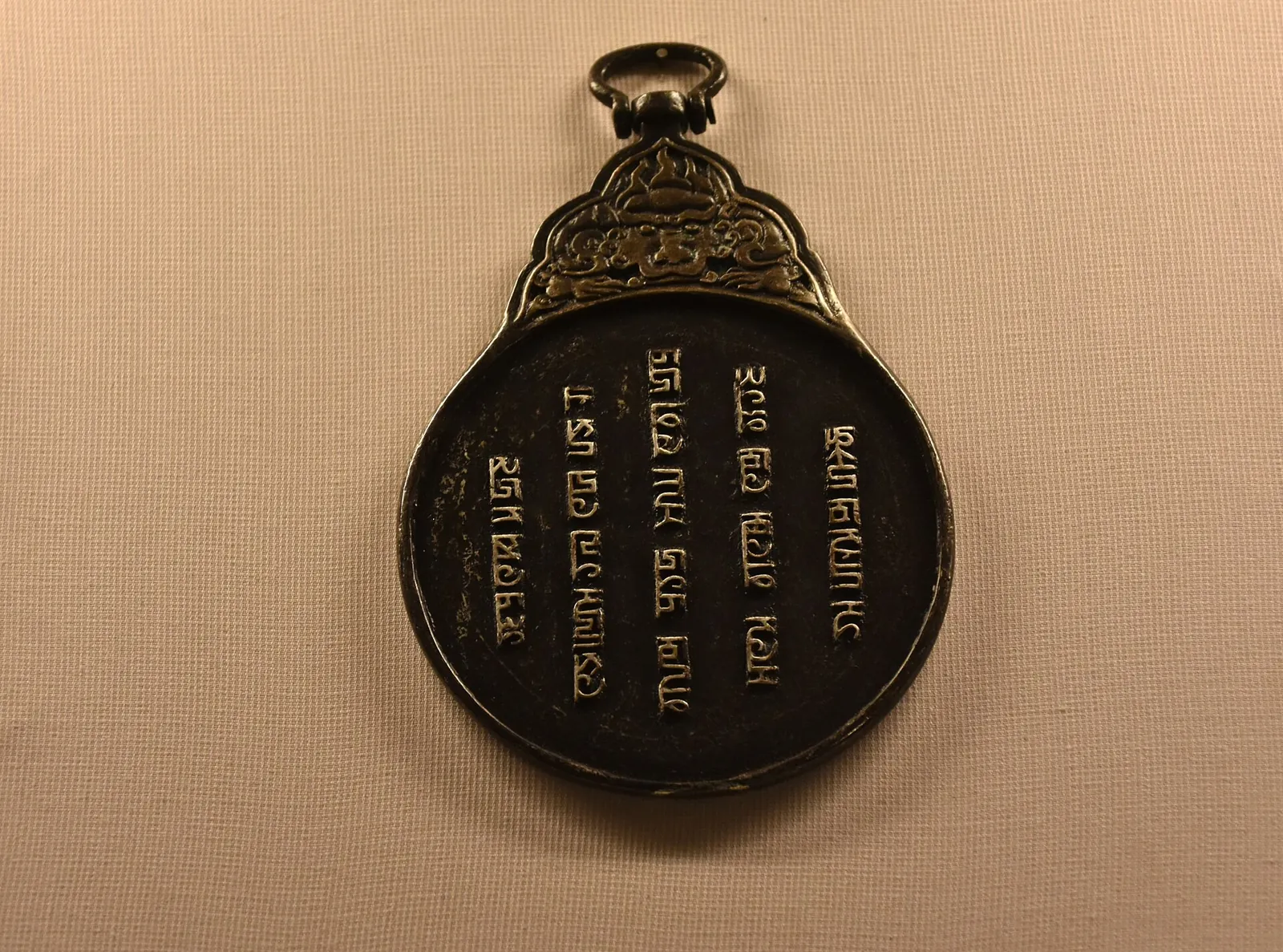
A Yuan-dynasty paiza, the travel pass of Kublai Khan's empire, in the Karakorum Museum at Kharkhorin.
Photograph: Richard Mortel — opens in a new tab · CC BY 2.0 — opens in a new tab
Changes: Resized and converted to WebP; displayed with responsive crops. · Original photograph and licence details ↗ — opens in a new tab