Plan your trip
Is Mongolia safe? Insurance, rabies, roads at night and city crime
Most of what goes wrong on a Mongolia trip happens far from help: a fall from a horse many hours from the nearest hospital, a van on an unlit track after dark, a dog bite far from the larger towns where rabies vaccine may be found. In Ulaanbaatar the risks are smaller and more ordinary: a pickpocket at Narantuul market, an unlicensed car hailed in the street, winter smog. This guide covers the three governments' advice as it stood on 8 November 2026, insurance and hospitals, the emergency numbers, vaccines and the diseases that come from animals and raw milk, water, air, altitude and weather, the roads and riding, and the crime and laws that catch visitors out.
In this guide
Find the location ↗ — opens in a new tabThe short answer
Buy insurance that covers medical treatment, an air ambulance home and repatriation before you pay a tour deposit: outside Ulaanbaatar healthcare is limited, hospitals ask for 80% of the treatment cost in advance, and the private clinics in Ulaanbaatar named in this guide publish no prices. Save 103 (ambulance), 102 (police; +976 102 from a foreign mobile) and 101 (fire). Hepatitis A, tetanus and typhoid vaccines are recommended for most travellers; discuss rabies too, because rabid dogs are common and after a bite the vaccine may be found only in larger towns. In the countryside, end every drive before dark and wear a helmet to ride. The UK and Germany do not advise against travel to any part of Mongolia; France places the whole country under heightened vigilance.
- Key point
- Start at least 8 weeks before you fly with vaccines and insurance; the rest applies throughout the trip
- Where it applies
- No base is needed; the advice applies in Ulaanbaatar, the Gobi, the Orkhon Valley and around Lake Khövsgöl
- Timing
- From +35°C in summer to -40°C in winter; short rains from mid-July to mid-September, ticks from early spring to late autumn, and Ulaanbaatar's worst air in winter
What the governments say, and the fuel shortages
Neither the UK nor the German government advises against travel to any part of Mongolia, and Germany describes the security situation across the whole country as stable. France places the entire territory under heightened vigilance, not because of crime or unrest but because of the distances, the road network and the weak medical facilities. The US CDC rates Mongolia at Level 1, practise usual precautions, for health. As of 8 November 2026 the UK and Germany report fuel shortages, including aviation fuel, petrol and diesel, which may affect domestic and international flights, road travel and access to some remote areas. Check with the airline or tour operator and allow extra time; a spare day before your flight home is a sensible margin.
There is no recent history of terrorism in Mongolia, although the UK says attacks cannot be ruled out. Occasional civil and political unrest leads to protests, and the UK and Germany both advise keeping away from demonstrations and large crowds.
Two rules can change a route at short notice. Outbreaks of livestock disease, such as foot-and-mouth disease, can close parts of the country to tourists for a time, and travel to the border regions needs a special permit; our entry guide explains the border zone. Other governments may draw their lines differently from these three, so read your own government's advice before you book and again before you fly.
Insurance and evacuation: what the policy must pay for
Outside Ulaanbaatar the standard of healthcare is limited, doctors may not speak English, and from remote areas the nearest facility is a long journey away. The emergency medical network is especially thin in the countryside, so even minor injuries from an accident can lead to serious complications, and after a serious accident outside the capital the road journey to Ulaanbaatar's hospitals can be long and difficult, sometimes more than 15 hours by car on tracks.
That makes the policy the first thing to buy. It must cover medical treatment and hospital stays, an air ambulance home, repatriation (of a body too) and bringing family members home, for the whole stay, from an insurer with administrative and medical correspondents in Mongolia. Name horse riding and any other activity you plan when you buy it.
Expect to pay first: hospitals ask for 80% of the treatment cost in advance, and there is no reciprocal healthcare agreement with the UK. Use private hospitals, whose costs in Ulaanbaatar can be extremely high. The four private clinics below publish no prices, so carry a card with a high limit for the 80% deposit until the insurer takes over. Our trip-cost guide covers the rest of the budget. Keep the insurer's emergency line and your policy number with your passport, and call the insurer as soon as you are referred to a hospital.
Emergency numbers, hospitals and medicines
Save these numbers before you land; the UK government and Mongolia's National Emergency Management Agency list them:
| Service | Number |
|---|---|
| Ambulance | 103 |
| Police, including traffic police | 102 |
| Police from a foreign mobile phone | +976 102 |
| Fire | 101 |
| National Emergency Management Agency, emergency calls | 101 or 105 |
For an ambulance, call 103 and ask for one. Most UK mobile networks work in the cities and wifi is widely available in Ulaanbaatar, but large rural areas have no network coverage at all. Before each long drive outside the capital, settle with your driver and guide where the nearest signal is, and make 103 and your insurer's emergency line the first two calls once you reach it.
Care is not comparable with Europe's, but four private international clinics in Ulaanbaatar have improved it, at least in the capital:
| Clinic | District | What it offers |
|---|---|---|
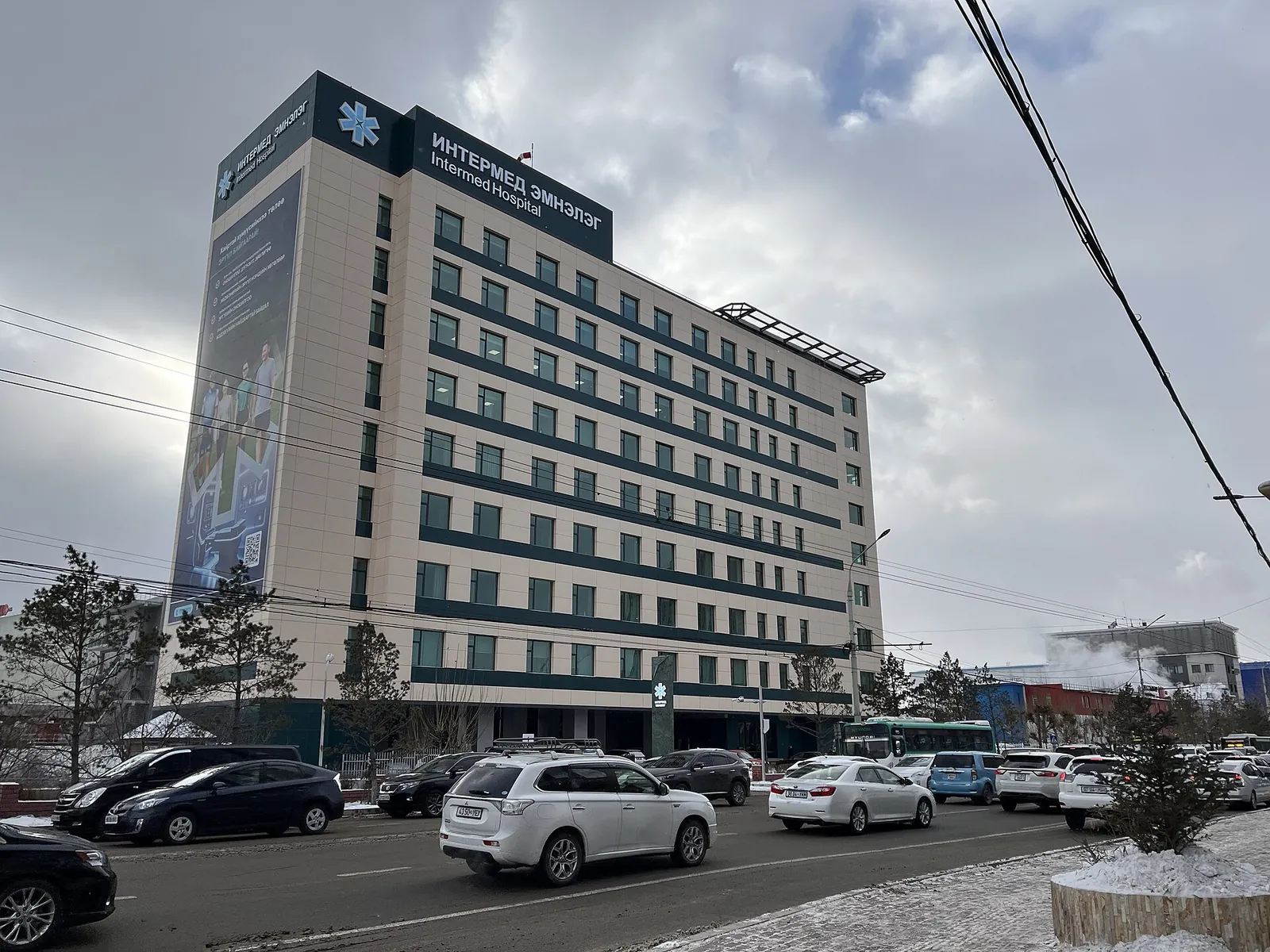
| Intermed Hospital, Chinggis Avenue 41 | Khan-Uul | Emergency department, laboratory and imaging 24 hours a day, every day; main line 7701 1111 |
| GrandMed Hospital, Zaisan | Khan-Uul | Private hospital with outpatient and inpatient care; anaesthesia, intensive care and emergency department; spinal and bone-and-joint surgery |
| SOS Medica Mongolia international clinic, 15th microdistrict | Bayanzürkh | Clinic open 09:00 to 18:00 Monday to Friday, closed at weekends; emergency advice line 9191 3122, in English and Mongolian, 24/7 |
| UB Songdo Hospital, Choidog Street | Sükhbaatar | Part of the Bumrungrad health network; internal medicine, surgery, endoscopy, imaging, laboratory and check-ups |
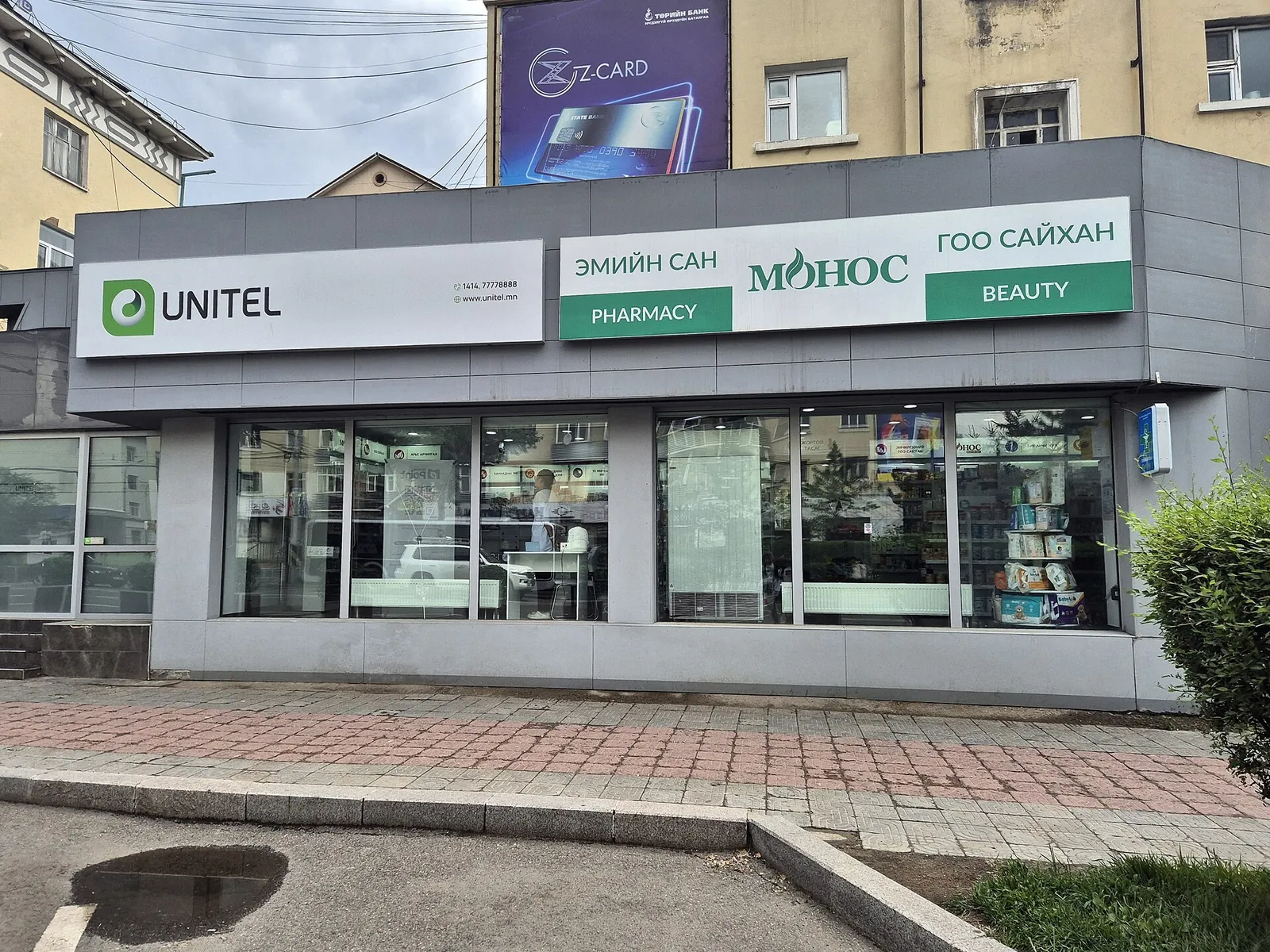
Bring your prescription medicines and a first-aid kit. Pharmacy stock comes mainly from China and Russia, so you may not recognise what you need, and not all Western medicines are available, especially those that fall under narcotics laws. Keep your medicines in their original packaging with a prescription that uses the international generic names, and never take medicines bought in the street, which may be counterfeit. Our entry guide gives the customs rules for bringing them in.
Vaccines, rabies and ticks
No vaccination certificate is required to enter Mongolia, and the US CDC neither requires nor recommends the yellow fever vaccine. Check your vaccines at least 8 weeks before the trip, and ideally see a health professional at least four to six weeks before you go. TravelHealthPro, the UK's travel health service, recommends hepatitis A (for anyone not yet vaccinated) and typhoid for most travellers, plus a tetanus booster if your last dose was more than ten years ago, since medical facilities may be limited. All travellers should be up to date with measles, mumps and rubella (MMR).
Hepatitis B, rabies, tick-borne encephalitis and, for specific groups, the BCG vaccine against tuberculosis are recommended for some travellers, depending on the trip; the US CDC recommends hepatitis B for unvaccinated travellers of all ages. Germany also lists meningitis (A/C/W/Y) for long stays or special exposure.
Rabies deserves the most thought. It has been reported in domestic animals, rabid dogs are commonly found, and the risk of bites from stray dogs and wild animals, bears among them, is high nationwide. After a bite, rabies vaccine may be available only in larger urban and suburban medical facilities, and the vaccine, and especially immunoglobulin, is unavailable or available only in very limited amounts. Complete the vaccine series before you travel, above all with young children, on rural stays and far from the main towns. Avoid contact with all animals, and after any bite or scratch see a doctor at once, even if your vaccination is up to date.
Tick-borne encephalitis is a risk in some areas: cases have been reported in Bulgan, Darkhan-Uul, Orkhon and Selenge provinces, with a possible risk in Töv. Orkhon province is not the Orkhon Valley, which lies in Arkhangai and Övörkhangai provinces. The disease occurs mainly in the north, along the border with Siberia. Ticks are most active from early spring to late autumn; infection happens mainly in spring and summer, more rarely through raw milk, and the vaccine is advised if you will stay in rural or wooded areas. Ticks also carry Lyme disease, so protect yourself against tick and mosquito bites and check your skin after every walk in the countryside, above all in forest.
Water, raw milk, marmots and the diseases animals carry
Drink only bottled or sealed drinks, or water made safe by filtering, boiling or, failing those, a disinfectant. Avoid raw or undercooked fish, meat, poultry and milk, and peel or wash fruit and vegetables.
Raw milk is the local habit to treat with most care. Brucellosis, spread by sick sheep, goats and cattle and by dairy products that have not been cooked enough, is recorded regularly, so be careful with raw milk and raw cheese; avoid unpasteurised milk products altogether, as they can also pass on tick-borne encephalitis. Small outbreaks of anthrax occur in rural regions every year, but the risk comes only from contact with animals or their products: hides, raw milk or meat products.
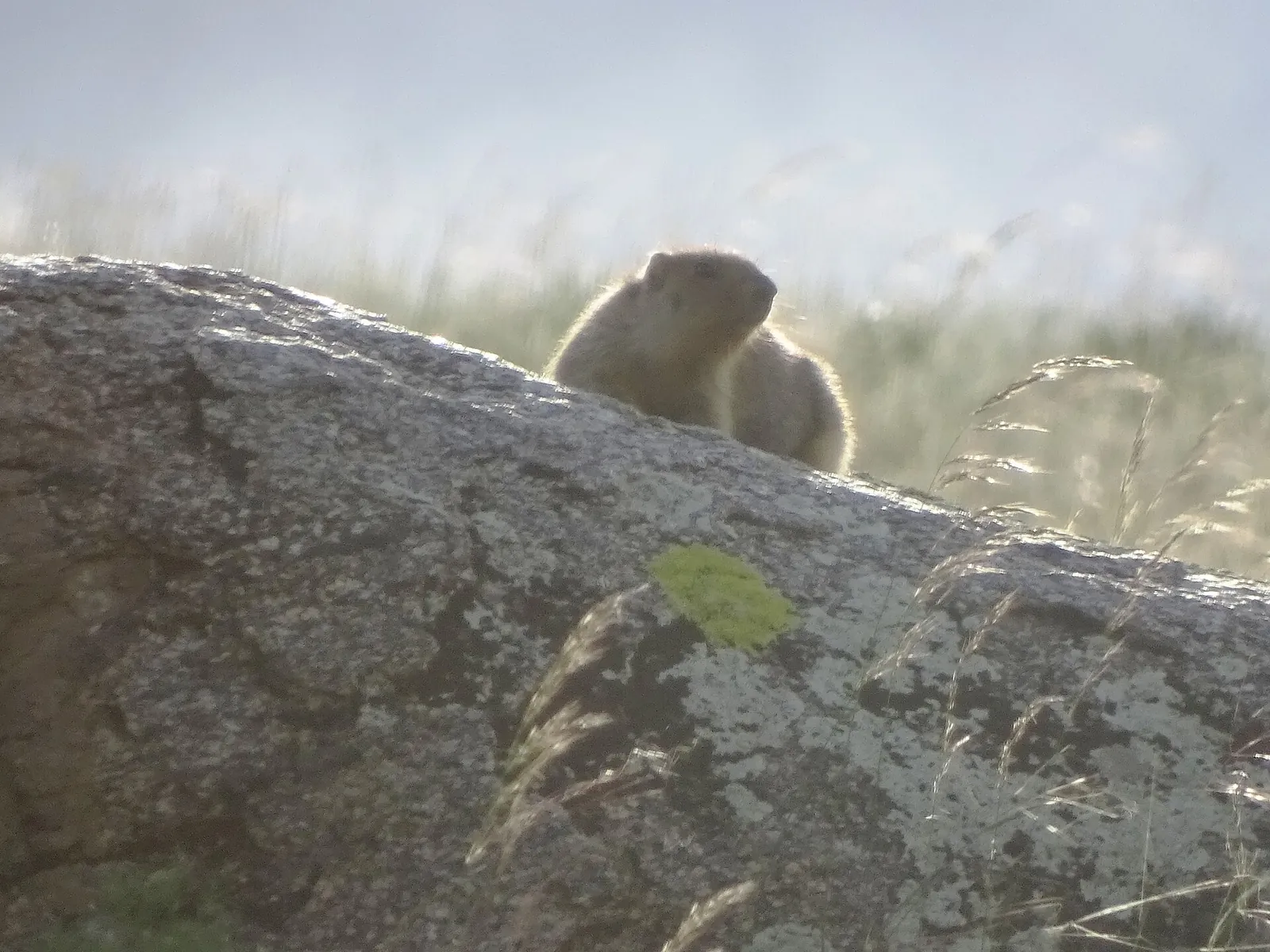
Plague is endemic and passes from sick marmots, which are eaten as a delicacy. Germany says the normal traveller faces practically no risk, since infection needs direct contact with infected rodents, their unprocessed products or infected fleas. France counts 17 of Mongolia's 21 provinces at risk of bubonic plague, citing the National Center for Communicable Diseases, and advises never to handle or eat marmot meat and to use a flea repellent.
Smog, altitude, heat, cold and earthquakes
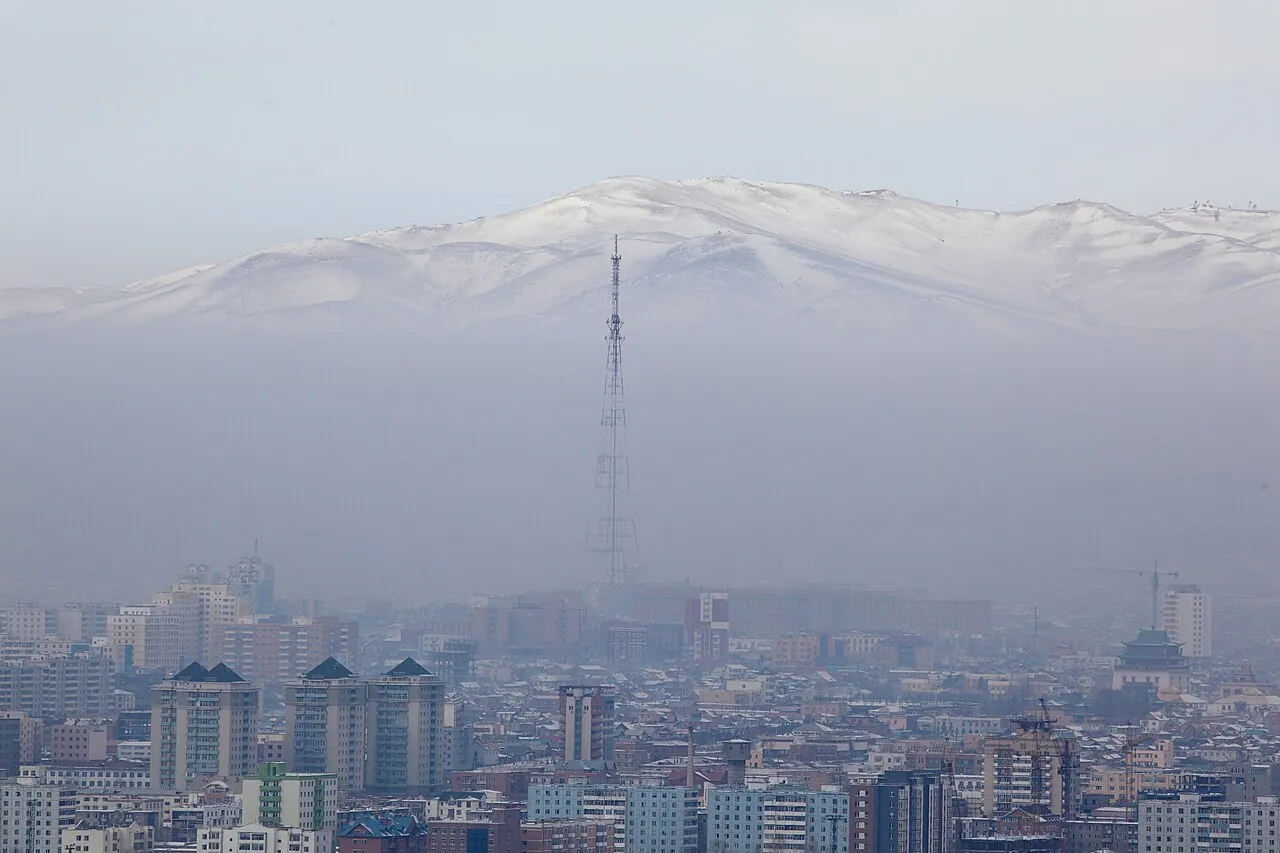
Air pollution in Ulaanbaatar is high, especially in winter, when district heating, traffic and the stoves of the ger settlements send out smoke and temperature inversions make it worse; it exceeds German limits many times over, and the air is also extremely dry. The smog may aggravate bronchial, sinus or asthma conditions, and children, older people and anyone with an existing condition are especially affected. Check the real-time World Air Quality Index before winter days out, and see our guide to the best time to visit Mongolia for the seasons.
Mongolia's weather runs from +35°C in summer to -40°C in winter and at night, and conditions often change without warning. Weather warnings are issued all year for flooding, dust storms, heavy snow and blizzards, strong winds and heatwaves, most extreme in and around the Gobi and the steppes; the short rainy periods run from mid-July to mid-September. In summer, use sunscreen of at least SPF 15 and keep to the shade from 10:00 to 16:00 where you can, because heat illness can be deadly. In the cold, dress in layers and cover your head, hands and feet. Outside Ulaanbaatar in winter, survival equipment is indispensable, and outside urban areas travel with two vehicles.
Altitude sickness is a risk in parts of Mongolia, at 2,500 m and above. Above 3,000 m, avoid raising your sleeping height by more than 500 m a day, and take a rest day at the same altitude every three or four days. Lake Khövsgöl's shore lies at 1,645 m and nothing in Gurvan Saikhan National Park in the Gobi reaches 3,000 m, so the rule matters mainly on treks and climbs in the Khangai range, where Otgontenger rises to 4,021 m, and in the Altai of the far west.
Mongolia lies in a seismically active zone. Seismic activity is strong in the west, and Ulaanbaatar faces a significant risk, with three active faults nearby.
Roads, night driving, horses and rivers
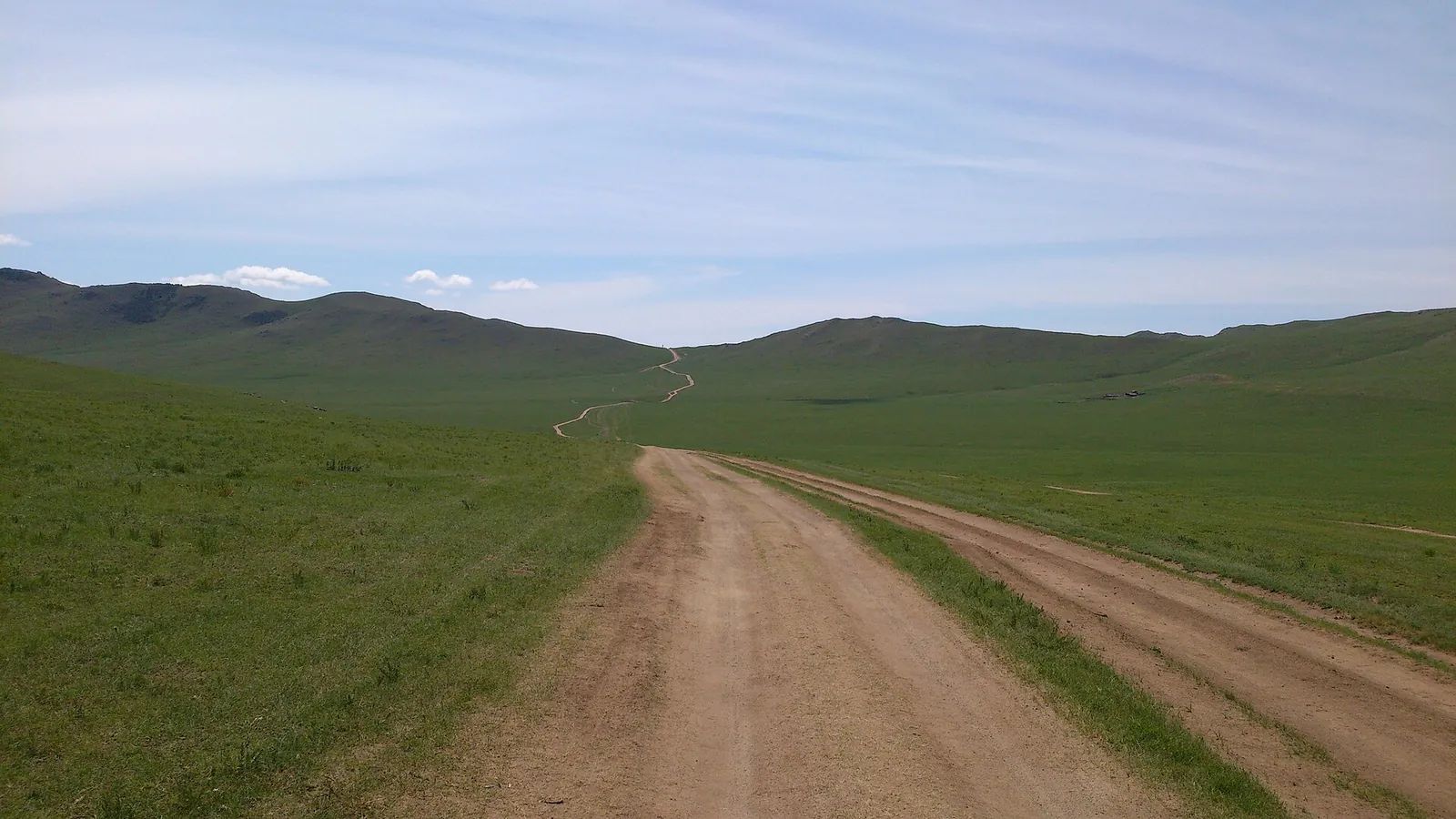
Mongolia has a high number of road accidents, caused by low driving standards, speeding, poorly maintained vehicles, difficult terrain and dangerous road conditions. Outside the capital only about 10% of roads are tarmacked and signposting is minimal, and overland tours carry a higher accident risk, especially off paved roads. Wear a seatbelt on every overland drive and avoid overland journeys after dark: plan each day's drive to end before dark. Our transport guide covers drivers, flights and the main routes.
If you drive yourself, British licence holders need a 1968 international driving permit with their licence; the 1949 permit is no longer accepted. The drink-driving limit is 0.2 per mille of breath alcohol and 0.5 per mille of blood alcohol, with frequent checks and strict penalties. Ulaanbaatar's traffic is dense, with frequent jams, especially at rush hour, and from April to September e-scooters and other small electric vehicles join it, partly on the pavements.
The risk of injury on a riding trip is especially high without a helmet and with saddles that lack safety stirrups, and back protection and a riding hat or helmet are strongly recommended; pack a riding helmet and a back protector unless your operator lists them among the tour inclusions. Take the greatest care with skiing and other risky activities; France strongly advises against paragliding. Canoeing and kayaking on rivers carry considerable dangers without local guides: never go alone, and go with someone who knows the river.
Crime, taxis, scams and the laws that catch visitors
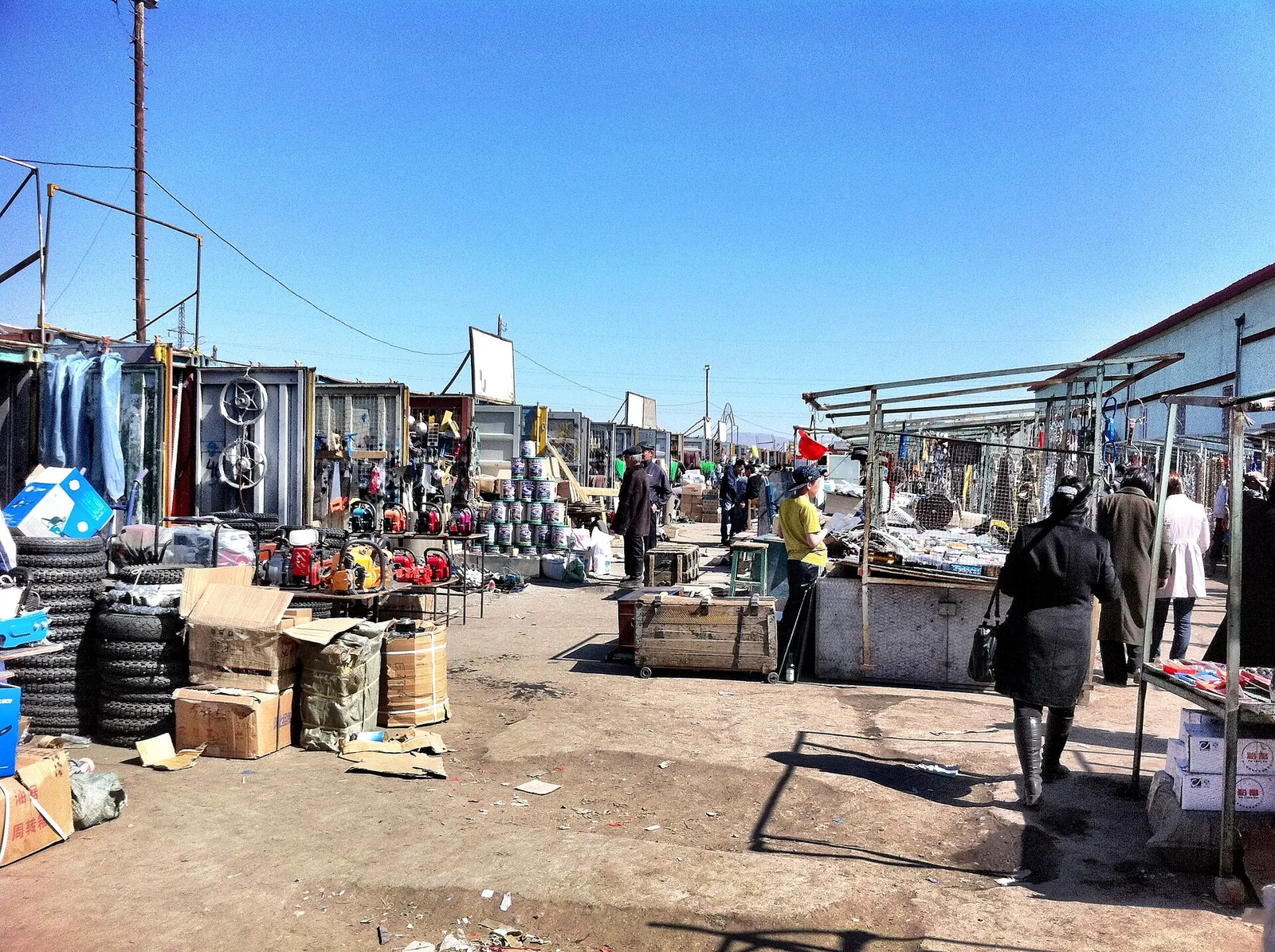
Violent incidents are rare, but foreigners have been assaulted and robbed in Ulaanbaatar, and there is isolated violence by drunk people, also against foreigners. Pickpocketing, bag snatching and confidence tricks are the usual city crimes. They happen most at Narantuul market, the State Department Store and other shopping centres, the central railway station, Sükhbaatar Square, Seoul Street, Chinggis Khaan International Airport and the streets near well-known restaurants, pubs and sights. The risk rises during Tsagaan Sar, the New Year, and during Naadam on 11, 12 and 13 July; our festivals guide gives the 2027 dates of both. Groups that include children and teenagers occasionally surround pedestrians for money as they get into a car or walk into a pub or restaurant. Keep your phone, passport and money in a closed bag, pay by card where you can, carry only the cash you need for the day and leave eye-catching jewellery at home.
In Ulaanbaatar, avoid being out alone at night, take particular care after dark and keep away from the poorer ger districts; foreigners may be followed when they leave nightclubs. Ask your hotel, restaurant or club to order a car. Use only licensed taxis, such as VIP Taxi, or the trackable UBCab app, or book a registered taxi firm through an app or a hotline such as 1900-1950. Private and illegal taxis often charge heavily inflated fares, so agree the fare first if you take one. Always sit in the back and do not let other passengers get in: travellers, outside the cities too, have in some cases been robbed by the driver and accomplices who joined the ride.
Never leave a drink unattended, and where a bar or restaurant shows no clear prices, check the price before you order. Treat unusual e-mails, calls, prize notices, offers and requests for help from supposed acquaintances with suspicion, and share no personal data. Sexual offences occur occasionally in the capital and in the countryside and can also affect foreigners; cases targeting foreign women in the tourist season are regularly reported, so women should avoid moving about alone in little-frequented areas, especially at night.
Carry your passport at all times: a 2017 law requires it, and the police will not accept a copy and can fine you. Keep copies of the photo page and the entry stamp separately. Possessing or using any drug, cannabis included, is illegal, and drug trafficking can bring a life sentence. Photographing or filming police, police escorts or military personnel is illegal and can lead to arrest and a fine, and photography is banned near military and security sites. In Buddhist monasteries, ask before you take pictures and do not touch sacred images or objects. Buying, selling, killing or capturing a protected wild animal, or trading its parts, without a licence can bring a fine or prison.
Same-sex relationships are not illegal but are not generally accepted socially. Mongolia has comprehensive anti-discrimination laws that cover sexual orientation and gender identity, but violent attacks on LGBTIQ people can occur. If you are the victim of a crime, report it: the government asks foreigners to do so, and once you have made the report you need have no further involvement and are free to leave.
Practical questions
Is Mongolia safe for tourists?
For most visitors, yes, with care. Violent incidents are rare, and neither the UK nor Germany advises against travel to any part of the country; France places all of Mongolia under heightened vigilance. The real risks are road accidents, injuries far from a hospital, rabies and pickpockets in Ulaanbaatar.
What is the emergency number in Mongolia?
Ambulance 103, police 102 (+976 102 from a foreign mobile phone) and fire 101. The National Emergency Management Agency takes emergency calls on 101 and 105.
What vaccinations do I need for Mongolia?
None is required for entry. TravelHealthPro recommends hepatitis A, tetanus and typhoid for most travellers, and MMR should be up to date. Hepatitis B, rabies, tick-borne encephalitis and BCG depend on the trip, and the US CDC recommends hepatitis B for all unvaccinated travellers.
Do I need a rabies vaccine for Mongolia?
Discuss it with your travel clinic, especially for rural trips, stays far from the main towns and travel with young children. Rabid dogs are common, and after a bite the vaccine, and especially immunoglobulin, can be hard to find outside larger towns. See a doctor at once after any animal bite, even if you are vaccinated.
Do hospitals in Mongolia ask for payment up front?
Yes. Hospitals ask for 80% of the treatment cost in advance, private hospitals in Ulaanbaatar can be extremely expensive, and the private clinics named in this guide publish no prices. Keep the insurer's emergency line with your passport, and take insurance that covers medical treatment, an air ambulance home and repatriation.
Is it safe to drive in Mongolia at night?
No: avoid overland journeys after dark. Outside the capital only about 10% of roads are tarmacked, signposting is minimal and help can be many hours away.
Are taxis safe in Ulaanbaatar?
Licensed ones are. Use a licensed taxi such as VIP Taxi or the trackable UBCab app, sit in the back and let no one else get in. Private and illegal cars often overcharge, and travellers have in some cases been robbed by drivers and their accomplices.
Keep planning your trip
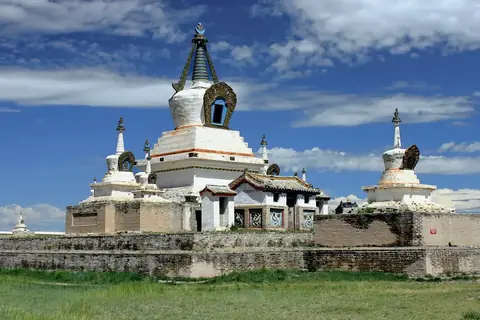
First trip to Mongolia
A first Mongolia trip: why you travel with a driver-guide, the ten-day Gobi and Kharkhorin loop, ger camps and manners, entry, cash, SIM cards and daily costs.
Read the guide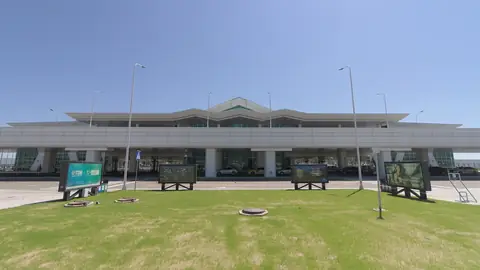
Entering Mongolia
Who can visit Mongolia without a visa and until when, what changes for a 2027 trip, the 48-hour address registration, and what customs lets you bring in and take home.
Read the guide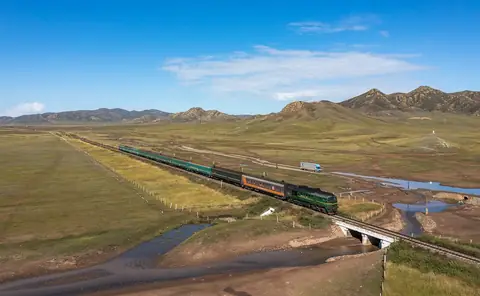
Getting around Mongolia
Chinggis Khaan airport to Ulaanbaatar, the train from Beijing, flights to the Gobi and Lake Khövsgöl, long-distance buses and hiring a driver-guide.
Read the guide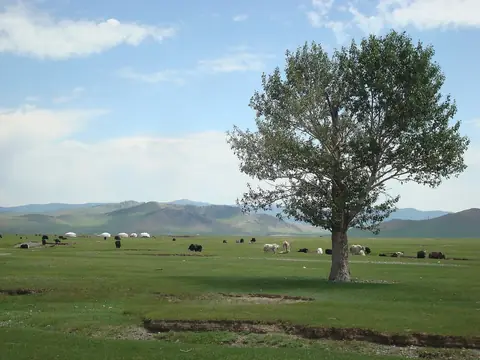
Best time to visit Mongolia
When to go to Mongolia: the June to September camp season, July's Naadam crowds, the Gobi's summer heat, Ulaanbaatar's long winter and the camps that close for it.
Read the guide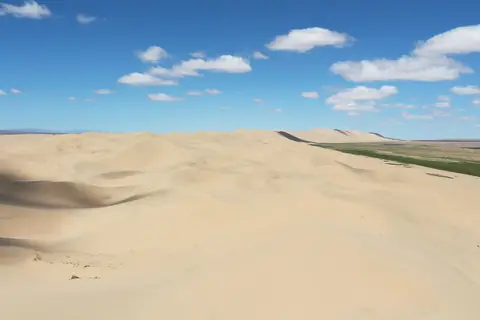
Mongolia trip cost
Ten days in Mongolia for two, all in: about MNT 6.76 million per person on a group tour, MNT 10.28 million on a private tour or MNT 12.93 million in comfort.
Read the guide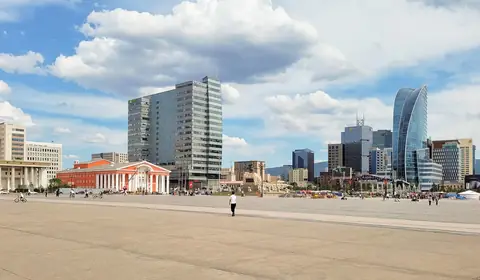
Ulaanbaatar
How many nights Mongolia's capital needs: Sükhbaatar Square, the Chinggis Khaan museum, Gandan and Choijin Lama temples, the Bogd Khan Palace, hotels and costs.
Read the guideSources and checks before you travel
(20)
- UK Foreign Office (GOV.UK): Mongolia travel advice, warnings and insurance ↗ — opens in a new tab
- UK Foreign Office (GOV.UK): Mongolia safety and security ↗ — opens in a new tab
- UK Foreign Office (GOV.UK): Mongolia health ↗ — opens in a new tab
- UK Foreign Office (GOV.UK): Mongolia getting help ↗ — opens in a new tab
- Auswärtiges Amt: Mongolei, Reise- und Sicherheitshinweise ↗ — opens in a new tab
- France Diplomatie: Mongolie, conseils aux voyageurs (sécurité) ↗ — opens in a new tab
- France Diplomatie: Mongolie, conseils aux voyageurs (santé) ↗ — opens in a new tab
- TravelHealthPro (NaTHNaC): Mongolia ↗ — opens in a new tab
- US CDC Travelers' Health: Mongolia ↗ — opens in a new tab
- National Emergency Management Agency of Mongolia ↗ — opens in a new tab
- Intermed Hospital (Ulaanbaatar) ↗ — opens in a new tab
- GrandMed Hospital (Ulaanbaatar) ↗ — opens in a new tab
- SOS Medica Mongolia ↗ — opens in a new tab
- UB Songdo Hospital ↗ — opens in a new tab
- Chinggis Khaan International Airport: official taxi service ↗ — opens in a new tab
- Mongolian protected areas administration: Otgontenger Strictly Protected Area ↗ — opens in a new tab
- Mongolian protected areas administration: Altai Tavan Bogd National Park ↗ — opens in a new tab
- Mongolian protected areas administration: Khövsgöl National Park ↗ — opens in a new tab
- Mongolian protected areas administration: Gobi Gurvan Saikhan National Park ↗ — opens in a new tab
- Mongolian protected areas administration: Orkhon Valley Natural Complex ↗ — opens in a new tab
Reference sources for the version dated 8 November 2026. Confirm opening times, access, transport and conditions for your travel dates.
Photo credits
(6)
A dirt road about ten kilometres north of Saikhan in Bulgan Province; outside the capital only about 10% of roads are tarmacked.
Photograph: Römert — opens in a new tab · CC BY-SA 4.0 — opens in a new tab
Changes: Resized and converted to WebP; displayed with responsive crops. · Original photograph and licence details ↗ — opens in a new tab
Narantuul market in Ulaanbaatar, one of the places where France and Germany warn of pickpockets.
Photograph: https://www.flickr.com/photos/joeflasher/ — opens in a new tab · CC BY-SA 2.0 — opens in a new tab
Changes: Resized and converted to WebP; displayed with responsive crops. · Original photograph and licence details ↗ — opens in a new tab
Intermed Hospital, one of the private international clinics in Ulaanbaatar.
Photograph: LittleT889 — opens in a new tab · CC BY 4.0 — opens in a new tab
Changes: Resized and converted to WebP; displayed with responsive crops. · Original photograph and licence details ↗ — opens in a new tab
A pharmacy in Sükhbaatar district, Ulaanbaatar; pharmacy stock in Mongolia comes mainly from China and Russia.
Photograph: Chongkian — opens in a new tab · CC BY-SA 4.0 — opens in a new tab
Changes: Resized and converted to WebP; displayed with responsive crops. · Original photograph and licence details ↗ — opens in a new tab
Smog over Ulaanbaatar seen from the Zaisan Memorial; the city's air pollution is worst in winter.
Photograph: Einar Fredriksen — opens in a new tab · CC BY-SA 2.0 — opens in a new tab
Changes: Resized and converted to WebP; displayed with responsive crops. · Original photograph and licence details ↗ — opens in a new tab
Siberian marmots in Hustai National Park; plague passes to people from sick marmots, so never handle or eat their meat.
Photograph: Ljuba brank — opens in a new tab · CC BY-SA 4.0 — opens in a new tab
Changes: Resized and converted to WebP; displayed with responsive crops. · Original photograph and licence details ↗ — opens in a new tab