Plan your trip
Cash or card in Mongolia? Tögrög, ATMs, countryside cash and tipping
Paying in Mongolia divides at the edge of the capital. In Ulaanbaatar, the larger hotels, restaurants and shops that foreign visitors use take the usual credit cards, more and more cash machines accept cards from abroad, and even the airport bus takes a card. Out on the steppe the picture changes: drawing cash with a card is rarely possible and money can be changed only in the aimag (provincial) centres, so the tögrög you carry out of the city is largely the money you have. This guide covers the notes and the official rate, which foreign notes to bring and where and when to change them, what a bank ATM pays out to a foreign card, what a countryside tour leaves you to pay in cash, money for a hospital bill, the airport bus, city buses and taxis, tipping guides and drivers, and what to declare at customs.
In this guide
Find the location ↗ — opens in a new tabThe short answer
Bring a Visa or Mastercard and plan to pay in tögrög (MNT), Mongolia's currency: by law, all payments in Mongolia must be made in tögrög. In Ulaanbaatar, larger hotels, restaurants and shops used by foreigners accept common credit cards, and more and more ATMs take foreign cards; at Trade and Development Bank's machines a foreign card draws at most MNT 700,000 (about USD 194) per withdrawal. If a terminal or ATM offers to charge you in your home currency, choose tögrög. In the countryside, card cash is only rarely possible and money can be changed only in the aimag centres, so take the cash for a tour's extras from Ulaanbaatar: on an eight-day group tour, the suggested tips alone come to about MNT 288,000-576,000 per person. Two prices: the X:19 airport bus costs MNT 15,000 per adult and takes cards, and the official airport taxi charges MNT 120,000 for a standard car to the city centre. The Bank of Mongolia's rate on 8 November 2026 was USD 1 = MNT 3,600.44.
- Key point
- Set up before you fly: a Visa or Mastercard, a check of your bank's foreign fees, and dollars or euros in good condition; draw or change tögrög on arrival
- Where it applies
- Cards work mainly in Ulaanbaatar; outside the capital, plan on cash changed or withdrawn before you leave the city
- Timing
- All year; cards work mainly in Ulaanbaatar
The tögrög: notes, coins and the rate
Mongolia's currency is the tögrög (MNT), which the Bank of Mongolia spells togrog in English and the German Foreign Office calls the tugrik. The Bank of Mongolia lists banknotes of 1, 5, 10, 20, 50, 100, 500, 1,000, 5,000, 10,000 and 20,000 tögrög in circulation, and coins of 20, 50, 100, 200 and 500 tögrög. The portraits help you sort the notes: Chinggis Khaan appears on the notes from 500 to 20,000 tögrög, and Sükhbaatar on the small notes from 5 to 100.
On 8 November 2026 the Bank of Mongolia's rate was USD 1 = MNT 3,600.44, so a 10,000 note is worth a little under USD 2.80 and a 20,000 note about USD 5.55. The central bank publishes this official rate as valid for the next day for accounting purposes, so the rate at a bank counter or exchange office can differ.
Prices and times checked 8 November 2026
What things cost, and how much cash to carry
A few everyday prices in Ulaanbaatar give a sense of scale. At the Metro Mall branch of Modern Nomads, a Mongolian restaurant chain, a portion of buuz (meat dumplings) costs MNT 30,900 (about USD 8.58), khuushuur (fried meat pastries) MNT 28,900, a Mongolian milk tea MNT 3,500 and a half-litre of still water MNT 5,500; the chain says prices may differ by branch. A city bus ride costs MNT 1,000. An adult ticket to the Chinggis Khaan National Museum costs MNT 30,000 for the permanent exhibition or MNT 45,000 with the Hall of the Great Khaan. Unitel's 10-day tourist SIM with 15 GB costs MNT 25,000 plus MNT 5,000 for the SIM card, MNT 30,000 in all.
In the city, where the larger places take cards, cash for the day is enough. For a countryside tour, the tips for your guide and driver are the largest cash item, followed by whatever you plan to spend on drinks, laundry and phone calls, which View Mongolia's eight-day tour, for one, leaves out.
Prices and times checked 8 November 2026
Pay in tögrög: which notes to bring and where to change them
By law, all payments in Mongolia must be made in tögrög, so plan to change your dollars or euros, or to withdraw tögrög from an ATM, rather than to pay with foreign notes.
US dollars and euros can be changed at all banks and exchange offices. Leave 200 and 500 euro notes at home, as they can be refused because of increasing cases of fraud, and bring clean, undamaged notes, because in some cases damaged notes get a worse exchange rate.
Your first chance is on arrival: the airport has a bank, ATMs and currency exchange. In the city, mind bank hours. On Trade and Development Bank's (TDB) branch list, most branches open Monday to Friday from 09:00 to 17:00 and close at weekends; some branches in shopping malls keep longer hours, such as the one in the E-Mart Tenger mall on Enkhtaivan street, open 09:30-20:00 on weekdays and 11:00-20:00 on Saturday and Sunday. If you land on a Friday evening or plan to leave for the countryside on a Monday morning, change money or use an ATM before the weekend closes the counters.
Cards, QR codes and the home-currency offer
All larger hotels, restaurants and shops that foreigners often use accept common credit cards. In the city, paying by card where you can is also the safer habit: the German Foreign Office's crime advice asks visitors to prefer cashless payment.
QR-code payment is growing markedly, above all in the cities, but the providers are mostly local and as a rule need a Mongolian bank account or a local app, so foreign travellers can use QR payment only to a limited extent or not at all. Where a counter shows only a QR code, pay by card or in cash, and carry the physical card rather than relying on a phone.
If a card terminal or an ATM offers to charge you in your home currency, decline and pay in tögrög. Visa explains that this offer, dynamic currency conversion, includes an exchange rate and additional fees, and that merchants and ATMs should give you the choice to accept or decline and must not choose on your behalf. If the details are missing or you feel pressured, Visa recommends declining the offer and reporting the incident to your card issuer.
ATMs: card networks and withdrawal limits
Ulaanbaatar has more and more ATMs where common credit and debit cards work. Trade and Development Bank (TDB), for example, runs about 240 ATMs and accepts Visa, Mastercard, JCB, UnionPay, Diners Club and Discover, and Pulse cards at them, so a TDB machine is a good first try if your card is on one of the less common networks.
At TDB's ATMs, a foreign card can draw at most MNT 700,000 (about USD 194) per transaction, and the total you can take out is also limited by your own card's limit. That is TDB's rule rather than a national one, but it means a larger sum takes several withdrawals. Your own bank may also charge a fee for each cash withdrawal abroad, and such a fee adds up when each withdrawal is capped.
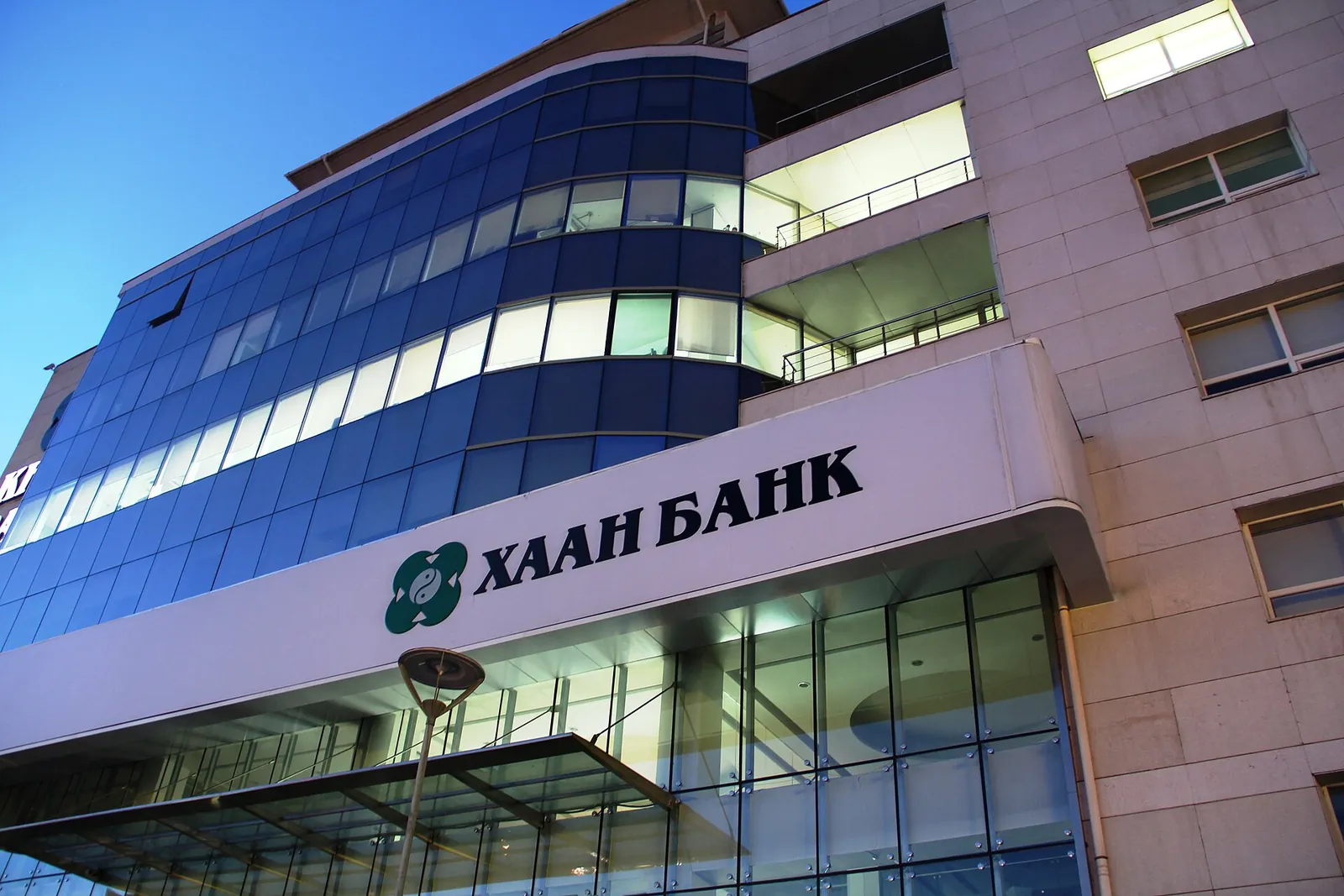
You can also withdraw cash with a credit card at larger banks, and at some banks, Khan Bank among them, with a debit card.
Prices and times checked 8 November 2026
Cash for a countryside tour and for a hospital bill
Outside Ulaanbaatar, getting cash with a card is only rarely possible, and money can be changed only in the aimag centres, the provincial towns. Before a longer trip, change or withdraw enough tögrög in Ulaanbaatar.
How much is enough depends on what your tour leaves out. The tour itself is the biggest payment of the trip, settled with the operator. View Mongolia's eight-day Gobi and Orkhon Valley tour, for example, costs USD 1,373 per person on a group tour or USD 2,150 per person on a private tour for two, and the operator invoices a deposit of 25% of the tour price on booking, payable by bank transfer (you pay the transfer fee) or by credit card. It includes the hotel night, the ger camps, the van, an English-speaking guide, bottled water, horse and camel rides, park and museum entry and the meals listed in its itinerary, but not bar bills, laundry, phone calls, the departure airport transfer or tips. The tips are the largest of the extras: at the suggested USD 10-20 per person per day for the guide and driver of a group tour, eight days come to USD 80-160 each, about MNT 288,000-576,000 at the 8 November 2026 rate, not counting drinks and laundry. Our first-trip guide explains what a tour usually covers, and the trip-cost guide prices the whole trip.
Keep a way to pay for medical care as well. At hospitals you will have to pay 80% of the treatment cost in advance, so make sure you have access to funds and insurance cover: a working card, some reserve cash and travel insurance matter most on a trip far from the capital.
Prices and times checked 8 November 2026
Arriving and getting around: the X:19 bus, city buses and taxis
Chinggis Khaan International Airport lists a bank, ATMs and currency exchange among its passenger services, so you can get your first tögrög before you leave the terminal.
The X:19 bus between the airport and Sükhbaatar Square costs MNT 15,000 for an adult and MNT 7,000 for a child, and you can pay with any type of card; seats can also be booked up to three days ahead in the UBCARD app. The official taxi counter on the terminal's first floor charges a fixed MNT 120,000 for a standard car (a Hyundai Sonata) to the city centre, or MNT 170,000 for a VIP car booked no later than two hours ahead. Our transport guide covers both rides in detail.
City buses in Ulaanbaatar cost MNT 1,000 a ride, paid in cash or with any bank card that supports contactless (NFC) payment; a bank card pays each ride separately. If you will ride often, a UBcard, sold for MNT 3,600 at the city's ticket kiosks, gives four rides a day for MNT 1,000 on every route except the airport, Baganuur and Bagakhangai lines; tap it when you get off as well as when you get on, or the next ride is not counted as a transfer.
In town, ask the fare before you get into a taxi, and use mainly registered taxi firms booked by app or hotline, such as UBCab, VIP-Taxi or 19001950.
Prices and times checked 8 November 2026
Tipping guides, drivers and restaurants
Tipping is not a traditional practice in Mongolia, and no official body sets a tipping norm. Guru Travel Mongolia, a tour operator, says most hotels and restaurants already include a service charge and that a small tip of around 5-10% of the bill is appreciated for exceptional service but not required.
On tours, tipping the guide and the driver is customary. For a group tour, the same operator suggests USD 10-20 per person per day for the guide and the driver; on a private tour, some travellers tip 10-20% of the tour price, shared between the two, and the operator recommends tipping drivers as much as guides. Both tögrög and US dollars are commonly accepted for tips, handed over at the end of the tour in an envelope or as a folded note.
Keeping money safe, and what to declare
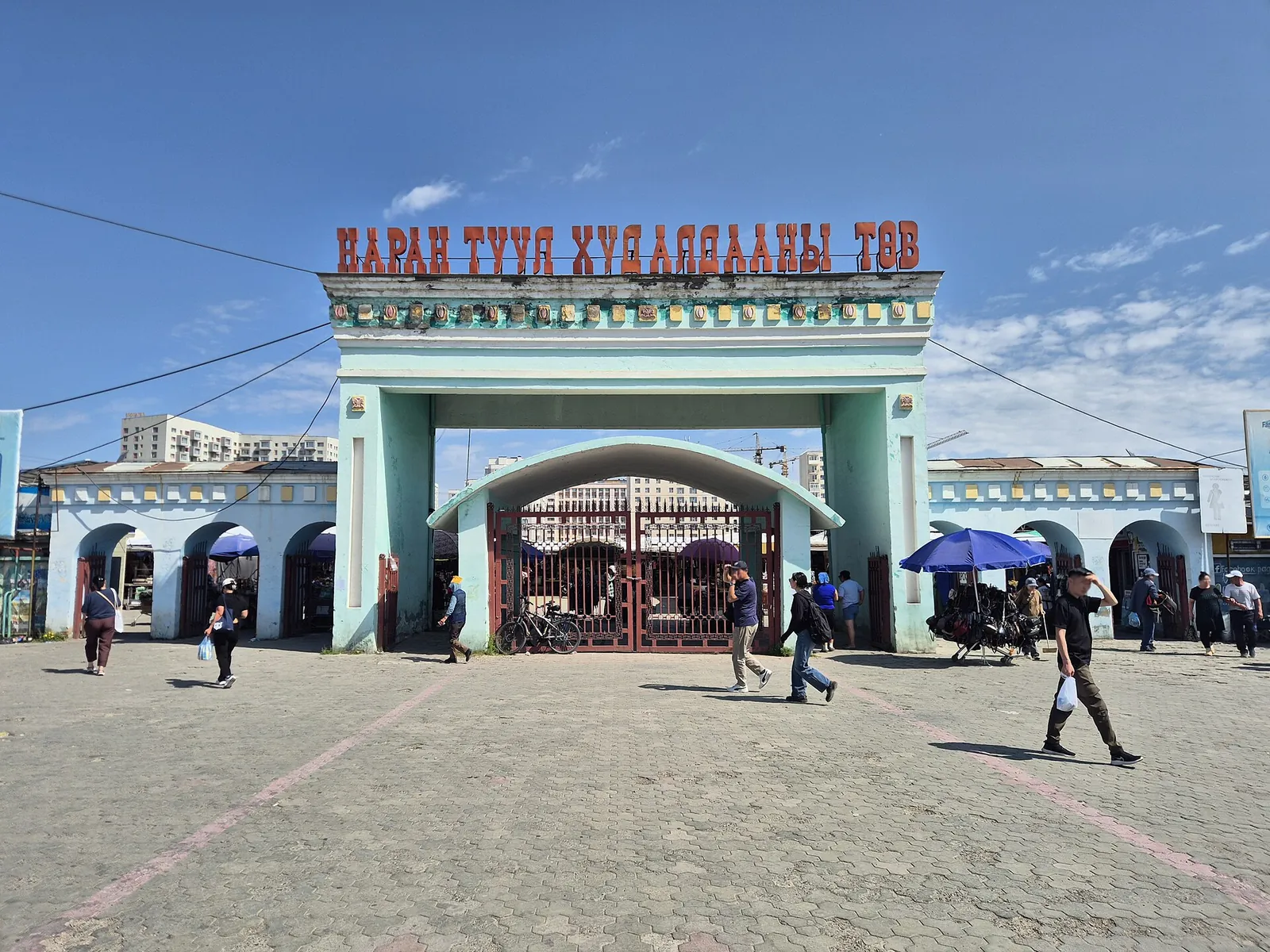
In Ulaanbaatar, expect big-city crime such as pickpocketing, robbery and trick fraud, with pickpocketing and bag snatching especially in tourist areas such as Narantuul Market, shopping centres and department stores, and near well-known restaurants, pubs and sights. Pickpockets may also operate in markets and crowded places, and the risk increases during Tsagaan Sar (the New Year, celebrated between December and February) and Naadam (July).
Occasionally, large groups, including children and teenagers, harass pedestrians for money as they get into vehicles or walk into pubs or restaurants. Keep your phone, passport and money in a secured bag on you, carry only the cash you need for the day and no eye-catching jewellery, leave other valuables in a hotel safe if possible, and do not keep all your papers and money in one bag.
Tögrög and foreign currency can be brought in without limit, but you must declare in writing cash from MNT 15 million (about USD 4,166), or the same value in foreign currency, financial instruments or e-money. Foreign currency can be taken out up to the amount declared, and the UK Foreign Office warns that without a certified declaration your money could be seized when you leave. Our Mongolia entry guide covers the rest of the customs rules.
Practical questions
Can I pay by card in Mongolia?
In Ulaanbaatar, yes, in many places: all larger hotels, restaurants and shops that foreigners often use accept common credit cards, and the airport bus takes any type of card. Outside the capital, plan on cash. Local QR payments generally need a Mongolian bank account or app, so they work for visitors only to a limited extent or not at all.
How much can I withdraw from an ATM in Mongolia?
It depends on the bank. At Trade and Development Bank's ATMs, a foreign card can draw at most MNT 700,000 (about USD 194) per transaction, and your own card's limit caps the total. Your own bank may charge a fee for each withdrawal abroad.
Can I pay in US dollars in Mongolia?
By law, all payments in Mongolia must be made in tögrög. Change US dollars or euros at a bank or exchange office, which all take both, and leave 200 and 500 euro notes at home, as they can be refused. For tips, US dollars are commonly accepted as well as tögrög.
Can I get cash in the Mongolian countryside?
Only with difficulty: a card gets you cash only rarely outside Ulaanbaatar, and only the aimag centres change money. Take the tögrög for the whole loop from the capital, including the tips for your guide and driver, the largest cash item on a tour.
How do I pay for buses in Ulaanbaatar?
MNT 1,000 a ride in cash or with a contactless (NFC) bank card. A UBcard (MNT 3,600 at the ticket kiosks) gives four rides a day for MNT 1,000 on every route except the airport, Baganuur and Bagakhangai lines; the X:19 airport bus costs MNT 15,000 and takes any card.
How much should I tip a guide and driver in Mongolia?
Guru Travel Mongolia, a tour operator, suggests USD 10-20 per person per day for the guide and the driver on a group tour; on a private tour, some travellers tip 10-20% of the tour price, shared between them. Tögrög and US dollars are both commonly accepted.
How much cash can I bring into Mongolia?
As much as you like, but you must declare in writing cash from MNT 15 million (about USD 4,166) or the same value in foreign currency, financial instruments or e-money. Foreign currency can be taken out again up to the amount declared.
Keep planning your trip
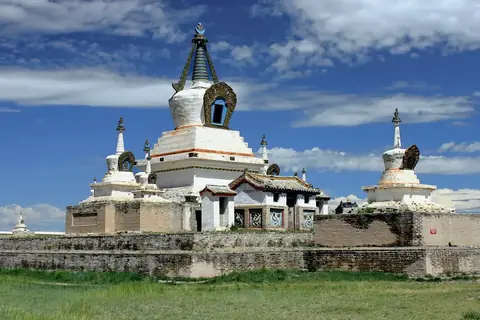
First trip to Mongolia
A first Mongolia trip: why you travel with a driver-guide, the ten-day Gobi and Kharkhorin loop, ger camps and manners, entry, cash, SIM cards and daily costs.
Read the guide
Mongolia trip cost
Ten days in Mongolia for two, all in: about MNT 6.76 million per person on a group tour, MNT 10.28 million on a private tour or MNT 12.93 million in comfort.
Read the guide
Entering Mongolia
Who can visit Mongolia without a visa and until when, what changes for a 2027 trip, the 48-hour address registration, and what customs lets you bring in and take home.
Read the guide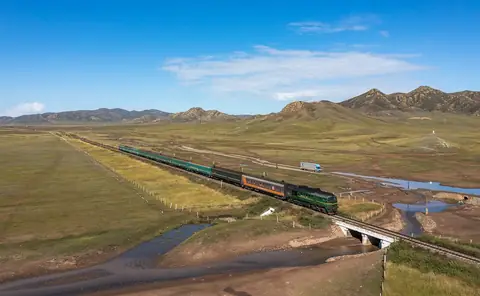
Getting around Mongolia
Chinggis Khaan airport to Ulaanbaatar, the train from Beijing, flights to the Gobi and Lake Khövsgöl, long-distance buses and hiring a driver-guide.
Read the guide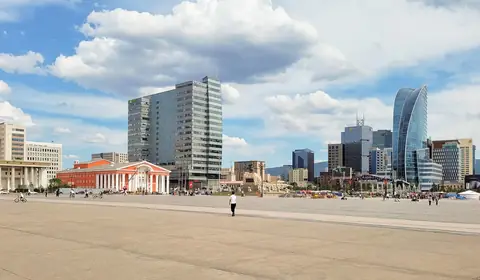
Ulaanbaatar
How many nights Mongolia's capital needs: Sükhbaatar Square, the Chinggis Khaan museum, Gandan and Choijin Lama temples, the Bogd Khan Palace, hotels and costs.
Read the guide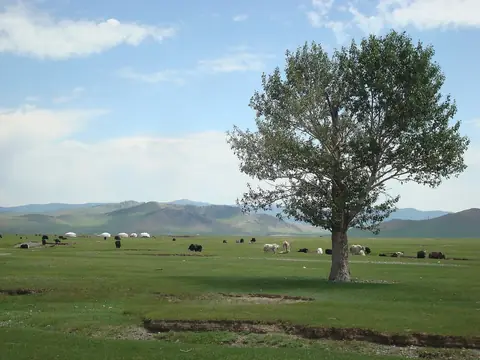
Best time to visit Mongolia
When to go to Mongolia: the June to September camp season, July's Naadam crowds, the Gobi's summer heat, Ulaanbaatar's long winter and the camps that close for it.
Read the guideSources and checks before you travel
(23)
- Bank of Mongolia: home page (exchange rate) ↗ — opens in a new tab
- Bank of Mongolia: currency in circulation ↗ — opens in a new tab
- Bank of Mongolia: banknotes ↗ — opens in a new tab
- Bank of Mongolia: coins ↗ — opens in a new tab
- Bank of Mongolia: exchange rates ↗ — opens in a new tab
- German Foreign Office (Auswärtiges Amt): Mongolia travel and safety advice (in German) ↗ — opens in a new tab
- Trade and Development Bank: ATM ↗ — opens in a new tab
- Trade and Development Bank: branches ↗ — opens in a new tab
- Visa: dynamic currency conversion ↗ — opens in a new tab
- Chinggis Khaan International Airport: customs office (in Mongolian) ↗ — opens in a new tab
- Chinggis Khaan International Airport: official taxi ↗ — opens in a new tab
- Ulaanbaatar Public Transport Policy Department: X:19 airport bus (in Mongolian) ↗ — opens in a new tab
- Ulaanbaatar Public Transport Policy Department: fares and UBcard (in Mongolian) ↗ — opens in a new tab
- UK Foreign Office (GOV.UK): Mongolia entry requirements ↗ — opens in a new tab
- UK Foreign Office (GOV.UK): Mongolia health ↗ — opens in a new tab
- UK Foreign Office (GOV.UK): Mongolia safety and security ↗ — opens in a new tab
- France Diplomatie: Mongolia travel advice, security (in French) ↗ — opens in a new tab
- Chinggis Khaan National Museum: visit ↗ — opens in a new tab
- Unitel: tourist SIM plans ↗ — opens in a new tab
- Modern Nomads: menu, Metro Mall branch (in Mongolian) ↗ — opens in a new tab
- View Mongolia (tour operator): Gobi Desert and Orkhon Valley tour, 8 days ↗ — opens in a new tab
- View Mongolia (tour operator): FAQ, booking terms ↗ — opens in a new tab
- Guru Travel Mongolia (tour operator): tipping in Mongolia ↗ — opens in a new tab
Reference sources for the version dated 8 November 2026. Confirm opening times, access, transport and conditions for your travel dates.
Photo credits
(5)
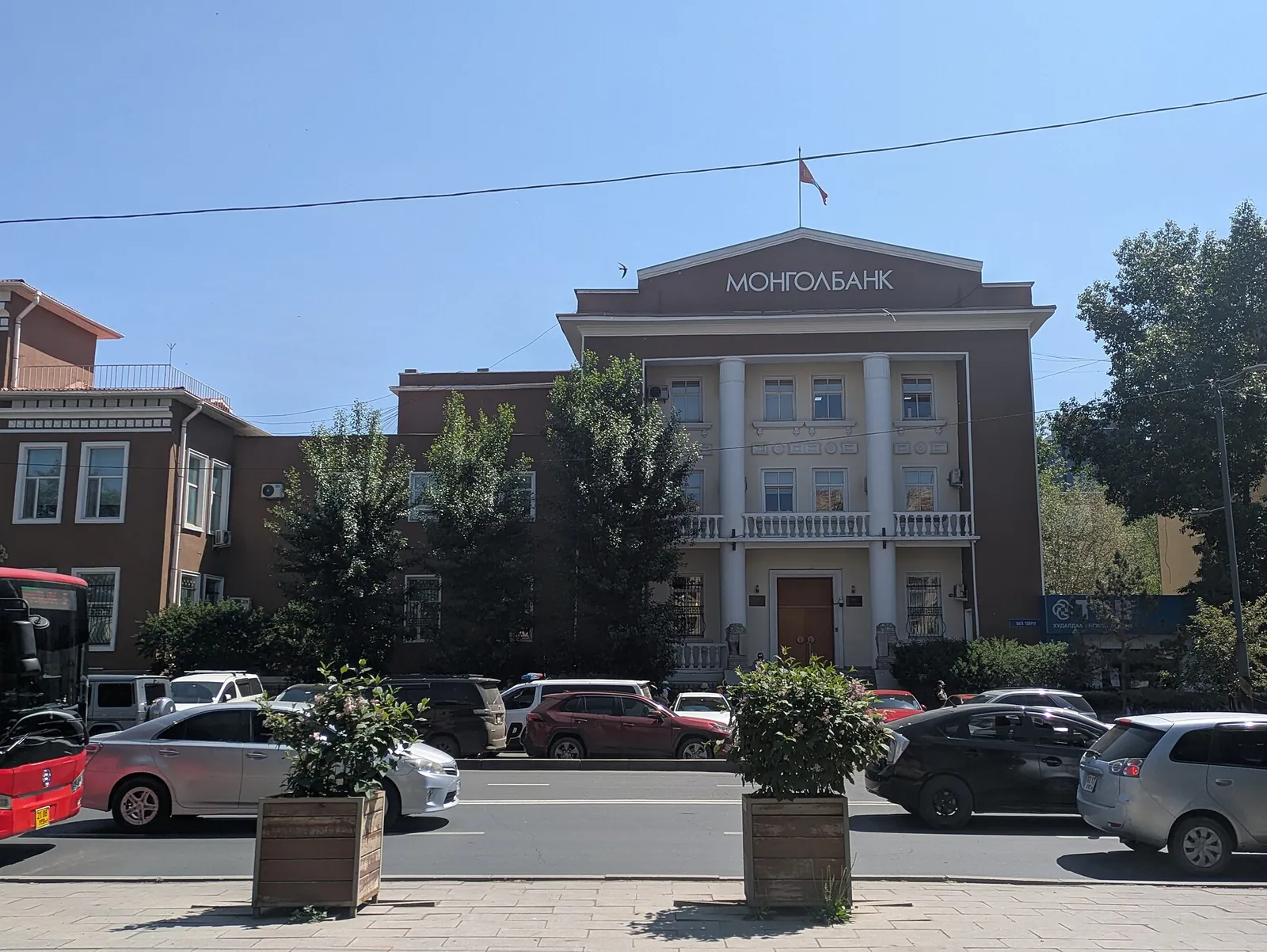
The Bank of Mongolia's headquarters in Ulaanbaatar; the central bank publishes the official tögrög rate.
Photograph: Chinneeb — opens in a new tab · CC BY 4.0 — opens in a new tab
Changes: Resized and converted to WebP; displayed with responsive crops. · Original photograph and licence details ↗ — opens in a new tab
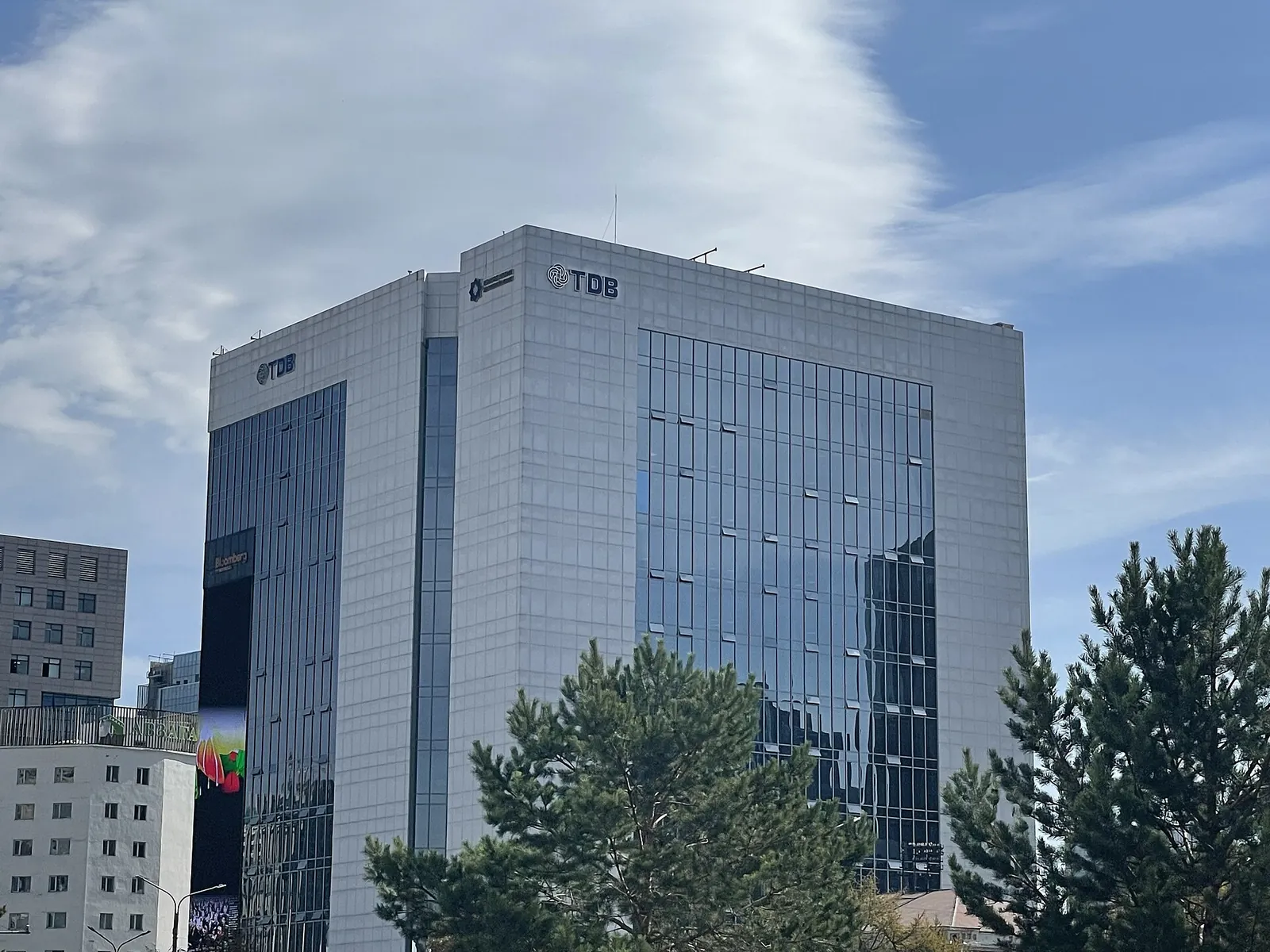
Trade and Development Bank's headquarters in Ulaanbaatar; the bank runs about 240 ATMs that take foreign cards.
Photograph: SunDawn — opens in a new tab · CC BY-SA 4.0 — opens in a new tab
Changes: Resized and converted to WebP; displayed with responsive crops. · Original photograph and licence details ↗ — opens in a new tab
Khan Bank's head office in Ulaanbaatar, photographed in 2012; at some banks, Khan Bank among them, you can withdraw cash with a debit card.
Photograph: Buyantsog — opens in a new tab · CC BY-SA 3.0 — opens in a new tab
Changes: Resized and converted to WebP; displayed with responsive crops. · Original photograph and licence details ↗ — opens in a new tab
The gate of Narantuul Market in eastern Ulaanbaatar, a busy market where pickpocketing and bag snatching are a known risk.
Photograph: Chongkian — opens in a new tab · CC BY-SA 4.0 — opens in a new tab
Changes: Resized and converted to WebP; displayed with responsive crops. · Original photograph and licence details ↗ — opens in a new tab
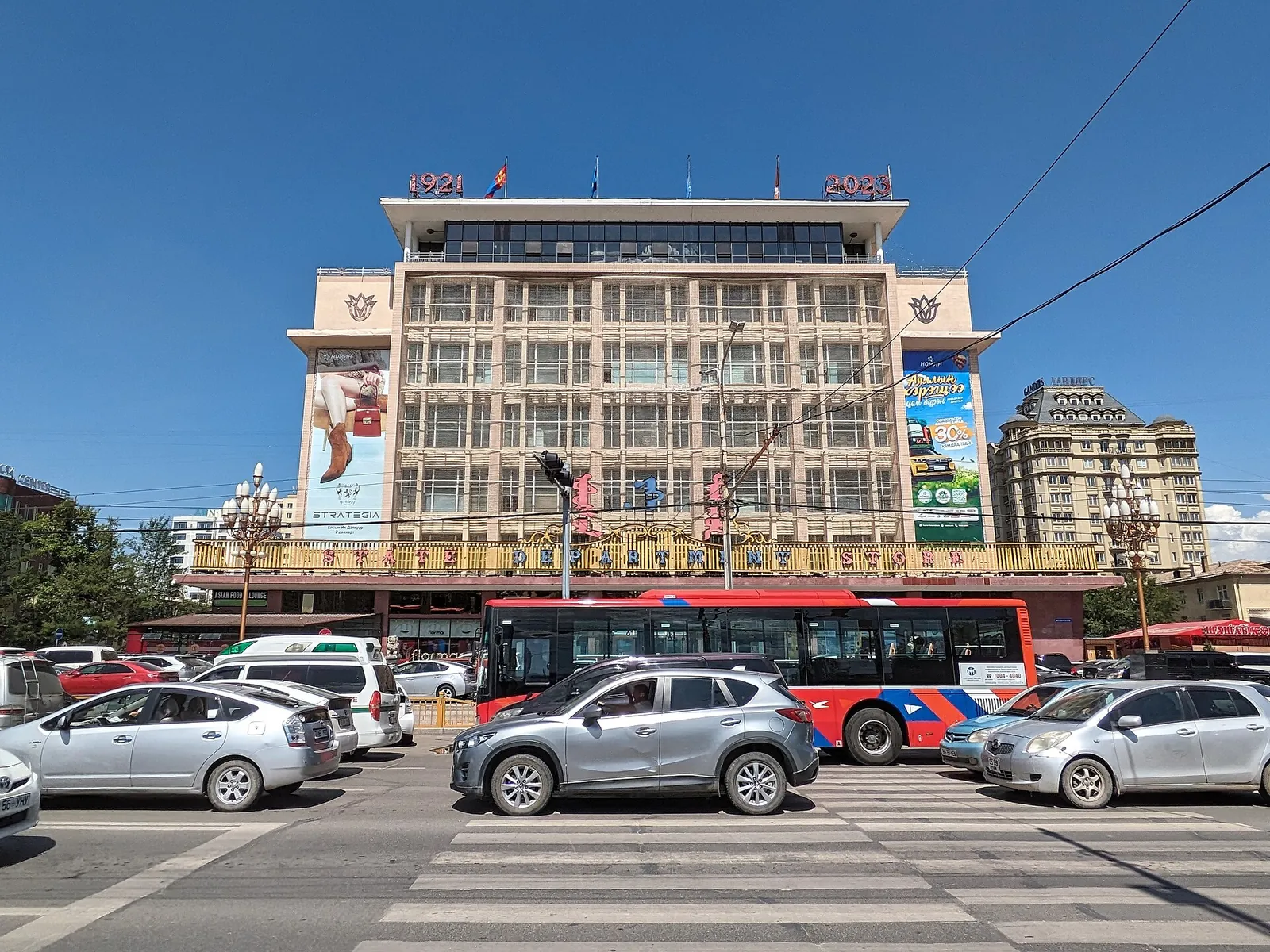
The State Department Store in central Ulaanbaatar; larger shops used by foreign visitors accept common credit cards.
Photograph: Chinneeb — opens in a new tab · CC BY-SA 4.0 — opens in a new tab
Changes: Resized and converted to WebP; displayed with responsive crops. · Original photograph and licence details ↗ — opens in a new tab