Plan your trip
Cash or card in Hong Kong? Octopus, contactless MTR and tipping
Hong Kong runs on cards and on one small card in particular. A contactless Visa or Mastercard settles the hotel, the shops and the MTR gate, and the Octopus card pays for buses, ferries, shops and often the taxi; yet the tram's coin box gives no change and a taxi driver may not break a HK$1,000 note, so a little cash still earns its place.
In this guide
Find the location ↗ — opens in a new tabThe short answer
Bring a contactless Visa or Mastercard and a little Hong Kong cash: ATMs and credit cards work across Hong Kong. If you arrive by air, buy the Tourist Octopus – China T-Union at an MTR Customer Service Centre at Airport Station: HK$170, including HK$128 to spend, and top it up with cash at thousands of places. MTR gates also take contactless bank cards at the adult Octopus fare, HK$10.60 from Central to Tsim Sha Tsui. Keep coins for the tram, which gives no change. There is no sales tax; most restaurants add a 10% service charge, and hotels add 3% tax. Declare cash worth more than HK$120,000 when you arrive.
- Key point
- Set up before you fly: a contactless card and a back-up card; buy an Octopus when you land
- Where it applies
- Applies across Hong Kong; cash matters most on the tram, the Star Ferry and in taxis
- Timing
- The same all year; Star Ferry fares are higher on Saturdays, Sundays and public holidays
The Hong Kong dollar: notes, coins, prices and how much cash
Hong Kong's currency is the Hong Kong dollar (HKD, written HK$). Notes in everyday circulation are HK$10, HK$20, HK$50, HK$100, HK$500 and HK$1,000, and the Government issues coins of HK$10, HK$5, HK$2 and HK$1 and of 50, 20 and 10 cents. The notes from HK$20 upwards are issued by three banks, Standard Chartered, Bank of China (Hong Kong) and HSBC, so each note value comes in a version from each bank, and older notes and coins stay legal tender alongside the current ones.
Since 17 October 1983 the Hong Kong dollar has been linked to the US dollar and held within a band of HK$7.75 to HK$7.85 to one US dollar. For scale, the European Central Bank's reference rate on 6 November 2026 was EUR 1 = HKD 8.7505, which works out at about HK$7.84 to the US dollar and about HK$10.49 to the pound.
Everyday fares are small: an MTR ride from Central to Tsim Sha Tsui costs HK$10.60 with Octopus or a bank card, the tram HK$3.30, the Star Ferry HK$5 on weekdays, and an urban taxi starts at HK$29. Our Hong Kong trip-cost guide turns fares, meals and rooms into a daily total.
Cash is a back-up for when a card or Octopus is refused. Two taxi rides of under 2 km at HK$29, six tram rides at HK$3.30 and four weekend upper-deck Star Ferry crossings at HK$6.50 come to HK$103.80, so carry about that much in HK$20 and HK$50 notes plus coins for the tram; ATMs are easy to find when you need more.
Prices and times checked 8 November 2026
Card or cash: where a foreign card works
Cards are the normal way to pay. ATMs and credit cards work across Hong Kong, and the rechargeable Octopus card or the Octopus app is the recommended way to pay on public transport and also works in restaurants and shops.
Before you travel, ask your bank what it charges for payments and cash withdrawals in a foreign currency. If a card terminal offers to bill you in your home currency, choose HK$: converting at the till may cost more.
Phones work as well as cards. A phone or watch set up for Apple Pay, Google Pay or another wallet pays at MTR gates, the Airport Express and on the tram, and the tram and the Star Ferry's ticket machines also take QR codes such as AlipayHK, Alipay and WeChat Pay. An Octopus can live on an iPhone, Apple Watch or Android phone, but on an iPhone or Apple Watch its card top-ups take only Hong Kong-issued cards, so with a foreign card a physical Octopus topped up with cash is simpler.
Octopus: which card, and where to buy it
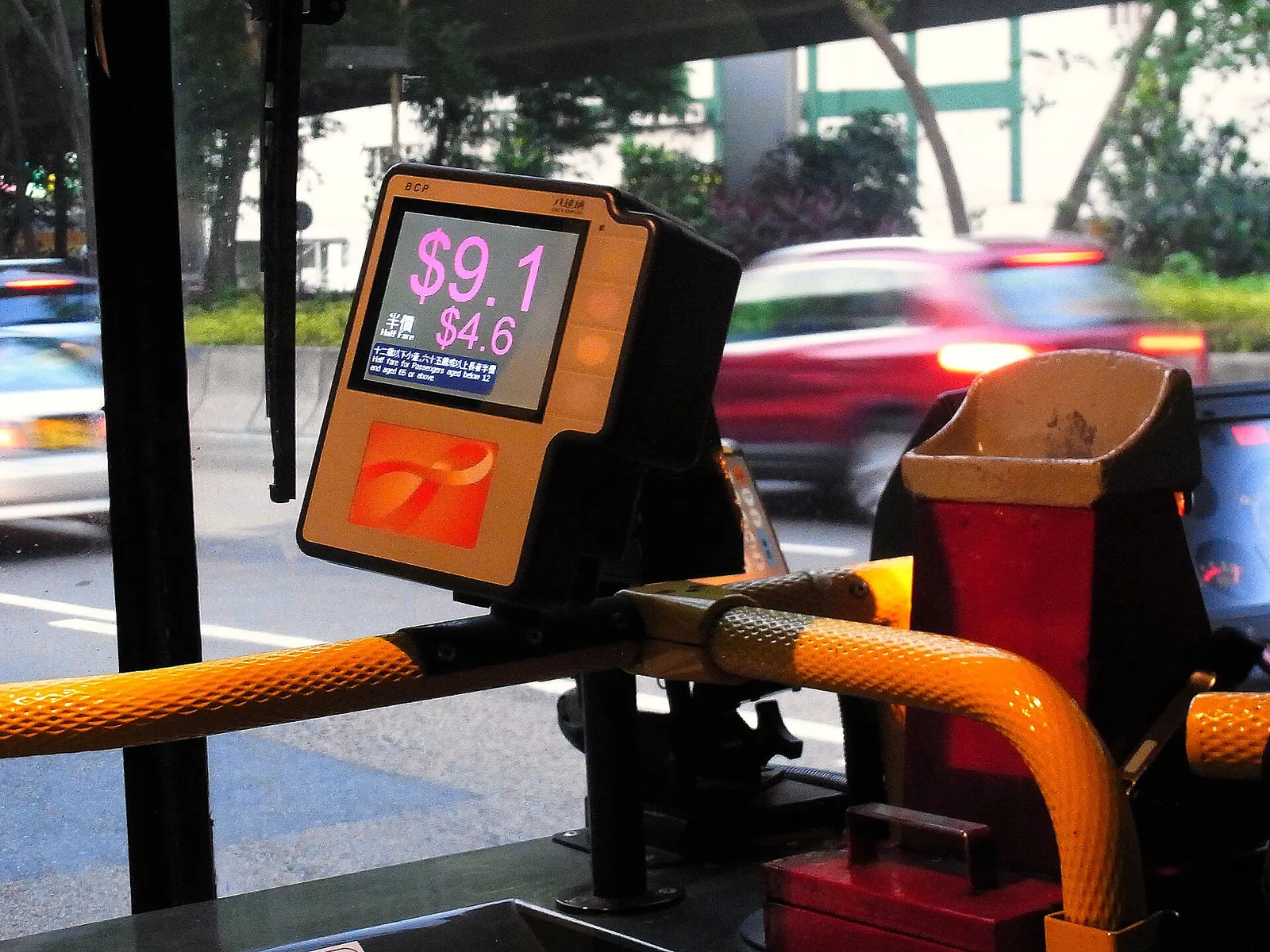
Octopus is Hong Kong's stored-value card, and the one thing worth sorting out on the first day. The Tourist Octopus costs HK$39, with no stored value and no deposit, and is sold at Hung Fook Tong shops. You load it with cash at thousands of places, from transport operators to shops, and use it for public transport, dining, entertainment and shopping. You can get the remaining value back, but not the card price, and the card is then deactivated; a card left unused becomes inactive after some time.
If you arrive by air, the Tourist Octopus – China T-Union is the card to get before you leave the airport: MTR Customer Service Centres at Airport Station, except the one on Platform 1, sell the adult card for HK$170, made up of HK$42 for the card and HK$128 of stored value, with no deposit; the child card costs HK$110. Lo Wu and Lok Ma Chau stations sell it at the same prices. You top it up with cash like any Octopus.
The Standard Octopus is lent rather than sold. An adult card costs HK$200, made up of a refundable HK$50 deposit and HK$150 of stored value; a child card, for ages 3 to 11, costs HK$50 plus HK$50 of stored value. MTR Customer Service Centres sell it at every station except Airport, Lo Wu, Lok Ma Chau, Hin Keng, Kai Tak, Lei Tung, Racecourse, South Horizons, Sung Wong Toi, To Kwa Wan and Wong Chuk Hang, and so do some Light Rail centres and the Citybus office at the Hong Kong-Zhuhai-Macao Bridge Hong Kong Port. Returning it within 90 days of issue, after five payments or fewer, or with more than HK$1,000 on it costs a handling fee of HK$11 or 1% of the remaining value, whichever is higher. Our Hong Kong transport guide covers the airport products and the buses and minibuses that take Octopus.
Which to use on a short trip comes down to what you cannot get back. A contactless bank card costs nothing at the MTR gate, but some banks charge a fee for international transactions, child fares do not apply, and Light Rail and MTR Bus do not take it. The Tourist Octopus – China T-Union costs HK$42 for the card, which is not refunded, and the same goes for the HK$39 price of the plain Tourist Octopus. The Standard Octopus gives back its HK$50 deposit, less the handling fee of at least HK$11 if you return it within 90 days.
Prices and times checked 8 November 2026

Tapping a bank card at the MTR gate
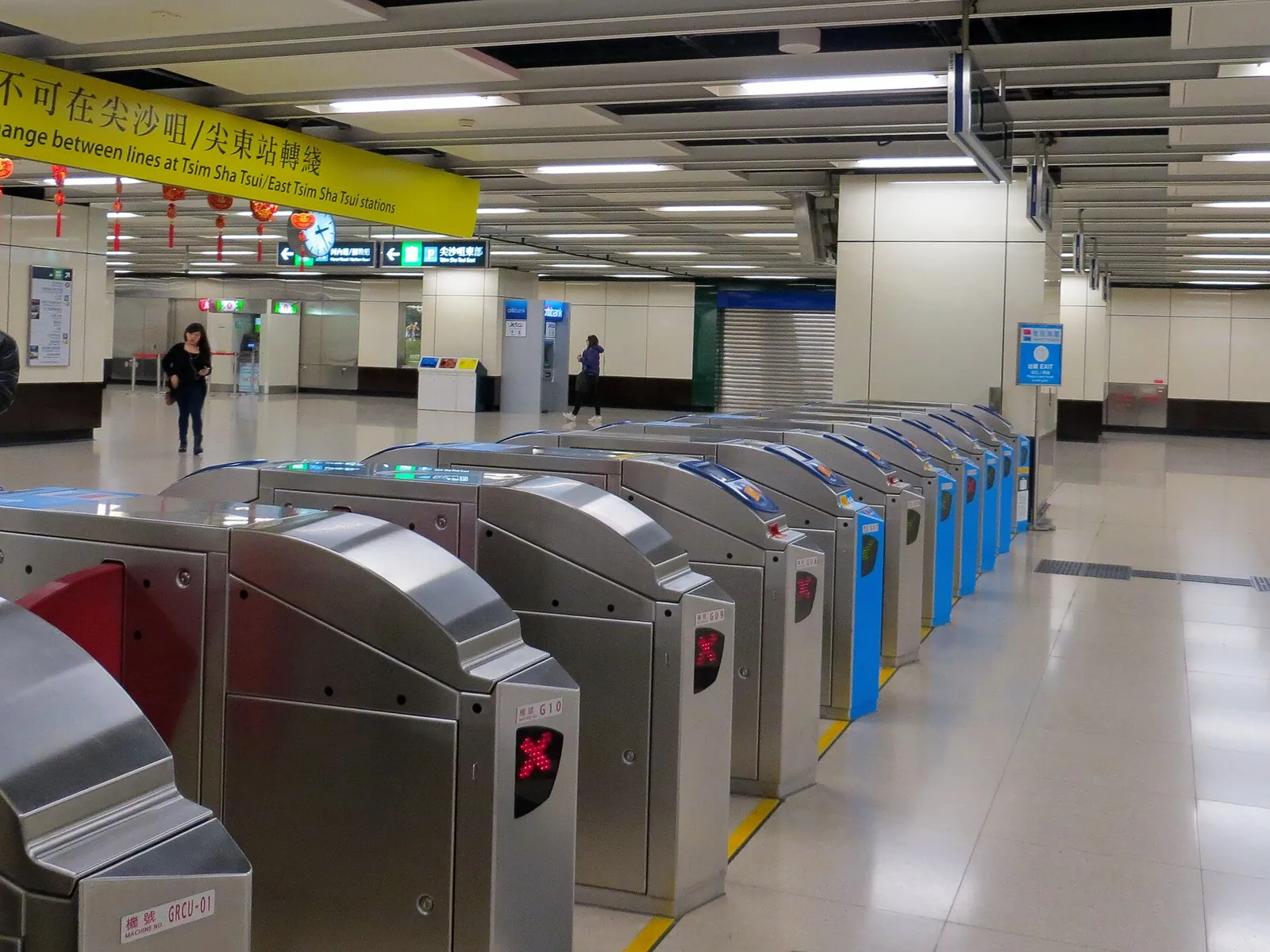
You do not need an Octopus to ride the MTR. Gates with the contactless symbol take Visa, Mastercard and UnionPay contactless credit, debit and prepaid cards, except UnionPay debit cards, and phones or watches set up for payment, on the Airport Express as well; Light Rail and MTR Bus do not take them. Cards issued outside Hong Kong are generally accepted, although acceptance can vary with the issuing bank. The fare is settled in Hong Kong dollars at your bank's exchange rate.
A bank card pays the adult Octopus fare: HK$10.60 from Central to Tsim Sha Tsui, against HK$12.50 for a single-journey ticket. Child, concession and elderly fares do not apply to bank cards. With a bank card, changing between Tsim Sha Tsui and East Tsim Sha Tsui stations counts as two separate journeys.
Tap in and out with the same physical card or device, and take that one card out of your wallet rather than holding the whole wallet to the reader. The MTR adds up your rides and normally charges one total for each day, so expect a single daily amount on your statement rather than one line per trip.
Prices and times checked 8 November 2026
Trams, the Star Ferry and taxis: paying the fare
The tram costs HK$3.30 a ride for adults and HK$1.60 for children aged 3 to under 12, paid when you get off by the front exit. Octopus, Visa, Mastercard, UnionPay, JCB and American Express cards, phone wallets and transit QR codes all work. Cash goes straight into the coin box and no change is given on board, so carry coins to make up HK$3.30 rather than dropping in a note.
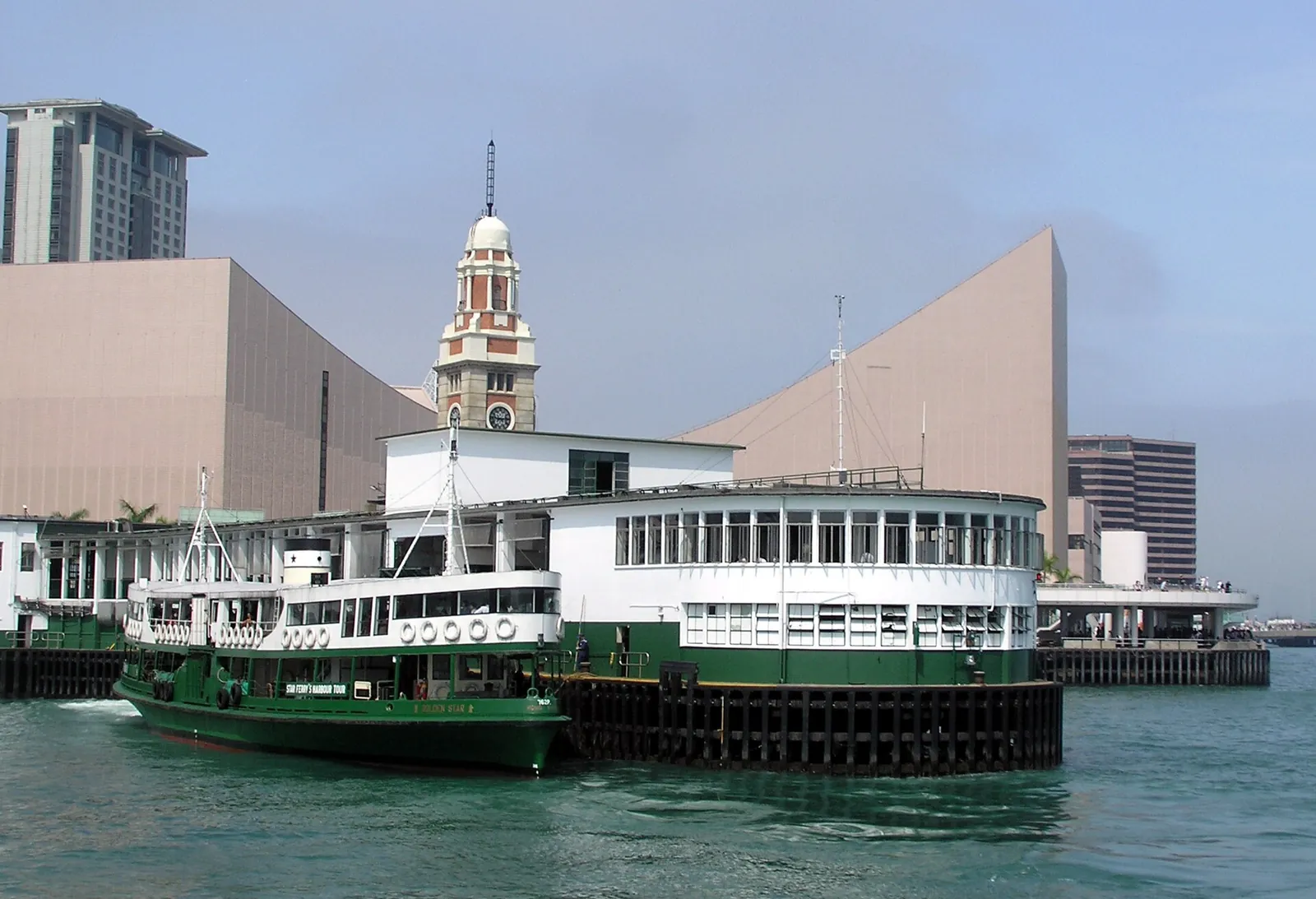
The Star Ferry between Central and Tsim Sha Tsui costs adults HK$5 on the upper deck and HK$4 on the lower deck from Monday to Friday, excluding public holidays, and HK$6.50 and HK$5.60 on Saturdays, Sundays and public holidays; a Four-Day Tourist Pass costs HK$50. Tap Octopus at the gate, pay cash with HK$10 or HK$20 notes or coins, for which change is given, or use the self-service ticket machines, which take credit cards, UnionPay QuickPass and Alipay and WeChat Pay codes.
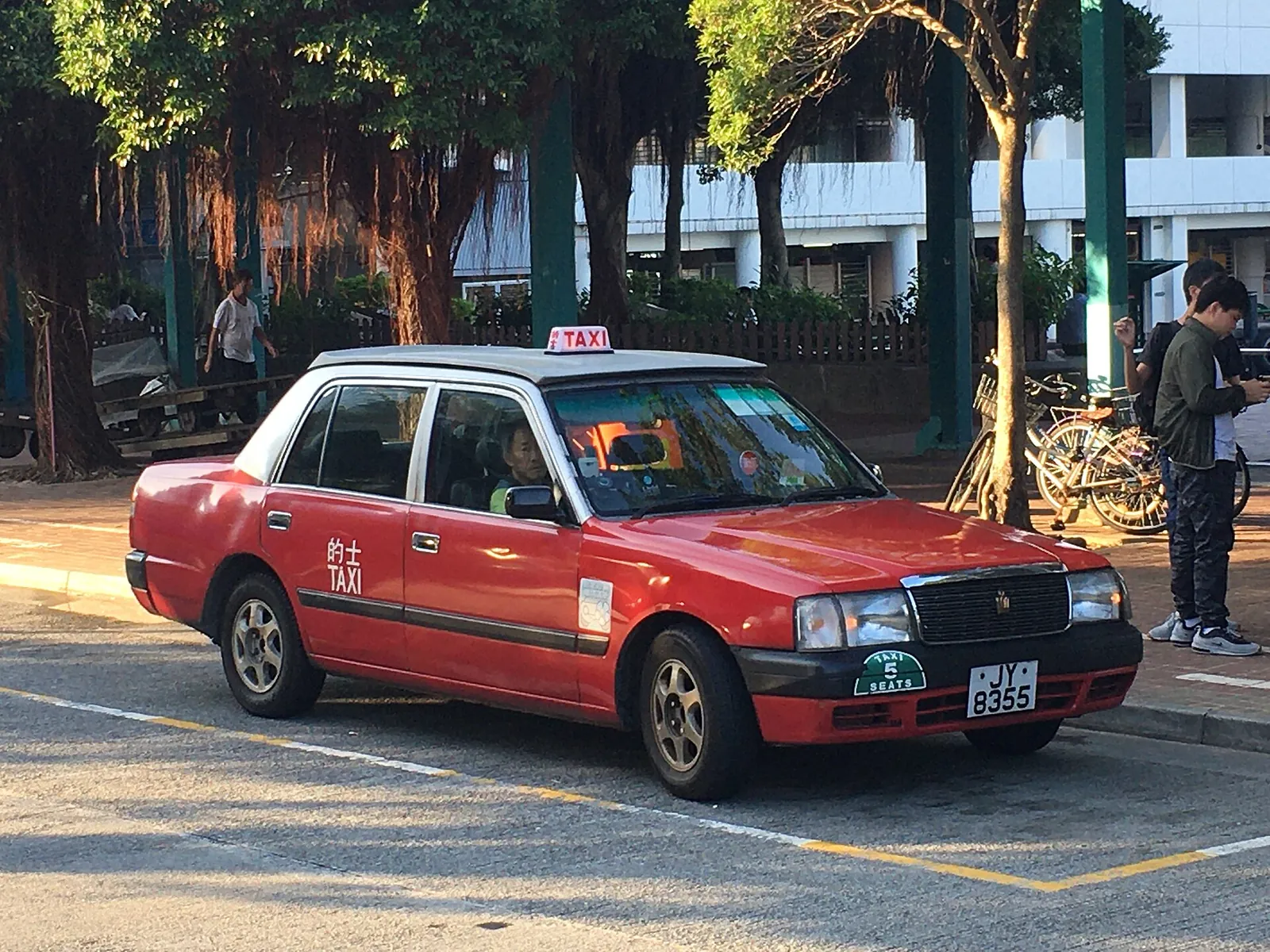
An urban taxi charges HK$29 for the first 2 km or any part of it, then HK$2.10 for every 200 m or every minute of waiting until the fare reaches HK$102.50, and HK$1.40 after that, plus HK$6 for each piece of baggage other than light hand baggage carried in the passenger compartment; these fares apply from 14 July 2024. Through the Cross-Harbour Tunnel or the Eastern or Western Harbour Crossing you pay the HK$25 toll plus a HK$25 return toll, but no return toll if the hire begins at a cross-harbour taxi stand or your final destination is not on the other side of the harbour.
It is not an offence for a taxi driver to be unable to change a HK$500 or HK$1,000 note. Octopus is often accepted in taxis; for the rest, carry HK$20, HK$50 and HK$100 notes. You can ask for a machine-printed receipt, and a driver who refuses one without reasonable excuse commits an offence.
Prices and times checked 8 November 2026
ATMs, changing money and keeping your cards safe
Before you fly, make sure your card can withdraw cash abroad, switch on overseas withdrawals if your bank needs you to, and set a sensible limit; your own bank may charge for each withdrawal. Take cash with a debit card rather than a credit card where you can: banks normally charge higher interest on credit-card cash advances, generally with no interest-free period, plus a handling fee.
To change notes you have brought, use a bank or a licensed money changer. Anyone changing money as a business in Hong Kong needs a licence from the Customs and Excise Department, which publishes a register of licensed operators; ask how many Hong Kong dollars you will get, after any fee, before you hand your money over.
At the machine, check the card slot and keypad for anything unusual, cover the keypad while you type your PIN and count the notes straight away.
Germany's Foreign Office (Auswärtiges Amt) rates crime in Hong Kong as low but notes pickpocketing at the airport, on public transport and on the main shopping streets, and isolated robberies, especially at night; the UK's FCDO asks travellers to take extra care with passports, credit cards and money in crowded areas and when checking in and out of hotels. Other governments may word this differently, so read your own. Keep photos or electronic copies of your passport, and in an emergency call 999 for police, fire and ambulance.
Tipping, service charges and tax
Tipping is light. Most restaurants add a 10% service charge to the bill, and where none is added a 10% tip is generally welcomed. Small tips to taxi drivers, bellboys, doormen and washroom attendants are at your discretion.
Hong Kong has no sales tax or VAT, so the price on the tag is what you pay and there is no tax to reclaim when you leave. Hotels are the exception: they add the Hotel Accommodation Tax of 3% on accommodation charges, in force since 1 January 2025, and the Inland Revenue Department asks hotels to show whether their room rates include it; some hotels and guesthouses are exempt. A hotel bill can also carry the normal 10% service charge, which the 3% tax is not charged on. Our where-to-stay guide covers the areas and the hotels.
If you fly out, the HK$200 Air Passenger Departure Tax is collected when you buy your air ticket; passengers under 12 and transit passengers who do not pass through arrival immigration are among those exempt.
If a purchase goes wrong, the MTR's visitor page lists the Consumer Council's hotline, (852) 2929 2222, and the Hong Kong Tourism Board's visitor hotline, (852) 2508 1234.
Prices and times checked 8 November 2026
Cash at the border, and paying in Macau and the Chinese Mainland
Declare cash and bearer negotiable instruments worth more than HK$120,000 in total to Customs in the Red Channel when you arrive, stating foreign currency in its own currency, and tell a Customs officer if asked on departure whether you are carrying a large amount; transit passengers at the airport who do not pass through immigration control are exempt. Our Hong Kong entry guide covers visas and arrival.
Macau's currency is the pataca (MOP), linked to the Hong Kong dollar at MOP 103.20 to HK$100, with a permitted variation of up to 10%. The Tourist Octopus – China T-Union also pays for public transport in 336 cities in the Chinese Mainland and in Macau, wherever the reader carries the China T-Union logo: the fare is charged in renminbi and taken from your HK$ balance at the exchange rate set on the card. That rate is renewed each time you top up and lasts 365 days; once it lapses the card stops working in Macau and the Mainland until you top up again, so add value before you cross. Our Hong Kong to Macau guide covers the ferries and buses.
Prices and times checked 8 November 2026
Practical questions
Can I use my credit card everywhere in Hong Kong?
Almost. Paying by credit card and withdrawing cash at ATMs work across Hong Kong, MTR gates and trams take contactless cards, and Star Ferry ticket machines take credit cards. Carry some cash as well: coins for the tram, which gives no change, and taxi drivers need not change HK$500 or HK$1,000 notes.
Should I buy an Octopus card or use my bank card?
Either works on the MTR, where a contactless Visa, Mastercard or UnionPay card pays the adult Octopus fare. An Octopus also covers trams, ferries, shops and restaurants, and child fares do not apply to bank cards. If you arrive by air, the Tourist Octopus – China T-Union from Airport Station is the easiest Octopus to start with; it also pays for public transport in Macau and the Chinese Mainland.
Where can I buy an Octopus card?
At the airport, MTR Customer Service Centres at Airport Station (not the one on Platform 1) sell the Tourist Octopus – China T-Union for HK$170 for adults, including HK$128 of stored value. The HK$39 Tourist Octopus is sold at Hung Fook Tong shops. The Standard Octopus is sold at the Customer Service Centres of most MTR stations, though not at Airport, Lo Wu or Lok Ma Chau.
Do you tip in Hong Kong?
Not much. Most restaurants add a 10% service charge, and where none is added a 10% tip is generally welcomed; small tips to taxi drivers, bellboys, doormen and washroom attendants are at your discretion.
Is there sales tax or a tax refund in Hong Kong?
There is no sales tax or VAT, so there is nothing to reclaim when you leave. Hotels add the 3% Hotel Accommodation Tax, in force since 1 January 2025, and are asked to show whether their room rates include it; some hotels and guesthouses are exempt.
How much cash can I bring into Hong Kong?
There is no limit on bringing in foreign currency, but cash and bearer negotiable instruments worth more than HK$120,000 in total must be declared to Customs in the Red Channel when you arrive. Transit passengers at the airport who do not pass through immigration control are exempt.
Keep planning your trip
First trip to Hong Kong
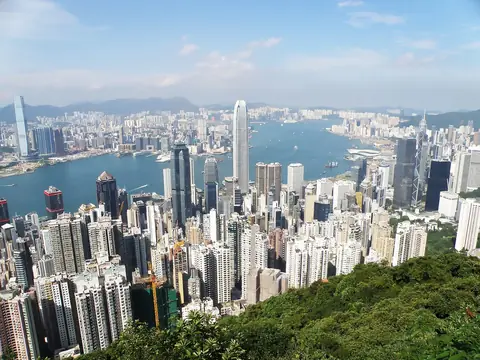
Choose a Hong Kong base and a five-day first visit: harbour ferries, Central heritage, the Peak, West Kowloon, Lamma and the practical arrival decisions.
Read the guide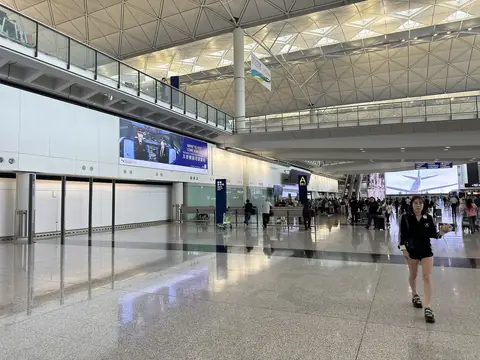
Hong Kong entry requirements
Hong Kong visa-free stays by passport, Indian pre-arrival registration, passport validity, arrival cards, customs and returning from Macau.
Read the guide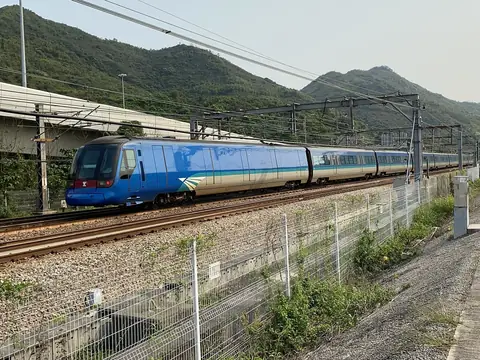
Transport in Hong Kong
Choose Airport Express or an airport bus, pay for MTR and trams, cross the harbour by Star Ferry and reach Cheung Chau or Lamma without losing the last boat.
Read the guide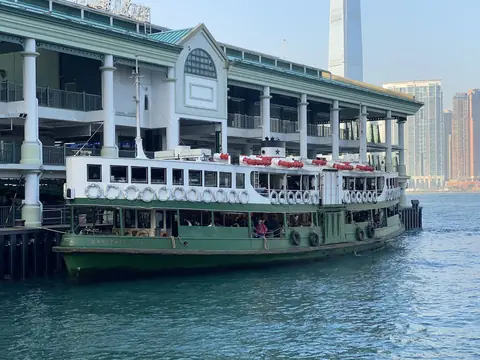
Hong Kong trip cost 2027
What 5 days in Hong Kong cost in November 2027, all in: about HKD 4,470 per person on a budget, HKD 7,630 mid-range or HKD 16,100 in comfort, with the Peak and Lantau.
Read the guide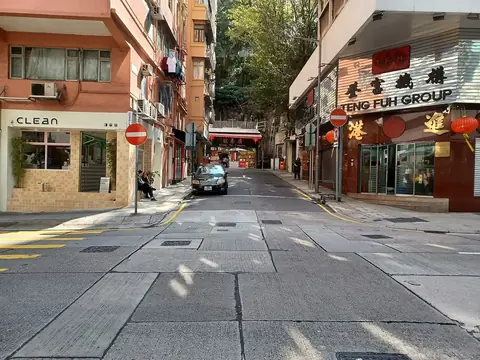
Where to stay in Hong Kong
Compare Central, Sheung Wan, Tsim Sha Tsui, Jordan, Mong Kok, Wan Chai and Causeway Bay, with named hotels and a four-night room and transport budget.
Read the guide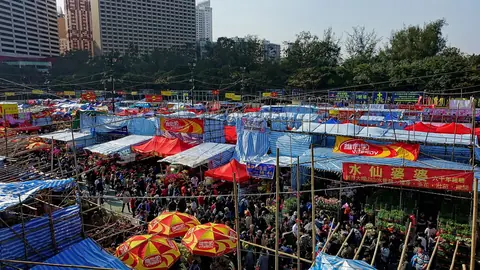
Best time to visit Hong Kong
Choose Hong Kong dates for harbour walks, islands and festivals, with official climate averages, holiday distinctions and the fares and tickets for a five-day city plan.
Read the guideSources and checks before you travel
(27)
- Hong Kong Monetary Authority: Hong Kong currency ↗ — opens in a new tab
- Hong Kong Monetary Authority: design and security features of currency notes ↗ — opens in a new tab
- Hong Kong Monetary Authority: Linked Exchange Rate System ↗ — opens in a new tab
- European Central Bank: euro foreign exchange reference rates ↗ — opens in a new tab
- Hong Kong Monetary Authority: credit cards (smart consumers) ↗ — opens in a new tab
- Hong Kong Monetary Authority: ATMs (smart consumers) ↗ — opens in a new tab
- Octopus: Tourist Octopus (sold) ↗ — opens in a new tab
- Octopus: Standard Octopus (on-loan) ↗ — opens in a new tab
- Octopus: Tourist Octopus – China T-Union Card (sold) ↗ — opens in a new tab
- Octopus: getting a refund ↗ — opens in a new tab
- Octopus: Octopus Card on Mobile ↗ — opens in a new tab
- Octopus: Octopus on iPhone and Apple Watch ↗ — opens in a new tab
- MTR: about contactless bank cards ↗ — opens in a new tab
- MTR: open data, fares of the MTR lines ↗ — opens in a new tab
- MTR: tourist information ↗ — opens in a new tab
- Hong Kong Tramways: schedules and fares ↗ — opens in a new tab
- Star Ferry: service and fares ↗ — opens in a new tab
- Transport Department: taxi fares of Hong Kong ↗ — opens in a new tab
- Inland Revenue Department: Hotel Accommodation Tax ↗ — opens in a new tab
- Civil Aviation Department: Air Passenger Departure Tax ↗ — opens in a new tab
- Invest Hong Kong: setting up in Hong Kong ↗ — opens in a new tab
- Customs and Excise Department: currency and bearer negotiable instruments ↗ — opens in a new tab
- Customs and Excise Department: supervision of money service operators ↗ — opens in a new tab
- Macao Government Tourism Office: practical information ↗ — opens in a new tab
- German Foreign Office (Auswärtiges Amt): Hong Kong travel and safety advice (in German) ↗ — opens in a new tab
- UK Foreign Office: Hong Kong safety and security ↗ — opens in a new tab
- France Diplomatie: China travel advice, security (in French; Hong Kong section) ↗ — opens in a new tab
Reference sources for the version dated 8 November 2026. Confirm opening times, access, transport and conditions for your travel dates.
Photo credits
(6)
Star Ferry boats at the Tsim Sha Tsui pier, where an Octopus tap or a few coins pays the harbour crossing.
Photograph: Alan — opens in a new tab · CC BY-SA 3.0 — opens in a new tab
Changes: Resized and converted to WebP; displayed with responsive crops. · Original photograph and licence details ↗ — opens in a new tab
Ticket gates at East Tsim Sha Tsui station; with a bank card, changing here to or from Tsim Sha Tsui counts as two journeys.
Photograph: Mk2010 — opens in a new tab · CC BY-SA 3.0 — opens in a new tab
Changes: Resized and converted to WebP; displayed with responsive crops. · Original photograph and licence details ↗ — opens in a new tab
A tram on Des Voeux Road Central in Sheung Wan: pay at the front exit as you get off.
Photograph: LAUD Freiman Aldopoilslmy — opens in a new tab · CC BY-SA 4.0 — opens in a new tab
Changes: Resized and converted to WebP; displayed with responsive crops. · Original photograph and licence details ↗ — opens in a new tab
An Octopus reader on a KMB bus in Hong Kong.
Photograph: Ka890 — opens in a new tab · CC BY-SA 3.0 — opens in a new tab
Changes: Resized and converted to WebP; displayed with responsive crops. · Original photograph and licence details ↗ — opens in a new tab
A red urban taxi in Central; drivers need not change HK$500 or HK$1,000 notes.
Photograph: LN9267 — opens in a new tab · CC BY-SA 4.0 — opens in a new tab
Changes: Resized and converted to WebP; displayed with responsive crops. · Original photograph and licence details ↗ — opens in a new tab
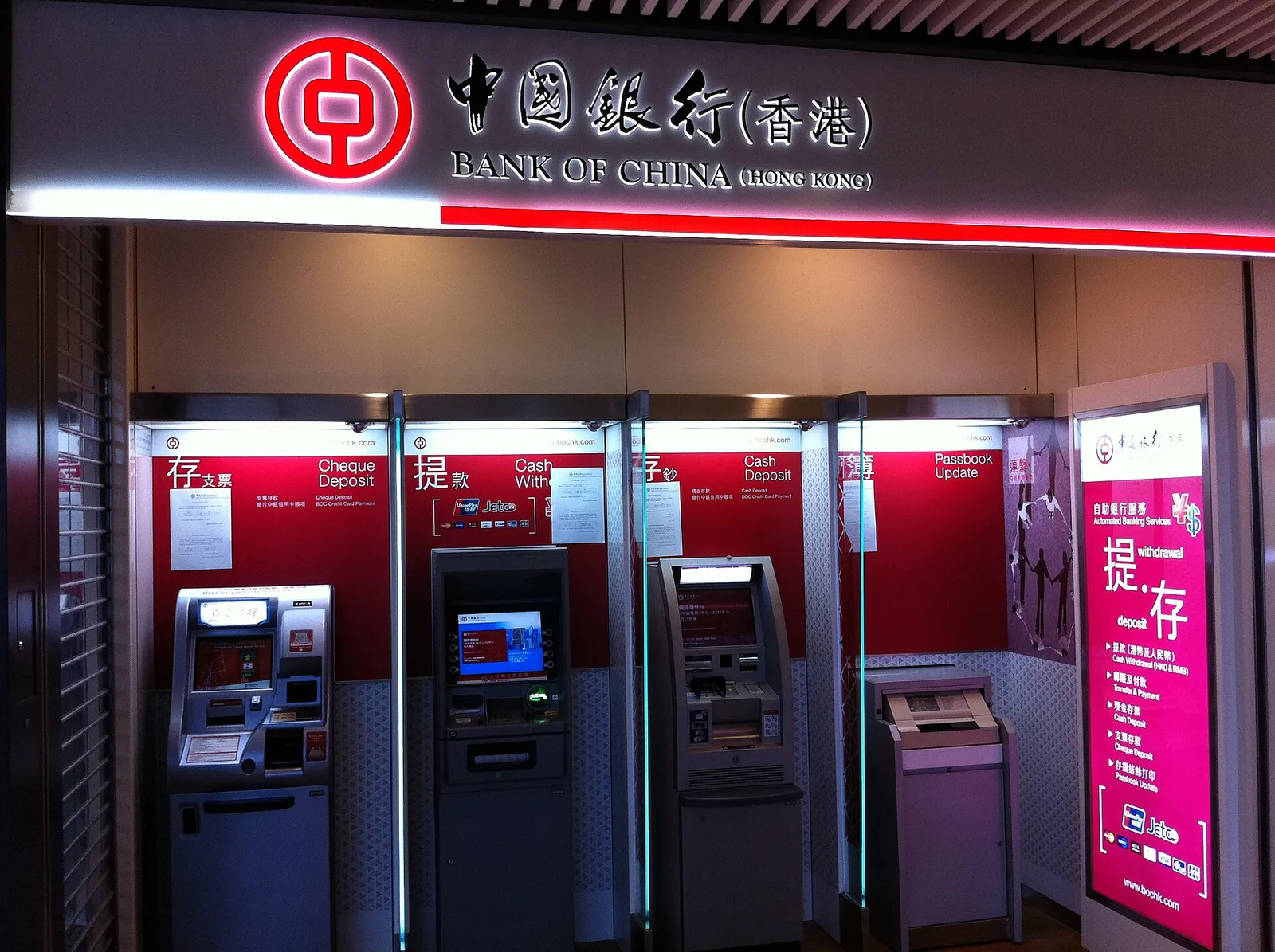
Bank of China cash machines at Stanley Plaza on the south side of Hong Kong Island.
Photograph: Emmaliveai — opens in a new tab · CC BY-SA 3.0 — opens in a new tab
Changes: Resized and converted to WebP; displayed with responsive crops. · Original photograph and licence details ↗ — opens in a new tab