Plan your trip · Hong Kong
Best time to visit Hong Kong: seasons, festivals and five days
November is a good first choice for a walking-focused Hong Kong visit. Decide whether your trip revolves around an event or everyday exploring, then book one city base and keep the outdoor day movable.
- Suggested time
- 5 days / 4 nights; depart on day 5
- Where to stay
- Four nights in Tsim Sha Tsui; outdoor trips replace a day without changing hotels.
- Season and timing
- November for a walking-focused visit; museums and movable outdoor days for wetter months.
The short answer
Book four nights in Tsim Sha Tsui, with departure on day 5, and choose November for a walking-focused first trip. Book the hotel first unless a particular festival is the reason you are travelling. Prices checked on 2026-10-16: Star Ferry adult single fares between Central and Tsim Sha Tsui are HK$5 on the upper deck or HK$4 on the lower deck Monday–Friday excluding public holidays; on Saturdays, Sundays and public holidays they are HK$6.50 and HK$5.60 respectively. An M+ standard ticket costs HK$190.
Choose November for walking, then build in flexibility
Choose November for a first visit centred on harbour walks, neighbourhood meals and a country-park outing. December is another good walking choice if you prefer cooler days; for a summer visit, give museums more space and keep an island day movable. These are planning choices, not a promise of clear skies.
Hong Kong is hot, wet and humid from May to mid-September, with cooler weather from November to April. Hong Kong’s rainy season normally runs from April to September; May and June can bring particularly heavy, persistent rain. Tropical cyclones normally affect Hong Kong from May to November and are particularly prevalent in September.
For scale, the Hong Kong Observatory’s 1991–2020 normals give November a mean temperature of 22.2°C and monthly rainfall of 39.3 mm; January averages 16.5°C and 33.2 mm, while July averages 28.9°C and 385.8 mm. These are monthly climate averages, not the temperatures or rainfall to expect on every day.
March–April: choose a city-and-museum mix rather than a trip built entirely around distant views. May–September: choose early outdoor starts and flexible afternoons. October–December: favour harbour walks and an optional country-park day, while retaining the weather fallback below. Pack a layer for cooler months and air-conditioned interiors.
Festival dates: holidays and event bookings are different
Checked on 2026-10-16: Lunar New Year’s Day falls on 6 February 2027 in Hong Kong. Hong Kong’s Birthday of the Buddha public holiday falls on 13 May 2027. Hong Kong’s Tuen Ng Festival public holiday falls on 9 June 2027. The Hong Kong public holiday following the Chinese Mid-Autumn Festival falls on 16 September 2027.
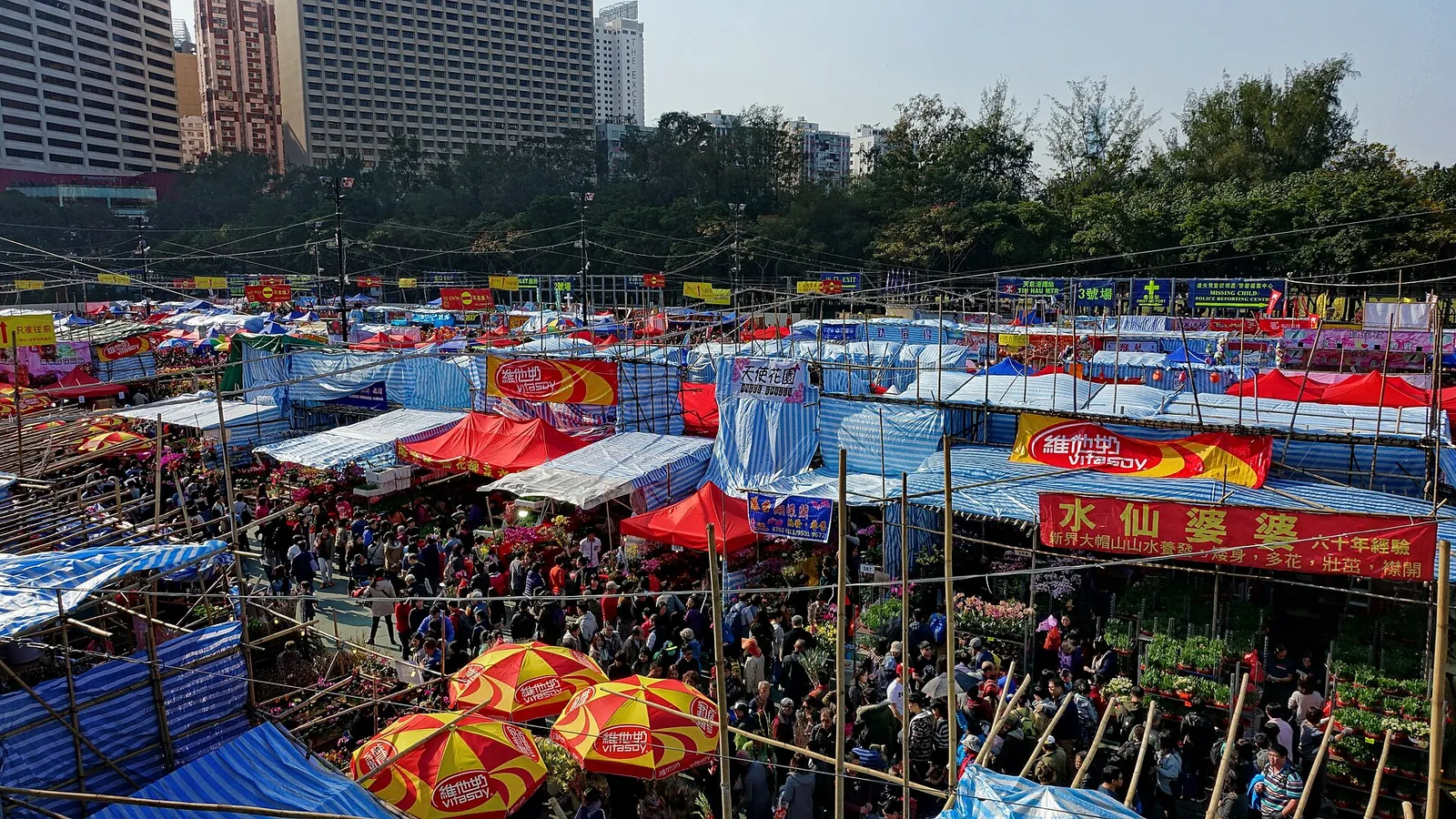
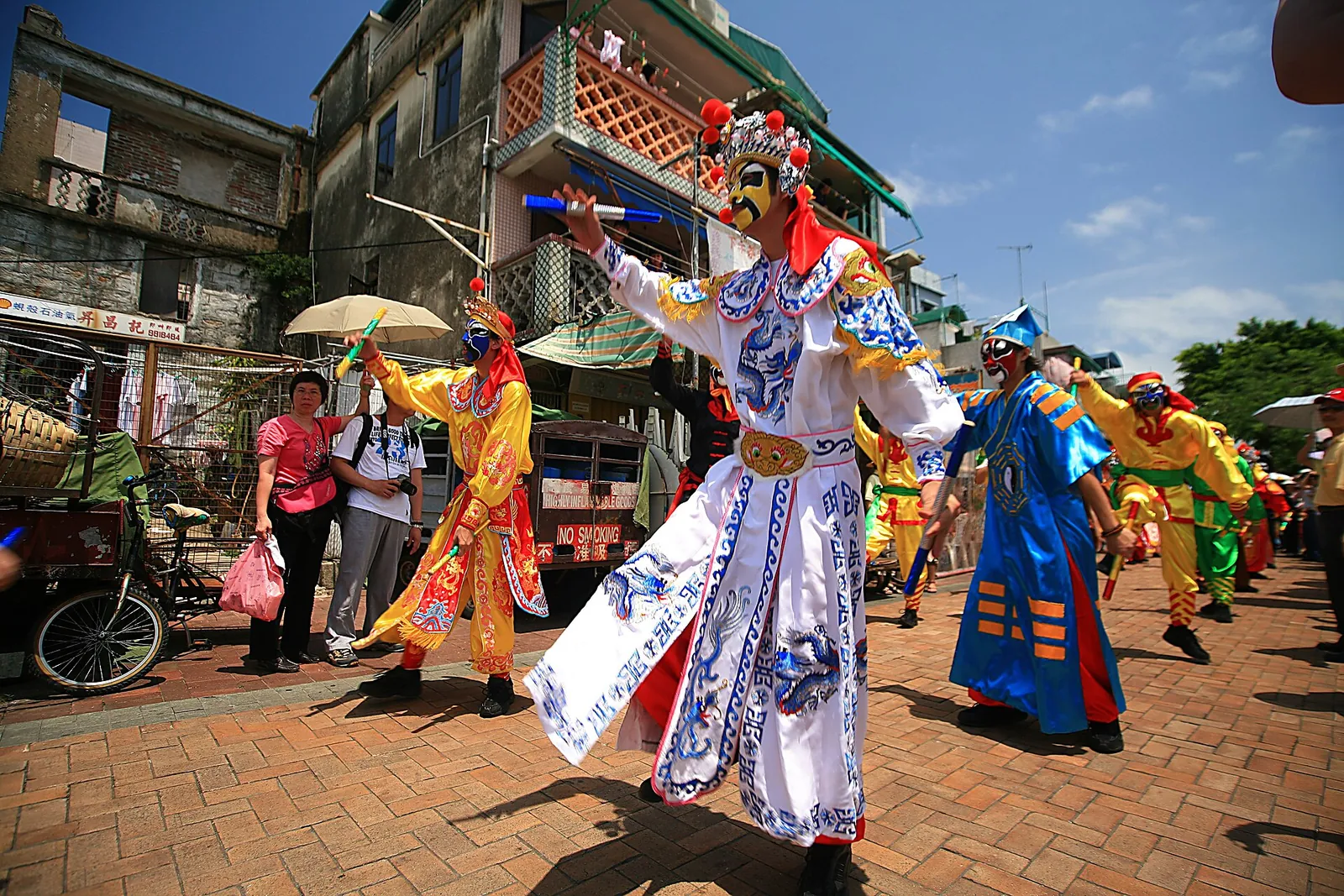
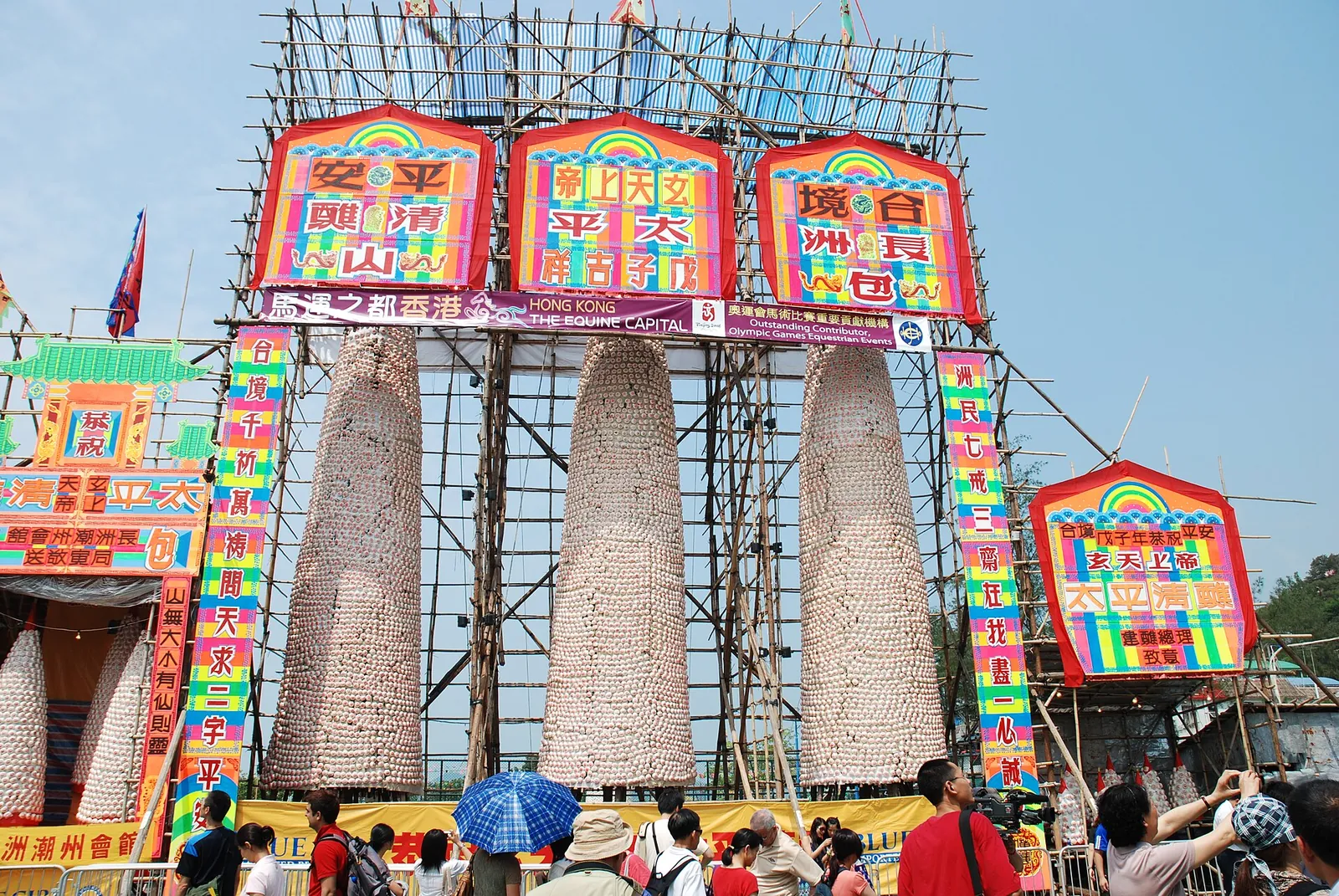
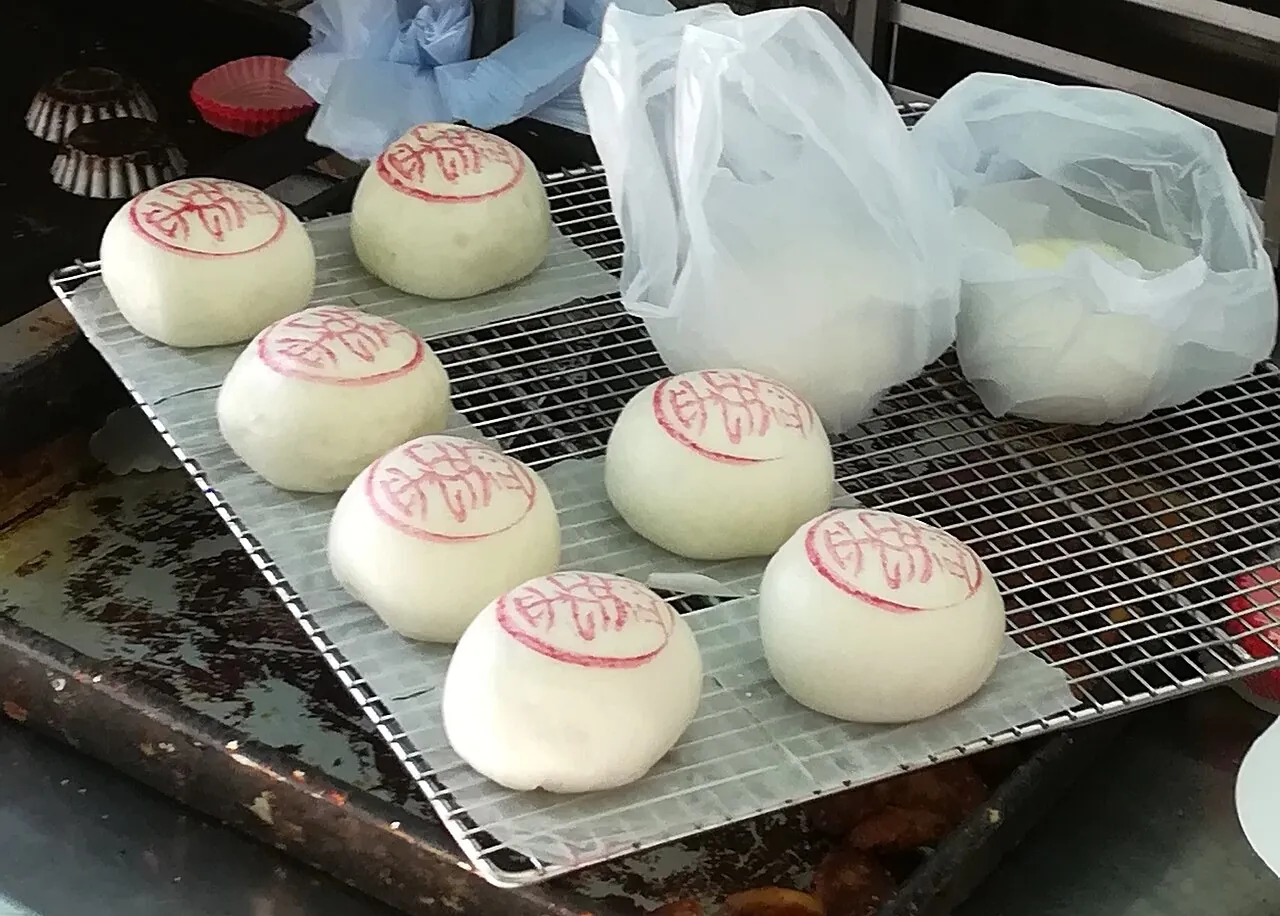
Chinese New Year brings red lanterns, lion dances and flower markets; the Hong Kong Tourism Board describes its night parade through Tsim Sha Tsui. Cheung Chau Bun Festival, Dragon Boat events and Mid-Autumn celebrations are reasons to choose a themed trip, but the public holidays above do not reserve a place at a parade, bun event or race.
The Leisure and Cultural Services Department, which co-organises Cheung Chau’s Bun Carnival with the Hong Kong Cheung Chau Bun Festival Committee, publishes the carnival’s programme on its own Bun Carnival pages; when we checked on 2026-10-16 they listed the 2026 programme, from 12 April to 25 May 2026, and no 2027 dates. For the Chinese New Year parade, Dragon Boat races, Mid-Autumn celebrations and dated Christmas and winter programmes, use the Hong Kong Tourism Board’s Events & Festivals calendar in the sources and its Chinese New Year page; its event pages did not open when we checked on 16 October 2026, so open them yourself and follow each event’s own organiser listing before you book around it.
Book a festival hotel before optional sightseeing tickets, then use the actual event day to replace a city day. For Disneyland or Ocean Park, choose the park first and use its own date-specific opening and ticket calendar; a public holiday is not a promise that every attraction or performance runs. Allow extra time at festival piers and stations, and plan the museum day around its public-holiday and Lunar New Year closures below rather than treating every holiday as a normal opening day.
One base and five days, whatever the season
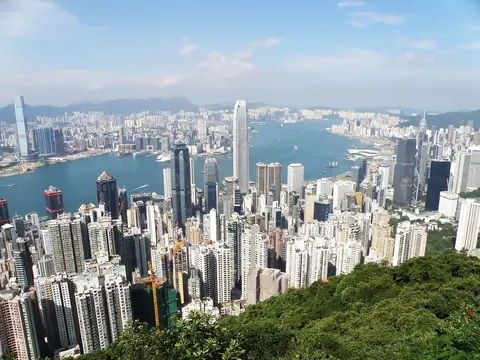
Book four nights in Tsim Sha Tsui and leave on day 5. The waterfront and the hotel used in the budget work together on foot; keep your luggage in one base while moving the outdoor days around. The first-trip Hong Kong guide helps decide which experiences deserve your limited time.
The dated model is 26–30 October 2026, with Monday–Thursday nights at The Salisbury. It illustrates the cost of the five-day city route using the hotel’s published dated offer; November remains the seasonal recommendation, not the dates priced here. For a November booking, price your actual nights under the offer’s validity, availability, blackout, advance-booking and Friday–Sunday supplement conditions below. The outdoor substitutions replace a day; they do not add a fifth hotel night.
- Day 1, Monday: arrive at HKG, take Airport Express to Hong Kong Station, walk to Central MTR and take the Tsuen Wan Line to Tsim Sha Tsui using a separately paid contactless bank card. Walk to the hotel, check in, then explore the harbour frontage.
- Day 2, Tuesday: cross to Central and walk through Central and Sheung Wan. Make lunch at Sing Heung Yuen or a dim sum stop at Lin Heung Tea House part of the day, then return by ferry. Victoria Peak is an optional separately booked excursion, best left for a day when the view appeals.
- Day 3, Wednesday: walk to West Kowloon for M+, whose galleries give visual culture a full afternoon. The museum district’s waterfront landscape makes a worthwhile outdoor extension when conditions suit. Neither the hotel’s location page nor M+’s plan-your-visit page gives the distance or time of the whole walk from the hotel to M+, so check the route on a map and allow extra time.
- Day 4, Thursday: walk through Jordan and Yau Ma Tei, with claypot rice at Hing Kee on the Temple Street route. In ordinary wet weather, replace this outdoor day with Hong Kong Palace Museum; the replacement cost and closure calendar are below.
- Day 5, Friday: check out, take the Tsuen Wan Line from Tsim Sha Tsui to Central with a separately paid contactless bank card, walk to Hong Kong Station and take Airport Express to HKG. Depart today.
Choose an outdoor replacement that suits your dates
Lantau: use a full replacement day for Ngong Ping, Tian Tan Buddha and Tai O rather than squeezing them between city visits. Ngong Ping 360 is a cable-car choice, not a weather-proof way to guarantee the day; use its operating notices and the local bus timetable when deciding your route.
Cheung Chau: choose it for a harbour-and-village day by ferry from Central. The Bun Festival requires its own event plan; an ordinary island day and a festival crowd are different trips. Keep it away from the final flight day.
Country parks: use the hiking guide to choose your route. a named option is the AFCD Dragon’s Back route. AFCD’s Dragon’s Back route is 4.8 km, with a listed walking time of 2.5 hours. AFCD’s Dragon’s Back route starts at To Tei Wan on Shek O Road and finishes by the Cape Collinson bus stop towards Tai Tam Gap. This is the route towards Tai Tam Gap, so do not assume it finishes at a beach.
For summer hikes, choose a shaded route, allow extra rest, avoid prolonged direct sun and carry ample drinking water. Avoid hiking in bad or unstable weather, especially when a rainstorm warning is in force.
Victoria Peak: keep it optional until you choose a clear spell and a ticket option. The Peak Tram Central Terminus is at 33 Garden Road, Central. Check the Peak Tram and Sky Terrace 428 ticket options before booking; this optional excursion is outside the model budget.
West Kowloon is the rain-day swap, subject to its own calendar
Choose M+ for modern visual culture: its Must-Sees guide includes Lee Ufan’s Relatum—The Mirror Road, an installation of stones, lights and mirrors, and Kuramata Shiro’s Kiyotomo sushi bar, which brings the design of 1980s Tokyo into the galleries. At Hong Kong Palace Museum, Gallery 3’s Brilliance exhibition runs from 1 July 2026 to 2 January 2028 and explores Ming ceramics: compare a pear-shaped vase with lotus scrolls with a dish decorated with dragons among waves. These offer different ways to spend a wet afternoon. Make the swap during ordinary rain while transport and venues are operating. For the MTR alternative to the model’s waterfront walk, use the Tuen Ma Line to Austin; M+ lists approximately ten to fifteen minutes on foot from Exit B4 or B5 via ELEMENTS. The transport guide explains payment and route planning.
Checked on 2026-10-16: An M+ standard ticket costs HK$190. M+ opens from 10:00 to 18:00 on Tuesdays to Thursdays and weekends, and from 10:00 to 22:00 on Fridays; it normally closes on Mondays, with last admission 30 minutes before closing. M+ opens on public holidays unless a special announcement says otherwise. M+ is closed on 31 October 2026. M+ opens from 10:00 to 18:00 on Monday 2 November 2026.
Hong Kong Palace Museum opens from 10:00 to 18:00 on Mondays, Wednesdays, Thursdays and Sundays, and from 10:00 to 20:00 on Fridays, Saturdays and public holidays; it closes on Tuesdays except public holidays, and on the first two days of Lunar New Year. A Hong Kong Palace Museum adult regular General Admission ticket costs HK$70, and an adult Flex ticket costs HK$90. A Hong Kong Palace Museum regular General Admission ticket permits one admission on the specified date and time. The Hong Kong Palace Museum ground-floor ticket office closes one hour before the museum.
Hong Kong Palace Museum Gallery 2 is closed from 14 August 2026 until further notice. Hong Kong Palace Museum Gallery 9 is closed from 1 September 2026 until further notice. Hong Kong Palace Museum Gallery 8 closes from 20 October 2026 until further notice. Choose the exhibitions that are open rather than assuming the admission ticket opens every gallery.
Make time for the local food
What to eat and where to look
Shrimp dumplings
A savoury dim sum stop to build into the Sheung Wan day.
- Where to look
- Lin Heung Tea House, Tung Ning Building, 249–253 Des Voeux Road Central.
- Fit it into your day
- Day 2, while walking Central and Sheung Wan.
Tell the venue about allergies before ordering.
Tomato soup noodles
A noodle meal for the Central part of the route.
- Where to look
- Sing Heung Yuen, Central.
- Fit it into your day
- Day 2 lunch; choose this or dim sum according to appetite.
Homemade beef balls
A local speciality close to the Tsim Sha Tsui base.
- Where to look
- Tak Fat Beef Ball, Haiphong Road Temporary Cooked Food Hawker Bazaar.
- Fit it into your day
- Arrival day or before the West Kowloon walk.
Claypot rice
A substantial rice meal for the Jordan and Yau Ma Tei day.
- Where to look
- Hing Kee Restaurant, Yau Ma Tei.
- Fit it into your day
- Day 4, on the Temple Street route.
Weather changes the journey as well as the view
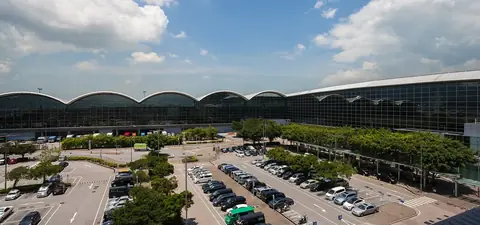
For HKG arrival and departure, use the entry guide for passport-specific preparation before choosing dates. Buy the airport journey separately from sightseeing; leave time between the city transfer and your flight.
Checked on 2026-10-16: Airport Express adult round-trip smart tickets cost HK$215 for Hong Kong Station, HK$195 for Kowloon and HK$130 for Tsing Yi; each is station-specific and valid for one return journey within 30 days of issue. Buy Airport Express single or round-trip tickets at a Customer Service Centre, a ticket machine or online; online QR tickets let you enter the gates directly. Airport Express trains from the airport towards the city run from 05:54 to 00:48; the timetable effective from 13 September 2026 gives 24 minutes to Hong Kong Station, 22 minutes to Kowloon and 14 minutes to Tsing Yi. Towards the airport, Airport Express departures run from 05:50 to 00:48 at Hong Kong Station, 05:53 to 00:52 at Kowloon and 06:00 to 00:59 at Tsing Yi. Airport Express normally runs every 10 minutes, with gaps of up to 12 minutes in the early morning and late evening. The Tsuen Wan Line links Central and Tsim Sha Tsui; the adult Octopus or contactless single fare is HK$10.60. Pay these Central–Tsim Sha Tsui airport access legs separately with a contactless bank card; the model does not count them as a free Airport Express connection.
Star Ferry adult single fares between Central and Tsim Sha Tsui are HK$5 on the upper deck or HK$4 on the lower deck Monday–Friday excluding public holidays; on Saturdays, Sundays and public holidays they are HK$6.50 and HK$5.60 respectively. Star Ferry runs between Central and Tsim Sha Tsui from 06:30 to 23:30 daily, with departures every 6–12 minutes depending on the time and day. Pay for Star Ferry with Octopus at the gates or with Hong Kong dollar cash, or buy a ticket at the pier’s self-service machine with a credit card or one of the supported digital wallets. Star Ferry allows items no larger than 40 cm long, 40 cm wide and 17.5 cm high. Keep the sightseeing ferry for day 2 without airport cases. The Transport Department lists about 9 minutes between Central Pier 7 at Man Kwong Street and the Star Ferry Pier at Salisbury Road, Tsim Sha Tsui.
Typhoons affect Hong Kong from May to November and can cause flooding and landslides; when Typhoon Signal No. 8 or higher is issued, public offices and public transport shut down, so get indoors and do not set out again until the Hong Kong Observatory lowers the signal and your operator confirms service. From Signal No. 3, stay away from the shore and avoid water activities, and under a Black Rainstorm Warning expect serious disruption and closures of public facilities and follow the Hong Kong Observatory and local authorities’ instructions. A museum day is not an instruction to travel during these warnings. Check the airline and the relevant ferry or cable-car operator’s live notices before leaving accommodation; do not apply one operator’s suspension rule to every service.
A dated budget for two adults, with every model night counted
Prices checked on 2026-10-16. The Salisbury – YMCA of Hong Kong’s 125 Memories of Love offer costs HK$1,901 per City View Suite per night, plus a 10% service charge. The Salisbury offer includes buffet breakfast for two registered guests at The Haven. The Salisbury offer runs until 15 December 2026, excluding 1–5 May, 1–7 July and 1–7 October, with all blackout dates inclusive.
The Salisbury offer is subject to availability, must be confirmed and guaranteed at least 7 days before check-in, and is non-refundable, with cancellation charged at 100% of the entire stay. The Salisbury offer cannot be combined with other promotions and does not apply to existing reservations or groups. Friday, Saturday and Sunday nights add HK$200 per room per night, plus a 10% service charge on that supplement.
For two adults sharing the City View Suite for four nights, 26–29 October 2026, allow about HK$8,364 for the room and the included breakfasts, including the 10% service charge. The Salisbury is exempt from hotel accommodation tax.
For the five-day city plan, the two-adult total is HK$9,236.80: four City View Suite nights including service HK$8,364.40, two Hong Kong Station Airport Express round-trip smart tickets HK$430, four separately paid Central–Tsim Sha Tsui MTR adult singles HK$42.40 for the airport access legs, two weekday upper-deck Star Ferry crossings each for two adults HK$20 on day 2, and two M+ standard tickets HK$380. All other model movement is on foot. This is a suite-offer cost illustration for 26–30 October, not a citywide average or a live November room quote.
Replacing day 4 with Palace Museum regular General Admission adds HK$140 for two adults, bringing the walking-route model to HK$9,376.80. An MTR journey instead of the walk costs extra; use the MTR Trip Planner for the chosen stations. Meals apart from the included breakfasts, international flights, extra transport, optional Peak, island, Lantau, hiking or theme-park excursions, special exhibitions and personal extras are excluded.
Practical questions
Which month should I choose for a first Hong Kong trip?
Choose November if walking is your priority. The Hong Kong Observatory’s 1991–2020 normals put November’s mean temperature at 22.2°C and monthly rain at 39.3 mm; those averages do not guarantee an individual day.
Is summer a bad time to visit?
A summer trip works best with museums, shorter outdoor sessions and a movable island day. Keep your final day for departure rather than a weather-sensitive excursion.
Can I book a 2027 festival from its public holiday date?
Use the holiday to understand the calendar, then book around the organiser’s dated programme. The parade, bun event or race may have its own schedule.
How many nights does the seasonal plan need?
Four nights in Tsim Sha Tsui, with departure on day 5. Replace day 4 with Palace Museum in ordinary rain, or with a separately planned outdoor excursion when conditions suit; neither requires another hotel night.
Does a museum always solve a typhoon day?
No. Follow the warning instructions and the venue’s weather notices. The indoor swap is for ordinary wet weather while travel and venues are operating.
Sources and checks before you travel
Reference sources for the version dated 16 October 2026. Confirm opening times, access, transport and conditions for your travel dates.
- Hong Kong Tourism Board — Climate and Time Zone ↗ — opens in a new tab
- Hong Kong Observatory — Rainstorm Warning System ↗ — opens in a new tab
- Hong Kong Observatory — Tropical cyclone precautions ↗ — opens in a new tab
- GovHK — General holidays for 2027 ↗ — opens in a new tab
- AFCD Hiking — Dragon’s Back ↗ — opens in a new tab
- AFCD — Heat stroke safety ↗ — opens in a new tab
- M+ — Plan Your Visit ↗ — opens in a new tab
- Hong Kong Palace Museum — Plan your visit ↗ — opens in a new tab
- Hong Kong Palace Museum — Tickets ↗ — opens in a new tab
- Hong Kong Palace Museum — Temporary closure of galleries ↗ — opens in a new tab
- MTR — Airport Express Tickets and Fares ↗ — opens in a new tab
- MTR — Airport Express Timetable ↗ — opens in a new tab
- MTR — Service Hours ↗ — opens in a new tab
- Star Ferry — Ferry Services ↗ — opens in a new tab
- The Salisbury – YMCA of Hong Kong — 125 Memories of Love room offer ↗ — opens in a new tab
- Hong Kong Tourism Board — Lin Heung Tea House ↗ — opens in a new tab
- Hong Kong Tourism Board — Dai pai dongs ↗ — opens in a new tab
- Hong Kong Tourism Board — Temple Street local cuisine ↗ — opens in a new tab
- Hong Kong Observatory — Monthly normals 1991–2020 ↗ — opens in a new tab
- Hong Kong Tourism Board — Chinese New Year ↗ — opens in a new tab
- Inland Revenue Department — hotels exempt from accommodation tax, 30 September 2026 ↗ — opens in a new tab
- MTR — Adult Octopus and Contactless Fare Chart, page 4 ↗ — opens in a new tab
- M+ — Must-Sees ↗ — opens in a new tab
- Hong Kong Palace Museum — Brilliance: Ming Dynasty Ceramic Treasures ↗ — opens in a new tab
- Transport Department — ferry service details ↗ — opens in a new tab
- Hong Kong Tourism Board — Events & Festivals ↗ — opens in a new tab
- Leisure and Cultural Services Department — Bun Carnival 2026 programme ↗ — opens in a new tab
Photo credits
The Lunar New Year Fair at Victoria Park, Causeway Bay, seen from above.
Photograph: Mk2010 — opens in a new tab · CC BY-SA 4.0 — opens in a new tab
Changes: Resized and converted to WebP; displayed with responsive crops. · Original photograph and licence details ↗ — opens in a new tab
A past Cheung Chau Bun Festival parade.
Photograph: Laszlo Ilyes from Cleveland, Ohio, USA — opens in a new tab · CC BY 2.0 — opens in a new tab
Changes: Resized and converted to WebP; displayed with responsive crops. · Original photograph and licence details ↗ — opens in a new tab
Ping-on buns photographed on Cheung Chau.
Photograph: Will629 — opens in a new tab · CC BY-SA 4.0 — opens in a new tab
Changes: Resized and converted to WebP; displayed with responsive crops. · Original photograph and licence details ↗ — opens in a new tab
Decorated bun towers on Cheung Chau.
Photograph: .怪貓. — opens in a new tab · CC BY 2.0 — opens in a new tab
Changes: Resized and converted to WebP; displayed with responsive crops. · Original photograph and licence details ↗ — opens in a new tab