Plan your trip
Is Hong Kong safe? Typhoons, drug and vape laws, health, insurance
Hong Kong rarely goes wrong for visitors through crime. What changes a trip here is a rule or the weather: a vape in the luggage at the arrivals hall, a parcel carried for a stranger, a Signal No. 8 on the day you fly, a hot, airless afternoon on a hill trail. This guide covers what the governments say, vaccines and mosquitoes, water, air and heat, typhoons and rainstorms, hiking and the beaches, theft and scams, the laws that catch visitors out, and the numbers, hospitals and insurance to have ready.
In this guide
Find the location ↗ — opens in a new tabThe short answer
Buy insurance that covers all medical costs, including repatriation, before anything else. At a public hospital a visitor pays HK$2,100 for one A&E visit and HK$7,400 a day on a general ward (Hospital Authority rates since 1 January 2026), and without proof of cover, France warns, you risk being refused care, even in a life-threatening emergency. Leave every vape, e-cigarette, heated-tobacco product and CBD item at home; importing vapes can mean up to seven years in prison, and since 30 April 2026 even a small quantity carried in public brings a HK$3,000 fixed penalty. Save 999 for police, fire and ambulance. From May to November, a Typhoon Signal No. 8 closes public offices, can restrict flights and cuts the MTR to a limited service as the storm gets closer, and Macau ferries can stop hours before the signal goes up, so keep the day before your flight flexible. No vaccine is required unless you arrive from, or spend more than 12 hours in transit through, a yellow fever risk country, but keep measles and tetanus up to date and ask a travel clinic about hepatitis A. The UK, German and French governments do not advise against any part of Hong Kong.
- Key point
- Start at least 8 weeks before you fly with vaccines and insurance; the rest applies throughout the stay
- Where it applies
- No base is needed; the rules apply across Hong Kong, at the airport and in transit
- Timing
- Typhoons normally from May to November, most often in September; summers hot and humid, winters mild and changeable
What the governments say, and what actually goes wrong
The UK, German and French governments do not advise against travel to any part of Hong Kong. The UK Foreign Office's advice, last updated on 1 April 2026, names no area to avoid; Germany's Federal Foreign Office gives its ordinary travel and safety advice, with no travel warning of any kind; and France, which publishes its Hong Kong advice as a section of its China pages, colours no zone of Hong Kong on its vigilance map. Other governments may draw a wider line than these three, so read your own government's advice as well.
The risks that change a Hong Kong trip are rules and weather more than crime. Violent crime is low, but the drug, vape and national security laws are strict, and from May to November a typhoon signal or a Black Rainstorm Warning can close public offices or facilities and disrupt transport.
Protests are rare but could take place at any time, and terrorist attacks cannot be ruled out; if you find yourself near a protest, move away and follow the local authorities' instructions. British-Chinese dual nationals should know that Hong Kong does not recognise dual nationality, or the BN(O) passport as a travel document or proof of identity; they may be treated solely as Chinese nationals, and British consular help may then not be possible.
Prices and times checked 8 November 2026
Vaccines, dengue and other bites
Book a travel clinic at least 8 weeks before you fly; if time is short, an appointment is still worthwhile. Take your whole route with you, because onward travel changes the list.
Required: nothing, unless you arrive from, or spend more than 12 hours in transit through, a country with yellow fever risk. Travellers aged nine months or older arriving from those countries may be asked for a yellow fever certificate. There is no yellow fever risk in Hong Kong itself.
Everyone: routine vaccines up to date, measles above all, since all international travellers should be fully vaccinated against it, and a completed tetanus course according to the UK schedule.
Ask the clinic: hepatitis A, recommended for unvaccinated travellers one year old or older; hepatitis B, recommended for unvaccinated travellers younger than 60; and typhoid, worth considering if you will visit areas with poor sanitation, stay a month or more or visit friends or relatives. For a long stay, special exposure or onward travel to southern China or South-East Asia, add dengue, rabies and Japanese encephalitis to the conversation.
There is no malaria risk in Hong Kong. Dengue is a risk, though the infection hardly occurs in Hong Kong itself and most patients treated there caught it in southern China or South-East Asia; Aedes albopictus, a mosquito that can spread it, is commonly found locally. No dengue vaccine is registered in Hong Kong, so the protection is avoiding bites, particularly in the daytime. Hong Kong reported locally acquired chikungunya, also carried by daytime-biting mosquitoes, in 2025, and its vaccine is not usually recommended. Japanese encephalitis occurs too, with a low overall risk, all year and highest from May to October, so avoid bites from dusk to dawn as well.
Wear loose, light-coloured long sleeves and trousers, and put a DEET repellent on exposed skin and clothing, after any sunscreen; the Centre for Health Protection's general guidance is up to 30% DEET for pregnant women and up to 10% for children. Rabies may be present, and bats may carry rabies-like viruses, though dogs with rabies are not commonly found: clean any bite or scratch and see a doctor urgently. HIV prevalence has so far been low; always use condoms, especially with casual partners.
Prices and times checked 8 November 2026
Water, food, air and heat
Drink water from a safe source rather than from the tap, and use it to brush your teeth where you can: that is the advice of Germany's Federal Foreign Office, the strictest of the three governments. Hong Kong's Water Supplies Department says the supply is fully treated at water treatment works and fully complies with the Hong Kong Drinking Water Standards. On a hike, do not drink untreated stream water or collect and eat wild fruit or mushrooms, so carry all the water you need from the start.
Human cases of bird flu are rare, but avoid poultry markets and contact with live poultry and their droppings, and eat poultry only when it is well cooked.
Air pollution can cause medical problems in Hong Kong, especially for people with pre-existing conditions. The Environmental Protection Department's Air Quality Health Index (AQHI) gives the current values on a scale of 1 to 10 and 10+, grouped into five health-risk categories and reported every hour at general and roadside stations, with a forecast and health advice for children, older people and anyone with heart or respiratory illness. At 7, the 'high' band, people with heart or respiratory illnesses such as asthma, children and older people are advised to cut outdoor exertion and time outdoors, especially near heavy traffic; at 8 to 10 the general public should too, and those groups should cut both to the minimum; at 10+ they should avoid them.
The climate is subtropical, with mild, changeable winters and hot, humid summers, and high temperatures can bring heat stroke and heat exhaustion on the trails. The Agriculture, Fisheries and Conservation Department (AFCD) advises against hiking on very hot, humid or windless days, in bad or unstable weather, or when the AQHI at the general stations is in the 'serious' band. Our guide to the best time to visit Hong Kong gives the months.
Typhoons and rainstorms
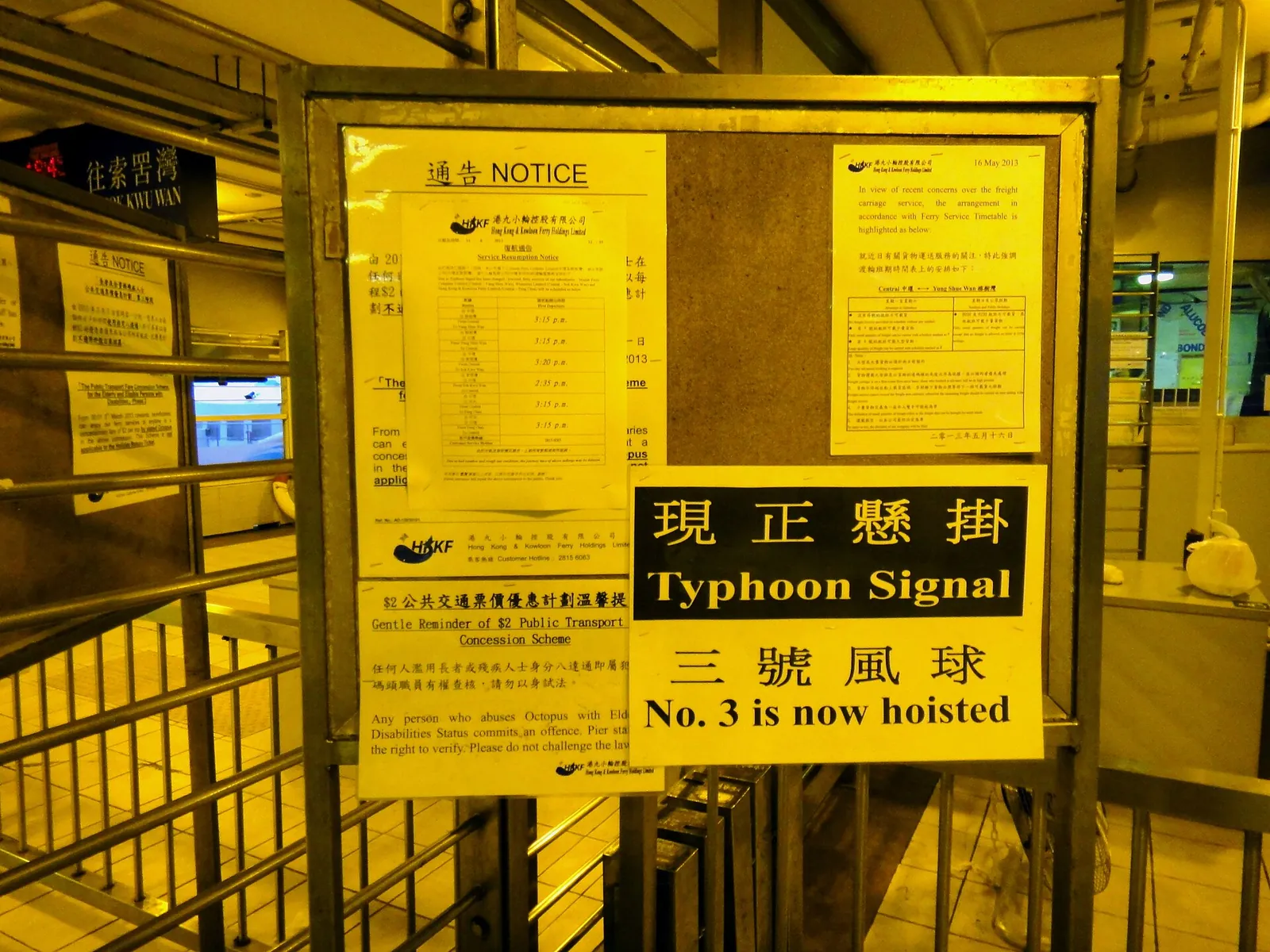
Typhoons affect Hong Kong from May to November, most often in September, and can cause flooding and landslides. The Hong Kong Observatory issues warnings when a tropical cyclone within 800 km threatens Hong Kong, and on average about ten typhoons a year reach China's southern coast, Hong Kong and Macao included. From Signal No. 3, stay away from the shore and avoid water sports.
Signal No. 8 is the one that changes plans. What closes: public offices close, traffic is heavily disrupted and air traffic can be restricted.
What runs: the MTR keeps running under No. 8, normally at first so people can get home, then as a limited service with longer gaps between trains as the storm gets closer; MTR Bus services stop three hours after the signal. From Signal No. 9, trains stop on the open-air sections and the Light Rail, and the underground sections keep a limited service only while it is safe. If the weather suddenly gets worse, the MTR can suspend services without notice.
What to do: check your flight with the airline before you set out for the airport. The Observatory's advice is to avoid the street, get home as soon as conditions permit and keep away from low-lying areas, which a storm surge may seriously flood; high winds are likely to persist even as the storm moves away, so stay indoors where it is safe until they moderate. There is no official rebooking rule to quote for flights, so ask your airline what it offers in a typhoon before you book for these months, and keep the day before your flight home free of anything you cannot move.
Ferries: they can stop hours before the signal goes up. When Signal No. 8 was due at 2:20 PM on 23 September 2025, TurboJET's last sailing from Hong Kong to Macau left at 11:30 AM and its Taipa, Zhuhai and Shekou routes were suspended; affected passengers could reschedule free of charge, or claim a refund or a new time within one month after services resumed, and tickets bought through a travel agency are refunded by the agent. On Sun Ferry's outlying-island routes, such as Central to Cheung Chau, the coxswains decide when to suspend and resume sailings, and the latest schedule is on 2131 8181. The Home Affairs Department's emergency hotline, 2835 1473, opens when Signal No. 8 or higher is issued.
Rainstorm warnings come in three levels. Amber means more than 30 mm of rain in an hour, Red is the middle level, and Black means more than 70 mm in an hour, in each case fallen or expected generally over Hong Kong and likely to continue; the Observatory may issue a Black warning without a Red one first. Under Black, expect serious disruption and closures of public facilities, and stay indoors or shelter in a safe place until the heavy rain has passed. On a trail, leave any stream bed at once when it starts to rain.
Prices and times checked 8 November 2026
Hiking, beaches and roads
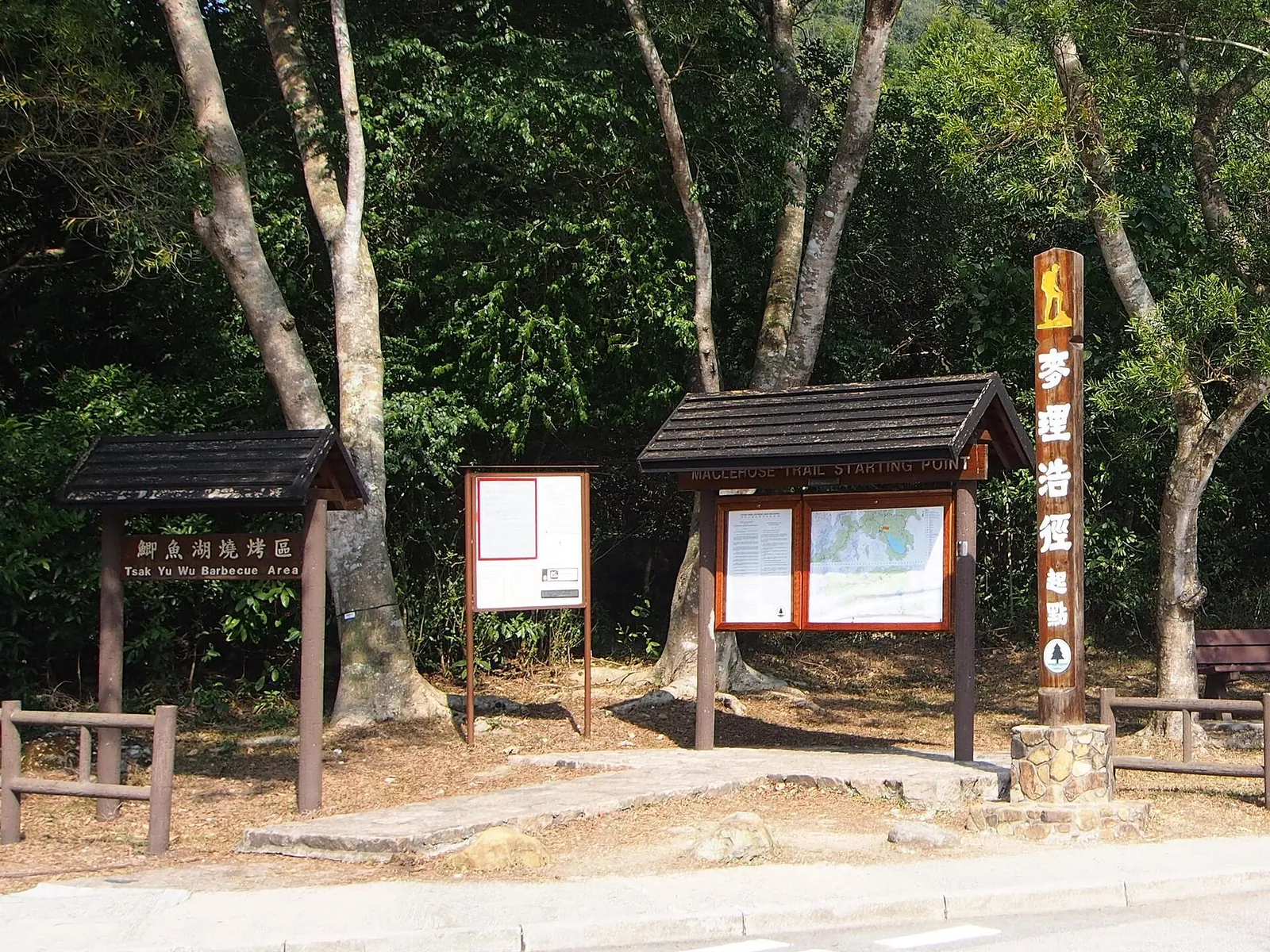
The AFCD's rules for the country parks are simple. Do not hike alone; a group of at least four is better. Carry a map, plenty of drinking water, food, a torch, rain gear, a first-aid kit, a whistle, a fully charged phone and a backup battery, and leave your route and expected times with someone at home. Keep to the marked trails the AFCD maintains, never cross a barrier, carry no valuables, and do not walk, swim or play in natural streams, waterfalls or ponds. Our Hong Kong hiking guide covers the routes.
In a thunderstorm, keep off hilltops and away from trees, masts and other highly conductive objects, and crouch rather than lie down. Scrub typhus, a fever carried by mites, is a small infection risk only when hiking in the hills; repellent and suitable clothing protect against it.
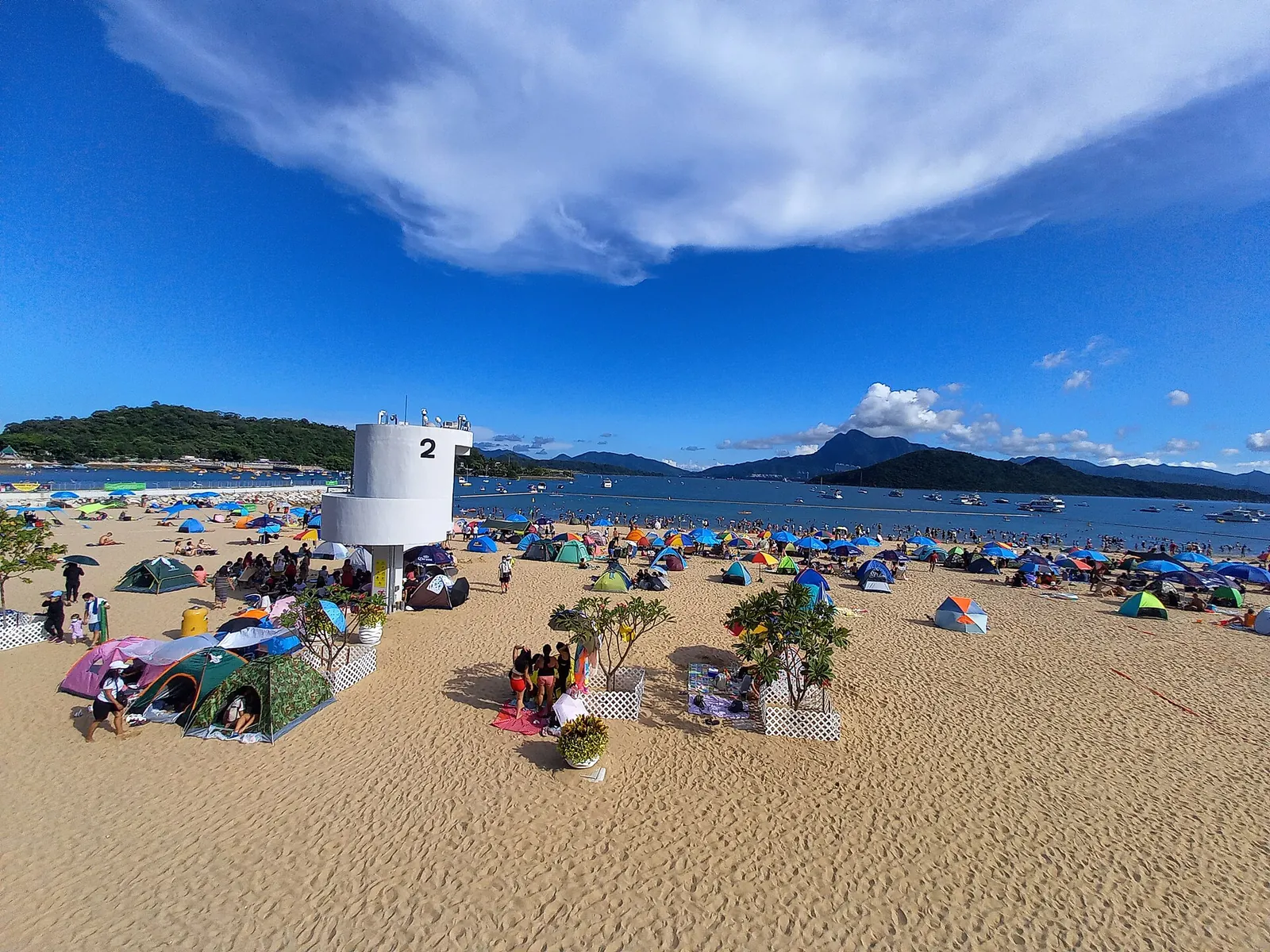
Swim only where lifeguards are on duty, and never when the red flag is up. At the gazetted beaches of the Leisure and Cultural Services Department (LCSD), lifeguards work from 9am to 6pm in April, May, September and October, and from June to August until 6pm on weekdays and from 8am to 7pm at weekends and on public holidays; from November to March only a few named beaches have them, from 8am to 5pm, and from 1 November 2026 to 31 March 2027 lifeguard services are suspended at 22 of the 39 beaches. Signs at each beach show whether lifeguards and first aid are on hand, warn of a shark reported nearby or say that swimming is unsafe; 39 of the 42 gazetted beaches have shark nets. Under a Thunderstorm Warning, the beaches affected raise the red flag and ask swimmers to leave the water at once and take shelter. Nude and topless sunbathing is forbidden on Hong Kong's beaches and can be fined.
Traffic drives on the left, and seatbelts are compulsory in cars, taxis and minibuses, and not wearing one can be fined. Our Hong Kong transport guide covers getting around by public transport.
Theft, drinks and scams
Violent crime is low, but pickpocketing and other street crime can happen: take extra care of passports, cards and money in crowded places and when checking in and out of hotels. Pickpockets work at the airport, on public transport and in the main shopping streets, and isolated robberies, especially at night, and the use of knock-out drops for fraud cannot be ruled out. Keep money and documents safe, and keep electronic copies or photos of them.
Personal attacks, including sexual assaults, are rare but do happen, including after drink spiking, and women travelling alone or with other women could be at greater risk. Do not leave a drink unattended in a bar or club, and do not accept drinks from strangers.
Be sceptical of unusual e-mails, phone calls, prize notices, offers and requests for help from people claiming to be acquaintances; share no personal data, and check the story in person or go to the police. The Anti-Deception Coordination Centre runs the Anti-Scam Helpline on 18222, and the police e-Report Centre takes reports of technology crime and deception, and of lost property, online.
One scam ends in prison. More foreign travellers have recently been arrested at Hong Kong's airport on suspicion of smuggling drugs in their luggage, in cases increasingly linked to scams, and gangs coerce people into carrying drugs. You are responsible for any bag checked in under your name, so pack your own luggage and never carry a parcel, bag or case for anyone else.
The laws that catch visitors out
Hong Kong has zero tolerance for drugs: if you smuggle, traffic, possess or use them, including while transiting through the airport, expect a severe prison sentence, and transit baggage is scanned. Even small amounts of cannabis, cocaine, ketamine, ecstasy or CBD bring long prison sentences. All cannabis products are illegal, including CBD oils, creams, capsules and food products, and France puts the penalty for possessing or using CBD at up to seven years in prison.
Do not bring e-cigarettes, vapes, heated-tobacco products, herbal cigarettes or e-liquids to Hong Kong: importing them is banned, including by arriving travellers, possessing or using them in public has been illegal since 30 April 2026, and any in your luggage must be disposed of before you arrive. Importing them can bring a fine of HK$500,000 and two years in prison on summary conviction, or HK$2,000,000 and seven years on indictment, and a small quantity found on you in public brings a HK$3,000 fixed penalty. Smoking is banned on public transport, in taxis and lifts and in most buildings, and in queues since 1 January 2026, with fines.
The national security laws of 2020 and 2024 apply to activities inside and outside Hong Kong and to all individuals, regardless of nationality or residency, and they can reach visitors on entry and in transit; they can be interpreted broadly and are applied retroactively, and some offences carry up to life imprisonment. Complying with an investigation includes giving full access to your electronic devices, and since 24 March 2026 refusing to hand over the passwords of encrypted devices in a national security investigation has been an offence. Some people have been prosecuted for publishing or supporting statements critical of the Hong Kong or Chinese authorities, including online, and political statements on social media can fall within the laws' scope. The internet is generally free and VPNs are not banned, but expect online activity to be tracked and device data, for example on a laptop left in a hotel room, to be viewed or copied.
Smaller rules carry fines on the spot: littering, jaywalking and spitting, as well as dropped cigarette butts, packaging and graffiti. Flying a drone is strictly prohibited in some areas and can lead to arrest and prison, and drones generally need registering first; do not photograph military installations, and do not bring elephant ivory in or out: importing and re-exporting it, souvenirs included, is illegal. Stun guns, objects with sharp points or edges such as samurai swords, and martial-arts equipment such as knuckledusters are illegal to bring in, and stun and pulse weapons can bring fines of HK$100,000 or up to 14 years in prison, even when they are only in transit luggage; our Hong Kong entry guide covers the rest of the arrival rules.
Prices and times checked 8 November 2026
Emergency numbers, hospitals, insurance and medicines
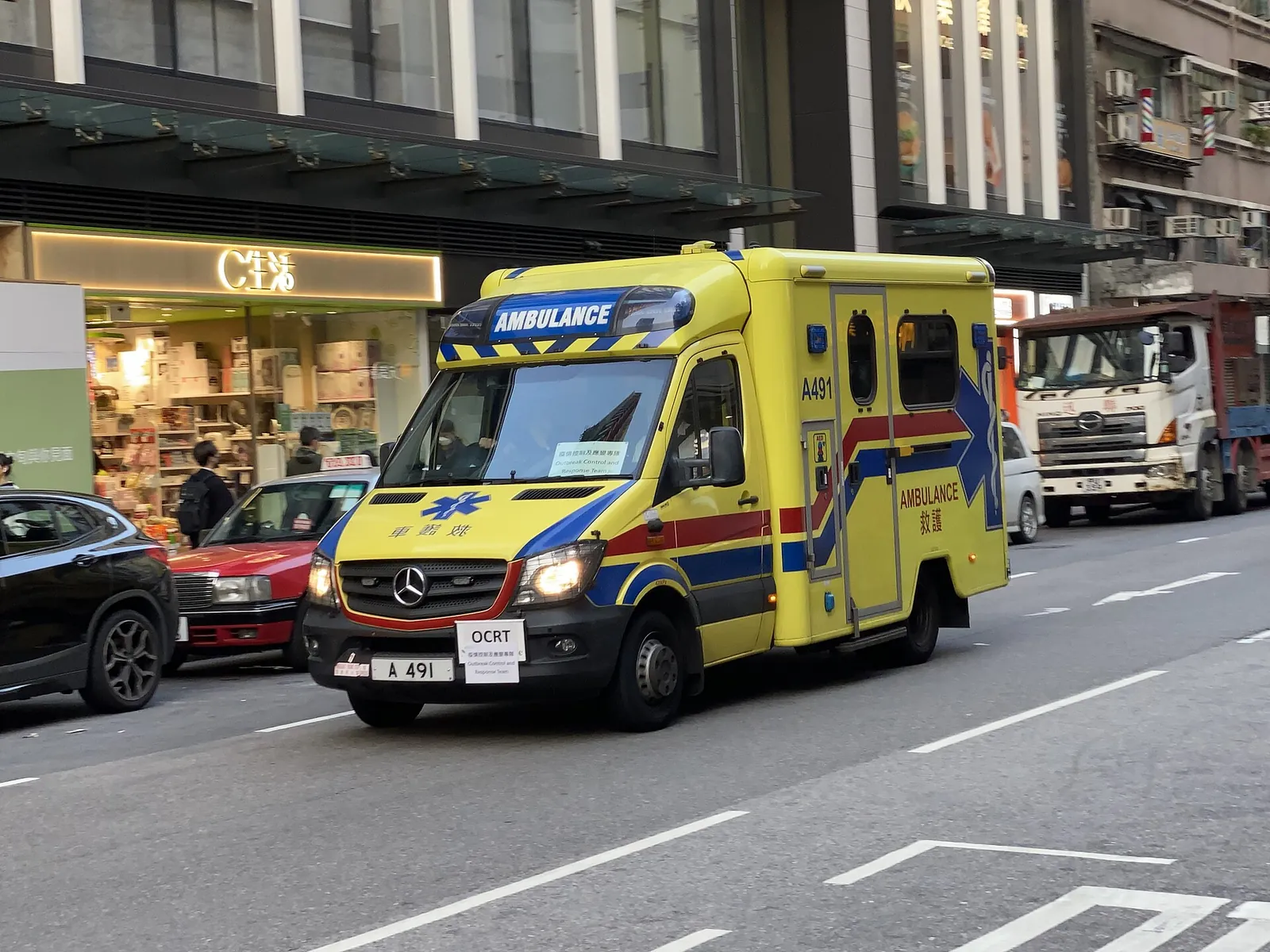
Call 999 for police, fire or ambulance emergencies in Hong Kong. Save these numbers before you land:
| Service | Number |
|---|---|
| Police, fire and ambulance | 999 |
| Hong Kong Tourism Board visitor hotline | +852 2508 1234 |
| Anti-Scam Helpline (Anti-Deception Coordination Centre) | 18222 |
| Home Affairs Department emergency hotline (from Signal No. 8) | 2835 1473 |
| UK Foreign Office in London, for family at home (24 hours) | 020 7008 5000 |
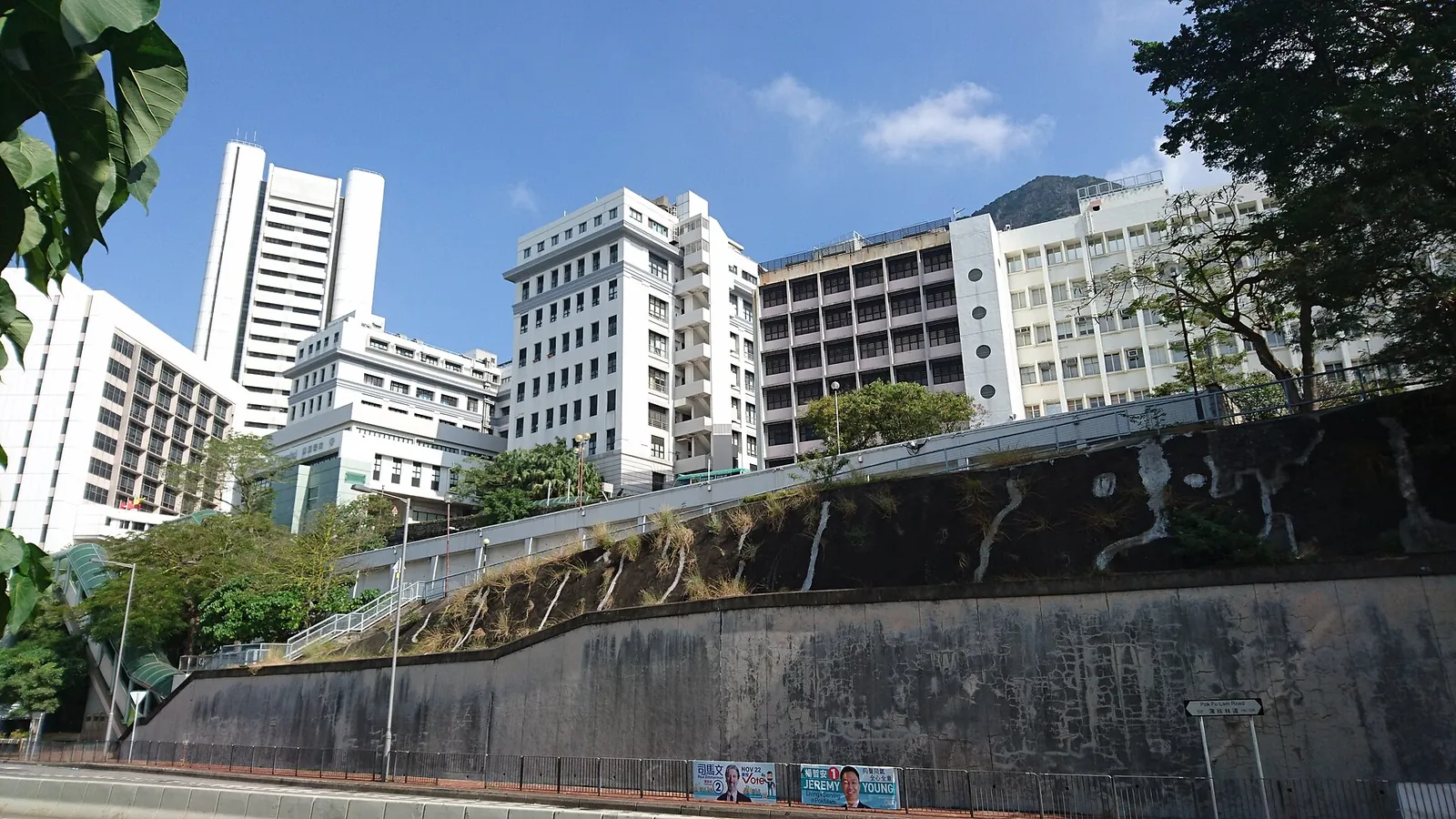
For an ambulance, call 999 and ask for one. The Hospital Authority's public A&E departments are open 24 hours, among them Queen Elizabeth Hospital (30 Gascoigne Road, Kowloon), Queen Mary Hospital (102 Pokfulam Road, Hong Kong Island), Ruttonjee Hospital (266 Queen's Road East, Wan Chai), North Lantau Hospital (Tung Chung, Lantau) and St. John Hospital (Cheung Chau). Visitors without a Hong Kong Identity Card pay the rates for non-eligible persons, in force since 1 January 2026: HK$2,100 per A&E attendance, HK$7,400 a day on a general hospital ward and HK$35,600 a day in intensive care; the ward fee includes consultation, examinations, general prescriptions, nursing and meals. If you are referred to a medical facility for treatment, contact your insurance company quickly. Private hospitals and clinics are licensed or registered and regulated by the Department of Health, every doctor of Western medicine must be registered with the Medical Council of Hong Kong, and the UK Foreign Office keeps a list of medical providers where some staff speak English. Care is excellent and at European level, but without enough cover you pay the treatment, hospital and flight-home costs yourself, and they can quickly eat up all your savings.
France's advice on insurance is the strictest: before any trip to China, including Hong Kong and Macao, an assistance or insurance contract that covers all medical costs, including surgery, hospital stays and repatriation, is essential, and without proof of cover a traveller risks being refused care, even in a life-threatening emergency. Make sure the policy covers your itinerary, your planned activities and the costs of an emergency, including local treatment and an unexpected medical evacuation, for the whole stay; if you have a health condition or are pregnant, make sure the policy covers it. Our Hong Kong trip-cost guide gives the rest of the budget.
Cold and flu remedies and other basic medicines are sold without a prescription in pharmacies and in medicine stores. A registered pharmacy (an Authorized Seller of Poisons) must have a pharmacist on duty and display the duty pharmacist's certificate of registration and hours in the shop, and some show an "Rx" logo; medicine stores have no pharmacist and cannot sell prescription medicines. Antibiotics are prescription-only, and registered medicines carry an "HK-" number on the pack. You can get prescribed medication in Hong Kong only through a doctor, unless your UK prescription specifically states that the medication will be required in Hong Kong, so bring enough of anything you take regularly. Pack a personal travel medicine kit and keep it away from high temperatures on the way.
Prices and times checked 8 November 2026
Practical questions
Is Hong Kong safe for tourists?
Yes, for most visitors. Violent crime is low, and the UK, German and French governments do not advise against travel to any part of Hong Kong. The risks that matter are pickpocketing in crowds, typhoons and rainstorms from May to November, and strict drug, vape and national security laws.
What is the emergency number in Hong Kong?
999, for police, fire and ambulance. The Hong Kong Tourism Board's visitor hotline is +852 2508 1234, and the Anti-Scam Helpline is 18222.
Can I drink the tap water in Hong Kong?
Drink water from a safe source rather than the tap, as Germany, the strictest of the three governments, advises, even though the supply is treated to the Hong Kong Drinking Water Standards. Never drink untreated stream water on a hike.
Which vaccinations do I need for Hong Kong?
None is required unless you arrive from, or transit more than 12 hours through, a yellow fever risk country. Every traveller should have routine vaccines up to date, especially measles, and a completed tetanus course; ask a travel clinic about hepatitis A first, then hepatitis B and, for long stays or poor sanitation, typhoid.
What happens when Typhoon Signal No. 8 is raised?
Public offices close, flights can be restricted and the MTR, after running normally at first, moves to a limited service as the storm gets closer; from Signal No. 9, open-air sections and the Light Rail stop. Ferries to Macau and the outlying islands can stop hours earlier. Get indoors and stay there until the winds moderate, even once the storm is moving away. Typhoon season runs from May to November and is busiest in September.
Can I bring a vape or CBD products to Hong Kong?
No. Dispose of any vape, e-cigarette or heated-tobacco product before you arrive, and bring no CBD item, since all cannabis products are illegal. The laws section above gives the penalties.
Do I need travel insurance for Hong Kong?
Yes. A visitor pays HK$2,100 for one public A&E visit and HK$7,400 a day on a general hospital ward, so buy medical and repatriation cover for the whole stay, including local treatment and an unexpected medical evacuation; the insurance section above gives France's reasons.
Keep planning your trip
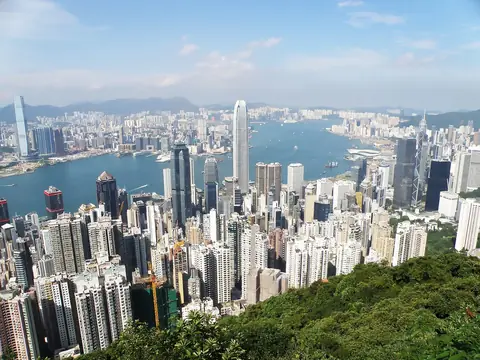
First trip to Hong Kong
Choose a Hong Kong base and a five-day first visit: harbour ferries, Central heritage, the Peak, West Kowloon, Lamma and the practical arrival decisions.
Read the guide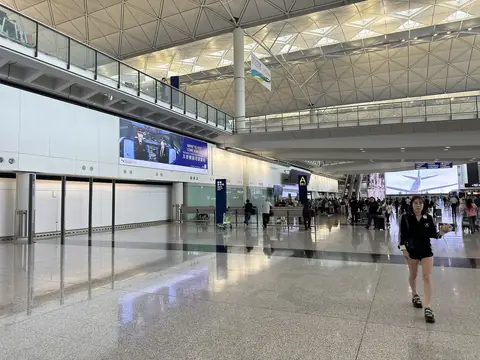
Hong Kong entry requirements
Hong Kong visa-free stays by passport, Indian pre-arrival registration, passport validity, arrival cards, customs and returning from Macau.
Read the guide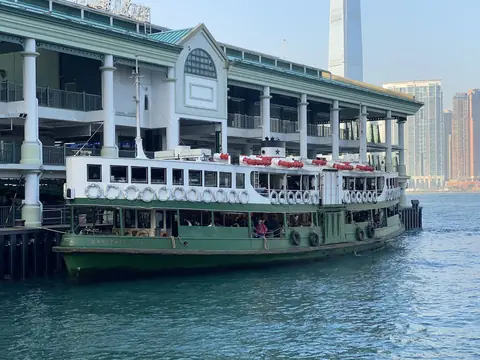
Hong Kong trip cost 2027
What 5 days in Hong Kong cost in November 2027, all in: about HKD 4,470 per person on a budget, HKD 7,630 mid-range or HKD 16,100 in comfort, with the Peak and Lantau.
Read the guide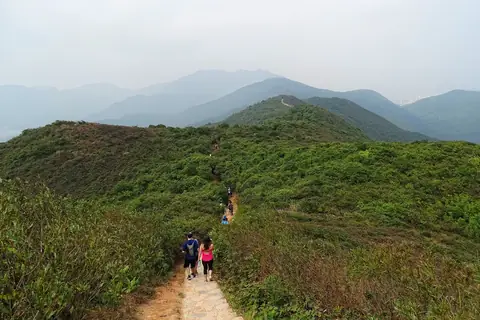
Hiking in Hong Kong
Choose Dragon’s Back, the Peak Circle Walk, Lantau Peak or MacLehose Trail Section 2, with exact official routes, access, weather limits and a five-day city plan.
Read the guide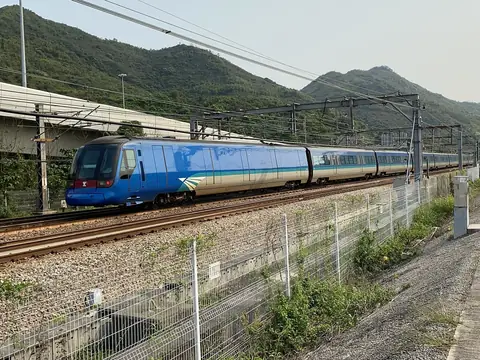
Transport in Hong Kong
Choose Airport Express or an airport bus, pay for MTR and trams, cross the harbour by Star Ferry and reach Cheung Chau or Lamma without losing the last boat.
Read the guide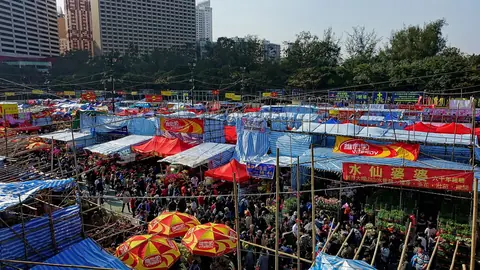
Best time to visit Hong Kong
Choose Hong Kong dates for harbour walks, islands and festivals, with official climate averages, holiday distinctions and the fares and tickets for a five-day city plan.
Read the guideSources and checks before you travel
(34)
- UK Foreign Office (GOV.UK): Hong Kong travel advice, warnings and insurance ↗ — opens in a new tab
- UK Foreign Office (GOV.UK): Hong Kong safety and security ↗ — opens in a new tab
- UK Foreign Office (GOV.UK): Hong Kong health ↗ — opens in a new tab
- UK Foreign Office (GOV.UK): Hong Kong getting help ↗ — opens in a new tab
- UK Foreign Office (GOV.UK): Hong Kong entry requirements ↗ — opens in a new tab
- Germany's Federal Foreign Office (Auswärtiges Amt): Hongkong, Reise- und Sicherheitshinweise ↗ — opens in a new tab
- French foreign ministry (France Diplomatie): Chine, sécurité (section 2, Hong Kong) ↗ — opens in a new tab
- French foreign ministry (France Diplomatie): Chine, entrée et séjour ↗ — opens in a new tab
- French foreign ministry (France Diplomatie): Chine, informations utiles ↗ — opens in a new tab
- TravelHealthPro (NaTHNaC): Hong Kong (China) ↗ — opens in a new tab
- US CDC Travelers' Health: Hong Kong SAR ↗ — opens in a new tab
- Water Supplies Department: water safety ↗ — opens in a new tab
- Centre for Health Protection (Department of Health): dengue fever ↗ — opens in a new tab
- Agriculture, Fisheries and Conservation Department: hiking safety guidelines ↗ — opens in a new tab
- Environmental Protection Department: about the AQHI ↗ — opens in a new tab
- Hong Kong Observatory: precautionary measures for tropical cyclones ↗ — opens in a new tab
- Hong Kong Observatory: rainstorm warning system ↗ — opens in a new tab
- MTR: travel tips during typhoons ↗ — opens in a new tab
- Leisure and Cultural Services Department: beaches ↗ — opens in a new tab
- TurboJET: typhoon arrangement regarding ferry services (23 September 2025) ↗ — opens in a new tab
- Sun Ferry: typhoon notice ↗ — opens in a new tab
- Sun Ferry: home page ↗ — opens in a new tab
- Leisure and Cultural Services Department: lifeguard service hours at beaches ↗ — opens in a new tab
- Leisure and Cultural Services Department: warning signals at beaches ↗ — opens in a new tab
- Environmental Protection Department: AQHI, what action should I take? ↗ — opens in a new tab
- MTR: information for visitors ↗ — opens in a new tab
- Tobacco and Alcohol Control Office: alternative smoking products legislation ↗ — opens in a new tab
- Tobacco and Alcohol Control Office: home page ↗ — opens in a new tab
- Anti-Deception Coordination Centre: home page ↗ — opens in a new tab
- Hong Kong Police Force: home page ↗ — opens in a new tab
- GovHK: overview of hospital services ↗ — opens in a new tab
- Hospital Authority: fees and charges (non-eligible persons) ↗ — opens in a new tab
- Hospital Authority: list of all Accident & Emergency departments ↗ — opens in a new tab
- Drug Office (Department of Health): frequently asked questions ↗ — opens in a new tab
Reference sources for the version dated 8 November 2026. Confirm opening times, access, transport and conditions for your travel dates.
Photo credits
(5)
Lung Mei Beach on a September day, with a lifeguard tower above the sand
Photograph: Sun8908 — opens in a new tab · CC BY-SA 3.0 — opens in a new tab
Changes: Resized and converted to WebP; displayed with responsive crops. · Original photograph and licence details ↗ — opens in a new tab
A ferry pier notice on Hong Kong Island during Typhoon Utor in August 2013: Typhoon Signal No. 3 is hoisted
Photograph: Dirk Ingo Franke — opens in a new tab · CC BY-SA 3.0 — opens in a new tab
Changes: Resized and converted to WebP; displayed with responsive crops. · Original photograph and licence details ↗ — opens in a new tab
The starting point of the MacLehose Trail in Sai Kung, with route boards under the trees
Photograph: rheins — opens in a new tab · CC BY 3.0 — opens in a new tab
Changes: Resized and converted to WebP; displayed with responsive crops. · Original photograph and licence details ↗ — opens in a new tab
Queen Mary Hospital in Pok Fu Lam on Hong Kong Island
Photograph: Ceeseven — opens in a new tab · CC BY-SA 4.0 — opens in a new tab
Changes: Resized and converted to WebP; displayed with responsive crops. · Original photograph and licence details ↗ — opens in a new tab
An ambulance on Un Chau Street, Hong Kong
Photograph: LN9267 — opens in a new tab · CC BY-SA 4.0 — opens in a new tab
Changes: Resized and converted to WebP; displayed with responsive crops. · Original photograph and licence details ↗ — opens in a new tab