Malé
Malé and Hulhumalé: coral mosque, fish market, airport night
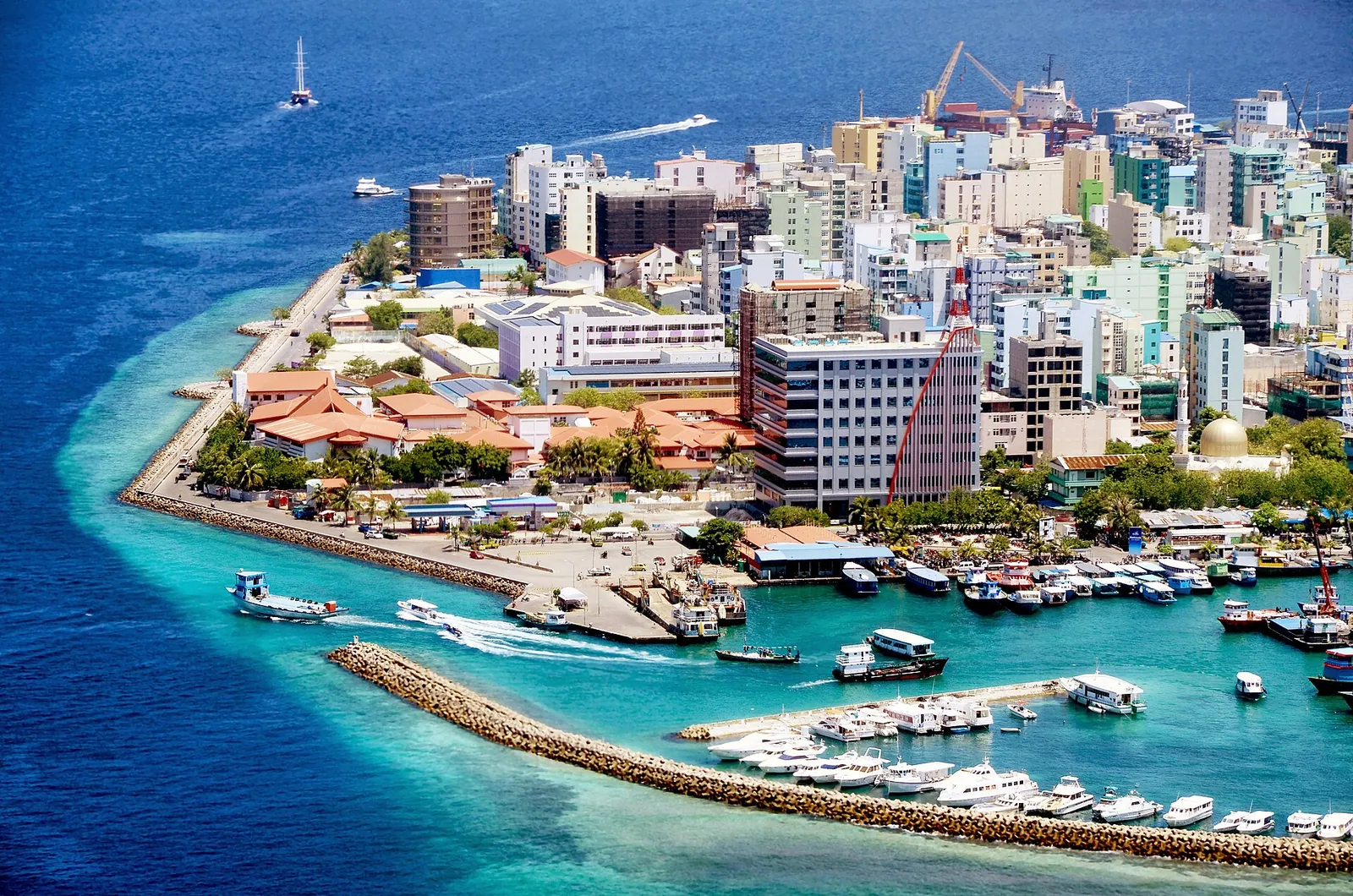
Malé is one of the most densely populated cities in the world: a small island packed edge to edge with apartment blocks, where scooters fill the narrow streets and boats crowd the harbour walls. Between the traffic stand the 17th-century coral-stone Friday Mosque, the golden domes of the Islamic Centre, the shady Sultan Park on the site of the old royal palace, and a fish market busy with fishers, butchers and customers. North of Velana International Airport (MLE) and joined to it by road, Hulhumalé is the newer island built on reclaimed land, with wide streets, a long beach on its eastern shore and a road straight to the airport. One night covers either, at the start of a trip or before the flight home.
In this guide
Find the location ↗ — opens in a new tabThe short answer
Spend one night: in Malé if you want the sights on foot, in Hulhumalé for the beach and the shortest drive to the airport. Book Tourist Inn's room with the free airport transfer in Malé, or Terminal 27 in central Hulhumalé. The airport ferry to Malé costs MVR 15 per person, and all in a night costs about USD 280 for two in Malé and USD 220 in Hulhumalé.
- Suggested time
- 1 night in Malé or Hulhumalé
- Where to stay
- Central Malé near the National Museum, or central Hulhumalé
- Season and timing
- The north-east monsoon, from January to March, is the dry season; the south-west monsoon, normally mid-May to November, is the wet season, with December and April in between. A city day works in any month.
Malé or Hulhumalé for your night
The airport sits on Hulhulé island. Malé, the capital, is the island next to it to the south-west, joined by the Sinamalé Bridge; Hulhumalé is the newer reclaimed island to the north, joined to the airport by road. Both are a short ride from your flight.
Sleep in Malé if you want to walk to the sights in the evening and the next morning. The Sinamalé Bridge makes an early flight easy from here too. Tourist Inn (Maaveyo Goalhi) is a guest house near the National Museum and Republic Square. On its own site on 28 October 2026 it listed a Deluxe Double Room (Free Return Airport Transfer) at USD 120 a night for two adults, with one bed, air conditioning and a private bathroom; check-in and check-out are at 12:00. Book that room by name: the plain Deluxe Double at the same price is listed without the transfer.
Sleep in Hulhumalé if you would rather end the day on a beach and keep the drive to the airport as short as possible: Visit Maldives gives it as about 15 minutes, and 25 minutes to Malé. Terminal 27 (Lot 11109, Nirolhu Magu) is a small hotel in the centre of Hulhumalé; it listed its Deluxe Room for two adults and a child from USD 75 a night, and arranges airport pick-ups and drop-offs.
Our Maafushi guide picks up the trip if your next stop is a guesthouse island.
Hukuru Miskiy, the Islamic Centre and the north shore
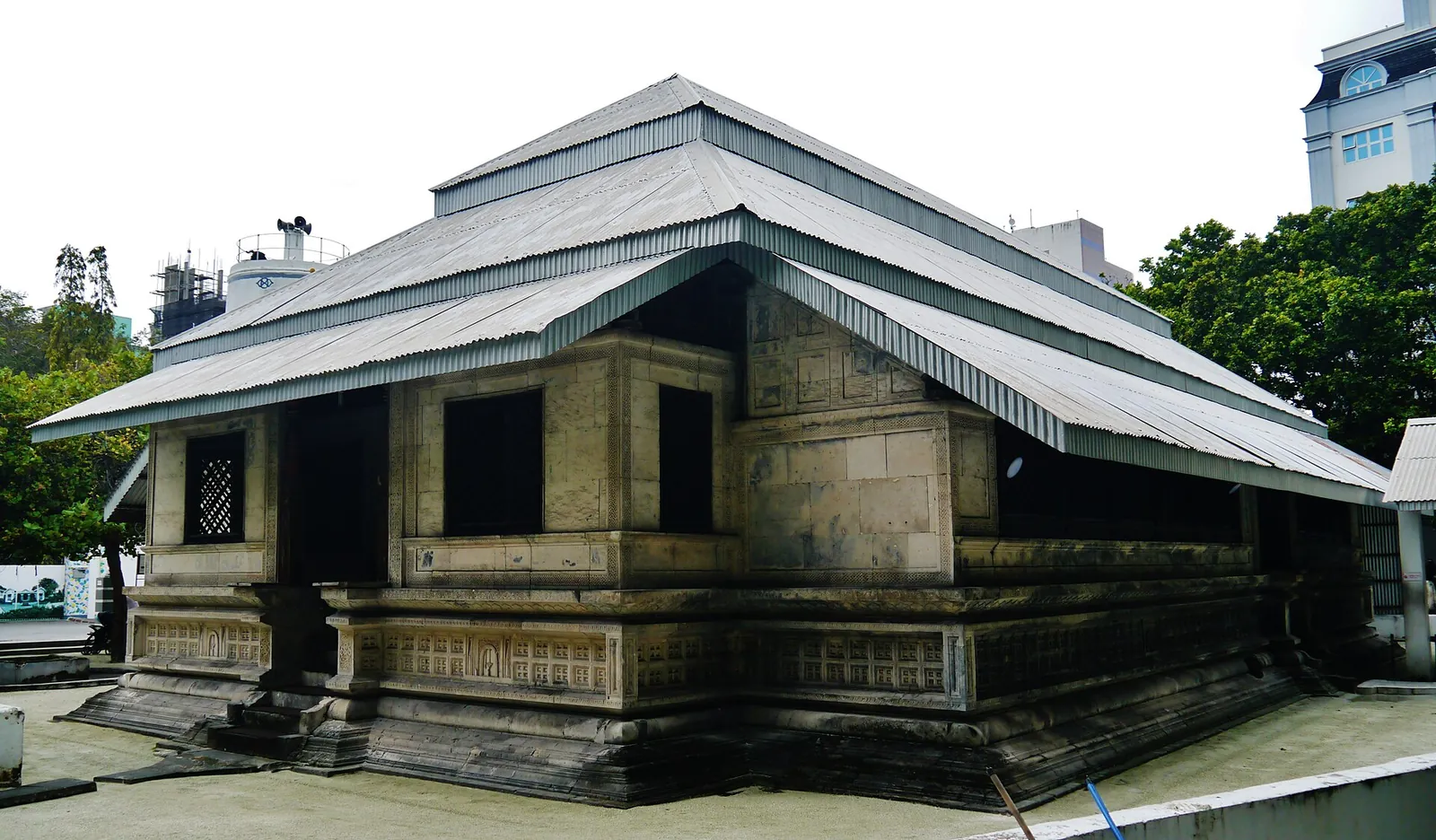
Hukuru Miskiy, the Old Friday Mosque, was built in 1658, and its minaret in 1675; they are the oldest buildings standing in Malé. The walls are blocks of coral stone fitted together and carved with fine patterns, and the roof rests on cut coral columns under a ceiling made by master carpenters, with woodcarving and lacquer work inside. A 17th-century cemetery surrounds the mosque, its tombstones carved as intricately as the walls. Hukuru Miskiy is one of the mosques on UNESCO's tentative list as Coral Stone Mosques of Maldives; the Maldives submitted their nomination for the World Heritage List on 21 January 2026, and they have not yet been inscribed.
A few steps away is the Medhu Ziyaarai, the shrine that local legend holds to be the grave of Abul Barakaath Yoosuf al Barbaree, the Moroccan scholar credited with bringing Islam to the Maldives.
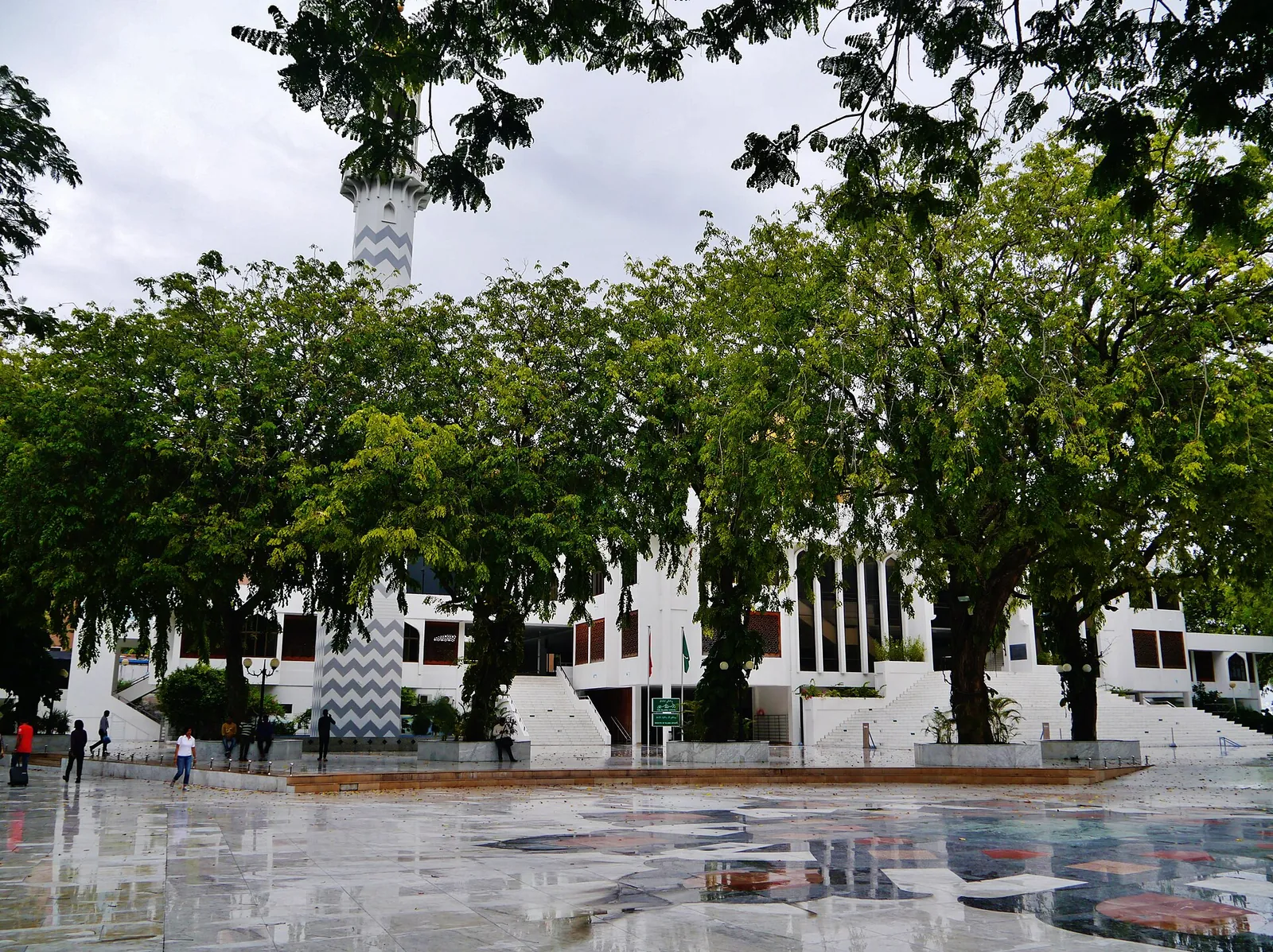
Beside Republic Square, near the north shore, the Islamic Centre opened in 1984. Its golden dome stands out on Malé's skyline. Its mosque, the Masjid al-Sultan Muhammad Thakurufaanu al-Auzam, often called the Grand Friday Mosque, is named after the national hero Sultan Muhammad Thakurufaanu, and has woodcarving and Arabic calligraphy inside; the centre also holds a conference hall and an Islamic library. Republic Square itself has a giant national flag and a small park where people meet.
Both are working mosques; see them from outside, and avoid Friday prayer time.
Sultan Park, the National Museum and the fish market
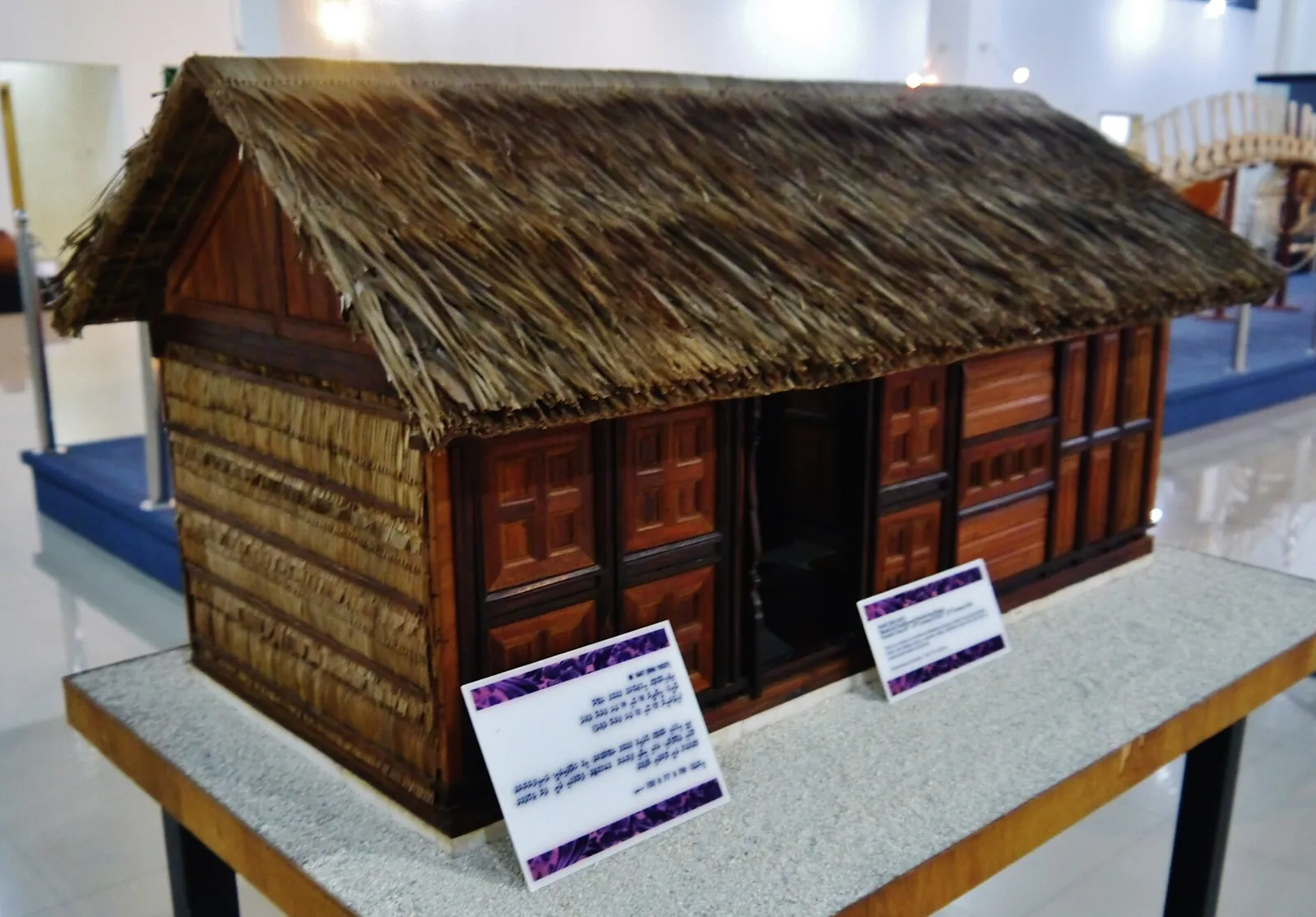
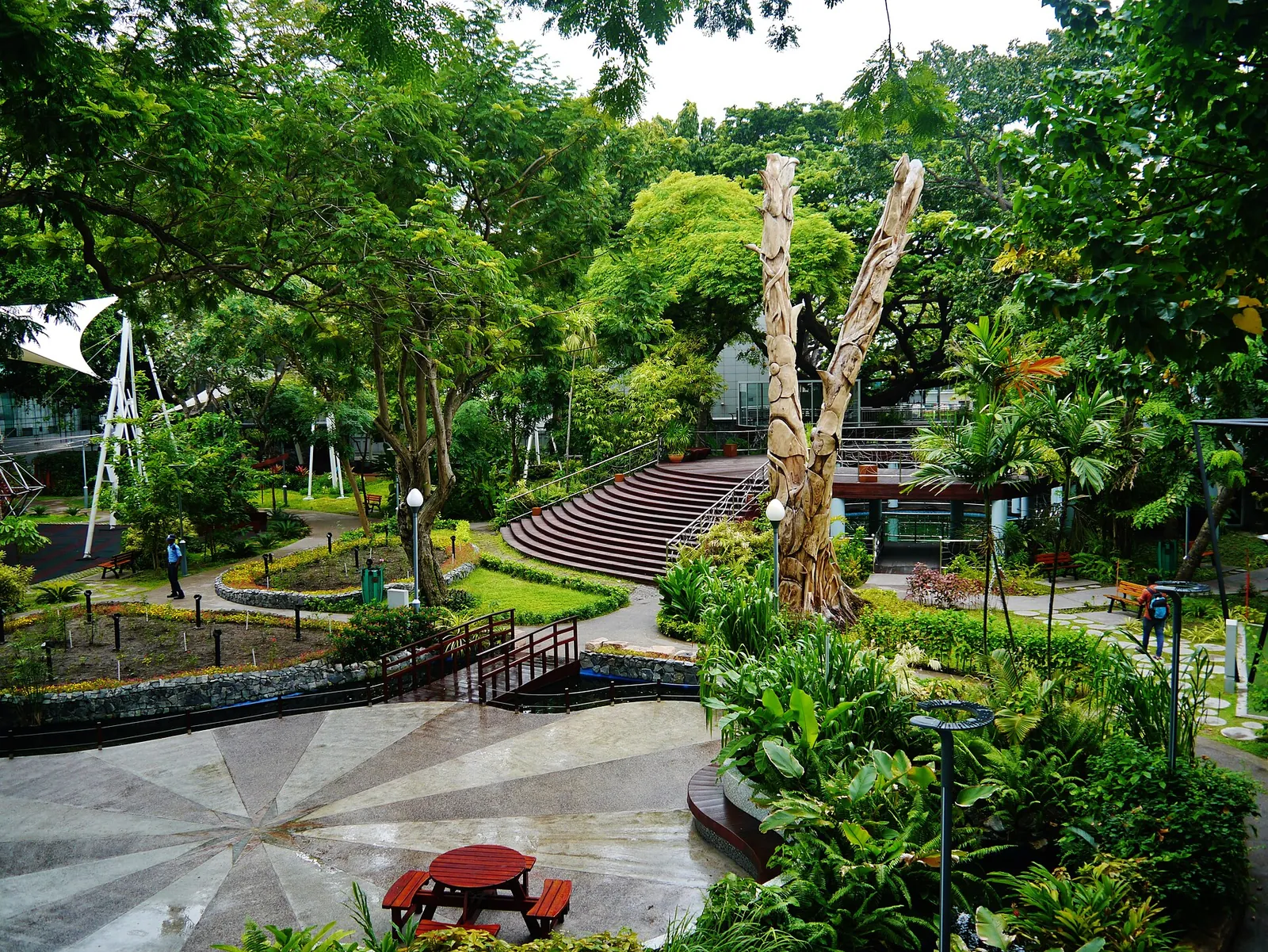
Sultan Park, with its large trees and colourful flowers, stands on the site of the old royal palaces, in front of the Republican Monument unveiled for 30 years of independence, and it is the city's favourite public garden. The National Museum first opened in 1952 and moved into a new building in 2010. It shows objects from the pre-Islamic to the Islamic period, royal dress and objects of the sultans, Maldivian crafts, and even moon rocks. It opens from 10:15 to 16:00.
The fish market on the northern waterfront is the oldest in Malé, busy with fishers, butchers and customers. Skipjack and yellowfin tuna fill the stalls. The market is a few minutes' walk from Hukuru Miskiy and the museum, so the three fit into one morning.
On the south-west corner of the island, the stainless-steel Tsunami Monument remembers the victims of the 2004 Indian Ocean tsunami. Malé also has two small town beaches, Artificial Beach and Rasfannu Beach. For souvenirs, walk to the end of Chaandhanee Magu, where the gift shops cluster.
If you have half a day more, take the ferry from the Vilingili Ferry Terminal in Malé to Villimalé (formerly Villingili), a residential island where only battery or solar-powered vehicles are allowed. Visit Maldives gives the crossing as 10 minutes, with ferries usually every 15–20 minutes, for about MVR 10 per person each way. It is greener than Malé, with Lovers Beach, deeper and with watersports centres, and the shallow Villimalé Public Beach, which looks back at the capital.
What to eat and where to look
Mas huni with roshi
The Maldivian breakfast: fresh tuna mixed with grated coconut, onion, chilli and lime, eaten with roshi, a round flatbread.
- Where to look
- The Chef Mode Badhige or The Maldive Kitchen in Hulhumalé, both serving traditional Maldivian food.
- Fit it into your day
- Breakfast on the morning after a night in Hulhumalé, before the beach.
Most Maldivian dishes are built on tuna and coconut and are often hot with chilli; ask before you order if you avoid fish or chilli.
Bajiyaa and kulhi boakibaa
Two of the short eats (hedhikaa) of the Maldivian evening tea: bajiyaa, small samosa-like pastries, and kulhi boakibaa, a fish cake, taken with hot black tea.
- Where to look
- Dawn Café, a busy tea shop near the travellers' market in Kandi Dhon Maniku Goalhi, Malé, known for its short eats.
- Fit it into your day
- Late afternoon, after the fish market.
Mas buri riha
A spicy tuna curry with thick chunks of fish, eaten with fresh chilli, onion, lime and a poppadum.
- Where to look
- Faseyha Point on Majeedhee Magu, Malé, a tea shop locals know for this curry.
- Fit it into your day
- Lunch on the walking day in Malé.
Mas roshi
Small cakes of tuna and grated coconut, another of the hedhikaa set out on tea-shop counters.
- Where to look
- Bachchu Hotaa on Dhanburuh Magu, in the heart of Malé, a busy tea shop serving meals and hedhikaa.
- Fit it into your day
- An evening snack on the walk back to your hotel.
Hulhumalé: the beach, Central Park and the airport road
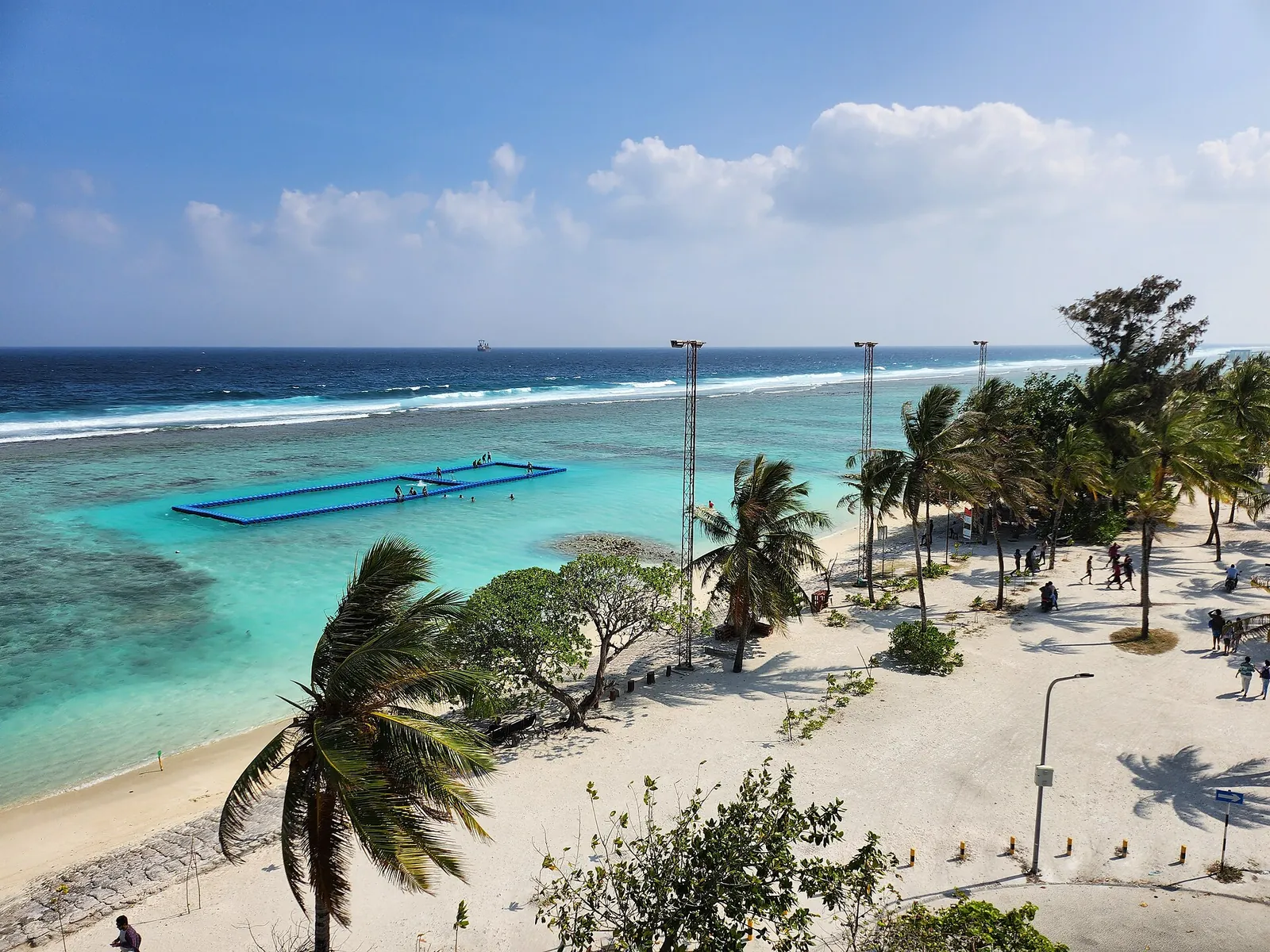
Hulhumalé was developed from 2000 on reclaimed land to ease the crowding in Malé, and it feels like a different city: a metropolitan island, much larger than Malé, with wider roads, cafés, guesthouses and shops. Give it a half day. Start on the long public beach along the eastern shore, which faces the open sea and is used by residents: the beach road behind it, Nirolhu Magu, is lined with small hotels and guesthouses, and diving and watersports centres there rent out equipment. Walk inland to Hulhumalé Central Park, about 9 hectares beside the Centro Mall, with a skate park and a volleyball court.
For a meal, Visit Maldives points to Hi Lemon for Korean food, Ramen House for noodles and Lazeez Gourmet for hummus, falafel and grilled meats; The Chef Mode Badhige and The Maldive Kitchen serve Maldivian food (in the food box). Some waterfront hotels and guesthouses let rooms by the day, so a late flight can follow an afternoon on the beach; ask the hotel for the day rate.
Between the airport, Malé and Hulhumalé
The airport ferry to Malé, MVR 15 per person every 15 minutes from 05:30 to 00:00, lands at the Hulhumalé Ferry Terminal, which despite its name is on Malé's north shore. For Hulhumalé take a taxi, about MVR 80-85 per car, or an RTL bus; between the two islands MTCC's 24-hour bus costs about MVR 10 per person to Phase 1. Our transport guide has the full bus and taxi fares, the Villimalé ferry and the speedboats to the guesthouse islands.
Staying safe and respecting local rules
Political protests take place from time to time in Malé. Keep well away from demonstrations, large crowds and gatherings of political parties or religious groups, as the German, French and British governments advise. The UK notes gang-related violence, including knife crime, mainly in Malé and Hulhumalé: avoid empty roads on foot, particularly after dark. Other governments may draw a wider line, so check your own government's advice.
On Malé's artificial beach areas, signs ban bikinis; on the public beaches of Malé and Hulhumalé, swim in shorts and a T-shirt. On these inhabited islands no alcohol is sold, shoulders and knees stay covered, and during Ramadan nobody eats, drinks or smokes in public by day; our first-trip guide sets out the rules.
What one night costs, all in
| Base | Per person | For two |
|---|---|---|
| Malé, Tourist Inn | USD 140 | USD 280 |
| Hulhumalé, Terminal 27 | USD 110 | USD 220 |
About USD 140 per person in Malé and USD 110 in Hulhumalé for one night and two days, with the room and its taxes, the airport transfers, every meal and drink, and a 10% buffer. This budget is for two adults sharing a double, arriving before lunch on day one and leaving after dinner on day two, with prices checked on 28 October 2026 and converted at the Maldives Monetary Authority's reference rate of USD 1 = MVR 15.42.
The room budget allows for a 10% service charge, 17% T-GST and USD 6 green tax per person per night. Tourist Inn's room with the airport transfer is USD 120; Terminal 27's is USD 75, plus about MVR 85 per car for each airport taxi. Meals are priced at Island Choice and The Taste Buddy, at an estimated MVR 100-110 per person, and drinks at Island Choice's MVR 50 lassi, all with 8% GST.
Malé, for two: room USD 170 with taxes; food and drinks USD 80; airport transfer included in the room; buffer USD 30. Hulhumalé, for two: room USD 110 with taxes; food and drinks USD 80; taxis USD 10; buffer USD 20.
A tourist SIM serves the whole trip, so our trip cost guide prices it with the week, along with the international flight.
Museum admission is extra; no entry fee is published on the heritage site.
Practical questions
Should I stay in Malé or Hulhumalé?
Malé if you want to walk to the mosques, the museum and the fish market; Hulhumalé if you want a beach close to the airport. Taxis run to both, and one night is enough for either.
How do I get from the airport to Malé?
Take the airport ferry from the counter near Terminal 2: it runs every 15 minutes from 05:30 to 00:00 and costs MVR 15 per person. Taxis cross the Sinamalé Bridge, and RTL buses run to Malé and Hulhumalé.
How long do I need for Malé's sights?
One day on foot: Hukuru Miskiy and the Islamic Centre from outside, Sultan Park, the National Museum and the fish market are all on the north side of the island, a few minutes' walk apart.
How do I get between Malé and Hulhumalé?
MTCC's bus costs about MVR 10 per person to Phase 1 and MVR 15 to Phase 2. A taxi costs about MVR 85-100 per car.
Can I wear a bikini on Hulhumalé or Malé beaches?
On the public beaches, swim in shorts and a T-shirt; the safety section has the dress rules.
How much does a night in Malé cost?
About USD 140 per person, USD 280 for two, for one night at Tourist Inn in Malé with the airport transfer, every meal and drink, taxes and a 10% buffer. A night at Terminal 27 in Hulhumalé comes to about USD 110 per person, USD 220 for two.
Keep planning your trip
Maafushi
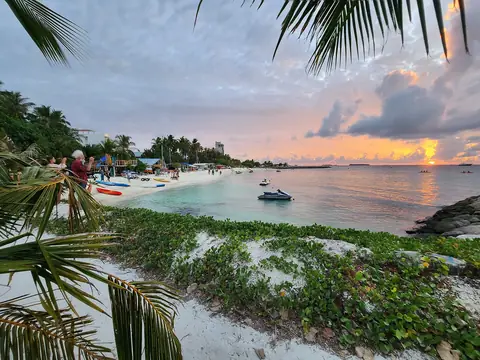
How many nights on Maafushi, which boat from the airport, the bikini beach and island rules, snorkelling and resort day trips, guesthouses and a three-night budget.
Read the guide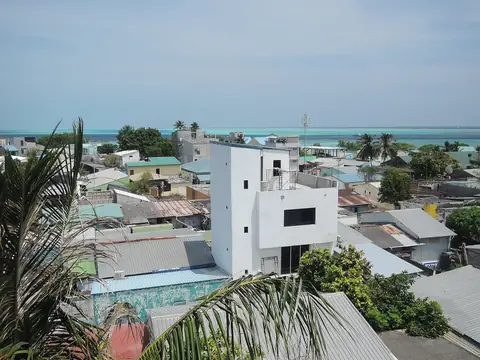
Local islands of the Maldives
Compare seven Maldives guesthouse islands, from Maafushi and Thulusdhoo to Fulidhoo, Thoddoo and Dhigurah: boats from the airport, fares, rules and three-night costs.
Read the guide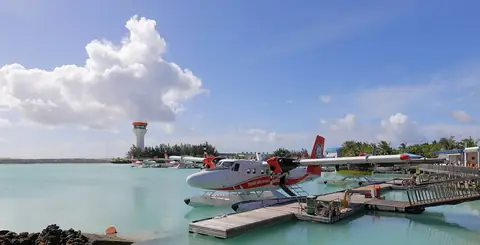
Getting around the Maldives
From Velana airport to Malé, Hulhumalé and the guesthouse islands: the MVR 15 ferry, shared speedboat fares and times, MTCC ferries, seaplanes and domestic flights.
Read the guide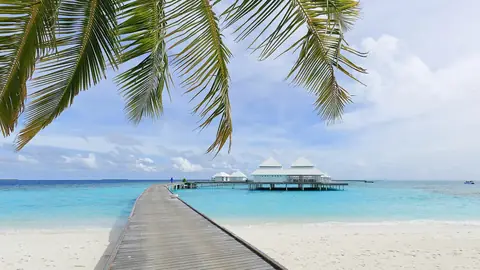
First trip to the Maldives
Resort or guesthouse island for a first Maldives trip: the rules on alcohol and dress, money, SIM cards, entry, safety and what a day costs at three levels.
Read the guide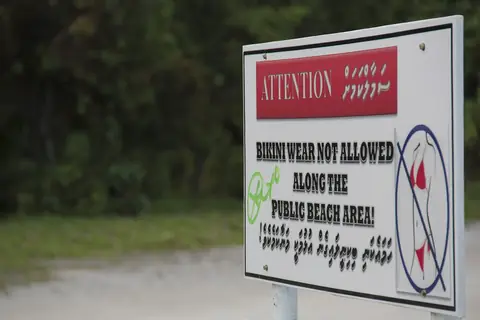
Maldives in seven days
Six nights: Malé for one, the guesthouse island of Maafushi for three and a resort about 20 minutes from the airport for two, with boats, hotels and an all-in budget.
Read the guide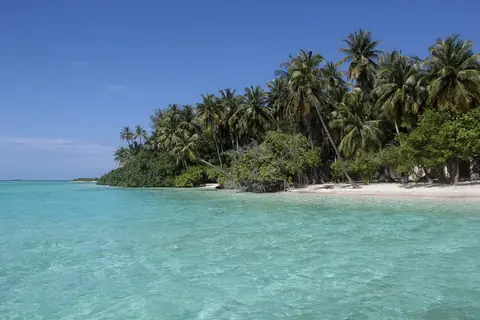
Maldives trip cost
A Maldives week for two, all in: about USD 1,260 per person on a guesthouse island, USD 1,910 with two resort nights, or USD 3,230 for a resort week.
Read the guideSources and checks before you travel
(33)
- Visit Maldives: Hukuru Miskiiy ↗ — opens in a new tab
- Visit Maldives (archived site): Malé City ↗ — opens in a new tab
- National Centre for Cultural Heritage (Dhivehi homepage) ↗ — opens in a new tab
- Visit Maldives: 50 ultimate experiences ↗ — opens in a new tab
- Visit Maldives: turning a business trip into a bleisure trip ↗ — opens in a new tab
- Visit Maldives: a culinary journey in Hulhumalé ↗ — opens in a new tab
- Visit Maldives: Maldivian cuisine ↗ — opens in a new tab
- The Edition: 7 tea shops in Male' (24 June 2018) ↗ — opens in a new tab
- Malé Airports Company: transport and directions ↗ — opens in a new tab
- MV+: Urbanco and Tourism Ministry to develop a tourist beach in Hulhumalé (23 August 2023) ↗ — opens in a new tab
- The Edition: fishing improves (5 August 2024) ↗ — opens in a new tab
- Maldives Meteorological Service: climate ↗ — opens in a new tab
- Tourist Inn: rooms ↗ — opens in a new tab
- Terminal 27: rooms and rates ↗ — opens in a new tab
- Island Choice: menu ↗ — opens in a new tab
- MIRA: goods and services tax ↗ — opens in a new tab
- MIRA: green tax ↗ — opens in a new tab
- Labour Relations Authority: service charge regulation ↗ — opens in a new tab
- The Standard: MTCC's Malé Taxi Line introduces fares (19 April 2026) ↗ — opens in a new tab
- The Edition: government sets new taxi fares for the Malé region (15 May 2024) ↗ — opens in a new tab
- MV+: MTCC 24-hour bus between Malé and Hulhumalé (30 August 2023) ↗ — opens in a new tab
- The Taste Buddy, Hulhumalé: menu ↗ — opens in a new tab
- Maldives Monetary Authority: reference rates ↗ — opens in a new tab
- UK Foreign Office: Maldives safety and security ↗ — opens in a new tab
- German Foreign Office: Maldives safety advice ↗ — opens in a new tab
- French Foreign Ministry: Maldives security advice ↗ — opens in a new tab
- OpenStreetMap: Malé map data ↗ — opens in a new tab
- MV+: six Maldivian coral stone mosques on the UNESCO tentative list (16 August 2025) ↗ — opens in a new tab
- The Standard: Maldives moves to secure global recognition for coral mosques (3 May 2026) ↗ — opens in a new tab
- President's Office: speech at the opening of the Islamic Centre (11 November 1984) ↗ — opens in a new tab
- OpenStreetMap: Hulhumalé Central Park ↗ — opens in a new tab
- UNESCO: Coral Stone Mosques of Maldives tentative list ↗ — opens in a new tab
- UNESCO: Maldives country page ↗ — opens in a new tab
Reference sources for the version dated 1 November 2026. Confirm opening times, access, transport and conditions for your travel dates.
Photo credits
(6)
Malé from the air: the capital's apartment blocks fill the island to the water's edge, with boats moored inside the breakwater.
Photograph: Ibrahim Asad — opens in a new tab · CC BY 3.0 — opens in a new tab
Changes: Resized and converted to WebP; displayed with responsive crops. · Original photograph and licence details ↗ — opens in a new tab
Hukuru Miskiy, the Old Friday Mosque, built of carved coral stone in 1658.
Photograph: Zairon — opens in a new tab · CC BY-SA 4.0 — opens in a new tab
Changes: Resized and converted to WebP; displayed with responsive crops. · Original photograph and licence details ↗ — opens in a new tab
A model of a traditional Maldivian house in the National Museum, Malé.
Photograph: Zairon — opens in a new tab · CC BY-SA 4.0 — opens in a new tab
Changes: Resized and converted to WebP; displayed with responsive crops. · Original photograph and licence details ↗ — opens in a new tab
The Islamic Centre in Malé, home of the Grand Friday Mosque, opened in 1984.
Photograph: Zairon — opens in a new tab · CC BY-SA 4.0 — opens in a new tab
Changes: Resized and converted to WebP; displayed with responsive crops. · Original photograph and licence details ↗ — opens in a new tab
Sultan Park, on the site of Malé's old royal palaces.
Photograph: Zairon — opens in a new tab · CC BY-SA 4.0 — opens in a new tab
Changes: Resized and converted to WebP; displayed with responsive crops. · Original photograph and licence details ↗ — opens in a new tab
The beach on Hulhumalé's eastern shore, with a fenced swimming area in the lagoon.
Photograph: Saaremees — opens in a new tab · CC BY-SA 4.0 — opens in a new tab
Changes: Resized and converted to WebP; displayed with responsive crops. · Original photograph and licence details ↗ — opens in a new tab