Plan your trip
Is the Maldives safe? Currents, diving, insurance and the law
Most Maldives trips that go wrong do so in the water or far from a doctor: a swimmer pulled off the reef edge by a tidal current, a boat propeller at a whale-shark site, a diver who needs a decompression chamber more than an hour away, a fever on an island several hours from the only fully equipped hospitals. Crime on the resort islands is low, and the governments' warnings about gangs and unrest concern Malé and Hulhumalé, which most resort guests only pass through. This guide covers what the UK, German and French governments advise, the sea and diving, hospitals, evacuation and insurance, the numbers to save, vaccines and dengue, water, food and sun, crime and scams, and the drug, vape, alcohol and dress laws that catch visitors out.
In this guide
Find the location ↗ — opens in a new tabThe short answer
Buy travel insurance that covers medical evacuation, and diving if you dive, before anything else: the only fully equipped hospitals are in Malé and Hulhumalé, many resort islands are several hours from emergency treatment, and serious illness or accidents usually mean evacuation, for example to India or Sri Lanka. Swim only in supervised or designated areas and never alone, even on a resort island, because strong tidal currents cause drownings every year. Save 911 for the police, 102 for an ambulance and 1478 for the Tourist Police. Drug laws are zero tolerance: even a small amount of cannabis can lead to arrest, and the death penalty for importing drugs was introduced in early December 2025; e-cigarettes are banned outright. In November 2026 none of the UK, German and French governments advised against travel to any part of the Maldives; France keeps the whole country under increased vigilance.
- Key point
- Start at least 8 weeks before you fly: travel clinic, evacuation insurance and a dive medical if you dive
- Where it applies
- No base is needed; the advice applies on resort islands, local islands and in Malé
- Timing
- The wet south-west monsoon normally runs from mid-May to November; dengue spreads mainly during and just after the rainy season, heavy rain can flood Malé and low-lying islands, and isolated tropical storms are possible
What the governments say, and where the risk sits
None of the UK, German and French governments advises against travel to the Maldives or to any part of it. France places the whole country under increased vigilance (vigilance renforcée), a call for alertness rather than advice against travel, and the UK reminds travellers that no trip can be guaranteed safe. Other governments may draw their lines differently. The UK also warns that airspace closures, delays and cancellations linked to the Middle East may affect connections to and from the Maldives.
Terrorist attacks cannot be ruled out and could be indiscriminate, including in places visited by foreign nationals. A terrorist plot was foiled in 2025, and knife attacks in Hulhumalé in 2020 injured 3 foreigners and were claimed by Daesh supporters. Be especially alert in busy places outside the resort islands and near religious sites such as mosques.
Political protests take place occasionally in Malé. Keep well away from protests, rallies and larger crowds, and from public gatherings organised by political parties or religious groups.
For most resort guests the capital is a place to pass through. Resort transfers usually leave directly from the airport, so a stay in Malé is not necessary; if you do spend a night in Malé or Hulhumalé, the section on crime below applies.
Prices and times checked 8 November 2026
The sea: currents, boats and diving
The sea is the risk the governments stress most. Strong tidal currents can drag swimmers away from the shoreline, and several people die at sea every year. Swim only in well-supervised areas, areas designated as safe for tourists or where lifeguards are available, and do not swim alone, even on a resort island. Check the currents and avoid alcohol before swimming.
Boats are the second risk. There have been fatal accidents involving boat propellers in the South Ari Marine Protected Area (SAMPA) and at nearby whale-shark sites, and the rules requiring propeller guards are not yet fully enforced. Most resorts are reached by boat, and travel between islands is by boat and seaplane: pay attention to the safety briefing on every trip, and make sure life jackets are provided, especially on smaller excursion boats. Our Maldives transport guide covers the transfers themselves.
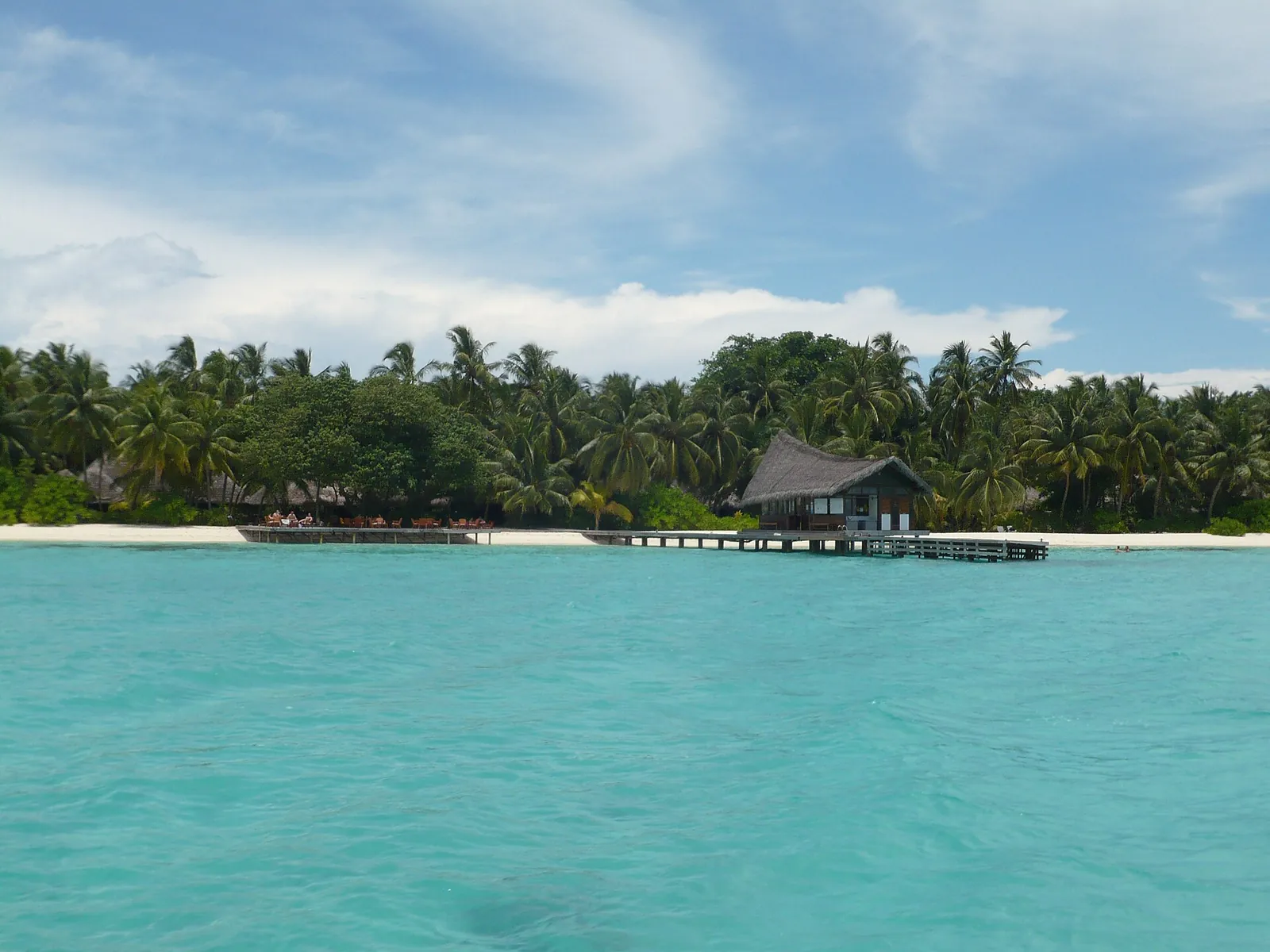
If you dive, get diving-medicine advice and an examination before the trip; a dive centre may ask for a medical certificate. Hyperbaric chambers are currently at the Bandos (North Malé Atoll), Kuramathi (Rasdhoo Atoll), Kuredu (Lhaviyani Atoll) and Kandima (Dhaalu Atoll) resorts, and ADK Hospital in Malé runs its own hyperbaric unit that treats decompression sickness, but many resort islands are more than an hour from one, so when you book, the dive operator should be able to tell you which chamber it would use and how it would get you there. Plan your last dive around every flight, seaplane and domestic flights included: DAN, the divers' safety organisation, recommends at least 12 hours between a single no-decompression dive and a flight, and at least 18 hours after several dives a day or several days of diving, which lowers the risk of decompression sickness without ruling it out. Dive safaris may include a chance to see sharks; accidents can occur and in rare cases may be fatal. Our snorkelling and diving guide covers the sites and seasons.
Wear shoes on beaches where there may be animal waste, which carries a risk of a parasitic skin infection (cutaneous larva migrans).
Prices and times checked 8 November 2026
Hospitals, evacuation and insurance
Medical facilities are limited, and the only fully equipped hospitals are in Malé and Hulhumalé. Most resort islands are within reach of a doctor or have their own medical facilities, which is the first stop for minor problems, but many are several hours from emergency treatment. On the inhabited islands the next step up is a dispensary, and the atolls have regional hospitals, but care in many specialities, the two Malé hospitals included, does not reach European standards. For serious illness or accidents an evacuation is usually needed, for example to India or Sri Lanka, a few hours away by scheduled flight.
That is why insurance comes first: travel health insurance that covers treatment and evacuation or repatriation, your itinerary, planned activities (diving included) and expenses in an emergency, emergency transport, which is often charged separately, and a 24-hour assistance line. Without a policy that covers all medical costs, including surgery, hospital stays and medical repatriation, you risk not getting care, even in a life-threatening emergency, and the embassy will not pay; a health condition or a pregnancy makes cover especially important. None of the official sources gives a Maldives price for a seaplane evacuation, a hospital stay or chamber treatment, and health costs abroad are sometimes very high: the UK government's nearest example, from another country, puts a broken leg in Spain with hospital treatment and possibly evacuation at £25,000+. Without cover, treatment, the hospital and the flight home are as a rule yours to pay and can quickly use up all your savings, and in many countries it is usual to settle the bill before discharge or even pay in advance.
If you need more than the resort's doctor, tell the hotel management first, as they can help arrange transport to Malé, and call your insurer at once if you are referred to a hospital. These are the main hospitals in Malé and Hulhumalé:
| Hospital | Where | Type | Number |
|---|---|---|---|
| Indira Gandhi Memorial Hospital (IGMH) | Malé | Main government hospital, emergency services | +960 333 5335 |
| ADK Hospital | Malé | Private, 24/7 emergency services | +960 331 3553 |
| Hulhumalé Hospital | Hulhumalé | Government | +960 335 0037 |
| Tree Top Hospital | Hulhumalé | Private, emergency and specialist care | +960 335 1610 |
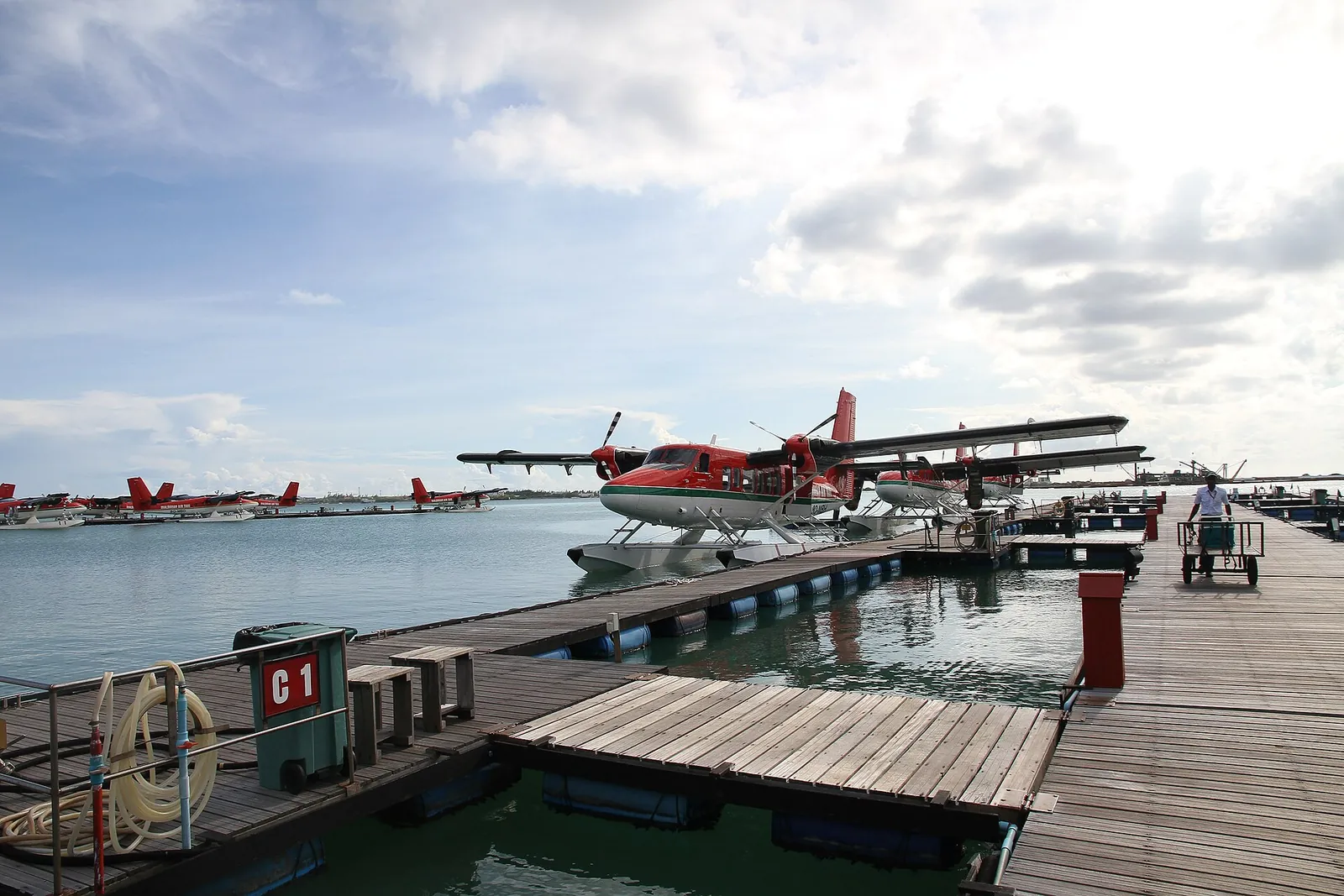
Trans Maldivian Airways (+960 331 2999) is listed by the Maldives Police Service for seaplane transport and emergency evacuation.
Bring every medicine you need, with extra for delays, because medicines abroad may be substandard or counterfeit; never take medicines bought in the street. Prescription medicines are under strict import control: carry a doctor's certificate in English, or with an English translation, giving your name, the name of each medicine and the daily dose. Keep medicines in their original packaging with the original labels. If a prescribed medicine contains a controlled substance, carry the doctor's prescription as well as the certificate. Non-prescription medicines are not restricted, but a certificate is still advised for anything beyond common stomach or headache remedies.
Prices and times checked 8 November 2026
Emergency numbers to save before you land
Save these before you leave home:
| Service | Number |
|---|---|
| Police emergency | 911 |
| Ambulance | 102 |
| Fire | 118 |
| Tourist Police hotline | 1478 |
| Tourist Police, 24/7 (call, WhatsApp, Viber or Telegram) | +960 979 0070 |
| Police, non-emergency | +960 332 2111 |
| Health Protection Agency | 1676 |
| Ministry of Tourism and Environment hotline | +960 942 3131 |
The Tourist Police, set up at Velana International Airport in 2009 and now working at resorts, hotels and guesthouses, help visitors with disputes, fraud and safety concerns. Domestic violence and child protection can be reported to the Family Protection Authority on +960 301 0551.
Consular help is far away. British consular services are run from Colombo (+94 11 539 0639), and friends or family in the UK can call the Foreign Office in London on 020 7008 5000, 24 hours a day. Germany's honorary consul's office in the Maldives is closed until further notice, so the German Embassy in Colombo handles emergencies by phone, and no emergency passport can currently be issued in the Maldives. France's embassy in Sri Lanka covers the Maldives. Keep your passport in the hotel safe when you go to the beach, and do not carry all your papers and money in one bag.
Prices and times checked 8 November 2026
Vaccines, dengue and other bites
See a travel clinic at least 8 weeks before the trip. There is no yellow fever in the Maldives, but travellers aged 9 months or over need a yellow fever certificate if they arrive from a risk country or after more than 12 hours in transit through one. There is no endemic malaria. The table sets out the rest:
| Vaccine | Who it is for | Source |
|---|---|---|
| Measles (MMR) | All international travellers, fully vaccinated | CDC, TravelHealthPro, Germany |
| Tetanus | Most travellers; a booster if the last dose was more than ten years ago | TravelHealthPro |
| Hepatitis A | Unvaccinated travellers aged one year or older (CDC); some travellers (TravelHealthPro) | CDC, TravelHealthPro, Germany |
| Hepatitis B, typhoid, chikungunya, dengue | Some travellers; Germany names long stays or special exposure | TravelHealthPro, Germany |
| Rabies | Some travellers | TravelHealthPro |
Dengue is the disease to plan around. More cases have been reported in the Maldives since early January 2026, spread countrywide by day-biting Aedes mosquitoes, above all during and just after the rainy season; the wet south-west monsoon normally runs from mid-May to November. Protect yourself against bites consistently, especially by day and at dusk. A vaccine exists: it can be considered from age 4 for people who have had dengue before, and only exceptionally for others after expert advice. Severe dengue is rare in travellers. If you do get dengue, avoid anti-inflammatory drugs. The same mosquitoes carry chikungunya, which is also a risk.
Isolated Zika infections have been confirmed in pregnant tourists in recent years, so women who are pregnant or planning a pregnancy should see a doctor before travelling. Rabies has not been reported in the Maldives, so most travellers are at low risk, but bats may carry a related virus: avoid touching them. Rabies vaccine may only be available in larger medical facilities.
Prices and times checked 8 November 2026
Water, food, sun and heavy rain
Drink only water from a safe source, never tap water, and where possible use drinking water to brush your teeth too: stick to water or drinks in sealed bottles and cans, or water you have made safe by filtering, boiling or disinfecting it. Avoid raw or undercooked fish, meat, poultry and milk, raw vegetables and shellfish.
The sun near the equator is intense, especially around midday, and holidaymakers often underestimate it. Use a sunscreen of SPF 15 or more, cover up with clothing and seek shade in the hottest part of the day, from 10:00 to 16:00; drink enough, especially children and older people.
Heavy rain can cause flash flooding on low-lying islands, and because drainage in Malé is inadequate, its streets can flood in heavy rain. The monsoons of the Indian Ocean can be violent, isolated tropical storms are to be expected in the rainy season, and the country lies in a seismically active zone where earthquakes and tsunamis can occur. Our guide to the best time to visit the Maldives gives the months of each season.
Prices and times checked 8 November 2026
Crime and scams, on the resorts and in Malé
Crime is low on the resort islands, but petty crime does happen, and pickpocketing and bag snatching occur on beaches too. Do not leave things unattended on the beach or in an unlocked room; thefts of personal belongings happen in hotel rooms and on beaches, while attacks on foreign visitors are very rare. Be particularly alert in crowds at the airport, at markets, on boats and on beaches.
Malé and Hulhumalé are different. Outside the resorts there are incidents of gang-related violence, including knife crime, mainly in those two places; the knife fights are between rival youth gangs, and foreigners have not so far been the target. In the capital, take special care in the evening and after dark, and avoid walking along empty roads, particularly at night. Malé's streets are very narrow and the motorbike and scooter traffic is very dense, so stay alert when you walk.
Pay by card where you can, carry only the cash you need for the day and leave eye-catching jewellery behind. Never leave a drink unattended. The Maldives Police Service's website lets you check whether a call or message is part of a known scam.
Prices and times checked 8 November 2026
The laws that catch visitors out
Drug laws are zero tolerance: penalties include arrest and detention, long prison sentences, whipping in some cases and the death penalty for the most serious offences, and even small quantities of cannabis can lead to arrest. The death penalty for importing drugs was introduced in early December 2025; tourists have been sentenced to life imprisonment, and a death sentence for a tourist cannot be ruled out. Advanced scanners check all hand and checked baggage, including that of transit passengers.
Leave vapes and e-cigarettes at home: their import has been banned since November 2024, and their possession, use, sale, manufacture and advertising since December 2024. Since November 2025, anyone born on or after 1 January 2007 may not import, possess, buy or use any tobacco or vaping product, and the ban applies to visitors too, with fines for breaking it.
Alcohol is served only on resort islands, and you cannot bring any into the country, not even the usual duty-free allowance. Do not take alcohol out of the resort: you can be arrested and deported for possessing or drinking alcohol, or being drunk, outside resorts and on inhabited islands. During Ramadan, do not eat, drink or smoke in public in the daytime outside holiday resorts; this covers smoking in vehicles and even chewing gum, from sunrise to sunset, for non-Muslims too. In 2027 Ramadan may start on 7 February and last 29 or 30 days.
It is illegal to publicly observe a religion other than Islam, and proselytising can lead to expulsion. Same-sex relations are illegal and can bring a fine or a lengthy prison sentence. Outside the resorts, including on beaches used by locals, keep your shoulders covered and avoid short or tight shorts, and keep your arms and upper legs covered when bathing; nudism and topless sunbathing are not allowed anywhere, resorts included. Dress correctly to visit a mosque and avoid filming or photographing around mosques. Our local islands guide explains how life on the inhabited islands differs from the resorts.
Take nothing from the sea: spearfishing and collecting any marine species, shells and coral included, are banned, and it is illegal to take tortoiseshell jewellery or ornaments, or pieces of coral, out of the Maldives.
Prices and times checked 8 November 2026
Practical questions
Is the Maldives safe for tourists?
For most visitors, yes. Crime is low on the resort islands, and none of the UK, German and French governments advises against travel to any part of the country; France keeps the whole country under increased vigilance. The real risks are strong currents, boats and diving accidents, the distance to a hospital, and gang violence in Malé and Hulhumalé, where foreigners have not so far been the target.
When is dengue season in the Maldives?
Dengue spreads countrywide, mainly during and just after the rainy season, and the wet south-west monsoon normally runs from mid-May to November. More cases have been reported since early January 2026, so protect yourself against day-biting mosquitoes in any month, especially by day and at dusk.
Is it safe to swim in the Maldives?
Only where the water is supervised or designated safe, and never alone, even on a resort island. Strong tidal currents can pull swimmers away from the shore, and several people die at sea every year.
How far is the nearest decompression chamber?
Many resort islands are more than an hour from one. Chambers are currently at the Bandos, Kuramathi, Kuredu and Kandima resorts, and ADK Hospital in Malé has its own hyperbaric unit. The dive operator should be able to tell you at booking which one it would use and how it would get you there. Leave at least 12 hours between a single no-decompression dive and any flight, seaplanes included, and 18 hours after several dives a day or several days of diving.
What is the emergency number in the Maldives?
Call 911 for the police and 102 for an ambulance; the fire service is 118. The Tourist Police answer on 1478 and on +960 979 0070 around the clock, also by WhatsApp, Viber and Telegram.
Which vaccinations do I need for the Maldives?
Make sure measles (MMR) and tetanus are up to date; hepatitis A is recommended by the CDC for unvaccinated travellers aged one year or older. Hepatitis B, typhoid, rabies, chikungunya and dengue vaccines suit some travellers. A yellow fever certificate is needed only from age 9 months and only if you arrive from, or transit more than 12 hours through, a risk country, and there is no endemic malaria.
Can I bring a vape or cigarettes to the Maldives?
Not a vape: e-cigarettes have been banned since 2024, possession and use included. Cigarettes are banned for anyone born on or after 1 January 2007, visitors included, since November 2025.
Keep planning your trip
First trip to the Maldives
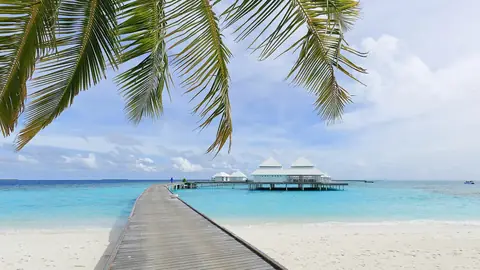
Resort or guesthouse island for a first Maldives trip: the rules on alcohol and dress, money, SIM cards, entry, safety and what a day costs at three levels.
Read the guide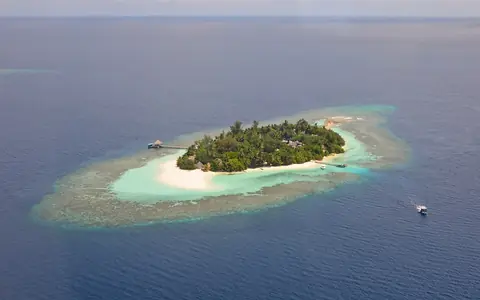
Entering the Maldives
The free Maldives visa on arrival, passport rules, the IMUGA declaration's 96-hour window, what customs confiscates, and the taxes on rooms and tickets.
Read the guide
Maldives trip cost
A Maldives week for two, all in: about USD 1,260 per person on a guesthouse island, USD 1,910 with two resort nights, or USD 3,230 for a resort week.
Read the guide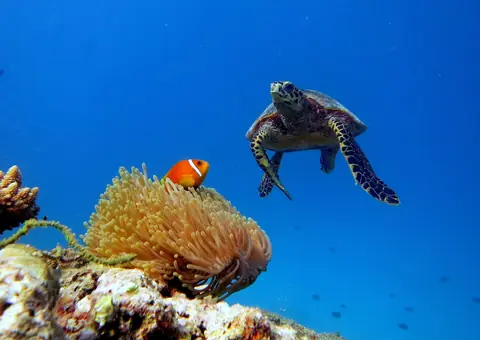
Snorkelling and diving in the Maldives
Mantas at Hanifaru Bay or whale sharks off Dhigurah: seasons, the rules in the water, dive centres and packages, boats and flights, and what three nights cost.
Read the guide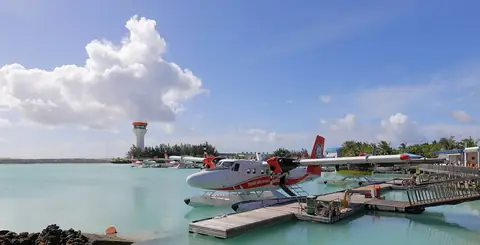
Getting around the Maldives
From Velana airport to Malé, Hulhumalé and the guesthouse islands: the MVR 15 ferry, shared speedboat fares and times, MTCC ferries, seaplanes and domestic flights.
Read the guide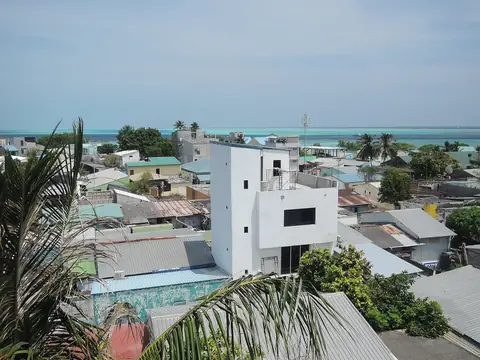
Local islands of the Maldives
Compare seven Maldives guesthouse islands, from Maafushi and Thulusdhoo to Fulidhoo, Thoddoo and Dhigurah: boats from the airport, fares, rules and three-night costs.
Read the guideSources and checks before you travel
(18)
- UK Foreign Office (GOV.UK): Maldives travel advice, warnings and insurance ↗ — opens in a new tab
- UK Foreign Office (GOV.UK): Maldives safety and security ↗ — opens in a new tab
- UK Foreign Office (GOV.UK): Maldives health ↗ — opens in a new tab
- UK government (GOV.UK): foreign travel insurance ↗ — opens in a new tab
- UK Foreign Office (GOV.UK): Maldives getting help ↗ — opens in a new tab
- British High Commission (GOV.UK): list of English-speaking doctors and medical facilities in the Maldives ↗ — opens in a new tab
- Germany's Federal Foreign Office (Auswärtiges Amt): Malediven, Reise- und Sicherheitshinweise ↗ — opens in a new tab
- ADK Hospital: Hyperbaric Treatment Unit ↗ — opens in a new tab
- French foreign ministry (France Diplomatie): Maldives, sécurité ↗ — opens in a new tab
- DAN (Divers Alert Network): flying after diving ↗ — opens in a new tab
- French foreign ministry (France Diplomatie): Maldives, santé ↗ — opens in a new tab
- French foreign ministry (France Diplomatie): Maldives, informations utiles ↗ — opens in a new tab
- TravelHealthPro (NaTHNaC): Maldives ↗ — opens in a new tab
- US CDC Travelers' Health: Maldives ↗ — opens in a new tab
- Maldives Police Service: home page ↗ — opens in a new tab
- Maldives Police Service: important contacts ↗ — opens in a new tab
- Maldives Police Service: Tourist Police ↗ — opens in a new tab
- Maldives Meteorological Service: climate of the Maldives ↗ — opens in a new tab
Reference sources for the version dated 8 November 2026. Confirm opening times, access, transport and conditions for your travel dates.
Photo credits
(5)
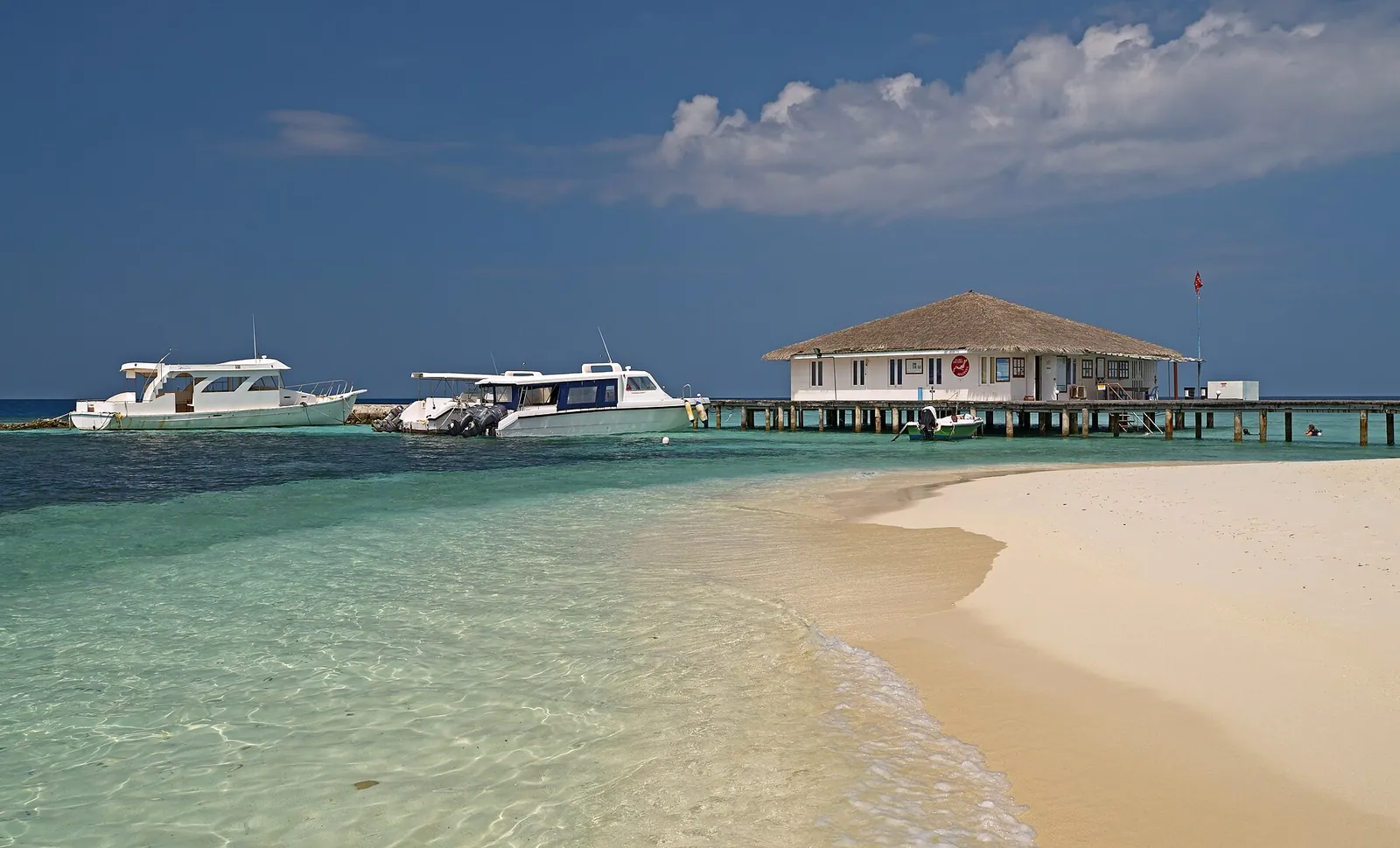
Dive boats at the diving centre pier on Eriyadu
Photograph: Ввласенко — opens in a new tab · CC BY-SA 3.0 — opens in a new tab
Changes: Resized and converted to WebP; displayed with responsive crops. · Original photograph and licence details ↗ — opens in a new tab
The diving school jetty on Kuramathi, one of the islands Germany lists with a decompression chamber
Photograph: georama — opens in a new tab · CC BY 3.0 — opens in a new tab
Changes: Resized and converted to WebP; displayed with responsive crops. · Original photograph and licence details ↗ — opens in a new tab
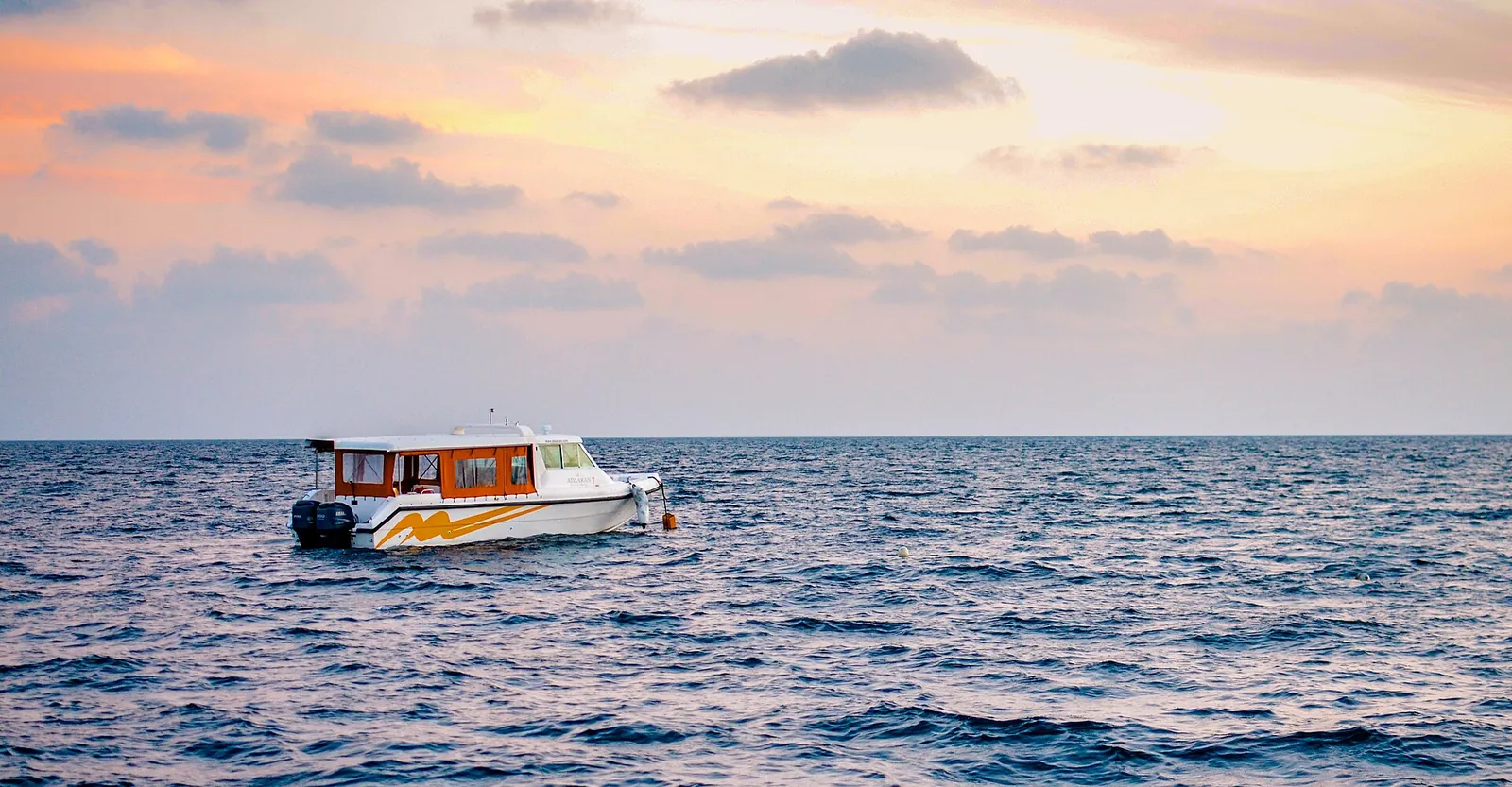
A speedboat off Rannalhi in the evening
Photograph: Saumesh Kumar — opens in a new tab · CC0 — opens in a new tab
Changes: Resized and converted to WebP; displayed with responsive crops. · Original photograph and licence details ↗ — opens in a new tab
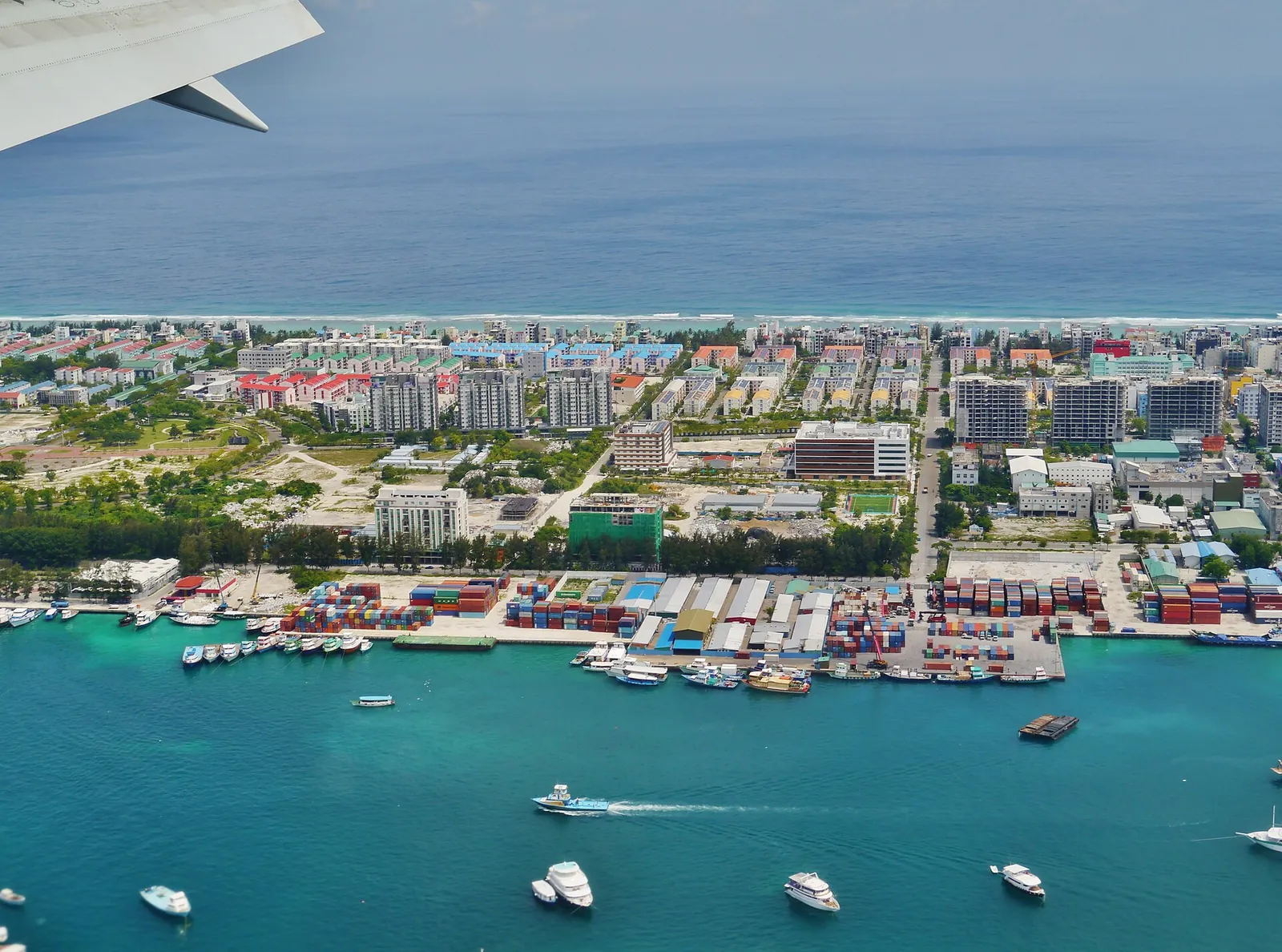
Hulhumalé from the air, where one of the fully equipped hospitals stands
Photograph: Zairon — opens in a new tab · CC BY-SA 4.0 — opens in a new tab
Changes: Resized and converted to WebP; displayed with responsive crops. · Original photograph and licence details ↗ — opens in a new tab
Seaplanes at the terminal on Hulhulé, next to Velana International Airport
Photograph: 7777777kz — opens in a new tab · CC BY 3.0 — opens in a new tab
Changes: Resized and converted to WebP; displayed with responsive crops. · Original photograph and licence details ↗ — opens in a new tab