Itineraries · Delhi, Uttar Pradesh and Rajasthan
India in 14 days: the Golden Triangle, Udaipur and Varanasi
Two weeks let you see the three faces of north India that most first visits are built around: the Mughal cities of Delhi and Agra, the palaces and lakes of Rajasthan in Jaipur and Udaipur, and the river city of Varanasi, where pilgrims bathe in the Ganges at dawn. This plan links them with three trains, a day's drive and two domestic flights, and it comes back to Delhi between Udaipur and Varanasi, so that no long journey and no flight home is squeezed into the same day as another.
- Suggested time
- 14 days / 13 nights
- Where to stay
- Delhi for 3 nights; Agra for 1; Jaipur for 2; Udaipur for 2; Delhi for 1; Varanasi for 3; Delhi for the last night
- Season and timing
- October to March, the season Delhi Tourism recommends; November to February are the coolest months, but also the smoggiest in Delhi and Agra, and fog can delay trains and flights in December and January.
The short answer
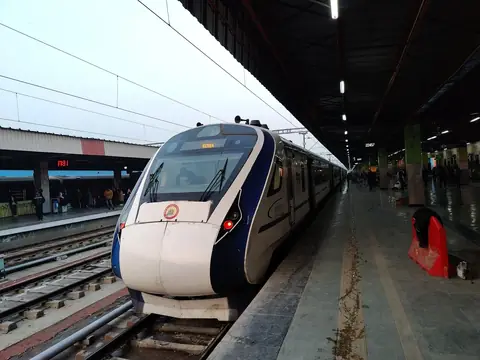
Plan 14 days and 13 nights: Delhi 3, Agra 1, Jaipur 2, Udaipur 2, a connecting night in Delhi, Varanasi 3 and a last night in Delhi. Take the train to Agra on day 4, see the Taj at sunrise on day 5 and drive to Jaipur by way of Fatehpur Sikri, take the train to Udaipur on day 7, fly to Delhi on day 9, ride the train to Varanasi on day 10, which the Ministry of Railways puts at about eight hours on the Vande Bharat, and fly back to Delhi on day 13. The plan works as written if you land on a Wednesday, Thursday or Friday; section 2 gives the swaps for other days. All in, it costs about INR 117,000 (about USD 1,330) per person for two sharing a room, checked on 23 October 2026.
Thirteen nights, five cities
The route is two loops from Delhi. The first goes east to Agra, west to Jaipur and on to Udaipur by train, and back by air. The second goes east by train to Varanasi on the Ganges and back by air. Delhi gets three nights at the start, for Old Delhi and the southern tombs, and one night after each loop, so that the domestic flights never connect on the same day with a train or the flight home. One night in Agra is enough for the Taj at sunrise, two in Jaipur and two in Udaipur give each a full day, and three in Varanasi give the river, the old city and Sarnath a day each.
Sleep around Connaught Place in Delhi, in Taj Ganj in Agra, inside the walls or on MI Road in Jaipur, by Jagdish Temple in Udaipur, and in the old city behind Dashashwamedh Ghat in Varanasi. For a shorter trip, our 10-day plan stops at Udaipur and our Golden Triangle itinerary at Jaipur.
- Days 1–3: Delhi: India Gate, Old Delhi and the Red Fort, Qutb Minar and Humayun's Tomb.
- Day 4: the morning train to Agra; Agra Fort, the Baby Taj and Mehtab Bagh.
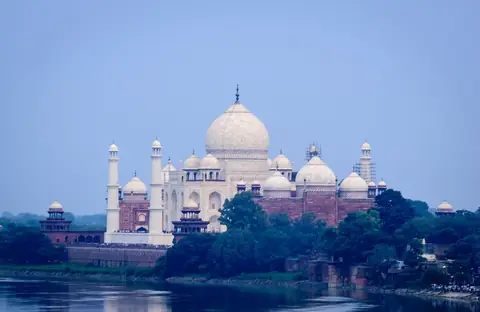
- Day 5: the Taj Mahal at sunrise, then by car to Jaipur by way of Fatehpur Sikri.
- Day 6: Jaipur: Amber Fort, the City Palace, Jantar Mantar and the bazaars.
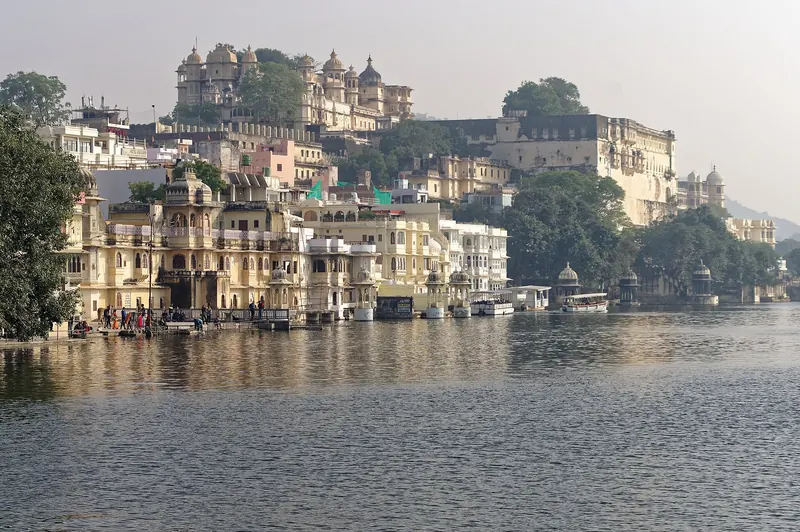
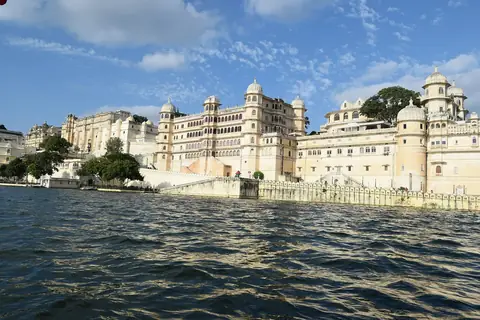
- Days 7–8: the train to Udaipur; the City Palace, Lake Pichola and Bagore ki Haveli.
- Day 9: fly to Delhi.
- Days 10–12: the train to Varanasi; the dawn boat, the aarti, the old city and Sarnath.
- Day 13: fly to Delhi.
- Day 14: fly home.
The weekdays that decide the order
Five weekly rules fix the plan. The Red Fort is closed on Mondays, as the Ministry of Tourism's page says. The Taj Mahal is closed on Fridays for general viewing, and the Gatimaan Express, the fast morning train to Agra, was launched in 2016 to run every day except Friday. Rajasthan Tourism says Jaipur's markets are generally closed on Sundays. And the city's Kashi portal says the Sarnath Museum is closed on Fridays.
Land on a Wednesday, Thursday or Friday and the plan works as written. On a Saturday, day 12 is a Friday: go to Sarnath on the afternoon of day 11 and keep the temple and the lanes for day 12. On a Sunday, day 2 is a Monday: swap days 2 and 3, so Old Delhi falls on the Tuesday. On a Monday, day 5 is a Friday: see the Taj on the afternoon of day 4, as soon as you reach Agra, keep Agra Fort and Itimad-ud-Daulah for the morning of day 5, and move Sarnath to day 11, because day 12 is a Friday too. On a Tuesday, day 4 is a Friday, so take one of the other Delhi–Agra trains, and day 6 is a Sunday, so see Amber, the City Palace and Jantar Mantar that day and walk the bazaars on the morning of day 7, before the train.
What to book first
The trains. Foreign visitors book on IRCTC with an international mobile number, under the Foreign Tourist quota; our transport guide explains the account, the fees and the classes. Indian Railways' normal booking window is 60 days, not counting the day of travel, and the Foreign Tourist quota can be requested up to 365 days ahead, but IRCTC says berths booked that early are allotted later, so a request is not yet a seat. Indian Railways publishes current times and fares only in its journey search, so check IRCTC for all three trains: Delhi–Agra, Jaipur–Udaipur and Delhi–Varanasi.
The two flights. Air India's Udaipur–Delhi page gives about 1 hour 25 minutes for its direct flight and says the number of daily direct flights varies. For Varanasi to Delhi, search your date on the airlines' own sites, and check the baggage and the Delhi terminal for both flights.
The car from Agra to Jaipur. Ask a licensed operator for one written price for the whole day, with the driver waiting at Fatehpur Sikri, including tolls, parking and the driver's allowance. Delhi Tourism publishes car packages, such as an Agra–Jaipur round trip from Delhi at INR 20,289 with tolls and parking extra, but no one-way Agra–Jaipur fare, so the budget below carries an estimate.
Days 1–3: Delhi
Day 1, arrival. Fill in the e-Arrival card online within 72 hours before you land; our India entry guide covers it with the e-Visa. The Airport Express Line runs from Terminal 3 to New Delhi Railway Station in around 25 minutes, with first trains at 04:45; a short taxi ride takes you on to Connaught Place. At dusk, walk Kartavya Path to India Gate.
Day 2, Old Delhi (not a Monday). Start in Chandni Chowk with chole kulche for breakfast, then walk the spice market of Khari Baoli. Jama Masjid, the great mosque Shah Jahan finished in 1650, is open every day; Delhi Tourism lists foreign tourists' hours from 08:00 until sunset and an entry fee of INR 400. Spend the afternoon in the Red Fort, Shah Jahan's red sandstone palace-city; ASI's online price for foreign visitors is INR 550.
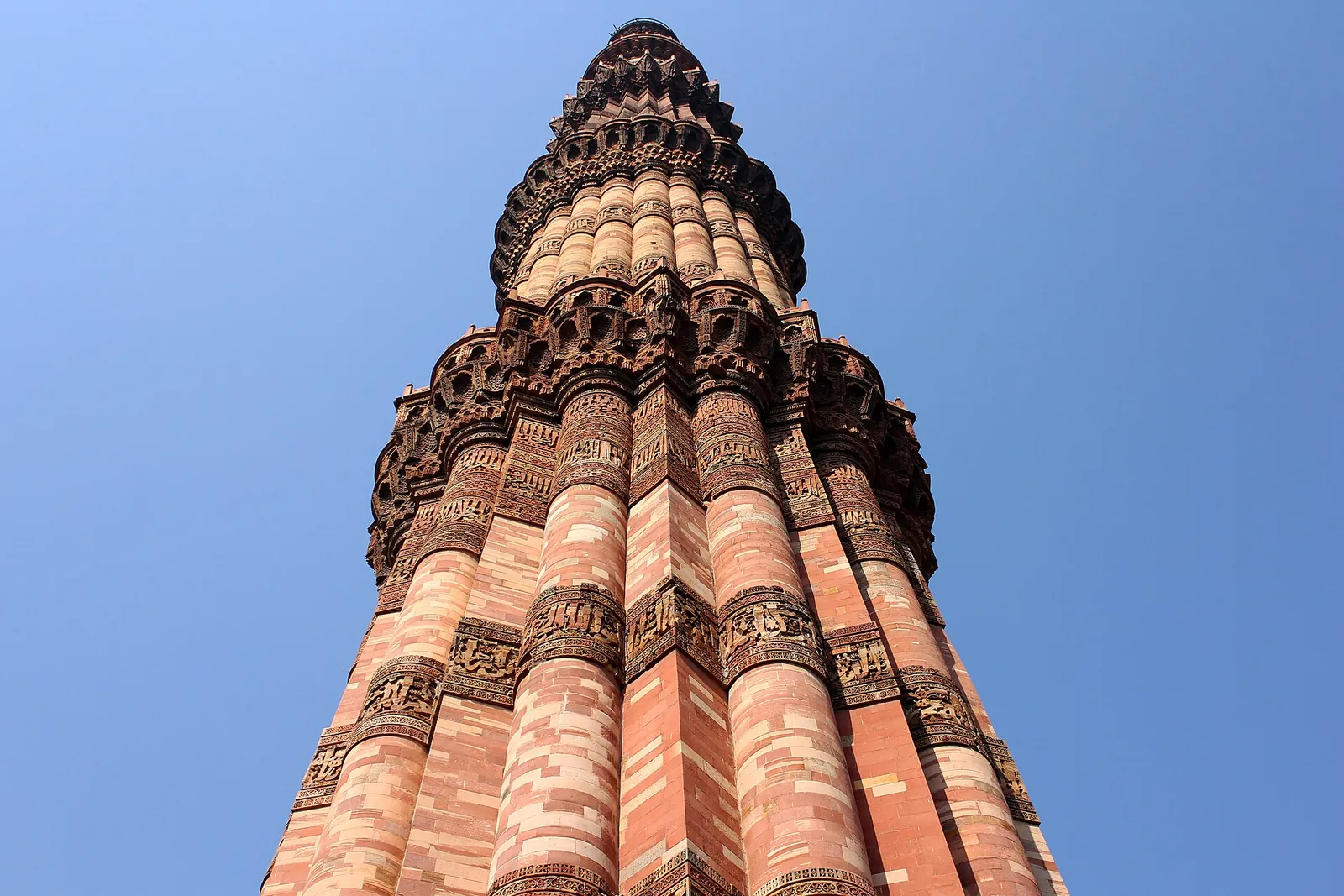
Day 3, the tombs of the south. Be at Qutb Minar when it opens: the 72.5 m tower of the first Delhi Sultans stands beside their mosque and the Iron Pillar. In the afternoon, walk through Lodhi Garden to Humayun's Tomb, the garden tomb that prefigured the Taj. Go to bed early: the Agra train leaves first thing.
Days 4–6: Agra, the Taj and Jaipur
Day 4, Agra. Take the morning train from Hazrat Nizamuddin to Agra Cantt; at its 2016 launch the Gatimaan Express was timetabled at 08:10, arriving 09:50, and UP Tourism also names the Shatabdi and the Taj Express. Spend the early afternoon in Agra Fort, cross the river to Itimad-ud-Daulah's inlaid tomb, the "Baby Taj", and end at Mehtab Bagh, the garden facing the Taj, at sunset.
Day 5, the Taj, then west (not a Friday). UP Tourism lists the Taj's hours from 30 minutes before sunrise; be at the east gate before it opens, with a small bag. A foreigner's ticket costs INR 50 less online, and the main mausoleum is INR 200 extra. After breakfast, drive to Fatehpur Sikri, Akbar's abandoned red sandstone capital, 37 km from Agra, where UP Tourism says to allow at least half a day, and reach Jaipur by evening; the UK Foreign Office advises avoiding road travel at night.
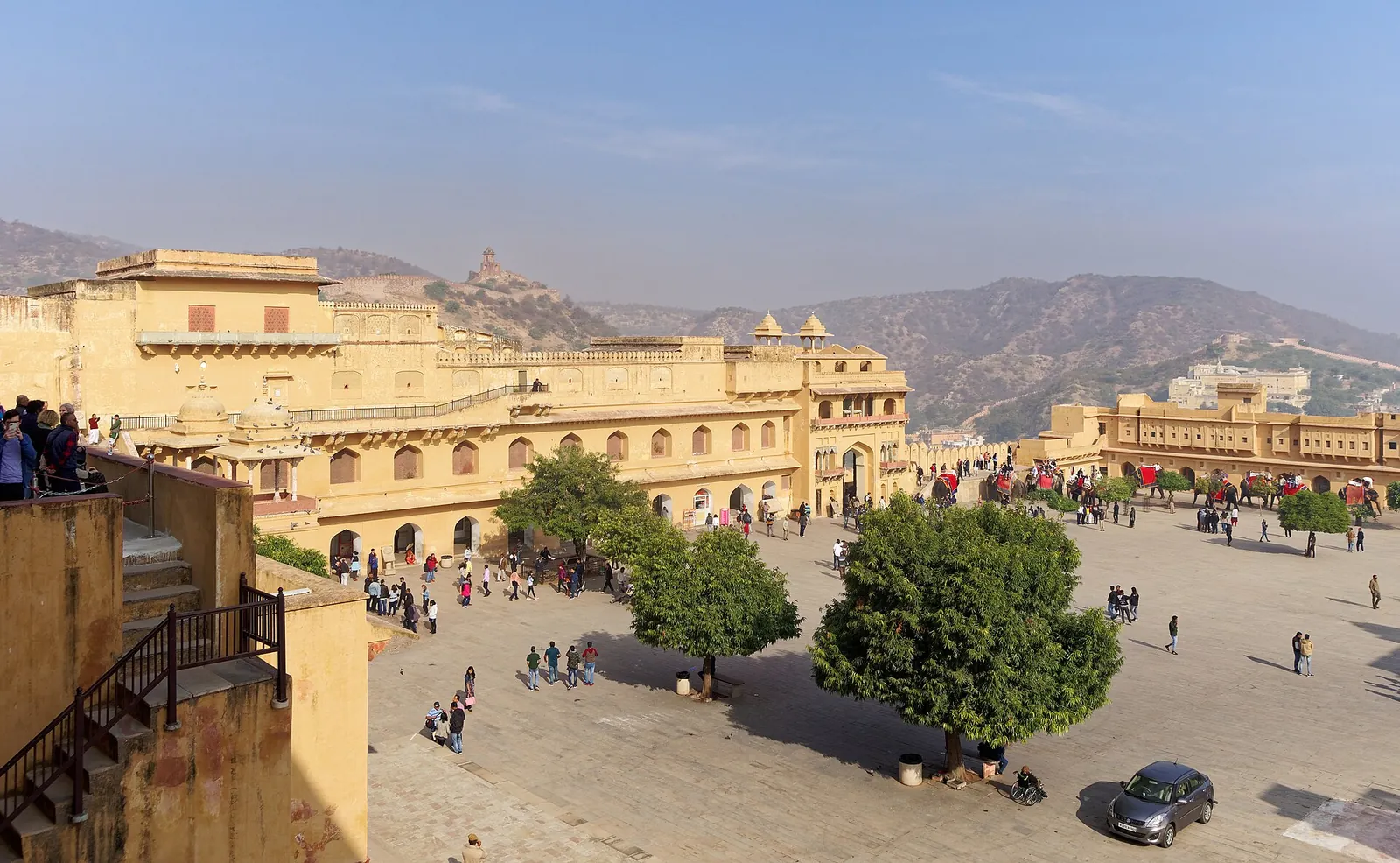
Day 6, Jaipur. Be at Amber Fort for 09:00 and go first to the Sheesh Mahal, the hall of mirrors. Come back to the walled city for the City Palace, Jantar Mantar and the latticed front of Hawa Mahal, and spend the evening in Johari and Bapu bazaars. The City Palace sells its own tickets, while Amber, Hawa Mahal and Jantar Mantar are state monuments with a composite ticket; our Jaipur guide explains both.
Days 7–9: Udaipur, then back to Delhi
Day 7, the train to Udaipur. Keep the day for the journey. Rajasthan Tourism lists Udaipur among the cities with rail links to Jaipur, and an older Indian Railways list shows a train leaving Jaipur at 14:00 and reaching Udaipur City at 21:30; that shows how long the trip is, not a current timetable, so check IRCTC for your date.
Day 8, the palace and the lake. The City Palace Museum opens at 09:00 and charges every adult INR 400; give it the morning. In the afternoon, take HRH Group's boat from Rameshwar Ghat to Jag Mandir, the island palace; HRH had not published its 2026–27 boat fares when we checked, so confirm the price and the day's sailings at the jetty. End at Bagore ki Haveli on Gangaur Ghat, where the West Zone Cultural Centre charges foreign visitors INR 150, and the bazaars of Hathi Pol.
Day 9, fly to Delhi. Udaipur's airport is 20 km from Udaipur City station. Sleep near New Delhi Railway Station or in Connaught Place, ready for the morning train to Varanasi; this night is the margin that keeps a late flight from costing you the train.
Days 10–12: Varanasi
Day 10, the train to Varanasi. The Ministry of Railways puts the Vande Bharat Express between New Delhi and Varanasi, via Kanpur and Prayagraj, at approximately eight hours; check IRCTC for the current trains. From Varanasi Junction, take a taxi to the old city and walk the last stretch through the lanes. If you arrive in time, go to Dashashwamedh Ghat for the evening Ganga aarti, which begins just after sunset and lasts about 45 minutes.
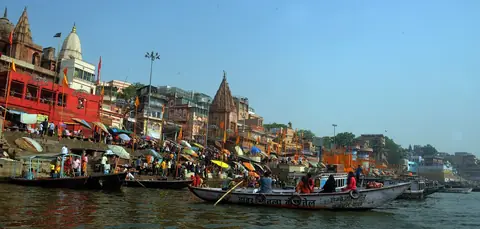
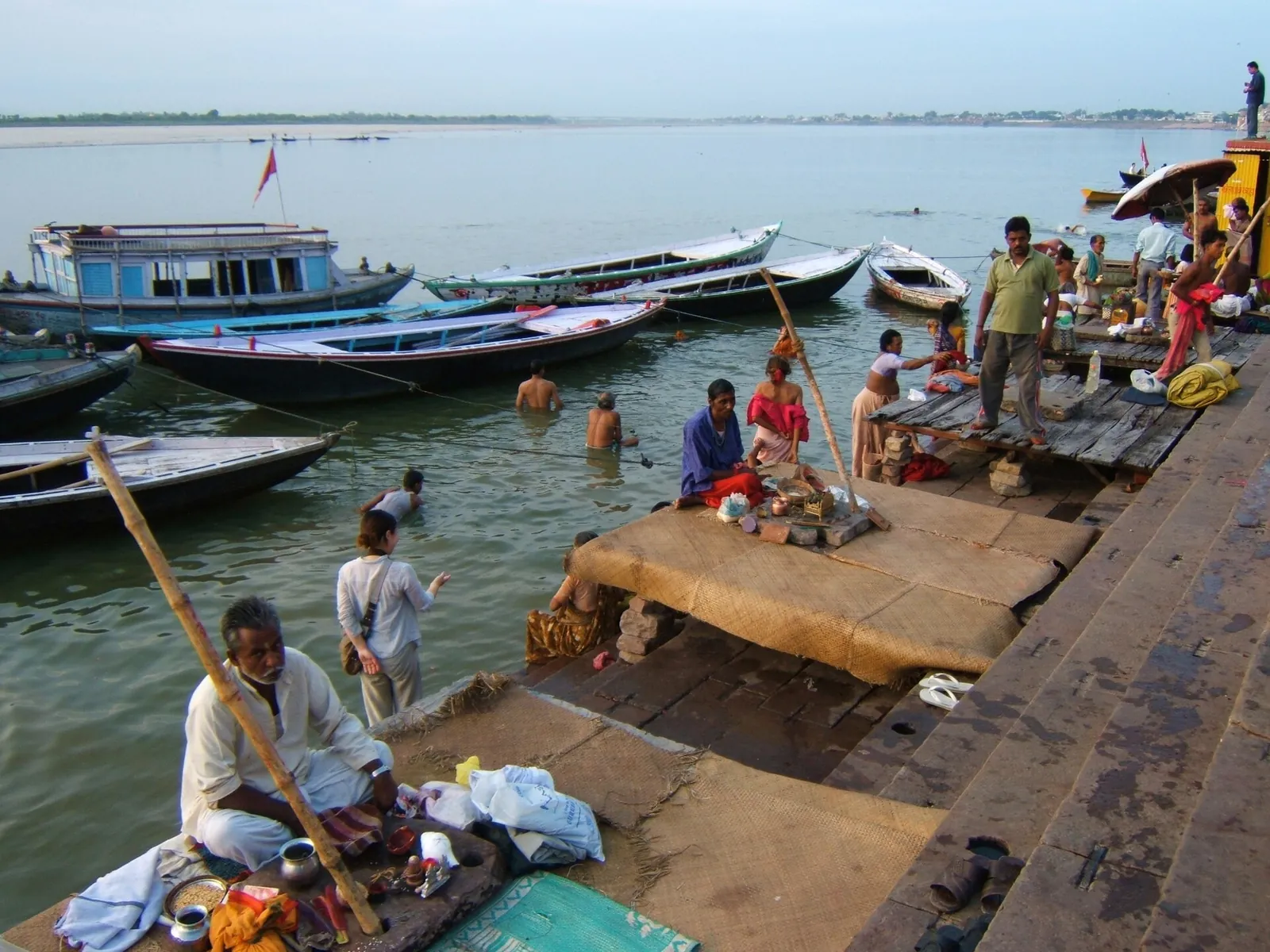
Day 11, the river and the old city. Take a boat along the ghats at dawn, when pilgrims bathe and the steps turn gold. No official boat fare is published, so agree the price, the route and whether it is per boat or per person first, and in the monsoon ask whether the boats are running. Eat kachori sabzi in Kachauri Gali, then visit Kashi Vishwanath: foreign visitors book darshan only at the temple trust's help desk near Shapuri Mall, with the original passport and copies of the passport and visa, for INR 600. Phones and pens are not allowed inside; free lockers are provided. Pass the cremation ghat at Manikarnika quietly and without photographs.
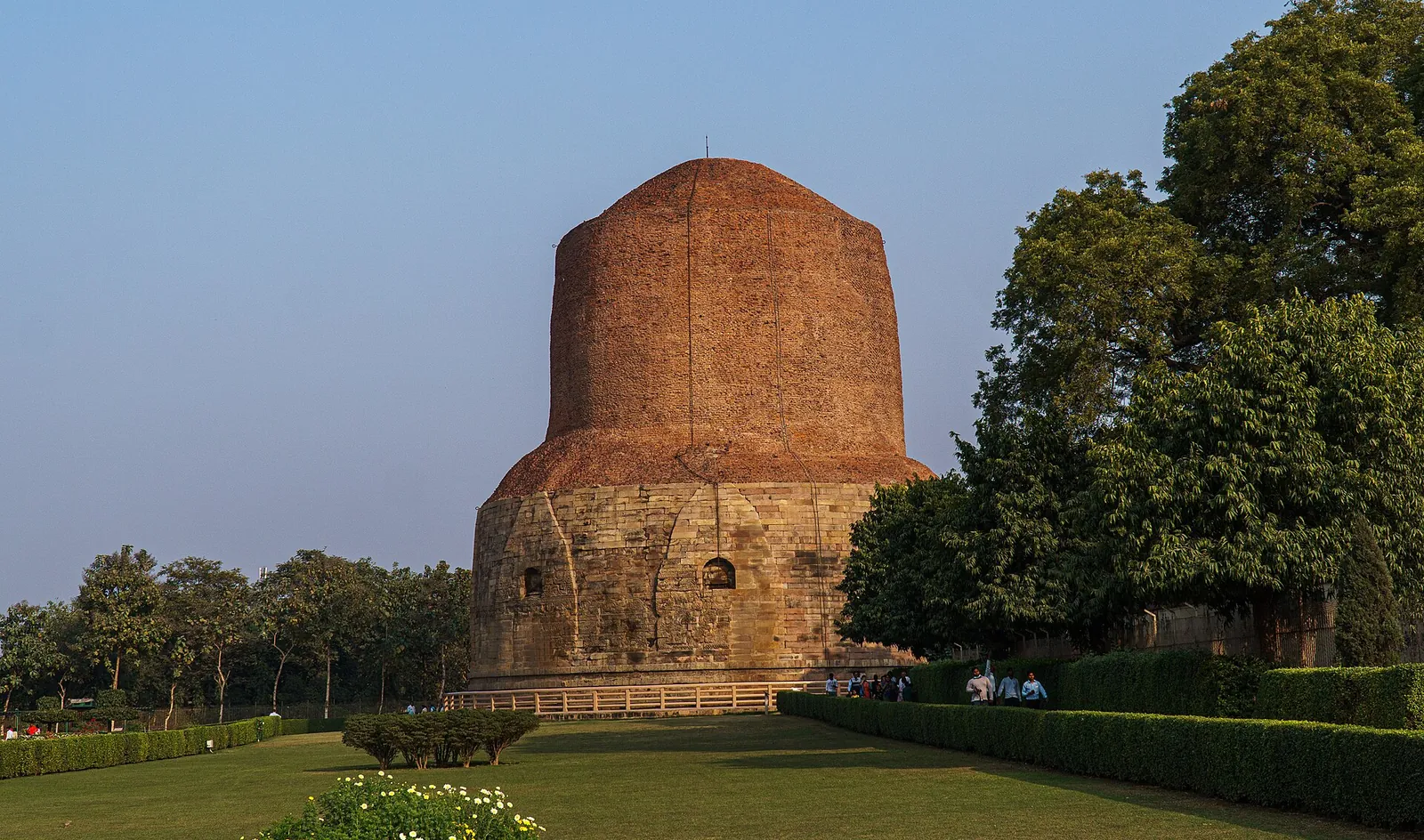
Day 12, Sarnath (not a Friday). Take a taxi or auto-rickshaw to Sarnath, about 10 km away, where the Buddha gave his first sermon; it was inscribed on the UNESCO World Heritage List in July 2026. See the Dhamekh Stupa and the ruins, the Chaukhandi Stupa and the Sarnath Museum, home of the Lion Capital of Ashoka, which the Kashi portal says is closed on Fridays. Come back for the quieter evening aarti at Assi Ghat. Our Varanasi guide has more on each sight.
Days 13–14: fly to Delhi, and home
Day 13. Varanasi's airport at Babatpur is about 25 km from the city; agree the taxi fare before you start, and fly to Delhi. Spend a free afternoon in Connaught Place or at Lodhi Garden, and sleep near the airport or in the centre.
Day 14. Fly home. The last Delhi night is your margin: in December and January, fog delays flights and trains in north India, and IMD's Delhi table counts about 20 fog days in each of those months.
What two weeks cost, all in
For two adults sharing a room, the whole trip costs about INR 117,000, or about USD 1,330, per person, everything on the ground included, checked on 23 October 2026 and converted at a round USD 1 = INR 88. The rooms in Delhi, Agra, Jaipur and Udaipur are dated official tariffs; the trains, the car, the flights and the Varanasi room are estimates, because IRCTC's search cannot be read without booking and no one-way car tariff is published.
- Rooms, about INR 34,300 (USD 390). Half of a double each night: the Delhi and Agra rooms priced in our Delhi and Agra guides, RTDC's Hotel Gangaur in Jaipur (INR 3,000 plus 5% GST), RTDC's Hotel Kajri in Udaipur (INR 2,800 plus GST) and a mid-range double near the ghats in Varanasi at about INR 6,500 a night.
- Trains, the car and the flights, about INR 29,100 (USD 330). Delhi–Agra about INR 1,600, half the Agra–Jaipur car about INR 5,000, Jaipur–Udaipur about INR 2,000, Udaipur–Delhi about INR 9,000, Delhi–Varanasi about INR 3,500 and Varanasi–Delhi about INR 8,000, all estimates.
- Food, about INR 18,000 (USD 205). About INR 1,200 a day each for lunch, dinner, water and snacks, plus breakfast in Varanasi.
- City transport, about INR 11,000 (USD 125). The Airport Express, taxis to stations and airports, and cars for Amber and Sarnath.
- Tickets, about INR 11,000 (USD 125). The Delhi and Agra monuments (INR 5,010 in all, with the Taj mausoleum), Jaipur's palace and state tickets, the City Palace Museum, Bagore ki Haveli and the Jag Mandir boat in Udaipur, Kashi Vishwanath's INR 600 foreign-visitor ticket, Sarnath and the dawn boat.
- e-Visa and SIM, about INR 3,000 (USD 35). The 30-day e-Tourist visa costs USD 25 plus a 3% bank charge from July to March for many passports, among them the UK's; the fee depends on your nationality.
- Buffer, about INR 10,600 (USD 120). About 10% for price changes and extra transfers.
Season, air and entry
Delhi Tourism recommends October to March. The UK Foreign Office names October to February as the worst months for air pollution in north Indian cities, so check the day's air-quality reading before the outdoor days in Delhi and Agra. April to June is very hot, and Delhi's mean daily maximum in May is about 40°C on IMD's table. The monsoon runs from June to September, and when the Ganges runs high, Varanasi's boats can be suspended.
Most visitors need a visa: the e-Tourist visa is applied for online before travel, and Delhi and Varanasi are both designated e-Visa airports. The e-Arrival card is separate and is not a visa. Check the fee, the length of stay and the rules for your passport on the official e-Visa site; our entry guide covers both.
Make time for the local food
What to eat and where to look
Chole kulche
Boiled, spiced chickpeas with soft white-flour kulcha bread, finished at Lotan's with a sharp amchur (dried mango) chutney.
- Where to look
- Lotan Chole Wala in Chandni Chowk, near Chawri Bazar and Jama Masjid metro stations (07:30–10:00 daily, Delhi Tourism lists).
- Fit it into your day
- Breakfast on day 2; it closes by mid-morning.
Bhalla chaat
The chaat UP Tourism calls Agra's favourite: a fried potato patty smashed open and topped with ginger and a spicy-sweet tamarind sauce.
- Where to look
- The chaat lane (chaat wali gali) in Sadar Bazaar, which UP Tourism names.
- Fit it into your day
- An evening snack on day 4, after Mehtab Bagh.
Kachori and mirchi bada
Jaipur's street snacks: kachori, a flaky fried pastry with a spiced filling, and mirchi bada, a large green chilli stuffed with potato and fried in batter.
- Where to look
- Masala Chowk in Ram Niwas Garden, an open-air court of 21 street-food stalls that Rajasthan Tourism describes; entry costs INR 10.
- Fit it into your day
- Dinner on day 5, after the drive from Agra.
Kachori sabzi
Fried kachoris with a spiced vegetable curry, served in a bowl made of leaves; the city's Kashi portal says this is how breakfast begins in Varanasi.
- Where to look
- Kachauri Gali, the old-city lane named after it, a short walk from Dashashwamedh Ghat.
- Fit it into your day
- Breakfast on day 11, after the dawn boat.
Fried and often hot with chilli.
Tamatar chaat
Varanasi's own chaat: tomato cooked down with boiled potato, topped with a sweet-and-sour chutney and yoghurt, as the Kashi portal describes it.
- Where to look
- The chaat stalls in the old-city lanes behind Dashashwamedh Ghat, in the evening.
- Fit it into your day
- A snack after the aarti on day 10.
Practical questions
Is two weeks enough for India?
Two weeks is enough for north India's classic circuit: Delhi, Agra and the Taj Mahal, Jaipur, Udaipur and Varanasi, with three trains, a day's drive and two domestic flights. South India needs a trip of its own.
How do I get from Delhi to Varanasi?
By train or by air. The Ministry of Railways puts the Vande Bharat Express from New Delhi to Varanasi at approximately eight hours; check IRCTC for current trains. This plan takes the train out and flies back.
Why go back to Delhi between Udaipur and Varanasi?
It keeps each long journey on a day of its own. A night in Delhi after the Udaipur flight means a delayed flight does not cost you the morning train to Varanasi.
Which days should I avoid?
The Red Fort is closed on Mondays, the Taj Mahal on Fridays for general viewing, the Gatimaan Express does not run on Fridays, Jaipur's markets are generally closed on Sundays and the Sarnath Museum is closed on Fridays. Landing on a Wednesday, Thursday or Friday makes the plan work as written.
How much do two weeks in India cost?
About INR 117,000, or about USD 1,330, per person for two sharing a mid-range room, all in: 13 nights, meals, three trains, the car to Jaipur, two flights, city transport, tickets, an e-Visa, a SIM and a 10% buffer. The flight to India is extra.
Sources and checks before you travel
Reference sources for the version dated 23 October 2026. Confirm opening times, access, transport and conditions for your travel dates.
- Delhi Airport (DIAL): metro to and from the airport ↗ — opens in a new tab
- Bureau of Immigration: general guidelines for travelling to India ↗ — opens in a new tab
- Official e-Visa site: e-Tourist visa and entry points ↗ — opens in a new tab
- Government of India e-Visa site: e-Tourist visa fee by country (8 September 2026) ↗ — opens in a new tab
- Ministry of Tourism (Incredible India): Red Fort ↗ — opens in a new tab
- Archaeological Survey of India: Red Fort ↗ — opens in a new tab
- Delhi Tourism: Jama Masjid ↗ — opens in a new tab
- Delhi Tourism: Lotan Chole Wala ↗ — opens in a new tab
- Archaeological Survey of India: Qutb Minar and its Monuments ↗ — opens in a new tab
- Archaeological Survey of India: Humayun's Tomb ↗ — opens in a new tab
- IRCTC: Foreign Tourist quota booking (PDF) ↗ — opens in a new tab
- PIB (Ministry of Railways): Advance Reservation Period cut to 60 days, 17 October 2024 ↗ — opens in a new tab
- PIB (Ministry of Railways): Gatimaan Express to be flagged off, 4 April 2016 ↗ — opens in a new tab
- PIB (Ministry of Railways): Gatimaan Express flagged off, 5 April 2016 ↗ — opens in a new tab
- UP Tourism: getting around the Taj Mahal ↗ — opens in a new tab
- UP Tourism, Taj Mahal site: visiting hours and tickets ↗ — opens in a new tab
- UP Tourism, Taj Mahal site: entry fees and visiting hours ↗ — opens in a new tab
- UP Tourism, Taj Mahal site: Fatehpur Sikri ↗ — opens in a new tab
- UP Tourism, Taj Mahal site: about Agra and its food ↗ — opens in a new tab
- Archaeological Survey of India: Agra Fort ↗ — opens in a new tab
- Delhi Tourism: car packages ↗ — opens in a new tab
- Rajasthan Tourism: Jaipur ↗ — opens in a new tab
- Incredible India (Ministry of Tourism): Amber Fort ↗ — opens in a new tab
- City Palace Museum, Jaipur: visit and tickets ↗ — opens in a new tab
- Rajasthan Department of Archaeology and Museums: About Us ↗ — opens in a new tab
- Indian Railways: list of mail and express trains ↗ — opens in a new tab
- Air India: Udaipur to Delhi flights ↗ — opens in a new tab
- The City Palace Museum, Udaipur: FAQ (PDF) ↗ — opens in a new tab
- HRH Group of Hotels: Jagmandir Island Palace excursion and boat rides ↗ — opens in a new tab
- West Zone Cultural Centre: Bagore ki Haveli Museum ↗ — opens in a new tab
- Airports Authority of India: eAIP, Udaipur aerodrome data (VAUD) ↗ — opens in a new tab
- PIB (Ministry of Railways): Vande Bharat Express backgrounder, 16 January 2026 ↗ — opens in a new tab
- Ministry of Tourism, Incredible India: Varanasi ↗ — opens in a new tab
- Ministry of Tourism, Incredible India: Dashashwamedh Ghat ↗ — opens in a new tab
- Kashi portal (Varanasi Smart City): Ganga Aarti ↗ — opens in a new tab
- Kashi portal (Varanasi Smart City): Assi Ghat ↗ — opens in a new tab
- Kashi portal (Varanasi Smart City): Manikarnika Ghat ↗ — opens in a new tab
- Shri Kashi Vishwanath Temple Trust: Foreign tourist ticket booking process ↗ — opens in a new tab
- Shri Kashi Vishwanath Temple Trust: FAQ (PDF) ↗ — opens in a new tab
- Kashi portal (Varanasi Smart City): Sarnath ↗ — opens in a new tab
- Ministry of Tourism, Incredible India: Sarnath Museum ↗ — opens in a new tab
- Ministry of Culture via PIB: Ancient Buddhist Site of Sarnath inscribed on the World Heritage List (25 July 2026) ↗ — opens in a new tab
- Kashi Official Web Portal: Chaukhandi Stupa ↗ — opens in a new tab
- Kashi portal (Varanasi Smart City): Varanasi cuisine ↗ — opens in a new tab
- DD News: Ganga water level in Varanasi approaches danger mark; boat operations suspended (20 August 2026) ↗ — opens in a new tab
- RTDC: Hotel Gangaur, Jaipur, tariff ↗ — opens in a new tab
- RTDC: Hotel Kajri, Udaipur, tariff ↗ — opens in a new tab
- GST Council: recommendations of the 56th meeting (PIB release of 3 September 2025) ↗ — opens in a new tab
- Delhi Tourism: best time to visit ↗ — opens in a new tab
- India Meteorological Department, New Delhi: Safdarjung climatological table 1991-2020 ↗ — opens in a new tab
- UK Foreign Office (FCDO): India safety and security ↗ — opens in a new tab
- UK Foreign Office (FCDO): India travel advice, health ↗ — opens in a new tab
Photo credits
Morning on the ghats of Varanasi, the last stop of the two weeks.
Photograph: Ilya Mauter — opens in a new tab · CC BY 3.0 — opens in a new tab
Changes: Resized and converted to WebP; displayed with responsive crops. · Original photograph and licence details ↗ — opens in a new tab
Qutb Minar, the first stop of day 3 in Delhi.
Photograph: Pallabi.poddar96 — opens in a new tab · CC BY-SA 4.0 — opens in a new tab
Changes: Resized and converted to WebP; displayed with responsive crops. · Original photograph and licence details ↗ — opens in a new tab
Amber Fort, at 09:00 on the Jaipur day.
Photograph: Jakub Hałun — opens in a new tab · CC BY-SA 4.0 — opens in a new tab
Changes: Resized and converted to WebP; displayed with responsive crops. · Original photograph and licence details ↗ — opens in a new tab
The Dhamekh Stupa at Sarnath, a half-day trip from Varanasi on day 12.
Photograph: Schwiki — opens in a new tab · CC BY-SA 4.0 — opens in a new tab
Changes: Resized and converted to WebP; displayed with responsive crops. · Original photograph and licence details ↗ — opens in a new tab