Plan your trip
Is Singapore safe? Drug and vape laws, haze, dengue, hospitals
Singapore rarely goes wrong for visitors through crime. What changes a trip here is the law, the air and the bill: a vape in a cabin bag at Changi, a drug test on arrival, smoke haze drifting in from fires in Sumatra and Kalimantan, an emergency-department visit that has to be paid for. This guide covers what the UK, French and German governments advise, the drug, vape and medicine rules at the border, haze and heat, vaccines and dengue, emergency numbers, hospital fees and insurance, scams, and the everyday laws, from public drinking hours to no-smoking zones.
In this guide
Find the location ↗ — opens in a new tabThe short answer
The risks that change a Singapore trip are its laws and its air, not crime. Evidence of drug use in your system on arrival or in transit leads to refusal of entry or arrest, and vapes are banned even for personal use and in transit, with fines of up to S$10,000 for individuals. Smoke haze from regional fires can drift in, particularly from August to October. None of the UK, French or German governments advises against any part of Singapore. Save 995 for an ambulance or fire and 999 for the police. Care is high quality and expensive: Changi General Hospital's emergency attendance fee is S$176.00, not counting laboratory tests or scans, so buy insurance that covers treatment and repatriation. Tap water is safe to drink and there is no malaria, but dengue mosquitoes bite by day.
- Key point
- Set up before you fly: insurance, a travel-clinic check at least 8 weeks ahead, papers for your medicines and saved numbers
- Where it applies
- No base is needed; the advice applies wherever you stay in Singapore
- Timing
- Haze particularly from August to October (the UK gives June to October); afternoon thunderstorms in the inter-monsoon months, with more rain from November to January; hot all year
What the three governments advise
None of the UK, French or German governments advises against travel to any part of Singapore. France places the whole territory under normal vigilance (green), and Germany publishes travel and safety advice with no travel warning. The UK Foreign Office's headline warnings concern illegal drugs, covered below, and flight disruption from the escalation in the Middle East, which can affect your plans even though Singapore is outside the region. Other governments may set different levels, so read your own government's advice before you book.
Violent crime and theft are rare, the UK says, and Germany describes petty crime as very low and violent crime as extremely rare. Pickpocketing and bag-snatching still cannot be ruled out in places busy with tourists, so take extra care of valuables in crowds at airports, stations, markets and on public transport. Take care of your passport, leave valuables in the hotel safe if you can and never leave a bag unattended; Germany suggests paying by card, carrying only the day's cash and keeping photos of your documents, and our money and payments guide covers cards and cash.
Terrorist attacks cannot be ruled out, the UK says. Germany sees no sign of a concrete threat at present and advises extra care in busy places and at special events. Street gatherings and demonstrations are illegal without police permission, and foreigners who are not permanent residents may not attend an outdoor demonstration even when permission has been given, so keep away from any you come across.
Prices and times checked 8 November 2026
Drugs, vapes and the medicines you pack
The UK warns that evidence of drug use in your system on arrival or in transit will lead to refusal of entry or arrest, and that you can be charged with drug consumption even if you took the drug in another country, even one where it is legal. Sentences for drug offences, possession included, run to prison, caning and the death penalty, including when you are only transiting through the airport, and transit baggage is scanned. Germany gives examples: possession of more than 15 g of heroin or 500 g of marijuana, at which trafficking is presumed, can bring the death penalty or life imprisonment. France warns that any traveller in the transit zone or before entry may be tested, up to a urine or hair test if in doubt, and that refusing a test can lead to arrest and detention.
Vapes and e-cigarettes are banned, and it is illegal to bring them into the country, even for personal use. Since 1 September 2025, France says, foreigners found with e-cigarettes face penalties from a fine for a first offence to expulsion and a re-entry ban for repeat offences, and this applies to short-stay visitors and to transit passengers with e-cigarettes in their cabin bags, screened before the connecting flight. Under the Tobacco and Vaporisers Control Act, individuals can be fined up to S$10,000 for prohibited products, the Health Sciences Authority (HSA) says. Etomidate, found in some vapes, has been a specified psychoactive substance since 1 May 2026, and individuals face fines of up to S$20,000, up to 10 years in prison, or both.
Chewing gum is a prohibited import, except oral dental and medicinal gum approved by the HSA, and the UK also lists chewing or injected tobacco, weapons and ammunition including empty cartridge cases, replica guns including pistol-shaped lighters, and radio equipment. Germany warns that anything in hand luggage that is or looks like a weapon, such as a toy or a single cartridge, can mean a police investigation and a delay of several hours at least at entry, whatever your onward flight. The electronic SG Arrival Card, due in the 3 days before you arrive, includes a health declaration, and a false declaration is illegal; our entry guide covers the other arrival rules.
For your own medicines, the HSA allows up to 3 months' supply without approval if the medicine contains no controlled or prohibited substance; more than 3 months' supply is not allowed. Carry a copy of a valid prescription or a doctor's letter and keep each medicine in its original packaging with the pharmacy label. A medicine containing a controlled substance from the HSA's Appendix A list needs approval: apply at least 2 weeks before you arrive, for the arrival date you give. No approval is needed if you only transit without clearing immigration, or if you clear immigration on a layover without those medicines. Carry enough for your stay in your hand baggage, the UK advises, since not every UK medicine is available.
Prices and times checked 8 November 2026
Haze: when it comes and how to read the readings
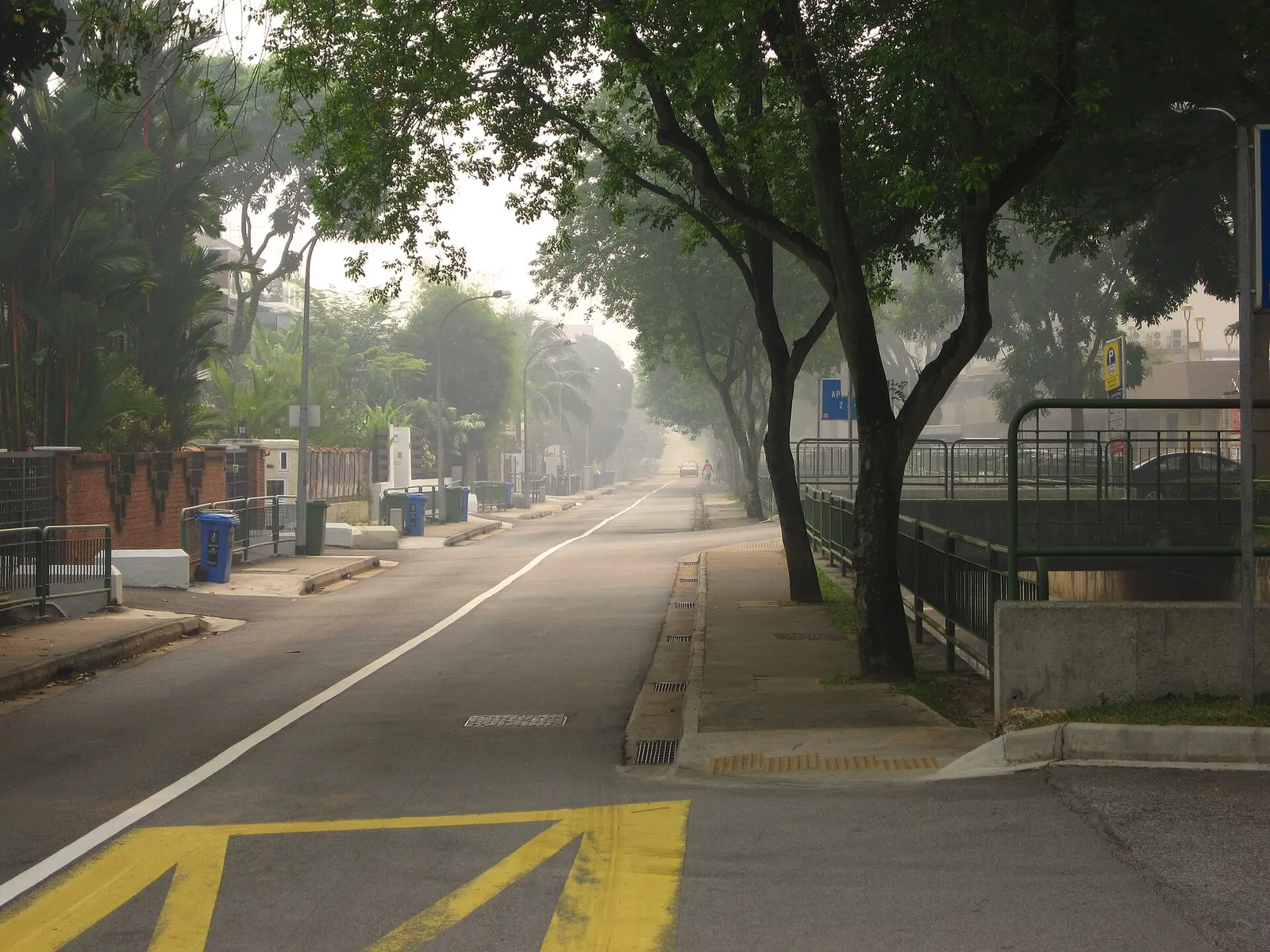
Smoke haze from land and forest fires in the region affects Singapore's air from time to time, particularly during the Southwest Monsoon from August to October, the National Environment Agency (NEA) says. The UK gives June to October, and warns that haze can disrupt regional flights. France issued an alert on 29 October 2026 after a month of particularly intense pollution from fires in Sumatra and Kalimantan; with inter-monsoon showers the air improved, and NEA issued its final haze update of the season on 7 November 2026, with the 24-hour PSI at 51-55 at 6pm, in the Moderate range. If you travel between June and October, check the forecast before you fix the outdoor days; our best-time guide sets the haze months against rain and festivals.
NEA publishes two readings on haze.gov.sg and in its myENV app: the 1-hour PM2.5, to decide what to do now, and the 24-hour PSI forecast, to plan ahead. A 24-hour PSI of 0-100 is Good to Moderate, 101-200 Unhealthy, 201-300 Very Unhealthy and 301 or above Hazardous. For the 1-hour PM2.5, NEA links each band to what to do:
| 1-hour PM2.5 (µg/m³) | Band | What NEA advises |
|---|---|---|
| 56-150 | Band 2, Elevated | Healthy people reduce strenuous outdoor activity for the next hour |
| 151-250 | Band 3, High | Healthy people avoid strenuous outdoor activity for the next hour; vulnerable people avoid all outdoor activity for the next hour and may wear a mask |
| 251 and above | Band 4, Very High | Healthy people minimise all outdoor activity for the next hour and may wear a mask |
For healthy people, the Ministry of Health says, short exposure generally causes only eye, nose and throat irritation, and unless the PM2.5 is in Band 4 or the PSI forecast is hazardous it is generally safe in most cases to carry on outdoors for less time or at lower intensity; drink plenty of water. An N95 mask is not needed for commuting or indoors; in Band 4, people who must be outdoors may wear a well-fitted one, though not for long in the second and third trimesters of pregnancy. Major pharmacies and supermarkets such as Guardian, FairPrice and Watsons generally sell them. Air-quality figures on other websites, such as aqicn.org, use other methods and cannot be compared with the 24-hour PSI.
France's advice during the 2026 episode was the strictest, and it is the one to follow during a haze episode if you are in a vulnerable group: young children, older people, pregnant women and people with respiratory or cardiovascular disease should limit outdoor trips and activity as far as possible, an N95 or FFP2 mask was strongly recommended outdoors, and an air purifier indoors was advised. Germany advises people with heart or lung disease, asthma, allergies or other relevant conditions to see a doctor before travelling to an area that may be affected.
Prices and times checked 8 November 2026
Heat, thunderstorms, the sea and wildlife
Singapore is hot and humid all year, even at night, with a big gap between the heat outside and the strong air-conditioning indoors, which France says is hard on older people, the frail and infants. The daytime maximum usually does not rise above 31-33°C and the night-time minimum usually does not fall below 23-25°C, according to the Meteorological Service Singapore, and afternoons above 32°C are common from late March to May. Heat stroke can kill, the US Centers for Disease Control and Prevention (CDC) warns: eat and drink regularly, wear loose, light clothing and limit exertion in the heat of the day. Use sunscreen of at least SPF 15 and keep to the shade from 10:00 to 16:00; our nature-walks guide gives the trails where this matters most.
It rains on an average of 171 days a year, much of it heavy and with thunder, and France counts thunderstorms on 186 days a year. In the inter-monsoon months of October and November, storms, at times severe, build in the afternoon and early evening, and rainfall is higher from November to January. Lightning and falling trees regularly cause deaths and serious injuries, France says: when a storm comes, get out of the pool or the sea, do not shelter under a tree and keep off open ground. Germany adds that monsoon rain can bring flooding and traffic disruption, above all from December to March and from June to September.
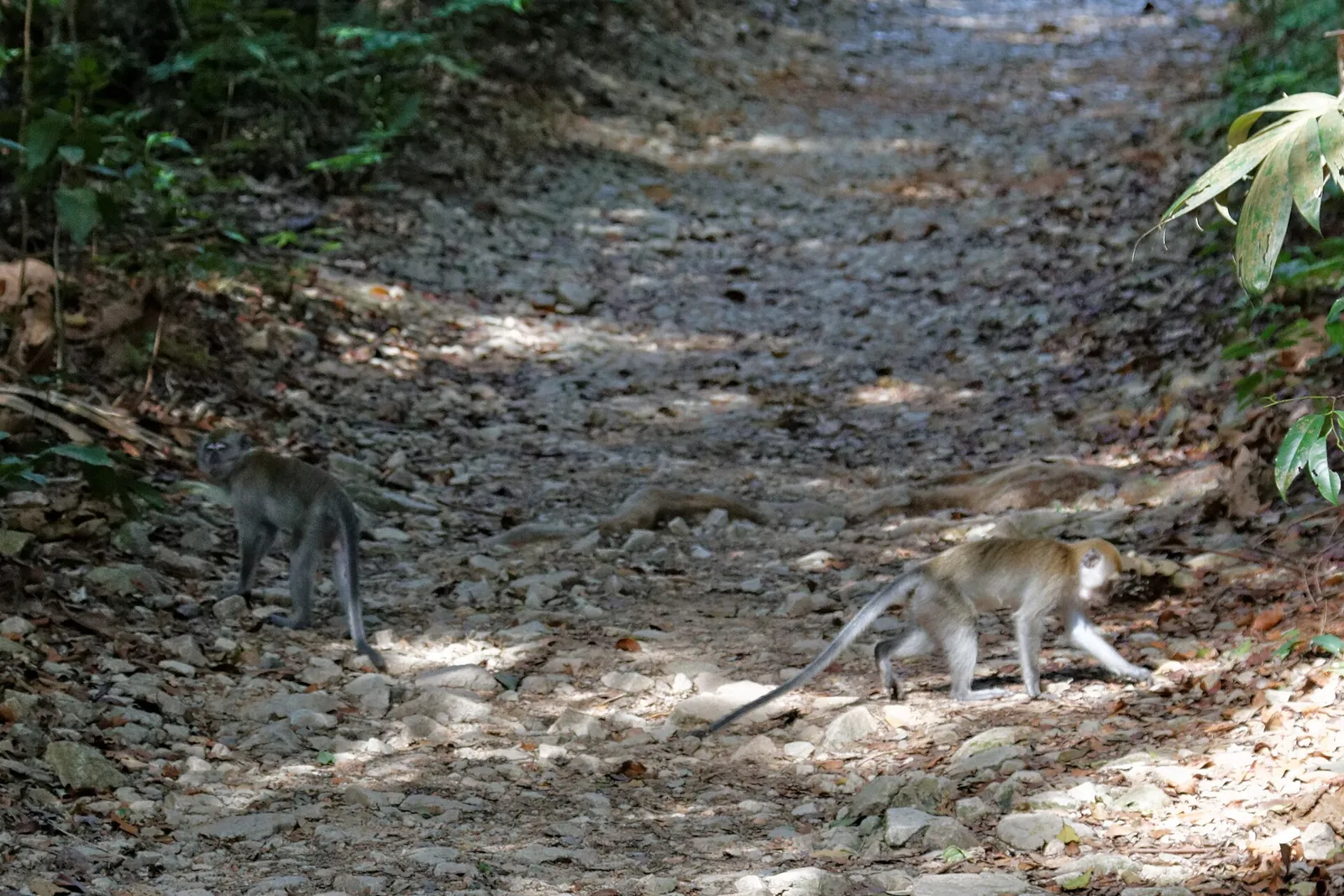
Singapore is one of the world's busiest ports, and France advises against swimming in the sea, especially on the north coast, where some beaches are closed to swimming because of poor water quality; our Sentosa guide gives the beach flags and lifeguard hours there. In parks and nature reserves, keep away from snakes, otters and monitor lizards. Monkeys, notably at MacRitchie, can turn aggressive if they see food. Feeding wildlife is illegal under the Wildlife Act, with a maximum fine of S$10,000, and the National Parks Board's Animal Response Centre answers on 1800 476 1600.
Vaccines, mosquitoes, water and food
Check vaccines at least 8 weeks before the trip, as the UK Foreign Office advises; TravelHealthPro, the UK's travel health service, says ideally at least four to six weeks. The table sets out what the health services recommend; where they differ, each is given.
| Vaccine | Who it is for | Source |
|---|---|---|
| Routine vaccines, including measles (MMR) | Everyone; all international travellers should be fully vaccinated against measles | TravelHealthPro, France, CDC |
| Tetanus | Most travellers | TravelHealthPro |
| Hepatitis A | Unvaccinated travellers aged one or older | CDC; Germany lists it as a travel vaccine |
| Hepatitis B | Unvaccinated travellers younger than 60 (CDC); some travellers (TravelHealthPro); long stays or special exposure (Germany) | CDC, TravelHealthPro, Germany |
| Typhoid | To consider for stays of a month or more, visits to friends or relatives, or areas with poor sanitation (CDC); long stays or special exposure (Germany) | CDC, Germany |
| Dengue and chikungunya | Some travellers, dengue only in set cases (TravelHealthPro); long stays or special exposure (Germany) | TravelHealthPro, Germany |
| Rabies and tuberculosis | Some travellers | TravelHealthPro |
| Japanese encephalitis | Not routinely recommended | TravelHealthPro |
There is no yellow fever in Singapore, but travellers aged one or older who arrive from a country with a yellow fever risk need a vaccination certificate, including after an airport transit of more than 12 hours in such a country, TravelHealthPro and the CDC say. The UK and France apply the rule to anyone who was in a risk country in the six days before arrival, and France counts French Guiana as a risk area. Without the certificate you may be put in mandatory quarantine or refused entry.
There is no malaria in Singapore, though avoiding bites is still advised. Dengue is the mosquito-borne disease to plan for: Germany reports high case numbers in recent years, spread across the whole country by Aedes mosquitoes that bite by day, and says complications in travellers are rare and that there is no preventive medication or specific treatment. Use repellent and cover up during the day. France suggests checking NEA's free app to see whether your home or hotel lies in a dengue cluster, and says to avoid anti-inflammatory medicines if dengue is suspected. TravelHealthPro also lists chikungunya and Zika: pregnant women should discuss the trip with their health provider, and it advises avoiding pregnancy during travel and for 2 months afterwards, or 3 months if a male partner travelled.
Hand, foot and mouth disease is common in Singapore, with more serious outbreaks from time to time, and young children are particularly at risk, the UK says. Rabies has not been reported in Singapore and most travellers are at low risk, but bats may carry bat lyssavirus, so avoid contact with them. Tap water is safe to drink straight from the tap without further filtering, says PUB, the national water agency, and France rates general health conditions as matching European standards, while recommending basic hygiene precautions when travelling.
Prices and times checked 8 November 2026
Emergency numbers, hospitals and insurance
Save these numbers before you land; the UK Foreign Office, the Singapore Civil Defence Force (SCDF), the Singapore Police Force and ScamShield list them.
| Service | Number |
|---|---|
| Ambulance and fire | 995, or SMS 70995 |
| Police | 999, or SMS 70999 if it is not safe to talk |
| Police hotline, to give information on a crime | 1800-255-0000 |
| NurseFirst, non-emergency medical advice | 6262 6262 |
| ScamShield helpline, 24 hours | 1799 |
| Samaritans of Singapore | 1800 221 4444 |
| National Care Hotline | 1800 202 6868 |
| IMH Mental Health Helpline | 6389 2222 |
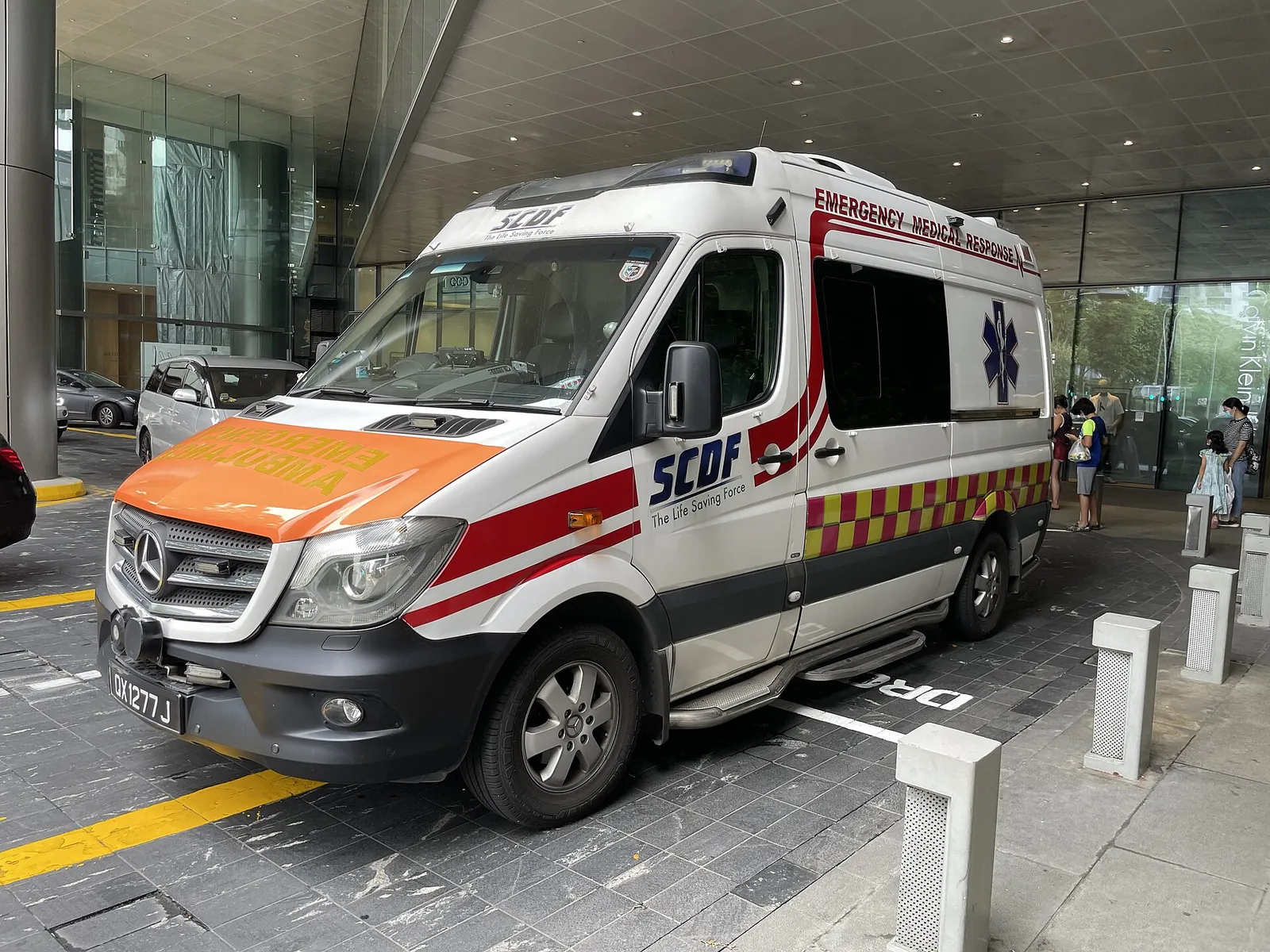
Call 995 and ask for an ambulance only for a real emergency: the SCDF names cardiac arrest, seizures, breathlessness, loss of consciousness, excessive bleeding, major injuries and stroke, and since April 2019 it has not taken non-emergency cases to hospital. Its 1777 non-emergency ambulance line closes from 1 January 2027. For anything less urgent, NurseFirst's trained nurses advise on care options, including nearby GP clinics and teleconsultation, and a taxi or ride-hailing car takes you to hospital. If you are referred to a medical facility, contact your insurer quickly.
For a minor illness, you can easily see a local doctor without an appointment at one of the many medical centres, France says, and doctors there dispense medicines themselves. At the National University Polyclinics, a consultation for a non-resident costs S$83.71 including GST, without medicines, laboratory tests or X-rays, and non-residents pay an S$85.00 deposit at registration.
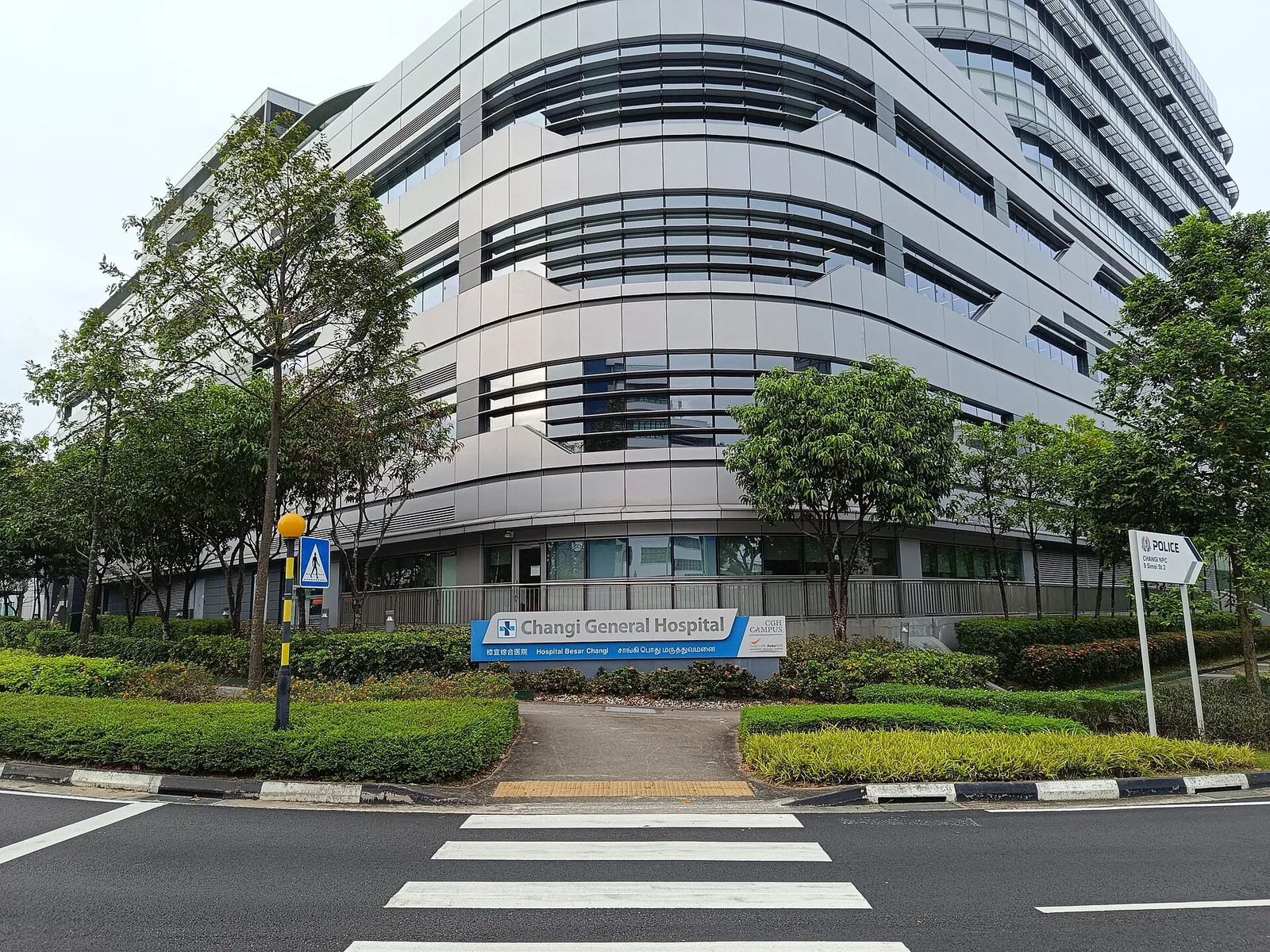
Singapore General Hospital runs a 24-hour emergency department for everything from resuscitation to minor emergencies, and Changi General Hospital, close to the airport, has a 24-hour emergency department that treats tourists, foreigners and locals. Changi General's attendance fee is S$176.00 including GST from 1 September 2026. It covers the consultation, nursing care, basic tests such as an ECG, basic treatment such as simple stitches or a dressing, and standard medicines, but not laboratory tests, MRI or CT scans, specialised procedures or non-standard medicines. Ng Teng Fong General Hospital lists an A&E fee of S$174, paid at registration, and says actual charges may differ for non-residents. France's list of hospitals adds Mount Elizabeth (+65 6737 2666), Gleneagles (+65 6470 5700), KK Women's and Children's (+65 6293 4044) and Tan Tock Seng (+65 6256 6011).
Healthcare is of a high quality and expensive, the UK says, and every hospital has English-speaking staff; Germany adds that private hospitals above all are very expensive. Buy travel insurance with cover for your itinerary, activities, medical treatment and possible medical repatriation, and keep accessible funds to pay for treatment. France is blunter: without cover for all medical costs, surgery and hospital stays included, and for medical repatriation, you risk having no access to care even in a life-threatening emergency, and the embassy will not pay.
Prices and times checked 8 November 2026
Scams, drinking and nightlife
Online and phone scams are common, the UK says, and may involve people pretending to be officials or bank employees. Government officials will never ask you to transfer money over a phone call, and the police now call from a single caller ID, 6000 0999. If you are unsure whether something is a scam, call the ScamShield helpline on 1799. Private homes cannot legally be let to tourists for short stays, and for longer stays France warns that rental scams are widespread: meet the owner and see the flat before paying.
The authorities do not tolerate drunk and disorderly behaviour. You can be arrested for being drunk and incapable in public, fighting, touching someone inappropriately, drink-driving or drinking outside the permitted hours and areas, and the penalties include fines, prison and caning. Drinking alcohol in a public place, outside restaurants, bars and licensed entertainment venues, is illegal from 22:30 to 07:00. Geylang and Little India are Liquor Control Zones, where drinking is banned all weekend, on public holidays and on the eve of public holidays.
Avoid any action that could be read as molestation: it can bring fines, prison and caning. France reports arrests on a simple complaint, with men accused over contact they considered involuntary in the clubs of Clarke Quay and the night bars of Orchard Towers, and Germany says the same applies in bars and discos. The UK also reports scams built on false claims of molestation and extortion. France advises staying alert as you leave bars and clubs at Boat Quay, Clarke Quay and Orchard Towers.
If you are caught up in a police investigation, the authorities take your passport. In most cases you cannot leave Singapore while the case is open, there is no set timeline, and you must support yourself financially until it ends.
Same-sex sexual activity is legal, and the criminal provision was removed in November 2022, but the law does not recognise same-sex marriages or partnerships. Germany says tolerance and acceptance in society vary greatly; the UK notes that support groups and social venues exist.
Smoking, gum, roads and the everyday rules
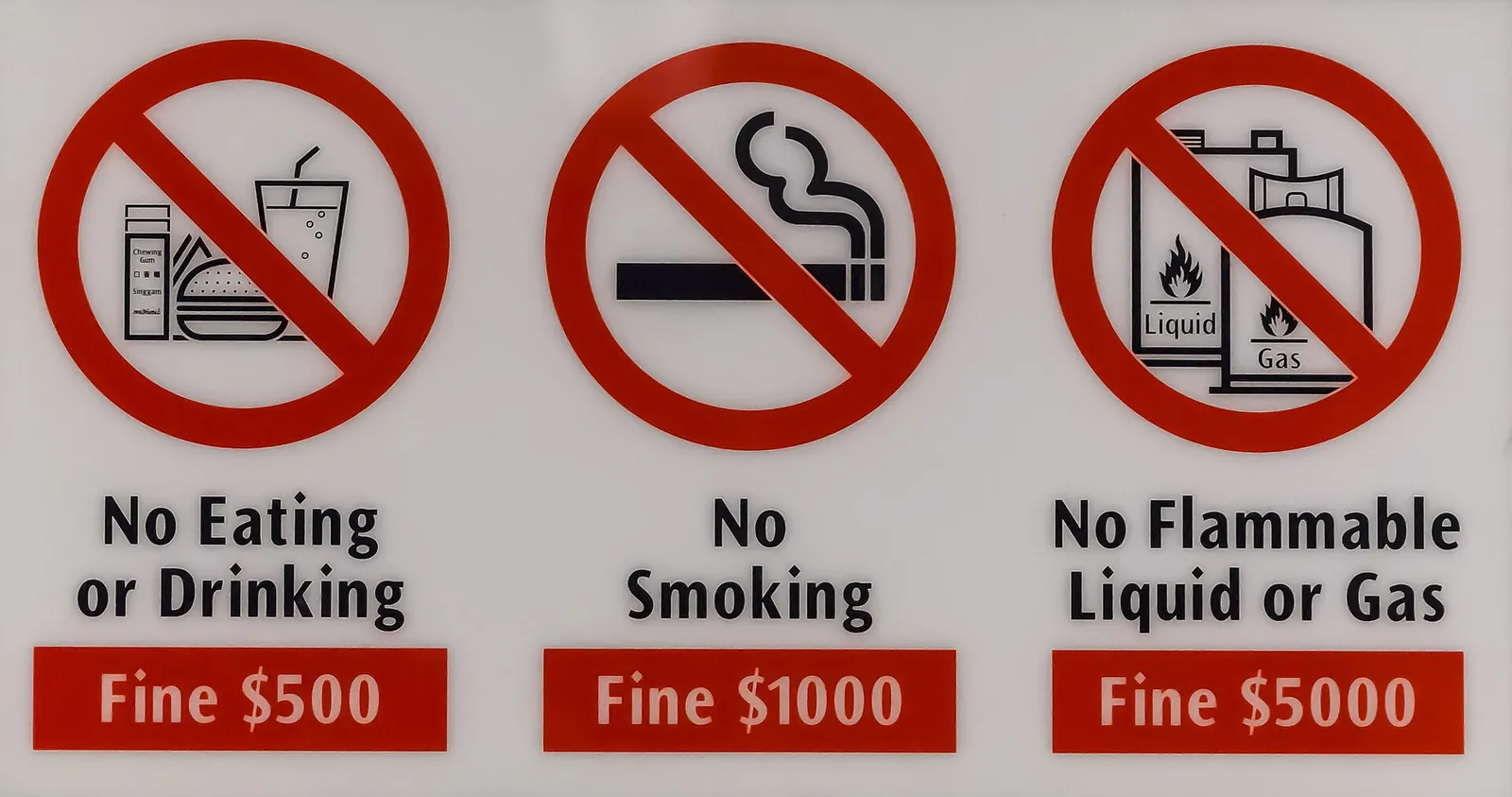
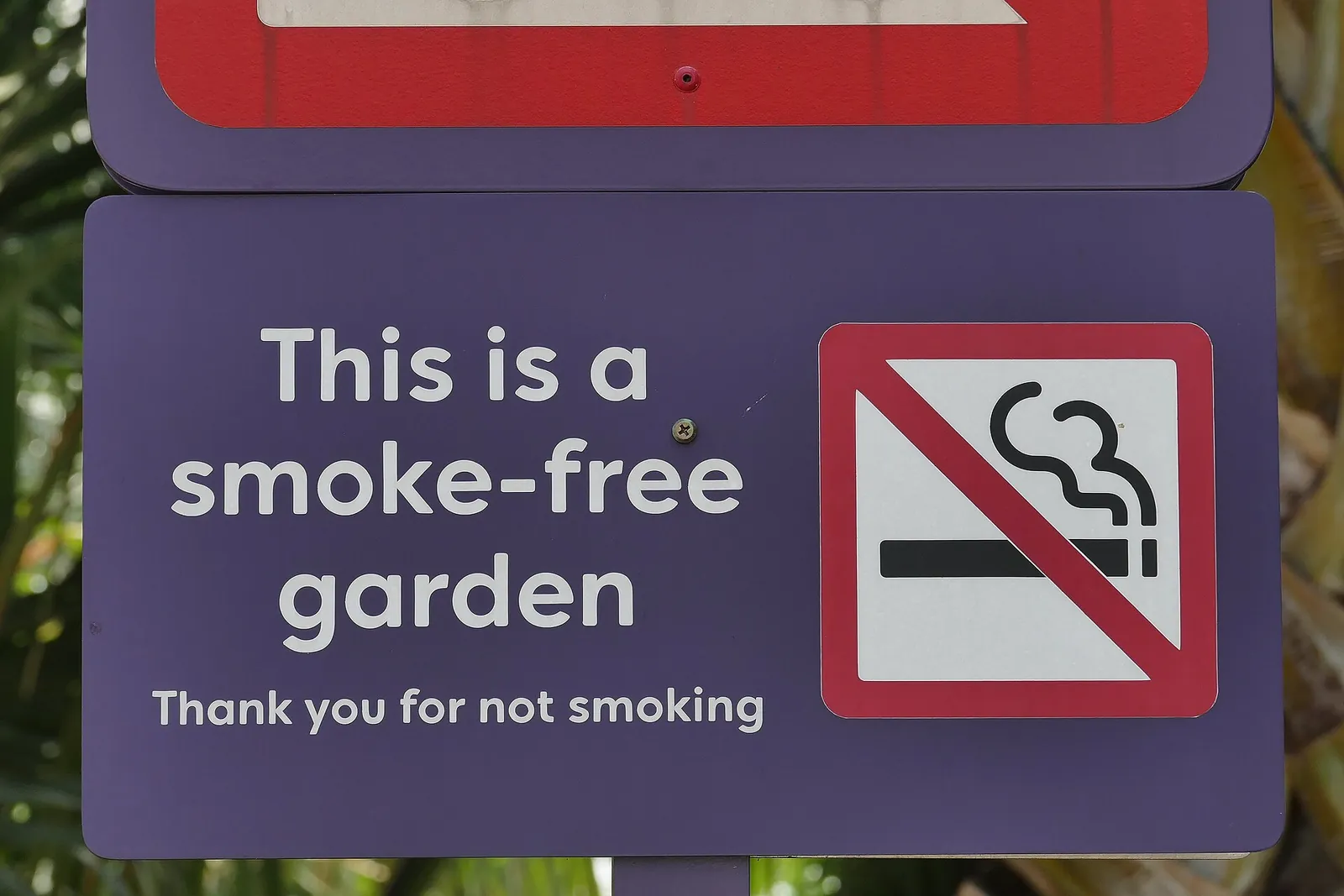
You must be 21 or over to buy or use tobacco. Smoking is banned in all public parks and along certain waterways, and Orchard Road is a No Smoking Zone. NEA's list adds bus stops and the area within five metres of them, covered linkways, overhead bridges, the area within five metres of the entrances to commercial and publicly accessible buildings, and ten recreational beaches including Siloso, Palawan, Tanjong and East Coast. Smoke only in designated areas: France says smokers caught in a prohibited place pay a composition fine of S$200, and up to S$1,000 if convicted in court.
Eating and drinking on public transport is banned, with fines of up to about S$500, Germany says. Chewing gum, dropping litter or cigarette butts and crossing the road outside a crossing are all illegal, France says, and plain-clothes officers fine offenders on the spot; vandalism, graffiti included, can mean fines, prison and caning. At Changi Airport, shoplifting is heavily punished, even for transit passengers: with constant video surveillance and open duty-free counters, pay for each purchase before you walk on to another section.
Roads and public transport are very good, France says, but pedestrians have no priority away from crossings, cycling on the roads outside park cycle paths is not advised, and seatbelts are compulsory. Traffic drives on the left. Our transport guide covers the MRT, buses and taxis. A UK licence is valid for up to 30 days, after which you need a 1949 international driving permit with it. The drink-driving limit is 0.8 g of alcohol per litre of blood, and above it France gives fines of S$2,000 to 10,000 or 12 months in prison.
Practical questions
Is Singapore safe for tourists?
For most visitors, yes. The UK calls violent crime and theft rare, and none of the UK, French or German governments advises against any part of Singapore. The risks lie elsewhere: strict drug and vape laws, haze from regional fires, heat, dengue and the cost of treatment.
What is the emergency number in Singapore?
995 for an ambulance or the fire service and 999 for the police. You can text 70995, or 70999 if it is not safe to talk. For medical advice that is not an emergency, call NurseFirst on 6262 6262.
Can I bring a vape to Singapore?
No. Vapes and e-cigarettes are banned and illegal to bring in, even for personal use, and France says the rule also applies to transit passengers with one in a cabin bag. Individuals can be fined up to S$10,000 for prohibited products.
Can I bring my prescription medicines to Singapore?
Up to 3 months' supply needs no approval if the medicine contains no controlled or prohibited substance; carry a copy of the prescription or a doctor's letter and keep the pharmacy-labelled packaging. A medicine with a controlled substance needs HSA approval: apply at least 2 weeks before you arrive.
When is haze season in Singapore?
NEA says smoke haze affects the air from time to time, particularly from August to October; the UK gives June to October. Use the 1-hour PM2.5 to decide what to do now and the 24-hour PSI forecast to plan ahead.
Is the tap water in Singapore safe to drink?
Yes. PUB, the national water agency, says tap water is safe to drink straight from the tap without further filtering.
Do I need vaccinations for Singapore?
None is compulsory unless you arrive from a yellow fever risk country, which needs a certificate. Be up to date with routine vaccines, measles included; TravelHealthPro recommends tetanus for most travellers and the CDC hepatitis A for unvaccinated travellers. There is no malaria, but dengue cases have been high in recent years.
Keep planning your trip
First trip to Singapore
Four nights in Singapore: where to base yourself, visa and SG Arrival Card, Changi to the city, cards and cash, what to book first and weather.
Read the guide
Singapore entry requirements
Singapore entry rules for 2026-27: who needs no visa, how long you can stay, the free SG Arrival Card, passport rules, medicines, vapes, customs and airport charges.
Read the guide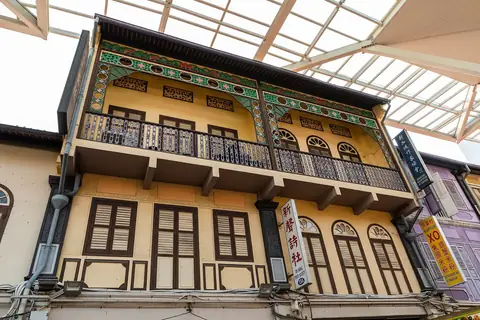
Singapore trip cost 2027
What a week in Singapore costs in February 2027, all in: about SGD 1,200 per person on a budget, SGD 1,850 mid-range or SGD 3,090 in comfort, with Mandai and Sentosa.
Read the guide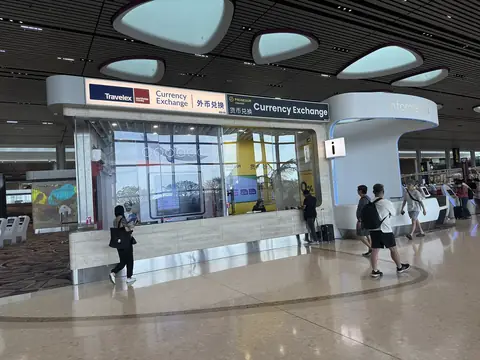
Money and payments in Singapore
Where a foreign card or phone pays in Singapore and where cash helps, SGQR and PayNow, transit cards, ATMs, licensed money changers, tips and the GST refund.
Read the guide
Best time to visit Singapore
Singapore month by month: rainfall and heat from MSS, the haze season, festival and holiday dates for 2026-27, school holidays and what hotels cost.
Read the guide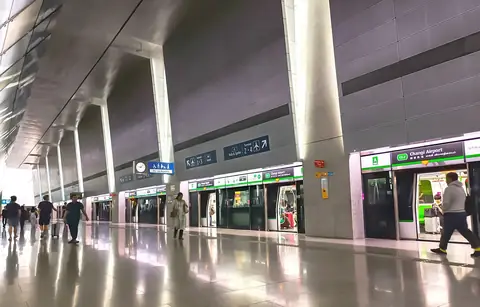
Getting around Singapore
Changi to the city, the six MRT lines, fares and the Tourist Pass, taxis, Sentosa, Pulau Ubin and Batam boats, the train to Johor Bahru and a budget for two.
Read the guideSources and checks before you travel
(36)
- UK Foreign Office (GOV.UK): Singapore travel advice ↗ — opens in a new tab
- UK Foreign Office (GOV.UK): Singapore warnings and insurance ↗ — opens in a new tab
- UK Foreign Office (GOV.UK): Singapore safety and security ↗ — opens in a new tab
- UK Foreign Office (GOV.UK): Singapore entry requirements ↗ — opens in a new tab
- UK Foreign Office (GOV.UK): Singapore health ↗ — opens in a new tab
- UK Foreign Office (GOV.UK): Singapore getting help ↗ — opens in a new tab
- Germany's Federal Foreign Office (Auswärtiges Amt): Singapur, Reise- und Sicherheitshinweise ↗ — opens in a new tab
- French foreign ministry (France Diplomatie): Singapour, dernière minute ↗ — opens in a new tab
- French foreign ministry (France Diplomatie): Singapour, sécurité ↗ — opens in a new tab
- French foreign ministry (France Diplomatie): Singapour, santé ↗ — opens in a new tab
- French foreign ministry (France Diplomatie): Singapour, informations utiles ↗ — opens in a new tab
- French foreign ministry (France Diplomatie): Singapour, contacts utiles ↗ — opens in a new tab
- TravelHealthPro (NaTHNaC): Singapore ↗ — opens in a new tab
- US CDC Travelers' Health: Singapore ↗ — opens in a new tab
- National Environment Agency: air quality ↗ — opens in a new tab
- National Environment Agency: air pollution FAQs ↗ — opens in a new tab
- National Environment Agency: haze situation update, 13 October 2026 ↗ — opens in a new tab
- National Environment Agency: haze situation update, 5 November 2026 ↗ — opens in a new tab
- National Environment Agency: haze situation update, 7 November 2026 ↗ — opens in a new tab
- NEA haze site (haze.gov.sg) ↗ — opens in a new tab
- Ministry of Health: haze ↗ — opens in a new tab
- Meteorological Service Singapore: climate of Singapore ↗ — opens in a new tab
- National Environment Agency: smoking prohibition ↗ — opens in a new tab
- Health Sciences Authority: personal medications ↗ — opens in a new tab
- Health Sciences Authority: vaping enforcement ↗ — opens in a new tab
- Singapore Customs: controlled and prohibited goods for imports ↗ — opens in a new tab
- ScamShield ↗ — opens in a new tab
- Singapore Police Force ↗ — opens in a new tab
- Singapore Civil Defence Force: emergency medical services ↗ — opens in a new tab
- PUB, Singapore's national water agency: water quality ↗ — opens in a new tab
- Changi General Hospital: emergency department charges ↗ — opens in a new tab
- Changi General Hospital: emergency medicine ↗ — opens in a new tab
- Singapore General Hospital: emergency medicine ↗ — opens in a new tab
- Ng Teng Fong General Hospital: charges and payment ↗ — opens in a new tab
- National University Polyclinics: fees and charges ↗ — opens in a new tab
- National Parks Board: when encountering animals ↗ — opens in a new tab
Reference sources for the version dated 8 November 2026. Confirm opening times, access, transport and conditions for your travel dates.
Photo credits
(6)
Changi General Hospital at Simei Avenue, whose 24-hour emergency department lies close to the airport.
Photograph: SelfDestructible — opens in a new tab · CC BY-SA 4.0 — opens in a new tab
Changes: Resized and converted to WebP; displayed with responsive crops. · Original photograph and licence details ↗ — opens in a new tab
An SCDF ambulance parked at Westgate Mall; call 995 for an emergency ambulance.
Photograph: Ominae — opens in a new tab · CC BY-SA 4.0 — opens in a new tab
Changes: Resized and converted to WebP; displayed with responsive crops. · Original photograph and licence details ↗ — opens in a new tab
Prohibition signs in an MRT station: no eating or drinking, no smoking and no flammable liquids or gas.
Photograph: CEphoto, Uwe Aranas — opens in a new tab · CC BY-SA 3.0 — opens in a new tab
Changes: Resized and converted to WebP; displayed with responsive crops. · Original photograph and licence details ↗ — opens in a new tab
Queen's Road near Farrer Road MRT during the 2013 haze, when smoke from regional fires cut visibility.
Photograph: Gareth Wyn Jones — opens in a new tab · CC BY-SA 4.0 — opens in a new tab
Changes: Resized and converted to WebP; displayed with responsive crops. · Original photograph and licence details ↗ — opens in a new tab
Macaques on a trail at MacRitchie Reservoir Park, where monkeys can turn aggressive around food.
Photograph: KimonBerlin — opens in a new tab · CC BY-SA 2.0 — opens in a new tab
Changes: Resized and converted to WebP; displayed with responsive crops. · Original photograph and licence details ↗ — opens in a new tab
A smoke-free sign at Gardens by the Bay; smoking is banned in Singapore's parks and gardens.
Photograph: Schnobby — opens in a new tab · CC BY-SA 4.0 — opens in a new tab
Changes: Resized and converted to WebP; displayed with responsive crops. · Original photograph and licence details ↗ — opens in a new tab