Plan your trip · Central Region
First trip to Singapore: entry, money and a practical base
A first Singapore trip becomes easier once the paperwork and everyday arrangements are in place. Choose a hotel for the evenings you want, then divide the visit between the waterfront, heritage streets and one longer outing. Entry permission, the arrival card and your payment method each solve a different problem, so arrange them separately. Leave enough space in the route for heat, rain and a meal that runs longer than expected.
- Suggested time
- 4 nights for a balanced first visit
- Where to stay
- One central base: City Hall, Chinatown or the Singapore River
- Season and timing
- Plan around current weather and keep an indoor alternative for outdoor days.
The short answer
Choose four nights in one central base for a first Singapore trip, with the waterfront, heritage districts and one longer outing on separate days. City Hall suits a mixed city visit, Chinatown a heritage-led stay, and the Singapore River evenings close to the hotel. Before booking, use ICA's visa lookup for your travel document and review passport validity; submit the free SG Arrival Card in its permitted window before arrival. Arrange an eligible payment card and mobile data, then reserve only the attractions whose dates matter to you.
Choose one base and give the visit room to breathe
Four nights give you three full days between arrival and departure. Use one for Marina Bay, one for a heritage district and the river or Civic District, and one for a longer outing that fits your interests. A two-night stay works as a tighter city introduction; extending the stay is more useful than trying to place Sentosa, Mandai and Pulau Ubin inside the same short visit.
City Hall is a useful starting point for a mixture of civic sights and the waterfront. Choose Chinatown when heritage streets are the main reason for the trip, or the Singapore River when you value an evening walk near your room. Trace the station-to-hotel walk and ask about room position before paying. Use the where-to-stay guide to compare these areas with eastern and resort bases.
Resolve passport, visa and permitted stay before booking
ICA's requirements checked on 2026-10-11 say that every traveller needs an individually issued valid travel document. All travellers except Singapore passport holders must have a passport valid for at least 6 months. Use ICA's official visa lookup for the country or place that issued your document and for your document type.
A visa permits its holder to travel to Singapore and seek entry; it does not guarantee admission. Your permitted stay is the period granted on the Visit Pass at entry, not the visa's validity. Foreign visitors receive an electronic Visit Pass, or e-Pass, showing the granted period and last permitted day. Have proof of onward travel and sufficient cash available, as ICA advises short-term travellers to do, and read the e-Pass after arrival.
ICA also requires a valid yellow-fever vaccination certificate after travel to a country with a risk of yellow-fever transmission in the 6 days before arrival, including airport transit there lasting more than 12 hours. If your journey includes such a country, resolve that requirement before departure. A trip into Malaysia creates another international entry and a subsequent return to Singapore, so review both countries' requirements before adding it to a short city stay.
Submit the free SG Arrival Card in the correct window
ICA's guidance checked on 2026-10-11 requires the SG Arrival Card, with electronic health declaration, within 3 days before arrival, including arrival day. Submit through ICA's SGAC service or the official MyICA mobile app; ICA says submission is free and does not endorse commercial services charging to do it. The card is separate from a visa, so completing one does not remove any visa requirement.
The main exemptions are travellers transferring or transiting without seeking immigration clearance, and Singapore citizens, permanent residents and Long-Term Pass holders entering through Woodlands or Tuas. An ordinary foreign holiday visitor entering by land is not covered by that resident exemption. Use the expected arrival date when preparing the submission, and keep your travel document and submission acknowledgement accessible during the journey.
Prepare a payment method and understand declarations
SimplyGo accepts eligible foreign-issued contactless American Express, Mastercard and Visa cards for public transport, with overseas use enabled. No SimplyGo account is needed to pay, and bank cards charge regular adult fares. On 2026-10-11 SimplyGo listed an additional S$0.60 per day of use for foreign-issued Mastercard and Visa cards; your bank may impose its own charges. Carry an alternative payment method in case a particular card is rejected, and ask each shop or stall which payments it accepts.
Tap in and out using the same card and payment mode. A physical bank card and a phone wallet holding that card are treated separately; with mobile payment, use the same wallet, card and device throughout the journey. Take the intended card out of your wallet so the reader detects only that card. Route choices, fares and transport passes are covered in the transport guide.
ICA requires a declaration when you enter or leave with a combined value of physical currency and bearer negotiable instruments exceeding S$20,000, or its foreign-currency equivalent. Submit the declaration online within 72 hours before arrival or departure. This is a reporting threshold: ICA says there is no restriction on the type or amount carried in or out. Customs declarations for goods are separate, so review the official goods guidance before packing restricted items or purchases.
Arrange mobile data before it becomes urgent
Decide whether your existing roaming plan or a Singapore tourist SIM suits the visit before you leave home. Singtel offers tourist physical SIM and eSIM plans for foreign passport holders. Its eSIM guidance requires a carrier-unlocked, compatible phone and an internet connection for installation, so confirm your handset and practise finding its mobile-data settings before travelling.
On 2026-10-11 Singtel stated that passport registration grants data-only access; calls and SMS must be enabled at a Singtel hi! retailer in Singapore. Do not assume that a data connection gives you a working local voice number. Follow the plan's installation and validity conditions, and save your hotel address and arrival instructions offline so you can reach the room before troubleshooting an unfamiliar phone setup.
Pack with the local rules in mind
HSA prohibits bringing in, buying, possessing and using vaporisers and the associated prohibited products described in its tobacco-control guidance. Leave vaping devices and their prohibited refills out of your luggage. Singapore Customs separately lists chewing gum as a prohibited import, excluding HSA-approved oral dental and medicinal chewing gum; treat this as a packing rule and use the official exemption guidance if you need an approved product.
Smoking rules depend on the place, not merely on whether you are outdoors. NEA lists many buildings, public-service vehicles, covered walkways, bus stops and surrounding areas, parks and beaches as smoking-prohibited places. Orchard Road is a No Smoking Zone with designated smoking areas. Follow the signs and use permitted smoking facilities; a patch of open air beside an entrance is not automatically an allowed place. These requirements were checked against the agencies' pages on 2026-10-11.
Make arrival day simple and keep help within reach
Changi Airport's rail guidance routes city-bound passengers through a change at Tanah Merah or Expo; choose the connection for your hotel's location. Most MRT and public bus services do not operate throughout the night, while airport taxis and private-hire cars are available 24 hours. For a late arrival, budget for the transport that is running when you land and leave the first evening free of a paid appointment.
Save 999 for a police emergency and 995 for an emergency ambulance. Keep your accommodation address and travel-insurance assistance details accessible, and ask for help early if you become unwell. Once the room and arrival arrangements are organised, the remaining decision is a pleasant one: which waterfront, heritage or outdoor day you want to give your full attention to.
Practical questions
How many nights should I book for a first Singapore trip?
Four nights in one central base make room for three full days: the waterfront, a heritage-and-river day and one longer outing. Choose two nights for a compact city introduction, accepting that you will need to leave several areas for another visit.
Do I need a visa for Singapore?
Use ICA's official visa lookup for the country or place that issued your travel document and for your document type. Your e-Pass at entry determines the permitted stay; a visa's validity does not.
When do I submit the SG Arrival Card?
Submit through ICA's free service or MyICA app within 3 days before arrival, including arrival day. Transit without immigration clearance and resident entry through Woodlands or Tuas have the exemptions described above.
Can I use a foreign bank card on Singapore public transport?
SimplyGo accepts eligible foreign contactless American Express, Mastercard and Visa cards with overseas use enabled. Use the same card and payment mode when entering and leaving, and allow for the foreign Mastercard/Visa administration fee described in the payment section.
Can I bring a vape or ordinary chewing gum to Singapore?
HSA prohibits bringing in, possessing and using vaporisers and associated prohibited products. Customs prohibits ordinary chewing-gum imports, with an exemption for HSA-approved oral dental and medicinal gum.
Does a Singapore tourist eSIM include a local phone service?
Do not assume it does. Singtel's tourist-plan guidance says passport registration provides data-only access, with calls and SMS enabled at a Singtel hi! retailer; confirm the conditions of the plan you choose.
Sources and checks before you travel
Reference sources for the version dated 11 October 2026. Confirm opening times, access, transport and conditions for your travel dates.
- ICA: Entering Singapore ↗ — opens in a new tab
- ICA: Check if You Need an Entry Visa ↗ — opens in a new tab
- ICA: SG Arrival Card ↗ — opens in a new tab
- ICA: Taking Cash In and Out of Singapore ↗ — opens in a new tab
- Singapore Customs: Controlled and Prohibited Goods for Imports ↗ — opens in a new tab
- HSA: Overview of tobacco control ↗ — opens in a new tab
- NEA: Smoking prohibition overview ↗ — opens in a new tab
- SimplyGo: Contactless Bank Cards FAQs ↗ — opens in a new tab
- Singtel: Tourist SIM and eSIM ↗ — opens in a new tab
- Changi Airport: Leaving the airport ↗ — opens in a new tab
- Singapore Police Force: Contact Us ↗ — opens in a new tab
- SCDF: Emergency Medical Services ↗ — opens in a new tab
Photo credits
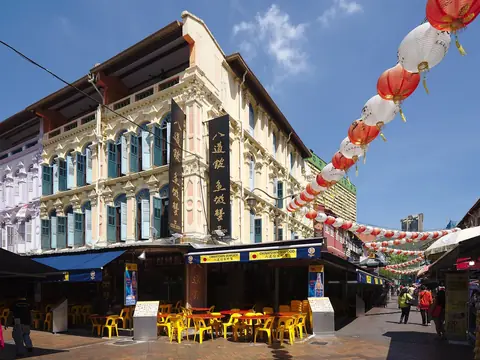
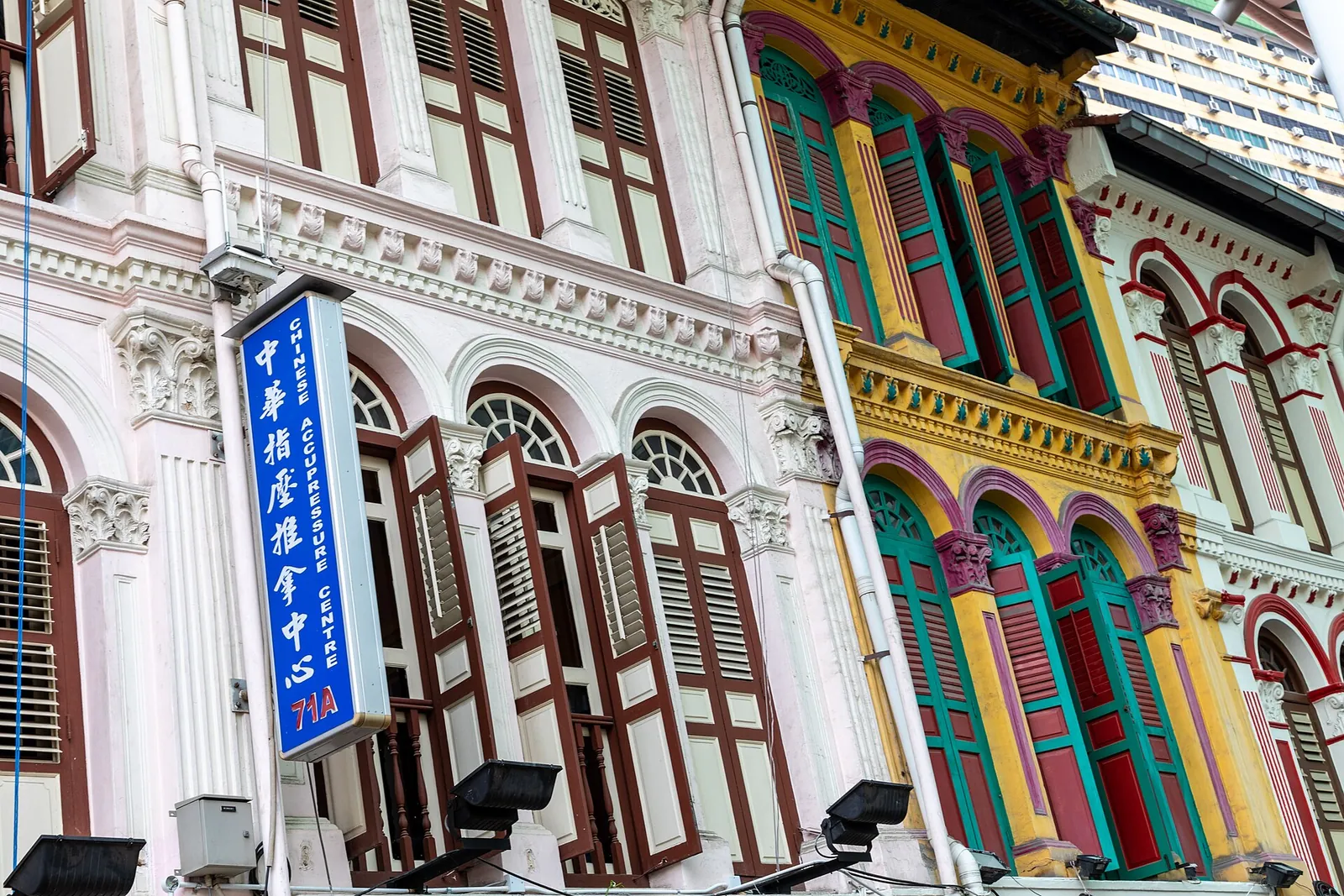
Pagoda Street shophouses in Chinatown.
Photograph: Dietmar Rabich — opens in a new tab · CC BY-SA 4.0 — opens in a new tab
Changes: Resized and converted to WebP; displayed with responsive crops. · Original photograph and licence details ↗ — opens in a new tab
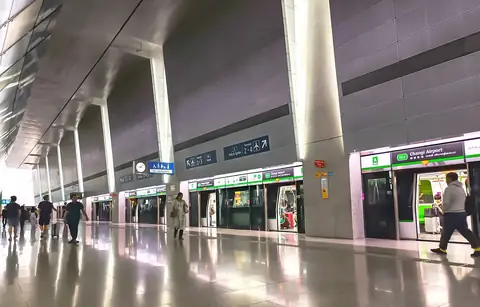
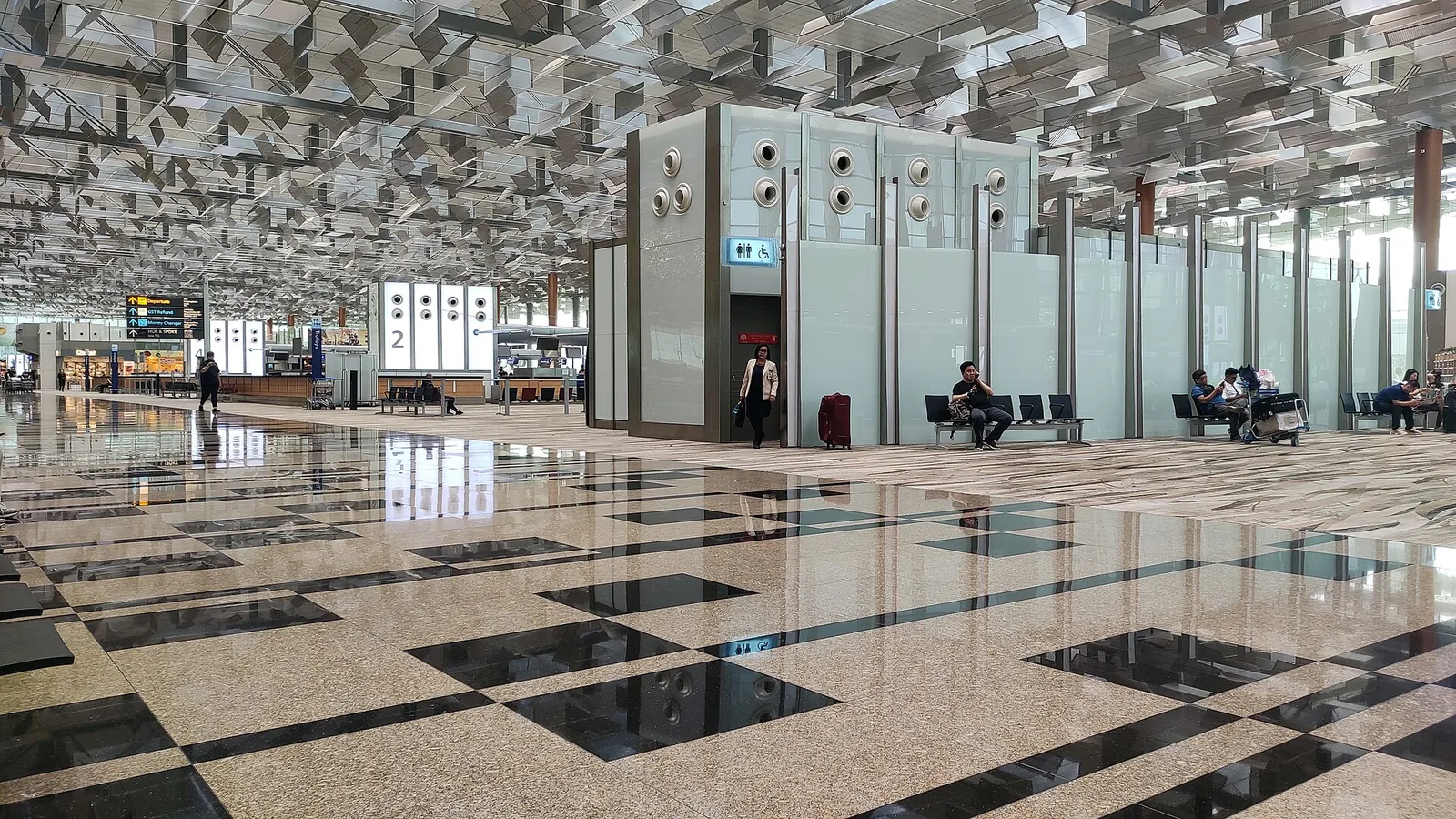
Changi Airport Terminal 3 is the arrival setting for many first visits.
Photograph: Moheen Reeyad — opens in a new tab · CC BY-SA 4.0 — opens in a new tab
Changes: Resized and converted to WebP; displayed with responsive crops. · Original photograph and licence details ↗ — opens in a new tab
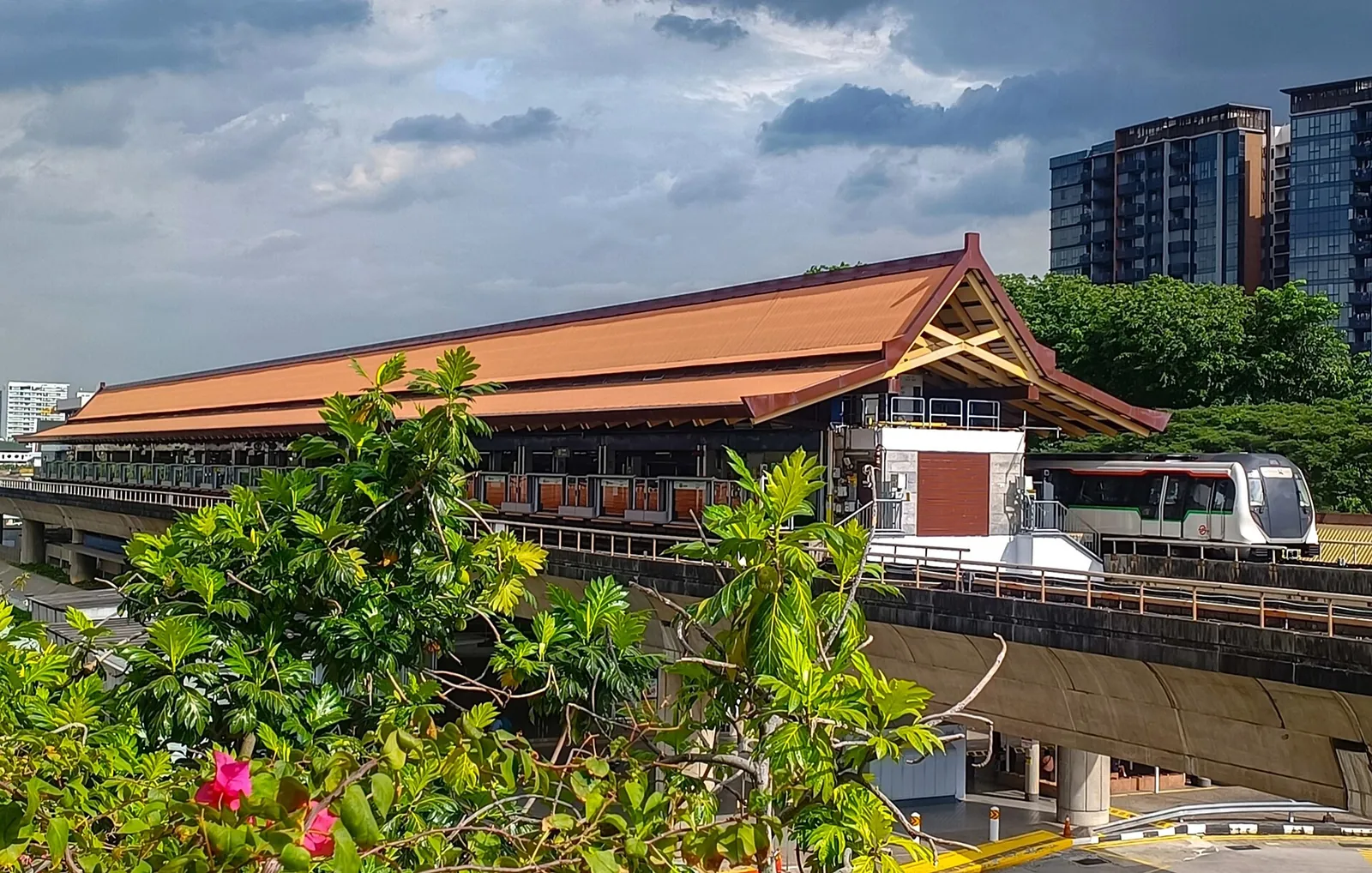
Eunos MRT station, one part of the public-transport network.
Photograph: Fanz226 — opens in a new tab · CC BY-SA 4.0 — opens in a new tab
Changes: Resized and converted to WebP; displayed with responsive crops. · Original photograph and licence details ↗ — opens in a new tab
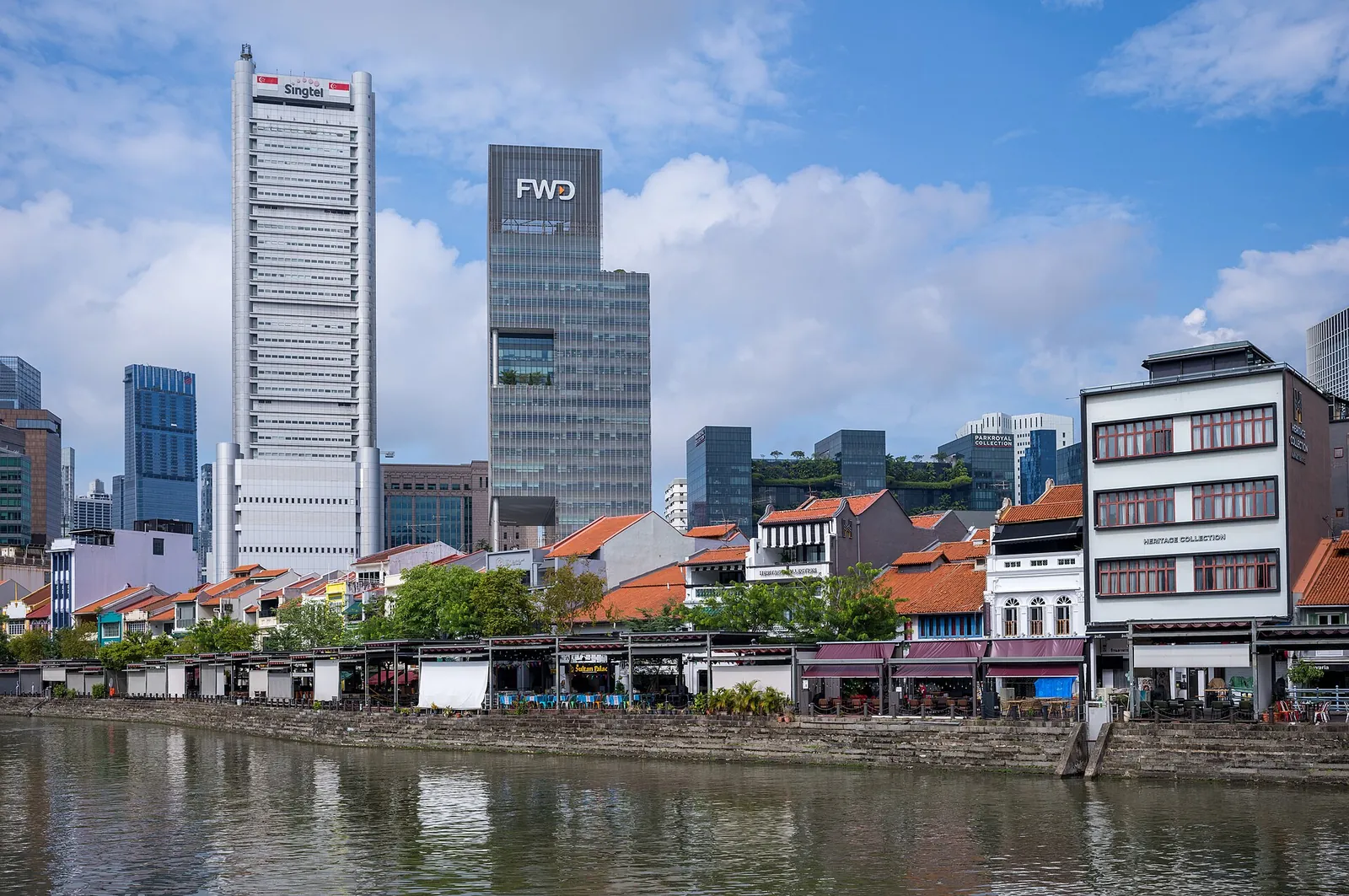
Boat Quay's shophouses face the river with the financial district rising behind.
Photograph: Frank Schulenburg — opens in a new tab · CC BY-SA 4.0 — opens in a new tab
Changes: Resized and converted to WebP; displayed with responsive crops. · Original photograph and licence details ↗ — opens in a new tab
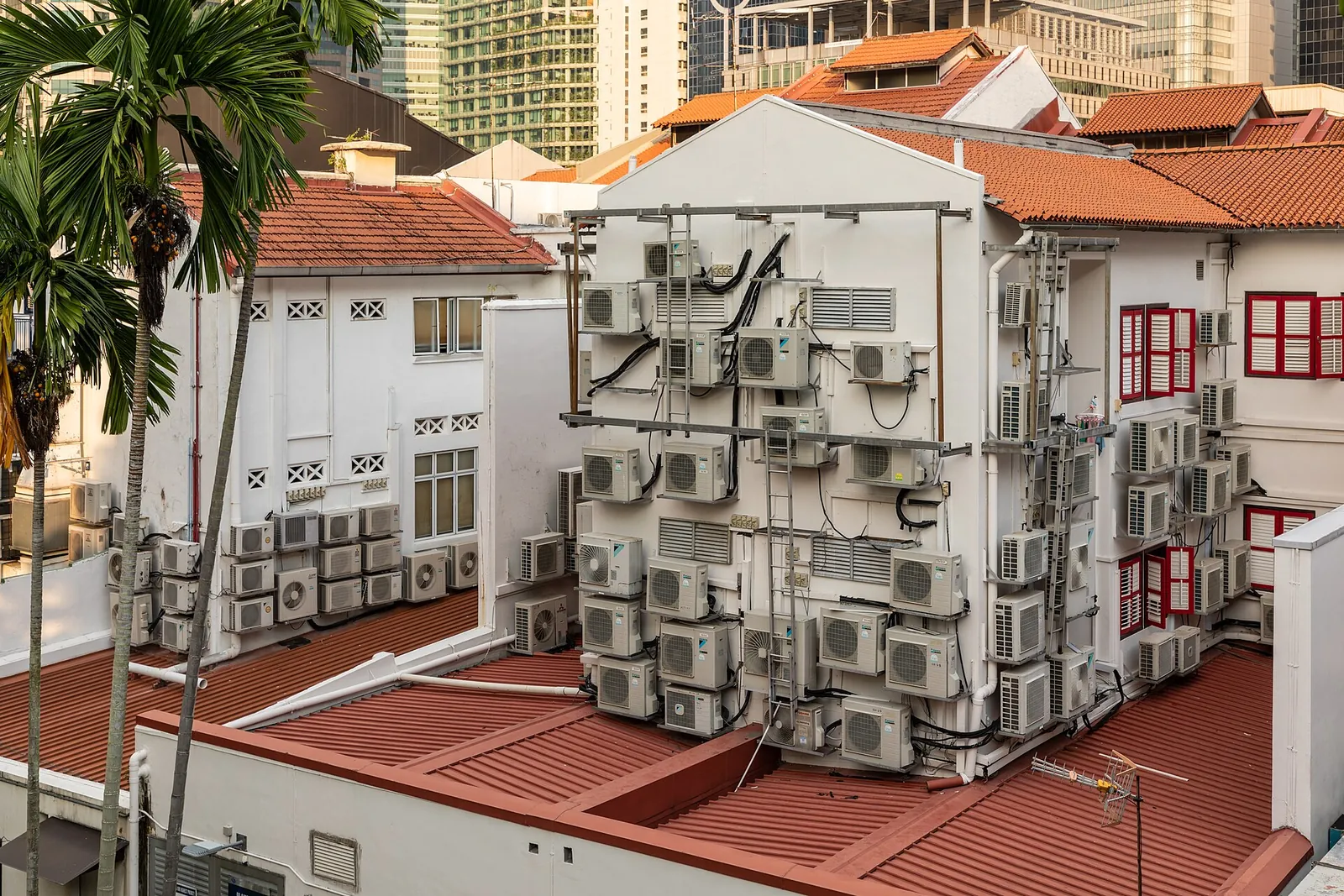
Chinatown rooftops and taller buildings seen from Ann Siang Hill Park.
Photograph: Dietmar Rabich — opens in a new tab · CC BY-SA 4.0 — opens in a new tab
Changes: Resized and converted to WebP; displayed with responsive crops. · Original photograph and licence details ↗ — opens in a new tab