Plan your trip
Patacas or Hong Kong dollars in Macau? Cards, ATMs and Macau Pass
Macau runs on two currencies at once. Prices are set in patacas, the Hong Kong dollar sits close beside it at a fixed link, and the bus, the shop counter and the LRT ticket office each have their own idea of which notes they will take and what change they give. Cards and phone wallets cover most of the rest. This guide explains which payments take a foreign card, which ATMs work with one, where to change money, how Macau Pass pays for buses and convenience stores, what the tourism tax and service charges add to a bill, and what to declare at the border.
In this guide
Find the location ↗ — opens in a new tabThe short answer
Pay by card where you can and carry some patacas (MOP) for buses, small shops and machines. Visa, Mastercard, UnionPay, American Express and JCB are widely accepted, and many merchants take Alipay, WeChat Pay and other wallets. If a terminal or ATM offers to charge you in your home currency, choose patacas. Bring a Mastercard or UnionPay card as well as any Visa, because the JETCO cash machines that take foreign cards do not list Visa. The pataca is linked to the Hong Kong dollar at MOP$103.20 = HK$100. Buses cost MOP$6 in coins and give no change, and a Macau Pass costs MOP$130, with MOP$100 to spend on buses, the LRT and convenience stores. About MOP$300 in cash a day covers buses, the LRT and budget meals. Declare cash of MOP$120,000 or more when you arrive.
- Key point
- Set up before you fly: a card for contactless payment, a Mastercard or UnionPay as your second card for ATMs, and a check of your bank's foreign fees
- Where it applies
- Applies everywhere in Macau; coins matter most on buses and at LRT and Macau Pass machines
- Timing
- The same all year
The pataca, the Hong Kong dollar and what things cost
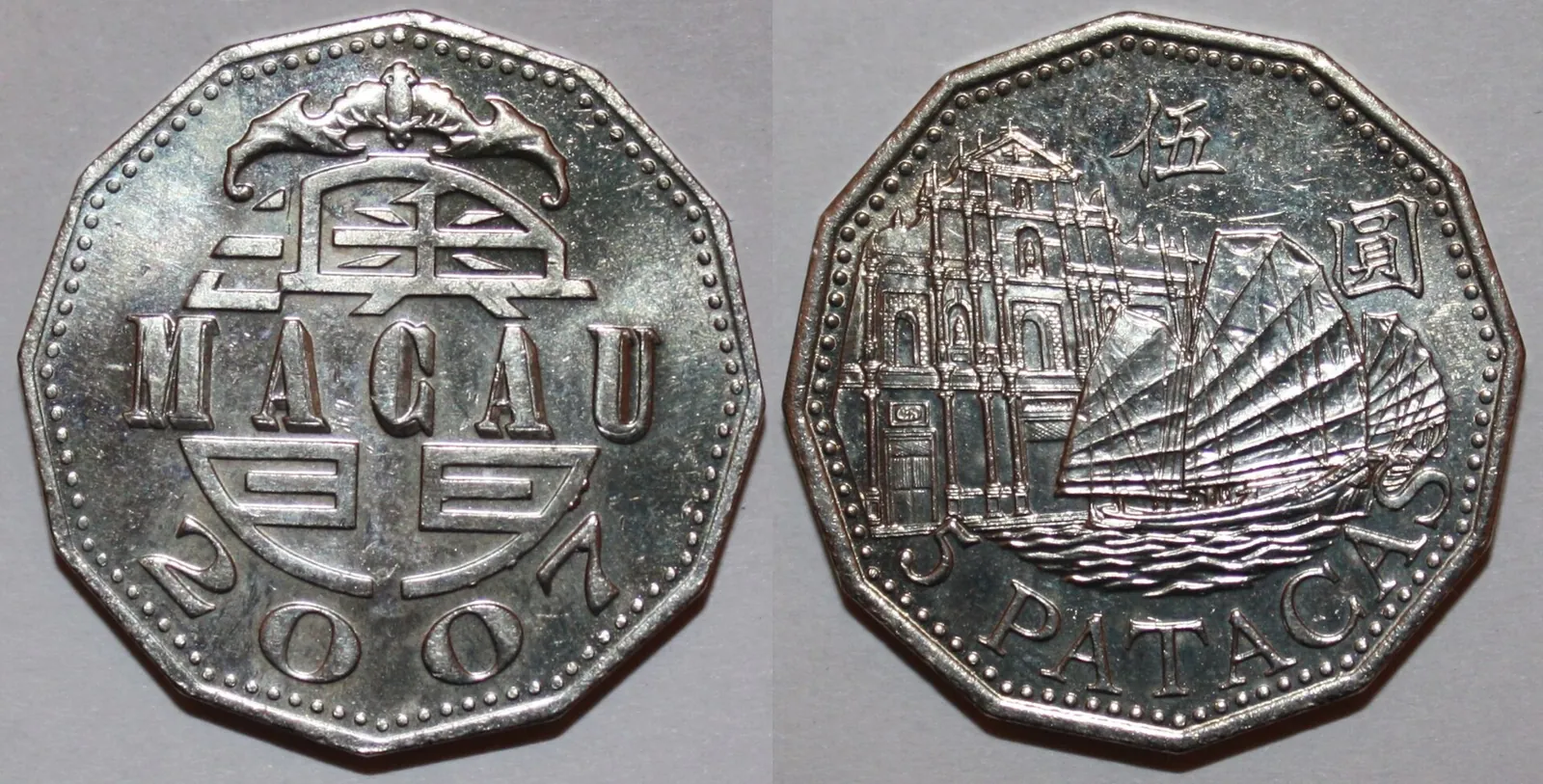
Macau's official currency is the pataca (MOP), divided into 100 avos. Coins come in 10, 20 and 50 avos and in 1, 2, 5 and 10 patacas; banknotes in 10, 20, 50, 100, 500 and 1,000 patacas.
By government decision the pataca is linked to the Hong Kong dollar at MOP$103.20 to HK$100, with an acceptable variation of up to 10%, and roughly 8 patacas buy one US dollar. For scale, the UN operational rates of 1 November 2026 put one euro at about MOP 9.00, one pound at about MOP 10.78 and one Hong Kong dollar at about MOP 1.03. Shops in some tourist areas also accept Hong Kong dollars, renminbi and other common foreign currencies, but the rate and the change are up to the shop, so a pocket of patacas is simpler.
Everyday prices on official pages: a bus ride costs MOP$6; an LRT single journey MOP$6 to MOP$12, or MOP$3 to MOP$6 with a Macau Pass; a taxi MOP$21 for the first 1,600 metres; and a Macau Pass MOP$130, with MOP$100 to spend. For what a whole day costs, with rooms and meals, our Macau trip-cost guide puts it at about MOP 620 per person on a budget, MOP 1,000 mid-range or MOP 1,900 in comfort, sharing a room.
Prices and times checked 8 November 2026
Cards, phone wallets and where cash still counts
Electronic payment is common in Macau. Widely accepted cards include China UnionPay, American Express, JCB, Visa and Mastercard; your card-issuing bank may charge transaction fees. UnionPay Mobile QuickPass, Apple Pay, Samsung Pay and Huawei Pay also work for shopping.
If a card terminal or ATM offers to bill you in your home currency, choose patacas. The home-currency option adds an exchange rate and extra fees, and declining it does not stop the payment or the withdrawal.
Merchants also accept a variety of domestic and overseas payment apps and digital wallets, including the Mainland and Hong Kong versions of WeChat Pay and Alipay, KakaoPay, NAVER Pay, GCash, Touch'n Go eWallet and others, though not every shop takes every app.
Cash still counts on buses, at LRT ticket machines and in small shops. The German Foreign Office advises paying cashless where you can and carrying only the cash you need for the day. France's consulate for Hong Kong and Macao reports many cases of card fraud in Macao: shield your PIN when you type it, avoid paying by card in small establishments and never let your card out of sight. So pay by card where you can watch the terminal, and keep a day's patacas for small counters. For transport alone, about MOP$50 in coins and small notes covers four bus rides (MOP$24) and two of the longest LRT single journeys (MOP$24). Add about MOP 250 for a budget day's food, the figure in our Macau trip-cost guide, and about MOP$300 covers a day even where only cash is taken.
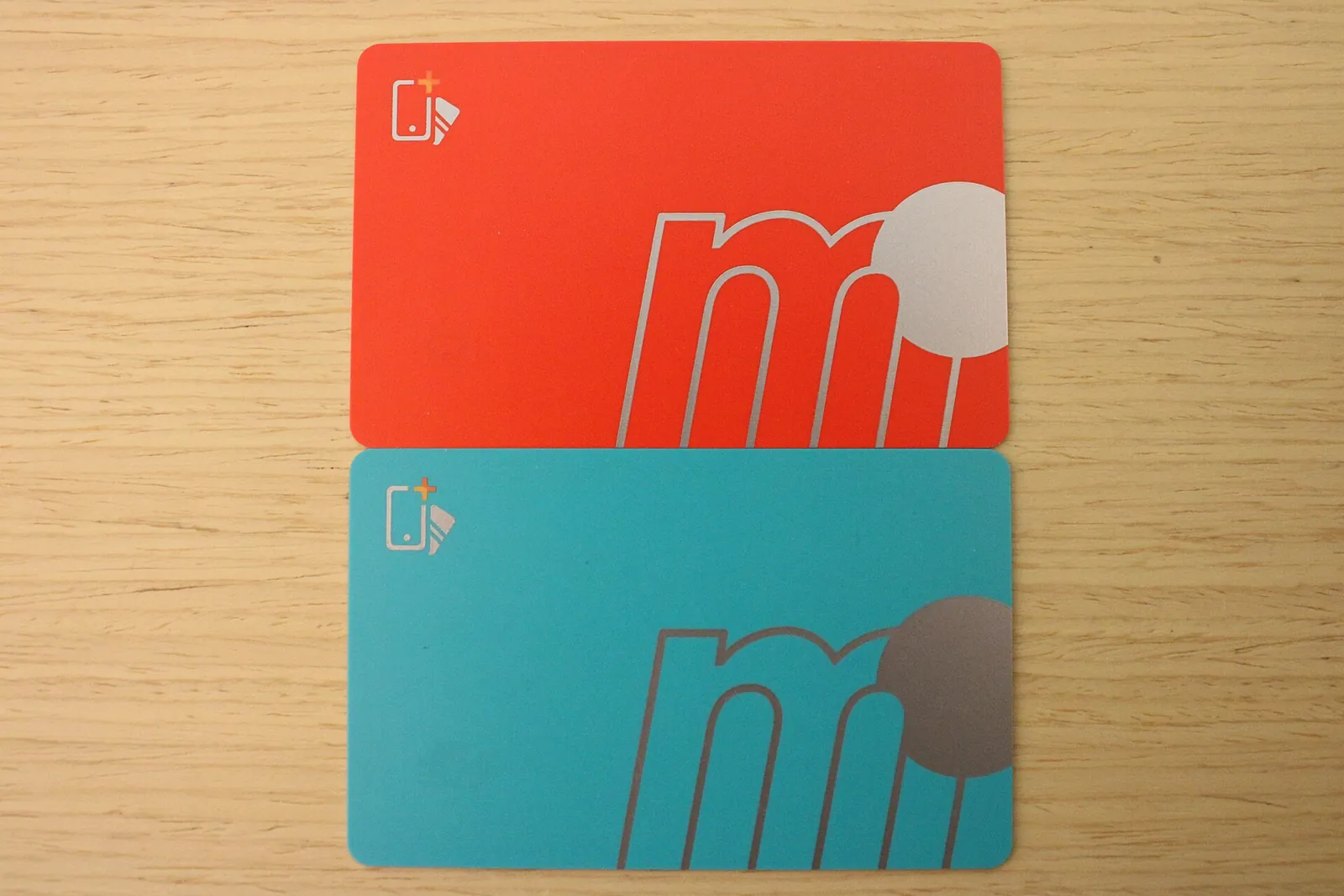
Macau Pass: one card for buses, shops and vending machines
Macau Pass is a stored-value card that works on all public transport and also pays at convenience stores, some bakeries and vending machines. Every Macau Pass card gets a bus fare concession, on terms the Macao government sets, and a general Macau Pass also gets the LRT's prepaid-card discount at the gates. The standard card costs MOP$130: MOP$100 of stored value and a MOP$30 card fee that cannot be spent and is not refunded. A World Heritage design costs MOP$80, with MOP$50 of value and the same MOP$30 fee.
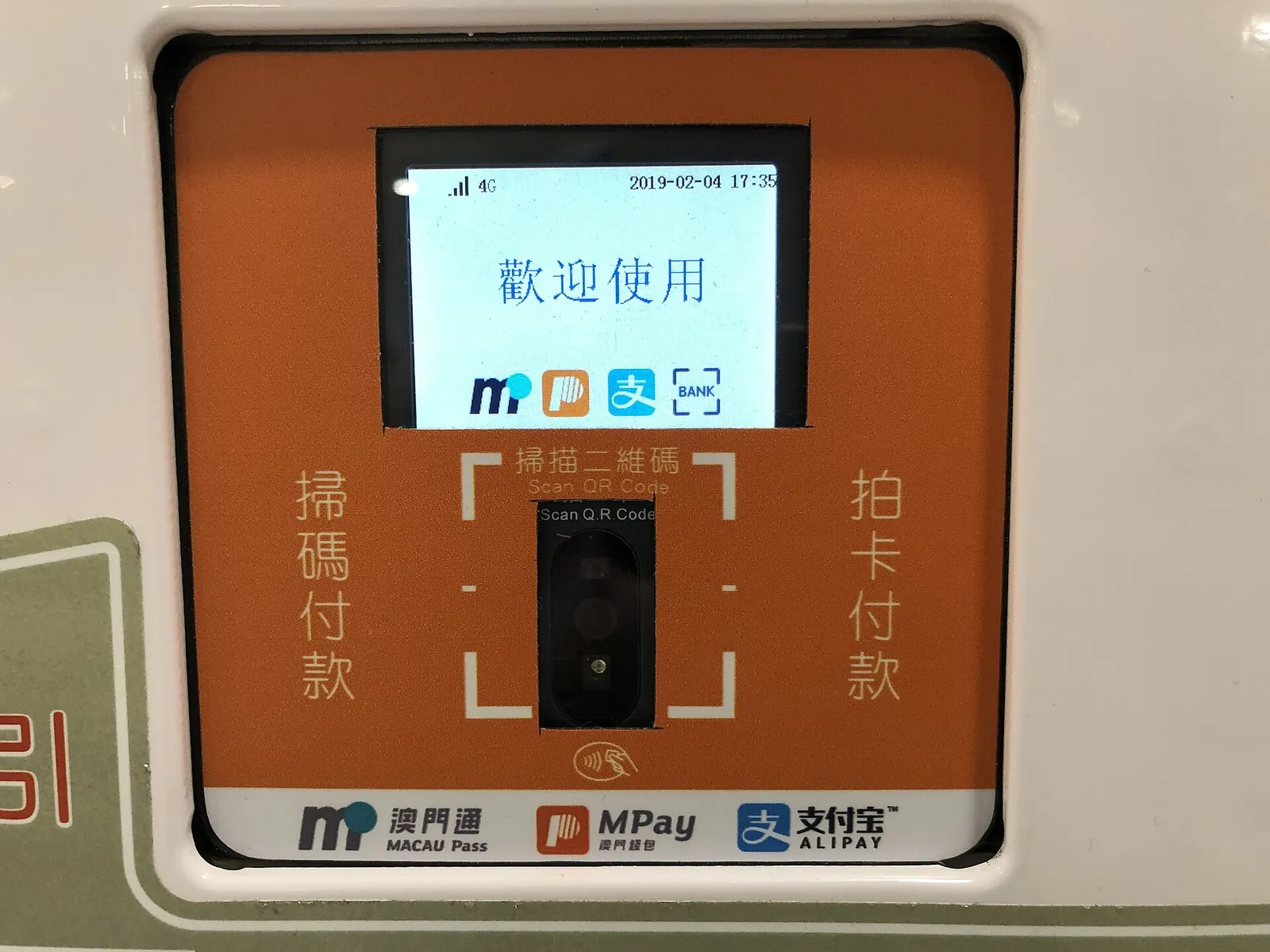
You can buy one at every 7-Eleven and Circle K, at some supermarkets, at self-service card machines and at Macau Pass's three customer service centres. In shops, top-ups start at MOP$50 and go up in multiples of MOP$50; the card holds at most MOP$3,000, or MOP$1,000 on some cards. The self-service machines take patacas, Hong Kong dollars or renminbi at one to one, with no change, and also Macau Pass, MPay, WeChat Pay and Alipay. A bus reader takes a second fare from the same card only two minutes after the first, so Macau Pass advises one card per person.
Before you leave, you can claim back the balance of a sold card, but only in full; the MOP$30 card fee stays with Macau Pass and you keep the card.
Prices and times checked 8 November 2026
ATMs that take foreign cards
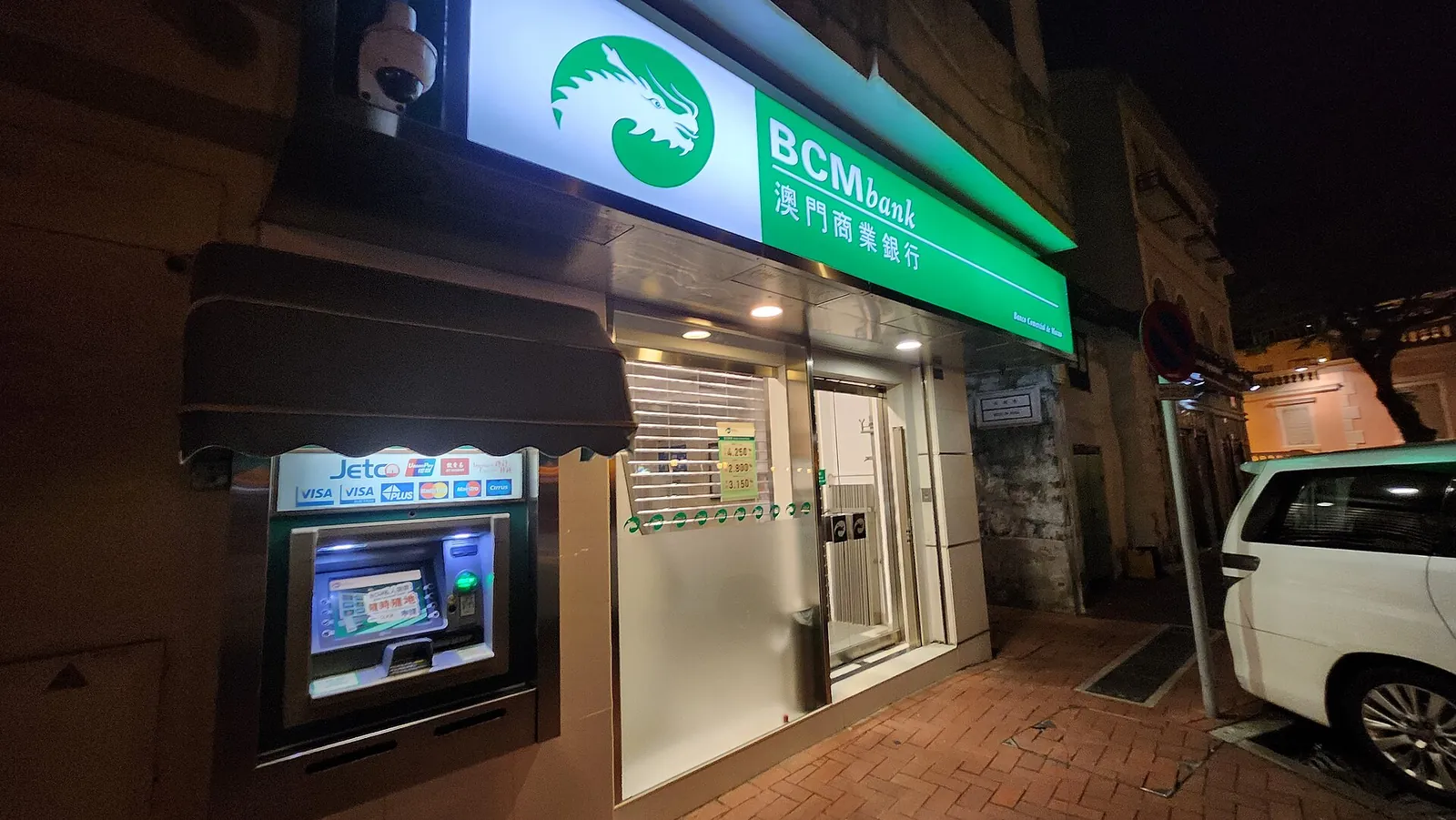
Cash machines work in many places in Macau, the German Foreign Office says. JETCO, an ATM network that covers Hong Kong and Macau, lets visitors withdraw cash at selected machines that show the matching logo: UnionPay, Mastercard, Cirrus, Diners Club, Discover, JCB and Taiwan FISC cards. JETCO does not list Visa or Plus, so carry a Mastercard or UnionPay card as your second card. If Visa is your only card, it still pays in shops, but bring cash in a major currency to change on arrival, for example at the airport counters below.
Each JETCO member bank sets its own minimum and maximum for a single withdrawal. Any fee for a withdrawal outside your card's home region is set by your card-issuing bank, and the exchange rate is the day's rate, subject to the rate your bank applies.
Changing money: the airport, banks and the post office
Changing money in Macau is easy. Exchange services are found at the airport, the ferry terminals and most hotels, and banks and money changers almost everywhere.
At Macau International Airport, First International Resources (Macau) Money Changer runs four counters: on the landside of departures, a kiosk on the landside of arrivals, and one airside in each of arrivals and departures. It changes patacas, Hong Kong dollars, renminbi, pounds, US dollars, euros and other currencies, and advertises no commission. The landside arrivals kiosk opens from 07:00 until the last arriving flight, and the airside arrivals counter from the first arriving flight until 21:00.
In the city, Macao Postal Savings changes more than 10 currencies, including patacas, Hong Kong dollars, renminbi, US dollars, euros, yen and New Taiwan dollars, at the CTT headquarters on Avenida de Almeida Ribeiro. It is open Monday to Friday, 09:00 to 17:00.
Spend or change your last patacas before you cross to Hong Kong. Both changers above handle patacas. At the Macau port of the Hong Kong-Zhuhai-Macao Bridge, the full fare on the shuttle bus to Hong Kong is MOP$65 from 06:00 to 23:59 and MOP$70 from 00:00 to 05:59, payable in patacas, renminbi, Hong Kong dollars or designated electronic payments. Cotai Water Jet prices ferry tickets bought in Macau in patacas; its cash baggage fees can be paid in patacas or Hong Kong dollars when you leave from Macau, but only in Hong Kong dollars when you leave from Hong Kong. Our Hong Kong to Macau guide compares the ferry and the bridge.
Prices and times checked 8 November 2026
Paying for buses, the LRT and taxis
A bus ride costs MOP$6. Buses give no change, so carry enough coins, or tap a Macau Pass instead.
On the LRT, a single journey costs MOP$6, MOP$8, MOP$10 or MOP$12 depending on the number of stations, and MOP$3, MOP$4, MOP$5 or MOP$6 with an electronic prepaid card or a general Macau Pass. An adult LRT Card costs MOP$30. Ticket vending machines take cash and LRT Cards only, and add-value machines cash only, both in patacas. The customer service centres take patacas, Hong Kong dollars and renminbi, all at one to one, as well as credit cards, Simple Pay, Alipay and WeChat Pay. They give change only in patacas and do not take HK$10 coins or renminbi coins and notes under 10 yuan.
Taxis charge MOP$21 for the first 1,600 metres, then MOP$2 for every 220 metres, MOP$2 for every 55 seconds of waiting and MOP$3 for each item of luggage in the boot. Boarding at the taxi stations of the airport, Taipa Ferry Terminal, the Hengqin Port Macao zone or the Hong Kong-Zhuhai-Macao Bridge artificial island adds MOP$8. A ride from the Macau peninsula to Coloane, or boarding at the University of Macau campus, adds MOP$5; from Taipa to Coloane, MOP$2. There is no surcharge from the peninsula to Taipa or from the islands back to the peninsula. Routes and stations are in our Macau transport guide.
Prices and times checked 8 November 2026
Tipping, service charges and tax
Hotel bills add a 5% tourism tax, as do bars inside hotels, dance halls, health clubs, saunas, massage parlours and karaoke venues; a service charge of up to 10% is not itself taxed. Two-star hotels, low-cost accommodation, standalone restaurants, simple eateries and food-court stalls are exempt, and restaurants inside hotels are exempt for the 2026 fiscal year.
Check the bill before you add a tip, because restaurants may already add their own charges. In a 2016 Consumer Council survey of Chinese restaurants, every one surveyed added some kind of surcharge: a service charge, mostly of 10 to 15%, was the most common, and about 80% charged for tea.
Shops set their own prices, and the same goods can cost different amounts in different shops; ask for a valid receipt with the seller's details. The Consumer Council is on +853 8988 9315, and the 24-hour Tourism Hotline on +853 2833 3000 takes enquiries and complaints in Cantonese, Mandarin, English, Portuguese and Japanese.
Prices and times checked 8 November 2026
Cash at the border and keeping money safe
Bringing local and foreign currency into or out of Macau is unrestricted, but there is a declaration rule. If you arrive carrying cash or bearer negotiable instruments, such as traveller's cheques, cheques, bills of exchange, money orders or promissory notes, worth MOP$120,000 or more, use the Red Channel with a completed declaration form. When you leave, you must disclose them truthfully if a Customs officer asks, or face a fine of MOP$1,000 to MOP$500,000. Passengers in transit through Macau to another destination have no obligation to declare. Our Macau entry guide covers the other arrival rules.
Crime levels are low, but pickpocketing and bag snatching happen, the German Foreign Office says, especially at the airport and at busy tourist spots such as in and in front of casinos. The UK Foreign Office advises particular care with passports, credit cards and money in crowded areas, with your belongings at hotel checkout, and with your wallet in casinos late at night. Put cash away before you leave an ATM, and keep a second card apart from your wallet. Casino rules, including the minimum age, are in our first-trip guide to Macau.
Practical questions
Can I use Hong Kong dollars in Macau?
Sometimes. The pataca is linked to the Hong Kong dollar at MOP$103.20 to HK$100, and shops in some tourist areas accept Hong Kong dollars, but the rate is up to the shop. LRT customer service centres take them at one to one and give change in patacas; Macau Pass machines also take them at one to one but give no change. Carry patacas for buses and small shops.
Can I pay by card in Macau?
In most places. Visa, Mastercard, UnionPay, American Express and JCB are widely accepted, and Apple Pay, Samsung Pay and many payment apps work too. Buses take coins or a Macau Pass and LRT ticket machines take cash or an LRT Card, not bank cards, so keep some patacas on you for them and for small shops.
Which ATMs in Macau accept foreign cards?
Cash machines work in many places. Look for a JETCO ATM showing your card's logo: selected ones take UnionPay, Mastercard and Cirrus, Diners Club, Discover, JCB and Taiwan FISC cards. JETCO does not list Visa or Plus, so bring a Mastercard or UnionPay as your second card, or, with Visa only, cash to change at the airport or a money changer. Your own bank sets the withdrawal fee and the exchange rate it applies.
Where can I exchange money in Macau?
At the airport, the ferry terminals, most hotels, banks and money changers, which are found almost everywhere. The airport changer has four counters, and Macao Postal Savings changes more than 10 currencies at the CTT headquarters on Avenida de Almeida Ribeiro, Monday to Friday, 09:00 to 17:00.
Is Macau Pass worth it for a short visit?
Yes, if you will ride buses or the LRT. It costs MOP$130, with MOP$100 to spend and a MOP$30 card fee that is not refunded, and it pays bus fares without exact change, with a bus fare concession, and gives the LRT's prepaid-card discount. It also pays at convenience stores, some bakeries and vending machines.
Do I tip in Macau, and do restaurants add a service charge?
Check the bill before you add anything, because restaurants may already add their own charges. In a 2016 Consumer Council survey of Chinese restaurants, a service charge, mostly of 10 to 15%, was the most common surcharge, and about 80% charged for tea.
How much cash can I bring into Macau?
There is no limit, but if you arrive with cash or bearer negotiable instruments worth MOP$120,000 or more, use the Red Channel with a completed declaration form. When leaving, disclose them truthfully if a Customs officer asks.
Keep planning your trip
First trip to Macau
Plan a first Macau visit: where to sleep, entry rules, a two-day peninsula, Taipa and Coloane route, public transport, local food and a priced transport budget.
Read the guide
Macau trip cost 2027
What 3 days in Macau cost in late 2027, all in: about MOP 1,860 per person on a budget, MOP 2,990 mid-range or MOP 5,700 in comfort, plus the Hong Kong ferry.
Read the guide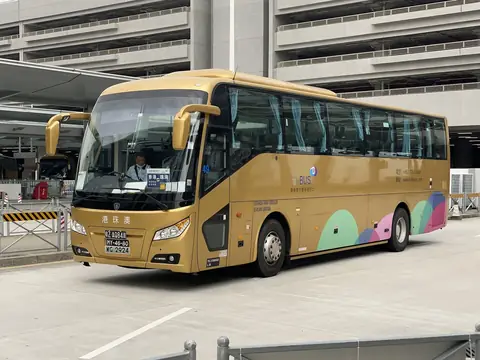
Macau entry requirements
Macau visa-free periods by passport, advance visas and arrival permits, passport validity, the arrival slip, cash declarations and returning to Hong Kong.
Read the guide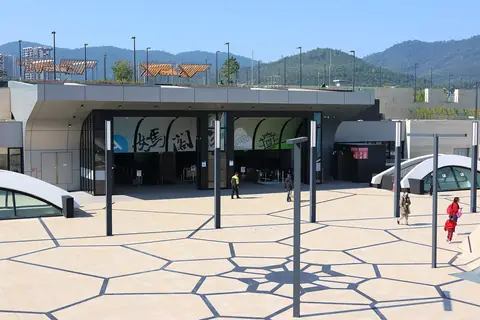
Getting around Macau
Choose buses, the LRT or taxis from Macau airport and ferry terminals, with cash fares, station payment rules and a one-night peninsula plan.
Read the guide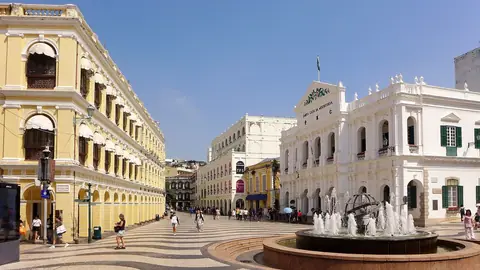
Where to stay in Macau
Choose a Macau base for heritage walks, Taipa dinners, Cotai resort facilities or a quiet Coloane stay, with a one-night peninsula plan and clear alternatives.
Read the guide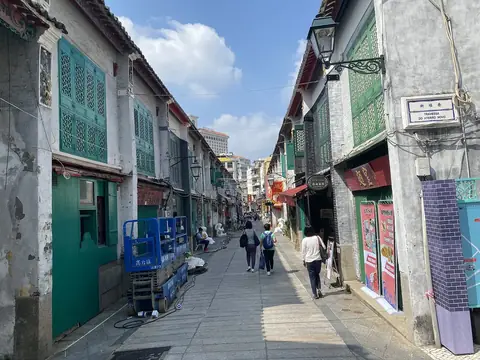
Best time to visit Macau
When to go to Macau: dry, mild October to December, the wet and humid months, typhoon season and Signal No. 8, Golden Week, the Grand Prix and the fireworks.
Read the guideSources and checks before you travel
(22)
- Macao Government Tourism Office: practical information ↗ — opens in a new tab
- Macao Government Tourism Office: local transportation ↗ — opens in a new tab
- Macao Government Tourism Office: travel tips ↗ — opens in a new tab
- Macao Government Tourism Office: Tourism Hotline ↗ — opens in a new tab
- Education and Youth Development Bureau: Study in Macao, life information ↗ — opens in a new tab
- UN Treasury: operational rates of exchange ↗ — opens in a new tab
- JETCO: cash withdrawal around the world ↗ — opens in a new tab
- JETCO: cash withdrawal in Hong Kong and Macau ↗ — opens in a new tab
- Visa: what you should know about dynamic currency conversion ↗ — opens in a new tab
- Macau International Airport: banking services ↗ — opens in a new tab
- Macau International Airport: banking services details ↗ — opens in a new tab
- Macao Post and Telecommunications (CTT): Macao Postal Savings money exchange ↗ — opens in a new tab
- Macao Light Rapid Transit: general tickets ↗ — opens in a new tab
- Macau Pass: card FAQs (in Chinese) ↗ — opens in a new tab
- Macao SAR Government Portal: tourism tax ↗ — opens in a new tab
- Financial Services Bureau: taxes and duties ↗ — opens in a new tab
- Government Information Bureau: Consumer Council survey of restaurant charges (26 November 2016) ↗ — opens in a new tab
- German Foreign Office (Auswärtiges Amt): Macau travel and safety advice (in German) ↗ — opens in a new tab
- UK Foreign Office: Macao safety and security ↗ — opens in a new tab
- Consulate General of France in Hong Kong and Macao: living in or visiting Hong Kong and Macao (in French) ↗ — opens in a new tab
- Macao Transport Bureau (DSAT): HZMB port shuttle bus (in Chinese) ↗ — opens in a new tab
- Cotai Water Jet: Hong Kong-Macau (Taipa) schedule and fares ↗ — opens in a new tab
Reference sources for the version dated 8 November 2026. Confirm opening times, access, transport and conditions for your travel dates.
Photo credits
(6)
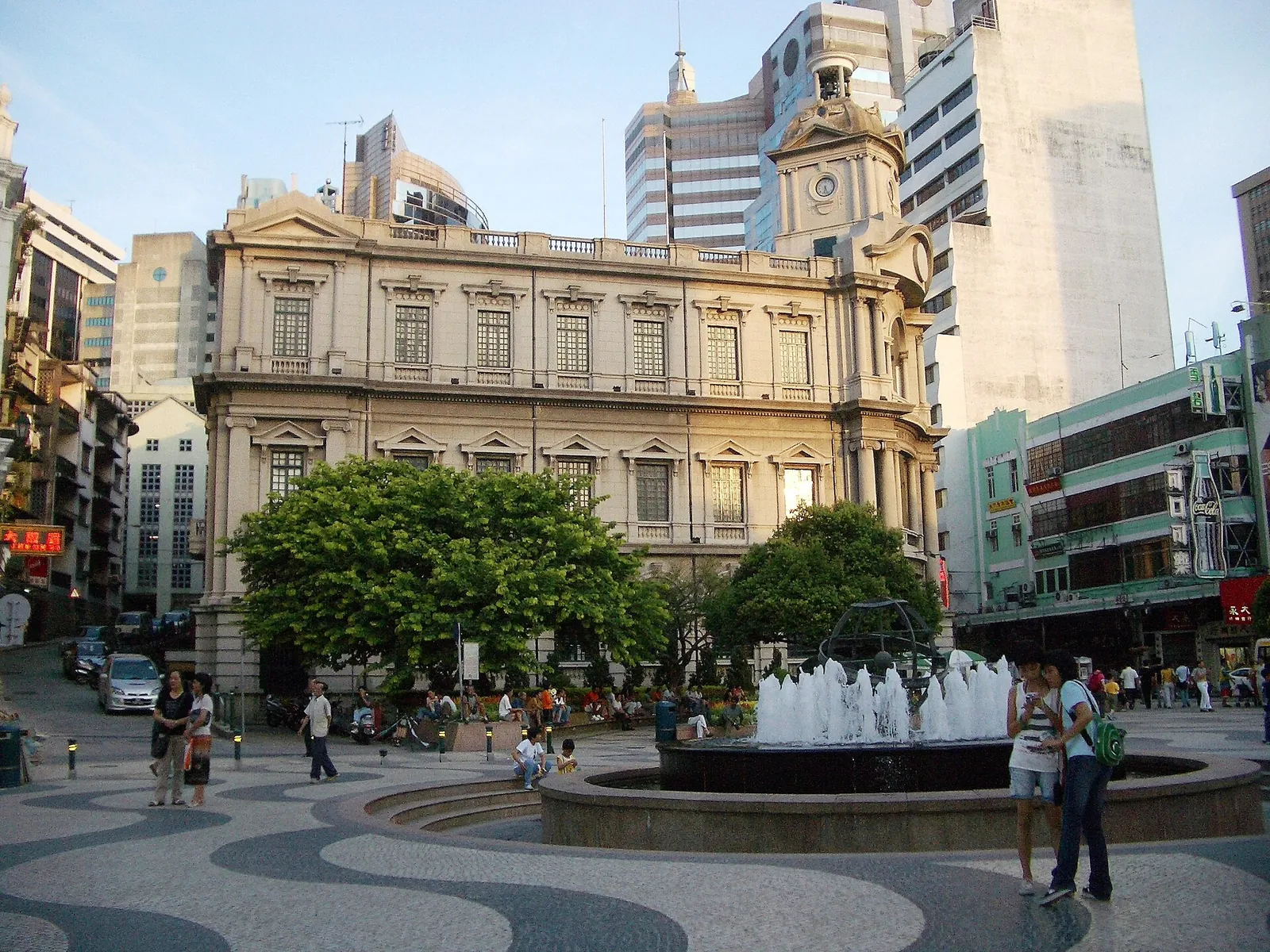
The General Post Office of Macau
Photograph: whhalbert — opens in a new tab · CC BY 2.5 — opens in a new tab
Changes: Resized and converted to WebP; displayed with responsive crops. · Original photograph and licence details ↗ — opens in a new tab
Fourth-generation Macau Pass cards in red and green
Photograph: Enviro2800 — opens in a new tab · CC BY-SA 4.0 — opens in a new tab
Changes: Resized and converted to WebP; displayed with responsive crops. · Original photograph and licence details ↗ — opens in a new tab
A Macau Pass panel on a vending machine that takes the card, MPay and Alipay
Photograph: Enviro2800 — opens in a new tab · CC BY-SA 4.0 — opens in a new tab
Changes: Resized and converted to WebP; displayed with responsive crops. · Original photograph and licence details ↗ — opens in a new tab
A 5-pataca coin from 2007, front and back
Photograph: J. Patrick Fischer — opens in a new tab · CC BY-SA 3.0 — opens in a new tab
Changes: Resized and converted to WebP; displayed with responsive crops. · Original photograph and licence details ↗ — opens in a new tab
A bank branch and ATM in Coloane Village
Photograph: Mbssbs — opens in a new tab · CC BY-SA 4.0 — opens in a new tab
Changes: Resized and converted to WebP; displayed with responsive crops. · Original photograph and licence details ↗ — opens in a new tab
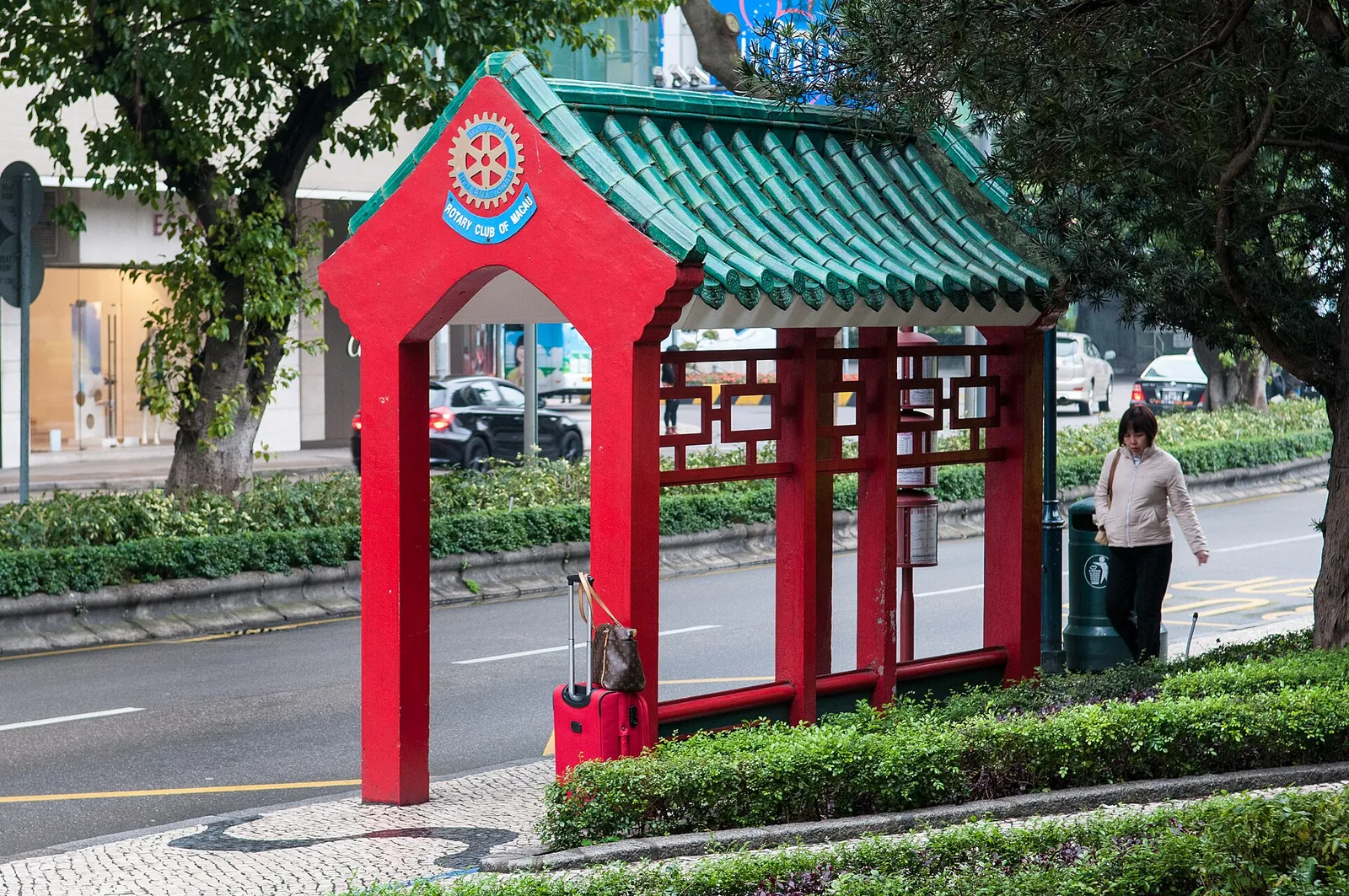
A bus stop shelter in Macau
Photograph: Michal Osmenda from Brussels, Belgium — opens in a new tab · CC BY 2.0 — opens in a new tab
Changes: Resized and converted to WebP; displayed with responsive crops. · Original photograph and licence details ↗ — opens in a new tab